
Atahualpa's Religion: How Inca Beliefs Influenced His Actions and Fate

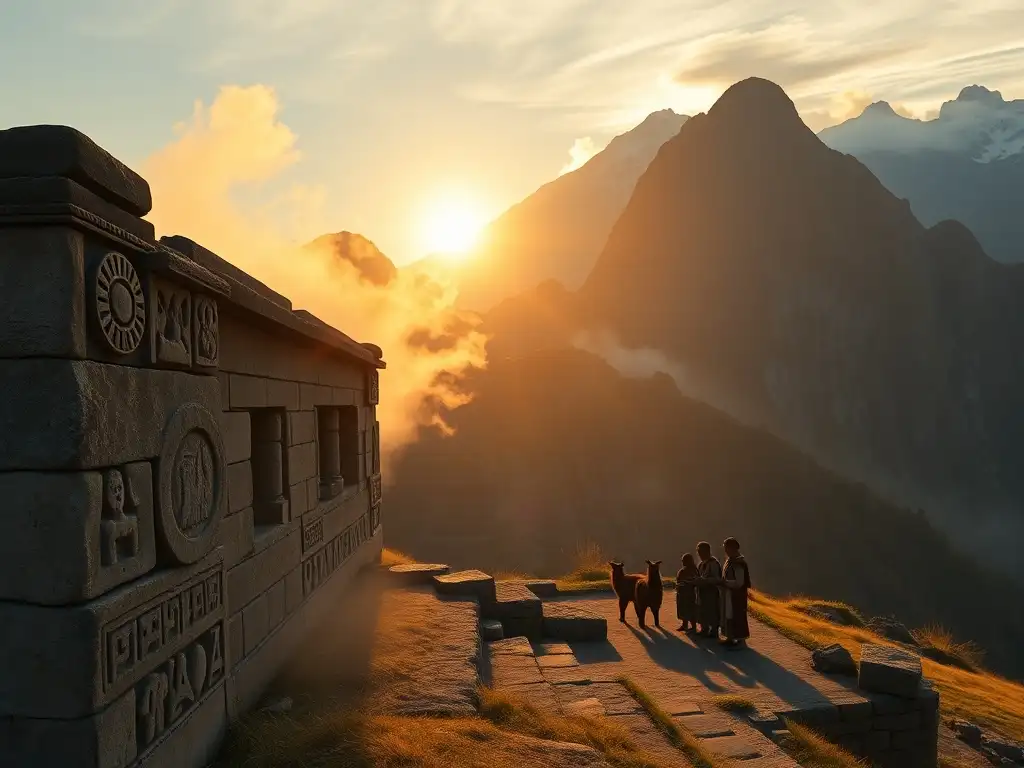
Step into a world lost to time, yet echoing with power and mystery. Imagine the towering Andes, cradling civilizations that defied the elements and built empires of breathtaking scale. This is the realm of the Andean civilizations, where the echoes of Inca, Moche, Nazca, and Tiahuanaco still resonate. But what truly fueled their rise and fall? Discover the fascinating story of Atahualpa Inca's religious beliefs and how they shaped his destiny in the face of the Spanish Conquest—a tale of faith, power, and ultimate sacrifice. Unravel the enigma... explore further.
The dramatic events surrounding the Spanish conquest of the Inca Empire are indelibly linked to the life and death of Atahualpa, the last Sapa Inca to rule a unified empire. Understanding Atahualpa's reign requires delving into the intricate web of Inca religious beliefs, which profoundly shaped his decisions, his worldview, and ultimately, his tragic fate.
This exploration will examine the core tenets of Inca religion, their influence on Atahualpa's actions leading up to the conquest, and how these beliefs may have contributed to the Inca's vulnerability to the Spanish conquistadors. We will analyze how his faith, steeped in ancestor veneration, cosmology, and the power of the Inca state religion, played a pivotal role in the tumultuous events of 1532 and beyond.
This analysis will illuminate not only Atahualpa's personal story but also offer insights into the broader cultural context of the Inca Empire's fall. The keyword "Atahualpa Inca religious beliefs" will be explored throughout this analysis, providing a comprehensive understanding of the subject.
The Core Tenets of Inca Religion: A Foundation for Understanding Atahualpa
Inca religion was deeply intertwined with the political and social structure of the empire. It wasn't a codified system with written scriptures, but rather a complex web of beliefs and practices centered around ancestor veneration, the worship of powerful deities like Inti (the sun god) and Viracocha (the creator god), and a profound respect for the natural world. The Sapa Inca, as the direct descendant of the sun god, held a central religious role, acting as a mediator between the divine and the human realm.
This divine connection imbued the Sapa Inca with immense authority and power, a legacy Atahualpa inherited. The Inca worldview was deeply cosmological; the mountains, rivers, and celestial bodies were all imbued with spiritual significance.
This cosmology manifested in elaborate rituals, sacrifices, and a profound understanding of the interconnectedness of all things. Understanding these fundamental tenets is crucial to grasping Atahualpa's actions and the choices he made during the Spanish conquest.
As Sapa Inca, Atahualpa inherited not only political power but also the immense religious responsibility of maintaining the cosmic balance. His actions were not merely political decisions; they were also acts of religious significance. The Inca religion placed a strong emphasis on maintaining mawk'a, a state of harmony and balance. Any disruption to this equilibrium, whether through natural disasters or human actions, was viewed with grave concern.
Atahualpa's religious beliefs, therefore, directly influenced his approach to governance and his interactions with other groups, including the Spanish. His decisions, even those seemingly political, were likely filtered through a lens of maintaining mawk'a and upholding his divine mandate. The weight of this religious responsibility likely played a significant role in his interactions with Pizarro.
The Influence of Inca Beliefs on Atahualpa's Actions During the Conquest
Atahualpa's initial encounters with the Spanish were marked by a mixture of curiosity and caution, likely shaped by his religious understanding of the world. [Specific accounts of Atahualpa's initial interactions with Pizarro pending]. His actions, or lack thereof, in the face of the Spanish advance can be analyzed through the lens of Inca cosmology and belief in divine intervention. Did he underestimate the Spanish due to a belief in his own divinely ordained power?
Did his religious advisors misinterpret the events, leading to strategic errors? These questions highlight the complex interplay between religious belief and political decision-making in the context of the conquest. The lack of a unified response to the Spanish invasion could be partly attributed to the decentralized nature of religious authority within the Inca Empire.
The Role of Religion in Atahualpa's Capture and Execution
The events leading to Atahualpa's capture and subsequent execution are shrouded in controversy. However, his religious beliefs likely played a significant role in the unfolding events. [Specific details regarding Atahualpa's capture and execution pending].
The ultimate fate of Atahualpa serves as a tragic illustration of the clash between two vastly different worldviews. The Inca worldview, emphasizing the interconnectedness of the cosmos and the importance of maintaining mawk'a, was profoundly challenged and ultimately overwhelmed by the Spanish conquest, leading to the demise of the Inca Empire and its religious traditions. The story of Atahualpa underscores the crucial role of religious belief in shaping both individual actions and the course of history.
- The Core Tenets of Inca Religion: A Foundation for Understanding Atahualpa
- Atahualpa's Role as Sapa Inca and the Weight of Religious Authority
- The Influence of Inca Beliefs on Atahualpa's Actions During the Conquest
- The Role of Religion in Atahualpa's Capture and Execution
- What were Atahualpa's primary religious beliefs?
- How did Inti, the sun god, impact Atahualpa's reign?
- What role did ancestor veneration play in Atahualpa's beliefs?
- Did Atahualpa's religious beliefs influence his interactions with the Spanish?
- How did the Spanish conquest affect the practice of Atahualpa's religious beliefs?
Understanding Inca Religion and its Significance for Atahualpa
Atahualpa's reign as Sapa Inca, the supreme ruler of the Inca Empire, was inextricably linked to his deeply held religious beliefs. Understanding the intricacies of Inca religion is crucial to comprehending his actions, his relationship with his subjects, and ultimately, his tragic fate at the hands of Francisco Pizarro.
The Inca worldview, a complex tapestry woven from cosmology, ancestor veneration, and a powerful solar cult, profoundly shaped Atahualpa's decisions, influencing his strategies, alliances, and ultimately his vulnerability to the Spanish conquistadors. His unwavering faith in the Inca pantheon and his adherence to traditional religious practices provided both strength and limitations in the face of the unprecedented challenge posed by the Spanish invasion.
The religious significance attributed to his role as Sapa Inca further solidified his position and, paradoxically, contributed to his downfall. The weight of religious expectation, the fear of divine displeasure, and the inherent power dynamics within the Inca religious system all played critical roles in the unfolding drama of the conquest.
The Core Tenets of Inca Cosmology: Hanan Pacha, Kay Pacha, and Uku Pacha
Inca cosmology divided the universe into three distinct realms: Hanan Pacha (the upper world), Kay Pacha (the earthly world), and Uku Pacha (the underworld). This tripartite structure permeated all aspects of Inca life, profoundly influencing their social organization, agricultural practices, and religious rituals. Hanan Pacha, the celestial realm, was home to the sun god Inti, the moon goddess Mama Killa, and other celestial deities. It represented order, power, and divine authority, directly connected to the Inca royal lineage.
Kay Pacha, the earthly realm, was where humans lived, interacting with the natural world and striving to maintain balance and harmony. Agricultural success and the well-being of the community were paramount in this realm. Finally, Uku Pacha, the underworld, was the realm of the ancestors, a place of both power and mystery. Ancestor veneration was a cornerstone of Inca religion, with mummified ancestors playing significant roles in political and religious affairs.
The Inca believed that maintaining a harmonious relationship between these three realms was essential for maintaining ayni, the principle of reciprocity and balance that governed their society. Atahualpa's understanding and adherence to this cosmological framework were central to his rule. His actions were guided by the need to maintain equilibrium between the realms, ensuring the continued prosperity and divine favor of the Inca Empire. The disruption of this balance, as seen in the arrival of the Spanish, likely contributed to Atahualpa's perceived inability to avert his own demise.
The Role of Inti, the Sun God, in Inca Society and Royal Lineage
Inti, the sun god, held paramount importance in Inca religion and society. He was considered the supreme deity, the father of the Inca emperors, and the source of all life and energy. The Inca royal lineage traced its ancestry directly back to Inti, legitimizing the emperor's authority and divine right to rule.
Atahualpa, as the Sapa Inca, was considered the direct descendant of Inti, a claim that reinforced his power and influence. The cult of Inti involved elaborate rituals, sacrifices, and festivals, designed to appease the sun god and ensure his continued favor. Temples dedicated to Inti were constructed throughout the empire, showcasing the deity's importance and the emperor's devotion.
The emperor played a crucial role in these rituals, acting as the intermediary between the divine and the human world. Atahualpa's adherence to these rituals, his participation in religious ceremonies, and his identification as the son of Inti were fundamental aspects of his kingship. His failure to effectively utilize the religious symbolism and power associated with his lineage arguably contributed to his inability to rally his people effectively against the Spanish.
Inca Beliefs About the Afterlife, Mummification, and Ancestor Veneration
Inca beliefs about the afterlife were intricately intertwined with ancestor veneration and mummification. The Inca did not believe in a singular heaven or hell, but rather in a continuation of life in the Uku Pacha, the underworld. Mummification played a crucial role in this process, preserving the bodies of deceased rulers and elite members of society. These mummies were not simply preserved remains; they were considered active participants in the affairs of the living.
They received offerings, were consulted for advice, and were believed to retain their power and influence even in death. Atahualpa's own fate was closely tied to these beliefs. The Spanish destruction of Inca religious sites and the desecration of mummies deeply disturbed the Inca social order, undermining the very foundation of their religious and political system.
The disruption of ancestral veneration, a crucial aspect of Inca social structure and power, significantly weakened Atahualpa’s position and contributed to his ultimate defeat. The Spanish disregard for Inca religious practices, therefore, proved to be a powerful weapon in their conquest. The systematic dismantling of the Inca religious system was a key factor in the collapse of the empire.
Atahualpa's Religious Upbringing and Practices

Atahualpa's religious beliefs were deeply ingrained from birth, shaped by the powerful Inca religious system and his position within the royal lineage. Understanding these beliefs is crucial to comprehending his actions, particularly during the Spanish Conquest. The Inca religion, centered around the worship of the sun god Inti, permeated all aspects of life, from agriculture to warfare. Atahualpa, as a Sapa Inca, inherited not only political power but also the immense responsibility of maintaining the cosmic order through adherence to intricate religious rituals and practices.
His faith wasn't a peripheral aspect of his life; it was integral to his identity and his rule. The intensity of his religious observance likely influenced his strategic decisions and ultimately shaped his response to the Spanish conquistadors. The very fabric of his worldview was woven with threads of Inca religious cosmology.
Atahualpa's Connection to the Inca Royal Lineage and the Cult of the Sun
Atahualpa's connection to the Inca royal lineage directly impacted his religious upbringing and practices. As the son of Huayna Capac, the previous Sapa Inca, Atahualpa was born into a life steeped in the veneration of Inti, the sun god. The Inca believed that the Sapa Inca was a direct descendant of the sun god, a divine intermediary between the celestial and terrestrial realms.
This belief placed an immense religious weight on Atahualpa's shoulders. The cult of the sun was not merely a set of beliefs; it was a complex system of rituals, ceremonies, and social structures that maintained the Inca empire's power and legitimacy. Atahualpa's participation in these rituals, from a young age, would have instilled in him a profound understanding of his role as a divine ruler, tasked with ensuring the sun's continued benevolence and the prosperity of the empire.
This divine right of kingship profoundly influenced his actions throughout his life, including his interactions with the Spanish. The weight of this celestial connection likely contributed to his unwavering belief in his own power and authority, even in the face of overwhelming odds.
The Inti Raymi Festival and Other Rituals Attended by Atahualpa
The Inti Raymi, or Festival of the Sun, was the most significant annual event in the Inca calendar. As the Sapa Inca, Atahualpa would have played a central role in this massive celebration, which involved elaborate sacrifices, processions, and feasts honoring Inti. The Inti Raymi was more than just a festival; it was a reaffirmation of the Inca worldview and the emperor's divine authority.
Historians and anthropologists have pieced together descriptions of this event based on surviving accounts and archaeological findings, painting a picture of a spectacular display of Inca power and piety. Atahualpa's participation in such a grand ceremony would have reinforced his belief in the divine order and his position within it. Beyond the Inti Raymi, Atahualpa would have regularly participated in other rituals, including those related to agriculture, warfare, and the appeasement of other deities within the Inca pantheon.
These rituals were not merely symbolic; they were believed to have tangible effects on the empire's well-being. The precise details of all the rituals Atahualpa attended remain somewhat elusive due to the destruction of Inca records by the Spanish, however, accounts suggest a rigorous schedule of religious observances.
Evidence of Atahualpa's Personal Devotion Through Temple Construction and Offerings
While direct evidence of Atahualpa's personal religious devotion is limited due to the destruction of many Inca records and temples by the Spanish conquistadors, some indirect evidence suggests a level of personal piety. The construction and maintenance of temples, especially those dedicated to Inti, were crucial aspects of Inca religious practice. While specific projects undertaken by Atahualpa himself are difficult to definitively attribute, the scale of temple construction during his reign suggests a continued commitment to the religious practices of his ancestors.
Furthermore, the practice of offering sacrifices – including precious metals, textiles, and even human lives – was integral to Inca religion. Although the exact nature and frequency of Atahualpa’s personal offerings are unknown, it's reasonable to assume that, given his status and the established religious practices, he would have participated in such rituals. The sheer volume of gold and silver offered as ransom during his captivity by Pizarro might be interpreted, in part, as a desperate attempt to appease the gods and ensure his survival, reflecting a deeply ingrained belief in the power of religious offerings.
Further research, perhaps through archaeological investigation of sites associated with Atahualpa's rule, could potentially uncover more specific evidence of his personal religious devotion. The existing evidence, however fragmented, strongly suggests a significant level of personal engagement with Inca religious practices.
How Inca Religious Beliefs Shaped Atahualpa's Political Decisions
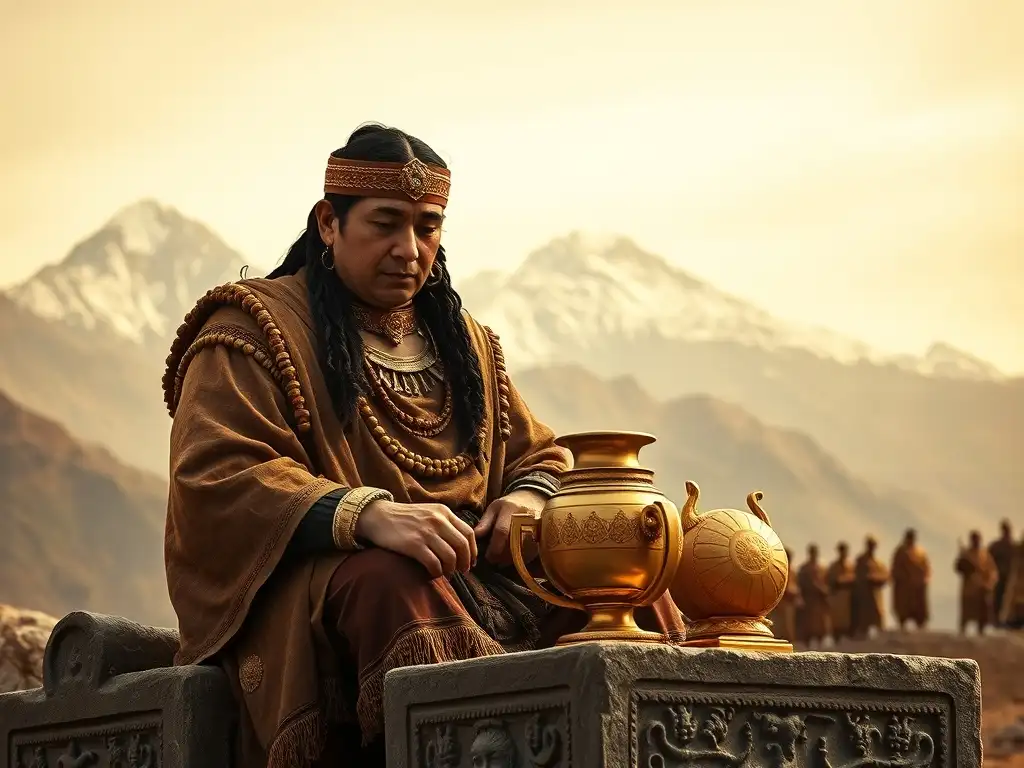
Inca religion wasn't merely a set of rituals; it was the very foundation of their societal structure and political power. Understanding Atahualpa's actions and ultimate fate requires a deep dive into the religious framework that governed his life and decisions. His reign, though short, was significantly impacted by his interpretation and application of Inca religious beliefs.
The concept of the Sapa Inca as a divine intermediary, the justification for imperial expansion, and Atahualpa's personal reliance on omens and divination all played critical roles. This section will explore these crucial aspects of Atahualpa’s worldview and its influence on his political choices.
The Divine Mandate of Sapa Inca and its Impact on Atahualpa’s Rule
The Sapa Inca, the emperor, wasn't merely a political leader; he was considered a direct descendant of the sun god, Inti, and thus possessed a divine mandate. This imbued his authority with an almost sacred legitimacy. Atahualpa, as the Sapa Inca, inherited this divine right to rule.
This wasn't simply a symbolic title; it profoundly impacted his governance and interactions with his subjects. His decisions were perceived as divinely ordained, influencing his policies on everything from tribute collection to military campaigns. The belief in his inherent divine authority solidified his power and fostered obedience among his people.
Challenging Atahualpa meant challenging the very will of the gods, a concept deeply ingrained in the Inca worldview. The weight of this divine mandate, however, also became a double-edged sword, as any perceived failure could be interpreted as a loss of divine favor, weakening his position. This inherent pressure likely influenced his strategic decisions, particularly in the face of the Spanish conquest.
Religious Justification for Inca Expansion, Tribute, and Control
Inca expansion wasn't simply driven by a thirst for power; it was religiously justified. The Inca believed they were divinely tasked with bringing order and prosperity to the conquered lands, spreading the worship of Inti and other deities. This belief provided a powerful ideological justification for their imperial ambitions.
Tribute, a cornerstone of the Inca empire, wasn't seen merely as taxation but as an offering to the gods, ensuring the continued favor and blessings of the divine realm. The vast network of roads and administrative structures wasn't just for efficient governance; it was also viewed as a sacred infrastructure, facilitating the flow of tribute and the propagation of Inca religious practices. Atahualpa inherited and continued this expansionist ideology, viewing his conquests as fulfilling a divine mandate.
This religious justification for imperial control and expansion significantly influenced his interactions with other Andean groups and, ultimately, his response to the Spanish. The Inca believed their dominion was divinely ordained, a belief that likely influenced his initial underestimation of the Spanish threat.
Atahualpa’s Interpretation of Omens, Dreams, and the Will of the Gods
Atahualpa, like other Inca rulers, relied heavily on divination and the interpretation of omens and dreams. These weren't mere superstitions; they were crucial tools for decision-making. Before embarking on significant military campaigns or enacting major policies, Atahualpa consulted priests and diviners, seeking guidance from the supernatural realm.
The interpretation of these omens and dreams directly influenced his strategic choices. While specific details regarding Atahualpa's reliance on omens before the encounter with Pizarro are scarce, it's highly probable that he sought divine counsel. His failure to accurately interpret – or perhaps his misinterpretation of – these signs could have contributed to his downfall.
The importance placed on divine guidance in Inca culture suggests that Atahualpa’s actions, including his response to the Spanish, were heavily influenced by his understanding of the divine will, as revealed through these methods. The lack of clear, positive omens regarding the Spanish might have contributed to his initial hesitant and ultimately disastrous response. Further research is needed to uncover more specific examples of Atahualpa’s use of divination.
The Clash of Cultures: Atahualpa's Religion vs. Spanish Catholicism
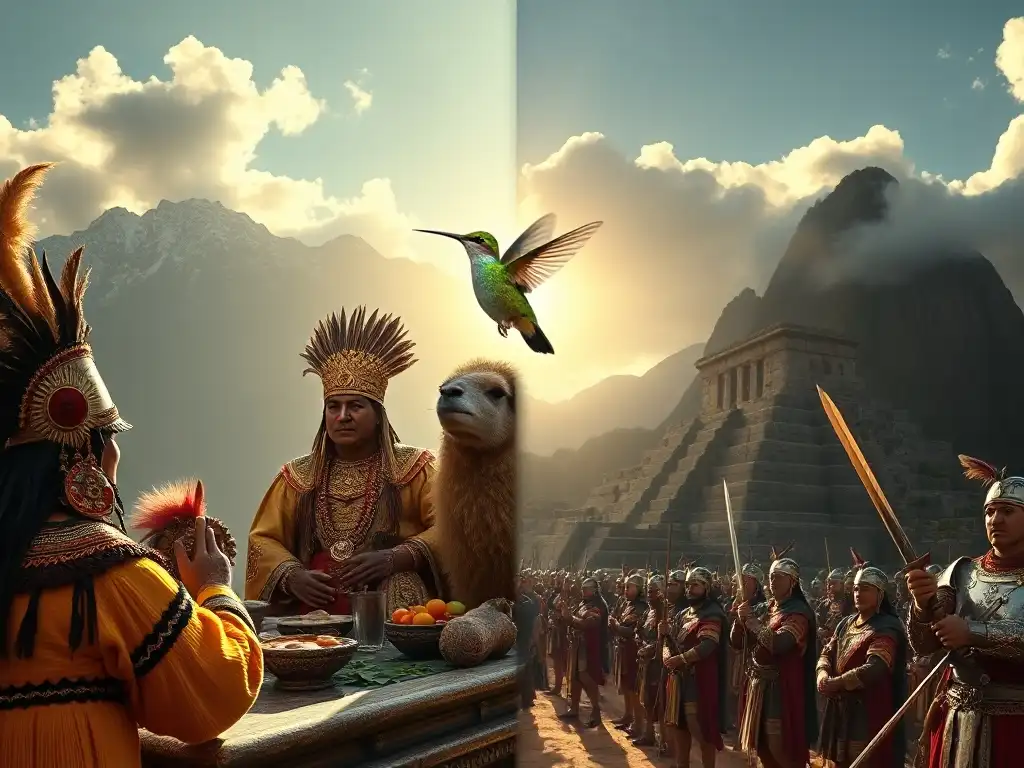
This section explores the critical role of religious differences in shaping the events surrounding Atahualpa's life and ultimately, his demise. Understanding Atahualpa's Inca religious beliefs is crucial to interpreting his actions and reactions during the Spanish conquest. The stark contrast between the Inca worldview and the fervent Catholicism of the Spanish conquistadors fueled misunderstandings, mistrust, and ultimately, violence.
The inherent incompatibility of these belief systems played a significant, often overlooked, part in the downfall of the Inca Empire. Analyzing Atahualpa's religious perspective allows us to move beyond a simplistic narrative of conquest and reveals a complex interplay of cultural and religious forces.
Atahualpa's Refusal to Accept the Requerimiento and Christian Baptism
The Requerimiento, a formal statement read by the Spanish conquistadors, demanded the Inca's submission to the Spanish crown and the Catholic faith. Atahualpa's refusal to comply stemmed not merely from political resistance but also from a deep-seated religious conviction. The Inca worldview, centered around the worship of the sun god Inti and a complex pantheon of deities, was fundamentally incompatible with the monotheistic beliefs of Christianity.
Atahualpa, as Sapa Inca, was considered a divine intermediary, a direct descendant of the sun god. To accept Christian baptism would have been to renounce his divine lineage and the very foundation of his authority. His refusal, therefore, was not simply a political act of defiance, but a profound statement of religious identity and unwavering adherence to Inca traditions.
The Spanish, blinded by their own religious zeal and thirst for conquest, failed to grasp the significance of this refusal, viewing it instead as an act of rebellion. This fundamental misunderstanding laid the groundwork for the escalating conflict.
The Religious Context of the Cajamarca Massacre and Capture of Atahualpa
The infamous massacre at Cajamarca wasn't merely a military ambush; it was a clash of civilizations fueled by religious animosity. The Spanish, convinced of their divinely ordained mission to convert the "infidels," saw Atahualpa and his followers as obstacles to this mission. The Inca, on the other hand, saw the Spanish as invaders threatening their sacred land and their way of life.
Atahualpa's initial attempts at peaceful diplomacy, perhaps influenced by his religious belief in maintaining harmony, were ultimately ineffective against the Spanish conquistadors' aggressive tactics and religious fervor. The sheer brutality of the massacre, with its disproportionate casualties among the Inca, can be partially attributed to the Spanish perception of Atahualpa as a "pagan" leader who needed to be subdued and converted by any means necessary.
The religious dimension of the encounter significantly escalated the violence and contributed to Atahualpa's capture. The event remains a stark example of how religious differences can lead to devastating consequences.
The Impact of Religious Differences on Atahualpa's Trial, Accusations of Idolatry, and Execution
Atahualpa's trial, orchestrated by the Spanish, was heavily influenced by religious biases. Accusations of idolatry and polytheism formed the cornerstone of the charges against him. The Spanish saw the Inca's religious practices as heretical and barbaric, failing to understand the intricate cosmology and spiritual significance of Inca rituals.
The Inca's sophisticated system of worship, with its elaborate ceremonies, temples, and offerings, was interpreted through the lens of Spanish Catholicism as evidence of devil worship. This misrepresentation allowed the Spanish to justify their actions and legitimize their claim to the Inca territory. Atahualpa's execution, therefore, was not just a political act but also a religious one, a culmination of the conflict between two irreconcilable belief systems.
The trial and subsequent execution highlight the devastating impact of religious intolerance and cultural misunderstandings during the Spanish conquest. The legacy of this clash continues to shape our understanding of the conquest and its lasting effects on Andean societies. The weight of Atahualpa's execution, fueled by religious differences, remains a powerful symbol of the violent consequences of cultural clashes.
The Legacy of Atahualpa's Inca Spiritual World
Atahualpa's reign, though tragically cut short, provides a crucial lens through which to examine the deeply ingrained religious beliefs of the Inca Empire. Understanding his faith is essential to comprehending his actions, his responses to the Spanish conquistadors, and ultimately, his fate. While historical records, largely written from a Spanish perspective, may be biased, they offer glimpses into the complex interplay between Inca religion and political power, particularly during Atahualpa's rule.
His religious beliefs weren't merely personal; they were inextricably linked to the legitimacy of his rule and the very fabric of Inca society. The Inca worldview, with its emphasis on ancestor veneration, the power of the huacas (sacred places and objects), and the divine authority of the Sapa Inca (emperor), profoundly shaped Atahualpa's decisions and his interactions with the Spanish. The sheer scale of the ransom he offered – a room filled with gold and silver – speaks volumes about the importance of religious appeasement within the Inca cosmology.
His belief in the power of these offerings to influence the supernatural realm, to possibly even appease the angered gods, tragically led to his demise. The legacy of Atahualpa's religious world extends far beyond his own life, influencing the subsequent history and cultural expressions of the Andean region.
The Persistence of Inca Religious Practices in the Andes After Atahualpa's Death
Despite the brutal impact of the Spanish conquest, Inca religious practices demonstrated remarkable resilience. While the Spanish actively sought to suppress indigenous beliefs, replacing them with Catholicism, elements of Inca spirituality persisted, often syncretized with Christian elements. This syncretism, a blending of cultures, resulted in hybrid religious expressions that continue to this day in the Andes.
The veneration of apus (mountain spirits), the use of coca leaves in rituals, and the celebration of Inti Raymi (the Inca festival of the sun) are examples of practices that survived the conquest, albeit often modified or hidden. The resilience of these practices indicates the deep-rooted nature of Inca religious beliefs and their enduring significance in the lives of the Andean people. Even after Atahualpa's execution, his spiritual legacy continued to influence the resistance movements and the clandestine maintenance of Inca traditions.
The continued existence of these practices serves as a testament to the strength and adaptability of Inca spirituality in the face of overwhelming oppression. Further research into local Andean traditions is crucial to fully understand the long-term impact of Atahualpa's religious world.
Atahualpa as a Symbol of Inca Resistance and the Defense of their Religious Identity
Atahualpa's execution became a potent symbol of Inca resistance against Spanish colonial rule. His death wasn't simply the end of a life; it fueled a narrative of injustice and spurred further resistance movements. The Inca people saw his demise as an attack not only on their political sovereignty but also on their religious identity.
The Spanish destruction of Inca temples, the suppression of religious practices, and the imposition of Christianity were all perceived as assaults on the very core of Inca culture. Atahualpa's image, therefore, evolved into a powerful symbol representing the struggle for religious freedom and the preservation of indigenous heritage. His story became woven into the collective memory of the Andean people, inspiring generations to fight for their cultural survival.
The continued resistance to Spanish rule, often manifested in religious expressions and practices, underscores the profound impact of Atahualpa's legacy on the fight for cultural preservation. His story continues to resonate today, reminding us of the importance of cultural identity and the enduring strength of indigenous resistance.
Contemporary Perspectives on Atahualpa's Faith and its Influence on His Actions
Contemporary scholarship on Atahualpa's religious beliefs offers nuanced interpretations, moving beyond simplistic narratives of conquest and resistance. Historians now analyze Inca religious practices within a broader context, acknowledging the complexity of Inca society and the diverse interpretations of Inca spirituality. The study of primary sources, including surviving Inca texts and archaeological evidence, allows for a deeper understanding of Atahualpa's faith and its influence on his political decisions.
The reassessment of Spanish accounts, acknowledging their inherent biases, is crucial for a more accurate picture of Atahualpa's worldview. By understanding Atahualpa's religious context, we gain a more comprehensive perspective on his actions, his strategic choices, and his ultimate fate.
This contemporary approach recognizes the multiplicity of perspectives and avoids simplistic interpretations of Atahualpa's actions, offering a richer and more accurate understanding of the interplay between religion, politics, and conquest during the Spanish conquest of the Inca Empire. The ongoing research in this area is continuously enriching our understanding of Atahualpa's role in history and the profound influence of his religious beliefs.
Frequently Asked Questions
What were Atahualpa's primary religious beliefs?
Atahualpa, as the Sapa Inca, adhered to the official Inca religion. This polytheistic system centered on the worship of the sun god, Inti, and other deities associated with nature and ancestors. His faith deeply influenced his decisions and worldview.
How did Inti, the sun god, impact Atahualpa's reign?
Inti's worship was paramount; Atahualpa's legitimacy as Sapa Inca stemmed directly from his divine lineage and connection to the sun god. He likely saw his actions as divinely ordained and his authority as unquestionable.
What role did ancestor veneration play in Atahualpa's beliefs?
Ancestor veneration was crucial; Atahualpa revered his predecessors and sought their guidance. This belief system reinforced the importance of Inca traditions and the continuity of power within the imperial line.
Did Atahualpa's religious beliefs influence his interactions with the Spanish?
His religious beliefs, while not directly causing his downfall, shaped his understanding of power and authority. His initial unwillingness to submit to the Spanish might have stemmed from his belief in his divinely ordained rule.
How did the Spanish conquest affect the practice of Atahualpa's religious beliefs?
The Spanish conquest led to the systematic suppression of Inca religion. The imposition of Christianity resulted in the destruction of temples and the persecution of traditional religious practices.
Final Reflection: The Enduring Legacy of Atahualpa's Faith
The interwoven tapestry of Atahualpa's religious beliefs and his political actions continues to resonate today, a stark reminder of how deeply faith can shape destiny and history. Understanding the intricacies of Inca cosmology, the significance of the sun god Inti, and the role of ritual in Atahualpa's reign offers a crucial lens through which to interpret his decisions, his triumphs, and ultimately, his tragic downfall. His story serves as a powerful case study in the complex interplay between religious conviction and political power.
The influence of Inca religion extends far beyond the historical narrative of Atahualpa; its echoes reverberate in the cultural landscape of modern-day South America. The enduring power of Andean spirituality, its resilience in the face of colonization, and its continued practice today are testaments to the depth and complexity of the beliefs that shaped Atahualpa's life. The past is never dead. It's not even past,
– William Faulkner. This quote perfectly encapsulates the ongoing relevance of understanding Atahualpa's faith, not just as a historical curiosity, but as a vital thread in the rich fabric of Andean identity.
Consider, for a moment, the impact of faith on your own life. How have your beliefs shaped your decisions, your relationships, and your understanding of the world? Atahualpa's story compels us to reflect on the profound influence of our own convictions, urging us to examine the ways in which our beliefs, however subtle or overt, guide our actions and ultimately, determine our path. Let Atahualpa's legacy inspire you to explore the power of faith, not just in the past, but in the present and future of your own life.
Uncover Your Inca Spirit Today!
Thank you for exploring the fascinating world of Atahualpa and the profound influence of Inca beliefs on his life and reign! We hope you gained valuable insights into this remarkable civilization. Now, let's delve even deeper!
Here are some ways you can continue your exploration:
- **Connect with others** who share your interest in Andean cultures by joining an online or in-person community. Share your thoughts and learn from others' perspectives on the Inca civilization.
- **Expand your knowledge** of ancient indigenous beliefs by exploring our comprehensive articles and recommended readings. Discover the richness of their history and traditions.
- **Share your newfound understanding** with friends and family. Discuss how different belief systems have shaped leadership and destiny throughout history, and consider how these concepts relate to modern situations.
What aspect of Inca spirituality captivates you most, and how do you believe it informs our understanding of leadership today? We'd love to hear your thoughts!