
Lost Cities of the Andes: Virtual Tours and Online Educational Experiences

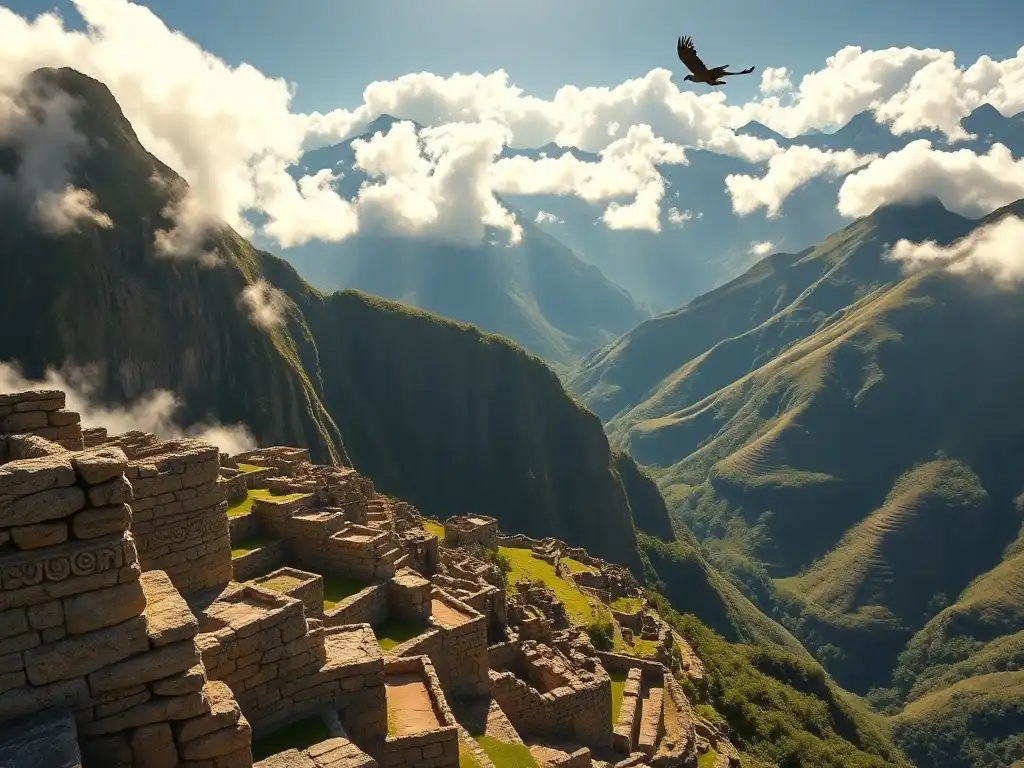
Step into a world lost to time, yet vibrantly preserved. Imagine trekking through the sacred valleys of the Andes, exploring the breathtaking ruins of the Incas, Moche, Nazca, and Tiahuanaco without ever leaving your chair. Andean Civilizations unveils the secrets of these magnificent empires, offering unparalleled access through immersive Andean civilizations virtual tours. Prepare to be amazed as you uncover the intricate artistry, advanced technology, and captivating stories of a civilization that continues to fascinate and inspire. Dare to explore... what mysteries await you?
The breathtaking Andes Mountains hold a captivating history, home to a rich tapestry of ancient civilizations that flourished for millennia. From the intricate artistry of the Nazca Lines to the sophisticated engineering of Machu Picchu, the legacy of these Andean cultures continues to fascinate and inspire. This article explores the burgeoning world of online educational experiences and virtual tours that allow you to delve into the mysteries of these lost cities without ever leaving your home.
We'll examine some of the best resources available, providing you with a comprehensive guide to experiencing the wonders of Andean civilizations through the digital realm. This is particularly beneficial for those who may not have the opportunity or resources for physical expeditions, offering an accessible and engaging alternative for learning about these fascinating cultures. Embark on this virtual journey and discover the magic of the Andes from the comfort of your own device!
The Best Online Experiences of Andean Ruins and Lost Cities
Exploring the ancient cities of the Andes has never been more accessible. Thanks to advancements in technology, high-quality virtual tours and interactive educational resources now bring the wonders of these lost civilizations to life on your computer screen. These experiences offer a unique blend of entertainment and education, allowing you to explore iconic sites like Machu Picchu, Ollantaytambo, and Sacsayhuamán in incredible detail.
Moreover, these virtual tours often incorporate interactive elements, historical context, and expert commentary, enriching the learning experience significantly. The immersive nature of these tours, coupled with the convenience of online access, makes them an ideal resource for students, history enthusiasts, and anyone curious about the incredible Andean heritage. Below, we highlight some of the best options available.
1. National Geographic Expeditions - Immersive 3D Andean Civilizations Virtual Tours
National Geographic, renowned for its commitment to exploration and education, offers a series of immersive 3D virtual tours focusing on various aspects of Andean civilizations. These tours often feature high-resolution imagery, detailed 360° views, and expert narration, providing a truly engaging and informative experience. They meticulously recreate the atmosphere of these ancient sites, allowing users to explore the ruins at their own pace and discover hidden details that might be missed during a physical visit.
The tours often incorporate interactive elements, such as clickable hotspots that provide additional information about specific artifacts or architectural features. This interactive approach enhances the learning experience, making it both fun and educational. The level of detail and accuracy is remarkable, making these virtual tours a valuable resource for anyone interested in learning more about Andean history and culture.
Key Features of National Geographic Andean Virtual Tours:
- High-resolution 3D models: Experience incredibly detailed recreations of Andean sites.
- 360° views: Explore each location from every angle.
- Expert narration: Learn from leading archaeologists and historians.
- Interactive elements: Clickable hotspots provide additional information and context.
- Multiple languages: [Specific language support pending]
- Accessibility features: [Specific accessibility features pending]
- 👩🏫 Engaging and educational content suitable for various age groups.
Pricing and Access:
The pricing model for National Geographic's virtual tours varies depending on the specific tour and access level. Some tours might be free, while others may require a subscription or a one-time purchase. Information regarding pricing and access options can usually be found on their official website. [Specific pricing information pending]
Why Choose National Geographic for Your Andean Virtual Tour?
National Geographic's reputation for accuracy and high-quality production makes their virtual tours a reliable and engaging resource. Their commitment to educational excellence ensures that the tours are not only visually stunning but also historically accurate and informative. The incorporation of interactive elements and expert commentary further enhances the learning experience, making it a valuable tool for both casual learners and serious students of Andean civilizations. The immersive nature of the tours allows for a deeper understanding and appreciation of these incredible ancient cultures. Choosing National Geographic for your virtual Andean adventure guarantees a high-quality, enriching, and memorable experience.
2. The British Museum Virtual Andean Civilization Exhibit and Educational Resources
The British Museum, a globally renowned institution, offers a rich online experience exploring Andean civilizations. While not a fully immersive "virtual tour" in the strictest sense, their digital collection provides unparalleled access to artifacts and scholarly interpretations, effectively bringing the Andes to your screen. They showcase a diverse range of objects, from intricate textiles and goldwork to monumental sculptures and pottery, representing various Andean cultures such as the Inca, Moche, and Nazca.
The museum's website features high-resolution images, detailed descriptions, and often includes videos providing expert commentary on the historical context and significance of each piece. This allows users to explore the artifacts at their own pace, zooming in on intricate details and learning about the techniques and symbolism employed by ancient Andean artisans. Furthermore, the museum often hosts online lectures and webinars featuring leading experts in Andean archaeology and history, enriching the learning experience beyond simple artifact observation.
These resources are carefully curated and presented, ensuring an engaging and educational experience for both casual learners and serious scholars. The online platform is user-friendly and designed to cater to diverse learning styles, offering a variety of approaches to exploring the vast collection.
Key Features of British Museum Online Exhibit:
- High-resolution images: Detailed photographs allow for close examination of artifacts.
- Expert commentary: Videos and written descriptions provide insightful context.
- Interactive elements: Some exhibits may include interactive features, allowing for exploration of different aspects of the collection.
- Regular updates: The online collection is continuously updated with new additions and resources.
- Accessibility features: The website is designed to be accessible to users with disabilities.
- Diverse cultural representation: The collection strives to represent the breadth and diversity of Andean cultures.
Pricing and Access:
Access to the British Museum's online collection is generally free. However, some special online events or lectures may require registration or a small fee. The core collection of images and descriptions is freely available to anyone with an internet connection, making it a valuable resource for anyone interested in learning about Andean civilizations. This accessibility makes the British Museum's online offering a standout resource for those seeking affordable and convenient access to high-quality information on Andean civilizations.
Why Choose the British Museum Virtual Exhibit?
The British Museum's virtual exhibit stands out due to its extensive collection, high-quality presentation, and commitment to scholarly accuracy. It provides a curated and comprehensive overview of Andean cultures, allowing users to explore a vast range of artifacts and interpretations. The accessibility and free nature of the online resources make it a particularly valuable resource for students, educators, and anyone with an interest in Andean history and archaeology.
The museum's reputation for scholarly rigor ensures the reliability of the information presented, making it a trustworthy source for learning about Andean civilizations. Choosing the British Museum's online resources ensures a high-quality, academically sound, and freely accessible learning experience.
3. Coursera's Andean History Online Courses with Virtual Field Trips
Coursera, a massive open online course (MOOC) platform, offers several courses focused on Andean history and archaeology. These courses often incorporate virtual field trips, providing students with a simulated experience of exploring archaeological sites and museums. These virtual tours are typically integrated within the broader course material, providing context and enriching the learning experience.
The courses often feature lectures from leading academics, interactive exercises, and opportunities for peer-to-peer learning. The combination of traditional lectures, readings, and immersive virtual experiences offers a holistic approach to understanding the complexities of Andean civilizations. Many courses include downloadable resources, further enhancing the learning experience and allowing for offline review.
Key Features of Coursera Courses:
- Structured learning: Courses follow a well-defined curriculum with clear learning objectives.
- Expert instructors: Courses are taught by leading academics in the field.
- Interactive elements: Courses often incorporate quizzes, assignments, and discussions.
- Virtual field trips: Simulated experiences of exploring Andean sites and museums.
- Community interaction: Opportunities to interact with other learners and instructors.
- Certificates of completion: Upon successful completion, students can earn certificates.
Pricing and Access:
Coursera offers a mix of free and paid courses. While some courses provide free access to course materials, including videos and readings, paid courses offer additional features such as graded assignments, certificates of completion, and access to instructor support. The pricing varies depending on the specific course and whether you opt for a certificate of completion. This allows for flexibility, catering to both those seeking casual learning and those pursuing formal qualifications.
Why Choose Coursera for Andean History Learning?
Coursera provides a structured and engaging learning environment for those interested in Andean history. The platform's flexibility, with both free and paid options, makes it accessible to a wide range of learners. The integration of virtual field trips offers an immersive learning experience that complements traditional lecture formats. Learning from renowned academics in the field ensures high-quality content and a reliable educational experience.
Furthermore, the opportunity to interact with other learners fosters a sense of community and promotes collaborative learning. The availability of certificates of completion can be beneficial for those seeking to enhance their professional credentials or academic portfolios. Coursera offers a compelling blend of accessibility, quality, and interactive learning, making it an ideal platform for exploring the rich history of Andean civilizations.
- The Best Online Experiences of Andean Ruins and Lost Cities
- 1. National Geographic Expeditions - Immersive 3D Andean Civilizations Virtual Tours
- 2. The British Museum Virtual Andean Civilization Exhibit and Educational Resources
- 3. Coursera's Andean History Online Courses with Virtual Field Trips
Maximizing Your Andean Civilizations Virtual Tour Experience
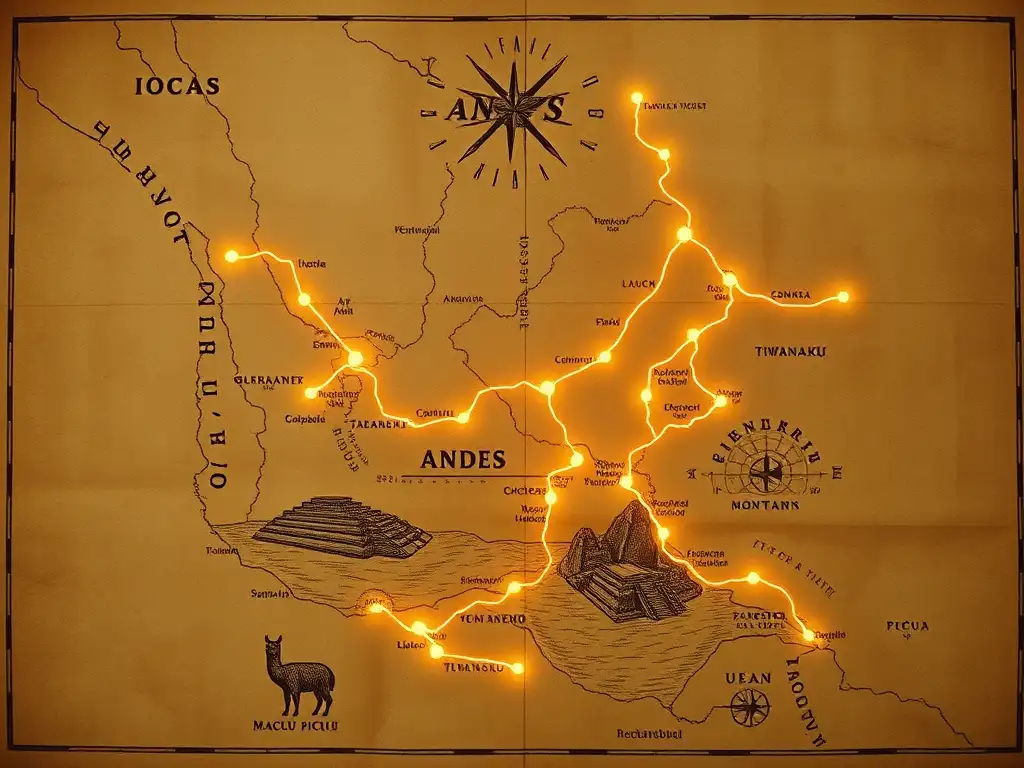
This section focuses on optimizing your engagement with online Andean civilizations virtual tours. By following these tips, you can transform a passive viewing experience into an active and enriching journey through time. We'll explore strategies to enhance your understanding and appreciation of these fascinating cultures.
Tips for an Enhanced Virtual Exploration
Before embarking on your virtual exploration of Andean civilizations, consider these tips to maximize your learning experience. Preparation is key to unlocking the full potential of these online resources.
First, research the specific civilization you plan to explore. Knowing something about the Incas, Moche, Nazca, or Tiahuanaco beforehand will greatly enhance your understanding of the artifacts, architecture, and landscapes presented in the virtual tour. Read up on their societal structures, religious beliefs, and technological advancements. Even a basic understanding will make the details within the virtual tour much more meaningful. Think of it as a pre-tour briefing!
Next, take notes. Just like a physical tour, taking notes during your virtual exploration will help you retain information. Focus on details that intrigue you – unique architectural features, intricate designs, or intriguing artifacts. Use a notebook or digital document to record these observations and any questions that arise. You can even create a small sketch of something that captures your imagination.
Furthermore, engage actively with the interactive elements. Many virtual tours offer interactive features such as 360° views, zoom capabilities, and even quizzes. Utilize these tools to explore the environment in detail. Click on every clickable object, rotate the view, and zoom in on intricate carvings or details. Don't just passively watch; actively participate in the exploration!
Finally, consider the context. Remember that these virtual tours represent a reconstruction or interpretation of the past. While striving for accuracy, these digital representations may still leave out information or present interpretations that may evolve with new archaeological discoveries. Maintaining a critical perspective and seeking out diverse sources of information will enrich your understanding. Think of it as a starting point for further investigation, not the final word. The beauty of virtual tours is their ability to spark curiosity and lead to deeper engagement with Andean civilizations.
Further Learning Resources on Andean Cultures

Beyond virtual tours, a wealth of resources exists to deepen your understanding of Andean civilizations. These resources provide complementary learning experiences, expanding upon the visual aspects of virtual tours with detailed textual information and scholarly analysis.
Further Learning Resources on Andean Cultures
To further your exploration of Andean history and culture, consider these options:
- Academic Journals and Articles: Peer-reviewed journals focusing on archaeology, anthropology, and Andean studies provide detailed scholarly research on various aspects of these fascinating cultures. These resources offer in-depth analyses and interpretations of archaeological findings, providing a more nuanced perspective than often found in popular media. Look for keywords like "Andean archaeology," "Inca civilization," "Moche art," or "Nazca lines."
- Museum Websites and Online Collections: Many museums worldwide hold significant collections of Andean artifacts. Their websites often offer online exhibitions, virtual tours of their collections, and detailed information on individual artifacts. These resources provide a visual counterpart to the textual information found in academic articles, allowing you to see the actual objects that shaped these ancient societies. The quality and comprehensiveness of these digital resources vary greatly, so explore different museums to get a broader perspective.
- Documentary Films and Television Series: Numerous documentaries explore different facets of Andean civilizations, from their sophisticated agricultural techniques to their complex religious beliefs. These visual narratives often provide captivating insights into the lives of these ancient peoples. Look for documentaries produced by reputable institutions or organizations specializing in cultural heritage.
- Books and Monographs: A wealth of books and monographs delve into specific aspects of Andean civilizations, offering detailed analyses of their history, culture, and social structures. These resources provide a more in-depth understanding of specific topics, allowing for focused study on areas of particular interest. Consider books written by leading experts in the field.
By combining virtual tour experiences with these supplementary resources, you can build a comprehensive and dynamic understanding of Andean civilizations, creating a richer and more rewarding learning experience. Remember to always critically evaluate your sources and strive for a multi-faceted approach to your studies. Happy exploring!
Conclusion: Unlocking the Mysteries of Ancient Andean Civilizations Through Virtual Tours
This exploration of Andean civilizations virtual tours has highlighted the transformative potential of technology in bringing the rich history and culture of these remarkable societies to a global audience. We've journeyed through the digital landscapes of lost cities, examining how immersive experiences can bridge geographical divides and ignite a passion for learning. The accessibility offered by these virtual tours democratizes access to knowledge, allowing individuals worldwide to engage with Andean heritage in unprecedented ways.
No longer are these civilizations confined to dusty textbooks or distant museum exhibits; they are now readily available at our fingertips, waiting to be explored. The impact of this accessibility is profound, extending beyond mere entertainment to fostering a deeper understanding and appreciation for the ingenuity and complexity of Andean cultures.
Embrace the Future of Learning: Exploring Lost Cities from Your Home
The future of learning about Andean civilizations is undeniably intertwined with the expansion and refinement of virtual tour technology. Imagine future iterations incorporating:
- Enhanced Reality (XR) integration: Imagine walking through a virtual Machu Picchu, feeling the cool Andean air on your skin, and hearing the sounds of the ancient city come alive through advanced audio-visual technology. This level of immersion promises a far more engaging and memorable learning experience.
- Interactive elements and gamification: Future virtual tours could incorporate interactive elements like puzzles, quizzes, and challenges, transforming passive observation into active participation. This gamification approach could particularly benefit younger learners, making the learning process more fun and engaging.
- Personalized learning paths: Imagine a virtual tour that adapts to your individual learning style and pace, offering customized content and challenges based on your progress and interests. This personalized approach could cater to a wider range of learning preferences and abilities.
- Multilingual support and accessibility features: Expanding accessibility to include diverse languages and features for users with disabilities is crucial for ensuring that these resources are truly inclusive and beneficial to all. This means providing subtitles, audio descriptions, and alternative navigation methods.
The development of these features will not only enhance the educational value of Andean civilizations virtual tours but also contribute to a more inclusive and accessible learning environment for everyone, regardless of their location or background. The potential for fostering a global appreciation for Andean heritage through these technological advancements is immense. The journey into the past is no longer limited by physical boundaries; it’s a click away, waiting to be explored. The future of learning about Andean civilizations is bright, immersive, and accessible, all thanks to the power of virtual tours.
The continued development and improvement of these virtual experiences will undoubtedly lead to a deeper understanding and appreciation of the fascinating world of Andean civilizations. The potential for discovery and learning is limitless. 🌎
Frequently Asked Questions
What are Andean civilizations?
Andean civilizations refer to the complex societies that developed in the Andes Mountains of South America. These include well-known cultures like the Inca, Moche, Nazca, and Tiahuanaco, each with unique characteristics. They left behind remarkable legacies in architecture, art, and engineering.
Are there virtual tours available for Andean sites?
Yes! Many websites and platforms now offer immersive virtual tours of significant Andean sites. These allow you to explore ancient cities and ruins from the comfort of your home, providing a unique educational experience.
What kind of online educational experiences are available?
You can find a range of resources, including interactive maps, 3D models of artifacts, and virtual museum exhibits focusing on Andean civilizations. These resources offer diverse learning opportunities for all ages.
How can I access these virtual tours and online experiences?
Many are freely available online through museum websites, educational platforms, and dedicated cultural heritage websites. Some might require registration or a subscription for premium content. A simple web search for "Andean civilizations virtual tours" will yield many results.
Why are virtual tours important for learning about Andean civilizations?
Virtual tours provide accessible and engaging learning experiences. They overcome geographical limitations, allowing anyone to explore these remarkable sites and learn about their rich history and culture. They also help preserve these fragile sites for future generations.
Final Reflection: Reimagining the Andes: Virtual Access and the Future of Heritage
The digital revolution has irrevocably changed how we access and understand the past, offering unprecedented opportunities to explore lost cities of the Andes and their rich history through immersive virtual tours. This accessibility democratizes knowledge, bridging geographical barriers and making these incredible sites available to a global audience who might otherwise never experience them.
The impact of these virtual experiences extends beyond simple tourism; they are powerful tools for education and cultural preservation. By bringing the intricacies of Andean civilizations to life through interactive 3D models and engaging narratives, we foster a deeper understanding and appreciation for these remarkable cultures. The past is never dead. It's not even past.
- William Faulkner. This quote rings particularly true when considering the enduring legacy of the Andes, now readily accessible through the lens of technology. The potential for future research and collaboration, facilitated by these virtual platforms, is immense, offering new avenues for uncovering and sharing knowledge.
Consider the implications of this readily available access. You, the reader, now hold the power to explore Machu Picchu from the comfort of your home, to wander the ruins of Chan Chan, or to delve into the intricate details of Inca architecture. Take this opportunity to engage with these lost cities, to learn from their stories, and to become a champion for their preservation. Let this virtual journey inspire you to learn more, to share your newfound knowledge, and to advocate for the responsible stewardship of our shared cultural heritage.
Unveil the Wonders of the Andes Today!
Thank you for joining us on this journey through the fascinating Lost Cities of the Andes! We hope you gained valuable insights and inspiration from the rich history and culture of these ancient civilizations. Now, let's explore these wonders further!
Here are a few exciting ways to deepen your connection with Andean heritage:
- Take a virtual tour of a lost city and immerse yourself in its history. Many options are available on our website!
- Share your favorite discoveries from this article with friends on social media—let's inspire others to learn about these incredible civilizations!
- Join our online community and connect with fellow enthusiasts to discuss your favorite aspects of Andean history.
What aspect of the Andean civilizations excites you most, and how will you continue to explore it?