
Inca Warfare and Military Tactics: Documentaries That Uncover Ancient Strategies

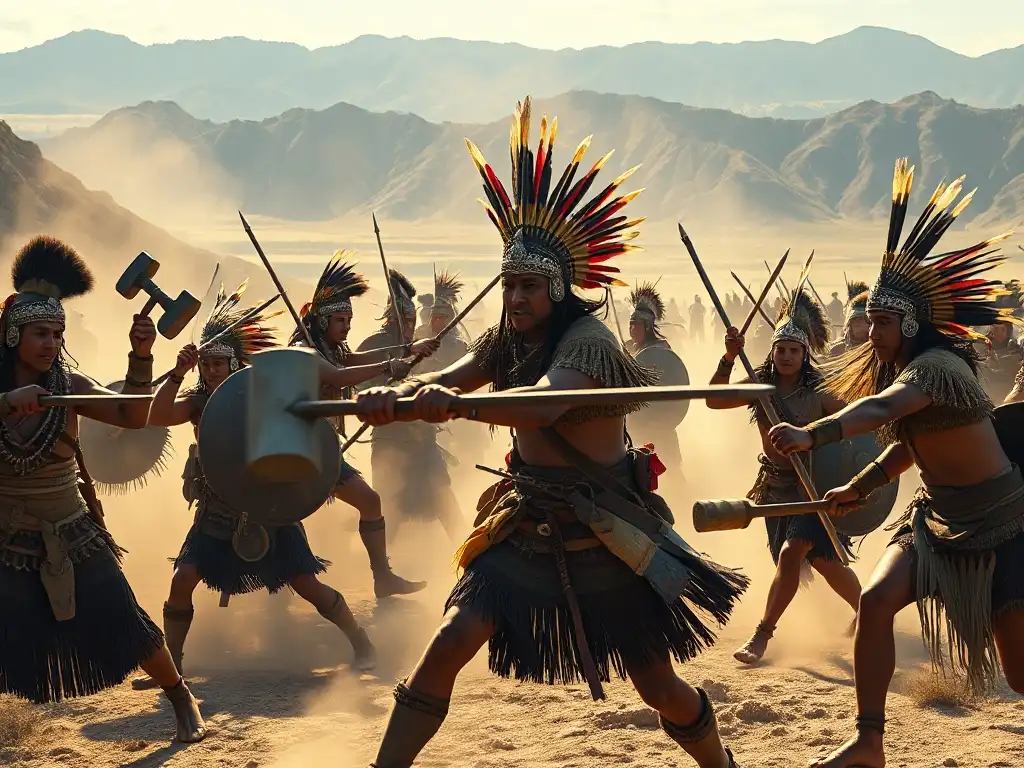
Uncover the mysteries of a lost world! Step into the heart of the Andes and witness the breathtaking legacy of ancient civilizations. From the intricate artistry of the Nazca to the sophisticated engineering of the Tiahuanaco, Andean Civilizations unveils a captivating tapestry of history and culture. But what truly propelled these empires to greatness? Prepare to be amazed as we delve into the Inca warfare documentaries that reveal the ingenious military strategies behind their rise to power. Discover the secrets of their conquests and unravel the thrilling narratives hidden within these ancient societies. Begin your journey now!
The Inca Empire, a civilization that flourished in the Andes Mountains from the 15th to the 16th century, wasn't just a marvel of engineering and agricultural innovation; it was also a formidable military power. Their success wasn't solely due to their vast territory or impressive infrastructure, but also to sophisticated warfare strategies and tactics honed over centuries. This article delves into the fascinating world of Inca military prowess, exploring how documentaries illuminate their advanced techniques, logistical brilliance, and the impact of their warfare on the Andean landscape and the societies they conquered.
We'll examine key aspects of Inca military organization, weaponry, and battlefield strategies, all while highlighting documentaries that bring this captivating history to life. Understanding Inca warfare provides a crucial perspective on their societal structure, political power, and lasting legacy in South America.
Prepare to be amazed by the strategic ingenuity of this remarkable civilization and the cinematic explorations that reveal their story. This exploration will focus on documentaries that offer compelling insights into Inca warfare, providing viewers with a deeper appreciation for their military achievements and the complexities of their empire.
Exploring the World of Inca Military History Through Film
Documentaries offer a unique window into the past, bringing to life the intricacies of Inca warfare in ways that written accounts sometimes cannot. These films often utilize archaeological findings, historical analysis, and expert interviews to paint a vivid picture of Inca military life. From the meticulous organization of their armies to the innovative strategies employed on the battlefield, documentaries can capture the scale and impact of Inca military campaigns.
They can showcase the diverse weaponry used, such as the macuahuitl (a wooden club studded with obsidian blades) and the bolas (throwing weapons), and demonstrate their effectiveness in combat. Moreover, documentaries often explore the social and political context of Inca warfare, revealing how military success influenced their expansion, control over resources, and overall societal structure. The best documentaries don't just present facts; they tell a compelling story, drawing viewers into the world of Inca warriors and their remarkable achievements.
They often utilize stunning visuals, including recreations of battles and explorations of significant archaeological sites, enhancing the viewer's understanding and appreciation. The availability of high-quality documentaries significantly improves access to this information, making Inca military history more accessible to a broader audience.
Key Aspects of Inca Warfare Highlighted in Documentaries
Several key elements of Inca warfare consistently appear in high-quality documentaries. These include:
- Military Organization: Documentaries frequently illustrate the hierarchical structure of the Inca army, highlighting the roles of different ranks and the importance of discipline and training. The use of conscription and the integration of conquered populations into the military are also commonly explored.
- Logistical Mastery: The Inca's ability to supply their armies across vast distances, often traversing challenging mountainous terrain, is a testament to their remarkable logistical capabilities. Documentaries often showcase the sophisticated network of roads, storehouses, and relay systems that facilitated these logistical feats.
- Weaponry and Tactics: Documentaries showcase the types of weapons employed by Inca warriors, their effectiveness in combat, and the strategic tactics used in battle. The use of surprise attacks, ambushes, and siege warfare are often discussed in detail.
- Impact on Society: The impact of warfare on Inca society, including its effects on social structures, resource allocation, and the lives of ordinary people, is frequently explored in documentaries. The role of warfare in consolidating power and expanding the empire is also a common theme.
- Psychological Warfare: Some documentaries even touch upon the use of psychological warfare by the Incas, including the strategic use of propaganda and intimidation to demoralize their enemies.
Finding the Best Inca Warfare Documentaries: A Curator's Perspective
Choosing the right documentary can be challenging given the volume of available content. To help, consider looking for films that emphasize rigorous historical research, expert interviews, and compelling storytelling. Look for documentaries that avoid sensationalism and instead focus on providing a balanced and nuanced understanding of Inca warfare.
High-quality productions often feature stunning visuals and engaging narratives, making the learning process both informative and enjoyable. Ideally, a well-made documentary will not only present facts but also evoke an emotional connection with the subject matter, allowing viewers to appreciate the complexity and significance of Inca military history. The best documentaries will leave you with a deeper appreciation for the ingenuity, resilience, and strategic brilliance of the Inca civilization.
- Exploring the World of Inca Military History Through Film
- Key Aspects of Inca Warfare Highlighted in Documentaries
- Finding the Best Inca Warfare Documentaries: A Curator's Perspective
Top Documentaries on Inca Military Strategies
This section explores some of the best documentaries that delve into the fascinating world of Inca warfare and military tactics, offering viewers a glimpse into the sophisticated strategies and organizational prowess of this remarkable civilization. These documentaries utilize a variety of approaches, from detailed analyses of specific battles to broader overviews of Inca expansionism, providing a comprehensive understanding of Inca military might.
Finding high-quality documentaries focusing specifically on Inca warfare can be challenging, so this selection aims to highlight those that offer the most insightful and engaging perspectives on this compelling subject. The keyword "Inca warfare documentaries" is crucial for researchers and enthusiasts alike, and these documentaries help meet the demand for accurate and accessible information.
"Inca Warriors: Masters of Conquest": A Deep Dive into Inca Armies
This documentary provides a compelling narrative of the Inca military, moving beyond simplistic portrayals of conquest to explore the intricate organization and strategic thinking behind their successes. The filmmakers skillfully blend historical accounts with archaeological evidence, creating a vivid picture of Inca military life.
Understanding the Inca Military Structure and Organization
The documentary effectively illustrates the hierarchical structure of the Inca army, highlighting the roles of different units and their specialized functions. It emphasizes the importance of the ayllu system – the communal organization of Inca society – in mobilizing and supplying the army. We see how this social structure translated into efficient logistics and unwavering loyalty, a key factor in their military success.
The documentary also sheds light on the training methods employed, showing how Inca warriors were prepared for both conventional and unconventional warfare. It highlights the use of rigorous physical training, alongside strategic exercises that simulated real-battle scenarios.
Key Battles Depicted: The Battle of Sacsayhuaman and its Strategic Significance
A significant portion of the documentary focuses on the Battle of Sacsayhuaman, a pivotal moment in Inca history. The filmmakers expertly reconstruct the battle, using stunning visuals and expert commentary to analyze the Inca's defensive strategies. The strategic use of the terrain, the construction of formidable fortifications, and the deployment of different troop types are all meticulously examined.
The documentary successfully demonstrates how the Incas leveraged their understanding of the landscape to achieve a decisive victory. This detailed analysis provides viewers with a deeper understanding of Inca tactical prowess, extending beyond simply recounting events to exploring the underlying strategic principles.
How this documentary portrays the Inca military's logistical capabilities
Beyond battlefield tactics, the documentary also explores the remarkable logistical capabilities of the Inca military. It highlights the sophisticated network of roads, storehouses, and communication systems that enabled the Inca army to move swiftly and efficiently across vast distances. The documentary effectively emphasizes the crucial role of chasquis, the Inca relay runners, in maintaining rapid communication across the empire.
The integration of these logistical elements into the overall military strategy is presented as a crucial factor in their success, painting a picture of a highly organized and well-supplied army, far beyond the typical portrayal of a purely aggressive force. The documentary also touches upon the innovative use of resources, including the effective mobilization of manpower and the strategic use of local supplies, showcasing a level of logistical sophistication uncommon in other ancient civilizations.
"The Inca Empire: Rise of a Military Power": A Historical Overview
This documentary takes a broader perspective, tracing the rise of the Inca Empire through the lens of its military achievements. It emphasizes the role of military expansion in consolidating Inca power and shaping the empire's political and social structures. The narrative is supported by archaeological findings and historical accounts, offering a balanced and informative overview of this complex historical process.
The Documentary's Approach to Inca Expansionism
Unlike some narratives that focus solely on conquest, this documentary explores the nuances of Inca expansionism. It highlights the various strategies employed by the Inca, from diplomacy and alliances to outright warfare, demonstrating the adaptability and pragmatism of their approach. The documentary analyzes how the Incas strategically integrated conquered populations into their empire, utilizing a blend of force and assimilation to secure their control. This approach avoids a simplistic view of Inca expansion as purely aggressive, revealing the complex interplay of political, economic, and military factors that shaped their growth.
Examining the weapons and armor of Inca soldiers: The Macana and its use
The documentary dedicates a substantial segment to analyzing the weaponry and armor of Inca soldiers. It provides detailed descriptions and analyses of various weapons, including the macana – a formidable club – and its effectiveness in close-quarters combat. The documentary also explores the use of slings, spears, and other projectile weapons, illustrating their strategic significance in different combat scenarios.
The analysis goes beyond mere descriptions, exploring the craftsmanship involved in creating these weapons and the materials used. It also highlights the strategic implications of different weapon types, showing how the Incas adapted their weaponry to suit various terrains and enemy types.
Exploring Inca military engineering and infrastructure in campaigns
A key feature of this documentary is its exploration of Inca military engineering and infrastructure. It showcases the impressive feats of engineering undertaken by the Incas to support their military campaigns, including the construction of roads, bridges, and fortifications. The documentary provides compelling examples of Inca ingenuity, showing how their engineering prowess facilitated rapid troop movements, efficient supply lines, and effective defense strategies.
This perspective enriches the narrative by highlighting the importance of infrastructure in facilitating Inca military expansion and control. The documentary underscores how military success was not solely dependent on brute force, but also on sophisticated planning and logistical capabilities.
Ancient Warfare: Inca Tactics Unveiled: Analyzing Military Formations
Inca warfare documentaries often highlight the sophisticated military strategies employed by the Inca Empire. One key aspect is their tactical formations, designed for both offensive and defensive maneuvers. The Inca army wasn't a disorganized mob; it was a highly disciplined fighting force, utilizing formations that maximized their strengths and minimized their weaknesses. Understanding these formations is crucial to appreciating the Inca's military prowess.
Their success wasn't solely dependent on numbers; it stemmed from strategic planning and execution on the battlefield. The documentaries often showcase reconstructions and analyses of these formations, bringing to life the movements and strategies employed by Inca warriors. This detailed approach reveals the effectiveness of Inca military planning and execution.
Detailed analysis of Inca combat formations: The Squad Formation and its effectiveness
Many documentaries delve into the specifics of Inca combat formations, focusing on the fundamental unit: the squad. This squad, typically comprising a small number of soldiers (perhaps 10-15, though specifics vary across documentaries), provided a flexible and adaptable unit. Its effectiveness stemmed from the close-knit cooperation and coordinated actions of its members. The squad formation allowed for rapid deployment, swift changes in tactics, and effective defense against larger forces.
The documentaries often use animated recreations to illustrate how these squads could quickly shift from a defensive circle to a spear-thrusting wedge, adapting to the enemy's movements and terrain. Evidence from archaeological sites, often shown in documentaries, supports the theory of highly organized and coordinated squad actions. The flexibility and adaptability of the squad formation are key takeaways from many documentaries on Inca warfare.
The role of Inca commanders and leadership in battle
The documentaries emphasize the critical role of Inca commanders in battle. These weren't simply individuals leading by force; they were skilled strategists who understood terrain, troop deployment, and enemy weaknesses. Their leadership extended beyond issuing orders; it involved inspiring troops, maintaining morale, and adapting strategies during the course of battle.
Many documentaries highlight the use of signals and communication systems, possibly involving intricate flags or messengers, to coordinate troop movements. The leadership structure, often depicted through artistic representations and archaeological findings shown in the documentaries, was hierarchical, with clear lines of command and responsibility, ensuring efficient coordination across the battlefield. The effectiveness of Inca leadership is a recurring theme, with documentaries often contrasting it with the sometimes chaotic command structures of their opponents.
Uncovering the Inca's approach to siege warfare and fortifications
Siege warfare was another area of Inca military expertise, often explored in documentaries. While the Inca army excelled in open battles, their understanding of siege tactics and fortifications was equally impressive. Documentaries often showcase the impressive Inca engineering skills in constructing fortifications, such as those found at Sacsayhuamán.
The strategic placement of these fortifications and the utilization of natural obstacles are emphasized. The documentaries analyze how the Inca used diverse siege techniques, including undermining walls, using catapults (although their use might be debated in some documentaries), and employing attrition warfare to wear down their enemies. The resilience of Inca fortifications and their ability to withstand sieges are key themes explored in these documentaries, underlining the sophistication of Inca military engineering.
Lost Worlds: The Inca Army: A Focus on Inca Military Logistics
Documentaries focusing on Inca military logistics reveal a fascinating aspect of their military success: their meticulous planning and execution of logistical support. This was crucial, especially for campaigns far from the capital. The efficiency of their logistical systems often determines the success or failure of military operations, a theme frequently highlighted in documentaries.
How this documentary showcases the Inca road system's importance to warfare
The Inca road system, famously extensive and well-maintained, is often a central feature of documentaries on Inca military logistics. The documentaries illustrate how this network of roads facilitated the rapid movement of troops, supplies, and messages across the vast empire. The strategic placement of tambos (roadside inns) along the routes, providing rest and supplies for soldiers and messengers, is emphasized. These documentaries often include stunning visuals of the road system, highlighting its engineering marvels and strategic importance for military operations. The impact of this infrastructure on the speed and efficiency of Inca military campaigns is a key takeaway.
Examining the Inca's supply chain and its impact on military campaigns
Documentaries also explore the intricate Inca supply chain, which ensured that troops in the field were adequately provisioned. This involved sophisticated systems of storage, transportation, and distribution. The use of qollqas (storehouses) for storing food and other supplies is frequently featured, along with analyses of the methods used for transporting these supplies across challenging terrain. Documentaries often use reconstructions and simulations to illustrate the efficiency of the Inca supply system and its impact on the duration and success of military campaigns. Understanding this logistical network is crucial to grasping the overall effectiveness of Inca military operations.
The role of Inca messengers and communication in military operations
The role of Inca messengers, or chasquis, is often highlighted in documentaries on Inca military logistics. These runners, using a relay system along the extensive road network, played a vital role in transmitting information quickly and efficiently across vast distances. Documentaries emphasize the speed and reliability of this communication system, which was essential for coordinating military operations, delivering supplies, and responding to changing battlefield situations.
The documentaries often juxtapose this efficient communication system with the slower, less reliable communication methods used by their adversaries, highlighting its crucial role in Inca military success. The efficiency and speed of communication played a critical role in the overall success of Inca military campaigns.
Why These Documentaries Are Essential for Understanding Inca Warfare
Documentaries offer a unique and compelling window into the past, particularly when exploring complex topics like Inca warfare. While written accounts provide valuable insights, visual media brings the subject to life in a way that text alone cannot. These documentaries, focusing specifically on Inca military strategies and tactics, are essential for several reasons.
They provide access to archaeological findings and expert analyses not readily available to the average reader, presenting intricate details about weaponry, fortifications, and battle formations. Furthermore, the use of high-quality visuals, such as recreations of Inca battles and analyses of artifacts, significantly enhances understanding and retention. The emotional impact of witnessing these reconstructions can also foster a deeper appreciation for the sophistication and ingenuity of Inca military organization.
Finally, many documentaries include interviews with leading historians and archaeologists, offering diverse perspectives and enriching our understanding of this crucial aspect of Inca civilization. The combination of visual storytelling and expert commentary makes these documentaries invaluable resources for anyone seeking a comprehensive understanding of Inca warfare. They bridge the gap between academic research and public understanding, making complex historical subjects accessible and engaging.
The Educational Value of Visual Learning About Inca Military History
Visual learning significantly improves comprehension and retention compared to reading alone. Documentaries on Inca warfare capitalize on this by presenting complex information in an engaging and accessible format. For example, seeing a reconstruction of a chasqui relaying urgent messages across the Andes vividly illustrates the importance of communication in Inca military strategy. Similarly, viewing close-up shots of Inca weaponry, like the macanas and bolas, allows viewers to appreciate their design and effectiveness.
The use of animation and 3D models can further clarify abstract concepts, such as the logistical challenges of moving large armies across mountainous terrain. Furthermore, the dynamic nature of documentaries, with their pacing and storytelling techniques, keeps viewers engaged and invested in the subject matter. This contrasts with the potential for passive reading, which can sometimes lead to decreased understanding and retention. The combination of high-quality visuals, expert narration, and compelling storytelling makes these documentaries an effective educational tool for understanding the intricacies of Inca military history.
They transform complex historical data into a readily digestible and memorable experience. This is particularly valuable for younger audiences or those new to the subject, offering an engaging introduction to a fascinating chapter of Andean history. The visual impact of seeing Inca warfare brought to life in this manner significantly enhances both comprehension and appreciation.
Understanding the Inca's Military Innovation and Adaptability
The Inca Empire's success stemmed, in part, from its innovative military strategies and remarkable adaptability. Documentaries dedicated to Inca warfare often highlight these aspects, exploring the unique challenges posed by the Andes' rugged terrain and the diverse cultures the Inca encountered. For instance, the Inca's mastery of mit'a, a system of labor rotation, allowed them to mobilize large numbers of soldiers while maintaining agricultural productivity. Documentaries can effectively illustrate the intricate organization required to sustain a vast army in such a demanding environment.
Moreover, they can showcase the Inca's capacity to adapt their tactics based on the enemy they faced. The use of different weaponry and strategies against coastal communities, for example, versus those in the highlands, demonstrates the Inca military's flexibility and sophistication. Analysis of Inca fortifications, such as those at Sacsayhuamán, reveals advanced engineering skills and a deep understanding of defensive strategies. Documentaries can provide detailed examinations of these structures, revealing the ingenuity of Inca military architects.
By combining archaeological evidence with expert commentary, these films effectively demonstrate the Inca's exceptional military prowess and their ability to overcome significant logistical and strategic challenges. The Inca's military success wasn't just about brute force; it was a result of carefully planned strategies, innovative technologies, and a remarkable ability to adapt to changing circumstances. This is a key insight that documentaries effectively communicate.
How These Films Enhance Our Knowledge of Inca Society and Culture
Inca warfare was deeply interwoven with their society and culture. Documentaries examining this aspect reveal crucial connections between military organization, social structures, and religious beliefs. For example, the role of the Sapa Inca as supreme military commander and religious leader is often explored, highlighting the close relationship between political power, military strength, and spiritual authority. Furthermore, documentaries can shed light on the social impact of warfare, including the mobilization of resources, the effects on civilian populations, and the treatment of prisoners of war.
The use of mit'a not only facilitated military campaigns but also played a crucial role in the construction of infrastructure and the maintenance of the empire's vast network of roads. These films often delve into the symbolic significance of Inca military practices, examining rituals, ceremonies, and the importance of military achievements in Inca mythology and ideology. This broader perspective helps viewers understand that Inca warfare wasn't simply a series of battles; it was a crucial element of their social, economic, and religious systems.
By placing military history within its broader cultural context, documentaries provide a richer and more nuanced understanding of Inca civilization. They illuminate the connections between military power and other aspects of Inca life, offering a holistic view that goes beyond just the battles themselves. This comprehensive approach is essential for a truly informed and appreciative understanding of Inca society.
Where to Watch These Inca Warfare Documentaries
This section explores the various avenues for accessing documentaries focusing on Inca warfare and military strategies. Finding reliable and engaging resources is crucial for understanding this fascinating aspect of Inca civilization. The availability of these documentaries varies depending on your geographical location and preferred method of viewing. We'll examine several options, from streaming services to purchasing physical copies. Remember, the specific titles available may change over time, so always check the latest catalogs.
Streaming Options: Amazon Prime Video and its Library of Historical Documentaries
Amazon Prime Video offers a surprisingly rich catalog of historical documentaries, and Inca civilization often features prominently. While the exact titles fluctuate, a dedicated search using keywords like "Inca warfare," "Inca empire," or "Inca military" will usually yield several relevant results. Many documentaries focus on broader aspects of Inca life, but often contain sections dedicated to their sophisticated military organization and tactics.
Look for documentaries that utilize archaeological evidence, expert interviews, and potentially even dramatic recreations to bring the subject to life. Pay attention to the documentary's release date and reviews to gauge its quality and accuracy. Some older documentaries may rely on outdated interpretations, so newer productions are generally preferable for the most up-to-date scholarship.
Utilizing the Amazon Prime Video search filters (e.g., by year, rating, genre) can significantly streamline your search for the perfect Inca warfare documentary. Remember to check the availability in your region, as content libraries vary geographically.
Purchasing Options: Amazon for physical copies of these films
For those who prefer owning physical copies of documentaries, Amazon also offers a wide selection of historical films on DVD or Blu-ray. This approach ensures access to the documentary regardless of streaming service subscriptions or internet availability. Searching for "Inca warfare documentary DVD" or similar terms will provide a list of available titles. When purchasing, pay close attention to the documentary's description to ascertain its focus.
Some might offer a broader overview of Inca civilization, while others might delve specifically into military campaigns, weaponry, or societal structures related to warfare. Reading customer reviews can provide valuable insights into the documentary's quality, accuracy, and overall presentation. Consider factors such as the use of high-quality footage, expert interviews, and clear narration when making your selection. The benefit of purchasing a physical copy is the permanence of access; you'll always have the documentary in your collection.
Exploring Educational Platforms for Access to Inca History Resources
Beyond commercial streaming and purchase options, several educational platforms may offer relevant documentaries or archival footage related to Inca warfare. These platforms often cater to academic audiences or educational institutions, potentially offering more in-depth analysis and scholarly perspectives. Many universities and colleges maintain online archives containing historical documentaries and academic lectures. While access may require a subscription or affiliation with an educational institution, these resources often provide unparalleled depth and accuracy.
Additionally, some online learning platforms specializing in history or archaeology might offer courses or modules that include relevant documentaries as supplementary materials. These educational resources can prove invaluable for those seeking a deeper, more scholarly understanding of Inca warfare and military strategies. Remember to always critically evaluate the source's credibility and bias when utilizing any educational resource. The use of primary source materials and expert commentary is a strong indicator of a reliable source.
Maximizing Your Learning Experience: Beyond the Documentaries
While documentaries offer a compelling visual introduction to Inca warfare, a truly comprehensive understanding requires venturing beyond the screen. Supplementing your viewing with other resources significantly enriches your knowledge and allows for a more nuanced appreciation of the Inca military machine. This section explores avenues to deepen your exploration of Inca warfare, moving beyond the captivating narratives presented in documentaries. The Inca's military prowess wasn't just about brute force; it was a sophisticated system built on strategy, logistics, and cultural beliefs. Understanding these elements requires a multi-faceted approach.
Recommended Books on Inca Military History and Tactics
Documentaries often present a simplified version of complex historical events. To delve deeper into the intricacies of Inca warfare, exploring scholarly books is crucial. These provide detailed analysis, primary source interpretations, and often challenge common misconceptions presented in more popular media.
Look for books focusing on specific aspects of Inca military organization, such as their weaponry, logistics, and the role of warfare in their societal structure. For instance, books focusing on the chasquis messenger system reveal the impressive logistical capabilities supporting their military campaigns. Other titles might detail the diverse weaponry employed by the Inca, from slings and clubs to more advanced projectile weapons.
A well-rounded reading list should also include works examining the Inca's strategic thinking, their understanding of terrain, and their ability to adapt their tactics to different enemies and environments. Remember to critically assess the author's perspective and methodology when reading any historical account. The study of Inca warfare, like any historical topic, is constantly evolving as new evidence emerges.
Combining Documentaries with Archaeological Research and Field Studies
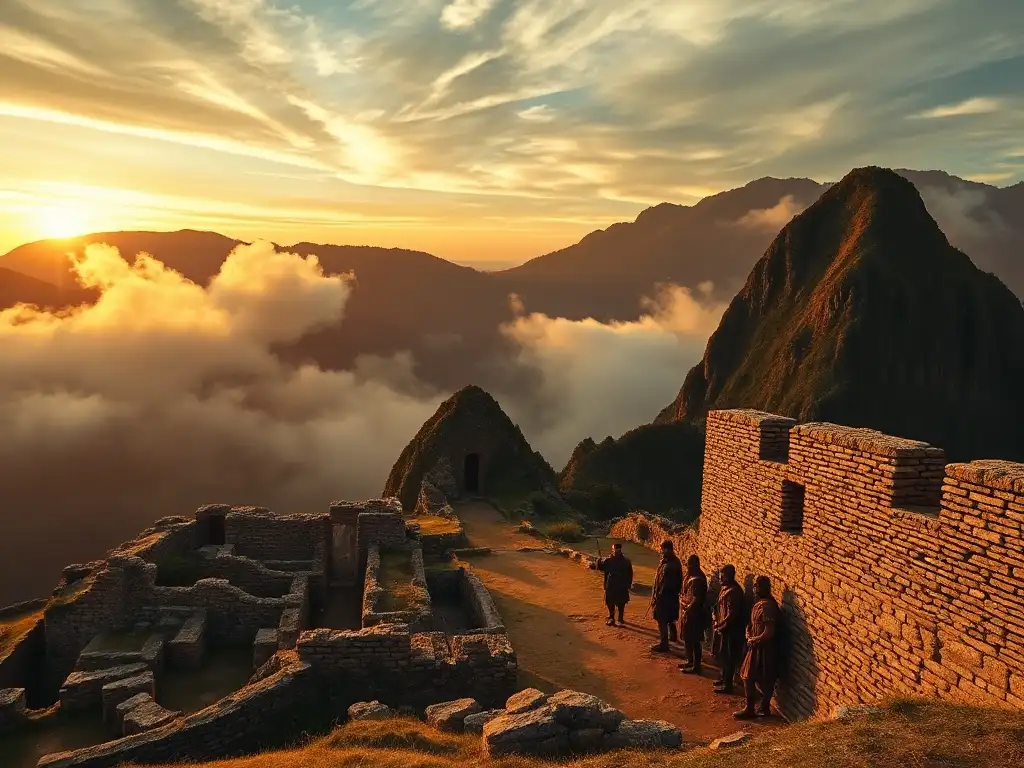
Archaeological discoveries continuously reshape our understanding of Inca civilization, including their military capabilities. To enhance your documentary viewing, research recent archaeological findings related to Inca warfare. Sites like Machu Picchu, Ollantaytambo, and Sacsayhuamán offer tangible evidence of Inca military engineering and fortifications. These sites, while often presented visually in documentaries, gain a new layer of meaning when you study the detailed archaeological reports and analyses. Consider exploring academic journals and publications that publish the findings of these excavations.
You might even discover insights into specific battles or campaigns, providing context that is often omitted from documentaries due to time constraints. Furthermore, if possible, consider visiting these sites yourself. Experiencing the scale and complexity of Inca fortifications firsthand vastly improves your understanding of their military capabilities. This direct engagement with the physical remnants of Inca warfare adds a tangible dimension to the information presented in documentaries.
Joining Online Communities to Discuss Inca Warfare and Military Strategies
Engaging with online communities dedicated to Andean history and archaeology can significantly enhance your learning experience. These communities, often comprised of academics, enthusiasts, and researchers, provide opportunities to discuss specific aspects of Inca warfare, debate interpretations, and share insights gained from documentaries and other resources. Participating in these discussions allows you to learn from others' perspectives, challenge your own assumptions, and gain a more holistic understanding of the subject. You can find these communities on various online forums, social media groups, and academic platforms.
The collaborative nature of these online spaces is invaluable for refining your understanding and addressing specific questions that might arise from watching Inca warfare documentaries. Remember to approach these discussions with an open mind and a willingness to learn from others, even if their perspectives differ from your own. The shared exploration of historical topics is a rewarding process, fostering deeper appreciation and critical thinking.
Frequently Asked Questions
What documentaries explore Inca warfare strategies?
Several documentaries delve into Inca warfare, showcasing their military organization, advanced weaponry, and conquest tactics. Search for titles focusing on Inca military history or Andean civilizations for the best results.
How effective was the Inca army in battle?
The Inca army was remarkably effective, due to its size, organization, and superior logistics. Their mastery of high-altitude warfare and ambush tactics gave them a significant advantage over many opponents.
What were the primary weapons used by Inca warriors?
Inca warriors primarily used clubs, spears, and slings. They also employed bows and arrows and, less commonly, metal weapons like maces and daggers.
What role did religion play in Inca warfare?
Religion played a crucial role, with religious rituals and beliefs influencing military strategies and bolstering warrior morale. Divine legitimacy was often cited to justify conquests.
Where can I find reliable information about Inca warfare beyond documentaries?
Academic journals, books on Andean history, and reputable museum websites offer in-depth analyses of Inca military practices and their historical context. Look for sources written by experts in Andean archaeology and history.
Final Reflection: Echoes of the Andes: Legacy of Inca Warfare
The sophisticated military strategies of the Inca Empire, once confined to dusty historical texts, are now vividly brought to life through the power of documentary filmmaking. These films not only illuminate the past but offer crucial insights into the complexities of power, resource management, and societal organization, themes that remain profoundly relevant in our interconnected world. Understanding the Inca's approach to conflict allows us to better analyze contemporary geopolitical landscapes and the enduring human struggle for dominance and survival.
The impact of Inca warfare extends far beyond the battlefield; it shaped the very fabric of Andean society, leaving an indelible mark on its culture, infrastructure, and social structures. The ingenuity of their logistical systems, their mastery of terrain, and their surprisingly humane treatment of conquered populations (at least initially) offer valuable lessons in both strategic planning and the ethical considerations of conflict. The Inca Empire was not built solely on conquest, but on a complex system of alliances, trade, and carefully managed resources.
This quote highlights the nuanced reality of Inca expansion, a reality often overlooked in simplified narratives of military dominance.
Consider the strategies employed by the Inca, their innovative engineering feats, and their understanding of psychological warfare. These weren't simply brute force tactics; they were the product of careful planning and a deep understanding of human nature. You, the reader, are now equipped with a deeper appreciation for the intricacies of Inca warfare.
Reflect on how these ancient strategies resonate with modern conflicts, and consider the enduring lessons they offer about leadership, resource management, and the enduring human quest for power. Let the echoes of the Andes inspire you to examine the complexities of conflict, both past and present, with a renewed sense of understanding and critical perspective.
Unveil the Secrets of Inca Warfare Today!
Thank you for exploring the fascinating world of Inca warfare and military tactics with us! We hope you've gained a deeper understanding of the innovative strategies that shaped one of history's greatest empires. Now, let's build on that knowledge!
Here are some exciting ways to continue your journey:
- Watch our recommended documentaries to see these tactics in action and deepen your understanding.
- Join our online community dedicated to Andean Civilizations to share your insights and ask questions about Inca warfare.
- Subscribe to our newsletter for updates on the latest research and documentaries about ancient civilizations.
What unexpected Inca military strategy could be relevant in today's world? Share your thoughts below!