
Beyond the Stone: New Insights into Andean Social Structures from Archaeological Evidence

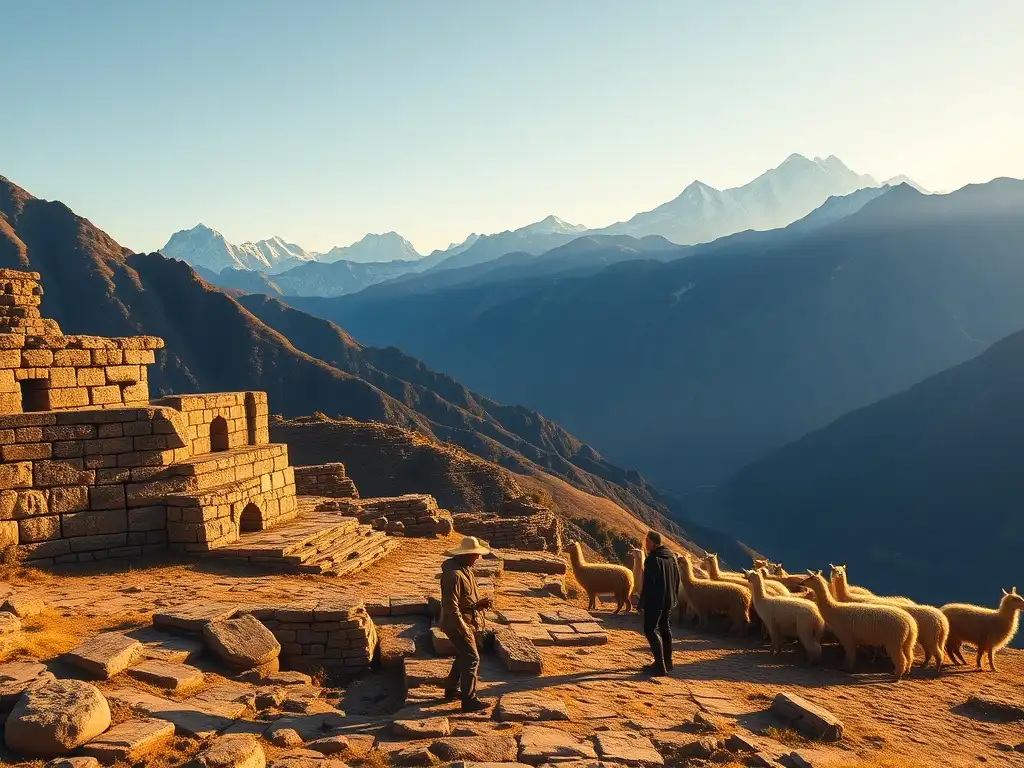
Uncover the mysteries hidden within the towering peaks and sprawling valleys of the Andes! Journey through time as we delve into the captivating world of Andean civilizations, exploring their remarkable achievements and complex societies. What secrets do the ancient ruins whisper about their intricate Andean civilizations social structures? Prepare to be amazed as we unveil new perspectives based on groundbreaking archaeological discoveries. Dare to explore the legacy of these fascinating cultures—your adventure begins now.
The Andes Mountains, a spine of towering peaks running down the western coast of South America, are not just a geographical feature; they are the cradle of some of the most fascinating and complex civilizations the world has ever known. For centuries, scholars have grappled with understanding the intricate social structures that underpinned the rise and fall of Andean empires like the Inca, Moche, Nazca, and Tiahuanaco. This article delves into the latest archaeological discoveries that are shedding new light on these societies, moving beyond simplistic narratives and revealing the nuanced complexities of Andean social organization.
We will explore how recent excavations and analyses of material culture, architectural patterns, and burial practices are rewriting our understanding of power dynamics, kinship systems, and daily life in these remarkable ancient societies. Understanding these social structures is crucial to grasping the ingenuity and resilience of Andean civilizations and their lasting legacy.
This exploration will focus on how archaeological evidence helps us move beyond simplistic interpretations of Andean social structures and uncover the intricate tapestry of their societies. The keyword "Andean civilizations social structures" will be explored throughout this article, highlighting the diverse approaches used by archaeologists to understand this complex topic.
Archaeological investigations have long been instrumental in revealing the hierarchical nature of Andean societies. Evidence from monumental architecture, such as the impressive stonework of Machu Picchu or the elaborate platforms of Chan Chan, clearly points to a stratified social system. The sheer scale of these projects suggests the existence of a powerful ruling elite capable of mobilizing vast labor forces.
Furthermore, the discovery of elaborate burial sites containing rich grave goods, including gold ornaments, ceramics, and textiles, indicates significant social differentiation. For example, the royal tombs of Sipán, containing the remains of Moche rulers adorned with exquisite artifacts, provide compelling evidence of a highly stratified society where power and wealth were concentrated in the hands of a few. However, recent research suggests a more nuanced picture.
Analysis of human remains reveals evidence of both elite and commoner diets, indicating that while social stratification was significant, access to resources was not entirely determined by social status. The study of skeletal remains also provides insight into health disparities, further illuminating the complexities of Andean social hierarchies. Careful examination of isotopic analysis of bone samples, for example, is providing valuable data on dietary differences between social classes, which helps to refine our understanding of the distribution of resources and the complexities of social mobility within these societies.
The Role of Material Culture in Understanding Andean Societies
Material culture – the objects created and used by Andean societies – offers a wealth of information about their social structures. Ceramics, textiles, and metalwork, often found in burial contexts or associated with specific architectural features, provide valuable clues about social status, kinship ties, and religious beliefs. The intricate iconography found on Moche pottery, for instance, depicts scenes of daily life, warfare, and religious rituals, offering insights into the values and beliefs that shaped Andean societies.
Similarly, the elaborate textiles discovered in Inca sites reveal sophisticated weaving techniques and stylistic variations that likely signified social rank and group affiliation. The analysis of these artifacts, combined with contextual information gleaned from their discovery locations, allows archaeologists to reconstruct aspects of Andean social life with increasing precision.
The intricate designs found on textiles, for example, may represent clan symbols or insignia denoting social standing, revealing a layer of social organization beyond simple hierarchical structures. Further research into the production and distribution of these artifacts is providing evidence for the existence of specialized craft workshops and trade networks, demonstrating the integration and interdependence of different groups within the broader Andean social landscape.
The layout and design of Andean settlements reveal much about their social organization. The carefully planned urban centers of the Inca, with their intricate networks of roads, storage facilities, and residential units, reflect a sophisticated system of administration and resource management. In contrast, the smaller, more dispersed settlements of earlier Andean cultures suggest different social structures, perhaps characterized by greater autonomy and less centralized control.
The analysis of architectural features, such as the size and location of dwellings, the presence of public spaces, and the distribution of resources, provides important clues about social stratification, kinship patterns, and the organization of daily life. For example, the presence of large, elaborately decorated structures in some settlements suggests the existence of a powerful elite, while smaller, less elaborate dwellings may indicate the presence of commoners or specialized craft groups. The study of agricultural terraces and irrigation systems, essential for Andean agriculture, reveals another layer of social organization, highlighting the collective effort required for resource management and the importance of cooperation within these societies.
Furthermore, the spatial arrangement of houses and public spaces can reveal kinship relationships and social interaction patterns within the community, providing a more nuanced understanding of the social fabric of Andean life. The ongoing research into these architectural patterns continues to provide valuable insights into the dynamic social structures that shaped these remarkable civilizations.
The intricate settlement patterns of Andean civilizations offer compelling insights into their social structures. Archaeological surveys reveal a spectrum of settlement types, ranging from small, dispersed hamlets to massive urban centers like Chan Chan (Chimú culture) and Cusco (Inca Empire). The size and complexity of these settlements directly correlate with the degree of social stratification and political organization. Larger, more centralized settlements often indicate a hierarchical society with specialized labor and a ruling elite.
For instance, the meticulously planned urban layout of Cusco, with its intricate network of streets and strategically placed palaces and temples, speaks volumes about the sophisticated Inca administrative system and the power concentrated in the hands of the Sapa Inca. Conversely, smaller, less organized settlements might suggest more egalitarian social structures, though even these can show subtle variations reflecting social differentiation within the community. Furthermore, the distribution of resources and infrastructure—like irrigation canals, storage facilities, and monumental architecture—within these settlements provides further clues about power dynamics and resource control.
Analyzing the spatial arrangement of dwellings, public spaces, and elite residences allows researchers to reconstruct the social hierarchy and understand how resources were allocated and controlled within Andean societies. The presence of specialized craft workshops or administrative buildings within a settlement further points towards the existence of specialized labor and a differentiated social structure. The study of settlement patterns, therefore, is crucial for understanding the dynamic interplay between social organization, economic production, and political power in the Andes.
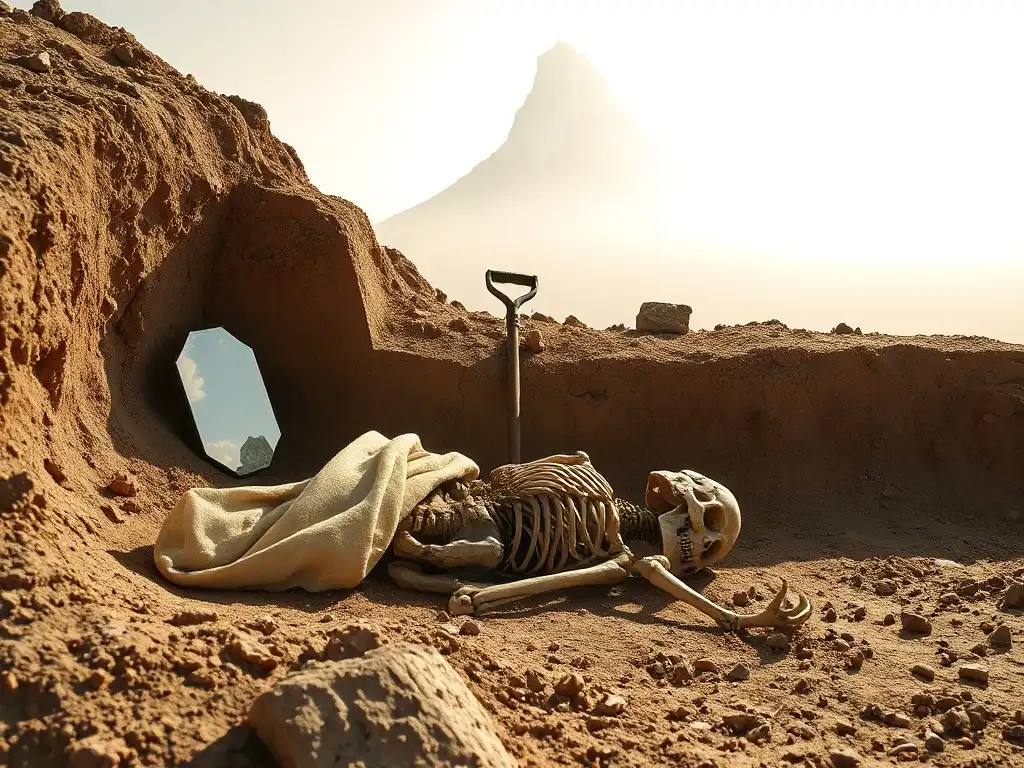
Burial practices in Andean cultures provide invaluable data for understanding social stratification. Grave goods, the position of the body, and the location of the burial site all offer clues about the individual's social status within the community. Elaborate burials containing gold artifacts, fine textiles, and other luxury items clearly indicate high social standing, often associated with elite members of society, priests, or rulers. For example, the royal tombs of the Moche culture, containing stunning examples of goldwork and elaborate funerary offerings, demonstrate the immense power and prestige held by their rulers.
In contrast, simpler burials with minimal grave goods suggest a lower social status. However, the interpretation of burial data is complex and requires careful consideration of regional variations and cultural practices. Some cultures might have distinct burial rituals that do not necessarily reflect a direct correlation between grave goods and social status.
Furthermore, the analysis of skeletal remains can provide additional information about diet, health, and lifestyle, offering further insights into social inequality and disparities in access to resources. Isotopic analysis of skeletal remains, for example, can reveal dietary differences between different social groups, highlighting inequalities in food distribution. Therefore, a multi-faceted approach, combining the analysis of grave goods, burial context, and skeletal remains, is necessary for a comprehensive understanding of social stratification through burial practices in Andean cultures.
The rich iconography and symbolism found in Andean art, textiles, and ceramics provide crucial insights into the social beliefs and worldviews that shaped their societies. Representations of deities, mythical creatures, and cosmological concepts reveal the importance of religion and ritual in Andean life. For example, the intricate depictions of the feline deity in Moche art suggest its prominent role in their religious beliefs and social structure.
The study of iconography also helps us understand the social roles and status of different individuals and groups within society. Certain symbols and motifs might be associated with specific social classes or lineages, providing valuable information about kinship structures and power dynamics. Furthermore, the analysis of textile designs, pottery styles, and other forms of artistic expression reveals the existence of specialized craftspeople and their crucial role in Andean societies.
The intricate weaving techniques and sophisticated designs found on Inca textiles, for example, demonstrate the high level of skill and expertise possessed by Andean artisans. The presence of specific motifs on textiles or pottery, such as representations of ruling elites or sacred symbols, can indicate the social function of these objects and their role in reinforcing social hierarchies. Therefore, by carefully examining the iconography and symbolism embedded in Andean artifacts, we can gain a deeper understanding of their complex social beliefs, power structures, and the role of art and craftsmanship in shaping their societies.
Labor Organization and Craft Specialization in Ancient Andean Communities
The intricate social structures of Andean civilizations were significantly shaped by sophisticated systems of labor organization and craft specialization. Archaeological evidence reveals a complex division of labor, extending beyond simple subsistence activities. For example, excavations at sites like Chan Chan, the capital of the Chimú kingdom, have unearthed extensive workshops dedicated to specific crafts, such as pottery, metalworking, and textile production. These workshops were often organized on a large scale, suggesting a hierarchical structure overseeing production and distribution.
The high quality and standardization of certain artifacts, like the meticulously crafted gold objects of the Moche culture, point to specialized training and a skilled workforce. This level of specialization implies a degree of social stratification, with certain individuals or groups holding specialized knowledge and skills that were highly valued within the society. The organization of these crafts, and the distribution of finished goods, likely involved complex networks of exchange and tribute, further highlighting the interconnectedness of Andean communities.
Furthermore, the presence of specialized burial goods in elite tombs suggests that skilled artisans held prestigious positions within the social hierarchy. The discovery of unfinished artifacts and tools in workshops provides insights into the training processes and the transmission of craft skills across generations. These findings underscore the importance of labor organization and craft specialization in maintaining the complex social and economic systems of the Andean civilizations.
The Andean civilizations' remarkable achievements were intrinsically linked to their innovative approaches to agriculture and resource management. The challenging geography of the Andes, characterized by steep slopes, diverse microclimates, and limited arable land, necessitated the development of sophisticated agricultural techniques. The creation of terraced fields, andenes, allowed for efficient cultivation on steep slopes, maximizing available land for food production. This engineering feat not only increased food output but also impacted social organization.
The construction and maintenance of andenes required collective labor, fostering cooperation and potentially solidifying social bonds within communities. Moreover, the management of water resources, through complex irrigation systems, further demonstrates the importance of collective action and social organization. The control of water, a crucial resource in the arid and semi-arid regions of the Andes, likely conferred significant power and influence on those responsible for its distribution. Archaeological evidence suggests that access to water and fertile land was directly linked to social status and power, influencing the distribution of wealth and resources within Andean societies.
The efficient management of agricultural production and resource allocation was vital for supporting large populations and maintaining social stability. Variations in agricultural practices and resource control across different Andean societies also reflect the diversity of social structures and power dynamics that characterized the region. The sophistication of Andean agricultural systems is a testament to their ability to adapt to challenging environments and highlights the pivotal role of agriculture in shaping their social structures.
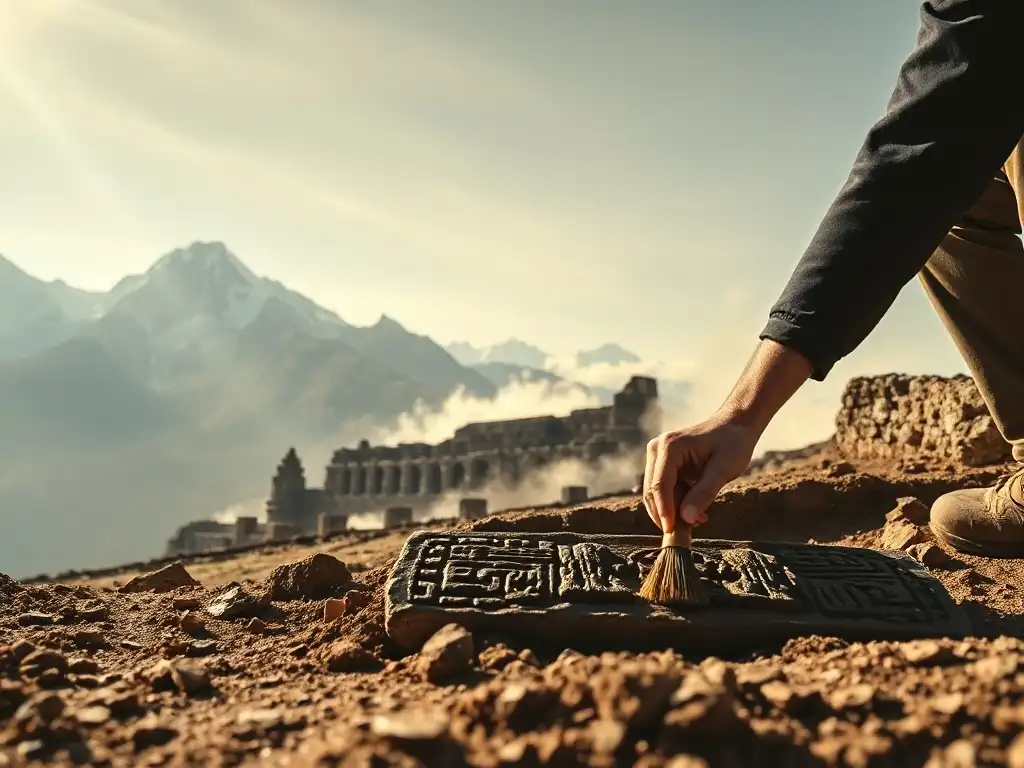
The dynamics of power and authority in pre-Columbian Andean societies varied considerably across different cultures and time periods. While some societies, such as the Inca, were characterized by highly centralized empires with powerful rulers, others exhibited more decentralized forms of governance. Archaeological evidence, including monumental architecture, elite burials, and iconography, helps illuminate the distribution of power. The massive stone structures of Tiahuanaco, for example, suggest a highly organized society capable of mobilizing large-scale labor forces, indicative of a centralized authority capable of directing resources and manpower. Similarly, the elaborate tombs of Moche rulers, filled with lavish grave goods, demonstrate the immense wealth and power concentrated in the hands of the elite.
However, the evidence also suggests that power was not always absolute or monolithic. In some societies, religious leaders held significant influence, while in others, local chiefs or clan leaders played important roles. The distribution of artifacts and settlements provides clues about the level of centralization and the extent of regional variation in power structures. The presence of regional variations in architectural styles and burial practices, for instance, may suggest a more decentralized political organization.
Furthermore, the study of iconography and symbolic representations provides insights into the ideologies that legitimized power and authority. Analyzing the imagery found on pottery, textiles, and other artifacts helps to understand the relationship between rulers and their subjects, and the ways in which power was expressed and maintained. Therefore, understanding the dynamics of power and authority in pre-Columbian Andean societies requires careful consideration of the diverse forms of political organization that existed across the region. The interplay of centralized and decentralized structures, and the influence of religious and political leaders, shaped the complex social hierarchies of these remarkable civilizations.
The study of Andean civilizations' social structures benefits immensely from focusing on specific archaeological sites. Analyzing these locations allows researchers to move beyond broad generalizations and delve into the nuances of daily life, power dynamics, and social organization within particular communities. For instance, the meticulous excavation and analysis of the Moche site of Huaca de la Luna and Huaca del Sol reveal a complex society with a highly stratified social hierarchy. Evidence of elaborate tombs containing rich grave goods, alongside simpler burials, clearly indicates a significant wealth disparity and a powerful elite class controlling resources and labor.
The intricate murals depicting warfare, rituals, and daily life offer further insights into social interactions and beliefs. Similarly, studies at the Nazca lines site, while initially focused on the enigmatic geoglyphs themselves, have increasingly illuminated the social organization necessary for such massive undertakings. The sophisticated water management systems discovered alongside the lines suggest a level of centralized planning and social cooperation previously underestimated. These systems, coupled with evidence of specialized craft production and large-scale agricultural practices, point to a complex social structure capable of mobilizing significant human and material resources.
Further research into the distribution of resources and the types of dwellings within the Nazca settlements will further refine our understanding of their social stratification. Careful analysis of artifacts, such as pottery styles and textiles, can also reveal subtle variations in social status and regional differences within Nazca society. The systematic comparison of various sites across the Andes is crucial for understanding the diversity and evolution of Andean social structures.
Andean civilizations, while sharing some broad similarities, exhibited significant diversity in their social structures. Comparing and contrasting these models is essential for a comprehensive understanding of the region's history. The Inca Empire, for example, is renowned for its highly centralized and hierarchical structure, with the Sapa Inca at its apex. This is evidenced by the extensive road network, administrative system, and standardized architecture found throughout the empire. However, the degree of local autonomy and the influence of pre-existing social structures within conquered territories remain areas of ongoing debate among researchers.
The Incas’ sophisticated system of mit’a, or labor service, is a prime example of how they integrated and utilized existing social frameworks. In contrast, the Moche civilization, with its strong emphasis on warfare and elite ritual practices, presented a different social model. Their social hierarchy, as evidenced by the opulent tombs at Huaca de la Luna and Huaca del Sol, may have been even more rigidly stratified than that of the Inca, with a sharp divide between the elite and the commoners. The Nazca, while possessing a complex social organization indicated by their engineering feats and craft production, seem to have been less centralized than either the Inca or the Moche.
The Tiahuanaco culture, known for its monumental architecture and urban planning, presents another fascinating case study. The scale of their constructions suggests a highly organized society capable of mobilizing massive labor forces, but the exact nature of their social hierarchy and political organization remains a subject of ongoing scholarly discussion. The varying emphasis on centralized authority, ritual practices, and economic specialization across these cultures highlights the complexity and diversity of Andean social structures. Further research focusing on the interaction and exchange between these cultures will shed more light on the evolution and adaptation of social models across the region.
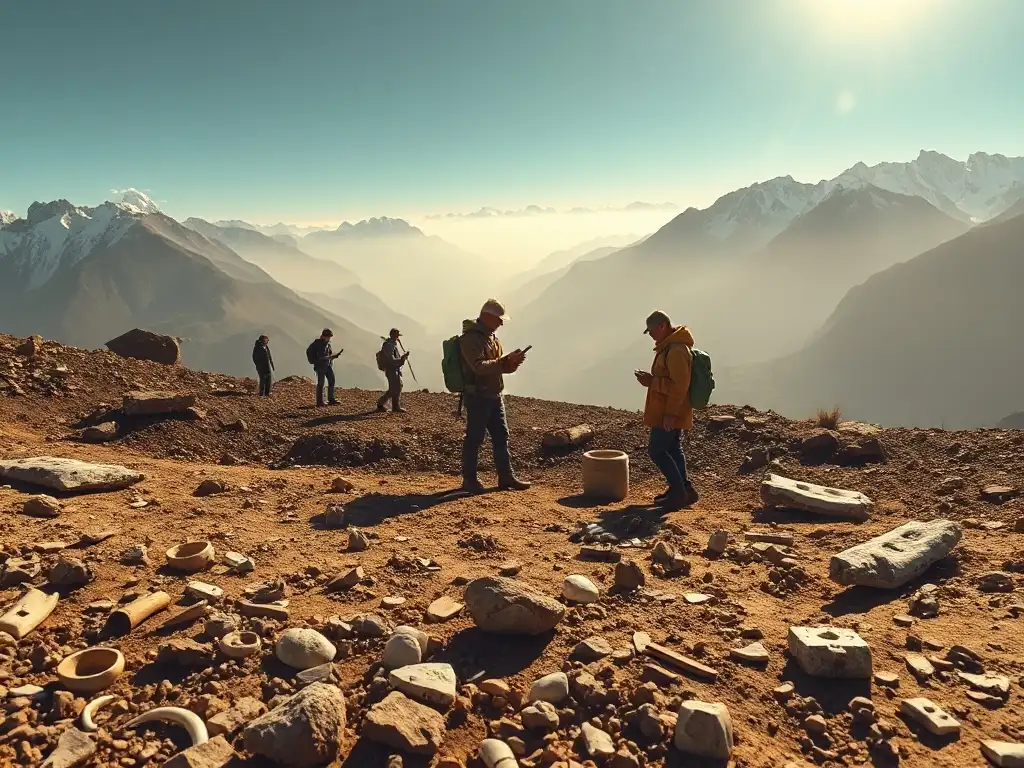
Recent archaeological discoveries continue to reshape our understanding of Andean social structures. New excavations at previously unexplored sites, coupled with advanced analytical techniques, are revealing unforeseen details about social organization, power dynamics, and daily life. For example, the discovery of previously unknown settlements associated with the Nazca culture has challenged existing assumptions about their population density and settlement patterns. Similarly, the application of isotopic analysis to human remains is providing new insights into diet, mobility, and social status within different Andean societies.
This research is helping to identify patterns of social mobility and inequality, as well as regional variations in social organization. Furthermore, the use of advanced imaging techniques, such as LiDAR, is revealing previously hidden features of Andean landscapes, such as irrigation systems, roads, and settlements. This data is proving crucial in understanding the scale and complexity of Andean social organizations and their relationship to their environment.
The ongoing excavation and analysis of sites across the Andes, combined with the development and application of new technologies, promise to revolutionize our understanding of Andean social structures. The integration of these new findings with existing knowledge will provide a more nuanced and comprehensive understanding of the rich tapestry of Andean societies and their complex interactions. This continuous refinement of our understanding highlights the dynamic and evolving nature of research in Andean archaeology and the ongoing need for interdisciplinary collaboration to fully interpret the social dynamics of these fascinating civilizations.
The study of Andean civilizations' social structures is a vibrant and evolving field. Future research will likely focus on several key areas. Firstly, advanced technologies like LiDAR (Light Detection and Ranging) and ground-penetrating radar will continue to revolutionize our understanding of settlement patterns and the spatial organization of Andean societies. These technologies allow for non-invasive surveys of vast areas, revealing previously hidden structures and offering insights into population density, agricultural practices, and the distribution of resources.
This will allow researchers to map entire regions with unprecedented detail, revealing complex patterns of interaction between settlements and providing a more nuanced understanding of regional power dynamics. For example, the application of LiDAR in the Amazon basin has already revealed extensive networks of pre-Columbian settlements, far exceeding previous estimations. This promises to fundamentally reshape our understanding of social organization in these regions.
Secondly, interdisciplinary approaches will be crucial. Combining archaeological data with anthropological studies, ethnohistorical accounts, and linguistic analysis will provide a more holistic picture of Andean social structures. For instance, comparing the spatial arrangement of settlements with linguistic data might reveal connections between language families and social organization. This integrated approach will move beyond simple interpretations of material culture to a more nuanced understanding of the complex interplay between social, political, and ideological factors. The study of ancient textiles, for example, can reveal not only technological proficiency but also intricate social hierarchies and kinship structures through their design and distribution.
Furthermore, a greater focus on marginalized communities and perspectives will enrich our understanding of Andean social structures. By incorporating the voices and perspectives of indigenous communities, researchers can challenge existing Eurocentric narratives and develop a more inclusive and accurate representation of the past. This includes engaging with descendants of Andean communities to foster collaborative research and ensure that interpretations are rooted in local knowledge and traditions.
The collaborative approach will bring about a more comprehensive perspective on Andean social structures, moving beyond the often limited scope of traditional archaeological methods. This is particularly important given the historical biases present in many existing interpretations.
Conclusion: A Deeper Understanding of Andean Civilizations Through Archaeology
Archaeological evidence continues to reshape our comprehension of Andean civilizations' social structures, moving beyond simplistic hierarchical models to reveal the complex interplay of factors shaping these societies. From the intricate irrigation systems of the Nazca to the monumental architecture of the Inca, archaeological discoveries constantly challenge and refine our understanding of social organization, power dynamics, and daily life in the Andes. The meticulous study of material culture, settlement patterns, and burial practices allows us to piece together a more nuanced and comprehensive picture of these fascinating societies.
The integration of advanced technologies and interdisciplinary approaches promises even greater breakthroughs in the future. By embracing collaborative research methods and incorporating diverse perspectives, we can move towards a more complete and accurate understanding of the rich tapestry of Andean civilizations and their lasting legacy. The ongoing research into Andean civilizations’ social structures promises to further illuminate the complexities of these ancient societies and their enduring influence on the world today.
The study of Andean social structures is not merely an academic pursuit but a vital endeavor to understand the human experience across time and cultures, providing valuable insights into the diverse ways humans have organized themselves throughout history. The future of this research is bright, promising to unveil even more fascinating details about these remarkable civilizations.
- Unveiling Andean Social Hierarchies Through Archaeology
- The Role of Material Culture in Understanding Andean Societies
- Analyzing Architectural Patterns and Social Organization in the Andes
- Settlement Patterns as Indicators of Andean Social Complexity
- Investigating Burial Practices and Social Status in Andean Cultures
- Decoding Iconography and Symbolism: Insights into Andean Social Beliefs
- Labor Organization and Craft Specialization in Ancient Andean Communities
- The Impact of Agriculture and Resource Management on Andean Social Structures
- The Dynamics of Power and Authority in Pre-Columbian Andean Societies
- Case Studies: Examining Specific Sites to Understand Andean Social Dynamics
- Comparing and Contrasting Social Models Across Different Andean Cultures
- Recent Archaeological Discoveries and Their Implications for Andean Social Studies
- The Future of Research on Andean Social Structures
- Conclusion: A Deeper Understanding of Andean Civilizations Through Archaeology
- What were the primary social structures of Andean civilizations?
- How did social status influence daily life in Andean communities?
- Did the social structures vary significantly between different Andean cultures?
- What role did religion play in shaping Andean social structures?
- What new insights have recent archaeological discoveries provided into Andean social structures?
Frequently Asked Questions
Andean societies were highly stratified, with a clear hierarchy. The elite held significant power and controlled resources, while commoners formed the majority of the population. Specialized labor also played a crucial role.
Social status significantly impacted access to resources, opportunities, and even burial practices. Elite burials often contained lavish goods, reflecting their privileged positions. Commoners' lives were dictated by their roles within the agricultural system or other community tasks.
Yes, while all Andean civilizations exhibited some form of social stratification, the specifics differed. The Inca Empire, for instance, had a highly centralized system, while earlier cultures like the Nazca might have had more decentralized power structures. Regional variations are also significant.
Religion played a vital role, legitimizing the power of the elite and influencing social norms. Religious leaders often held significant social standing, and rituals reinforced social hierarchies. Religious beliefs shaped aspects of daily life and influenced social organization.
Recent findings offer a more nuanced understanding of Andean social complexity. New excavation techniques reveal details about daily life, trade networks, and power dynamics, challenging earlier interpretations. These discoveries highlight the diversity and dynamism within Andean societies.
Final Reflection: Unraveling the Threads of Andean Society
The intricate social structures of the Andean civilizations continue to resonate today, offering invaluable lessons in societal organization, resilience, and adaptation. Understanding their complexities isn't merely an academic exercise; it's a crucial lens through which we can examine our own societal challenges and aspirations, learning from both successes and failures of civilizations that thrived for millennia. The sophisticated systems of reciprocity, hierarchical organization, and religious integration unearthed through archaeological evidence offer a powerful counterpoint to simplistic narratives of ancient societies.
The enduring legacy of Andean social structures is evident in the continued relevance of their principles of community and resource management. These societies, despite their differences, often prioritized collective well-being and sustainable practices, a stark contrast to some modern approaches. The past is never dead. It's not even past.
– William Faulkner. This quote perfectly encapsulates the ongoing influence of Andean civilizations on our understanding of social organization and the enduring power of their cultural heritage. Their sophisticated systems of irrigation, terraced agriculture, and communal labor highlight the importance of collaboration and shared responsibility in achieving societal goals, lessons that remain profoundly relevant in our interconnected world.
Consider the intricate balance of power, the ingenious solutions to environmental challenges, and the deeply ingrained spiritual beliefs that shaped Andean societies. Reflect on how these elements interacted to create thriving communities that endured for centuries. You, the reader, are now equipped with a deeper understanding of these fascinating societies. How can you apply these insights to your own understanding of social structures, community building, and sustainable practices? Let the echoes of the past inspire a more conscious and collaborative future.
Thank you for exploring the fascinating world of Andean archaeology with us! You've already gained valuable insights into the complex social dynamics that shaped these ancient civilizations. Now, let's delve even deeper.
Here are some ways to continue your journey of discovery:
- Join a local archaeology group or an online forum to connect with fellow enthusiasts and experts, sharing ideas and discussing the latest research.
- Explore books and documentaries focusing on Andean civilizations to gain a broader perspective on their rich and complex history. This will allow you to see the bigger picture and understand the nuances of their societies.
- Share this article with your friends and family, or post it on social media, to spark conversations and introduce others to the captivating legacy of the Andes.
What aspects of Andean social structures find you most captivated, and how do you see parallels between their societal structures and our own? We are eager to hear your perspectives!