
The Riddle of the Quipu: Ongoing Research into Ancient Andean RecordKeeping


Unravel the mysteries of a lost world. For centuries, the intricate knots of the ancient Andean quipu have baffled researchers. Now, groundbreaking ancient Andean quipu research is revealing astonishing secrets about the sophisticated record-keeping systems of the Andean civilizations. Journey with us through the breathtaking artistry, complex social structures, and remarkable ingenuity of the Incas, Moche, Nazca, and Tiahuanaco – and discover what these enigmatic cords truly reveal. Prepare to be amazed.
The ancient Andean civilizations, renowned for their sophisticated engineering feats like Machu Picchu and intricate artistry, also possessed a unique system of record-keeping: the quipu. These complex arrays of knotted strings, far from being mere decorative items, served as sophisticated tools for storing numerical data, recording historical events, and potentially even conveying narratives. For centuries, the quipu remained a largely enigmatic artifact, its intricate system of knots defying easy decipherment.
However, recent advancements in research methodology and a renewed focus on interdisciplinary collaboration are finally shedding light on this fascinating aspect of Andean history, revealing the potential for a deeper understanding of these ancient societies and their remarkable achievements. This article explores the ongoing research into ancient Andean quipus, examining the latest discoveries and the challenges that still lie ahead in unlocking the secrets held within these knotted threads.
We will delve into the different types of quipus, the techniques used in their creation, and the ongoing efforts to interpret their complex messages. This research is crucial not only for understanding the Incas but also for gaining insights into the broader tapestry of Andean civilizations and their unique approaches to information management.
Deciphering the Knots: Techniques and Challenges
The creation of a quipu was a meticulous process. Different colors, types of knots (e.g., long knots, short knots, figure-eight knots), and the spacing between knots all held significant meaning. Researchers are employing a variety of techniques to analyze these features, including detailed photographic documentation, 3D scanning, and statistical analysis of knot patterns. However, deciphering the quipu's code remains a significant challenge.
The lack of a Rosetta Stone-equivalent—a quipu with a known translation—complicates the process. Furthermore, the degradation of many quipus due to age and environmental factors further hinders research efforts. Many researchers believe that a fully comprehensive understanding may require a multi-faceted approach, combining analysis of the physical quipus with insights from related historical sources and a deeper understanding of Inca numeration systems. The process is painstaking and slow, but each new discovery brings us closer to unlocking the secrets held within these ancient artifacts.
Types of Quipus and Their Potential Functions
While the most widely known quipus are associated with the Inca Empire, similar knotted string systems have been found across various Andean cultures, suggesting a long and complex history of this record-keeping technology. Archaeological evidence suggests a diversity of quipu types, varying in size, complexity, and the types of knots employed. Some quipus appear to primarily contain numerical data, potentially related to census records, tribute payments, or agricultural yields.
Others show more complex patterns, suggesting a potential role in recording historical events or narratives. The ongoing research is focusing on identifying and classifying these different types of quipus, analyzing their structural features and attempting to correlate these features with potential functions within the social and economic context of the time. This requires careful consideration of the archaeological context of each discovery, including its location and associated artifacts.
Interdisciplinary Approaches to Quipu Research
Modern quipu research is increasingly interdisciplinary, drawing on expertise from anthropology, archaeology, mathematics, computer science, and even linguistics. The use of advanced imaging techniques allows for non-destructive analysis of fragile quipu specimens, while mathematical modeling helps to identify patterns and statistical relationships within the knot configurations. Computer scientists are developing software tools to assist in the analysis and visualization of quipu data, potentially aiding in the identification of recurring patterns and sequences.
Collaboration between specialists is crucial for making progress in this field, as the complexity of the quipus requires a diverse range of skills and perspectives. This collaborative approach is proving vital in moving beyond simply describing the quipus to actually interpreting their meaning.
The Future of Quipu Research and its Significance
Despite the challenges, research into ancient Andean quipus continues to advance at a steady pace. New discoveries are constantly being made, and ongoing technological advancements are providing researchers with new tools and techniques for analysis. The potential rewards of this research are immense.
A deeper understanding of the quipu system could dramatically improve our comprehension of ancient Andean societies, their administrative systems, their economic practices, and their worldview. This research provides valuable insights into the diverse ways in which information was stored and transmitted in pre-Columbian societies, challenging Eurocentric perspectives on record-keeping and demonstrating the sophistication of Andean intellectual traditions.
The ongoing work on quipus is not merely an exercise in deciphering ancient codes; it is a journey into the heart of a fascinating and complex culture. The unraveling of these knotted threads promises to reveal a wealth of information about the past, enriching our understanding of human history and the ingenuity of ancient Andean civilizations.
- Deciphering the Knots: Techniques and Challenges
- Types of Quipus and Their Potential Functions
- Interdisciplinary Approaches to Quipu Research
- The Future of Quipu Research and its Significance
Understanding the Ancient Andean Quipu: An Introduction to Knotted Cords

This section delves into the fascinating world of ancient Andean quipus, focusing on current research efforts to decipher these intricate knotted-cord systems. Understanding these artifacts is crucial to unlocking a deeper comprehension of ancient Andean record-keeping practices and the sophisticated cognitive abilities of their creators. The ongoing research into ancient Andean quipus promises to reveal further insights into the social, economic, and political structures of these remarkable civilizations. We'll explore the current state of knowledge, highlighting the challenges and breakthroughs in quipu research.
What is a Quipu? Exploring the Basics of Andean Knot Systems
A quipu (Quechua for "knot") is a complex system of knotted cords used by several pre-Columbian Andean cultures, most notably the Inca. These are not simply random knots; rather, they represent a sophisticated system of recording information. Each cord, its color, the type of knots (e.g., long knots, short knots, figure-eight knots), their position along the cord, and the relationships between cords all contribute to the encoded information.
Think of it as a three-dimensional database, where the spatial arrangement of the cords and knots holds meaning. Researchers are still debating the precise nature of this system, but evidence suggests it was far more complex than a simple tally system. The diversity of quipu designs, ranging from simple single-cord devices to complex multi-cord assemblages, points to a flexible system capable of representing various types of data.
The complexity of the quipu system, with its intricate arrangement of knots and colors, underscores the advanced mathematical and record-keeping abilities of the ancient Andean people. Current research focuses on identifying patterns and developing computational models to aid in deciphering the information encoded within these intricate artifacts.
The Purpose of Quipus: Beyond Simple Counting Devices
While initially believed to be simple accounting tools, current ancient Andean quipu research strongly suggests a much broader functionality. Evidence points to their use in recording census data, tracking agricultural yields, documenting astronomical observations, and even narrating historical events. The discovery of quipus with seemingly numerical data alongside other symbols suggests a complex system capable of representing both quantitative and qualitative information.
Some researchers hypothesize that quipus served as mnemonic devices, aiding in the recall of oral traditions and complex narratives. The diversity of quipu forms and the intricate knot arrangements support this hypothesis, suggesting a flexible system adaptable to various recording needs. For example, some quipus show clear evidence of numerical sequences, possibly representing population counts or tax records.
Others display more complex arrangements, suggesting the recording of more abstract concepts. This ongoing research is revolutionizing our understanding of ancient Andean societal complexity, challenging previously held assumptions about their technological and cognitive capabilities. The multifaceted nature of quipus suggests a sophisticated system that played a crucial role in the administration and cultural transmission of ancient Andean societies.
The Materiality of Quipus: Construction and Variety of Andean Cords
The physical construction of quipus is another area of ongoing ancient Andean quipu research. These artifacts were typically made from natural fibers, such as cotton or llama wool, dyed in various colors. The selection of materials and colors likely held symbolic significance, adding another layer of complexity to the interpretation of the information encoded within the knots. The diversity in cord thickness, length, and the type of knots used further highlights the sophistication of the quipu system.
Some quipus are made from a single cord, while others are composed of numerous cords, intricately interwoven and knotted together. The variations in cord materials and knotting techniques suggest regional differences and potentially different uses for quipus across various Andean cultures. Analyzing the materials used in quipu construction provides valuable insights into the technological capabilities and resource management practices of the ancient Andean people. Researchers are currently employing advanced techniques, including microscopic analysis of fibers and dye pigments, to better understand the materials and techniques used in quipu production.
This detailed study of the materiality of quipus is crucial to understanding their creation and intended use, enhancing our ability to decipher their encoded messages and gain a more complete picture of the ancient Andean world. The detailed analysis of these physical features is essential for understanding the context and meaning of the information encoded within the quipus. The meticulous craftsmanship evident in these artifacts underscores the advanced skills and knowledge possessed by ancient Andean artisans.
Deciphering the Enigma: Challenges in Ancient Andean Quipu Research

The study of ancient Andean quipu, the complex knotted-cord systems used for record-keeping, presents a fascinating yet formidable challenge to modern researchers. While we understand that these intricate textiles served as a sophisticated form of data storage for pre-Columbian Andean civilizations, unlocking their secrets requires overcoming significant obstacles. The ongoing research into ancient Andean quipu is a testament to human ingenuity and perseverance, constantly pushing the boundaries of our understanding of these remarkable artifacts.
Successfully deciphering these ancient records would significantly expand our knowledge of Inca and pre-Inca societies, offering invaluable insights into their social structures, economic systems, and astronomical observations. The field is dynamic, with new techniques and interpretations constantly emerging, making it a vibrant area of ongoing ancient Andean quipu research.
The Complexity of Quipu Codes: Breaking the Knotting System
The sheer complexity of the quipu knotting system is a major hurdle. Unlike linear writing systems, quipu information is encoded in a three-dimensional matrix of knots, colors, and cord arrangements. Different types of knots – simple, figure-of-eight, and more complex forms – likely held distinct meanings, potentially representing numerical values, categorical data, or even symbolic representations.
Furthermore, the positioning of knots along the cords and the relationships between different cords within a single quipu add layers of complexity. Researchers have proposed various interpretations, from simple numerical notations to sophisticated symbolic systems, yet a universally accepted decipherment method remains elusive. The challenge is further compounded by the lack of any accompanying written explanation or key.
Current research focuses on statistical analysis of knot patterns, color combinations, and cord arrangements in an attempt to identify recurring patterns and potentially unlock the underlying logical structure. This painstaking work involves comparing hundreds, even thousands, of quipu to identify potential correlations and develop a more comprehensive understanding of their coding system. The potential rewards, however, are immense: a complete understanding could revolutionize our knowledge of ancient Andean mathematics, record-keeping, and societal organization.
Challenges in Quipu Preservation: Protecting Fragile Historical Artifacts
The physical fragility of quipu poses another significant obstacle to research. Many quipu are centuries old, subjected to the ravages of time, environmental conditions, and even past attempts at preservation. The cords, often made from natural fibers such as cotton or llama wool, are vulnerable to decay, insect damage, and breakage.
Improper handling or storage can further compromise their integrity, leading to the loss of valuable information. The delicate nature of these artifacts necessitates specialized handling and preservation techniques. Researchers are employing advanced imaging technologies, such as X-ray fluorescence and multispectral imaging, to non-destructively analyze quipu composition and identify subtle details that might otherwise be missed.
These non-invasive techniques allow for detailed study without risking further damage. Moreover, ongoing efforts focus on developing improved storage and conservation methods to safeguard these irreplaceable artifacts for future generations of researchers. The preservation of quipu is not only essential for continuing research into ancient Andean quipu, but also for protecting a significant part of the world's cultural heritage.
The Scarcity of Quipu Context: Reconstructing the Archaeological Record
A crucial challenge in deciphering quipu lies in the scarcity of contextual information. Unlike written texts often found within specific archaeological contexts providing clues about their purpose and meaning, many quipu were discovered in isolation. The absence of clear archaeological context makes it difficult to accurately interpret their content.
For example, the discovery of a quipu alongside ceramic vessels might suggest a connection to trade or economic transactions, while its proximity to a burial site could indicate a connection to ritual or mortuary practices. However, many quipu lack such clear contextual clues. Researchers are actively working to improve the archaeological record by carefully documenting the find locations of quipu and analyzing their association with other artifacts.
This involves meticulous excavation techniques, detailed record-keeping, and interdisciplinary collaboration between archaeologists, anthropologists, and other specialists. The integration of advanced geographic information systems (GIS) and spatial analysis techniques offers new possibilities for reconstructing the spatial relationships between quipu and other archaeological finds, potentially shedding light on their original purpose and function. The quest for contextual information is an ongoing process, crucial for enriching our understanding of these enigmatic artifacts and their role within ancient Andean societies.
Current Approaches to Ancient Andean Quipu Analysis
The study of ancient Andean quipu, complex knotted cords used for record-keeping, has undergone a significant transformation in recent decades. Moving beyond simple descriptive accounts, researchers now employ sophisticated methodologies to decipher these intricate artifacts and unlock the secrets they hold. This shift reflects a growing understanding of the complexity of quipu systems and a recognition that a multidisciplinary approach is crucial for meaningful interpretation.
The ongoing quest to understand these ancient records is fueled by the potential to reveal invaluable insights into the social, economic, and political structures of Andean civilizations. The sheer volume of extant quipu, coupled with the ongoing discovery of new examples, ensures that the field of ancient Andean quipu research remains vibrant and dynamic. This section will explore some of the key current approaches used in quipu analysis.
Statistical Methods in Quipu Study: Analyzing Knot Patterns and Distributions
Statistical analysis has become an indispensable tool in deciphering quipu. Researchers are applying sophisticated statistical methods to analyze knot patterns, color distributions, and cord arrangements. This involves developing algorithms to identify patterns and frequencies within the complex knotting systems.
For example, researchers are utilizing techniques like cluster analysis to group similar quipu based on their knotting styles, potentially revealing regional variations or specialized uses. Furthermore, the application of network analysis allows for the visualization and interpretation of relationships between different quipu, shedding light on how information might have been organized and interconnected within the broader Andean social and economic systems. The use of computational methods in ancient Andean quipu research is still a relatively new field, but its potential to uncover hidden patterns and reveal new insights is immense.
One particularly promising area is the development of machine learning algorithms capable of identifying subtle variations in knot types and color combinations that might have escaped human observation. This offers the potential for a dramatic increase in the speed and efficiency of quipu analysis, allowing researchers to tackle a far larger volume of data than previously possible. The integration of advanced statistical techniques is vital for unlocking the full potential of this fascinating form of ancient record-keeping.
Ethnographic Insights: Learning from Modern Andean Knot Traditions
While quipu are ancient artifacts, the Andean tradition of knot-making persists in various forms to this day. Ethnographic research, the study of modern cultures, provides invaluable context for interpreting ancient quipu. By observing contemporary Andean knotting practices, researchers gain insights into the techniques, symbolic meanings, and potential functions of ancient quipu.
For instance, studies of contemporary Andean communities reveal the continued use of knots for recording information, such as livestock counts or family lineages. These observations offer valuable parallels to ancient quipu, suggesting potential interpretations of knot types, color codes, and overall cord arrangements. Furthermore, ethnographic research can shed light on the social context in which quipu were used, helping researchers understand how these records functioned within the broader social and political landscape of Andean societies.
The careful study of oral traditions and contemporary practices offers a crucial bridge between the ancient past and the present, enriching our understanding of the complex systems of communication and record-keeping employed by Andean civilizations. This interweaving of ancient and modern perspectives is essential for providing a nuanced and comprehensive understanding of quipu.
Interdisciplinary Research: Integrating Archaeology, Linguistics, and Mathematics in Quipu Studies
The complexity of quipu requires a collaborative, interdisciplinary approach. Successfully deciphering these artifacts necessitates the integration of expertise from archaeology, linguistics, mathematics, and computer science. Archaeologists provide crucial contextual information about the quipu's discovery site, associated artifacts, and the broader cultural context.
Linguists contribute by exploring potential links between knot patterns and known Andean languages, seeking to identify patterns that might represent words, numbers, or other linguistic units. Mathematicians develop and apply statistical models and algorithms to analyze the complex knotting systems. Computer scientists create digital tools and databases to manage and analyze the vast amount of data generated by quipu research.
This collaborative effort is crucial for moving beyond speculative interpretations and towards a more rigorous and evidence-based understanding of these enigmatic artifacts. The successful decipherment of even a small portion of the existing quipu would represent a monumental achievement in our understanding of ancient Andean civilizations. The ongoing development of new methodologies and the increasing collaboration between specialists from diverse fields promise to unveil further secrets held within these remarkable knotted records, significantly advancing our understanding of ancient Andean quipu research.
Key Discoveries in Ancient Andean Quipu Research

This section delves into significant breakthroughs in the ongoing decipherment of ancient Andean quipu, focusing on recent discoveries and their contribution to our understanding of this fascinating record-keeping system. The study of these intricate knotted cords represents a vital area of ancient Andean quipu research, constantly evolving as new techniques and interpretations emerge. Understanding these ancient texts offers invaluable insights into the social, economic, and political structures of Andean civilizations.
The Urton and Brezine Quipu Database: A Comprehensive Digital Archive
The creation of the Urton and Brezine Quipu Database represents a monumental leap forward in ancient Andean quipu research. This digital archive compiles data from numerous quipus, meticulously documenting their knot types, colors, and spatial arrangements. The database is not merely a collection of images; it incorporates sophisticated analytical tools allowing researchers to identify patterns and correlations across different quipus, potentially revealing underlying mathematical or symbolic systems.
This centralized resource facilitates collaborative research on a scale previously unimaginable, fostering a more unified and efficient approach to quipu studies. The database's open-access nature also ensures that this crucial information is widely available to scholars worldwide, accelerating the pace of discovery and interpretation.
Future expansion of the database, incorporating newly discovered quipus and refined analytical methods, promises even greater insights into the complexities of ancient Andean record-keeping. The potential for uncovering hidden meanings within these intricate knotted strings is immense, offering a pathway to a deeper understanding of Inca and pre-Inca societies.
The Puruchuco Quipu: Insights into Incan Administration
The Puruchuco quipu, discovered at the Puruchuco archaeological site near Lima, Peru, provides compelling evidence of the Inca Empire's sophisticated administrative capabilities. Unlike some simpler quipus, the Puruchuco example exhibits a high degree of complexity, suggesting a complex system for recording and managing resources. Analysis of the knotting patterns and color codes reveals potential connections to demographic data, tax records, or even labor assignments.
Researchers have identified recurring numerical sequences that may represent population counts or tribute obligations. The meticulous organization of the knots further supports the notion of a centralized administrative system capable of effectively managing a vast and diverse empire.
Further research on the Puruchuco quipu, coupled with comparative analysis of other similarly complex quipus, could unlock invaluable knowledge about Inca governance and its influence on the daily lives of their subjects. The detailed information encoded within this single quipu underscores the sophisticated record-keeping systems employed by the Inca, far exceeding previous assumptions about their administrative capacities.
The Caral Quipus: Evidence of Early Andean Record-Keeping
The discovery of quipus at the Caral site in Peru pushes back the timeline of Andean record-keeping significantly. Caral, dating back to 3000 BCE, predates the Inca Empire by millennia, demonstrating that the use of knotted cords for record-keeping was a long-standing practice in the Andes. While these early quipus are often less complex than later examples, their existence reveals the enduring nature of this technology and its importance across various Andean cultures.
The Caral quipus may have served different purposes compared to later Inca quipus, potentially recording agricultural yields, ceremonial events, or other aspects of daily life. The discovery of these early quipus challenges previous assumptions about the origins and evolution of Andean record-keeping, highlighting the need for further investigation into the pre-Inca use of this unique technology. The ongoing analysis of the Caral quipus promises to shed light on the evolution of Andean civilization and the intricate development of their sophisticated record-keeping systems.
These early examples suggest that the techniques and understanding of the quipu evolved over millennia, reflecting the complexities of the societies that used them. The ongoing research promises to reveal more about the early development of Andean mathematics and record-keeping practices.
The Role of Quipus in Ancient Andean Society

The quipu, a complex system of knotted cords, remains one of the most intriguing and enigmatic aspects of ancient Andean civilization. While its exact function is still debated, ongoing research continues to shed light on its multifaceted role in society. Far from being mere decorative items, quipus served vital administrative, historical, and cultural purposes, deeply interwoven into the fabric of Andean life.
Understanding their significance is crucial to deciphering the intricacies of ancient Andean record-keeping and societal organization. This section delves into the various ways quipus functioned within ancient Andean societies, exploring their practical applications and symbolic meaning. The study of ancient Andean quipu research is constantly evolving, revealing new facets of this fascinating record-keeping system.
Quipus as Administrative Tools: Managing Resources and Labor
Quipus were essential tools for managing the complex logistics of the Andean empires. Evidence suggests their use in meticulously tracking resources such as agricultural yields, livestock populations, and the distribution of goods. Researchers have found quipus with numerical data correlating with known Inca census records, indicating a sophisticated system for managing populations and labor. The intricate knotting system allowed for the recording of large quantities of numerical information with remarkable accuracy.
For example, a particular quipu might represent the total amount of maize harvested in a specific region, broken down by individual villages or agricultural units. Another could track the allocation of laborers for public works projects, like the construction of roads or irrigation systems. The color-coding of the cords and the placement of knots likely represented different categories of data, allowing for a detailed and organized record-keeping system.
The precision of these administrative quipus speaks to the advanced organizational capabilities of Andean societies. Further research into the specific knotting techniques and color codes employed is critical to fully understanding the complexities of this administrative system. The level of detail found in some quipus suggests a degree of sophistication far beyond simple tallying, demonstrating a nuanced understanding of data management and analysis.
Quipus as Historical Records: Preserving Narratives and Genealogies
Beyond their administrative functions, quipus likely served as repositories of historical information. While the precise nature of this information remains elusive, research suggests that quipus might have recorded important historical events, genealogies, and even narratives. The complexity of some quipus, with their numerous cords and intricate knot patterns, suggests a capacity for storing far more than simple numerical data.
Some scholars hypothesize that specific knot combinations or color sequences represented specific events or individuals, creating a form of coded historical record. The potential for recording narratives is particularly intriguing, suggesting a sophisticated system for transmitting oral traditions and historical accounts across generations. Further analysis of surviving quipus, combined with comparative studies of Andean oral traditions, might reveal clues about the nature of these historical records.
The challenge lies in deciphering the coding system employed, a task that requires interdisciplinary collaboration between archaeologists, mathematicians, and linguists. The potential discovery of a "quipu Rosetta Stone"—a quipu with a known corresponding text—would revolutionize our understanding of this aspect of ancient Andean record-keeping.
Quipus as Cultural Artifacts: Reflecting Andean Worldviews and Beliefs
The quipu's significance extended beyond its practical applications. Its creation and use were deeply intertwined with Andean worldview and beliefs. The materials used – often brightly colored llama wool – and the careful craftsmanship involved suggest a profound symbolic importance. The intricate knotting might have represented a connection to the cosmos, with the cords symbolizing threads of fate or celestial pathways.
The quipu was not simply a tool; it was an artifact imbued with cultural and spiritual significance. The act of creating a quipu was likely a ritualistic process, connecting the creator to the information being recorded and the broader Andean cosmology. Further research into the iconography and symbolism associated with quipus could reveal deeper insights into Andean spirituality and their understanding of the world.
The study of ancient Andean quipu research highlights the importance of understanding these artifacts not only as tools but also as expressions of a rich and complex cultural heritage. The vibrant colors, intricate knots, and careful craftsmanship all point to a system of record-keeping deeply embedded in the spiritual and cultural fabric of Andean society. The ongoing research into the quipu promises to further illuminate this fascinating aspect of ancient Andean civilization.
The Future of Ancient Andean Quipu Research
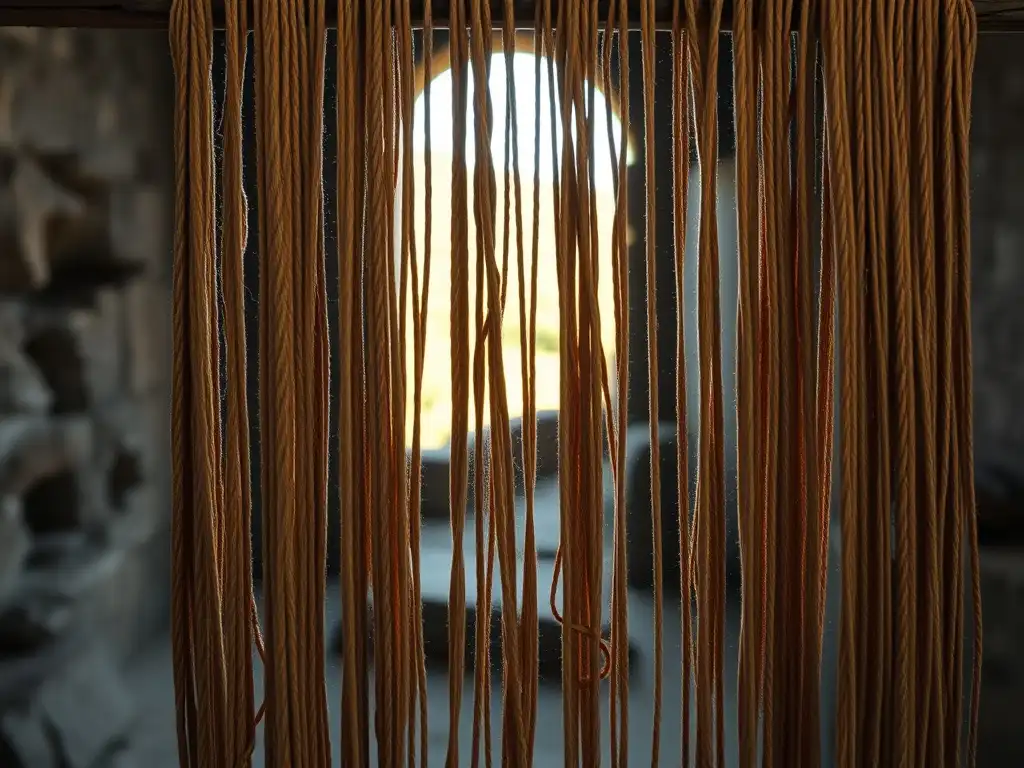
The study of ancient Andean quipu is a vibrant and evolving field, constantly pushing the boundaries of our understanding of these intricate knotted records. While significant progress has been made in deciphering their complexities, numerous challenges remain, fueling ongoing research and promising exciting discoveries in the years to come. The future of ancient Andean quipu research hinges on several key factors, including technological advancements, collaborative research initiatives, and a continued commitment to addressing unresolved questions.
The potential for new insights is immense, offering a glimpse into a sophisticated system of record-keeping that continues to fascinate and inspire researchers worldwide. This section will delve into the key areas driving this exciting research.
New Technologies for Quipu Analysis: Advanced Imaging and Data Processing
Recent advancements in imaging technology are revolutionizing quipu analysis. High-resolution photography, 3D scanning, and multispectral imaging techniques allow researchers to capture incredibly detailed images of even the most fragile quipus, revealing subtle variations in knotting, fiber types, and color previously invisible to the naked eye. This level of detail is crucial for identifying patterns and potentially unlocking new information encoded within the knots themselves.
Furthermore, advanced data processing techniques, including machine learning algorithms, are being employed to analyze the vast amounts of data generated from these high-resolution images. These algorithms can identify recurring patterns in knotting styles, color combinations, and spatial arrangements, potentially revealing underlying organizational principles and suggesting new avenues of interpretation. For example, researchers are using software to create digital models of quipus, allowing for manipulation and experimentation without risking damage to the original artifacts.
This digital approach facilitates collaborative analysis and hypothesis testing on a scale previously unimaginable. The integration of these technologies promises to significantly accelerate the pace of quipu research and lead to a more comprehensive understanding of this unique record-keeping system. We can expect even more sophisticated tools in the future, pushing the boundaries of what is possible in analyzing these intricate artifacts.
Collaborative Research Efforts: Fostering International Cooperation
The study of ancient Andean quipu benefits significantly from international collaboration. Researchers from diverse backgrounds—archaeologists, anthropologists, mathematicians, computer scientists, and historians—bring unique perspectives and expertise to the field. By sharing data, methodologies, and interpretations, these collaborations enhance the rigor and scope of quipu research.
International cooperation is also essential for accessing and preserving quipus held in various museums and archives around the world. Pooling resources and expertise allows for a more comprehensive analysis of a wider range of quipus than any single institution could achieve independently. This collaborative approach is crucial for tackling the complex challenges inherent in quipu research, such as the development of standardized recording methods and the creation of shared databases.
The establishment of international networks and research consortia dedicated to quipu studies facilitates information sharing and promotes a more unified approach to interpreting these enigmatic artifacts. This collaborative spirit is essential for advancing our understanding of ancient Andean record-keeping and ensuring the preservation of this invaluable cultural heritage. The power of collective knowledge and shared resources is invaluable in tackling the complexities of ancient Andean quipu research.
Ongoing Debates and Unresolved Questions: The Continuing Quipu Mystery
Despite significant progress, many questions surrounding the ancient Andean quipu remain unanswered. The exact nature of the information encoded within the knots, the extent to which quipus were used for numerical recording versus other forms of information storage, and the full range of their social and administrative functions are still subjects of ongoing debate. Some researchers suggest that quipus were primarily used for numerical accounting, while others argue that they also encoded narrative information, historical events, or even religious beliefs.
The lack of a definitive decipherment method further complicates matters. While some progress has been made in understanding specific quipus, a universally accepted method for interpreting all quipus remains elusive. The diversity of quipu styles and knotting techniques across different Andean cultures also poses a significant challenge.
This complexity highlights the need for continued research, employing diverse methodologies and perspectives to unravel the mysteries encoded within these fascinating artifacts. The enduring enigma of the quipu underscores the importance of ongoing research and the potential for future breakthroughs in our understanding of this remarkable aspect of ancient Andean civilization. The quipu's enduring mystery continues to fuel the passion of researchers worldwide, pushing the boundaries of our knowledge and appreciation of this remarkable achievement.
Conclusion: The Enduring Significance of the Ancient Andean Quipu
The ancient Andean quipu, far from being a mere curiosity, represents a complex and sophisticated system of record-keeping that continues to challenge and inspire researchers today. Its decipherment offers a unique window into the intellectual and organizational capabilities of Andean civilizations, revealing intricate details about their societal structures, economic practices, and astronomical observations. Understanding the quipu is not simply about translating knots; it's about unlocking a fundamental aspect of Andean identity and understanding how these societies managed to flourish for centuries.
The ongoing research into ancient Andean quipu is crucial for a complete understanding of their history and legacy. The more we learn, the more we appreciate the ingenuity and complexity of these fascinating artifacts.
The Importance of Quipu Research for Understanding Andean Civilizations
Quipu research is paramount to enriching our understanding of Andean civilizations. Traditional historical narratives often rely heavily on colonial accounts, which can be biased and incomplete. The quipu, however, provides a unique indigenous perspective, offering primary source material that allows scholars to reconstruct Andean history from a different vantage point. For example, recent research suggests that some quipus may have recorded complex astronomical data, challenging previous assumptions about the limitations of Andean scientific knowledge.
Furthermore, the study of quipu-making techniques reveals insights into Andean craftsmanship and technological innovation. Analysis of the materials used (e.g., different types of fibers, dyes) and the knotting techniques employed can offer clues about regional variations and trade networks. The meticulous nature of quipu construction itself speaks volumes about the value placed on record-keeping within Andean society, highlighting the importance of accurate data management in their daily lives and governance.
This meticulous record-keeping is a testament to their advanced organizational capabilities. The more we uncover about the functionality of the quipu, the more we can refine our understanding of the complexities of Andean social, economic, and political systems. Indeed, ancient Andean quipu research is vital for a more complete and nuanced picture of these remarkable civilizations.
Quipu as a Testament to Andean Intellectual Achievement
The quipu stands as a powerful testament to the intellectual achievements of Andean civilizations. The creation and manipulation of these intricate knotted records demonstrate a high level of abstract thinking and mathematical ability. The system's capacity to represent numerical data, possibly even textual information, challenges the simplistic notions of "primitive" societies often perpetuated in historical accounts.
The development and sustained use of the quipu over centuries indicates a deep-seated cultural value placed on knowledge preservation and transmission. The system's complexity suggests a level of specialized training and expertise within Andean communities – individuals dedicated to creating, interpreting, and maintaining these vital records. The sheer volume of quipus discovered further emphasizes the widespread use and importance of this system within Andean society.
The complexity of the quipus, with their varied knot types and arrangements, surpasses simple tallying; they likely encoded complex information, possibly including narratives, genealogies, and economic data. This sophisticated system, developed and utilized independently of other writing systems around the world, highlights the diversity of human intellectual capabilities and the rich tapestry of human history. The quipu is a powerful symbol of Andean ingenuity and its contribution to the global history of information management.
Further Avenues for Exploration in Andean Knot Record-Keeping
Despite significant progress, much remains to be discovered in the field of ancient Andean quipu research. Several crucial avenues require further investigation. Firstly, the development of more sophisticated computational methods for analyzing quipu data is essential. Current techniques are still limited, and innovative approaches, leveraging machine learning and artificial intelligence, could significantly enhance our ability to interpret the intricate knot patterns. Secondly, interdisciplinary collaboration is crucial.
Combining the expertise of archaeologists, anthropologists, mathematicians, and computer scientists will be vital to unlocking the full potential of quipu research. A multi-faceted approach is needed to address the complex challenges posed by these ancient records. Thirdly, further fieldwork and excavation are necessary to uncover more quipus and associated artifacts. Each newly discovered quipu provides valuable new data that can inform our understanding of the system and its evolution.
Finally, a deeper investigation into the social context of quipu use is needed. Understanding how these records were created, used, and interpreted within Andean society is crucial for a complete understanding of their significance. The enduring mystery of the quipu promises years of exciting discoveries and deeper insights into the rich intellectual heritage of the Andes. The future of ancient Andean quipu research is bright, full of potential breakthroughs and a deeper appreciation for this remarkable system of record-keeping.
Frequently Asked Questions
What is a quipu?
A quipu is an ancient Andean record-keeping device, consisting of colored strings with knots tied in various patterns. Scholars believe they were used to record numerical data, but also possibly narrative information. Research continues to decipher their full meaning.
What civilizations used quipus?
The Inca Empire is most associated with quipus, but evidence suggests their use predates the Incas, with earlier Andean civilizations like the Wari and Tiwanaku also employing them. The precise extent of their use across different cultures is still under investigation.
What kind of information did quipus record?
While the exact nature of quipu information is debated, research suggests they recorded census data, economic records, and potentially historical narratives. The complex knot systems likely represented a sophisticated system of data storage and retrieval.
What are the current challenges in quipu research?
Deciphering the meaning of quipu knot patterns is a major challenge. The lack of surviving written documentation explaining the quipu system complicates interpretation. Interdisciplinary approaches, combining archaeology, anthropology, and linguistics, are crucial for progress.
Where can I find more information about ancient Andean quipu research?
You can find more information through academic journals specializing in Andean archaeology, anthropology, and history. Museums with quipu collections also offer valuable resources, and many online databases are being developed to catalogue and share research findings.
Final Reflection: Unraveling the Threads of Andean History
The intricate knots and vibrant colors of the quipu continue to whisper secrets across millennia, demanding our attention and challenging our understanding of ancient Andean civilization. Their silent testimony speaks volumes about the sophistication of Inca record-keeping, a system far more complex than previously imagined, and ongoing research continues to reveal its astonishing capabilities. The implications for our understanding of pre-Columbian societies are profound and far-reaching.
The quipu's enduring legacy extends beyond the realm of academic research; it speaks to the power of human ingenuity and the enduring quest for knowledge. It reminds us that even in the absence of a written alphabet, complex societies can thrive and leave behind a rich tapestry of information. The quipu is not simply a mnemonic device; it is a testament to the intellectual capacity of the Andean people and their ability to organize and manage a vast empire.
This statement underscores the importance of continuing to explore and interpret these fascinating artifacts, not just for historical accuracy, but for the insights they offer into human potential.
Consider the intricate knots and vibrant colors as a metaphor for the complexities of our own lives. Just as researchers painstakingly decipher the quipu's coded messages, we too must strive to understand the intricate threads that weave together our own experiences and histories. Embrace the challenge of unraveling your own personal "quipus," exploring the hidden narratives and untold stories within your own life. Let the legacy of the ancient Andean people inspire you to seek knowledge, to persevere in the face of complexity, and to appreciate the rich tapestry of human experience.
Unveil the Secrets of Quipu: Take Informed Action Today!
Thank you for exploring the fascinating world of the ancient Andean record-keeping system, the Quipu! We hope you're inspired by its incredible complexity and rich history. Now, let's put that inspiration into action. Here are some ways you can delve deeper into this captivating topic:
- Join a community of Andean history enthusiasts, either online or in person, to share ideas and insights about the Quipu and other ancient practices.
- Share your newfound knowledge with friends and family, or create a social media post highlighting a surprising fact you learned about this unique system.
- For a truly engaging experience, try creating your own Quipu using knotted strings. It's a fun and hands-on way to connect with this ancient tradition.
What untold stories do you think the Quipu holds about the Andean civilizations? Let's discuss in the comments below!