
Nazca Textile Treasures: Unveiling the Art of Ancient Andean Weaving

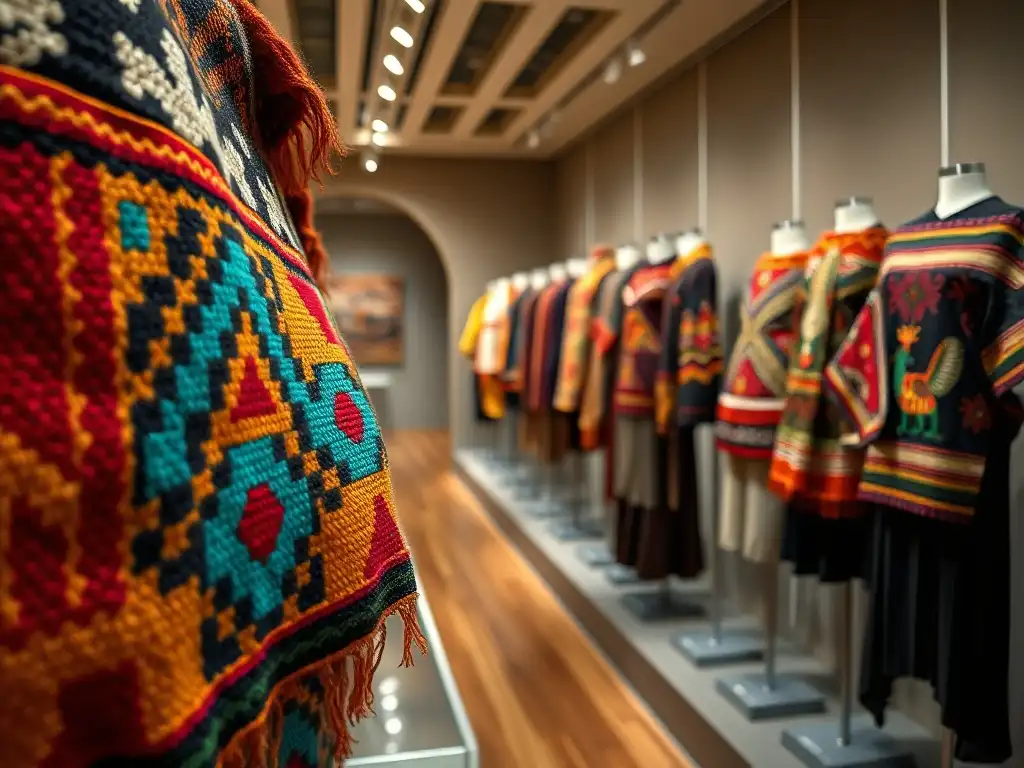
Step into a world lost to time, where vibrant threads whisper tales of a vanished empire. Prepare to be captivated by the enigmatic artistry of the Nazca textiles, a testament to the ingenuity and sophistication of ancient Andean weaving. Discover how these seemingly simple fabrics hold the key to understanding a civilization's beliefs, rituals, and daily life. Unravel the secrets woven into their intricate designs—a journey awaits you into the heart of the Nazca Civilization.
The Nazca civilization, renowned for its enigmatic geoglyphs etched into the Peruvian desert, also left behind a remarkable legacy of textile artistry. These intricately woven fabrics, discovered in burial sites and other archaeological contexts, offer invaluable insights into the social structures, religious beliefs, and daily lives of the Nazca people.
This article delves into the captivating world of Nazca textiles, exploring their historical significance, production techniques, and the stunning artistry that continues to amaze researchers and enthusiasts alike. We will uncover the secrets woven into the threads, revealing the rich tapestry of ancient Andean weaving traditions and the unique contributions of the Nazca culture to this fascinating craft.
Understanding Nazca textiles provides a crucial window into the broader context of ancient Andean weaving, connecting the Nazca's achievements to the wider artistic and technological advancements of their time, ultimately enriching our understanding of this remarkable civilization. Prepare to be amazed by the vibrant colors, complex designs, and exceptional craftsmanship that define these ancient treasures.
Introduction to Nazca Textiles and their Significance
Nazca textiles stand out for their exceptional quality and vibrant colors, even after centuries buried in the arid Peruvian desert. The textiles themselves are not merely decorative items; they represent a crucial aspect of Nazca society. Archaeological evidence suggests that textiles played vital roles in religious ceremonies, social status, and everyday life. The intricate designs often depict deities, mythical creatures, and scenes from daily life, offering a glimpse into the cosmology and worldview of the Nazca people.
The use of specific colors and patterns may have held symbolic meaning, further highlighting their cultural and religious importance. Moreover, the sheer technical skill involved in creating these textiles speaks to the advanced knowledge and sophisticated techniques employed by Nazca weavers. The use of various fibers, including cotton and camelid wool, combined with advanced dyeing and weaving techniques, showcases a level of artistry that surpasses many other contemporary cultures.
Analysis of the dyes used, often derived from natural sources, provides additional clues about the resources available to the Nazca and their understanding of plant-based chemistry. The preservation of these textiles provides a unique opportunity to study not only the artistry but also the technology and resource management of the Nazca civilization. The discovery of complete garments, fragments of textiles, and even tools used in their creation provides a rich and multi-faceted understanding of Nazca textile production.
Exploring the Rich History of Ancient Andean Weaving
The tradition of weaving in the Andes stretches back millennia, predating the Nazca civilization by considerable time. The Nazca inherited and further developed these established techniques, adding their own unique style and innovations. The continuity of Andean weaving traditions can be traced through various archaeological discoveries across different Andean cultures. We see evidence of increasing complexity and sophistication in weaving techniques as we move through different time periods and cultures.
The Nazca, for instance, mastered techniques like tapestry weaving and weft-faced plain weave, creating intricate patterns and textures. The mastery of these techniques allowed them to produce textiles of unparalleled quality and complexity. The use of multiple colors and the integration of complex designs within a single piece of cloth highlights the advanced understanding of textile production. Many examples showcase the use of different types of fibers, sometimes combined within a single garment, demonstrating a high level of technical skill and potentially indicating specialization within the textile production process.
Furthermore, the discovery of tools used in weaving provides further insight into the techniques and processes involved. The history of Andean weaving is a complex and fascinating story of continuous innovation and cultural transmission, with the Nazca textiles representing a significant and highly developed chapter in this rich tradition. The vibrant colors and intricate designs of Nazca textiles continue to inspire awe and admiration, showcasing the remarkable artistic skills and technological achievements of this ancient Andean civilization.
- Introduction to Nazca Textiles and their Significance
- Exploring the Rich History of Ancient Andean Weaving
The Materials and Techniques of Nazca Textile Production
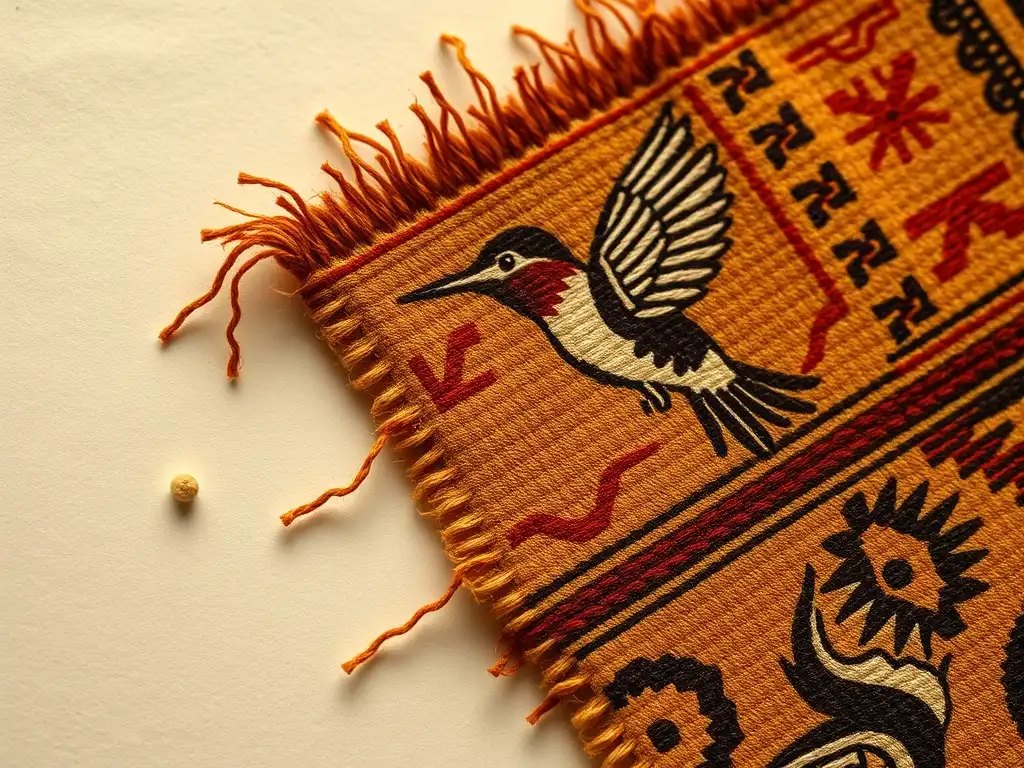
The remarkable artistry of Nazca textiles is inextricably linked to the materials and techniques employed by these ancient Andean weavers. Their mastery of fiber preparation, dyeing processes, and weaving methods resulted in textiles of exceptional quality and aesthetic beauty, showcasing a deep understanding of both natural resources and sophisticated craftsmanship. The sophisticated techniques used in Nazca textile production represent a high point of ancient Andean weaving, demonstrating remarkable skill and artistry. Understanding these elements is crucial to appreciating the true magnificence of these surviving artifacts.
Fibers Used in Nazca Weaving: Cotton and Camelid Wool
Nazca weavers skillfully utilized readily available resources to create their vibrant textiles. Two primary fibers formed the foundation of their work: cotton and camelid wool. Cotton, Gossypium barbadense, thrived in the coastal valleys, providing a soft, absorbent fiber ideal for lighter garments and decorative pieces. The long staple length of this cotton allowed for the creation of finely spun yarns, contributing to the delicate textures often seen in Nazca textiles. Archaeological evidence consistently reveals cotton's importance in their textile production.
Camelid wool, sourced from alpacas and llamas, provided a warmer, more durable fiber, perfect for heavier clothing suitable for the varying Andean climates. The different qualities of alpaca and llama wool – alpaca being finer and softer, while llama wool being coarser and stronger – allowed for a range of textures and weights in the finished products.
The careful selection and blending of these fibers demonstrate a sophisticated understanding of material properties and their applications. Analysis of surviving textiles often reveals a combination of both cotton and camelid wool, highlighting the weavers' ability to create textiles with diverse properties and textures.
Natural Dyes Derived from Plants and Minerals
The vibrant and enduring colors of Nazca textiles are a testament to their ingenious use of natural dyes. These dyes, derived from a range of plants and minerals found in the region, were meticulously prepared and applied to achieve a remarkable spectrum of hues. The process involved complex procedures, often requiring multiple steps to achieve the desired shades and colorfastness.
Examples of plant-based dyes include those derived from various species of cacti, providing shades of red and purple. Different types of plants yielded variations in the intensity and tone of these colors. Other plants provided yellows and browns. Mineral dyes, on the other hand, offered a different palette.
For instance, certain clays and minerals produced various shades of ochre and brown, while other minerals yielded blacks. The meticulous preparation and application of these dyes, combined with the weavers’ understanding of color theory, resulted in the stunning chromatic richness that characterizes Nazca textiles. The longevity of many of these colors is a testament to the durability of both the dyes and the weaving techniques employed.
Weaving Techniques: Backstrap Looms and Interlocking Weft
The creation of Nazca textiles relied on the backstrap loom, a portable and versatile device that allowed for a range of weaving techniques. This simple yet ingenious tool, consisting of a warp held taut by a backstrap and a heddle, facilitated the intricate designs and complex structures found in these ancient textiles. The backstrap loom's portability allowed weavers to work both indoors and outdoors, adapting to the environment and social contexts of their activities. The mastery of the backstrap loom is evident in the precision and complexity of many surviving Nazca textiles.
A key technique used in Nazca weaving was the interlocking weft. This method involved weaving additional weft threads around the primary weft threads, creating a denser fabric with enhanced durability and texture. This technique, combined with the use of supplementary weft threads in different colors, allowed for the creation of intricate patterns and designs.
The intricate patterning and the density achieved through interlocking weft showcase a remarkable level of technical skill and artistic vision. The interlocking weft technique is a defining characteristic of Nazca weaving, contributing significantly to the unique aesthetic and structural qualities of their textiles. The precision and complexity of the patterns achieved are a testament to the weavers' extraordinary skill and understanding of their craft.
Iconography and Symbolism in Nazca Textiles
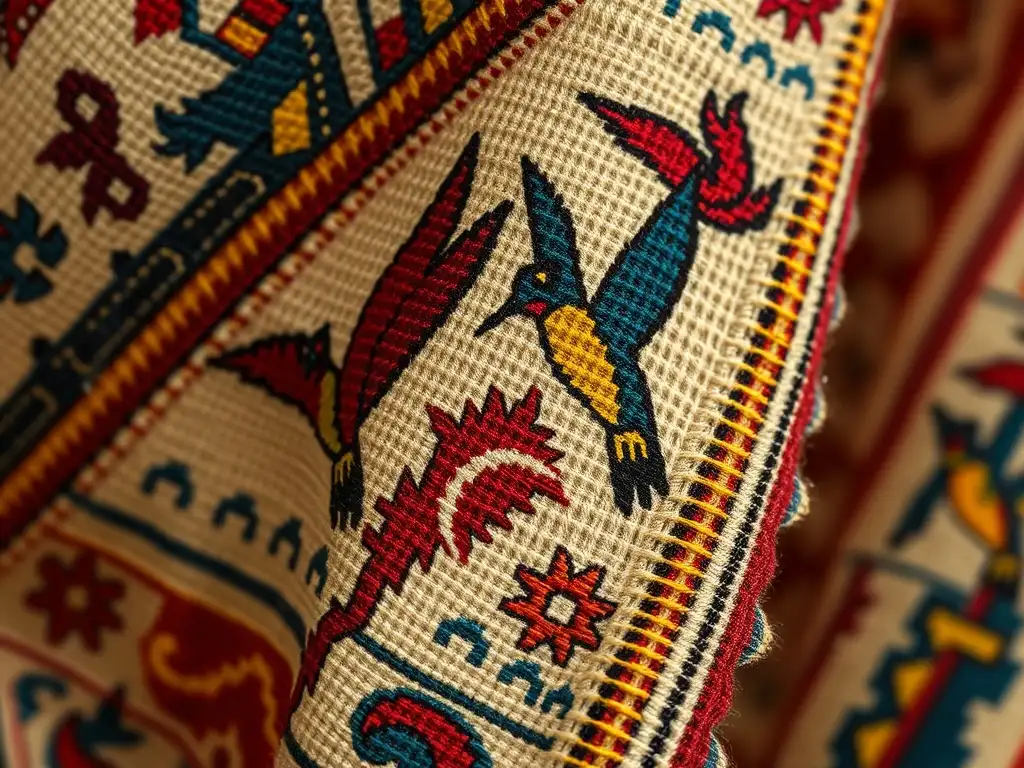
The intricate designs woven into Nazca textiles offer a fascinating glimpse into the cosmology, beliefs, and daily life of this ancient Andean civilization. The vibrant colors and complex patterns aren't merely decorative; they are powerful symbols laden with meaning, reflecting a sophisticated understanding of the natural world and their place within it. Analyzing Nazca textiles provides invaluable insights into their worldview, revealing a society deeply connected to the environment and imbued with spiritual significance.
The study of Nazca textile iconography is a complex and ongoing endeavor, with new interpretations emerging as scholars continue to decipher the rich tapestry of symbols. This section will focus on key recurring motifs, examining their potential meanings and significance within the broader context of Nazca culture.
Geometric Patterns Representing Cosmic Order
Geometric patterns dominate many Nazca textiles, often featuring intricate arrangements of triangles, squares, stepped trapezoids, and zigzags. These are not random designs; scholars believe they represent a symbolic mapping of the cosmos, reflecting the Nazca understanding of the universe and their place within it. The repetition of these shapes suggests a structured worldview, potentially mirroring the organization of their society or the cyclical nature of agriculture and the seasons.
For instance, the frequent appearance of stepped trapezoids, a shape also found in Nazca geoglyphs, may represent mountains or terraced agricultural fields, vital elements in their landscape and economy. The vibrant colors used – often contrasting hues like red and blue, or yellow and black – might signify different celestial bodies or energies. The meticulous precision in their execution speaks to the high level of skill and the importance attributed to these symbolic representations.
Further research is needed to fully understand the nuanced meanings behind specific geometric combinations, as the subtle variations in pattern and color likely held specific significance. More detailed analysis of individual textile fragments, combined with cross-referencing with other Nazca artifacts, could unlock further secrets.
Depictions of Mythical Beings Like the Orca and Feline
Beyond geometric patterns, Nazca textiles frequently depict mythical creatures, further enriching our understanding of their spiritual beliefs. Among the most common are stylized representations of orcas and felines, both powerful symbols in various Andean cultures. The orca, a creature of the sea, may symbolize a connection to the ocean's bounty or represent a powerful, mystical force. The feline, often depicted with exaggerated features, could be linked to shamanistic practices or represent a deity associated with hunting, warfare, or the underworld.
The way these creatures are depicted – often in dynamic poses, surrounded by symbolic elements – suggests a narrative quality. They are not simply decorative; they are active participants in a complex visual language, potentially telling stories or conveying religious narratives. The style of representation varies across different textiles, indicating potential regional differences or stylistic evolution over time.
A thorough cataloging and comparative analysis of these depictions is crucial for a more complete understanding of the mythology and beliefs of the Nazca people. This requires careful documentation of the specific characteristics of each representation and a systematic comparison across different textiles.
The Significance of Bird and Plant Motifs
Birds and plants are other prominent motifs in Nazca textiles, reflecting the importance of the natural world in their culture. Different bird species are depicted, often with remarkable accuracy, suggesting a deep understanding of avian life. These birds may represent specific deities, shamans who could transform into birds, or symbols of fertility, migration, or communication with the spirit world. The inclusion of specific plants, such as cacti or other native flora, further emphasizes their connection to the arid landscape.
The meticulous detailing in the representation of these motifs is striking. The weavers skillfully reproduced feathers, beaks, and other features with remarkable precision, showcasing their artistry and intimate knowledge of the natural world. Similarly, the depiction of plants often includes precise details of leaves, flowers, and stems, reflecting a deep understanding of botany.
Analyzing the specific species of birds and plants depicted, and their potential symbolic significance within the Nazca worldview, is a key area for future research. This requires the collaboration of textile experts, botanists, and ornithologists to fully understand the ecological and symbolic dimensions of these motifs. The careful study of these motifs can reveal a great deal about the Nazca understanding of their environment and its significance in their spiritual and social life.
The Role of Nazca Textiles in Society and Rituals
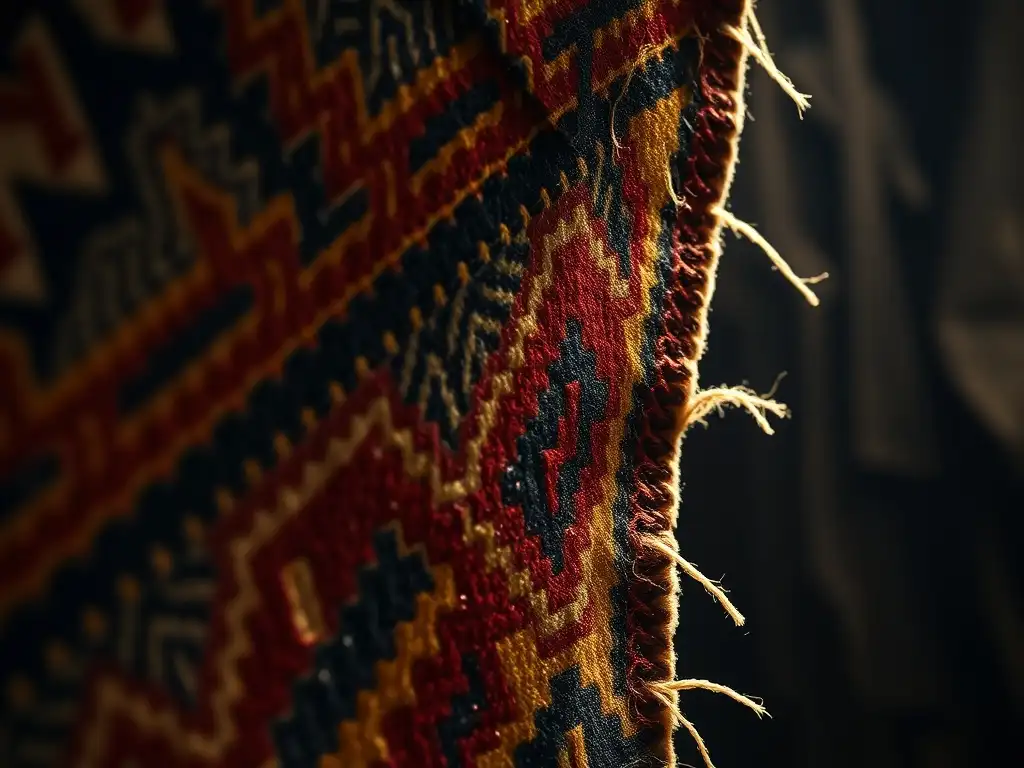
The vibrant and intricate Nazca textiles weren't merely clothing; they were integral to the social fabric and religious practices of this ancient Andean civilization. Their production, use, and ultimate disposal reveal a complex interplay of social status, ritual significance, and spiritual beliefs. The sheer artistry and technical skill involved in creating these textiles point to a highly organized and specialized craft production, suggesting a significant societal investment in this art form.
Analyzing the surviving examples allows us to piece together a more complete picture of Nazca life, revealing aspects of their social structure, religious beliefs, and daily existence. The study of Nazca textiles offers a unique window into the worldview and values of this fascinating culture. Understanding their role requires examining their use in various contexts, from everyday wear to elaborate funerary rituals.
The intricate designs and the materials used often provide clues to the social standing and the spiritual significance of the textiles themselves. We can even glean insights into the economic and political structures of Nazca society by studying the distribution and prevalence of different textile types.
The complexity and quality of Nazca textiles often correlate with social status. Elaborately woven garments, featuring intricate designs and rare dyes, were likely reserved for the elite members of society – priests, rulers, or high-ranking individuals. These textiles served as powerful symbols of authority and prestige. For example, the use of specific colors, like deep purples derived from rare mollusks, or the incorporation of exotic feathers into the weaving, would have signified high social standing.
Simpler textiles, with less intricate designs and readily available dyes, were likely worn by the common population. The presence or absence of certain motifs also suggests social differentiation. [Specific examples of motifs and their social connotations pending].
Analysis of burial sites further supports this hypothesis; individuals interred with richly decorated textiles are often found with other grave goods indicative of high status. The careful study of textile remains found in various contexts – from elite tombs to everyday settlements – can help us to better understand the social stratification within Nazca society. The sheer variety and complexity of Nazca textile production strongly suggest a specialized workforce, potentially organized through a hierarchical system.
Textile Offerings in Funerary Bundles
Many Nazca textiles were discovered within funerary bundles, indicating their importance in death rituals and beliefs about the afterlife. These textiles, often in pristine condition, served as grave goods, providing the deceased with essential clothing and symbolic protection in their journey to the next world. The careful arrangement of textiles within the bundles, along with the inclusion of other objects, reveals a complex funerary ritual.
The textiles themselves often feature symbolic designs, possibly representing deities, ancestors, or supernatural forces. [Specific examples of funerary bundle contents and textile designs pending]. The quantity and quality of textiles within a bundle might reflect the social status of the deceased, highlighting the continuation of social hierarchy even in death.
The act of burying these precious textiles suggests a belief in the continued existence and importance of these items in the afterlife, further emphasizing the profound spiritual significance attributed to Nazca textiles. Detailed analysis of the placement and arrangement of the textiles within the bundles could provide further insights into the specific rituals and beliefs surrounding death and burial.
The Connection between Nazca Weaving and Shamanistic Practices
The intricate designs found on Nazca textiles often depict supernatural beings, mythical creatures, and shamanistic rituals, suggesting a strong connection between weaving and shamanistic practices. Many designs feature stylized depictions of animals, plants, and supernatural beings, suggesting a symbolic representation of the spiritual world. The use of specific colors and motifs might have held symbolic meaning related to shamanistic rituals and beliefs.
[Specific examples of shamanistic motifs and their interpretation pending]. It is plausible that textiles played a crucial role in shamanistic ceremonies, perhaps used as costumes, ritual objects, or offerings. The production of these textiles may have been closely linked to shamanistic practices, with weavers holding a special place within the community due to their connection to the spiritual realm.
The careful study of the iconography and symbolism present in Nazca textiles, combined with archaeological evidence of shamanistic practices, may shed light on the complex interplay between weaving and the spiritual beliefs of the Nazca civilization. The very act of weaving, a repetitive and meditative process, might have been seen as a form of spiritual practice itself, connecting the weaver to the supernatural world.
Preservation and Study of Nazca Textiles
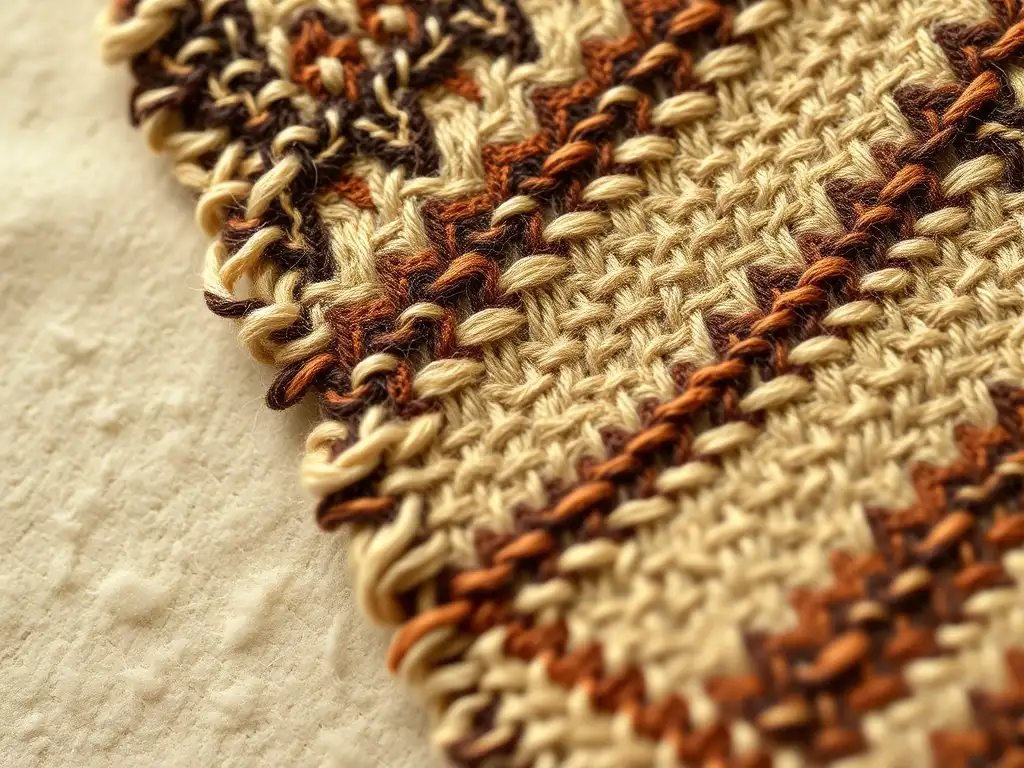
The remarkable artistry and intricate detail of Nazca textiles present significant challenges for preservation and study. Their age, the materials used, and the environmental conditions in which they were found all contribute to their fragility. Understanding these challenges is crucial to ensuring the long-term survival of these invaluable artifacts and unlocking the secrets they hold about Nazca society and culture.
The delicate nature of these ancient Andean weaving masterpieces necessitates meticulous care and cutting-edge research techniques. The study of Nazca textiles provides invaluable insights into the social structures, religious beliefs, and daily lives of the Nazca people, offering a rich tapestry of information beyond the visual appeal of the artifacts themselves. These textiles are not merely beautiful objects; they are primary sources offering unique perspectives on ancient Andean weaving traditions.
Archaeological Discoveries at Cahuachi and Other Sites
Many significant Nazca textile finds have emerged from archaeological excavations at Cahuachi, a major ceremonial center. The arid climate of the Nazca desert has proven surprisingly beneficial in preserving organic materials, including textiles. Discoveries at Cahuachi have yielded numerous fragments and complete examples of textiles, showcasing a wide range of techniques, designs, and materials. These finds often include burial contexts, providing crucial information about the social status of the individuals associated with the textiles.
For instance, the discovery of intricately woven textiles in elite tombs suggests a connection between textile production and social hierarchy within Nazca society. Beyond Cahuachi, other sites have also yielded important textile discoveries, though often in smaller quantities. These discoveries, coupled with detailed analysis of the burial context, provide crucial insights into the social and ritual significance of these ancient Andean weaving techniques.
The careful documentation of these discoveries – including precise location, associated artifacts, and environmental conditions – is vital for future research and interpretation. Detailed records ensure the long-term value of these archaeological findings for scholars and the public alike. The ongoing analysis of these finds promises to further illuminate the complexities of Nazca textile production and its cultural significance.
Conservation Efforts in Museums and Research Institutions
The preservation of Nazca textiles requires specialized expertise and resources. Museums and research institutions play a vital role in this process, employing various techniques to stabilize and conserve these fragile artifacts. These efforts range from environmental control – maintaining stable temperature and humidity levels – to the application of specialized cleaning and repair methods.
The use of advanced imaging technologies, such as X-ray fluorescence and multispectral imaging, allows researchers to examine the textiles without causing further damage, revealing details about the dyes and fibers used. These non-invasive techniques are crucial for understanding the materials and production processes employed by ancient Andean weavers. Furthermore, museums are increasingly focused on creating long-term preservation plans that consider the long-term effects of light exposure, temperature fluctuations, and pest control.
These comprehensive strategies aim to ensure that these Nazca textiles remain accessible for future generations of researchers and the public. Careful cataloging and documentation of conservation treatments are essential for maintaining a detailed history of the artifact's condition and the interventions undertaken. This meticulous record-keeping is critical for future conservation efforts and research.
Ongoing Research into Textile Production and Symbolism
Ongoing research is continuously expanding our understanding of Nazca textile production. Researchers are exploring various aspects, from the cultivation and processing of cotton and other fibers to the techniques used in spinning, weaving, and dyeing. Analysis of textile fragments reveals detailed information about the dyes used, including their chemical composition and source. This analysis often provides clues about the trade networks and resource management strategies of the Nazca.
The symbolism within Nazca textiles is another area of active research. Researchers are working to decipher the intricate designs and motifs, often relating them to mythological figures, religious beliefs, and social structures. The recurring motifs, such as stylized animals, geometric patterns, and human figures, often hold complex meanings that continue to be interpreted through comparative analysis with other Andean artifacts and iconography.
The combination of scientific analysis and art historical interpretation is vital for unlocking the full meaning embedded within these stunning pieces of ancient Andean weaving. New discoveries and advanced technologies continue to fuel this research, leading to a deeper appreciation of the sophisticated artistry and cultural significance of Nazca textiles. The continuing study of Nazca textiles promises to further illuminate the rich cultural legacy of this remarkable civilization.
Nazca Textiles: A Legacy of Ancient Andean Artistry
This section delves into the remarkable artistry and technical proficiency demonstrated in Nazca textiles, a significant aspect of ancient Andean weaving. The Nazca people, flourishing along the southern coast of Peru from approximately 100 BCE to 800 CE, created textiles of unparalleled complexity and beauty. Their weaving techniques, using cotton and camelid fibers (alpaca and llama), represent a pinnacle of pre-Columbian textile production. The vibrant colors, intricate designs, and masterful execution of these textiles provide invaluable insights into their social structures, religious beliefs, and daily life.
Understanding Nazca textiles allows us to appreciate the sophisticated technology and artistic vision of this ancient Andean culture. The creation of these textiles required considerable skill and knowledge, from the cultivation and processing of fibers to the complex weaving techniques employed. The preservation of these textiles, often found in burial contexts, offers a unique window into the past.
Analyzing their motifs, colors, and weaving styles reveals a rich tapestry of cultural significance. The meticulous craftsmanship and symbolic representations found within these textiles showcase the advanced capabilities of Nazca weavers, and highlight their significant contribution to the broader tapestry of ancient Andean art. The sheer variety of techniques, including tapestry weaving, brocade, and embroidery, speaks to the exceptional skill and innovation of Nazca artisans.
The Influence of Nazca Weaving on Later Paracas Styles
The influence of Nazca textile traditions extended beyond their own time, significantly impacting subsequent Andean cultures, particularly the Paracas. While distinct in many aspects, Paracas textiles (roughly 200 BCE – 200 CE) show clear stylistic and technical connections to Nazca work. For example, the use of vibrant, contrasting colors and complex geometric patterns, characteristic of Nazca textiles, is also evident in Paracas pieces.
However, Paracas weavers developed their own distinctive style, incorporating elements of figurative representation and narrative scenes that are less prevalent in Nazca textiles. This suggests a process of cultural exchange and adaptation, where Paracas artisans built upon the established techniques and aesthetics of their Nazca predecessors, yet developed their own unique artistic vocabulary. Further research comparing the fiber types, dyes, and weaving structures used in both Nazca and Paracas textiles could reveal more precise details about the nature and extent of this artistic lineage.
The continuity and evolution of certain design motifs, such as stylized birds and feline figures, across both cultures also support the idea of a strong stylistic influence, hinting at the transmission of artistic ideas and techniques across generations and cultures. Detailed comparative studies of weaving techniques could provide further evidence of direct transmission or independent development of similar styles. [Specific data on comparative analysis of Nazca and Paracas weaving techniques pending].
Appreciation of Nazca Textiles in Modern Art and Design
The enduring appeal of Nazca textiles is evident in their continued influence on modern art and design. The bold geometric patterns, vibrant color palettes, and intricate designs found in these ancient artifacts have inspired contemporary artists and designers for decades. Many contemporary designers draw inspiration from the intricate motifs and bold color schemes present in Nazca textiles, incorporating them into clothing, home décor, and other products.
The unique aesthetic of Nazca textiles, characterized by its striking visual impact and intricate details, has made it a popular source of inspiration for modern artists and designers. This influence is particularly evident in textile design, where the bold geometric patterns and vibrant colours of Nazca textiles are frequently replicated and reinterpreted. Furthermore, the use of natural dyes and sustainable materials in the creation of Nazca textiles has also inspired contemporary designers to explore more environmentally friendly approaches to their work.
This demonstrates the enduring relevance and influence of Nazca textile art on modern design philosophies. The legacy of Nazca weaving continues to resonate, representing a bridge between ancient Andean artistry and contemporary creative expression. The integration of these ancient patterns into modern designs serves as a testament to the timeless beauty and artistic significance of Nazca textiles.
Conclusion: The Enduring Value of Nazca Textile Heritage
Nazca textiles represent a remarkable achievement in ancient Andean weaving, demonstrating sophisticated techniques and artistic vision. Their intricate designs, vibrant colors, and exceptional craftsmanship offer invaluable insights into the culture and beliefs of the Nazca people. The enduring influence of Nazca textiles on subsequent Andean cultures and contemporary art and design further highlights their importance.
Preserving and studying these fragile artifacts is crucial for understanding the rich history of Andean civilizations and appreciating the artistry and ingenuity of their creators. The continued research and analysis of Nazca textiles, combined with efforts to preserve and protect these valuable artifacts, are essential for ensuring that their legacy endures for generations to come. The study of Nazca textiles offers a unique opportunity to connect with the past, appreciate the artistic achievements of ancient cultures, and draw inspiration from their enduring legacy.
The preservation and study of these remarkable artifacts are essential for understanding the rich history and cultural heritage of the Andean region and ensuring that this significant artistic legacy continues to inspire and enrich our world. 🌎
Frequently Asked Questions
What makes Nazca textiles so unique?
Nazca textiles are renowned for their vibrant colors and intricate designs, often depicting mythological creatures, plants, and geometric patterns. The exceptional preservation of some pieces also adds to their uniqueness.
What techniques did Nazca weavers use?
Nazca weavers mastered various techniques including backstrap loom weaving, multiple-weft techniques, and complex tapestry weaving. They also employed natural dyes derived from plants and minerals.
What materials did Nazca people use for their textiles?
Cotton and camelid fibers (alpaca and llama) were the primary materials used. The quality of the fibers and the skill of the weavers contributed to the textiles' durability and beauty.
What is the significance of the imagery found on Nazca textiles?
The imagery on Nazca textiles provides valuable insights into their religious beliefs, social structures, and daily life. Many designs likely held ceremonial or symbolic meaning.
Where can I see examples of Nazca textiles today?
Many examples of Nazca textiles are housed in museums around the world, including Peru. You can also find some pieces in private collections, though access may be limited.
Final Reflection: The Enduring Legacy of Nazca Textile Art
The vibrant threads of Nazca textile artistry continue to resonate today, a testament to the ingenuity and cultural richness of a civilization lost to time. These intricate weavings, far from being mere artifacts, offer a powerful window into a complex society, revealing their beliefs, social structures, and artistic mastery. Their enduring beauty challenges us to consider the fragility of cultural heritage and the importance of preservation.
The impact of Nazca textiles extends beyond the realm of archaeology; their influence can be seen in contemporary art, fashion, and design. Their bold colors, intricate patterns, and innovative techniques continue to inspire artists and designers across the globe. The sheer skill and dedication evident in these pieces are awe-inspiring. The past is never dead. It's not even past.
- William Faulkner. This quote perfectly encapsulates the enduring power of Nazca textiles to connect us to a distant past, reminding us that history is not merely a collection of dates and events, but a living tapestry woven from the threads of human experience.
Consider the stories whispered by these ancient threads. Imagine the hands that created them, the lives they touched, the beliefs they reflected. You too can become a custodian of this legacy. By appreciating and learning about Nazca textiles, you contribute to their ongoing preservation and ensure that their vibrant story continues to inspire future generations. Let the beauty and complexity of these ancient weavings ignite your own creativity and deepen your understanding of the enduring power of human artistry and cultural heritage.
Unleash Your Creativity Through Andean Weaving!
Thank you for exploring the fascinating world of Nazca textiles with us! We hope you're inspired by the rich artistry and history of ancient Andean weaving. Now, let's put that inspiration into practice!
Here are some rewarding steps you can take:
- Begin your own weaving project! Gather some yarn and a simple loom, and let your creativity guide you. Creating something unique, whether a small piece or a larger undertaking, will connect you deeply with this ancient art form.
- Explore local artisan markets and craft fairs to discover beautiful Andean textiles. Support local artists and find pieces that speak to you.
- Share your enthusiasm! Connect with other weaving enthusiasts by joining online communities or forums where you can share ideas, experiences, and photos of your creations.
What aspect of Andean weaving most excites you? Share your thoughts below!