
The Inca's Understanding of Astronomy and its Connection to Mythology


Welcome, explorer! Prepare to journey into the enigmatic world of the Andes, where towering mountains met celestial wonders. Discover a civilization that didn't just observe the stars, but woven them into the very fabric of their existence. Unravel the fascinating Inca astronomy mythology connection, a story of cosmic alignments and divine narratives that shaped their beliefs and built their empire. Dare to delve deeper and uncover the secrets held within the ancient stones…
The Inca Empire, renowned for its sophisticated engineering and intricate social structures, possessed a deep understanding of astronomy that was inextricably woven into the fabric of their mythology and daily life. Unlike many other ancient civilizations that left behind detailed written records, the Inca's knowledge was primarily transmitted orally, through generations of storytellers and priests. This article delves into the fascinating relationship between Inca astronomical observations, their cosmological beliefs, and the profound impact this had on their societal practices, religious rituals, and agricultural cycles.
We will explore how the Inca's keen observation of celestial bodies shaped their worldview, influencing everything from their agricultural practices to their elaborate religious ceremonies. This exploration will reveal the intricate connection between Inca astronomy and mythology, a testament to their sophisticated understanding of the cosmos and their place within it. Understanding this connection provides crucial insight into the Inca worldview and the profound influence of the celestial realm on their civilization.
The intricate relationship between the observed cosmos and the Inca's spiritual beliefs is a compelling example of how astronomy shaped not just their practical lives but also their profound spiritual understanding of the world. This exploration will illuminate the profound influence of the heavens on the Inca's daily existence and their spiritual beliefs, highlighting the intricate intertwining of science and religion in this remarkable civilization.
Inca Astronomical Knowledge and its Importance
The Inca, without the use of telescopes or advanced instruments, developed an impressive understanding of celestial movements. Their observations were incredibly precise, allowing them to predict solstices, equinoxes, and other significant astronomical events with remarkable accuracy. This knowledge was not merely an intellectual pursuit; it was crucial for their survival and the maintenance of their complex societal structures.
The Inca calendar, based on meticulous astronomical observations, regulated agricultural cycles, religious festivals, and even the organization of their vast empire. Their understanding of the movements of the sun, moon, and stars allowed them to optimize planting and harvesting times, ensuring the productivity of their agricultural system, which was vital for sustaining their large population. Furthermore, their astronomical observations played a critical role in their religious practices, influencing the timing and nature of their ceremonies and rituals.
The precise nature of their astronomical knowledge is evidenced by the alignment of many Inca structures with significant celestial events, demonstrating a sophisticated understanding of geometry and astronomy. This precision underscores the importance of astronomy in the Inca worldview and its integration into their daily lives.
The Role of the Sun in Inca Cosmology
The sun held a position of paramount importance in Inca cosmology, considered the most powerful and revered deity in their pantheon. The Inca's deep understanding of the sun's movements and its impact on their world profoundly shaped their beliefs and practices. The sun's annual journey across the sky, marked by solstices and equinoxes, was seen as a reflection of the cyclical nature of life, death, and rebirth.
This cyclical understanding influenced their agricultural practices, religious ceremonies, and their overall worldview, demonstrating a deep connection between the natural world and the spiritual realm. The sun's power was not only a source of life and warmth but also a symbol of imperial authority and legitimacy, reinforcing the Inca emperor's divine right to rule.
Inti, the Inca Sun God
Inti, the Inca sun god, was the central figure of Inca religion and the object of elaborate worship and veneration. He was considered the father of the Inca emperors and the source of all life and energy. Temples dedicated to Inti were built throughout the empire, serving as centers for religious ceremonies and rituals.
These structures were often strategically positioned to align with significant solar events, further emphasizing the importance of the sun in their cosmology. The worship of Inti involved elaborate sacrifices, feasts, and processions, demonstrating the profound reverence that the Inca held for this powerful deity. The importance of Inti in Inca society extended beyond religious practices; his image was incorporated into textiles, pottery, and other forms of art, reflecting his pervasive influence on all aspects of Inca life.
The Significance of the Sun for Inca Agriculture
The Inca's agricultural practices were deeply intertwined with their understanding of the sun's movements. Their sophisticated irrigation systems, terraced farming techniques, and knowledge of seasonal variations were all informed by their astronomical observations. The timing of planting and harvesting was carefully determined based on the sun's position in the sky, ensuring optimal yields and the sustenance of their large population.
The Inca calendar, intricately linked to the solar year, played a crucial role in regulating agricultural activities, reflecting a deep understanding of the interplay between astronomy and agricultural success. The Inca’s ability to predict the seasons and adjust their agricultural practices accordingly was a testament to their advanced astronomical knowledge and its practical application. This profound connection between astronomy and agriculture highlights the practical and spiritual significance of celestial observation in Inca society.
Sun Worship and Inca Rituals
Sun worship was an integral part of Inca religious life, with elaborate ceremonies and rituals performed throughout the year to honor Inti and ensure the continuation of his life-giving power. These rituals often coincided with significant astronomical events, such as solstices and equinoxes, further highlighting the connection between astronomy and religion. The Inca priests, skilled astronomers and interpreters of celestial phenomena, played a crucial role in these ceremonies, guiding the rituals and predicting future events based on their observations.
The rituals involved elaborate sacrifices, processions, and feasts, demonstrating the importance of maintaining a harmonious relationship with the sun god and the cosmos as a whole. The integration of astronomy into religious practices underscores the profound influence of celestial events on Inca society and their worldview, demonstrating the inseparable link between the spiritual and the practical in their culture.
The Moon and its Influence on Inca Beliefs
The moon held a position of immense significance in Inca cosmology, deeply interwoven with their agricultural practices, social structures, and spiritual beliefs. Its cyclical nature mirrored the rhythms of life, death, and rebirth, profoundly impacting their understanding of the world. The Inca people weren't simply passive observers; they actively engaged with the moon's phases, incorporating them into their daily routines and grand ceremonies. This close relationship wasn't merely observational; it formed the bedrock of their religious and societal frameworks.
The changing phases of the moon served as a natural calendar, guiding planting and harvesting schedules, a crucial aspect of their agrarian society. Furthermore, the moon's influence extended to their social organization, with certain rituals and festivals directly tied to specific lunar phases. This holistic integration of the moon into their lives highlights its central role in Inca culture.
Quilla, the Inca Moon Goddess
Quilla, the Inca moon goddess, embodied the moon's power and influence. She wasn't merely a celestial body but a powerful deity, often depicted with a crescent moon or a full moon as a symbol of her divine authority. She was associated with fertility, both human and agricultural, and her favor was sought for bountiful harvests and healthy offspring. Inca mythology often portrayed Quilla in relation to Inti, the sun god, highlighting the complementary yet distinct roles of these celestial deities in the Inca worldview.
Their relationship represented the balance and harmony of the cosmos, a concept central to Inca spirituality. The worship of Quilla involved elaborate ceremonies and offerings, reflecting the profound respect and reverence held for this powerful lunar deity. Specific festivals were dedicated to Quilla, often involving sacrifices and prayers to ensure her continued favor.
Lunar Cycles and Inca Calendars
The Inca calendar wasn't a single, monolithic system but rather a complex interplay of solar and lunar cycles. While the solar year dictated the agricultural seasons, the lunar cycles played a significant role in determining the timing of specific rituals and festivals. The Inca meticulously tracked the moon's phases, using their observations to create a sophisticated calendar system that integrated both celestial cycles.
This meticulous record-keeping allowed them to predict eclipses and other celestial events with remarkable accuracy, further cementing the moon's importance in their society. The precise methods they employed to track lunar movements remain a subject of ongoing research, but evidence suggests a sophisticated understanding of celestial mechanics. These calendars weren't just simple tools for tracking time; they were integral components of their religious and social life.
The Moon's Role in Inca Mythology
Inca mythology is rich with stories and legends that feature the moon. Quilla's interactions with other deities, such as Inti (the sun god) and Viracocha (the creator god), frequently appear in these narratives, revealing the moon's complex relationship within the wider Inca pantheon. These myths often explain natural phenomena, such as eclipses, by narrating interactions between Quilla and other celestial beings.
These stories served as both entertainment and educational tools, transmitting cultural knowledge and spiritual beliefs across generations. The moon's role in these myths reinforces its status as a powerful and influential force in the Inca worldview, shaping their understanding of the cosmos and their place within it. The narratives provided a framework for understanding the world, integrating the celestial and the terrestrial realms.
Stars and Constellations in Inca Worldview
The Inca civilization possessed a profound understanding of the night sky, recognizing numerous constellations and associating them with various aspects of their lives, from agriculture to mythology. Their astronomical knowledge wasn't simply a scientific pursuit; it was deeply integrated into their spiritual beliefs and daily practices. The stars weren't seen as mere points of light but as powerful entities with influence over human affairs.
This intricate connection between the celestial and terrestrial realms is a defining feature of Inca cosmology. Their observations weren't limited to naked-eye astronomy; archaeological evidence suggests the potential use of rudimentary instruments to enhance their celestial observations.
Recognized Inca Constellations
While precise details about all recognized Inca constellations remain debated among scholars, several prominent constellations have been identified through a combination of archaeological findings and ethnographic studies. These constellations were often associated with animals, mythical beings, or significant figures from Inca mythology. For example, the constellation of the Llama, a vital animal in Inca society, likely held a prominent place in their astronomical observations.
Similarly, constellations representing other important animals, like the Condor, might have been used to mark seasonal changes or to predict weather patterns. Further research is needed to fully understand the extent and complexity of their constellation knowledge. The lack of written records presents a challenge in reconstructing their complete astronomical system.
Star Lore and Inca Legends
The Inca people wove rich narratives around the constellations, creating a tapestry of star lore that reflected their beliefs and values. These legends often explained the origins of the constellations, linking them to specific events or figures in Inca mythology. These stories served as a means of transmitting cultural knowledge and spiritual beliefs from one generation to the next.
The narratives were not only entertaining but also served as a powerful tool for social cohesion, reinforcing shared cultural identity and values. The specific details of these legends vary depending on the region and the specific constellation, illustrating the diversity of Inca culture. Unfortunately, much of this oral tradition has been lost over time.
The Importance of the Milky Way for the Incas
The Milky Way held a special place in Inca astronomy and mythology. Often seen as a celestial river or path, it played a significant role in their worldview. The Inca may have associated the Milky Way with the path of spirits or deities, representing a connection between the earthly and celestial realms. This cosmic river could have been viewed as a guiding force, or a pathway for the souls of the deceased.
Its prominent position in the night sky made it a constant reference point for navigation and celestial observations. The Milky Way’s significance in Inca cosmology underscores the holistic nature of their astronomical understanding, where scientific observation and spiritual beliefs were inextricably linked. The specific interpretations of the Milky Way likely varied across different Inca communities, reflecting the regional variations in their beliefs and practices.
The Inca's Use of Astronomical Observation
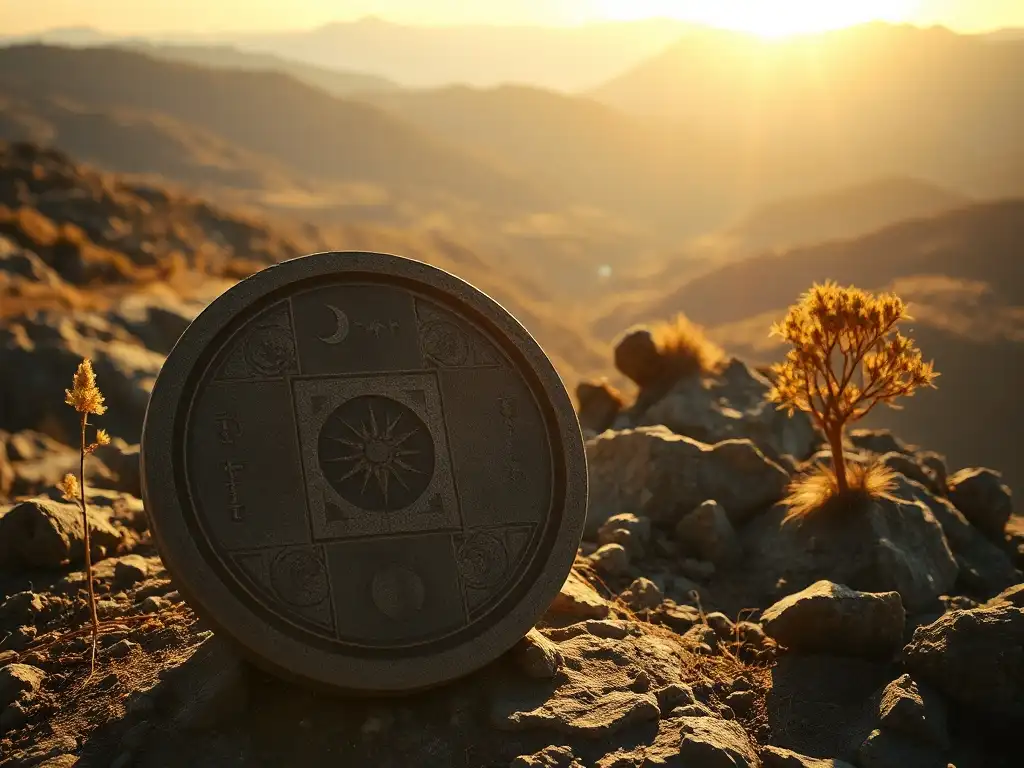
The Inca civilization, despite lacking a written language in the way we understand it, possessed a sophisticated understanding of astronomy. Their observations weren't merely intellectual exercises; they were deeply intertwined with their daily lives, agricultural practices, and religious beliefs. Inca astronomers, likely a specialized priestly class, meticulously tracked the movements of the sun, moon, stars, and constellations. Their observations weren't random; they utilized specific methods and tools to achieve remarkable accuracy in predicting celestial events.
This knowledge was crucial for their agricultural calendar and religious ceremonies, highlighting the practical and spiritual significance of their astronomical expertise. Evidence suggests their observations were passed down through generations, carefully preserved and refined over centuries, showcasing a remarkable continuity of knowledge transfer. They likely used a combination of naked-eye observation and possibly rudimentary instruments, the exact nature of which remains a topic of ongoing research and debate among scholars.
Inca Observatories and Sacred Sites
Many Inca sites served as functional observatories, cleverly incorporating astronomical alignments into their design. Sacsayhuamán, the impressive fortress near Cusco, is a prime example. Its strategically positioned structures and precise orientations suggest a deliberate alignment with solstices and equinoxes.
Similarly, Machu Picchu, perched high in the Andes, features architectural elements that appear to be aligned with significant celestial events. These weren't merely coincidences; the construction demonstrates a profound understanding of astronomical principles and a conscious effort to integrate these principles into their sacred spaces. The precise methods used to achieve these alignments are still being investigated, but they highlight the Incas' advanced understanding of geometry and their ability to manipulate the landscape to reflect their cosmological beliefs.
Other sites, such as Ollantaytambo and Pisac, also exhibit potential astronomical alignments, underscoring the widespread importance of celestial observation within Inca society. The careful planning and execution necessary for these alignments suggest a significant investment of resources and expertise in astronomical pursuits.
Alignments with Celestial Events
The Inca calendar was intimately linked to the movements of the sun and other celestial bodies. The solstices and equinoxes, marking the changing seasons, held immense importance. The Inca meticulously observed these events, using them to regulate agricultural activities and plan religious festivals. For instance, the winter solstice, marking the shortest day of the year, was likely celebrated with significant ceremonies.
Similarly, the summer solstice, signifying the longest day, likely held equal or greater significance. These observations weren't simply for timekeeping; they were integral to the Inca worldview, reflecting their deep connection to the natural world and the rhythms of the cosmos. The precision with which they tracked these events is remarkable, showcasing their dedication to astronomical observation and their mastery of celestial cycles. The accuracy of their predictions, evidenced by the alignment of structures, suggests a sophisticated understanding of the Earth's relationship with the sun.
Practical Applications of Inca Astronomy
Inca astronomy wasn't solely a spiritual pursuit; it had crucial practical applications. Precise astronomical observations were essential for their sophisticated agricultural system. The Inca calendar, based on solar and lunar cycles, guided planting and harvesting, maximizing crop yields. Knowledge of the seasons, derived from astronomical observations, enabled them to predict the best times for planting various crops, ensuring food security for their large population.
Furthermore, astronomical knowledge likely played a role in their water management systems, crucial for irrigation in the arid Andean highlands. By predicting rainfall patterns, they could optimize water distribution, further enhancing agricultural productivity. The integration of astronomy into their daily lives highlights its practical importance, demonstrating its role as a cornerstone of Inca societal organization and survival. This practical application of astronomical knowledge solidified its importance within Inca society.
The Intertwined Nature of Inca Astronomy and Mythology
Inca astronomy wasn't a separate field of study; it was inextricably linked to their complex mythology and religious beliefs. The cosmos wasn't simply a collection of celestial bodies; it was a living, dynamic realm populated by gods and spirits. The sun, moon, stars, and constellations were all imbued with spiritual significance, playing crucial roles in Inca cosmology.
Their understanding of the cosmos shaped their religious practices, social structures, and worldview. This deep connection between the celestial and the terrestrial realms is evident in their myths, rituals, and art. The intricate relationship between the physical and spiritual worlds was central to the Inca understanding of their place in the universe.
Myths Explaining Celestial Phenomena
Inca mythology offered explanations for various celestial phenomena. The sun, often associated with the creator god Inti, was a central figure in their mythology. Myths likely explained the sun's daily journey across the sky, its seasonal variations, and its life-giving power. Similarly, the moon, often associated with a moon goddess, played a vital role in their stories, possibly connected to fertility and lunar cycles.
Constellations were also imbued with meaning, often linked to specific animals or deities. These stories helped to make sense of the cosmos, providing a framework for understanding the natural world and their place within it. The narratives provided a cultural context for astronomical observations, reinforcing their significance within Inca society. [Specific details on Inca myths explaining celestial phenomena pending further research]
Astronomical Concepts in Inca Stories
Inca narratives often incorporated astronomical concepts, weaving them into the fabric of their stories. The movements of celestial bodies were not just observed; they were interpreted and integrated into their myths and legends. Stories likely featured gods and heroes interacting with celestial objects, further highlighting the spiritual significance of astronomical events.
These narratives served as a way to transmit astronomical knowledge and cosmological beliefs across generations, reinforcing the importance of celestial observations within Inca culture. The oral tradition played a crucial role in preserving and transmitting this knowledge, making it a vital part of Inca cultural identity. [Further research is needed to fully detail the specific astronomical concepts found within Inca stories]
How Inca Beliefs Shaped their Understanding of the Cosmos
Inca beliefs profoundly shaped their understanding of the cosmos. Their worldview was deeply interconnected, seeing the celestial and terrestrial realms as intimately linked. This holistic perspective influenced their astronomical practices and interpretations. The gods and spirits inhabiting the cosmos weren't separate from the human world; they interacted with it, influencing events and shaping human destiny.
This intertwined perspective is reflected in their rituals, ceremonies, and artistic expressions, demonstrating the profound influence of their religious beliefs on their astronomical observations and interpretations. Their cosmology wasn't simply a scientific pursuit; it was a deeply spiritual and philosophical framework that guided their understanding of the universe and their place within it. The Inca understanding of the cosmos was inseparable from their religious and spiritual beliefs, highlighting the integral role of faith in shaping their scientific endeavors.
The Inca's Connection to the Sky and its Impact on their Culture
The Inca civilization, renowned for its sophisticated engineering and intricate social structures, held a profound connection to the celestial realm. Their understanding of astronomy wasn't merely an intellectual pursuit; it was deeply interwoven with their daily lives, religious beliefs, and societal organization. The Inca worldview was fundamentally shaped by their observations of the stars, sun, moon, and planets, influencing everything from agricultural practices to their elaborate mythology.
Unlike many other cultures where astronomy was primarily the domain of specialized priests, the Inca's astronomical knowledge was more widespread, integrated into the fabric of their communal existence. This intimate relationship with the cosmos is evident in their architectural marvels, meticulously aligned with astronomical events, and their rich tapestry of myths and legends that explain the origins of the world and the cosmos.
The precise observations and calculations they performed, considering their technological limitations, demonstrate a remarkable level of sophistication and understanding. Their deep connection to the sky wasn't a passive observation, but an active engagement with the forces they believed governed their lives.
The Inca's View of the Universe
The Inca's understanding of the universe differed significantly from modern scientific models. Their cosmology was largely anthropomorphic, populated by powerful deities and spirits that interacted with the celestial bodies. The sun, Inti, was the most revered deity, considered the father of the Inca emperors and the source of life and energy.
The moon, Killa, was often associated with female deities and played a vital role in their agricultural calendar. The Milky Way, known as Mayu, was perceived as a celestial river, a powerful and sacred entity. The Inca did not have a written language, so their cosmological knowledge was transmitted orally through generations of storytellers and priests.
This oral tradition, rich in symbolism and allegory, served to both explain the natural world and reinforce their social hierarchy and religious beliefs. Their universe wasn't a purely physical space but a dynamic, spiritual realm where the celestial bodies held significant power and influence over human affairs. This view is reflected in their rituals, festivals, and artistic representations which often depicted celestial events and deities.
Astronomy and Inca Society
Inca astronomy wasn't just a matter of religious significance; it played a crucial role in the practical aspects of their society. The precise tracking of the sun's movements was essential for their agricultural practices. The Inca calendar, intricately linked to the solar cycle, dictated the planting and harvesting seasons, ensuring the survival and prosperity of their communities.
The observation of constellations helped them navigate across the vast Andes Mountains and plan their extensive road network. Furthermore, astronomical events were used to predict significant occurrences, such as floods, droughts, or auspicious dates for ceremonies and festivals. This integration of astronomy into their everyday lives highlights the practical utility and societal importance of their astronomical knowledge.
The close connection between astronomy and agriculture, particularly the precise timing of the solstices and equinoxes, ensured the successful cultivation of crops crucial for their sustenance. The Inca's sophisticated understanding of astronomy was thus fundamental to their societal stability and prosperity.
The Legacy of Inca Astronomy and Mythology
The legacy of Inca astronomy and mythology continues to fascinate and inspire researchers today. While much of their knowledge was lost with the Spanish conquest, surviving accounts, archaeological discoveries, and the analysis of Inca architecture reveal a complex and sophisticated understanding of the cosmos. The careful alignment of Inca structures with astronomical events, such as the solstice and equinox, demonstrates their precise observations and engineering prowess.
The study of Inca mythology provides valuable insights into their worldview and the profound influence of the celestial realm on their culture. Modern research continues to unravel the intricate connections between Inca astronomy, their religious beliefs, and their societal organization. The ongoing investigation of Inca astronomical practices offers a unique opportunity to understand the sophisticated knowledge systems developed by pre-Columbian Andean civilizations and their enduring impact on our understanding of the history of astronomy and mythology.
The enduring power of their myths and the precision of their astronomical observations serve as a testament to the ingenuity and cultural richness of the Inca civilization. The Inca's legacy reminds us of the importance of understanding the interconnectedness of science, religion, and society in shaping human cultures.
- Inca Astronomical Knowledge and its Importance
- The Role of the Sun in Inca Cosmology
- The Moon and its Influence on Inca Beliefs
- Stars and Constellations in Inca Worldview
- The Inca's Use of Astronomical Observation
- The Intertwined Nature of Inca Astronomy and Mythology
- The Inca's Connection to the Sky and its Impact on their Culture
Frequently Asked Questions
What role did astronomy play in Inca society?
Astronomy was central to Inca life. It influenced their agriculture, religious practices, and social organization. They used celestial observations to determine planting and harvesting times.
How did the Incas use their astronomical knowledge?
The Incas developed sophisticated calendrical systems based on their observations of the sun, moon, and stars. This helped them predict seasonal changes and plan their activities accordingly. They also built structures aligned with significant celestial events.
What is the connection between Inca astronomy and mythology?
Inca mythology is deeply intertwined with astronomy. Celestial bodies were often deified, and many myths explain the origins and movements of the sun, moon, and stars. Constellations held significant religious meaning.
Did the Incas have any specific astronomical instruments?
While not as advanced as some other civilizations, the Incas used observational tools, including specially positioned stones and structures, to track the sun and stars. They also employed sophisticated knowledge of the landscape to enhance their observations.
Many Inca sites, such as Machu Picchu, exhibit astronomical alignments. These alignments suggest a deep understanding of celestial movements and their importance in Inca culture and religious beliefs. The placement of windows and doorways often relates to solar events.
Final Reflection: Echoes of the Sun God in the Andes
The Inca's profound understanding of astronomy wasn't merely a scientific pursuit; it was the very heartbeat of their civilization, a system inextricably woven into their daily lives and spiritual beliefs, a legacy that continues to resonate today. Their meticulous observations of celestial bodies, far from being detached calculations, formed the foundation of their agricultural practices, social structures, and deeply held religious convictions. This intricate connection between the heavens and the earthly realm offers a powerful lesson in the holistic approach to life that we, in our increasingly fragmented world, could greatly benefit from rediscovering.
The enduring influence of Inca astronomy on Andean culture is undeniable, shaping not only their past but also their present. The reverence for the sun, the moon, and the stars persists in many Andean communities, manifesting in vibrant festivals, intricate textiles, and deeply rooted traditions. Their cosmology, a rich tapestry of myths and astronomical observations, continues to inspire awe and wonder. The sky is not a mere canvas, but a living tapestry woven with the threads of our ancestors' wisdom.
– (A paraphrase reflecting the sentiment of Andean cosmology). Understanding this connection allows us to appreciate the depth and complexity of a culture that saw the universe not as a separate entity, but as an integral part of their existence.
Consider, for a moment, the profound implications of this interconnectedness. How might a deeper understanding of the cosmos influence our own lives? I invite you to look up at the night sky, not just as a collection of distant stars, but as a reflection of the enduring human quest for meaning and connection.
Let the legacy of the Inca astronomers inspire you to seek a more holistic perspective, to find the harmony between the scientific and the spiritual, and to appreciate the intricate tapestry of knowledge that connects us all across time and space. Let the echoes of the Sun God continue to guide us towards a more mindful and interconnected existence.
Unveil the Cosmos: Connect with the Andean Legacy!
Thank you for exploring the fascinating astronomical insights of the Inca civilization and its interwoven mythology. Your journey has illuminated how these ancient people understood the universe, offering invaluable knowledge and inspiration. Let's now explore ways to further connect with this rich heritage.
- Deepen your understanding: Visit local planetariums or museums featuring exhibits on Andean astronomy to bring these concepts to life.
- Engage with a community of enthusiasts: Join online forums or social media groups dedicated to Andean history and astronomy; share your insights and learn from others.
- Create your own celestial narrative: Write a short story or create artwork inspired by Inca celestial tales and share your creation with friends or online.
What aspect of Inca astronomy most captivates you, and how might it reshape your perspective on the night sky?