
Elite Andean Warriors: Special Forces and their Training Methods

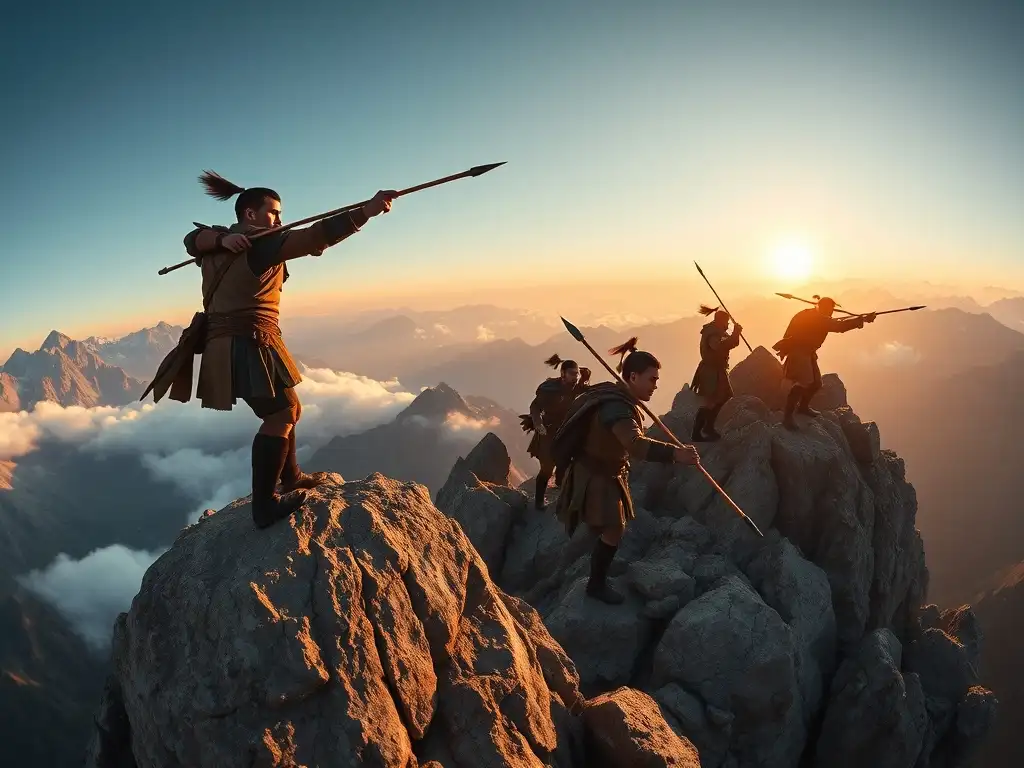
Uncover the secrets of the Andes! For centuries, the towering peaks have guarded the mysteries of powerful civilizations. But what truly forged the legendary Andean warriors? Dive into the fascinating world of Andean warrior training methods, exploring the rigorous disciplines and unique strategies that shaped elite fighting forces like the Inca's chasquis and beyond. Prepare to be amazed by the ingenuity and resilience of these ancient societies. Discover their remarkable story here.
The towering Andes Mountains, a formidable natural barrier, cradled a diverse tapestry of ancient civilizations. While often remembered for their impressive architectural feats and intricate artistry, these Andean societies also possessed sophisticated military organizations, including highly trained elite warrior units.
This article delves into the fascinating world of Andean warrior training methods, exploring the rigorous physical and mental preparation that forged these specialized forces and their crucial role in shaping the destiny of Andean empires. We will uncover the strategies and techniques employed to create some of the most effective fighting forces of the pre-Columbian era, examining the evidence from archaeological finds, historical accounts, and anthropological studies to paint a vivid picture of their rigorous training regimes and their impact on Andean warfare.
Understanding these methods provides invaluable insight into the complexities of Andean societies and their remarkable ability to adapt and conquer in a challenging environment. The keyword "Andean warrior training methods" will guide our exploration of these fascinating historical figures.
The Rise of Specialized Andean Military Units
The development of specialized military units within Andean societies wasn't a uniform process. It varied considerably based on geographical location, the specific culture, and the prevailing socio-political climate. However, a common thread emerges: the need for highly trained individuals capable of executing complex military maneuvers and overcoming the challenges of mountainous terrain.
The Inca Empire, for instance, famously utilized a system of chasquis, runners who relayed messages across vast distances with remarkable speed and efficiency. While not strictly "warriors" in the traditional sense, their training and discipline highlight the emphasis on specialized skills within the Inca military infrastructure. Other cultures, like the Chimu and Wari, also developed elite fighting forces, each with their own unique training approaches tailored to their specific needs and strategic objectives.
The necessity of defending territories, securing resources, and expanding influence fueled the creation and refinement of these specialized military units, shaping the course of Andean warfare for centuries. The rise of these units reflects a sophisticated understanding of military strategy and the importance of specialized training in achieving military success.
Defining the Andean Elite Warrior
Defining the "elite Andean warrior" requires a nuanced approach. It wasn't simply a matter of physical prowess, although strength and endurance were undoubtedly crucial. Elite status often involved a combination of factors:
Identifying Key Characteristics of Andean Warriors
- Physical Strength and Endurance: Years of rigorous physical training were essential. This likely included running long distances across challenging terrain, carrying heavy loads, and engaging in hand-to-hand combat drills. Evidence suggests that many Andean cultures prioritized physical fitness as a fundamental aspect of their warrior training.
- Weapon Proficiency: Mastery of various weapons, from spears and clubs to slings and bows and arrows, was paramount. The specific weaponry varied across different cultures, but proficiency in their use was a defining characteristic of elite warriors. Archaeological evidence reveals the sophistication of Andean weaponry and the level of skill required to wield them effectively.
- Tactical Awareness: Elite warriors weren't simply brute force; they possessed a strong understanding of military tactics and strategy. This included knowledge of terrain, the ability to adapt to changing circumstances, and the capacity for coordinated group warfare.
- Spiritual and Religious Beliefs: Many Andean cultures intertwined warfare with religious beliefs. Elite warriors often underwent ritualistic ceremonies and practices that instilled a sense of spiritual strength and invincibility, enhancing their morale and battlefield effectiveness. This spiritual element played a significant role in shaping their identity and their fighting capabilities.
- Social Standing: Membership in elite warrior units often conferred high social status and privileges within Andean societies. This status was not only a reward for exceptional skills but also served as an incentive for aspiring warriors to undergo rigorous training.
The Role of Elite Warriors in Andean Warfare
Elite Andean warriors played a crucial role in shaping the outcome of battles and wars. Their specialized skills and training allowed them to serve as shock troops, leading charges, and breaking enemy lines. They often formed the vanguard or spearheaded crucial maneuvers, leveraging their superior training to achieve decisive victories. Beyond their role in direct combat, elite warriors also served as guardians of important sites, protecting key resources and strategic locations.
Their strategic deployment and tactical expertise were instrumental in securing territorial control and establishing Andean dominance. The elite warrior's role extended beyond the battlefield, encompassing leadership, strategic planning, and the maintenance of social order. They were more than just soldiers; they were integral to the political and social fabric of their societies.
- What kind of training did elite Andean warriors undergo?
- How did the Inca's training methods differ from other Andean cultures?
- What weapons and combat techniques did Andean warriors use?
- Were women involved in Andean warfare and training?
- What role did religion and spirituality play in Andean warrior training?
Andean Warrior Training Methods: A Deep Dive
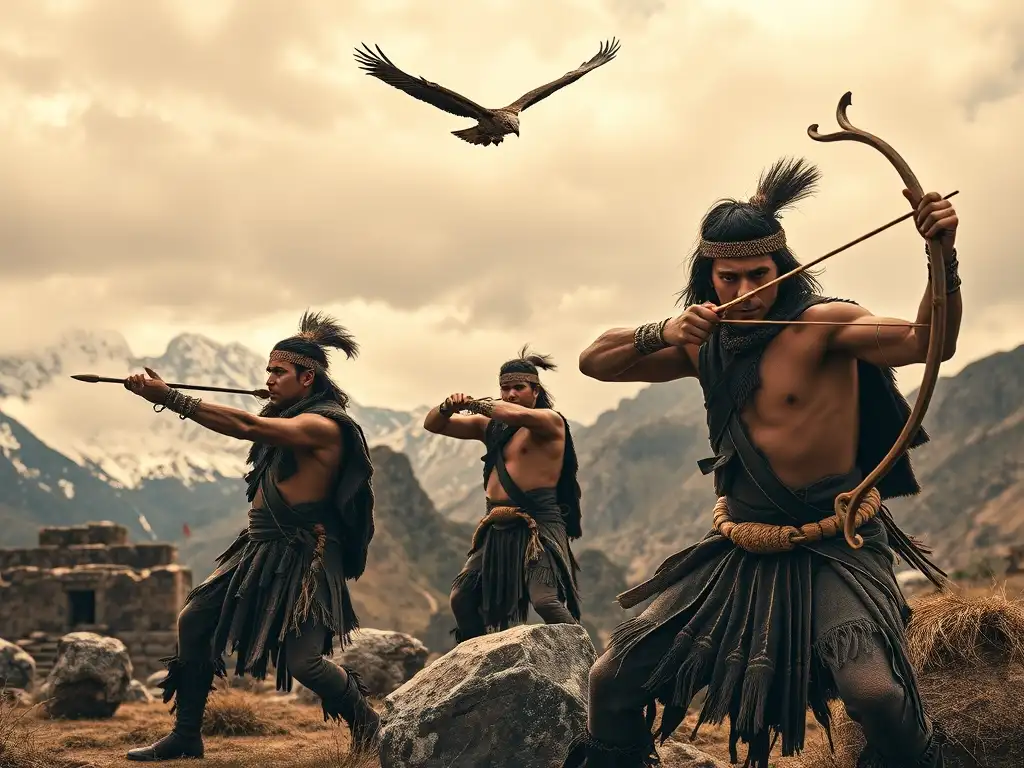
The creation of elite Andean warriors wasn't solely about physical prowess; it was a holistic process encompassing physical, psychological, and spiritual conditioning. This rigorous training, passed down through generations, shaped individuals into formidable fighting forces capable of conquering challenging terrains and outmaneuvering their enemies. Understanding these Andean warrior training methods reveals the sophistication and complexity of their military strategies.
Physical Conditioning for Andean Warriors
The harsh Andean environment played a crucial role in shaping the physical training regimen of elite warriors. High altitudes, rugged terrain, and unpredictable weather demanded exceptional endurance, strength, and agility. Training wasn't confined to formalized exercises; it was integrated into daily life, making warriors constantly prepared for the rigors of combat.
Endurance Training at High Altitudes
Endurance training was paramount. Warriors routinely undertook long-distance runs at high altitudes, often carrying heavy loads to simulate the conditions of a campaign. These runs weren't merely sprints; they were designed to build stamina and acclimatize the body to the thin air, reducing the risk of altitude sickness during warfare.
The uneven terrain of the Andes itself served as a natural obstacle course, further enhancing their endurance and agility. Think of it as a constant, demanding physical preparation integrated into their daily life. Documented accounts from Spanish conquistadors often mention the astonishing endurance of Andean warriors, even when compared to the most physically fit European soldiers.
Strength and Agility Exercises with Natural Obstacles
Strength and agility training utilized the natural environment. Warriors would scale steep cliffs, navigate treacherous mountain passes, and leap across ravines – all while carrying weapons and equipment. This constant interaction with the challenging terrain honed their strength, balance, and coordination. They also engaged in wrestling and other combative sports, improving their strength, reflexes, and hand-to-hand combat skills. These weren't just games; they were vital components of their training, building physical resilience and fostering a competitive spirit crucial for battlefield success. The integration of physical training with their natural environment is a key aspect of understanding their effectiveness.
Mastery of Weaponry: Training with the Bola, Macana, and Atlatl
Proficiency with their weaponry was essential. Extensive training was devoted to mastering the bola (a throwing weapon with multiple weighted balls connected by cords), the macana (a club), and the atlatl (a spear-thrower). Warriors spent countless hours honing their throwing accuracy, aiming at both stationary and moving targets. They also practiced close-quarters combat techniques using the macana, developing precise strikes and defensive maneuvers. The level of skill required to effectively wield these weapons was remarkable, demanding immense strength, precision, and coordination. The constant practice built muscle memory and instinctive reactions, critical in the heat of battle.
Psychological and Strategic Training of Andean Warriors
The physical aspect of training was only one piece of the puzzle. The mental and strategic preparation of Andean warriors was equally crucial to their success on the battlefield.
Developing Mental Fortitude and Resilience
Andean warrior training instilled mental fortitude and resilience. Warriors underwent rigorous tests of endurance, both physical and mental, designed to break down their limits and build unwavering resolve. These trials often involved prolonged periods of fasting, sleep deprivation, and exposure to harsh weather conditions. The goal wasn't simply to punish; it was to forge unwavering willpower and the ability to overcome adversity, vital qualities for surviving the brutal realities of war. This psychological conditioning was just as important as the physical training, preparing them for the psychological toll of battle.
Strategic Thinking and Guerilla Tactics
Strategic thinking was a core component of their training. Warriors were taught not only individual combat skills but also intricate strategies and tactics, including guerilla warfare techniques. They learned to utilize the terrain to their advantage, employing ambushes, hit-and-run attacks, and other unconventional methods to overcome numerically superior enemies. This emphasis on strategic thinking and adaptability allowed them to effectively combat larger, more conventionally trained armies. Detailed accounts of their strategies are scarce but available historical sources provide glimpses into their tactical ingenuity.
Communal Rituals and Ancestral Veneration for Combat
Communal rituals and ancestral veneration played a crucial role in the psychological preparation of Andean warriors. Before battles, warriors would participate in ceremonies designed to bolster their morale, invoke divine protection, and strengthen their sense of unity. These rituals instilled a deep sense of purpose and commitment, transforming them into a cohesive fighting force driven by shared beliefs and a strong sense of collective identity. This spiritual aspect of their training, often overlooked, was integral to their unwavering courage and fighting spirit. The combination of physical, mental, and spiritual training created an elite warrior class unmatched in their time.
The Role of Specific Andean Cultures in Warrior Training
Andean warrior training methods varied significantly depending on the specific culture and its unique societal structure. While common threads of physical prowess and strategic thinking existed, the nuances of training reflected the distinct values and priorities of each civilization. For example, the highly centralized Inca empire emphasized discipline and standardized training, while smaller, more independent groups like the Chanka prioritized individual ferocity and adaptability on the battlefield.
Examining these differences provides a richer understanding of the diverse military capabilities across the Andes. The rigorous training programs weren't just about developing physical strength; they instilled loyalty, obedience, and a deep sense of cultural identity, ultimately strengthening the cohesion and effectiveness of their respective armies. Understanding these cultural influences is key to appreciating the complexities of Andean warfare.
Inca Military Training and Discipline
Inca military training was a highly structured and regimented affair. Young men, often conscripted from rural communities at around the age of 15 or 16, underwent intense physical conditioning. This involved rigorous endurance exercises like long-distance running in mountainous terrain, carrying heavy loads, and practicing various combat maneuvers. Discipline was paramount.
Inca soldiers were expected to show unwavering loyalty to the Sapa Inca and the state, and insubordination was severely punished. Training also included tactical drills, simulating battlefield scenarios and emphasizing coordinated maneuvers. The use of specialized weapons, such as the macuahuitl (a wooden club with obsidian blades) and the bolas, required extensive practice.
Furthermore, Inca military organization extended beyond basic training; soldiers were grouped into units with clear hierarchies and responsibilities, enhancing their effectiveness in battle. The meticulous nature of Inca military training contributed significantly to their impressive military successes in expanding and consolidating their vast empire. Detailed records of training regiments, while scarce, suggest a systematic approach focused on both individual excellence and collective efficiency.
Moche Warrior Training: Iconography and Ritual Combat
Moche warrior training, unlike the highly structured Inca system, remains less documented, relying heavily on archaeological evidence and iconographic representations. Moche pottery and metalwork frequently depict warriors engaged in combat, providing clues about their training methods. Images suggest a strong emphasis on ritual combat and the use of weaponry.
The portrayal of warriors adorned in elaborate headdresses and ceremonial attire indicates that warfare was inextricably linked to religion and ritual. This suggests that training may have included elements of ritualistic preparation, possibly involving shamanistic practices or sacrifices to enhance their ferocity and invincibility in battle.
Moreover, the Moche's sophisticated metalworking techniques, evident in the creation of intricate weapons and armor, imply a high level of skill and specialized training in metalworking itself, a crucial aspect of their military preparedness. While the precise details of their training remain elusive, the available evidence suggests a blend of physical training, ritualistic preparation, and advanced metalworking skills.
Chanka Warrior Training: Ferocity and Battlefield Tactics
The Chanka, known for their fierce resistance against the Inca expansion, likely employed training methods emphasizing individual prowess and battlefield adaptability. Unlike the Inca's standardized approach, Chanka warriors probably relied on decentralized training, possibly within family or clan units. Their training likely focused on developing exceptional physical strength and stamina, honed through hunting, farming, and constant physical activity in their challenging Andean environment.
This emphasis on individual skill likely contributed to their reputation as ferocious fighters. They likely excelled in guerilla warfare tactics, utilizing the mountainous terrain to their advantage. Their training would have involved mastering the use of various weapons, adapting their strategies to the ever-changing landscape and employing ambush tactics.
The Chanka's military success, though ultimately overshadowed by the Inca, highlights the effectiveness of decentralized training methods when adapted to a specific environment and fighting style. Further research is needed to fully understand the nuances of their training, but their legacy points towards a more individualized and less formalized approach compared to the Inca.
The Legacy of Andean Military Prowess
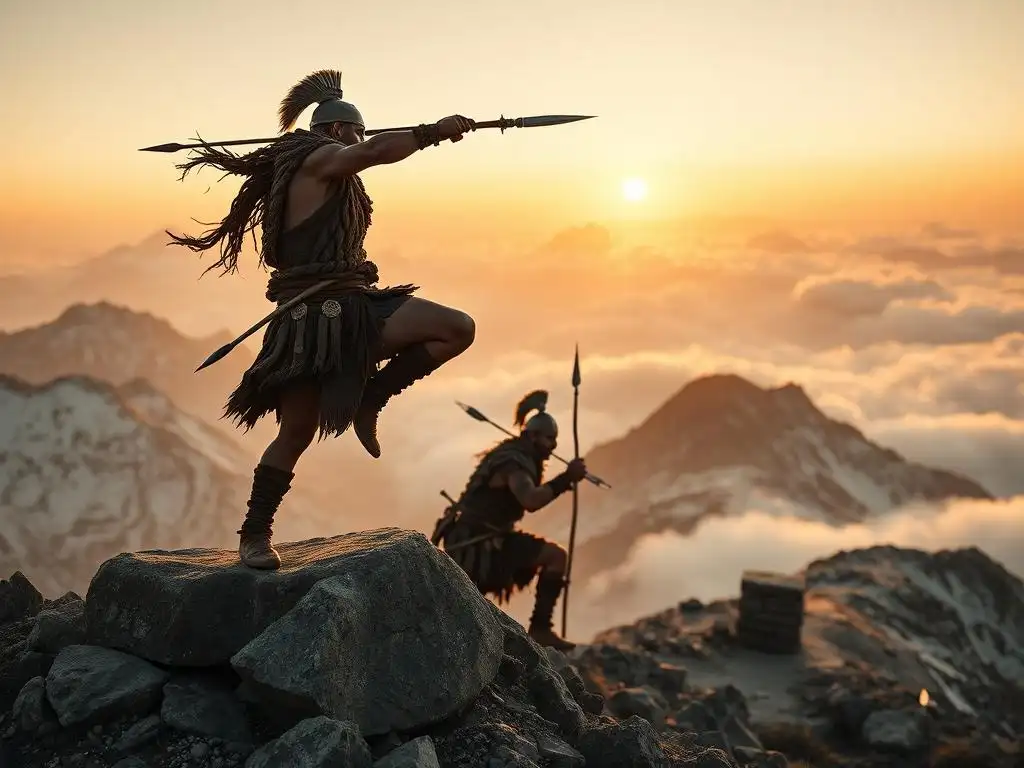
The Andean region, spanning the vast mountain ranges of South America, boasts a rich history of sophisticated military organizations and strategies. While often overshadowed by the Inca Empire's later dominance, numerous preceding cultures developed highly effective warrior traditions. The highly organized armies of the Wari, the technologically advanced military capabilities of the Moche, and the fiercely independent warriors of the Nazca all contributed to the complex tapestry of Andean warfare.
Understanding their legacies is crucial to appreciating the full scope of Andean warrior training methods. The impact of these diverse military traditions extended far beyond simple conquest; they shaped political landscapes, influenced technological innovation, and left an enduring mark on Andean societies. These weren't just armies; they were integral parts of the social and political fabric, influencing everything from resource allocation to religious practices.
The effectiveness of their strategies, honed over centuries, speaks volumes about the dedication to training and the sophistication of their military organization. The echoes of this military prowess resonate even today, influencing our understanding of ancient Andean societies and providing valuable insights into the development of warfare in the region.
The Impact of Elite Andean Warriors on Regional Conflicts
Elite Andean warriors, often drawn from specific clans or social strata, played a decisive role in shaping regional conflicts. Their specialized training and superior weaponry gave them a significant advantage on the battlefield. For instance, the Moche's mastery of metallurgy allowed them to craft superior weaponry, including finely crafted spears, swords, and clubs, giving them a clear edge in close-quarters combat.
Similarly, the Inca's highly organized army, with its system of messengers and logistics, allowed for swift mobilization and effective deployment of troops across vast distances. Analyzing the archaeological evidence reveals a complex interplay of factors that contributed to their success: superior weaponry, strategic alliances, and effective military leadership. The impact of these elite units wasn't limited to battlefield victories; they also played a key role in maintaining political control and suppressing rebellions within their respective empires.
The ability of elite warriors to swiftly quell dissent was crucial to maintaining the stability and power of the ruling class. This highlights the importance of not just military strength, but also effective governance and social control in the success of Andean empires. The study of these conflicts illuminates the crucial role of Andean warrior training methods in shaping the political and social landscape of the region.
Lessons from Andean Warrior Training for Modern Fitness Regimens
While vastly different from modern fitness, Andean warrior training methods offer intriguing parallels and valuable lessons for contemporary fitness enthusiasts. The rigorous physical demands placed upon Andean warriors, honed through years of training, resulted in exceptional levels of strength, endurance, and agility. Consider the high-altitude conditions in which many Andean civilizations thrived. Living and fighting at high altitudes demanded exceptional cardiovascular fitness and stamina, traits we can emulate through high-intensity interval training (HIIT) and altitude simulation training.
Furthermore, the emphasis on hand-to-hand combat and weapon proficiency translates to the modern focus on functional fitness and bodyweight exercises. The development of core strength and balance, essential for effective combat, mirrors the modern focus on core stability and functional movement patterns in fitness programs. While we may not wield spears and clubs, the underlying principles of physical conditioning remain remarkably relevant.
The Andean focus on holistic well-being, encompassing physical strength, mental fortitude, and spiritual resilience, offers a valuable perspective on a balanced approach to fitness. This holistic approach, unlike modern fitness's sometimes narrow focus, is a lesson that could be incorporated more effectively into modern fitness programs. Incorporating elements inspired by Andean warrior training, such as agility drills and calisthenics, can create challenging and rewarding fitness regimens.
Documenting the Archaeological Record of Andean Warriors
The archaeological record offers invaluable insights into Andean warrior training methods, although much remains to be discovered. Evidence comes from various sources: skeletal remains revealing signs of repetitive stress injuries consistent with weapon training; depictions of warriors in art and iconography, illustrating training techniques and weaponry; and the discovery of training grounds and associated artifacts. For example, the discovery of specialized weaponry workshops and training areas near Moche settlements suggests organized and structured training programs. Skeletal analysis reveals patterns of muscle development and bone stress consistent with intensive physical training.
However, the interpretation of this evidence is often complex and requires careful consideration of contextual factors. While some sites provide abundant evidence, others offer only fragmentary information, requiring careful analysis and interpretation. Furthermore, the biases inherent in archaeological discovery—certain sites are better preserved than others—must be acknowledged.
Further research, using advanced techniques such as isotopic analysis and 3D modeling, can enhance our understanding of Andean warrior training. The challenge lies in piecing together fragmented evidence to build a comprehensive picture of the diverse training methods employed across different Andean cultures and time periods. The ongoing exploration and analysis of these remains are crucial to unlocking the secrets of Andean military prowess and refining our understanding of their training methods.
Frequently Asked Questions
What kind of training did elite Andean warriors undergo?
Andean warrior training was rigorous and multifaceted. It involved physical conditioning, weapon proficiency, and strategic warfare instruction, often starting at a young age. This prepared them for the challenges of Andean warfare.
How did the Inca's training methods differ from other Andean cultures?
While specifics vary, Inca training likely emphasized discipline and loyalty to the empire. Other cultures, like the Moche, might have focused more on individual prowess and shamanic practices. The exact methods remain a subject of ongoing research.
What weapons and combat techniques did Andean warriors use?
Andean warriors utilized a variety of weapons, including clubs, spears, slings, and bolas. They employed ambush tactics and formations to overcome enemies, adapting their strategies to the Andean terrain. Specialized armor was also used.
Were women involved in Andean warfare and training?
While less documented than male warriors, evidence suggests women participated in Andean warfare in various roles. Their training may have differed, focusing on support roles or specialized fighting techniques, depending on the specific culture.
What role did religion and spirituality play in Andean warrior training?
Religion played a significant role. Training often involved rituals and ceremonies, aimed at instilling courage, strength, and devotion to their gods. Shamans might have played a key role in preparing warriors for battle.
Final Reflection: Echoes of the Andes: Legacy and Future of Elite Warrior Training
The rigorous training methods of the elite Andean warriors remain strikingly relevant today, offering invaluable lessons in resilience, adaptability, and the enduring power of human potential. Their strategies, honed over centuries of challenging terrain and conflict, continue to resonate in modern military and athletic training programs, proving that the pursuit of excellence transcends time and culture.
The impact of these ancient warrior traditions extends far beyond the battlefield, shaping cultural identities and inspiring narratives of courage and perseverance. Their legacy is woven into the fabric of Andean societies, a testament to the enduring spirit of their ancestors. The mountains themselves are a teacher, shaping the body and mind to withstand the harshest conditions.
This sentiment, though perhaps not directly quoted from an ancient source, encapsulates the essence of the Andean warrior ethos and its lasting influence on the region's identity. The echoes of their training continue to inspire individuals to push their limits and strive for excellence in all aspects of life.
Consider the lessons learned from these warriors. Their dedication to physical and mental fortitude, their mastery of their environment, and their unwavering commitment to their communities – these are not merely historical facts, but timeless principles applicable to your own life. Embrace the challenge, cultivate resilience, and discover the strength within yourself to overcome any obstacle. Let the spirit of the Andean warriors inspire you to reach your full potential, leaving a legacy of your own.
**Unleash Your Inner Warrior: Dive into Andean History! **
Thank you for exploring the fascinating world of Andean warriors with us! We hope you gained valuable insights into their training and unwavering spirit. Now, let's build on that inspiration. Here are some ways to connect more deeply with this rich legacy:
- **Immerse yourself in research:** Delve into Andean history through books, documentaries, and academic papers focusing on their military strategies and societal structures.
- **Join a community:** Share your knowledge and engage in discussions with fellow history enthusiasts. Consider joining online forums, attending lectures, or participating in local history groups.
- **Explore Andean-inspired activities:** Consider martial arts, hiking, or other physically demanding activities that reflect the skills and endurance of these remarkable warriors.
How has learning about Andean warriors changed your perspective on courage and discipline? Share your thoughts below!