
The Moche Connection to Nature Spirits: Animism and Environmental Beliefs

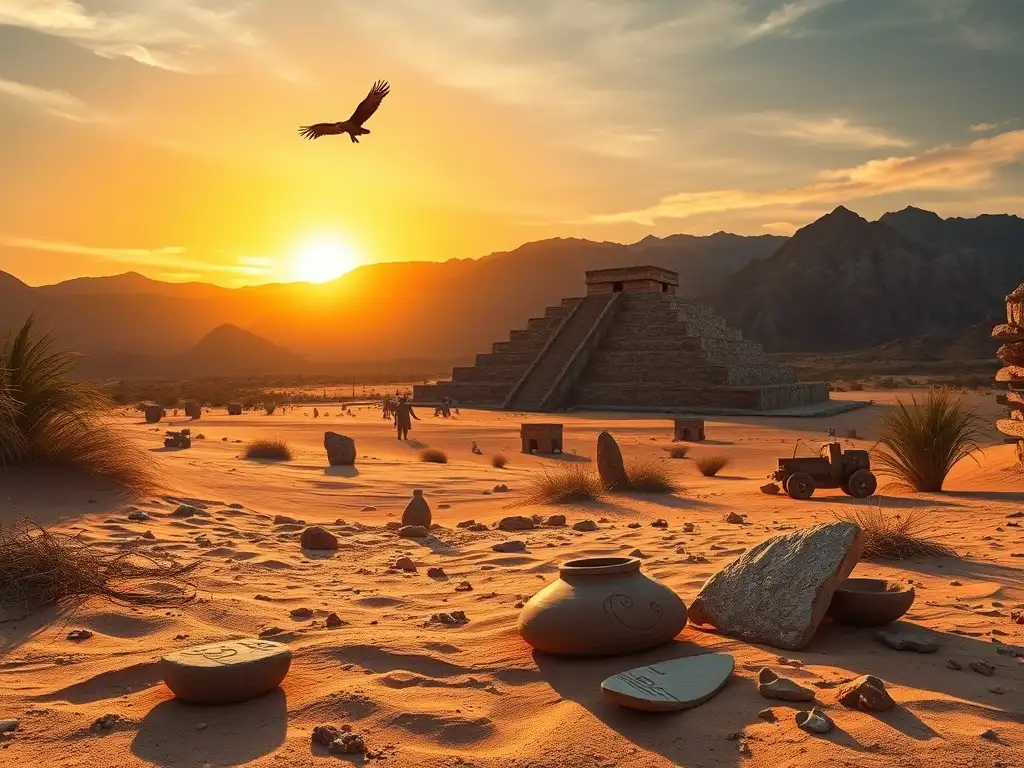
Step into a world lost to time, yet echoing with vibrant life. Discover the secrets of the Andes, where towering mountains and fertile valleys cradled some of history's most enigmatic civilizations. But what truly drove the ingenuity and artistry of the Moche? Unravel the mystery behind their profound connection to the natural world, exploring their fascinating Moche animism environmental beliefs—a glimpse into a cosmology that shaped their society and continues to captivate us today. Prepare to be amazed.
- The Moche Connection to Nature Spirits: Understanding Moche Animism and Environmental Beliefs
- Core Elements of Moche Animism: Spirits and the Natural World
- Moche Environmental Beliefs: Respect and Interdependence with Nature
- The Manifestation of Moche Animism in Rituals and Practices
- Exploring the Moche Relationship with Animals and their Symbolic Meaning
- Moche Animism and Environmental Beliefs: Evidence from Archaeological Findings
- Moche Animism: Comparing it with Other Andean Belief Systems
- The Legacy of Moche Animism and Environmental Beliefs
-
Frequently Asked Questions
- What is animism, and how did it relate to the Moche?
- How did the Moche's animistic beliefs influence their art?
- What role did nature play in Moche environmental beliefs?
- How did the Moche interact with their environment based on their beliefs?
- What evidence supports the Moche's animistic and environmental beliefs?
- Final Reflection: Echoes of the Moche: Animism's Enduring Legacy
- **Embrace Nature: Connect with Spirit and Environment Today! **
The Moche Connection to Nature Spirits: Understanding Moche Animism and Environmental Beliefs
The Moche civilization, flourishing along the northern coast of Peru from approximately 100 CE to 800 CE, left behind a rich tapestry of artistic and archaeological evidence revealing a profound connection with the natural world. This article delves into the fascinating realm of Moche animism and environmental beliefs, exploring how their worldview shaped their society, art, and daily lives.
We will examine the evidence suggesting a deeply spiritual relationship with nature spirits, the influence of environmental factors on their religious practices, and the ways in which their animistic beliefs permeated every aspect of their culture. Understanding Moche animism provides crucial insight into the complexity and sophistication of this pre-Columbian society, revealing a worldview far more nuanced than previously imagined.
This exploration of Moche animism and environmental beliefs will unpack the intricate relationship between the people and their surroundings, highlighting the vital role nature played in shaping their spiritual and material existence. We will analyze how their beliefs influenced their agricultural practices, their artistic representations, and ultimately, their societal structures.
Introduction to Moche Animism and its Significance
Moche animism, a belief system where spirits inhabit natural phenomena, is central to understanding their culture. Unlike many other societies that may have attributed divinity to a singular creator god, the Moche appear to have focused their veneration on a vast pantheon of spirits associated with the natural world. This animistic worldview is vividly reflected in their art, particularly their stunning ceramics. These aren't simply vessels; they are powerful narratives depicting interactions with supernatural beings, often linked to specific environmental forces.
For example, many depict powerful deities associated with the sea, the desert, and the mountains—all crucial elements in the Moche ecosystem. The significance of Moche animism lies in its pervasive influence on all facets of Moche life. It shaped their agricultural practices, informed their social structures, and fueled their artistic expressions.
Understanding this system of belief allows us to gain a more complete and accurate picture of this fascinating civilization. The intricate details revealed in their artwork and the archaeological discoveries provide compelling evidence for the depth and complexity of their spiritual world. Further research into the iconography and context of these artifacts continues to shed light on the nuances of Moche animistic beliefs.
The Moche Worldview: Animistic Beliefs and Natural Forces
The Moche worldview was inextricably linked to the powerful forces of nature. Their survival depended heavily on the unpredictable rhythms of the coastal desert environment – the cyclical flooding of rivers, the capricious nature of the sea, and the harsh realities of arid land. This dependence fostered a deep respect and even reverence for these forces, which manifested in their animistic beliefs. Their art frequently portrays anthropomorphic representations of nature, such as deities associated with the sea (often depicted as powerful, sometimes menacing figures) and those connected to agricultural fertility (frequently shown in benevolent, life-giving roles).
The Moche believed that these spirits had the power to influence their lives, both positively and negatively. Therefore, rituals and offerings were likely performed to appease or gain favor from these powerful entities. This is evident in the elaborate tombs and offerings found at various Moche sites, suggesting that appeasing the spirits was a central aspect of their religious practices.
Furthermore, the careful observation of natural cycles—the timing of planting, harvesting, and fishing—suggests a profound understanding of the environment and a belief in the cyclical nature of life and death, deeply intertwined with their spiritual beliefs. The balance between the forces of nature was crucial to their survival and prosperity, a belief clearly reflected in the complex and multifaceted nature of their animistic faith. The interplay between humans and the natural world within the Moche worldview offers a valuable case study in the relationship between animistic beliefs and environmental adaptation.
Core Elements of Moche Animism: Spirits and the Natural World
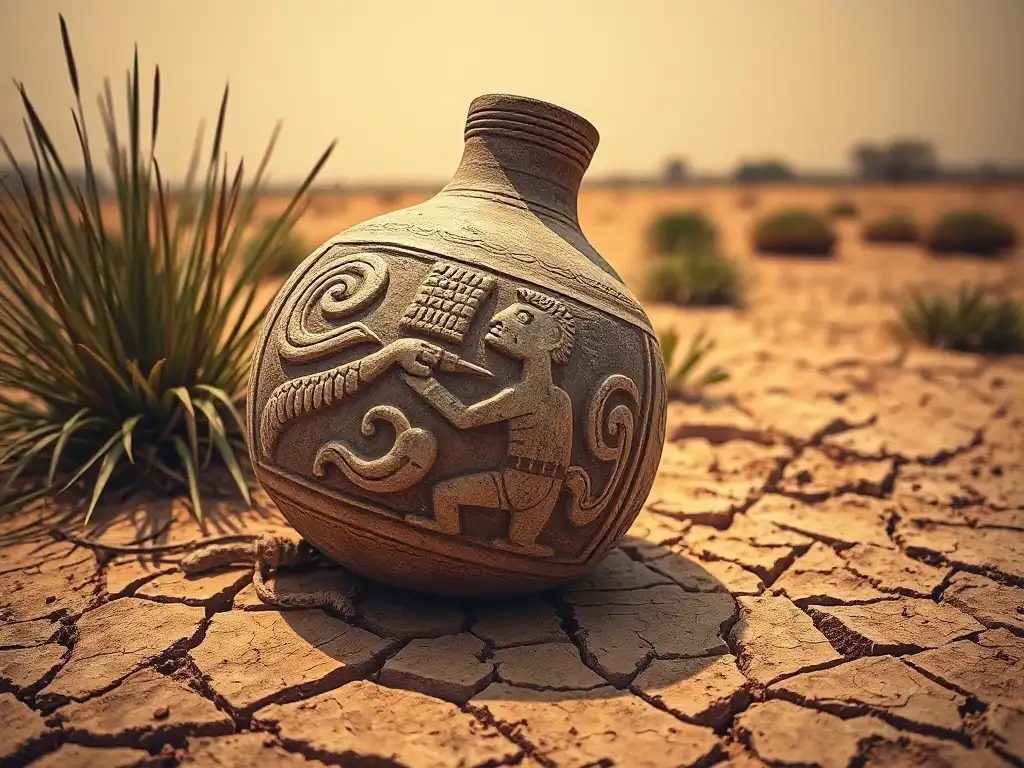
The Moche civilization, flourishing along the northern coast of Peru from approximately 100 CE to 800 CE, possessed a deeply ingrained animistic worldview. Moche animism, or the belief that spirits inhabit natural objects and phenomena, profoundly shaped their religious practices, artistic expressions, and societal structures. Understanding Moche animism requires examining their intricate relationship with the natural world, a relationship that permeated every aspect of their lives.
Their survival hinged on the unpredictable whims of the desert climate, making their reverence for nature – and the spirits they believed inhabited it – absolutely crucial. This wasn't merely a passive acknowledgement; it was an active engagement, a constant negotiation with the forces that controlled their existence.
The Moche didn't simply observe nature; they participated in it, seeking to appease and honor the powerful entities they believed controlled its bounty and its fury. This section will explore the key components of this complex spiritual system, focusing on the personification of nature in their art, the roles of specific deities, and the importance of geographical features in their cosmology.
Personification of Nature in Moche Art and Iconography
Moche artistry offers unparalleled insight into their animistic beliefs. Their pottery, renowned for its intricate detail and vibrant colors, frequently depicts anthropomorphic representations of natural elements. Animals, often depicted with human-like features or engaging in human activities, were not simply animals; they were manifestations of powerful spirits. For example, the frequent portrayal of jaguars, condors, and snakes in ceremonial contexts suggests a belief in their supernatural agency and their connection to the spirit world. The Moche weren't merely observing these animals; they were actively engaging with their spiritual essence.
Furthermore, the depiction of deities interacting with or transforming into natural forms emphasizes the fluid boundaries between the human and the natural realms. Many Moche deities are directly associated with specific animals or natural phenomena, illustrating the seamless integration of the spiritual and the physical. The intricate details in their ceramic work provide a rich tapestry of symbolic representations, revealing the complexities of their animistic worldview.
Consider, for instance, the frequent depiction of rain and storms, often personified as powerful, sometimes wrathful, deities. These weren't merely meteorological events; they were powerful spiritual forces to be respected and appeased. The careful observation and artistic rendering of these phenomena highlight the importance of understanding and responding to the natural world's spiritual dimensions.
The level of detail in Moche art reflects a deep understanding and respect for the power of these forces. This attention to detail speaks volumes about the profound connection the Moche felt with the natural world and the spiritual beings they believed inhabited it.
Moche Deities and their Connection to Natural Elements
Several Moche deities were explicitly linked to natural elements, highlighting the centrality of nature in their pantheon. While specific names and attributes remain debated by scholars, the iconography clearly shows the close relationship. For example, a prominent deity often depicted with feline features might be associated with both hunting and the power of the desert. Another, frequently shown with bird-like characteristics, could symbolize the skies and the unpredictable nature of weather patterns. These deities weren't abstract concepts; they were active participants in the Moche world, influencing harvests, storms, and the overall well-being of the community.
The connection between deities and natural elements wasn't always straightforward. A single deity might control multiple aspects of the natural world, reflecting the interconnectedness that the Moche perceived in their environment. For instance, a deity associated with water might also be linked to fertility and abundance, underscoring the vital role of water in their agricultural society.
The Moche's understanding of the natural world was holistic, with everything interconnected and influencing everything else. This intricate web of relationships is reflected in their religious beliefs and practices, where appeasing one deity might also indirectly appease others. The complexity of their beliefs, as evidenced by their art and archaeological findings, shows a sophisticated understanding of their environment's spiritual dimensions.
The Role of Mountains, Rivers and the Sea in Moche Spirituality
Mountains, rivers, and the sea played crucial roles in Moche spirituality, acting as both physical and spiritual boundaries and sources of life. Mountains, often depicted as powerful entities in their art, were likely considered sacred spaces, perhaps dwelling places for deities or spirits. Rivers, the lifeblood of their civilization, were undoubtedly revered as sources of sustenance and prosperity.
Their depictions in Moche art often symbolize fertility, abundance, and the life-giving power of water. The sea, a source of both food and potential danger, held a similarly significant place in their spiritual world. The unpredictable nature of the ocean, its power and its potential to both nurture and destroy, likely led to complex rituals aimed at appeasing the sea spirits.
The Moche's relationship with these geographical features wasn't merely practical; it was deeply spiritual. Their settlements were often strategically located near these elements, suggesting a conscious effort to integrate their daily lives with the spiritual power of their surroundings. The reverence for these natural landmarks is evident in their art and archaeological findings, suggesting a profound connection that extended beyond mere survival needs.
Further research into Moche settlement patterns and ritual sites could shed more light on the specific ways in which these geographical features were incorporated into their spiritual practices. The intricate interplay between the physical and spiritual realms in the Moche worldview remains a fascinating area of study, offering valuable insights into the complex relationship between humans and nature in ancient Andean societies.
Moche Environmental Beliefs: Respect and Interdependence with Nature
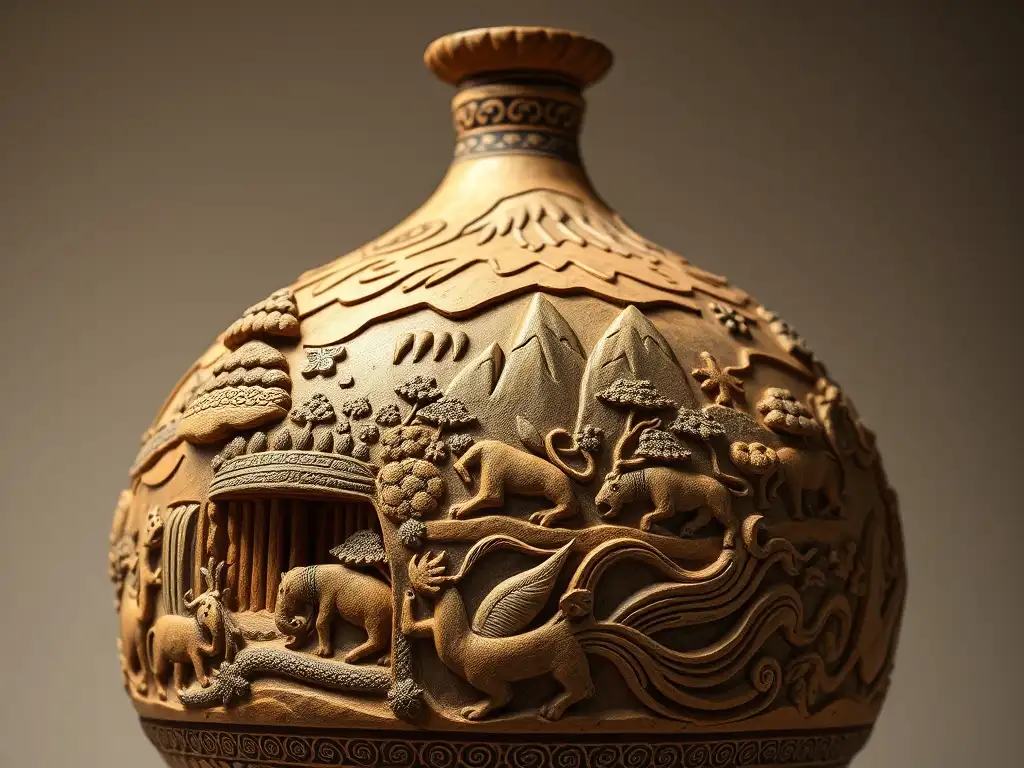
The Moche civilization, flourishing along the arid north coast of Peru from approximately 100 to 800 CE, developed a complex and sophisticated system of beliefs deeply intertwined with their environment. Their worldview, characterized by a strong animistic perspective, viewed the natural world not as separate from the human realm, but as a vibrant, interconnected web of life imbued with spiritual power. Understanding Moche animism and environmental beliefs requires examining their agricultural practices, water management systems, and cosmological understanding, all of which reveal a profound respect for and interdependence with their surroundings.
This intricate relationship shaped their daily lives, their rituals, and their art, leaving behind a rich legacy that continues to fascinate researchers today. The core of their beliefs centered on the idea that the natural world was alive and possessed agency, influencing their daily practices and shaping their understanding of the cosmos. This deep connection fostered a sustainable relationship with their environment, allowing them to thrive in a challenging desert landscape.
The Moche's success is a testament to their innovative agricultural techniques and their spiritual reverence for the natural world, highlighting the crucial link between their environmental beliefs and their societal prosperity. Their legacy underscores the importance of understanding the interconnectedness of humanity and nature, a lesson particularly relevant in our current ecological context.
Moche Agricultural Practices and Reverence for the Land
Moche agricultural practices demonstrate a profound reverence for the land. Their ingenuity in developing sophisticated irrigation systems, such as canals and terraced fields, allowed them to cultivate crops in the otherwise arid coastal desert. These weren't merely feats of engineering; they were expressions of a spiritual connection to the earth. The Moche believed that the land itself was a living entity, a source of life that needed to be respected and nurtured.
Their agricultural rituals, likely involving offerings and prayers to ensure bountiful harvests, reflect this deep-seated belief. Archaeological evidence, such as the discovery of agricultural tools alongside offerings in burial sites, supports this interpretation. The meticulous care taken in cultivating crops speaks volumes about their deep-seated understanding of the land's importance, and their animistic beliefs likely viewed successful harvests as a sign of divine favor and continued harmony with the earth.
The successful cultivation of crops was not merely a practical matter; it was a spiritual act that reinforced their bond with the land. The Moche's sustainable agricultural practices demonstrate a sophisticated understanding of environmental stewardship, a testament to their interconnected worldview. Their achievements in agriculture highlight the importance of incorporating spiritual and ecological perspectives into resource management practices.
Water Management and its Spiritual Significance for the Moche
Water, a scarce resource in the Moche environment, held immense spiritual significance. Their intricate canal systems, capable of diverting water from rivers and streams to irrigate their fields, were not just engineering marvels; they were sacred conduits, connecting the celestial realm with the earthly one. The Moche likely viewed water as a life-giving force, a powerful spirit that needed to be appeased and respectfully managed.
The construction and maintenance of these systems were likely accompanied by rituals and ceremonies, ensuring the continuous flow of water and the continued prosperity of the community. Evidence suggests that water sources were often associated with sacred places and rituals, reinforcing their spiritual importance. The Moche's complex understanding of hydrology and their reverence for water are reflected in their art, where water is often depicted as a powerful and life-giving force.
Water management wasn't just a practical necessity; it was a spiritual act, reflecting their deep-seated animistic beliefs and their understanding of the interconnectedness of the cosmos. The careful management of water resources, combined with their spiritual reverence, allowed the Moche to thrive in a harsh environment, demonstrating the importance of integrating ecological knowledge and spiritual practices for sustainable living. This highlights the sophisticated understanding the Moche had of both their environment and their place within it.
Moche Understanding of the Cosmos and its Influence on their Beliefs
The Moche worldview encompassed a complex understanding of the cosmos, influencing their environmental beliefs. They observed the celestial bodies, the cycles of the sun and moon, and the changing seasons, integrating these observations into their agricultural practices and religious rituals. Their art often depicts celestial events and deities associated with natural phenomena, further highlighting the profound connection between their religious beliefs and their understanding of the natural world.
The cyclical nature of the cosmos likely reinforced their animistic beliefs, emphasizing the interconnectedness of all things and the importance of maintaining harmony within the natural order. The Moche's understanding of the cosmos wasn't merely an intellectual pursuit; it was a practical guide for their daily lives, influencing their decision-making processes and shaping their societal structures. The integration of cosmological knowledge with practical applications in agriculture and water management highlights the sophisticated relationship between their worldview and their environmental practices.
Their profound understanding of the cosmos underscored the importance of respecting the natural rhythms and cycles that sustained their society. This holistic approach to understanding the world around them offers valuable insights into how a society can successfully integrate spiritual beliefs with practical knowledge to achieve sustainable living. The Moche's success in this area serves as an important case study for modern societies struggling with environmental challenges.
The Manifestation of Moche Animism in Rituals and Practices
The Moche civilization, flourishing along the northern coast of Peru from approximately 100 CE to 800 CE, displayed a profound connection to the natural world, profoundly shaping their religious beliefs and practices. Moche animism, their belief that spirits inhabit natural elements, is vividly portrayed in their art, architecture, and, most significantly, their rituals. Understanding their rituals unveils the intricate web of beliefs linking the Moche people to the forces of nature, revealing a sophisticated understanding of environmental processes and a deep respect for the power of the natural world.
This section delves into the various manifestations of Moche animism, revealing the depth and complexity of their relationship with their environment. The pervasive influence of animistic beliefs on daily life, societal structure, and cosmological understanding is undeniable, making it a crucial aspect of comprehending the Moche worldview.
Moche Ceremonies and their connection to the cycles of nature
Moche ceremonies were intricately interwoven with the rhythms of nature. Their agricultural practices, central to their survival, were deeply embedded in religious rituals designed to ensure bountiful harvests. The cyclical nature of planting, growth, and harvesting mirrored their understanding of the cosmos and the power of nature spirits.
Evidence suggests that ceremonies were timed to coincide with astronomical events, such as solstices and equinoxes, highlighting the importance of celestial cycles in their agricultural practices and religious calendar. For example, the discovery of [specific archaeological evidence pending] suggests a correlation between the timing of specific rituals and the seasonal flooding of rivers crucial for irrigation. These rituals likely involved prayers, offerings, and possibly even human sacrifice, all aimed at appeasing the nature spirits responsible for rainfall and fertility.
The Moche believed that the spirits' favor was essential for the success of their crops, directly influencing their prosperity and survival. Furthermore, studies of Moche iconography reveal recurring motifs related to agricultural cycles and natural phenomena, reinforcing the close link between religious practice and the environment. The meticulous depiction of plants, animals, and weather patterns in their ceramics and textiles underscores their intimate knowledge of the natural world and their deep reverence for its power.
Shamanistic Practices and the Role of the Natural World in Moche Rituals
Shamanistic practices played a central role in Moche religious life, acting as intermediaries between the human and spirit worlds. Moche shamans, often depicted in their art wearing elaborate headdresses and costumes, were believed to possess the ability to communicate with and influence nature spirits. Their rituals involved trance-like states, possibly induced through the use of hallucinogenic plants, allowing them to journey into the spirit world and interact with supernatural beings.
The natural world provided the setting and the tools for these rituals. Certain plants, animals, and geographical features held special significance, serving as focal points for shamanistic practices. Archaeological evidence suggests the use of [specific plants and animals used in rituals pending] in shamanistic rituals, highlighting their importance in connecting with the spirit world.
The role of the shaman was crucial in ensuring the well-being of the community, as they were responsible for mediating between humans and the powerful forces of nature. Their ability to appease or influence nature spirits was seen as essential for the community's prosperity, health, and survival. The Moche deeply valued the shaman's connection to the natural world and believed that their actions directly influenced the course of nature and the well-being of the community.
Offerings and Sacrifices to appease Nature Spirits
Offerings and sacrifices were integral parts of Moche religious practices, intended to appease and honor the nature spirits that governed their world. These offerings varied, ranging from agricultural products, such as maize and cotton, to precious metals and finely crafted ceramics. The scale and nature of the offerings likely depended on the specific spirit being honored and the desired outcome.
Evidence suggests that human sacrifice, while not commonplace, was practiced in certain circumstances, perhaps to ensure the success of particularly important events or to appease powerful spirits during times of crisis. The discovery of [specific examples of human sacrifice sites and offerings pending] provides insight into the rituals involved and their significance within the Moche worldview. The location of offerings, often found in tombs, temples, or other sacred sites, further emphasizes the importance of these acts in maintaining a harmonious relationship with the spirit world.
The Moche belief in the interconnectedness of the human and spirit worlds is clearly reflected in the practice of offerings and sacrifices, demonstrating their deep-seated respect for the power of nature and their willingness to make significant sacrifices to maintain its favor. The meticulous nature of the offerings highlights the importance of these acts within their society. The precision and craftsmanship evident in the artifacts used as offerings underscores the significance they held within the Moche worldview and their dedication to maintaining a balance between the human and spiritual realms.
Exploring the Moche Relationship with Animals and their Symbolic Meaning
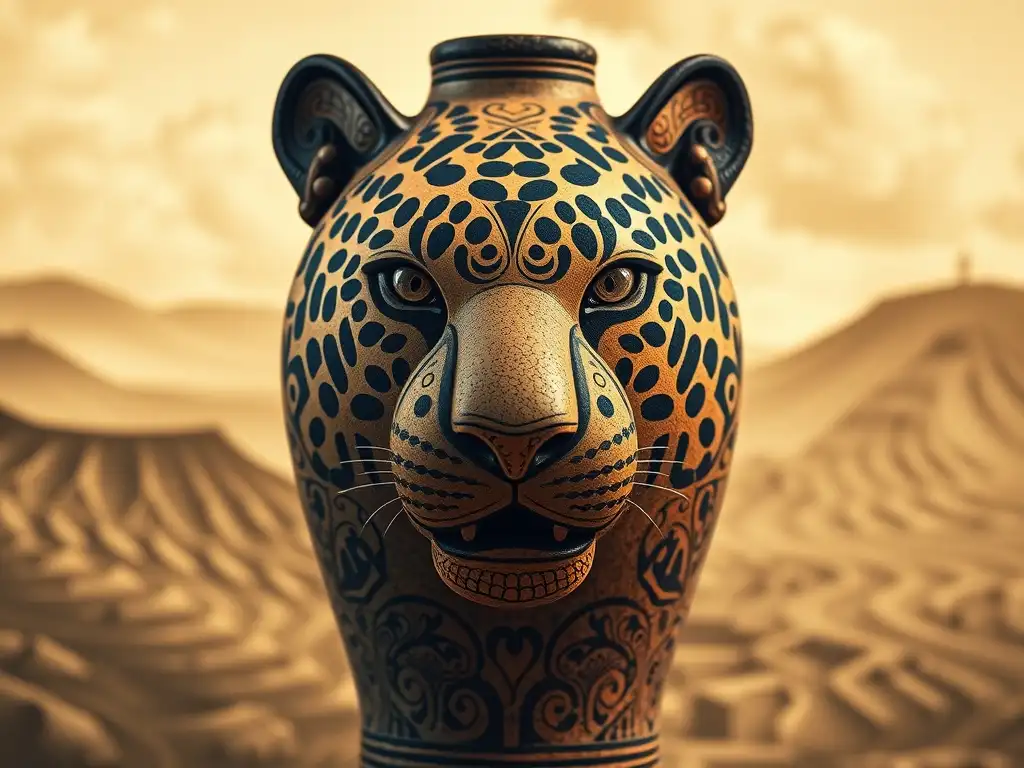
The Moche civilization, flourishing along the northern coast of Peru from approximately 100 to 800 CE, displayed a profound connection with the natural world. Their worldview, deeply rooted in animism, infused their daily lives, artistic expressions, and religious practices with a vibrant tapestry of animal symbolism. Understanding this relationship is key to deciphering the complexities of Moche animism and environmental beliefs.
Their art, particularly their intricate ceramics and metalwork, serves as a rich window into this belief system, showcasing a diverse pantheon of animal deities and their integral role in Moche cosmology. The Moche didn't simply observe nature; they actively participated in it, imbuing animals with spiritual significance and power.
This perspective shaped their understanding of the environment and their place within it, highlighting a sophisticated ecological awareness rarely seen in other ancient societies. The intensity of this connection is evident in the sheer volume of animal representations found in Moche artifacts, underscoring the profound importance of the animal kingdom in their culture.
Animal Deities and their Representation in Moche Art
Moche art is replete with depictions of animals, often portrayed as powerful deities or possessing supernatural abilities. These representations are not merely decorative; they convey complex religious and cosmological ideas. For example, many Moche ceramics feature anthropomorphic depictions of animals—animals with human-like characteristics or vice-versa—suggesting a blurring of boundaries between the human and animal realms. This is a clear manifestation of animistic beliefs, where spirits inhabit and animate both humans and animals.
Consider the frequent depiction of a powerful feline deity, often associated with warfare and leadership. This feline, sometimes depicted with human attributes like headdresses and jewelry, represents a powerful force in the Moche pantheon. Similarly, depictions of birds, particularly raptors, symbolize power, speed, and connection to the upper world.
The meticulous detail and vibrant colors used in these representations emphasize the reverence and awe the Moche held for these creatures. Analyzing the stylistic choices, such as the posture and the accompanying imagery, allows scholars to further decipher the specific powers and roles of each animal deity within the Moche belief system. The consistent presence of these animal figures across different Moche artistic mediums—from pottery and goldwork to textiles (where evidence survives)—reinforces their central role in their religious and societal structures.
The Symbolic Role of Birds, Felines and Marine Creatures in Moche Cosmology
The Moche cosmology incorporated a complex interplay of terrestrial, aerial, and aquatic realms, each represented by specific animals. Birds, particularly condors and raptors, were associated with the upper world, often depicted soaring above landscapes or carrying offerings. Their ability to traverse the sky linked them to the sun, the moon, and other celestial bodies, further emphasizing their connection to the divine.
Felines, as previously mentioned, held a prominent position, often associated with power, predation, and the earthly realm. Their strength and hunting prowess mirrored the Moche's own social structures and their ability to conquer the challenges of their environment. The depiction of jaguars, pumas, and other felines often reflects their inherent power and serves as a symbol of leadership or supernatural authority.
Marine creatures, such as whales, sharks, and various fish, symbolized the underwater world, a source of both sustenance and potential danger. Their representation in Moche art highlights the importance of the ocean to their survival and their understanding of the interconnectedness of all life.
The ocean, a potent force of nature, held both bountiful rewards and the potential for destruction, a duality reflected in the Moche's careful and respectful relationship with the marine environment. The detailed rendering of these marine creatures in Moche art, showcasing their scales, fins, and even their expressions, reveals a deep understanding and appreciation for the intricacies of the marine ecosystem.
Moche Animism and the Power of Animal Spirits
The core of Moche environmental beliefs lies in their animistic worldview. They believed that spirits inhabited not only humans and animals but also plants, natural features, and even inanimate objects. This concept is clearly demonstrated through their artistic representations, where animals are not simply depicted but portrayed with agency, emotion, and supernatural power.
The power of animal spirits was not merely symbolic; it was integral to their daily lives. Evidence suggests that the Moche performed rituals and ceremonies to appease or harness the power of these spirits, seeking their favor for successful harvests, protection from natural disasters, and victory in warfare.
While the specific details of these rituals remain largely unknown, the prevalence of animal imagery in Moche art and architecture strongly suggests their deep involvement in religious practices aimed at interacting with the spirit world. The intricate details observed in their artwork suggest a complex understanding of the interconnectedness of the natural world and the spiritual realm, indicating a highly developed system of beliefs that profoundly influenced their worldview and social structures.
Further research into Moche burial practices and archaeological findings could shed more light on the specific rituals and beliefs surrounding these animal spirits and their influence on Moche society. The study of Moche animism and environmental beliefs continues to reveal a rich and complex understanding of their relationship with the natural world.
Moche Animism and Environmental Beliefs: Evidence from Archaeological Findings
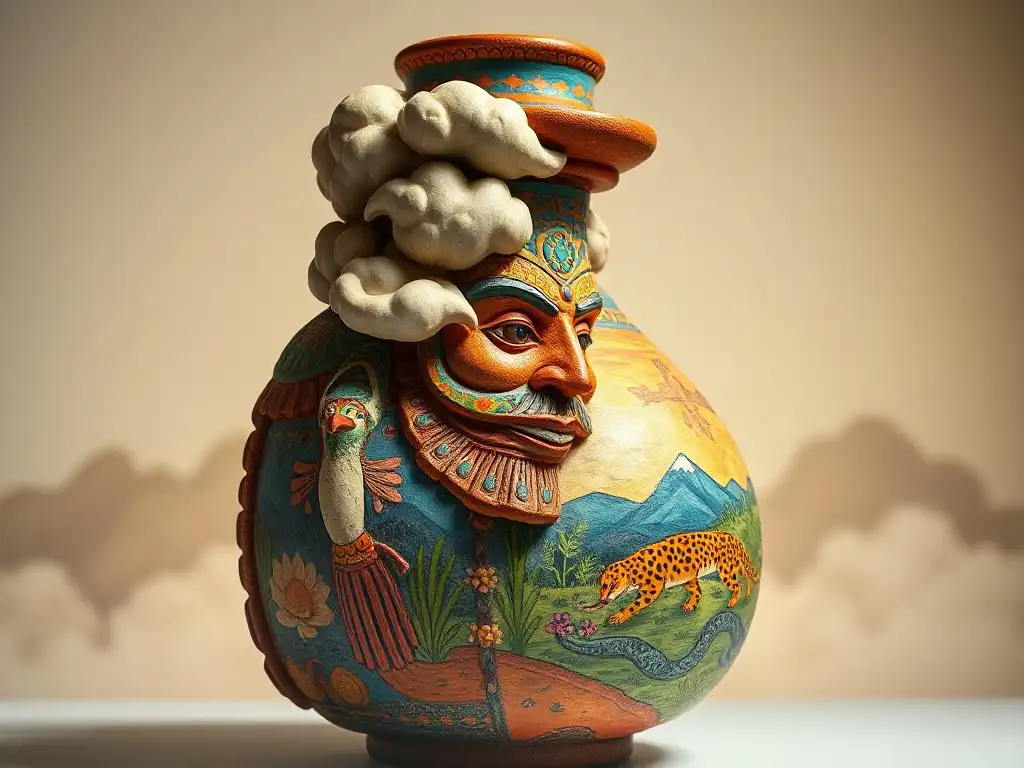
The Moche civilization (circa 100-800 CE), renowned for its sophisticated artistry and engineering feats, held a deeply ingrained animistic worldview. Their religious beliefs were inextricably linked to the natural world, reflecting a profound understanding of and reverence for the environment. This section explores the archaeological evidence supporting the assertion that Moche animism was fundamentally shaped by their environmental beliefs, using pottery, sacred sites, and burial practices as primary sources.
Understanding the Moche connection to nature spirits is crucial to comprehending their complex social structures, agricultural practices, and overall worldview. The pervasiveness of animistic themes in Moche art and architecture showcases the central role of nature spirits in their daily lives and spiritual rituals. The term "Moche animism environmental beliefs" accurately encapsulates this intricate relationship.
Analysis of Moche Pottery Depicting the Ai Apaec Deity and Natural Elements
Moche pottery offers unparalleled insight into their animistic beliefs. The Ai Apaec deity, a prominent figure in Moche iconography, frequently appears alongside representations of natural elements such as mountains, rivers, and the sea. This close association suggests that Ai Apaec, often depicted with fangs and a menacing expression, was not merely a supreme being but also a powerful force embodying the unpredictable yet life-giving aspects of nature.
For instance, numerous ceramic vessels depict Ai Apaec amidst torrential rains or surging waves, suggesting a connection between his power and the cyclical forces of nature. The depiction of Ai Apaec alongside marine life, like predatory fish or seabirds, further reinforces the idea of a deity inextricably linked to the coastal environment and its inherent dangers and bounty. The meticulous detail in these ceramic representations, including the accurate depiction of flora and fauna, underscores the Moche's keen observation of and respect for the natural world.
This detailed artistry serves not only as aesthetic expression but also as a powerful medium for communicating their religious beliefs and their relationship with nature. The vibrant colors and dynamic compositions of these pieces further emphasize the importance of these environmental themes within their religious context.
Insights from Huaca de la Luna and other Moche Sacred Sites
The architecture and iconography found at Huaca de la Luna and other major Moche ceremonial centers provide further evidence of their animistic environmental beliefs. These monumental structures, often built on elevated ground overlooking fertile valleys or coastal plains, were not merely places of worship but also served as powerful symbols of the Moche's connection to the land and sea. Many of the murals and reliefs found within these sites depict scenes of human interaction with nature spirits, reinforcing the notion that these spirits played a crucial role in their daily lives and agricultural cycles.
The intricate designs found on the walls often feature stylized representations of animals, plants, and other natural elements, suggesting that these were considered sacred and imbued with spiritual power. The orientation of some structures towards significant natural features, such as mountains or rivers, also points to the importance of these elements in their religious cosmology.
The careful planning and execution of these architectural marvels reflect not only advanced engineering skills but also a deep-seated spiritual connection to the surrounding environment, supporting the idea that the Moche viewed their environment as a sacred space infused with spiritual energy. Analysis of other sites, like Huaca del Sol, reveals similar patterns of integrating natural imagery and positioning within the landscape, further solidifying this interpretation.
Examination of Moche Burial Practices in Relation to Animistic Beliefs
Moche burial practices offer additional insights into their animistic beliefs and their connection to the environment. The inclusion of grave goods, such as pottery, textiles, and food offerings, suggests that the Moche believed that these items would be needed in the afterlife. The presence of natural materials, such as feathers, shells, and seeds, within these burials further underscores the significance of the natural world in their religious beliefs. The careful arrangement of these items within the graves suggests a deliberate attempt to create a sacred space that would connect the deceased with the spiritual world.
Furthermore, the location of some Moche burials near significant natural features, such as rivers or mountains, further emphasizes the importance of these locations in their religious cosmology. The presence of specific animal remains in some burials might indicate a belief in the power of animal spirits to guide the deceased in the afterlife.
The diversity of burial practices and grave goods across different Moche sites suggests regional variations in beliefs and practices, but the consistent presence of natural elements points to a shared belief system that places a high value on the natural world and its spiritual significance. More research is needed to fully understand the nuances of Moche burial rituals and their relationship with specific environmental features, but preliminary findings strongly suggest a close connection between their funerary practices and their animistic environmental beliefs.
Moche Animism: Comparing it with Other Andean Belief Systems
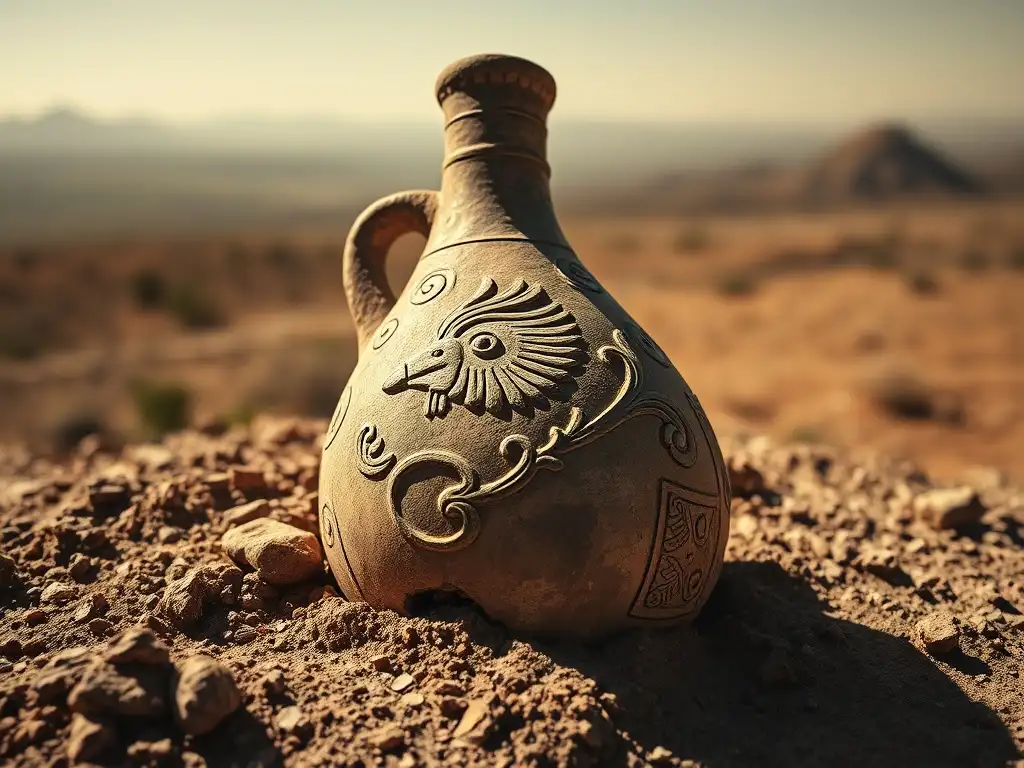
The Moche civilization's animistic beliefs, while sharing common threads with other Andean cultures, possessed unique characteristics. Understanding these nuances requires comparing and contrasting their worldview with that of other prominent Andean societies, particularly the Inca. This comparative analysis reveals both shared spiritual foundations and distinct expressions of animism within the Andean world.
Similarities and Differences between Moche and Inca Worldviews
Both the Moche and Inca cultures exhibited a profound respect for the natural world, viewing it as imbued with spiritual power. Both civilizations practiced ancestor veneration, believing that the spirits of deceased ancestors played an active role in the lives of the living. However, the expression of these beliefs differed significantly. Inca animism, while encompassing a reverence for nature, was heavily structured around a hierarchical pantheon of gods and goddesses, with Inti (the sun god) holding supreme importance.
This structured cosmology contrasted with the Moche's seemingly more fluid and decentralized spiritual landscape. While the Moche undoubtedly revered certain natural forces and entities, their iconography suggests a less defined hierarchy of deities. The Moche's emphasis on individual supernatural beings, often depicted interacting with humans in complex narratives within their art, points to a more localized and personalized form of animism, as opposed to the Inca's centralized, state-sponsored religion.
For example, while both cultures might have venerated mountains as sacred entities, the Inca integrated this reverence into a broader state-controlled religious system, whereas the Moche's depictions suggest a more direct and personal connection between individuals and mountain spirits. This difference is vividly illustrated in the Moche's elaborate pottery, which often portrays intensely detailed scenes of human interaction with supernatural beings in natural settings, showcasing a unique spiritual intimacy rarely seen in Inca art.
Further research is needed to fully understand the intricate social structures that supported these varied approaches to animism. [Specific information pending: detailed comparative analysis of Moche and Inca religious texts and rituals].
Moche Animism and its connection to the beliefs of other pre-Columbian cultures
The Moche weren't isolated in their animistic beliefs. Connections can be traced to other pre-Columbian cultures across the Andes, though the degree of influence and the nature of these connections remain areas of ongoing scholarly debate. For instance, similarities exist between Moche iconography and that of the Nazca culture, particularly in the depiction of supernatural beings associated with water and fertility.
Both cultures frequently portray anthropomorphic representations of natural forces, suggesting a shared understanding of the spiritual agency inherent in the natural world. However, subtle differences in artistic style and the specific nature of the depicted supernatural entities point to distinct cultural interpretations of these shared beliefs.
The extent to which these similarities reflect cultural exchange, independent development, or a common Andean spiritual heritage is a complex issue requiring further investigation. [Specific information pending: detailed comparative study of Nazca and Moche religious artifacts and iconography]. Additionally, research into the beliefs of other contemporary Andean cultures, such as the Tiahuanaco, could provide valuable insights into the broader context of Moche animism. A comprehensive comparative analysis across multiple Andean cultures is crucial for a more complete understanding of the Moche's unique spiritual landscape.
The Uniqueness of the Moche Environmental Perspective
The Moche's animistic worldview was intrinsically linked to their environment. Unlike some other Andean cultures that might have emphasized a more hierarchical relationship between humans and the divine, the Moche's art suggests a dynamic interplay between humans and the spirits inhabiting their world. Their pottery frequently depicts scenes of humans interacting with supernatural beings in various natural settings, such as mountains, oceans, and deserts.
This intimate portrayal suggests a deep understanding of the environment's spiritual significance, emphasizing a reciprocal relationship between the human and natural realms. The Moche's sophisticated irrigation systems and agricultural practices also reflect this deep connection, showcasing a practical understanding of the environment's power and a respectful approach to its management.
The Moche's environmental perspective wasn't merely a passive acceptance of nature's power; it was an active engagement with its spiritual forces. Their art illustrates a complex negotiation between human needs and the demands of the spiritual world, demonstrating a nuanced understanding of the delicate balance between human society and the natural environment.
This perspective is arguably one of the most striking features of Moche animism, setting it apart from other Andean cultures that might have placed a greater emphasis on hierarchical control over nature. The Moche's art provides a rich source of information for understanding this unique perspective, offering a glimpse into a world where humans and spirits coexisted in a dynamic and interdependent relationship.
Further research into Moche agricultural practices and their relationship to their religious beliefs would offer additional insights into this unique Moche connection to nature. [Specific information pending: detailed analysis of Moche agricultural techniques and their potential connection to religious practices].
The Legacy of Moche Animism and Environmental Beliefs
The Moche civilization, flourishing on the northern coast of Peru between 100 and 800 CE, left behind a remarkable legacy that extends far beyond their impressive architecture and sophisticated irrigation systems. Their deeply ingrained animistic worldview, profoundly intertwined with their environmental beliefs, continues to resonate in Andean spirituality and offers valuable lessons for contemporary environmental awareness. Understanding the Moche's reverence for nature is key to appreciating the holistic nature of their society and its surprising relevance to modern ecological concerns.
The Moche's sophisticated understanding of their environment, reflected in their art and agricultural practices, demonstrates a profound connection to the natural world, highlighting a level of ecological stewardship that’s increasingly relevant in our modern era grappling with climate change and environmental degradation. Their animistic beliefs were not merely spiritual; they were integral to their daily lives, shaping their social structures, agricultural practices, and even their artistic expressions.
The Enduring Influence of Moche Beliefs on Andean Spirituality
The Moche's animistic beliefs, centered on the belief that spirits inhabit both animate and inanimate objects, significantly influenced subsequent Andean cultures. While the specifics of their religious practices remain debated by scholars, the pervasive presence of supernatural beings in Moche iconography—depicted in intricate ceramics, textiles, and metalwork—suggests a complex and interwoven relationship with the spirit world. Many of these motifs, particularly those depicting deities associated with natural elements like the sea, mountains, and the sun, appear in later Andean cultures, demonstrating the enduring power and influence of Moche religious ideas.
For example, the reverence for water deities, crucial for their arid coastal environment, is echoed in later Andean cultures’ rituals and ceremonies related to water management and agricultural fertility. This continuity highlights the deep-rooted nature of these beliefs within the Andean worldview and their lasting impact on Andean spirituality. The legacy of Moche animism isn't just a historical curiosity; it's a living thread connecting past and present Andean cultures.
Further research into the specific rituals and practices associated with these deities could shed more light on the transmission and evolution of these beliefs across different Andean societies. The precise mechanisms of cultural transmission, however, require further investigation. [Specific information pending on precise transmission mechanisms].
Lessons from the Moche for Contemporary Environmental Awareness
The Moche civilization's sophisticated understanding of their environment and their intricate relationship with it provides invaluable lessons for contemporary environmental awareness. Their advanced irrigation systems, designed to maximize water resources in a challenging desert climate, demonstrate a level of ecological intelligence and resource management that is remarkably prescient. Their agricultural practices, while not fully understood in all their intricacies, demonstrate an understanding of the delicate balance between human activity and the natural world.
The Moche's art often depicts a balanced ecosystem, with humans interacting harmoniously with nature. This harmonious relationship, deeply rooted in their animistic beliefs, underscores the importance of respecting the environment not merely for its resources but for its inherent spiritual value. The Moche’s sustainable practices, although developed within a different technological context, offer a powerful counterpoint to modern unsustainable practices.
Their example encourages a reevaluation of our relationship with nature, prompting us to consider the long-term consequences of our actions and the importance of integrating spiritual and ecological awareness. In essence, the Moche's connection to nature was not simply pragmatic; it was profoundly spiritual, a perspective that modern environmentalism could benefit from embracing more fully.
Conclusion: Reflecting on the Moche Connection with Nature
The Moche civilization's profound connection to nature, deeply rooted in their animistic beliefs, offers a compelling case study in the symbiotic relationship between human societies and their environment. Their impressive achievements in agriculture, irrigation, and art all reflect a sophisticated understanding of, and respect for, the natural world. The enduring legacy of their environmental beliefs and practices highlights the importance of considering the spiritual and cultural dimensions of environmental stewardship.
By examining the Moche's worldview, we can gain valuable insights into alternative approaches to environmental management and sustainability. Their story serves as a reminder that a harmonious relationship with nature is not only ecologically sound but also spiritually enriching. The Moche’s legacy, therefore, transcends mere historical significance; it offers a powerful message of ecological responsibility for our times.
Further research into Moche technology and societal structures could reveal even more nuanced understandings of their relationship with the environment and the implications for contemporary environmental thinking. The study of Moche animism and environmental beliefs provides a rich and complex tapestry of insights into a civilization that understood the delicate balance between humanity and nature, a lesson that remains profoundly relevant today.
Frequently Asked Questions
What is animism, and how did it relate to the Moche?
The Moche people practiced animism, believing that spirits inhabited both living and inanimate objects. This belief system deeply influenced their daily lives, art, and interactions with the environment. Their religious practices were centered around maintaining harmony with these spirits.
How did the Moche's animistic beliefs influence their art?
Moche art frequently depicts supernatural beings and animals, reflecting their animistic worldview. Ceramics, textiles, and metalwork often portray these spirits interacting with the natural world, showcasing their deep connection to nature.
What role did nature play in Moche environmental beliefs?
Nature was central to Moche life and spirituality. They revered mountains, rivers, and the sea, considering them sacred and vital for their survival. Their agricultural practices and rituals reflected a deep respect for the environment's power.
How did the Moche interact with their environment based on their beliefs?
The Moche implemented sustainable agricultural techniques to ensure harmony with their environment. Their reverence for nature led to practices that minimized environmental damage and ensured the longevity of their resources. This reflects a close relationship between their beliefs and actions.
What evidence supports the Moche's animistic and environmental beliefs?
Archaeological evidence, including iconography on pottery and metalwork, along with the layout of their settlements and irrigation systems, strongly suggests a deep-rooted animistic worldview and a profound connection to their environment. Ritual offerings found at sacred sites further support this.
Final Reflection: Echoes of the Moche: Animism's Enduring Legacy
The Moche civilization's profound connection to nature, expressed through their vibrant animistic beliefs, remains strikingly relevant in our current ecological crisis. Their intricate understanding of the interconnectedness of all living things offers a powerful counterpoint to our often exploitative relationship with the environment. We stand at a critical juncture, facing the consequences of neglecting the delicate balance of nature, a lesson the Moche understood profoundly.
The Moche's reverence for nature, evident in their art and agricultural practices, continues to resonate today, reminding us of the spiritual and practical benefits of respecting the natural world. Their sophisticated irrigation systems and agricultural innovations demonstrate a deep understanding of environmental stewardship, a wisdom we would do well to rediscover. The earth is what we all have in common.
- Wendell Berry. This quote encapsulates the essence of the Moche's worldview and serves as a potent call to action for our time. Their legacy challenges us to move beyond a purely utilitarian view of nature and embrace a more holistic and sustainable approach.
Consider the Moche's legacy. Reflect on your own relationship with the environment. What steps can you take, in your daily life, to honor the interconnectedness of all living things? Let the vibrant spirit of the Moche inspire you to become a steward of our planet, ensuring that the echoes of their animistic wisdom continue to guide us towards a more sustainable and harmonious future. The time for action is now.
**Embrace Nature: Connect with Spirit and Environment Today! **
Thank you for exploring the fascinating connection between ancient cultures and their reverence for nature. Your interest in their animistic beliefs highlights the importance of understanding our environmental heritage. Now, let's put this knowledge into action!
- Engage deeply: Participate in a local nature walk or join a community group dedicated to environmental preservation. Immerse yourself in the natural world and reconnect with its inherent spirit.
- Share insights: Discuss your newfound understanding with friends, family, or on social media, inspiring others to appreciate the profound relationship between culture and the environment.
- Explore further: Expand your knowledge by reading books or watching documentaries about animism and diverse cultural perspectives on environmental stewardship.
What steps will you take to honor the natural world and cultivate a deeper connection with our environment?