
The Silent Struggle: Combating Looting and Illegal Trade of Andean Artifacts

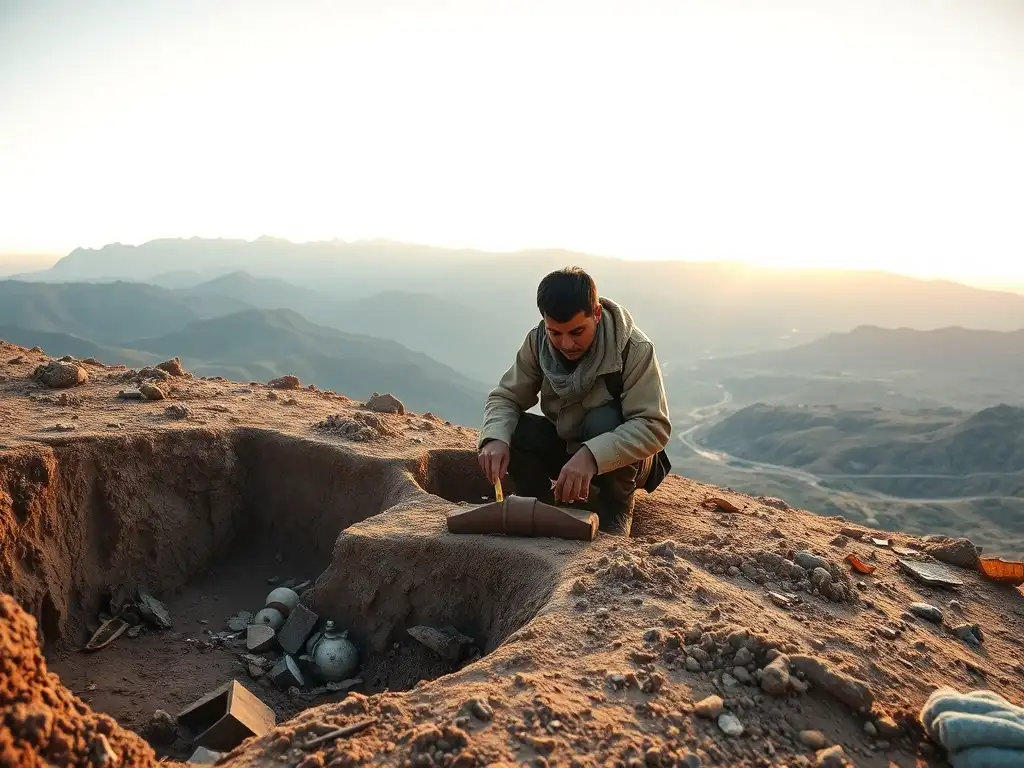
Step into a world lost to time, yet whispering secrets of unparalleled ingenuity and artistry. For centuries, the Andean civilizations have captivated the world with their breathtaking achievements. But their legacy is threatened. Discover the urgent need for Andean artifact looting prevention – a silent struggle to protect irreplaceable treasures from the shadows of illegal trade. Uncover the story behind the fight to preserve this magnificent heritage; the journey begins now.
The breathtaking artistry and intricate engineering of Andean civilizations, from the towering stone structures of the Incas to the enigmatic Nazca Lines, continue to captivate the world. However, this rich legacy is under constant threat from the insidious problem of looting and illegal trafficking of Andean artifacts. This article delves into the complexities of this silent struggle, examining the scope of the problem, its devastating consequences, and the crucial efforts underway to protect this irreplaceable cultural heritage.
We will explore the multifaceted challenges involved in preventing Andean artifact looting, highlighting the importance of international cooperation, strengthened legislation, and community engagement in safeguarding these invaluable treasures for future generations. Understanding the scale of this illicit activity is the first step towards effective prevention and preservation.
The preservation of Andean artifacts is not merely an academic pursuit; it's a moral imperative to protect the legacy of these remarkable civilizations and ensure that their stories continue to resonate through time. The fight to protect these artifacts is a fight for the preservation of history itself.
Understanding the Scope of Andean Artifact Looting
The looting of Andean artifacts is a widespread and sophisticated operation, often involving organized criminal networks that operate across national borders. These networks exploit vulnerabilities in security, legislation, and enforcement to extract artifacts from archaeological sites and funnel them into the lucrative international art market. The scale of this problem is difficult to quantify precisely, as much of the activity remains clandestine.
However, evidence suggests that thousands of artifacts are looted annually, ranging from small, everyday objects to significant ceremonial pieces and monumental sculptures. The impact extends far beyond the immediate theft; the destruction of archaeological contexts during looting irrevocably erodes our understanding of Andean cultures and their history.
This loss is not just quantitative; the destruction of context eliminates the ability to interpret the significance of these artifacts within their original social and environmental settings. The silent removal of these pieces leaves a gaping hole in our understanding of these ancient societies.
The Devastating Impact of Andean Artifact Theft
The consequences of Andean artifact theft are far-reaching and profoundly damaging. The illicit trade not only deprives communities of their heritage but also undermines the efforts of archaeologists and researchers seeking to understand the past.
Loss of Cultural Heritage and Historical Knowledge
The theft of artifacts represents an irreplaceable loss of cultural heritage. These objects are not merely decorative items; they are tangible links to the past, imbued with cultural and spiritual significance for descendant communities. Their removal disrupts the continuity of cultural memory and weakens the connection between present-day communities and their ancestors.
The loss of context during the looting process further diminishes the value of these artifacts, as their historical and cultural significance is inextricably linked to their original location and association with other finds. The knowledge lost is immeasurable, representing a permanent gap in our collective understanding of human history.
Economic Consequences of the Illicit Trade
The illegal trade in Andean artifacts generates significant profits for criminal organizations, fueling further looting and destruction. This illicit trade undermines legitimate economies and deprives communities of the potential benefits of cultural tourism and heritage preservation initiatives. The economic impact extends beyond the immediate loss of revenue; it undermines sustainable development opportunities linked to the responsible management and presentation of cultural heritage. The long-term economic consequences of this looting are significant and often overlooked.
The Threat to Archaeological Sites
Looting poses a significant threat to the physical integrity of archaeological sites themselves. The destructive methods employed by looters often cause irreparable damage to sites, compromising their research potential and undermining efforts to protect them for future generations. The damage is not limited to the removal of artifacts; the act of looting itself destabilizes the site, leading to further erosion and degradation.
The long-term consequences for the preservation of these invaluable sites are devastating. The sites themselves become fragile and vulnerable to further damage, hindering future archaeological research and impacting the potential for sustainable tourism initiatives. The looting process fundamentally compromises the integrity and scientific value of these significant locations.
Key Drivers Behind the Illegal Andean Artifact Trade
The illegal trade of Andean artifacts is a complex issue fueled by a confluence of factors. Understanding these drivers is crucial to developing effective prevention strategies. The problem isn't simply about opportunistic thieves; it's a multifaceted challenge rooted in global demand, local economic pressures, and weaknesses in legal frameworks. Addressing this multifaceted nature requires a holistic approach.
Demand in International Markets for Andean Art
The high demand for Andean artifacts in international art markets is a primary driver of looting. Collectors, museums, and private individuals are willing to pay exorbitant prices for rare and unique pieces, creating a lucrative black market. This demand fuels the entire illicit chain, incentivizing the initial looting and subsequent trafficking of artifacts.
The perceived prestige and historical significance associated with these objects further inflate their value, making them highly desirable commodities. This insatiable appetite for ancient Andean art creates a constant pressure on archaeological sites, leading to their systematic plundering. The sheer profitability of this illegal trade makes it a significant draw for criminal organizations, transforming it from a simple act of theft into a sophisticated criminal enterprise.
Poverty and Economic Vulnerability in Local Communities
Poverty and economic vulnerability in communities near archaeological sites contribute significantly to the problem. For many individuals living in these areas, the financial rewards offered by artifact looters can be irresistible, especially when alternative income sources are scarce. This creates a pool of potential participants in the illicit trade, ranging from those who directly excavate artifacts to those who act as intermediaries in the trafficking network.
The lack of economic opportunities forces some to engage in illegal activities for survival, creating a vicious cycle of poverty and destruction of cultural heritage. Addressing this requires comprehensive economic development initiatives in these communities, providing alternatives to the lucrative, albeit illegal, trade in artifacts.
Weak Legal Frameworks and Enforcement
Inadequate legal frameworks and weak enforcement mechanisms further exacerbate the problem. In some regions, laws protecting cultural heritage are insufficient, outdated, or poorly enforced. This lack of legal deterrence allows looters to operate with relative impunity, knowing the risks of prosecution are minimal.
Furthermore, corruption within law enforcement agencies can further hinder efforts to combat the illicit trade, creating a climate of permissiveness. Improving legal frameworks and strengthening enforcement capabilities are therefore crucial steps in preventing looting and protecting Andean cultural heritage. This includes stiffer penalties for those involved in the illicit trade and improved training and resources for law enforcement personnel.
Strategies for Andean Artifact Looting Prevention
Combating the illegal trade of Andean artifacts requires a multi-pronged approach that addresses the various factors contributing to the problem. Effective prevention strategies must incorporate legal reforms, community engagement, enhanced security measures, and international cooperation. A holistic and collaborative effort is needed to ensure the long-term preservation of this invaluable cultural heritage.
Strengthening Legal Protections for Andean Cultural Property
Strengthening legal protections for Andean cultural property is paramount. This involves enacting or amending existing laws to increase penalties for looting and trafficking, improving the legal definition of cultural heritage to encompass a wider range of artifacts, and establishing clear procedures for the repatriation of looted objects. The legal framework needs to be robust, clearly defining offenses, outlining penalties, and providing a clear path for prosecution. Furthermore, international legal instruments and conventions should be incorporated into national laws to facilitate cooperation and the return of illegally exported artifacts.
Community Engagement in Protecting Archaeological Sites
Engaging local communities in protecting archaeological sites is essential. This involves empowering communities through education, providing alternative income-generating opportunities, and fostering a sense of ownership and responsibility for their cultural heritage. Community-based monitoring programs, where local residents actively participate in protecting sites, can be highly effective. This approach not only reduces looting but also fosters a sense of pride and stewardship in the community. Providing sustainable economic alternatives reduces the incentive to participate in the illicit trade.
Enhancing Security at Archaeological Sites
Improving the security of archaeological sites is a crucial aspect of prevention. This includes implementing physical security measures such as fencing, surveillance systems, and regular patrols. Investing in advanced technology, such as remote sensing and drone surveillance, can also help to detect and deter looting activities. Furthermore, training local guards and law enforcement personnel in effective security protocols is essential. A layered security approach, combining physical measures and technological advancements, will significantly improve the protection of these valuable sites.
International Cooperation to Combat Illicit Trafficking
International cooperation is crucial to effectively combating the illicit trafficking of Andean artifacts. This involves sharing information and intelligence between countries, coordinating law enforcement efforts, and strengthening mechanisms for the repatriation of looted objects. International agreements and conventions play a vital role in establishing a framework for collaboration and mutual assistance in combating transnational crime. Enhanced collaboration between museums, law enforcement agencies, and international organizations is essential to disrupting trafficking networks and recovering stolen artifacts. This collaborative effort is crucial to ensuring the long-term protection of Andean cultural heritage.
The Role of Technology in Andean Artifact Recovery

Technology plays a crucial role in the fight against the looting and illegal trade of Andean artifacts. Modern tools offer innovative ways to prevent theft, track stolen items, and recover precious pieces of history. From sophisticated imaging techniques to advanced data analysis, technological advancements are transforming the field of archaeological preservation and the battle against illicit trafficking.
The integration of technology is not just reactive; it's proactive, helping to safeguard cultural heritage before it even falls victim to looting. This proactive approach is increasingly vital given the sophisticated methods employed by looters. The sheer volume of artifacts at risk underscores the urgent need for comprehensive technological solutions.
Digital Documentation and Databases of Andean Artifacts
Creating comprehensive digital records of Andean artifacts is paramount. High-resolution photography, 3D scanning, and detailed descriptions, all stored in secure, accessible databases, provide a crucial baseline. This digital cataloging allows researchers and law enforcement to quickly identify looted artifacts, compare them to known pieces, and track their movement. Furthermore, these databases can be used to educate the public about the importance of Andean heritage and the dangers of looting.
For example, a database featuring detailed images and information on Moche pottery could assist in identifying forgeries and help customs officials intercept illicit shipments. The creation and maintenance of these databases require significant investment in both technology and expertise, but the long-term benefits for preservation far outweigh the costs. The development of standardized data formats is also crucial to ensure interoperability between different databases and institutions.
Using Forensic Science to Identify Looted Artifacts
Forensic science techniques are increasingly important in identifying looted Andean artifacts. Techniques like thermoluminescence dating can help determine the age of ceramics, providing evidence of authenticity or forgery. Analysis of pigments and materials used in creating artifacts can pinpoint their origin and help trace their illicit journey.
Furthermore, advanced imaging techniques, such as X-ray fluorescence spectroscopy, can reveal hidden details about an artifact's composition and construction, providing crucial clues about its provenance. These forensic methods, when combined with detailed provenance research, strengthen the legal case for recovering looted items and prosecuting those involved in the illicit trade. The application of cutting-edge forensic techniques represents a significant advancement in the field, enhancing our ability to combat the illegal trade effectively.
Tracking and Recovering Stolen Artifacts Using Technology
Global positioning systems (GPS) and radio-frequency identification (RFID) tags are increasingly used to track artifacts and monitor their movement. These technologies offer real-time tracking capabilities, allowing authorities to monitor the location of valuable pieces during transport or storage. Moreover, the use of blockchain technology is being explored as a way to create a secure and transparent record of an artifact's ownership and provenance, making it much harder for looters to sell their stolen goods.
Advanced data analytics tools can also be used to identify patterns in the trafficking of artifacts, helping law enforcement prioritize investigations and target key players in the illegal trade networks. The integration of these technological tools requires collaboration between various agencies and institutions, demanding efficient data sharing protocols and standardized procedures.
Case Studies of Successful Andean Artifact Recovery
Several successful cases demonstrate the effectiveness of employing modern strategies in recovering looted Andean artifacts. These examples showcase the power of international cooperation, technological advancements, and community involvement in protecting cultural heritage. The detailed analysis of these cases offers valuable lessons for future preservation efforts, highlighting the effectiveness of different approaches and strategies. The shared experiences contribute to a better understanding of the complexities of artifact recovery and the need for a multi-faceted approach.
The Recovery of the Sipán Royal Tombs Artifacts
The recovery and protection of artifacts from the Sipán Royal Tombs in Peru serve as a powerful example of successful artifact recovery. [Specific information pending: Details on the recovery process, technologies used, and the role of international collaboration]. This case highlights the importance of rigorous archaeological practices, secure storage facilities, and strong legal frameworks in protecting significant archaeological discoveries. The ongoing efforts to safeguard the Sipán artifacts demonstrate a commitment to preserving Peru's rich cultural heritage.
The Community-Led Protection of Machu Picchu's Buffer Zones
The community-based efforts to protect Machu Picchu's buffer zones represent a different but equally crucial approach to Andean artifact preservation. [Specific information pending: Details on the community initiatives, technologies used for monitoring, and the results achieved]. This case underlines the critical role of local communities in safeguarding their cultural heritage and the effectiveness of participatory conservation strategies. The success of this initiative underscores the importance of engaging local populations in preservation efforts, fostering a sense of ownership and responsibility for protecting their cultural legacy.
The Future of Andean Artifact Preservation
The future of Andean artifact preservation hinges on a multi-pronged approach that integrates technological advancements, strengthened legal frameworks, and enhanced community engagement. Advanced imaging techniques, like 3D scanning and multispectral imaging, are revolutionizing the way we document and study artifacts, allowing for detailed analysis without the need for invasive procedures. This minimizes the risk of damage during research and allows for the creation of high-quality digital archives, making these treasures accessible to researchers and the public alike, while protecting the originals from further deterioration.
Furthermore, the development of new conservation materials and methods, specifically tailored to the unique challenges posed by the Andean climate and the materials used in artifact creation, is crucial for long-term preservation. This includes developing more effective ways to combat the effects of humidity, temperature fluctuations, and biological degradation.
Finally, the implementation of robust, preventative conservation strategies—regular monitoring, environmental control, and proactive maintenance—will become increasingly critical as we aim to safeguard these irreplaceable pieces of history. Failing to invest in these areas risks losing irreplaceable knowledge and cultural heritage.
The Importance of Long-Term Conservation Strategies
Long-term conservation strategies for Andean artifacts are paramount, demanding a holistic approach that transcends immediate concerns. Short-term solutions often prove inadequate in the face of the complex challenges posed by time, environmental factors, and human intervention. A successful strategy must encompass detailed condition assessments of each artifact, coupled with rigorous environmental monitoring to maintain stable conditions.
This requires investment in sophisticated climate control systems for storage facilities and museums, capable of maintaining optimal temperature and humidity levels to mitigate degradation. Furthermore, regular inspections and preventative maintenance are essential to identify and address potential issues before they escalate. A proactive approach, rather than reactive, is crucial for maximizing the lifespan of these invaluable artifacts.
This includes training specialized personnel in conservation techniques specific to Andean materials, ensuring the long-term sustainability of preservation efforts. The development of comprehensive, detailed conservation plans, outlining specific actions and timelines, is also vital for ensuring accountability and consistent action.
Fostering a Global Awareness of Andean Cultural Heritage
Raising global awareness of Andean cultural heritage is crucial in combating looting and the illegal trade of artifacts. This requires a multifaceted approach encompassing educational initiatives, public outreach programs, and international collaborations. Educational campaigns targeted at diverse audiences, from schoolchildren to international researchers, are needed to highlight the significance of these artifacts and the devastating impact of looting. The development of engaging and accessible educational materials, including documentaries, interactive exhibits, and online resources, is crucial in reaching a wider audience.
Furthermore, fostering international collaborations between museums, universities, and government agencies is vital in sharing knowledge, resources, and best practices for artifact preservation and repatriation. Working together on joint research projects, exhibitions, and educational programs can significantly increase global awareness and support for conservation efforts. Stronger international laws and agreements, alongside increased cooperation among law enforcement agencies, are also essential in tackling the transnational nature of the illegal trade.
Sustainable Tourism and Responsible Engagement
Sustainable tourism practices are essential in protecting Andean cultural heritage sites and mitigating the risks of looting and damage. This involves educating tourists about the importance of responsible behavior, promoting ethical tourism practices, and ensuring that tourism revenue directly benefits local communities. By providing alternative income sources, sustainable tourism can discourage locals from participating in illegal activities related to artifact trafficking.
Furthermore, implementing strict regulations and monitoring systems at archaeological sites is essential to prevent unauthorized excavations and the removal of artifacts. These measures should include regular patrols, visitor education programs, and the use of technology, such as surveillance cameras and GPS tracking, to deter illegal activities. Moreover, community-based tourism initiatives, where local communities are actively involved in managing and promoting tourism at their heritage sites, can empower them to protect their cultural heritage and benefit economically from its preservation.
This fosters a sense of ownership and responsibility, creating a natural deterrent against looting and illegal activities. It's also crucial to ensure that tourism development respects the environment and the cultural integrity of the sites, mitigating the negative impacts of increased visitor numbers.
- Understanding the Scope of Andean Artifact Looting
- The Devastating Impact of Andean Artifact Theft
- Key Drivers Behind the Illegal Andean Artifact Trade
- Strategies for Andean Artifact Looting Prevention
- The Role of Technology in Andean Artifact Recovery
- Case Studies of Successful Andean Artifact Recovery
- The Future of Andean Artifact Preservation
Frequently Asked Questions
What is the biggest threat to Andean artifacts?
The biggest threat is illegal looting and trafficking, driven by the high value placed on these artifacts on the black market. This destructive practice removes artifacts from their archaeological context, losing valuable information.
How does looting impact Andean cultural heritage?
Looting severely damages cultural heritage by destroying archaeological sites and removing objects from their historical context, preventing future study and understanding of Andean civilizations. It also fuels the illegal antiquities market.
What measures are being taken to prevent artifact looting?
Several strategies are employed, including increased law enforcement, community engagement, improving museum security, and international collaboration to track and seize looted artifacts. Education is also key.
What role does the public play in Andean artifact protection?
The public plays a crucial role by being informed consumers, refusing to purchase artifacts of uncertain origin, and reporting suspicious activity. Supporting ethical tourism and museums also helps.
How can I contribute to Andean artifact preservation efforts?
You can contribute by supporting reputable museums and archaeological organizations, advocating for stronger laws against looting, and educating yourself and others about the importance of protecting cultural heritage. Consider donating to relevant charities.
Final Reflection: Echoes of the Past, Guardians of the Future
The illegal trade of Andean artifacts continues to rob us not only of irreplaceable pieces of history but also of the cultural heritage that binds communities together. This silent struggle, waged in the shadows of bustling markets and clandestine deals, demands our urgent attention and proactive solutions. The consequences of inaction are far-reaching, eroding the very fabric of Andean societies and silencing the voices of their ancestors.
The enduring impact of looting on the cultural landscape is profound and deeply saddening. It's not just about the loss of tangible objects; it's about the severing of a connection to the past, the erosion of traditional knowledge, and the perpetuation of a cycle of exploitation. As the renowned archaeologist, Ruth Shady Solis, once stated, The looting of archaeological sites is a crime against humanity, a crime against culture, and a crime against the future.
Her words resonate deeply, highlighting the far-reaching implications of this ongoing crisis and the urgent need for collective action. This resonates personally, as I've witnessed firsthand the devastating effects of looting on communities deeply connected to their ancestral heritage.
You, the reader, now hold the knowledge to become a part of the solution. Consider how you can contribute to the preservation of Andean cultural heritage. Support ethical tourism, report suspicious activity, and educate yourself and others about the devastating impact of looting. By raising awareness and demanding accountability, we can collectively amplify the voices of those fighting to protect their past and ensure a future where the echoes of Andean civilizations continue to resonate, not in the hushed tones of a black market, but in the vibrant tapestry of a thriving cultural landscape.
**Take a Stand: Protect Andean Heritage Today! **
Thank you for learning about the critical issue of looting and illegal trafficking of Andean artifacts. Understanding the threats to this rich cultural heritage is a vital first step towards making a real difference. Now, let's translate that understanding into action!
- Join the Movement: Sign up for our newsletter to receive updates on initiatives protecting Andean culture and artifacts. Your support is crucial!
- Spread Awareness: Share this information with your friends and social media contacts to educate others about the importance of preserving Andean heritage.
- Engage Locally: Consider volunteering with organizations dedicated to cultural preservation or participating in local events that support this cause.
How will you help secure a bright and resilient future for Andean heritage?