
Siege Warfare in the Inca Empire: Fortifications and Tactics

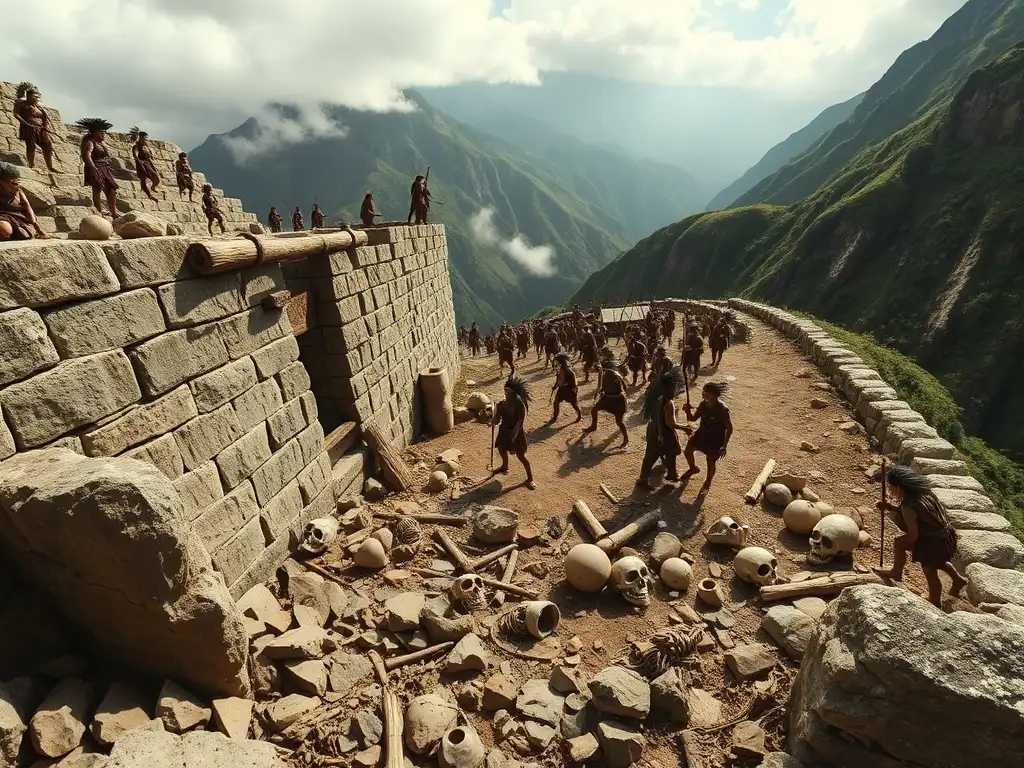
Unravel the mysteries of the Andes! Journey through time and discover the breathtaking ingenuity of ancient Andean civilizations. But prepare to be captivated by something truly unexpected: the devastatingly effective Inca siege warfare tactics. Were their fortifications impenetrable? What secrets did their strategies hold? Explore the intricacies of Inca military power and uncover the answers within.
-
Inca Siege Warfare: Fortifications and Tactics in the Andean Empire
- Understanding Inca Military Strategy and Siege Warfare
- Inca Fortifications: Strategic Design and Construction
- Inca Siege Warfare Tactics: Methods and Strategies
- The Effectiveness of Inca Siege Warfare Tactics
- The Impact of Inca Siege Warfare on Andean History
- Conclusion: The Significance of Inca Military Strategies
- Frequently Asked Questions
- Final Reflection: Echoes of Stone: The Enduring Legacy of Inca Siege Warfare
- Unveil the Secrets of Inca Warfare!
Inca Siege Warfare: Fortifications and Tactics in the Andean Empire
The Inca Empire, a civilization that flourished in the Andes Mountains from the 15th to the 16th century, was renowned for its sophisticated military organization and impressive engineering feats. This article delves into the fascinating world of Inca siege warfare, exploring their strategic fortifications and innovative tactical approaches that played a crucial role in the empire's expansion and consolidation. We will examine the meticulous planning, construction, and utilization of Inca fortifications, highlighting their effectiveness in both offensive and defensive operations.
Understanding Inca siege warfare tactics provides crucial insight into the power dynamics and military prowess that enabled the Inca to control such a vast and challenging terrain. This analysis will reveal the intricate relationship between military strategy, engineering prowess, and the overall success of the Inca Empire.
We will uncover how Inca military strategies, including siege warfare, contributed to the empire's remarkable growth and enduring legacy. The analysis will reveal a complex interplay of military tactics, logistical capabilities, and the skillful adaptation to the diverse Andean environment.
Understanding Inca Military Strategy and Siege Warfare
Inca military strategy wasn't solely about brute force; it was a complex blend of diplomacy, intimidation, and carefully planned military campaigns. While open battles certainly occurred, the Inca often preferred to employ siege warfare, particularly against fortified settlements that resisted their authority. This approach minimized casualties and maximized the chances of a successful outcome.
The Inca army was highly organized, with specialized units responsible for different aspects of warfare, including siege operations. Their logistics were exceptionally well-developed, enabling them to sustain lengthy sieges and transport vast quantities of supplies and materials over challenging mountain passes and rugged terrain. The effectiveness of Inca siege warfare is evident in their ability to subdue numerous communities and expand their empire across a vast and diverse landscape.
Their strategies often involved a combination of psychological warfare, strategic encirclement, and the methodical dismantling of enemy defenses. The use of sophisticated siege weaponry, combined with their mastery of terrain and logistics, made the Inca a formidable force in Andean warfare. The meticulous planning and execution of their campaigns highlight their advanced understanding of military strategy and tactics.
Inca Fortifications: Strategic Design and Construction
The Inca Empire's success was intrinsically linked to its remarkable ability to construct and utilize strategically located fortifications. These weren't merely defensive structures; they were integral parts of a broader military and administrative strategy, designed to control key routes, resources, and populations. The construction techniques employed were sophisticated, reflecting a deep understanding of engineering principles and the local environment.
The use of readily available materials, such as stone, earth, and timber, was optimized to create durable and effective defenses. The strategic placement of these fortifications, often in naturally defensible locations, further enhanced their effectiveness.
The Inca's engineering skills were not limited to the creation of formidable defensive structures; their ability to adapt to diverse terrains and climates, combined with their advanced understanding of construction techniques, allowed them to create impressive works that effectively served their military and administrative needs. This impressive feat of engineering is a testament to their advanced knowledge of construction and strategic planning.
Types of Inca Fortified Sites
Inca fortifications varied in size and design, depending on their strategic purpose and the surrounding environment. These ranged from small, strategically placed watchtowers to large, complex fortresses capable of housing substantial garrisons. Some sites were built to control mountain passes, while others guarded key agricultural areas or important trade routes.
The variety in design reflects the Inca's adaptability and their ability to tailor their defensive strategies to specific circumstances. The location of these sites was carefully chosen to maximize their defensive capabilities, often taking advantage of natural features like cliffs and rivers. [Specific examples of different types of fortifications with descriptions pending]
Key Features of Inca Fortresses
Many Inca fortresses shared common features, including strategically placed towers, thick walls made of precisely cut stones, and sophisticated drainage systems. The walls were often incredibly strong, capable of withstanding prolonged sieges. The use of carefully fitted stones, without mortar, is a testament to Inca craftsmanship and engineering skill. [Specific details about construction techniques and materials pending].
The integration of defensive structures with the surrounding landscape demonstrates a deep understanding of defensive principles and the effective use of natural barriers. The strategic placement of towers and watchpoints allowed for effective surveillance and early warning systems. [Examples of specific fortresses with details about their key features pending].
The Role of Inca Fortifications in Empire Control
Inca fortifications played a vital role in maintaining control over their vast empire. They served not only as defensive structures but also as symbols of Inca power and authority. Their presence deterred rebellion and facilitated the movement of troops and supplies throughout the empire. The strategic placement of these fortifications ensured the effective control of key routes and resources, contributing significantly to the empire's stability and long-term survival.
The integration of these fortifications into the broader administrative system highlights their importance in the overall governance of the empire. [Specific examples of how fortifications aided in empire control pending]. The combination of military might and strategic infrastructure played a significant part in maintaining the empire's dominance and stability.
Inca Siege Warfare Tactics: Methods and Strategies
Inca siege warfare tactics were sophisticated and adapted to the challenging Andean terrain. The empire's military prowess wasn't solely reliant on brute force; instead, it cleverly combined strategic planning, logistical mastery, and psychological warfare to overcome fortified positions. The Inca army wasn't a monolithic fighting force; rather, it was a highly organized system capable of adapting to diverse situations.
Their strategies involved a careful assessment of enemy defenses, the exploitation of terrain advantages, and the skillful deployment of different military units. This adaptability was a key factor in their success in conquering and controlling a vast and varied empire. The Inca's understanding of siege warfare wasn't static; it evolved over time, incorporating lessons learned from past campaigns and adapting to the specific challenges presented by each new target.
Inca Military Organization and Logistics for Sieges
The success of Inca sieges relied heavily on meticulous organization and efficient logistics. The ayllu system, the foundation of Inca society, played a crucial role in providing manpower and resources for military campaigns. Each ayllu was responsible for supplying soldiers, food, building materials, and other necessities. The quipus, a sophisticated system of knotted strings, facilitated communication and record-keeping, enabling effective coordination of supplies and troop movements across vast distances.
The chasquis, a relay runner system, ensured rapid communication between different parts of the empire, allowing for timely adjustments to siege strategies based on battlefield developments. The Inca's ability to maintain a consistent flow of supplies, even during prolonged sieges, was a significant factor in their military dominance. This efficient logistical network allowed them to sustain their armies for extended periods, outlasting their opponents and ultimately securing victory.
Typical Inca Siege Techniques
Inca siege techniques varied depending on the specific circumstances, including the terrain, the fortifications of the target, and the resources available. However, common tactics included constructing siege works such as ramps, tunnels, and towers to breach walls. They also employed sophisticated methods of undermining enemy defenses, weakening structures through controlled erosion or creating tunnels to collapse sections of walls.
The use of fire, especially in the form of flaming arrows or incendiaries, was also a common tactic to damage enemy structures and demoralize defenders. The Inca army skillfully used the terrain to their advantage, flanking enemy positions, or using higher ground to bombard fortifications. Their siege strategies were not simply brute force assaults; rather, they were carefully planned operations designed to minimize casualties and maximize effectiveness.
The Use of Inca Weaponry in Sieges
Inca weaponry played a critical role in their siege warfare tactics. While they lacked gunpowder weapons, they were highly proficient in the use of slings, spears, clubs, and bows and arrows. Slings were particularly effective in delivering a hail of projectiles onto enemy fortifications, weakening defenses and causing casualties. Spears were used for close-quarters combat, while clubs served as a devastating bludgeoning weapon.
Bows and arrows were used for both ranged attacks and to set enemy structures ablaze. The effectiveness of Inca weaponry stemmed not only from their design but also from the soldiers' mastery of their use, honed through rigorous training and years of experience. The coordinated use of these weapons, combined with clever tactical deployment, allowed the Inca army to overcome formidable defenses.
Psychological Warfare in Inca Sieges
Psychological warfare was an integral part of Inca siege strategies. The Inca army understood the importance of demoralizing the enemy before engaging in direct combat. They employed various tactics to achieve this, including the strategic display of their military strength, the use of propaganda, and the exploitation of any existing divisions within the besieged community.
Long sieges, coupled with a constant barrage of projectiles and the threat of an eventual assault, could wear down the morale of defenders, making them more susceptible to surrender. The Inca also understood the power of symbolic gestures and rituals to intimidate their opponents and boost their own troops' morale. This element of psychological warfare was often as effective, if not more so, than direct military action.
Inca Siege Warfare and the Capture of Ollantaytambo
The siege of Ollantaytambo stands as a prime example of Inca siege warfare tactics. This strategically important fortress, located in a narrow valley, presented a significant challenge to the Inca army. The defenders, led by Ollanta, a rebellious general, had fortified the site extensively. The Inca response involved a prolonged siege, utilizing a combination of the tactics described above.
They constructed ramps and terraces to overcome the steep slopes leading to the fortress, and they employed a variety of weaponry to weaken the defenses. While the details of the siege are somewhat obscured by the passage of time, the eventual Inca victory highlights the effectiveness of their siege warfare techniques and their ability to overcome even the most formidable defenses. The strategic location of Ollantaytambo and its importance as a symbol of rebellion likely influenced the Inca's approach, making it a particularly significant example of their military capabilities.
The Effectiveness of Inca Siege Warfare Tactics
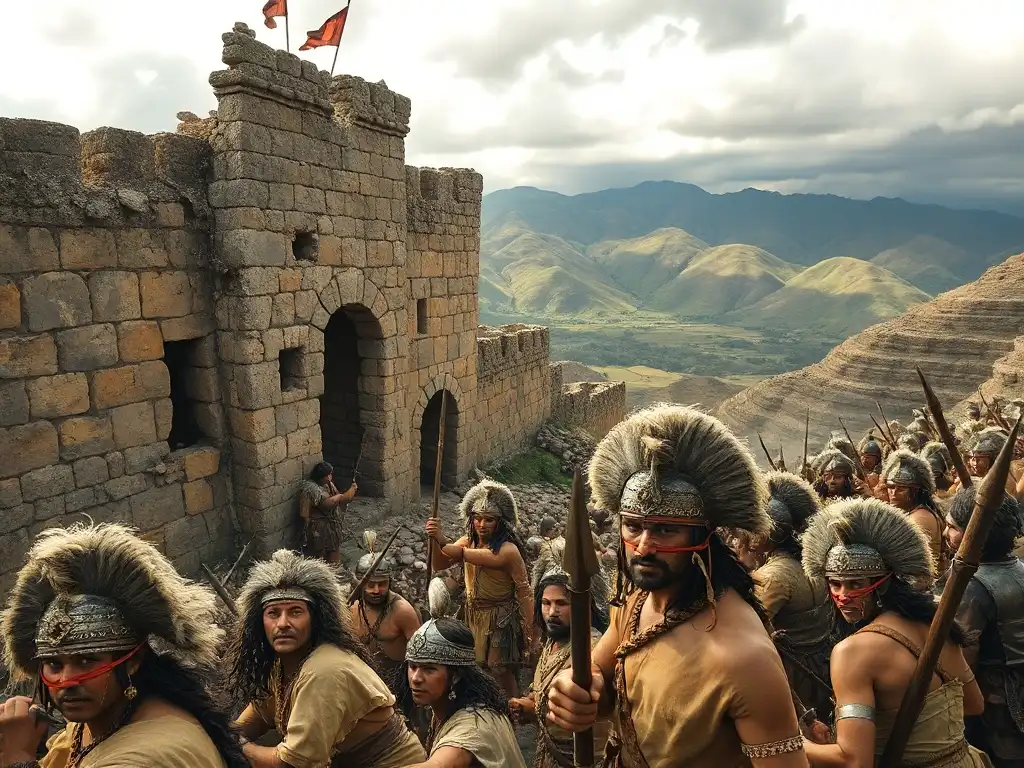
The effectiveness of Inca siege warfare tactics is evident in the empire's remarkable expansion and consolidation. Their ability to conquer and control a vast and diverse territory speaks volumes about their military capabilities. However, a nuanced understanding requires examining both the successes and limitations of their approach.
Factors Contributing to Inca Siege Successes
Several factors contributed to the success of Inca siege warfare. These include: their highly organized military structure; sophisticated logistical capabilities; effective use of terrain; mastery of various siege techniques; and the skillful deployment of psychological warfare. Their ability to maintain a consistent flow of supplies during prolonged sieges was also crucial. The Inca's ability to adapt their strategies to specific circumstances, learning from past experiences, further enhanced their success rate. The combination of these factors allowed them to consistently overcome fortified positions and subdue rebellious populations.
Limitations of Inca Siege Warfare
Despite their successes, Inca siege warfare had limitations. Their reliance on manpower-intensive methods meant that sieges could be prolonged and costly in terms of human lives. The absence of gunpowder weaponry restricted their ability to quickly breach heavily fortified positions, leading to protracted campaigns. Geographical factors, particularly extremely rugged terrain, could also hinder their progress. Furthermore, internal rebellions or external threats could divert resources and manpower away from ongoing sieges, potentially jeopardizing their success. The scale of their logistical operations, while impressive, could also be strained during prolonged campaigns.
Analysis of Inca Sieges: Case Studies
A comprehensive analysis of Inca siege warfare requires detailed examination of specific case studies. [Specific case studies and data pending]. By examining the strategies employed, the challenges faced, and the outcomes of these sieges, we can gain a deeper understanding of the strengths and weaknesses of Inca military tactics. Such an analysis would require access to detailed historical accounts, archaeological evidence, and potentially, the results of further research. This in-depth analysis would allow for a more thorough assessment of the overall effectiveness of Inca siege warfare strategies and tactics within the context of the Andean region.
The Impact of Inca Siege Warfare on Andean History
The Inca Empire's success was significantly shaped by its mastery of siege warfare. Their ability to subdue resistant populations and incorporate new territories into their vast realm relied heavily on sophisticated military strategies and impressive engineering feats. The impact reverberated across the Andes, leaving a lasting mark on the political landscape, social structures, and cultural development of numerous Andean communities.
The consistent application of effective siege tactics allowed the Inca to expand their empire at an unprecedented rate, absorbing diverse cultures and integrating them—often forcefully—into the imperial system. This process, while resulting in a unified empire, also led to the suppression of existing power structures and the imposition of Inca ideology and practices. The consequences of this expansion are still felt today in the cultural diversity and historical narratives of the Andean region.
The Inca's ability to conquer and integrate disparate groups fostered a unique blend of Andean traditions, but also resulted in the loss of certain cultural practices and the homogenization of some aspects of life across the empire. Understanding the impact of Inca siege warfare provides crucial insight into the complex dynamics of empire building in the Andes.
Consequences of Inca Siege Warfare on Conquered Populations
Inca siege warfare had profound and often devastating consequences for conquered populations. The prolonged sieges, sometimes lasting months or even years, inflicted significant hardship. Food shortages were common, as Inca armies often blockaded cities to cut off supplies. Disease, exacerbated by overcrowding and malnutrition within besieged settlements, further weakened resistance.
The psychological toll of prolonged siege warfare was also substantial, leading to demoralization and surrender. Beyond the immediate suffering, the consequences extended to the social and political fabric of conquered communities. Traditional leadership structures were often dismantled, replaced by Inca-appointed officials. The imposition of tribute demands and forced labor further strained the resources and autonomy of conquered populations.
While some groups were integrated peacefully, many experienced significant cultural disruption and loss of identity as a result of Inca domination. The legacy of these events continues to shape the historical narrative and cultural identity of communities across the Andes. The stories passed down through generations often reflect the trauma and resilience of those who survived Inca sieges.
The Legacy of Inca Military Engineering
The Inca's legacy extends beyond their political dominance; their impressive military engineering continues to inspire awe and study. Their fortifications, including strategically placed defensive walls, complex irrigation systems used to starve besieged populations, and ingenious siege weaponry, represent remarkable achievements in Andean technology. The construction of these structures involved a sophisticated understanding of terrain, materials, and logistics.
The precision and scale of Inca engineering projects, such as the impressive stonework found in many of their forts, highlight the advanced skills of Inca builders and their ability to mobilize vast labor forces. These fortifications were not merely defensive structures; they served as symbols of Inca power and dominance, projecting an image of strength and invincibility.
The remnants of these structures remain today as testaments to the Inca's engineering prowess and continue to provide valuable insights into their military strategies and technological capabilities. Analysis of these structures is ongoing, revealing new details about Inca construction techniques and the sophistication of their military planning.
Lessons from Inca Siege Warfare
The study of Inca siege warfare offers valuable lessons for military strategists and historians alike. Their understanding of logistics, the importance of siegecraft, and the psychological impact of prolonged conflict provides insights into effective military campaigns. The Inca's ability to adapt their strategies to different terrains and enemy strengths showcases their military flexibility and adaptability. Their use of psychological warfare, in addition to brute force, demonstrates an understanding of the importance of demoralizing the enemy.
The careful planning and coordination of their campaigns highlight the effectiveness of centralized command and control. Furthermore, the Inca's approach to integrating conquered populations, while often harsh, also reveals a pragmatism in managing a vast empire. Analyzing their successes and failures offers valuable perspectives on the complexities of warfare and empire building. Understanding these lessons can inform modern approaches to conflict resolution and strategic planning.
Conclusion: The Significance of Inca Military Strategies
Inca siege warfare tactics played a pivotal role in the expansion and consolidation of the empire. Their sophisticated strategies, combined with impressive engineering feats, allowed them to overcome significant challenges and subdue resistant populations. The impact of these strategies on Andean history is profound, shaping the political landscape, social structures, and cultural identity of numerous communities.
The legacy of Inca military engineering continues to fascinate and inspire, while the lessons learned from their military campaigns offer valuable insights for scholars and strategists alike. Understanding Inca siege warfare provides a crucial perspective on the dynamics of power, conflict, and empire building in the Andes, enriching our understanding of this remarkable civilization.
Further research into Inca military records and archaeological findings will undoubtedly reveal even more about the complexities and sophistication of their military strategies. The study of Inca siege warfare is essential for a complete understanding of the Inca Empire's rise and lasting impact on the Andean world.
Frequently Asked Questions
What were the key features of Inca fortifications?
Inca fortifications were remarkably adaptive to the terrain, often utilizing natural features like cliffs and mountains. They employed sophisticated stonework techniques to build strong walls and strategically placed towers for defense.
How did the Inca utilize siege warfare tactics?
The Inca weren't solely reliant on sieges but employed them effectively. Their tactics involved prolonged blockades, cutting off supplies, and using psychological warfare to weaken enemy resistance before a potential assault.
What role did terrain play in Inca siege warfare?
Terrain was crucial to Inca strategy. They often chose defensive positions that exploited natural advantages, making sieges difficult for attackers and favoring the defenders. High-altitude fortresses were particularly effective.
What weapons and technologies did the Inca employ during sieges?
The Inca used a variety of weapons, including slings, spears, and clubs, alongside defensive structures like walls and traps. They also utilized advanced knowledge of engineering to construct siege engines.
How successful were Inca siege warfare tactics?
The success of Inca sieges varied depending on factors like terrain, enemy strength, and the duration of the siege. While not always swift, prolonged sieges often proved effective in subduing opponents through attrition.
Final Reflection: Echoes of Stone: The Enduring Legacy of Inca Siege Warfare
The ingenious fortifications and sophisticated tactics employed by the Inca during sieges remain a testament to their advanced military engineering and strategic prowess, a legacy that continues to fascinate and inform military strategists even today. Their understanding of terrain, their mastery of construction, and their innovative use of resources offer valuable insights into effective siege warfare, transcending the limitations of time and technology.
The Inca's ability to adapt their strategies to diverse geographical challenges underscores the enduring importance of understanding the environment in any conflict. Their mastery of siege warfare wasn't simply about brute force; it was about meticulous planning, resourcefulness, and a deep understanding of human psychology. The Inca were not merely conquerors; they were master builders of empires, and their military successes were inextricably linked to their architectural and engineering achievements.
This quote highlights the interconnectedness of their military and societal structures, a lesson that resonates even in modern warfare.
Consider the ingenuity of their fortifications, the strategic placement of their garrisons, and the psychological impact of their sieges. Reflect on how these elements, though centuries old, still hold relevance in understanding modern conflict and strategic planning. You, the reader, are now equipped with a deeper understanding of Inca military strategy. Let this knowledge inspire you to explore further, to question assumptions, and to appreciate the enduring power of human ingenuity in the face of adversity.
Unveil the Secrets of Inca Warfare!
Thank you for exploring the fascinating world of Inca siege warfare! You've gained valuable insights into the fortifications and tactics that contributed to their military success. Now, let's delve even deeper!
Here are some ways to further your understanding of this captivating subject:
- Join the discussion in our community forum and share your thoughts on how Inca military strategies compare to those of other ancient civilizations.
- Explore our interactive map of Inca fortifications to visualize their strategic locations and appreciate their defensive brilliance.
- Share this article with friends and fellow history enthusiasts to spark conversations about the innovative Inca military strategies.
What can modern strategists learn from the Inca's strategic brilliance and how might their insights apply to contemporary challenges?