
The Andean Diet Today: Modern Recreations of Ancient Cuisine

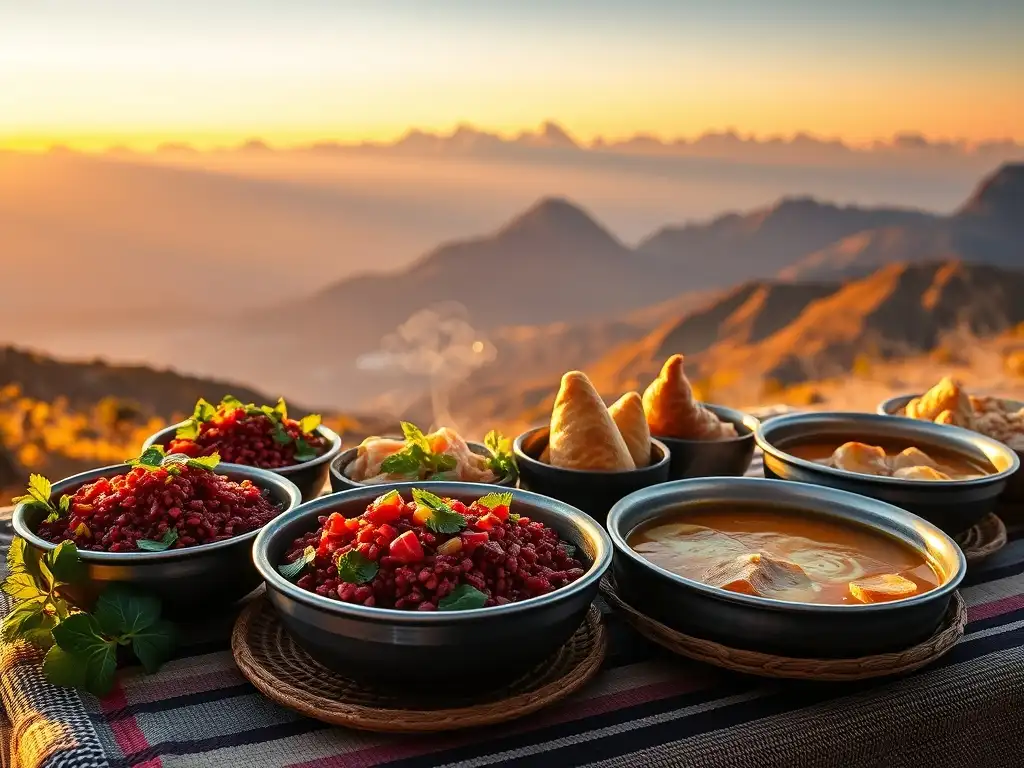
Uncover the secrets of a culinary heritage older than time itself. For centuries, the Andes Mountains have nourished vibrant civilizations, leaving behind a legacy as rich and complex as their landscapes. But how much of that ancient Andean cuisine survives today? Dive into our exploration of Andean cuisine recipes today, and discover how modern chefs are recreating the flavors and traditions of the Incas, Moche, and other fascinating Andean cultures. Prepare to be amazed by the enduring power of their culinary ingenuity.
The Andes Mountains, a spine of South America, nurtured some of the world's most sophisticated pre-Columbian civilizations. These cultures, including the Inca, Moche, Nazca, and Tiahuanaco, didn't just build impressive cities and intricate textiles; they also developed a unique and remarkably diverse culinary tradition deeply intertwined with their environment and agricultural ingenuity. This article explores the fascinating legacy of the Andean diet and how its principles are being creatively reinterpreted in modern Andean cuisine, offering a delicious journey through time.
We'll delve into the key ingredients, traditional preparation methods, and the resurgence of interest in authentic Andean recipes today, providing insights into what makes Andean cuisine recipes today so compelling and unique. This exploration will highlight the enduring impact of these ancient culinary practices and their continued relevance in contemporary gastronomy. Get ready to discover the vibrant flavors and rich history embedded within each bite!
Introduction to Andean Culinary Heritage
Andean culinary heritage is characterized by its deep connection to the challenging yet bountiful Andean environment. For centuries, Andean peoples adapted their diets to the high altitudes, diverse microclimates, and available resources. Their ingenuity led to the domestication of unique crops like potatoes, quinoa, and maize, forming the foundation of their diet.
The resourceful use of these ingredients, combined with innovative cooking techniques and a profound respect for nature, resulted in a culinary tradition that is both incredibly diverse and deeply rooted in the land. Understanding this historical context is crucial to appreciating the modern recreations of Andean cuisine, many of which strive to maintain the authenticity and nutritional value of these ancient recipes. The emphasis on local, seasonal produce, and sustainable practices continues to resonate with modern chefs and food enthusiasts alike, leading to a renewed interest in exploring and celebrating the rich flavors of the Andes.
Understanding Traditional Andean Ingredients
The remarkable diversity of the Andean landscape is directly reflected in the wide array of ingredients used in traditional Andean cuisine. From the towering peaks to the fertile valleys, the region boasts a stunning array of plants and animals that have played a vital role in shaping the culinary traditions of the Andean peoples for millennia. Let's explore some of the key components:
Staple Foods of the Ancient Andes
The foundation of the ancient Andean diet rested on a few key staples, expertly cultivated and adapted to the unique conditions of the high Andes. These include:
- Potatoes ( Solanum tuberosum): With thousands of varieties, potatoes were a cornerstone of the Andean diet, providing essential carbohydrates and nutrients. Their versatility allowed for a wide range of preparations, from simple boiled potatoes to elaborate stews and chilis.
- Maize ( Zea mays): Used to make everything from tortillas and tamales to chicha (a fermented beverage), maize was another crucial staple crop that provided energy and sustenance.
- Quinoa (Chenopodium quinoa): This nutrient-rich grain was, and still is, highly valued for its complete protein profile and adaptability to harsh conditions. It was often prepared as a porridge or incorporated into various dishes.
These three staples, along with others such as beans and squash, formed the basis of a balanced and nutritious diet that sustained the Andean populations for generations.
Native Andean Grains and Tubers
Beyond the major staples, a wealth of other grains and tubers contributed to the Andean diet's incredible diversity. These lesser-known, yet equally important, ingredients included:
- Amaranth (Amaranthus species): A highly nutritious pseudocereal, rich in protein and minerals.
- Canihua (Chenopodium pallidicaule): Another hardy grain, well-suited to high-altitude conditions.
- Oca (Oxalis tuberosa): A tuber with a slightly sour taste, often used in salads or cooked as a side dish.
- Mashua (Tropaeolum tuberosum): A tuber with a slightly spicy flavor, sometimes used as a condiment.
Andean Proteins: From Llamas to Fish
Protein sources in the Andean diet were equally diverse, reflecting the varied ecosystems of the region. These included:
- Llama and Alpaca: These camelids provided meat, wool, and milk, making them an essential part of the Andean economy and diet.
- Guinea Pigs (Cuy): A traditional Andean delicacy, guinea pigs were, and remain, a significant source of protein in certain regions.
- Fish: In coastal regions, fish played a significant role in the diet, providing essential omega-3 fatty acids.
The Importance of Andean Herbs and Spices
Finally, the use of herbs and spices added depth and complexity to Andean cuisine. Many of these plants possessed not only culinary value but also medicinal properties, reflecting a holistic approach to food and health. Examples include:
- Aji (various chili peppers): Providing heat and flavor to a wide variety of dishes.
- Muña (Minthostachys setosa): A fragrant herb with a minty flavor, often used in teas and as a seasoning.
- Huacatay (Tagetes minuta): A unique herb with a strong, slightly bitter flavor, often used in stews and sauces. It's sometimes described as a cross between oregano and marjoram.
The careful combination of these ingredients, passed down through generations, created a culinary tradition that is both nourishing and delicious, a testament to the ingenuity and resourcefulness of the Andean peoples. The next section will explore how modern interpretations draw upon this rich heritage.
- What is the connection between ancient Andean cuisine and modern food?
- Are there any authentic Andean cuisine recipes available today?
- How did ancient Andean civilizations preserve food?
- What are some key ingredients of the ancient Andean diet that are still popular?
- Where can I find modern interpretations of Andean cuisine recipes today?
Andean Cuisine Recipes Today: Modern Takes
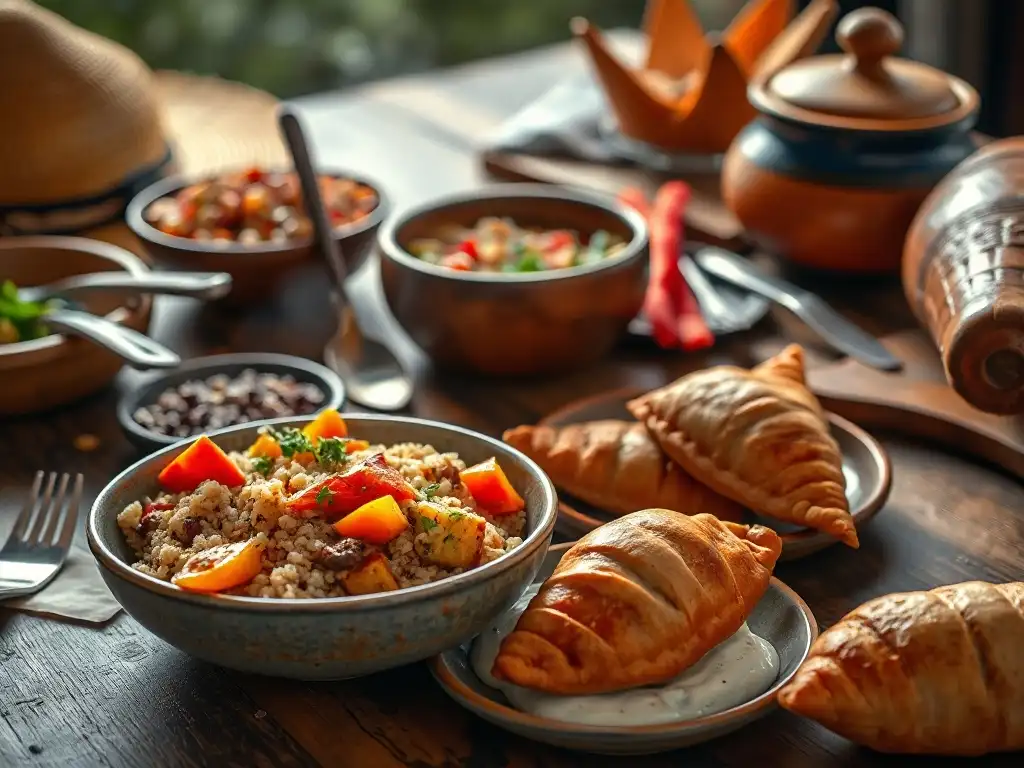
The vibrant tapestry of Andean civilizations extends beyond their impressive architectural feats and intricate textiles; it also encompasses a rich culinary heritage. While many ancient Andean recipes remain lost to time, their core principles – reliance on native ingredients, innovative cooking techniques, and a deep respect for the land – continue to inspire modern chefs and home cooks alike.
This section explores how contemporary interpretations of Andean cuisine are breathing new life into ancient traditions, creating exciting and flavorful dishes that celebrate both heritage and innovation. The search for "Andean cuisine recipes today" often leads to exciting discoveries in this evolving culinary landscape.
Adapting Ancient Andean Cooking Techniques
The ingenuity of ancient Andean cooking methods is striking. Their resourcefulness in the face of challenging environments led to unique techniques that are now being revisited and refined for modern kitchens.
Reinterpreting Pachamanca in Modern Kitchens
Pachamanca, the ancient Andean earth oven, offers a unique cooking experience. Traditionally, a pit is dug, heated with hot stones, and food is cooked underground using layers of leaves and earth. Modern adaptations often involve using a large, covered pot or even a modified barbecue, replicating the slow-cooking, smoky flavors achieved through the traditional method.
While the precise temperature control of a traditional pachamanca is difficult to replicate exactly, modern chefs are experimenting with techniques to achieve a similar outcome, ensuring the meat remains tender and infused with the earthy flavors of the cooking process. The result? Dishes that are both authentic in spirit and convenient for the modern kitchen.
Utilizing Andean Fermentation Methods
Fermentation played a crucial role in preserving food in the Andes. Techniques like chicha, a fermented corn beverage, and the fermentation of potatoes and other vegetables, provided essential nutrients and extended shelf life. Today, chefs are exploring these ancient techniques, incorporating them into modern recipes to add depth of flavor and unique textures.
For example, fermented corn masa can add a surprising tang to modern empanadas, showcasing the versatility of ancient methods. Research into the specific microbial communities involved in traditional Andean fermentation is ongoing, leading to a deeper understanding and more precise replication of these processes in modern contexts.
Exploring Traditional Andean Grilling and Roasting
Grilling and roasting over open fires were common practices in the Andes. The use of various woods and herbs imparted distinct flavors to the food. Modern interpretations incorporate these techniques, often utilizing specialized grills and smokers to replicate the smoky aromas and flavors of ancient Andean cooking.
The precise blend of woods used in the ancient methods is still being researched, with modern chefs experimenting with different wood types to approximate the traditional flavors. This exploration is not only about recreating the past but also about understanding the complex interplay between wood smoke, cooking time, and the final flavor profile.
Modern Andean Recipes: A Fusion of Flavors
Modern Andean cuisine is not just about recreating the past; it's about creatively blending ancient techniques and ingredients with contemporary culinary styles. This fusion results in dishes that are both familiar and surprising, appealing to a wide range of palates.
Quinoa Bowls with Andean Vegetables
Quinoa, a staple of the Andean diet, features prominently in many modern recipes. A simple yet nutritious quinoa bowl can incorporate a variety of Andean vegetables like oca, ulluco, and mashua, showcasing the vibrant colors and unique flavors of the region. The addition of contemporary elements like roasted sweet potatoes, avocado, and a citrus dressing adds a modern touch, creating a balanced and visually appealing dish. Detailed recipes often highlight the specific preparation methods for each vegetable, ensuring the optimal texture and flavor are achieved.
Llama Meat Dishes with Contemporary Twists
Llama meat, a traditional Andean protein source, is increasingly finding its way onto modern menus. Modern chefs are experimenting with various cooking methods, from slow-braising to grilling, to highlight the unique flavor profile of llama. Contemporary seasonings and sauces, inspired by both Andean and international cuisines, add depth and complexity, showcasing the versatility of this often-underutilized meat. Dishes like llama steak with chimichurri or llama stew with Andean herbs demonstrate the adaptability of this ancient protein to modern tastes.
Andean Potato Stews with a Modern Flair
Potatoes, a cornerstone of the Andean diet, are the stars of many hearty stews. Modern interpretations often incorporate a wider range of potato varieties, each offering a unique texture and flavor. The addition of contemporary spices and herbs, along with a careful balance of textures and flavors, elevates these traditional stews to a new level of sophistication. Recipes often emphasize the use of fresh, locally sourced ingredients to enhance the overall quality and flavor of the dish.
Innovative Uses of Native Andean Corn
Andean corn, with its diverse varieties and unique characteristics, is finding new and innovative applications in modern cuisine. Beyond the traditional uses in chicha and arepas, chefs are experimenting with different corn varieties to create innovative dishes.
The use of different corn flours in pastries, the incorporation of corn kernels into salads, and the development of new corn-based sauces are just a few examples of how this versatile grain is being reimagined in modern Andean cuisine. The exploration of lesser-known corn varieties is also leading to the discovery of unique flavors and textures, expanding the possibilities of Andean culinary creativity.
Health Benefits of the Andean Diet
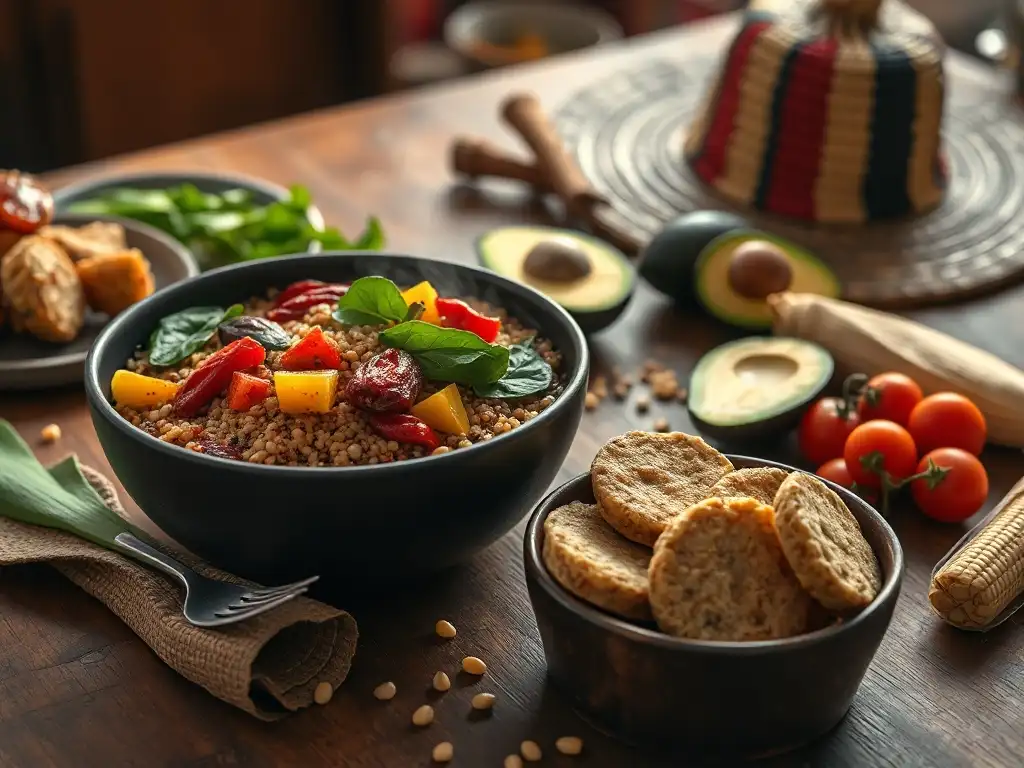
The Andean diet, a culinary tradition deeply rooted in the diverse ecosystems of the Andes Mountains, offers a wealth of health benefits that resonate strongly with modern nutritional science. For centuries, Andean communities thrived on a diet rich in nutrient-dense foods, resulting in exceptional health outcomes. Understanding the nutritional composition of these traditional foods allows us to appreciate the enduring relevance of the Andean diet in today's world, making it a compelling choice for those seeking a healthy and flavorful culinary experience. The resurgence of interest in "Andean cuisine recipes today" is a testament to this growing awareness.
Nutritional Powerhouses of the Andes
The Andes Mountains boast an incredible biodiversity, providing a unique array of ingredients that underpin the region's traditional diet. These ingredients aren't just delicious; they are nutritional powerhouses, packed with vitamins, minerals, and bioactive compounds beneficial for overall well-being. From the high-altitude grains to the vibrant fruits and vegetables, each element contributes to a diet that is both sustainable and exceptionally healthy. This section will explore some key components of the Andean diet and their significant nutritional contributions. The renewed interest in Andean cuisine recipes today stems partly from this recognition of their nutritional value.
The Antioxidant Richness of Andean Berries
Andean berries, such as camu camu, maqui, and aguaymanto (Physalis), are exceptionally rich in antioxidants. Antioxidants combat free radicals, protecting cells from damage and reducing the risk of chronic diseases like heart disease, cancer, and Alzheimer's. Camu camu, for example, is renowned for its exceptionally high Vitamin C content, far surpassing that of oranges.
Maqui berries are packed with anthocyanins, potent antioxidants responsible for their deep purple hue and associated health benefits. These berries are increasingly incorporated into modern Andean cuisine recipes today, offering a delicious and healthy way to boost antioxidant intake. The vibrant colors of these berries are a visual indicator of their potent antioxidant properties.
Fiber and Complex Carbs in Andean Grains
Andean grains like quinoa, amaranth, and kiwicha are not just gluten-free alternatives; they are nutritional superstars. These grains are excellent sources of complex carbohydrates, providing sustained energy without the blood sugar spikes associated with refined carbohydrates. Furthermore, they are rich in dietary fiber, crucial for digestive health, promoting regularity and reducing the risk of conditions like constipation and colon cancer.
The high fiber content also contributes to feelings of fullness, aiding in weight management. The incorporation of these grains into modern Andean cuisine recipes today is vital for promoting a balanced and healthy diet. The versatility of these grains allows for their easy integration into various dishes.
The Role of Andean Foods in Modern Diets
The nutritional benefits of the Andean diet extend far beyond the individual ingredients. The combination of these nutrient-rich foods creates a synergistic effect, enhancing overall health and well-being. The emphasis on whole, unprocessed foods, coupled with traditional cooking methods, results in a diet that is both delicious and exceptionally healthy. Modern interpretations of Andean cuisine recipes today often focus on preserving these traditional cooking methods, further enhancing the nutritional value of the dishes.
The growing popularity of Andean cuisine recipes today reflects a global shift towards healthier and more sustainable eating habits, with the Andean diet offering a compelling example of a traditional food system that remains highly relevant in the 21st century. The adaptability of Andean cuisine makes it easily incorporated into diverse dietary preferences and lifestyles. Furthermore, the sustainability of Andean agricultural practices adds another layer to the appeal of incorporating these foods into modern diets.
Sourcing Andean Ingredients: Challenges and Opportunities
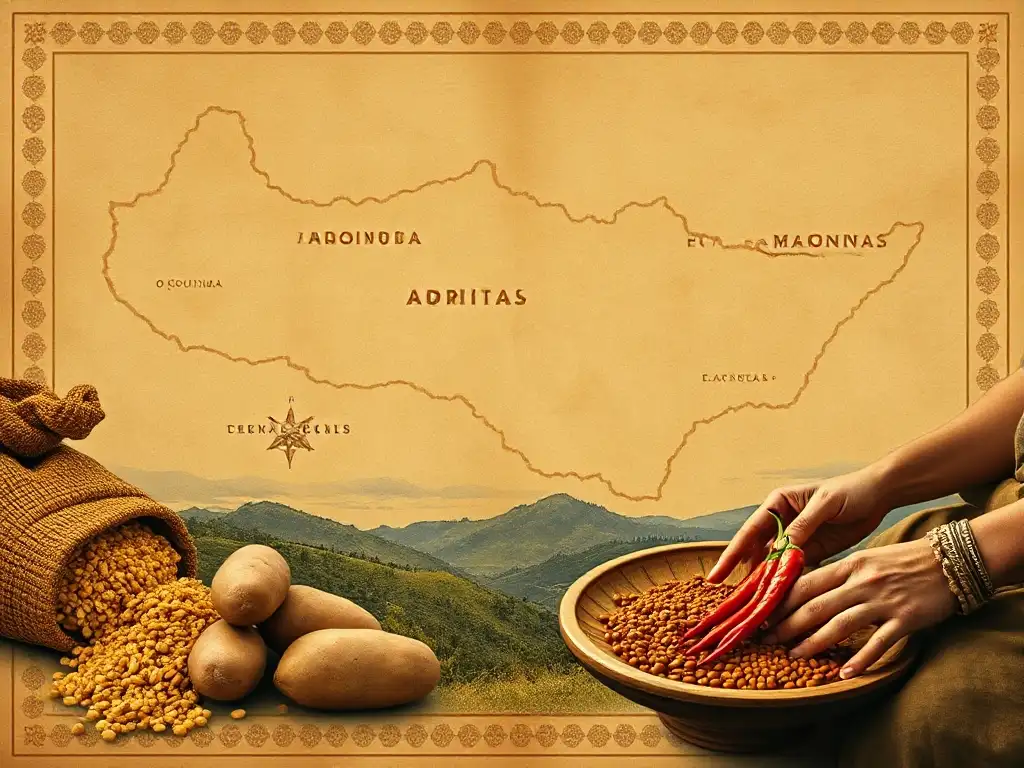
The resurgence of interest in Andean cuisine recipes today presents both exciting opportunities and significant challenges. Replicating ancient Andean dishes requires access to authentic ingredients, many of which are not readily available outside of the Andes region. This section explores the complexities of sourcing these ingredients, highlighting the hurdles and potential solutions for modern chefs and home cooks alike. The quest for authenticity in Andean cuisine is a journey that requires dedication and a nuanced understanding of both culinary history and sustainable practices.
Finding Authentic Andean Products
Locating authentic Andean products in today's globalized food market is a significant undertaking. Many common ingredients, such as specific varieties of potatoes ( Solanum tuberosum), quinoa ( Chenopodium quinoa), and various types of corn ( Zea mays), possess unique genetic traits and flavors developed over millennia of adaptation to the Andean environment. These variations are often unavailable in mainstream supermarkets.
For example, the papa amarilla (yellow potato) crucial to many traditional Andean dishes boasts a creamy texture and subtly sweet flavor drastically different from standard supermarket potatoes. Similarly, the diverse quinoa varieties, each with its own texture and nutritional profile, are often reduced to a single, homogenized product in mass markets. This lack of diversity impoverishes the culinary experience and diminishes the nutritional benefits inherent in the original Andean varieties.
Successfully recreating Andean cuisine recipes today hinges on prioritizing the sourcing of these unique, heirloom varieties. This necessitates seeking out specialized suppliers, farmers' markets focused on ethnic foods, and potentially direct relationships with Andean farmers or importers. The effort, however, is handsomely rewarded by the superior quality and authentic taste.
Supporting Sustainable Andean Agriculture
Sourcing authentic Andean products goes hand-in-hand with supporting sustainable agricultural practices within the Andean region. The traditional Andean farming techniques, often characterized by sophisticated terracing and crop rotation, are vital for preserving biodiversity and ensuring the long-term availability of these unique ingredients. Unfortunately, modern agricultural pressures, including monoculture farming and the use of chemical pesticides, threaten these traditional practices and biodiversity.
Therefore, conscious consumers seeking authentic Andean cuisine recipes today should prioritize suppliers committed to sustainable and ethical sourcing. Look for certifications that guarantee fair trade practices, environmental responsibility, and the preservation of traditional Andean farming methods. Supporting these initiatives not only ensures the availability of high-quality ingredients but also contributes to the economic well-being of Andean communities and the preservation of their invaluable agricultural heritage. This commitment to sustainability is crucial for the future of Andean cuisine and the Andean people themselves.
Importing specific Andean ingredients can present additional challenges. Navigating import regulations and ensuring compliance with food safety standards varies significantly depending on the country of origin and destination. Specific requirements for labeling, documentation, and quarantine procedures can add complexity and potentially increase the cost of acquiring these ingredients.
Understanding these regulations is crucial for both professional chefs and home cooks interested in procuring authentic Andean foods. Thorough research into import procedures and a willingness to work with specialized importers can alleviate some of these challenges. However, the effort involved underscores the importance of supporting local suppliers whenever possible.
While importing may be necessary for some rare ingredients, prioritizing locally sourced alternatives, where available, simplifies the process and reduces the environmental impact associated with long-distance transportation. The availability of specific Andean products within a given region will significantly influence the feasibility of recreating certain recipes, highlighting the importance of adaptation and innovation.
The Future of Andean Culinary Traditions
Preserving Andean Cuisine for Future Generations
The preservation of Andean culinary traditions is paramount, not just for gastronomic reasons, but also for safeguarding cultural heritage and biodiversity. Many traditional Andean ingredients, like quinoa, camu camu, and various potato varieties, are facing threats due to climate change, monoculture farming, and the increasing popularity of processed foods. Active efforts are needed to counter this trend. This involves several key strategies:
- Supporting small-scale farmers: These farmers are the custodians of traditional agricultural practices and heirloom varieties. Initiatives focused on fair trade, sustainable farming techniques, and access to markets are crucial for their survival and the continuation of their vital role in maintaining biodiversity. Many organizations are working towards this goal, providing training and resources to enhance productivity and market access.
- Documenting traditional recipes and techniques: The loss of knowledge is a significant threat. Comprehensive documentation, including detailed recipes, preparation methods, and cultural context, is essential. This can be done through collaborations between researchers, chefs, and community members, ensuring that this invaluable knowledge is not lost to time. Digital archives and community cookbooks can play a vital role in this process.
- Promoting culinary education: Integrating Andean culinary traditions into educational programs, from primary schools to culinary schools, can foster a sense of pride and ownership among younger generations. By teaching children and aspiring chefs about the history, significance, and preparation of these dishes, we can help ensure the continuity of these traditions.
- Creating seed banks and gene banks: Protecting the genetic diversity of Andean crops is critical. Establishing and maintaining seed banks and gene banks ensures the long-term survival of these varieties, even in the face of environmental challenges. This is a proactive measure to safeguard the ingredients that form the foundation of Andean cuisine.
The Role of Chefs in Promoting Andean Food
Modern chefs are playing an increasingly significant role in revitalizing and popularizing Andean cuisine. They act as ambassadors, showcasing the unique flavors and ingredients to a wider audience. Their creativity in adapting traditional recipes to modern palates, while respecting the authenticity of the dishes, is essential for its continued relevance.
Consider the impact of chefs who:
- Source ingredients directly from small-scale farmers: This practice not only guarantees the quality and freshness of ingredients but also directly supports the communities that produce them. It creates a transparent and ethical supply chain, contributing to the sustainability of the entire culinary ecosystem.
- Collaborate with local communities: By working closely with Andean communities, chefs gain a deeper understanding of the cultural significance of the food, ensuring that their interpretations are respectful and authentic. This collaborative approach enriches both the culinary experience and the cultural preservation efforts.
- Develop innovative and contemporary dishes: While respecting tradition, chefs are also pushing boundaries, creating innovative dishes that appeal to modern tastes while highlighting the unique characteristics of Andean ingredients. This balance between tradition and innovation is key to attracting a broader audience and ensuring the long-term appeal of Andean cuisine.
The Global Appeal of Andean Flavors
Andean cuisine is increasingly gaining international recognition, driven by its unique flavors, nutritional value, and rich cultural heritage. The inherent health benefits of many Andean ingredients, such as the high protein content of quinoa and the antioxidant properties of camu camu, are contributing to its global appeal. The growing interest in sustainable and ethical food choices also plays a significant role.
Several factors contribute to this expanding global popularity:
- Increased awareness of superfoods: The growing awareness of "superfoods" has brought attention to the nutritional value of Andean ingredients, leading to increased demand and wider availability in international markets.
- The rise of fusion cuisine: Andean flavors are being incorporated into fusion dishes worldwide, showcasing their versatility and adaptability to different culinary traditions. This fusion approach broadens the reach and appeal of Andean cuisine to a diverse audience.
- The increasing popularity of ethnic foods: The growing interest in exploring diverse culinary traditions has created a more receptive global market for authentic Andean cuisine. This reflects a broader shift towards culinary exploration and cultural appreciation.
The global appeal of Andean cuisine not only benefits the economy of Andean regions but also helps preserve and celebrate a rich culinary heritage for generations to come. The future of Andean cuisine looks promising, fueled by a growing appreciation for its unique flavors, nutritional value, and cultural significance. 🌎
Conclusion: Enjoying the Legacy of Andean Cuisine
The vibrant tapestry of Andean cuisine, woven from centuries of tradition and ingenuity, continues to evolve and inspire. From the humble potato, boasting thousands of varieties cultivated over millennia, to the diverse array of grains, fruits, and protein sources, the Andean diet offers a rich culinary heritage. Modern chefs and home cooks alike are rediscovering and reinterpreting these ancient flavors, creating innovative dishes that honor the past while embracing contemporary tastes. This revitalization not only celebrates a unique culinary legacy but also fosters a deeper appreciation for the ingenuity and resilience of Andean cultures.
The future of Andean culinary traditions is bright, promising a delicious journey of discovery for generations to come. By understanding the historical context and embracing sustainable practices, we can ensure that the unique flavors and nutritional benefits of Andean cuisine continue to thrive. The resurgence of interest in Andean cuisine is a testament to its enduring appeal and its potential to contribute significantly to modern gastronomy. This renewed focus on traditional ingredients and techniques not only enhances culinary diversity but also contributes to the preservation of biodiversity and cultural heritage.
Ultimately, exploring and enjoying Andean cuisine is not just about savoring delicious food; it's about connecting with a rich history and contributing to a sustainable future. The legacy of Andean culinary traditions is a legacy worth cherishing and sharing. 🎉
Frequently Asked Questions
What is the connection between ancient Andean cuisine and modern food?
Many traditional Andean ingredients and cooking methods are still used today. Modern Andean cuisine often incorporates ancient grains like quinoa and amaranth, alongside potatoes and various beans, reflecting the historical diet.
Are there any authentic Andean cuisine recipes available today?
Yes! Numerous resources offer authentic recipes, adapted for modern kitchens. You can find them online, in cookbooks, and even in restaurants specializing in Andean food. Look for dishes featuring traditional ingredients and techniques.
How did ancient Andean civilizations preserve food?
Ancient Andean peoples used various methods including sun-drying, freezing (at high altitudes), and fermentation to preserve food. These techniques extended the shelf life of staple crops and other foods.
What are some key ingredients of the ancient Andean diet that are still popular?
Potatoes, quinoa, corn, beans (especially various types of beans), and various peppers are all staples of both ancient and modern Andean diets. These ingredients form the foundation of many traditional dishes.
Where can I find modern interpretations of Andean cuisine recipes today?
You can find modern interpretations in cookbooks focused on Andean food, online culinary blogs, and in restaurants specializing in Peruvian, Bolivian, Ecuadorian, or Colombian cuisine. Many chefs are reinterpreting ancient recipes for contemporary palates.
Final Reflection: A Legacy of Flavor: Reclaiming the Andean Table
The Andean diet, once a cornerstone of a thriving civilization, continues to resonate today, not merely as a historical curiosity, but as a vital source of nourishment and cultural identity. Its resurgence in modern kitchens signifies a powerful return to sustainable, healthy eating practices, offering a delicious counterpoint to the homogenizing forces of globalized food systems. This renewed interest is more than just a culinary trend; it's a testament to the enduring power of tradition.
The enduring influence of Andean cuisine on contemporary culinary landscapes is undeniable. From the vibrant markets overflowing with quinoa, potatoes, and aji amarillo to the innovative fusion dishes appearing in restaurants worldwide, the legacy of the Andes is palpable. Food is symbolic of love when words are inadequate.
- Alan D. Wolfelt. This quote perfectly encapsulates the emotional connection many feel to the Andean diet, a connection rooted in both sustenance and cultural heritage. It's a reminder that food is not just fuel, but a powerful vehicle for storytelling and the transmission of cultural values across generations.
Consider the ingredients, the techniques, the stories woven into each dish. You, the reader, now hold the key to unlocking a world of flavor and tradition. Explore the recipes, experiment with the ingredients, and discover the rich tapestry of Andean cuisine for yourself. Let the vibrant colors and bold flavors inspire you to embrace a more sustainable and culturally conscious approach to food, one that honors the past while shaping a healthier future. The Andean table awaits.
Savor the Ancient: Transform Your Plate Today!
Thank you for exploring the rich tapestry of Andean cuisine with us! You've discovered the flavors and heritage that have shaped the culinary landscape of this vibrant region. Now, let's bring a piece of that history into your kitchen.
Here’s how you can get started:
- Experiment with Andean ingredients: Incorporate quinoa, amaranth, or a variety of native potatoes into your meals for an authentic taste of the Andes. The unique textures and flavors will surprise and delight you.
- Share your culinary creations: Post your Andean-inspired dishes on social media using the hashtag #AndeanCuisine to connect with fellow food enthusiasts. Let's build a vibrant online community celebrating this incredible cuisine!
- Join a cooking class or workshop: Find a local class focused on Andean cooking—it's a fantastic way to learn new techniques and appreciate the cultural significance of the food.
What delicious Andean dish will you create next to deepen your connection with this incredible heritage?