
Nazca Social Organization: Understanding Their Unique System

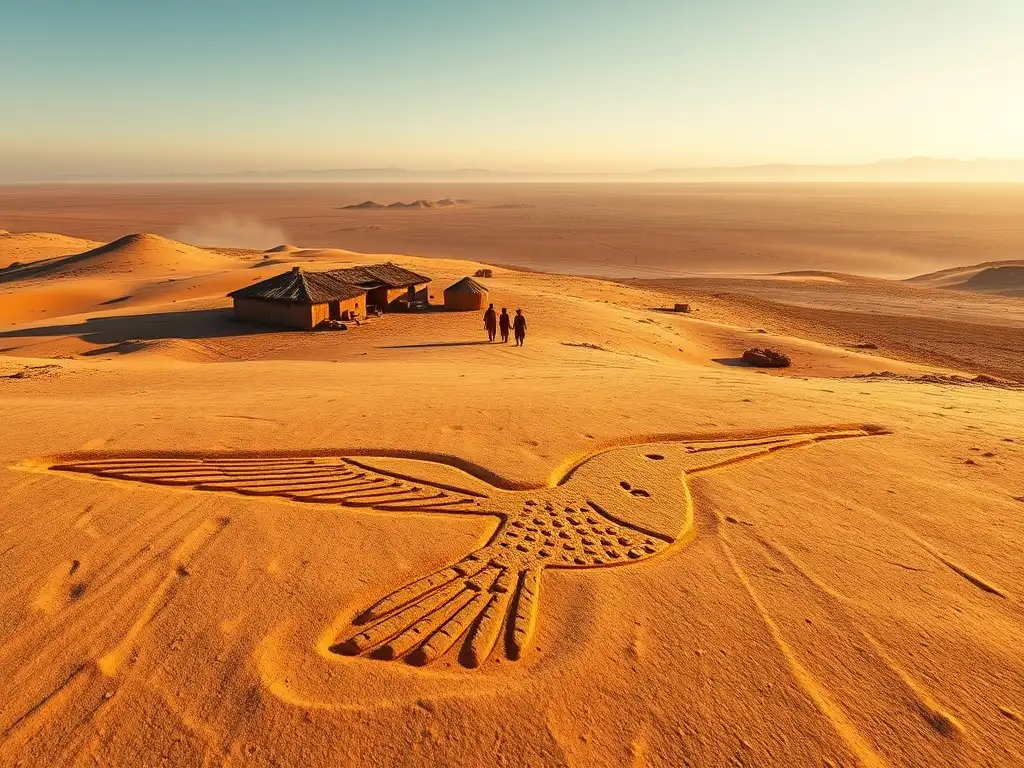
Unravel the mysteries of the Andes! Journey through millennia of captivating history, breathtaking artistry, and ingenious technology. From the Incas to the Moche, and beyond, this site unveils the wonders of ancient Andean civilizations. But prepare to be amazed by what lies ahead: the intricate Nazca social structure awaits, revealing a society unlike any other. Dive in and discover the secrets behind their unique societal organization – a captivating puzzle waiting to be solved.
The Nazca civilization, flourishing along the southern coast of Peru from approximately 100 BCE to 800 CE, remains a captivating enigma in Andean history. Famous for their breathtaking geoglyphs etched into the desert landscape, the Nazca people also developed a sophisticated social structure that supported their remarkable achievements in irrigation, ceramics, and textile production. This article delves into the intricacies of Nazca social organization, exploring the hierarchical system that underpinned their society and its influence on their cultural and technological advancements. We will examine the evidence from archaeological findings and analyze the implications of their unique social stratification for understanding their overall societal development and the reasons behind their remarkable cultural legacy. Understanding the Nazca social structure is key to unlocking a deeper appreciation of this fascinating civilization and its enduring contributions to Peruvian and broader Andean heritage. The keyword "Nazca social structure" will be explored thoroughly throughout this analysis.
The Nazca social structure was hierarchical, reflecting a complex interplay of power, prestige, and economic control. Archaeological evidence suggests a stratified society with distinct social classes, ranging from elite rulers and priests at the apex to commoners and possibly enslaved individuals at the base. Unlike some other Andean civilizations, the Nazca did not construct monumental cities like those found in the Inca Empire. Instead, their settlements were primarily comprised of smaller, dispersed communities, each likely functioning with a degree of local autonomy while still being part of a larger regional network.
This decentralized organization, however, did not preclude a clearly defined social hierarchy. Evidence for this hierarchy is found in the differential distribution of grave goods, the size and construction of dwellings, and the presence of specialized craft production centers. The elite likely controlled access to resources and wielded significant political and religious authority. Their power may have been based on a combination of factors, including control over water resources (crucial in the arid coastal environment), religious expertise, and skillful management of trade networks.
The presence of elaborate burial practices, featuring ornate textiles, gold ornaments, and other prestigious grave goods, further underscores the social stratification within Nazca society. Further research is needed to fully understand the nuances of social mobility within this system. The precise mechanisms of social advancement and the roles of different social groups remain areas of ongoing investigation, necessitating further archaeological excavation and analysis of existing data.
The Nazca elite occupied a position of considerable power and influence, controlling access to resources and holding significant religious authority. Their elevated status is reflected in their lavish burials, which often included exquisite textiles, gold and silver ornaments, and finely crafted ceramics. These burial goods suggest a high level of wealth and access to specialized craft production.
The elite likely played a crucial role in religious ceremonies and rituals, acting as intermediaries between the supernatural world and the common people. The iconography found on Nazca ceramics and textiles often depicts figures with elaborate headdresses and regalia, possibly representing religious leaders or deities. These images, along with the evidence from elaborate burial sites, strongly support the theory of a powerful priestly class within the Nazca social structure.
However, the exact nature of their religious beliefs and practices remains a subject of ongoing scholarly debate. Understanding the relationship between the political and religious elites and the broader population is crucial for a comprehensive understanding of Nazca society. Further analysis of iconography and settlement patterns is needed to fully illuminate the roles and power dynamics within the elite class.
Commoners and the Organization of Labor in Nazca Society
The majority of the Nazca population consisted of commoners who engaged in various agricultural and craft activities. Evidence suggests a highly organized system of labor, with specialized craftspeople producing textiles, ceramics, and other goods. These skilled artisans likely worked in specialized workshops or within their own households. The commoners also played a crucial role in agricultural production, utilizing sophisticated irrigation techniques to cultivate crops in the arid coastal environment.
Their labor was essential for the sustenance of the entire society. Archaeological findings reveal evidence of communal labor projects, such as the construction of irrigation canals and the creation of the famous Nazca Lines. These projects required significant coordination and organization, suggesting a degree of social cohesion and cooperation among commoners.
The nature of social relations between different groups of commoners, and the potential existence of internal social hierarchies within this class, requires further investigation. Detailed analysis of settlement patterns and the distribution of artifacts within commoner dwellings is needed to provide a more complete understanding of their daily lives and social organization. The role of women in Nazca society also remains an area of ongoing research, requiring further study to fully understand their contributions to agriculture, craft production, and social life.
- Introduction to Nazca Society and Social Hierarchy
- Elite Class and Religious Authority in Nazca Society
- Commoners and the Organization of Labor in Nazca Society
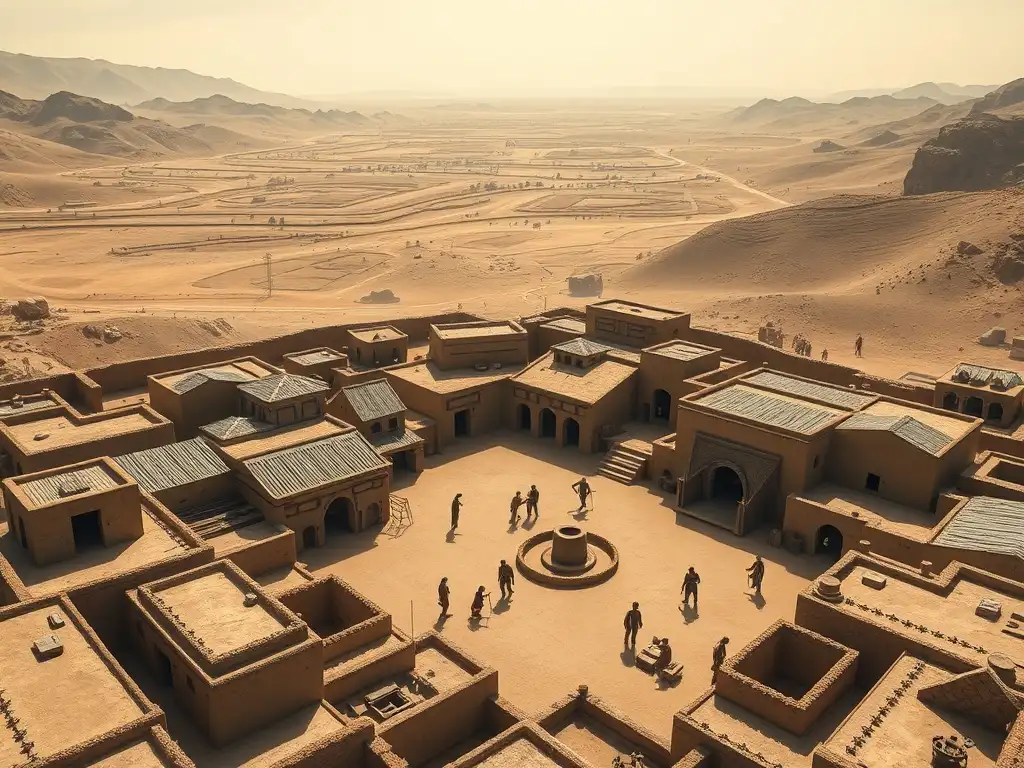
The Nazca social structure, a complex interplay of power, religion, and economic activity, remains a subject of ongoing scholarly investigation. While definitive answers elude us, archaeological evidence and careful analysis of artifacts suggest a hierarchical system, with distinct social strata and specialized roles. Understanding this intricate arrangement is key to grasping the remarkable achievements of this ancient Andean civilization. The Nazca's sophisticated irrigation systems, monumental architecture, and intricate textiles all point to a well-organized society capable of mobilizing significant resources and labor.
Analyzing their social structure provides a crucial lens through which to interpret their cultural achievements and understand their societal dynamics. This section will explore the key elements of this hierarchy, the roles within it, and the evidence supporting our current understanding of Nazca social organization. The term "Nazca social structure" itself encompasses a wide range of interconnected factors, from kinship ties to religious beliefs and economic specialization.
Nazca Society: A Hierarchical Model
The prevailing model for Nazca social organization depicts a hierarchical society, likely ruled by a powerful elite. This elite, possibly comprised of priests and/or chiefs, controlled access to resources and exerted significant influence over the population. Evidence suggests that this elite class enjoyed a privileged lifestyle, reflected in their elaborate burials containing fine textiles, gold ornaments, and other luxury goods.
These burials, often located in prominent places, were significantly larger and more richly furnished than those of commoners, highlighting the stark social stratification within Nazca society. The precise nature of the power structure remains debated; some scholars propose a theocratic model where religious leaders held the most power, while others suggest a more secular leadership based on lineage or achieved status.
Further research, including detailed analysis of settlement patterns and the distribution of artifacts, is needed to fully elucidate the intricacies of this power dynamic. The existence of a hierarchical structure, however, is undeniable, evidenced by the clear disparities in burial goods and the scale of monumental construction projects that required the coordination of large numbers of people.
Several key elements underpinned the Nazca social system. Firstly, kinship likely played a crucial role, with family units forming the basis of social organization. Secondly, religious beliefs profoundly influenced social structures, with priests and shamans likely holding considerable power and influence. The elaborate Nazca lines, for example, might reflect a complex cosmology and religious practices, reinforcing the authority of religious figures.
Thirdly, economic specialization is apparent in the archaeological record. Evidence suggests the existence of specialized craftspeople, including potters, weavers, and metalworkers, indicating a division of labor and a degree of economic interdependence. This division of labor contributed to the overall efficiency and productivity of the society.
Finally, control of resources, particularly water, was paramount. The sophisticated irrigation systems built by the Nazca demonstrate their ability to manage and distribute water effectively, a crucial element in maintaining social stability and economic prosperity. This control over resources likely further cemented the power of the elite.
Roles and Responsibilities within the Nazca Hierarchy
The Nazca social hierarchy involved a range of specialized roles and responsibilities. At the top were the elite, who likely controlled religious and political power. Below them were various levels of artisans and specialists, such as skilled potters known for their distinctive polychrome ceramics, highly proficient weavers creating intricate textiles, and metalworkers producing sophisticated ornaments.
These skilled individuals likely held respected positions within their communities. The majority of the population consisted of farmers and laborers who worked the land, maintaining the irrigation systems and producing the agricultural surplus that sustained the society. Their roles were essential to the functioning of the Nazca state, supplying the elite with agricultural products and supporting large-scale construction projects.
The precise social standing of different groups within this lower stratum remains somewhat unclear, requiring further research to fully delineate the nuances of their social organization. The evidence strongly suggests, however, a complex and stratified society with a clear division of labor and a hierarchy of power. The success of the Nazca civilization hinged upon the effective functioning of this intricate social system.
Nazca Elite and Ruling Class
The Nazca social structure, like many ancient societies, was hierarchical. At its apex sat a powerful elite, controlling vast resources and wielding considerable influence. While direct evidence of a centralized, king-like figure remains debated among archaeologists, the existence of a ruling class is undeniable, evidenced by their lavish burials and the sophisticated organization of their society.
The Nazca elite likely controlled access to vital resources like water, crucial for agriculture in their arid environment, and oversaw large-scale public works projects, such as the construction of aqueducts and the famous Nazca Lines. Their power was likely maintained through a combination of religious authority, economic control, and perhaps even military strength.
The scale and complexity of Nazca society suggest a highly organized and stratified system, with the elite at the top directing the labor and resources of the broader population. Further research into burial sites and analysis of artifacts are crucial to fully understanding the dynamics of power within the Nazca elite.
The Power of the Nazca Leadership
The power of the Nazca leadership stemmed from a confluence of factors. Control over water resources, essential for survival in the desert, was paramount. The elite likely managed the intricate network of canals and aqueducts, distributing water to different communities and thus holding considerable sway. Their economic control extended beyond water management; they likely controlled the production and distribution of essential goods, including textiles, ceramics, and agricultural products.
This economic power solidified their social standing and provided the means to maintain their privileged lifestyle. Furthermore, religious authority played a significant role. The elite may have been considered intermediaries between the gods and the people, further enhancing their power and legitimacy. Archaeological evidence, such as elaborate burial goods and monumental architecture, underscores the significant resources at the disposal of the ruling class, reflecting their substantial power and influence within Nazca society.
The Role of Priests and Religious Figures in Nazca Society
Priests and religious figures occupied a prominent position within the Nazca social structure. Their influence stemmed from their perceived connection to the supernatural world and their ability to interpret omens, perform rituals, and mediate between the human and divine realms. The elaborate iconography found on Nazca ceramics and textiles suggests a complex pantheon of deities and a sophisticated religious system.
These religious figures likely played a crucial role in maintaining social order and justifying the authority of the ruling elite. They may have been involved in important ceremonies and rituals related to agriculture, ensuring successful harvests and appeasing the gods. The construction and maintenance of ceremonial centers and temples also likely fell under their purview.
While the exact nature of their power and their relationship with the political elite requires further investigation, their role in Nazca society was undoubtedly significant, shaping beliefs, practices, and social structures. The intricate designs on textiles and pottery depict various rituals and deities, offering valuable clues to their role and power.
Nazca Warrior Class and Military Organization
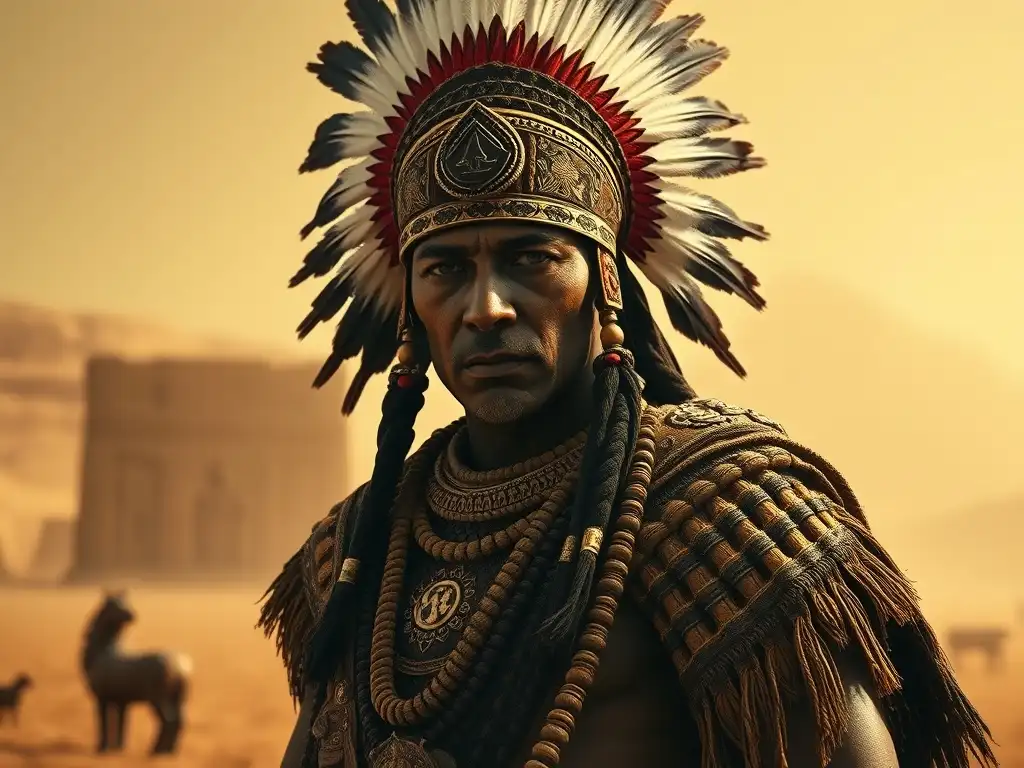
While the Nazca are primarily known for their artistry and engineering prowess, evidence suggests the existence of a dedicated warrior class, though its precise organization and role remain subjects of ongoing scholarly debate. The relatively peaceful nature of much of their iconography contrasts with some depictions of warfare and weaponry. The discovery of weapons like spears and clubs, alongside depictions of battle scenes on pottery, points to the presence of organized military forces.
These warriors likely played a crucial role in protecting Nazca territories, securing vital resources, and potentially even engaging in conflicts with neighboring groups. Their social standing within the hierarchical structure is uncertain, but they likely held a position of importance, given the resources and training required for effective military organization.
Further research focused on analyzing burial sites containing weapons and military paraphernalia is needed to fully understand the role of the warrior class within Nazca society and its relationship to the ruling elite. The presence of defensive structures and fortifications also suggests a need for organized defense against potential external threats.
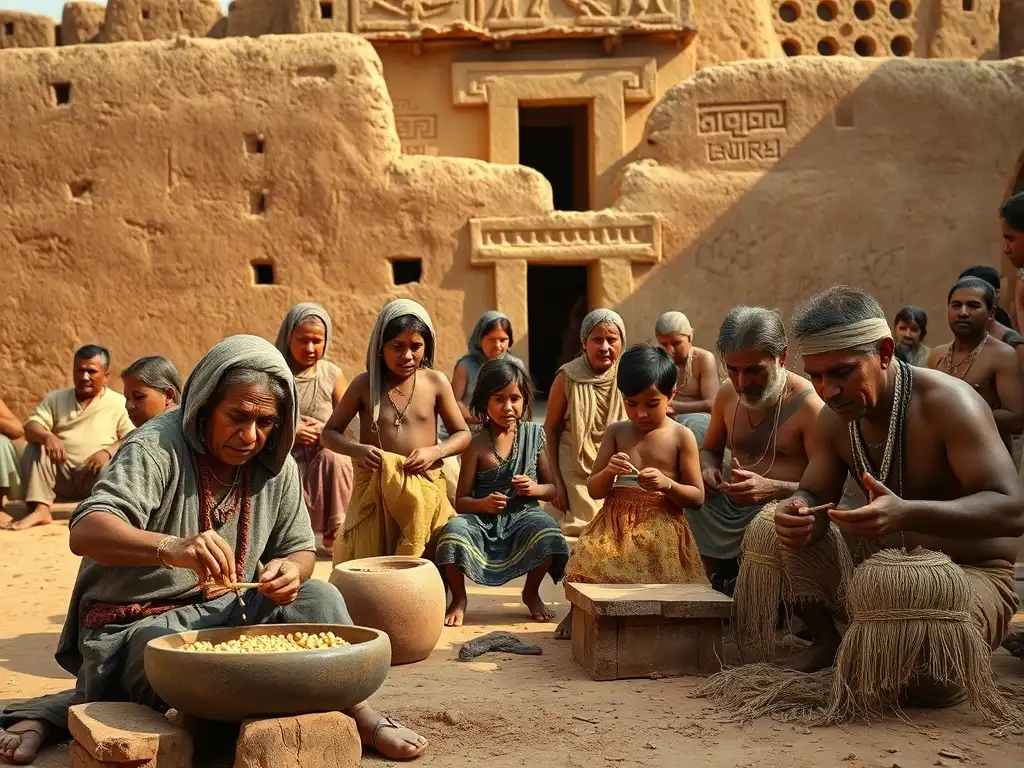
The Nazca social structure, a complex system reflecting their advanced civilization, wasn't rigidly stratified like some other Andean societies. While a clear hierarchy existed, social mobility wasn't entirely impossible, particularly within the commoner classes. The system was largely based on access to resources, specialized skills, and proximity to power centers. Understanding the nuances of this structure requires examining the different social strata and their roles within Nazca society.
The available archaeological evidence, primarily from burial sites and iconography on ceramics and textiles, paints a picture of a society with a relatively fluid, yet clearly defined, social hierarchy. This contrasts sharply with the more rigid caste systems found in some contemporaneous civilizations. The keyword "Nazca social structure" is central to understanding their unique societal organization and its impact on their impressive achievements in agriculture, art, and engineering.
The Life of Nazca Farmers and Agricultural Workers
The backbone of Nazca society was undoubtedly its agricultural workforce. The Nazca were masterful irrigators, developing sophisticated canal systems to cultivate the arid coastal desert. These farmers, along with those tending livestock (primarily llamas and alpacas), constituted the largest segment of the population. Their daily lives revolved around the arduous tasks of planting, irrigating, harvesting, and processing crops like cotton, maize, beans, and squash.
Archaeological evidence suggests a relatively high degree of specialization within farming, with some individuals focusing on specific crops or irrigation techniques. The quality of their tools, including sophisticated irrigation systems and specialized agricultural implements, indicates a level of skill and knowledge passed down through generations. Their social standing, while not elite, was crucial to the functioning of Nazca society.
Their lives were intertwined with the rhythms of the seasons and the success of the harvests directly impacted the entire social structure. Evidence suggests that successful harvests might have led to greater social standing for particularly skilled farmers or those who oversaw vital irrigation projects. The Nazca social structure, therefore, wasn't solely based on a rigid hierarchy but also on the crucial contributions of its agricultural workers.
Artisans and Craftspeople in Nazca Society
Beyond the agricultural sector, skilled artisans played a vital role in Nazca society. The Nazca were renowned for their intricate textiles, finely crafted ceramics, and impressive metalwork. These artisans likely formed a distinct social stratum, possessing specialized knowledge and skills that were highly valued.
The exquisite detail in their work, as seen in the famous Nazca lines and their polychrome pottery, suggests a high level of expertise and possibly an apprenticeship system for training younger generations. The production of these goods wasn't solely for practical purposes; many artifacts were clearly intended for ceremonial or elite use, suggesting a close relationship between artisans and the ruling class. The social status of artisans likely varied based on the complexity of their craft and the demand for their products.
Potters specializing in intricate polychrome designs, for example, would likely have held higher social standing than those making simpler utilitarian wares. The intricate designs and symbolism found on many Nazca artifacts indicate a deep connection between art and religion, further highlighting the importance of artisans within the broader Nazca social structure.
The Nazca Working Class: Daily Life and Activities
The Nazca working class encompassed a broad spectrum of individuals, including farmers, artisans, builders, and laborers involved in various aspects of daily life. Their daily activities were dictated by the needs of the society, with a strong emphasis on agricultural production and maintaining the intricate infrastructure of the civilization. Evidence from burial sites suggests that the working class generally had access to basic necessities, but their possessions were less elaborate than those of the elite.
While not possessing the same privileges and status as the ruling class, they were undeniably essential to the functioning of Nazca society. Their social standing wasn't necessarily fixed, and individual skill and hard work could potentially lead to advancement within their social group. The construction of monumental structures, like the intricate irrigation systems and the massive platforms, required the coordinated efforts of numerous laborers, showcasing the importance of collective work within the Nazca social structure.
Studies of skeletal remains might reveal further details about their diet, health, and overall living conditions, providing valuable insights into their daily lives and their contributions to the Nazca civilization. Further research is needed to fully understand the dynamics and complexities of this vital segment of Nazca society. This research may offer a more nuanced understanding of the fluidity within the Nazca social structure.
The Nazca social structure, a complex system reflecting a hierarchical society, profoundly influenced various aspects of their culture. Unlike some other Andean civilizations with clearly defined centralized power, the Nazca social organization appears more decentralized, yet still stratified. Evidence suggests a system where power was distributed among different groups and individuals, possibly based on lineage, religious authority, or economic influence. This decentralized yet hierarchical structure is crucial to understanding their artistic expressions, religious beliefs, and impressive feats of engineering. Understanding the intricacies of this "Nazca social structure" is key to unlocking a deeper appreciation of their civilization.
Nazca art, particularly their renowned pottery, vividly reflects their social hierarchy. The exquisite detail and craftsmanship evident in certain pieces suggest that they were created for the elite. These elaborate vessels often depict scenes of ritual ceremonies, mythical beings, and stylized figures, possibly representing different social classes or roles within the society.
For example, pottery depicting individuals adorned in elaborate headdresses and jewelry likely represents high-ranking officials or religious leaders. Conversely, simpler pottery designs may have been used by commoners for everyday purposes. Analyzing the iconography and the materials used in Nazca pottery offers valuable insights into their social stratification.
The presence of specific motifs or the quality of the materials used could indicate the social status of both the artist and the intended recipient. Further research into the distribution of these artifacts across different sites could shed more light on the spatial organization of Nazca society and the relationship between social status and access to resources. This detailed analysis of "Nazca social structure" in its artistic expression provides a fascinating window into their worldview.
The Nazca social hierarchy played a significant role in shaping their religious beliefs and practices. Evidence suggests that religious leaders held considerable power and influence within the society. They may have acted as intermediaries between the people and the supernatural world, conducting rituals and ceremonies aimed at ensuring the fertility of the land and the well-being of the community.
The elaborate nature of some Nazca religious sites, such as the geoglyphs, implies a significant mobilization of labor and resources, suggesting the involvement of different social groups in these activities. The construction and maintenance of these sites would have required considerable coordination and possibly the allocation of resources based on social standing. Moreover, the iconography found in Nazca religious artifacts often depicts figures with distinctive attributes, potentially representing deities or other supernatural entities associated with specific social groups or roles.
Understanding how religious beliefs interacted with the "Nazca social structure" is crucial to a complete understanding of their worldview and the way their society functioned. Specific examples of ritual objects found in elite tombs versus commoner burials would provide valuable data for further analysis.
The remarkable engineering feats of the Nazca, such as their extensive irrigation systems and the construction of ceremonial centers, are inextricably linked to their social organization. The creation of these complex structures required a highly organized workforce, capable of planning, coordinating, and executing large-scale projects. This suggests a sophisticated system of social control and resource management, likely reflecting a hierarchical structure where individuals or groups were assigned specific tasks and responsibilities.
The precise methods employed in the construction of these impressive works remain a topic of ongoing research, but analysis of the available data suggests that specialized knowledge and skills were likely concentrated within particular social groups. The distribution of resources and labor across different areas of the Nazca territory further underlines the importance of their social organization in achieving these remarkable feats of engineering.
The scale of these projects underscores the ability of the Nazca to effectively mobilize their workforce and manage resources according to their "Nazca social structure." Further study focusing on the distribution of settlements and the proximity to water sources could unveil additional insights into this intricate relationship.
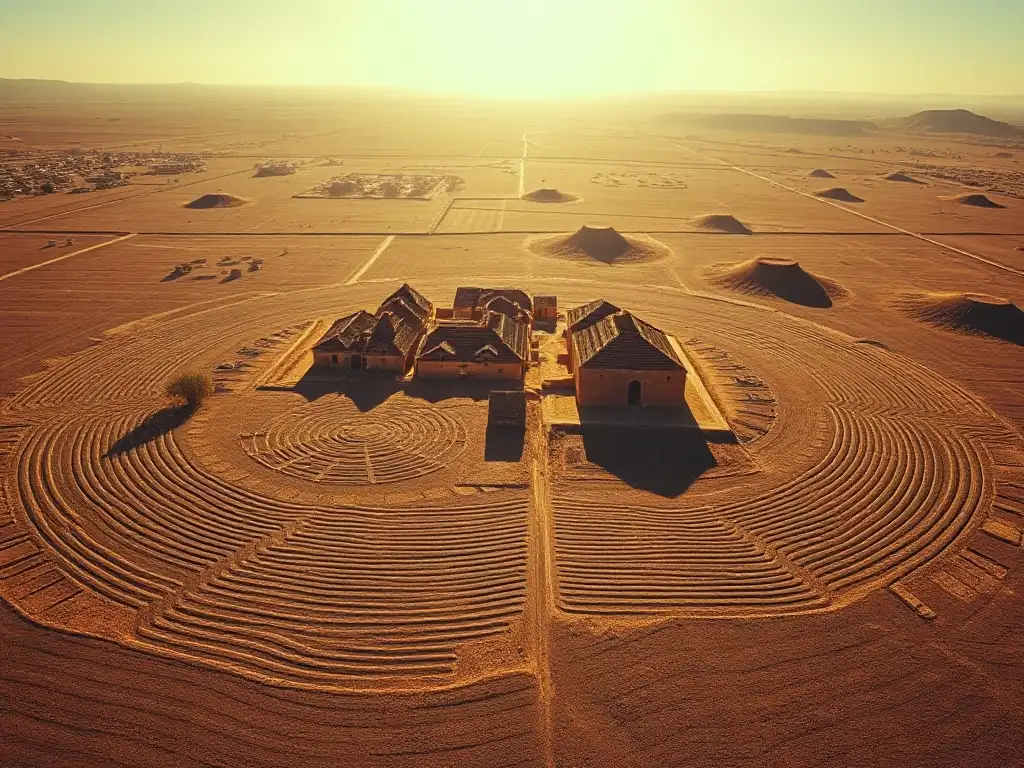
The Nazca social structure, while less overtly hierarchical than that of the Inca, possessed sophisticated mechanisms for maintaining order and ensuring social cohesion. Unlike the centralized Inca empire, Nazca society appears to have been organized around a network of smaller, interconnected settlements, each potentially governed by local leaders or elites. The absence of monumental architecture comparable to Inca palaces initially suggested a less stratified society, but recent archaeological discoveries are challenging this view.
Understanding Nazca governance requires analyzing the interplay of religious authority, economic power, and the subtle expressions of social status revealed through burial practices and material culture. The investigation into the "Nazca social structure" unveils a complex system of control that relied less on overt force and more on the subtle influence of religious leaders and the shared beliefs of the community. The system was likely fluid, adapting to local conditions and environmental challenges.
Several mechanisms likely contributed to social control within Nazca society. Firstly, religious leaders, potentially shamans or priests, held significant influence. Their mastery of ritual and their presumed connection to the supernatural world provided a powerful means of social control. Evidence suggests that access to resources, particularly water, may have been controlled by these religious elites, granting them considerable power.
Secondly, kinship ties and lineage played a crucial role in organizing society. Family and clan structures likely determined access to land, resources, and social standing. This system facilitated cooperation within groups but also potentially fostered competition between different lineages. Thirdly, the production and distribution of goods, particularly textiles and ceramics, may have been controlled by a select group of individuals or families, further consolidating their power and influence.
The intricate craftsmanship evident in Nazca textiles and pottery suggests specialized labor and a sophisticated system of exchange, implying a degree of centralized control over production and distribution. The precise nature of these control mechanisms remains a subject of ongoing research, and more detailed studies of settlement patterns and economic organization are needed to fully elucidate the dynamics of power within Nazca society. Further investigation into the distribution of luxury goods and the construction of elaborate tombs could offer additional insights into the power structures within the Nazca social structure.
Rituals and ceremonies were fundamental to Nazca social cohesion. The elaborate geoglyphs, visible only from the air, are often interpreted as massive religious expressions, reflecting a shared cosmology and belief system. These monumental works, along with the intricate iconography on Nazca pottery and textiles, suggest a strong emphasis on ritual performance and communal participation.
The creation and maintenance of the geoglyphs would have required significant labor and coordination, strengthening social bonds and reinforcing a sense of collective identity. Furthermore, the elaborate burial practices of the Nazca, often involving rich grave goods, suggest a belief in an afterlife and the importance of maintaining social relationships even after death. The careful placement of offerings and the inclusion of specific artifacts indicate a structured system of funerary rituals, reflecting the social status and affiliations of the deceased.
These rituals not only served religious purposes but also reinforced social hierarchies and reinforced the existing Nazca social structure. The repetition of certain motifs and symbols across different sites and time periods suggests a degree of standardization and possibly centralized control over religious practices. The study of these rituals provides valuable insights into the social values and beliefs of the Nazca people and their impact on maintaining social order.
While the Nazca civilization lacked the monumental architecture indicative of highly stratified societies like the Inca, archaeological evidence suggests a degree of social stratification. Analysis of burial sites reveals variations in grave goods and the complexity of burial rituals, indicating differences in social status. Individuals buried with elaborate textiles, fine pottery, and other luxury items likely held higher social standing than those buried with simpler goods.
The size and construction of dwellings within settlements also may reflect social differences, although the evidence for this is less conclusive. The distribution of specialized crafts, such as pottery making and textile production, suggests the existence of specialized labor and perhaps distinct social groups dedicated to these activities. However, the degree of social inequality within Nazca society remains a topic of debate.
Some scholars argue for a relatively egalitarian society with limited social stratification, while others suggest a more hierarchical system with a powerful elite controlling key resources and social institutions. Further research, focusing on a more comprehensive analysis of settlement patterns, burial practices, and the distribution of artifacts, is needed to better understand the complexities of social stratification within the Nazca social structure. The ongoing excavation and analysis of Nazca sites are crucial in refining our understanding of the social dynamics and hierarchies that shaped this remarkable civilization.
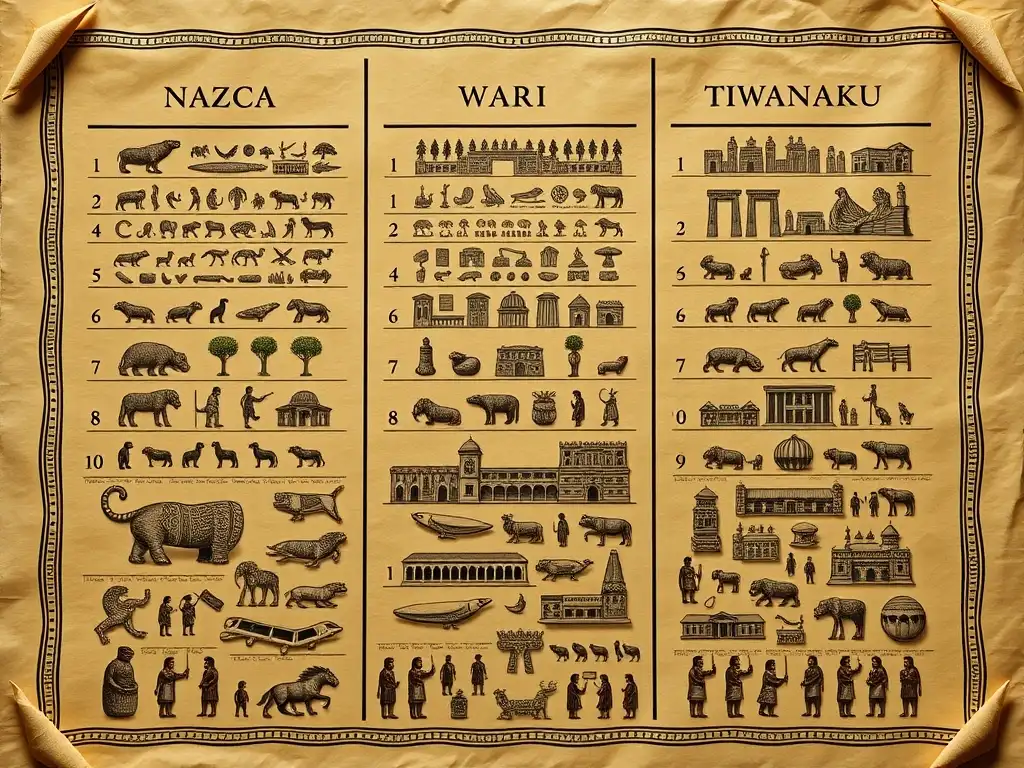
The Nazca social structure, while sharing some commonalities with other Andean civilizations like the Moche and Inca, possessed unique characteristics reflecting their specific environmental adaptations and cultural values. Understanding these nuances requires a comparative analysis, moving beyond simplistic generalizations about "hierarchical societies." The Nazca social organization wasn't merely a rigid pyramid; rather, it was a dynamic system shaped by factors such as access to resources, religious authority, and specialized skills.
This section will explore these complexities, contrasting the Nazca system with that of the Moche and highlighting broader Andean trends. The keyword "Nazca social structure" will be analyzed through the lens of these comparative studies.
While both the Nazca and Moche civilizations flourished on the Peruvian coast, their social structures differed significantly. The Moche, known for their elaborate warrior-priest culture, exhibited a more overtly hierarchical system with a clear elite class wielding significant political and religious power. Evidence suggests a highly centralized state controlling resources and labor. This is reflected in their monumental architecture, such as the Huaca del Sol and Huaca de la Luna, which likely served as centers of power and religious rituals. These structures required massive coordinated labor efforts, indicative of a strong central authority capable of mobilizing the population.
The Nazca, on the other hand, appear to have had a less centralized and potentially more decentralized social organization. While an elite class undoubtedly existed, as evidenced by their elaborate burials and fine craftsmanship, the extent of their centralized control remains debated. The relative lack of monumental architecture compared to the Moche suggests a different approach to power and resource management.
The focus on intricate irrigation systems and extensive agricultural production may have fostered a more dispersed network of power, with local leaders playing important roles in managing water distribution and agricultural output. This difference could be attributed to the Nazca's arid environment, requiring a more localized approach to water management.
| Feature | Nazca | Moche |
|---|---|---|
| Centralization | Less centralized, potentially decentralized | Highly centralized |
| Monumental Architecture | Relatively less extensive | Extensive (Huaca del Sol, Huaca de la Luna) |
| Elite Class | Present, evidenced by burials and artifacts | Clearly defined and powerful |
| Political Power | Possibly more dispersed | Concentrated in the hands of the elite |
| Economic Base | Agriculture, especially irrigation-based | Agriculture, warfare, craft production |
Despite their differences, both the Nazca and Moche social structures shared commonalities with other Andean societies. A hierarchical structure, with an elite class at the top, was a recurring feature across much of the Andes. This elite likely controlled access to resources, religious knowledge, and specialized skills. However, the degree of social stratification varied considerably. Some societies, like the Inca, exhibited a highly rigid and centralized system with strict social categories and limited social mobility. Others, like the Nazca, perhaps allowed for greater flexibility and fluidity within their social hierarchy.
The concept of ayllu, a kinship-based community organization, was prevalent in many Andean societies, including the Nazca. The ayllu played a crucial role in social organization, resource management, and religious practices. However, the specific structure and function of the ayllu likely varied across different regions and time periods. Further research is needed to fully understand the role of the ayllu in Nazca society and its interaction with other social structures. More data on kinship structures and community organization within Nazca settlements is needed to solidify this understanding.
One unique aspect of Nazca society was their remarkable skill in irrigation engineering. Their extensive canal systems, capable of diverting water across vast distances, required a high degree of social cooperation and organization. This suggests a sophisticated system of labor management and resource allocation, potentially involving a network of local leaders responsible for maintaining and coordinating irrigation efforts.
The success of their irrigation systems was crucial for their agricultural productivity, which in turn underpinned their social and economic stability. This intricate water management system highlights the importance of social cooperation and potentially a more decentralized form of leadership, compared to the highly centralized Moche state. The Nazca's mastery of irrigation, therefore, wasn't just a technological achievement but also a social one, reflecting their unique adaptation to their environment and their ability to organize large-scale collective projects.
This sophisticated system stands as a testament to their social ingenuity and organizational capabilities, further differentiating their social structure from other Andean counterparts. Further investigation into the social structures governing irrigation projects is required to fully understand their impact on Nazca society.
The Nazca social structure, while not as extensively documented as that of the Inca, reveals a sophisticated system reflecting a hierarchical society with specialized roles and responsibilities. Understanding their societal organization provides crucial insights into their remarkable achievements in art, agriculture, and engineering. The legacy of the Nazca social organization isn't simply about uncovering past power dynamics; it's about appreciating the ingenuity and complexity of a civilization that thrived in a challenging desert environment.
Their ability to coordinate large-scale projects, such as the famous Nazca Lines, points to a well-defined system of leadership and labor allocation. This system, though not fully understood, likely involved a complex interplay of religious authority, political power, and economic organization.
Analyzing the surviving evidence—primarily from burial sites and ceramic artifacts—suggests a stratified society. Elite burials often contained elaborate grave goods, indicating high social status and access to resources. These finds frequently include gold ornaments, finely crafted textiles, and intricate pottery depicting scenes of daily life and ritual practices. Conversely, simpler burials with fewer grave goods suggest a lower social standing. This contrast highlights the existence of social inequality within the Nazca civilization.
Furthermore, the scale of Nazca irrigation systems implies a high degree of social organization and cooperation. Constructing and maintaining such extensive networks of canals required considerable planning, labor coordination, and resource management. This suggests a centralized authority capable of mobilizing the workforce and allocating resources effectively. The intricate designs of their pottery also showcase specialized craftsmanship, hinting at a division of labor and the presence of skilled artisans within the society.
The production and distribution of these goods likely involved complex economic networks, further highlighting the sophisticated nature of their social organization. Understanding these aspects provides a clearer picture of how the Nazca managed to achieve remarkable feats of engineering and artistic expression. The intricate social system, coupled with advanced agricultural techniques, allowed for the flourishing of this remarkable civilization.
While the direct influence of Nazca social structures on subsequent Andean civilizations requires further investigation, we can hypothesize about potential connections. Their sophisticated irrigation systems and agricultural practices undoubtedly influenced later cultures, particularly in the coastal regions. The advanced techniques used for water management likely served as a model for subsequent societies grappling with similar environmental challenges.
Additionally, the artistic and religious motifs found in Nazca artifacts may have influenced the iconography and symbolism of later Andean cultures. The stylistic elements and artistic techniques could have been adopted or adapted by succeeding societies, leaving an enduring legacy. However, [specific information pending] on the direct transmission of social structures from the Nazca to later societies, such as the Wari or Tiwanaku, needs further detailed study.
More research is needed to fully elucidate these connections. The development of hierarchical societies in the Andes was a gradual process, and the Nazca’s contribution remains a significant area of study.
Research into Nazca social organization is an ongoing process. New archaeological discoveries and advancements in analytical techniques continue to refine our understanding. The application of techniques like isotopic analysis to human remains can provide insights into diet and social mobility, helping to further illuminate social stratification.
Furthermore, more detailed analysis of ceramic iconography, and a comprehensive understanding of their burial practices, is crucial to fully understanding the complexity of their social dynamics. The study of settlement patterns and the distribution of artifacts across different sites can offer crucial clues about the spatial organization of Nazca society and the relationship between different settlements. The ongoing excavation and analysis of Nazca sites promise to reveal further details about their social structure, offering a richer and more nuanced understanding of this fascinating civilization.
The study of the "Nazca social structure" remains a vibrant field of research, constantly evolving with new discoveries and interpretations. The ongoing efforts of archaeologists and anthropologists promise to shed more light on the intricacies of this unique and remarkable society.
Frequently Asked Questions
The Nazca social structure was likely hierarchical, with a ruling elite at the top controlling resources and labor. Evidence suggests a complex system involving specialized craftspeople and farmers.
How did the Nazca elite maintain power?
The Nazca elite likely maintained power through control of resources, such as water and land, and possibly through religious authority. Monumental architecture and elaborate burial practices also played a role.
What role did religion play in Nazca society?
Religion played a significant role, shaping much of Nazca life. Evidence points to priests or shamans holding important positions within the social hierarchy, influencing rituals and beliefs. Their ceremonial centers were strategically placed.
Did the Nazca have a centralized government?
While evidence suggests a degree of centralized control, the exact nature of Nazca governance remains debated. It was likely less formalized than the Inca empire, with power possibly distributed among regional leaders.
Nazca society featured a stratified social structure, with elites, priests, craftspeople, farmers, and possibly other specialized groups. The precise distinctions between classes and their relative sizes are still being researched.
Final Reflection: Unraveling the Enduring Mystery of Nazca Society
The intricate social organization of the Nazca people remains a powerful testament to human ingenuity and adaptability, offering valuable insights into societal structures far removed from our own. Understanding their system is not merely an academic exercise; it provides a crucial lens through which to examine the complexities of power, resource management, and social cohesion in any civilization, past or present. The echoes of their achievements resonate even today.
The Nazca's sophisticated irrigation systems, monumental architecture, and intricate textiles all speak to a highly organized and stratified society, a testament to their collective effort and shared vision. Their ability to thrive in a harsh desert environment underscores the importance of effective social structures in overcoming adversity. The greatness of a nation and its moral progress can be judged by the way its animals are treated.
– Mahatma Gandhi. While not directly applicable to the Nazca, this quote highlights the interconnectedness of societal values and their impact on all aspects of life, a principle clearly reflected in the Nazca's careful management of their resources and environment.
Consider the implications of the Nazca's achievements. How did their social structure facilitate such remarkable feats of engineering and artistry? What lessons can we learn from their successes and failures? You, the reader, are now equipped with a deeper understanding of this fascinating civilization. Take this knowledge and apply it to your own world; consider how effective social structures can foster innovation, collaboration, and sustainable progress in your community and beyond. Let the legacy of the Nazca inspire you to build a more equitable and thriving future.
**Unveil the Mysteries of Nazca Society! **
Thank you for exploring the fascinating social organization of the Nazca civilization with us! You've gained valuable insights into their unique societal structures and practices. Now, let's delve even deeper into the lives of these remarkable ancient people.
Here are a few ways you can continue your journey of discovery:
- **Expand Your Knowledge:** Explore additional resources on Andean civilizations to uncover further aspects of Nazca and other ancient cultures. Each new piece of information will enrich your understanding of these fascinating societies.
- **Share Your Discoveries:** Discuss your newfound knowledge with friends, family, or online communities. Sharing your insights helps spread awareness and inspires others to explore the wonders of Andean cultures.
- **Connect with Fellow Enthusiasts:** Join online forums or local history groups dedicated to Andean civilizations. Connecting with others who share your passion can lead to exciting new discoveries and rewarding friendships.
What aspect of Nazca social organization most surprised you, and how do you think it might have influenced societies today?