
Manco Capac: Myth or Monarch? The Enigmatic Founder of the Inca Dynasty


Step into a world lost to time, where myths intertwine with monumental achievements. Dive into the captivating history of the Andes, a land sculpted by empires as awe-inspiring as they are enigmatic. We unravel the mysteries of ancient Andean civilizations, from the intricate artistry of the Nazca to the sophisticated engineering of the Tiahuanaco.
But first, confront a question that has echoed through centuries: was Inca Manco Capac a legendary figure of myth, or the true architect of an empire that defied the heights of the Andes? Discover the truth – or at least, a compelling exploration of it – within.
The Inca Empire, a civilization that flourished in the Andes Mountains for centuries, boasts a rich tapestry of history, mythology, and legend. Central to the Inca narrative is the figure of Manco Cápac, the legendary founder of the dynasty.
But was he a real historical figure, a powerful ruler who forged a vast empire from disparate tribes, or merely a mythical creation, a symbolic representation of Inca origins and imperial power? This article delves into the enigma surrounding Manco Cápac, examining the historical evidence and the enduring myths that continue to shape our understanding of this pivotal figure in Andean history.
We'll explore the conflicting narratives, analyzing archaeological findings, historical accounts, and anthropological interpretations to determine the extent to which Manco Cápac was a product of myth or a pivotal monarch who laid the foundation for the Inca Empire's remarkable success. The question of "Inca Manco Capac myth or fact" is far from settled, and we will unpack the complexities surrounding this fascinating figure.
The Legend of Manco Cápac: Son of the Sun God
The most prevalent account of Manco Cápac's origins depicts him as the son of Inti, the Inca sun god, and Mama Ocllo, his sister-wife. This divine parentage immediately elevates him beyond the realm of ordinary mortals, establishing him as a figure of exceptional power and legitimacy. According to the legend, Manco Cápac and Mama Ocllo emerged from the waters of Lake Titicaca, armed with a golden scepter and tasked with civilizing the unruly tribes of the Andes.
This narrative emphasizes the divine mandate of Inca rule, suggesting that their authority derived directly from the gods themselves. The legend details their journey north, where they established Cusco, the future capital of the Inca Empire, using the golden scepter to determine the location of the city.
This founding myth served as a powerful tool for consolidating Inca power and legitimizing their rule over conquered territories. The story of Manco Cápac's emergence from the sacred lake and his divine mission provided a compelling origin story for the Inca people and their empire, reinforcing their identity and their claim to authority.
Archaeological Evidence and the Question of Historicity
While the legendary account of Manco Cápac's divine origins lacks direct archaeological corroboration, archaeological evidence does suggest the existence of early settlements and developing social structures in the Cusco region during the period attributed to Manco Cápac's reign. The absence of definitive proof of Manco Cápac's existence as described in the legend doesn't necessarily negate the possibility of a historical figure who played a significant role in the early development of Inca society.
Archaeological digs have unearthed evidence of sophisticated irrigation systems, early forms of urban planning, and the beginnings of a centralized political structure, suggesting that a powerful leader, perhaps akin to the legendary Manco Cápac, may have played a crucial role in uniting disparate groups and laying the foundation for future Inca expansion. However, the precise nature of this leader's influence and the extent to which it aligns with the legendary accounts remain subjects of ongoing debate.
Later Inca Accounts and the Construction of History
The Inca themselves, particularly after the expansion of their empire, actively cultivated and perpetuated the Manco Cápac myth. This was a deliberate act of state-building, a way to solidify their legitimacy and maintain control over a vast and diverse population. Later chronicles, written by Inca officials and scribes, further embellished the Manco Cápac narrative, integrating it into the official Inca history.
These accounts, while valuable sources of information, must be approached with caution, recognizing the inherent bias and the potential for political manipulation in their construction. The later Inca accounts served to solidify the narrative of a divinely ordained empire, a powerful ideology that helped to maintain social order and justify Inca expansionist policies. Understanding the context in which these accounts were produced is essential for critically evaluating their historical veracity.
Manco Cápac: A Synthesis of Myth and Reality?
The question of whether Manco Cápac was a myth or a monarch is likely not a simple binary choice. It is more probable that the legendary figure represents a synthesis of myth and historical reality. A powerful leader may have existed during the formative period of Inca society, consolidating power and laying the groundwork for the empire's later expansion.
This historical figure may have been later mythologized and elevated to divine status to serve the political and ideological needs of the Inca state. The legend of Manco Cápac thus serves as a powerful symbol of Inca identity, origin, and legitimacy, even if the details of the legend are not entirely historically accurate.
The enduring power of the Manco Cápac myth demonstrates its importance in shaping Inca culture and understanding their historical trajectory. Further research and archaeological discoveries may shed additional light on this intriguing figure and his role in the formation of the Inca Empire, potentially bridging the gap between myth and historical reality.
- The Legend of Manco Cápac: Son of the Sun God
- Archaeological Evidence and the Question of Historicity
- Later Inca Accounts and the Construction of History
- Manco Cápac: A Synthesis of Myth and Reality?
The Legend of Manco Capac: Origins and Divine Mandate
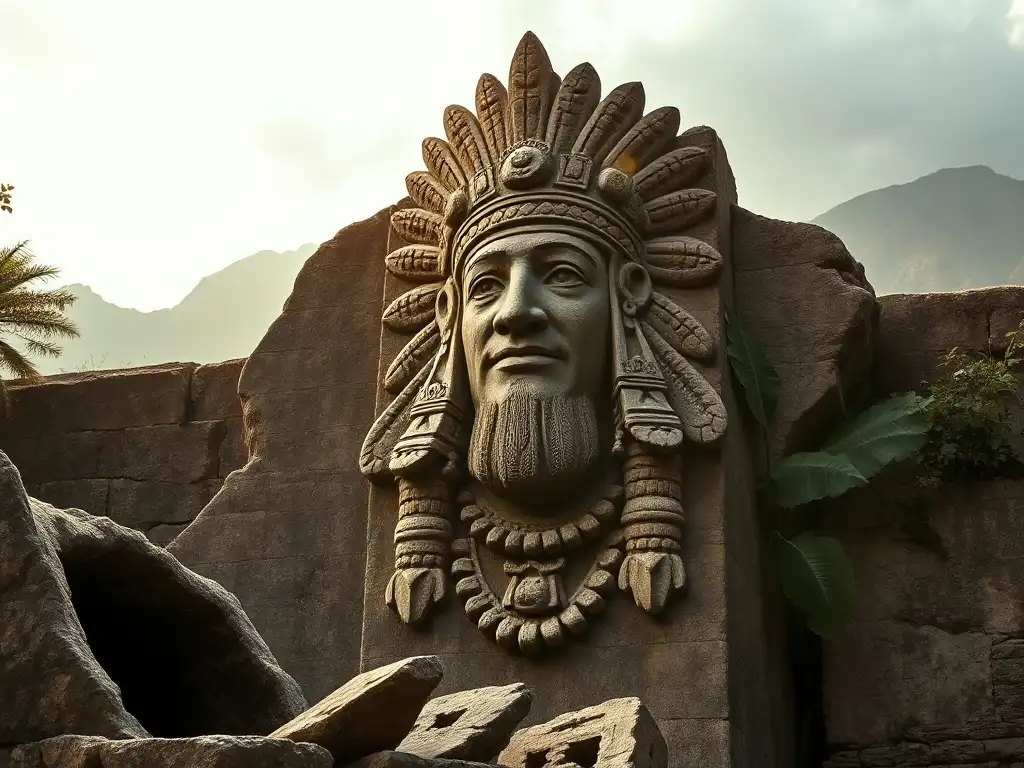
The Inca origin myth, central to their imperial ideology, revolves around the figure of Manco Capac. Was he a historical figure or a purely mythical creation designed to legitimize Inca rule? The question of whether Manco Capac was "myth or fact" remains a subject of ongoing scholarly debate, fueled by a blend of archaeological evidence, indigenous oral traditions, and interpretations of Spanish chronicles.
Analyzing the legend itself provides crucial insights into the Inca worldview and the construction of their imperial identity. Understanding the narrative's intricacies helps us to decipher the layers of reality and myth that intertwine in the story of the Inca's beginnings. The legend itself, passed down through generations, solidified the Inca's claim to power and divine right to rule.
The Emergence from Lake Titicaca: A Creation Myth
The most prevalent version of the Manco Capac legend depicts his emergence from Lake Titicaca, a sacred body of water revered by various Andean cultures. This location itself holds immense symbolic weight, representing the origin point of creation in many indigenous cosmologies. The story portrays Manco Capac and his siblings rising from the lake's depths, guided by the sun god Inti.
This narrative immediately establishes his divine lineage and links the Inca's origins to a powerful cosmological force, strengthening the legitimacy of their rule. This wasn't merely a random emergence; it was a deliberate act orchestrated by the divine, thus positioning Manco Capac as a chosen leader, predestined to establish a great empire.
The act of emerging from the lake can be interpreted as a symbolic rebirth, the beginning of a new era for the Inca people. The lake itself, with its depth and mystery, adds to the aura of the legend, making Manco Capac's emergence all the more significant.
Manco Capac and Mama Ocllo: The Divine Couple Sent by Inti
The legend doesn't portray Manco Capac in isolation. He is invariably paired with Mama Ocllo, his sister-wife. This union, though unconventional by modern standards, reflects the Inca's belief in the importance of maintaining royal bloodlines and preserving divine authority. Together, they represent the foundation of Inca society, embodying the duality of male and female principles crucial to Andean cosmology.
Mama Ocllo is not merely a passive figure; she plays a vital role in the founding of Cusco and the dissemination of Inca culture and civilization. The pairing of Manco Capac and Mama Ocllo is more than a romantic narrative; it's a symbolic representation of the complementary forces that shaped Inca society and its expansion. Their roles were clearly defined, yet intertwined, reflecting the complex social structure of the Inca empire.
The Golden Staff and the Founding of Cusco: A Symbolic Act
The legend highlights Manco Capac's possession of a golden staff, a powerful symbol of his divine authority. Using this staff, he supposedly determined the location of Cusco, the future capital of the Inca Empire. The act of planting the staff in the ground is not just a geographical decision; it's a ritual act signifying the establishment of a new order, a new center of power divinely sanctioned.
The choice of Cusco, situated in a strategically advantageous location, further underscores the narrative's blend of myth and practicality. The golden staff itself represents the sun god Inti's power and blessing, solidifying Manco Capac's divine mandate and the legitimacy of the Inca empire. The story's emphasis on the golden staff's role in choosing the location of Cusco underscores the importance of divine guidance in the Inca's founding narrative and their belief in a divinely ordained destiny.
This act, therefore, blends a mythical element with a practical, geographical reality. The story serves to reinforce the Inca narrative of divinely ordained rule, shaping their imperial identity and justifying their dominance over other Andean groups.
Variations in the Manco Capac Origin Story: Different Perspectives
The narrative surrounding Manco Capac's origins isn't monolithic; rather, it's a tapestry woven from different threads, reflecting the diverse perspectives and evolving interpretations within Inca society and subsequent historical accounts. While the most prevalent legend depicts Manco Capac and Mama Ocllo emerging from Lake Titicaca, other versions exist, subtly altering the details and emphasizing different aspects of the founding myth.
Some accounts place the emergence in a cave, highlighting a connection to the earth's womb and the subterranean world revered in Andean cosmology. This variation emphasizes the indigenous roots and the deep connection to the land, contrasting with the lake's association with water deities and a more celestial origin.
These variations aren't necessarily contradictory; instead, they likely represent regional differences in the telling of the myth. Different Inca clans or ayllus may have favored specific versions, emphasizing their own ancestral ties to the founder and bolstering their claims to prestige and authority. The discrepancies also reflect the passage of time and the natural evolution of oral traditions.
As the story was passed down through generations, details may have been added, subtracted, or altered to suit the needs and beliefs of the community. This fluidity is characteristic of many oral traditions, where the story itself functions as a living, breathing entity, adapting to its cultural context.
Furthermore, the Spanish chroniclers who recorded these accounts often filtered the narratives through their own biases and understanding. Their attempts to impose a European framework on a fundamentally different worldview inevitably led to interpretations that may not fully reflect the original Inca understanding. Some accounts emphasize Manco Capac's role as a divinely appointed ruler, mirroring European concepts of kingship and divine right, while others focus on his more practical achievements, such as the introduction of agriculture and social organization.
The discrepancies highlight the challenges of reconstructing a historical narrative based on fragmented and often biased sources. Reconciling these different perspectives requires a careful and nuanced approach, acknowledging the limitations of the available evidence and the complex interplay between myth, history, and cultural interpretation.
Understanding these variations is crucial for a comprehensive understanding of the Manco Capac legend and its significance within Inca society. The diverse accounts collectively provide a richer, more complex picture of the Inca origins and the enduring power of their foundational myth.
Manco Capac: Historical Interpretations and Archaeological Evidence
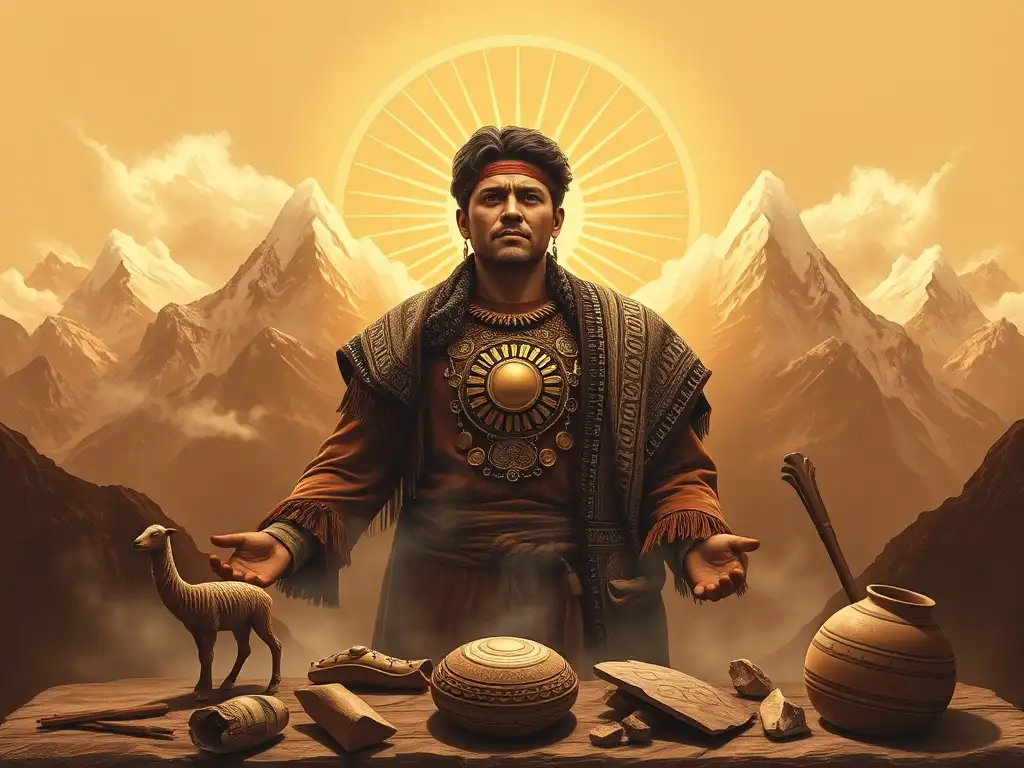
The question of whether Manco Capac was a historical figure or a mythical creation remains a central debate among scholars studying Inca history. The Inca themselves held Manco Capac in high regard, portraying him as a divine founder who emerged from Lake Titicaca, bringing civilization and establishing the Inca empire. This narrative, passed down through generations via oral traditions and later recorded by Spanish chroniclers, presents a significant challenge to historians attempting to separate fact from legend in reconstructing early Inca society.
The Inca "myth" of Manco Capac, deeply embedded in their worldview, served not just as a historical account but also as a powerful tool for legitimizing their rule and unifying disparate groups under a common origin story. Understanding this complex interplay of myth and history is crucial to interpreting the available archaeological and textual evidence. The lack of contemporary written records from the Inca themselves adds another layer of complexity, forcing researchers to rely on later accounts, often filtered through the lens of Spanish colonial perspectives.
This inherent bias in the source material necessitates careful scrutiny and cross-referencing to establish a more accurate picture of Manco Capac's place in Inca origins. The very nature of Inca record-keeping, primarily through quipus (knotted cords) which are difficult to decipher fully, further complicates the process of verifying historical details.
The Challenge of Separating Myth from Reality in Inca History
Separating myth from reality in Inca history is a complex undertaking. The Inca worldview was deeply intertwined with religious beliefs and cosmological narratives. The origin story of Manco Capac, his emergence from Lake Titicaca with his sister-wife Mama Ocllo, and their civilizing mission, formed a cornerstone of this cosmology.
These narratives, while rich in symbolic meaning, present difficulties for historians seeking concrete historical evidence. Many scholars argue that the Manco Capac story reflects a process of unification and state formation rather than a literal historical account. The merging of various ethnic groups under Inca rule might have been facilitated by the creation of a shared origin myth, embodying the aspirations and ideals of a nascent empire.
The narrative of Manco Capac's arrival, his establishment of Cusco, and the subsequent expansion of Inca power likely served as a powerful tool for consolidating authority and fostering a sense of shared identity among the diverse populations incorporated into the empire. This doesn't necessarily negate the possibility of a historical figure who inspired the legend, but it highlights the importance of considering the story within its socio-political context. The legend, therefore, should be analyzed not just as a historical account but also as a powerful symbol of Inca identity and imperial ideology.
Archaeological investigations in and around Cusco, the traditional birthplace of the Inca empire, offer some clues but no definitive proof of a historical Manco Capac. Excavations have revealed evidence of early settlements predating the Inca empire, suggesting a complex history of occupation and cultural interaction in the region. However, pinpointing specific structures or artifacts directly linked to a figure like Manco Capac remains elusive.
The early architecture of Cusco, while impressive, is difficult to definitively attribute to a single ruler or a specific period. The continuous building and rebuilding characteristic of Andean cities makes it difficult to isolate the earliest layers associated with the legendary founding. Furthermore, the destruction and subsequent rebuilding of Cusco during the Spanish conquest significantly obscured the earlier archaeological record.
While archaeological evidence supports the existence of an early Cusco settlement, linking it directly to a figure like Manco Capac requires a leap of faith beyond the currently available data. More research, particularly focused on careful stratigraphic excavation and radiocarbon dating, is needed to refine our understanding of the earliest phases of Cusco's development. The absence of clear archaeological evidence, however, doesn't necessarily disprove the existence of a powerful leader who played a significant role in the early development of Cusco.
Early Inca Society and the Possible Role of a Leader Figure
Even without definitive proof of a Manco Capac as depicted in the myths, the early Inca period undoubtedly witnessed the emergence of powerful leaders who played a crucial role in shaping Inca society. The process of state formation requires strong leadership, and the organization of the early Inca state, its expansion, and the development of its sophisticated administrative and social structures, suggest the presence of influential figures. These individuals may not have been divine beings, but their leadership was essential in uniting disparate groups, establishing control over resources, and creating a foundation for the later Inca empire.
The legend of Manco Capac may represent a romanticized and idealized version of these early leaders, merging historical events with mythical elements to create a powerful narrative that served to legitimize the Inca dynasty and its claim to power. The lack of direct evidence for Manco Capac doesn't automatically invalidate the possibility of a powerful, historical leader at the helm of early Inca society.
Instead, it emphasizes the need to explore alternative interpretations of the available evidence, considering the role of cultural memory, oral traditions, and the socio-political functions of myth-making in the construction of Inca identity. Further research combining archaeological data, linguistic analysis, and careful interpretation of colonial chronicles is crucial to unraveling the complexities of early Inca history and understanding the possible historical basis for the Manco Capac legend.
The Debate on the Historicity of Manco Capac: Analyzing the Evidence
The question of whether Manco Capac was a historical figure or a mythical creation remains a central point of contention among scholars studying Inca origins. The lack of contemporaneous written records from the Inca themselves presents a significant challenge. Instead, our understanding relies heavily on later chronicles written by Spanish conquistadors and indigenous informants, often decades after the Inca Empire's fall.
These sources, while invaluable, are inherently biased and subject to interpretation. Some accounts portray Manco Capac as a divine figure emerging from Lake Titicaca, while others depict him as a powerful leader who unified disparate groups through conquest or diplomacy. The discrepancies between these narratives fuel the ongoing debate.
One crucial aspect of this debate centers on the reliability of the Inca's own oral traditions. While the Inca possessed a sophisticated system of quipus (knotted cords) for record-keeping, these were not easily translated or understood by the Spanish, leading to significant loss of information. The oral traditions that were recorded often varied depending on the informant and their specific regional background, further complicating the historical reconstruction.
Some scholars argue that the mythical elements surrounding Manco Capac—his divine origins, miraculous abilities—represent symbolic narratives reflecting Inca cosmology and ideology rather than literal historical events. Others maintain that these elements, while present, do not preclude the possibility of a historical core to the Manco Capac legend. The challenge lies in disentangling the mythological embellishments from any underlying historical truth.
Furthermore, archaeological evidence offers limited but intriguing insights. While no definitive archaeological finds directly link to Manco Capac himself, the emergence of sophisticated urban planning, irrigation systems, and monumental architecture in the Cusco region during the early Inca period aligns with the timeframe associated with his legendary reign. However, attributing these developments solely to Manco Capac is difficult given the likely existence of prior, influential cultures in the region.
The absence of a clear "Manco Capac signature" in the archaeological record prevents a conclusive determination of his historicity. Careful analysis of settlement patterns, ceramic styles, and construction techniques from this era could potentially reveal further clues, though the task is complex and requires careful consideration of multiple factors.
The very process of excavation and interpretation is subject to biases and evolving methodologies, adding another layer to the challenge of using archaeological evidence to support or refute the Manco Capac narrative. The ongoing research and refined techniques in archaeology continue to offer the potential for new discoveries that could reshape our understanding of this enigmatic figure.
Manco Capac's Reign and Consolidation of Inca Power
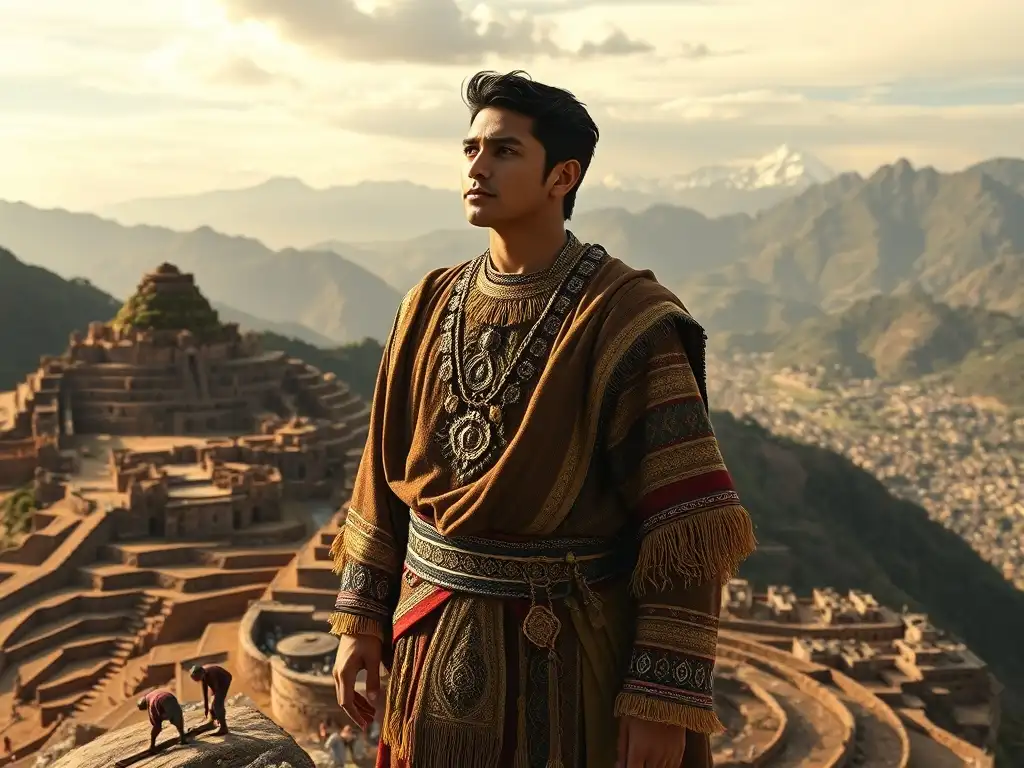
This section delves into the complexities surrounding Manco Capac's reign, examining the evidence – or lack thereof – supporting his role in establishing the Inca Empire. The narrative surrounding Manco Capac is steeped in myth and legend, making separating fact from fiction a challenging, yet crucial, task for understanding the origins of Inca power. While historical accounts are scarce and often contradictory, analyzing existing sources allows us to explore potential realities behind the legendary figure. The question of "Inca Manco Capac myth or fact" remains central to this discussion.
Establishing the Inca State: Manco Capac's Leadership Role
The traditional Inca origin story portrays Manco Capac as a divinely appointed leader, emerging from Lake Titicaca with his sister-wife Mama Ocllo to found Cusco. This narrative emphasizes his role in establishing the Inca state, not merely as a ruler, but as a civilizing force, introducing agriculture, social structures, and religious practices. While the divine birth narrative is likely mythical, the subsequent establishment of Cusco as a central hub and the consolidation of surrounding territories strongly suggest a period of significant leadership and expansion.
Archaeological evidence, though not directly linking to Manco Capac himself, supports the existence of early settlements in the Cusco region during the proposed timeframe of his reign. The development of sophisticated irrigation systems and the initial stages of urbanization point towards organized leadership and a burgeoning societal structure. Further research is needed to definitively pinpoint Manco Capac's specific contributions, but the evidence points toward a powerful leader who played a key role in the early development of Inca society.
This early stage is crucial to understanding how the Inca Empire's intricate political and social systems were initially formed. The question remains: did Manco Capac's legendary actions reflect a reality of powerful leadership, or were they embellished over time?
The First Inca Settlements and Expansion: Early Conquests and Alliances
The expansion of Inca influence beyond Cusco is another crucial aspect of the "Manco Capac myth or fact" debate. Traditional accounts depict Manco Capac leading military campaigns and forging alliances to consolidate power. These accounts describe the subjugation of neighboring groups and the incorporation of their territories into the growing Inca state.
While the scale of these early conquests is difficult to verify, the emergence of a unified and powerful Inca entity suggests a process of both military expansion and strategic alliances. The early Inca settlements, characterized by their unique architectural styles and agricultural practices, provide tangible evidence of this expansion. The spread of similar architectural styles and agricultural techniques across a wider geographical area suggests a centralized authority overseeing these developments.
The exact extent of Manco Capac's personal involvement in these military and diplomatic efforts remains unclear, but the evidence suggests a period of significant territorial growth and political consolidation during the early stages of the Inca Empire. The archaeological record, while fragmented, offers glimpses into the material culture of this expansion, providing further support for the narrative of early Inca conquests, though the specifics remain a subject of ongoing research.
Many of the social and political structures that characterized the Inca Empire are attributed to Manco Capac's reign, even if the details are shrouded in legend. The establishment of a hierarchical social system, the implementation of a sophisticated administrative apparatus, and the development of a centralized religious system are often linked to his leadership. The Inca system of ayllu, communal land ownership and reciprocal labor, is frequently mentioned in conjunction with Manco Capac's rule, suggesting his role in shaping the economic foundations of the Inca state.
The organization of the ayllu system, with its intricate network of responsibilities and mutual obligations, required a powerful central authority to oversee its implementation and ensure its effectiveness. The early development of this system demonstrates a level of social engineering that suggests a strong and capable leader at the helm. While the specifics of Manco Capac's contributions remain debated, the evidence points towards a period of significant institutional development during the early Inca era.
The enduring legacy of these social and political structures underscores the importance of this foundational period in Inca history, regardless of the precise details of Manco Capac's life and actions. The enduring impact of these institutions on later Inca society continues to support the idea of a powerful, albeit possibly mythical, founder. Further research into the archaeological record and the analysis of existing texts are critical to unraveling the truth behind the legend of Manco Capac and his lasting impact on the Inca civilization.
Manco Capac's Legacy: The Foundation of the Inca Empire
Manco Capac's legacy extends far beyond the realm of myth or legend; it forms the very bedrock upon which the Inca Empire was built. While the specifics of his reign remain shrouded in some mystery, the impact of his alleged actions is undeniable. Historians and archaeologists generally agree that the Inca Empire didn't spring forth fully formed, but rather developed gradually over centuries, with a series of increasingly powerful rulers consolidating their control over the Andean region. Manco Capac, whether historical figure or symbolic representation, is often credited with initiating this process of unification and establishing key cultural and political institutions. The very idea of a unified Inca identity, with its complex social structure and sophisticated administrative systems, likely emerged gradually during this foundational period. The success of subsequent Inca rulers built upon the foundations supposedly laid by Manco Capac, suggesting a significant level of early political and social organization.
The enduring impact of Manco Capac is further evidenced by the persistence of his story across generations. The myth, or the memory of his achievements, served as a powerful unifying force for the Inca people, reinforcing their shared identity and bolstering the legitimacy of subsequent rulers who claimed descent from him.
This narrative provided a crucial link between the past and the present, establishing a sense of continuity and collective heritage. The widespread acceptance of the Manco Capac narrative, regardless of its factual basis, highlights its profound influence on the Inca worldview and its contribution to the empire's enduring power.
The stories surrounding his establishment of Cusco, his introduction of agriculture and other essential skills, and the creation of the Inca social hierarchy all contributed to the creation of a cohesive and powerful empire. His legacy, therefore, is not solely defined by the specifics of his rule but also by the enduring power of the myth itself to shape Inca identity and culture.
The enduring power of the Manco Capac narrative is also reflected in the Inca's sophisticated system of record-keeping. While written records in the traditional sense were absent, the Inca used quipus – complex systems of knotted strings – to record historical events, genealogies, and administrative data. These quipus, though their precise meanings are often debated, likely contained information pertaining to Manco Capac and the early development of the Inca state.
The very existence of these records demonstrates the Inca's commitment to preserving their history and the importance they placed on their origins, solidifying Manco Capac's place in their collective memory, regardless of the historical accuracy of the details. Further research into quipus and other archaeological evidence may shed further light on the extent to which the Manco Capac story reflects historical reality.
The continuing study of these primary sources allows for a more nuanced and detailed understanding of this enigmatic figure and his role in the formation of the Inca Empire. The enduring mystery surrounding Manco Capac only adds to the fascination and the importance of his legacy in the context of the Inca "myth or fact" debate.
Comparing Manco Capac to Other Andean Leaders
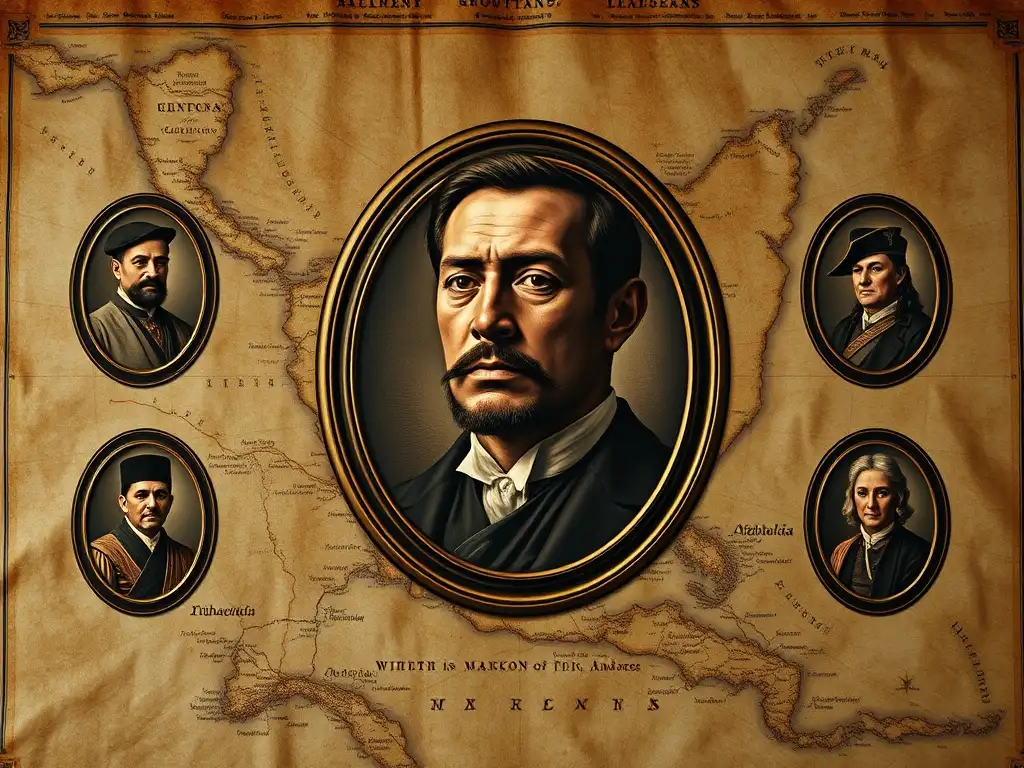
Manco Capac vs. Naylamp of Sican: Similarities and Differences
The legend of Manco Capac, emerging from the lake Titicaca, shares intriguing parallels and stark contrasts with other foundational figures in Andean history. A compelling comparison can be made with Naylamp, the mythical founder of the Sican culture. Both are presented as divine or semi-divine figures, arriving from the sea or a sacred lake, bringing with them advanced knowledge and establishing a powerful dynasty.
Naylamp, according to Sican traditions, arrived by sea on a raft with his followers, bringing goldsmithing techniques and establishing a sophisticated social hierarchy. This mirrors the Inca narrative of Manco Capac's arrival, bringing agricultural knowledge and establishing the Inca social structure.
However, crucial differences exist. Naylamp's legacy is primarily localized to the Sican region, while Manco Capac's influence extended across a vast empire. The Sican narratives, while rich in detail regarding Naylamp's arrival and deeds, lack the extensive written records associated with the Inca. Archaeological evidence supports the existence of the Sican civilization, with impressive gold artifacts and monumental architecture corroborating their advanced societal organization.
In contrast, the archaeological evidence supporting Manco Capac's reign remains more elusive, fueling the ongoing debate of "Inca Manco Capac myth or fact". While the Inca left a tangible legacy in their vast infrastructure and intricate societal organization, the historical Manco Capac remains a figure shrouded in myth, making a direct comparison challenging. Further research, especially combining archaeological data with deeper analysis of existing Inca oral traditions, is needed to clarify the extent to which Manco Capac's story reflects historical reality.
The Concept of Divine Rulership in Andean Cultures: Contextualizing Manco Capac
The narrative of Manco Capac's emergence from Lake Titicaca strongly reflects the widespread Andean belief in divine rulership. Many Andean cultures viewed their leaders as possessing a sacred connection to the supernatural world. This wasn't simply a matter of religious ceremony; it was integral to their political systems.
The legitimacy of a ruler often stemmed from their perceived divine lineage or connection to powerful deities. The Inca, in particular, developed a sophisticated system where the Sapa Inca was considered a descendant of the sun god Inti, thus reinforcing his absolute authority. This divine connection justified the Inca's expansionist policies and their control over vast resources.
The story of Manco Capac’s emergence, therefore, isn't simply a whimsical tale; it's a powerful statement about the Inca worldview. His divine origins legitimized his rule and the subsequent Inca dominance. This concept resonates with similar narratives from other Andean civilizations, though the specific deities and the nature of the divine connection might vary.
For example, the Chimu civilization also believed in the divine origins of their rulers, emphasizing their connection to the sea and its bounty. Understanding the broader context of divine rulership in Andean societies helps to contextualize the Manco Capac narrative, revealing its function as a tool for consolidating power and shaping Inca identity. The “Inca Manco Capac myth or fact” debate must consider this deeply ingrained cultural belief.
The Importance of Ancestral Figures in Andean Societies: The Role of Manco Capac
Ancestor veneration was a central element of Andean cultures, significantly influencing social structures, political systems, and religious practices. The Inca, like many other Andean groups, placed immense importance on maintaining a connection to their ancestors. This connection was not merely sentimental; it was believed to provide strength, guidance, and legitimacy to the ruling dynasty. Ancestral figures, real or mythical, played a crucial role in shaping collective identity and reinforcing social hierarchies.
Manco Capac, whether historical or legendary, perfectly embodies this concept. His role as the founder of the Inca dynasty cemented his position as a pivotal ancestral figure. The Inca's elaborate mummification practices and the veneration of royal ancestors in the ahuacas illustrate the centrality of ancestor worship in Inca society. This reverence for Manco Capac, regardless of his historical existence, served to solidify the Inca's claim to power and authority.
The "Inca Manco Capac myth or fact" question, therefore, is secondary to the significance of his symbolic representation as an ancestral figure that unified the Inca people and legitimized their imperial rule. The continued relevance of Manco Capac's story reflects the enduring power of ancestral figures in shaping Andean cultural identity. The ongoing discussion surrounding Manco Capac highlights the importance of understanding the intricate interplay between myth, history, and cultural identity within the Andean world.
Inca Manco Capac Myth or Fact: A Summary and Conclusion
The question of whether Manco Capac was a mythical figure or a historical founder of the Inca Empire remains a complex one, defying easy categorization as either pure myth or verifiable historical fact. Evidence suggests a fascinating interplay between legend and potential reality. While no concrete archaeological evidence directly confirms his existence as a single, historical individual, the enduring presence of Manco Capac in Inca mythology and the subsequent development of the Inca empire itself point towards a more nuanced interpretation.
The "myth" may be a romanticized, embellished account of actual events, perhaps incorporating elements of several individuals or even a process of state formation rather than a single ruler's actions. The strength of the Manco Capac myth itself, its persistence across generations, and its integration into the Inca worldview speaks volumes about the importance of its underlying narrative, regardless of its historical accuracy in a strictly literal sense.
The story served to legitimize Inca rule, establish a shared identity, and explain the origins of their civilization. This narrative function, however, doesn't invalidate the potential for a historical kernel within the legend.
Reconciling the Mythological and Potential Historical Manco Capac
The legend of Manco Capac's emergence from Lake Titicaca, his miraculous powers, and his civilizing mission are undoubtedly mythological elements. However, the Inca origin story isn't unique; many cultures use founding myths to explain their origins and justify their social structures. These myths often blend historical events with supernatural elements.
Consider, for instance, the details of Manco Capac's arrival in Cusco and his subsequent establishment of a kingdom. These could be interpreted as symbolic representations of the unification of various Andean groups under a single, powerful entity. The establishment of Cusco as a political and religious center, the development of sophisticated agriculture, and the implementation of a hierarchical social structure – all aspects of the Inca expansion – could be seen as reflecting the broader historical reality of Inca state formation, even if the figurehead is partly mythical.
This process likely involved a complex interplay of conquest, diplomacy, and assimilation, elements that are reflected, albeit symbolically, in the Manco Capac narrative. Analyzing the myth through this lens, we can potentially discern underlying historical processes even if we cannot definitively prove Manco Capac's literal existence.
The detailed descriptions within the myth, such as the location of the emergence (Lake Titicaca), the tools employed (the golden staff), and the establishment of Cusco, might represent symbolic markers of historical events or locations. Further research into the archaeological record of the Cusco region during the pre-Inca period could provide valuable insights into the possible historical basis for the story.
The Enduring Legacy of Manco Capac in Inca Culture
Manco Capac's enduring legacy transcends the question of his historical reality. His image and story served as powerful tools for Inca rulers to legitimize their authority and maintain social cohesion. His role as a civilizing hero, bringing order and prosperity to the Andean region, solidified the Inca identity and provided a common narrative for diverse conquered populations. This narrative function was crucial for the Inca Empire's success.
The myth of Manco Capac and Mama Ocllo (his wife) provided a framework for understanding Inca social hierarchy and religious beliefs. Their descendants formed the Inca royal lineage, connecting the rulers to a divine origin and reinforcing their claim to power. The Inca worldview, deeply entwined with ancestor worship and the concept of Ayni (reciprocity), heavily relied on the Manco Capac narrative to reinforce social order and religious practices.
Even today, the enduring presence of Manco Capac in Andean folklore reflects the profound impact he had on Inca culture and its lasting influence on the region. His story isn't just a myth; it's a foundational element of Inca identity, a cultural keystone that continues to resonate.
Further Research and Open Questions about the Founder of the Inca Dynasty
The debate surrounding Manco Capac's historicity highlights the challenges of reconstructing the past, particularly for pre-literate societies. Further research is crucial to shed more light on this enigmatic figure and the early stages of the Inca Empire. Archaeological investigations focused on the Cusco region, particularly those exploring the pre-Inca settlements and the early stages of urban development, could reveal clues to the historical context of the Manco Capac legend. Comparative studies of other Andean origin myths and the analysis of Inca oral traditions could also provide valuable insights.
Moreover, a more thorough investigation into the Inca administrative and social structures, particularly their early forms, could help to distinguish between the mythical elements and the potential historical realities reflected in the Manco Capac story. This would require a meticulous analysis of existing archaeological and anthropological data, alongside a critical re-evaluation of colonial chronicles and indigenous oral histories.
The potential for further discoveries and the application of new methodologies in the study of Andean civilizations promise to further illuminate the Manco Capac enigma and provide a more complete understanding of the origins of the Inca Empire. The question of "Inca Manco Capac myth or fact" will likely remain a topic of scholarly debate for years to come, highlighting the inherent complexities of reconstructing the past from fragmented sources.
The Importance of Understanding Manco Capac in Andean History
Understanding Manco Capac's role, whether mythical or historical, is crucial for comprehending the Inca Empire's origins and its subsequent development. His story, regardless of its factual basis, served as a powerful foundation myth for the Inca, shaping their identity and legitimizing their rule. The narrative of Manco Capac's emergence from Lake Titicaca, his civilizing mission, and the establishment of Cusco provided a unifying narrative for a diverse population spread across a vast and challenging landscape. This origin story instilled a sense of shared history and purpose, strengthening social cohesion and facilitating imperial expansion.
The enduring legacy of Manco Capac is not merely a matter of historical accuracy but also of the profound impact his legend had on the Inca worldview and their political structures. Scholars continue to debate the historicity of Manco Capac, but his symbolic importance remains undeniable, representing the Inca's aspirations for order, prosperity, and imperial dominance. His story, therefore, remains a key to understanding the Inca civilization's complex tapestry of myth, legend, and historical reality.
Furthermore, studying the Manco Capac narrative allows us to analyze the ways in which power and authority were constructed and maintained in pre-Columbian Andean societies. The very act of questioning whether he was a real person or a symbolic figure allows for a deeper appreciation of the intricacies of Inca ideology and the construction of their imperial identity. It's a powerful example of how myth and history are intertwined, creating a complex and fascinating historical puzzle.
The enduring power of the Manco Capac legend also highlights the importance of oral traditions in Andean societies. Before the arrival of the Spanish, the Inca did not possess a written language. Their history, beliefs, and social structures were passed down through generations via oral narratives and performances.
Manco Capac’s story, therefore, represents a crucial piece of this rich oral tradition and provides invaluable insight into the Inca worldview. Analyzing the different versions of the Manco Capac myth, as recorded by Spanish chroniclers and interpreted by modern scholars, reveals the fluidity and adaptability of oral traditions, and how they were used to both reinforce existing power structures and adapt to changing circumstances.
The survival and continued relevance of the Manco Capac story, even today, is a testament to the power and endurance of Andean oral traditions. The story continues to resonate because it speaks to fundamental human themes of origin, creation, and the establishment of order in a chaotic world.
Frequently Asked Questions
Was Manco Capac a real person, or just a mythical figure?
While there's no archaeological evidence directly confirming Manco Capac's existence, many Inca accounts describe him as their founder. Historians debate whether he represents a historical figure embellished over time or a purely mythological creation.
What is the most common story about Manco Capac's origin?
The most prevalent myth depicts Manco Capac and his sister-wife Mama Ocllo emerging from Lake Titicaca. They were tasked by the sun god, Inti, to civilize the Andean region and found the Inca empire.
What evidence supports or refutes the Manco Capac legend?
Supporting evidence is largely based on Inca oral traditions passed down through generations. Refuting evidence comes from the lack of contemporaneous written records and difficulty verifying the legend's details archaeologically.
How did Manco Capac's story contribute to Inca identity and legitimacy?
The Manco Capac myth provided the Inca with a powerful origin story, justifying their rule and legitimizing their claim to power. It unified the diverse populations under a shared narrative and strengthened their imperial identity.
What other Andean cultures have similar origin myths?
Many Andean cultures, even before the Inca, had creation myths involving divine figures emerging from lakes or caves. These narratives often involved establishing civilization and shaping the landscape, reflecting similar societal needs and beliefs.
Final Reflection: Unraveling the Legacy of Manco Capac
The enduring mystery surrounding Manco Capac's existence continues to resonate today, reminding us of the power of myth to shape history and national identity. His story, whether rooted in fact or fiction, serves as a potent symbol of Inca origins and the enduring human need to understand our beginnings. The debate over his reality forces us to confront the limitations of historical evidence and the complex interplay between legend and historical record.
The impact of the Manco Capac narrative extends far beyond academic circles; it continues to shape Peruvian national identity and cultural pride. The very act of questioning his existence compels us to examine how narratives, even those potentially mythical, can become foundational to a nation's self-understanding. Myths are not lies, but rather, they are the deepest truths of a people.
This quote highlights the enduring power of the Manco Capac myth, regardless of its factual basis. His story, whether historical figure or legendary creation, provides a framework through which Peruvians connect with their past and forge a sense of collective identity.
Consider, then, the enduring power of storytelling and the ways in which narratives, both factual and fictional, shape our understanding of the world. You, the reader, are now equipped to critically examine the evidence surrounding Manco Capac and to form your own conclusions. Engage with the ongoing debate, explore further research, and consider how the search for truth, even in the face of ambiguity, can enrich our understanding of history and ourselves. Let the enigma of Manco Capac inspire you to question, to investigate, and to appreciate the multifaceted nature of historical interpretation.
**Unveiling the Truth Behind Manco Capac**
Thank you for exploring the fascinating world of Manco Capac and the origins of the Inca Dynasty. You've delved into the rich tapestry of history and myth surrounding this legendary figure. Now, let's delve deeper and discover how Manco Capac's enduring legacy continues to shape Andean cultures today.
Here are some ways to further your exploration:
- **Visit Incan archaeological sites in Peru:** Immerse yourself in the magnificent architecture and hear the stories whispered by the ancient stones. Witness firsthand the grandeur of their civilization.
- **Engage with online communities:** Connect with fellow enthusiasts and experts to share your discoveries and learn from their insights into Andean civilizations.
- **Spread the word:** Share this article with friends and on social media to ignite conversations about the rich history of the Inca and their legendary founder.
What aspect of Manco Capac's story captivates you most, and how do you believe it influences our understanding of the Inca Empire today?