
Unlocking the Secrets of Andean Jewelry: Markets Where Precious Metals Shine

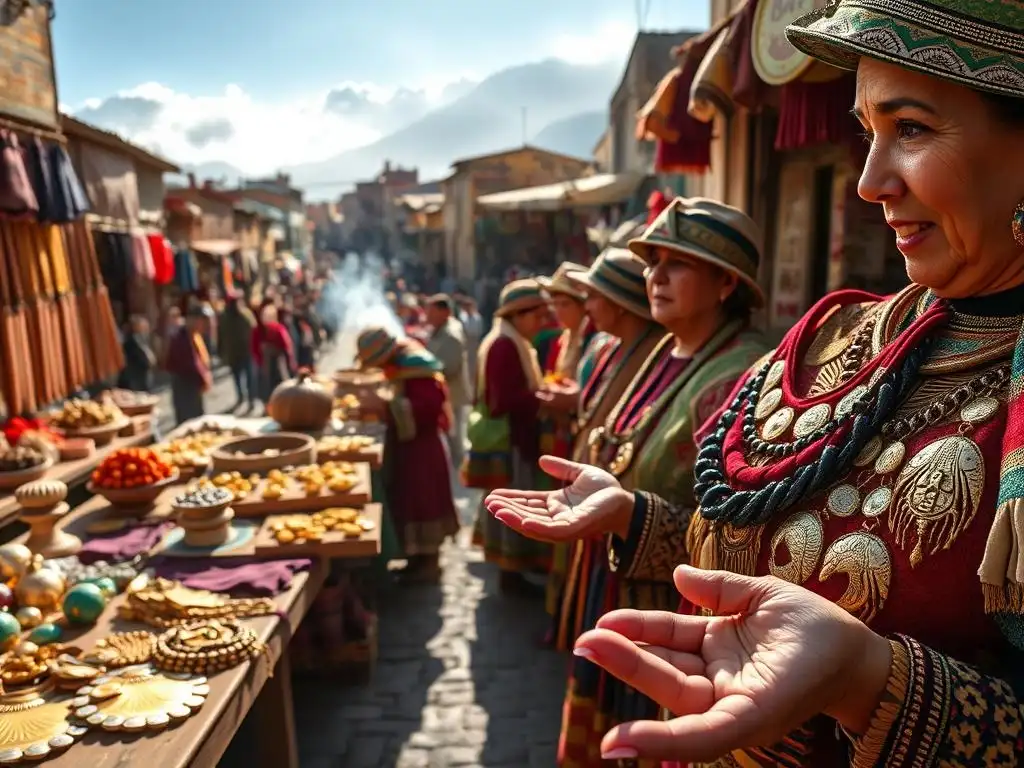
Step into a world lost to time, where the echoes of ancient empires still resonate. Imagine bustling marketplaces overflowing with gold, silver, and intricate artistry… This is the world of the Ancient Andean jewelry markets, a realm of untold riches and captivating craftsmanship. Discover the secrets behind these dazzling treasures and delve into the fascinating history of Andean cultures. Prepare to be amazed as we unravel the mysteries surrounding these precious metals and their significance within the vibrant tapestry of Andean civilization. Continue your exploration to uncover the stories whispered by these magnificent artifacts.
The Andes Mountains, a spine of majestic peaks stretching along the western edge of South America, are not only a breathtaking natural wonder but also the cradle of some of the most sophisticated pre-Columbian civilizations. For centuries, these cultures—including the Incas, Moche, Nazca, and Tiahuanaco—developed remarkable artistic traditions, leaving behind a legacy of intricate textiles, stunning pottery, and, most notably, exquisite jewelry crafted from precious metals.
This article delves into the fascinating world of Ancient Andean jewelry markets, exploring the places where you can still encounter these captivating artifacts and learn about the rich history and symbolism embedded within them. We’ll journey through time, examining the techniques and artistry of these ancient artisans and uncovering the stories whispered by their meticulously crafted pieces.
From the gleaming gold of Inca sun discs to the delicately detailed silver of Moche ornaments, we’ll uncover the secrets held within these dazzling treasures and the vibrant markets where they continue to shine. Prepare to be captivated by the enduring allure of Ancient Andean jewelry.
Exploring the Legacy of Ancient Andean Jewelry Markets
The legacy of Ancient Andean jewelry is not merely confined to museum display cases; it thrives in the bustling marketplaces of South America. These markets offer a unique opportunity to connect with the past, to witness the continuation of ancient traditions, and to acquire pieces that whisper tales of empires and gods. Many modern artisans continue the techniques of their ancestors, creating stunning contemporary jewelry inspired by ancient designs.
These markets are not just places to buy and sell; they are vibrant hubs where history, culture, and artistry intertwine, offering a truly immersive experience for anyone interested in Andean heritage. The sheer variety of pieces available—from delicate earrings to elaborate necklaces—reflects the diverse artistic styles and cultural practices that flourished across the Andes for millennia.
The experience of exploring these markets is as much about the atmosphere and the interaction with local artisans as it is about the acquisition of beautiful artifacts. It's a sensory journey that engages all five senses, from the vibrant colours and textures of the jewelry itself to the sounds and smells of the bustling marketplace.
The Allure of Pre-Columbian Jewelry: A Glimpse into Andean Craftsmanship
Pre-Columbian Andean jewelry stands as a testament to the extraordinary skill and artistry of ancient metalworkers. These artisans, using rudimentary tools and techniques, achieved levels of precision and detail that continue to amaze modern metallurgists. Their mastery of gold and silver smelting, along with their innovative use of alloys and techniques like filigree and repoussé, resulted in pieces of breathtaking beauty and complexity. The use of precious stones, such as turquoise, lapis lazuli, and emerald, further enhanced the visual appeal and symbolic significance of these ornaments.
More than mere adornments, these pieces served as powerful symbols of status, religious belief, and social identity. Their intricate designs often depicted deities, mythical creatures, and scenes from daily life, providing invaluable insights into the beliefs and practices of ancient Andean societies. The sheer variety of styles across different cultures highlights the rich diversity of Andean artistic expression.
Discovering the Artistry of Inca Gold and Silver Work
Inca gold and silver work is renowned for its exquisite craftsmanship and symbolic richness. Inca artisans were masters of lost-wax casting, a complex technique that allowed them to create intricate three-dimensional forms. They frequently incorporated gold and silver together, sometimes combining them with other materials like turquoise and feathers, to create stunningly detailed ornaments. Many pieces feature intricate designs representing the sun, the moon, and other celestial bodies, reflecting the Inca's deep reverence for nature and their sophisticated understanding of astronomy.
The use of gold, a metal associated with the sun god Inti, signified power, divinity, and the Inca's connection to the cosmos. The surviving examples of Inca jewelry are not only aesthetically pleasing but also offer valuable insights into the Inca worldview and social structure. The meticulous detail and artistry involved in the creation of these pieces underscore the importance of gold and silver in Inca society.
Moche Jewelry: Depicting Deities and Daily Life through Metalwork
The Moche civilization, known for its sophisticated artistry and complex social organization, produced jewelry that vividly depicts scenes from daily life and religious rituals. Their metalwork, often featuring gold, silver, and copper, is characterized by its realistic depictions of human figures, animals, and mythological beings. Moche artisans employed a variety of techniques, including hammering, repoussé, and casting, to create highly detailed and expressive pieces.
Their jewelry often portrays scenes of warfare, hunting, and religious ceremonies, providing invaluable insights into the Moche worldview and social structure. The intricate details and vibrant imagery of Moche jewelry make it a captivating example of ancient Andean craftsmanship and artistic expression. The use of vibrant colours through the incorporation of different metals and stones further enhanced the narrative power of their pieces.
The Intricate Designs of Nazca Metal Ornaments: A Journey into Symbolism
Nazca metal ornaments are characterized by their intricate geometric designs and symbolic imagery. While less abundant than the goldwork of other Andean cultures, Nazca metal artifacts are nonetheless significant for their unique aesthetic and the insights they offer into Nazca beliefs and practices. The designs often incorporate geometric patterns, stylized animals, and other symbolic motifs, reflecting the Nazca's sophisticated understanding of mathematics, astronomy, and cosmology.
The precision and complexity of the designs demonstrate the high level of skill and artistry achieved by Nazca artisans. While often smaller and less ostentatious than Inca or Moche pieces, the Nazca ornaments are equally fascinating for their unique symbolic language and the meticulous craftsmanship involved in their creation. The enduring mystery surrounding the Nazca Lines adds to the intrigue of their metalwork, hinting at a culture rich in spiritual and cosmological significance.
- Exploring the Legacy of Ancient Andean Jewelry Markets
- The Allure of Pre-Columbian Jewelry: A Glimpse into Andean Craftsmanship
- Where can I find authentic Ancient Andean jewelry?
- What materials were commonly used in Ancient Andean jewelry making?
- How can I tell if a piece of Andean jewelry is genuine or a modern replica?
- What are some of the most significant styles of Ancient Andean jewelry?
- Are there any online markets where I can buy Ancient Andean jewelry?
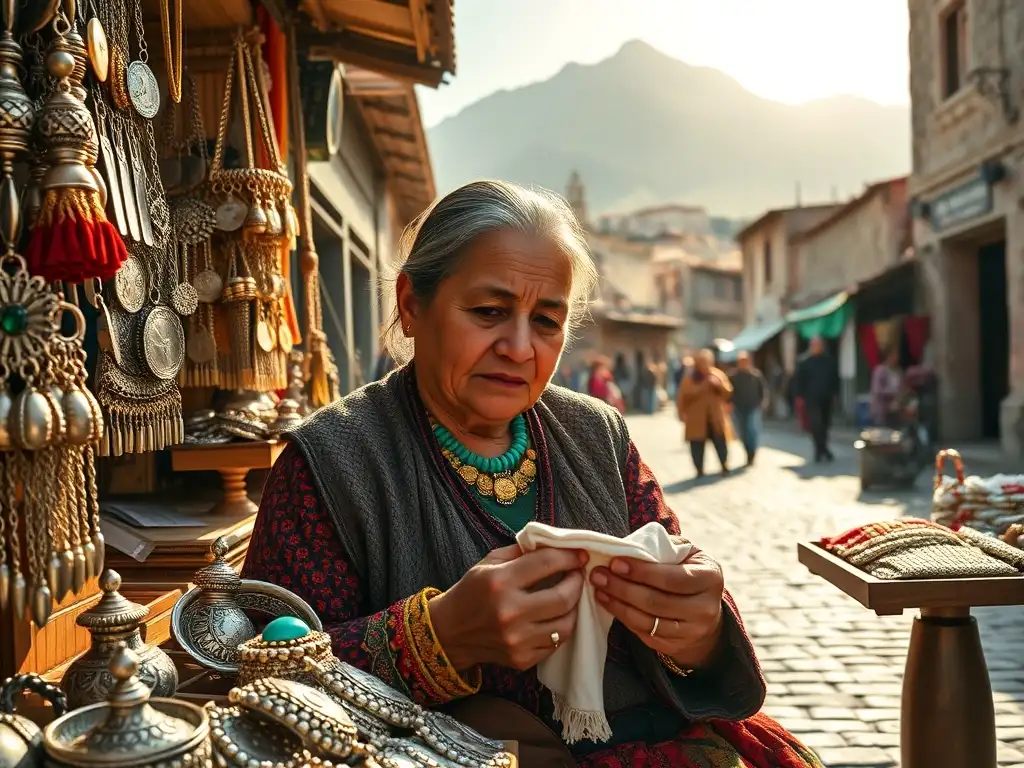
This section focuses on discerning genuine ancient Andean jewelry from modern reproductions and navigating the complexities of today's markets selling Andean handicrafts. The demand for authentic ancient Andean jewelry and its associated artistry has led to a surge in both genuine and imitation pieces. Understanding the nuances between the two is crucial for any serious collector or enthusiast. Navigating modern markets requires a keen eye and a knowledge of both pre-Hispanic styles and contemporary techniques. This section will equip you with the tools to make informed purchases and appreciate the artistry involved.
Identifying Genuine Pre-Hispanic Jewelry Replicas: A Buyer's Guide
Distinguishing between genuine pre-Hispanic Andean jewelry and modern reproductions requires careful examination. Authentic pieces often exhibit signs of age, wear, and the unique techniques employed by ancient artisans. These characteristics are often subtle but crucial for authentication.
Recognizing Quality in Andean Silver Crafts: Materials and Techniques
Ancient Andean silverwork is renowned for its intricate detail and sophisticated techniques. Genuine pre-Hispanic silver often shows evidence of hammering, repoussé (metalworking technique), and casting methods. The patina, or discoloration, on authentic pieces is often naturally occurring, exhibiting a nuanced and uneven coloration.
Modern replicas may lack this natural patina, and their metal may appear too bright or uniformly colored. The purity of the silver used in ancient pieces can also vary, sometimes containing traces of other metals, which can be detected through professional testing. Look for hallmarks, but remember that these are not foolproof indicators of authenticity for pre-Columbian pieces.
Understanding the Value of Traditional Andean Gemstones: Lapis Lazuli
Lapis lazuli, a vibrant blue gemstone, held immense cultural significance in Andean civilizations. In ancient jewelry, lapis lazuli was often intricately carved or inlaid into gold or silver. Authentic lapis lazuli from Andean sources exhibits a deep, rich color with subtle variations in tone.
Modern imitations may have a more uniform, overly bright blue, often lacking the characteristic pyrite inclusions (small flecks of gold) found in natural Andean lapis. The quality of the stone and its setting are both crucial factors in determining authenticity and value. Understanding the historical context of the gemstone within the piece greatly increases its value.
The Importance of Fair Trade Practices in Andean Craft Markets
Supporting fair trade practices is essential when purchasing Andean jewelry. This ensures that the artisans receive fair compensation for their work, contributing to the sustainability of their craft and their communities. Look for certifications or labels that indicate fair trade practices, ensuring that the piece you're buying supports ethical sourcing and production. In addition to supporting the artisans, you also help to preserve traditional techniques and cultural heritage. By choosing fair trade, you're not only acquiring a beautiful piece of jewelry, but also contributing to a more equitable global economy.
Top Destinations for Sourcing Andean Jewelry and Handicrafts
Several locations in the Andes offer a rich tapestry of authentic Andean jewelry and handicrafts. These markets offer a unique opportunity to explore and acquire pieces representing the region's artistic heritage. However, remember that careful discernment is crucial in these vibrant, bustling environments.
Cusco, Peru: The Heart of Inca Legacy and its Artisan Markets
Cusco, the former capital of the Inca Empire, is a treasure trove of Andean artistry. Its bustling markets offer a wide array of jewelry, textiles, and ceramics, many reflecting Inca motifs and techniques. San Blas, a historic neighborhood in Cusco, is particularly known for its artisan workshops and shops. Here, you can find both contemporary pieces inspired by ancient designs and potentially, with careful examination, older pieces. However, be prepared to haggle respectfully, a common practice in these markets. The sheer volume and variety available in Cusco require careful attention to detail and knowledge of authentic styles.
Quito, Ecuador: Blending Colonial Influence with Indigenous Craftsmanship
Quito, Ecuador's capital, presents a fascinating blend of colonial and indigenous influences in its artisan markets. The city's rich history is reflected in its jewelry, which often combines traditional Andean techniques with Spanish colonial aesthetics. Markets throughout Quito offer a variety of silver jewelry, often incorporating gemstones like turquoise and coral. However, the integration of colonial styles means extra vigilance is required to ensure authenticity relating specifically to pre-Hispanic Andean styles.
La Paz, Bolivia: A Diverse Range of Andean Jewelry Styles
La Paz, Bolivia, is known for its vibrant markets and its diverse range of Andean jewelry styles. The city's location at the heart of the Andes means you can find jewelry representing a variety of cultures and traditions. The Witches' Market (Mercado de las Brujas) is particularly famous for its unique crafts, though jewelry there may be less focused on traditional Andean styles and more on local belief systems. Other markets throughout La Paz offer a wider selection of more traditional Andean jewelry, but again, buyer beware; careful examination is essential.
Monetizing Your Passion for Andean Jewelry: Opportunities and Strategies
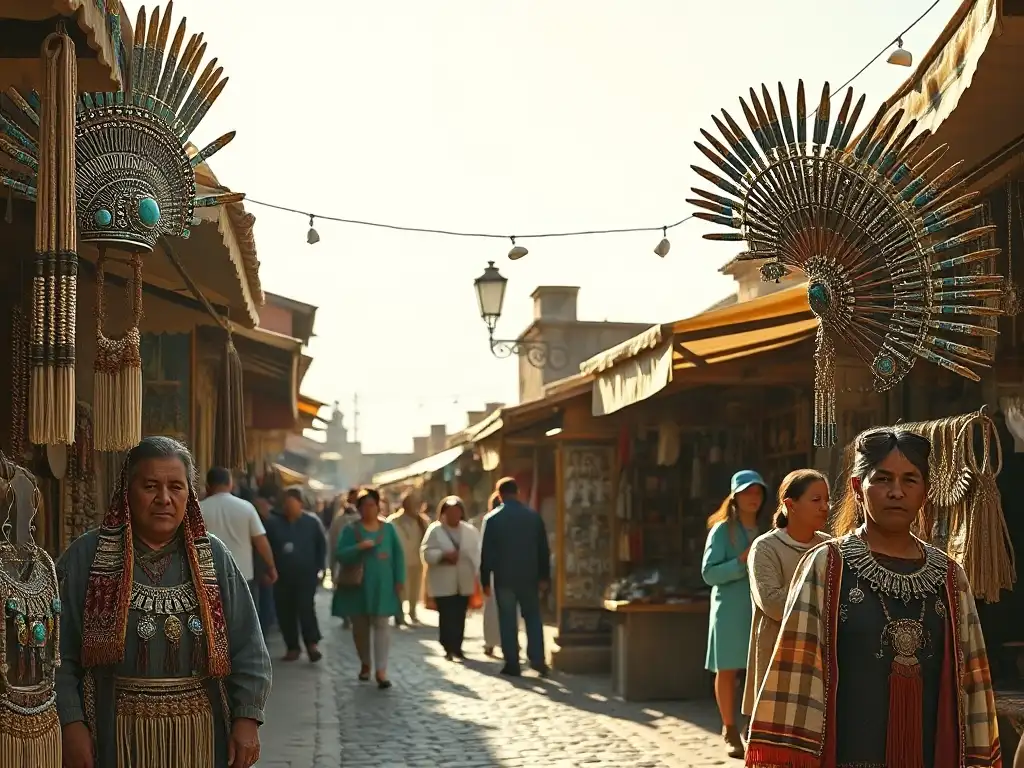
This section explores practical strategies for turning your enthusiasm for Ancient Andean jewelry markets into a profitable venture. We'll delve into effective monetization techniques, focusing on ethical practices and sustainable approaches within the Andean crafts niche. Understanding the nuances of this market is crucial for success, allowing you to not only share your passion but also create a sustainable business model.
The Power of Affiliate Marketing in the Andean Crafts Niche
Affiliate marketing presents a compelling opportunity for those passionate about Ancient Andean jewelry. By partnering with reputable online retailers specializing in authentic and ethically sourced Andean handicrafts, you can earn commissions by promoting their products. This strategy allows you to focus on content creation while leveraging the established infrastructure of established businesses.
The key is selecting partners who align with your values and commitment to showcasing the cultural significance of Andean artistry. A well-structured affiliate program can generate a substantial passive income stream while supporting sustainable businesses within the Andean crafts sector. Careful selection of affiliate partners is key; ensure they prioritize ethical sourcing and fair trade practices.
Partnering with Ethical Jewelers: Promoting Sustainable Practices
Choosing ethical partners is paramount. Look for jewelers committed to fair trade principles, ensuring artisans receive fair compensation for their work. Prioritize companies that use recycled materials whenever possible and those actively involved in community development projects within the Andean region. Highlighting these ethical practices in your content builds trust with your audience and reinforces the positive impact of supporting sustainable businesses. Transparency is key; disclose your affiliate relationships clearly and honestly to maintain credibility with your readers. This approach fosters a sense of community and shared values, attracting a loyal following that appreciates your commitment to ethical sourcing.
Highlighting Unique Features: Showcasing the Cultural Significance
Beyond simply promoting products, emphasize the cultural significance of each piece. Detail the historical context, the artistry involved, and the stories embedded within each handcrafted item. This approach transforms your affiliate marketing into an educational experience, enriching the customer journey and building a stronger connection with your audience. For example, discuss the symbolism of specific motifs or the traditional techniques used in creating the jewelry. This added value differentiates your content and appeals to customers seeking more than just a purchase; they're acquiring a piece of history and culture.
Using Visual Content: Capturing the Beauty of Andean Metalwork
High-quality visuals are essential for showcasing the beauty and intricate details of Andean jewelry. Use professional-quality photography or videography to capture the shimmer of gold, the gleam of silver, and the intricate designs of each piece. Showcase the craftsmanship, highlighting the unique textures and patterns. Include close-up shots that reveal the artistry and attention to detail. Well-produced visual content enhances the appeal of your affiliate links, making them more enticing to potential buyers. Remember to obtain necessary permissions for using images and videos.
Leveraging High CPC Keywords in Andean Jewelry Content
Optimizing your content for high-cost-per-click (CPC) keywords is crucial for maximizing your return on investment (ROI). Focusing on specific, long-tail keywords related to Ancient Andean jewelry markets will attract highly targeted traffic. This strategy improves the quality of your leads and increases the likelihood of conversions.
Optimizing for Terms like: "Inca Gold Jewelry Replica," "Authentic Andean Silver Jewelry," "Pre-Columbian Jewelry for Sale"
Incorporating high-value keywords like "Inca Gold Jewelry Replica," "Authentic Andean Silver Jewelry," and "Pre-Columbian Jewelry for Sale" into your content organically is essential. However, avoid keyword stuffing; focus on natural language that seamlessly integrates these terms. Analyze search trends and competitor strategies to identify additional high-value keywords. The goal is to appear prominently in search results for relevant queries related to Ancient Andean jewelry markets.
Creating Engaging Content Around Search Terms: Detailed Product Reviews and Comparisons
Develop detailed product reviews and comparisons focusing on specific items or brands within the Andean jewelry niche. Provide in-depth analyses of the materials, craftsmanship, and cultural significance of each piece. Include high-quality images and videos to enhance the user experience. This approach establishes your expertise and builds trust with your audience. Adding personal anecdotes or stories related to your experiences with specific pieces of jewelry can further personalize your content.
Developing Educational Content: Explaining the History and Techniques Behind the Craft
Create educational content explaining the history and techniques behind the creation of Andean jewelry. Discuss the symbolism of various motifs, the traditional methods used in metalworking, and the cultural significance of different materials. This approach not only attracts customers interested in learning more about the craft but also establishes your authority and expertise within the niche. Consider creating detailed guides or tutorials on identifying authentic pieces from replicas, further enhancing your value to potential buyers. This educational content will attract a more engaged audience, leading to higher conversion rates and increased revenue.
Exploring Additional Revenue Streams: Dropshipping and Custom Designs
Dropshipping offers a low-risk entry point for entrepreneurs interested in selling Andean jewelry. This business model allows you to list products on your online store without holding inventory. You partner with Andean artisan collectives or wholesalers, who handle the production, packaging, and shipping. This significantly reduces your upfront investment and allows you to focus on marketing and customer service.
However, careful vetting of your suppliers is crucial to ensure the quality and authenticity of the jewelry, as well as fair labor practices. Profit margins might be lower compared to direct sales, but the scalability and reduced risk make it an attractive option, especially for beginners navigating the complexities of the "Ancient Andean jewelry markets". Effective marketing highlighting the unique cultural heritage of the pieces is key to success in this competitive landscape.
Working with Andean Artisans: Creating Exclusive Product Lines
Collaborating directly with Andean artisans allows for the creation of exclusive product lines, offering unique designs and superior quality. By building strong relationships with skilled craftspeople, you can develop limited-edition pieces or custom collections that appeal to discerning buyers. This approach not only fosters economic empowerment within artisan communities but also guarantees the authenticity and cultural integrity of the jewelry.
Negotiating fair trade agreements is essential, ensuring that artisans receive fair wages and appropriate credit for their work. Documenting the creation process and the stories behind the pieces adds significant value and strengthens the narrative around your brand, attracting customers interested in ethically sourced and culturally significant "Ancient Andean jewelry markets" offerings.
Offering Custom Jewelry Designs: Catering to Specific Customer Preferences
Offering custom jewelry design services allows you to cater to individual preferences and create truly personalized pieces. This approach requires strong design skills and an understanding of customer needs, but it can command higher prices and build strong customer loyalty. You can offer consultations to discuss design ideas, materials, and cultural significance, creating a bespoke experience.
This personalized approach allows you to tap into a niche market of customers seeking unique, high-value items, capitalizing on the growing interest in "Ancient Andean jewelry markets" and their distinctive artistry. Utilizing digital design tools can also enhance the customer experience by allowing them to visualize their custom design before production.
Utilizing E-commerce Platforms: Reaching a Global Audience
E-commerce platforms provide unparalleled access to a global audience, expanding your reach beyond traditional markets. Platforms like Etsy, Shopify, and Amazon Handmade offer tools to create professional online stores, manage inventory, and process payments. Effective use of SEO and targeted advertising are essential to attract customers interested in "Ancient Andean jewelry markets". High-quality product photography and detailed descriptions highlighting the craftsmanship and cultural significance of the jewelry are crucial for driving sales. Leveraging social media marketing to connect with potential customers and build brand awareness is also essential for success in the competitive online marketplace.
The Future of Andean Jewelry Markets: Preserving Heritage and Embracing Innovation
The future of Andean jewelry markets hinges on a delicate balance between preserving cultural heritage and embracing innovation. Maintaining the authenticity and traditional techniques while adapting to modern consumer demands is crucial for long-term sustainability. This requires a collaborative approach involving artisans, businesses, and consumers.
Supporting Artisan Communities: Ensuring Fair Wages and Sustainable Practices
Supporting artisan communities through fair trade practices is paramount. Ensuring that artisans receive fair wages, safe working conditions, and access to resources is not only ethical but also essential for the long-term viability of traditional craft production. Promoting sustainable sourcing of materials and minimizing environmental impact are also critical aspects of responsible business practices within the context of "Ancient Andean jewelry markets". Transparency and traceability in the supply chain build trust with consumers who increasingly value ethical and sustainable products.
Promoting Cultural Awareness: Educating Consumers About the Origins of the Jewelry
Educating consumers about the rich history and cultural significance of Andean jewelry is crucial for appreciating its value and preserving its heritage. Providing detailed information about the origins of materials, techniques, and symbolism enhances the customer experience and fosters a deeper understanding and appreciation for the craft. This educational approach can be integrated into product descriptions, website content, and marketing materials, highlighting the unique stories behind each piece and connecting consumers with the cultural heritage embodied in "Ancient Andean jewelry markets".
Integrating Technology: Showcasing the Craft through Interactive Experiences
Integrating technology can enhance the appreciation and accessibility of Andean jewelry. Virtual reality (VR) experiences can transport consumers to Andean workshops, allowing them to witness the craft firsthand. Augmented reality (AR) apps can overlay information about the jewelry's history and symbolism onto the piece itself, creating an immersive and engaging experience. High-quality photography and videography, combined with detailed online descriptions, can showcase the artistry and craftsmanship to a wider audience, further boosting interest in "Ancient Andean jewelry markets" and their unique cultural significance.
Frequently Asked Questions
Where can I find authentic Ancient Andean jewelry?
While many markets offer Andean jewelry, sourcing authentic pieces requires careful research. Look for reputable dealers with proven expertise and verifiable provenance, often found in museums or specialized shops in Peru, Ecuador, Bolivia, and Chile.
What materials were commonly used in Ancient Andean jewelry making?
Ancient Andean artisans utilized a wide range of materials including gold, silver, copper, and precious stones like turquoise and lapis lazuli. They also incorporated shells, feathers, and textiles into their intricate designs.
How can I tell if a piece of Andean jewelry is genuine or a modern replica?
Determining authenticity requires expert examination. Look for hallmarks of age like wear and tear, specific crafting techniques, and the use of materials consistent with the historical period. Consult with a reputable appraiser if you're unsure.
What are some of the most significant styles of Ancient Andean jewelry?
Different Andean cultures developed unique styles. The Inca favored intricate goldwork and geometric designs, while the Moche were known for their detailed depictions of animals and deities in metal and precious stones. Nazca jewelry often featured intricate weaving techniques.
Are there any online markets where I can buy Ancient Andean jewelry?
While online platforms exist, caution is advised. Thoroughly research sellers and only purchase from reputable dealers with clear return policies and guarantees of authenticity. Physical inspection is always recommended when possible.
Final Reflection: The Enduring Legacy of Andean Gold
The vibrant markets showcasing ancient Andean jewelry are not just repositories of beautiful artifacts; they are living testaments to a rich cultural heritage that continues to resonate today. These pieces, crafted with meticulous skill and imbued with profound spiritual significance, offer a tangible connection to a civilization that thrived centuries ago. Their enduring appeal speaks volumes about the timeless power of artistry and the enduring fascination with the past.
The impact of Andean jewelry extends far beyond its aesthetic value. It represents a complex interplay of artistry, spirituality, and social structure, reflecting the sophisticated societies that created it. These pieces continue to inspire contemporary artists and designers, influencing trends and sparking new creative endeavors. Their presence in modern markets underscores the enduring power of cultural heritage and its ability to transcend time. The past is never dead. It's not even past.
- William Faulkner. This quote perfectly encapsulates the ongoing relevance of these ancient treasures and their continued influence on our world.
Consider, for a moment, the stories whispered by each intricately crafted piece. Imagine the hands that shaped the gold, the beliefs that infused the designs, and the lives touched by these remarkable objects. You, the reader, are now part of this ongoing narrative. By engaging with the history and artistry of Andean jewelry, you are not merely observing the past; you are actively participating in its preservation and celebration. Let the beauty and significance of these treasures inspire you to explore your own cultural heritage and appreciate the enduring power of human creativity.
✨ Unveil the Beauty of Andean Jewelry Today!
Thank you for exploring the rich heritage of Andean jewelry with us! You've discovered the artistry and cultural significance of these stunning pieces. Now, it's time to take the next step and deepen your appreciation of this vibrant tradition.
Here are a few ways to further engage with the captivating world of Andean jewelry:
- Visit a local artisan market or gallery and support the talented jewelers by purchasing a piece that resonates with you. Each item holds a unique story!
- Share your newfound knowledge with friends and family. Explain the intricate designs and meanings behind Andean jewelry, inspiring others to appreciate its beauty.
- Join an online forum or community dedicated to Andean art and culture. Exchange ideas, share experiences, and connect with fellow enthusiasts from around the world.
What piece of Andean jewelry captivates you most, and what story do you imagine it tells? Let's start a conversation!