
Unveiling Andean Ancestor Veneration: Rituals, Offerings, and Sacred Spaces

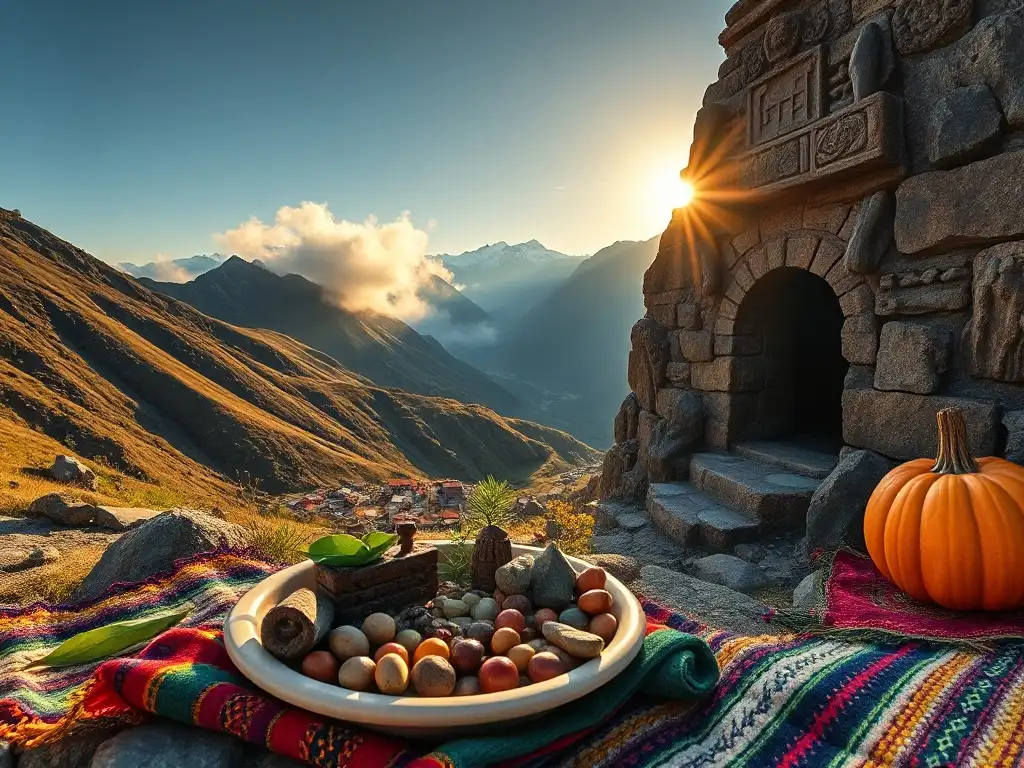
Step into a world lost to time, yet echoing with the whispers of ancient spirits. Journey with us into the heart of the Andes, where towering mountains held sacred secrets and vibrant cultures thrived. Prepare to be captivated by the intricate world of Andean ancestor veneration rituals, a practice that shaped the lives and beliefs of civilizations like the Incas, Moche, and Nazca.
Discover the profound significance of their offerings, the mystery of their sacred spaces, and the enduring legacy of their spiritual connection to the past. Unravel the enigma – read on to explore the fascinating rituals that bound these ancient societies.
- Andean Ancestor Veneration Rituals: A Deep Dive into Sacred Traditions
- Understanding Andean Ancestor Veneration: Core Beliefs and Practices
- Ritual Practices for Honoring Ancestors
- Offerings and Sacrifices in Andean Ancestor Veneration
- Sacred Spaces and the Cult of the Dead
- Case Studies of Andean Ancestor Veneration
- Conclusion: The Enduring Legacy of Andean Ancestor Veneration
-
Frequently Asked Questions
- What were the primary purposes of Andean ancestor veneration rituals?
- How did Andean people believe ancestors interacted with the living?
- What types of offerings were commonly made during ancestor veneration rituals?
- What role did sacred spaces play in Andean ancestor veneration?
- How did Andean ancestor veneration rituals differ across various cultures?
- Final Reflection: The Enduring Legacy of Andean Ancestor Veneration
- Embrace the Spirit of Andean Ancestors: Dive In!
Andean Ancestor Veneration Rituals: A Deep Dive into Sacred Traditions
Ancestor veneration formed a cornerstone of Andean cosmology, deeply influencing the daily lives, social structures, and spiritual beliefs of numerous pre-Columbian cultures. This article explores the fascinating world of Andean ancestor veneration rituals, examining the practices, beliefs, and significance of these traditions across various Andean civilizations, including the Incas, Moche, Nazca, and Tiahuanaco.
We will delve into the intricate details of their rituals, offerings, and the sacred spaces where these practices unfolded, revealing the profound respect and connection these cultures held for their ancestors. Understanding these rituals provides crucial insight into the Andean worldview, their perception of life and death, and the enduring legacy of their spiritual practices.
The significance of ancestor veneration in shaping Andean societies cannot be overstated; it permeated every aspect of their existence, from agricultural practices to political structures. This exploration will illuminate the rich tapestry of Andean spirituality and the enduring power of their ancestral connections.
The Inca's Reverence for Their Ancestors: A Legacy of Ayllu and Pachamama
Inca ancestor veneration was intricately woven into the fabric of their society, deeply rooted in the concept of Ayllu, the extended family and community structure. The Ayllu system emphasized collective responsibility and kinship ties that extended beyond the living to encompass deceased ancestors. These ancestors were believed to continue to exert influence over the living, providing protection, guidance, and ensuring the prosperity of the community.
Rituals often involved offerings to Pachamama, Mother Earth, considered the life-giving force that connected the living and the dead. These offerings, ranging from coca leaves and chicha (a fermented maize beverage) to llama sacrifices, were performed to appease the spirits of ancestors and ensure their continued benevolent influence. The capacocha sacrifices, while controversial, represent another extreme example of this ancestor veneration, where chosen individuals were offered as sacrifices to ensure the well-being of the empire.
The elaborate mummification practices of the Inca also underscore their deep respect for their ancestors, with mummies often kept in family shrines and treated as active members of the household. Detailed records, though scarce, suggest elaborate ceremonies and feasts were held in their honor.
Moche Ancestor Worship: Elaborate Tombs and Powerful Imagery
The Moche civilization (100-800 CE) displayed a profound reverence for their ancestors, evident in their elaborate burial practices and the rich iconography found in their art. Moche tombs, often richly decorated and containing a vast array of grave goods, such as ceramics, textiles, and gold ornaments, reveal the high status afforded to the deceased. These grave goods were not merely personal possessions; they were considered essential for the deceased's journey into the afterlife and their continued existence in the spirit world.
Moche pottery frequently depicts scenes of ancestor veneration, showcasing rituals and offerings, providing invaluable insight into their beliefs and practices. The representation of ancestors in Moche art often portrays them as powerful figures, highlighting their continued influence on the living.
The sheer scale and complexity of their burial sites suggest a highly organized and deeply ingrained system of ancestor veneration. Further research into Moche iconography continues to uncover new details about their complex funerary rituals and beliefs.
Nazca Lines and Ancestral Connections: A Landscape of Ritual and Remembrance?
While the exact purpose of the Nazca Lines remains a subject of ongoing debate, some theories suggest a connection to ancestor veneration. The immense scale and precision of these geoglyphs, visible only from the air, could possibly represent paths to the spirit world or symbolic representations of ancestral figures. The intricate designs, often depicting animals and plants, may hold symbolic meanings connected to ancestral spirits and their influence on the natural world.
The Nazca people's sophisticated understanding of astronomy also suggests a possible connection between the lines and celestial events, possibly linking ancestor veneration to the cycles of the cosmos. Archaeological evidence, including nearby burial sites, could further support this hypothesis, though more research is needed to definitively link the Nazca Lines to specific ancestor veneration rituals. The possibility remains an intriguing aspect of Nazca culture, demanding further investigation.
Tiahuanaco's Ancestral Legacy: Monumental Architecture and Sacred Spaces
The Tiahuanaco civilization (c. 1500-1100 BCE) left behind a legacy of monumental architecture and sophisticated urban planning, reflecting their complex social and religious beliefs. Their ceremonial centers, such as the Akapana pyramid, served as significant spaces for rituals and ancestor veneration. Evidence suggests that these sites were used for both public ceremonies and private offerings to ancestors. The meticulous construction and symbolic design of these structures highlight the importance of ancestor veneration within the Tiahuanaco worldview.
The specific rituals practiced within these spaces remain largely unknown, but the scale and grandeur of the architecture suggest elaborate and significant ceremonies. Further archaeological investigation and analysis of Tiahuanaco artifacts may provide additional clues about their ancestor veneration practices. The enduring impact of Tiahuanaco’s architectural achievements speaks volumes about the significance of their beliefs and the lasting power of their ancestral veneration.
This exploration only scratches the surface of the complex and multifaceted nature of Andean ancestor veneration. Further research is needed to fully understand the nuances of these traditions across different Andean cultures and the continuing influence of these beliefs on modern Andean communities. The rich tapestry of rituals, offerings, and sacred spaces reveals a profound respect for the past and a deep connection between the living and the dead, a legacy that continues to resonate today.
Understanding Andean Ancestor Veneration: Core Beliefs and Practices
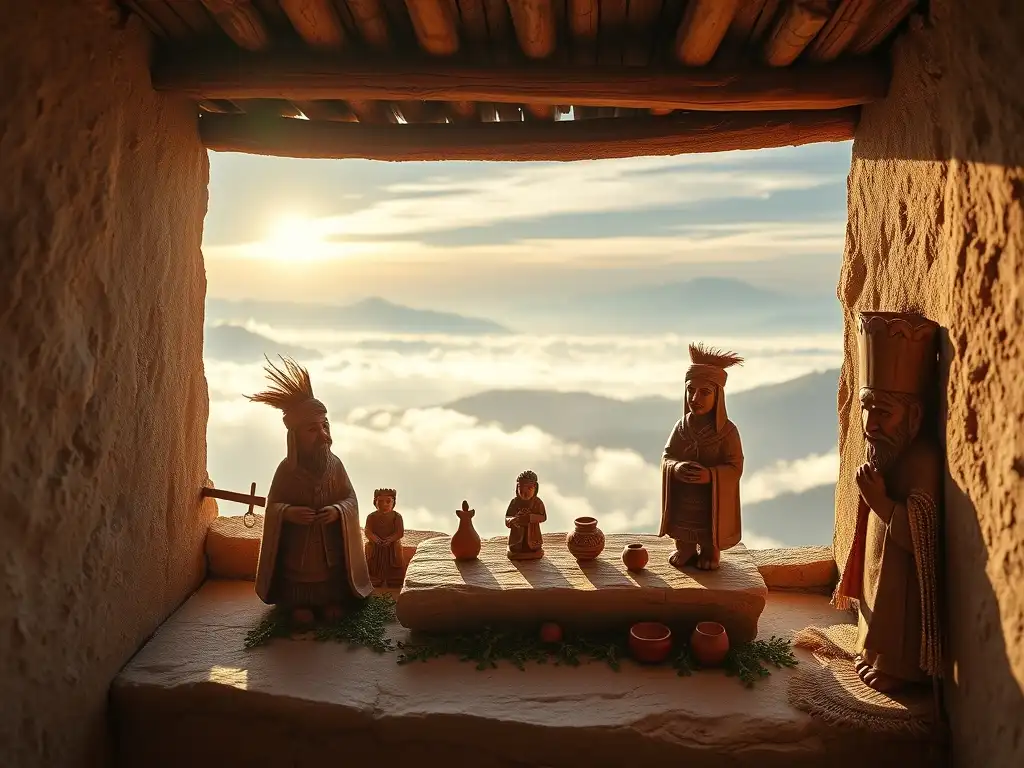
This section delves into the core beliefs and practices surrounding ancestor veneration in Andean cultures, providing a nuanced understanding of this integral aspect of their worldview. Understanding Andean ancestor veneration rituals requires appreciating the deep interconnectedness between the living and the deceased. It wasn't simply a matter of remembering; it was a dynamic relationship influencing daily life and cosmic order.
The Significance of Ancestors in Andean Cosmology
Andean cosmology viewed the world as a layered, interconnected system. The pacha, or world, comprised the upper world ( hanan pacha), the human world ( kay pacha), and the underworld ( ukhu pacha). Ancestors weren't simply relegated to the ukhu pacha; instead, they occupied a liminal space, acting as powerful intermediaries between these realms. Their continued presence and influence were considered vital for maintaining cosmic balance and ensuring prosperity for the living.
This belief system permeated all aspects of Andean life, from agricultural practices to political structures. The ancestors were seen as protectors, providers, and guides, their spirits capable of bestowing blessings or inflicting misfortune depending on their appeasement. The health and well-being of the community were intrinsically linked to the proper veneration of their ancestors.
The importance of ancestor veneration varied across different Andean cultures. While the specifics differed, the underlying principle of maintaining a vital connection with the deceased remained consistent. For example, the Inca emphasized the lineage of their Sapa Inca (emperor), connecting their legitimacy to a continuous chain of ancestral power. This dynastic continuity was reinforced through elaborate funerary rites and the preservation of royal mummies, which were treated with reverence and consulted for guidance.
The Role of the Dead in the Living World: Continuity and Influence
The Andean belief in the continued influence of the dead extended beyond mere spiritual presence. The ancestors were believed to actively participate in the affairs of the living. Their spirits could intervene in matters of health, fertility, and success. Consequently, maintaining a strong relationship with them was crucial for ensuring the well-being of the community. This relationship wasn't passive; it required continuous engagement through offerings, rituals, and the maintenance of sacred spaces.
One striking example of this active engagement is found in the practice of mamacocha (mother lake) offerings. These involved placing offerings into lakes and springs, believed to be sacred sites where the spirits of ancestors resided. These offerings, often including coca leaves, food, and textiles, were intended to appease the ancestral spirits and ensure their continued protection. Failure to maintain these practices was believed to result in misfortune, highlighting the tangible consequences of neglecting ancestral veneration. The act of offering wasn't merely symbolic; it was a direct interaction meant to strengthen the bond between the living and the deceased.
Key Concepts in Andean Death Beliefs
Several key concepts underpinned Andean attitudes towards death and ancestor veneration. The concept of ayni – reciprocity – was central. The living were obligated to provide for their ancestors, while the ancestors, in turn, provided protection and guidance. This reciprocal relationship was crucial to the maintenance of cosmic harmony.
Furthermore, the concept of pachamama (Mother Earth) played a significant role. The earth was considered a sacred entity, and the burial of ancestors within its embrace further emphasized their connection to the land and its generative power. Death wasn't viewed as an end but as a transition to a different state of existence, one that continued to impact the living world.
The treatment of the deceased further illustrates these beliefs. Mummies were not simply discarded; they were often kept within the family home, treated as honored members of the household, and consulted for guidance and advice. This practice highlights the enduring presence of the ancestors in the lives of the living.
The elaborate funerary practices, including the creation of intricate burial sites and the provision of grave goods, underscore the significance of ensuring a comfortable and respected afterlife for the deceased. These practices were not merely acts of mourning; they were rituals designed to perpetuate the relationship between the living and the dead, ensuring the continued flow of energy and influence between the worlds.
Ritual Practices for Honoring Ancestors
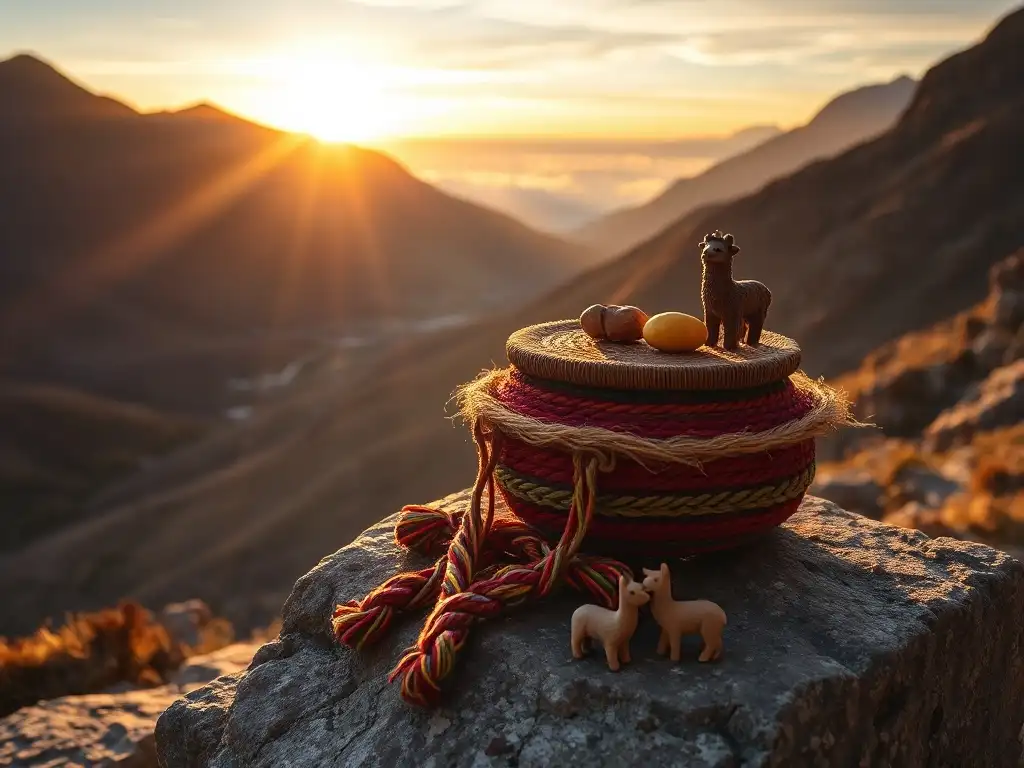
This section delves into the diverse ritual practices employed by Andean civilizations to honor their ancestors. Ancestor veneration wasn't merely a remembrance; it was a vital component of their worldview, influencing daily life and societal structure. The belief that ancestors continued to exert influence on the living world fueled elaborate rituals designed to maintain positive relationships with these powerful spirits.
These rituals varied across different Andean cultures, reflecting unique beliefs and adaptations to diverse environments. However, common threads – such as the use of offerings, specific sacred spaces, and the integration of music and dance – weave through the tapestry of these practices, highlighting the central role of ancestor veneration in Andean cosmology.
Understanding these rituals provides crucial insight into the complex social, political, and religious systems of these fascinating civilizations. The intensity and frequency of these rituals varied depending on factors such as the social status of the deceased and the perceived importance of their continued influence.
Types of Andean Ancestor Veneration Rituals
Andean ancestor veneration rituals encompassed a wide spectrum of practices, ranging from daily offerings to elaborate multi-day ceremonies. These rituals were not uniform across all Andean cultures; the Moche, for example, might have employed different techniques compared to the Inca. However, several common threads emerge.
One prevalent type involved the cajas funerarias (funerary bundles) – carefully prepared packages containing the remains of the deceased, along with grave goods. These bundles were often kept in family homes, receiving regular offerings and attention. Another common practice involved the creation of huacas – sacred places, natural features, or objects believed to be imbued with ancestral spirits.
These huacas were often the focus of pilgrimages and offerings. Furthermore, the Inca, known for their complex imperial structure, likely incorporated ancestor veneration into their state religion, with rituals performed by priests and involving large-scale sacrifices. This highlights the multifaceted nature of Andean ancestor veneration, adapting to the diverse social and political contexts of each civilization.
Specific Ceremonies and Their Purpose
Specific ceremonies varied greatly depending on the occasion and the Andean culture. For instance, the Capac Raymi, the most important Inca festival, celebrated the sun god Inti and likely included elements of ancestor veneration. This festival involved large-scale sacrifices, processions, and public displays of loyalty.
The purpose of such ceremonies was multifaceted: to appease ancestral spirits, secure their continued protection, and maintain the cosmic balance. Smaller, more intimate ceremonies might have been conducted by families to mark significant life events or commemorate individual ancestors. These might have involved simpler offerings, such as food, drink, or coca leaves.
Archaeological evidence, such as the discovery of mummies with accompanying grave goods, helps us piece together the details of these ceremonies, though many aspects remain shrouded in mystery. The precise meaning and symbolism of many offerings are still subjects of ongoing scholarly debate. Further research is needed to fully understand the nuances of these rituals across different Andean cultures.
The Importance of Music and Dance in Ancestral Rites
Music and dance played a pivotal role in Andean ancestor veneration rituals. These art forms served as powerful mediums for connecting with the spirit world. The rhythmic sounds of instruments, such as flutes, drums, and panpipes, were believed to transcend the physical realm, facilitating communication with ancestral spirits.
Intricate dance steps, often mimicking agricultural practices or animal movements, might have represented the ancestors' continued interaction with the natural world. Music and dance were not merely entertainment; they were integral to the ritual's efficacy, helping to build a bridge between the living and the dead. The emotional intensity of these performances likely fostered a sense of unity and collective identity, strengthening the bonds between the community and their ancestors.
While the specific melodies and choreographies may be lost to time, their significance in fostering connection and maintaining social cohesion is undeniable. The legacy of Andean music and dance continues to this day, reflecting the enduring power of these ancient traditions.
Andean Burial Practices and Their Symbolic Meaning
Andean burial practices weren't simply about disposing of the deceased; they were elaborate rituals imbued with deep symbolic meaning, reflecting the profound respect for ancestors and their continued influence on the living. The specific practices varied across different Andean cultures and time periods, but common threads reveal a complex cosmology where the boundary between the living and the dead was permeable.
For instance, the Moche culture, known for its intricate pottery depicting everyday life and ritual scenes, practiced both inhumation (burial in the ground) and mummification. Moche burials often included grave goods reflecting the deceased's status and possessions during life – elaborate textiles, jewelry crafted from precious metals, and even food and drink offerings.
The arrangement of these objects within the tomb provided clues about the deceased's social standing and the beliefs surrounding the afterlife. The carefully positioned bodies, sometimes accompanied by sacrificed animals, suggest a belief in a continued existence beyond death, with the need for provisions on the journey to the next world.
The Inca, on the other hand, while also practicing mummification, placed a strong emphasis on ancestor veneration within the royal lineage. Royal mummies were treated with utmost reverence, kept in specially constructed mausoleums, and regularly adorned with new clothing and offerings.
These weren't simply inert bodies; they were considered active participants in the ongoing life of the Inca empire, consulted for advice and believed to hold influence over the affairs of the living. This demonstrates a different facet of ancestor veneration, where the ancestors were not merely remembered but actively engaged with, their physical presence maintained as a source of power and guidance.
The Nazca, famous for their enigmatic geoglyphs, also had unique burial customs. Their tombs, often located in caves or cliffside niches, frequently contained textiles and pottery, reflecting a sophisticated textile tradition and artistic skill. The presence of these items alongside the deceased suggests a belief in the continuation of life in the afterlife, with the deceased requiring their earthly possessions in the next world.
The location of the tombs themselves, often in secluded and inaccessible locations, highlights the sacredness of the burial process and the importance of protecting the deceased. These carefully chosen locations also suggest a deep connection between the living and the landscape, with the ancestors believed to remain connected to the land and its resources.
Andean burial practices, whether involving mummification, inhumation, or other methods, were far from simple acts of disposal. They were complex rituals reflecting the profound significance of ancestor veneration in Andean cosmology. The careful preparation of the body, the selection of grave goods, and the choice of burial location all served to reinforce the belief in the continued existence and influence of the deceased, highlighting the enduring connection between the living and their ancestors. The diversity of practices across different cultures underscores the richness and complexity of Andean beliefs about death and the afterlife.
Offerings and Sacrifices in Andean Ancestor Veneration
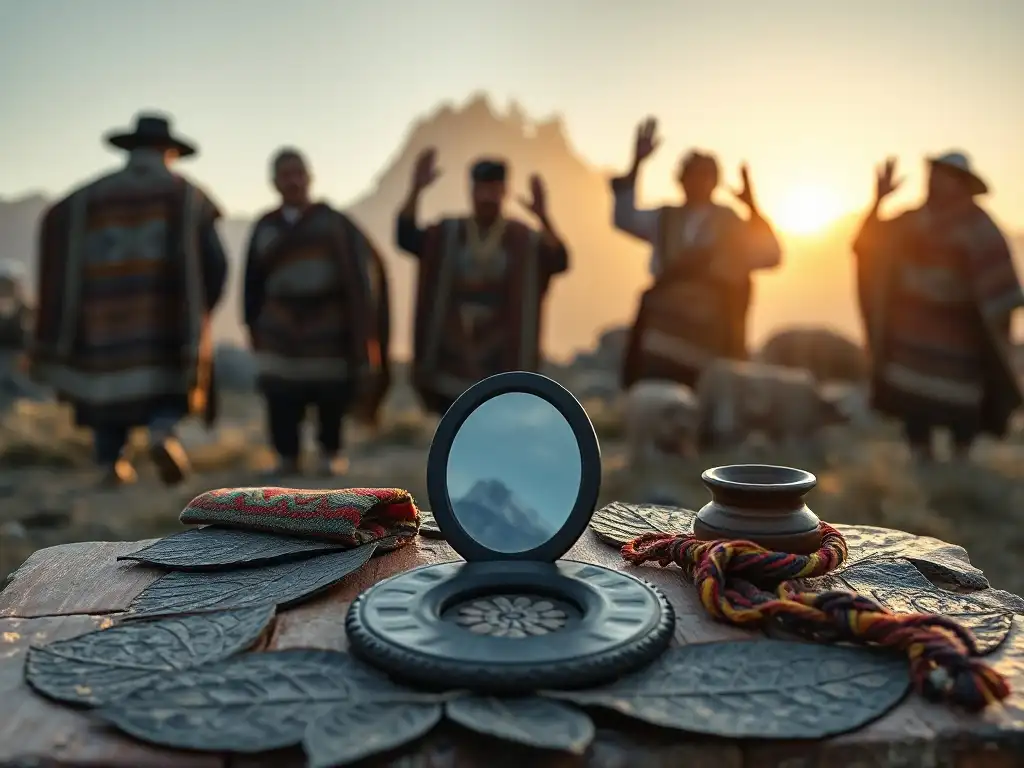
Andean ancestor veneration wasn't a passive remembrance; it was an active, ongoing relationship maintained through elaborate rituals and substantial offerings. These acts weren't simply gestures of respect; they were vital components of the Andean worldview, ensuring the continued well-being of both the living and the deceased. The sheer variety and significance of these offerings illuminate the depth of this ancestor veneration, showcasing its central role in Andean society.
Understanding these practices provides crucial insight into Andean cosmology and the intricate relationship between the living and the spirit world. The frequency and scale of these offerings varied greatly depending on the specific culture (Inca, Moche, Nazca, etc. ), the status of the deceased, and the particular occasion.
However, a common thread runs through them all: the belief that maintaining a strong connection with ancestors was essential for prosperity and social harmony. The practice of "Andean ancestor veneration rituals" was deeply ingrained in their daily lives.
Types of Offerings: From Food to Precious Objects
The spectrum of offerings presented to Andean ancestors was incredibly diverse, ranging from everyday consumables to highly prized artifacts. Foodstuffs played a significant role, mirroring the living's diet. Archaeological evidence consistently reveals the presence of chicha (fermented maize beer), dried maize, potatoes, quinoa, and various fruits within burial sites and ritual contexts.
These were not simply leftovers; their careful preparation and placement suggest a deliberate offering of sustenance to the departed. Beyond food, textiles, pottery, tools, and even precious metals like gold and silver were frequently interred with the deceased or placed in sacred spaces. The quality and quantity of these offerings often reflected the social status of the deceased, with elite individuals receiving far more lavish tributes.
For example, the Moche culture is renowned for its elaborate burials, often including intricate gold ornaments, finely crafted pottery depicting scenes of daily life and mythology, and even sacrificed human attendants. These offerings weren't merely symbolic; they were believed to sustain the deceased in the afterlife and maintain their continued influence over the living. The sheer effort and resources invested in these offerings underline the paramount importance of ancestor veneration within Moche society.
In contrast, simpler burials might contain only basic food and utilitarian objects, reflecting the social standing of the individual. The meticulous placement and arrangement of these offerings also suggest a deliberate and symbolic act, meticulously planned to ensure the ancestors received the proper respect and support in the afterlife.
The Role of Coca and Chicha in Rituals
Coca leaves and chicha were integral to many Andean ancestor veneration rituals. Coca, a sacred plant still revered in Andean cultures today, was not only a stimulant but also a powerful symbol of connection to the spirit world. It was often included in offerings, both as a gift to the ancestors and as a means of communicating with them. The chewing of coca leaves during rituals facilitated a state of altered consciousness, believed to enhance communication with the spirit world and facilitate the ancestors' blessings.
Chicha, a fermented beverage made from maize, held similar significance. It was considered a sacred drink, often offered to the ancestors as a form of nourishment and appeasement. The preparation and consumption of chicha were frequently incorporated into ritual ceremonies, creating a shared experience that strengthened the bonds between the living and the deceased.
Archaeological finds often uncover evidence of chicha residues in ceremonial vessels found in burial sites and sacred spaces, providing tangible evidence of its central role in these practices. The preparation of chicha itself was often a communal activity, further reinforcing the social aspect of ancestor veneration. The specific type of chicha used, its preparation method, and the circumstances of its offering likely held deep symbolic meaning, reflecting the unique beliefs and practices of each Andean culture.
Animal Sacrifices and Their Significance
Animal sacrifice formed another crucial aspect of Andean ancestor veneration rituals. The animals offered varied depending on the culture and the specific occasion, but llamas, alpacas, and guinea pigs were commonly sacrificed. These sacrifices weren't simply acts of brutality; they were deeply symbolic acts believed to appease the ancestors and ensure their continued favor. The animal's blood was considered a powerful offering, thought to nourish the spirits of the deceased and strengthen the bond between the living and the dead.
The choice of animal also held symbolic meaning. Llamas and alpacas, important sources of wool and meat, represented wealth and prosperity, while guinea pigs, a staple food source, symbolized sustenance and abundance. The ritualistic slaughter and preparation of these animals were likely carefully orchestrated events, carrying profound religious significance. Archaeological evidence supports this, revealing specialized tools and burial practices associated with animal sacrifices.
The remains of sacrificed animals are often found alongside human burials, further emphasizing their role in Andean ancestor veneration rituals. The meticulous attention given to these sacrifices reflects the profound belief in the power of these offerings to maintain a vital connection between the living and the spirit world. The careful placement of animal remains alongside human offerings shows the interconnectedness of the living and the dead within the Andean worldview.
The Symbolic Value of Offerings in Connecting with Ancestors
The practice of offering gifts to ancestors wasn't merely a gesture of respect in Andean cultures; it held profound symbolic meaning, acting as a bridge between the living and the spirit world. These offerings weren't random acts but carefully chosen items imbued with specific symbolic power, reflecting the intricate relationship between the living and their deceased relatives. The act of giving itself was a powerful ritual, demonstrating filial piety and reinforcing the belief in the continued influence of ancestors in the lives of the living.
For example, the offering of chicha, a fermented maize beverage, was common across many Andean cultures. Chicha wasn't just a drink; it was a sacred beverage often used in rituals and ceremonies. Offering chicha to ancestors symbolized the sharing of life's bounty and the continuation of communal bonds across generations. The act of pouring the chicha onto the earth or into a designated vessel was a symbolic act of nourishing the ancestral spirits and maintaining their benevolent presence.
Similarly, the offering of coca leaves held significant meaning. Coca leaves, widely used in Andean societies for medicinal and ritual purposes, were seen as a gift of vitality and energy. Offering coca to ancestors symbolized a desire for their continued well-being in the afterlife and their continued protection of the living. The leaves, carefully placed on designated sites or burial mounds, were believed to transmit the prayers and requests of the living to the ancestral realm.
Beyond food and drink, the offerings also included textiles, pottery, and other crafted items. These weren't simply discarded objects; they were meticulously crafted items reflecting the skill and devotion of the offerers. The quality and artistry of the offerings themselves were considered important, mirroring the respect and honor bestowed upon the ancestors. A finely woven textile, for example, would represent the dedication and care of the living, strengthening the bond between generations.
The act of creating these offerings also served as a form of ritual participation, further reinforcing the connection to the ancestral world. The selection and presentation of these offerings were dictated by complex social and ritual protocols, reflecting the nuanced understanding of ancestor veneration within different Andean communities. Each item held a specific meaning, contributing to the overall symbolic message of respect, remembrance, and continued connection.
Sacred Spaces and the Cult of the Dead
The Significance of Huacas and Burial Sites
Andean ancestor veneration rituals were deeply intertwined with the physical landscape. The concept of huaca, encompassing sacred places and objects imbued with spiritual power, played a central role. These huacas weren't simply geographically significant locations; they were considered portals connecting the living world with the spirit world, often serving as focal points for ancestor veneration. Burial sites, frequently incorporated into or near huacas, were not merely repositories of the deceased but active participants in the ongoing relationship between the living and the dead.
The construction and maintenance of these burial sites were elaborate affairs. Tombs, ranging from simple pits to complex subterranean structures, often contained grave goods reflecting the status of the deceased and the beliefs of the culture. For example, Moche burials frequently included elaborate textiles, pottery depicting ritual scenes, and even sacrificed individuals and animals, all intended to accompany the deceased into the afterlife and ensure their continued well-being.
The Nazca, known for their geoglyphs, also placed significant emphasis on elaborate funerary practices, often interring individuals with intricate grave goods within carefully constructed tombs. Analysis of these grave goods provides invaluable insights into the beliefs surrounding death and the afterlife within these cultures.
The meticulous placement of offerings and the careful construction of the burial chambers themselves suggest a profound respect for the ancestors and a belief in their continued influence on the living. Furthermore, the regular revisiting and maintenance of these sites, evident through archaeological findings, underscores the ongoing nature of ancestor veneration.
Ancestral Shrines and Their Role in Rituals
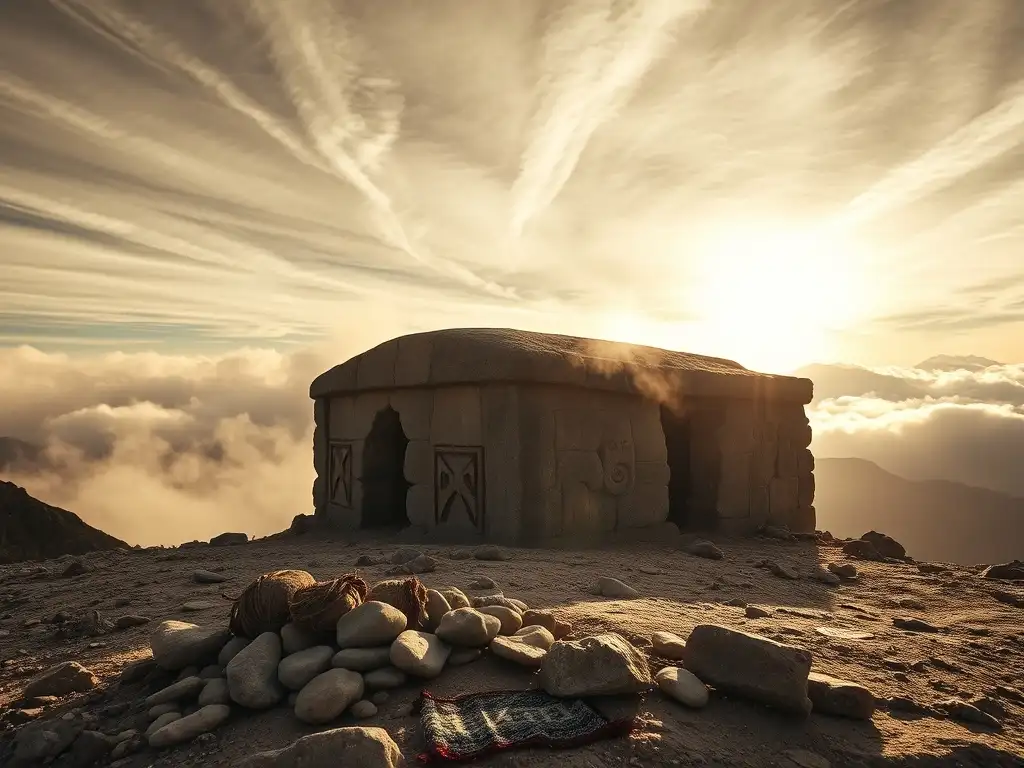
Beyond burial sites, specific shrines were constructed to honor and communicate with ancestors. These shrines, often located within larger huacas or strategically positioned in the landscape, provided a dedicated space for ritual activities. The construction of these shrines varied across different Andean cultures, reflecting their unique beliefs and practices. Some shrines were simple structures, perhaps little more than a rock pile or a carefully arranged collection of artifacts. Others were more elaborate, featuring complex architectural designs and incorporating elements of the natural environment, such as caves or springs.
Rituals performed at these ancestral shrines varied in complexity, ranging from simple offerings of food and drink to elaborate ceremonies involving music, dance, and possibly human sacrifice. The offerings themselves were carefully selected, often including items of personal significance to the deceased or symbolic representations of their status and achievements. Archaeological evidence suggests that these rituals were performed regularly, indicating the enduring importance of maintaining a connection with ancestors.
The specific rituals and offerings associated with ancestor veneration likely varied across different Andean cultures and over time; however, the underlying principle of maintaining a vital link between the living and the dead remained consistent. Further research is needed to fully understand the nuances of these practices in different Andean societies.
The Connection Between Sacred Landscapes and Ancestor Veneration
The Andean worldview deeply integrated ancestor veneration into the understanding of the natural world. Mountains, rivers, and other prominent geographical features were often considered huacas, imbued with spiritual significance and serving as dwelling places for ancestral spirits. This perception of the landscape as a sacred space profoundly influenced the location and design of both burial sites and ancestral shrines. The placement of shrines and tombs within these sacred landscapes ensured the ancestors' continued connection to the land and its resources.
This interconnectedness between the living, the dead, and the natural world is evident in the careful selection of burial locations and the incorporation of natural elements into shrine construction. For example, the Incas often built their sacred sites, including those associated with ancestor veneration, on mountaintops or near prominent geological features, emphasizing the connection between the ancestors and the powerful forces of nature. The integration of ancestral veneration into the broader Andean cosmology highlights the importance of maintaining harmony between the human world and the spiritual realm.
This holistic approach to the relationship between the living, the dead, and the natural world is a key aspect of understanding Andean ancestor veneration rituals and their lasting significance. The careful study of these sacred landscapes continues to reveal new insights into the complex beliefs and practices of Andean civilizations.
Examples of Important Andean Burial Sites
Andean ancestor veneration wasn't simply a matter of ritual; it was deeply entwined with the physical landscape. Specific locations, imbued with spiritual significance, served as focal points for funerary practices and ongoing ancestor communication. These weren't just cemeteries; they were sacred spaces, carefully chosen and often elaborately constructed to reflect the cosmology and beliefs of the particular culture.
The careful selection and construction of these sites highlight the profound importance placed on ancestor veneration within Andean societies. The sheer scale and complexity of some of these burial sites speak to the immense resources and manpower dedicated to honoring the deceased.
This dedication underscores the societal importance of maintaining connections with ancestors, viewing them not as simply deceased individuals, but as active participants in the ongoing life of the community. The continued maintenance and veneration of these sites, even centuries after their initial creation, further demonstrates the enduring power of these ancestral connections.
The geographical diversity of these sites also reflects the varied landscapes inhabited by Andean cultures. From high-altitude mountain tombs to coastal burial grounds, the location of each site was likely chosen for its specific spiritual significance within the local cosmology. For example, some sites might have been associated with particular deities or natural phenomena believed to act as intermediaries between the living and the dead.
Others may have been positioned to maximize their connection to the celestial realm, aligning with astronomical events or constellations thought to be significant in the afterlife. Detailed archaeological studies of these sites continue to reveal new insights into the intricacies of Andean burial practices and beliefs about the afterlife. The careful placement of grave goods, the orientation of the bodies, and the construction of the tombs themselves all contribute to our understanding of the profound respect and reverence afforded to deceased ancestors.
Specific examples of important Andean burial sites include the Royal Tombs of Sipán (Moche culture), renowned for their incredibly rich grave goods, offering a glimpse into the lives of the elite and their beliefs about the afterlife. The elaborate tombs at Chavín de Huántar (Chavín culture) provide evidence of complex ritual practices and the importance of ancestor veneration in the formation of early Andean societies. Furthermore, the extensive network of chullpas (tower-shaped burial structures) found throughout the Tiwanaku region demonstrate the widespread nature of ancestor veneration practices within this culture.
These sites, along with countless others, offer invaluable insights into the diverse ways in which Andean cultures honored their ancestors and maintained connections with the spiritual world. Each site holds unique clues, revealing the nuances and complexities of Andean beliefs about death and the afterlife, enriching our understanding of Andean ancestor veneration rituals.
Case Studies of Andean Ancestor Veneration
This section delves into specific examples of ancestor veneration practices across various Andean cultures, highlighting the diversity and complexity of these rituals. Understanding these individual expressions provides a richer understanding of the overarching theme of Andean ancestor veneration rituals. We will examine the Aymara and Quechua cultures as prominent examples, showcasing their unique approaches to honoring their ancestors. The richness and variety of these practices underscore the deep-rooted significance of ancestor veneration in the Andean worldview.
Examining Specific Cultures and Their Ancestor Veneration Practices
The Andean region, encompassing a vast geographical area and diverse populations, didn't have a single, monolithic approach to ancestor veneration. Instead, practices varied significantly based on location, ethnicity, and specific societal structures. While common threads, such as the belief in the continued presence and influence of ancestors, existed, the specific rituals and offerings differed considerably.
For example, the use of coca leaves, a ubiquitous element in Andean spirituality, played a different role in different cultures. Some used it primarily as an offering, others for divination, and still others as a means of communication with the spirit world. Similarly, the construction and use of sacred spaces, like chullpas (tower-shaped burial structures) or huacas (sacred places), varied dramatically in design and function across different groups.
The diversity observed across these practices reflects not only cultural differences but also the adaptation of traditions to specific ecological contexts. The availability of certain resources, the terrain, and even the climate influenced the materials used in offerings and the types of rituals performed. Further research is needed to fully document the nuances of ancestor veneration in lesser-known Andean communities. [Specific information pending on lesser-known groups and their ancestor veneration practices]. However, the existing evidence strongly suggests a rich tapestry of traditions, all woven together by the common thread of respect and reverence for ancestors.
Aymara: Rituals and Beliefs
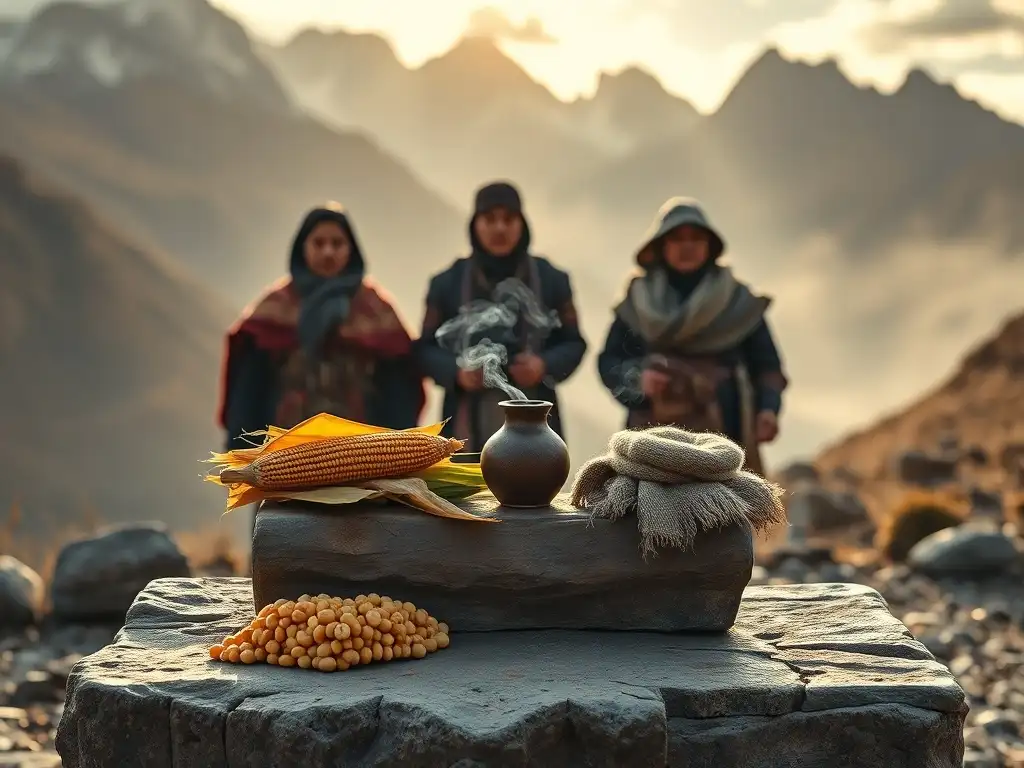
The Aymara people, inhabiting the Altiplano region of the Andes, maintain a vibrant tradition of ancestor veneration deeply intertwined with their agricultural cycle and cosmology. Their rituals often involve offerings of food, coca leaves, and alcohol placed at ancestral sites, apus (mountain spirits), or family chullpas. These offerings are not merely symbolic; they are understood as a way to maintain a vital connection between the living and the dead, ensuring continued prosperity and protection.
The Aymara believe that ancestors continue to influence the lives of their descendants, acting as intermediaries between the human world and the supernatural realm. This belief is reflected in their religious practices, which often involve seeking guidance and blessings from their ancestors. Specific rituals, such as the pago a la tierra (payment to the earth), are performed to appease the spirits of the land and ensure a bountiful harvest. These rituals often involve offerings of food, drink, and other materials, accompanied by prayers and songs.
The Aymara also utilize divination techniques, such as reading coca leaves, to communicate with their ancestors and seek their guidance on important matters. This close relationship with the ancestors is not just a religious practice but a fundamental aspect of Aymara social structure and identity. The continuity of tradition is vital for the Aymara, with ancestor veneration playing a crucial role in maintaining their cultural heritage.
Quechua: Unique Aspects of Ancestor Veneration
Quechua ancestor veneration, while sharing commonalities with other Andean traditions, possesses distinct characteristics. The Quechua, spread across a vast geographical area, have developed diverse expressions of ancestor reverence, influenced by local ecological and social contexts. While offerings of food and drink remain central, the specific types of offerings can vary widely depending on the region and the specific ancestor being honored.
One notable aspect of Quechua ancestor veneration is the importance of lineage and kinship. Ancestors are not seen as abstract entities but as integral members of the extended family, their influence extending to all aspects of family life. This emphasis on kinship is reflected in the structure of rituals, which often involve large gatherings of family members. Moreover, specific ancestral figures, often associated with particular skills or achievements, may be given special prominence. For example, an ancestor known for their agricultural expertise might be venerated during planting and harvesting seasons.
Unlike some other Andean groups, Quechua practices sometimes incorporate elements of Catholicism, resulting in a syncretic blend of indigenous and Christian traditions. This blending of beliefs and practices is a testament to the resilience and adaptability of Quechua culture in the face of external influences. However, the core beliefs and practices surrounding ancestor veneration remain deeply rooted in their indigenous worldview, demonstrating the enduring significance of this tradition in Quechua society. The continued practice of these rituals ensures the preservation of their cultural identity and the ongoing connection with their ancestors.
Comparing and Contrasting Ancestor Veneration across Different Andean Societies
Ancestor veneration, while a central theme across various Andean cultures, manifested in diverse ways reflecting unique societal structures, beliefs, and environmental contexts. Comparing and contrasting these practices reveals fascinating insights into the nuances of Andean cosmology and the evolving relationship between the living and the deceased.
For instance, the Inca, known for their expansive empire, developed a highly formalized system of ancestor veneration. Royal ancestors, particularly the Sapa Inca, held paramount importance, their mummies meticulously preserved and enshrined in elaborate mausoleums. These weren't simply burial sites; they were active centers of ritual, where offerings were made and prayers recited to ensure continued prosperity and protection for the living. The Inca also incorporated ancestor veneration into their broader religious system, connecting deceased rulers to the cosmic order and reinforcing their legitimacy. This imperial system contrasted sharply with the ancestor veneration practices of smaller, less centralized groups.
In contrast, the Moche civilization, renowned for its intricate pottery depicting vibrant scenes of daily life and ritual, displayed a more localized approach to ancestor veneration. While evidence suggests the importance of lineage and ancestral connections, their practices appear less formalized than the Inca system.
Their elaborate burial sites, often containing rich grave goods reflecting the social status of the deceased, suggest a strong emphasis on honoring individual ancestors within family or clan contexts. The Moche's vibrant artistic representations provide invaluable insights into their funerary rituals and beliefs about the afterlife, showing a more personalized, perhaps less overtly political, connection to their ancestors than witnessed in the Inca empire.
The Nazca, famous for their enigmatic geoglyphs, offer another perspective. While less is definitively known about their ancestor veneration practices compared to the Inca or Moche, evidence from their elaborate burial complexes hints at a strong connection to the deceased. The careful placement of bodies, the inclusion of offerings, and the design of the tombs all suggest a belief in the continued existence and influence of the ancestors.
However, the lack of extensive textual records makes a comprehensive comparison challenging, highlighting the limitations of our current understanding of Nazca beliefs. Further research and archaeological discoveries are crucial to better understand the intricacies of Nazca ancestor veneration and its comparison to other Andean societies.
Finally, the Tiahuanaco culture, with its monumental architecture and sophisticated social organization, presented yet another unique approach. Their massive ceremonial centers, like Puma Punku, likely served as spaces for communal ancestor veneration, perhaps involving rituals aimed at maintaining the well-being of the entire community. The scale of their structures suggests a strong emphasis on collective identity and the shared ancestry of the population.
This contrasts with the more localized focus observed in some other Andean societies, indicating a different understanding of the relationship between the living and the dead within the Tiahuanaco worldview. The exact nature of Tiahuanaco ancestor veneration remains a subject of ongoing scholarly debate, with new archaeological findings continuously refining our understanding.
While ancestor veneration was a ubiquitous practice across Andean societies, its expression varied significantly. The Inca’s formalized, empire-wide system contrasted with the more localized practices of the Moche and the possibly more communal approach of Tiahuanaco. Each society adapted its ancestor veneration practices to reflect its unique social, political, and religious structures, demonstrating the rich diversity within the Andean cultural landscape. Further research is needed to fully grasp the nuances of these practices and to develop a more complete understanding of the complexities of Andean ancestor veneration rituals.
Conclusion: The Enduring Legacy of Andean Ancestor Veneration
The intricate tapestry of Andean ancestor veneration, woven through millennia of cultural practices, reveals a profound connection between the living and the departed. This wasn't simply a matter of remembering ancestors; it was a vibrant, ongoing relationship impacting daily life, societal structures, and even the landscape itself. The rituals, offerings, and sacred spaces discussed demonstrate a sophisticated cosmology where the boundary between the living and the dead was permeable, a dynamic interplay rather than a rigid separation.
Understanding this complex system provides crucial insight into the Andean worldview and its enduring influence. The careful preservation and study of these traditions are not merely academic exercises; they are vital to understanding the rich cultural heritage of the Andes and its modern descendants.
The Importance of Understanding These Ancient Traditions
Understanding Andean ancestor veneration rituals offers a critical lens through which to view the entire Andean civilization. It illuminates their social structures, revealing the importance of lineage and kinship in maintaining social order. For example, the elaborate mummification practices of the Chinchorro culture, predating even the Inca, show a deep concern for the physical preservation of the deceased, reflecting a belief in the continued spiritual presence of the ancestors.
Similarly, the intricate offerings found in tombs and sacred sites, ranging from textiles and pottery to food and precious metals, highlight the ongoing reciprocity believed to exist between the living and the dead. This reciprocal relationship wasn't passive; it was a dynamic exchange of energy and support, shaping the lives of the living and influencing decisions made by community leaders. Failure to understand this dynamic could lead to misinterpretations of Andean art, architecture, and social structures.
It's crucial to view these elements within the context of the deeply ingrained belief in the active participation of ancestors in the world of the living. Furthermore, understanding these traditions allows for a more nuanced appreciation of the complexities of Andean societies and their resilience in the face of environmental challenges and external pressures.
The Influence of Ancestor Veneration on Modern Andean Culture
The legacy of Andean ancestor veneration is far from extinguished. Many contemporary Andean communities continue to practice variations of traditional rituals, adapting them to modern contexts while retaining the core beliefs. For instance, the pago a la tierra (payment to the earth), a ritual offering made to appease the spirits of the land and ensure a bountiful harvest, remains a vital practice in many rural communities.
This illustrates the enduring connection between the ancestral spirits and the well-being of the community. Moreover, the continued use of traditional textiles, pottery, and other crafts often incorporates symbolic elements directly linked to ancestral veneration, demonstrating the ongoing influence of these beliefs on artistic expression. Even in urban settings, many Andean people maintain family altars dedicated to their ancestors, demonstrating the persistence of this deeply rooted tradition.
Understanding this continuity is essential for respecting the cultural heritage of the Andean people and for fostering a more inclusive and culturally sensitive approach to anthropological and archaeological research. Further research could explore the specific ways these traditions are adapted and preserved in different contemporary Andean communities.
Preserving and Respecting Andean Ancestral Heritage
The preservation of Andean ancestral heritage requires a multifaceted approach combining careful archaeological investigation with respectful engagement with contemporary Andean communities. This includes not only the protection of physical artifacts but also the documentation and dissemination of oral traditions, rituals, and beliefs. Sustainable tourism initiatives that prioritize community participation and benefit local populations are crucial for ensuring the long-term preservation of these traditions.
Furthermore, promoting education and awareness about Andean ancestor veneration is vital to combating misconceptions and fostering appreciation for this rich cultural legacy. Active participation from both scholars and local communities is essential to develop ethical and respectful research practices. This collaborative approach ensures that the study and preservation of Andean ancestor veneration rituals are conducted in a manner that honors the cultural heritage and empowers the descendants of those who practiced these profound traditions.
This collaborative effort is essential for the successful continuation of these deeply rooted practices. 🗺️ The future of Andean ancestor veneration depends on this commitment to respectful preservation and understanding.
Frequently Asked Questions
What were the primary purposes of Andean ancestor veneration rituals?
Andean ancestor veneration wasn't merely about remembering the dead; it was about maintaining a vital connection with them. These rituals aimed to secure continued prosperity, protection, and guidance from ancestors in the living world.
How did Andean people believe ancestors interacted with the living?
Andeans believed ancestors possessed significant power and influence even after death. They considered their ancestors active participants in their lives, capable of intervening in daily affairs and influencing events.
What types of offerings were commonly made during ancestor veneration rituals?
Offerings varied widely, but commonly included food, drink, textiles, and precious objects. These were seen as sustenance and gifts to appease and honor the ancestors, ensuring their continued favor.
What role did sacred spaces play in Andean ancestor veneration?
Specific locations, like burial grounds, caves, or mountaintops, held immense significance. These sacred spaces were believed to be portals connecting the living and the spirit world, facilitating communication and offerings to ancestors.
How did Andean ancestor veneration rituals differ across various cultures?
While the core belief in ancestor power was widespread, specific rituals and practices varied considerably between cultures like the Inca, Moche, Nazca, and Tiahuanaco. This reflected unique traditions and beliefs within each civilization.
Final Reflection: The Enduring Legacy of Andean Ancestor Veneration
The reverence for ancestors in the Andes is not a relic of the past; it is a vibrant, living tradition that continues to shape communities and inform contemporary Andean identity. This enduring connection to the spirit world profoundly impacts social structures, environmental stewardship, and the very fabric of Andean life, demonstrating the power of ancestral memory to transcend time.
The profound impact of ancestor veneration on Andean culture is undeniable. It's woven into the very landscape, visible in the carefully tended apus (mountain spirits), the intricate offerings left at sacred sites, and the vibrant ceremonies that honor the departed. The ancestors are not merely remembered; they are actively present, participating in the life of the community.
This quote encapsulates the dynamic relationship between the living and the deceased, a relationship that fosters a deep sense of continuity and belonging. Understanding this connection allows us to appreciate the richness and complexity of Andean worldview, a worldview that challenges our often individualistic perspectives.
Consider the implications of this rich tradition for your own life. How do you connect with your heritage? How do you honor those who came before you?
Take a moment to reflect on the ways in which remembering and honoring our ancestors can enrich our lives and strengthen our communities. Perhaps it's time to explore your own family history, to seek out the stories that have shaped your identity, and to find ways to honor the legacy of those who paved the way for you. Let the enduring spirit of Andean ancestor veneration inspire you to cultivate a deeper connection to your own past and to the generations that will follow.
Embrace the Spirit of Andean Ancestors: Dive In!
Thank you for exploring the fascinating world of Andean ancestor veneration with us! We hope you've gained a deeper understanding of the rituals, offerings, and sacred spaces that connect the living with their ancestors. Now, let's integrate these insights into your life!
Here's how you can begin your journey:
- Create a personal tribute: Dedicate a small, meaningful space in your home to honor your ancestors. Include cherished photographs, heirlooms, or other significant items that evoke fond memories.
- Connect with others: Share your experiences and learn from others by joining local cultural groups or online communities dedicated to Andean traditions.
- Deepen your understanding: Continue your exploration through further reading on Andean spirituality or by participating in workshops or online courses.
Which aspects of honoring your ancestors resonate most with you? Share your thoughts and experiences below!