
Unraveling the Mystery of Andean Siege Warfare: Techniques and Technologies

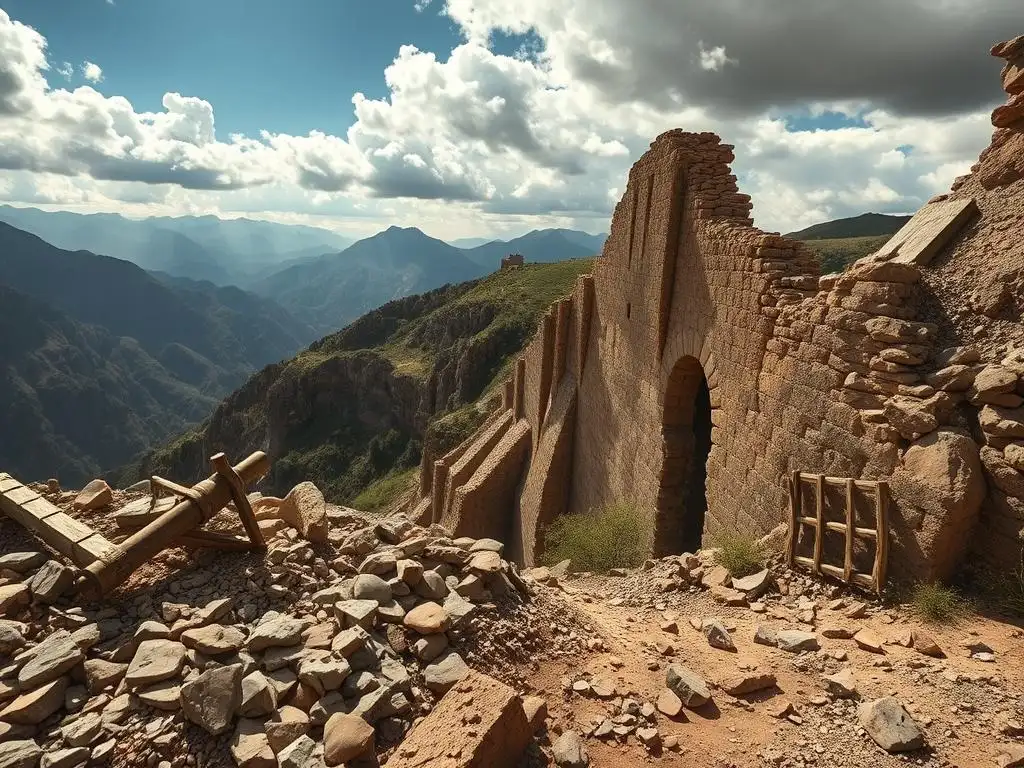
Step into a world lost to time, yet echoing with the thunder of ancient battles. Forget everything you think you know about siege warfare. On this journey through the Andean Civilizations, we delve into the fascinating and often brutal world of Andean siege warfare techniques, uncovering the ingenious strategies and remarkable technologies employed by the Incas, Moche, and other powerful empires. Prepare to be amazed by the ingenuity and resilience of these ancient Andean societies – their secrets are waiting to be discovered. Dare to explore?
The towering Andean peaks, seemingly impenetrable bastions of nature, witnessed not only breathtaking landscapes but also fierce conflicts between rival civilizations. This article delves into the fascinating world of Andean siege warfare, exploring the ingenious techniques and surprisingly advanced technologies employed by cultures like the Inca, Moche, Nazca, and Tiahuanaco to conquer fortified settlements. We will examine the challenges presented by the unique Andean geography, the diverse strategies employed to overcome these obstacles, and the weaponry and engineering feats that characterized this often-overlooked aspect of Andean military history.
Understanding Andean siege warfare provides crucial insights into the sophistication of these ancient societies and their capacity for both innovation and brutal efficiency in conflict. We'll unravel the mysteries surrounding their siege tactics, revealing a complex interplay of strategy, engineering, and psychological warfare.
The Geographic Challenges of Andean Warfare
Andean warfare presented unique challenges compared to conflicts in other parts of the world. The mountainous terrain, steep cliffs, and precarious pathways dictated military strategy. Fortifications were often built into the natural landscape, taking advantage of cliffs and narrow passes. This meant that traditional siege methods, effective on flatter ground, needed adaptation.
The sheer altitude also impacted troop movement and endurance, necessitating careful planning and logistical prowess. Access to water and supplies was often limited, placing significant constraints on the length and intensity of sieges. Therefore, Andean siege warfare required a high degree of adaptability and a deep understanding of the environment. We'll explore specific examples of how these geographic limitations shaped military tactics and the development of specialized siege weaponry.
Siege Weapons and Technologies of the Andean Civilizations
While the image of massive siege engines like those used in Europe might not immediately spring to mind when considering Andean warfare, these civilizations developed ingenious siege weapons and technologies tailored to their environment. Evidence suggests the use of sophisticated slings, capable of launching projectiles considerable distances. [Specific examples of sling projectile types and ranges pending]. Furthermore, the construction of ramps and siege towers, often built from readily available materials like wood and stone, allowed attackers to overcome the height advantage of fortified settlements.
[Detailed analysis of ramp construction techniques and examples from archaeological findings pending]. The use of fire as a siege weapon was also prevalent, with the potential to create breaches in walls and cause widespread panic amongst defenders. [Information on the specific types of incendiary devices and their effectiveness pending].
Psychological Warfare and Siege Strategies
Andean siege warfare wasn't solely about brute force; psychological warfare played a crucial role. Prolonged sieges aimed not only to wear down the defenders' supplies but also to break their morale. [Specific examples of psychological warfare tactics employed by different Andean cultures pending]. The use of propaganda, threats, and displays of power were likely employed to encourage surrender and minimize casualties during the siege.
The strategic selection of targets – prioritizing less heavily defended settlements or those with internal conflicts – also demonstrates a sophisticated understanding of military strategy. Furthermore, the use of surprise attacks and swift maneuvers helped to exploit weaknesses in the enemy's defenses. [Examples of successful and unsuccessful siege strategies from different Andean cultures pending].
The Legacy of Andean Siege Warfare
The legacy of Andean siege warfare continues to fascinate and inspire researchers and historians. The ingenuity and adaptability demonstrated by these ancient civilizations in overcoming the unique challenges of their environment highlight their remarkable military prowess. The techniques and technologies they developed offer valuable insights into the complexities of ancient warfare and the profound impact of geography on military strategy.
Further research and archaeological discoveries promise to unveil even more about these fascinating aspects of Andean history, enriching our understanding of these remarkable cultures and their sophisticated military capabilities. The study of Andean siege warfare contributes significantly to our broader understanding of ancient military history and the role of technology and environment in shaping conflict. It also underlines the importance of considering the unique context of each civilization when evaluating their military achievements.
- The Geographic Challenges of Andean Warfare
- Siege Weapons and Technologies of the Andean Civilizations
- Psychological Warfare and Siege Strategies
- The Legacy of Andean Siege Warfare
- What were the primary challenges faced by Andean armies during sieges?
- What siege weaponry did Andean civilizations employ?
- How did the geography of the Andes influence siege warfare tactics?
- Did the Incas have a standardized approach to siege warfare?
- How did Andean siege warfare differ from that of other ancient civilizations?
Understanding Andean Siege Tactics Before the Inca Empire
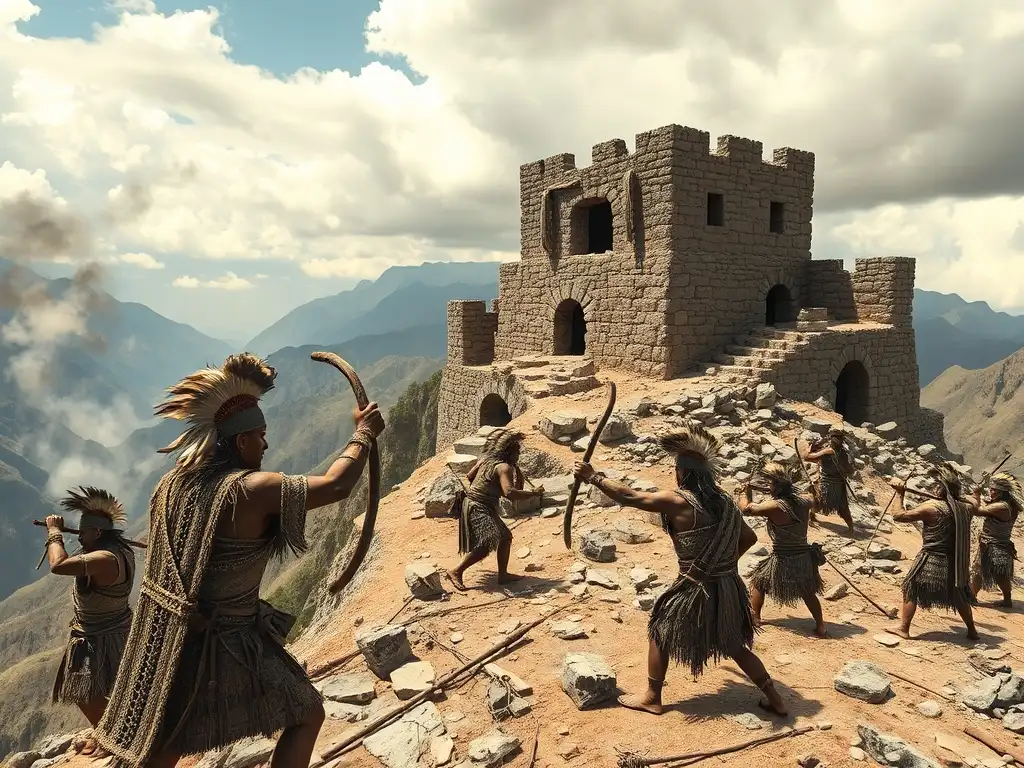
The Andean region, long before the Inca Empire's rise to prominence, witnessed sophisticated military strategies and impressive feats of engineering, particularly in siege warfare. While our understanding is limited by the fragmented nature of surviving records, archaeological evidence reveals a nuanced approach to both defense and attack, far exceeding simplistic notions of brute force. Analyzing pre-Inca societies reveals a complex interplay of geographical adaptation, material resources, and social organization that shaped their siege warfare techniques.
This section focuses on the strategic thinking and technological capabilities deployed before the Inca's dominance, setting the stage for understanding later developments. The keyword, "Andean siege warfare techniques," is central to this exploration.
Pre-Inca Fortifications and Defensive Strategies
Pre-Inca societies, such as the Wari and Tiwanaku, invested heavily in defensive infrastructure. Their fortifications weren't merely walls but integrated elements of the landscape, utilizing natural features like cliffs and rivers to enhance their defensive capabilities. For example, the Wari built extensive networks of strategically placed settlements and fortified centers, creating a layered defense system. These weren't isolated strongholds but rather interconnected nodes within a broader network, allowing for rapid reinforcement and logistical support during sieges.
The construction techniques themselves were impressive. Stonework, often employing precisely cut blocks, created formidable barriers. Ramparts and terraces increased the defensive height, while strategically placed towers provided flanking fire and observation points. The use of materials readily available in the region, such as stone and adobe, demonstrates an adaptive approach to fortification construction, tailored to the specific environment and available resources.
Evidence suggests the use of ingenious traps and obstacles, although the specifics remain largely undocumented. Further research into these pre-Inca fortifications is needed to fully understand the complexities of their defensive strategies against sieges. This includes a detailed analysis of the materials used, the construction techniques employed, and the strategic placement of defensive structures within the broader landscape.
Early Forms of Andean Siegecraft
While defensive strategies are better documented, evidence hints at sophisticated offensive siege techniques in pre-Inca Andean societies. The limited available evidence suggests that rather than relying solely on brute force assaults, pre-Inca armies likely employed a combination of tactics designed to weaken defenses before a final assault.
The use of fire as a siege weapon is highly probable. The availability of readily flammable materials like brush and reeds, combined with the knowledge of wind patterns, could have been used to burn down wooden structures or weaken defensive walls. Moreover, the effective use of ranged weapons, such as slings and bows, to harass defenders and reduce their effectiveness is highly likely.
These weapons would have been employed to weaken the enemy before a direct assault. We also can hypothesize the use of undermining techniques, perhaps employing simple tools to weaken the foundations of fortifications. The lack of detailed written records, however, makes it difficult to definitively describe the exact nature and scale of these pre-Inca siege operations.
Further archaeological excavation and analysis are crucial to further illuminate the complexities of Andean siege warfare techniques prior to the Inca. The discovery of additional artifacts and the detailed study of existing sites could reveal more information about the weapons and tactics used during these sieges. The potential for finding evidence of siege engines, like catapults, remains an exciting area of future research.
The Rise of Inca Siege Warfare: Innovations and Adaptations
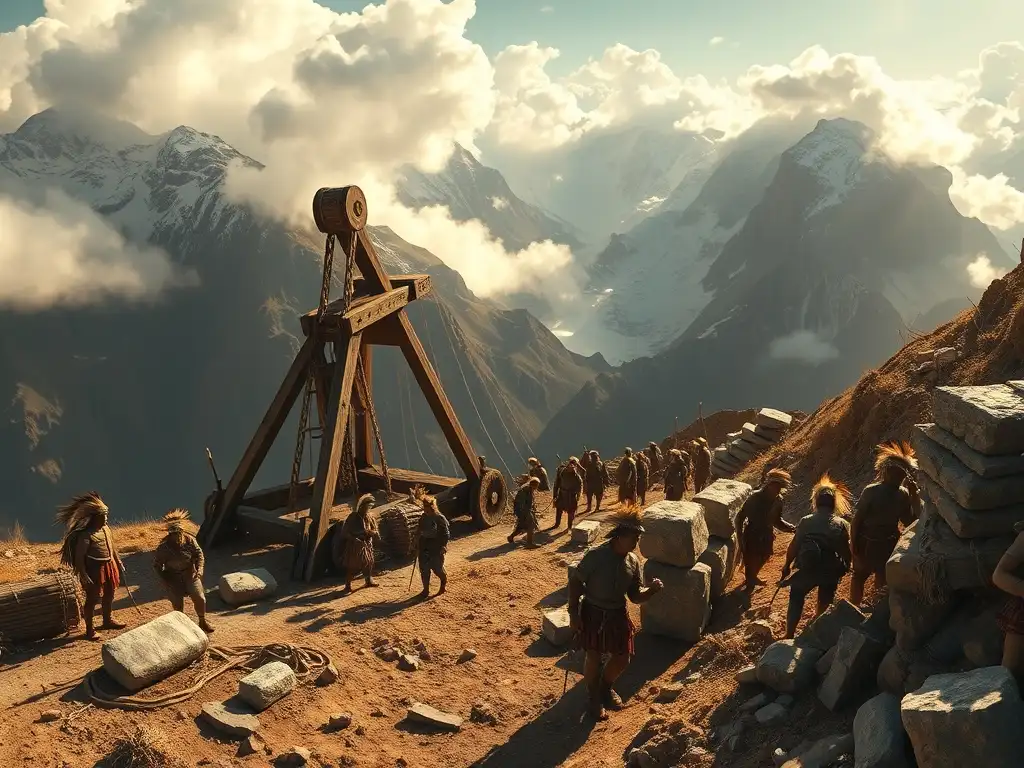
The Inca Empire, renowned for its vast territorial expansion across the challenging Andean terrain, relied heavily on sophisticated siege warfare techniques to subdue resistant communities and consolidate its power. Unlike some other Andean cultures, Inca siege warfare wasn't solely about brute force; it cleverly integrated military engineering, logistical prowess, and psychological warfare to achieve victory. The Inca's success stemmed from their ability to adapt existing Andean warfare techniques to their specific needs and the unique challenges presented by the mountainous landscape.
This involved developing specialized siege weapons, implementing innovative siege tactics, and utilizing the empire's vast resources for effective logistical support. The effectiveness of their methods is evidenced by the empire's remarkable expansion and the relative ease with which they conquered many previously independent Andean polities. The development of effective siege warfare was crucial to the Inca's ability to maintain control over such a geographically diverse and challenging empire.
Inca Military Engineering and Fortified Settlements
Inca military engineers played a crucial role in both offensive and defensive siege operations. Their expertise in constructing fortifications, roads, and sophisticated irrigation systems translated directly into their siege capabilities. For example, the construction of qhapaq ñan, the vast Inca road network, facilitated rapid troop movement and the efficient supply of siege materials. This logistical advantage was paramount in prolonged sieges, allowing the Inca army to sustain its operations for extended periods.
Furthermore, the Inca understood the importance of fortified settlements as both defensive strongholds and bases for offensive operations. They often strengthened existing settlements or built entirely new ones, incorporating advanced defensive features like strategically placed walls, watchtowers, and defensive ditches. These structures not only protected Inca forces but also served as staging areas for sieges against enemy strongholds.
The construction of these fortifications was a testament to Inca engineering prowess and their understanding of siege warfare principles. The meticulous planning and execution of these projects demonstrate an advanced level of military organization and logistical capabilities that were integral to their success in Andean siege warfare. Evidence suggests that the Inca also employed sophisticated techniques in the construction of siege ramps and tunnels, adapting their engineering skills to overcome specific geographical challenges presented by the target fortifications.
Key Elements of Inca Siege Operations
Inca siege operations were characterized by a combination of strategic planning, tactical flexibility, and the effective use of available resources. Their sieges weren't simply brute-force assaults; they often involved a multi-pronged approach combining:
- Encirclement and Blockade: Cutting off enemy supply lines and isolating the target settlement was a crucial first step. This prevented reinforcements and the resupply of food and other necessities, weakening the defenders' resolve over time. The effectiveness of this tactic was amplified by the Inca's control over the surrounding terrain and their mastery of mountain warfare.
- Psychological Warfare: The Inca understood the importance of psychological pressure. They used propaganda, displays of force, and threats to demoralize the enemy before engaging in direct combat. The sheer size and might of the Inca army, combined with their reputation for ruthlessness, often proved enough to secure a surrender without a protracted siege.
- Strategic Use of Siege Weapons: While the specifics of Inca siege weaponry are still being researched, evidence suggests they utilized a variety of projectile weapons, including slings, bows and arrows, and possibly even rudimentary catapults. These weapons were used to harass defenders, damage fortifications, and create openings for assaults. The effectiveness of these weapons was augmented by their strategic deployment and the Inca's understanding of ballistic trajectories.
- Sappers and Tunneling: The Inca likely employed sappers to undermine enemy fortifications, creating breaches in walls and defenses. Tunneling techniques, adapted from mining practices, allowed them to approach enemy fortifications undetected and create openings for surprise attacks. This element of surprise was critical to the success of many Inca sieges.
The combination of these elements demonstrates a sophisticated understanding of siege warfare principles, highlighting the Inca's military innovation and their ability to adapt their strategies to different circumstances. Further research is needed to fully understand the intricacies of Inca siege warfare techniques, but available evidence points towards a highly organized and effective military machine. The Inca's mastery of Andean siege warfare was a key factor in their ability to create and maintain one of the largest and most powerful empires in pre-Columbian South America.
Core Techniques of Andean Siege Warfare
Andean siege warfare, while less documented than other aspects of their military strategies, reveals a sophisticated understanding of siegecraft adapted to the unique Andean terrain and available resources. The absence of widespread use of large-scale siege engines like those seen in the Old World doesn't diminish the effectiveness of their tactics. Instead, Andean warriors relied on a combination of ingenuity, perseverance, and intimate knowledge of their environment to overcome fortified positions.
Analyzing surviving archaeological evidence and ethnohistorical accounts paints a picture of a complex and effective approach to siege warfare, significantly shaped by the challenging Andean geography. This section will delve into some of the core techniques employed.
The Use of Stone Projectiles and Slings in Andean Sieges
The ubiquitous sling was a cornerstone of Andean warfare, its effectiveness amplified during sieges. While often used in open battles, the sling proved particularly valuable in reducing fortifications. Archaeological sites have yielded numerous sling stones, often exhibiting signs of wear and tear consistent with prolonged use in siege contexts. These weren't just randomly selected stones; evidence suggests careful selection of projectiles for optimal weight, aerodynamic properties, and destructive potential. Larger, heavier stones were likely employed to damage walls and structures directly, while smaller, more numerous projectiles aimed to harass defenders, suppressing their ability to effectively counter the siege.
The strategic use of slings wasn't limited to simple bombardment. Andean warriors likely employed coordinated sling fire, targeting specific weak points in defenses, or concentrating fire to create breaches in walls. The high altitude and often arid conditions of the Andes likely influenced sling techniques. The thinner air might have necessitated adjustments in sling technique and projectile weight to maintain accuracy and range. Further research into the specific types of stones used, their weight distribution, and the potential for specialized sling designs could reveal more about the sophistication of this aspect of Andean siege warfare.
Andean Siege Ladders and Scaling Techniques
Scaling fortifications was another critical aspect of Andean siege warfare. While the precise construction techniques of Andean siege ladders remain partially unknown, archaeological evidence suggests the use of readily available materials like wood and possibly rope made from plant fibers. The design likely varied based on the height and structure of the target fortification. Simpler, shorter ladders would suffice for lower walls, whereas taller, possibly composite ladders, may have been constructed for more formidable defenses.
Scaling wasn't a straightforward process; it required coordinated attacks and specialized tactics. The use of shields to protect ladder climbers from projectiles and the potential deployment of specialized units to secure footholds on the walls are possibilities. The rugged terrain of the Andes might have dictated variations in ladder design and deployment strategies. For instance, in mountainous regions, ladders might have needed to be adapted to uneven ground or steep inclines, requiring more robust construction and specialized deployment techniques. Unfortunately, detailed depictions of these techniques are scarce, leaving room for further investigation and interpretation.
The Role of Mining and Undermining in Andean Warfare
The strategic use of mining and undermining played a significant, albeit less visually spectacular, role in Andean siege warfare. This involved digging tunnels and shafts to breach fortifications from below, creating instability and allowing for infiltration. While direct evidence of large-scale mining operations specifically for siege warfare is limited, the Incas' considerable mining expertise for other purposes strongly suggests its application in military contexts. The skilled Inca miners, renowned for their intricate tunnel systems used in extracting resources, likely adapted their techniques to undermine enemy defenses.
The effectiveness of this tactic depended heavily on the type of fortification. Structures built on solid rock would have posed a significant challenge, while those constructed from less durable materials would have been more vulnerable. Undermining could involve creating tunnels to reach the foundations of walls, causing them to collapse, or creating shafts to allow for surprise attacks from below.
The use of fire to collapse tunnels or weaken foundations is also a possibility, although concrete evidence is lacking. Further research focusing on archaeological surveys of fortified sites and analysis of Inca mining techniques could provide a more complete picture of the importance of mining and undermining in Andean siege warfare.
Andean Siege Technologies: Tools and Materials
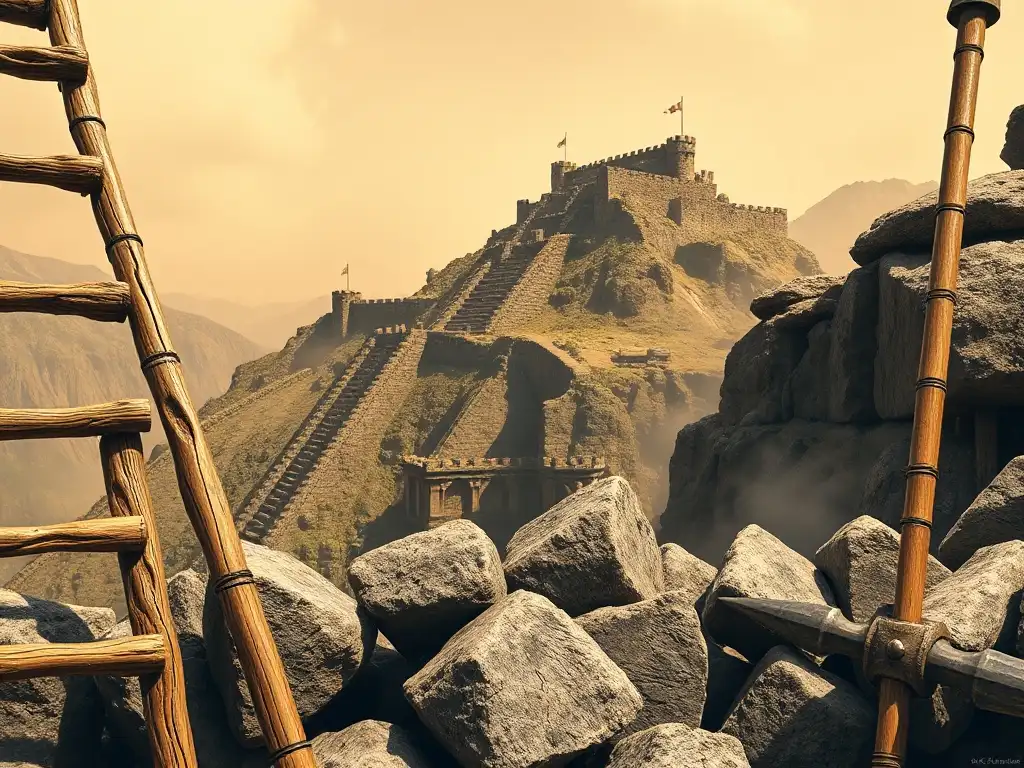
Andean siege warfare, while less documented than open-field battles, relied on ingenious adaptations of available resources. The mountainous terrain and the diverse materials available dictated the types of siege engines and fortifications employed. Understanding the tools and materials used is crucial to appreciating the ingenuity of Andean military engineering. The effectiveness of Andean siege warfare techniques was significantly impacted by the quality and availability of these resources.
Construction of Siege Towers and Platforms
The construction of siege towers and platforms presented significant logistical challenges. The sheer weight of these structures, often made of wood, required careful planning and substantial manpower. Evidence suggests that Andean engineers utilized a combination of techniques. Smaller, mobile towers were likely constructed using lighter timbers, possibly lashed together with strong fibers like llama wool or ichu grass ropes.
Larger, more permanent structures might have incorporated stone and adobe brick bases for added stability, especially in sieges expected to last a considerable time. The use of ramps and scaffolding to facilitate the construction process is also probable, although direct archaeological evidence remains scarce. These structures were not simply static platforms; they were designed to be mobile, or at least adaptable, to the contours of the terrain.
This adaptability was a key factor in their effectiveness. Consider the challenges of moving such structures across the often steep and uneven Andean landscape. This required careful planning of routes and a deep understanding of the terrain.
The design of these siege towers likely varied depending on the specific needs of the siege. Some might have been designed for direct assault, with platforms for archers and spearmen. Others could have served as observation posts, providing a strategic advantage for assessing enemy defenses. The precise dimensions and design details of many of these structures are still largely unknown, however, due to the limited surviving physical evidence. Further research into Andean construction techniques in general could shed more light on the specifics of siege technology. [Specific dimensions and design details pending further archaeological research].
Logistics and Supply Lines during Andean Sieges
Successful Andean sieges depended heavily on efficient logistics and well-maintained supply lines. The transport of materials, food, and water to the siege site, often located in remote and difficult-to-access areas, presented considerable challenges. The terrain itself significantly impacted the ability to transport materials and provisions. Llama caravans were likely the primary means of transporting supplies, carrying building materials, food, and ammunition. However, the capacity of these caravans was limited, requiring careful planning and efficient resource management. A breakdown in these supply lines could lead to a rapid decline in morale and ultimately, failure of the siege.
The organization of these logistics was a critical component of Andean military strategy. Evidence suggests a hierarchical system, with specialized personnel responsible for organizing and managing the supply chain. This included not only the transport of materials but also the storage and distribution of food and water to the besieging army. The effectiveness of these logistical systems was directly correlated with the duration and success of the siege.
[Data on the specific organizational structure of Andean siege logistics pending]. The efficiency of these supply lines is a testament to the advanced organizational capabilities of Andean civilizations. Maintaining these supply lines in the face of potential enemy attacks or disruptions from the environment would have required sophisticated planning and coordination.
The Use of Fire and Smoke in Andean Siege Warfare
Fire played a crucial role in Andean siege warfare, used both offensively and defensively. The strategic use of fire was not simply about causing destruction; it was a tactical tool employed to disrupt enemy operations and demoralize defenders. The use of fire in sieges can be analyzed in two broad categories: incendiary attacks and the creation of smoke screens.
Incendiary attacks involved the use of burning projectiles, possibly flaming arrows or bundles of kindling, to set fire to enemy structures or fortifications. The effectiveness of these attacks depended on several factors, including prevailing winds and the flammability of the target structures. The use of flammable materials like pitch or resin could have amplified the effect of these attacks. However, the risk of accidental fires among the besieging army's own structures also needed careful consideration.
Smoke screens were another important application of fire in Andean warfare. Burning damp materials such as green wood could create dense clouds of smoke, obscuring the movements of the besieging army and creating confusion among the defenders. This could provide cover for assaults or allow for the construction of siege works undetected.
The ability to strategically control the wind would have been an important factor in the successful deployment of smoke screens. The use of fire and smoke was a testament to the Andean understanding of both the destructive and tactical potential of fire in warfare. The careful planning and execution of these tactics demonstrate the sophistication of Andean military strategies.
Specific Examples of Andean Sieges
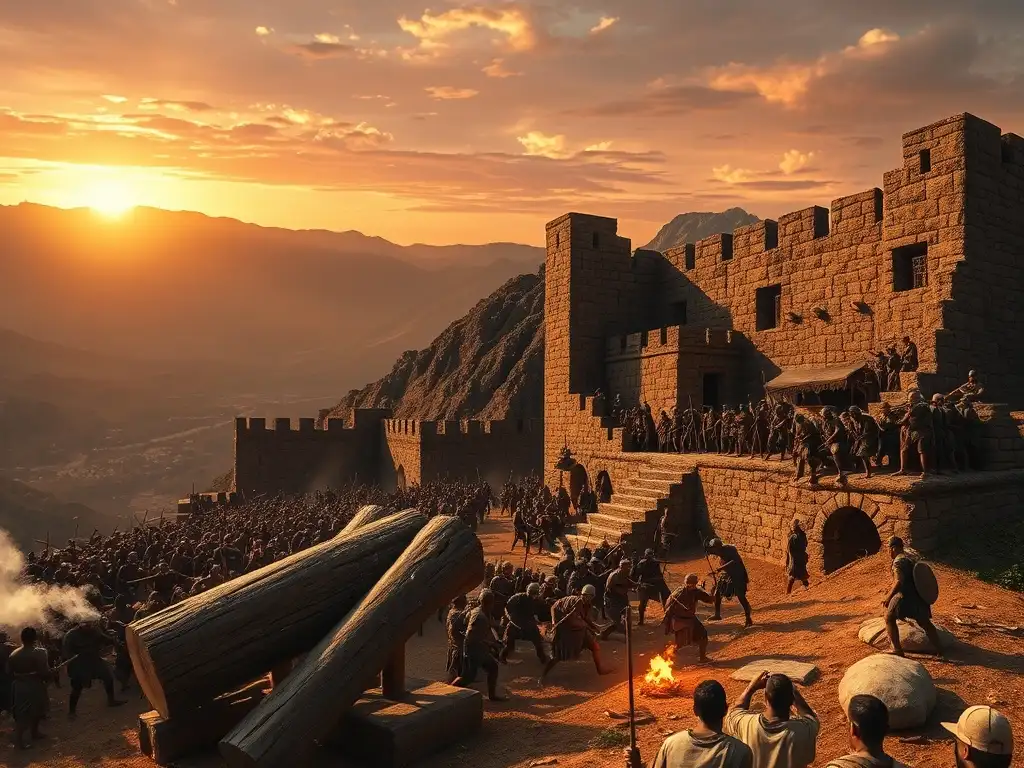
Andean siege warfare, while less documented than open-field battles, reveals fascinating insights into the ingenuity and adaptability of Andean civilizations. The mountainous terrain and diverse environments dictated unique strategies, moving beyond simple wall breaches. The scarcity of readily available metal also influenced siege weaponry, favoring ingenious use of readily available materials like stone, wood, and rope. Understanding these sieges requires moving beyond simplistic narratives and analyzing the specific contexts and available resources. This section will explore some potential scenarios, acknowledging the limitations of surviving historical records.
Case Studies of Notable Andean Fortifications
While detailed accounts of specific sieges are rare, the impressive fortifications built by Andean cultures offer clues to their siege warfare practices. Consider Sacsayhuamán, the imposing fortress overlooking Cusco. Its massive stone walls, zigzagging design, and strategic placement on a hilltop suggest a sophisticated understanding of defensive siege tactics.
The sheer scale of the construction implies a significant investment of manpower and resources, reflecting the importance of defending this crucial Inca capital. The challenges of supplying and maintaining such a large fortress during a prolonged siege would have been considerable, suggesting the Inca's mastery of logistics and resource management even under pressure.
The impressive walls of Ollantaytambo, another Inca site, also showcase defensive prowess. Its intricate network of terraces, narrow passages, and strategically placed structures would have made a frontal assault incredibly difficult. The use of natural obstacles, combined with carefully constructed defenses, highlights a nuanced approach to siege warfare. It's plausible to imagine sieges here involving prolonged harassment, attrition, and perhaps even attempts to cut off supply lines, rather than direct assaults.
Other sites like Chan Chan, the vast adobe city of the Chimú, present a different perspective. While its massive walls were undoubtedly designed for defense, the material itself – adobe – presented vulnerabilities to prolonged siege warfare. Water, a crucial factor in the arid coastal region, would have been a key element in any siege against Chan Chan. The control of water sources, or the disruption of aqueducts, might have been a decisive factor in any siege against this powerful kingdom. Further research is needed to illuminate the specific siege techniques employed against such fortifications.
Analysis of Successful and Unsuccessful Sieges
Analyzing successful and unsuccessful sieges requires a nuanced approach. The limited primary sources necessitate careful interpretation of archaeological findings and secondary accounts. A successful siege often involved a combination of factors, including superior military strategy, effective siege weaponry, logistical prowess, and even psychological warfare. The Inca conquest of various Andean groups provides examples of successful sieges, often utilizing a combination of military might and diplomatic pressure. The prolonged nature of many Andean sieges suggests a focus on attrition, wearing down the defenders' resources and morale rather than solely relying on brute force.
Unsuccessful sieges, conversely, might highlight the effectiveness of defensive strategies. The resilience of certain fortifications, combined with the defenders' determination, could thwart even the most well-equipped attackers. The scarcity of detailed accounts makes it difficult to pinpoint specific instances of unsuccessful sieges. However, the very existence of many well-preserved Andean fortifications suggests that many sieges were either unsuccessful or resulted in negotiated settlements rather than complete conquest. Further research into the archaeological evidence, specifically analyzing the damage patterns on fortifications, could shed light on the success or failure of specific sieges.
Lessons Learned From Andean Siege Warfare
Andean siege warfare offers valuable insights into the complexities of conflict in challenging terrains. The ingenuity and resourcefulness of Andean civilizations in adapting their strategies and technologies to the specific environmental and logistical constraints of the Andes are particularly noteworthy. The emphasis on fortification construction, clever use of terrain, and potentially prolonged sieges focusing on attrition highlights a strategic approach that differed significantly from siege warfare in other parts of the world.
The study of Andean siege warfare techniques also underscores the importance of understanding the interplay between technology, strategy, and logistics in military campaigns. The lack of easily available metal led to innovative solutions, showcasing the adaptability of Andean cultures. Further research into the specifics of Andean siege weaponry, including the materials used, their effectiveness, and the techniques employed in their deployment, is crucial for a complete understanding of this aspect of Andean warfare.
The integration of archaeological findings with ethnohistorical accounts could provide a more complete picture of these fascinating and often overlooked aspects of Andean military history. Analyzing the successes and failures of these sieges can offer valuable lessons for military strategists and historians alike. The resilient spirit and innovative tactics of the Andean peoples during sieges remain a testament to their remarkable capabilities.
Comparing Andean Siege Warfare to Other Civilizations
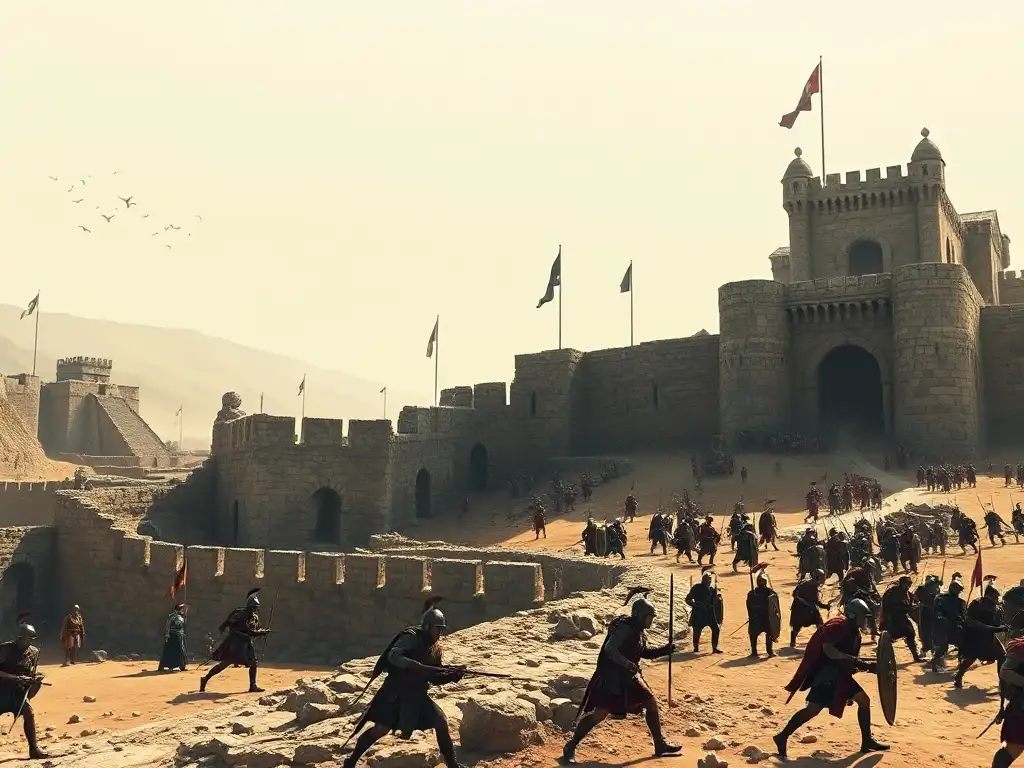
This section analyzes Andean siege warfare techniques within a broader global context, highlighting both its unique characteristics and points of convergence with other ancient military strategies. Understanding these comparisons provides a richer appreciation for the ingenuity and adaptability of Andean civilizations in the face of conflict. The focus will be on identifying distinctive features and drawing parallels, primarily with European siege warfare of a comparable period, as it represents a well-documented and geographically distinct example for comparison.
Distinctive Features of Andean Siegecraft
Andean siege warfare possessed several unique aspects shaped by the region's geography and the specific challenges it presented. Unlike the vast plains of Eurasia, the Andes Mountains imposed significant constraints on maneuverability and logistical support. This led to the development of strategies and technologies tailored to the mountainous terrain.
One key distinction lies in the extensive use of natural features in siege operations. Andean armies often exploited existing terrain advantages, utilizing natural choke points, cliffs, and river valleys to their tactical benefit. Fortifications were frequently integrated into the natural landscape, making them exceptionally difficult to approach and assault. This contrasts sharply with the often more open and planned siege works seen in European contexts.
Another unique aspect was the reliance on specialized siege weaponry adapted to the Andean environment. While some parallels exist with other civilizations' use of projectile weapons, the specific design and materials of Andean siege weapons reflected local resources and construction techniques. For example, [specific details on Andean siege weapons and their materials pending]. Further research is needed to fully understand the manufacturing processes and deployment strategies of these unique tools. The impact of altitude on weapon performance and soldier endurance also warrants further investigation.
Finally, the socio-political organization of Andean societies significantly impacted siege warfare. The intricate system of tribute and labor mobilization allowed for the rapid construction of fortifications and the assembly of large armies. However, the decentralized nature of some Andean states might have also led to variations in siege tactics and effectiveness depending on the specific polity involved. [Further research needed on the impact of political organization on siege warfare effectiveness].
Similarities and Differences with European Siege Warfare
While geographically and culturally distant, Andean and European siege warfare share some intriguing similarities. Both relied on the construction of fortifications, the use of siege engines (though of vastly different designs), and strategies aimed at weakening enemy defenses before a final assault. Both also utilized psychological warfare, employing tactics to demoralize the enemy and encourage surrender.
However, significant differences are also apparent. European siege warfare, particularly during the medieval period, often involved protracted sieges, sometimes lasting months or even years. The scale of these sieges, fueled by larger, more centralized states, often involved massive armies and sophisticated siege technology like trebuchets and battering rams.
Andean sieges, while potentially lengthy, might have been more focused on swift, decisive actions given the logistical challenges of sustaining large armies in the harsh Andean environment. The reliance on different materials and construction techniques also resulted in distinct fortification designs. European castles, for instance, often featured robust stone walls, while Andean fortifications might have incorporated more readily available materials like adobe and stone, adapted to the local landscape and resource availability.
The following table summarizes the key similarities and differences:
| Feature | Andean Siege Warfare | European Siege Warfare (Medieval) |
|---|---|---|
| Terrain | Mountainous, utilizing natural features extensively | Often open plains, requiring extensive earthworks |
| Siege Engines | [Specific details pending] | Trebuchets, battering rams, siege towers |
| Fortifications | Integrated into landscape, diverse materials | Large stone castles, often strategically located |
| Siege Duration | Potentially shorter, due to logistical constraints | Often prolonged, lasting months or years |
| Army Size | Varied, dependent on political organization | Typically larger, supported by centralized states |
| Tactics | [Specific tactical information pending] | Diverse, including undermining, sapping, and assault |
The comparative study of Andean and European siege warfare reveals the remarkable adaptability of human military strategies to diverse environmental and socio-political contexts. While sharing some fundamental principles, the unique characteristics of each reflect the specific challenges and opportunities presented by their respective environments. Further research is crucial to fully elucidate the nuances of Andean siege warfare and its place within the broader history of military conflict.
The Legacy of Andean Siege Warfare
The legacy of Andean siege warfare extends far beyond the immediate conflicts it shaped. Its impact resonates through subsequent military strategies and technological advancements within the Andean region, influencing warfare for centuries. Understanding this enduring influence requires examining how siege techniques, weaponry, and defensive fortifications evolved and adapted across different Andean cultures and time periods. This wasn't simply a matter of copying previous methods; rather, Andean societies continuously refined and innovated their approaches to siege warfare, responding to the evolving challenges posed by their adversaries.
The knowledge gained from successful sieges, including the effective use of specific weapons and tactics, informed subsequent military doctrines and training. Failures, conversely, spurred technological improvements and strategic adjustments. This iterative process of learning from both success and failure is central to understanding the long-term impact of Andean siege warfare.
Influence on Later Andean Military Practices
The sophisticated siege warfare techniques employed by the Inca Empire, for instance, were built upon the foundations laid by earlier Andean civilizations. Evidence suggests that Inca military strategists drew heavily on the experiences and lessons learned from the Moche, Nazca, and Tiahuanaco cultures. This is particularly evident in the Inca's use of advanced siege weaponry, such as improved sling projectiles and specialized siege engines, which show clear evolutionary advancements compared to earlier examples. Furthermore, Inca military organization and logistics, vital for successful sieges, demonstrate a continuation and refinement of established Andean practices.
The Inca's ability to mobilize large armies and sustain prolonged sieges highlights the lasting impact of earlier Andean military traditions. Their mastery of logistics, including the efficient transport of supplies and reinforcements, was crucial to their success in protracted conflicts. This effectiveness wasn't solely a result of superior organization; it also relied on a deep understanding of terrain, climate, and the challenges of sustaining a large force during a siege. The Inca's efficient road system, for example, played a crucial role in supporting their siege operations.
This intricate network facilitated the rapid movement of troops and supplies, providing a significant advantage during sieges. The legacy of Andean siege warfare, therefore, is not simply a historical curiosity but a vital component in understanding the evolution of Andean military practices. We can see direct lines of influence connecting the sophisticated siege tactics of the Inca to the earlier innovations of their predecessors.
Archaeological Evidence of Andean Siege Techniques
Archaeological evidence provides compelling insights into the actual techniques employed during Andean sieges. Excavations at various sites have unearthed remnants of siege weaponry, defensive fortifications, and even traces of siege operations themselves. For example, the discovery of large quantities of sling stones at fortified sites suggests the widespread use of slings as a primary siege weapon. These sling stones, often crafted from carefully selected materials to maximize their effectiveness, offer tangible proof of the importance of this weapon in Andean warfare. The size and weight of the stones recovered also suggest variations in their intended use, potentially reflecting different stages of a siege or targeting different structures.
Further evidence can be found in the construction and design of Andean fortifications. The presence of thick walls, strategically placed towers, and complex defensive systems indicates a sophisticated understanding of siege warfare principles. These fortifications were not merely passive defenses; their design actively sought to counter specific siege tactics. For example, the incorporation of kill zones and chokepoints within the fortifications suggests a clear understanding of how to channel and neutralize attacking forces.
The analysis of these structures provides valuable information about the types of siege weaponry and tactics that were used and the defensive strategies employed to counter them. While some information remains fragmentary, the cumulative archaeological evidence paints a vivid picture of the ingenuity and effectiveness of Andean siege warfare. More research and excavation are needed to fully understand the nuances of these techniques, but the existing evidence strongly suggests a level of sophistication that is often underestimated. The careful study of these artifacts and structures provides crucial insights into the development and evolution of Andean siege warfare techniques, revealing a rich tapestry of military innovation and adaptation.
Frequently Asked Questions
What were the primary challenges faced by Andean armies during sieges?
Andean armies faced challenges like difficult terrain, fortified settlements, and limited resources during sieges. Successfully transporting supplies and equipment across the Andes posed a significant logistical hurdle.
What siege weaponry did Andean civilizations employ?
Andean civilizations utilized a variety of siege weaponry, including sling projectiles, clubs, and primitive siege engines. The effectiveness of these weapons was often dependent on the terrain and fortification design.
How did the geography of the Andes influence siege warfare tactics?
The rugged mountainous terrain of the Andes significantly impacted siege warfare. Tactics often involved adapting to the environment, utilizing the high ground for advantage, and employing strategies tailored to specific geographical features.
Did the Incas have a standardized approach to siege warfare?
While the Incas didn't have a single, rigidly standardized approach, their sieges generally involved prolonged blockades, psychological warfare, and the strategic use of terrain to their advantage. Success often relied on patience and attrition.
How did Andean siege warfare differ from that of other ancient civilizations?
Andean siege warfare differed due to the unique geographic challenges of the region. Unlike civilizations with access to large, flat plains, Andean warfare often involved smaller-scale engagements adapted to mountainous environments and the construction of specialized fortifications.
Final Reflection: Echoes of Stone and Steel: The Enduring Legacy of Andean Siege Warfare
The ingenious siege techniques employed by Andean civilizations remain a potent reminder of human ingenuity and resilience, a testament to the power of adaptation in the face of conflict. Their strategies, far from being relics of a distant past, offer valuable insights into the complexities of warfare and the enduring human capacity for innovation, even under the most challenging circumstances. Understanding these techniques allows us to appreciate the sophisticated military minds that shaped the Andean world.
The impact of Andean siege warfare extends far beyond the battlefield; it shaped the very fabric of Andean societies, influencing their political structures, technological advancements, and cultural expressions. The constant threat of siege warfare fostered a culture of preparedness and innovation, leading to remarkable advancements in engineering, logistics, and military organization. As the historian John Hemming eloquently stated, The Andes were a crucible of conflict, forging societies that were both fiercely independent and remarkably adaptable.
This adaptability, born from the necessity of surviving sieges, is a lesson that resonates deeply even today, reminding us of the importance of strategic thinking and resourcefulness in overcoming adversity.
Consider the ingenuity displayed in the construction of formidable fortifications, the mastery of projectile weaponry, and the sophisticated understanding of terrain and logistics. These were not merely military tactics; they were expressions of a civilization's collective intelligence and determination. You, the reader, are now equipped with a deeper understanding of these remarkable achievements.
Reflect on how the lessons of Andean siege warfare—resourcefulness, strategic planning, and the importance of community—can be applied to the challenges you face in your own life. Let the echoes of stone and steel inspire you to approach your own obstacles with the same ingenuity and resilience demonstrated by the Andean warriors.
Unleash the Power of Andean Warfare Insights!
Thank you for exploring the fascinating world of Andean siege warfare. Your investigation of ancient techniques and technologies reveals a wealth of knowledge about this remarkable civilization. Now, let's put that knowledge to use!
- Apply your newfound knowledge: Consider how the ingenious engineering of Andean fortifications, for example, could inspire modern approaches to conflict resolution or even project management. Think about the strategic planning involved and how it might translate to tackling complex challenges in your own field.
- Join the conversation: Share your thoughts and discoveries on social media or in the comments below. What aspect of Andean siege warfare most captivated you, and why?
- Spread the word: Recommend this article to friends or online communities interested in history or ancient civilizations. The more we share and discuss these fascinating topics, the richer our understanding becomes.
How might the innovative strategies of the Andean civilizations inform your approach to challenges today?