
Nazca Lines: The Role of the Nazca People in Their Creation

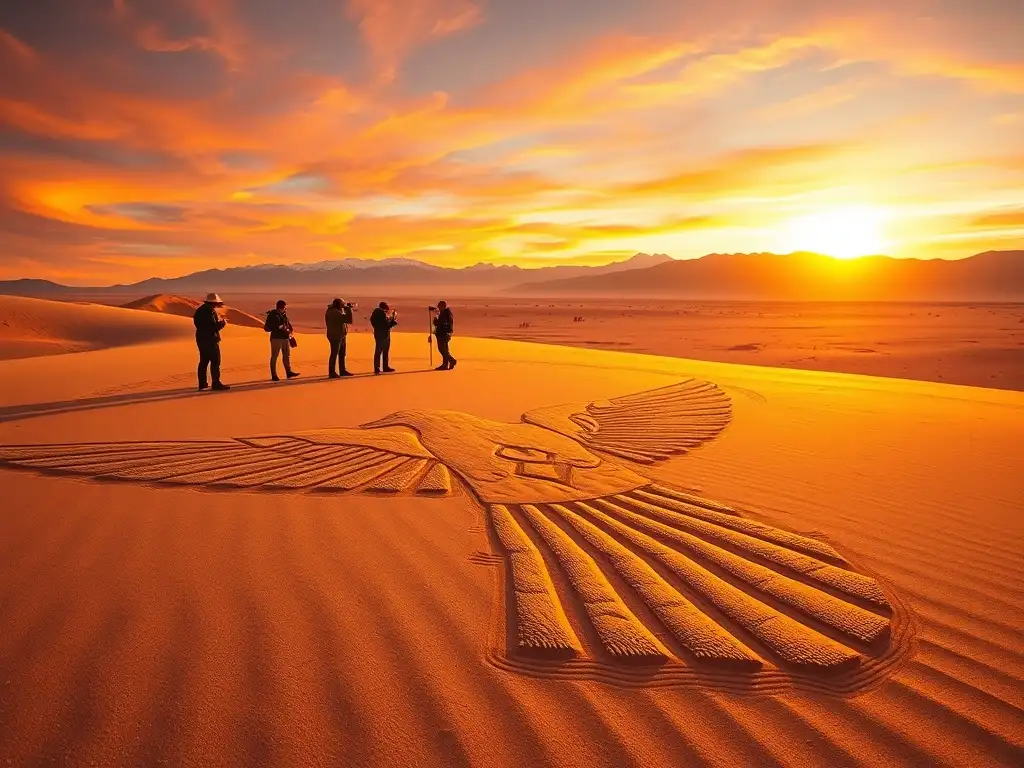
Step into a world lost to time, where colossal mysteries whisper from the sands. For centuries, the Nazca Lines have captivated the world, defying explanation. But what if the answers to their creation lie not in alien intervention, but in the ingenious minds of the Nazca people themselves? Prepare to unravel the secrets behind these enigmatic geoglyphs and discover the innovative Nazca lines creation methods that continue to amaze and inspire. Dive in and uncover the truth.
- Nazca Lines: Unveiling the Nazca People's Role in Their Creation
-
Nazca Lines Creation Methods: Techniques and Tools
- Surveying and Planning the Geoglyphs: Cord and Peg Techniques
- The Role of Geometry in Nazca Lines Construction
- Material and Construction Techniques: Removal of Oxidized Surface Soil
- Evidence of Nazca Engineering Skills: Straight Lines Across Uneven Terrain
- The Role of Surveying and Alignment in Nazca Line Construction
- The Use of Simple Tools and Materials in Nazca Line Creation: A Closer Look
- The Nazca Lines: Beyond Simple Designs
- Legacy and Preservation of the Nazca Lines
- Frequently Asked Questions
- Final Reflection: Unraveling the Enigma of the Nazca Lines
- Uncover the Mysteries of the Nazca Lines Today!
Nazca Lines: Unveiling the Nazca People's Role in Their Creation
The Nazca Lines, sprawling geoglyphs etched into the Peruvian desert, stand as one of the world's most enduring enigmas. For centuries, their purpose and creation have captivated researchers and sparked countless theories. While the precise reasoning behind their existence remains debated, understanding the Nazca people—their culture, societal structure, and technological capabilities—is crucial to unraveling the mystery surrounding the creation of these remarkable lines. This article delves into the Nazca civilization, exploring their agricultural expertise, social organization, and potential motivations for creating these immense earthworks.
We will examine the "Nazca lines creation methods" used, considering the available evidence and dispelling some common misconceptions. By understanding the Nazca people, we can gain a deeper appreciation for the ingenuity and cultural significance embedded within these iconic desert drawings. Prepare to journey back in time and explore the fascinating world of the Nazca and their legacy.
Understanding the Nazca Culture and Their Connection to the Geoglyphs
The Nazca culture flourished along the southern coast of Peru, from approximately 100 BCE to 800 CE. Their society was remarkably advanced, particularly in its mastery of irrigation systems that transformed the arid landscape into productive farmland. This agricultural prowess was fundamental to their survival and shaped their worldview.
The Nazca people were skilled artisans, creating intricate textiles, ceramics, and goldwork, reflecting a rich spiritual and symbolic life. Evidence suggests a strong connection between their religious beliefs and the creation of the geoglyphs. Many theories propose that the lines served ceremonial or ritualistic purposes, possibly linked to water deities or astronomical observations.
The precise relationship between the lines and Nazca religious practices remains an area of ongoing research, but the strong cultural context is undeniable. Further investigation into their religious iconography and burial practices offers crucial insights into this connection. The detailed analysis of Nazca pottery and textiles, often depicting stylized figures and motifs mirroring those found in the geoglyphs, strengthens the link between artistic expression and the lines themselves.
The Nazca's success hinged on their sophisticated understanding of water management. They developed intricate canal systems, drawing water from underground aquifers and diverting it to their fields. This impressive feat of engineering allowed them to cultivate crops in the harsh desert environment.
Their social organization was likely hierarchical, with specialized labor groups dedicated to various tasks, including agriculture, pottery production, textile weaving, and potentially, the creation of the geoglyphs. Archaeological evidence suggests a complex societal structure, with evidence of both elite and commoner classes. The scale of the Nazca Lines project—requiring substantial coordination and manpower—points towards a well-organized society capable of mobilizing significant resources and labor.
The existence of specialized tools and techniques further supports this hypothesis, suggesting a division of labor and expertise within the Nazca community. Further research into the settlement patterns and social structures of the Nazca will provide a clearer picture of their organizational capabilities and how they coordinated such a monumental undertaking.
The Purpose and Significance of the Nazca Lines
The purpose of the Nazca Lines remains a subject of ongoing debate. While definitive answers remain elusive, several compelling theories exist. Some scholars suggest the lines served as pathways for ceremonial processions, while others propose astronomical alignments, possibly used for tracking celestial events.
Another prominent theory links the lines to religious rituals, with the geoglyphs representing deities or embodying symbolic narratives. The sheer scale and complexity of the lines suggest a deep cultural significance, reflecting the worldview and beliefs of the Nazca people. The creation of the lines, regardless of their exact purpose, represents a remarkable demonstration of engineering skill, planning, and communal effort.
The enduring mystery surrounding their function only adds to their allure and continues to fuel scholarly investigation. Continued research utilizing advanced technologies, such as aerial photography and satellite imagery, coupled with detailed archaeological analysis, promises further illumination on this captivating enigma. The Nazca lines stand as a testament to the ingenuity and cultural richness of a fascinating ancient civilization.
Nazca Lines Creation Methods: Techniques and Tools
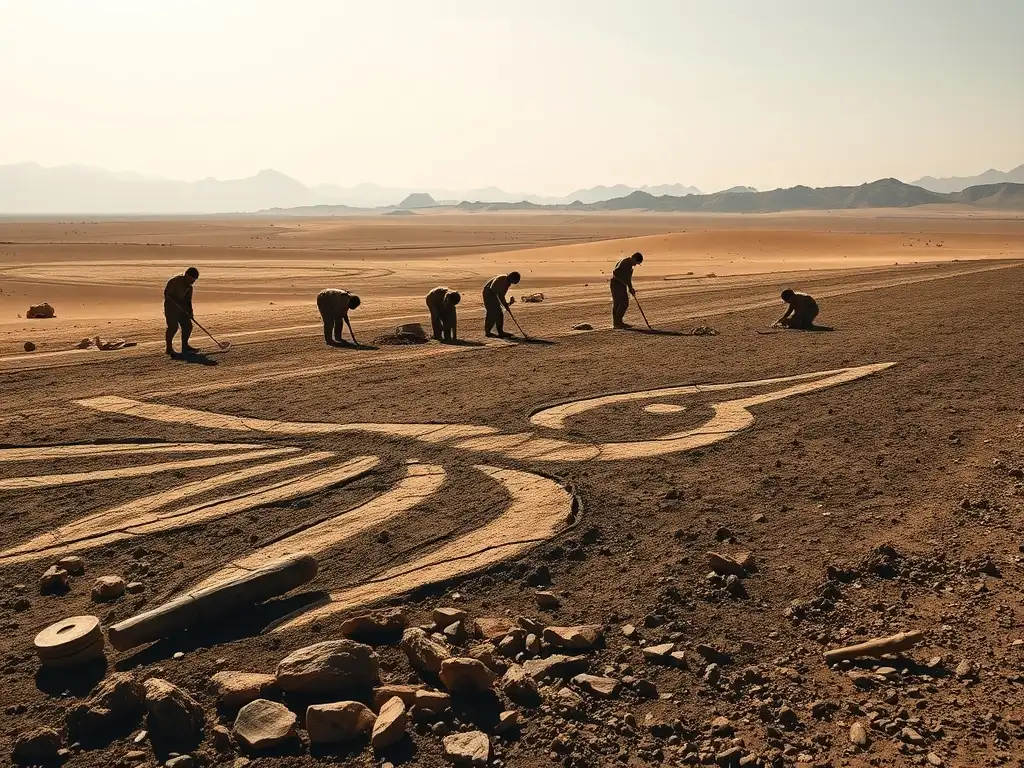
The creation of the Nazca Lines, a monumental feat of ancient engineering, remains a subject of ongoing research and fascination. Understanding the Nazca lines creation methods requires examining the techniques and tools employed by the Nazca people. While we lack direct written accounts, archaeological evidence and careful analysis of the geoglyphs themselves offer compelling insights into their construction.
The precision and scale of these works suggest a sophisticated understanding of surveying, geometry, and material manipulation. The sheer scale of the undertaking, involving the removal of vast quantities of oxidized surface soil, points to a well-organized society with a dedicated workforce and advanced planning capabilities. Let's delve into the specifics.
Surveying and Planning the Geoglyphs: Cord and Peg Techniques
The immense size and complexity of many Nazca Lines necessitate a robust surveying and planning phase. Archaeological evidence suggests the Nazca utilized a simple yet effective method involving cord and pegs. Imagine a team of workers stretching long cords between strategically placed pegs, creating straight lines across the desert floor.
This process would have allowed them to map out the overall design of a geoglyph before beginning the laborious process of soil removal. The accuracy of the lines, many stretching for hundreds of meters, speaks to the precision and skill of these ancient surveyors. They likely used natural landmarks, such as hills and valleys, as reference points to ensure alignment across the vast expanse of the desert.
Furthermore, the repeated use of geometric shapes and patterns suggests a deep understanding of geometric principles, enabling them to create intricate designs with remarkable accuracy. The ability to accurately map out and transfer these designs onto the desert surface is a testament to their advanced knowledge of surveying techniques. Further research into the potential use of rudimentary astronomical observations for alignment remains an active area of study.
The Role of Geometry in Nazca Lines Construction
The Nazca Lines are not merely random scribbles across the desert; they exhibit a remarkable degree of geometric sophistication. Many geoglyphs are composed of simple geometric shapes, such as triangles, squares, and trapezoids, while others are more complex, featuring intricate curves and spirals. The precise execution of these geometric forms speaks to the Nazca people's understanding of geometry and their ability to translate abstract concepts into large-scale designs.
Analyzing the lines reveals a consistent use of angles and proportions, suggesting a standardized approach to design and construction. This standardized approach indicates a level of planning and organization far beyond what one might initially expect from a pre-Columbian culture. The use of geometric principles wasn't merely aesthetic; it likely played a crucial role in the surveying and construction process, facilitating the accurate layout and execution of these massive geoglyphs.
Understanding the precise geometric relationships within the designs could unlock further secrets regarding their purpose and the methods used in their creation. Further research is needed to fully understand the underlying mathematical principles employed.
Material and Construction Techniques: Removal of Oxidized Surface Soil
The Nazca Lines are created not by adding material, but by removing the dark, oxidized surface layer of the desert soil to reveal the lighter-colored subsoil. This process, demanding immense labor, involved the careful removal of the top layer of soil, revealing the contrasting lighter color beneath, creating the visual effect of the lines. The tools used were likely simple: stone tools, possibly including digging sticks and rudimentary shovels made of wood or bone. The meticulous nature of the work is evident in the clean lines and the consistent depth of the removal.
The scale of the undertaking is truly astonishing. Consider that some of the larger geoglyphs cover several acres of land, requiring the removal of tons of soil. This massive undertaking highlights the organizational capacity and dedication of the Nazca workforce. The choice of removing the oxidized surface soil rather than adding material was likely driven by the desire for durability and longevity.
The darker oxidized layer is more susceptible to erosion, and removing it revealed a more stable and long-lasting surface for the geoglyphs. Further investigation into the soil composition and its role in the preservation of the lines is warranted. The meticulous nature of the work, and the resulting longevity of the lines, remains a testament to the skills and dedication of the Nazca people.
Evidence of Nazca Engineering Skills: Straight Lines Across Uneven Terrain
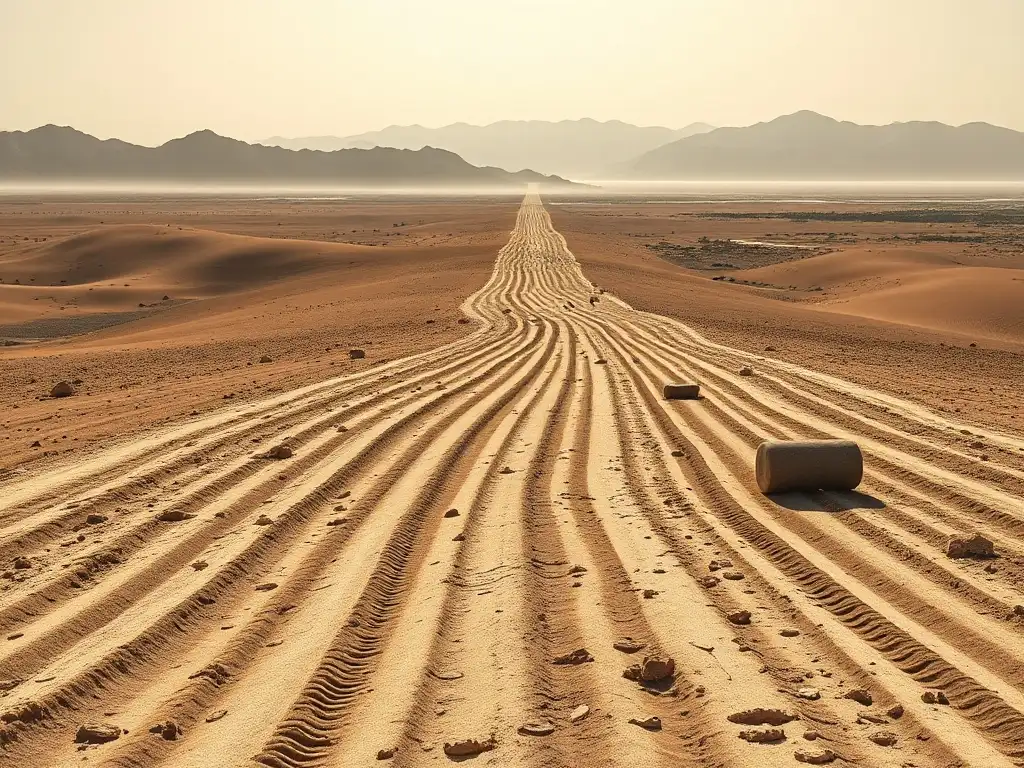
The creation of the Nazca Lines showcases remarkable engineering prowess, especially considering the challenging terrain. These massive geoglyphs, some stretching for kilometers, were etched into the desert surface, which is far from perfectly flat. The Nazca people expertly navigated undulating hills and subtle changes in elevation to maintain astonishingly straight lines. This wasn't simply a matter of drawing a line in the sand; it required precise planning and sophisticated surveying techniques. We can only speculate on the exact methods employed, but the sheer accuracy of the lines suggests a deep understanding of geometry and land surveying, far beyond what many assume of a "pre-industrial" society.
The lines' precision, even across uneven ground, points to the use of advanced tools or techniques for measurement and alignment. Some theories suggest the use of sighting tools, perhaps rudimentary versions of theodolites, or possibly even a system of markers placed at strategic points along the intended path. The ability to maintain such consistent straightness over such distances, across varied terrain, is a testament to their sophisticated understanding of spatial relationships and their ability to translate that understanding into tangible, monumental works of art. The lack of significant deviations from straightness in many of the lines suggests a high degree of planning and coordination amongst workers.
This level of precision speaks volumes about the organizational capabilities and engineering skill of the Nazca civilization. Further research and analysis are needed to fully unravel the secrets behind their precise land surveying methods. Perhaps future archaeological discoveries will uncover more evidence of the tools and techniques they employed. The challenge of accurately creating these lines on uneven terrain adds another layer of complexity and intrigue to the already mysterious Nazca Lines.
The Role of Surveying and Alignment in Nazca Line Construction
The impressive straightness of many Nazca lines implies a sophisticated understanding of surveying and alignment techniques. While we lack direct evidence of their specific surveying tools, the accuracy of the lines suggests they possessed methods for accurately measuring distances and angles. One theory proposes the use of simple sighting tools, perhaps using stakes or poles placed at regular intervals along the intended path. By aligning these markers, the Nazca could maintain a straight line even across undulating terrain.
Another possibility involves the use of a form of triangulation, using known points as reference markers to establish straight lines across greater distances. The lines' precision also suggests a deep understanding of geometry, allowing the Nazca to correct for minor deviations and maintain the overall integrity of the design. The scale of the project also implies a level of planning and coordination among a large workforce, perhaps suggesting the existence of some type of centralized planning authority responsible for overseeing the construction of the lines. The lines weren't created in isolation; their alignment relative to each other and to geographical features suggests a wider, more complex system of planning and execution.
This level of organization and precision in surveying and alignment stands as a remarkable achievement of Nazca engineering. The ability to translate this understanding into such massive-scale creations demonstrates their sophisticated knowledge and skillful application of practical geometric principles. The precise alignment of the lines, particularly in relation to celestial bodies, remains a subject of ongoing debate and research, further highlighting the sophistication of their understanding of astronomy and its integration into their culture and monumental artwork.
The Use of Simple Tools and Materials in Nazca Line Creation: A Closer Look
Despite the monumental scale of the Nazca Lines, their creation likely involved relatively simple tools and materials. The primary tool used was likely a sharpened stick or other similar implement for removing the dark surface layer of desert varnish, revealing the lighter-colored subsoil beneath. The scale of the project suggests a significant workforce, coordinating efforts to create these vast geoglyphs. While we lack explicit documentation, archaeologists believe that the Nazca utilized readily available natural resources, with minimal processing or technological intervention.
The process of removing the surface layer likely required considerable manual labor and coordination. The simplicity of the tools does not diminish the magnitude of the achievement. Instead, it highlights the ingenuity and skill of the Nazca people in utilizing readily available materials to create such striking and enduring works of art. The process was likely labor-intensive, requiring meticulous work over extended periods, showcasing the dedication and organizational skills of the Nazca civilization.
The remarkable precision achieved with these simple tools underscores the importance of human skill and planning in the creation of the Nazca Lines. Further research into the materials and tools used will contribute to a more comprehensive understanding of the technical aspects of their creation, shedding light on the efficiency and effectiveness of their methods. The simplicity of the tools used in no way diminishes the incredible scale and precision of the resulting geoglyphs.
The Nazca Lines: Beyond Simple Designs
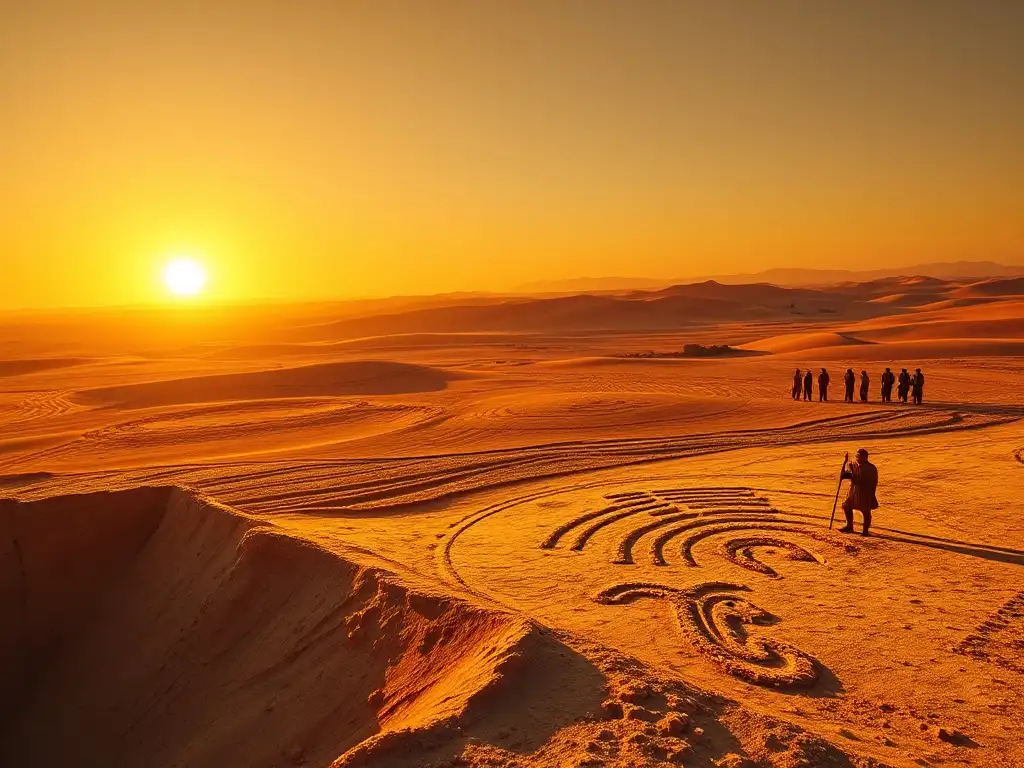
The Nazca lines, sprawling across the Peruvian desert, are far more complex than simple designs etched into the earth. Understanding their creation necessitates moving beyond the initial visual impression and delving into the diverse range of geoglyphs, their potential symbolic meanings, and the sophisticated techniques employed by the Nazca people. The sheer scale and precision of these creations—some stretching over a hundred meters—point to a highly organized society with advanced planning and engineering capabilities.
The "Nazca lines creation methods" employed demonstrate a remarkable understanding of the landscape and its properties. This section explores the multifaceted nature of these enigmatic figures and the sophisticated methods behind their construction. We will examine not only how they were created, but also why, moving beyond simple explanations towards a more nuanced understanding of their cultural significance.
Analyzing the Diversity of Nazca Geoglyphs: Hummingbird, Monkey, and Spider Motifs
The Nazca lines aren't simply a collection of random lines. They depict a wide variety of figures, including animals, plants, and geometric shapes. Among the most famous are the hummingbird, the monkey, and the spider. Each geoglyph exhibits unique characteristics in terms of size, complexity, and stylistic elements.
The hummingbird, for example, is characterized by its delicate details and intricate feather patterns. Its creation required a high degree of precision and a deep understanding of perspective. The scale alone is impressive, requiring careful planning and execution across a vast area. Conversely, the monkey geoglyph, while also detailed, presents a different set of challenges due to its more complex anatomy and the need to accurately represent its posture and features. The spider, with its multiple legs radiating outwards, represents a different kind of design challenge altogether, requiring meticulous placement of lines to create the desired effect.
These differences suggest that the creation of each geoglyph involved specific considerations and potentially different teams of artisans, each specializing in particular motifs or techniques. The variations in style also hint at a possible evolution in the Nazca lines creation methods over time, with techniques becoming more refined or adapting to different design requirements. Further research into the stylistic variations across different geoglyphs promises to yield a deeper understanding of the Nazca artistic process and social organization. The painstaking detail evident in each geoglyph speaks volumes about the dedication and skill of the Nazca artisans.
Ritual and Ceremony: Pilgrimage and Water Rituals
Beyond their artistic merit, the Nazca lines likely held significant ritual and ceremonial importance for the Nazca people. Evidence suggests that the lines might have served as pilgrimage routes, with specific geoglyphs marking important locations or stages along the journey. The Nazca's deep reverence for water, a scarce resource in the arid desert, further supports the theory of ritual significance.
Some scholars suggest that the lines were used in conjunction with water rituals, possibly related to prayers for rain or blessings for successful harvests. The lines’ locations near water sources, and their alignment with certain celestial events, could be interpreted as supporting this hypothesis. The intricate designs themselves may have represented deities or other important figures related to water and fertility. The creation of the geoglyphs themselves could have been part of a ritual process, with the act of carving the lines into the earth serving as a form of offering or prayer.
Further research is needed to fully understand the religious and ceremonial context of the Nazca lines. However, the available evidence strongly suggests that they were far more than mere artistic expressions; they were integral parts of the Nazca people's spiritual and social life. The precise methods used in their creation, therefore, were likely imbued with significant ritual meaning. The intricate and time-consuming nature of the work itself would have reinforced their sacred significance.
Astronomical Alignments and Nazca Geoglyphs: Solstice and Celestial Observations
The alignment of some Nazca geoglyphs with astronomical events, like the solstices and equinoxes, suggests that celestial observations played a crucial role in their creation and cultural significance. While not all geoglyphs show clear astronomical alignments, the presence of such alignments in some cases points to a sophisticated understanding of astronomy among the Nazca people. This astronomical awareness would have been crucial for agricultural planning and possibly for religious calendrical systems.
The precise measurements required to achieve these alignments indicate a considerable level of planning and engineering skill. The Nazca's mastery of surveying techniques, coupled with their astronomical knowledge, is a testament to their advanced understanding of geometry and the cosmos. The “Nazca lines creation methods” in these instances involved not only artistic skill but also a deep understanding of the celestial movements.
This suggests a close relationship between the Nazca's cosmology, their agricultural practices, and their artistic endeavors. The precise alignment of certain geoglyphs with the solstices or other celestial events could have served to mark important dates in their calendar or to enhance the ritual significance of those occasions.
Further research is necessary to fully elucidate the specific astronomical meanings and functions of these alignments. However, the evidence strongly suggests that the Nazca lines were not simply random designs but rather a carefully planned and deeply symbolic representation of their worldview.
Legacy and Preservation of the Nazca Lines
The Nazca Lines, a testament to the ingenuity and artistry of the Nazca people, face numerous challenges in the 21st century. Their preservation is crucial not only for understanding the Nazca culture but also for safeguarding a unique and irreplaceable piece of world heritage. The lines' fragility, coupled with the pressures of modern development and tourism, necessitates a multifaceted approach to ensure their long-term survival.
Understanding the methods employed in their creation helps us appreciate the scale of the undertaking and the delicate balance needed for preservation. The very techniques used – the careful removal of the dark desert varnish to reveal the lighter subsoil – indicate the need for careful management of factors that could erode or damage this exposed surface.
Protecting the Nazca Lines: Erosion, Tourism, and Development
The Nazca Lines are vulnerable to several threats. Natural erosion from wind and infrequent but intense rainfall gradually wears away the exposed lighter-colored earth, blurring the lines over time. This process is exacerbated by human activity. Uncontrolled tourism, including off-road driving and the construction of unauthorized access points, directly damages the fragile lines. Furthermore, development projects near the Nazca desert, such as road construction and agricultural expansion, can contribute to soil erosion and destabilize the surrounding environment.
The Peruvian government, along with international organizations, has implemented several measures to mitigate these threats. These include:
- Designated viewing areas: Restricting access to specific viewpoints helps to minimize damage caused by foot traffic and off-road vehicles.
- Improved infrastructure: Investing in better roads and access points reduces the need for visitors to stray from designated paths.
- Environmental monitoring: Regular monitoring of soil erosion and other environmental factors allows for early detection and intervention.
- Educational campaigns: Raising public awareness about the importance of preserving the Nazca Lines is crucial to changing visitor behavior.
Despite these efforts, significant challenges remain. Balancing the need for sustainable tourism with the imperative to protect the lines is a delicate act. Further research into erosion patterns and the development of innovative conservation techniques are essential for the long-term survival of this unique cultural heritage site.
The Nazca Lines in Contemporary Studies and Research
Modern research into the Nazca Lines utilizes a variety of techniques to enhance our understanding of their creation and purpose. Archaeological surveys continue to uncover new information about the Nazca civilization and their practices. Geophysical surveys, including ground-penetrating radar, provide insights into subsurface features that may be related to the lines.
Satellite imagery and aerial photography offer broader perspectives, enabling researchers to map the lines with greater accuracy and identify previously unknown features. The application of advanced imaging techniques, such as hyperspectral imaging, allows researchers to analyze the composition of the soil and gain a better understanding of the materials used in creating the lines. This data, combined with ethnohistorical studies and analyses of the Nazca people's social structures, beliefs, and rituals, offers a more holistic understanding of the lines’ significance.
The ongoing research continues to refine our understanding of the "Nazca lines creation methods," revealing new complexities and deepening the mystery surrounding their purpose. For example, recent studies have focused on the precision of the lines and the potential use of simple surveying tools by the Nazca people.
The Enduring Mystery and Significance of the Nazca Lines
Despite extensive research, the precise purpose of the Nazca Lines remains a subject of ongoing debate. While some believe they were primarily used for astronomical observations or ritual ceremonies, others suggest they served as markers for water sources or pathways. The sheer scale and complexity of the lines, coupled with the lack of written records from the Nazca civilization, makes definitive conclusions challenging.
Nevertheless, the Nazca Lines represent a remarkable achievement in ancient engineering and artistic expression. Their enduring mystery continues to captivate researchers and the public alike, fueling further investigation and inspiring a deeper appreciation for the ingenuity and cultural richness of the Nazca people. The lines stand as a powerful symbol of human creativity and the enduring legacy of a remarkable civilization.
Their continued existence is a testament to the importance of preservation efforts and the ongoing quest to understand the past. The mystery surrounding their creation, and indeed their very purpose, ensures the Nazca Lines will continue to fascinate and inspire for generations to come. Understanding the "Nazca lines creation methods" offers a crucial piece in unraveling this enduring enigma.
Frequently Asked Questions
How were the Nazca Lines actually created?
The precise methods remain debated, but evidence suggests the Nazca people used simple tools like stakes and ropes to outline the designs. They then removed the dark reddish topsoil, exposing the lighter subsoil to create the contrasting images.
What materials did the Nazca use to create the lines?
The Nazca primarily used simple tools and their own labor to create the lines. There's no evidence of advanced machinery. They cleared away the topsoil to reveal the lighter-colored earth beneath.
Why did the Nazca create the geoglyphs?
The exact purpose remains a mystery. Leading theories suggest they were part of religious rituals, ceremonial pathways, or possibly related to water management or astronomical observations.
What is the most accepted theory regarding the Nazca Lines' purpose?
While no single theory is universally accepted, the most popular suggests a combination of religious and ceremonial functions. The lines may have been used in ritual processions or to mark significant sites or events.
How were the Nazca Lines preserved for so long?
The arid desert climate of the Nazca region played a crucial role in their preservation. The lack of rainfall and vegetation helped to minimize erosion and keep the lines relatively intact for centuries.
Final Reflection: Unraveling the Enigma of the Nazca Lines
The meticulous artistry of the Nazca Lines continues to resonate today, a testament to the ingenuity and cultural depth of the Nazca people. Their creation, far from being a simple feat of engineering, represents a profound connection between humanity and the landscape, a connection that challenges our understanding of ancient civilizations and their capabilities. The methods employed, as explored throughout this article, highlight not only their technical prowess but also their deep spiritual beliefs and societal structures.
The enduring mystery surrounding the Nazca Lines serves as a powerful reminder of the limitations of our current knowledge and the richness of cultures lost to time. Their impact on our understanding of ancient South America is undeniable, sparking ongoing research and inspiring awe in generations. The Nazca Lines are a powerful symbol of the enduring human spirit, a testament to the ability of a civilization to leave an indelible mark on the world.
This quote encapsulates the profound impact these lines have had, not just on archaeology, but on our collective imagination.
Consider, for a moment, the sheer scale and precision of these geoglyphs. Imagine the collaborative effort, the unwavering dedication, and the deep-seated beliefs that fueled their creation. You, too, can carry this spirit of dedication and innovation into your own life. Let the Nazca Lines inspire you to pursue your passions with unwavering commitment, to appreciate the intricate beauty of the world around you, and to strive for excellence in all your endeavors. Let their legacy be a call to action, a reminder of the enduring power of human creativity and the importance of preserving our cultural heritage.
Uncover the Mysteries of the Nazca Lines Today!
Thank you for exploring the fascinating world of the Nazca Lines and the remarkable Nazca culture! Your interest helps illuminate one of history's most enduring mysteries. Let's delve deeper!
Here are some ways to continue your exploration:
- **Explore online resources**, such as virtual museum tours, to gain a deeper understanding of the Nazca Lines and their significance.
- Share this article with friends and family or on social media to spark discussion about these ancient wonders.
- Connect with fellow enthusiasts by joining a local history or archaeology society, or attending a relevant lecture or workshop.
What aspect of the Nazca Lines finds you most captivated, and how do you believe their creation reflects the spiritual beliefs and worldview of the Nazca people?