
Nazca Pottery and Daily Life: Vessels for Food, Water, and Storage

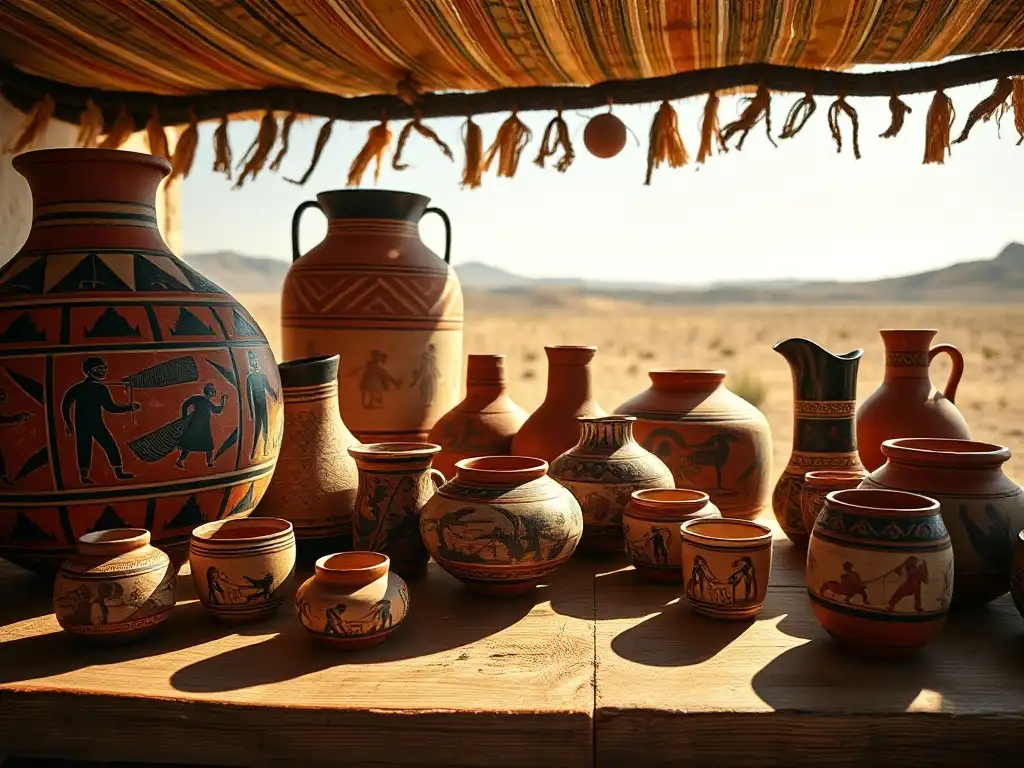
Step into a world lost to time, yet echoing with vibrant life. Imagine a landscape sculpted by ancient hands, where intricate designs whispered secrets across millennia. This is the realm of the Andean civilizations, and we invite you to uncover their astonishing legacy. But first, let's delve into the captivating world of Nazca pottery types and uses, revealing how these remarkable vessels shaped daily life and reflected the beliefs of this fascinating culture. Prepare to be amazed by the artistry and ingenuity of a civilization that continues to intrigue and inspire.
- Nazca Pottery and Daily Life: An Exploration of Vessels for Food, Water, and Storage
- Nazca Vessels for Food Preparation and Consumption
- Nazca Pottery for Water Management and Storage
- Specialized Nazca Pottery: Beyond the Everyday
- Decoration and Iconography on Nazca Pottery
- Nazca Pottery Techniques and Production Methods
- The Legacy of Nazca Pottery and its Influence
- Nazca Pottery: A Window into Daily Life and Beliefs
- Preserving and Studying Nazca Pottery Today
- Frequently Asked Questions
- Final Reflection: Echoes of a Lost Civilization in Humble Vessels
- Unveil the Secrets of Nazca Pottery and Enhance Your Daily Life!
Nazca Pottery and Daily Life: An Exploration of Vessels for Food, Water, and Storage
The Nazca civilization, flourishing along Peru's southern coast between 100 BCE and 800 CE, left behind a remarkable legacy: intricate geoglyphs etched into the desert floor and, equally impressive, a vast array of exquisitely crafted pottery. This article delves into the world of Nazca ceramics, exploring their diverse forms, functions, and the crucial role they played in the daily lives of this sophisticated pre-Columbian society. We will examine how these vessels, far from being mere decorative objects, served practical purposes related to food preparation, water storage, and the overall organization of domestic life.
Understanding Nazca pottery types and uses provides invaluable insight into their social structures, economic activities, and beliefs. This exploration will reveal how the artistry and functionality of these vessels reflect the ingenuity and resourcefulness of the Nazca people, contributing significantly to our understanding of their vibrant culture.
Introduction to Nazca Ceramics and Their Significance
Nazca pottery is renowned for its vibrant colors, intricate designs, and remarkable technical skill. Unlike many other ancient cultures, Nazca potters employed a highly developed slip-painting technique, layering multiple colors to create stunning polychrome effects. These weren't simply decorative pieces; the styles and motifs often reflected social status, religious beliefs, and even daily activities.
The sheer volume of pottery unearthed from Nazca sites underscores its importance in daily life. Archaeological evidence suggests that pottery production was a highly specialized craft, possibly organized within specific communities or workshops. The consistency in style and technique across vast regions indicates a level of social organization and cultural cohesion rarely seen in other contemporaneous societies.
The creation of Nazca pottery was not a simple task; it involved careful selection of clay, meticulous shaping, firing techniques, and the application of pigments derived from natural sources. The precision and artistry involved speak to the high value placed upon this craft. Furthermore, the survival of so many pieces – many remarkably intact – is a testament to the durability of the materials and techniques employed.
The Role of Pottery in Ancient Nazca Society
Pottery was integral to the social fabric of Nazca society, serving various essential functions beyond simple storage. For example, the types of vessels used for food preparation and consumption likely varied depending on social standing. Elaborately decorated vessels might have been reserved for elites or special occasions, while simpler, utilitarian pieces served the needs of the broader population.
The presence of specific motifs or iconography on certain vessels could indicate their intended use or the social status of their owner. Furthermore, the size and shape of the vessels offer clues about food storage and preservation techniques. Larger jars, for instance, may have been used for storing grains or other staples, while smaller bowls and cups were likely used for daily meals.
Beyond their domestic roles, certain pottery pieces might have been used in religious ceremonies or rituals, further highlighting their multifaceted importance. The discovery of pottery fragments in tombs also suggests that these vessels held symbolic significance in funerary practices, possibly reflecting beliefs about the afterlife.
Nazca Pottery Types and Uses: A Functional Classification
Categorizing Nazca pottery solely by its decorative style can be misleading, as form often dictated function. A functional classification reveals a fascinating array of specialized vessels. We can identify several key types:
| Pottery Type | Description | Primary Use(s) |
|---|---|---|
| Large Storage Jars | Tall, wide-mouthed vessels, often with handles. | Storing grains, liquids, and other staples. |
| Stirrup-spouted Jars | Distinctive spout resembling a stirrup. | Water storage and transport; possibly ritualistic. |
| Bowls and Plates | Varied sizes and shapes. | Food preparation, serving, and consumption. |
| Cups and Goblets | Smaller vessels, often elegantly decorated. | Drinking vessels, possibly for ceremonial use. |
| Figurines | Small, sculpted vessels in human or animal form. | Possibly ritualistic or votive offerings. |
Analyzing the size, shape, and decorative motifs of these different types allows us to reconstruct aspects of Nazca daily life with greater accuracy. For example, the presence of multiple large storage jars in a single dwelling could indicate a family's wealth or social standing. The prevalence of stirrup-spouted jars points to the importance of water management in this arid region.
The diversity of bowl and plate shapes suggests a varied diet and culinary practices. The discovery of vessels with specific designs used in association with certain activities further strengthens our understanding of their cultural significance. Further research and analysis of existing collections will undoubtedly shed more light on the intricate relationship between Nazca pottery types and their daily uses.
Nazca Vessels for Food Preparation and Consumption
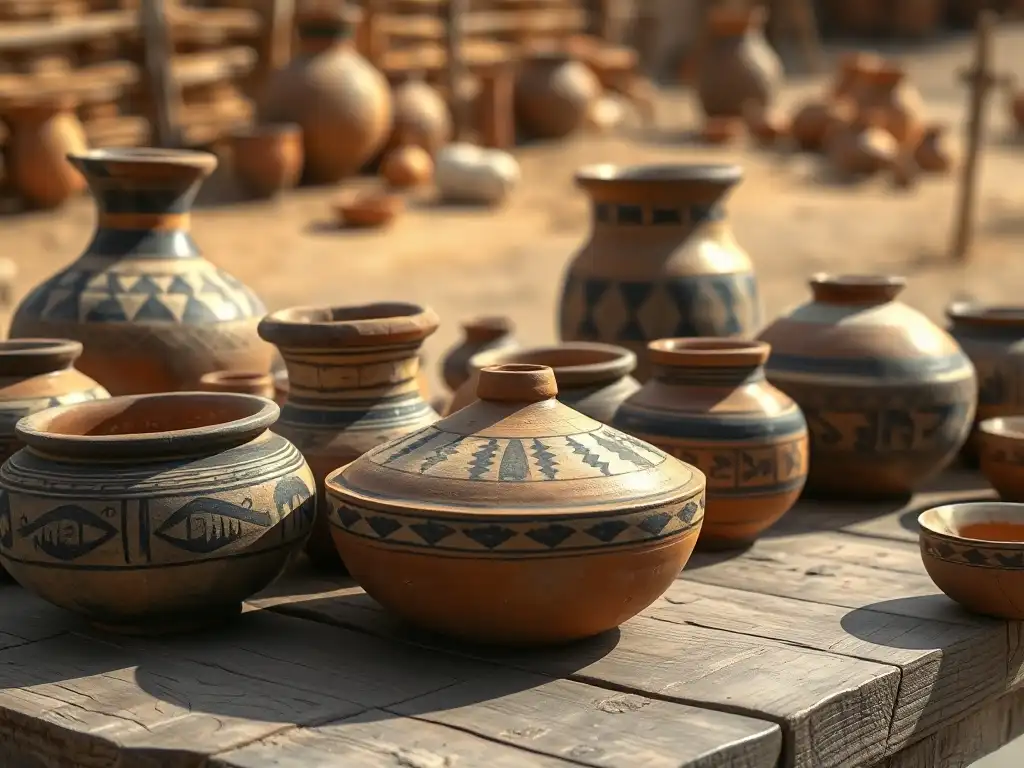
This section delves into the fascinating world of Nazca pottery used for food preparation and consumption, revealing insights into their daily lives and culinary practices. Analyzing the types and styles of vessels provides a window into the social structure and dietary habits of this remarkable civilization. The intricate designs and varying sizes of the pottery reflect not only artistic skill but also functional needs and social hierarchies. Understanding the "Nazca pottery types and uses" is key to unlocking a deeper understanding of their society.
Plates and Bowls: The Daily Meal in Nazca Culture
Nazca plates and bowls, often characterized by their relatively shallow depth and wide diameter, were the everyday tableware of the Nazca people. These vessels, frequently decorated with vibrant polychrome designs depicting stylized animals, plants, and geometric patterns, served as the primary tools for consuming meals. Analysis of residue found within these bowls in archaeological excavations reveals a diverse diet, including maize, beans, squash, and various types of seafood.
The size and quantity of plates and bowls found in different contexts – such as domestic dwellings versus elite tombs – suggests variations in dietary access and social status. For example, larger, more elaborately decorated bowls were frequently found in elite contexts, hinting at a higher standard of living and possibly the consumption of more prestigious foods.
Smaller, simpler bowls were more common in everyday settings. The sheer number of these vessels discovered demonstrates the importance of eating and communal dining in Nazca society.
Cooking Pots and Their Importance in Nazca Cuisine
Cooking pots represent a crucial aspect of Nazca pottery types and uses. These vessels, typically larger and more robust than plates and bowls, were essential for preparing food. Their thicker walls and wider bases were designed to withstand high temperatures and the stresses of cooking over an open fire.
Archaeological evidence suggests that Nazca cooking pots were used for a variety of culinary techniques, including boiling, stewing, and possibly even roasting. The diverse shapes and sizes of these pots indicate that Nazca cuisine involved a range of dishes prepared using different methods and ingredients. Some pots feature spouts or handles, suggesting specific functionalities related to pouring or lifting.
The discovery of partially charred food remains inside some cooking pots has offered valuable insights into the types of food prepared and consumed. This analysis, coupled with botanical and faunal remains found at the same sites, paints a clearer picture of Nazca culinary practices.
Serving Vessels: Presentation and Communal Feasts
Beyond everyday tableware, Nazca pottery included a range of serving vessels used for communal feasts and ritual ceremonies. These vessels, often larger and more elaborately decorated than those used for daily consumption, played a significant role in social gatherings and religious rituals. Their ornate designs and careful craftsmanship suggest their importance in communicating social status and power.
Some serving vessels are characterized by their unique shapes and features, including multiple compartments, spouts, and lids. These features may have been used to serve different types of food or beverages simultaneously or to keep food warm or fresh. The presence of these elaborate serving vessels in tombs and ceremonial contexts points to their use in important social and religious events.
The sheer size and quantity of some of these vessels indicate that feasting was a significant aspect of Nazca culture, potentially serving to strengthen social bonds and reinforce social hierarchies. Further study of these "Nazca pottery types and uses" promises to further illuminate the complex social dynamics of this fascinating civilization. The meticulous artistry displayed in these vessels underscores the importance of food and drink in their cultural and religious practices.
Nazca Pottery for Water Management and Storage
The arid climate of the Nazca region presented significant challenges to its inhabitants. Water scarcity was a constant concern, impacting daily life and necessitating ingenious solutions for its acquisition, storage, and transport. Nazca pottery played a crucial role in overcoming these limitations, evolving into sophisticated tools for water management and resource preservation.
Understanding the different types of Nazca pottery used for water and storage reveals much about the ingenuity and adaptability of this remarkable civilization. The analysis of these vessels, their designs, and their distribution provides valuable insights into the daily lives and societal structures of the Nazca people. This section will delve into the specific types of pottery used for water management and storage, highlighting their unique features and functionalities.
Water Jars and Their Design Adaptations for Storage
Nazca water jars, often characterized by their large size and distinctive shapes, are prime examples of the civilization's mastery of ceramic technology. These weren't simply containers; their designs were meticulously adapted to optimize water storage and minimize evaporation in the harsh desert climate. Many water jars were crafted with narrow necks and wide bodies, a design that minimized surface area exposed to the sun, thereby reducing evaporation. The use of specific clays and firing techniques also contributed to their durability and watertightness.
Archaeological evidence suggests that some jars were even coated with a resinous substance to further enhance their water-retaining capabilities. Furthermore, the size of these jars varied considerably, reflecting different needs from personal use to communal storage. Smaller jars, perhaps for individual use, were common, while significantly larger examples, weighing hundreds of pounds, suggest communal storage within households or even larger structures.
The presence of painted decorations on some jars, ranging from simple geometric patterns to complex figurative scenes, also indicates their importance and possibly their role in social status or ritual practices. Analyzing the chemical composition of the clay and the residue found within these jars could provide further insights into the type of water stored and the potential presence of other substances. [Specific chemical analysis data pending].
Storage Vessels: Preserving Resources in the Arid Nazca Environment
Beyond water, the arid Nazca environment demanded efficient storage solutions for food and other essential resources. Various types of Nazca pottery served this purpose. Large, wide-mouthed jars were used for storing grains, beans, and other agricultural products, ensuring their preservation for extended periods. The design of these vessels, with their broad openings and robust construction, facilitated easy access and minimized spoilage.
Smaller, sealed containers were used to store spices, oils, and other valuable commodities. The diversity of shapes and sizes reflects the variety of goods stored, suggesting a complex system of resource management within Nazca society. The presence of lids on many of these vessels further emphasizes their function in preserving stored goods from the elements and pests.
Analysis of the contents of these storage vessels, when found intact, provides direct evidence of the Nazca diet and their agricultural practices. [Specific data on the contents of excavated storage vessels pending]. The careful organization and storage of resources, as evidenced by the specialized pottery, highlights the sophisticated logistical capabilities of the Nazca civilization, crucial for their survival in a challenging environment.
Transportation of Water Using Nazca Ceramic Vessels
The transportation of water in the Nazca region presented another significant logistical hurdle. While canals and other irrigation systems were used, the ceramic vessels played a vital role in supplementing these larger-scale systems. Smaller, more portable jars, often equipped with handles or carrying straps (though evidence of straps is largely inferred from wear patterns rather than direct observation), facilitated the movement of water from sources to homes and fields.
These jars, while smaller than the storage vessels, were still substantial in size, suggesting that water transport was often a collaborative effort. The design of these jars, often featuring sturdy bases and robust handles, indicates that they were designed to withstand the rigors of transport. The distribution patterns of these vessels, as revealed through archaeological excavations, offer clues about the water sources used by Nazca settlements and the patterns of water distribution within the society.
The analysis of these patterns can illuminate the societal structures and resource management strategies of the Nazca people. Furthermore, the relative scarcity of these smaller, transport-oriented vessels compared to the large storage jars could suggest the existence of more efficient, albeit less archaeologically visible, methods of transporting water over longer distances. [Further research on transportation methods and distribution patterns is needed].
Specialized Nazca Pottery: Beyond the Everyday
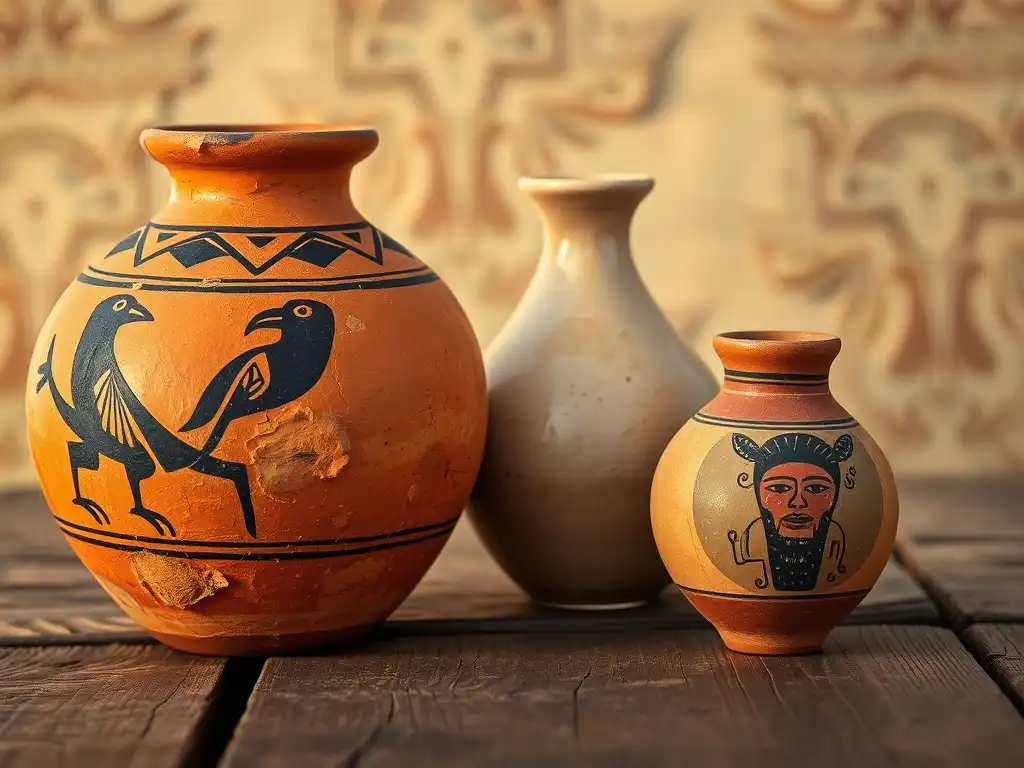
The Nazca people, renowned for their enigmatic geoglyphs, also possessed a sophisticated ceramic tradition extending far beyond the utilitarian vessels used for daily life. Their pottery reveals a complex society with intricate religious beliefs, a vibrant artistic culture, and a deep understanding of their environment. Analyzing the diverse types of Nazca pottery and their uses provides invaluable insight into their social structures, rituals, and worldview.
This section will explore some of the specialized types of Nazca pottery, moving beyond the common food and water jars. Understanding these specialized forms allows us to gain a richer appreciation of the Nazca civilization's artistry and beliefs. The range of Nazca pottery types and uses is astonishingly broad, demonstrating both technical skill and symbolic depth.
Burial Offerings: Ceramic Vessels as Ritual Objects
Many Nazca ceramic vessels weren't intended for everyday use. A significant portion of the surviving pottery was found in tombs, serving as grave goods accompanying the deceased. These burial offerings frequently included miniature vessels, sometimes depicting scenes of daily life or mythological figures.
The inclusion of these objects suggests a belief in the afterlife, with the vessels providing sustenance or companionship for the departed. Analysis of these burial contexts reveals patterns; certain types of vessels are more common in specific types of burials, suggesting variations in social status or ritual practice. For instance, elaborately painted vessels with complex iconography were often associated with elite burials, while simpler vessels were found in more common graves.
The meticulous craftsmanship and symbolic imagery found on these burial vessels underscore their importance as ritual objects, not just simple containers. The care taken in their creation and placement indicates a deep respect for the deceased and a belief in the continued significance of these objects in the afterlife.
Musical Instruments: Whistles and Ocarinas in Nazca Pottery
A fascinating aspect of Nazca pottery is the creation of musical instruments. Whistles and ocarinas were frequently integrated into the design of vessels, often taking the form of anthropomorphic or zoomorphic figures. These weren't merely decorative additions; they were functional instruments used in ceremonies and rituals.
The sounds produced by these instruments, combined with their often-vibrant painted decorations, likely played a significant role in religious practices. The variety in design and size suggests a range of sounds and perhaps different musical roles within rituals. Archaeological evidence suggests that these instruments were used to accompany religious ceremonies, dances, or possibly even shamanistic practices.
The discovery of these instruments provides compelling evidence of the sophisticated musical culture of the Nazca people, a facet often overlooked in discussions of their art and technology. The intricate design and functionality of these musical vessels highlight the multifaceted nature of Nazca pottery and its significant role in their cultural practices.
Elaborate Ceremonial Vessels: Reflecting Nazca Beliefs
Beyond burial offerings and musical instruments, large-scale ceremonial vessels represent another significant category of specialized Nazca pottery. These vessels, often characterized by their impressive size and intricate polychrome painting, depict complex mythological scenes, deities, and ritual events. Their detailed iconography provides invaluable insights into Nazca cosmology and religious beliefs.
The themes depicted, such as stylized deities, mythical creatures, and scenes of ritual sacrifice, suggest a sophisticated religious system with a pantheon of gods and elaborate rituals. The scale and complexity of these vessels demonstrate both the technical skill of the Nazca potters and the importance of religion in their society. The sheer volume of these ceremonial vessels found in archaeological sites underscores their central role in religious life.
These artifacts serve as tangible representations of Nazca beliefs, providing a window into a vibrant and complex spiritual world. Studying these vessels allows us to interpret their symbolic language and gain a better understanding of the Nazca worldview. The meticulous detail and artistry evident in these pieces confirm the high level of skill and importance placed upon these ceremonial objects.
Decoration and Iconography on Nazca Pottery
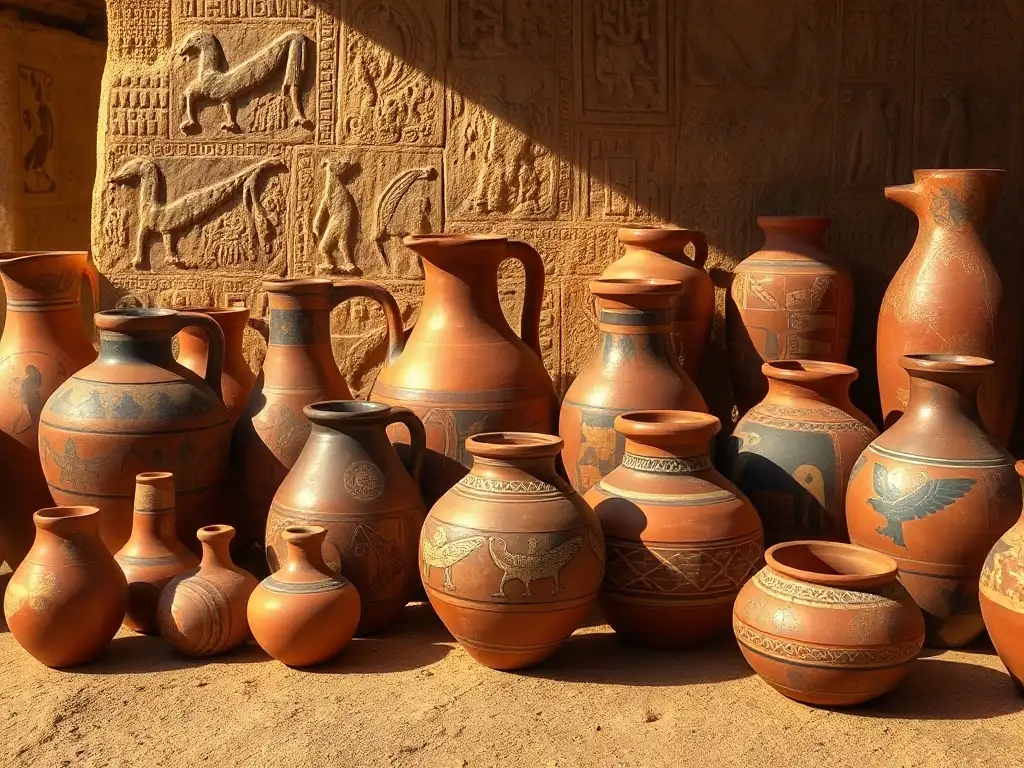
The vibrant and intricate decoration of Nazca pottery is a hallmark of the civilization, providing invaluable insights into their beliefs, daily life, and social structures. Analyzing the types and uses of Nazca pottery reveals a complex system of visual communication, far beyond simple functionality. The vessels themselves, whether for food, water, or storage, served as canvases for expressing cultural narratives and individual artistry. The sheer variety of styles and motifs found across different Nazca pottery types and uses reflects a dynamic and evolving artistic tradition. Understanding this decoration is crucial to understanding Nazca society itself.
Common Motifs and Symbolic Meanings in Nazca Art
Nazca pottery is renowned for its stunning polychrome designs, featuring a diverse range of motifs. Common recurring themes include stylized representations of plants and animals, often depicted with a high level of detail and realism. Geometric patterns, such as zigzags, triangles, and spirals, are also prevalent, sometimes interwoven with figurative imagery. The symbolic meanings behind these motifs are still being debated by scholars, but several interpretations have emerged.
For instance, the frequent depiction of hummingbirds is often linked to shamanic practices and spiritual beliefs. The hummingbird, with its swift movement and ability to hover, was likely seen as a connection between the earthly and spiritual realms. Similarly, depictions of stylized jaguars, snakes, and other animals might represent deities, ancestors, or powerful forces in the Nazca worldview.
The prevalence of certain motifs in specific contexts (e.g., a particular animal appearing more frequently on vessels associated with ritual practices) offers further clues to their symbolic significance. Detailed analysis of the arrangement and interaction of different motifs on the same vessel also provides valuable insights. Further research is needed to fully understand the complex interplay of symbolism in Nazca art, but the available evidence suggests a rich and nuanced system of visual communication.
Polychrome Decoration and the Use of Natural Pigments
The polychrome style of Nazca pottery is a testament to the sophisticated technological capabilities of the civilization. Artists employed a wide range of natural pigments derived from minerals, plants, and insects to create a dazzling array of colors. These pigments were meticulously ground and mixed to achieve the desired hues, and applied with remarkable precision. The process involved multiple firings to ensure the permanence and vibrancy of the colors. The mastery of this technique is evident in the subtle gradations and intricate details found in many Nazca pottery pieces.
Common pigments included various shades of red, orange, yellow, brown, black, and white, sometimes combined to create more complex colors. The sources of these pigments have been identified in several cases, revealing the extensive trade networks that supplied the raw materials for this artistic endeavor. Analysis of pigment composition using techniques like X-ray fluorescence (XRF) spectroscopy continues to provide valuable information about the materials and techniques employed by Nazca artisans.
The consistent quality and variety of colors across different Nazca pottery types and uses suggest a well-established and standardized production process. The ability to produce such vibrant and long-lasting colors is a testament to the sophisticated knowledge of chemistry and materials science possessed by the Nazca people.
The Evolution of Nazca Pottery Decoration Over Time
The decorative styles of Nazca pottery did not remain static. Scholars have identified several distinct phases in the evolution of Nazca pottery decoration, each characterized by its own unique stylistic features. These phases reflect changes in artistic conventions, technological advancements, and potentially broader shifts in social and cultural structures. Early Nazca pottery often features simpler designs, with a greater emphasis on geometric patterns. As the civilization developed, the complexity and detail of the designs increased, with more elaborate figurative representations and a wider range of color palettes.
Later Nazca pottery displays a mastery of perspective and three-dimensionality, with figures depicted in a more naturalistic and dynamic style. The evolution of decorative styles is not always linear; some features may reappear or be adapted over time. The study of these stylistic changes allows researchers to establish chronologies and better understand the cultural development of the Nazca civilization.
Further research, particularly involving detailed stylistic analysis of large collections of Nazca pottery, is necessary to refine our understanding of this fascinating evolution. The careful documentation and comparison of different pottery styles from various archaeological sites are crucial for tracing the development of Nazca artistic traditions and their relationship to broader societal changes. By examining the evolution of Nazca pottery types and uses, we gain a deeper understanding of this remarkable culture.
Nazca Pottery Techniques and Production Methods
The remarkable artistry and functionality of Nazca pottery are intrinsically linked to the sophisticated techniques employed in its production. Understanding these methods provides crucial insights into the daily lives and societal structures of the Nazca people. From the careful selection of clay to the precise firing processes, each step reflects a deep understanding of materials and a dedication to craftsmanship. This section delves into the key techniques used in creating the diverse range of Nazca pottery types and uses, revealing the ingenuity and skill of these ancient artisans.
Clay Sourcing and Preparation in the Nazca Region
The Nazca artisans were meticulous in their selection of raw materials. Clay sourcing was likely a community effort, with specific locations known for their high-quality clays. Geological surveys of the Nazca region indicate a variety of clay deposits, each offering unique properties in terms of texture, color, and plasticity. The choice of clay would have directly influenced the final characteristics of the pottery, impacting its strength, porosity, and even its color after firing.
The preparation of the clay involved a multi-stage process. Initially, the raw clay would have been carefully cleaned of impurities such as stones and organic matter. Then, it would have undergone tempering – the addition of other materials like sand, crushed rock, or shell fragments – to improve its workability and reduce cracking during drying and firing. The precise tempering agents varied depending on the desired qualities of the final product.
For example, the addition of sand would have resulted in a more porous vessel, suitable for storing certain foods or liquids. This careful control over the clay's composition demonstrates a sophisticated understanding of material science. Further research is needed to determine the exact sourcing locations and tempering recipes used by Nazca potters. Detailed analysis of surviving pottery shards, combined with geological surveys, could provide more specific information on this vital aspect of Nazca pottery production.
Hand-Building and Molding Techniques
Nazca potters employed a variety of techniques to shape their vessels, ranging from simple hand-building methods to more complex mold-making processes. Hand-building, particularly the coil method, was likely used for simpler forms and smaller vessels. This involved rolling out coils of clay and carefully joining them together to create the desired shape, smoothing the surface to create a seamless finish.
More elaborate pieces, particularly those featuring intricate designs or complex forms, were likely created using molds. These molds, possibly made from wood or other readily available materials, allowed for the mass production of standardized shapes and sizes. Evidence suggests that two-piece molds were used, with the vessel being formed by pressing the clay into the mold and then carefully removing it once dry enough to hold its shape.
The use of molds not only increased efficiency but also allowed for the creation of highly consistent and detailed vessels. The precision evident in many Nazca ceramic pieces is a testament to the skills of the artisans and the effectiveness of their techniques. Further study of surviving molds, if any are discovered, could provide more insight into the exact methods used.
Firing Methods and the Creation of Durable Ceramics
The final stage of Nazca pottery production involved firing, a critical process that transformed the clay into durable ceramics. While the precise firing techniques employed remain a subject of ongoing research, evidence suggests that open-air firing was the most common method. This involved building a bonfire, placing the pottery within the fire, and carefully controlling the temperature and duration of the firing process.
The firing temperature would have been crucial in determining the final properties of the pottery. Too low a temperature would result in a weak and porous vessel, while too high a temperature could lead to cracking or deformation. The skilled Nazca potters would have had a deep understanding of the relationship between firing temperature and the properties of the clay, allowing them to create pottery that was both strong and aesthetically pleasing.
The creation of the characteristic red-slipped surfaces on much Nazca pottery suggests carefully controlled oxidation during firing. Further investigation into the chemical composition of different Nazca pottery types could reveal more precise details on firing temperatures and atmospheres used by the Nazca artisans.
The careful control over these processes ensured that the resulting vessels were durable enough to withstand daily use for centuries. The longevity of many surviving Nazca pottery pieces is a testament to the effectiveness of their firing techniques.
The Legacy of Nazca Pottery and its Influence
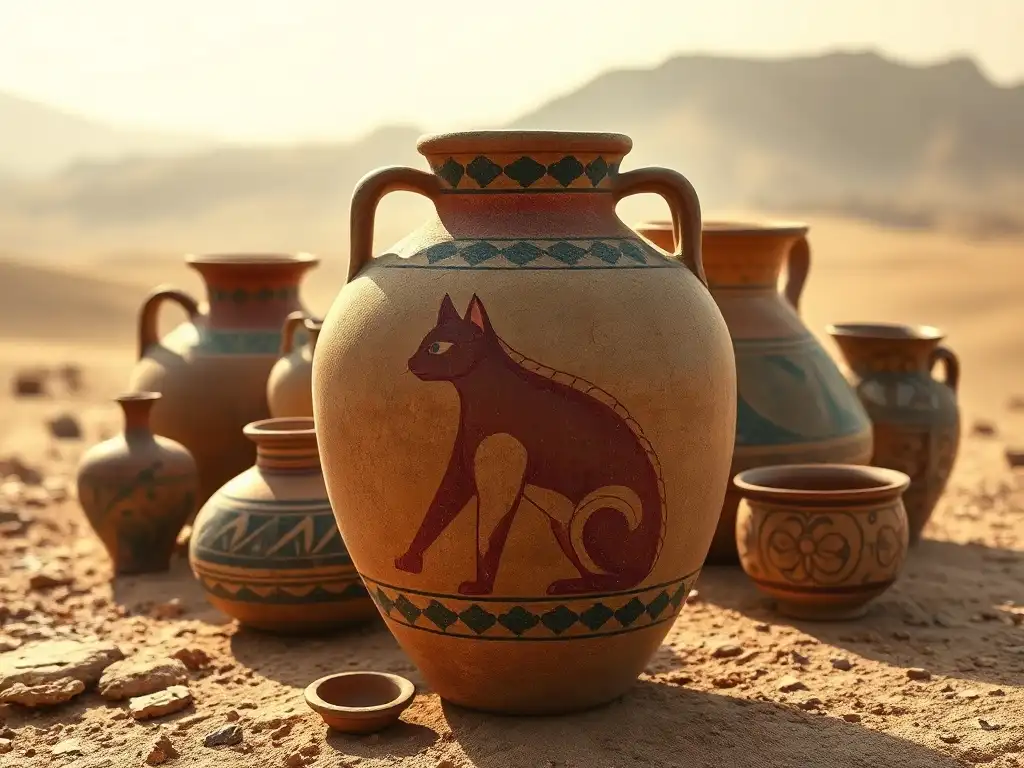
The artistry and technical skill evident in Nazca pottery left an undeniable mark on subsequent Andean cultures. While the Nazca civilization itself thrived from roughly 100 CE to 800 CE, the distinctive styles and techniques they developed continued to inspire and influence potters for centuries. The vibrant polychromy—the use of multiple colors—achieved through a sophisticated slip-and-paint technique, became a hallmark of later Andean ceramic traditions. This is particularly evident in the pottery of the Wari and Tiwanaku cultures, who adopted and adapted Nazca stylistic elements, albeit with their own unique regional variations.
The Impact of Nazca Ceramics on Later Andean Cultures
The influence of Nazca pottery is not solely aesthetic. The advanced techniques used in Nazca ceramic production, such as the use of molds for mass production of certain vessel forms and the precise application of paint, were likely passed down and refined by subsequent cultures. Archaeological evidence suggests a continuous evolution of ceramic styles, with later cultures building upon the foundations laid by their Nazca predecessors.
For example, the intricate depictions of flora and fauna, a characteristic feature of Nazca pottery, can be traced in modified forms in the ceramics of the later Ica and Chincha cultures. This cultural continuity highlights the enduring legacy of Nazca ceramic technology and artistic expression. The development of these techniques likely involved a complex process of apprenticeship and knowledge transmission across generations, ensuring the survival and evolution of these crucial crafts.
Further research is needed to fully understand the extent of this technological exchange between the Nazca and later cultures. Analysis of pottery clay sources and stylistic comparisons can shed more light on this fascinating aspect of Andean cultural history.
Nazca Pottery: A Window into Daily Life and Beliefs
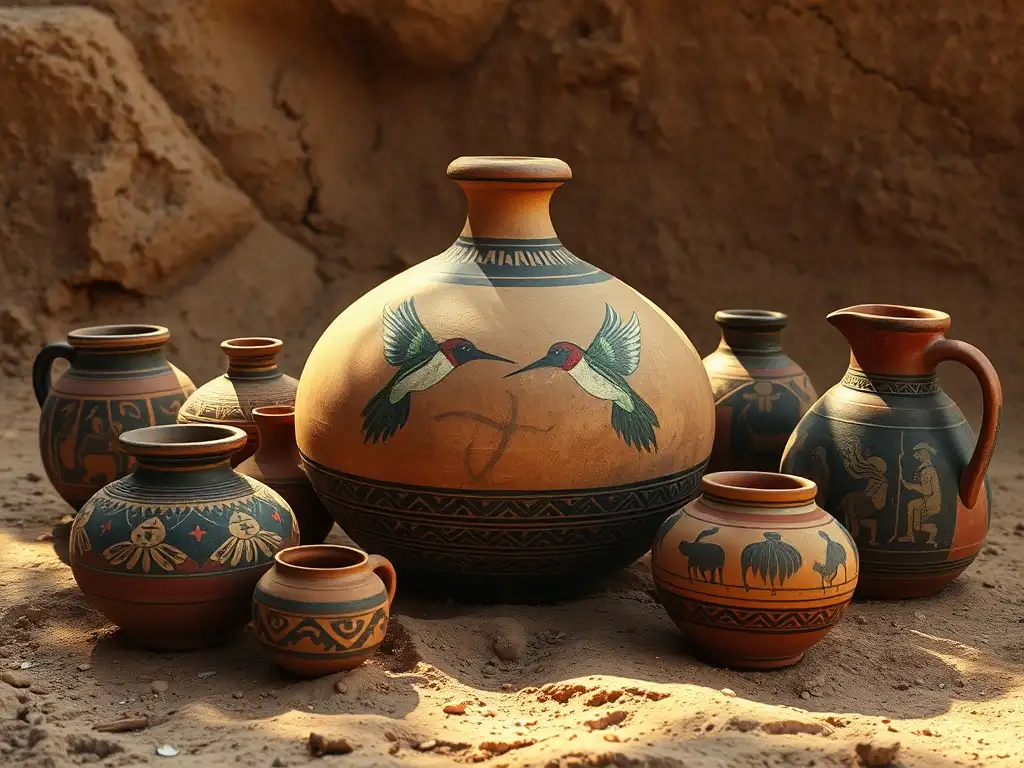
Nazca pottery provides invaluable insights into the daily lives and spiritual beliefs of this remarkable civilization. The types of vessels produced reveal much about their diet, social structures, and religious practices. The sheer variety of forms—from large storage jars to small, delicately painted drinking vessels—indicates a sophisticated understanding of ceramic technology and its diverse applications.
Nazca Pottery: A Window into Daily Life and Beliefs
Analysis of Nazca pottery reveals a society deeply connected to its environment. Depictions of plants, animals, and agricultural activities are common, suggesting the importance of agriculture and resource management in their daily lives. The frequent presence of stylized human figures, often engaged in activities such as fishing or hunting, provides glimpses into their social organization and economic activities.
Some vessels depict scenes of ritual or ceremonial practices, offering valuable clues to their religious beliefs and worldview. These scenes, often featuring shamanistic figures or mythological creatures, provide a rich tapestry of information about their cosmology and spiritual practices. The careful study of these images, combined with other archaeological findings, allows researchers to reconstruct a more comprehensive understanding of Nazca society and culture.
The detailed representations found on Nazca pottery frequently include intricate depictions of mythological beings and scenes that seem to relate to religious rituals. These details, often painted with vibrant colors and fine lines, offer a window into the spiritual world of the Nazca people and their understanding of the cosmos. For example, the recurring motif of the hummingbird, a creature associated with fertility and rebirth in many Andean cultures, is a prominent feature in many Nazca vessels.
These representations suggest that the pottery was not merely functional but also served a symbolic purpose, acting as a vehicle for expressing religious and cosmological ideas. The careful study of these symbols and their context within the broader cultural landscape is crucial for unraveling the complexities of Nazca religious beliefs.
Preserving and Studying Nazca Pottery Today
The fragility of Nazca pottery requires careful preservation and conservation efforts. The arid climate of the Nazca region has, in many ways, aided in the preservation of these artifacts; however, exposure to the elements and human handling can cause significant damage.
Preserving and Studying Nazca Pottery Today
Museums and research institutions play a crucial role in preserving and studying Nazca pottery. Careful curation, including climate-controlled storage and minimal handling, is essential to protect these fragile artifacts from deterioration. Advanced imaging techniques, such as X-ray fluorescence (XRF) and multispectral imaging, are used to analyze the pigments and materials used in the creation of the pottery, providing valuable insights into the techniques and materials used by Nazca artisans.
Furthermore, ongoing archaeological excavations continue to unearth new examples of Nazca pottery, expanding our understanding of this remarkable civilization and its artistic achievements. The meticulous documentation of these findings, along with the careful analysis of existing collections, is crucial for preserving and disseminating knowledge about Nazca pottery for future generations. This interdisciplinary approach, combining archaeological fieldwork with scientific analysis and careful conservation practices, ensures the long-term preservation of this invaluable cultural heritage.
The ongoing work of researchers and conservators guarantees that the legacy of Nazca pottery will continue to inspire and educate for years to come. The study of Nazca pottery types and uses continues to be a dynamic and evolving field, with new discoveries and analytical methods constantly refining our understanding of this ancient civilization.
Frequently Asked Questions
What types of pottery did the Nazca create?
The Nazca produced a wide variety of pottery, including stirrup-spouted jars, double-spouted vessels, and plain bowls. These varied greatly in size and decoration, reflecting their diverse uses.
What were the primary uses of Nazca pottery?
Nazca pottery served many purposes. Ceremonial uses were common, but they were also crucial for storing food and water, and everyday domestic activities.
How did the Nazca decorate their pottery?
Nazca pottery is renowned for its vibrant polychrome painting. They used a variety of colors and intricate designs, often depicting mythological figures, animals, and plants.
What materials did the Nazca use to make their pottery?
Nazca potters primarily used clay sourced locally. They skillfully shaped and fired this clay to create durable vessels, often using different techniques depending on the desired form and function.
Where can I learn more about Nazca pottery and its significance?
To delve deeper into Nazca pottery, explore museums with Andean collections and reputable academic sources online. Books and articles dedicated to Nazca culture also offer valuable insights.
Final Reflection: Echoes of a Lost Civilization in Humble Vessels
The intricate artistry of Nazca pottery isn't merely a relic of the past; it's a vibrant testament to the ingenuity and daily lives of a sophisticated civilization. Understanding their pottery types and uses offers a profound window into their social structures, agricultural practices, and spiritual beliefs, a window that remains remarkably clear even millennia later. These aren't just fragments of clay; they are echoes of a society that thrived in a harsh landscape, leaving behind a legacy of beauty and resilience.
The enduring fascination with Nazca pottery speaks volumes about our own human need to connect with the past, to understand the lives and struggles of those who came before us. Their artistic skill, evident in the vibrant colors and detailed imagery, continues to inspire awe and wonder. The past is never dead. It's not even past.
– William Faulkner. This quote rings especially true when considering the enduring power of these ancient vessels to speak to us across the vast expanse of time, reminding us of our shared humanity. The meticulous craftsmanship and the everyday functionality of these pieces reveal a deep connection between art and life, a connection we can still appreciate and learn from today.
Consider the implications of this connection. How do the objects we use daily reflect our own values and beliefs? What stories will our own artifacts tell future generations?
Take a moment to reflect on the enduring power of craftsmanship and the importance of preserving our cultural heritage. By understanding the Nazca's legacy, we gain a deeper appreciation for the rich tapestry of human history and the enduring power of art to transcend time and connect us to the past. Let the vibrant colors and intricate designs of Nazca pottery inspire you to appreciate the beauty and significance of the everyday objects that surround you, and to consider the stories they will one day tell.
Unveil the Secrets of Nazca Pottery and Enhance Your Daily Life!
Thank you for joining us on this fascinating journey through the world of Nazca pottery and its integral role in daily life. We hope you've discovered valuable insights into these remarkable vessels and their connection to ancient practices. Now, let's put this knowledge into action!
Here are a few ways you can enrich your understanding and appreciation of Nazca culture:
- Explore local artisan markets or museums to discover pottery inspired by ancient Nazca designs. Support local craftspeople and bring a piece of history into your home!
- Create your own pottery. Whether you try sculpting, painting, or glazing, unleash your creativity and experience the satisfaction of creating art in the spirit of the ancient Nazca people.
- Share your newfound knowledge! Discuss this article with friends or family, or share your thoughts on social media to spark conversations about ancient techniques and their continuing relevance.
How will you incorporate Nazca-inspired pottery into your life? We'd love to hear your ideas!