
Andean Battle Formations: Organization and Discipline on the Field

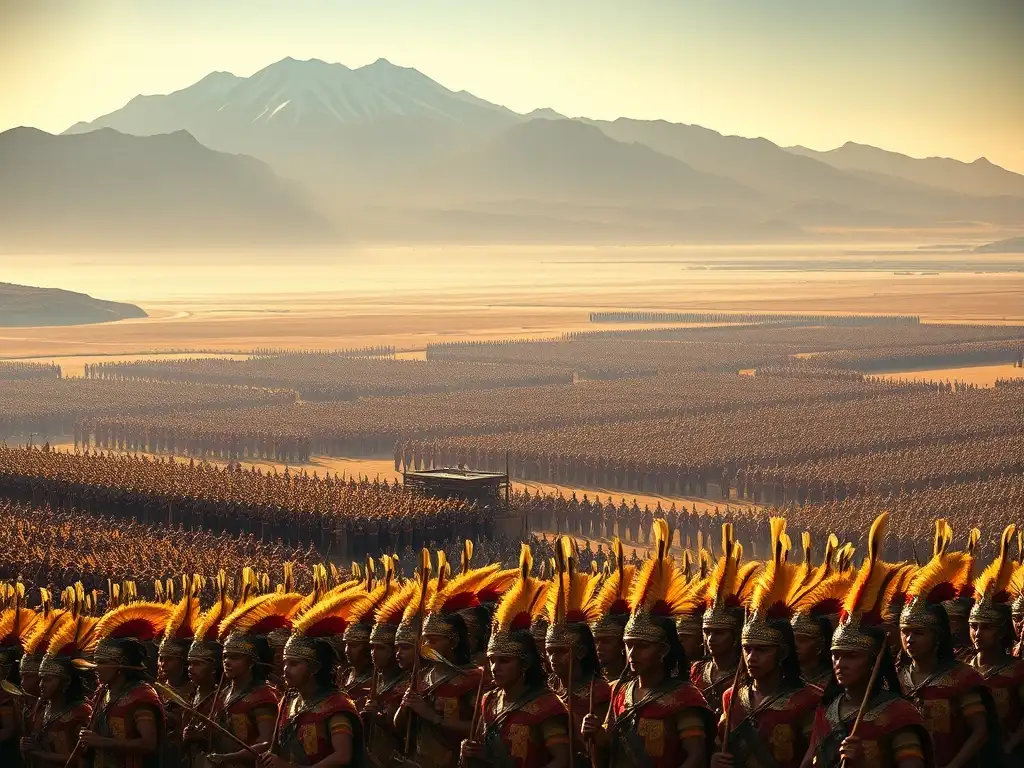
Step into a world lost to time, yet echoing with the thunder of ancient battles. Imagine the meticulously planned formations, the unwavering discipline, the sheer ingenuity of the Andean civilizations. This website unveils the secrets of their fascinating past, from the intricate artistry of the Nazca lines to the awe-inspiring engineering feats of the Incas.
But prepare to be captivated by the story of Andean Inca battle tactics, a testament to military prowess that redefined warfare in its time. Unravel the mysteries of their strategies and discover how these ancient warriors shaped the destiny of a continent. Dive in and explore!
The Andes Mountains, a formidable natural barrier, shaped not only the geography but also the military strategies of the ancient civilizations that thrived within its imposing heights. This article delves into the fascinating world of Andean battle formations, focusing particularly on the Inca Empire's sophisticated approach to warfare. We will explore the intricate organization and remarkable discipline that characterized Andean armies, revealing how these factors contributed to their military successes and the expansion of their empires.
We will examine the evidence available, highlighting the ingenuity of their tactics and shedding light on the effectiveness of their strategies, ultimately providing a comprehensive understanding of "Andean Inca battle tactics" and their impact on the region's history. Understanding their military prowess is crucial to fully appreciating the enduring legacy of these remarkable Andean civilizations.
Introduction to Inca Military Strategies
The Inca military machine was a marvel of its time, a testament to effective planning and rigorous training. Unlike many contemporary societies that relied on ad-hoc militias, the Inca Empire maintained a standing army, carefully organized and highly disciplined. This professional army, integrated into the mita system (a form of mandatory labor service), was crucial to the Inca’s expansion and control of a vast and diverse empire.
The army was not merely a fighting force; it was an integral part of the Inca state's infrastructure, contributing to infrastructure projects during peacetime and swiftly mobilizing for war when necessary. Their strategies weren't solely focused on brute force; intelligence gathering, strategic alliances, and psychological warfare played significant roles in their military successes.
The Inca army's effectiveness stemmed from a combination of factors: superior organization, effective communication, and the utilization of diverse terrains to their advantage. They employed a variety of formations, adapting their tactics to the specific challenges posed by different landscapes and enemy strengths.
The Importance of Military Organization in Andean Societies
Military organization wasn't unique to the Inca; earlier Andean societies, such as the Wari and Tiwanaku, also demonstrated impressive organizational capabilities in their military structures. However, the Inca refined and expanded upon these pre-existing models, creating a system of unparalleled efficiency. Their army was divided into distinct units, each with specific roles and responsibilities.
This hierarchical structure, mirroring the broader Inca social hierarchy, ensured clear lines of command and effective coordination on the battlefield. The use of messengers, often runners capable of traversing long distances quickly, facilitated rapid communication across vast distances, allowing for swift responses to changing battlefield conditions. This sophisticated logistical network was essential for sustaining large armies in the harsh Andean environment, ensuring that troops were adequately supplied with food, water, and other necessities.
Moreover, the Inca’s mastery of engineering, evident in their impressive road network, greatly aided their military movements and logistical capabilities. The roads not only facilitated the rapid deployment of troops but also allowed for the efficient transport of supplies and reinforcements. This intricate web of organization played a critical role in the Inca's military dominance.
The effectiveness of the Inca's military organization is further highlighted by their ability to subdue and integrate diverse populations into their empire. Their ability to maintain order and control over such a vast territory was a direct result of their well-structured military and administrative systems. This organizational prowess is a key element in understanding the lasting impact of the Inca Empire on the history of the Andes.
- Introduction to Inca Military Strategies
- The Importance of Military Organization in Andean Societies
Pre-Inca Warfare: Building Blocks of Andean Tactics
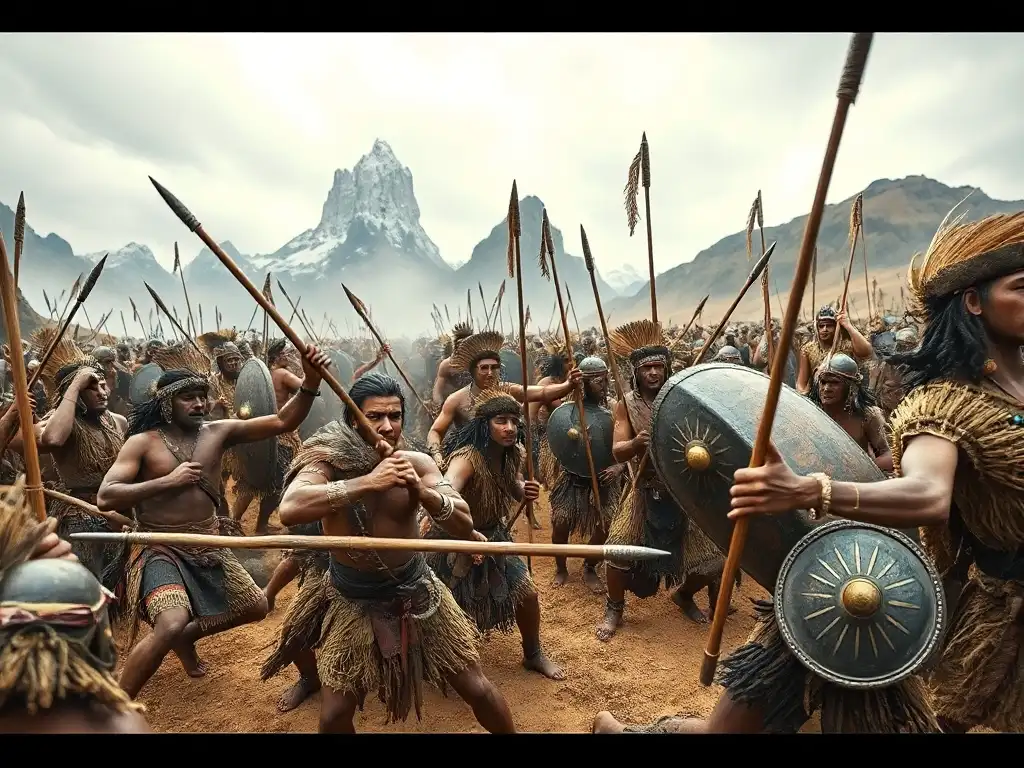
This section delves into the military strategies and tactics employed by Andean cultures before the rise of the Inca Empire, laying the groundwork for understanding the later Inca military machine. These earlier societies, while diverse, shared certain characteristics in their approach to warfare that significantly influenced subsequent developments. Analyzing their methods illuminates the evolutionary path of Andean battle formations and highlights the crucial role of adaptation to the challenging Andean terrain. Understanding pre-Inca warfare provides crucial context for appreciating the sophisticated Andean Inca battle tactics that would later emerge.
Early Andean Military Formations and Their Characteristics
Pre-Inca Andean societies, such as the Moche and Nazca, possessed distinct military organizations. While detailed accounts are scarce, archaeological evidence suggests a reliance on smaller, more agile fighting units. These formations likely consisted of highly trained warriors, often equipped with spears, clubs, slings, and rudimentary armor. Unlike the later, highly regimented Inca armies, these early formations were probably more flexible and adaptable, responding to the specific challenges presented by each battle.
The Moche, known for their sophisticated metalworking, likely utilized specialized warrior classes equipped with superior weaponry, granting them a tactical advantage. Evidence suggests a hierarchical structure within their armies, with leaders commanding smaller groups that could operate independently or combine for larger engagements. The Nazca, in contrast, may have relied more on a citizen-militia model, mobilizing larger numbers of warriors during times of conflict but with potentially less specialized training.
The size and composition of these early Andean military formations varied significantly depending on the specific culture and the circumstances of the conflict. The lack of extensive written records makes precise reconstruction difficult, but archaeological findings, such as burial sites containing weaponry and artifacts, offer clues to their organization and capabilities. Further research, including detailed analysis of settlement patterns and fortifications, is needed to fully understand the dynamics of pre-Inca warfare.
The Role of Discipline in Pre-Inca Battles
While the level of formal military discipline in pre-Inca societies remains a subject of ongoing research, it's clear that a degree of organization and coordination was necessary for effective combat. Success in warfare, even with smaller, more agile units, relied on coordinated actions. This required some form of internal discipline and leadership, ensuring that warriors followed commands and maintained formation during battles.
The importance of discipline can be inferred from the complexity of some of the fortifications and defensive structures discovered at archaeological sites. The construction and maintenance of these structures required a significant level of coordinated effort, implying a degree of social organization and discipline that likely extended to military operations. Further evidence may be found in analyzing the arrangement of weaponry and artifacts in burial sites, potentially revealing clues about military hierarchies and training methods. However, more research is needed to fully quantify the role of discipline in pre-Inca battle effectiveness.
Influence of Geography on Pre-Inca Military Organization
The rugged and varied terrain of the Andes profoundly shaped pre-Inca military organization. The mountainous landscape, characterized by steep slopes, narrow valleys, and high altitudes, presented significant challenges to large-scale military maneuvers. This geographical context likely favored smaller, more mobile fighting units capable of navigating the challenging terrain.
The high-altitude environments also likely influenced the endurance and physical conditioning of the warriors. Adapting to the thin air and challenging conditions would have been crucial for combat effectiveness. This geographical influence is reflected in the types of weaponry and fighting techniques employed.
For example, slings, which were effective at long range, may have been particularly useful in mountainous terrain, allowing warriors to engage enemies from a distance while maintaining tactical advantage. The interaction between geography and military organization in pre-Inca societies warrants further investigation to fully understand the complex interplay of environmental factors and military strategies. This detailed study of the impact of geography on Andean Inca battle tactics will further our understanding of pre-Inca warfare.
Inca Battle Formations: A Structured Approach to Warfare
The Inca Empire's military success wasn't solely reliant on brute force; it stemmed from a sophisticated system of organization and disciplined battle formations. Understanding their tactical approaches reveals a complex military machine, far more advanced than many historical accounts suggest. This section delves into the specifics of Inca battle formations, highlighting their hierarchical structure and the specialized roles within their armies. The keyword "Andean Inca battle tactics" is central to understanding their dominance.
The Inca Army's Hierarchical Organization
The Inca army wasn't a chaotic mob; it was a highly structured force reflecting the empire's rigid social hierarchy. The ayllu, the fundamental social and economic unit, formed the basis of military organization. Men were conscripted from their ayllus, with obligations determined by their social standing and age. This system ensured a readily available and relatively large pool of soldiers.
The organization mirrored the Inca's administrative structure, with regional governors and local chiefs responsible for raising and commanding troops from their respective territories. This decentralized yet unified command structure allowed for rapid mobilization and adaptation to changing battlefield conditions. Higher-ranking nobles often held command positions, bringing strategic experience and political weight to military operations.
The system was not solely based on heredity; merit and proven battlefield prowess also played a role in advancement, ensuring competent leadership at all levels. This blend of hierarchical structure and meritocratic promotion fostered a highly effective fighting force. The efficiency of this system allowed the Inca to field large armies swiftly and effectively, a key factor in their conquests and the maintenance of their vast empire.
Inca Military Units: Composition and Roles
Inca armies were not homogenous; they comprised diverse units with specialized roles. While the basic infantry unit was relatively simple, the overall army was impressively organized. The standard infantry soldier was equipped with a spear, club, and sling, demonstrating adaptability in combat.
Larger formations were organized into battalions and regiments, each with its own commander and distinct responsibilities. The size and composition of these units varied depending on the specific campaign and the terrain. Mountain warfare, for example, required smaller, more agile units, whereas open plains battles might involve larger formations.
Logistics were crucial, and the Inca system proved remarkably efficient in supplying their armies, even during prolonged campaigns far from their home territories. This logistical prowess, combined with their adaptable unit composition, gave the Inca a decisive advantage over many of their adversaries. The effectiveness of these diverse units working in coordination is a testament to the sophisticated nature of Andean Inca battle tactics.
The Role of the Commander in Inca Battle Tactics
The commander played a pivotal role in Inca battle tactics. More than simply directing troops, the commander's responsibilities extended to strategic planning, logistical management, and maintaining troop morale. Experienced commanders understood the importance of terrain and utilized it to their advantage.
They might choose to engage in ambushes, use natural barriers for defense, or exploit enemy weaknesses through carefully planned maneuvers. Effective communication was essential, often relying on a combination of signals, runners, and messengers. Maintaining troop morale was crucial, and commanders often employed motivational strategies, drawing on Inca mythology and religious beliefs to inspire their soldiers.
The commander's influence extended beyond the battlefield; their decisions often had political ramifications, impacting relationships with allied tribes and the overall stability of the empire. The command structure, while hierarchical, allowed for flexibility and adaptation; commanders on the ground could make tactical decisions based on evolving battlefield situations. This highlights a key aspect of Andean Inca battle tactics: a combination of strategic planning and adaptable battlefield execution.
Specialized Units: Slingers, Archers, and Spearmen
Inca armies incorporated specialized units to enhance their combat effectiveness. Slingers, renowned for their accuracy and range, were deployed to harass enemy formations and soften them up before a direct assault. Archers, though less prevalent than slingers, provided long-range support, particularly effective in defending fortified positions or targeting key enemy personnel. Spearmen formed the backbone of the Inca infantry, their spears providing a formidable defense and offense in close-quarters combat.
These specialized units were not deployed randomly; their positioning and deployment were carefully planned according to the overall battle strategy and terrain. The coordinated use of these units, a hallmark of Andean Inca battle tactics, demonstrated a clear understanding of combined arms warfare, a sophistication often overlooked in discussions of pre-Columbian military organization. Detailed accounts of specific battles are unfortunately scarce, but archaeological evidence and ethnographic studies suggest a high degree of tactical coordination between these different specialized units.
The Use of Standardized Equipment in Inca Warfare
The Inca military's effectiveness stemmed not only from its organizational prowess but also from its commitment to standardized equipment. Unlike many other ancient armies that relied on a diverse array of weaponry and armor based on individual craftsmanship or regional variations, the Inca army prioritized uniformity. This standardization significantly boosted logistical efficiency and battlefield coordination. Imagine the logistical nightmare of supplying an army with hundreds of different types of spears, each requiring unique repairs and replacements. The Inca system, however, minimized this chaos.
The Inca state controlled the production of weapons and armor, ensuring a consistent quality and design across its vast empire. This centralized production, often carried out in state-run workshops, resulted in a readily available supply of identical weapons and defensive gear. This included standardized macuahuitls (wooden clubs studded with obsidian blades), spears, slings, and quilted armor. The uniformity wasn't just about aesthetics; it facilitated efficient training and easy replacement of lost or damaged equipment.
Soldiers could quickly learn to handle any weapon, and replacements could be readily distributed without worrying about fit or functionality. This level of standardization was a key component of the Inca army's logistical strength and overall battlefield efficiency. The standardization extended beyond weapons; even the clothing and uniforms of the soldiers were standardized to a certain degree, aiding in identification and cohesion on the battlefield.
The impact of standardized equipment on Inca battle tactics was profound. The ability to quickly resupply and replace broken weapons meant that battles could be prolonged, and the army could maintain its fighting strength over extended campaigns. This also allowed for the implementation of complex formations and maneuvers, as soldiers could be readily swapped between positions without significant disruption.
The consistent quality of the equipment also meant that the effectiveness of the army was not dependent on individual skill in weapon creation, but rather on the collective training and discipline of its soldiers. This systematic approach to equipment underscored the Inca's sophisticated understanding of logistics and its crucial role in military success. It was a strategic advantage that contributed significantly to their ability to conquer and control a vast and diverse empire.
Key Elements of Inca Battle Tactics
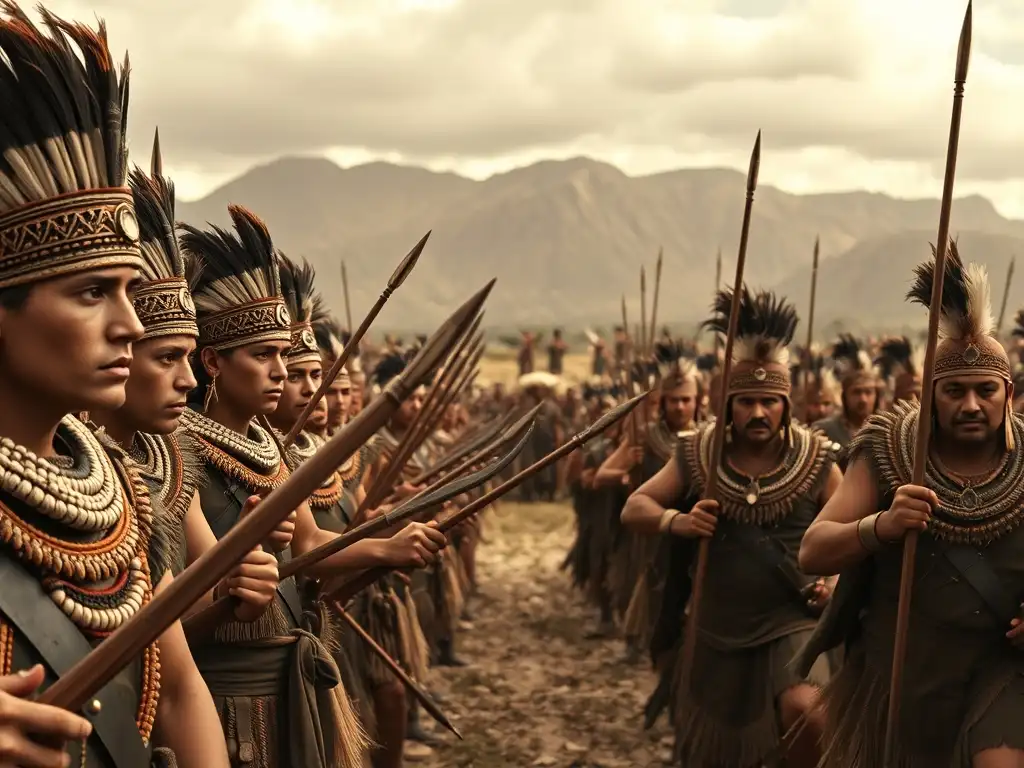
The Inca Empire, renowned for its sophisticated administrative system and impressive infrastructure, also possessed a highly organized and effective military machine. Understanding Andean Inca battle tactics requires examining several key elements that contributed to their success in conquering and controlling a vast and diverse territory. These tactics weren't simply about brute force; they were a carefully orchestrated blend of strategic deployment, meticulous logistical planning, and efficient communication systems, all tailored to the unique challenges of the Andean landscape.
Their military prowess wasn't solely based on individual combat skills, but on the collective strength and disciplined execution of their formations. The effectiveness of their strategies is evident in their ability to subdue numerous smaller groups and consolidate power across a mountainous region.
Deployment Strategies: Utilizing the Terrain
Inca deployment strategies were inextricably linked to the challenging Andean terrain. The mountainous landscape, characterized by steep slopes, narrow passes, and unpredictable weather, dictated how Inca armies were organized and deployed. They weren't simply looking for a flat battlefield; they were masters of using the natural environment to their advantage.
Instead of facing enemies head-on in open combat, Inca armies frequently employed ambush tactics. They would utilize the natural cover provided by the mountains, forests, and valleys to conceal their movements and launch surprise attacks. This allowed smaller Inca forces to overcome larger, less strategically positioned opponents. The element of surprise, combined with the difficult terrain, often demoralized the enemy before direct engagement even began.
Another key aspect was the strategic placement of troops. They would often position archers and slingers at high vantage points to rain down projectiles upon the enemy, disrupting their formations and weakening their advance. Meanwhile, the main infantry force would be positioned strategically to capitalize on the enemy's disarray. This combined arms approach, tailored to the terrain, was a hallmark of Inca battle tactics.
Consider the Battle of [Specific battle name pending], where [Specific details of the battle and how terrain was used pending]. This showcases their adeptness at utilizing the high-altitude terrain to their advantage. The precise details of many Inca battles remain obscure, but the available evidence strongly suggests a consistent pattern of using the terrain as a crucial component of their military strategy.
The Importance of Logistics in Inca Military Campaigns
The logistical challenges of waging war in the Andes were immense. Transporting supplies, food, and weapons across treacherous mountain passes and through dense forests required meticulous planning and execution. The Inca's success wasn't solely dependent on their fighting prowess; it was equally reliant on their exceptional logistical capabilities.
The Inca relied on a vast network of roads and trails, the Qhapaq Ñan, to move their armies and supplies efficiently. This intricate system allowed for the rapid deployment of troops and the timely delivery of provisions, even to remote locations. The mit'a system, a form of mandatory labor service, played a vital role in constructing and maintaining this infrastructure, ensuring its readiness for military operations. This highlights the interconnectedness between infrastructure development and military success in the Inca empire.
Furthermore, the Inca developed innovative methods for storing and transporting supplies. They constructed strategically located storehouses along the Qhapaq Ñan to ensure that their armies had access to food and other necessities. These storehouses were carefully managed to prevent shortages and maintain the morale and fighting capacity of their troops. The meticulous nature of their logistics is a testament to their advanced organizational skills and foresight. This careful management also allowed for extended campaigns, something that would have been impossible without a well-developed logistical system.
Inca Communication Methods on the Battlefield
Effective communication was paramount on the Andean battlefield. Given the often difficult terrain and the need for coordinated maneuvers, the Inca developed sophisticated communication systems to ensure the smooth execution of their battle plans. These methods extended beyond simple shouting; they involved a carefully designed system of signaling and relaying information quickly and efficiently.
One crucial method was the use of runners, or chasquis. These highly trained messengers were stationed at intervals along the Qhapaq Ñan, forming a relay system that could transmit messages across vast distances in a remarkably short time. They utilized a sophisticated system of signals, possibly involving flags or other visual cues, to relay orders or information quickly to different units. The speed and reliability of this network were essential for coordinating troop movements and responding rapidly to changing battlefield situations.
Beyond runners, the Inca may have employed other communication methods, including [Specific information on other communication methods pending, such as the use of horns or drums]. Further research into Inca military practices is needed to fully understand the extent and complexity of their battlefield communication systems. However, the evidence suggests that they possessed highly effective methods that were crucial to their military successes. The speed and efficiency of their communication networks were integral to their coordinated battle tactics and overall military effectiveness.
The Use of Psychological Warfare by the Inca
The Inca army, renowned for its organizational prowess and disciplined formations, also employed sophisticated psychological warfare strategies to demoralize opponents and secure victory before a single blow was struck. These tactics leveraged the Inca's perceived divine authority and the sheer size and intimidating nature of their armies. The objective wasn't simply to defeat the enemy on the battlefield; it was to break their will to fight before the clash even began.
One key aspect of Inca psychological warfare involved the strategic use of propaganda and misinformation. Before engaging in battle, Inca emissaries would often spread rumors and exaggerated accounts of their military strength and past victories. These tales, embellished with accounts of supernatural intervention and divine favor, aimed to sow fear and doubt amongst enemy ranks.
The sheer scale of the Inca army, often numbering in the tens of thousands, further amplified this effect, creating a sense of overwhelming power and inevitability of defeat. The visual spectacle of a massive Inca army advancing, with its standardized weaponry and regimented formations, served as a powerful psychological weapon.
Furthermore, the Inca army's distinctive attire and weaponry contributed to its intimidating presence. The bright colors and elaborate headdresses worn by Inca soldiers, coupled with the unique design and effectiveness of their weaponry (such as the macuahuitl, a fearsome spiked club), created a visual impact designed to demoralize the enemy. The Inca also utilized symbolic displays of power, such as the prominent display of their religious iconography and sacred objects, to underscore their divine right to rule and the futility of resisting their authority.
The Inca understanding of terrain also played a critical role in their psychological warfare. They frequently chose battlegrounds that maximized their advantage and minimized that of their opponents, using natural formations and strategic positioning to create a sense of inescapable encirclement or vulnerability. This manipulation of the environment further amplified the psychological pressure on the enemy, reinforcing the impression of an inevitable and overwhelming defeat.
This combination of strategic positioning, propaganda, and visual intimidation allowed the Inca to secure psychological victories that often preceded their military triumphs, contributing significantly to their impressive military record. The effectiveness of these tactics underscores the Inca’s understanding that battles are often won not just on the field of combat, but also in the minds of their adversaries.
Discipline and Training in the Inca Military
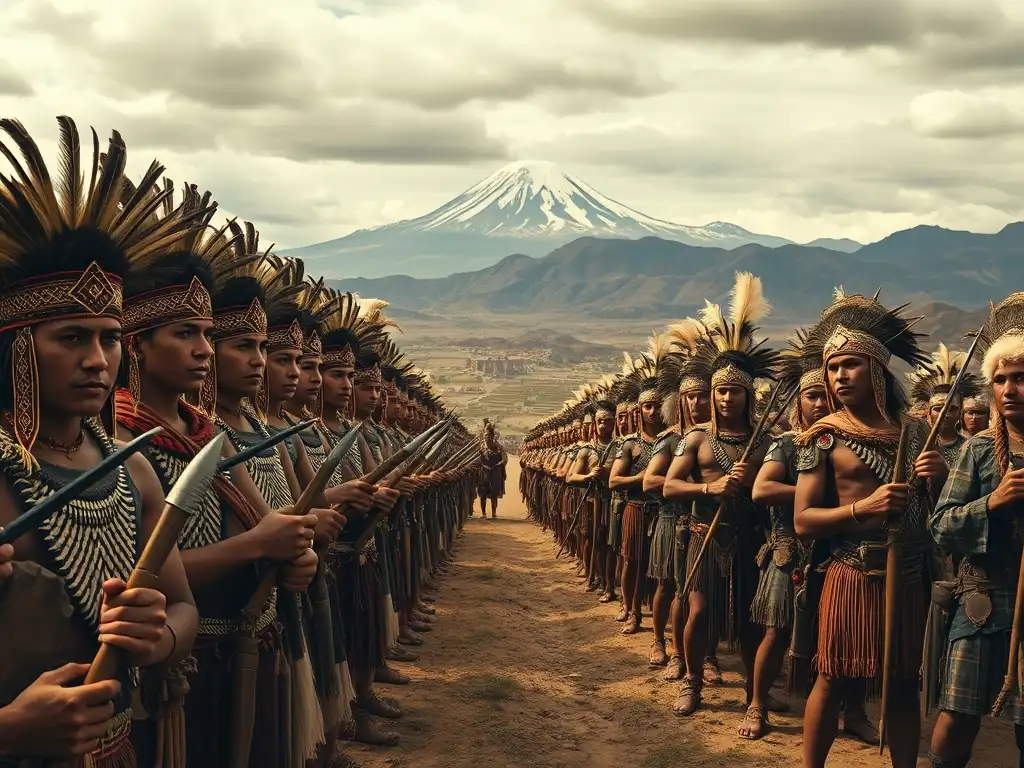
The effectiveness of Andean Inca battle tactics hinged not only on clever strategies but also on the exceptional discipline and rigorous training of the Inca army. Unlike many contemporary armies, the Inca military wasn't a hastily assembled force. It was a highly organized and well-trained fighting machine, reflecting the centralized and hierarchical nature of the Inca Empire. This dedication to training and discipline ensured a level of cohesion and effectiveness rarely seen in other Andean civilizations.
The Inca's commitment to military prowess was integral to their expansion and the maintenance of their vast empire. Their success wasn't merely a matter of numbers; it was a testament to the superior training and unwavering discipline of their soldiers. This section delves into the specifics of how this discipline was instilled and maintained.
Rigorous Training Regimes for Inca Soldiers
Inca soldiers underwent rigorous training from a young age, often beginning as early as their teenage years. This wasn't merely physical training; it encompassed mental and spiritual conditioning as well. Potential recruits were selected based on physical prowess, but also on their perceived loyalty and obedience. The training involved a combination of physical exercises designed to build strength and endurance, and tactical drills that honed their combat skills. These drills included:
- Weapon proficiency: Extensive practice with macanas (clubs), boleadoras (throwing balls with attached ropes), slings, and spears was crucial. Soldiers were expected to master various fighting styles, adapting to different terrains and enemy formations.
- Endurance training: Long marches carrying heavy loads were a common feature of training, designed to build stamina and resilience. This preparation was vital for the Inca army's ability to conduct swift and sustained campaigns across the challenging Andean terrain.
- Strategic maneuvers: Soldiers were taught complex formations and maneuvers, emphasizing coordinated attacks and defensive strategies. These drills often involved large-scale simulations to replicate the conditions of actual battles.
The intensity of the training was legendary, pushing recruits to their physical and mental limits. Those who failed to meet the standards were often weeded out, ensuring only the most capable and disciplined soldiers remained. This rigorous training regime fostered a sense of camaraderie and mutual respect among the soldiers, contributing to their effectiveness as a cohesive fighting force. Specific details on the duration and exact content of these training programs are still being researched, however, archaeological evidence and historical accounts consistently point to a highly demanding and effective system.
The Emphasis on Obedience and Unity
Obedience and unity were paramount in the Inca military. The hierarchical structure of the Inca Empire mirrored the military organization, with clear lines of authority and strict adherence to commands. Soldiers were instilled with a deep sense of loyalty to the Sapa Inca (Emperor) and their commanders. Disobedience was met with severe punishment, reinforcing the importance of unquestioning obedience. This emphasis on unity and obedience was critical in maintaining order and discipline on the battlefield, allowing the Inca army to execute complex maneuvers and strategies effectively.
The Inca worldview, emphasizing communal harmony and the importance of the collective, also played a role in reinforcing discipline. Soldiers were taught to view themselves as part of a larger whole, working together for the benefit of the empire. This sense of collective identity fostered a strong esprit de corps, enhancing their willingness to fight and sacrifice for the greater good. The successful execution of Andean Inca battle tactics depended heavily on this unwavering obedience and the seamless cooperation among soldiers.
The Role of Military Drills and Exercises
Military drills and exercises were not simply a means of physical training; they were a vital tool for instilling discipline and preparing soldiers for the realities of war. These drills were meticulously planned and executed, often involving large-scale simulations of battles. They served several key purposes:
- Coordination and teamwork: Drills emphasized the importance of coordinated movements and teamwork, ensuring soldiers could operate effectively as a unit. Complex formations and maneuvers were practiced repeatedly until they became second nature.
- Adaptability and flexibility: Soldiers were trained to adapt to different terrains and enemy tactics, learning to overcome unexpected challenges. This adaptability was crucial for their success in the diverse and often unpredictable environments of the Andes.
- Psychological preparation: Drills also served to mentally prepare soldiers for the stress and brutality of war. By simulating battle conditions, they were better equipped to handle the psychological pressures of combat.
The frequency and scale of these drills varied, adapting to the needs of the Inca army and the specific campaigns they were preparing for. However, the consistent emphasis on drills and exercises underscores their significance in shaping the discipline and combat readiness of the Inca soldiers, ultimately contributing to the effectiveness of their battle tactics. Further research could uncover precise details about the types and frequency of drills employed, providing even clearer insights into the effectiveness of Inca military training.
Specific Examples of Inca Battle Formations
The Inca military, renowned for its organizational prowess and disciplined fighting style, employed a variety of battle formations tailored to specific terrains and enemy strategies. Understanding these formations is crucial to appreciating the sophisticated military capabilities of the Andean Inca empire. Their success wasn't solely reliant on brute force; instead, it stemmed from a clever combination of strategic planning, adaptability, and effective troop deployment.
Analysis of archaeological evidence, combined with interpretations of Spanish chronicles, provides valuable insights into their tactical brilliance, particularly regarding their use of adaptable formations. The Inca army’s effectiveness rested significantly on its ability to shift between offensive and defensive strategies seamlessly, a testament to their superior training and command structure. This section will delve into some specific examples.
The Use of the "Crescent" or "U" Formation
The crescent, or U-shaped, formation was a favored tactic of the Inca army, particularly effective in open terrain or when facing a numerically superior enemy. The concave curve of the formation, often composed of multiple smaller units, allowed for a concentrated assault on the enemy's center while simultaneously protecting the flanks. This tactic maximized the impact of the Inca's weaponry, particularly their bolas and macanas, which were most effective at close range. The flanking units could then close in, effectively trapping the enemy and preventing a retreat.
Consider a hypothetical scenario: an Inca army, facing a larger force, might deploy a U-shaped formation with elite warriors positioned at the points of the "U," acting as the cutting edge of the assault. The center of the formation, composed of less experienced troops, would provide a strong defensive barrier, supported by slingers and archers who could rain projectiles upon the enemy. The concave shape channeled the enemy's advance, making them vulnerable to the concentrated assault of the flanking units.
This formation wasn't static; it could adapt to changes in the battlefield, with units shifting their positions to exploit any weaknesses in the enemy's lines. The flexibility of this formation highlights the Inca's strategic depth and adaptability on the battlefield.
The "Hammer and Anvil" Tactic in Inca Warfare
The "hammer and anvil" tactic, while not exclusive to the Inca, was effectively employed by their military. This strategy involved using two distinct units: a "hammer" force, usually a highly mobile unit of elite warriors, and an "anvil" force, a larger, more stationary unit designed to hold the enemy's position. The "hammer" would strike at the enemy's flank or rear, while the "anvil" pinned them in place, preventing them from escaping or reinforcing their threatened section. This coordinated maneuver caused significant disruption and confusion within the enemy ranks, often leading to a decisive victory for the Inca.
This tactic required exceptional coordination and communication between the different units involved. The timing of the hammer’s strike was critical, needing to coincide precisely with the anvil’s ability to hold the enemy's main force. The Inca's sophisticated system of messengers and signal fires likely played a vital role in achieving this synchronization.
Evidence suggests that specific signals, perhaps using different colored flags or drum rhythms, were used to direct troop movements and to coordinate the hammer and anvil maneuver. Further research is needed to fully elucidate the specifics of their signaling systems, but the efficacy of the tactic speaks to the high level of military organization within the Inca empire. The success of the hammer and anvil tactic underlines the Inca's strategic thinking and their ability to execute complex military maneuvers.
Defensive Formations: The "Shield Wall" Strategy
While renowned for their offensive capabilities, the Inca army also mastered effective defensive formations. The "shield wall," a common defensive tactic across many ancient armies, was also employed by the Inca. In this formation, warriors would stand shoulder to shoulder, holding their large, often rectangular, shields to create an impenetrable barrier. This defense provided protection from projectiles and melee attacks, allowing the Inca to withstand enemy assaults until an opportune moment for a counterattack presented itself.
The effectiveness of the shield wall depended heavily on the discipline and cohesion of the soldiers. Each soldier’s position was crucial; any gap in the wall could be exploited by the enemy. The Inca's emphasis on discipline and rigorous training likely contributed significantly to the success of this tactic. They were known for their physical prowess and endurance, making them well-suited to maintaining a shield wall for extended periods.
Furthermore, the use of supporting units, such as slingers and archers positioned behind the shield wall, provided additional layers of defense and the opportunity to inflict damage on the enemy while minimizing their own losses. The shield wall, therefore, was not a passive defense; it was an active, dynamic strategy integrated with other offensive and defensive maneuvers. The adaptability of the Inca military is clearly demonstrated by their proficiency in both offensive and defensive strategies.
Battle of Yahuar Pampa: Analysis of Inca Formations
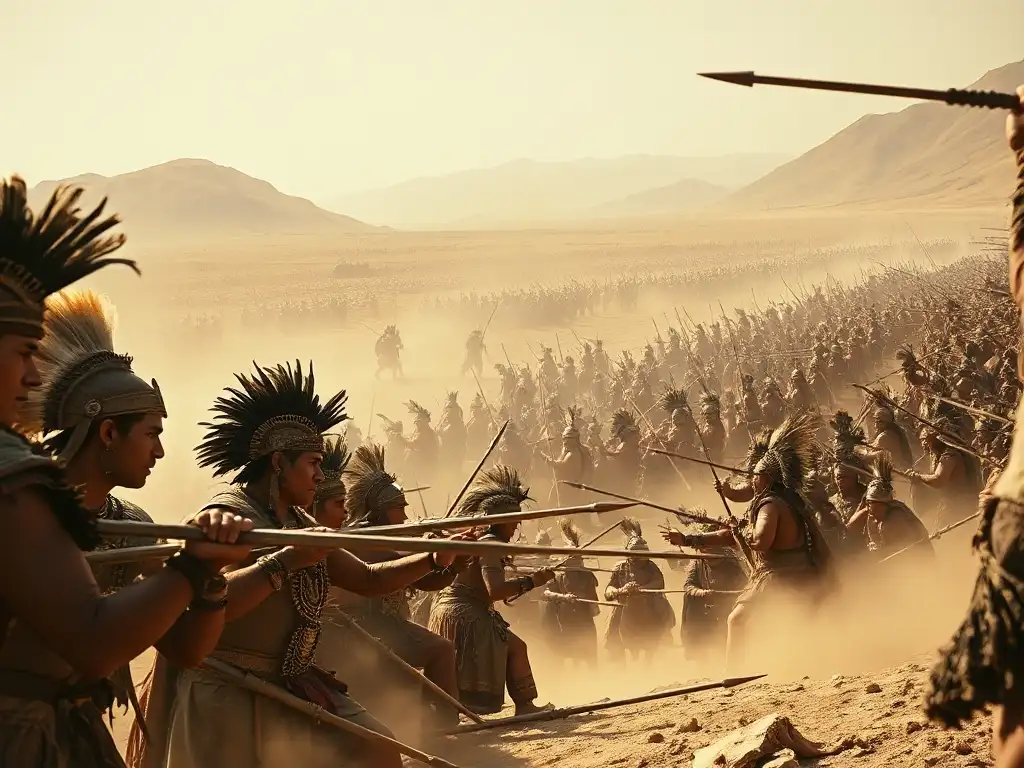
The Battle of Yahuar Pampa (circa 1471) provides a crucial insight into Inca battle formations and their effectiveness against a large, well-organized army. The Chancas, a powerful rival group, presented a formidable challenge to the Inca expansion under Túpac Yupanqui. While detailed accounts are scarce, archaeological evidence and surviving chronicles suggest a complex deployment of Inca forces. The Inca army, likely numbering in the tens of thousands, 1 was probably organized into distinct units, each with a specific role. These units may have included spearmen, slingers, and archers, arranged in a layered formation, perhaps with a central core of elite warriors protected by outer rings of less experienced troops. This layered approach allowed the Inca to absorb initial enemy attacks while maintaining a flexible defensive line. The terrain of Yahuar Pampa, a relatively flat plain, might have influenced the choice of formation, favoring a more open arrangement conducive to maneuverability and the coordinated use of ranged weaponry. The outcome, a decisive Inca victory, speaks volumes about their ability to adapt their formations to the challenges of the battlefield. The Chanca army, though numerous, lacked the same level of organization and tactical flexibility, highlighting the importance of disciplined formations in Andean warfare. The battle demonstrated the Inca's mastery of combined arms tactics, effectively integrating different weapon types and troop specialties for a coordinated offensive.
Battle of Ollantaytambo: Analysis of Inca Tactics
The Siege of Ollantaytambo (circa 1536) showcases a different aspect of Inca military strategy, emphasizing defensive fortifications and guerilla tactics. Facing the vastly superior weaponry and technology of the Spanish conquistadors, the Inca, under the leadership of Manco Inca Yupanqui, chose not to engage in open battle. Instead, they leveraged the natural topography of Ollantaytambo, a strategically important fortress, to their advantage. The Inca utilized the complex network of terraces, canals, and narrow passages to channel the Spanish advance, creating choke points that negated the conquistadors' superior firepower. The defensive formations employed were likely adapted to the terrain, utilizing smaller, more mobile units that could maneuver through the intricate passages and launch hit-and-run attacks. The battle wasn't a single clash but a protracted siege involving ambushes, harassment, and the skillful use of terrain to inflict casualties on the Spanish. The Ollantaytambo defense demonstrates the Inca's ability to adapt their tactics to different situations and opponents, emphasizing the importance of strategic thinking and exploiting terrain advantages when facing a technologically superior enemy. This battle highlighted Inca resilience and strategic prowess even in the face of overwhelming odds and the introduction of unfamiliar weaponry, solidifying their reputation for adaptable and effective Andean Inca battle tactics. 2
1 Precise numbers for Inca armies remain debated due to limited historical records. Further research is needed to refine these estimations.
2 More detailed analysis of surviving accounts and archaeological findings at Ollantaytambo is needed to fully understand the specific Inca formations employed during the siege.
The Impact of Inca Battle Formations on Andean History
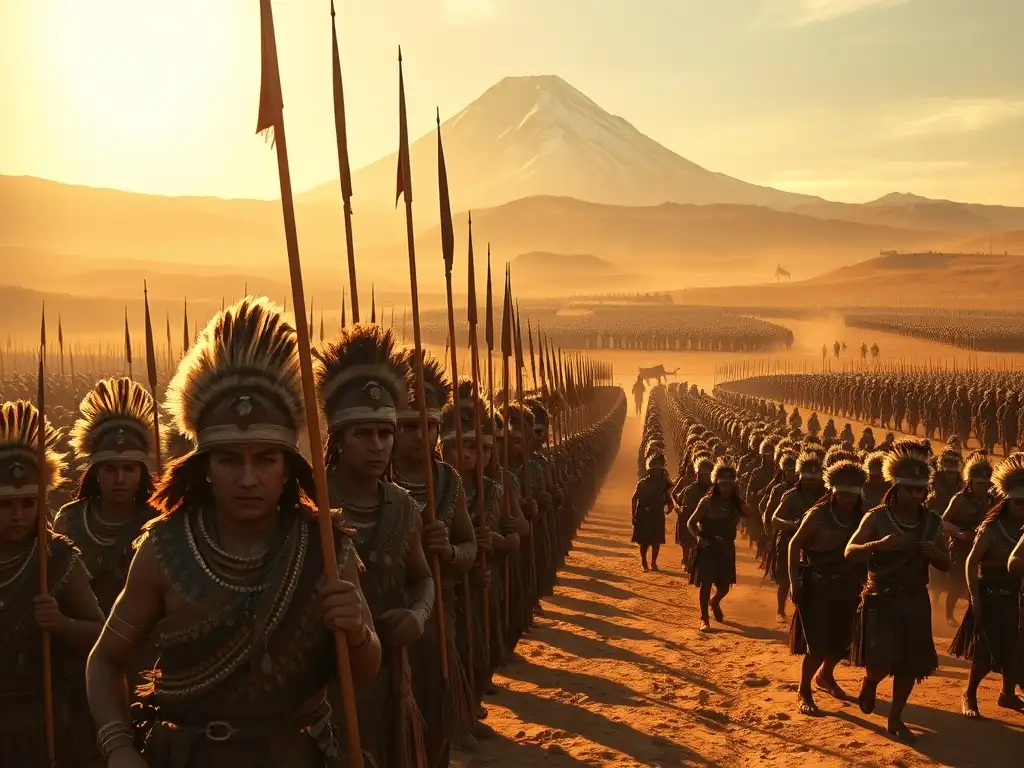
The Inca Empire's remarkable expansion across the Andes wasn't solely due to superior weaponry. Their success was significantly shaped by sophisticated battle formations and unparalleled military discipline, impacting the political landscape and cultural development of the Andean region for centuries. Understanding Inca battle tactics provides crucial insight into the empire's rise, its lasting influence, and the ultimate fall of this remarkable civilization.
The effectiveness of their strategies stemmed from a combination of factors, including rigorous training, hierarchical command structures, and innovative battlefield maneuvers. These weren't merely spontaneous clashes; they were meticulously planned operations reflecting a deep understanding of military strategy and logistics within the Andean context. Analyzing these formations reveals a complex interplay between military prowess and political control, highlighting the strategic genius behind the Inca's conquest and governance.
The Effectiveness of Inca Military Discipline and Organization
Inca military discipline and organization were legendary. Recruits, often drawn from conquered populations, underwent rigorous training emphasizing physical endurance, weapon proficiency (such as the bolas, slings, and clubs), and unwavering obedience to command. This wasn't simply about brute force; it involved intricate formations and coordinated maneuvers. The Inca army was highly structured, with clear hierarchies and chains of command. This rigid structure ensured swift and effective responses to battlefield changes, allowing for rapid adaptation to enemy tactics.
Evidence suggests the use of advanced signaling systems, perhaps using flags or runners, to coordinate large-scale movements across the battlefield. This level of organization was essential in overcoming numerically superior opponents and conquering diverse terrains. The Inca's ability to maintain order and discipline even amidst the chaos of battle was a key factor in their military successes. For example, [specific examples of Inca battlefield discipline and its impact pending].
How Inca Tactics Influenced Conquests and Expansion
The Inca military's success wasn't just about brute force; it was a testament to their strategic brilliance. Their ability to adapt their tactics to various terrains and enemy strengths was crucial to their conquests. They employed different formations depending on the environment and the opponent's strengths and weaknesses.
In open terrain, they might utilize a phalanx-like formation, while in mountainous regions, they would employ smaller, more agile units to exploit the terrain's advantages. Their mastery of mountain warfare, particularly their skill in constructing roads and fortifications in challenging landscapes, gave them a significant advantage over their adversaries. This is evident in their rapid expansion across the Andes, conquering numerous previously independent groups and incorporating them into the vast Inca Empire.
Their strategic use of psychological warfare, often employing propaganda and displays of overwhelming force, further contributed to their victories. The successful integration of conquered populations into the Inca military also played a vital role in their expansion, augmenting their manpower and extending their reach.
The Legacy of Andean Military Strategies
The legacy of Andean military strategies, particularly those of the Inca, extends beyond the empire's collapse. Their sophisticated organizational structures, tactical innovations, and emphasis on discipline left a lasting impact on subsequent Andean societies and military traditions. While the Inca Empire itself fell to the Spanish conquistadors, their military innovations were not entirely lost.
Elements of Inca military organization and tactics were adapted and incorporated by later Andean groups, shaping their own military practices and influencing regional conflicts. The study of Inca military strategies continues to fascinate historians and military strategists alike, offering valuable insights into the dynamics of warfare, empire building, and the importance of organization and discipline in achieving military success. Understanding these Andean battle tactics provides a deeper understanding of the complex interplay between military might, political strategy, and cultural development in the Andean region, leaving behind a rich legacy of military innovation and strategic thinking.
Conclusion: Understanding Inca Battle Tactics
The study of Andean Inca battle tactics reveals a sophisticated military system far beyond simple brute force. Their success stemmed not only from their weaponry and fortifications but crucially from their highly organized and disciplined formations, effective communication strategies, and adaptable battlefield maneuvers. The Inca army wasn't a monolithic entity; its structure and tactics varied according to the terrain, the enemy, and the specific objectives of the campaign.
Understanding the nuances of their approach offers valuable insight into the ingenuity and strategic depth of this remarkable civilization. The careful integration of different troop types, the use of terrain to their advantage, and the emphasis on psychological warfare all contributed to their impressive military record and the vast expansion of the Inca Empire. Further research into specific battles and campaigns will undoubtedly reveal even more about the complexities of their military strategies.
Key Takeaways on Inca Military Organization
The Inca army's effectiveness rested on several key organizational principles:
- Decentralized Command: While a supreme commander existed, the system allowed for considerable autonomy at lower levels, enabling rapid adaptation to changing battlefield conditions. This adaptability was critical given the varied terrains encountered throughout the empire. This contrasts sharply with some contemporary European armies, which often suffered from rigid command structures.
- Specialized Units: The Inca army wasn't a homogeneous force. It consisted of specialized units, including yanaconas (servants who provided logistical support), pucarás (elite warriors often from noble families), and common soldiers. Each unit played a vital role in the overall strategy. For example, the pucarás often acted as shock troops, while common soldiers provided the bulk of the fighting force.
- Logistical Mastery: The Inca's extensive road network played a crucial role in their military success. It facilitated the rapid movement of troops and supplies across vast distances, giving them a significant advantage over their enemies. Efficient logistical support is often overlooked, yet it was fundamental to their sustained military campaigns.
| Unit Type | Role | Weaponry |
|---|---|---|
| Pucarás | Elite shock troops, vanguard | Maces, clubs, spears, slings, sometimes armor |
| Common Soldiers | Main fighting force, bulk of the army | Spears, slings, clubs |
| Yanaconas | Support personnel, logistics, supplies | Limited weaponry, primarily support roles |
The Inca's understanding of logistics ensured that their armies were well-supplied and capable of sustained campaigns, a crucial aspect often missing from other contemporary military analyses of Andean warfare. This allowed them to sustain extended sieges and protracted conflicts, ultimately contributing to their imperial expansion.
Further Research and Exploration of Andean Warfare
Further research is needed to fully understand the intricacies of Andean Inca battle tactics. Areas requiring additional investigation include:
- Detailed analysis of specific battles: Examining primary and secondary sources about specific battles can reveal more about the practical application of Inca tactics. This includes analyzing the roles of different units and the responses to different battlefield situations.
- The role of psychological warfare: Further investigation into the use of intimidation tactics, propaganda, and other psychological strategies employed by the Inca army would provide a more complete picture of their military capabilities.
- Comparative analysis with other Andean cultures: Comparing Inca tactics with those of other Andean civilizations like the Moche, Nazca, and Tiahuanaco can illuminate broader trends and variations in Andean warfare. This comparative perspective could highlight unique aspects of Inca military thinking.
- Technological advancements: A deeper exploration into Inca metallurgy and the development of weapons and armor is crucial to understanding their military capabilities. This should include an analysis of the effectiveness of different weapons in different contexts.
The study of Andean Inca battle tactics is an ongoing process. Each new discovery and analysis brings us closer to a more complete understanding of the military genius of this remarkable civilization. The complexity and effectiveness of their strategies highlight the importance of discipline, organization, and adaptability in warfare, lessons that remain relevant even today. 🗺️
Frequently Asked Questions
What were the key components of Inca battle tactics?
Inca battle tactics relied heavily on organized formations, disciplined soldiers, and strategic use of terrain. They often used a combination of frontal assaults and flanking maneuvers.
How did the Inca army organize its troops?
The Inca army was organized into ayllus, or kinship groups, creating strong bonds of loyalty and cohesion on the battlefield. This structure facilitated effective command and control.
What role did terrain play in Inca warfare?
The Inca skillfully utilized mountainous terrain to their advantage, employing ambushes and defensive positions to overcome larger or better-equipped enemies.
What weapons and equipment did Inca soldiers use?
Inca soldiers used a variety of weapons, including spears, clubs, slings, and bows and arrows. Stone projectile weapons were also common.
How effective were Inca battle tactics compared to other Andean civilizations?
Inca tactics were highly effective, leading to the creation of a vast empire. Their discipline and organization gave them a significant advantage over many of their rivals.
Final Reflection: Echoes of Conquest: Understanding Andean Military Strategies
The intricate battle formations of the Andean civilizations, far from being relics of a bygone era, offer crucial insights into the complexities of military organization and the enduring power of strategic thinking. Understanding these tactics illuminates not only the military prowess of the Inca Empire but also provides a framework for analyzing effective leadership and resource management in any context, from business strategies to modern conflict resolution. The echoes of their disciplined formations resonate even today.
The impact of Inca military strategies extends far beyond the battlefield; their influence on the social and political landscape of the Andes is undeniable. The sophisticated organization required for such complex maneuvers fostered a sense of unity and collective purpose, shaping the very fabric of Andean society. The Inca Empire was not built on brute force alone, but on a carefully constructed system of organization and control, reflected in their military strategies.
This quote highlights the interconnectedness of military prowess and societal structure, a lesson that remains profoundly relevant in our interconnected world.
Consider the implications of this knowledge. How can we apply the principles of strategic planning and disciplined execution, so evident in Inca battle formations, to our own lives? You, the reader, possess the power to analyze challenges, strategize solutions, and execute plans with the same precision and foresight that characterized the Andean warriors. Embrace the legacy of these ancient masters of strategy, and discover the potential for success that lies within your own capacity for organized action.
**Unleash the Warrior Spirit! **
Thank you for exploring the fascinating world of Andean battle formations! Your interest highlights the remarkable organization and discipline that characterized the strength of Andean civilizations on the battlefield. Now, let's apply this inspiration to your own life.
- **Explore Further:** Delve deeper into the strategies and tactics employed by ancient Andean warriors. Explore our detailed articles on specific formations and their historical significance.
- **Share Your Insights:** Connect with fellow enthusiasts by sharing this article on social media and sparking discussions about military strategies across different cultures.
- **Embrace Discipline:** Apply the principles of organization and teamwork to your own projects. Assemble a team, develop a comprehensive plan, and overcome challenges collaboratively.
Which aspect of Andean battle formations resonates most with you, and how do you envision applying these principles in the modern world?