
The Inca Pantheon: Unveiling the Key Deities

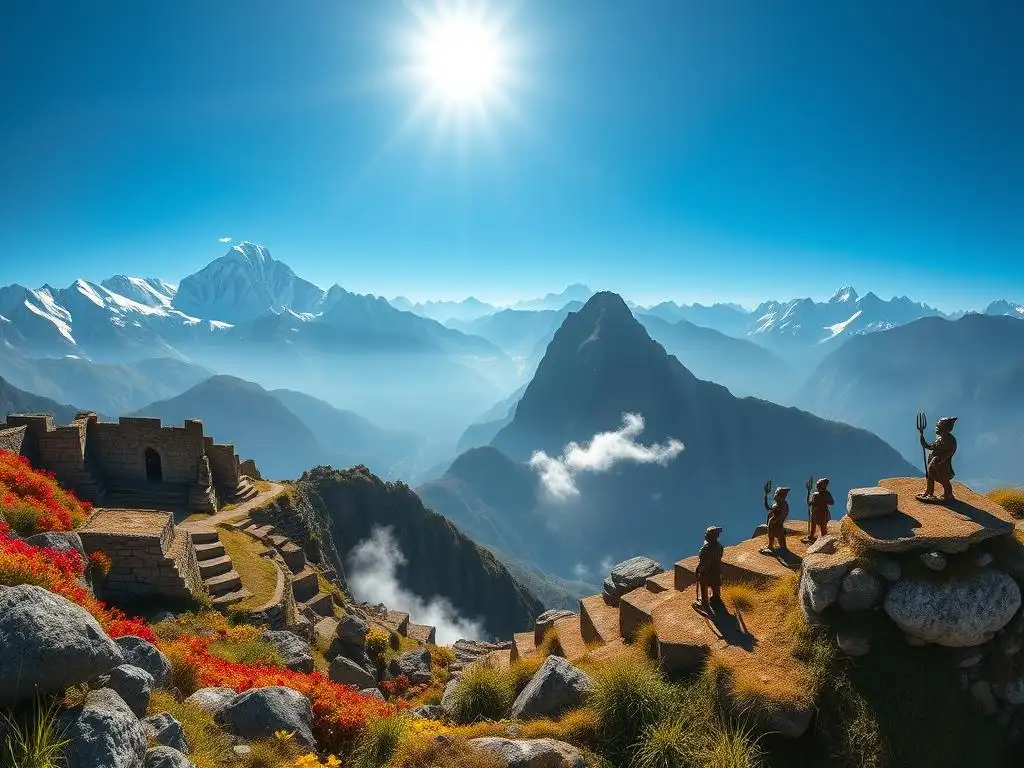
Step into a world lost to time, yet echoing with power and mystery. Journey with us through the breathtaking landscapes and captivating cultures of the Andes, where civilizations flourished for millennia. But before you explore the intricate tapestries and towering ruins, prepare to be enthralled by the Inca gods and goddesses—powerful beings who shaped the beliefs and destinies of an empire that continues to fascinate us today. Uncover their secrets and witness the vibrant tapestry of their divine pantheon; the story awaits...
The Inca Empire, a civilization that flourished in the Andes Mountains from the 15th to the 16th century, left behind a legacy of breathtaking architecture, intricate social structures, and a complex religious system. Understanding the Inca pantheon is crucial to grasping the intricacies of their worldview, their societal organization, and their relationship with the natural world. This article delves into the key deities of the Inca religion, exploring their roles, attributes, and the significance they held within the Inca worldview.
We will uncover the stories behind these powerful figures and examine their influence on Inca life, art, and governance. This exploration will provide insight into the profound spiritual beliefs that underpinned the Inca Empire's remarkable achievements and enduring legacy, directly addressing the search term "Inca gods and goddesses" and providing a comprehensive understanding of their religious landscape.
Inti: The Sun God, Source of Life and Power
Inti, the sun god, was undoubtedly the most important deity in the Inca pantheon. He was considered the source of all life, the giver of warmth and sustenance, and the ultimate ruler of the cosmos. Inca emperors traced their lineage directly to Inti, solidifying their divine right to rule. Temples dedicated to Inti were magnificent structures, often adorned with gold and silver, reflecting the immense reverence he commanded. The annual Inti Raymi festival, a grand celebration honoring the sun god, involved elaborate ceremonies, sacrifices, and processions that showcased the Inca's deep devotion.
The importance of Inti extended beyond mere religious practice; it was deeply interwoven with the agricultural cycle, the political structure, and the daily lives of the Inca people. His image was ubiquitous, appearing on textiles, pottery, and architectural features throughout the empire. [Specific details on Inti Raymi ceremonies pending]. His influence permeated every aspect of Inca society.
Viracocha: The Creator God, Master of the Universe
Viracocha, the creator god, held a position of supreme importance within the Inca cosmology. Unlike Inti, whose power was more directly tied to the earthly realm, Viracocha was associated with the creation of the universe, the earth, and humanity itself. Depicted as a powerful, bearded figure, sometimes with a staff, Viracocha was believed to have emerged from Lake Titicaca, bringing order and life to a previously chaotic world.
He was credited with shaping the mountains, creating the stars, and even giving humans their first laws and customs. While Inti was the focus of daily worship and ritual, Viracocha represented a more distant, yet equally revered, divine force. Many Inca myths and legends recount Viracocha's actions and his influence on the world.
[More detailed account of Viracocha myths and legends pending]. His presence, though less directly felt, was fundamental to the Inca understanding of their origins and their place in the cosmos.
Mama Killa: The Moon Goddess, Protector of Women and Fertility
Mama Killa, the moon goddess, was a powerful female deity associated with fertility, femininity, and the cycles of nature. She was often depicted as a beautiful woman adorned with celestial symbols. Her influence extended beyond the realm of the celestial; she was also seen as a protector of women, particularly pregnant women and mothers. Mama Killa’s cyclical nature, mirroring the phases of the moon, was deeply connected to the agricultural calendar and the fertility of the land.
The Inca people believed that her influence played a significant role in the success of their harvests and the well-being of their communities. [Further research required to detail the specific rituals associated with Mama Killa]. The reverence for Mama Killa demonstrates the Inca's recognition of the power and importance of the feminine principle within their religious beliefs.
Pachamama: The Earth Mother, Provider of Sustenance
Pachamama, the Earth Mother, was a hugely significant deity, representing the life-giving earth itself. As the provider of sustenance, she was revered for her role in agriculture and the bounty of the land. Inca people offered sacrifices to Pachamama, hoping to ensure successful harvests and the continued fertility of the soil. These offerings, often including coca leaves, food, and precious objects, were seen as a way to maintain a harmonious relationship with the earth and express gratitude for its gifts.
The deep respect for Pachamama reflects the Inca's close connection to the natural world and their understanding of their dependence on it for survival. [Examples of specific Pachamama offerings and rituals pending]. Her presence was felt in every aspect of Inca agricultural practices and daily life.
This section provides a foundational understanding of some of the most important figures within the Inca pantheon. Further exploration into lesser-known deities and the complexities of Inca religious practices will enrich our comprehension of this fascinating civilization.
- Inti: The Sun God, Source of Life and Power
- Viracocha: The Creator God, Master of the Universe
- Mama Killa: The Moon Goddess, Protector of Women and Fertility
- Pachamama: The Earth Mother, Provider of Sustenance
Understanding the Inca Religious Beliefs
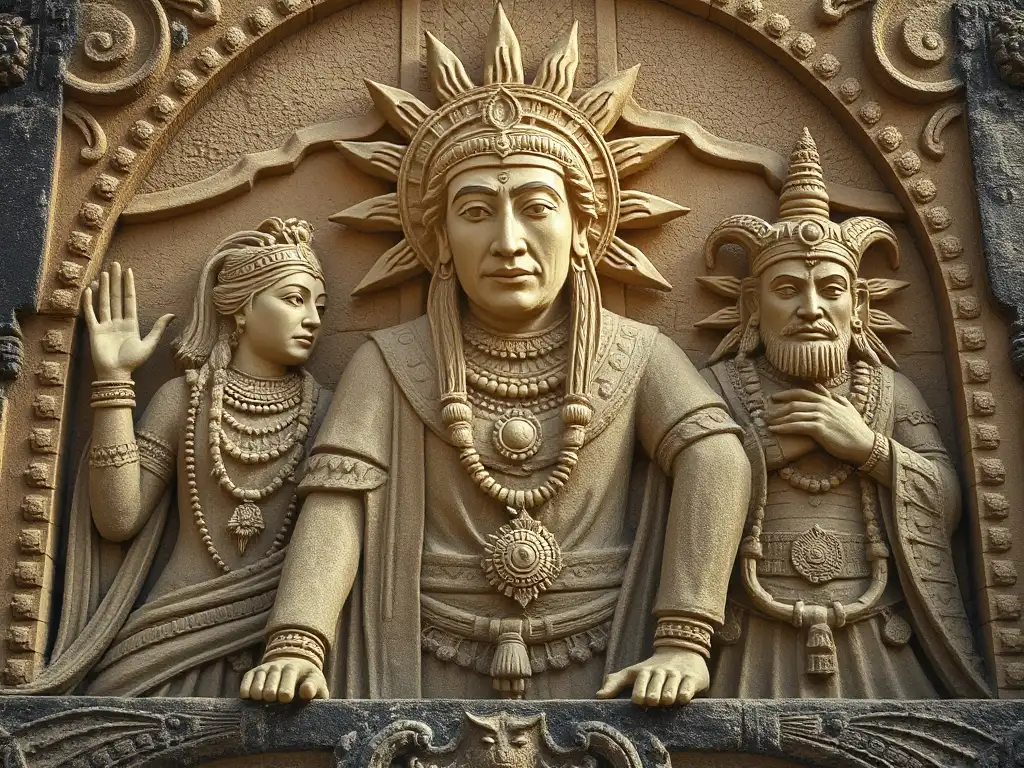
The Importance of Religion in Inca Society
Religion wasn't merely a separate aspect of Inca life; it was deeply interwoven into the fabric of their society, influencing every facet from daily routines to imperial governance. The Inca worldview was profoundly shaped by their understanding of the cosmos and their place within it. Their sophisticated agricultural practices, intricate social structures, and even their vast empire-building projects were all guided by religious principles and beliefs.
The Inca believed that their Sapa Inca, the emperor, was a direct descendant of the sun god Inti, further solidifying the intimate connection between religion and political power. Success in agriculture, the cornerstone of their economy, was directly attributed to appeasing the gods and maintaining a harmonious relationship with the Pacha. Failure to do so was believed to bring about natural disasters, crop failures, and societal unrest – emphasizing the critical role of religious observances in maintaining social order and prosperity.
Evidence suggests that elaborate rituals, sacrifices, and festivals were regularly performed, involving priests, nobles, and commoners alike, to ensure the continued favor of the divine. These practices were not merely symbolic; they were crucial for the functioning and stability of the Inca Empire. This deep-seated religious devotion is reflected in the impressive architecture, intricate textiles, and elaborate gold and silver artifacts that have survived to this day, showcasing the immense importance of Inca gods and goddesses in their daily lives.
The Concept of "Pacha" in Inca Cosmology
The Inca concept of Pacha is central to understanding their religious beliefs. Pacha is not simply "world" or "universe" but encompasses a complex, interconnected reality. It's often described as a three-layered cosmos: the Hanan Pacha (upper world), the Kay Pacha (present world), and the Ukhu Pacha (underworld). These realms were not isolated but dynamically interacted, with deities and spirits inhabiting each.
The Hanan Pacha, home to the sun god Inti and other celestial beings, represented power, light, and the divine. The Kay Pacha, the earthly realm, was where humans lived and interacted with the natural world, striving to maintain balance and harmony. The Ukhu Pacha, a mysterious and often feared realm, was associated with death, the ancestors, and powerful earth deities. Understanding the interconnectedness of these Pachas was crucial for the Inca, as their actions in the Kay Pacha had consequences in the other realms.
This concept profoundly influenced their agricultural practices, with rituals and offerings designed to maintain equilibrium and ensure a bountiful harvest. The intricate system of huacas, sacred places associated with specific deities or ancestors, further illustrates the Inca's understanding of the Pacha and their attempts to connect with the divine within their earthly realm. Maintaining this cosmic balance was paramount to the Inca, shaping their understanding of Inca gods and goddesses and their relationship with the natural world.
Key Characteristics of Inca Deities
Inca deities were not anthropomorphic in the same way as those in many other pantheons. They were often associated with natural forces and phenomena, reflecting the Inca's close relationship with their environment. Inti, the sun god, was arguably the most important deity, considered the father of the Sapa Inca and the source of all life and energy. His worship was central to Inca religious practices and festivals.
Mama Killa, the moon goddess, was Inti's sister and wife, representing the feminine principle and associated with fertility and cycles of nature. Pachamama, Mother Earth, was another prominent deity, revered for her bounty and power. She represented the fertility of the land and was appeased through offerings and sacrifices to ensure successful harvests. Other important deities included Viracocha, the creator god, associated with the origin of the world and humanity; and Illapa, the god of thunder and lightning, representing the power of nature.
The Inca pantheon also included numerous lesser deities and spirits associated with mountains, rivers, lakes, and other natural features. These deities weren't necessarily benevolent or malevolent; their actions were influenced by the actions of humans, highlighting the importance of maintaining a harmonious relationship with the divine. The characteristics of these Inca gods and goddesses were often reflected in their iconography, rituals, and the locations of their worship. The specific attributes and roles of these deities varied regionally, reflecting the diverse geography and local traditions within the vast Inca Empire.
The Supreme Inca Gods
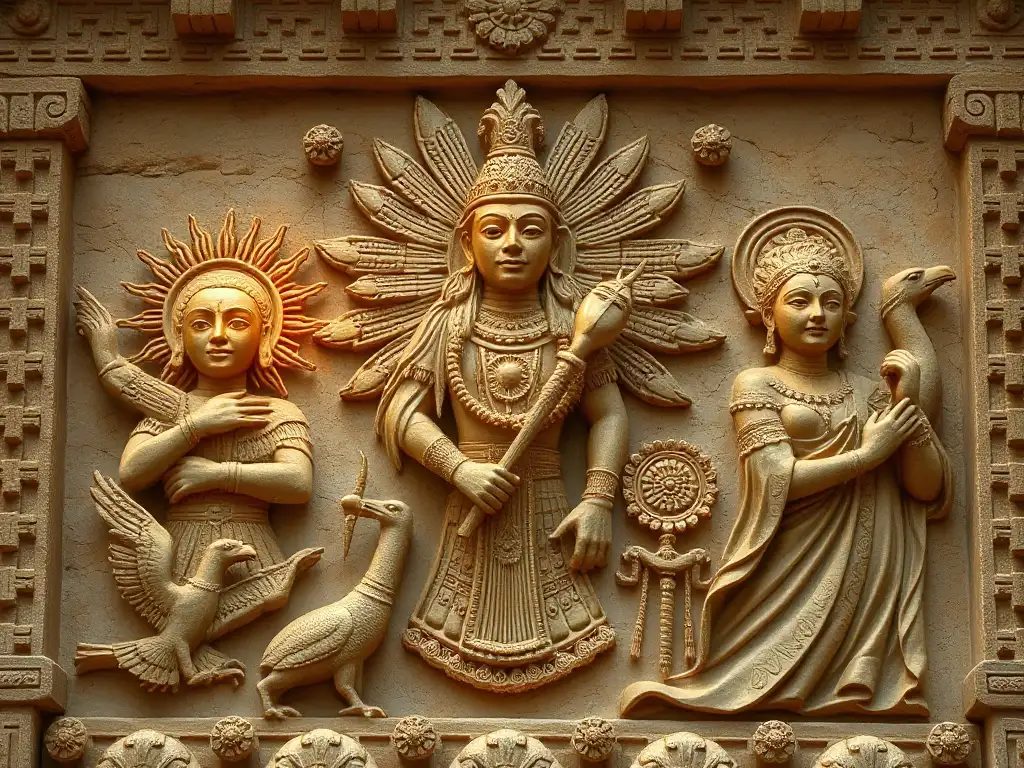
The Inca religion, a complex tapestry woven from ancestor veneration and nature worship, centered around a pantheon of powerful deities. While hundreds of lesser spirits and local deities existed, a select few held supreme power, shaping the Inca worldview and influencing every aspect of their lives, from agriculture to warfare. Understanding these supreme beings is crucial to grasping the intricacies of Inca government and administration, as their influence permeated every level of society.
This section focuses on the two most prominent figures in the Inca pantheon: Inti, the Sun God, and Viracocha, the Creator God. The Inca's relationship with these Inca gods and goddesses shaped their political structure and daily rituals.
Inti: The Sun God and Patron of the Inca Empire
Inti, the sun god, reigned supreme in the Inca pantheon. More than just a celestial body, Inti was considered the ancestor of the Inca emperors, directly linking the royal lineage to divine power. This divine connection solidified the emperor's authority and legitimacy, making him not just a ruler, but a sacred intermediary between the gods and the people. The Inca Empire's prosperity was directly attributed to Inti's favor, and elaborate ceremonies were performed daily to ensure his continued benevolence.
The worship of Inti involved grand temples, such as the Coricancha in Cusco, which was covered in gold plates reflecting the sun's radiant energy. The temple served as a powerful symbol of the Inca Empire's might and the emperor's divine right to rule. Festivals dedicated to Inti, like the Inti Raymi, were major events, involving massive sacrifices, elaborate processions, and feasting. These celebrations reinforced the emperor's power and solidified social cohesion.
The Inca considered the sun's daily journey across the sky a powerful metaphor for the empire's expansion and enduring strength. The precise timing of agricultural cycles, meticulously observed and recorded by Inca priests, further emphasized the sun's profound influence on their lives. The Inca calendar itself was intimately linked to the sun's movements, highlighting its importance in their daily lives and governance.
The cult of Inti wasn't confined to the capital. Shrines dedicated to the sun god were built throughout the empire, demonstrating the widespread devotion and ensuring the emperor's authority even in the most distant provinces. This widespread veneration acted as a powerful unifying force across the vast and diverse Inca Empire. The visual representation of Inti, often depicted as a golden disk or a human figure with sun rays emanating from his head, was ubiquitous throughout Inca art and architecture, serving as a constant reminder of the god's presence and the emperor's divine mandate.
Viracocha: The Creator God and Origin of All Things
Viracocha, unlike Inti, wasn't solely associated with the Inca Empire's power. He represented the origin of all things, the creator god responsible for the universe's creation and the emergence of humankind. His role transcended the purely political, touching upon the deepest cosmological beliefs of the Inca people. Viracocha's creation myth is complex and varied depending on the region, but consistently portrays him as a powerful, mysterious figure who emerged from Lake Titicaca or a cave, shaping the landscape and bringing forth life.
While Inti's worship was closely tied to the emperor and the state, Viracocha's veneration was more widespread and less directly controlled by the imperial power. This doesn't diminish his importance; instead, it highlights the layered nature of Inca religious belief. Viracocha's power was seen as fundamental and all-encompassing, encompassing the creation of the cosmos and the establishment of the Inca people. His image, often depicted as a bearded man in a long robe, reflected his enigmatic and powerful nature.
Unlike Inti's readily apparent connection to daily life, Viracocha's influence was more subtle, yet profoundly impactful on the Inca worldview. His role as creator fostered a sense of awe and respect for the natural world, emphasizing the interconnectedness of all living things. This understanding influenced Inca agricultural practices, their reverence for nature, and their overall social structure.
The relationship between Inti and Viracocha wasn't necessarily one of conflict but rather of complementary roles. Viracocha, the creator, established the world; Inti, the sun god, sustained it and provided the energy necessary for life and prosperity within the Inca Empire. The two deities represented different aspects of Inca spirituality: creation and maintenance, origin and continuation.
This duality highlights the complexity of Inca religious beliefs and their influence on the empire's social and political organization. Further research is needed to fully understand the nuanced interplay between these two supreme Inca gods and goddesses and their impact on the Inca civilization.
Major Inca Goddesses
The Inca religion, a complex tapestry woven from animistic beliefs and ancestor veneration, featured a rich pantheon of gods and goddesses. While the Inca sun god, Inti, often takes center stage, a powerful and influential group of female deities played crucial roles in the daily lives and spiritual beliefs of the Inca people. These goddesses, representing the moon, earth, and sea, held immense sway over agricultural cycles, fertility, and the well-being of the empire.
Understanding their significance is key to comprehending the depth and nuance of Inca spirituality and its impact on Inca government and administration. The worship of these Inca gods and goddesses permeated every aspect of Inca life, from royal ceremonies to everyday agricultural practices.
Mama Killa: The Moon Goddess and Protector of Women
Mama Killa, the moon goddess, held a position of significant importance within the Inca pantheon. Often depicted as a beautiful woman adorned with silver ornaments, reflecting the moon's silvery glow, she was not merely a celestial body but a powerful force influencing the lives of the Inca people. Her influence was particularly strong on women, who viewed her as a protector and a symbol of fertility.
Mama Killa's lunar cycles were intricately linked to the Inca agricultural calendar, influencing planting and harvesting times. Her phases were carefully observed and interpreted by Inca priests, who used this knowledge to predict weather patterns and ensure bountiful harvests. The success of agriculture, the backbone of the Inca economy and thus their administration, was directly tied to the benevolent favor of Mama Killa.
Her influence extended beyond agriculture; she was also believed to preside over childbirth and the well-being of women throughout their lives. This made her a central figure in Inca rituals and ceremonies related to women's health and fertility. Furthermore, the intricate silverwork often associated with Mama Killa’s iconography reflects the high value placed upon her and the importance of silver in Inca society.
Pachamama: The Earth Mother and Provider of Sustenance
Pachamama, meaning "Earth Mother," was arguably the most revered deity in the Inca pantheon. This powerful goddess represented the earth itself, the source of all life and sustenance. Her worship was deeply ingrained in the Inca agricultural practices, with offerings and ceremonies performed to ensure fertile lands and abundant harvests. The connection between Pachamama and the Inca's sophisticated agricultural system highlights the crucial role of religious belief in their governmental and administrative structures. Successful harvests were not just a matter of skillful farming, but also of appeasing Pachamama.
The Inca government's administrative structure was heavily influenced by the need to maintain a close relationship with Pachamama. The mit'a system, a form of labor tax, often involved agricultural work, demonstrating the direct link between religious duty and state administration. Failure to honor Pachamama through proper rituals and offerings was believed to lead to crop failures and other calamities, directly impacting the stability of the empire.
Therefore, maintaining the balance with Pachamama was not merely a religious practice but a key element of Inca governance. The significance of Pachamama is evident in the widespread archaeological evidence of offerings found throughout the Inca Empire, ranging from simple coca leaves to elaborate gold and silver artifacts.
Mama Cocha: The Sea Goddess and Guardian of Waters
Mama Cocha, the sea goddess, held dominion over all bodies of water – lakes, rivers, and oceans. She was a powerful deity, ensuring the abundance of water essential for agriculture and life itself. In a predominantly agricultural society like the Inca Empire, the control and management of water resources were critical elements of governance. Mama Cocha’s influence was therefore vital to the success of the Inca state.
The Inca's mastery of hydraulic engineering, evident in their sophisticated irrigation systems, was intertwined with their reverence for Mama Cocha. These systems, designed to effectively distribute water throughout the empire, were not merely feats of engineering but also acts of devotion to the goddess. Regular offerings and ceremonies were performed to ensure her continued favor and protection.
The management of water resources, under the symbolic guardianship of Mama Cocha, became an integral part of the Inca administrative system, underscoring the close relationship between religion, resource management, and political power within the Inca Empire. The importance of water in Inca life, and thus Mama Cocha's significance, is undeniable considering the empire’s extensive network of canals and aqueducts. The Inca gods and goddesses were not separate from the state; they were integral to its functioning.
Other Notable Inca Deities
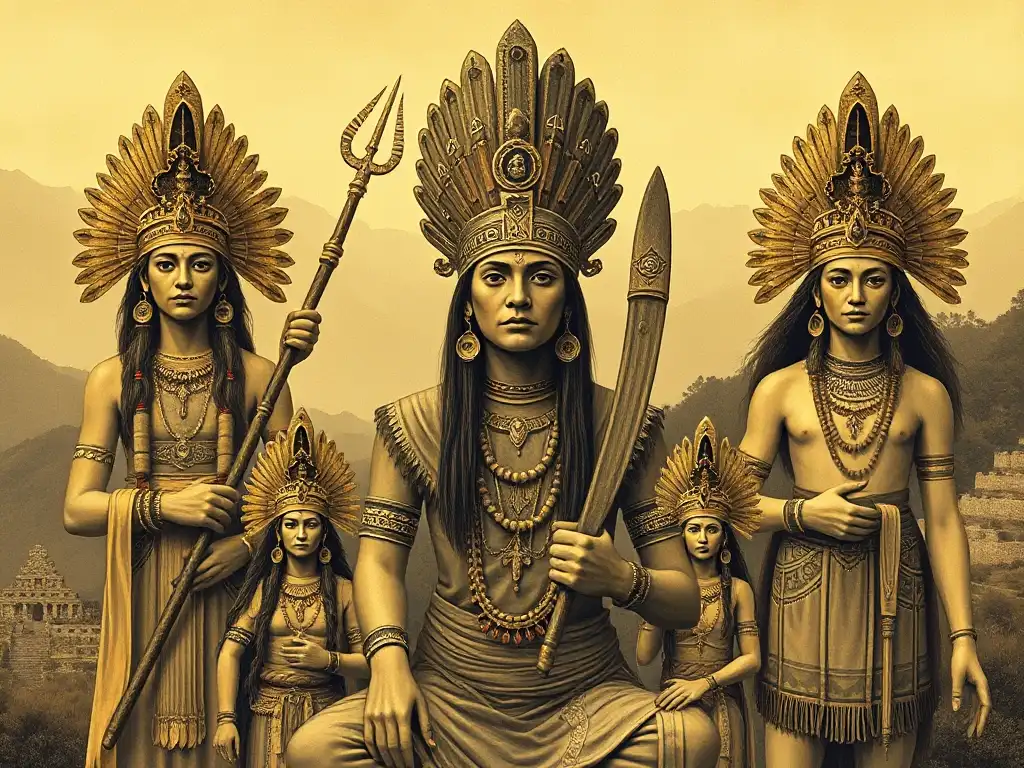
The Inca pantheon, while centered around Inti and Mama Killa, was a rich tapestry woven with numerous other deities, each holding significant sway over different aspects of Andean life. Understanding these lesser-known gods and goddesses provides a more complete picture of Inca religious beliefs and their intricate relationship with the natural world. This section delves into some of the more prominent figures beyond the celestial duo, exploring their roles and significance within Inca society. Learning about these Inca gods and goddesses illuminates the complexity of their spiritual world.
Illapa: The God of Thunder and Lightning
Illapa, depicted often as a powerful, bearded man wielding lightning bolts, was the Inca god of thunder and lightning. He controlled the life-giving rains, but also the destructive power of storms. His importance stemmed from the crucial role of agriculture in Inca society; a bountiful harvest depended heavily on timely and sufficient rainfall. Conversely, his wrath, manifested in devastating storms and floods, reminded the Inca of the unpredictable nature of the natural world and the need for respectful reverence.
The Inca associated Illapa with fertility and virility. His presence was felt not only in the skies but also in the earth, influencing the growth of crops and the overall prosperity of the empire. Many Inca rituals and ceremonies were dedicated to appeasing or honoring Illapa, particularly during the planting and harvesting seasons. These rituals often involved offerings of coca leaves, chicha (a fermented corn beverage), and other valuable goods.
The fear of Illapa's wrath was a powerful motivator for maintaining a harmonious relationship with the natural world. His image was often incorporated into textiles and pottery, a testament to his widespread veneration. Interestingly, some scholars suggest that Illapa's iconography might have been influenced by earlier Andean deities associated with similar powers.
Supay: The God of the Underworld and Death
Unlike the benevolent deities focused on life and prosperity, Supay represented the dark and fearsome underworld. He was the Inca god of death and the subterranean realm, a figure often associated with illness, misfortune, and malevolent spirits. While not directly worshipped in the same way as Inti or Illapa, Supay's presence was acknowledged and respected, albeit with apprehension. His role was not merely one of destruction but also served as a reminder of the cyclical nature of life and death within Inca cosmology.
Supay's imagery varied regionally, but he was often depicted as a fearsome being, sometimes with animalistic features. Unlike many other Inca deities who were associated with specific natural phenomena, Supay's domain was the unseen, the intangible realm beyond human comprehension. His influence was felt in the everyday lives of the Inca, manifesting in sickness, accidents, and other misfortunes.
While sacrifices were made to appease other gods, offerings to Supay were less frequent and often involved a sense of appeasement rather than direct worship. The fear associated with Supay served as a powerful reminder of the precariousness of life and the importance of adhering to Inca social and religious norms. This fear, however, was not paralyzing; it was integrated into their worldview as a counterpoint to the life-affirming aspects of their faith.
Kon: The God of Rain and Wind
Kon, sometimes conflated with Illapa, held a significant position within the Inca pantheon as the god of rain and wind. While Illapa controlled the power of thunder and lightning, Kon represented the gentler, more nurturing aspects of these elements. His influence was crucial for agriculture, as he brought the life-giving rains essential for crop growth. The wind, too, played a vital role in Inca life, aiding in the dispersal of seeds and influencing weather patterns.
Unlike Illapa’s often fierce depictions, Kon was sometimes portrayed as a more benevolent figure. His association with the gentler aspects of weather made him a vital part of Inca agricultural rituals and ceremonies. Prayers and offerings were made to Kon to ensure a successful harvest, particularly during periods of drought or uncertainty. The importance of Kon highlights the nuanced understanding of natural forces within the Inca worldview.
They didn't simply view weather phenomena as random occurrences but as manifestations of divine power, requiring respect and careful attention. The careful balance between Illapa's destructive potential and Kon's life-giving influence underscores the complexity of their religious beliefs and their intricate relationship with the natural world. Further research is needed to fully understand the specific regional variations in the worship and representation of Kon. [Specific information pending on regional variations in Kon worship]
Apus: The Spirits of the Mountains
The Andes Mountains were not merely geographical features to the Inca; they were sacred entities, imbued with spiritual power. The Apus, mountain spirits, held immense significance in the Inca worldview, representing powerful forces of nature and acting as intermediaries between the human and divine realms. These weren't simply personified mountains; each Apu possessed its own unique personality, strengths, and even moods, influencing the weather, harvests, and the very fate of the communities nestled in their shadows.
Inca communities developed complex relationships with their local Apus, offering prayers, sacrifices, and tributes to maintain their favor. This reverence extended beyond simple appeasement; the Apus were considered protectors and providers, their benevolent influence crucial for the prosperity of the empire. Ignoring or disrespecting an Apu could lead to devastating consequences, highlighting the integral role these mountain spirits played in Inca society.
The most powerful Apus were often associated with specific regions and held paramount importance in Inca state religion. Their appeasement was a priority for the Sapa Inca himself, demonstrating the critical link between political power and spiritual authority.
The Inca belief system didn't view the Apus as static entities. Their power was dynamic, influenced by the actions of humans and the cyclical changes of nature. Successful harvests were attributed to the benevolence of the Apus, while droughts or natural disasters were seen as signs of their displeasure.
This understanding fostered a deep respect for the environment and a sustainable approach to resource management, as the Inca understood that their actions directly impacted the spiritual forces that governed their lives. Evidence of this deep connection can be found in the meticulous agricultural terraces carved into the mountain slopes, testament to a harmonious relationship between humans and the natural world, orchestrated by the watchful eyes of the Apus. Furthermore, the Inca constructed impressive shrines and temples high in the mountains, dedicated to the Apus, further demonstrating the profound importance these mountain spirits held in their cosmology.
Specific Apus held regional significance, with some gaining greater prominence than others based on their perceived influence. For instance, [Specific Apu name and region pending] was revered for [Specific attribute pending], while [Specific Apu name and region pending] was associated with [Specific attribute pending]. This variation highlights the localized nature of Apu worship, showcasing the diversity within the Inca pantheon despite the unifying imperial structure.
The Inca cleverly integrated the worship of local Apus into the broader imperial religious system, strengthening their political control while simultaneously acknowledging the deeply rooted spiritual beliefs of the conquered populations. This approach allowed for a seamless blend of local traditions with imperial ideology, reinforcing the Inca's authority while respecting the cultural heritage of their subjects. The intricate interplay between local Apus and the imperial pantheon showcases the sophistication and adaptability of the Inca religious system.
The Role of Inca Priests and Temples
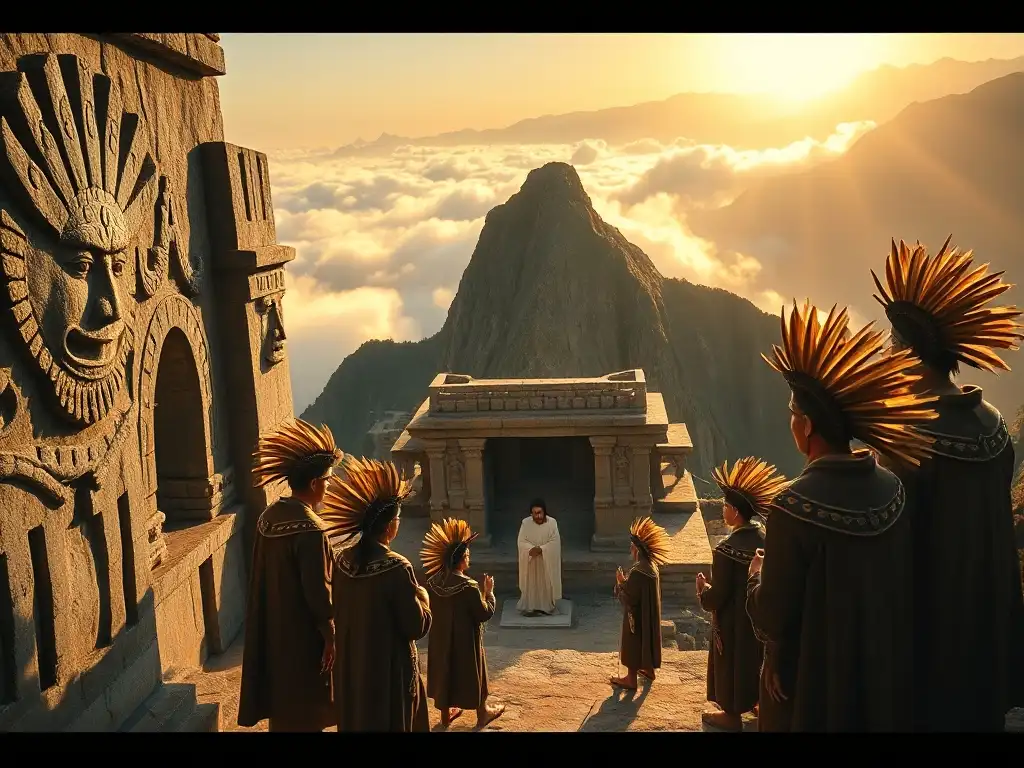
The Inca religion, deeply intertwined with the empire's political and social structure, was overseen by a complex hierarchy of priests and priestesses. Their influence extended far beyond mere ritual; they acted as intermediaries between the divine and the human realm, wielding considerable power and prestige within Inca society. Understanding their role is crucial to comprehending the Inca worldview and the function of the elaborate temple complexes that dotted the landscape.
The Inca pantheon, populated by a diverse range of gods and goddesses, required constant attention and appeasement, a task largely entrusted to this specialized class. The success of the empire itself was believed to be directly linked to the favor of the gods, making the priests' position both vital and influential.
Their expertise in astronomy, agriculture, and medicine further solidified their standing as essential members of Inca society. Indeed, the Inca gods and goddesses were not simply venerated; their influence shaped every aspect of daily life.
The Function of Priests in Inca Religious Practices
Inca priests, known as wilaq uma, weren't simply ceremonial figures. Their duties encompassed a broad spectrum of activities, from conducting elaborate rituals and sacrifices to interpreting celestial events and advising the Sapa Inca on matters of state. They were responsible for maintaining the intricate calendar system, crucial for agricultural planning and the timing of religious festivals. Many priests specialized in specific areas, such as divination or healing, reflecting the multifaceted nature of Inca religious practices.
For example, some priests were skilled in interpreting the movements of stars and constellations, predicting auspicious times for planting and harvesting, and advising the Inca ruler on matters of war and peace. Others focused on healing, using herbal remedies and spiritual practices to treat illnesses. This specialized knowledge gave them significant influence within the community. The meticulous record-keeping of religious events and astronomical observations also fell under their purview.
This involved the use of quipus, complex knotted cords that served as a sophisticated form of data storage and communication. The intricate system of knots conveyed information regarding religious practices, agricultural cycles, and even historical events, highlighting the importance of accurate record-keeping in the Inca worldview. The preservation and transmission of this knowledge ensured the continuity of religious practices and traditions across generations. The Inca gods and goddesses were served by a dedicated and specialized priesthood.
The Significance of Temples and Sacred Sites
Temples and sacred sites formed the physical manifestation of Inca religious beliefs. These structures, often built on elevated ground or in locations with significant geographical or astronomical importance, served as focal points for ritual activities and community gatherings. Their design and construction reflected the Inca's profound understanding of astronomy and their reverence for the natural world. Many temples were aligned with specific celestial events, such as solstices and equinoxes, emphasizing the close connection between the Inca worldview and the cosmos.
The most important temples housed images of the deities, intricate carvings, and precious artifacts, further emphasizing their sacred status. These sites were not merely places of worship; they were also centers of political and social power. The Sapa Inca, as the supreme religious authority, often presided over major ceremonies held within these sacred spaces, reinforcing his divine right to rule.
The construction of these monumental structures required immense resources and manpower, showcasing the importance placed on religious practices by the Inca elite. The intricate details of the architecture, the use of sophisticated building techniques, and the sheer scale of some of these sites are a testament to the power and influence of the Inca religion. The Inca gods and goddesses were honored in magnificent structures that reflected the empire's wealth and power.
Coricancha: The Golden Temple Dedicated to Inti
Coricancha, the "Golden Enclosure," in Cusco, stands as a prime example of Inca temple architecture and the significance placed on the worship of Inti, the sun god. This temple was not simply a place of worship; it was the heart of the Inca religious system, a testament to the power and influence of Inti. The walls of Coricancha were reportedly plated with gold, adorned with intricate carvings and precious stones, showcasing the empire's wealth and devotion to its principal deity. The temple complex housed numerous smaller shrines dedicated to other deities and housed a significant amount of the empire's gold and silver treasures.
It served as a repository for sacred objects and a center for astronomical observations, highlighting the intertwining of religion and state power. The destruction of much of Coricancha following the Spanish conquest unfortunately leaves many details about its architecture and ritual practices shrouded in mystery. However, surviving accounts and archaeological evidence reveal a breathtakingly opulent structure that served as a powerful symbol of Inca power and religious devotion.
The grandeur of Coricancha speaks volumes about the importance of Inti within the Inca pantheon and the centrality of religion within the Inca empire. The Inca gods and goddesses, especially Inti, were richly honored in this magnificent temple. Descriptions of its former glory paint a vivid picture of the awe-inspiring nature of this sacred site.
Inca Rituals and Offerings to the Gods
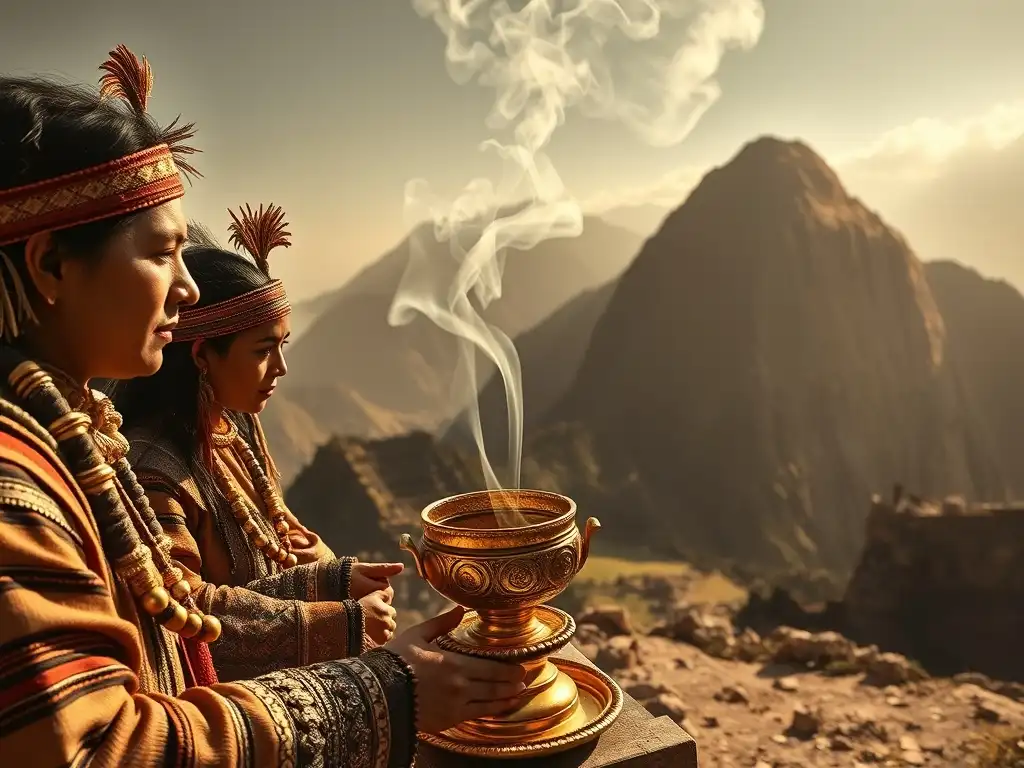
The Inca religion, deeply intertwined with their sophisticated political and social structures, relied heavily on elaborate rituals and offerings to maintain ayni, a reciprocal relationship between humans and the divine. Understanding these practices is key to comprehending the Inca worldview and their perception of power. The Inca pantheon, a complex tapestry of gods and goddesses, each with their specific domains and influence, demanded attention and appeasement through various forms of worship.
The success of the empire, its harvests, and the well-being of its people were directly linked to the favor of these celestial beings. This section explores the rituals and offerings central to Inca religious life, focusing on the types of offerings and the significance of these actions within the broader Inca societal context. The frequency and scale of these rituals varied, depending on the importance of the deity and the specific occasion.
For example, festivals dedicated to Inti, the sun god, were grand affairs involving the entire community, while smaller, more private offerings might be made to local deities or protective spirits. Understanding the intricacies of these rituals helps us unravel the complexities of Inca beliefs and their impact on the empire's daily life. The study of Inca religious practices provides invaluable insights into the Inca civilization's social, political, and economic structures.
Types of Offerings Made to Inca Deities
Inca offerings to their gods and goddesses were diverse and carefully chosen to reflect the nature of the deity and the request being made. These offerings weren't merely symbolic gestures; they represented a tangible expression of gratitude and a plea for continued favor. The most common offerings included:
- Agricultural products: Maize, potatoes, quinoa, coca leaves – the staples of the Inca diet – were frequently presented as offerings, reflecting the crucial role of agriculture in their society. The quality and quantity of the offering often mirrored the importance of the occasion.
- Livestock: Llamas and alpacas, vital for their wool and as pack animals, were sacrificed on special occasions, particularly during major festivals. The sacrifice of these animals was considered a great honor, signifying the devotion of the people.
- Precious metals and artifacts: Gold, silver, and intricately crafted objects of religious significance were presented to the most important deities, particularly Inti and Viracocha. These offerings underscored the power and wealth of the Inca empire.
- Human sacrifice: While not commonplace, human sacrifice did occur, primarily in times of crisis or during the most significant festivals. These sacrifices were often associated with the appeasement of powerful deities and the ensuring of continued prosperity. The victims were often selected from specific social groups or held a special status within the society. The practice remains a subject of ongoing debate and research amongst scholars.
- Chicha (corn beer): This fermented beverage held ceremonial significance and was frequently offered as a libation to the gods. The brewing and offering of chicha were integral to Inca religious practice.
The Importance of Rituals in Inca Religious Life
Inca rituals were not merely religious observances; they were essential components of the Inca social fabric. They served several crucial functions:
- Maintaining ayni: Rituals were central to maintaining the reciprocal relationship between humans and the supernatural world. Offering sacrifices and performing ceremonies were ways to ensure the continued flow of blessings and good fortune.
- Social cohesion: Public rituals, often involving large gatherings, reinforced social bonds and promoted a sense of shared identity and purpose within the communities.
- Political legitimacy: The Inca emperor, considered a direct descendant of the sun god, played a central role in many rituals. These ceremonies reinforced his divine right to rule and maintained social order.
- Predicting the future: Certain rituals, often involving divination, were used to predict the future and guide decision-making, particularly concerning agriculture and warfare.
The meticulous execution of these rituals, often involving specialized priests and skilled artisans, underscores their profound significance within Inca culture. The level of detail and organization involved reveals the importance placed on maintaining a harmonious relationship with the divine realm. The consequences of neglecting these rituals were believed to be severe, leading to crop failures, illness, and social unrest.
Capac Raymi: The Festival of the Sun and Royal Initiation
Capac Raymi, the most important festival in the Inca calendar, celebrated the sun god Inti and marked the royal initiation of the Sapa Inca. This grand festival, held annually during the winter solstice, involved elaborate ceremonies and processions that lasted several days. The festival's significance extended beyond a simple religious observance; it served as a powerful symbol of Inca power and legitimacy.
The festivities included:
- Grand processions: The Sapa Inca, along with priests and nobles, participated in elaborate processions throughout Cusco, the capital city. These processions were accompanied by music, dance, and offerings.
- Human sacrifices: In some instances, human sacrifices were made during Capac Raymi, reinforcing the emperor's divine power and securing the empire's continued success. The scale and significance of these sacrifices highlight the importance of this festival.
- Feasting and celebrations: The festival also involved extensive feasting and celebrations, bringing the entire population together in a display of communal unity and devotion.
- Reinforcement of power: Capac Raymi served as a public display of the Inca emperor's authority, reaffirming his divine lineage and strengthening his claim to power. The festival’s grandeur symbolized the empire's strength and prosperity.
The meticulous planning and execution of Capac Raymi demonstrate the significant role played by religion in Inca society. The festival’s intricate details and the sheer scale of the event offer valuable insights into the complexities of Inca religious beliefs and political power structures. It stands as a testament to the profound influence of Inca religion on every aspect of life within the empire.
The Legacy of Inca Gods and Goddesses
The Inca pantheon, a complex tapestry of celestial beings and earthly forces, left an indelible mark on Andean culture that resonates even today. Understanding the Inca's religious beliefs is crucial to comprehending their societal structure, political power, and artistic expressions. The Inca religion wasn't merely a set of beliefs; it was the very foundation upon which their empire was built, influencing everything from agricultural practices to imperial expansion.
The worship of these Inca gods and goddesses shaped their worldview, their laws, and their daily lives. This legacy extends far beyond the crumbling ruins of Machu Picchu, persisting in the traditions and beliefs of contemporary Andean communities.
The Impact of Inca Religion on Andean Culture
Inca religion profoundly impacted Andean culture, shaping its social fabric and artistic expressions. The intricate system of Inca gods and goddesses, each with specific domains and responsibilities, permeated every aspect of life. For instance, the agricultural cycle, vital to the Inca economy, was deeply intertwined with religious rituals and festivals dedicated to deities like Inti (the Sun God) and Mama Killa (the Moon Goddess). Successful harvests were attributed to their favor, while crop failures were interpreted as signs of displeasure, leading to elaborate appeasement ceremonies.
The Inca's sophisticated understanding of astronomy is a testament to their religious devotion. Their calendar system, meticulously aligned with the celestial movements, guided agricultural practices and dictated the timing of religious festivals. This astronomical knowledge, interwoven with their religious beliefs, enabled them to manage resources effectively and maintain social stability.
Furthermore, the Inca's impressive architectural feats, such as the precise stonework of Machu Picchu, were not merely engineering marvels but also religious statements, reflecting their deep reverence for the cosmos and their deities. The very landscape was imbued with spiritual significance, with sacred sites strategically located to harness the perceived power of nature.
The extensive network of roads and tambos (roadside inns) facilitated not only trade and communication but also pilgrimage to sacred sites, reinforcing religious unity across the vast empire. Religious practices served as a powerful tool for social control, fostering loyalty to the Inca emperor, who was considered a divine intermediary between the gods and the people. This intricate interplay between religion, politics, and everyday life highlights the pervasive influence of the Inca pantheon on Andean culture.
How Inca deities are remembered today
While the Inca Empire fell centuries ago, the memory of their Inca gods and goddesses persists in various ways. Many contemporary Andean communities still retain elements of Inca religious traditions, albeit often blended with later influences from Christianity and other belief systems. The veneration of Inti, the Sun God, for example, continues in some regions, although the rituals and practices may have evolved over time. Festivals celebrating the harvest or the solstices often incorporate elements that trace their origins back to Inca traditions.
Archaeological discoveries continue to shed light on the Inca pantheon, revealing new details about their beliefs and practices. The careful excavation and study of Inca sites, such as temples and burial grounds, provide valuable insights into the iconography, rituals, and social structures associated with their religious system. Museums around the world house artifacts related to Inca religion, allowing researchers and the public to learn more about these fascinating deities.
The enduring interest in Inca culture ensures that the stories of their gods and goddesses continue to be told and reinterpreted by new generations. This sustained interest fuels further research and inspires artistic expressions that keep the memory of the Inca pantheon alive.
Influence on Contemporary Andean Beliefs
The influence of Inca gods and goddesses on contemporary Andean beliefs is multifaceted and complex. While many traditional practices have been adapted or syncretized with other religious systems, the underlying spiritual worldview often retains traces of Inca cosmology. The reverence for nature, the importance of ancestral spirits, and the belief in the interconnectedness of the cosmos are all elements that resonate with Inca religious thought.
For example, the concept of Pachamama, Mother Earth, a powerful deity in Andean beliefs, has its roots in Inca religion, although her specific attributes and worship practices may have evolved over time. Similarly, the belief in Apus, mountain spirits, which are revered and offered sacrifices to, reflects a continuity with Inca beliefs about the sacredness of mountains and their connection to the spiritual realm. This enduring influence suggests that the Inca pantheon, despite the passage of time and the imposition of new religious systems, continues to shape the spiritual landscape of the Andes.
Understanding this legacy is essential for appreciating the richness and complexity of Andean culture and its enduring connection to its past. Further research into the specific rituals and beliefs of contemporary Andean communities is crucial for a more complete understanding of this ongoing influence.
Frequently Asked Questions
What were the most important Inca gods and goddesses?
The most important Inca deities included Inti, the sun god, Viracocha, the creator god, and Mama Killa, the moon goddess. These three held supreme power in the Inca pantheon.
How did the Inca people worship their gods?
Inca worship involved elaborate ceremonies, sacrifices (including llama offerings), and the construction of grand temples dedicated to specific deities. They also performed rituals to ensure a good harvest and appease the gods.
What role did religion play in Inca society?
Religion was central to Inca life, shaping their social structure, political power, and daily activities. The emperor was considered a divine intermediary between the gods and the people.
Were there any lesser-known Inca gods or goddesses?
Yes, the Inca pantheon included many lesser deities associated with specific aspects of nature, like mountains (Apus) and weather. These gods were also revered and played a role in local ceremonies.
How did the Spanish conquest affect Inca religion?
The Spanish conquest led to the suppression of Inca religion and the imposition of Christianity. Many Inca temples were destroyed, and traditional practices were outlawed. However, elements of Inca beliefs have persisted to this day.
Final Reflection: Echoes of the Andes: A Legacy of Inca Divinity
The intricate tapestry of Inca mythology, woven from threads of nature worship and ancestor veneration, continues to resonate in the modern world. Understanding the Inca pantheon isn't just an academic exercise; it's a key to unlocking a profound understanding of a civilization's values, beliefs, and enduring legacy. The stories of Inti, Viracocha, and Mama Killa are not simply historical artifacts, but powerful narratives that speak to our own innate human need for connection to something larger than ourselves.
The enduring power of the Inca deities lies not only in their historical significance but also in their symbolic representation of fundamental human experiences. Their stories of creation, destruction, and renewal mirror our own struggles with the natural world and the search for meaning in life. The gods are not dead, but they sleep,
a Quechua proverb reminds us, suggesting that the spiritual essence of the Inca world remains, albeit transformed, within the Andean landscape and its people. This enduring presence underscores the importance of preserving and understanding these ancient narratives.
Consider, then, the echoes of the Inca pantheon in your own life. How do the stories of these powerful deities resonate with your own understanding of the world? What lessons can we learn from their struggles, their triumphs, and their ultimate fate?
Let the legacy of the Inca gods and goddesses inspire you to explore your own spiritual landscape, to connect with the natural world, and to appreciate the rich tapestry of human belief systems that have shaped our world. Embrace the enduring power of myth and legend, for within them lie timeless truths that continue to illuminate our path.
Embrace the Sacred: Connect with the Inca Pantheon Today!
Thank you for exploring the fascinating world of the Inca pantheon with us! You've uncovered the richness of its key deities and their profound impact on Andean civilization. Now, let's delve even deeper!
Here are some ways to strengthen your connection with Incan heritage:
- Dive Deeper: Select a deity whose story particularly resonates with you and research their myths, significance, and associated rituals. Immerse yourself in the rich tapestry of Inca culture.
- Share & Reflect: Discuss your discoveries with friends, family, or in an online forum. Sharing your insights can spark engaging conversations about ancient beliefs and their continuing relevance in modern life.
- Create: Express your connection through art, writing, or another creative medium inspired by a deity's attributes. Let your creativity flourish as a celebration of Inca influence.
What aspect of the Inca deities most inspires you in your daily life?