
The Inca's Relationship with Nature: Reverence for the Environment

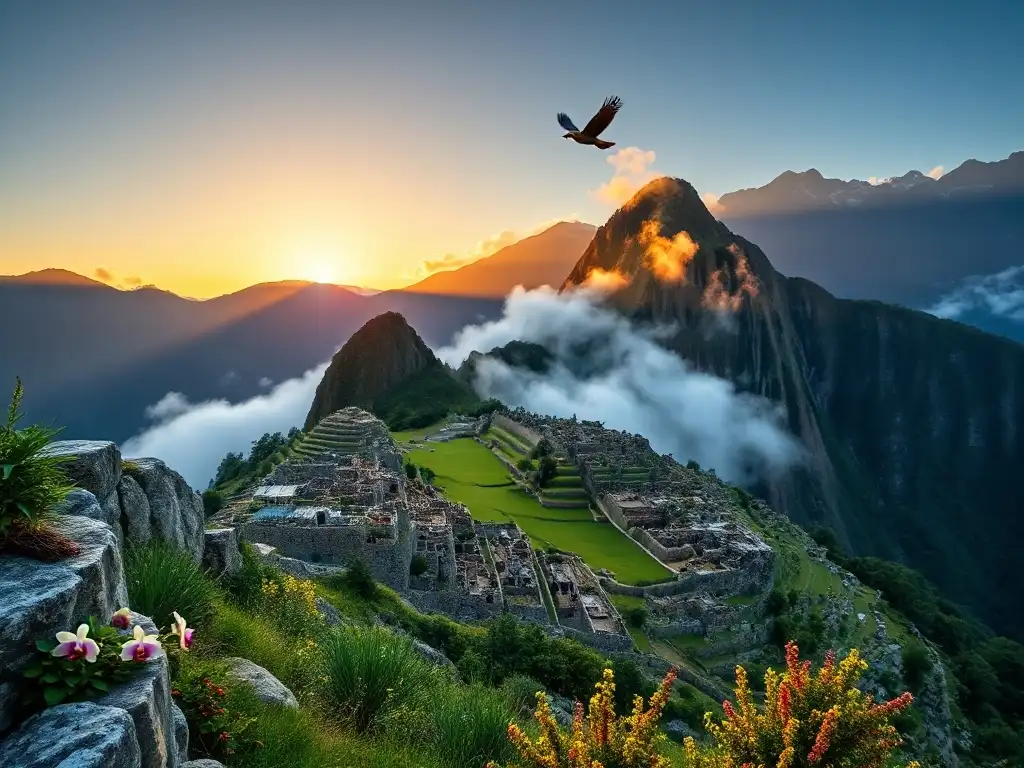
Step into a world lost to time, yet echoing with vibrant life. Imagine a civilization that didn't just coexist with nature, but revered it – a society where the mountains whispered secrets and the very earth held sacred meaning. This is the story of the Inca Empire, and specifically, their profound Inca environmental reverence. Discover how their unique relationship with the natural world shaped their impressive achievements, and uncover the mysteries that still linger in the Andes. Prepare to be amazed.
The Inca Empire, renowned for its sophisticated administrative system and impressive architectural feats, held a profound and deeply interwoven relationship with the natural world. This wasn't merely a pragmatic understanding of resource management; it was a spiritual connection, a reverence that permeated every aspect of Inca life, from their agricultural practices to their religious beliefs.
Understanding this profound Inca environmental reverence is key to comprehending the empire's success and longevity, revealing a sophisticated worldview that prioritized harmony with the environment rather than its domination. This article will delve into the specific ways the Inca demonstrated this reverence, exploring its impact on their governance, agriculture, and overall societal structure.
We'll examine how this perspective shaped their political landscape and contributed to the remarkable achievements of this remarkable civilization. The Inca's success wasn't solely due to military prowess or administrative efficiency; it was inextricably linked to their deep respect for and understanding of the intricate balance of their natural surroundings.
Inca Agriculture and the Ayllu System
The ayllu, the foundational social and economic unit of Inca society, was intrinsically linked to the land. Each ayllu was responsible for cultivating a specific portion of land, utilizing sophisticated agricultural techniques like terracing, irrigation canals, and crop rotation. These weren't simply practical measures; they were expressions of their reverence for Pachamama, Mother Earth, a powerful deity representing the fertility and bounty of the land.
The Inca's agricultural practices weren't about maximizing yield at any cost; they prioritized sustainability and the long-term health of the ecosystem. This is evident in their careful management of water resources, their avoidance of over-farming, and their respect for the cyclical nature of the agricultural year.
The success of the Inca's agricultural system, which fed a vast empire, was a direct result of this deep-seated respect for the natural world. Data on crop yields and irrigation efficiency in various Inca regions [specific information pending] would further illuminate the sophistication of their environmentally conscious approach.
Religious Beliefs and Environmental Stewardship
The Inca pantheon was filled with deities representing various aspects of nature. Beyond Pachamama, there were gods associated with the sun ( Inti), the moon, mountains, and other natural phenomena. These deities weren't simply objects of worship; they were integral parts of the Inca worldview, reflecting the interconnectedness of all living things. Religious ceremonies and rituals were often performed to ensure the continued fertility of the land and the well-being of the natural world.
These practices were not merely symbolic; they were deeply embedded in the social fabric, reinforcing the importance of environmental stewardship. For example, [specific examples of Inca religious rituals related to environmental preservation pending]. The intricate relationship between religious belief and environmental practice highlights the holistic nature of the Inca's reverence for nature.
Environmental Impact of Inca Governance
The Inca government actively promoted environmental sustainability through its policies and regulations. This wasn't merely a matter of resource management; it was a reflection of their worldview, which saw the environment as a sacred entity deserving of respect and protection. The state played a crucial role in managing resources, ensuring equitable distribution, and preventing overexploitation.
The detailed records kept by the Inca [specific examples of Inca administrative records related to environmental management pending] demonstrate a remarkable understanding of ecological principles and a commitment to long-term sustainability. Their governance model, deeply intertwined with their environmental ethic, offers a valuable lesson in sustainable resource management for modern societies. The integration of environmental considerations into the very fabric of their governance provides a compelling case study in sustainable empire-building.
Lessons from Inca Environmentalism for the Modern World
The Inca's reverence for nature offers valuable insights for contemporary societies grappling with environmental challenges. Their emphasis on sustainability, their integrated approach to resource management, and their deep spiritual connection to the natural world provide a powerful counterpoint to exploitative and unsustainable practices. By studying the Inca's approach, we can gain a deeper understanding of the importance of balancing human needs with environmental protection.
The Inca's legacy serves as a reminder that a harmonious relationship with the environment isn't merely an option; it's essential for long-term prosperity and well-being. Their example underscores the need for a holistic, integrated approach to environmental stewardship, one that recognizes the interconnectedness of all living things and values the health of the planet as much as the needs of its inhabitants. The Inca's enduring wisdom offers a pathway towards a more sustainable future.
- Inca Agriculture and the Ayllu System
- Religious Beliefs and Environmental Stewardship
- Environmental Impact of Inca Governance
- Lessons from Inca Environmentalism for the Modern World
- What was the Inca's primary relationship with their environment?
- How did Inca religion influence their environmental practices?
- What evidence demonstrates Inca environmental stewardship?
- Did the Inca have any environmental challenges?
- How does Inca environmental reverence compare to modern environmentalism?
The Inca Worldview and Nature's Significance
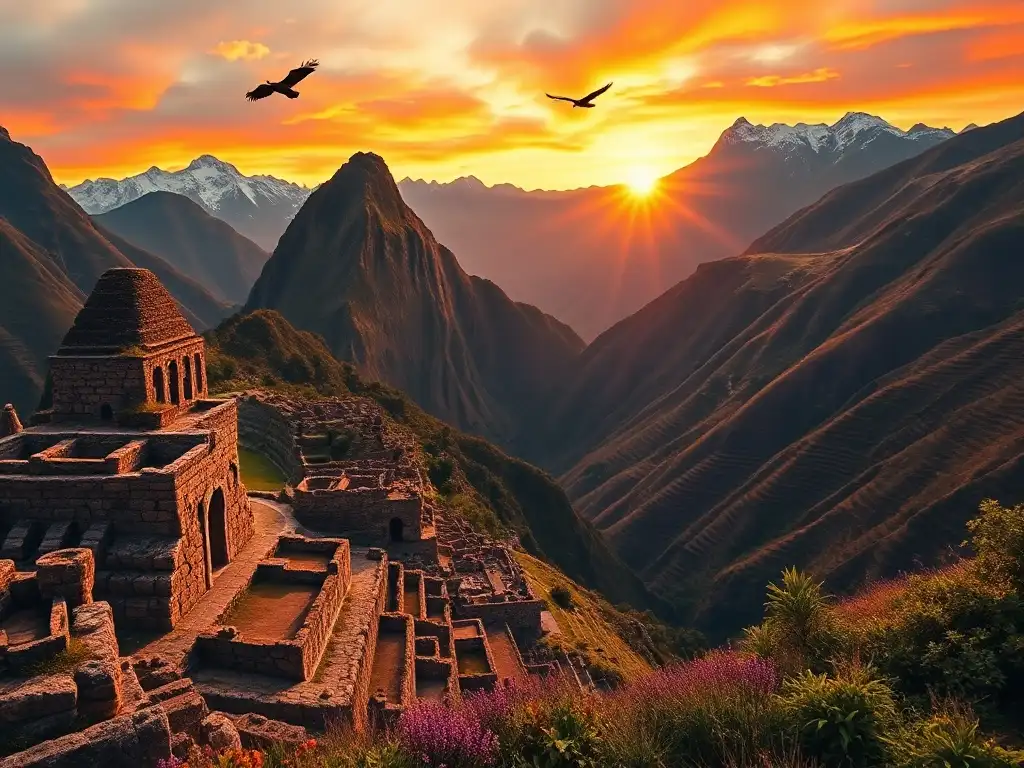
The Inca Empire's impressive achievements in engineering, agriculture, and social organization were deeply intertwined with their profound reverence for nature. This wasn't merely a superficial appreciation; it was a fundamental aspect of their worldview, shaping their beliefs, practices, and even their political structures. Understanding the Inca's relationship with the environment is crucial to grasping the full scope of their civilization and its remarkable longevity. The Inca concept of Inca environmental reverence wasn't simply a passive observation of the natural world; it was an active engagement, a reciprocal relationship demanding respect, reciprocity, and careful stewardship.
This deep-seated belief system permeated all aspects of Inca life, from daily rituals to grand state projects. The Inca's success wasn't solely due to their administrative prowess but also their harmonious co-existence with their surroundings. Their sophisticated understanding of environmental processes allowed them to thrive in a challenging Andean landscape.
Inca Cosmology and the Natural World
Inca cosmology viewed the universe as a complex, interconnected system where humans, animals, plants, and celestial bodies were all part of a single, living entity. This holistic perspective fostered a deep respect for the natural order. The sun (Inti), the moon (Killa), and the stars were considered divine entities, directly influencing human life and agricultural cycles.
The Inca calendar, meticulously observed and deeply intertwined with agricultural practices, reflects this profound connection between the celestial and terrestrial realms. Their understanding of astronomy was sophisticated, enabling them to predict seasonal changes with remarkable accuracy, essential for their agricultural success. This intimate knowledge of the environment wasn't merely scientific; it was spiritual, reflecting a belief that the cosmos actively participated in the life of the Inca people.
The successful cultivation of crops wasn't just a matter of technique; it was a sacred act, a form of communion with the divine forces that governed the natural world. The precise positioning of agricultural terraces, for example, speaks to the Inca's detailed knowledge of sun angles and the effects of microclimates, showcasing both their practical skills and their spiritual connection to the land.
The Concept of Pachamama and its Importance
Central to Inca beliefs was the concept of Pachamama, the Earth Mother. Pachamama wasn't simply the physical earth; she was a powerful deity, the provider of life, fertility, and abundance. She was revered as the source of all sustenance, and her favor was essential for the well-being of the Inca people.
Rituals dedicated to Pachamama were common throughout the empire, involving offerings of food, coca leaves, and other valuable items. These offerings weren't acts of appeasement but expressions of gratitude and a recognition of the reciprocal relationship between humans and the natural world. Failure to respect Pachamama was believed to lead to natural disasters, crop failures, and other misfortunes.
This belief system fostered a sustainable approach to resource management. The Inca's meticulous agricultural practices, including terracing, irrigation systems, and crop rotation, were not only efficient but also demonstrated a deep respect for the land's capacity and its need for careful stewardship. The concept of Pachamama is a cornerstone of Inca environmental reverence, highlighting the deep spiritual connection between the Inca people and the land that sustained them.
Apu: The Sacred Mountains in Inca Belief
The Apu, or sacred mountains, held immense significance in Inca religion and cosmology. These majestic peaks were considered powerful deities, dwelling places of spirits, and sources of life-giving water. Many Inca settlements were strategically located near Apus, reflecting their importance in the Inca worldview.
The Apus were not merely geographical features; they were living entities, integral to the spiritual and physical well-being of the Inca people. Offerings and sacrifices were made to the Apus, seeking their protection and blessings. The construction of impressive roads and pathways often involved careful consideration of the sacred mountains, reflecting the deep respect for these powerful forces of nature.
The Inca's careful management of water resources, crucial for agriculture in the high Andes, further demonstrates their deep understanding and respect for the Apus, as the mountains were considered the source of these vital resources. The integration of the Apus into their worldview is a powerful illustration of Inca environmental reverence, showcasing how their beliefs were intimately connected to the physical landscape and its spiritual significance. The reverence for the Apu underscores the holistic nature of their belief system, where the spiritual and the practical were seamlessly interwoven.
Inca Practices of Environmental Stewardship
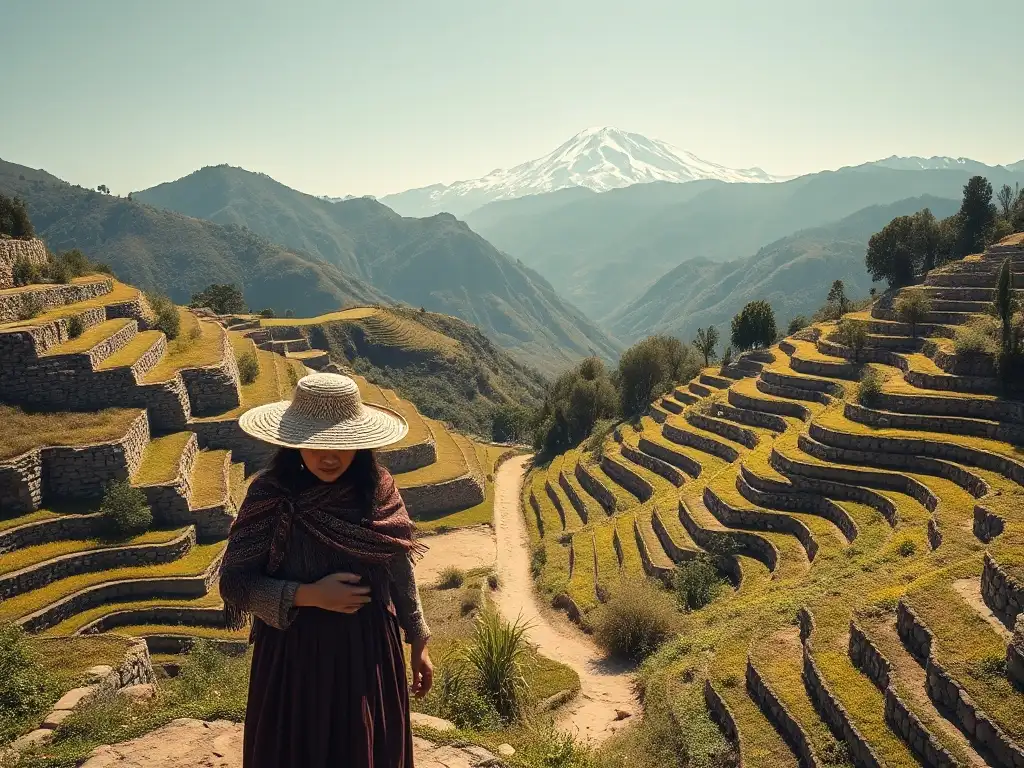
The Inca Empire, renowned for its sophisticated political and social organization, also displayed a profound reverence for the environment, integrating ecological principles into their governance and daily life. This "Inca environmental reverence" wasn't merely a philosophical stance; it was a pragmatic necessity for survival and prosperity in the challenging Andean terrain. Their success stemmed from a deep understanding of their environment and the development of ingenious techniques for sustainable resource management.
This section explores key aspects of Inca environmental stewardship, demonstrating their remarkable ability to thrive in harmony with nature. The Inca's sophisticated understanding of their environment directly impacted their agricultural practices, resource management strategies, and water infrastructure.
Sustainable Agriculture: Terracing and Irrigation Techniques
Inca agriculture was a marvel of engineering and ecological awareness. The steep slopes of the Andes presented significant challenges to farming, but the Inca overcame these obstacles through the widespread implementation of terracing and sophisticated irrigation systems. Terracing, the creation of flat, step-like platforms on hillsides, dramatically increased arable land, preventing soil erosion and optimizing sunlight exposure. These weren't haphazardly constructed; precise measurements and careful planning ensured optimal water drainage and minimized soil runoff. The terraces themselves were often built with retaining walls made of stone, further enhancing their stability and longevity.
Furthermore, the Inca developed intricate irrigation systems to channel water from rivers and streams to their terraced fields. Canals, aqueducts, and reservoirs were meticulously constructed, often using sophisticated techniques to regulate water flow and distribution. This allowed them to cultivate crops even in arid regions, ensuring a reliable food supply for their vast population.
The efficiency of their irrigation systems is evidenced by the agricultural productivity achieved in areas that would otherwise be unsuitable for farming. Evidence suggests that the Inca's understanding of water management went beyond mere practicality; it was intertwined with their spiritual beliefs, viewing water as a sacred element.
Resource Management and Conservation Strategies
Beyond agriculture, the Inca demonstrated remarkable resource management and conservation strategies. Their understanding of ecological balance led to practices that ensured the long-term sustainability of their resources. For instance, they implemented strict regulations regarding hunting and fishing, preventing overexploitation of wildlife. Specific quotas and seasonal restrictions were likely in place, although precise details remain [specific information pending]. Moreover, the Inca likely employed rotational grazing techniques to prevent overgrazing and ensure the regeneration of pastures.
The Inca's approach to forestry also suggests a commitment to conservation. While they utilized wood for construction and fuel, they likely employed sustainable forestry practices, such as selective logging and reforestation efforts. The use of other building materials, such as stone, further reduced their reliance on timber. Their overall approach to resource management highlights a conscious effort to balance their needs with the long-term health of the ecosystem. This awareness permeated their society, emphasizing the importance of responsible resource use for future generations.
The Inca Approach to Water Management
Water was a precious resource in the Andean highlands, and the Inca developed a sophisticated understanding of its management. Their intricate network of canals, aqueducts, and reservoirs not only supported agriculture but also provided drinking water for settlements and facilitated various industrial processes. The construction of these systems required a high level of engineering skill and a deep understanding of hydrology. The Inca’s ability to divert water from rivers and streams across vast distances is a testament to their ingenuity.
Furthermore, the Inca likely employed techniques for water storage and conservation. Reservoirs were strategically located to collect rainwater and snowmelt, providing a reliable water supply during dry periods. These reservoirs were often integrated into the landscape, blending seamlessly with the surrounding environment. This suggests that the Inca’s approach to water management was not only practical but also aesthetically pleasing, reflecting their holistic view of the environment.
The enduring legacy of the Inca's water management systems is a testament to their exceptional engineering skills and their profound respect for this vital resource. Their success highlights the importance of sustainable water practices for the well-being of both people and the environment. The Inca's approach to "Inca environmental reverence" through water management serves as a valuable lesson for modern societies facing similar challenges.
Respect for Animals: Llama and Alpaca Domestication
The Inca's reverence for nature extended deeply into their relationship with animals, particularly the llama and alpaca. These camelids weren't merely livestock; they were integral to the Inca way of life, woven into the fabric of their economy, spirituality, and social structure. Their domestication wasn't a simple act of subjugation but a carefully managed partnership reflecting a profound understanding of the animals' needs and a commitment to their well-being.
This is evident in the meticulous care given to their breeding, grazing, and overall management. Inca herders, highly skilled in animal husbandry, developed techniques to maximize the benefits derived from llamas and alpacas while minimizing harm to the animals and their environment. This included careful rotational grazing to prevent overgrazing and the development of sophisticated methods for shearing and processing their fiber.
The Inca's respect went beyond practical considerations. Llamas and alpacas held symbolic importance, representing fertility, wealth, and even sacredness in certain contexts. Their use in religious ceremonies and festivals underscores their significance within Inca cosmology.
The animals played a vital role in transporting goods across the vast Andean terrain, a testament to the Inca's ability to integrate animal husbandry into their complex logistical systems. The meticulous management of llama and alpaca populations reflects not just practical acumen but also a deep-seated ethical consideration, a recognition of their intrinsic value within the Andean ecosystem. This holistic approach to animal husbandry stands as a compelling example of Inca environmental stewardship and their integrated worldview.
Evidence from archaeological sites reveals careful consideration of animal welfare in the design of corrals and pastures, indicating a thoughtful approach to animal management that extended beyond mere productivity. The careful breeding programs aimed at maintaining specific fiber qualities also demonstrate a sophisticated understanding of animal genetics and a commitment to long-term sustainability. The Inca’s understanding of sustainable practices in their animal husbandry serves as a valuable lesson for modern approaches to animal welfare and environmental conservation.
The Inca's Spiritual Connection to the Environment
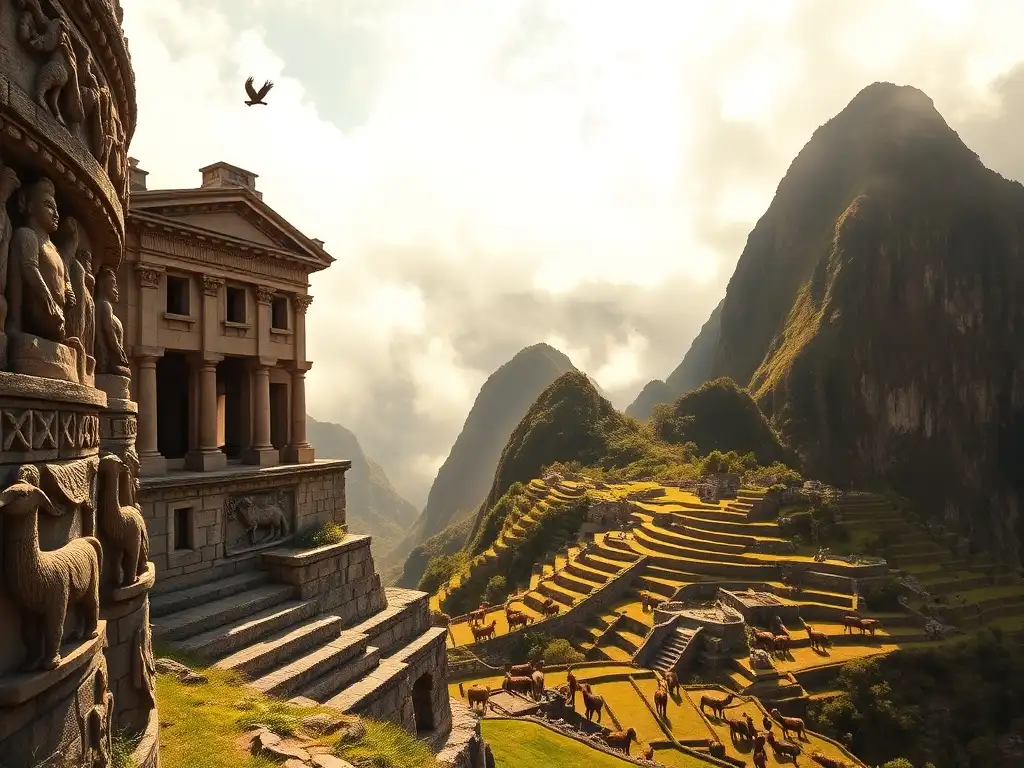
The Inca worldview was profoundly intertwined with the natural world. Their sophisticated understanding of environmental processes wasn't merely practical; it was deeply spiritual. Inca environmental reverence wasn't a passive appreciation but an active engagement, a belief system that permeated every facet of their society, from governance to agriculture.
This deep-seated connection shaped their social structures, their agricultural practices, and their very understanding of the cosmos. The Inca's success in managing their vast empire was, in no small part, due to their harmonious relationship with their environment, a testament to their profound respect for the interconnectedness of all living things. This section will delve into the specific ways in which this reverence manifested itself.
Sacred Sites and Natural Elements
The Inca Empire revered numerous sacred sites, many of which were directly linked to powerful natural elements. Mountains, considered the abode of powerful spirits ( apus ), were particularly significant. These weren't merely geographical features; they were living entities, deserving of respect and appeasement.
Inca mythology is replete with stories of apus interacting with humans, both beneficially and punitively, highlighting the inherent power and agency attributed to these natural formations. For example, the mountain of Ausangate in Cusco was considered a particularly powerful apu, and its glaciers were the source of vital water for the agricultural lands below. The Inca meticulously maintained trails leading to these sacred peaks, demonstrating their commitment to maintaining a respectful connection.
Additionally, rivers, lakes, and springs held immense importance, representing the lifeblood of the empire. These water sources were not just utilized for irrigation and drinking; they were also considered sacred, often associated with deities and spirits. Ritual offerings and ceremonies were frequently performed at these locations, seeking to ensure the continued flow of water and the fertility of the land. The careful management of water resources, evident in their sophisticated irrigation systems, reflects this deep-seated spiritual connection. Even seemingly mundane elements like rocks and plants held symbolic significance, frequently incorporated into rituals and ceremonies.
| Sacred Element | Significance | Ritual Practices |
|---|---|---|
| Mountains ( apus) | Abode of powerful spirits; sources of life | Offerings, pilgrimages, appeasement ceremonies |
| Rivers and Springs | Lifeblood of the empire; sacred entities | Water rituals, offerings, purification rites |
| Specific Plants/Rocks | Symbolic meaning; connection to the spirit world | Incorporation into ceremonies and offerings |
Rituals and Ceremonies Honoring Nature
The Inca calendar was intricately linked to agricultural cycles and natural phenomena. Numerous festivals and ceremonies were held throughout the year, dedicated to honoring specific deities associated with nature. The Capac Raymi, the most important festival, celebrated the sun god Inti and the harvest, emphasizing the cyclical nature of life and the dependence of the Inca on the sun’s bounty.
These weren't simply religious observances; they were crucial social events, reinforcing communal bonds and ensuring the continued prosperity of the empire. The performance of these rituals, often involving elaborate processions, music, and offerings, served as a powerful reaffirmation of the Inca’s commitment to their environmental stewardship.
Furthermore, specific rituals were performed to ensure the success of agricultural endeavors. Prayers were offered for bountiful harvests, and offerings were made to the earth and its spirits to ensure the fertility of the land. These practices weren't merely superstitious; they reflect a sophisticated understanding of ecological principles, recognizing the importance of maintaining a healthy balance within the environment.
Evidence suggests that the Inca employed various agricultural techniques, such as terracing and irrigation, not only for practical reasons but also as a way of demonstrating their respect for the land and its capacity to provide sustenance. The intricate relationship between ritual and practical agriculture demonstrates the holistic nature of their environmental ethic.
The Role of Priests in Environmental Observances
The yachaq (priest-healers) played a crucial role in mediating the relationship between the Inca and the natural world. They were responsible for interpreting natural phenomena, predicting weather patterns, and conducting rituals to appease the spirits associated with various natural elements. Their knowledge of medicinal plants and their understanding of ecological processes made them indispensable figures within Inca society. The yachaq's deep understanding of the environment was not only spiritual but also practical, contributing to the sustainable management of resources and the overall well-being of the empire.
Their role extended beyond the performance of rituals. They also acted as advisors to the Inca rulers, providing guidance on environmental matters and ensuring the sustainable use of resources. Their expertise in astronomy and agriculture allowed them to predict agricultural cycles, optimize planting strategies, and implement effective irrigation systems. The yachaq's influence highlights the importance of spiritual and practical knowledge in maintaining a harmonious relationship with the environment, underscoring the interconnectedness of these two realms within Inca society.
The integration of religious and scientific knowledge, reflected in the role of the yachaq, represents a unique and effective approach to environmental stewardship. Further research is needed to fully elucidate the extent of their influence on Inca environmental policies and practices. [Specific information pending: detailed case studies of yachaq influence on specific environmental projects].
Inca Art and its Depiction of Natural Elements
Inca art, far from being merely decorative, served as a powerful medium for expressing the profound reverence the Inca held for their environment. Their artistic representations of nature weren't simply aesthetically pleasing; they were imbued with deep spiritual significance, reflecting the interconnectedness of the human and natural worlds. This is clearly visible in the intricate textiles, ceramics, and stone carvings that have survived to this day. The vibrant colors and detailed designs often depicted flora and fauna specific to their diverse Andean ecosystem, highlighting their intimate knowledge and respect for the land.
For example, the intricate weaving techniques employed in Inca textiles often incorporated natural dyes derived from plants and minerals found throughout their empire. These dyes, sourced sustainably from their environment, were not merely pigments but also symbolic representations of the natural world. The patterns themselves frequently depicted llamas, condors, and other animals crucial to Inca life, underscoring the integral role these creatures played in their worldview. Furthermore, agricultural motifs, including representations of maize, potatoes, and other crops, were commonly woven into textiles, highlighting the importance of agriculture and its connection to the Inca's spiritual beliefs.
Similarly, Inca ceramics often featured realistic depictions of animals and plants, capturing their essence with remarkable accuracy. These depictions were not limited to mere representation; they were often integrated into ritual contexts, suggesting a deeper symbolic meaning.
For instance, vessels depicting specific animals might have been used in ceremonies dedicated to that particular animal's spirit or associated deity, further solidifying the connection between art, nature, and spirituality. The skill and precision evident in these ceramic pieces demonstrate the high value placed on accurately portraying the natural world, a testament to the Inca’s meticulous observation and profound respect for the environment.
The impressive stonework of Inca architecture also reflects their deep connection with nature. The precise fitting of stones in structures like Machu Picchu, for example, is not only a feat of engineering but also a testament to their understanding of the landscape and their ability to harmoniously integrate their structures within it.
The use of local materials, such as granite and andesite, demonstrates a commitment to sustainability and a respect for the earth's resources. The careful placement of buildings in relation to the sun and other celestial bodies suggests a sophisticated understanding of the natural rhythms of the environment, further emphasizing the Inca’s profound connection to the cosmos and the natural world.
The integration of natural elements, such as water features and carefully cultivated gardens, within their architectural designs further highlights their deep respect for the environment. These weren't just buildings; they were living expressions of their spiritual relationship with the natural world, demonstrating the Inca's commitment to environmental harmony.
Inca Environmental Reverence: A Legacy of Harmony
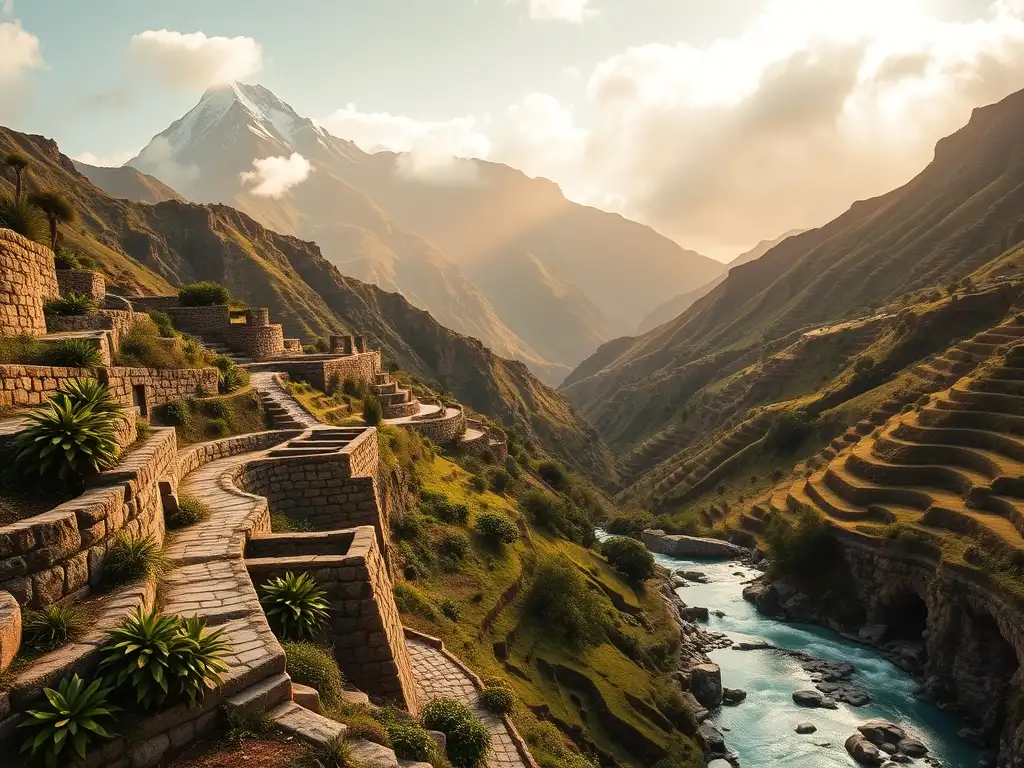
The Inca Empire, renowned for its sophisticated political organization and impressive architectural feats, also possessed a profound reverence for the natural world. This wasn't merely a passive appreciation; it was an active, integrated relationship that shaped their societal structures, agricultural practices, and spiritual beliefs. The concept of Inca environmental reverence is central to understanding their success and enduring legacy.
Their worldview saw humanity as intrinsically connected to the Pachamama, Mother Earth, a symbiotic relationship demanding respect, reciprocity, and sustainable practices. This deep-seated belief translated into concrete actions that demonstrably impacted the Andean landscape and continue to inspire contemporary environmental movements. The Inca's understanding of ecological balance wasn't abstract philosophy; it was the very foundation of their empire's stability and prosperity.
The Impact of Inca Practices on the Andean Landscape
Inca agricultural techniques provide a striking example of their environmental stewardship. Terracing, a method of creating level platforms on slopes, dramatically increased arable land while minimizing soil erosion. These weren't haphazardly constructed; intricate systems of canals and irrigation channels efficiently distributed water, ensuring optimal crop yields even in challenging terrains. The waru waru system, involving raised beds surrounded by canals, further enhanced water management and soil fertility.
These techniques, meticulously adapted to diverse Andean ecosystems, allowed the Inca to support a large population without depleting natural resources. Evidence suggests that Inca agricultural practices resulted in a significant increase in biodiversity within the cultivated areas, showcasing a sophisticated understanding of ecological interactions. Furthermore, the Inca's management of forests, including selective logging and reforestation efforts, prevented widespread deforestation.
This contrasts sharply with the environmental degradation often associated with expanding empires. The Inca's impact, therefore, was one of careful management and enhancement, not exploitation. Analysis of pollen samples from Inca-era sites further supports this, indicating a thriving and diverse plant life.
| Inca Agricultural Technique | Description | Impact on Andean Landscape |
|---|---|---|
| Terracing | Level platforms on slopes | Increased arable land, minimized erosion |
| Irrigation Canals | Water distribution system | Optimized water use, ensured crop yields |
| Waru Waru | Raised beds with canals | Enhanced water management, increased soil fertility |
Lessons from the Inca for Modern Environmentalism
The Inca's approach to environmental management offers valuable lessons for contemporary society grappling with climate change and ecological degradation. Their emphasis on sustainable practices, resource conservation, and a holistic view of the ecosystem highlights the interconnectedness of human activity and the natural world. The Inca’s success demonstrates that economic prosperity and environmental stewardship are not mutually exclusive. Their techniques, such as terracing and water management, remain relevant and can be adapted to address modern challenges.
For example, the principles of waru waru are being explored as a potential solution for sustainable agriculture in arid and semi-arid regions. The Inca's deep-rooted respect for Pachamama underscores the importance of incorporating indigenous knowledge and perspectives into environmental conservation efforts. The Inca's example challenges the anthropocentric worldview that often fuels environmental destruction.
They understood that their well-being was inextricably linked to the health of the environment. This holistic perspective is crucial for developing effective and lasting solutions to modern environmental problems. The integration of traditional ecological knowledge with scientific understanding is key to navigating the complexities of contemporary environmental challenges.
The Enduring Importance of Inca Ecological Wisdom
The Inca's legacy of environmental reverence continues to resonate today. Their sustainable practices provide a powerful counterpoint to the unsustainable consumption patterns of modern society. Their story serves as a reminder that human societies can thrive in harmony with nature, and that respecting the environment is not merely a moral imperative but a practical necessity for long-term survival.
The study of Inca environmental practices offers a wealth of knowledge that can inform contemporary conservation strategies. The enduring importance of Inca ecological wisdom lies in its ability to inspire innovative solutions to modern environmental problems. By studying and adapting their techniques, we can learn to live more sustainably and build a more resilient future.
The continued research and application of Inca environmental knowledge promises to contribute significantly to global sustainability efforts. The Inca's model of sustainable living offers a powerful message of hope and a path towards a more harmonious relationship between humanity and the natural world. This message is particularly relevant in an era characterized by unprecedented environmental challenges.
Preserving the Heritage of Inca Environmental Consciousness
The Inca's profound respect for the environment wasn't merely a philosophical stance; it was deeply ingrained in their societal structure and daily practices. Their sophisticated agricultural techniques, for instance, demonstrate a remarkable understanding of ecological balance. Terracing, a hallmark of Inca engineering, prevented soil erosion and maximized arable land, even in challenging mountainous terrain.
This wasn't simply about maximizing food production; it was about sustaining the land for future generations, a testament to their long-term vision and commitment to environmental stewardship. The meticulous management of water resources, through intricate canal systems and reservoirs, further exemplifies their dedication to environmental harmony. These systems weren't just functional; they were also carefully integrated into the landscape, reflecting a holistic approach to resource management.
The Inca's understanding of water's vital role in agriculture and overall ecosystem health is evident in their careful planning and construction of these impressive hydraulic works. Their approach is a powerful example of sustainable resource management, a practice relevant even in today's world grappling with climate change and environmental degradation. The Inca's legacy serves as a potent reminder that environmental protection and economic prosperity are not mutually exclusive, but rather, interconnected and mutually reinforcing.
The preservation of Inca environmental consciousness requires a multifaceted approach. Firstly, archaeological research continues to uncover further details about Inca agricultural practices and resource management techniques. Careful excavation and analysis of sites like Machu Picchu and Ollantaytambo reveal crucial insights into their sophisticated systems. Secondly, educational initiatives play a vital role in promoting awareness of the Inca's environmental legacy.
By sharing this knowledge with both local communities and the wider world, we can inspire a renewed appreciation for sustainable practices and responsible environmental management. Finally, the integration of traditional Inca knowledge into modern conservation efforts is crucial. Learning from the Inca's sustainable practices can inform contemporary strategies for addressing environmental challenges. For example, studying their terracing techniques could provide valuable lessons for sustainable agriculture in mountainous regions today.
The ongoing efforts to preserve and understand the Inca's environmental legacy are not merely historical exercises; they are essential steps in building a more sustainable future, one that mirrors the Inca's profound respect for the delicate balance of nature. Their enduring impact highlights the importance of a holistic approach to environmental stewardship, demonstrating that sustainability is not just a modern concept, but a deeply rooted principle that has guided successful civilizations for centuries. This legacy serves as a powerful call to action, urging us to learn from the past to build a more environmentally responsible future.
Challenges Faced by the Inca in Maintaining Environmental Balance
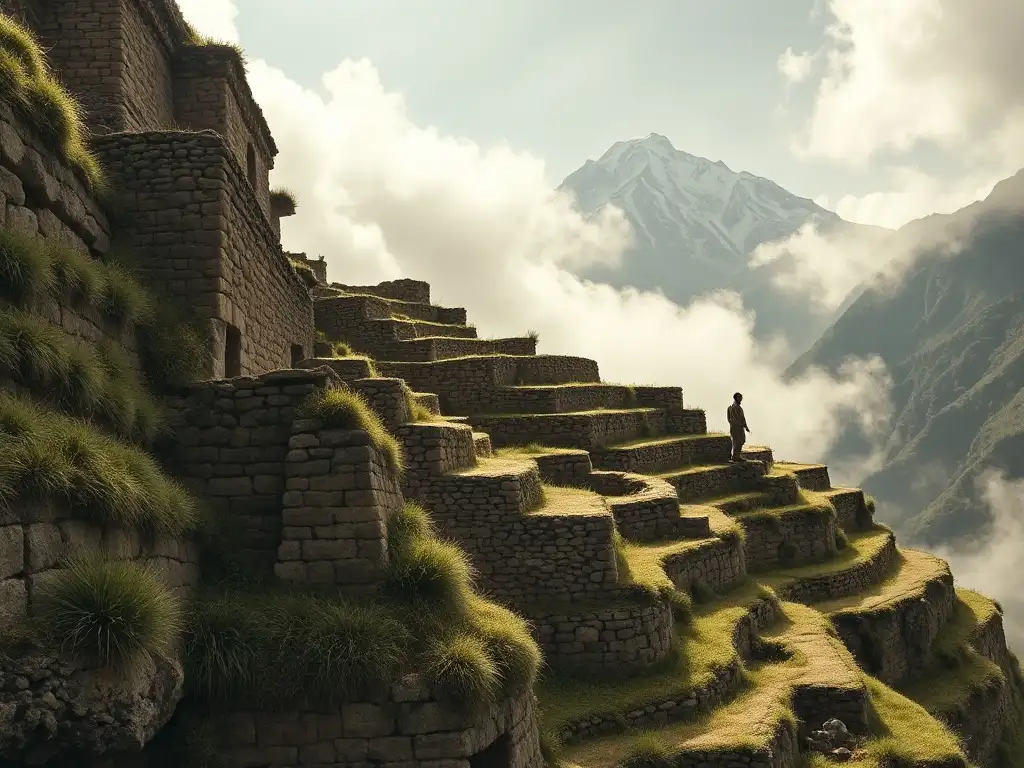
The Inca Empire, renowned for its sophisticated social and political organization, also demonstrated a profound reverence for the environment, viewing it as a sacred entity deeply intertwined with their spiritual beliefs and societal well-being. However, maintaining this delicate balance between human needs and environmental preservation presented significant challenges. The Inca's impressive agricultural and infrastructural achievements, while testament to their ingenuity, also placed considerable strain on the natural world.
Understanding these challenges is key to appreciating the complexity of their relationship with nature and their remarkable ability to adapt to a diverse and often harsh landscape. The concept of Inca environmental reverence is best understood within the context of these inherent difficulties.
Impact of Population Growth on Resources
Population growth within the Inca Empire, fueled by relative peace and effective agricultural practices, placed increasing pressure on available resources. The expanding population necessitated the intensification of agricultural production, leading to deforestation, soil erosion, and overgrazing in certain regions. For example, the demand for firewood for cooking and heating in densely populated urban centers like Cuzco likely contributed significantly to deforestation in surrounding valleys.
Furthermore, the construction of extensive road networks and monumental structures required vast quantities of stone and timber, further depleting natural resources. While the Inca implemented strategies to mitigate these impacts, the sheer scale of their empire and population growth made sustained environmental balance a constant struggle.
Precise population figures for specific periods within the Inca Empire remain debated by scholars, but estimates suggest significant growth throughout their reign, directly correlating with increased environmental pressure. Quantifying the exact impact of this growth on specific resources like timber and arable land requires further research, but the general trend is undeniable.
Strategies to Overcome Environmental Challenges
The Inca developed a range of ingenious strategies to overcome the environmental challenges posed by population growth and resource demands. These strategies, rooted in their deep respect for nature, were not merely pragmatic but also deeply embedded in their worldview. The ayllu system, the foundational social and economic unit of Inca society, played a crucial role in resource management.
Collective responsibility for land use, water allocation, and environmental stewardship fostered a sense of communal ownership and sustainable practices. Terracing, irrigation systems, and crop rotation techniques maximized agricultural output while minimizing soil degradation. Furthermore, the Inca's sophisticated understanding of Andean ecosystems enabled them to adapt their agricultural practices to diverse environments, from the high-altitude puna grasslands to the coastal deserts.
The meticulous planning and execution of these strategies exemplify the Inca's commitment to balancing human needs with environmental sustainability, a testament to their advanced understanding of ecological principles. This commitment is a cornerstone of the concept of Inca environmental reverence.
Adaptation to High-Altitude Agriculture
The Inca's ability to cultivate crops at high altitudes is a remarkable feat of agricultural engineering and adaptation. The harsh conditions of the Andes Mountains, characterized by thin air, freezing temperatures, and short growing seasons, presented formidable challenges. However, the Inca overcame these obstacles through a combination of ingenious techniques and deep ecological knowledge.
They developed sophisticated irrigation systems to channel meltwater from glaciers and streams to their fields, ensuring a consistent water supply. Terracing dramatically increased arable land, while the construction of raised fields improved drainage and soil fertility. The selection and cultivation of frost-resistant and high-altitude adapted crops, such as potatoes and quinoa, further demonstrated their understanding of the unique ecological characteristics of their environment.
The success of Inca high-altitude agriculture showcases not only their remarkable ingenuity but also their profound respect for the delicate balance of the Andean ecosystem. This sophisticated agricultural system is a key element in understanding their Inca environmental reverence. The selection of specific crop varieties, tailored to the specific microclimates of different altitudes, further highlights their sophisticated ecological knowledge and their commitment to sustainable practices.
Inca Environmental Reverence: A Synthesis of Culture and Nature
This section delves into the profound relationship between the Inca civilization and its environment, exploring how their deep reverence for nature shaped their societal structures, governance, and daily lives. The Inca's "Inca environmental reverence" wasn't merely a philosophical stance; it was a deeply ingrained aspect of their existence, influencing everything from agricultural practices to urban planning. Understanding this intricate connection is crucial to comprehending the Inca Empire's remarkable achievements and enduring legacy. We'll examine how their beliefs translated into tangible environmental practices and the unique perspective they held on the natural world.
The Interconnectedness of Inca Society and the Environment
The Inca worldview was fundamentally holistic, emphasizing the interconnectedness of all living things. They didn't perceive themselves as separate from nature but rather as an integral part of it. This perspective is evident in their sophisticated agricultural techniques, such as terracing and waru waru (raised-field agriculture), which minimized environmental impact while maximizing crop yields. These weren't simply ingenious farming methods; they were expressions of their deep respect for the land's capacity and a recognition of the delicate balance within the ecosystem.
The Inca understanding of the environment extended beyond agriculture; it permeated their entire social structure. Their ayllu system, a communal organization based on kinship and reciprocal obligations, fostered a collective responsibility for environmental stewardship. Each member had a role in maintaining the health of the land, ensuring its continued productivity for the benefit of the entire community.
This communal approach to resource management stands in stark contrast to many modern exploitative practices, highlighting the Inca's foresight and sustainable approach to environmental harmony. Furthermore, the Inca carefully managed water resources, constructing intricate canal systems to irrigate their fields and supply their cities. This sophisticated water management system not only ensured agricultural success but also demonstrated their profound understanding of hydrological cycles and their commitment to responsible water use.
How Inca Beliefs Shaped Their Environmental Practices
Inca religious beliefs significantly influenced their environmental practices. The Inca pantheon included numerous deities associated with natural forces, such as the sun god Inti, the moon goddess Mama Killa, and the earth goddess Pachamama. These deities were not merely objects of worship; they were integral parts of the natural world, demanding respect and responsible management. The veneration of Pachamama, in particular, emphasized the importance of maintaining the fertility and productivity of the land.
Rituals and ceremonies were conducted to appease the earth goddess and ensure bountiful harvests. These weren't superstitious practices; they were expressions of a deep-seated understanding of the reciprocal relationship between human actions and environmental consequences. The Inca's reverence for nature also extended to their treatment of animals. While hunting and animal husbandry were essential aspects of their economy, they were conducted with respect and consideration for the animals' well-being.
Evidence suggests that the Inca practiced sustainable hunting techniques, avoiding overexploitation of animal populations. Their belief in the interconnectedness of all living things fostered a sense of responsibility towards the entire ecosystem, not just human needs. The Inca's commitment to environmental sustainability was not merely a matter of practicality; it was deeply rooted in their spiritual beliefs and cultural values.
The Unique Perspective of the Incas on the Natural World
The Inca's perspective on the natural world differed significantly from many modern anthropocentric viewpoints. They didn't see nature as a resource to be exploited but rather as a sacred entity deserving of respect and protection. This holistic worldview is reflected in their intricate knowledge of medicinal plants and their sophisticated understanding of ecological processes.
Their environmental practices weren't based on abstract scientific principles but on a deep, intuitive understanding of the natural world, developed over centuries of close observation and interaction. The Inca's approach to environmental management was remarkably sustainable, demonstrating a level of ecological awareness that is only now being rediscovered and appreciated in the modern world. Their innovative agricultural techniques, coupled with their reverence for nature, allowed them to create a thriving civilization in challenging Andean environments.
This unique perspective underscores the importance of integrating ecological considerations into all aspects of societal development, a lesson that remains highly relevant today. The Inca's legacy serves as a powerful reminder of the profound connection between human societies and the natural world, and the vital importance of respecting and protecting the environment for the well-being of both present and future generations. The study of "Inca environmental reverence" offers valuable insights into sustainable practices for modern societies.
The Legacy of Inca Agricultural Techniques
The Inca's profound reverence for nature manifested most strikingly in their sophisticated agricultural techniques. Their ingenuity in harnessing the Andean environment is a testament to their deep understanding of ecological principles and their commitment to sustainable practices. Far from simply exploiting the land, the Inca developed methods that maximized yields while minimizing environmental impact, a legacy that continues to inspire modern agricultural practices. Their success stemmed from a combination of careful observation, innovative engineering, and a deeply ingrained respect for the interconnectedness of all living things.
One of the most impressive examples of Inca agricultural innovation is the terracing system. Across the steep slopes of the Andes, they carved intricate terraces, creating level platforms for cultivation. These weren't merely haphazardly carved steps; they were carefully designed to optimize sunlight exposure, water retention, and soil stability. The terraces, often reinforced with stone walls, prevented soil erosion, a major concern in mountainous regions.
This meticulous approach ensured high yields even in challenging terrains, allowing the Inca to cultivate a wide range of crops at varying altitudes. The scale of these terracing projects is breathtaking, a testament to the Inca's organizational prowess and their commitment to food security. The enduring presence of these terraces in many parts of the Andes today serves as a powerful visual reminder of their ingenuity and lasting impact.
Another key aspect of Inca agriculture was their mastery of irrigation. They constructed elaborate canal systems to channel water from rivers and streams to their fields, ensuring a consistent water supply even during dry seasons. These weren't simple ditches; they were carefully engineered systems that incorporated aqueducts, reservoirs, and sophisticated water management techniques. The Inca understood the importance of water conservation and developed methods to minimize water loss through evaporation and leakage.
The meticulous planning and construction of these irrigation systems allowed them to cultivate crops in areas that would otherwise have been unsuitable for agriculture, significantly expanding their agricultural potential. The precision and effectiveness of these systems highlight their deep understanding of hydrology and their commitment to sustainable water resource management. Many of these irrigation systems, though centuries old, still function in certain parts of the Andes, demonstrating their remarkable durability and efficiency.
Beyond terracing and irrigation, the Inca also employed a variety of other techniques to enhance agricultural productivity. They developed sophisticated methods of crop rotation and fertilization, ensuring soil health and preventing nutrient depletion. They also cultivated a diverse range of crops, including potatoes, maize, quinoa, and beans, creating a resilient and diversified agricultural system that minimized the risks associated with crop failure.
This diversity, combined with their advanced agricultural techniques, ensured food security for a vast empire, highlighting their understanding of ecological balance and their ability to adapt to varying environmental conditions. Their agricultural practices serve as a model for sustainable agriculture, emphasizing the importance of biodiversity, water conservation, and soil health. The legacy of Inca agricultural techniques continues to inform modern agricultural practices, particularly in mountainous regions, offering valuable lessons in sustainable resource management and food security.
Frequently Asked Questions
What was the Inca's primary relationship with their environment?
The Inca held a deep reverence for nature, viewing the environment as sacred and essential to their survival and well-being. Their beliefs and practices reflected this profound respect.
How did Inca religion influence their environmental practices?
Inca religion deeply intertwined with nature; mountains, rivers, and the sun were worshipped as deities, influencing their agricultural practices and land management to maintain ecological balance.
What evidence demonstrates Inca environmental stewardship?
Evidence includes their sophisticated agricultural techniques, like terracing and irrigation, their careful management of water resources, and their avoidance of practices that could harm the environment.
Did the Inca have any environmental challenges?
While skilled at environmental management, the Inca faced challenges such as natural disasters like earthquakes and droughts, and the need to adapt farming techniques to diverse and challenging terrains.
How does Inca environmental reverence compare to modern environmentalism?
While separated by centuries, both share the core concept of sustainable resource management. The Inca’s practical approach offers valuable lessons for contemporary efforts to protect our planet.
Final Reflection: Echoes of the Andes: A Legacy of Environmental Reverence
The Inca's profound respect for nature, far from being a relic of the past, offers a crucial lens through which to examine our own precarious relationship with the environment. Their sophisticated understanding of ecological balance and sustainable practices serves as a stark reminder of the consequences of ignoring the interconnectedness of all living things. The challenges we face today—climate change, biodiversity loss, and resource depletion—echo the very imbalances the Inca civilization diligently avoided.
The Inca's reverence wasn't merely a spiritual practice; it was the foundation of their societal structure and survival. Their agricultural innovations, intricate water management systems, and deep-seated belief in the Pachamama (Mother Earth) demonstrate a level of environmental stewardship that continues to inspire awe. The Earth is what we all have in common.
This simple yet profound statement, though not from Inca times, speaks to the enduring truth at the heart of their worldview – our shared responsibility for the planet's well-being. Their legacy compels us to reconsider our own impact and strive for a more harmonious coexistence with the natural world.
Consider the Inca's wisdom, their practical solutions, and their spiritual connection to the land. You too can cultivate a deeper appreciation for the environment, making conscious choices that reflect a respect for the delicate balance of our ecosystem. Start small: reduce your carbon footprint, support sustainable practices, and advocate for policies that protect our planet. Let the echoes of the Andes inspire you to become a steward of the Earth, ensuring that future generations inherit a world as rich and vibrant as the one the Inca so carefully preserved.
Embrace Nature: Take Action for Our Planet Today!
The Inca civilization's deep respect for the environment offers valuable lessons for us today. Understanding their connection to nature inspires us to take action and protect our planet.
Here are some ways you can make a difference:
- Plant a native garden: Supporting local plant life benefits the ecosystem and creates a beautiful, wildlife-friendly space.
- Join a community cleanup: Organize a group effort to clean local parks and waterways; every contribution helps create a healthier environment.
- Spread the word: Connect with others who share your passion for environmental protection. Start a conversation on social media about sustainable practices inspired by the wisdom of past cultures.
What action will you take today to show your respect for the environment? Share your ideas in the comments below!