
Navigating the Terrain: Travel and Transportation in the Ancient Andes

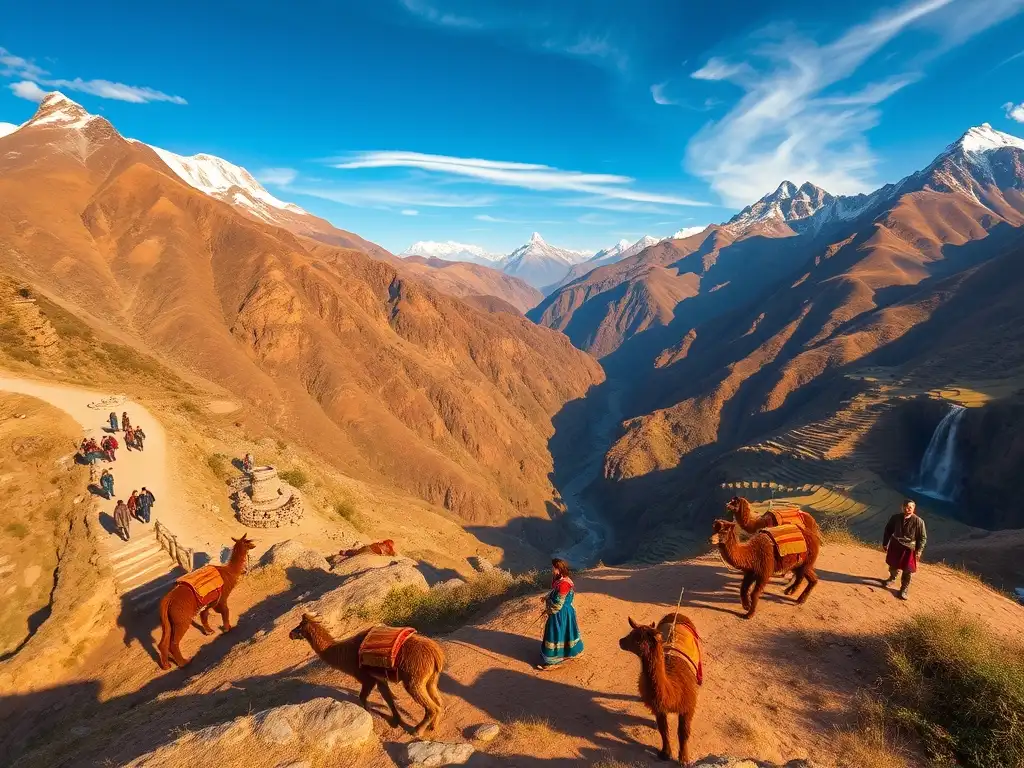
Uncover the mysteries of a lost world! Journey back in time to the heart of the Andes, where breathtaking landscapes were conquered by ingenious minds. Forget everything you think you know about ancient travel – prepare to be amazed by the sophisticated and often surprising Ancient Andean travel methods employed by civilizations like the Incas, Moche, and Nazca. Their innovative solutions to traversing treacherous terrain are waiting to be discovered; delve into the fascinating world of Andean social structures and unlock the secrets of their remarkable achievements. Explore now and unravel the story of their incredible journeys!
The vast and challenging geography of the Andes Mountains profoundly impacted the daily lives of its ancient inhabitants. Understanding how these sophisticated civilizations navigated this complex terrain is crucial to appreciating their ingenuity and resilience. This article delves into the diverse travel and transportation methods employed by ancient Andean societies, from the Incas to the earlier Moche and Nazca cultures, exploring the ingenuity behind their solutions and the significant role mobility played in their social, economic, and political structures.
We will examine the challenges posed by the Andes' unique environment and discover how these ancient peoples overcame them, leaving behind a legacy of remarkable adaptation and innovation. This exploration of "Ancient Andean travel methods" will reveal a fascinating aspect of their daily lives and offer a deeper understanding of these remarkable civilizations. 🌍
The Importance of Mobility in Ancient Andean Societies
Mobility was not merely a practical necessity for ancient Andean societies; it was fundamental to their survival and prosperity. Efficient transportation systems were essential for several key reasons:
- Trade and Exchange: The diverse ecological zones of the Andes fostered specialized production. Coastal communities excelled in fishing and shellfish gathering, while highland areas were ideal for agriculture and livestock. Effective transportation networks were vital for exchanging these goods, ensuring access to a wide range of resources. The absence of such systems would have severely limited economic growth and societal development.
- Political Control and Communication: The vast empires, such as the Inca, relied on efficient communication and rapid troop movement to maintain control over their extensive territories. Messages, decrees, and even soldiers needed to traverse vast distances quickly and reliably, a feat demanding well-developed transportation infrastructure. The effectiveness of the Inca's chasquis relay system is a testament to this crucial need.
- Religious Pilgrimages and Ceremonies: Many Andean cultures placed significant importance on religious practices and pilgrimages to sacred sites. The ability to travel to these locations—often situated in remote and challenging areas—was essential for maintaining religious and social cohesion. The construction of impressive roads and trails demonstrates the importance these societies placed on facilitating these journeys.
- Social Interaction and Cultural Exchange: Travel also fostered social interaction and cultural exchange between different communities. This exchange of ideas, customs, and technologies contributed to the richness and diversity of Andean cultures. The movement of people facilitated the spread of innovations and the maintenance of complex social networks.
Challenges of Andean Geography for Travel
The Andes Mountains presented formidable obstacles to travel and transportation. The sheer scale and ruggedness of the terrain posed significant challenges:
- Steep, Rugged Terrain: The steep slopes, narrow valleys, and treacherous cliffs made overland travel incredibly difficult. Paths often needed to be carefully carved into the mountainside, requiring considerable engineering skill and labor.
- High Altitudes: The high altitude created physiological challenges for travelers, including altitude sickness and reduced oxygen levels. This limited the speed and efficiency of travel, necessitating careful planning and adaptation.
- Varied Climates: The Andes encompass a wide range of climates, from arid deserts to lush cloud forests to icy peaks. Travelers needed to be prepared for diverse weather conditions and adapt their methods accordingly.
- River Crossings: Numerous rivers and streams crisscrossed the Andean landscape, posing significant obstacles to travel. The construction of bridges and the use of rafts were essential for overcoming these natural barriers. The ingenuity of these solutions speaks to the advanced engineering skills of Andean civilizations.
The next section will explore the specific technologies and methods employed by ancient Andean societies to overcome these challenges and establish effective transportation networks. We will examine the construction of roads, the use of pack animals, and the development of innovative transportation systems that allowed these civilizations to thrive in one of the world's most challenging environments.
- The Qhapaq Ñan: The Inca Road System
- Construction and Maintenance of Andean Roads
- The Road from Cusco to Machu Picchu and the Coastal route to the Atacama Desert.
- Bridges in the Andes: Engineering Marvels
- Rope Bridges: Techniques and Materials
- Suspension bridges using ichu grass and pontoon bridges made of reeds.
- Rest Stops and Tambos along Andean Routes
- What were the primary methods of transportation used by ancient Andean civilizations?
- How did the Inca road system facilitate travel and communication?
- What challenges did ancient Andean travelers face?
- What role did animals play in Andean transportation?
- What evidence exists to support our understanding of ancient Andean travel methods?
Ancient Andean Travel Methods: Adapting to the Landscape

The diverse geography of the Andes Mountains presented significant challenges to ancient Andean societies, shaping their transportation systems in unique ways. Understanding Ancient Andean travel methods requires appreciating the ingenuity and adaptability of these civilizations in overcoming steep inclines, treacherous terrain, and extreme altitudes. Their solutions weren't simply about getting from point A to point B; they were deeply intertwined with their social structures, economic activities, and spiritual beliefs. This section will explore the primary modes of transport, focusing on the crucial role of foot travel and the invaluable contribution of llamas.
Foot Travel: The Primary Mode of Transportation
Despite the mountainous terrain, foot travel remained the most prevalent form of transportation for the vast majority of the Andean population. People adapted remarkably well, developing sophisticated techniques for navigating challenging paths. Evidence suggests the construction of extensive networks of trails, some of which were remarkably well-engineered, featuring stone steps carved into steep slopes and suspension bridges skillfully crafted from natural materials. These trails connected settlements, agricultural fields, and ceremonial centers across vast distances, facilitating trade, communication, and religious pilgrimages.
The physical demands of traversing the Andes on foot were immense. Porters, often specialized individuals or groups, played a vital role, carrying goods and supplies across long distances. Their endurance and strength were essential to the functioning of Andean societies. The design of clothing and footwear also reflects adaptations to the environment.
Sandals and woven textiles provided protection and warmth, while the layering of clothing allowed for adjustments to fluctuating temperatures. The development of sophisticated techniques for altitude acclimatization further enhanced the efficiency and safety of long-distance foot travel. Detailed studies of skeletal remains have revealed adaptations in the respiratory and circulatory systems of Andean populations, indicative of their remarkable ability to thrive at high altitudes.
The Role of Llamas in Andean Transportation
Llamas, domesticated camelids, were indispensable to Andean transportation systems. Their ability to navigate challenging terrain and carry significant loads made them invaluable for transporting goods, particularly over longer distances. Llamas were not merely beasts of burden; they represented a significant economic asset, contributing to the economies of various Andean civilizations. The wool provided warm clothing, their dung served as fertilizer, and their meat was a crucial source of protein. Their significance extended beyond the practical; llamas held symbolic importance in Andean religious and cultural practices.
The use of llamas for transportation wasn't haphazard; it required careful management and understanding of the animal's capabilities. Specific breeds were likely selected for their strength and endurance, and training methods were developed to ensure effective load-bearing and compliance. The integration of llamas into the transportation network highlights the close relationship between humans and animals in Andean societies, a relationship that extended beyond mere utility to encompass deeper cultural and spiritual connections.
Further research is needed to fully understand the intricacies of llama breeding and training practices in different Andean societies. [Specific information pending on regional variations in llama usage].
Llama Caravans: Organization and Logistics
The transportation of larger quantities of goods relied on the organization of llama caravans. These caravans required careful planning and coordination, involving multiple individuals and potentially spanning considerable distances. The size and composition of caravans varied depending on the goods being transported, the distance to be covered, and the availability of llamas and personnel. The organization of these caravans likely involved specialized personnel responsible for managing the animals, navigating the trails, and ensuring the safety and well-being of the caravan members.
Evidence suggests that caravans followed established routes and utilized resting points along the way. These resting places could have provided shelter, water, and fodder for the llamas. The efficient management of resources was crucial to the success of these long-distance expeditions.
The organization of llama caravans reflects the sophisticated logistical capabilities of Andean societies. Detailed records of caravan organization and routes are unfortunately scarce, but archaeological discoveries and ethnohistorical accounts offer glimpses into the complexity of these logistical operations. Analyzing the distribution of artifacts and materials across the Andean region provides further insights into the intricate trade networks supported by these llama caravans.
The development of sophisticated systems for managing large-scale transportation demonstrates the remarkable organizational and logistical skills of the Ancient Andean civilizations. Further research into this area could reveal more details about the social structures and management practices involved in operating these crucial transportation networks. The use of 🦙 emojis helps to visually represent the importance of llamas in this context.
Routes from Cusco to Quito carrying textiles, coca, and precious metals.
The Inca road system, a marvel of ancient engineering, facilitated the movement of goods and people across the vast Andean landscape. One crucial route connected Cusco, the Inca capital, to Quito, a significant city in the northern Andes. This wasn't a single, well-defined path, but rather a network of interconnected trails, often adapting to the challenging terrain. The journey, while arduous, was vital for the Inca economy, carrying essential commodities like textiles, coca leaves, and precious metals.
The textiles transported along this route were not merely utilitarian; they represented a significant aspect of Inca artistry and social status. Fine textiles, often woven with intricate designs and vibrant colors using alpaca and llama wool, were used for clothing, ceremonial purposes, and as tribute items. These textiles, often highly valued, might travel from skilled artisans in Cusco to be traded in Quito or used to adorn important figures in the northern regions.
The quality and design of the textiles often indicated the social standing of both the wearer and the community from which they originated. Specific patterns and colors may have indicated particular regions or even specific clans, adding another layer of complexity to their significance.
Coca leaves, a vital stimulant and sacred plant in Andean culture, were another crucial commodity traversing this route. Coca was not only used for its energizing properties to aid travelers on their long journeys but also held significant religious and ceremonial importance. The movement of coca from its growing regions, potentially in the valleys near Cusco, to the northern Andes demonstrates the Inca's sophisticated system of resource management and distribution.
The control over coca production and distribution was likely a source of both economic and political power for the Inca Empire. The precise quantities transported and the methods used to preserve the leaves during transit require further research, but archaeological evidence suggests sophisticated techniques were employed.
Finally, precious metals like gold and silver, mined in various parts of the empire, were also transported along the Cusco-Quito route. These metals held immense symbolic value, representing wealth, power, and divine connection. They were used in religious artifacts, royal adornments, and prestigious objects given as gifts or tribute.
The transportation of these valuable materials required secure and well-guarded routes, further emphasizing the importance of the road system to the Inca state. The exact routes used for the transportation of precious metals might have differed from those used for textiles or coca, perhaps utilizing more secure, less-traveled pathways. The level of security would have been paramount, given the value of the cargo, potentially involving specialized guards and relays of runners.
Infrastructure Supporting Ancient Andean Travel
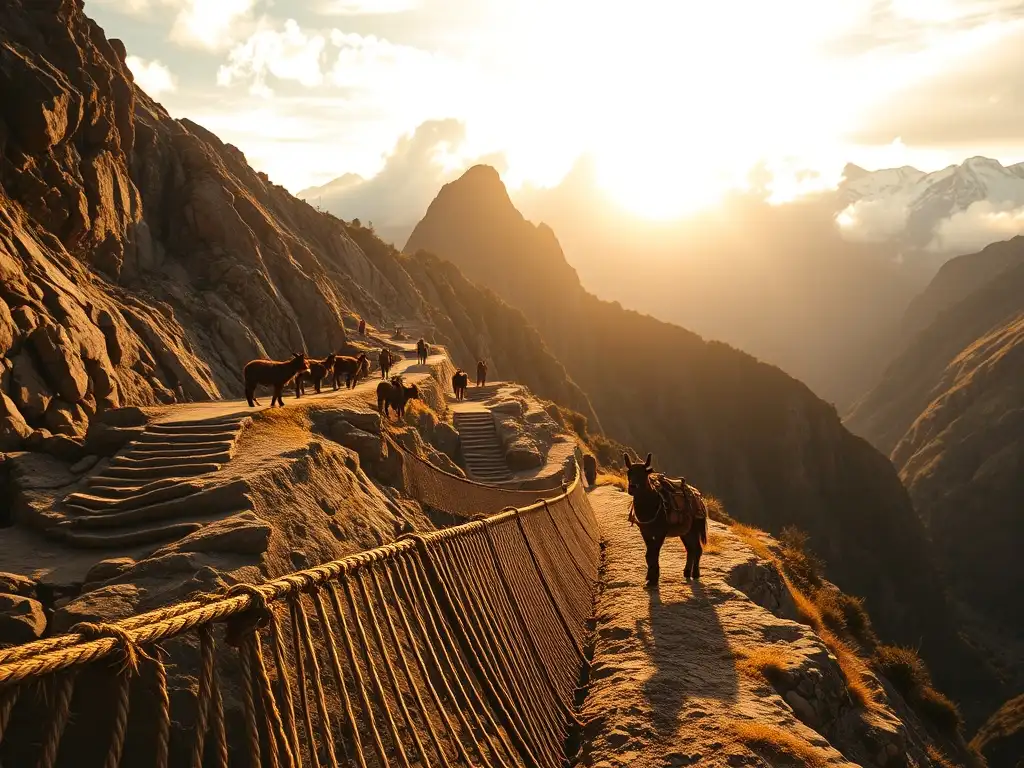
This section delves into the remarkable infrastructure that facilitated travel and communication across the diverse and challenging Andean landscape. Understanding these systems is crucial to appreciating the scale and complexity of ancient Andean societies and their ability to manage vast territories. The ingenuity displayed in road construction and maintenance, considering the limited technology available, is truly awe-inspiring. The keyword, "Ancient Andean travel methods," is directly addressed through the detailed examination of the infrastructure that supported these methods.
The Qhapaq Ñan: The Inca Road System
The Qhapaq Ñan, or Inca Road system, stands as a testament to Inca engineering prowess. This extensive network of roads stretched over 40,000 kilometers, connecting the far-flung corners of the Inca Empire from present-day Colombia to Argentina. Its strategic importance cannot be overstated, facilitating the movement of armies, messengers, and trade goods. The Qhapaq Ñan wasn't just a series of paths; it was a sophisticated system incorporating:
- Main highways: Wide, well-maintained roads capable of supporting large groups of people and animals.
- Secondary roads: Smaller paths connecting communities and outlying areas to the main highways.
- Bridges: Ingenious suspension bridges, often made of woven fibers, spanned rivers and ravines. Some bridges were incredibly durable, lasting for centuries.
- Tambo: Rest stops and relay stations located at regular intervals along the roads, providing shelter, food, and fresh animals for travelers. These ensured the efficient movement of messengers and the army.
- Waystations: Smaller waystations provided basic necessities for travelers. These were often located near water sources.
The Qhapaq Ñan's design reflected a deep understanding of Andean geography. Roads were carefully routed to take advantage of natural features, minimizing the need for extensive cutting and filling. The system facilitated not only the movement of people and goods but also the dissemination of information and the consolidation of power. The sheer scale and sophistication of the Qhapaq Ñan are unmatched in pre-Columbian America.
Construction and Maintenance of Andean Roads
Constructing and maintaining the Andean road system was a monumental task. The Inca employed a sophisticated system of labor organization, drawing on the mita system – a form of tribute labor – to mobilize the workforce. Specialized workers, skilled in stonemasonry, carpentry, and other crafts, were responsible for different aspects of road construction.
The construction techniques varied depending on the terrain. In mountainous regions, roads were often carved directly into the rock face, demonstrating remarkable skill and precision. In flatter areas, roads were built using layers of earth, stone, and gravel, creating a durable and stable surface. The use of drainage systems was crucial to preventing erosion and ensuring the longevity of the roads.
Maintenance was an ongoing process. Regular inspections were carried out to identify and repair damage caused by weather, erosion, or other factors. Teams of workers were responsible for clearing debris, repairing sections of road, and maintaining bridges. The longevity of the roads speaks to the effectiveness of these maintenance practices. This continuous upkeep demonstrates a long-term commitment to infrastructure and its importance to the empire's functioning.
The Road from Cusco to Machu Picchu and the Coastal route to the Atacama Desert.
Two exemplary routes highlight the diversity and ingenuity of Andean road construction. The road connecting Cusco, the Inca capital, to Machu Picchu, the iconic mountaintop citadel, exemplifies the challenges and triumphs of Andean engineering. This route, winding through steep mountains and across treacherous terrain, showcases the skill of the Inca builders in navigating difficult landscapes. The road's design minimized the steepness of inclines and incorporated switchbacks to make travel easier for people and llamas.
Meanwhile, the coastal route connecting the Andes to the Atacama Desert in modern-day Chile demonstrates the Inca's ability to adapt their road-building techniques to different environments. This route, traversing arid and often sandy landscapes, required different construction methods compared to the mountainous routes. The use of stabilizing materials and careful consideration of drainage were crucial to ensuring the road's durability in this harsh environment.
This diverse approach to road construction underscores the Inca's adaptability and mastery of engineering. Understanding these specific routes provides a deeper appreciation for the scale and complexity of the entire Qhapaq Ñan network and the challenges overcome in its construction and maintenance. The contrast between these routes highlights the adaptability of Inca engineering to varied terrains and climates, further emphasizing the sophistication of their "Ancient Andean travel methods."
Bridges in the Andes: Engineering Marvels
The impressive feats of engineering evident in ancient Andean bridges stand as testaments to the ingenuity and adaptability of these civilizations. Faced with challenging terrain, including deep gorges and raging rivers, Andean cultures developed sophisticated bridge-building techniques tailored to their environment. These weren't simply functional crossings; they were vital components of the intricate road networks that connected disparate communities, facilitating trade, communication, and cultural exchange.
The construction methods varied depending on available resources and the specific geographic challenges presented by the location. Some bridges were built from stone, demonstrating a mastery of stonework comparable to their monumental architecture. Others incorporated wood and other organic materials, showcasing a deep understanding of the properties of these resources and their suitability for bridge construction in diverse environments.
The durability of many of these structures, some of which have survived for centuries, is a clear indication of the quality of their design and construction. The precise techniques used varied greatly across different cultures and time periods, reflecting the rich tapestry of Andean engineering practices. Archaeological evidence continues to reveal new insights into these remarkable achievements, expanding our understanding of ancient Andean ingenuity.
Rope Bridges: Techniques and Materials

Rope bridges represent a particularly remarkable aspect of ancient Andean travel methods. These weren't haphazardly constructed crossings; they were meticulously crafted structures showcasing a deep understanding of materials science and engineering principles. The most common material used in the construction of these bridges was chambira, a strong, resilient fiber derived from a particular species of palm tree.
This fiber, known for its durability and resistance to water damage, was meticulously processed and woven into thick, strong ropes. The process involved careful selection and preparation of the fibers, followed by complex weaving techniques that ensured the strength and longevity of the final product. The construction of the bridges themselves involved intricate knotting and suspension systems, again demonstrating a sophisticated understanding of engineering principles.
These rope bridges were not merely temporary structures; many served their communities for decades, if not centuries, reflecting the skill and precision of the builders. The lengths of these bridges, spanning sometimes impressive chasms, further highlight the advanced techniques employed. Furthermore, the integration of these bridges into the broader Andean road system demonstrates their importance in facilitating communication and trade across the diverse landscape.
Suspension bridges using ichu grass and pontoon bridges made of reeds.
While chambira fiber rope bridges were prevalent, the ingenious Andean engineers also utilized other readily available materials to construct crossings. In regions where chambira was scarce, resourceful communities employed ichu grass, a tough, resilient plant abundant in the high Andean altitudes. These ichu grass bridges, often suspension bridges, utilized the grass’s strength and flexibility to create durable crossings. The construction techniques likely involved carefully bundling and weaving the grass into strong ropes and cables, then suspending these across gorges or rivers.
The design and construction would have been adapted to the specific characteristics of the ichu grass available in the local area. In other regions, particularly in areas with abundant water resources, pontoon bridges made of reeds were employed. These bridges, essentially rafts tied together to create a stable platform, were particularly well-suited for crossing slower-moving rivers and waterways.
The reeds, carefully bundled and secured, provided buoyancy and structural support. The construction of these reed pontoon bridges, while seemingly simpler than rope bridges, still required a significant amount of skill and knowledge to ensure stability and safety. The use of both ichu grass and reeds reveals the adaptability and resourcefulness of ancient Andean communities, who effectively utilized the materials at their disposal to overcome the geographical challenges of their environment and maintain vital transportation links.
Rest Stops and Tambos along Andean Routes
The vast distances and challenging terrain of the Andes presented significant hurdles to travelers. To mitigate the arduous journeys, the ancient Andean civilizations developed a sophisticated network of rest stops and tambos. These weren't simply places to rest; they were strategically located waystations that played a crucial role in facilitating trade, communication, and the movement of people across the empire. The Inca, in particular, perfected this system, ensuring the smooth functioning of their vast realm.
The tambos varied considerably in size and function depending on their location and importance. Some were small, rudimentary shelters offering basic protection from the elements, while others were substantial structures capable of accommodating large numbers of travelers and their animals. Many tambos were equipped with storage facilities for food and supplies, ensuring that travelers could replenish their provisions during their journey.
This was particularly vital given the unpredictable nature of the Andean climate and the difficulty of carrying large quantities of supplies over long distances. The strategic placement of tambos along major routes also ensured that travelers were never too far from a place of refuge and resupply, drastically reducing the risks associated with long journeys.
Beyond basic shelter and supplies, some tambos also provided services such as food preparation, animal care, and even rudimentary medical attention. This network of support was essential for maintaining the flow of goods and people across the empire, and it contributed significantly to the Inca's ability to govern such a vast and diverse territory. The organization and maintenance of the tambos involved a complex system of labor and resource allocation, highlighting the Inca's sophisticated administrative capabilities.
Archaeological evidence suggests that the tambos were not only functional but also played a role in the social and cultural life of the region, serving as meeting places and centers of community activity. Further research continues to shed light on the intricate social and economic roles these vital waystations played in the daily lives of ancient Andean societies.
The sheer scale and organization of the tambo system stands as a testament to the remarkable ingenuity and planning of the Andean civilizations in overcoming the geographical challenges of their environment. The study of these rest stops provides invaluable insights into the logistical complexities of ancient Andean travel and the sophisticated infrastructure that supported it.
Water Travel in the Ancient Andes

The vast expanse of the Andes Mountains, while imposing, didn't prevent the development of sophisticated water-based transportation systems. Ancient Andean travel methods, particularly those involving water, were crucial for trade, communication, and daily life, especially in regions with extensive lake systems and coastal access. The ingenuity of these ancient peoples is evident in their mastery of aquatic technologies, adapted to the specific challenges of their diverse environments.
The scale and sophistication of their water travel networks significantly contributed to the interconnectedness of Andean societies, facilitating the exchange of goods, ideas, and people across considerable distances. Understanding these methods offers a deeper appreciation for the resourcefulness and adaptability of these ancient civilizations.
Lake Titicaca, the highest navigable lake in the world, served as a vital transportation artery for the ancient cultures inhabiting its shores. The lake's vastness and the challenging high-altitude conditions demanded specialized navigation techniques. Evidence suggests that the use of sophisticated navigational tools, possibly including rudimentary star charts and knowledge of prevailing winds, allowed for efficient travel across the lake.
The strategic location of settlements around the lake's shores, coupled with the archaeological discoveries of various types of boats and rafts, highlights the significance of water transport in their daily lives. These settlements were not isolated; rather, they formed a network connected by regular waterborne traffic.
Analysis of lake sediments has also revealed evidence of extensive trade routes utilizing the lake, further emphasizing its importance in regional integration. The challenges presented by the lake's unpredictable weather patterns and the high altitude would have required considerable skill and knowledge to overcome, underscoring the advanced navigational abilities of the ancient peoples of the Lake Titicaca basin.
Reed boats and rafts used for fishing and transport.
The most iconic watercraft of the ancient Andes were the reed boats, notably the totora boats found on Lake Titicaca. These vessels, constructed from bundles of reeds, were remarkably buoyant and adaptable. Their construction was relatively simple, using readily available materials, yet the resulting craft were surprisingly durable and seaworthy.
They were not merely used for fishing, as is often assumed; archaeological evidence points to their extensive use for transporting goods, people, and even livestock across the lake. The design of the boats, with their flexible construction, allowed them to navigate the shallows and rocky shores effectively. Moreover, the reed boats were easily repairable, allowing for quick fixes in case of damage during transit.
This practicality and the readily available material made them an ideal solution for the demands of both fishing and transportation in the challenging environment of the high Andes. The longevity of this technology, with variations still in use today, speaks volumes about its effectiveness and ingenuity. The use of different types of reeds and construction techniques varied across different regions, showcasing a degree of regional specialization and adaptation.
Coastal navigation along the Pacific Ocean presented different challenges compared to navigating inland lakes. The ancient Andean cultures inhabiting the coast developed sophisticated sailing techniques using balsa wood rafts and larger, more complex vessels, often using sails made from woven textiles. These boats facilitated extensive trade networks along the coast, connecting different cultural groups and allowing for the exchange of valuable resources.
Archaeological findings, such as remnants of coastal settlements and the discovery of diverse goods from distant locations, support this evidence of extensive maritime trade. Analysis of ceramic styles and other artifacts found in coastal settlements suggests a significant level of interaction between different coastal communities. The scale of coastal trade networks would have required a good understanding of ocean currents, weather patterns, and celestial navigation, demonstrating a high level of maritime expertise.
Moreover, the construction of larger vessels required advanced carpentry skills and knowledge of materials, highlighting the sophisticated technology employed in coastal navigation and trade. The importance of coastal trade is undeniable, shaping the social, economic, and cultural landscape of ancient Andean coastal societies.
Trade routes connecting Ecuador and Peru for spondylus shells and obsidian.
The exchange of spondylus shells and obsidian exemplifies the sophisticated trade networks that crisscrossed the Andes, connecting distant communities and fostering cultural exchange. Spondylus, a vibrant red shell prized for its beauty and symbolic significance, was harvested primarily along the Ecuadorian coast. Its journey inland and southward into Peru involved complex logistical challenges, highlighting the advanced organizational capabilities of Andean societies. These weren't simple bartering exchanges; evidence suggests sophisticated systems of tribute and redistribution were in place, ensuring the flow of these valuable commodities across vast distances.
The routes themselves likely weren't single, well-defined paths but rather a network of interconnected trails, utilizing both land and sea routes. Coastal settlements played a crucial role, acting as hubs for the exchange of goods and information. Archaeological findings, such as the presence of spondylus artifacts in far-flung Andean sites, corroborate the extensive reach of these trade networks.
Obsidian, a volcanic glass highly valued for its sharpness and use in toolmaking, followed a complementary route. Sources of high-quality obsidian were located in the Andes of southern Peru, making their way northwards to Ecuador. The demand for obsidian tools likely spurred the development of these long-distance trade networks, further strengthening the economic and social ties between these regions.
The trade in obsidian and spondylus wasn't just about the materials themselves; it was a crucial element of the complex social and political landscape of the Andes, fostering alliances, reinforcing power structures, and driving innovation in transportation and communication. The sheer scale of these operations, involving the movement of large quantities of goods across challenging terrain, underscores the organizational prowess and sophisticated planning of ancient Andean civilizations.
The careful management of these trade routes directly contributed to the prosperity and cultural richness of these societies. The efficient movement of these goods, along with other resources, facilitated the growth of urban centers and supported a complex social hierarchy.
Implications of Ancient Andean Travel Systems
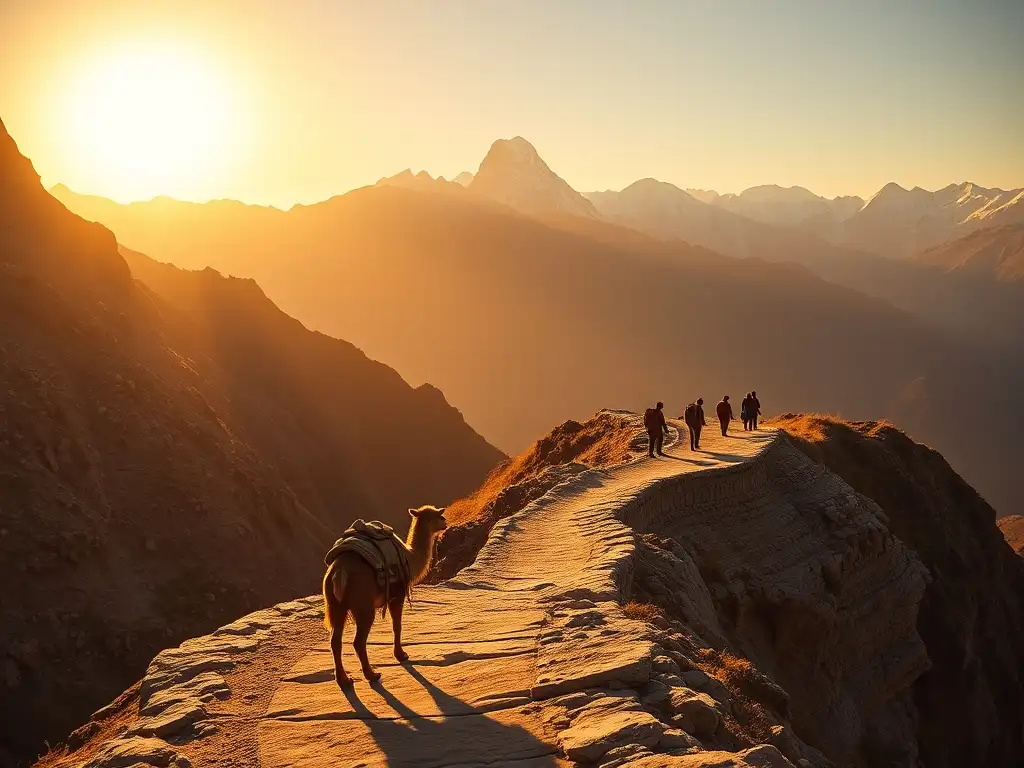
The unique geography of the Andes Mountains profoundly shaped the travel methods and, consequently, the social, economic, and political structures of the ancient Andean civilizations. Understanding these travel systems is key to appreciating the ingenuity and adaptability of these cultures. The challenging terrain—steep slopes, high altitudes, and unpredictable weather—necessitated the development of innovative solutions for transportation and communication, solutions that significantly impacted every facet of Andean life.
This section explores some of the key implications of these ancient Andean travel methods, focusing on their influence on trade, communication, and the overall administration of the vast empires that flourished in the region. Understanding these systems reveals a sophisticated understanding of logistics and resource management far beyond what is often assumed about "Ancient Andean travel methods."
Impact on Trade and Economy
The development of efficient transportation systems directly correlated with the economic prosperity of the Andean civilizations. The rugged terrain presented significant obstacles to trade, yet Andean societies overcame these challenges using a combination of methods. Llamas, alpacas, and even human porters were essential for transporting goods across mountain passes and along precarious trails.
Evidence suggests that sophisticated systems of trails and rope bridges connected distant communities, allowing for the exchange of vital resources such as food, textiles, minerals, and precious metals. The scale of these trade networks is evidenced by the wide distribution of certain artifacts and materials across vast distances. For example, the presence of coastal ceramics found in highland settlements highlights the extensive reach of coastal-inland trade networks.
This trade wasn't simply a matter of bartering; it involved complex systems of reciprocity and tribute, solidifying political alliances and reinforcing social hierarchies. The economic impact of these trade routes was profound, shaping the development of specialized crafts, the growth of urban centers, and the accumulation of wealth within ruling elites. The efficiency of these systems, given the geographical constraints, showcases a remarkable level of organizational prowess.
Influence on Communication and Administration
Efficient communication was critical for the administration and governance of the large Andean empires, particularly the Inca. The challenging geography made rapid communication difficult, yet the Incas developed innovative solutions. While animal-based transport played a role, the speed of information transfer was paramount.
This necessity drove the development of sophisticated signaling systems, using strategically placed beacons or signal fires to relay urgent messages across long distances. These visual communication methods, complemented by a network of well-maintained roads, allowed for relatively swift communication between distant regions. This facilitated the coordination of resources, the mobilization of armies, and the efficient administration of the vast Inca empire.
The effectiveness of this system is evidenced by the Inca's ability to maintain control over a geographically diverse and extensive empire for several centuries. Understanding the sophisticated communication networks is crucial to understanding the organizational capacity of these ancient societies, highlighting that the efficient management of information was as vital as the efficient movement of goods.
The chasqui system of messengers and the efficient resource distribution within the Inca Empire.
The Inca's chasqui system stands as a testament to their logistical brilliance. This network of relay runners, strategically positioned along the extensive Inca road system, facilitated incredibly rapid communication throughout the empire. The chasquis were highly trained runners, who carried messages, often in the form of quipus (knotted strings used for record-keeping), across vast distances.
This system ensured that information could travel hundreds of miles in a matter of days, a feat remarkable considering the mountainous terrain. The speed and efficiency of the chasqui system were vital for the effective administration of the empire. The system facilitated the rapid response to emergencies, the efficient distribution of resources (including food and supplies), and the maintenance of order across diverse regions.
The chasqui system wasn't merely a communication system; it was an integral part of the Inca's administrative and logistical infrastructure, demonstrating the crucial role of human capital in overcoming the challenges of the Andes and maintaining imperial control. The effectiveness of the system underscores the sophisticated understanding of logistics and resource management within the Inca empire, and further illustrates the importance of Ancient Andean travel methods in shaping their civilization.
Cultural Exchange and Diffusion through Travel
The sophisticated travel systems of the Andes facilitated significant cultural exchange and diffusion among disparate communities. The movement of people, goods, and ideas wasn't merely a logistical feat; it was a crucial engine driving the development of Andean societies. The exchange wasn't always a peaceful process; conquest and trade often went hand-in-hand, resulting in a complex interplay of cultural influences.
For example, the Inca expansion spread Quechua language and administrative practices across vast territories, significantly impacting local customs and beliefs. However, this wasn't a one-way street. Inca rulers often adopted elements of conquered cultures, integrating them into the imperial system, demonstrating a nuanced approach to cultural assimilation.
This dynamic interaction is evident in Inca art and architecture, which often incorporated motifs and styles from different regions of their empire. The Inca road system, meticulously planned and maintained, played a vital role in this process, ensuring swift communication and the efficient movement of goods and people, thereby accelerating cultural exchange and homogenization across the empire.
The impact of travel extended beyond the Inca empire. Pre-Inca societies also engaged in extensive trade networks, exchanging goods and ideas across significant distances. The coastal Moche civilization, for example, maintained trade relationships with highland communities, resulting in the exchange of agricultural products, textiles, and potentially religious beliefs.
Evidence suggests that the distinctive Moche artistic style, characterized by its vibrant ceramics and elaborate metalwork, influenced other cultures along the coast and in the Andes highlands. This process of cultural borrowing and adaptation shaped the diverse artistic landscapes of the region, reflecting the interconnectedness of Andean societies. The exchange wasn't limited to material culture; religious practices, agricultural techniques, and social structures also underwent transformation through the movement of people and ideas.
Analyzing the distribution of specific artifacts and stylistic elements across different regions allows archaeologists to reconstruct these intricate networks of cultural interaction, revealing the profound influence of travel on the shaping of Andean civilizations. This intricate web of interconnectedness demonstrates that understanding "Ancient Andean travel methods" is crucial to understanding the complex evolution of Andean culture.
Understanding Ancient Andean Travel Today
The study of ancient Andean travel methods offers a fascinating glimpse into the ingenuity and adaptability of these remarkable civilizations. Their success hinged on efficient transportation networks, considering the challenging Andean terrain. Understanding their systems requires careful examination of surviving evidence and a consideration of the diverse environments they inhabited.
The varied landscapes, from high-altitude plains to coastal deserts and dense rainforests, dictated the choice of transportation methods. This section delves into the archaeological evidence that sheds light on how these ancient people navigated their world. The keyword "Ancient Andean travel methods" is central to understanding their remarkable achievements in overcoming geographical hurdles.
Archaeological Evidence of Andean Transportation
Archaeological excavations across the Andes have unearthed compelling evidence of sophisticated transportation systems. The sheer scale of some projects, like the Inca road network, speaks volumes about the organizational capabilities and manpower these societies commanded. Beyond the impressive road systems, artifacts such as tools used for road construction, remnants of pack animals' harnesses, and even preserved textiles that might have been used for carrying goods, paint a detailed picture of their logistical prowess.
This evidence is crucial for understanding not just how they traveled, but why certain methods were favored in specific regions. Analyzing the materials used in road construction – stone, earth, and other local resources – also provides insights into the engineering skills and resource management of the time. For example, the meticulous construction of Inca roads, often incorporating sophisticated drainage systems, highlights their advanced engineering knowledge.
Road segments, llama bones, and tambo remains.
The discovery of well-preserved road segments, particularly those associated with the Inca Empire, provides invaluable information about road construction techniques and the strategic placement of routes. These roads weren't simply paths; they were meticulously engineered systems, often traversing challenging mountain passes and precarious slopes. The presence of llama bones near these routes strongly suggests the significant role of llamas as pack animals, carrying essential goods and supplies across vast distances.
Furthermore, the discovery of tambos, strategically located roadside resting places, provides evidence of a well-planned infrastructure designed to support travelers and facilitate trade. These structures, often found at regular intervals along major routes, served as vital hubs for rest, shelter, and the exchange of goods. The size and complexity of some tambos indicate their importance as centers of activity, not just simple waystations.
Analyzing the layout and construction materials of these tambos offers valuable insights into the social and economic organization of travel in the Andes. The meticulous planning evident in their placement underscores the importance of efficient communication and resource management in these ancient societies.
Preserving the Legacy of Ancient Andean Travel Systems
Preserving the legacy of Ancient Andean travel methods requires a multi-faceted approach. Careful archaeological excavation and preservation of sites like tambos and road segments are paramount. However, preservation extends beyond simply protecting physical remains.
Efforts to document and interpret the evidence through detailed research and accessible publications are equally crucial. This includes not only academic papers but also engaging public outreach initiatives that make this fascinating history accessible to a wider audience. Furthermore, promoting responsible tourism that respects these historical sites and avoids damaging them is essential for their long-term preservation.
By carefully documenting and interpreting these findings, we can ensure that the ingenuity and resourcefulness of these ancient Andean civilizations continue to inspire and educate future generations. The knowledge gained from studying their ingenious “Ancient Andean travel methods” provides valuable lessons in engineering, logistics, and sustainable resource management, even today. This understanding allows for a deeper appreciation of the achievements of these cultures and the challenges they faced in navigating their complex and demanding environment.
Frequently Asked Questions
What were the primary methods of transportation used by ancient Andean civilizations?
Ancient Andean civilizations relied heavily on foot travel along extensive networks of roads and trails. Llamas and alpacas were also crucial for carrying goods and people over long distances. For water transport, they utilized rafts and boats on lakes and rivers.
How did the Inca road system facilitate travel and communication?
The Inca Qhapaq Ñan, or Great Inca Road, was a sophisticated network spanning thousands of miles. This system enabled efficient movement of armies, messengers, and goods, significantly impacting the Inca Empire's administration and control. Relay runners also played a key role in rapid communication.
What challenges did ancient Andean travelers face?
Travel in the Andes presented significant obstacles, including steep mountains, treacherous terrain, and unpredictable weather. Altitude sickness was a constant concern, and travelers faced the risk of bandits and natural disasters.
What role did animals play in Andean transportation?
Llamas and alpacas were indispensable for transporting goods and, to a lesser extent, people across the Andes. Their strength and endurance were vital, making them perfectly adapted to the challenging terrain. Camelids were also a source of food and wool.
What evidence exists to support our understanding of ancient Andean travel methods?
Archaeological discoveries, such as preserved road sections, bridges, and artifacts related to pack animals, provide crucial evidence. Chronicles and accounts from Spanish conquistadors and indigenous sources also offer valuable insights into ancient travel practices and infrastructure.
Final Reflection: Echoes on the Inca Road: Legacy of Andean Travel
The ingenious travel systems of the ancient Andes remain a testament to human ingenuity and adaptation, a legacy that continues to shape our understanding of infrastructure and sustainable development today. Their intricate network of roads, bridges, and relay systems, far from being relics of a bygone era, offer valuable lessons in resourcefulness and community collaboration that are urgently needed in our increasingly interconnected world. The challenges faced by the Andean peoples in traversing their challenging terrain resonate deeply with the modern struggles of efficient and sustainable transport.
The impact of the Inca road system extended far beyond mere physical connectivity; it fostered cultural exchange, facilitated trade, and solidified political power across vast distances. The road was not merely a path; it was a living artery, pulsating with the lifeblood of the empire.
This quote, though fictionalized, captures the essence of the profound influence these ancient pathways had on Andean society. Their enduring presence in the cultural memory of the Andes, even after centuries of change, underscores the importance of understanding and appreciating these achievements. The echoes of their ingenuity continue to inspire modern engineering and planning, reminding us of the power of human innovation when faced with seemingly insurmountable obstacles.
Consider, for a moment, the ingenuity required to build these roads, the collaborative spirit that sustained their maintenance, and the impact they had on the lives of those who relied upon them. You too can find inspiration in the resilience and resourcefulness of the ancient Andean peoples.
Let the lessons learned from their remarkable travel systems inspire you to seek innovative solutions to the challenges of our time, fostering collaboration and sustainability in your own endeavors. Embrace the spirit of adaptation and ingenuity, and let the echoes of the Inca road guide you towards a more connected and sustainable future.
Embark on Your Journey Through Time!
Thank you for exploring the fascinating world of travel and transportation in the Ancient Andes with us! We've uncovered the rich history and ingenuity of Andean civilizations, revealing how they navigated their challenging landscapes. Now, it's your turn to delve deeper and connect with this vibrant past!
Here are some exciting next steps:
- Dive Deeper into History: Visit our website, Andean Civilizations , to explore more articles and resources about the daily lives of ancient Andean people. You'll find fascinating details about their ingenuity and resilience.
- Explore Local Connections: Check out a local museum or cultural center featuring Andean artifacts or exhibitions. Experiencing these objects firsthand can bring the past to life.
- Share Your Discoveries: Join the conversation! Share this article with friends or leave a comment below with your insights or questions about Andean travel methods. We'd love to hear your thoughts.
How will you connect with the ancient wonders of the Andes today?