
The Priest's Wardrobe: Sacred Attire and Symbols of Religious Authority in the Andes

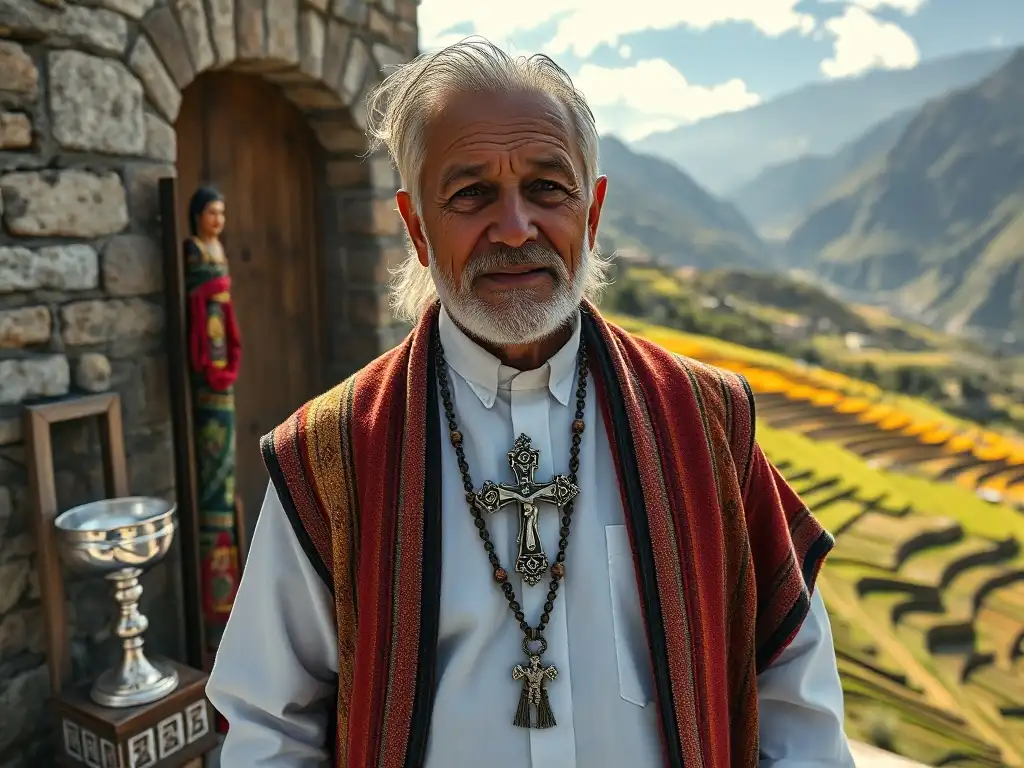
Unravel the mysteries woven into the very fabric of Andean history. Journey with us into a world of breathtaking artistry and profound spiritual meaning as we delve into the intricate symbolism hidden within Andean priest attire. Discover how clothing became a powerful conduit to the divine, reflecting the complex cosmology and religious authority of civilizations like the Inca, Moche, and Nazca. Prepare to be captivated by the secrets held within each thread and embellishment – the story unfolds here.
The Andean world, a tapestry woven from the threads of diverse cultures across the vast mountain range, held a deeply spiritual worldview. Religion permeated daily life, and those who served as intermediaries between the human and divine realms – the priests and shamans – commanded immense respect and authority. This authority wasn't solely derived from social standing; it was powerfully symbolized and reinforced through meticulously crafted attire.
This article delves into the fascinating world of Andean priest attire, exploring the symbolism embedded within the garments and ornaments worn by these religious figures, revealing how clothing served as a powerful visual language reflecting their status, spiritual power, and connection to the cosmos. Understanding this symbolism provides a crucial key to unlocking a deeper understanding of Andean religion and cosmovision, particularly the complex interplay between the earthly and spiritual planes.
We will examine specific examples from various Andean cultures, focusing on the rich symbolism woven into fabrics, colors, and adornments to illuminate the significance of Andean priest attire and its role in maintaining religious authority. This exploration will reveal how seemingly simple garments became potent symbols of power and connection to the divine.
Understanding the Significance of Andean Priest Garments
Andean priest garments weren't simply clothing; they were carefully constructed representations of spiritual power and connection to the supernatural. The choice of materials, colors, and embellishments carried profound meaning, often reflecting the specific deities or cosmological concepts associated with a particular priest or ritual. For instance, the use of specific textiles, like vicuña wool – a luxurious material reserved for the elite – instantly communicated high status and closeness to the divine.
The vibrant colors, frequently derived from natural sources like plants and minerals, held significant symbolic weight, often representing specific deities or cosmological elements. Red, for example, might signify blood, sacrifice, or the power of the sun, while yellow could represent gold, wealth, and the sun's life-giving energy. The intricate designs and patterns woven into the fabrics also played a crucial role, often depicting sacred animals, celestial bodies, or mythological scenes, reinforcing the priest's role as a conduit between the human and divine worlds.
These garments weren't static; their appearance could vary depending on the specific ceremony or ritual, further highlighting the dynamic nature of Andean religious practice. Detailed analysis of surviving textiles and archaeological evidence reveals a remarkable complexity in the symbolism embedded within Andean priest attire.
Textiles and Fabrics: A Material Language of Power
The selection of textiles used in Andean priest attire was far from arbitrary. The most prestigious garments were made from vicuña wool, a remarkably soft and luxurious fiber obtained from the vicuña, a wild camelid inhabiting the high Andes. Access to vicuña wool was strictly controlled, often limited to the elite and religious leaders, emphasizing their high social and spiritual status.
Other materials, such as alpaca and llama wool, were also used, but the quality and type of wool further differentiated the garments, reflecting varying levels of religious authority and social standing within the priestly hierarchy. The use of cotton, particularly in warmer regions, demonstrated the adaptation of materials to environmental conditions while still maintaining the symbolic importance of the garment itself. The meticulous craftsmanship involved in weaving these textiles, often incorporating intricate patterns and designs, added another layer of complexity and meaning to the garments.
The time and skill required to create these garments further underscored the sacred nature of the attire and the high status of the priest who wore them. The weaving techniques themselves often held symbolic significance, reflecting specific traditions and beliefs associated with particular communities or religious orders.
Color Symbolism: Decoding the Andean Rainbow
Color played a pivotal role in Andean religious symbolism, and this was profoundly reflected in the attire of priests. The meanings associated with specific colors were not uniform across all Andean cultures, but certain recurring themes emerge. Red, as mentioned previously, frequently symbolized blood, sacrifice, and the sun's life-giving power.
Yellow was associated with gold, wealth, and the sun's radiant energy. Green often represented fertility, growth, and the bounty of the earth. Blue, frequently linked to water and the sky, represented the vastness of the cosmos and the power of the unseen world.
Black, sometimes associated with the underworld and the mysteries of the night, could also represent fertility and the earth's regenerative power. The skillful combination of these colors in priestly garments created a powerful visual narrative, communicating complex religious concepts and reinforcing the priest's authority and connection to the divine. Further research into specific regional variations in color symbolism is needed to fully understand the nuanced expressions of religious beliefs throughout the Andean region.
Ornaments and Adornments: Embellishments of Power and Status
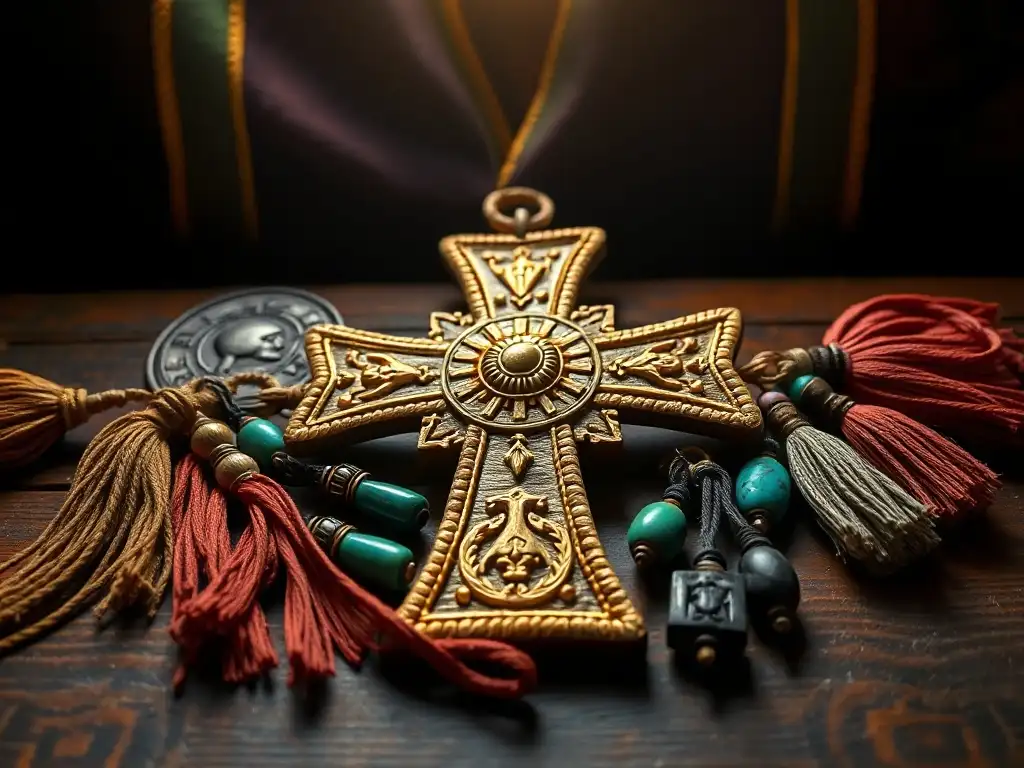
Beyond the fabrics themselves, the ornaments and adornments embellishing Andean priest attire further reinforced their religious authority and status. These could include intricately crafted metalwork, such as gold and silver jewelry, often depicting sacred animals or celestial motifs. Feathers, particularly those of rare and exotic birds, were highly valued and used to create elaborate headdresses and ornaments, symbolizing power, prestige, and connection to the spiritual world.
The use of precious stones, such as turquoise and lapis lazuli, further emphasized the sacred nature of the garments and the high status of the wearer. These embellishments were not merely decorative; they were integral components of the garments, carrying powerful symbolic meanings that reinforced the priest's role as a mediator between the human and divine realms.
The careful selection and arrangement of these ornaments demonstrated a profound understanding of religious symbolism and a mastery of the visual language of power. The painstaking creation of these embellishments highlighted the immense value placed on religious authority and the importance of the priest's role in Andean society.
Regional Variations and Cultural Differences
While certain common threads run through Andean priest attire across different cultures, significant regional variations also existed. The specific materials, colors, and designs used often reflected local traditions, beliefs, and access to resources. The priestly attire of the Inca Empire, for example, differed significantly from that of the Moche or Nazca cultures, reflecting the unique religious beliefs and practices of each civilization.
These variations highlight the rich diversity of Andean cultures and the multifaceted nature of religious expression in the region. Further research into specific regional variations is necessary to fully appreciate the complexity and diversity of Andean priest attire and its relationship to the broader Andean cosmovision. Detailed studies of specific cultural groups, incorporating archaeological findings and ethnographic analysis, will provide a more complete picture of the diverse expressions of religious authority through clothing.
- Understanding the Significance of Andean Priest Garments
- Textiles and Fabrics: A Material Language of Power
- Color Symbolism: Decoding the Andean Rainbow
- Ornaments and Adornments: Embellishments of Power and Status
- Regional Variations and Cultural Differences
- What was the significance of Andean priest attire?
- How did the attire of Andean priests vary across different cultures?
- What specific symbols were commonly found on Andean priest clothing?
- What materials were typically used to create Andean priest garments?
- How did the attire of Andean priests reflect their social standing?
Andean Priest Attire: A Visual Language of Power and Spirituality
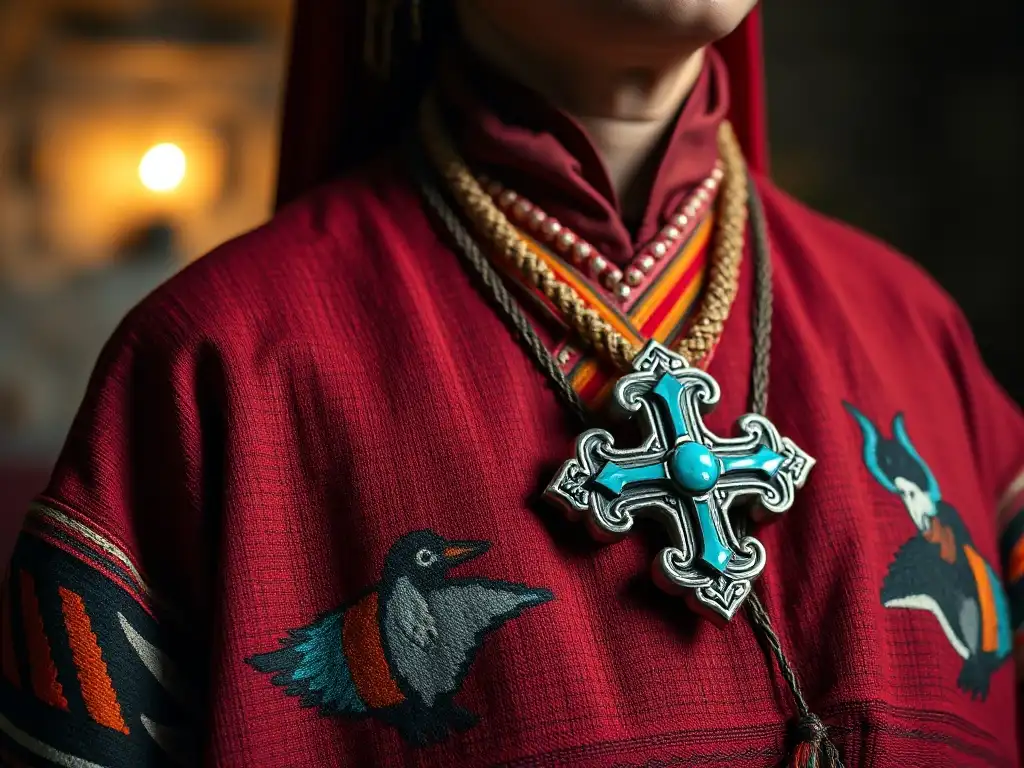
The study of Andean priest attire offers a captivating glimpse into the complex religious systems of pre-Columbian South America. Clothing wasn't merely functional; it served as a powerful visual language, conveying the priest's status, spiritual authority, and connection to the divine. By meticulously analyzing the materials, craftsmanship, and symbolic patterns of priestly garments, we can unravel the intricate tapestry of Andean religious beliefs and practices.
The careful selection of colors, textiles, and adornments wasn't arbitrary; each element held profound symbolic meaning, reflecting the priest's role as an intermediary between the human and spiritual realms. Understanding this visual vocabulary is crucial to deciphering the nuances of Andean religious life, revealing the rich tapestry of beliefs and rituals that shaped these ancient societies. The analysis of Andean priest attire symbolism provides invaluable insights into the power dynamics and spiritual beliefs of these fascinating civilizations.
The Materials and Craftsmanship of Priestly Clothing in the Andes
The creation of Andean priestly clothing was a meticulous and highly skilled process, reflecting the sacred nature of the garments themselves. The materials used were carefully chosen, often imbued with symbolic meaning, and the craftsmanship demonstrated an exceptional level of artistry and technical proficiency.
Natural Fibers and Dyes: The Basis of Andean Religious Vestments
Andean priests' clothing primarily utilized natural fibers, predominantly cotton and wool, sourced from local animals like llamas and alpacas. The choice of fiber itself carried symbolic weight. For example, the softness of vicuña wool, obtained from a rare and highly prized camelid, might have signified the priest's closeness to the divine, while the sturdiness of llama wool could have represented strength and resilience. The dyeing process, utilizing natural pigments derived from plants, minerals, and insects, further enhanced the symbolic significance.
Deep reds, achieved using cochineal insects, were associated with blood, sacrifice, and fertility; while vibrant blues, obtained from minerals like indigo, represented the sky, water, and the spiritual realm. The precise shades and their combinations were significant, often varying according to the specific deity or ritual. The meticulous preparation and application of these dyes reflected the reverence and care given to the creation of sacred garments.
Weaving Techniques and Symbolic Patterns in Priestly Dress
Beyond the materials, the techniques employed in weaving Andean priestly garments were remarkably sophisticated. Complex patterns, often incorporating intricate geometric designs, zoomorphic motifs (animals), and anthropomorphic figures (humans), were woven into the fabric. These patterns weren't merely decorative; they served as powerful visual representations of cosmology, mythology, and religious beliefs. For instance, the repetition of specific motifs, such as serpents or jaguars, might have symbolized the power of nature or the connection to the underworld.
The use of different weaving techniques, like tapestry weaving or brocade, further enhanced the visual complexity and symbolic depth of the garments. The precision and artistry involved in creating these patterns underscore the high status and sacred nature of the priestly attire. Detailed analysis of these patterns continues to reveal new layers of meaning and understanding of Andean religious thought.
Regional Variations in Andean Priestly Clothing
While certain common threads (pun intended!) unite Andean priestly attire across different cultures, significant regional variations also existed, reflecting diverse religious practices and beliefs. The materials, colors, styles, and symbolic patterns all varied depending on the specific Andean culture and geographic location.
Coastal Cultures: Unique Attire of Moche and Nazca Priests
Coastal cultures, such as the Moche and Nazca, developed distinct styles of priestly clothing. [Specific information pending on Moche priestly attire]. The Nazca, known for their elaborate textile production, created priestly garments with intricate iconography, often depicting deities, mythological creatures, and shamanistic rituals. [Specific information pending on Nazca priestly attire, including color palettes and specific patterns]. The use of vibrant colors and complex designs in these coastal regions highlights the significance placed on visual representation in their religious practices.
Highland Cultures: Distinctive Garments of Inca and Tiahuanaco Priests
Highland cultures, including the Inca and Tiahuanaco, developed their own unique styles of priestly clothing. Inca priestly attire often incorporated elements of power and status, such as fine textiles, elaborate headdresses, and gold or silver ornaments. [Specific information pending on Inca priestly attire and symbolism]. The Tiahuanaco, known for their sophisticated stone architecture, might have reflected this in their priestly garments.
[Specific information pending on Tiahuanaco priestly attire and its relationship to their architectural style]. The differences in priestly attire between the coastal and highland cultures highlight the diversity of religious expression across the Andes. Further research is needed to fully understand the nuances of these regional variations and their significance within the broader context of Andean religious beliefs.
The Symbolism Embedded in Andean Religious Vestments
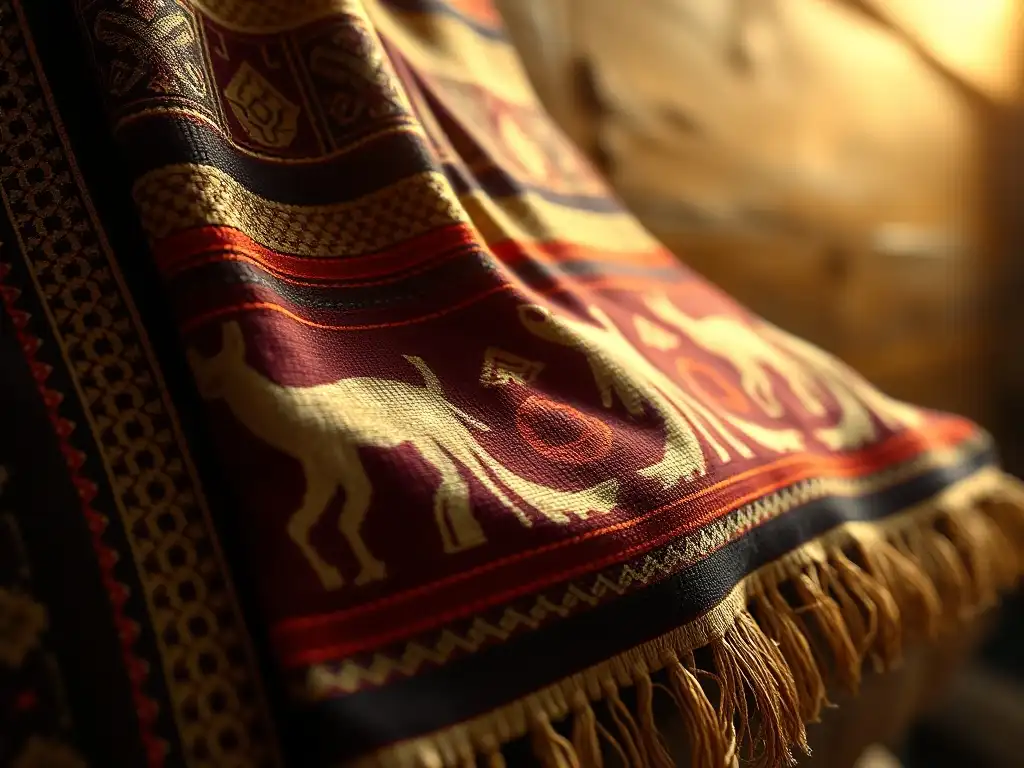
The study of Andean priest attire symbolism reveals a complex system of visual communication, deeply rooted in the intricate cosmovision of these ancient societies. Garments weren't simply clothing; they were powerful conduits of spiritual energy, meticulously crafted to reflect the priest's rank, authority, and connection to the divine. Understanding the symbolism woven into these vestments offers a crucial insight into the religious practices and beliefs of the Andean civilizations.
This section will delve into the rich tapestry of colors, adornments, and accessories that constituted the sacred wardrobe of Andean priests, exploring the nuanced meanings embedded within each element. The careful selection and arrangement of these items served to visually communicate the priest's role as an intermediary between the human and spiritual realms. This visual language allowed for immediate recognition of the priest's authority and facilitated the effectiveness of religious rituals.
Colors and Their Spiritual Significance in Andean Priest Attire
The use of color in Andean priest attire was far from arbitrary. Specific hues held profound symbolic weight, reflecting the vibrant Andean cosmovision that connected earthly existence with the celestial realm. The careful selection of colors was not merely aesthetic; it was a deliberate act of spiritual communication. The precise shades and their combinations varied across different cultures and time periods, adding layers of complexity to the study of Andean priest attire symbolism.
The Meaning of Red, Black, White, and other Colors in Andean Cosmovision
Red, for instance, frequently symbolized blood, sacrifice, and the life-giving force of the sun. It represented power, vitality, and the connection to the earth's generative forces. Black, often associated with the underworld and ancestral spirits, held a dual significance—it could represent both death and regeneration, the cyclical nature of life and death integral to Andean cosmology. White, conversely, symbolized purity, light, and the celestial realm. It represented the spiritual world and the connection to the gods.
Beyond these primary colors, a spectrum of other hues, including yellow (associated with gold, wealth, and the sun), green (representing fertility and growth), and blue (symbolizing the sky and water), contributed to the complex visual vocabulary of Andean religious attire. The specific combinations of these colors on a priest's garment could convey highly specific messages, reflecting the nature of the ritual, the deity being honored, or the priest's particular role within the religious hierarchy.
Further research is needed to fully decipher the intricate nuances of color symbolism across various Andean cultures, as the specific meanings could vary regionally and temporally. For example, [specific information pending] regarding the precise meaning of purple in the Nazca culture.
Adornments and Accessories: Amplifying the Power of Andean Priests
Beyond the symbolic use of color, Andean priests adorned themselves with a variety of accessories that amplified their power and authority. These elements weren't merely decorative; they served as potent symbols, visibly reinforcing the priest's connection to the divine and their role as mediators between the human and spiritual worlds. This section will explore the significance of headdresses, jewelry, and ritual objects in enhancing the priestly presence and reinforcing religious authority.
Headdresses and Crowns: Symbols of Divine Authority
Headdresses and crowns held paramount importance, often signifying the priest's rank and connection to specific deities. Elaborately crafted from feathers, gold, and other precious materials, these adornments visually elevated the priest, physically and symbolically placing them closer to the celestial realm. The specific design and materials used in a headdress could indicate the priest's specialization or the deity they served. For example, [specific information pending] on the significance of different feather types in Inca headdresses. The intricate craftsmanship itself served as a testament to the priest's sacred status and the importance of their role within the community.
Jewelry and Ornaments: Reflecting Rank and Spiritual Status
Jewelry and ornaments, like earrings, necklaces, and bracelets, further amplified the priest's spiritual authority and social standing. Made from precious metals, stones, and shells, these items were not just decorative; they were imbued with spiritual significance, often acting as talismans or symbols of power and protection. The type and arrangement of jewelry could indicate the priest's level within the hierarchy and their connection to specific deities or spiritual forces. [Specific examples of jewelry and their significance pending].
Staffs, Scepters and Other Ritual Objects: Tools of Power and Connection
Staffs, scepters, and other ritual objects served as essential tools in the priest's practice, visually reinforcing their power and connection to the spiritual realm. These objects often incorporated symbolic elements, such as animal figures or celestial motifs, further enhancing their spiritual significance. The specific type of staff or scepter could denote the priest's specialization or the deity they served.
The use of these objects during rituals helped to channel spiritual energy and facilitate communication with the supernatural world. [Further research needed on the specific symbolism of staffs and scepters in different Andean cultures]. For example, a detailed analysis of the materials and iconography found on Moche priestly staffs could reveal much about their religious beliefs and practices.
The Andean Priest's Wardrobe in Ritual and Ceremony
This section delves into the intricate world of Andean priest attire and its profound symbolism, focusing on how clothing functioned as a powerful tool for religious authority and ritual efficacy. The Andean priest's wardrobe wasn't merely clothing; it was a complex system of symbols, meticulously crafted and worn to connect the priest with the divine realm and facilitate communication between the human and spiritual worlds. Understanding this system offers crucial insight into Andean religious practices and cosmovision.
The careful selection of materials, colors, and adornments all contributed to the overall impact and meaning of the priest's attire. This analysis will explore specific examples from different Andean cultures to illustrate the diversity and complexity of this aspect of Andean religious life. The keyword, "Andean priest attire symbolism," will be explored throughout.
The Role of Attire in Religious Rituals and Offerings
How Priestly Garments Enhanced the Sacred Atmosphere
The Andean priest's attire played a vital role in establishing and maintaining the sacred atmosphere during rituals and ceremonies. The garments themselves were often imbued with symbolic meaning, transforming the wearer into a conduit for the divine. For instance, the use of specific textiles, like vicuña wool (associated with high status and divinity), immediately conveyed the priest's elevated position within the community.
The vibrant colors used – often symbolic of specific deities or cosmological elements – further enhanced the ritual's sacred ambiance. Intricate weaving techniques and the incorporation of precious metals and stones added to the garments' aura of sacredness, reinforcing the priest's connection to the supernatural. Consider the elaborate headdresses, often adorned with feathers, gold, and precious stones, which visually amplified the priest's authority and transformed him into a powerful, awe-inspiring figure.
This visual spectacle served to inspire reverence and awe amongst the participants, creating a conducive environment for religious communion. The careful arrangement of the garments, the meticulous attention to detail in their construction, all contributed to the overall effectiveness of the ritual. These weren't simply clothes; they were potent symbols carefully chosen to enhance the sacred atmosphere and amplify the spiritual power of the ceremony.
The Transformation of the Priest Through Sacred Attire
The act of donning the priestly garments was itself a significant ritual, a symbolic transformation that moved the priest from the everyday world into the sacred realm. The process involved more than simply putting on clothes; it was a carefully orchestrated sequence of actions, imbued with deep spiritual significance. The priest would often purify himself before donning his attire, perhaps through ritual bathing or fasting.
The careful and deliberate putting on of each garment – the tunic, the headdress, the jewelry – was a series of symbolic actions that marked each stage of his transition. Each item possessed specific meaning, and the order in which they were donned likely followed a prescribed ritual sequence. This transformation wasn't merely physical; it was a spiritual metamorphosis, a process that empowered the priest to act as an intermediary between the human and divine worlds.
The attire itself served as a physical manifestation of this spiritual shift, visibly marking the priest's altered state and enhanced spiritual authority. This process is crucial to understanding the significance of "Andean priest attire symbolism." The transformative power of clothing allowed priests to effectively engage with the spiritual world and perform their sacred duties.
The Ritual of Dressing: A Symbolic Passage to the Divine Realm
The ritual of dressing the Andean priest was not a private affair but often a public spectacle, involving assistants and other members of the community. This communal participation underscored the shared experience of religious devotion and the importance of the priest's role within the community. The act of dressing could be viewed as a symbolic enactment of the priest's journey to the divine realm. Each piece of clothing represented a stage in this journey, culminating in the complete transformation of the priest into a divine representative.
The careful placement of each ornament, the precise arrangement of the textiles, all contributed to the overall symbolic power of the ritual. Think of it as a sacred drama, where the priest's attire acted as the stage props, enhancing the narrative of his spiritual ascension. The use of specific colors, materials, and symbols, as well as the precise sequence of dressing, would have varied significantly depending on the specific Andean culture and the nature of the ritual.
More research is needed to fully understand the subtle nuances in the ritual across different Andean cultures. [Specific information pending on regional variations in dressing rituals]. The process, however, consistently demonstrates the powerful role of "Andean priest attire symbolism" in facilitating a sacred connection between the priest, the community, and the divine.
The Legacy of Andean Priest Attire: Its Relevance Today
The vibrant and intricate textiles and adornments worn by Andean priests weren't simply garments; they were powerful symbols of religious authority, cosmological beliefs, and social status. Their legacy extends far beyond the collapse of the Inca Empire and other pre-Columbian societies. Even today, elements of this attire continue to resonate in contemporary Andean culture, albeit often transformed and adapted to fit modern contexts.
The enduring appeal speaks to the deep-rooted connection between the past and present in the Andes, a testament to the enduring power of tradition. Understanding the symbolism of these ancient garments offers valuable insights into the continuity of Andean spiritual practices and the ways in which indigenous communities maintain their cultural identity in the face of globalization.
The meticulous craftsmanship involved in creating these sacred garments, often passed down through generations of artisans, further reinforces their significance. The intricate weaving techniques, the use of specific dyes derived from natural sources (like cochineal for vibrant reds), and the incorporation of symbolic motifs all contribute to the garments’ sacred aura. This knowledge and skill are not merely artistic expressions; they are integral to the transmission of cultural memory and the maintenance of spiritual traditions. The act of creating and wearing these garments is a powerful act of cultural preservation.
Furthermore, the study of Andean priest attire offers a valuable lens through which to examine the broader processes of cultural syncretism and adaptation. The blending of pre-Columbian traditions with Catholic iconography and practices, particularly evident after the Spanish conquest, resulted in unique expressions of Andean religiosity. Modern Andean religious practices often incorporate elements of both indigenous beliefs and Catholicism, and the attire of contemporary religious leaders sometimes reflects this syncretism, creating a fascinating tapestry of cultural influences.
Analyzing these contemporary adaptations helps to understand the complex and dynamic nature of Andean cultural identity. The survival of traditional elements within this evolving context showcases the resilience of Andean culture and its capacity for adaptation.
Reflections on the Enduring Symbolism in Contemporary Andean Culture
The symbolism embedded within Andean priest attire continues to hold significance in contemporary Andean culture, albeit in subtle and often transformed ways. Certain colors, textiles, and adornments, once exclusively associated with priestly authority, now appear in various ceremonial contexts and folk traditions. For example, the use of specific types of feathers, once reserved for high-ranking priests, might be incorporated into contemporary costumes for festivals or rituals. While the precise meaning may have evolved, the underlying symbolic power persists. This continuity underscores the deep spiritual and cultural significance of these elements within Andean communities.
The enduring presence of these symbols in contemporary Andean culture highlights the importance of indigenous knowledge and traditions. Modern Andean communities actively utilize and reinterpret these symbols, demonstrating a clear connection to their ancestral heritage. This active engagement with their past allows them to negotiate their present, preserving their cultural identity while simultaneously adapting to the challenges of modernity. The study of these transformations reveals the dynamism of Andean culture, its capacity for adaptation and innovation while maintaining its core values and traditions.
This dynamic process is evident in the evolving interpretations and uses of traditional Andean priest attire. The enduring power of these symbols speaks to their deep-seated significance within the Andean worldview. The persistence of these symbols serves as a potent reminder of the enduring strength and resilience of Andean culture.
Frequently Asked Questions
What was the significance of Andean priest attire?
Andean priest attire held immense religious significance, symbolizing their connection to the divine and their authority within their communities. The clothing and adornments were carefully chosen to represent their specific roles and the deities they served.
How did the attire of Andean priests vary across different cultures?
While some common threads existed, the specific garments and adornments varied significantly across cultures like the Inca, Moche, Nazca, and Tiahuanaco. Each civilization had its unique stylistic conventions and symbolic meanings associated with priestly attire.
What specific symbols were commonly found on Andean priest clothing?
Common symbols included animal figures, geometric patterns, and representations of deities or celestial bodies. These symbols conveyed spiritual power and helped to identify the priest's specific role or affiliation.
What materials were typically used to create Andean priest garments?
Andean priests' clothing was often made from fine textiles, such as alpaca or vicuña wool, reflecting the high status of the wearer. Precious metals, feathers, and beads were also incorporated for ornamentation and added symbolic meaning.
The elaborate and richly decorated nature of Andean priest attire clearly indicated their high social status and religious authority. The quality of materials and the intricacy of the designs served as visual markers of their power and sacred role within society.
Final Reflection: Weaving Threads of Faith: The Enduring Power of Andean Priest Attire
The vibrant textiles and intricate designs of Andean priest attire are not mere garments; they are living tapestries that continue to resonate with profound spiritual and cultural significance today. The symbolism woven into these sacred clothes speaks volumes about the enduring power of tradition, the complex relationship between the human and the divine, and the ongoing relevance of Andean spiritual practices in a rapidly changing world.
The enduring influence of these symbolic garments on Andean identity is undeniable. Their intricate designs, often passed down through generations, tell stories of cosmology, mythology, and the deep connection between the people and their sacred landscape. The vibrant colors, the carefully chosen materials, and the meticulous craftsmanship all contribute to a powerful visual language that transcends mere aesthetics. Clothing is a form of self-expression, but in the Andean context, it's also a form of self-transcendence, a way of connecting with the spiritual realm.
This profound connection to the past continues to inform present-day Andean spirituality and cultural practices, shaping identity and reinforcing community bonds.
Consider the intricate details you've learned about—the meaning behind specific colors, the symbolism of particular animals or plants, the significance of the weaving techniques themselves. You now hold a deeper understanding of the rich cultural heritage embedded within these seemingly simple garments.
Take this knowledge with you, and let it inspire you to look more closely at the symbols and traditions that shape your own world, recognizing the power of visual language to communicate profound truths and connect us to something larger than ourselves. Let the legacy of the Andean priest's wardrobe remind you of the enduring power of faith, tradition, and the beauty of human expression.
Unveil the Influence of Sacred Attire!
Thank you for exploring the fascinating world of Andean priestly garments and their profound cultural significance. You've discovered how sacred attire not only symbolizes religious authority but also embodies the rich tapestry of Andean traditions. Now, let's put that knowledge into practice!
- Explore local resources: Visit museums or cultural centers to learn about the representation of sacred attire in your region. Discover the connections to Andean traditions in your community.
- Share your discoveries: Discuss your findings with friends, family, or online communities. Engage with others who share your interest in Andean culture.
- Embrace creativity: Design your own piece of attire inspired by Andean symbolism and traditions. Let your creativity flourish!
What aspect of Andean sacred attire most captivates you, and how do you perceive its influence on contemporary expressions of identity?