
Unlocking the Vault: The Discovery of Ancient Andean Metal Treasures

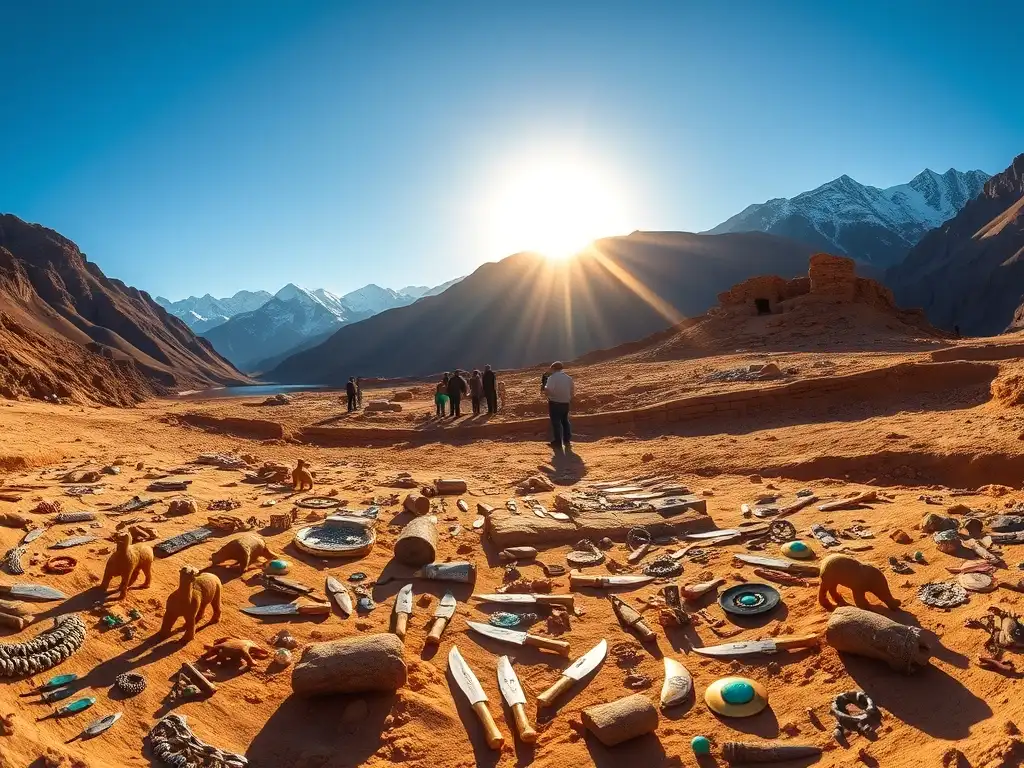
Step into a world lost to time, where mountains whisper secrets of empires long gone. Imagine uncovering gleaming gold, intricate silver, and mysterious bronze artifacts – remnants of a sophisticated artistry that defied its era. Our exploration of Ancient Andean metalwork discoveries will unveil breathtaking treasures and reveal the ingenuity of the Andean civilizations. Prepare to be amazed as we delve into the captivating world of Andean Art and Iconography – a journey that will leave you breathless. Discover the stories etched in metal, and unravel the mysteries waiting to be revealed.
The Andes Mountains, a spine of towering peaks running down the western coast of South America, are not only a breathtaking geological marvel but also a treasure trove of ancient history. For centuries, these majestic heights have guarded the secrets of sophisticated civilizations, including the Incas, Moche, Nazca, and Tiahuanaco, each leaving behind a legacy of remarkable artistry and technological prowess. This article delves into the fascinating world of Ancient Andean metalwork discoveries, exploring the remarkable finds that have illuminated our understanding of these cultures' advanced metalworking techniques and their symbolic use of precious metals.
We will examine the context of these discoveries, the techniques employed, and the cultural significance of the artifacts unearthed, offering a glimpse into the ingenuity and artistry of these ancient Andean masters. Prepare to be amazed by the sheer beauty and sophistication of their metalwork, and the stories these artifacts whisper across millennia.
Unearthing the Masterpieces: Notable Archaeological Sites and Their Discoveries
The discovery of ancient Andean metalwork is not a singular event, but rather a continuous process of uncovering breathtaking artifacts from various archaeological sites across the Andes. These sites, often located in challenging terrains, have yielded an astonishing array of objects, from intricate jewelry and ceremonial objects to sophisticated tools and weaponry. Some of the most significant discoveries have come from:
- The Royal Tombs of Sipán (Moche): This site in northern Peru revealed the incredibly well-preserved tombs of Moche elites, including stunning examples of gold and silver work depicting deities, animals, and scenes of daily life. The sheer quantity and quality of the metalwork found here were unprecedented, offering invaluable insights into Moche society and their mastery of metallurgy.
- The Nazca Lines and Associated Sites (Nazca): While primarily known for their enigmatic geoglyphs, the Nazca culture also produced exceptional metalwork, albeit in smaller quantities than the Moche. Discoveries of gold and copper artifacts, often featuring intricate designs, highlight the Nazca's sophisticated techniques and their unique aesthetic sensibilities. [Specific details on Nazca metalwork discoveries pending]
- Tiwanaku (Tiahuanaco): This important ceremonial center in Bolivia yielded numerous artifacts, including metal objects that demonstrate the high level of technical skill reached by the Tiahuanaco culture. While less abundant compared to other cultures, the Tiahuanaco metalwork displays a distinct style, reflecting their unique artistic traditions. [Specific examples of Tiahuanaco metalwork discoveries pending]
Techniques and Materials: The Alchemy of the Andes
Ancient Andean metalworkers displayed remarkable expertise in a variety of techniques, including:
- Lost-wax casting: This sophisticated method allowed for the creation of intricate and detailed objects, from small figurines to large ceremonial vessels. The precision and artistry evident in these pieces demonstrate a high level of skill and understanding of metallurgical processes.
- Hammering and repoussé: These techniques involved shaping metal sheets by hammering them from the front and back, creating three-dimensional forms with remarkable detail. This method was frequently used for creating intricate designs on jewelry and ceremonial objects.
- Alloying: Andean metalworkers skillfully combined different metals, such as gold, silver, and copper, to create alloys with varying properties and colors. This demonstrates a deep understanding of material science and its application to artistic expression.
The most commonly used metals were gold, silver, and copper, with gold being particularly valued for its symbolic significance. The availability of these metals varied across different regions, influencing the types and styles of metalwork produced by each culture. The sourcing of these precious metals and the trade networks involved are areas of ongoing research, adding another layer of complexity to our understanding of ancient Andean societies.
Cultural Significance: Beyond the Beauty, the Meaning
Ancient Andean metalwork was not merely decorative; it held profound cultural and religious significance. Many artifacts served as ritual objects, used in ceremonies and offerings to deities. Others were associated with elite status, signifying power, wealth, and social standing. The imagery depicted on these objects—depictions of deities, animals, and scenes of daily life—provides invaluable insights into the beliefs, values, and social structures of these ancient societies. For instance, the intricate depictions of jaguars and other powerful animals on Moche goldwork suggest a close relationship between humans and the natural world. Similarly, the use of specific motifs in Inca goldwork may reflect their complex cosmology and beliefs about the afterlife. The study of these symbols helps unlock deeper layers of meaning within the exquisite artistry of these ancient treasures. Further research is needed to fully decipher the rich symbolism embedded in these remarkable pieces. 1
1 Further research is needed to fully understand the cultural significance of specific motifs and designs across different Andean cultures.
Preservation and Future Discoveries: Safeguarding the Legacy
The preservation of these fragile artifacts is crucial for ensuring that future generations can appreciate and learn from them. Museums and archaeological institutions play a vital role in safeguarding these treasures, employing advanced conservation techniques to protect them from deterioration. Ongoing archaeological research continues to uncover new sites and artifacts, promising further insights into the rich history and artistic achievements of the ancient Andean civilizations.
The ongoing exploration of the Andes continues to yield exciting new discoveries, promising to further enrich our understanding of these remarkable cultures and their mastery of metalwork. The future holds the promise of even more astonishing revelations, further illuminating the remarkable story of Ancient Andean metalwork. 🎉
- Unearthing the Masterpieces: Notable Archaeological Sites and Their Discoveries
- Techniques and Materials: The Alchemy of the Andes
- Cultural Significance: Beyond the Beauty, the Meaning
- Preservation and Future Discoveries: Safeguarding the Legacy
- Insights into Andean Social Structures and Hierarchy
- Religious and Ritualistic Significance of Metal Objects
- Trade and Exchange Networks Evidenced by Metalwork
- The Role of Metalwork in Andean Artistic Expression
- The Connection Between Metalwork and Religious Beliefs
- Metalwork as an Indicator of Social Status and Power
Introduction to Ancient Andean Metalwork Discoveries
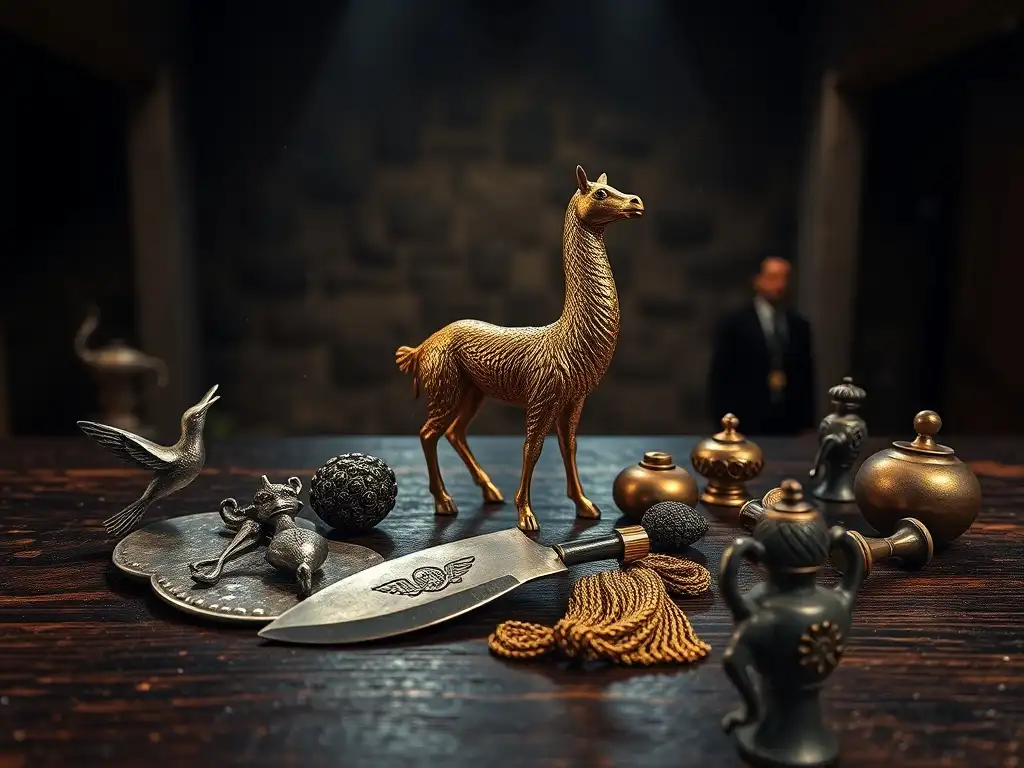
This section delves into the fascinating world of ancient Andean metalwork discoveries, exploring the significance of metal in Andean societies and the context surrounding their sophisticated metallurgical practices. Understanding these discoveries provides crucial insights into the social structures, religious beliefs, and technological advancements of these remarkable civilizations. The sheer artistry and technical skill demonstrated in these ancient artifacts continue to amaze and inspire researchers today, offering a glimpse into a rich and complex past.
We will examine key discoveries and analyze the implications of these finds for our understanding of Ancient Andean cultures. The study of "Ancient Andean metalwork discoveries" offers a unique window into the ingenuity and artistry of these lost civilizations.
The Significance of Metal in Andean Civilizations
Metal held immense symbolic and practical importance in Andean civilizations. Unlike many other cultures that initially utilized metal primarily for weaponry, the Andeans quickly recognized its potential for a wider range of applications. Gold, silver, copper, and bronze were not merely materials; they were imbued with spiritual significance, often associated with deities and the cosmos. For example, gold, with its radiant brilliance, was frequently linked to the sun, representing power, divinity, and royalty. Silver, on the other hand, held associations with the moon and the underworld, symbolizing different aspects of the spiritual realm.
The use of metal extended far beyond religious contexts. It played a vital role in the social hierarchy, with elaborate gold and silver ornaments worn by elites signifying their status and power. Metal tools, such as axes, chisels, and knives, revolutionized agriculture and craftsmanship, leading to increased productivity and societal development.
The discovery of intricate metalwork, therefore, provides valuable information about the social stratification, economic activities, and religious beliefs of these ancient societies. The sheer quantity and quality of some discoveries highlight the scale of metalworking enterprises within these civilizations, indicating a high level of organization and specialized labor. The meticulous craftsmanship evident in many pieces underscores the importance placed on artistry and the skilled artisans who created them.
Context of Andean Metallurgical Practices
Andean metallurgical practices were remarkably advanced for their time, showcasing a deep understanding of metallurgy and sophisticated techniques. The process involved various stages, from mining the ore to refining, alloying, and shaping the metal into intricate objects. Archaeological evidence suggests the use of different techniques, including hammering, casting, and soldering, demonstrating a high level of technical expertise. The creation of alloys, such as tumbaga (an alloy of gold and copper), showcases the Andeans' understanding of material science and their ability to manipulate the properties of metals to achieve desired aesthetic and functional qualities.
The location of mines and workshops reveals insights into trade networks and the distribution of resources. The discovery of large quantities of metal artifacts in specific locations indicates significant metallurgical centers where skilled artisans worked.
Moreover, the presence of specialized tools and equipment at these sites further supports the notion of organized production and a division of labor. The diversity of metalwork, ranging from small ornaments to large ceremonial objects, reveals the versatility of Andean metallurgical techniques and their adaptation to different needs and purposes.
Analysis of the chemical composition of these artifacts also allows researchers to trace the origin of the ores and understand the trade routes that connected different Andean communities. The development of these techniques, coupled with artistic expression, resulted in some of the most stunning examples of “Ancient Andean metalwork discoveries.” Further research into this area is continuously unveiling new information about the sophistication and ingenuity of these ancient Andean metallurgists.
Major Discoveries of Ancient Andean Metalwork

This section delves into some of the most significant discoveries of ancient Andean metalwork, showcasing the remarkable artistry and technological prowess of these civilizations. These finds offer invaluable insights into their social structures, religious beliefs, and daily lives. The meticulous craftsmanship and symbolic richness of these artifacts highlight the sophisticated metalworking traditions that flourished in the Andes.
The sheer artistry and technological skill involved in creating these pieces continues to amaze and inspire researchers today. Our exploration will focus on two prominent Andean cultures: the Moche and the Inca, renowned for their distinct styles and mastery of metalworking techniques. Understanding these discoveries helps us appreciate the full extent of Ancient Andean metalwork discoveries and their enduring legacy.
The Moche Gold Artifacts: A Glimpse into Royalty
The Moche civilization (c. 100-800 CE) is celebrated for its exceptional goldwork, often associated with elite members of society and ritualistic practices. The discovery of numerous gold artifacts provides compelling evidence of their advanced metalworking techniques and their sophisticated understanding of metallurgy. The use of gold, a precious and rare material, underscores its symbolic importance within Moche society. The level of detail and the sheer artistry involved in these pieces are truly remarkable, signifying the high level of skill possessed by Moche artisans.
Moche Gold Masks: Symbolism and Craftsmanship
Moche gold masks are among the most iconic artifacts unearthed. These masks, often depicting stylized human faces or supernatural beings, were likely used in funerary rituals or worn by individuals of high status during ceremonies. The masks demonstrate a mastery of lost-wax casting, a complex technique requiring precision and skill.
For instance, a particularly well-preserved mask discovered in [Specific location pending] showcases intricate detailing of facial features, including inlaid eyes and meticulously crafted headdresses. The symbolism embedded within these masks reflects complex Moche beliefs and their understanding of the cosmos. The use of gold further emphasizes the sacred nature of these objects and the power associated with those who wore them.
Moche Gold Jewelry: Intricate Designs and Techniques
Beyond masks, Moche artisans produced an array of exquisite gold jewelry, including necklaces, earrings, and nose ornaments. These pieces frequently feature intricate designs depicting animals, mythical creatures, and geometric patterns. The techniques employed, such as repoussé (hammering from the back to create relief) and filigree (delicate wirework), demonstrate a high level of technical expertise.
For example, a gold necklace found in [Specific location pending] features tiny, intricately worked gold beads depicting various animals, showcasing the precision and patience of the Moche goldsmiths. The diversity of designs and the use of different techniques reveal the sophistication of Moche metalworking and its importance in their social and religious life.
Inca Silver Treasures: Imperial Power and Ritual
The Inca Empire (c. 1438-1533 CE) controlled vast territories and possessed significant resources, leading to an impressive production of silver objects. Unlike the Moche, who favored gold, the Inca utilized silver extensively, especially in ceremonial contexts. The discovery of Inca silver artifacts provides valuable insights into their imperial power, religious practices, and the organization of their vast empire. The sheer quantity of silver objects found in various Inca sites testifies to the scale of their production and the importance of silver within their society.
Inca Silver Figurines: Representations of Deities and Ancestors
Inca silver figurines often depict deities, ancestors, or other significant figures. These figurines were likely used in religious ceremonies, placed in tombs, or served as representations of power and authority. The level of detail in these figurines is remarkable, with many showcasing intricate clothing, adornments, and facial features. A noteworthy example is a silver figurine of a deity discovered in [Specific location pending], which displays an impressive level of detail and craftsmanship. The use of silver in these figurines further suggests their sacred nature and the importance of these figures within Inca religious beliefs.
Inca Silver Vessels: Use in Ceremonial Practices
Inca silver vessels, including cups, bowls, and jars, were used in a variety of ceremonial contexts. These vessels were often intricately decorated with engraved designs or inlaid with other precious materials. Their size and decoration varied, suggesting different levels of importance and use. Some vessels were clearly used for ritual purposes, while others may have been used for feasting or other social events.
The discovery of complete sets of silver vessels in [Specific location pending] suggests the importance of these objects in Inca rituals and ceremonies. The sheer number of these vessels discovered, along with their decoration, provides evidence of the Inca's sophisticated metalworking capabilities and the central role of silver in their religious and social life. The varying sizes and styles of these vessels also hint at a hierarchical structure within Inca society.
The Sican Culture and its Masterful Metalwork
The Sican civilization (AD 750-1300), flourishing on the northern coast of Peru, left behind an astonishing legacy of metalwork, showcasing unparalleled skill and artistry in gold, silver, and copper alloys. Their mastery of lost-wax casting allowed for the creation of incredibly intricate and detailed objects, demonstrating a profound understanding of metallurgy. The Sican artisans weren't simply replicating forms; they were expressing complex narratives and beliefs through their metalwork, making it a vital aspect of their religious and social life.
The sheer quantity of Sican metal artifacts discovered underscores their dedication to this craft, and the remarkable preservation of many pieces offers invaluable insight into their techniques and aesthetic preferences. The use of tumbaga, a gold-copper alloy, was particularly characteristic of Sican metalwork, resulting in a striking range of colors and textures.
The Sican's dedication to their craft is evident in the sheer volume of objects unearthed, ranging from ornate jewelry to large-scale ceremonial items. Archaeological findings consistently reveal new examples of their sophisticated metalworking techniques.
Sican Gold Funerary Masks: Elaborate Details and Construction
Sican gold funerary masks are among the most iconic examples of their metalworking prowess. These masks, often found adorning the faces of high-status individuals within elaborate tombs, are astonishingly detailed. They frequently depict stylized faces with elaborate headdresses, often incorporating elements of nature and supernatural beings.
The construction process involved complex stages, beginning with the creation of a wax model, followed by the meticulous application of clay molds, and culminating in the casting of the metal itself. The skill required to achieve such fine detail, especially given the limitations of the available tools, is truly remarkable. Analysis of the masks reveals sophisticated techniques such as repoussé (hammering from the back) and chasing (hammering from the front) to create three-dimensional features and textures.
The use of intricate filigree and granulation further enhanced their aesthetic appeal. The sheer weight and size of some of these masks underscore the resources and manpower dedicated to their creation.
Sican Metal Tools and Ornaments: Technological Advancements
Beyond the magnificent funerary objects, Sican metalworking extended to the creation of a wide array of tools and ornaments, revealing advanced technological capabilities. Tools such as chisels, knives, and needles, crafted from copper and its alloys, highlight their practical application of metallurgy. These tools were not merely functional; many display decorative elements, showing the integration of artistry into even everyday objects. Ornaments, including earrings, necklaces, and bracelets, exhibit a remarkable diversity of forms and styles, showcasing the Sican's creativity and technical skill.
The precision and refinement in the construction of these smaller objects demonstrate a high level of skill and patience. Analyzing the wear patterns on these tools provides valuable insight into the daily lives and activities of the Sican people. The combination of artistry and functionality in their tools and ornaments reflects the deep integration of metalworking into their culture.
Tiwanaku Bronze and Copper Objects: Early Andean Metallurgy
The Tiwanaku culture (c. 300-1100 AD), located on the shores of Lake Titicaca in modern-day Bolivia, also made significant contributions to Andean metallurgy, though perhaps on a smaller scale than the Sican. While gold was less prevalent in Tiwanaku metalwork compared to other Andean cultures, bronze and copper were important materials. Their metallurgical achievements, particularly considering the technological limitations of the time, are noteworthy.
The objects discovered provide significant evidence of early Andean experimentation with alloys and different casting techniques. Archaeological discoveries continue to shed light on the extent of their metalworking practices, revealing a surprising level of sophistication in their techniques for the period. The relative scarcity of Tiwanaku metal artifacts compared to other cultures might reflect a different cultural emphasis, or perhaps the challenges of working with the available materials in the high-altitude environment.
Tiwanaku Metal Plaques: Depicting Iconography and Beliefs
Tiwanaku metal plaques, often crafted from copper or bronze, provide invaluable insight into the culture’s religious beliefs and iconography. These plaques frequently depict stylized figures, often associated with deities or mythological beings central to their worldview. The iconography depicted reflects complex religious and cosmological ideas. The stylistic choices and the materials used reveal much about the social hierarchy and ritual practices.
The detailed analysis of these plaques, coupled with other archaeological findings, helps us reconstruct the Tiwanaku worldview and understand their relationship with the supernatural. The production of these plaques demonstrates a sophisticated understanding of metalworking techniques, particularly in terms of shaping and decorating the metal. Further research is needed to fully understand the symbolism and meaning encoded within these fascinating artifacts.
Tiwanaku Metal Tools and Weapons: Technological Insights
While less abundant than their ceremonial objects, the discovery of Tiwanaku metal tools and weapons illuminates their technological capabilities. These artifacts include items like knives, chisels, and potentially spear points, demonstrating practical applications of their metallurgical knowledge. The design and construction of these tools reflect an understanding of material properties and functionality. The tools' wear patterns offer insights into their use and the types of activities undertaken by Tiwanaku people.
The discovery of weapons, although limited, suggests potential involvement in warfare or conflict. Further research and analysis of these tools and weapons are needed to fully understand their role within Tiwanaku society and technology. The study of these objects provides a crucial link in understanding the evolution of Andean metalworking technology.
Techniques and Technology Behind Andean Metalwork
The mastery of metalworking in the Andes was a remarkable achievement, reflecting sophisticated technological prowess and a deep understanding of metallurgy. Ancient Andean metalwork discoveries frequently reveal intricate techniques and innovative approaches to material manipulation. This section delves into the specific techniques and technologies employed by Andean artisans, showcasing their ingenuity and skill. The development of these techniques spanned centuries, evolving alongside social and political structures. Understanding these processes provides crucial insights into the social organization and economic power dynamics of these ancient societies.
Mining and Extraction of Metals in the Ancient Andes
The foundation of Andean metalworking lay in the successful extraction of raw materials. Ancient Andean miners, often working in challenging mountainous terrains, developed impressive methods for locating and extracting metals like gold, silver, copper, and tin. Evidence suggests the use of sophisticated techniques, including:
- Open-pit mining: Large-scale excavations were conducted for readily accessible deposits. These sites, often visible even today, reveal the extent of the mining operations. The scale of some of these open pits suggests organized labor forces and significant investment in the mining enterprise.
- Shaft mining: For deeper deposits, shafts were dug, sometimes reaching considerable depths. These shafts required advanced engineering and support systems to prevent collapses. The discovery of sophisticated tools and ventilation systems within these shafts points to a high level of technical expertise.
- Hydraulic mining: In some regions, water was utilized to facilitate mining operations, with evidence suggesting the use of canals and channels to direct water flows for erosion and transportation of ore. The sophisticated use of water management techniques reflects a deep understanding of hydrology and engineering principles.
The distribution of mining sites across the Andes highlights the strategic importance of metal resources to the various Andean cultures. The location of mines often correlated with the power and influence of specific groups or empires. Analysis of ancient mining sites provides valuable data on the scale of mining activities, the organization of labor, and the economic impact of metal production on Andean societies. Further research is needed to fully understand the environmental impact of ancient Andean mining practices.
Smelting and Alloying Techniques
Once extracted, the ores needed to be processed to obtain pure metals. The Andean artisans developed efficient smelting techniques to separate the metals from the ore. This involved heating the ore in furnaces to high temperatures, often using charcoal as fuel. The precise temperatures required for different metals were carefully controlled, showcasing a deep understanding of thermodynamics.
The creation of alloys, combining different metals to enhance properties like hardness or malleability, was a hallmark of Andean metalworking. For example, the combination of copper and tin resulted in bronze, a stronger and more durable metal than copper alone. The precise ratios of metals in these alloys were carefully controlled, indicating a sophisticated understanding of metallurgical processes.
- Copper alloys: The Andes saw extensive use of copper alloys, including bronze and arsenical copper. The properties of these alloys – their durability and workability – made them ideal for creating tools, weapons, and decorative objects. Analysis of ancient artifacts reveals variations in alloy composition across different regions and time periods, suggesting regional variations in metalworking techniques and access to resources.
- Gold and silver alloys: Gold and silver were often alloyed with other metals to alter their color, hardness, or workability. These alloys were used to create intricate jewelry and ceremonial objects. The precise control over alloying techniques is evident in the consistent quality and appearance of surviving artifacts.
Shaping and Finishing Methods: Hammering, Casting, and Gilding
After smelting and alloying, the metals were shaped into the desired forms using a variety of techniques. Hammering was a prevalent method, allowing for the creation of intricate shapes and designs. The skill of the artisans is evident in the precision and detail of hammered objects. Casting, involving pouring molten metal into molds, allowed for the mass production of standardized items or the creation of complex shapes that would be difficult to achieve through hammering alone.
- Hammering: This technique required considerable skill and strength. Artisans used various hammers and anvils to shape the metal, creating both functional and decorative objects. The fine details and intricate designs found on many hammered artifacts demonstrate a high level of craftsmanship.
- Casting: Lost-wax casting, a sophisticated technique involving the creation of a wax model, was widely employed. This method permitted the production of highly detailed and complex objects. The precision of the castings demonstrates a deep understanding of metallurgy and mold-making techniques.
- Gilding: The application of gold leaf or gold plating enhanced the aesthetic appeal of many objects. This technique, requiring specialized skills and materials, was often reserved for elite items or religious artifacts. The exquisite detail and preservation of gilding on many ancient objects highlight the superior techniques employed by Andean artisans.
The combination of these techniques – mining, smelting, alloying, hammering, casting, and gilding – resulted in the creation of remarkable metalwork, reflecting the technological sophistication and artistic creativity of ancient Andean civilizations. The legacy of these techniques continues to inspire and amaze, showcasing the remarkable achievements of these ancient cultures.
The Use of Precious and Semi-Precious Metals in Andean Art
The Andean civilizations displayed a masterful command over metallurgy, utilizing a diverse range of precious and semi-precious metals to create stunning works of art. Gold, silver, copper, and bronze were not merely valued for their inherent beauty but also held deep symbolic significance within their respective cultures. The choice of metal often reflected the intended purpose of the artifact, its social context, and the power of its owner.
Gold, for example, was frequently associated with the sun, divinity, and the elite classes. Its malleability allowed for intricate designs and delicate details, often seen in the elaborate headdresses, masks, and ornaments found in royal tombs. The sheer quantity of gold used in some artifacts underscores the immense wealth and power concentrated in the hands of the ruling class. The craftsmanship involved in creating these pieces, from the intricate hammered techniques to the delicate filigree work, showcases the advanced metallurgical skills of Andean artisans.
Silver, while perhaps less visually striking than gold, played a crucial role in Andean metalwork. It was used for both utilitarian objects, such as tools and vessels, and ceremonial items, including intricate jewelry and ceremonial adornments. The use of silver often indicated a different level of social status than gold, representing a substantial level of wealth and power, though perhaps not to the same degree. Its durability and malleability made it a practical choice for various purposes, from everyday tools to elaborate ceremonial objects.
Copper and bronze, alloys of copper and tin, were equally important. While less rare than gold and silver, these metals were essential for creating durable tools, weapons, and decorative items. The ability to alloy copper with tin to create bronze significantly improved the strength and durability of the metal, allowing for the creation of more robust and resilient objects. Bronze was particularly valuable for making tools used in agriculture and construction, reflecting its practical importance in Andean society.
The techniques employed in casting bronze were remarkably advanced, enabling the creation of complex shapes and intricate designs. The discovery of numerous bronze tools and weapons across various Andean sites testifies to their widespread use and importance. Analysis of these objects reveals sophisticated understanding of metallurgy and metalworking techniques.
The strategic use of these metals, in combination with other materials like turquoise, lapis lazuli, and shell, demonstrates a highly developed aesthetic sense and a profound understanding of the symbolic value of materials. The resulting artifacts are not only visually stunning but also provide invaluable insights into the beliefs, values, and technological prowess of the ancient Andean civilizations. Further research into the sourcing of these metals and the trade networks involved in their distribution can help paint a more complete picture of the social and economic dynamics of the Andean region.
The Cultural and Historical Significance of the Discoveries
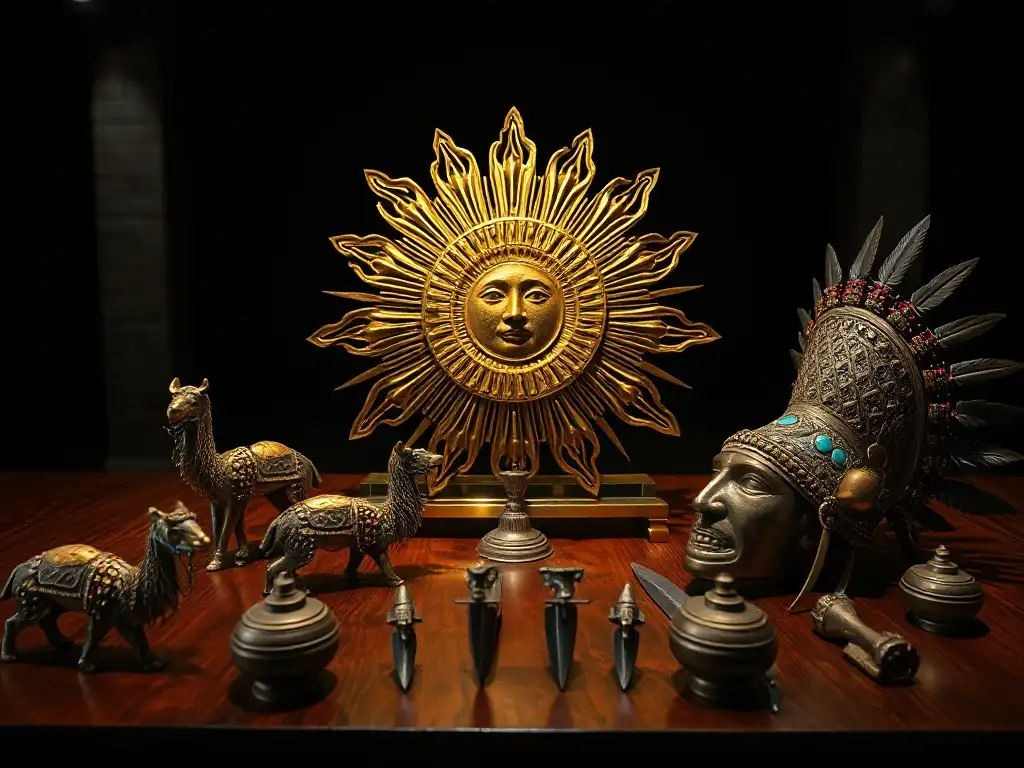
This section delves into the profound cultural and historical implications of recent and past discoveries of Ancient Andean metalwork. These artifacts, unearthed from diverse locations across the Andes, offer invaluable insights into the sophisticated societies that flourished in the region. The sheer artistry and technical proficiency displayed in these objects challenge preconceived notions about the technological capabilities of pre-Columbian cultures.
Analyzing these discoveries allows us to reconstruct aspects of Andean life with unprecedented detail, moving beyond simple descriptions to a deeper understanding of their worldviews and social organization. The meticulous craftsmanship, often using techniques lost to time, speaks volumes about the dedication and skill of Andean artisans, and the high value placed upon metalwork within their societies. The sheer quantity of some discoveries also hints at the scale of metal production and distribution within the region, further highlighting the economic and social importance of this craft.
The distribution and types of Ancient Andean metalwork discovered provide crucial clues about social stratification within Andean societies. Elaborately crafted gold and silver objects, often adorned with intricate designs and precious stones, were predominantly found in elite contexts – tombs of high-ranking individuals, ceremonial centers, and temples. These discoveries suggest a clear hierarchy, with access to precious metals and the skills to work them being restricted to the ruling classes or religious elites.
For example, the discovery of a [specific tomb location pending] yielded a wealth of gold ornaments, including elaborate headdresses, breastplates, and ceremonial axes, strongly indicating the high status of the individual interred there. In contrast, simpler metal tools and ornaments, often made from copper or bronze, were found in more common contexts, suggesting a wider distribution among the general population.
This disparity in the type and quality of metalwork reinforces the understanding of a stratified society with significant power imbalances. Further analysis of discovered metalwork, including isotopic analysis of the metals themselves, could provide additional insights into the origins of the materials and the extent of interregional trade networks supporting these hierarchical structures.
Religious and Ritualistic Significance of Metal Objects
Many Ancient Andean metal objects clearly served religious or ritualistic purposes. The symbolic imagery frequently depicted on these artifacts – such as stylized animals, deities, and celestial bodies – points to a complex cosmology and a deeply ingrained religious belief system. The meticulous detail and craftsmanship evident in these pieces underscore the sacred nature of the objects and their role in religious practices.
For instance, the discovery of [specific example of ritual object pending], featuring intricate depictions of [specific deity or symbolic element pending], strongly suggests its use in ceremonies related to [specific ritual or event pending]. The presence of such objects in burial contexts further emphasizes their importance in the afterlife beliefs of the Andean people. The use of specific metals, such as gold, which was often associated with the sun and divinity, also highlights the symbolic value attributed to these materials within the religious framework.
The careful study of iconography and the context of discovery continues to reveal the intricate relationship between religion, metalwork, and social structures in ancient Andean societies. Future research focusing on the metallurgical techniques employed and the symbolic meaning of specific motifs could further illuminate this fascinating connection.
Trade and Exchange Networks Evidenced by Metalwork
The widespread distribution of similar metalworking styles and techniques across vast geographical areas in the Andes provides strong evidence of extensive trade and exchange networks. The discovery of metal objects made from materials not locally sourced points to the movement of raw materials and finished goods across significant distances. For example, the presence of [specific metal type pending] objects in [specific region pending], a region lacking the necessary resources for its production, indicates a robust trade system connecting different Andean communities.
This interconnectivity fostered cultural exchange and the dissemination of technological innovations. The stylistic similarities found in metalwork from geographically distant locations further suggest a shared cultural heritage or perhaps even centralized control over metal production and distribution in some cases. Analyzing the chemical composition of the metals, along with stylistic comparisons, can help map these exchange networks and better understand the relationships between different Andean groups.
The intricate network of trade routes facilitated the exchange not only of goods but also ideas, beliefs, and artistic styles, contributing significantly to the cultural dynamism of the Andean region. Further research into the specific routes and the social mechanisms that facilitated this trade would provide a more complete picture of the economic and social landscape of ancient Andean civilizations.
The Role of Metalwork in Andean Artistic Expression
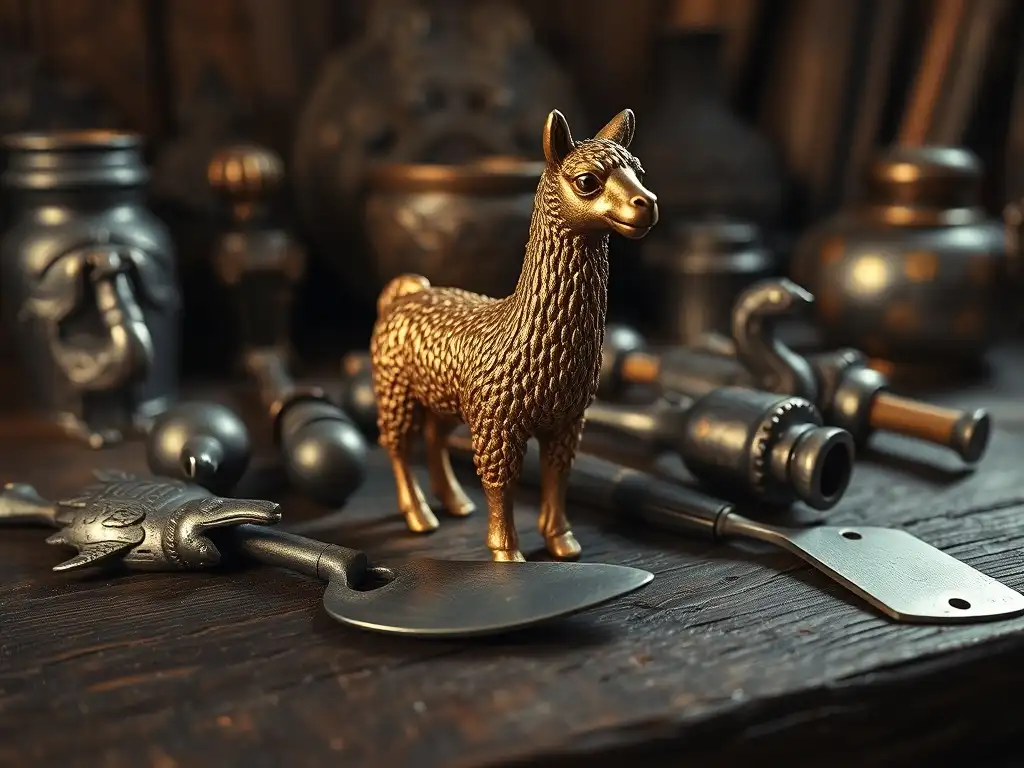
Metalworking held a paramount position within Andean artistic expression, transcending mere craftsmanship to become deeply intertwined with religious beliefs, social structures, and political power. The meticulous detail and sophisticated techniques employed in creating these objects reveal a profound understanding of metallurgy and a dedication to artistic excellence. More than simple adornment, the metal artifacts served as powerful symbols, communicating status, authority, and spiritual significance. The use of precious metals like gold and silver, often combined with other materials such as copper and alloys, underscored their value and the prestige associated with their ownership.
The artistry displayed in Andean metalwork is remarkable. Consider the intricate repoussé techniques used to create three-dimensional figures and scenes on sheets of metal, showcasing the artisans' exceptional skill and patience. The mastery of lost-wax casting, allowing for the creation of complex and delicate forms, further highlights their technological prowess.
These objects weren't simply functional; they were carefully designed and executed, reflecting a deep understanding of aesthetics and a commitment to artistic innovation. The stylistic variations across different Andean cultures – the Inca's preference for gold, for instance, compared to the Moche's more diverse palette – further enriches the narrative of Andean artistic expression.
The recurring motifs, such as mythical creatures and stylized human figures, provide valuable insights into the beliefs and values of the cultures that produced them. The sheer diversity of forms—from intricately woven textiles adorned with gold embellishments to massive gold and silver ceremonial objects—demonstrates the pervasive influence of metalwork on Andean art.
The Connection Between Metalwork and Religious Beliefs
The connection between Andean metalwork and religious beliefs is undeniable. Many artifacts unearthed clearly demonstrate their sacred purpose. Gold, in particular, was often associated with the sun god Inti, considered a powerful deity in many Andean cultures.
The use of gold in religious ceremonies and the creation of gold objects depicting deities and mythical beings emphasize this sacred association. The discovery of elaborate gold ornaments found in tombs and burial sites highlights their importance in the afterlife and the belief in a continued existence beyond death. These artifacts weren't just decorative; they were essential components of funerary rituals, intended to accompany the deceased into the spiritual realm.
Furthermore, the intricate designs and symbolic representations found on many metal objects often reflect cosmological beliefs and mythological narratives. Certain motifs, repeated across different cultures and time periods, suggest shared religious concepts and a continuity of belief systems across vast geographical areas. The careful selection of materials and the precise techniques used in their creation further suggest a ritualistic aspect to the metalworking process itself, transforming the act of crafting into a sacred practice.
The use of specific alloys or the incorporation of semi-precious stones may have held symbolic meaning, reflecting specific deities or cosmological concepts. Studying these religious aspects of Andean metalwork provides a crucial lens through which to understand the complex spiritual world of these ancient civilizations. The patterns and iconography found on these objects—often depicting deities, celestial bodies, or mythical creatures—offer invaluable insights into their religious beliefs and worldview.
Andean metalwork served as a powerful indicator of social status and power within the hierarchical societies of the Andes. Access to precious metals and the skills to work them were not equally distributed. The possession of elaborate gold and silver ornaments, intricate jewelry, and ceremonial objects signified high social rank and political authority.
The scale and complexity of certain metal objects—such as large ceremonial vessels or intricately decorated weaponry—also reflected the power and resources controlled by elites. The distribution of these objects within society, as evidenced by archaeological finds, provides valuable insights into the social stratification of these ancient civilizations.
The different styles and techniques used in metalworking also likely reflected social distinctions. Certain techniques might have been reserved for the elite, while others were more widespread. The use of specific alloys or the incorporation of rare materials further enhanced the status of objects and their owners. The careful placement of metal objects in tombs, often accompanying high-ranking individuals, underscores their role as markers of social status and power.
The scale and quality of metalwork found in elite burials are significantly different from what is found in commoner graves, confirming their importance as indicators of social hierarchy. The study of ancient Andean metalwork therefore offers a compelling window into the complex social dynamics of these societies. Analyzing the distribution, styles, and techniques used in crafting these objects helps us to understand the relationships between power, wealth, and social structure in the ancient Andes.
Preserving and Studying Ancient Andean Metalwork
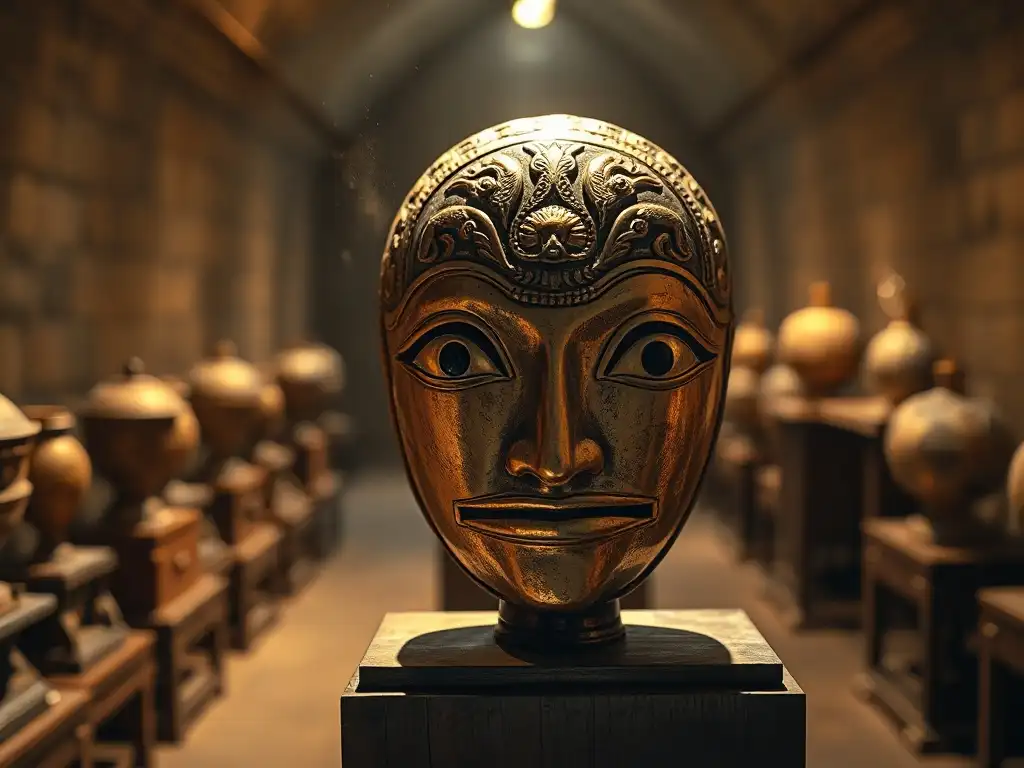
This section delves into the crucial aspects of preserving and studying the remarkable metalwork unearthed from ancient Andean sites. The delicate nature of these artifacts, coupled with the environmental conditions they've endured for centuries, presents unique challenges demanding specialized approaches. Understanding these challenges and the methods used to overcome them is essential for appreciating the full significance of these "Ancient Andean metalwork discoveries."
Challenges in the Conservation of Metal Artifacts
The conservation of ancient Andean metal artifacts is a complex undertaking, demanding expertise in multiple disciplines. These objects, often crafted from copper alloys like bronze and tumbaga (a gold-copper alloy), are susceptible to various forms of deterioration. One major threat is corrosion, a process that can lead to the disintegration of the metal. This is often exacerbated by environmental factors such as humidity and soil acidity. Furthermore, the presence of chlorides in the soil can accelerate the corrosion process, leading to the formation of damaging chlorides.
Another significant challenge is the presence of organic materials, such as textiles or wood, often incorporated into the artifacts during their creation. The decomposition of these organic components can lead to the creation of acids, further accelerating the corrosion of the metal. Moreover, the delicate nature of many pieces, often intricately decorated with repoussé or filigree techniques, makes their handling and conservation particularly challenging.
The following table summarizes some common challenges and their associated effects:
| Challenge | Effect | Mitigation Strategies |
|---|---|---|
| Corrosion | Metal disintegration, loss of detail | Controlled environment, electrochemical treatments |
| Organic Material Decay | Acid production, further corrosion | Careful removal and stabilization of organic materials |
| Physical Damage | Fractures, loss of pieces | Careful handling, consolidation techniques |
| Biodeterioration | Microbial growth, surface damage | Cleaning, disinfection, controlled environmental conditions |
The successful preservation of these irreplaceable pieces requires a multi-pronged approach, combining careful cleaning, stabilization treatments, and long-term storage in controlled environmental conditions. This underscores the significance of meticulous archaeological excavation and handling practices from the very beginning.
Archaeological Methods for Studying Metalwork
The study of ancient Andean metalwork involves a multifaceted approach, integrating various archaeological methods to gain a comprehensive understanding of its production, use, and social significance. Detailed analysis of the metal's composition, using techniques like X-ray fluorescence (XRF) and inductively coupled plasma mass spectrometry (ICP-MS), provides insights into the sourcing of raw materials and the technological expertise of the artisans. This sheds light on trade networks and the exchange of resources across vast distances.
Furthermore, meticulous examination of the artifacts' form and decoration reveals stylistic characteristics that can be used to date objects and trace their geographical origins. The study of iconography – the images and symbols depicted – provides valuable clues to the social and religious beliefs of the ancient Andean cultures. For example, the presence of specific motifs on a piece of metalwork might indicate its association with a particular deity or ritual.
Beyond material analysis and stylistic studies, the archaeological context surrounding the discovery of metal artifacts is crucial. The precise location of the artifact within a site, its association with other objects, and the stratigraphy of the surrounding soil all provide valuable information about its use and significance within the broader cultural context. This holistic approach, combining scientific analysis with careful archaeological observation, helps unlock the secrets embedded within these remarkable "Ancient Andean metalwork discoveries."
The Importance of Cultural Heritage Preservation
The preservation of ancient Andean metalwork is not merely a matter of preserving objects; it is about safeguarding a vital part of humanity's cultural heritage. These artifacts are tangible links to past civilizations, offering invaluable insights into their technological achievements, artistic expression, and social structures. Their study enriches our understanding of human history and creativity, fostering appreciation for the ingenuity and artistry of ancient Andean cultures.
The loss of these treasures would represent an irreparable loss to our collective understanding of the past. Therefore, ongoing efforts in conservation, research, and public education are crucial to ensuring that future generations can appreciate and learn from these remarkable "Ancient Andean metalwork discoveries." The preservation of these artifacts is a responsibility we share, demanding collaboration between archaeologists, conservators, and the wider community to protect this invaluable legacy. This collective effort ensures that the knowledge and artistic expression embedded in these ancient objects continue to inspire and inform us for generations to come.
Conclusion: The Enduring Legacy of Ancient Andean Metalworking
The discovery and study of ancient Andean metalwork continues to reshape our understanding of these remarkable civilizations. From the intricate goldwork of the Moche to the sophisticated alloys of the Inca, these artifacts offer invaluable insights into their social structures, religious beliefs, and technological prowess. The sheer artistry and technical skill displayed in these pieces stand as a testament to the ingenuity and creativity of Andean artisans.
More than just decorative objects, these metals played a crucial role in ritual practices, political power, and economic exchange, profoundly influencing the social fabric of Andean societies. The enduring legacy of Ancient Andean metalworking is not merely aesthetic; it's a rich tapestry woven from technological innovation, cultural expression, and historical significance. Further research promises to unravel even more layers of this fascinating story.
The Impact of Ancient Andean Metalworking on Modern Understanding
The meticulous study of ancient Andean metalwork has profoundly impacted various fields of academic inquiry. Archaeologists utilize metallurgical analysis to determine the origins of ores, trade routes, and technological advancements over time. For example, isotopic analysis of gold artifacts has revealed the sourcing of raw materials from specific Andean regions, illuminating complex trade networks that spanned vast distances.
This data challenges previous assumptions about the isolation of certain Andean communities and highlights the interconnectedness of these societies. Furthermore, the iconography depicted on metal objects provides crucial insights into Andean cosmology, mythology, and religious beliefs. The intricate representations of deities, animals, and symbolic motifs offer invaluable clues to understanding their worldview and spiritual practices.
The study of ancient Andean metalwork therefore bridges the gap between material culture and intangible heritage, providing a more holistic perspective on these societies. The sophisticated techniques employed, such as lost-wax casting and hammering, continue to inspire modern metalworkers and artists, demonstrating the enduring influence of these ancient traditions. The preservation and study of these artifacts are essential for understanding not only the past but also the ongoing relevance of Andean cultural heritage in the present day.
Future Research and Discoveries in Andean Metalwork
The field of Ancient Andean metalwork research remains vibrant and dynamic, with numerous avenues for future exploration. Advanced techniques in material science, such as X-ray fluorescence and 3D scanning, offer unprecedented opportunities to analyze artifacts non-destructively, revealing subtle details about their composition, manufacturing processes, and even the environmental conditions in which they were created. Further archaeological excavations in previously unexplored regions of the Andes hold the potential for groundbreaking discoveries, potentially unearthing new styles of metalwork and expanding our understanding of regional variations in Andean metallurgy.
The application of advanced imaging techniques, such as micro-CT scanning, can provide detailed insights into the internal structures of artifacts, revealing hidden details about their construction and repair. Furthermore, interdisciplinary collaborations between archaeologists, metallurgists, art historians, and anthropologists are crucial for a comprehensive understanding of these objects within their broader cultural and historical contexts. The integration of these diverse perspectives promises to unlock further secrets of ancient Andean metalwork, enriching our understanding of these fascinating civilizations and their enduring legacy.
The continued investigation of Ancient Andean metalwork promises to reveal even more astonishing discoveries and deepen our appreciation for the ingenuity and artistry of these ancient Andean masters. The potential for new discoveries and insights is immense, ensuring that the study of Ancient Andean metalwork will remain a captivating field of research for years to come.
Frequently Asked Questions
What makes Andean metalwork so unique?
Andean metalwork is unique due to its sophisticated techniques, like lost-wax casting and hammering, and the use of alloys to create vibrant colors and durable objects. The artistry and craftsmanship are also remarkably advanced for their time.
What types of metals did Andean cultures use?
Andean civilizations expertly worked with gold, silver, copper, and bronze, often combining them in intricate designs. They also utilized less common metals like platinum and tin.
Where have the most significant Ancient Andean metalwork discoveries been made?
Major discoveries have been found in various locations across the Andes, including royal tombs, temples, and coastal sites. The northern and central coastal regions of Peru have yielded particularly significant finds.
How did ancient Andean cultures use their metalwork?
Metalwork served diverse purposes, from ceremonial objects and religious artifacts to tools, weapons, and ornaments. Status symbols and representations of power were also commonly depicted.
What is the significance of recent "Ancient Andean metalwork discoveries"?
Recent discoveries continue to rewrite our understanding of Andean metallurgy and social structures. They provide valuable insights into the technological capabilities and artistic expressions of these ancient civilizations.
Final Reflection: Echoes of the Andes: A Legacy in Metal
The meticulous craftsmanship of ancient Andean metalwork continues to resonate today, a testament to the ingenuity and artistry of a lost civilization. These weren't merely functional objects; they were powerful symbols, imbued with spiritual significance and reflecting a sophisticated understanding of metallurgy far ahead of its time. The ongoing discovery and study of these treasures offer invaluable insights into a rich and complex culture, challenging our preconceived notions of ancient societies and their capabilities.
The enduring allure of these artifacts lies not only in their aesthetic beauty but also in their capacity to connect us to a past that feels both distant and intimately familiar. The intricate designs, the masterful techniques, and the sheer artistry speak to a deep human need for expression and connection, a need that transcends time and geography. The past is never dead. It's not even past.
– William Faulkner. This quote perfectly encapsulates the enduring power of these ancient treasures to speak to us across millennia, reminding us of our shared humanity and the enduring legacy of human creativity.
Consider the implications of these discoveries. What can we learn from the ingenuity and artistry of these ancient masters? How can we apply their innovative spirit to the challenges of our own time? I urge you, reader, to reflect on the enduring power of human creativity and the importance of preserving and understanding our shared cultural heritage. Let the echoes of the Andes inspire you to explore your own creative potential and to appreciate the rich tapestry of human history that continues to unfold before us.
Unveil the Mysteries of Andean Treasures!
Thank you for exploring the fascinating world of ancient Andean metalwork with us! We hope you've been inspired by the ingenuity and artistry of these remarkable civilizations. To further your exploration of this rich history, consider these steps:
- Visit an Archaeological Site or Museum: Immerse yourself in the stories these artifacts tell by visiting a local museum or archaeological site showcasing Andean treasures.
- Join Our Community Forum: Connect with fellow history enthusiasts in our dedicated Andean Civilizations forum. Share your discoveries, ask questions, and participate in discussions.
- Share Your Passion: Inspire others to discover the wonders of ancient Andean cultures by sharing this article with friends and family on social media.
What aspect of Andean civilization captivates you most – the artistry of the metalwork, the narratives surrounding their treasures, or the cultures themselves? Share your thoughts below!