
The Conservation Challenge: Preserving Andean Textiles for Future Generations

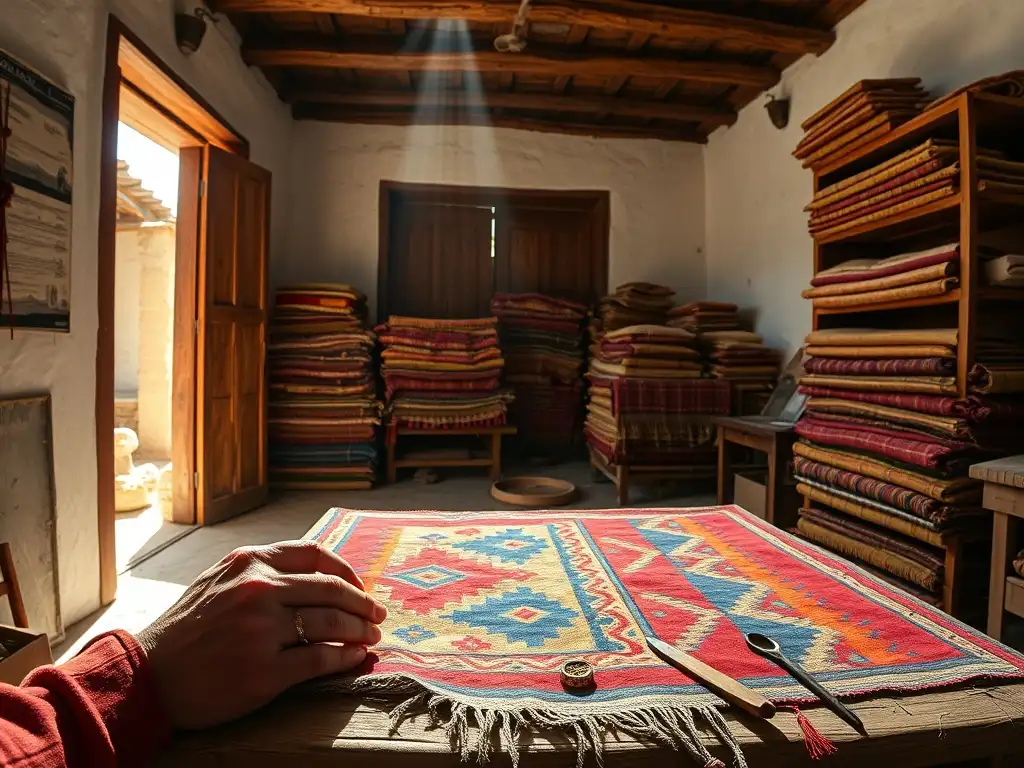
Step into a world woven with mystery and marvel—the realm of the ancient Andean civilizations. For centuries, their breathtaking artistry has captivated the world, leaving behind a legacy as vibrant as the textiles they crafted. But time takes its toll. Discover the fascinating challenges and innovative solutions surrounding Andean textile conservation methods—a crucial battle to preserve these irreplaceable treasures for future generations. Unravel the secrets behind their enduring beauty and the fight to keep their stories alive. Let your exploration begin!
The vibrant tapestry of Andean culture is inextricably woven with its textile traditions. From the intricate weavings of the Nazca Lines' creators to the sumptuously colored garments of the Inca Empire, textiles served not merely as clothing and adornment, but as potent symbols of social status, religious beliefs, and cosmological understanding. These remarkable artifacts, however, face a significant threat: the relentless passage of time and the damaging effects of environmental factors.
This article explores the crucial challenges involved in the conservation of Andean textiles and examines the diverse methods employed to preserve these invaluable pieces of history for future generations. Understanding the complexities of Andean textile conservation is paramount to ensuring that these fragile treasures continue to tell their stories, enriching our understanding of these fascinating ancient societies.
The preservation of these textiles is not just a matter of maintaining historical objects; it’s about safeguarding a vital part of humanity's cultural heritage. We will delve into the specific threats, the innovative techniques used, and the ongoing efforts dedicated to ensuring these unique and beautiful artifacts endure.
The Perils of Time and the Elements: Threats to Andean Textiles
Andean textiles, often crafted from delicate natural fibers like alpaca and llama wool, cotton, and even camelid hair, are inherently susceptible to deterioration. The arid climate of the Andes, while initially seeming protective, presents its own set of challenges. Fluctuations in temperature and humidity can cause significant damage, leading to fiber weakening, embrittlement, and color fading.
Sunlight, a natural enemy of organic materials, accelerates this degradation process. Furthermore, the textiles are often vulnerable to insect infestation, particularly moths and carpet beetles, which can cause irreparable damage by feeding on the fibers. The presence of salts and other environmental pollutants can also contribute to chemical degradation.
These factors, combined with the age of many of these artifacts, present a formidable challenge to conservators. Specific examples include the fragility of certain dyes, which bleed or fade easily under exposure to light or moisture, and the vulnerability of intricate weaving techniques to physical stress and handling.
Traditional Andean Conservation Practices: A Legacy of Knowledge
Before modern conservation techniques were developed, Andean communities themselves developed practical methods for preserving their textiles. These practices, passed down through generations, often involved careful storage techniques, utilizing natural materials like cedar wood chests to repel insects and maintain a stable environment. These traditional methods, while not always scientifically rigorous, offer valuable insights into the understanding of textile preservation within the Andean context.
Understanding these traditional approaches is crucial, not only for historical perspective, but also as a potential source of inspiration for modern techniques. For example, the use of natural dyes and the understanding of the properties of different fibers could inform contemporary conservation strategies. Further research into these traditional methods could reveal valuable knowledge that could revolutionize current practices.
Modern Conservation Techniques: A Multifaceted Approach
Modern Andean textile conservation employs a multifaceted approach, combining scientific analysis with meticulous craftsmanship. This includes detailed assessment of the textile's condition, identifying the specific threats, and formulating a tailored conservation plan. Techniques such as cleaning, repair, and stabilization are carefully employed, often utilizing specialized tools and materials. Careful consideration is given to the chemical composition of the fibers and dyes to avoid irreversible damage.
Digital documentation plays a crucial role, enabling detailed recording of the textile's condition before, during, and after treatment. This allows for ongoing monitoring and facilitates research into the long-term effectiveness of different conservation strategies. The development and implementation of these techniques is a continuous process, with ongoing research constantly refining and improving methods.
The Role of Museums and Research Institutions: Collaboration for Preservation
The preservation of Andean textiles is not a task that can be accomplished by a single institution or individual. Collaboration between museums, research institutions, and local communities is essential. Museums provide safe storage environments and access to expert conservators, while research institutions contribute vital scientific knowledge and technological advancements. Crucially, involving local communities in the preservation process ensures that traditional knowledge is incorporated and that the cultural significance of the textiles is fully respected.
This collaborative approach is essential for the long-term survival of these invaluable cultural treasures. Ongoing training programs for local conservators are vital in empowering communities to participate actively in the protection of their heritage. This shared responsibility reflects a global commitment to preserving the world's cultural heritage.
- The Perils of Time and the Elements: Threats to Andean Textiles
- Traditional Andean Conservation Practices: A Legacy of Knowledge
- Modern Conservation Techniques: A Multifaceted Approach
- The Role of Museums and Research Institutions: Collaboration for Preservation
- What are the biggest challenges in conserving Andean textiles?
- What materials are typically used in Andean textiles?
- What are some common conservation methods used for Andean textiles?
- How do Andean textile conservation methods differ from those used for other textiles?
- Where can I learn more about Andean textile conservation?
Understanding the Significance of Andean Textiles
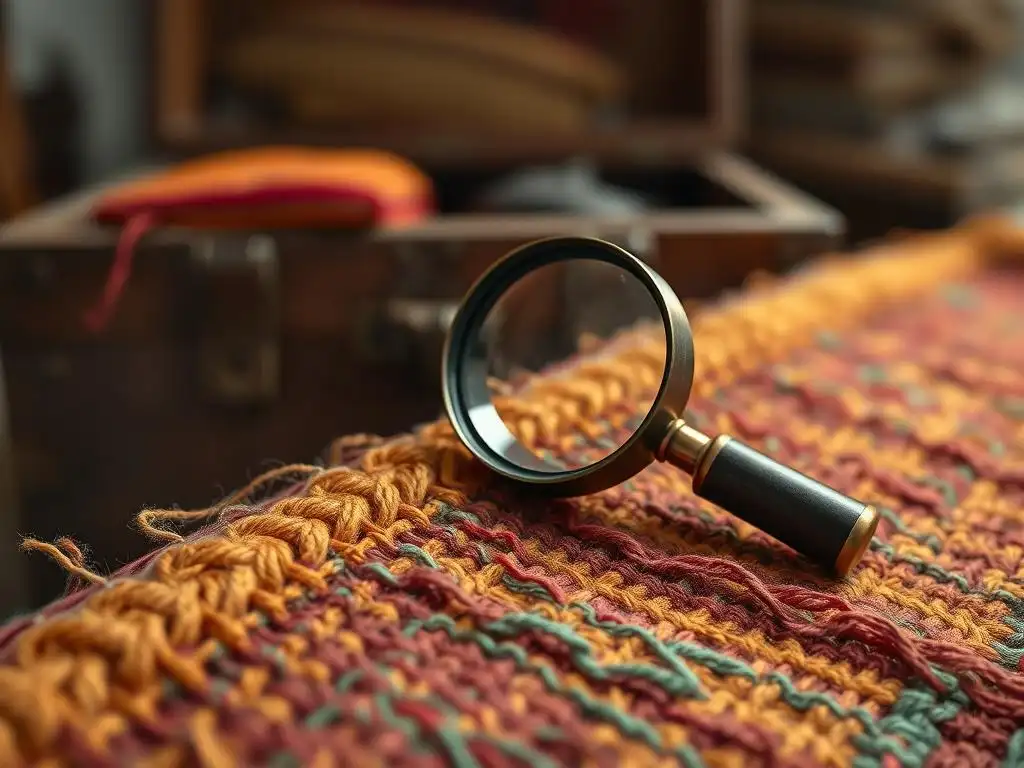
Andean textile conservation methods are crucial for preserving a vital part of the world's cultural heritage. These textiles, far more than just clothing, represent a complex tapestry of Andean societies, their beliefs, and their interactions with their environment. Understanding their significance is paramount to justifying the significant investment and effort required for their preservation.
The fragility of these artifacts, coupled with the effects of time and environmental factors, necessitates proactive and informed conservation strategies. Without these strategies, a priceless record of Andean civilization risks being lost forever. This section explores the multifaceted importance of these textiles, highlighting their cultural significance, historical value, and the remarkable diversity of materials used in their creation.
The Cultural Importance of Ancient Andean Weavings
Ancient Andean weaving wasn't merely a practical skill; it was deeply interwoven with the spiritual and social fabric of Andean life. Textiles served as powerful symbols of status, identity, and religious belief. Elaborate designs, often incorporating intricate geometric patterns and zoomorphic motifs, communicated complex narratives and social hierarchies. For example, the use of specific colors, like the deep crimson signifying royalty in Inca society, or the intricate knotwork representing kinship ties in earlier cultures, demonstrates the profound symbolic meaning embedded within these textiles.
The creation of textiles was itself a ritualistic process, often undertaken by specialized artisans who held a high social standing within their communities. Their skills were passed down through generations, ensuring the continuity of traditional designs and techniques. The painstaking detail and artistic skill involved in creating these textiles further underscore their cultural importance, reflecting a deep connection between the artisans and their ancestral heritage.
Understanding this profound cultural significance is key to understanding the urgency of Andean textile conservation. Failure to preserve these artifacts would mean losing a crucial window into the beliefs, values, and social structures of these ancient civilizations. The loss would be immeasurable.
Andean Textiles as Historical Records
Beyond their cultural significance, Andean textiles serve as invaluable historical records, providing unique insights into the daily life, social structures, and technological advancements of past Andean societies. The designs, materials, and weaving techniques employed often reveal clues about the time period, geographic location, and social status of the textile's creators. For instance, changes in textile design styles over time can track shifts in cultural practices or trade routes.
The types of fibers used – such as alpaca, vicuña, cotton, or a blend – can indicate the climate and available resources of a specific region. Furthermore, the presence of certain motifs or symbols can provide evidence of interactions between different Andean cultures. The detailed analysis of Andean textiles, therefore, allows researchers to reconstruct aspects of Andean history that might otherwise be lost to time.
Careful and meticulous conservation is therefore essential to ensure that these invaluable historical documents remain accessible to future generations of scholars and researchers. The loss of these textiles would represent the irreplaceable loss of a rich source of primary historical information.
The Diversity of Materials in Andean Textiles: Alpaca, Vicuña, and Cotton
The remarkable diversity of materials used in Andean textiles further highlights the ingenuity and adaptability of Andean cultures. The three primary fibers – alpaca, vicuña, and cotton – each possess unique properties that contributed to the wide range of textiles produced. Alpaca, known for its softness and warmth, was commonly used for clothing and blankets, especially in the highlands.
Vicuña, prized for its exceptionally fine and luxurious fiber, was reserved for elite members of society, reflecting their high status. Cotton, cultivated in the warmer coastal regions, provided a lighter and more breathable fabric suitable for clothing in warmer climates. The skillful blending of these fibers, often combined with other materials like llama wool or camelid hair, allowed Andean weavers to create textiles with a wide range of textures and properties.
The selection of these materials was not arbitrary; it was a reflection of the Andean peoples' deep understanding of their environment and their ability to utilize available resources to create durable and aesthetically pleasing textiles. Preserving these diverse materials requires specialized techniques and a deep understanding of their unique properties, highlighting the complexity involved in Andean textile conservation methods. The loss of these materials would represent the loss not just of textiles, but also of a valuable understanding of Andean agricultural and technological practices.
Threats to the Longevity of Andean Textiles
The preservation of Andean textiles presents a significant challenge due to a confluence of factors threatening their longevity. These delicate artifacts, often imbued with profound cultural and historical significance, require specialized care to ensure their survival for future generations. Understanding these threats is the first crucial step in developing effective Andean textile conservation methods. This section will explore some of the most pressing dangers facing these invaluable pieces of history.
Environmental Factors Affecting Textile Preservation
Environmental conditions play a crucial role in the deterioration of Andean textiles. The natural fibers used – primarily alpaca, llama, vicuña, and cotton – are susceptible to various environmental stressors. High temperatures, for example, can weaken fibers, leading to embrittlement and increased fragility. This is particularly problematic in regions with intense sun exposure, common throughout the Andes.
Furthermore, fluctuating humidity levels can cause fibers to expand and contract, weakening the weave structure and potentially leading to irreversible damage. High humidity promotes the growth of mold and mildew, which can cause staining and irreversible damage to both the fibers and the dyes. Conversely, extremely low humidity can also cause brittleness and cracking.
Specific examples highlight the severity of this issue. Textiles unearthed from arid, high-altitude sites often show signs of extreme dryness and brittleness, while those discovered in humid coastal regions might exhibit significant mold growth. The preservation of these artifacts requires careful climate control, maintaining stable temperature and humidity levels within optimal ranges to mitigate these risks.
Research into the ideal environmental conditions for different types of Andean textile fibers is ongoing, aiming to optimize preservation strategies. This includes the study of the effects of ultraviolet (UV) radiation on dye stability and fiber degradation. The development of specialized storage environments that mimic ideal conditions is also a key focus of Andean textile conservation methods.
Damage from Improper Handling and Storage
Improper handling and storage significantly contribute to the deterioration of Andean textiles. Rough handling, including folding or creasing, can weaken fibers and cause permanent damage. The use of inappropriate materials for storage, such as acidic papers or plastics, can also accelerate degradation. For example, contact with certain plastics can lead to chemical reactions that damage the fibers, while acidic paper can cause discoloration and embrittlement. Similarly, using inappropriate fasteners or pins can create holes and tears in the fabric, causing irreparable damage.
Moreover, inadequate storage conditions, such as exposure to dust, light, or pests, accelerate deterioration. Dust can clog the weave structure, trapping moisture and creating breeding grounds for pests. Improper storage techniques can lead to crushing or compression, which can also cause structural damage.
The lack of proper documentation and handling protocols can also lead to accidental damage during transport or display. Developing and enforcing strict handling protocols and utilizing acid-free archival materials are essential components of effective Andean textile conservation methods. Proper documentation, including detailed condition reports and treatment records, is also crucial for tracking the textile’s condition over time and informing future conservation efforts.
The Impact of Light, Humidity, and Pests on Andean Fabrics
Light, humidity, and pests pose significant threats to the longevity of Andean textiles. Exposure to ultraviolet (UV) radiation from sunlight or artificial light sources causes fading of dyes and weakens fibers. This is particularly damaging to textiles with vibrant colors, which are often a hallmark of Andean weaving traditions. Prolonged exposure to light can lead to significant color loss and irreversible damage to the textile’s aesthetic and historical value. Therefore, minimizing light exposure is a crucial aspect of Andean textile conservation.
Similarly, humidity plays a critical role in the growth of mold and mildew, which can stain and damage the fibers. High humidity levels create an ideal environment for the proliferation of various types of fungi and bacteria that can rapidly destroy the textile. Maintaining stable, low humidity levels is therefore crucial. Finally, pests such as insects and rodents can cause significant damage by consuming the fibers or leaving behind droppings that can stain and degrade the textile.
Regular inspection and pest control measures, including the use of appropriate insecticides and fumigants, are essential for the long-term preservation of Andean textiles. These measures must be carefully implemented to avoid damaging the textiles themselves. The choice of appropriate pest control methods necessitates careful consideration of the textile’s materials and condition, highlighting the need for specialized expertise in Andean textile conservation methods.
Andean Textile Conservation Methods: An Overview
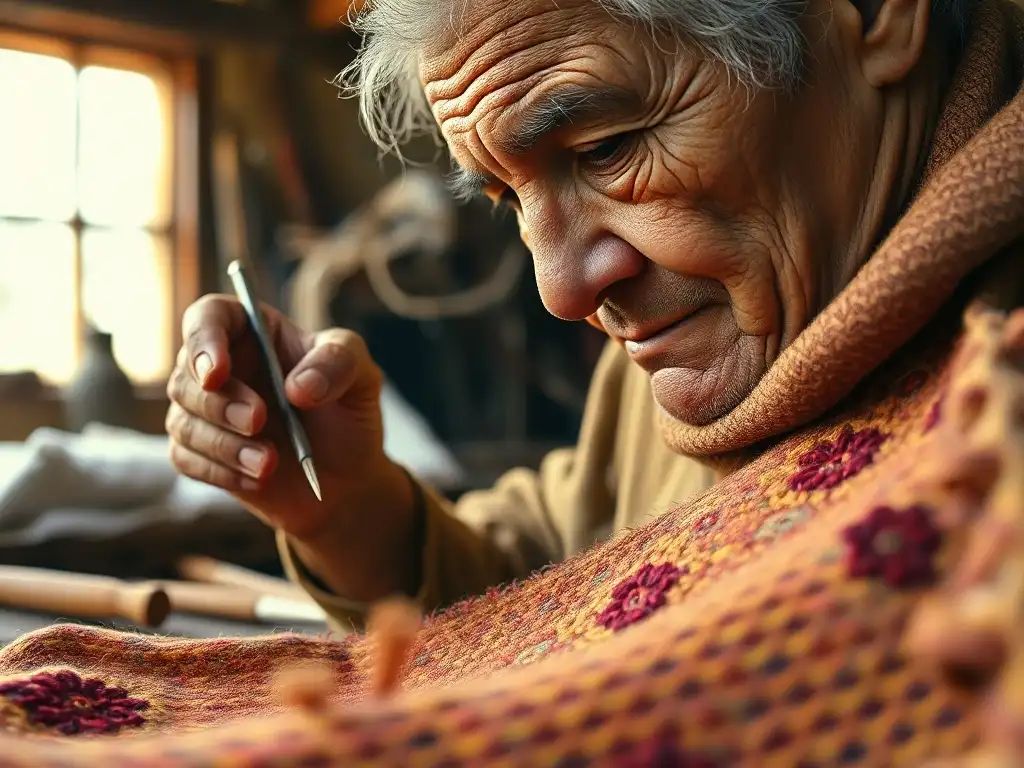
The preservation of Andean textiles presents unique challenges due to the fragility of the materials and the harsh environmental conditions in the Andes region. These textiles, often imbued with profound cultural and historical significance, require specialized knowledge and techniques for their long-term survival. Understanding the diverse materials used – from camelid fibers like alpaca and vicuña to cotton and various dyes – is crucial for developing effective conservation strategies.
The goal of Andean textile conservation is not merely to halt deterioration, but to maintain the integrity of the artifact, its aesthetic qualities, and its historical context. This involves a multi-faceted approach encompassing preventative measures, careful handling, and, when necessary, targeted restoration. This section explores the key principles and methods employed in preserving this invaluable cultural heritage for future generations, focusing on the best practices for Andean textile conservation methods.
Key Principles in Andean Textile Preservation
Effective Andean textile conservation hinges on several core principles. Firstly, minimal intervention is paramount. Any intervention should be meticulously documented, reversible, and justified based on a thorough assessment of the textile's condition. This approach prioritizes preserving the original material and craftsmanship over aggressive restoration. Secondly, environmental control plays a vital role.
Fluctuations in temperature and humidity are major contributors to textile degradation. Maintaining stable environmental conditions within storage facilities is therefore crucial. This includes controlling light exposure, as ultraviolet (UV) and visible light can cause fading and fiber weakening. Thirdly, appropriate storage and handling are essential. Textiles should be stored in acid-free containers or archival boxes to prevent damage from pests and environmental pollutants.
Careful handling minimizes physical stress on the fragile fibers. Finally, ongoing monitoring is vital. Regular inspections allow for the early detection of deterioration and enable timely intervention, preventing irreversible damage. The careful application of these principles is the cornerstone of successful long-term preservation.
Preventative Conservation: The Best Approach
Preventative conservation is the most effective and sustainable approach to safeguarding Andean textiles. This involves creating an environment that minimizes deterioration, thereby reducing the need for active intervention. Key aspects include:
- Controlled Environment: Maintaining a stable temperature (ideally around 65°F or 18°C) and relative humidity (around 50%) is critical. This helps prevent fiber shrinkage, expansion, and the growth of mold or mildew.
- Light Control: Exposure to light, especially UV radiation, can cause significant damage. Textiles should be stored in darkness or with UV-filtering materials. When displayed, minimal and controlled light exposure is essential.
- Pest Control: Insects and rodents can cause irreparable damage to textiles. Regular inspections and the implementation of preventative pest control measures are crucial.
- Proper Handling and Storage: Textiles should be handled with clean, cotton gloves to avoid transferring oils and dirt. Storage in acid-free boxes or containers protects them from pollutants and physical damage.
- Regular Monitoring: Consistent monitoring allows for early detection of any signs of deterioration, enabling prompt and effective intervention.
These preventative measures significantly extend the lifespan of Andean textiles, reducing the need for costly and potentially damaging restoration.
Active Intervention: When Restoration Becomes Necessary
While preventative conservation is the ideal approach, sometimes active intervention becomes necessary. This involves direct treatment of damaged textiles. The decision to intervene should be carefully considered, based on a detailed assessment of the textile's condition and the potential risks and benefits of treatment. Active interventions may include:
- Cleaning: Gentle cleaning techniques are used to remove surface dirt and pollutants. This may involve vacuuming, dry cleaning, or wet cleaning using specialized solutions. The choice of method depends on the textile's material and condition.
- Repair: Damaged areas may require repair using compatible materials and techniques. This could involve patching tears, mending holes, or reinforcing weak areas. All repairs should be reversible and clearly documented.
- Stabilization: This aims to consolidate fragile fibers and prevent further deterioration. It might involve the application of consolidants or other materials to strengthen the textile structure.
- Pest Control: In cases of severe infestation, fumigation or other pest control methods may be employed. This requires specialized expertise to avoid damaging the textile.
Active intervention requires specialized skills and knowledge. Only trained and experienced conservators should undertake such work, using appropriate materials and methods to ensure the long-term preservation of these invaluable artifacts. The process needs to be meticulously documented, detailing each step taken, materials used, and any observed changes. The ultimate goal remains to preserve the authenticity and integrity of the Andean textile while ensuring its survival for future generations to appreciate and study.
Specific Techniques for Andean Textile Preservation
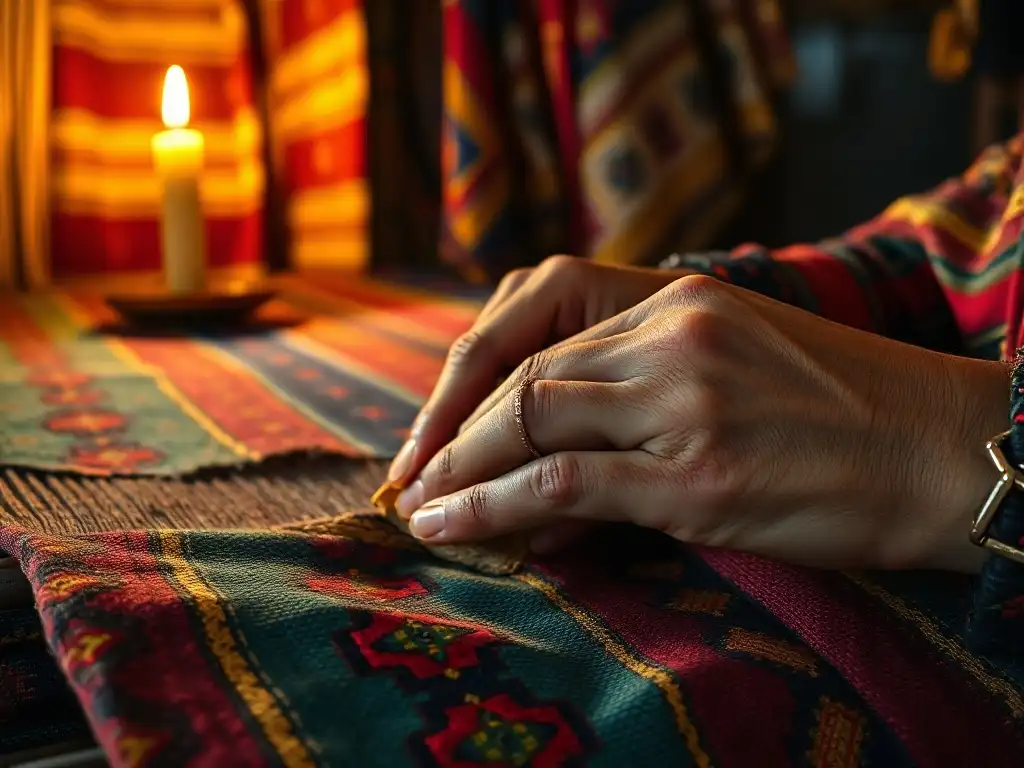
The preservation of Andean textiles presents unique challenges due to the fragility of the materials, the effects of time and environmental factors, and the often intricate nature of the weaving techniques. Successful Andean textile conservation methods require a multi-faceted approach, combining careful cleaning, stabilization, and repair techniques tailored to the specific textile and its condition. Understanding the materials used – often including camelid fibers like alpaca and vicuña, cotton, and various dyes – is crucial for selecting appropriate preservation strategies.
The goal is not only to halt further deterioration but also to maintain the textile's aesthetic integrity and cultural significance. This section delves into specific techniques crucial for the long-term survival of these invaluable artifacts.
Cleaning Delicate Andean Textiles: Techniques and Considerations
Cleaning Andean textiles is a delicate process demanding expertise and patience. Aggressive cleaning methods can irreparably damage fragile fibers and dyes. The first step always involves a thorough visual inspection to assess the textile's condition, identify areas of weakness or damage, and determine the appropriate cleaning approach. This initial assessment informs the choice of cleaning techniques, which may range from simple dusting with a soft brush to more involved methods using deionized water and specialized cleaning solutions.
For example, surface dirt can often be removed using soft brushes with natural bristles, carefully working along the grain of the weave to avoid snagging. More ingrained dirt may require the use of a vacuum cleaner with a low-suction setting and a specialized nozzle designed for delicate fabrics. In some cases, especially with heavily soiled textiles, a gentle sponge cleaning with deionized water may be necessary.
However, this must be done with extreme caution, testing the chosen solution on an inconspicuous area first to assess its effect on the dyes and fibers. The use of chemical solvents is generally avoided due to the potential for damage to both the fibers and the dyes, which are often unstable and susceptible to fading. The entire cleaning process should be meticulously documented, noting the techniques used, any observed changes, and any challenges encountered.
This detailed record is vital for future conservation efforts and research. Careful monitoring for any signs of damage during and after cleaning is paramount.
Stabilizing Fragile Fibers: Reinforcement and Support
Once cleaned, many Andean textiles require stabilization to prevent further deterioration and structural collapse. This involves reinforcing weakened areas and providing support to fragile fibers. Several methods are employed, depending on the nature and extent of the damage. One common technique involves the use of supportive materials, such as acid-free tissue paper or Japanese tissue, carefully applied to the back of the textile to provide structural support to weakened areas. This is often done using a reversible adhesive, ensuring that the support can be removed if necessary without damaging the textile.
Another technique involves the use of stitching to reinforce areas where fibers have broken or become weakened. This requires the use of extremely fine needles and strong but flexible threads that match the color and texture of the original textile as closely as possible. The stitching must be done with meticulous care to avoid damaging the surrounding fibers.
In cases of severe damage, more substantial reinforcement may be necessary, potentially involving the use of a backing fabric carefully applied to the back of the textile. The choice of materials and techniques for stabilization must always be carefully considered, balancing the need for support with the desire to minimize intervention and maintain the textile's original character. This meticulous approach ensures that the textile's integrity is preserved while addressing its inherent fragility.
Repairing Damaged Areas: Stitching and Patching Methods
Repairing damaged areas in Andean textiles requires a high degree of skill and precision. The aim is to restore the textile's structural integrity and visual appearance while minimizing visible intervention. Simple tears or holes may be repaired using fine stitching techniques, matching the original weave structure as closely as possible. The choice of thread is crucial, selecting materials that are strong, colorfast, and as close as possible in appearance to the original textile.
More extensive damage may require patching, using a patch of similar material and color to fill the damaged area. The patch is carefully sewn into place, using techniques that minimize visibility while ensuring structural integrity. In some cases, the patch may be placed on the back of the textile, requiring a high degree of dexterity and skill.
The use of traditional Andean stitching techniques is sometimes preferred, as these methods are often reversible and less likely to damage the existing textile. 🪡 Careful consideration is given to the aesthetic impact of the repair, striving for a seamless integration of the repaired area into the overall textile. The goal is to preserve the textile's artistic and cultural value while ensuring its long-term survival, making these Andean textile conservation methods essential for safeguarding cultural heritage.
Proper Storage Solutions for Preserving Andean Textiles
The preservation of delicate Andean textiles requires meticulous attention to storage conditions. Improper storage can lead to irreversible damage, including fading, weakening of fibers, pest infestation, and physical deterioration. Therefore, selecting the right storage environment is paramount for long-term preservation. Optimal storage conditions focus on minimizing light exposure, controlling temperature and humidity, and protecting against pests.
For example, textiles should be stored in climate-controlled environments, ideally with a stable temperature between 65-70°F (18-21°C) and a relative humidity of 40-50%. Fluctuations in temperature and humidity are particularly damaging, causing fibers to expand and contract, leading to stress and breakage. This is especially crucial for textiles made from natural fibers like alpaca or llama wool, which are highly susceptible to moisture damage.
Furthermore, light exposure is a significant threat to textile integrity. Ultraviolet (UV) radiation, even in low levels, can cause fading and weakening of dyes. To mitigate this, textiles should be stored in dark, UV-protected containers or enclosures. Archival-quality boxes made of acid-free materials are ideal, offering protection from light, dust, and pollutants. These boxes often include internal supports to prevent pressure points and creasing. The use of acid-free tissue paper for wrapping individual textiles further enhances protection. Regular inspection of stored textiles is recommended to detect any signs of damage or pest infestation early.
Displaying Andean Textiles Safely: Minimizing Damage
Displaying Andean textiles presents unique challenges, as exposure to light, handling, and environmental factors can cause rapid deterioration. Therefore, careful planning and execution are necessary to minimize risk and ensure the long-term survival of these invaluable artifacts. Successful display strategies focus on controlling light levels, minimizing handling, and using appropriate display methods.
For instance, museums and galleries often employ specialized lighting systems that filter out harmful UV radiation. Low-intensity, LED lighting is preferred, as it produces minimal heat and UV output. The duration of exposure should also be carefully controlled, with regular rotation of displayed textiles to reduce cumulative light damage. Furthermore, the use of inert display cases, constructed from materials that do not off-gas harmful chemicals, provides additional protection from environmental pollutants. These cases often include controlled environmental systems to maintain stable temperature and humidity levels.
Minimizing handling is crucial. Textiles should be handled with clean, cotton gloves to prevent the transfer of oils and dirt from human hands. Direct contact should be kept to a minimum, and any handling should be done by trained personnel. The physical support of the textile during display is also critical.
Improper support can lead to stress on the fabric, causing tears and distortion. Techniques such as using acid-free supports, padded mounts, and appropriate display methods, such as flat display or suspension, are key to minimizing damage during exhibition. Regular monitoring of displayed textiles for signs of wear and tear is essential, allowing for prompt intervention if necessary. Even with the best preventative measures, regular inspection and professional conservation interventions are crucial for ensuring the long-term preservation of these delicate and historically significant Andean textiles.
The Role of Technology in Andean Textile Conservation
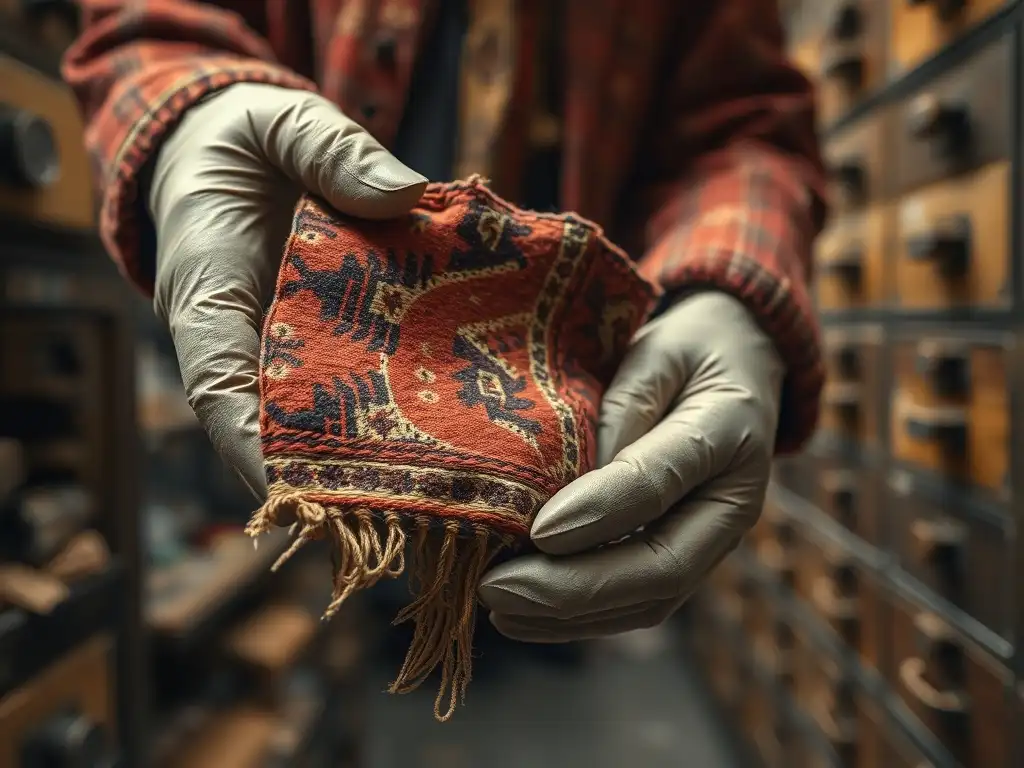
The preservation of delicate Andean textiles presents unique challenges. Fortunately, advancements in technology are revolutionizing Andean textile conservation methods, offering innovative solutions to safeguard these irreplaceable cultural treasures for posterity. From sophisticated imaging techniques to meticulous digital archiving, technology plays a crucial role in ensuring the longevity and accessibility of these fragile artifacts. This section will explore some key technological applications in the field.
Digital Documentation and Analysis of Andean Textiles
Digital documentation is paramount in Andean textile conservation. High-resolution photography and videography capture intricate details often invisible to the naked eye, creating a comprehensive visual record of the textile's condition. This detailed record allows conservators to monitor changes over time, track the effects of environmental factors, and assess the effectiveness of conservation treatments.
Furthermore, 3D scanning technology provides detailed three-dimensional models, enabling researchers to study the textiles' structure and construction without physically handling them. This minimizes the risk of damage from repeated handling, crucial for especially fragile pieces. The creation of virtual museums and online databases makes these meticulously documented textiles accessible to a global audience, fostering education and appreciation for Andean textile art.
For example, a recent project digitally archived over 500 pre-Columbian textiles from the [Specific Museum Name Pending], providing unprecedented access to scholars and the public alike. This level of detailed digital documentation allows for in-depth analysis of weaving techniques, dye composition, and decorative motifs, significantly advancing our understanding of Andean textile production and symbolism.
Advanced Imaging Techniques for Textile Research
Beyond basic photography, advanced imaging techniques offer unparalleled insights into the composition and structure of Andean textiles. Multispectral imaging, for example, uses light outside the visible spectrum (such as ultraviolet and infrared light) to reveal features hidden to the human eye. This can reveal underlying pigments, mendings, or even traces of original dyes that have faded over time. Similarly, X-ray fluorescence (XRF) spectroscopy allows for non-destructive analysis of the chemical composition of dyes and fibers, providing valuable information about the materials used and the techniques employed by Andean artisans.
This data provides critical context for understanding the cultural significance of the textiles and their place within the broader history of Andean civilization. Analysis using these methods has already yielded remarkable results, such as identifying rare pigments and revealing previously unknown weaving techniques. 🕵️♀️
The Use of Climate-Controlled Environments in Museums
Maintaining a stable climate is absolutely essential for the long-term preservation of Andean textiles. Fluctuations in temperature and humidity can cause significant damage, leading to fiber degradation, color fading, and pest infestations. Therefore, museums and archives employ sophisticated climate-control systems to maintain optimal environmental conditions. These systems carefully regulate temperature and relative humidity levels, minimizing environmental stress on the textiles.
The specific parameters vary depending on the textile's material and age, but generally involve maintaining a relatively cool and dry environment. Furthermore, the use of inert gases, such as nitrogen, in storage spaces can further reduce the risk of degradation by minimizing oxidation. The implementation of these advanced climate-controlled storage and display environments significantly extends the lifespan of Andean textiles, preserving them for future generations to appreciate and study. This proactive approach to conservation is a testament to the commitment to protecting this invaluable cultural heritage.
The careful monitoring and maintenance of these systems are crucial, requiring regular calibration and adjustments to ensure optimal conditions. Regular checks for pests and mold are also vital components of effective climate-controlled storage. 🌡️
Collaboration and Education in Andean Textile Preservation
The preservation of Andean textiles is not solely the responsibility of museums and research institutions. A truly effective approach necessitates a collaborative effort, integrating the knowledge and participation of diverse stakeholders. This holistic strategy is crucial for the long-term survival and appreciation of this invaluable cultural heritage. Successful Andean textile conservation methods rely heavily on this collaborative model. The fragility of these ancient artifacts demands a multi-faceted approach that goes beyond the confines of laboratory settings.
The Importance of Community Involvement in Conservation Efforts
Indigenous communities possess invaluable, often orally transmitted, knowledge about the materials, techniques, and cultural significance of their ancestral textiles. Their participation is not merely desirable; it is essential. Ignoring their expertise risks misinterpretations and potentially damaging conservation practices.
For instance, the use of inappropriate cleaning agents could irreversibly damage delicate dyes, a risk significantly mitigated by involving community members familiar with traditional textile care. This collaborative approach fosters respect for cultural heritage and ensures that conservation efforts align with the values and perspectives of the communities most directly connected to these artifacts. Furthermore, community involvement enhances the sustainability of conservation programs by ensuring local ownership and engagement, thus promoting long-term preservation efforts.
Studies have shown that community-based conservation projects demonstrate significantly higher success rates in the long run, compared to solely institution-led initiatives. The active participation of Andean communities in decision-making processes related to the preservation of their textile heritage is paramount for ensuring culturally sensitive and effective conservation practices.
Training Future Generations of Textile Conservators
The long-term success of Andean textile conservation depends on the training and development of future generations of skilled conservators. This requires dedicated educational programs that integrate both theoretical knowledge and practical experience. Curricula should emphasize ethical considerations, sustainable practices, and the importance of community engagement. The training should not only focus on the scientific aspects of conservation, such as material analysis and treatment techniques, but also on the cultural context and significance of the textiles.
Ideally, these programs should incorporate apprenticeships within museums and community workshops, allowing students to learn directly from experienced conservators and community members. A robust educational pipeline is crucial to ensuring that the expertise needed to preserve Andean textile heritage is passed down through generations. This includes fostering a new generation of textile conservators who are deeply knowledgeable about Andean textile conservation methods.
Raising Awareness about the Value of Andean Textile Heritage
Effective conservation requires public support and understanding. Raising awareness about the cultural, historical, and artistic significance of Andean textiles is crucial in securing resources and garnering public support for conservation efforts. Educational campaigns, museum exhibitions, and community-based initiatives can play a vital role in fostering appreciation for this unique heritage.
Highlighting the intricate techniques, symbolic meanings, and historical narratives embedded within these textiles can help cultivate a sense of ownership and responsibility towards their preservation. By educating the public about the threats facing Andean textiles, such as environmental degradation and looting, we can encourage responsible stewardship and support for conservation programs. Public engagement is integral to the long-term sustainability of Andean textile conservation, ensuring that these fragile treasures are preserved for future generations to admire and learn from.
Initiatives designed to raise awareness can also help secure funding for research and conservation projects. The increased awareness of the value of Andean textile heritage directly translates into increased support for Andean textile conservation methods.
Case Studies in Andean Textile Conservation
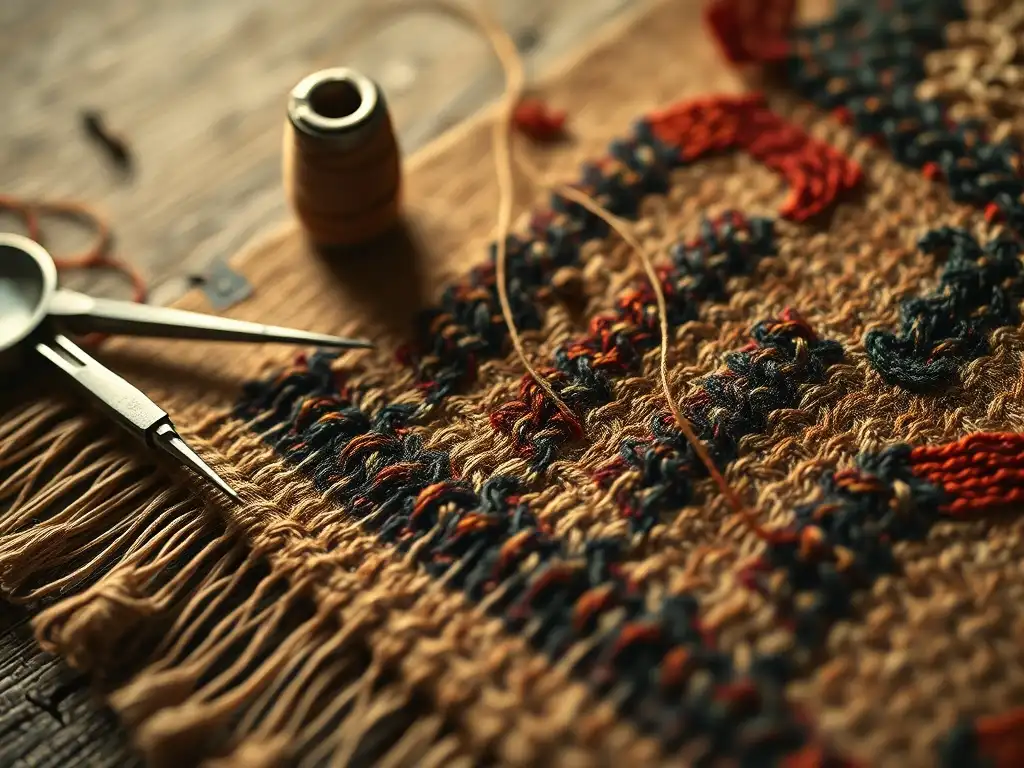
This section delves into specific examples of Andean textile conservation projects, highlighting the challenges and successes encountered. Understanding these case studies provides crucial insights into effective strategies for preserving this invaluable cultural heritage for future generations. The careful application of Andean textile conservation methods is paramount to ensuring the longevity of these fragile artifacts.
Case Study 1: The Paracas Mantle Conservation Project
The Paracas culture (circa 700-100 BCE), renowned for its intricate textiles, presents significant conservation challenges. One notable project focused on a large Paracas mantle, heavily affected by age, environmental factors, and previous, less effective conservation attempts. Initial assessment revealed significant fragility in the textile's structure, with numerous breaks in the warp and weft threads. Deterioration was particularly pronounced in areas with vibrant, organic dyes, indicating dye instability as a major concern.
The conservation team employed a multi-pronged approach. First, a meticulous digital documentation process was undertaken using high-resolution photography and 3D scanning to create a comprehensive record of the mantle's condition before any intervention. This allowed for detailed monitoring of changes throughout the conservation process and provided valuable data for future research on Andean textile conservation methods.
Next, the mantle underwent a careful cleaning process using specialized, non-damaging techniques. This involved the removal of loose debris and surface contaminants using soft brushes and low-pressure air. Areas with significant deterioration were stabilized using a carefully selected adhesive, ensuring minimal impact on the original fibers. The selection of the adhesive was a critical step, requiring extensive testing to ensure compatibility with the textile's materials and dyes. The project meticulously documented the types and quantities of materials used.
Finally, the conserved mantle was mounted on a custom-designed support structure, ensuring minimal stress on the fragile textile. This support system allows for optimal display and handling while minimizing further degradation. The entire process was meticulously documented, providing a valuable case study for future Andean textile conservation projects. The final result was a significant improvement in the mantle's condition, preserving this irreplaceable piece of Andean heritage for years to come.
Case Study 2: Conserving a Wari Tapestry
The Wari civilization (circa 600-1000 CE) left behind a rich legacy of textiles, often characterized by their geometric designs and use of camelid fibers. A specific case involved the conservation of a Wari tapestry depicting stylized figures and intricate geometric patterns. This tapestry suffered from significant damage, including insect infestation and significant fiber degradation.
Initial steps involved treating the insect infestation with a carefully chosen insecticide, ensuring its complete removal without harming the delicate fibers. Following this, the tapestry underwent a process of careful cleaning and stabilization. This involved gentle brushing to remove surface dirt and the application of a supportive lining to prevent further deterioration. The lining material was chosen for its breathability and archival quality, essential for long-term preservation.
A key challenge was the tapestry's fragile condition, requiring highly specialized techniques. The conservation team utilized advanced microscopy to analyze the fibers and dyes, enabling a targeted approach to repair and consolidation. This meticulous analysis allowed for the development of a tailored conservation plan, minimizing the risk of further damage. The project team meticulously documented every step of the process, including detailed photographic records and descriptions of the materials used. Detailed analysis of the dyes used provided further insights into the Wari's technological prowess.
The successful conservation of this Wari tapestry demonstrates the importance of a comprehensive, scientific approach to Andean textile conservation, emphasizing the need for detailed analysis and careful planning before any intervention. The resulting preservation of this historical artifact contributes significantly to our understanding of Wari culture and textile production techniques.
Lessons Learned from Past Conservation Efforts
Analysis of various Andean textile conservation projects reveals several key lessons. Firstly, the importance of proactive conservation cannot be overstated. Regular monitoring and preventative measures, such as climate control and pest management, are crucial in slowing down degradation. Secondly, a multidisciplinary approach involving textile conservators, chemists, and archaeologists is essential for effective conservation. This ensures a holistic understanding of the textile's composition, degradation processes, and historical context.
Furthermore, detailed documentation is paramount. This includes comprehensive photographic records, material specifications, and a complete account of the conservation process. This documentation serves not only as a record of the project but also as a valuable resource for future research and conservation efforts.
The use of advanced technologies, such as digital imaging and microscopy, is proving increasingly valuable in assessing the condition of textiles and guiding conservation decisions. Finally, the development of sustainable conservation practices that prioritize the use of environmentally friendly materials and techniques is crucial for the long-term preservation of Andean textiles. The ongoing research into Andean textile conservation methods continuously refines our understanding and improves our approaches.
The Future of Andean Textile Conservation
The preservation of Andean textiles presents a significant challenge, demanding innovative and sustainable approaches to ensure their longevity. The fragility of these ancient artifacts, coupled with the effects of time and environmental factors, necessitates a multi-pronged strategy encompassing scientific advancements, ethical considerations, and community involvement. Effective Andean textile conservation methods are crucial not only for preserving invaluable historical records but also for safeguarding cultural heritage and promoting sustainable tourism. This section explores emerging trends, sustainable practices, and strategies for ensuring the legacy of these remarkable textiles.
Emerging Trends and Innovations in the Field
Recent advancements in materials science and conservation techniques offer promising avenues for improving Andean textile preservation. One notable trend is the development of new, less-invasive cleaning methods. Traditional cleaning methods often involved harsh chemicals that could damage the delicate fibers. Modern techniques now utilize environmentally friendly solvents and laser cleaning technologies to remove dirt and pollutants without compromising the textile's integrity. These advancements minimize the risk of fiber degradation and color fading, ensuring that the textiles remain visually appealing and historically accurate for future generations.
Furthermore, the application of advanced imaging technologies, such as multispectral and hyperspectral imaging, allows conservators to analyze the textiles in unprecedented detail. These techniques can reveal hidden details, such as underlying pigments and repair work, providing valuable insights into the textile's creation and history. This information is crucial for understanding the techniques employed by ancient Andean artisans and for guiding future conservation efforts.
The use of digital archiving also plays a vital role, creating high-resolution digital records of the textiles that can be studied and shared worldwide without risking damage to the original artifacts. This digital preservation complements physical conservation, providing a safeguard against loss or damage.
The development of new, biodegradable and archival-quality support materials is another key innovation. Traditional support materials often contained harmful chemicals or were themselves prone to degradation, further jeopardizing the textiles. The move towards sustainable and chemically inert materials ensures that the support structures themselves do not contribute to the deterioration of the textiles. This is a crucial aspect of long-term preservation, minimizing the need for future interventions.
Sustainable Practices for Textile Preservation
Sustainable practices are paramount in Andean textile conservation. These practices extend beyond the selection of environmentally friendly materials and techniques; they also encompass the ethical sourcing of materials and the responsible management of resources. Minimizing the environmental impact of conservation treatments is vital, not only for preserving the textiles themselves but also for protecting the environment from which these cultural treasures originated.
For example, the use of renewable energy sources in conservation laboratories reduces the carbon footprint associated with preservation efforts. Similarly, the implementation of waste reduction programs minimizes the generation of harmful pollutants. Moreover, sustainable practices also involve educating local communities about the importance of textile preservation and involving them in the conservation process. This community engagement fosters a sense of ownership and responsibility, ensuring the long-term protection of Andean textile heritage. The sustainable management of resources also involves responsible tourism practices, minimizing the negative impact of visitor traffic on fragile artifacts and sites.
Ensuring the Legacy of Andean Textiles for Future Generations
The ultimate goal of Andean textile conservation is to ensure that these invaluable artifacts remain accessible and appreciated by future generations. This requires a long-term strategy that integrates scientific advancements, sustainable practices, and community engagement. The establishment of well-equipped conservation laboratories, staffed by trained professionals, is crucial. These laboratories should utilize state-of-the-art technologies and adhere to the highest ethical standards.
Furthermore, comprehensive documentation and digital archiving are essential for preserving knowledge about the textiles and making it accessible to researchers and the public. Detailed records of conservation treatments, along with high-resolution images and analyses, provide a valuable resource for future generations of conservators and scholars. Finally, educational outreach programs are critical for fostering appreciation and understanding of Andean textile heritage.
By educating the public about the importance of preservation and the challenges involved, we can ensure that these cultural treasures are valued and protected for centuries to come. The legacy of Andean textiles depends on a collective commitment to their preservation, a commitment that encompasses scientific innovation, sustainable practices, and community participation. This holistic approach will help safeguard this irreplaceable part of human history.
Frequently Asked Questions
What are the biggest challenges in conserving Andean textiles?
The biggest challenges include environmental factors like humidity and light, which cause degradation of fibers and dyes. Biological threats such as insects and mold also pose significant risks. Proper storage and handling are crucial.
What materials are typically used in Andean textiles?
Andean textiles traditionally utilize alpaca, llama, vicuña, and cotton fibers. The specific fibers varied depending on the region and the intended use of the textile. Natural dyes derived from plants and minerals were also commonly employed.
What are some common conservation methods used for Andean textiles?
Careful cleaning and stabilization are crucial first steps, often involving specialized techniques. Controlled environmental conditions (temperature and humidity) are essential for long-term preservation. Regular monitoring for pest infestations is also vital.
How do Andean textile conservation methods differ from those used for other textiles?
Andean textile conservation often requires specialized knowledge of the unique materials and dyeing techniques used. The fragility of some ancient textiles necessitates gentle handling and the use of minimally invasive techniques. Understanding the cultural significance is also paramount.
Where can I learn more about Andean textile conservation?
You can find more information through academic journals, museum websites, and books specializing in textile conservation. Many universities and cultural institutions offer courses and workshops on the subject.
Final Reflection: Weaving a Legacy: The Enduring Power of Andean Textiles
The intricate artistry of Andean textiles isn't merely a historical artifact; it's a living testament to cultural resilience, facing the urgent challenge of preservation in the modern world. The techniques, designs, and stories woven into these fabrics represent a profound connection to the past and a vital link to the future, a legacy we must actively protect. The degradation of these precious textiles due to environmental factors and the lack of widespread knowledge about proper conservation methods poses a significant threat to this invaluable heritage.
The enduring influence of Andean textiles extends far beyond their aesthetic beauty; they represent a complex interplay of social structures, spiritual beliefs, and ecological knowledge. These textiles are not just clothes; they are living narratives, carrying the weight of generations and reflecting the intimate relationship between Andean communities and their environment. The threads themselves are a language, speaking of history, cosmology, and the very essence of Andean life.
Understanding this profound significance underscores the critical need for effective conservation strategies, not just for the textiles themselves, but for the cultural knowledge they embody.
Consider the threads of your own life – the stories, traditions, and connections that shape your identity. Just as these Andean textiles require careful preservation to ensure their survival, so too do the cultural legacies within our own communities. I urge you to explore the conservation methods discussed in this article, to share this knowledge with others, and to actively participate in safeguarding this invaluable heritage for future generations. Let us ensure that the vibrant tapestry of Andean culture continues to inspire and enrich the world for centuries to come.
Join the Movement to Preserve Andean Heritage!
Thank you for your interest in the crucial work of conserving Andean textiles. Your passion for this rich cultural heritage is deeply appreciated. Let's work together to ensure a brighter future for these traditions.
Here are some ways you can help:
- Become an Advocate: Support organizations dedicated to preserving Andean textile traditions. Your voice can make a real difference in protecting this vital cultural heritage.
- Share Your Knowledge: Spread awareness on social media about the importance of textile conservation. Educate your friends and family about the beauty and cultural significance of these exquisite textiles.
- Explore and Experience: Visit museums and exhibitions showcasing Andean textiles. Immerse yourself in the stories and artistry behind these remarkable pieces.
What will you do today to help ensure that the art of Andean textiles flourishes for generations to come?