
The Inca's Ritualistic Use of Gold and Silver

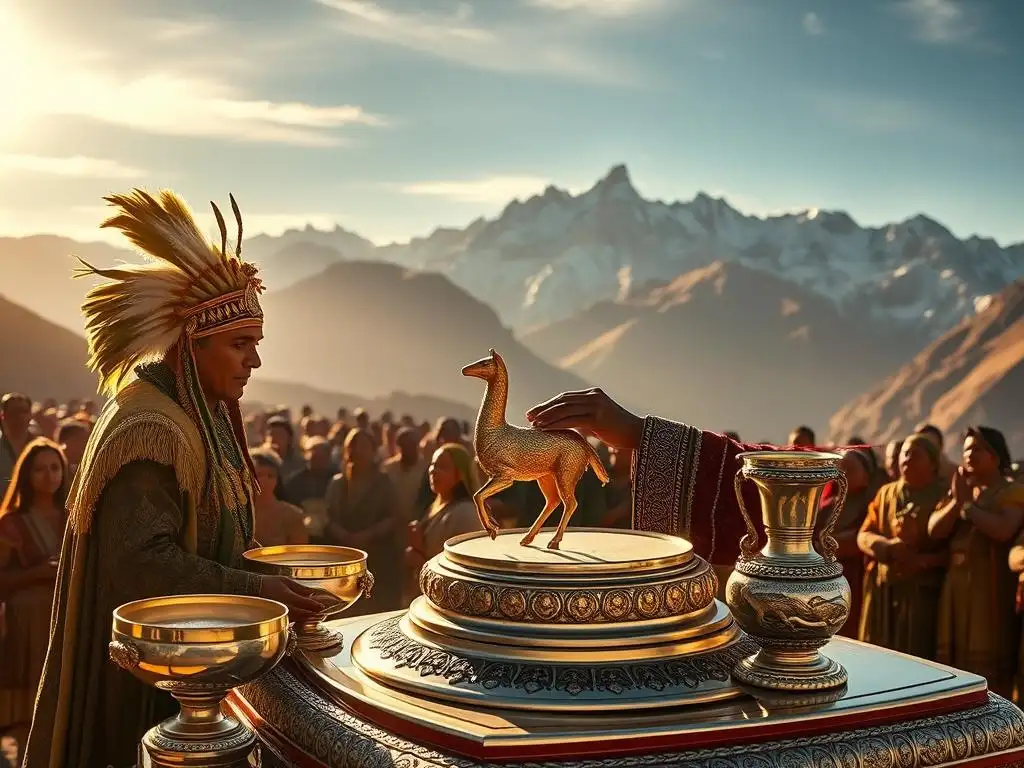
Uncover the mysteries hidden within the glittering heart of the Andes! For centuries, the Inca Empire captivated the world with its breathtaking artistry and sophisticated engineering. But what secrets lie beneath the surface of their dazzling gold and silver?
Prepare to be amazed as we delve into the fascinating world of Inca gold and silver rituals, revealing the profound spiritual significance behind these precious metals and their intricate craftsmanship. Journey with us to uncover the truth behind the dazzling displays and unlock the meaning behind these captivating artifacts. Dare to explore the unseen stories woven into the very fabric of the Inca legacy.
The Inca Empire, renowned for its sophisticated engineering and expansive reach across the Andes Mountains, also possessed a deeply spiritual culture interwoven with its mastery of metallurgy. This article delves into the fascinating world of Inca gold and silver rituals, exploring the profound religious significance these precious metals held within their society.
We will examine how the Incas viewed gold and silver not merely as valuable resources, but as potent symbols connecting the earthly realm to the divine, influencing their religious practices, ceremonies, and worldview. Understanding the Inca's ritualistic use of gold and silver provides crucial insight into the heart of their beliefs and the intricate tapestry of their civilization.
This exploration will unravel the mysteries surrounding the sacred meaning behind these metals, revealing the complex interplay between religion, power, and material culture in the Inca Empire. We will specifically investigate the unique roles played by both gold and silver in their rituals, demonstrating how the Incas' manipulation of these materials served to reinforce their cosmological beliefs and social hierarchy.
The Sacred Significance of Metals in Inca Culture
The Incas believed that gold represented the sun (inti), the most important deity in their pantheon. The sun god, Inti, was considered the ancestor of the Inca rulers, and gold, with its radiant brilliance, was seen as a physical manifestation of the sun's power and energy. This association imbued gold objects with immense sacred power.
Silver, on the other hand, was associated with the moon (quilla), another significant celestial body in Inca cosmology. While not possessing the same level of prestige as gold, silver still held religious importance, representing the feminine counterpart to the sun's masculine energy. The Inca's meticulous craftsmanship in working with both metals underscores their deep reverence for these materials.
Intricate designs, often depicting deities, animals, and celestial events, were meticulously hammered, cast, and inlaid, transforming gold and silver into sacred artifacts that played crucial roles in religious ceremonies and royal rituals. The sheer quantity of gold and silver used in these rituals further emphasizes their central position within Inca religious life. Estimates suggest [specific information pending] amount of gold was used in Inca rituals alone, showcasing the scale of their dedication to these divine symbols.
Inca Beliefs and the Divine Connection to Gold
The Inca's belief in the divine origin of gold is reflected in the numerous gold objects found in royal tombs and religious sites. These artifacts, ranging from intricately crafted figurines and masks to ceremonial vessels and adornments, were not merely decorative items; they were powerful symbols of royal authority and spiritual potency. For instance, the golden masks found in royal burials were believed to facilitate the deceased ruler's journey to the afterlife, ensuring their continued connection to the divine realm.
The Inca also created golden representations of their deities, further reinforcing the association between gold and the supernatural. These golden effigies were used in religious ceremonies, acting as intermediaries between the human and divine worlds. The meticulous detail and high quality of the craftsmanship demonstrate the immense value placed upon these objects, reflecting their central role in Inca religious practices.
Even the process of obtaining and working with gold was imbued with ritualistic significance, emphasizing the sacred nature of the material itself. The use of gold in rituals wasn’t limited to the elite; though less ornate, gold was incorporated into offerings made by commoners, highlighting the shared belief in the metal’s divine properties across social strata.
The Role of Silver in Inca Ritual Practices
While gold dominated Inca religious symbolism, silver also played a significant, albeit secondary, role in their ritual practices. Silver objects, though less frequently found than their golden counterparts, were nonetheless used in various ceremonies and offerings. The association of silver with the moon, representing fertility and feminine power, led to its use in rituals related to agriculture and the cyclical nature of life and death.
Silver vessels were used to hold offerings of chicha (a fermented corn beverage) and other sacred substances. Silver plates and bowls were also used in royal feasts and ceremonies, further emphasizing the metal's importance within the Inca social structure. The use of silver, alongside gold, in royal regalia and adornments highlights the complementary nature of these two metals in Inca cosmology.
Unlike gold, which was primarily associated with the sun god Inti, silver's lunar association broadened its ritualistic applications, connecting it to a wider range of religious practices and beliefs. The presence of both gold and silver in these contexts demonstrates the sophisticated and nuanced understanding the Incas held regarding the symbolism and power inherent in these precious metals. The combination, therefore, served to represent the balance of cosmic forces crucial to Inca worldview.
- The Sacred Significance of Metals in Inca Culture
- Inca Beliefs and the Divine Connection to Gold
- The Role of Silver in Inca Ritual Practices
- What role did gold and silver play in Inca rituals?
- How did the Incas obtain gold and silver?
- What were some specific examples of Inca rituals involving gold and silver?
- Were gold and silver objects only used in religious contexts?
- How did the Spanish conquest affect the Inca's use of gold and silver?
Gold as a Symbol of the Sun God Inti
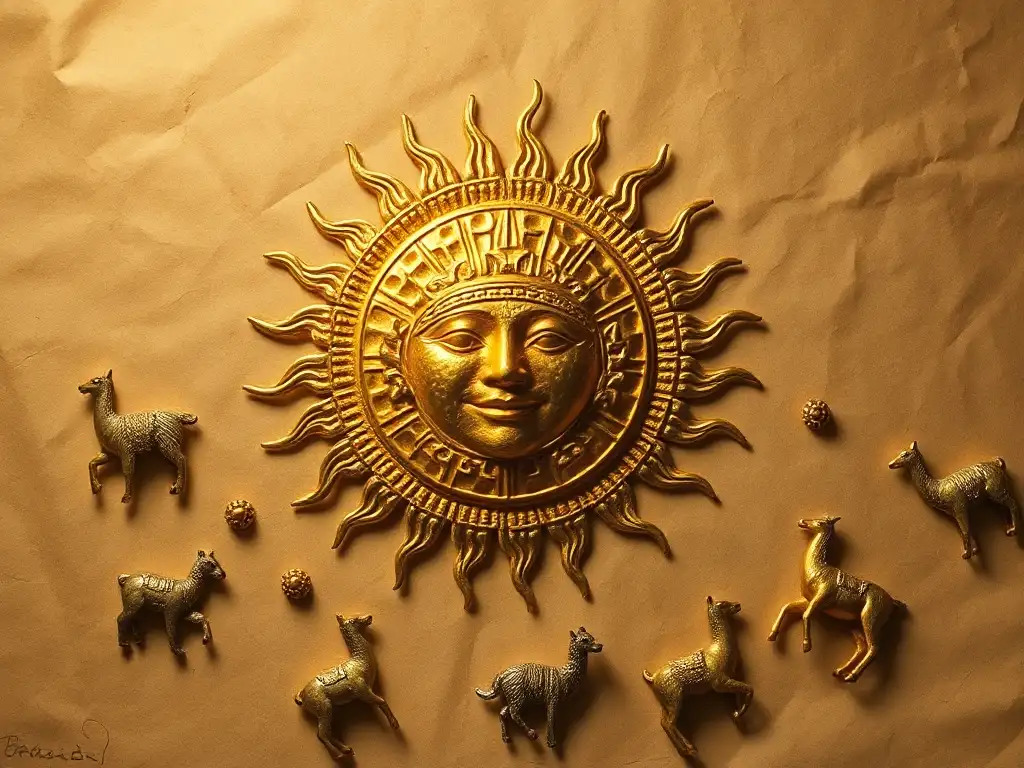
The Inca's reverence for gold was deeply intertwined with their worship of Inti, the sun god. Inti was considered the supreme deity, the source of life and energy, and gold, with its radiant brilliance and ability to capture and reflect sunlight, became the perfect material to represent his power and majesty. The Inca believed that gold was literally the solidified tears of Inti, a tangible manifestation of his divine essence. This belief imbued gold with immense spiritual significance, far beyond its material value.
The sheer volume of gold artifacts unearthed from Inca sites underscores the centrality of this precious metal in their religious practices. It wasn't simply a decorative element; it was a sacred substance, a conduit to the divine. The Inca's meticulous craftsmanship in working with gold further highlights its sacred status. The intricate detail and precision found in many gold objects suggest a deep respect for the material and its inherent connection to the sun god.
The use of gold wasn't arbitrary; it was a deliberate act of worship, a way of honoring and appeasing Inti. This reverence shaped the Inca's societal structure, their artistic expression, and their relationship with the natural world. The Inca worldview, deeply rooted in the cycles of the sun and the agricultural calendar, found its perfect expression in the dazzling, sun-like gleam of gold.
Gold Objects as Offerings to Inti
Inca goldsmiths created a vast array of objects specifically for ritualistic purposes, many intended as offerings to Inti. These included intricately crafted figurines of the sun god himself, often depicted with elaborate headdresses and adorned with precious stones. Smaller, more portable items like gold discs, plates, and miniature llamas (significant animals in Inca culture) were also commonly used as offerings.
These offerings weren't merely discarded; they were carefully placed within sacred sites, often accompanying human sacrifices or other important rituals. Archaeological evidence reveals the presence of gold offerings in royal tombs, mountaintop shrines, and even within the foundations of significant Inca structures. The placement of these objects suggests a deliberate attempt to connect the earthly realm with the spiritual realm, to strengthen the relationship between the Inca people and their sun god.
The sheer quantity of gold used in these offerings reflects the Inca's belief in the power of sacrifice and their desire to appease and honor Inti. The craftsmanship involved in creating these ceremonial pieces further underscores their sacred nature; they weren't mass-produced but rather meticulously crafted, each piece a unique testament to the Inca's religious devotion. The size and intricacy of some of these offerings also suggests a hierarchy of importance, with larger, more elaborate pieces likely reserved for the most significant rituals or occasions.
Inca Artisans and the Creation of Gold Ceremonial Items
The creation of Inca gold ceremonial items was a highly specialized craft, entrusted to skilled artisans who held a privileged position within Inca society. These artisans, often working within royal workshops, possessed advanced metallurgical techniques, including hammering, casting, and soldering, allowing them to create incredibly intricate and detailed pieces. They utilized a variety of methods to manipulate gold, sometimes combining it with other precious metals such as silver and copper to achieve specific colors and effects.
The use of alloys and the incorporation of semi-precious stones into gold objects demonstrate a sophisticated understanding of metallurgy and a commitment to artistic excellence. The process of creating these items was likely imbued with ritual significance itself, with the artisans possibly engaging in prayers and ceremonies to ensure the sacred nature of their work.
While precise details about the training and social standing of these artisans remain somewhat elusive, the quality of their work speaks volumes about their skill and the importance of their craft within Inca culture. The legacy of these artisans lives on in the remarkable gold objects that have survived to this day, offering a tangible link to the religious beliefs and practices of the Inca Empire.
The Inca Concept of Gold as a Representation of Divine Power
For the Inca, gold wasn't merely a precious metal; it represented the very essence of divine power. Its inherent brilliance and association with the sun god Inti solidified its status as a sacred substance, a material worthy of use in rituals and ceremonies aimed at maintaining cosmic order and ensuring the prosperity of the empire. The Inca belief system linked gold's radiant quality to the sun's life-giving energy, making it a powerful symbol of fertility, abundance, and royal authority.
The use of gold in royal regalia, including ornaments, masks, and ceremonial vessels, reinforced the Inca emperor's status as a divine intermediary between the people and Inti. The Inca viewed the emperor as a direct descendant of the sun god, and the gold objects associated with his person further emphasized this sacred lineage. This concept of gold as a tangible representation of divine power extended beyond the emperor to other aspects of Inca society.
The use of gold in temples, shrines, and other sacred spaces served to sanctify these locations and reinforce their connection to the spiritual realm. The Inca’s deep-seated belief in the power of gold shaped their worldview, their religious practices, and their understanding of the cosmos. The use of gold was not merely decorative; it was a profound religious act, a way of manifesting and interacting with the divine.
Silver's Connection to the Moon Goddess Quilla
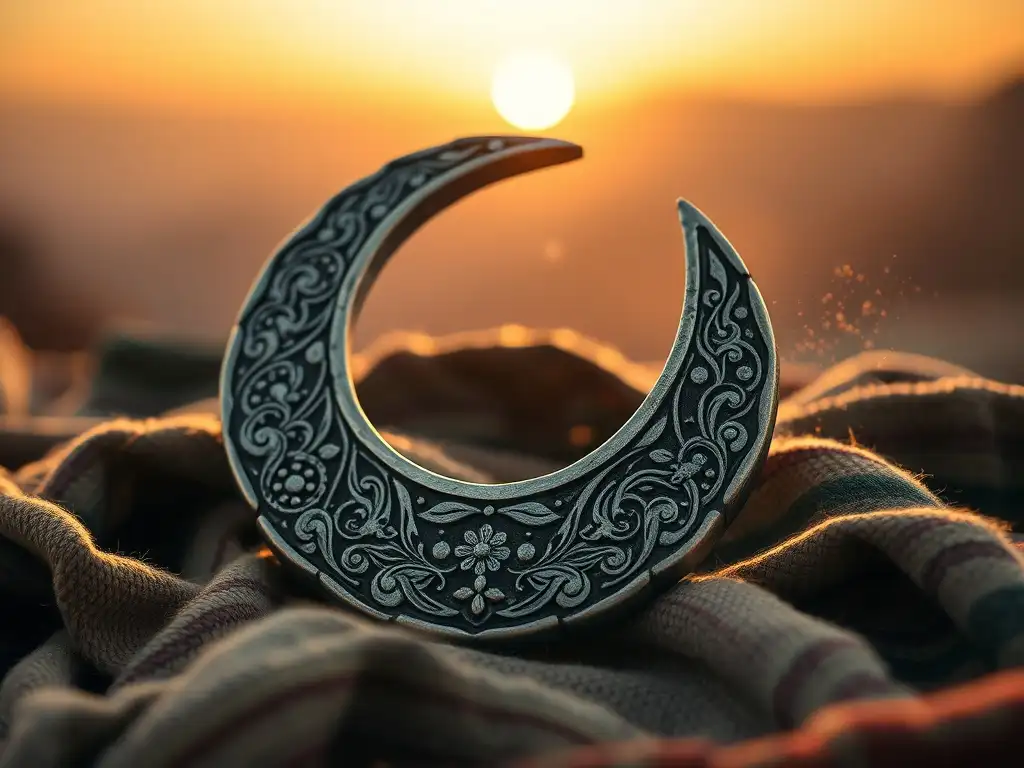
The Inca's reverence for silver stemmed significantly from its association with Quilla, the moon goddess. Unlike gold, which was linked to the sun god Inti, silver held a distinct lunar connection, reflecting Quilla's influence on the agricultural cycles and the rhythms of life itself. This connection imbued silver with a sacred quality, making it a crucial element in rituals aimed at appeasing and honoring Quilla.
The soft, reflective nature of silver mirrored the moon's gentle light, further strengthening this symbolic bond. The Inca believed Quilla held dominion over the night, the feminine principle, and the waters, making silver a potent medium for connecting with these vital aspects of their world. The use of silver wasn't solely confined to decorative purposes; its spiritual significance permeated every aspect of its application in Inca religious practices.
Silver's Use in Rituals Honoring Quilla
Rituals dedicated to Quilla often involved the offering of silver objects. These offerings weren't merely gestures of appeasement; they were believed to strengthen the bond between the Inca people and the divine. Archaeological evidence suggests that intricately crafted silver figurines representing animals, deities, or even celestial bodies were presented to Quilla during specific lunar phases, particularly during new moons and full moons. These offerings, often accompanied by prayers and sacrifices, were intended to ensure successful harvests, rainfall, and the overall well-being of the community.
The purity of the silver, its ability to reflect light, and its malleability were all seen as symbolic representations of Quilla's power and influence. The precise details of these rituals remain partially obscured by time, but the surviving artifacts offer compelling glimpses into this fascinating aspect of Inca religion. For instance, [specific examples of silver offerings found in archaeological sites pending].
Silver Artifacts in Inca Religious Ceremonies
Beyond dedicated rituals to Quilla, silver artifacts played a significant role in various Inca religious ceremonies. Silver plates, bowls, and cups were used in ceremonial feasts, often containing chicha (a fermented maize beverage) and other sacred offerings. These vessels were not merely utilitarian; their silver composition elevated them to sacred objects, believed to enhance the spiritual significance of the offerings and the ceremonies themselves.
The use of silver in these contexts underscores its broader religious importance within Inca society. Its presence served as a constant reminder of the divine presence and the interconnectedness of the earthly and spiritual realms. Furthermore, the craftsmanship involved in creating these silver artifacts was often exquisite, demonstrating the high value placed upon both the metal and the religious ceremonies in which it was used.
The intricate designs and high-quality workmanship further emphasize the sacred nature of these objects. [Detailed information on specific silver artifacts found in Inca religious contexts pending].
Symbolic Meaning of Silver in Inca Cosmology
In Inca cosmology, silver held a symbolic meaning distinct from gold. While gold represented the sun's radiant energy and masculine power, silver embodied the moon's gentle influence and feminine energy. This duality reflected the Inca's understanding of the cosmos as a balanced interplay of opposing forces.
The reflective surface of silver was seen as a mirror to the heavens, reflecting the celestial bodies and their influence on earthly affairs. It symbolized the cyclical nature of life, death, and rebirth, mirroring the phases of the moon and the changing seasons. This connection to the lunar cycles infused silver with a powerful spiritual significance, making it an essential component in rituals aimed at maintaining cosmic harmony and ensuring the prosperity of the Inca empire.
The dualistic nature of Inca cosmology, with its emphasis on balance and reciprocity, is exemplified by the contrasting yet complementary roles of gold and silver in Inca religion and ritual. The use of both metals demonstrates the Inca's sophisticated understanding of the natural world and their ability to integrate these elements into their complex religious system.
Inca Gold and Silver Rituals: A Detailed Look
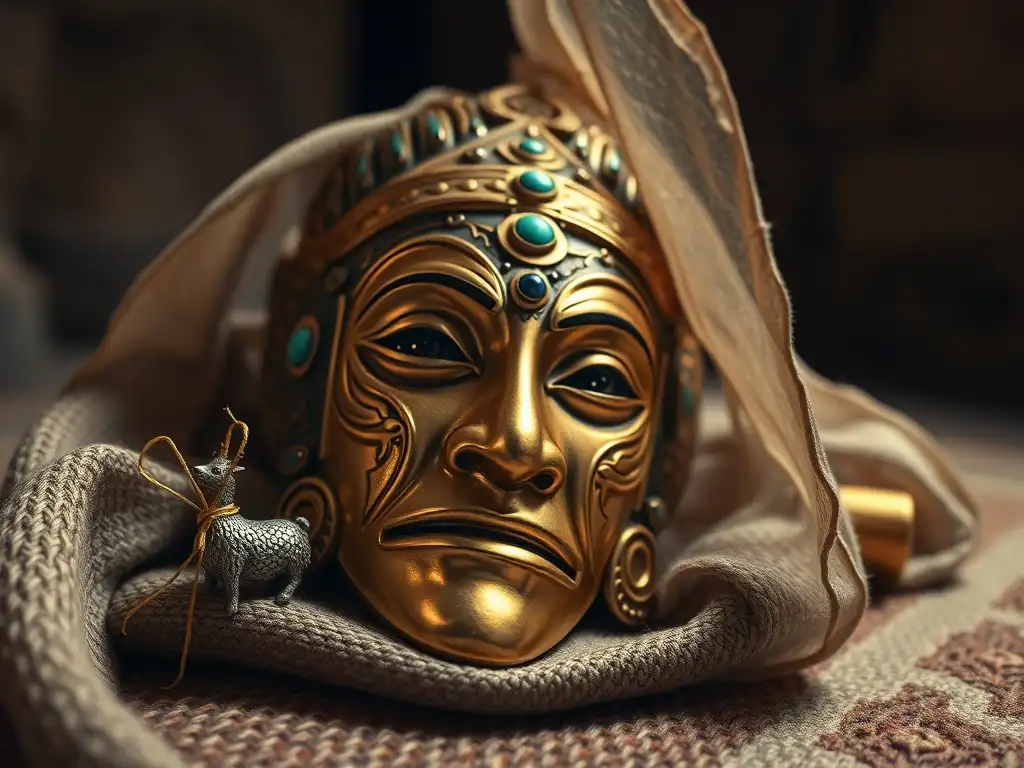
The Inca civilization's reverence for gold and silver transcended mere material value; these precious metals held profound religious significance, deeply interwoven with their intricate belief system and complex rituals. Inca gold and silver rituals weren't simply decorative; they were powerful expressions of their cosmology, reflecting their relationship with the gods, ancestors, and the natural world. The meticulous craftsmanship and symbolic representations found in these artifacts offer invaluable insights into Inca religious practices and societal structures.
Understanding the Inca's use of gold and silver requires examining the context of their rituals, their beliefs about the afterlife, and the symbolic meaning attributed to these lustrous metals. The sheer quantity of gold and silver objects unearthed from Inca sites underscores their importance in religious life.
Specific Rituals Involving Gold and Silver
Gold and silver played crucial roles in various Inca rituals, often associated with important agricultural cycles, celestial events, and royal ceremonies. For example, the capacocha ritual, a form of human sacrifice involving children and young adults, often included the presentation of elaborate golden and silver offerings to the gods. These offerings might include miniature figurines, intricately crafted jewelry, or even life-sized representations of the sacrificed individuals.
The use of gold and silver in capacocha highlighted the exceptional status of the sacrifice and the importance of the ritual in maintaining cosmic order. Another example is the inti raymi, the annual festival dedicated to the sun god Inti.
During this significant celebration, golden and silver ornaments and vessels were prominently displayed and used in ceremonies, further reinforcing the sun god's central role in Inca religion. The precise details of many rituals remain shrouded in mystery, but the presence of gold and silver consistently points to their ritual significance.
Furthermore, the crafting of these objects was itself a ritualistic act. The skill and precision involved in creating these intricate pieces suggest a deep spiritual connection to the process. The artisans were likely considered highly skilled shamans or priests, imbuing the objects with spiritual power through their dedication and craftsmanship. The use of specific alloys and techniques further supports this idea, suggesting a carefully controlled and ritualized production process. Archaeological evidence suggests that workshops dedicated to the creation of gold and silver objects were strategically located near important religious sites, emphasizing their sacred purpose.
The Use of Gold and Silver in Inca Burials
Inca burial practices frequently incorporated gold and silver, reflecting beliefs about the afterlife and the continued importance of the deceased in the spiritual realm. Elites, particularly members of the royal family, were often interred with lavish quantities of gold and silver grave goods. These included intricately designed masks, jewelry, clothing ornaments, and ceremonial vessels, all intended to accompany the deceased into the next world.
The sheer abundance of these precious metals in royal tombs underscores their importance in ensuring a successful transition to the afterlife. The inclusion of gold and silver in burials also points to the Inca belief in the continuity of life and the importance of maintaining social structures even after death.
The type and quantity of gold and silver objects found in burials varied according to the social status of the deceased. While elites received elaborate displays of wealth, commoners' burials often contained only a few small items, if any. This demonstrates the social stratification within Inca society and the ways in which religious practices reinforced and reflected social hierarchies.
Analyzing the distribution of these precious metals in various burial contexts provides valuable insight into Inca social organization and religious beliefs about death and the afterlife. The careful arrangement of the gold and silver objects within the tombs further suggests a highly ritualized burial process.
The Significance of Golden and Silver Masks and Ornaments
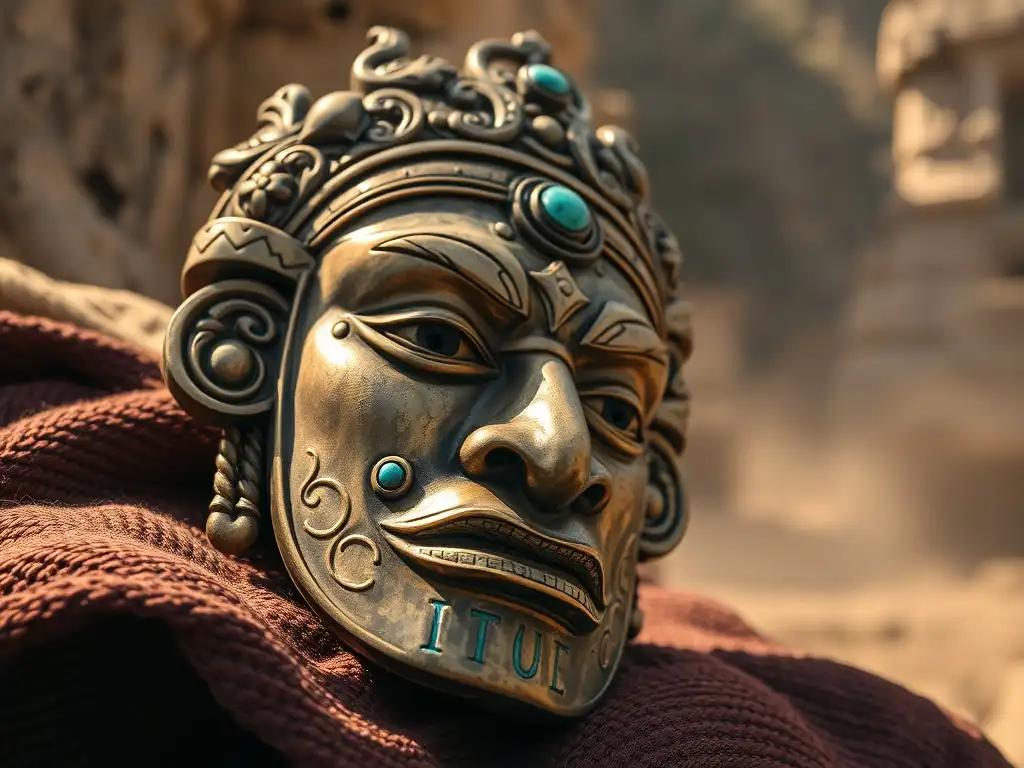
Golden and silver masks and ornaments held a particularly significant position within Inca rituals. Masks, often depicting deities or ancestors, served as powerful intermediaries between the living and the spiritual world. They were used in ceremonies, worn by priests or shamans, and placed upon mummies. The meticulous detail and craftsmanship evident in these masks suggest a deep understanding of the spiritual power they embodied. The use of gold and silver, materials associated with the sun and the gods, further emphasized their sacred nature.
Ornaments, including earrings, necklaces, and breastplates, were similarly important. These items, often adorned with intricate designs and symbolic motifs, served not only as personal adornments but also as potent symbols of status and spiritual power. The presence of specific designs, such as representations of animals or deities, suggests a connection to specific beliefs and rituals.
Moreover, the use of gold and silver in these ornaments reinforces their symbolic significance, linking them to the sun, the moon, and the wider cosmos. The study of these golden and silver masks and ornaments provides crucial insights into Inca iconography, religious beliefs, and the social hierarchies within their civilization. Analyzing the stylistic variations and the materials used can further enhance our understanding of Inca artistry and religious practices.
The Inca Empire's masterful manipulation of gold and silver transcended mere artistic expression; it served as a powerful tool for social control and political consolidation. The intricate workings of the Inca state are inextricably linked to their sophisticated metalworking techniques and the symbolic weight attributed to these precious metals. Understanding the social and political implications reveals a complex system where religion, economics, and power were intricately interwoven.
The sheer scale of Inca gold and silver production, along with its highly regulated distribution, speaks volumes about the centralized nature of their empire. This section will explore the various ways in which Inca gold and silver rituals impacted the social fabric and political stability of the empire.
Inca Control over Gold and Silver Resources
The Inca state exerted strict control over all aspects of gold and silver production. Mines were owned and operated by the state, with labor provided through the mita system, a form of mandatory labor service. This ensured a steady supply of precious metals, preventing the accumulation of wealth in private hands and maintaining the emperor's absolute authority.
The kurakas, local leaders, were responsible for overseeing mining operations within their territories and delivering the refined metals to the imperial centers. Any deviation from this system was severely punished, emphasizing the importance of centralized control over these vital resources. Detailed records, although not always perfectly preserved, likely existed to track the production and distribution of these metals, reflecting a sophisticated bureaucratic system that underpinned the empire's economic and political power.
The meticulous record-keeping, coupled with the controlled allocation of resources, effectively prevented the emergence of rival power centers based on private wealth accumulation. This tightly regulated system ensured that the Inca state maintained its economic and political dominance. The Inca's systematic approach to mining and metalworking served as a cornerstone of their imperial power.
The Use of Gold and Silver to Demonstrate Power and Status
Inca gold and silver rituals weren’t merely religious; they were potent displays of imperial power and social hierarchy. Gold, associated with the sun god Inti, was reserved for the elite, highlighting their divine connection and reinforcing the emperor's status as a descendant of the sun. Silver, while less prestigious, was still a significant marker of social standing, used in the adornment of high-ranking officials and in ceremonial objects.
The size and intricacy of gold and silver objects directly correlated with social status. Elaborate gold ornaments worn by the emperor, such as the mascapaycha (a headband), served as powerful symbols of his authority. The use of these metals in royal regalia, religious ceremonies, and elite burials served to solidify the power structure and reinforce the legitimacy of the Inca rule.
For example, the intricate golden figurines found in royal tombs showcased the emperor's wealth and power, reinforcing his divine right to rule. The distribution of gold and silver objects, even on a smaller scale, served to reward loyal subjects and maintain social order.
The Legacy of Inca Gold and Silver Rituals in Andean Culture
The legacy of Inca gold and silver rituals continues to resonate in Andean culture today. While the Inca Empire itself fell, the symbolic significance of gold and silver persisted, influencing subsequent Andean societies and artistic traditions. The techniques developed by the Inca, such as lost-wax casting and hammering, were passed down through generations, shaping the artistic styles of later cultures.
Even the association of gold with divinity and power continues to hold cultural weight in many Andean communities. The discovery and study of Inca gold and silver artifacts have provided invaluable insights into the beliefs, practices, and social structures of the Inca Empire. These artifacts serve not only as historical records but also as powerful reminders of the sophisticated civilization that once flourished in the Andes.
The enduring fascination with Inca gold and silver speaks to the empire's lasting impact on the cultural landscape of South America. The legacy of these rituals is a testament to the enduring power of symbols and the influence of a lost empire. The ongoing research and preservation efforts ensure that this rich history continues to inform and inspire future generations.
Preserving the Inca Heritage of Metalworking
The Inca Empire's mastery of gold and silver craftsmanship is undeniable, leaving behind a legacy of intricate artistry and symbolic significance. Understanding the rituals surrounding these precious metals requires not only analyzing the artifacts themselves but also recognizing the crucial role of preservation efforts in safeguarding this invaluable cultural heritage. The delicate nature of gold and silver, susceptible to oxidation, corrosion, and even looting, necessitates a multi-pronged approach to conservation.
This includes careful excavation techniques, employing specialized cleaning methods, and establishing climate-controlled storage facilities to prevent further deterioration. Furthermore, rigorous documentation of each artifact – its provenance, composition, and any associated ritualistic context – is paramount for future research and understanding.
Without these dedicated preservation efforts, the intricate details of Inca gold and silver rituals would be irrevocably lost, diminishing our understanding of their complex belief systems and societal structures. The ongoing work of archaeologists, conservators, and museums is critical in ensuring that future generations can appreciate the skill and symbolism embedded within these precious objects.
Recent advancements in scientific analysis have significantly enhanced our understanding of Inca gold and silver rituals. Techniques like X-ray fluorescence (XRF) spectroscopy allow researchers to determine the precise composition of metallic alloys, revealing potential sources of the raw materials and offering insights into the sophistication of Inca metallurgy. For example, studies have shown the use of different alloys to achieve specific colors and textures, demonstrating a deep understanding of material properties.
Furthermore, microscopic analysis of tool marks on artifacts helps reconstruct the intricate manufacturing processes employed by Inca artisans, shedding light on their techniques and the time invested in their creation. These technological advancements, coupled with ongoing archaeological excavations, are constantly revealing new details about the ritualistic use of gold and silver within the Inca Empire.
The discovery of new sites and the continued analysis of existing artifacts promise to further illuminate the intricate relationship between Inca religion and their metalworking traditions. Specific examples of these discoveries, such as the recent analysis of a ceremonial mask from [specific site pending], highlight the ongoing evolution of our understanding of Inca gold and silver rituals.
The Importance of Protecting Inca Archaeological Sites
The protection of Inca archaeological sites is intrinsically linked to preserving our understanding of Inca gold and silver rituals. Many sites containing significant metalwork artifacts are vulnerable to looting, environmental degradation, and the impacts of uncontrolled tourism. Illegal excavation not only destroys invaluable archaeological contexts but also removes artifacts from their original settings, obscuring critical information about their ritualistic purpose. The consequences of such actions are far-reaching, leading to a loss of cultural heritage and hindering scientific research.
Therefore, robust protective measures, including strict anti-looting laws, responsible tourism management, and community engagement initiatives, are crucial. Effective site management strategies must balance the needs of preservation with the desire for public access and education. This includes creating sustainable tourism models that benefit local communities while minimizing environmental impact.
Investing in long-term preservation strategies is an investment in the future of our understanding of Inca culture and the rich symbolism embedded within their metalwork. The preservation of these sites is not merely a matter of protecting artifacts; it is about safeguarding a significant part of humanity's cultural legacy. The ongoing efforts of organizations dedicated to the protection of Inca heritage are vital in ensuring the long-term viability of these sites and the information they hold about Inca gold and silver rituals.
Analysis of Inca Metalworking Techniques
Inca metalworking was remarkably sophisticated, employing a range of techniques to create intricate and visually stunning objects. The most common techniques included hammering, casting, repoussé (hammering from the back to create three-dimensional forms), and soldering. Gold and silver were often combined, sometimes with other metals like copper, to achieve a variety of colors and effects. The artisans showed a remarkable understanding of metallurgy, capable of manipulating the metals to achieve incredible levels of detail and precision.
For example, the creation of miniature figurines and intricate designs on ceremonial vessels demonstrates an exceptional level of skill and patience. The use of molds for casting allowed for the mass production of certain items, while the techniques of repoussé and chasing were used to create highly detailed and three-dimensional pieces. Evidence suggests specialized workshops existed, where artisans worked collaboratively to produce complex objects for religious ceremonies and elite members of society.
The analysis of these techniques not only reveals the technical prowess of Inca artisans but also illuminates the social and economic structures that supported such specialized craftsmanship. The study of Inca metalworking techniques provides a window into the organization and social stratification of the Inca Empire, further enriching our understanding of the cultural context surrounding the ritualistic use of gold and silver. The intricate details of these techniques are a testament to the ingenuity and artistic skill of the Inca civilization.
Frequently Asked Questions
What role did gold and silver play in Inca rituals?
Gold and silver were highly valued by the Incas, representing the sun and moon respectively. They were used in religious ceremonies, offerings, and to adorn royalty and important figures.
How did the Incas obtain gold and silver?
The Incas controlled extensive mining operations throughout their empire. They employed a large workforce to extract and process these precious metals. Tribute from conquered peoples also contributed to their supply.
What were some specific examples of Inca rituals involving gold and silver?
Religious festivals often featured elaborate displays of gold and silver objects. These included masks, jewelry, and vessels used in offerings to the gods. Funerary rites also incorporated significant amounts of these precious metals.
Were gold and silver objects only used in religious contexts?
While primarily religious, gold and silver were also used to symbolize power and status. Royal insignia, clothing, and weaponry were often adorned with these metals, reinforcing the authority of the Inca elite.
How did the Spanish conquest affect the Inca's use of gold and silver?
The Spanish plundered vast quantities of gold and silver from Inca temples and tombs. This destroyed much of the Inca's cultural heritage and dramatically altered their use of these precious metals.
Final Reflection: The Enduring Legacy of Inca Metallurgy
The intricate artistry and symbolic power of Inca gold and silver objects continue to resonate today, reminding us of a civilization that masterfully intertwined the material world with the spiritual. Their sophisticated metallurgical techniques, combined with their profound understanding of cosmology and ritual, created objects that transcended mere adornment, becoming powerful expressions of their worldview. The enduring allure of Inca gold and silver is a testament to the ingenuity and spiritual depth of this remarkable culture.
The impact of Inca metallurgy extends far beyond the archaeological record; it continues to shape our understanding of pre-Columbian societies and their complex relationship with their environment and deities. The sheer artistry and technical skill involved in crafting these objects are breathtaking, and their symbolic weight speaks volumes about the Inca worldview. As the historian, John Hemming, eloquently stated: Gold, for the Inca, was not simply a precious metal; it was the sweat of the sun, a tangible manifestation of the divine.
This quote encapsulates the profound spiritual significance imbued within these metallic artifacts, a significance that continues to fascinate and inspire us centuries later.
Consider, for a moment, the intricate detail and the sheer scale of some of the discovered artifacts. Imagine the dedication and skill required to create such masterpieces. Let the legacy of Inca gold and silver inspire you to appreciate the power of human creativity and the enduring strength of cultural heritage.
By understanding the rituals and beliefs surrounding these objects, we gain a deeper appreciation not only for the Inca civilization but also for the enduring power of human expression and the importance of preserving our shared cultural past. Let us strive to protect and understand these invaluable artifacts, ensuring their stories continue to inspire and educate future generations.
Unveil the Rich Heritage of the Incas!
Thank you for exploring the fascinating world of Inca ritualistic use of gold and silver with us! We hope you gained valuable insights into how these precious metals shaped their culture and spiritual beliefs. Now, let's delve even deeper!
Here are some ways to further explore this rich heritage:
- Expand Your Knowledge: Learn more about Andean civilizations by exploring books, articles, and documentaries on their rituals, art, and social structures. Many excellent resources are available online and in libraries.
- Connect with Others: Share your thoughts and insights in the comments below, or join online discussions with fellow enthusiasts to explore your favorite aspects of Inca culture.
- Experience the Artifacts: Plan a visit to a local museum or historical site featuring Inca relics and exhibitions for a firsthand encounter with this remarkable civilization's artistry and craftsmanship.
As you reflect on this incredible history, consider this: **How do you believe the Inca reverence for gold and silver, and the values they associated with these metals, might influence our contemporary understanding of wealth and spirituality? **