
The Rise of the Moche: A Case Study in the Development of Complex Andean States

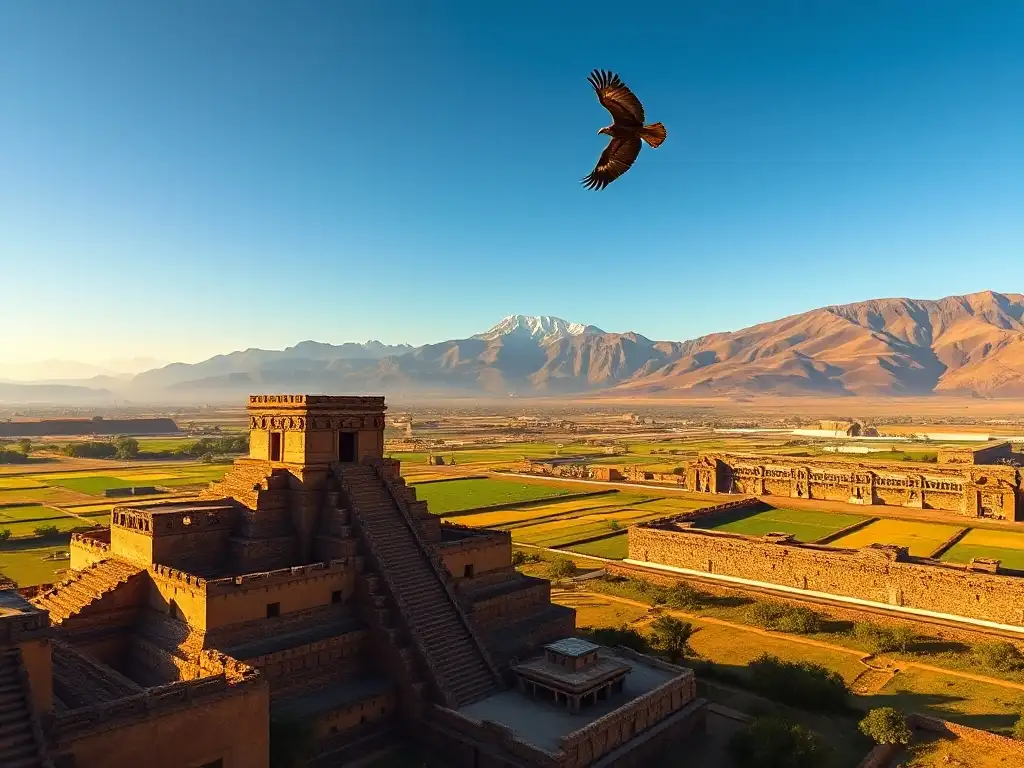
Step into a world lost to time, yet echoing with the power and ingenuity of the Andes. Prepare to be captivated by the remarkable story of ancient Andean civilizations, their intricate artistry, and groundbreaking advancements. But our journey begins with a civilization shrouded in mystery – the Moche. Discover the secrets behind Moche civilization development and witness the breathtaking rise of a complex state in the heart of the Peruvian desert. Dare to delve deeper and uncover the fascinating details that shaped this extraordinary culture.
The Moche civilization, flourishing along the northern coast of Peru from approximately 100 CE to 800 CE, stands as a compelling example of complex societal development in the Andes. This article delves into the fascinating trajectory of the Moche, exploring their rise from smaller, less organized communities to a powerful and influential state characterized by sophisticated irrigation systems, impressive monumental architecture, and a vibrant artistic tradition.
Understanding the Moche's development provides crucial insights into the broader processes of state formation and societal complexity within the ancient Andean world, offering a unique lens through which to examine the interplay of environmental adaptation, social organization, and technological innovation. We will examine key factors contributing to their success, considering both internal developments and external influences, ultimately painting a picture of a remarkable civilization that left an indelible mark on Peruvian history and continues to captivate researchers today.
This case study will focus on the key aspects of Moche civilization development, using available archaeological evidence and scholarly interpretations to reconstruct their compelling story.
Introduction to the Moche and Their Significance in Andean History
The Moche civilization, also known as the Mochica, is renowned for its remarkable achievements in various fields. Their mastery of hydraulic engineering, evident in their extensive irrigation canals, allowed them to cultivate the arid coastal desert, supporting a large and densely populated society. Their artistic prowess is equally impressive, showcased in their exquisite pottery, often depicting scenes of daily life, mythology, and warfare.
These ceramic pieces provide invaluable insights into their social structure, religious beliefs, and technological capabilities. The Moche also constructed monumental architecture, including massive adobe pyramids and elaborate burial sites, demonstrating their advanced organizational skills and centralized political power. The significance of the Moche in Andean history lies in their contribution to the development of complex state structures in the region, laying the groundwork for subsequent civilizations.
Their sophisticated social organization, technological innovations, and artistic expressions laid a foundation for future Andean societies, demonstrating the remarkable capacity for human ingenuity and adaptation in challenging environments. The Moche legacy continues to resonate today, inspiring awe and stimulating ongoing research into their fascinating culture.
Early Moche Society: The Foundations of a Complex State
The development of the Moche state wasn't a sudden event but rather a gradual process built upon earlier societal structures. Archaeological evidence suggests a relatively decentralized society in the initial phases, with smaller settlements gradually coalescing into larger, more interconnected communities. The early Moche period saw the development of crucial infrastructure, particularly sophisticated irrigation systems that were essential for agricultural production in the harsh desert environment.
These systems, requiring significant coordination and labor, arguably represent a critical step towards centralized governance and social stratification. The emergence of specialized craft production, particularly in pottery and metalwork, also indicates a growing division of labor and economic complexity. Early Moche settlements show evidence of social hierarchy, although the exact nature and extent of this hierarchy remain subjects of ongoing research and debate among scholars.
Analysis of burial sites reveals differences in grave goods and burial practices, suggesting varying levels of social status. Further research is needed to fully understand the dynamics of power and social organization in early Moche society, and to clarify the specific mechanisms that led to the consolidation of power in the hands of a ruling elite. [Specific information pending on the precise dating of early Moche settlements and the identification of key sites illustrating early social stratification].
Pre-Moche Influences on the Moche Culture
The Moche civilization did not emerge in a vacuum. Several pre-Moche cultures inhabiting the northern Peruvian coast significantly influenced their development. The Recuay culture, known for its distinctive artistic style and elaborate burial practices, likely played a role in shaping Moche artistic traditions.
The influence can be seen in certain stylistic motifs and iconographic elements found in both Recuay and Moche art. Similarly, the technological advancements of earlier cultures, particularly in irrigation and metalworking, likely provided a foundation for Moche innovations. Understanding these pre-Moche influences is crucial for a comprehensive understanding of the Moche’s own cultural achievements.
The extent of this cultural continuity and the specific ways in which these earlier cultures impacted Moche society are still being explored by archaeologists and anthropologists. Further research is needed to fully unravel the complex interplay of cultural exchange and adaptation that contributed to the development of the unique and distinctive Moche culture. The study of pre-ceramic and early ceramic sites along the north coast of Peru is vital for identifying the specific influences and tracing the evolution of Moche culture through time.
The Development of Moche Political Structures
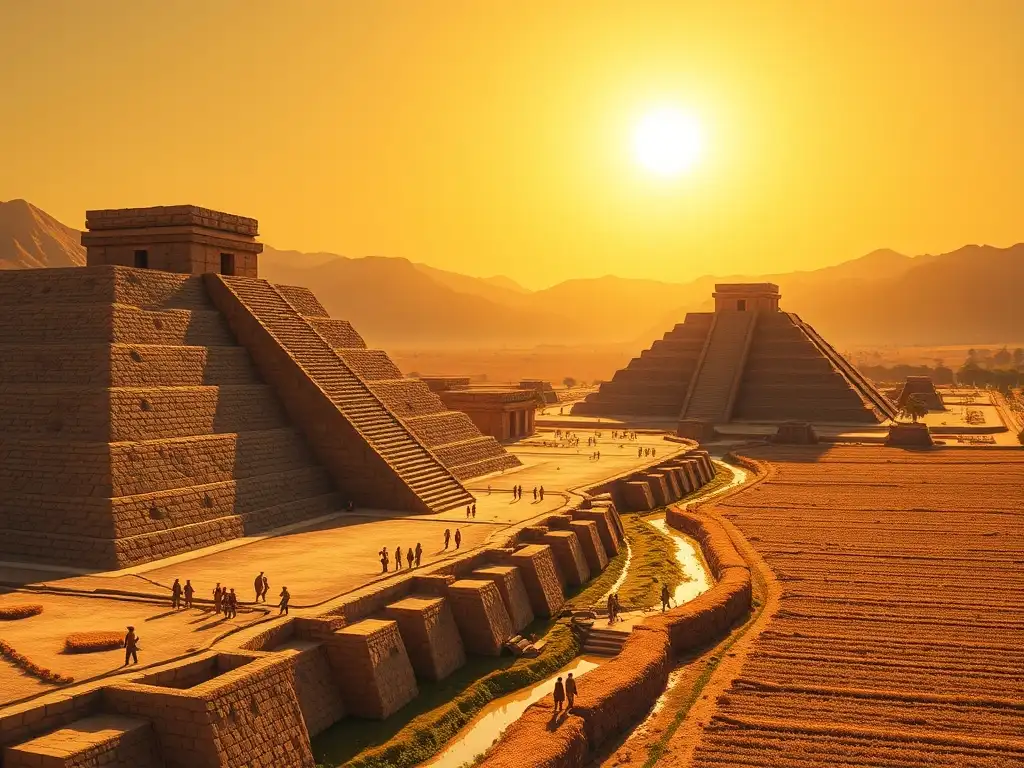
The Moche civilization's political structure, while not fully understood, reveals a complex system likely centered around powerful rulers, or caciques, who controlled significant territories. Archaeological evidence suggests a decentralized political organization, possibly a confederation of smaller, independent polities under the overarching influence of a dominant center. This is supported by the distribution of monumental architecture, such as the Huaca del Sol and Huaca de la Luna, which were likely centers of power and religious activity, but not necessarily the sole centers of political control for the entire Moche realm.
The scale and sophistication of these structures indicate a significant mobilization of labor and resources, implying a highly organized and centralized system for managing these activities, at least within the immediate vicinity of these major sites. Further complicating the picture, evidence suggests a degree of regional variation in Moche art and material culture, hinting at potentially autonomous local power structures operating within the larger Moche sphere of influence. The lack of a unified written language makes deciphering the precise nature of Moche political organization challenging; however, analyzing the distribution of elite goods, monumental architecture, and iconography helps researchers piece together a picture of a sophisticated, albeit regionally nuanced, political system.
The Moche's ability to maintain this complex system for centuries points to effective governance structures, possibly involving a combination of coercion, religious authority, and perhaps even a degree of consensual participation. Further research, particularly focusing on smaller settlements and outlying regions, is needed to fully understand the intricacies of Moche political organization.
The Moche civilization displayed a clear social hierarchy, with a powerful elite at the apex. This elite controlled access to resources, land, and labor, and their status is strikingly evident in the lavish burials found at numerous sites. These burials often contain exquisite gold and silver artifacts, elaborate textiles, and finely crafted ceramics, indicating a significant accumulation of wealth and power concentrated in the hands of a few. The imagery depicted in Moche pottery further illuminates the social hierarchy, portraying scenes of ritual sacrifices, warfare, and processions, with elite figures prominently featured.
These depictions often show individuals adorned in elaborate regalia, signifying their high social standing. Beyond the elite, the Moche society likely consisted of various social strata, including artisans, farmers, and laborers. The scale of Moche public works, such as irrigation systems and monumental architecture, suggests a highly organized and stratified society capable of mobilizing large numbers of people for collective projects. However, the precise nature of social mobility within Moche society remains largely unknown.
While the elite clearly enjoyed significant privileges, the extent to which social advancement was possible for individuals born into lower social strata requires further investigation. Analysis of skeletal remains and isotopic studies could provide additional insights into dietary differences and social mobility within the Moche population, helping to better understand the dynamics of their social hierarchy. The impressive artistic achievements of the Moche, however, clearly reflect the power and influence of their elite, who sponsored the creation of magnificent works of art and architecture that continue to fascinate and inspire us today.
- Introduction to the Moche and Their Significance in Andean History
- Early Moche Society: The Foundations of a Complex State
- Pre-Moche Influences on the Moche Culture
- The Development of Moche Political Structures
- The Emergence of Moche Elite and Social Hierarchy
Moche Economy and Resource Management
The Moche civilization's remarkable achievements in architecture, art, and social organization were underpinned by sophisticated economic strategies and effective resource management. Their success wasn't solely due to fertile lands; it stemmed from a complex interplay of agricultural innovation, extensive trade networks, and specialized craft production. Understanding these economic facets is crucial to comprehending the Moche civilization development and its lasting impact on the Andean region. The Moche weren't simply farmers; they were skilled managers of resources, creating a system that supported a large and complex society.
Moche Agricultural Practices and Irrigation Systems
Moche agricultural practices were paramount to their economic success. The arid coastal desert of northern Peru presented significant challenges, but the Moche overcame them through ingenious irrigation systems. These weren't simply canals; they were complex networks of channels, reservoirs, and aqueducts that harnessed scarce water resources from rivers and underground aquifers. Evidence suggests that they employed a variety of techniques, including:
- Canal construction: Elaborate canal systems, often carved into the hillsides, transported water over long distances, bringing life to otherwise barren lands. The scale of these projects demonstrates a high level of engineering skill and sophisticated social organization, necessary for coordinating large-scale labor efforts.
- Reservoirs and storage: The Moche built reservoirs to store water during periods of surplus, ensuring a reliable water supply during drier months. This foresight allowed them to mitigate the risks associated with unpredictable rainfall patterns, a crucial aspect of their agricultural strategy.
- Terracing: In mountainous areas, the Moche employed terracing techniques to create level plots of land for cultivation. This maximized arable land and improved water retention, enhancing agricultural productivity.
The effectiveness of these systems is evidenced by the abundance of agricultural products discovered in Moche archaeological sites. The Moche cultivated a variety of crops, including maize, beans, squash, cotton, and various fruits, providing a diverse and resilient food supply. Their mastery of irrigation was not merely a technological achievement; it was a fundamental element in the Moche civilization development, laying the foundation for their economic prosperity and social complexity.
The Role of Trade in the Moche Civilization
Trade played a vital role in the Moche economy, facilitating the exchange of goods and resources across vast distances. The Moche established extensive trade networks, connecting their coastal settlements with inland communities and even distant regions. This exchange wasn't limited to necessities; it also involved luxury goods, indicating a sophisticated system of economic interaction.
The Moche traded a variety of goods, including:
- Agricultural products: Surplus agricultural goods, such as maize, beans, and cotton, were exchanged for other resources and goods.
- Metalwork: The Moche were renowned for their metalworking skills, producing intricate gold, silver, and copper objects that were highly valued trade items.
- Ceramics: Their distinctive pottery, often featuring elaborate designs and depictions of deities and ceremonies, was another significant export.
- Textiles: Moche textiles, known for their intricate weaving techniques and vibrant colors, were also traded across the region.
The extent of Moche trade networks is evidenced by the discovery of Moche artifacts in distant locations, demonstrating the reach and influence of their economic system. This extensive trade not only brought in essential resources but also contributed to the cultural exchange and dissemination of ideas across the Andean region. The efficient management and organization of these trade routes were crucial to the Moche civilization development, contributing significantly to their prosperity and cultural exchange.
Craft Specialization and Moche Artisanal Production
Moche society exhibited a high degree of craft specialization, with skilled artisans dedicated to specific crafts and production techniques. This specialization was not only economically beneficial, increasing efficiency and quality of production, but also reflects a complex social structure with distinct roles and hierarchies.
Examples of Moche craft specialization include:
| Craft | Description | Economic Significance |
|---|---|---|
| Pottery | Elaborate pottery, often depicting scenes of daily life, rituals, and mythology. | Significant export item; showcased Moche artistic talent and technological skill. |
| Metalworking | Skilled in working gold, silver, and copper, producing intricate ornaments and tools. | High-value trade goods; symbolized power and status within Moche society. |
| Textile Production | Created intricate textiles with sophisticated weaving techniques and vibrant colors. | Valuable trade item; used for clothing, ceremonial purposes, and burial practices. |
| Stone Carving | Skilled in carving stone, creating monumental architecture and smaller sculptures. | Essential for construction projects; symbolic representations of power and beliefs. |
The high quality and artistic merit of Moche crafts suggest a system of apprenticeship and specialized training, passed down through generations. The existence of these specialized crafts indicates a level of social complexity and economic organization essential to the Moche civilization development, reflecting a sophisticated society capable of supporting a diverse workforce and producing high-value goods for both internal consumption and external trade. This specialization was a key factor in their economic success and cultural flourishing.
Control of Resources and Economic Power in the Moche State
The Moche state's power rested heavily on its sophisticated control of resources and the subsequent economic power this generated. Their mastery wasn't simply about extraction; it was about strategic management and distribution, solidifying their control over the population and fueling their expansion. Evidence suggests a highly centralized system, with the elite likely controlling access to vital resources like fertile agricultural land, water sources, and valuable minerals.
This wasn't a system of outright ownership in the modern sense, but rather a complex network of obligations and reciprocal relationships, where the elite facilitated access in exchange for labor, tribute, or loyalty. This system ensured a steady flow of resources to the ruling class and supported the construction of monumental architecture, the maintenance of a large bureaucracy, and the organization of vast public works projects.
The Moche's control over irrigation systems was paramount to their economic success. The arid coastal landscape of northern Peru required ingenious engineering to cultivate crops. The construction and maintenance of extensive canal networks, some stretching for kilometers, required immense coordinated effort. Control over these vital water resources gave the Moche elite enormous power, as they could regulate the distribution of water, impacting agricultural yields and thus the livelihoods of the entire population.
This control likely translated into the ability to levy taxes in the form of agricultural produce, further strengthening the state's economic base. The evidence suggests a complex system of reservoirs, aqueducts, and canals, meticulously planned and executed, showcasing the advanced engineering capabilities and centralized planning of the Moche state. This wasn't merely a matter of practicality; it was a powerful symbol of the state's authority and its ability to manage resources on a grand scale.
Beyond agriculture, the Moche also controlled access to valuable resources like metals (copper, gold, silver) and marine resources. The extraction and processing of these materials required specialized knowledge and labor, and the resulting goods were essential for both practical use and elite display. Elaborate metalwork, exquisite ceramics, and luxurious textiles all served as markers of status and power, produced under the supervision and control of the Moche elite.
The distribution of these goods, both within the elite circles and as rewards to loyal subjects, further reinforced the economic and political power of the state. Archaeological evidence, including the discovery of large quantities of elite grave goods, points to a tightly controlled system of resource allocation, where access to luxury items was carefully restricted to those in power.
The sheer scale and sophistication of Moche metallurgy and craftsmanship speaks volumes about the level of economic organization and control within their society. The Moche economy wasn't simply a system of production and consumption; it was a powerful tool used to maintain social order and consolidate the authority of the ruling class.
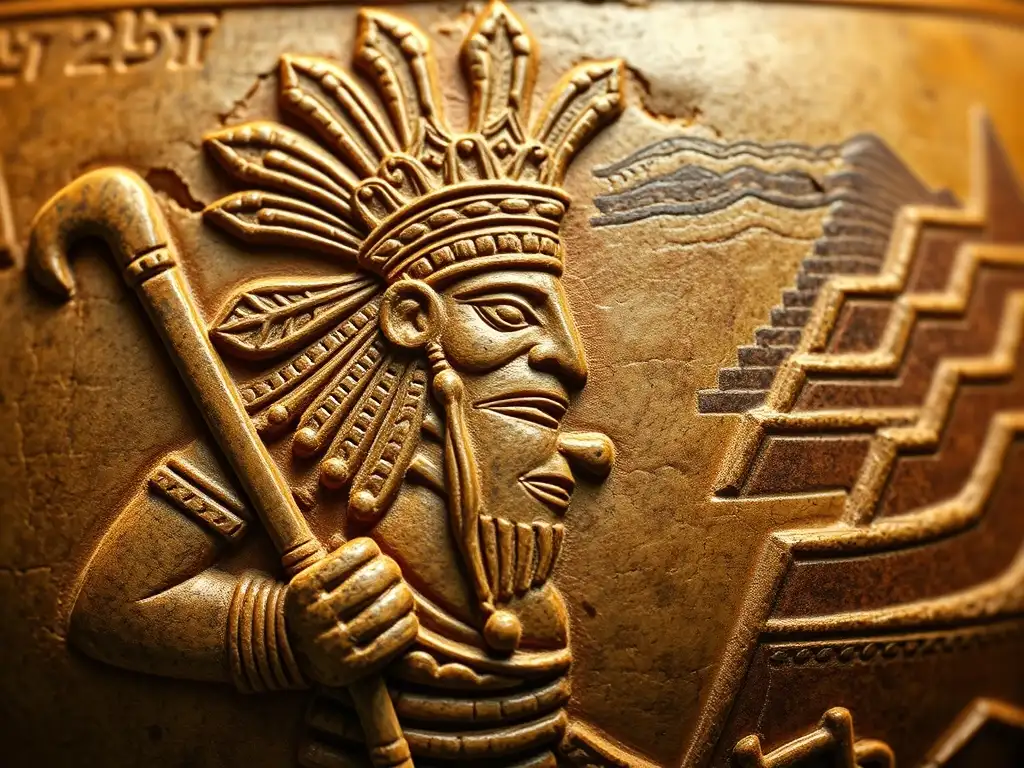
The Moche civilization's artistic achievements offer invaluable insights into their societal structure, religious beliefs, and daily life. Their art wasn't merely decorative; it served as a powerful tool for communicating social hierarchy, religious narratives, and political ideology. The intricate detail and stylistic consistency across various media – pottery, metalwork, textiles – suggest a highly organized and centralized artistic production, likely overseen by the elite.
This centralized control over artistic production reinforces the notion of a strong, centralized state capable of mobilizing resources and labor on a large scale. The prevalence of certain motifs and iconographic representations further underscores the importance of specific deities, rituals, and social structures within Moche society.
Analyzing these artistic expressions allows us to reconstruct aspects of Moche culture that might otherwise remain hidden. The consistent stylistic features across vast geographical areas also point towards a unified cultural identity despite the large size of the Moche territory, which spanned the northern coast of Peru.
Moche Pottery: A Window into Daily Life and Beliefs
Moche pottery is arguably their most prolific and well-studied art form. Thousands of vessels have been unearthed, showcasing a remarkable range of styles, techniques, and subject matter. From everyday utilitarian wares to elaborate ceremonial pieces, the pottery provides a detailed picture of Moche daily life, religious beliefs, and social structures.
The iconic portrait vessels, depicting individuals with striking realism, are particularly informative. These portraits, often showing rulers, priests, and warriors, offer glimpses into the physical appearances and social status of Moche elites. Furthermore, the depiction of scenes of warfare, hunting, feasting, and ritual activities reveals crucial aspects of their social organization, economic practices, and religious worldview.
The vibrant colors, intricate details, and symbolic imagery embedded within the pottery provide a rich tapestry of information about Moche society. The use of specific colors and motifs can often be linked to specific rituals or deities, adding another layer of complexity to the interpretation of these artifacts. For instance, the frequent depiction of maize suggests its centrality to their agricultural economy and religious symbolism.
Moche Metalworking: Techniques and Symbolic Meanings
Moche metalworkers displayed extraordinary skill and artistry, mastering techniques such as hammering, casting, and gilding to create stunning objects of gold, silver, copper, and alloys. These artifacts, often found in elite tombs, demonstrate the sophistication of their metallurgical knowledge and the importance of metal in their society. The intricate designs and symbolic imagery incorporated into the metalwork often echoed themes found in their pottery, suggesting a unified artistic vision across different media.
The use of precious metals, such as gold, further highlights the power and wealth of the Moche elite, who likely controlled access to these resources and the skilled artisans who worked with them. The production of metal objects was undoubtedly a highly specialized and controlled process, requiring significant investment of time, resources, and expertise, suggesting a level of centralized planning and control within the Moche state.
Analysis of the metalworking techniques employed helps scholars understand the technological advancements of the Moche and their ability to control and utilize resources effectively. The symbolic meanings embedded in the designs of these artifacts offer valuable insights into their worldview and religious beliefs.
Moche Architecture: Monumental Construction and State Power
The monumental architecture of the Moche reflects their sophisticated engineering skills and centralized political power. The construction of large-scale public works, such as pyramids, platforms, and canals, required significant organization, manpower, and resources. These structures served not only practical purposes, such as irrigation and defense, but also symbolic functions, signifying the power and authority of the Moche state.
The scale and complexity of these architectural projects demonstrate the Moche's ability to mobilize labor and resources on a massive scale, suggesting a highly organized and centralized political system capable of coordinating large-scale projects. The design and layout of Moche cities and settlements also reveal insights into their social organization and urban planning. The strategic placement of temples, palaces, and residential areas suggests a hierarchical social structure, with elite residences positioned prominently and strategically in relation to the public spaces.
Studies of the construction techniques used in Moche architecture provide further evidence of their advanced engineering knowledge and organizational capabilities. The precise alignment of structures and the sophisticated water management systems point to a high level of planning and expertise. The impressive scale of their architecture stands as a testament to the power and sophistication of the Moche civilization.
The Iconography of Moche Deities and Rituals
Moche art, particularly their pottery, offers a fascinating window into their religious beliefs and rituals. The iconography is rich and complex, depicting a pantheon of deities and elaborate ceremonial practices. Unlike many other Andean cultures, the Moche didn't leave behind extensive written records. Therefore, interpreting their iconography relies heavily on careful observation of recurring motifs, stylistic choices, and contextual clues from archaeological excavations. The intricate detail and expressive style of Moche pottery allow researchers to decipher aspects of their cosmology and worldview.
One prominent feature of Moche iconography is the depiction of powerful deities, often anthropomorphic figures with superhuman attributes. These figures frequently appear in scenes of ritual sacrifice, warfare, or shamanistic practices. For example, the "Decapitator" motif, found on numerous vessels, portrays a deity wielding a ceremonial knife, often associated with human sacrifice.
The depiction of these scenes isn't simply violent; it’s carefully orchestrated and symbolically charged, suggesting a complex understanding of power, death, and the afterlife within Moche society. The stylistic choices—the deity's posture, the expressions of the victims, and the details of the ceremonial implements—all contribute to the narrative and meaning conveyed. Further research is needed to fully understand the specific identities and roles of each deity represented.
Beyond the deities, Moche iconography also prominently features ritual scenes. These scenes often depict elaborate ceremonies involving offerings, processions, and interactions between humans and supernatural beings. The pottery depicts these events with remarkable detail, showing the clothing, adornments, and behavior of participants. These images provide crucial insights into the social hierarchy and the role of ritual in maintaining social order.
For instance, some vessels depict high-ranking individuals participating in ceremonies, emphasizing their status and power within the Moche state. The presence of specific objects, such as ceremonial staffs or specific types of vessels, also helps to define the context and purpose of the rituals. Analyzing these scenes allows us to reconstruct aspects of Moche religious practices, offering a glimpse into their spiritual world.
The repetition of certain themes across various artifacts suggests the widespread importance of these rituals within Moche culture. The meticulous attention to detail in these representations highlights the significant role that ritual played in shaping Moche society and its belief system. Further research, especially comparative studies with other Andean cultures, could help refine our understanding of the significance of these rituals.
Moche Religion and Ritual Practices
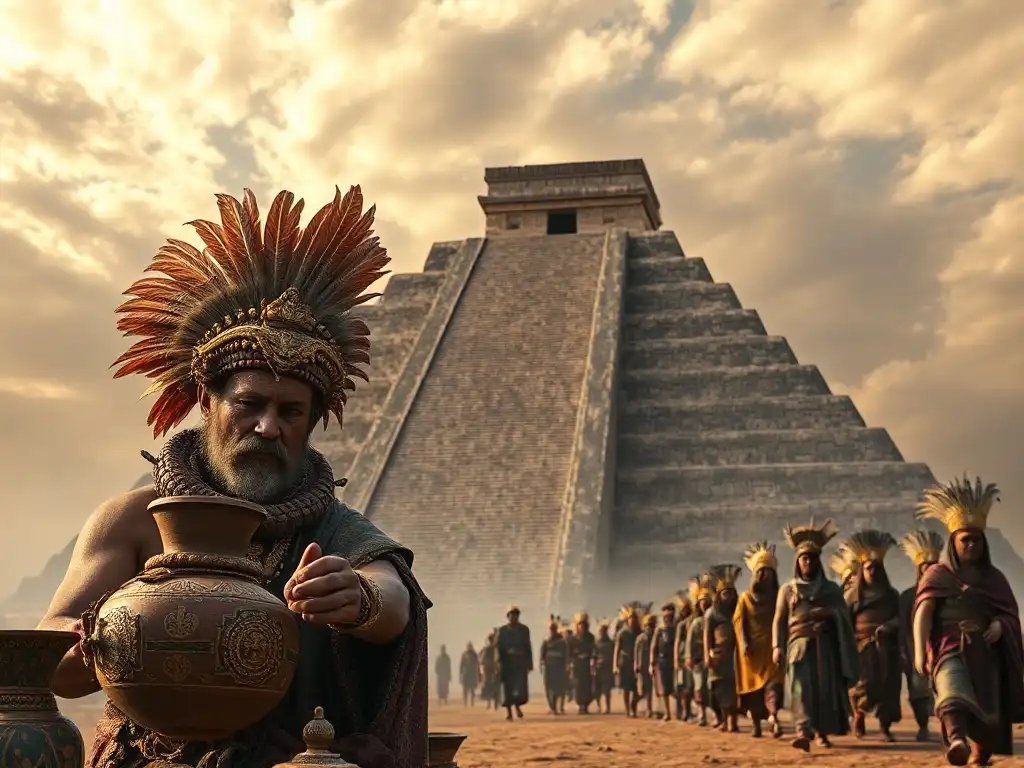
The Moche civilization (c. 100-800 CE) 1 developed a complex religious system deeply interwoven with their daily lives and political structure. Their religious beliefs heavily influenced their art, architecture, and social organization, shaping their unique cultural identity. Understanding Moche religion requires examining their elaborate rituals, the significance of their deities, and the role of specialized religious figures. The Moche's polytheistic pantheon included powerful gods and goddesses often depicted in their iconic ceramics and monumental architecture. These portrayals offer valuable insights into their cosmology and worldview, revealing a society deeply engaged with the supernatural. The frequent depiction of warfare and sacrifice in their art suggests a close relationship between religious practice and the maintenance of power within the Moche state. Further research into the iconography and context of these depictions is crucial for a more complete understanding of Moche religious beliefs and their influence on societal structures. Analyzing the stylistic changes in their art across different periods can also illuminate the evolution of their religious practices over time. The Moche civilization's sophisticated religious system played a critical role in the development and stability of their complex society.
Moche Burial Practices and Beliefs about the Afterlife
Moche burial practices offer compelling evidence of their beliefs about the afterlife. Elaborate tombs, often containing rich grave goods, reveal a society that invested significant resources in preparing individuals for their journey to the next world. The inclusion of finely crafted ceramics, textiles, jewelry, and even human sacrifices within these tombs suggests a belief in an afterlife where material possessions and social status continued to hold importance.
The positioning of bodies, the arrangement of grave goods, and the presence of specific artifacts within the tombs all provide clues about Moche beliefs concerning the transition between life and death. For example, the presence of food and drink offerings indicates a belief in providing sustenance for the deceased in the afterlife. The careful preservation of bodies through mummification in some cases further emphasizes the importance placed on the deceased and the continuity of their existence beyond the physical realm.
Analyzing the variation in burial practices across different social strata can also reveal insights into the hierarchical structure of Moche society and the degree to which religious beliefs were stratified. Further study is needed to fully understand the complexities of Moche mortuary practices and their implications for understanding their worldview.
Human Sacrifice in Moche Rituals: Interpretations and Debates
Human sacrifice was a significant aspect of Moche religious rituals, as evidenced by numerous archaeological findings. The discovery of sacrificed individuals in both elite and commoner contexts sparks ongoing debates about the purpose and significance of these practices. Some scholars suggest that human sacrifice served as a means of appeasing deities, ensuring bountiful harvests, or maintaining the stability of the state.
Others propose that it was a ritualistic act aimed at reinforcing social hierarchies and demonstrating the power of the ruling elite. The presence of sacrificial victims alongside elaborate grave goods indicates a possible connection between sacrifice and the afterlife, perhaps serving as a means of providing servants or companions for the deceased in the next world. The age, sex, and social status of sacrificial victims vary, suggesting a range of possible motivations and contexts for these practices.
Further analysis of skeletal remains and the associated artifacts is needed to shed more light on the social dynamics and religious beliefs that underpinned human sacrifice in Moche society. The precise reasons behind Moche human sacrifice remain a subject of ongoing scholarly investigation and debate, highlighting the complexities of interpreting ancient religious practices.
The Role of Shamans and Priests in Moche Society
The Moche civilization likely had specialized religious figures, such as shamans and priests, who played vital roles in mediating between the human and supernatural worlds. While direct evidence for their social organization is limited, the complexity of Moche religious practices suggests the existence of a well-structured religious hierarchy. The elaborate iconography on Moche ceramics often depicts individuals in ritual attire, performing ceremonies, or interacting with supernatural beings, possibly representing these religious specialists.
These individuals may have been responsible for performing rituals, interpreting omens, communicating with deities, and maintaining the sacred spaces within Moche society. Their influence likely extended beyond purely religious matters, potentially impacting political decisions, social control, and the distribution of resources. Further research into the iconography and context of these depictions is needed to determine the precise roles and responsibilities of these individuals within Moche society.
The study of Moche architecture, particularly the construction and use of ceremonial centers and temples, may also provide additional clues about the organization and activities of their religious specialists. The investigation into the social status and influence of these individuals is crucial to understanding the dynamics of power and social control within the Moche state and the development of their complex society. The role of shamans and priests in the Moche civilization remains an area of ongoing research and scholarly debate.
1 Chronological dates for the Moche civilization vary depending on the specific archaeological site and methodology used.
Moche Cosmology and Worldview
The Moche worldview, deeply intertwined with their religious practices, was profoundly shaped by their environment—the arid coastal desert of northern Peru. Their cosmology, while not fully understood due to the limited decipherability of their writing system (if one even existed in a form we recognize), is vividly portrayed through their art, particularly their elaborate ceramics and monumental architecture. The Moche perceived a world structured around a powerful duality, a constant interplay between opposing forces.
This is evident in their iconography, where we frequently see the contrasting images of life and death, fertility and sterility, the sun and the moon, the sea and the desert. This wasn't a simple dichotomy of good versus evil, but rather a recognition of the interconnectedness of these forces and their essential role in maintaining cosmic balance.
The sea played a crucial role in Moche cosmology. Depicted as a powerful, life-giving entity, the ocean provided sustenance through fishing and also represented a source of both bounty and danger. The cyclical nature of the tides and the ocean's unpredictable power likely influenced their understanding of the cosmos as a dynamic, ever-changing system.
Similarly, the desert, while harsh and unforgiving, was also a source of vital resources, particularly the fertile river valleys that sustained their agriculture. The Moche’s mastery of irrigation systems demonstrates their deep understanding and respect for the desert's delicate ecological balance. Their ability to harness water from the rivers and create oases in the desert landscape is a testament to their sophisticated knowledge of their environment and its role in their cosmological beliefs.
Animal imagery is prevalent in Moche art, reflecting their close relationship with the natural world and the symbolic significance they attributed to various animals. Birds, particularly raptors like eagles and condors, often represent power and authority, while marine life, such as fish and seabirds, symbolize abundance and fertility. The jaguar, with its association with power and the underworld, frequently appears in Moche iconography, suggesting a complex understanding of the supernatural world and its connection to the earthly realm.
These animals, alongside other motifs like plants and celestial bodies, were not merely decorative elements but powerful symbols that conveyed complex religious and cosmological ideas. Their careful depiction in their art suggests a deeply nuanced understanding of the natural world and its spiritual significance. The precise meanings remain partially elusive, but ongoing research continues to shed light on the rich symbolic language of Moche art.
The Moche Expansion and Regional Influence
The Moche civilization, flourishing along the northern coast of Peru from approximately 100 CE to 800 CE, stands as a compelling example of a complex Andean state. Understanding its rise requires examining not only internal developments but also the crucial role of expansion and regional influence. The Moche weren't isolated; their growth was intricately linked to their interactions with neighboring societies and their ability to exert control over resources and territories.
This expansion, both military and cultural, shaped the very fabric of the Moche state and its lasting legacy. Analyzing the processes of Moche civilization development reveals a sophisticated interplay of power, diplomacy, and cultural exchange.
Moche Military Expansion and Territorial Control
Moche military prowess played a significant role in their territorial expansion. Archaeological evidence suggests a well-organized military structure, with specialized weaponry and fortifications. The discovery of numerous Moche warrior burials, often adorned with elaborate weaponry and ceremonial paraphernalia, highlights the importance of military leaders and their role in consolidating power.
The Moche controlled a substantial territory along the arid northern coast, an area characterized by fertile river valleys interspersed with deserts. This control was not solely achieved through military conquest, but also through a combination of strategic alliances and the subjugation of rival groups. The precise extent of Moche military campaigns remains a subject of ongoing research, but evidence from sites like Pampa Grande and Galindo suggests a significant degree of territorial control extending beyond the immediate vicinity of their major urban centers.
The Moche likely employed a combination of strategies, including direct military action against hostile groups, the establishment of tributary relationships with less powerful communities, and the strategic placement of garrisons to secure key resources and trade routes. Detailed analysis of settlement patterns and the distribution of Moche artifacts provides further insights into the scope and nature of their territorial dominance.
Moche Interaction with Neighboring Cultures
The Moche did not exist in isolation. Their interactions with neighboring cultures were complex and multifaceted, ranging from conflict to peaceful exchange. To the south, they interacted with the Recuay culture, a society known for its distinctive ceramic style and monumental architecture. While the nature of their relationship remains debated, evidence suggests both conflict and exchange. Some Recuay sites show evidence of Moche influence, suggesting either peaceful assimilation or forceful subjugation. Further north, the Moche encountered other coastal societies, some of which might have been integrated into the Moche sphere of influence, while others maintained a degree of independence.
The exchange of goods, ideas, and technologies between the Moche and their neighbors played a crucial role in shaping Moche culture. For example, the distinctive Moche ceramic style shows influences from earlier traditions, suggesting a process of adaptation and innovation. Similarly, the Moche adopted and adapted technologies from other cultures, enhancing their ability to manage resources and expand their territory. Understanding the dynamics of these interactions is crucial for a comprehensive understanding of Moche civilization development. Further research, particularly detailed comparative studies of material culture and settlement patterns, is needed to fully elucidate these complex relationships.
The Spread of Moche Cultural Influence
The influence of Moche culture extended far beyond their immediate political boundaries. Their distinctive art style, particularly their elaborate ceramics and intricate metalwork, became widely recognized and imitated throughout the Andean region. Moche iconography, with its vivid depictions of deities, mythical creatures, and scenes of daily life, spread through trade networks and cultural exchange, leaving its mark on the artistic traditions of many later Andean societies.
This widespread dissemination of Moche artistic motifs reflects not only the aesthetic appeal of Moche art but also the power and prestige of the Moche state. The impressive scale and sophistication of Moche architecture, including their monumental pyramids and elaborate irrigation systems, also served as a model for subsequent Andean societies.
The spread of Moche cultural influence highlights the long-lasting impact of this powerful Andean civilization. Even after the decline of the Moche state, their artistic style and technological innovations continued to influence the development of later cultures. This enduring legacy underscores the importance of considering the broader cultural context when studying Moche civilization development.
Future research should focus on tracing the specific pathways through which Moche cultural elements spread and analyzing the ways in which they were adapted and transformed by other societies. The enduring presence of Moche motifs in subsequent Andean art is a testament to the profound and lasting influence of this remarkable civilization.
The Limits of Moche Expansion
The Moche state, despite its impressive achievements in irrigation, warfare, and artistic expression, did not achieve pan-Andean dominance. Several factors contributed to the limitations of its expansion. Geographical barriers played a significant role. The arid coastal deserts of northern Peru, while offering fertile valleys ideal for agriculture through sophisticated irrigation systems, also presented natural obstacles to easy movement and conquest. The steep, rugged Andes mountains to the east presented a formidable challenge, limiting access to resources and potential allies in the highlands. This geographical confinement contrasted sharply with the expansive territories controlled by later empires such as the Inca.
Furthermore, the Moche's expansion was likely constrained by internal factors. While their military prowess is undeniable, evidenced by their elaborate weaponry and fortifications, their political organization may not have been sufficiently centralized or robust enough to manage a vastly larger empire. The possibility of regional power struggles within the Moche state itself cannot be discounted.
Archaeological evidence suggests a degree of autonomy in certain Moche valleys, hinting at a potentially decentralized power structure that might have hampered large-scale, coordinated expansion. The lack of a unified, centralized administrative system, unlike that developed later by the Inca, might have hindered their ability to effectively govern and extract resources from a much larger territory.
Finally, the Moche likely faced resistance from other powerful groups. While details remain scarce due to the nature of the archaeological record, it's reasonable to assume that neighboring cultures, perhaps with their own established power structures and military capabilities, actively resisted Moche encroachment. The strategic location of Moche settlements along the coast suggests a focus on controlling vital resources and trade routes, but this also meant potential conflict with other groups vying for access to these resources.
The absence of widespread evidence of Moche dominance beyond their core territory suggests successful resistance from these neighboring groups, effectively limiting the extent of their expansion. Further research into the political dynamics and military interactions between the Moche and their neighbors is crucial to fully understand the limits of their territorial reach.
Factors Contributing to the Decline of the Moche Civilization
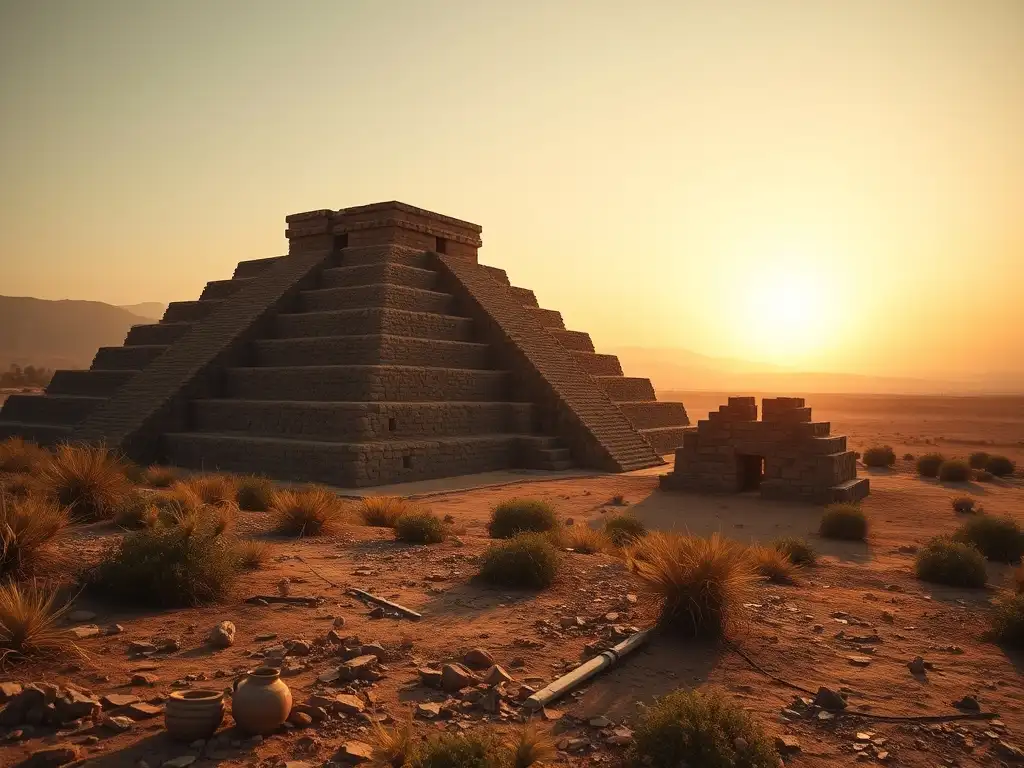
The Moche civilization, renowned for its sophisticated artistry, intricate irrigation systems, and powerful state organization, experienced a significant decline around the 7th-8th centuries CE. While the exact causes remain a subject of ongoing research and debate among scholars of Moche civilization development, several key factors likely contributed to its eventual collapse. Understanding these factors provides crucial insight into the complexities of state formation and societal fragility in the ancient Andes. This section explores some of the most prominent hypotheses surrounding the Moche's demise, focusing on environmental pressures, internal conflicts, and the devastating impact of El Niño events.
Environmental Challenges and Climate Change
The Moche's success was intrinsically linked to their ability to harness the resources of the arid northern Peruvian coast. Their sophisticated irrigation systems, a testament to their engineering prowess, allowed them to cultivate fertile valleys in an otherwise harsh environment. However, this dependence on a delicate ecological balance made them vulnerable to environmental fluctuations.
Evidence suggests a period of prolonged drought and desertification around the time of the Moche decline. This wasn't simply a matter of reduced agricultural yields; it likely led to widespread resource scarcity, impacting food production, water availability, and potentially even access to essential building materials. The diminished capacity to support a large population through agriculture could have triggered social unrest and weakened the state's ability to maintain its control.
Furthermore, changes in the availability of key marine resources, crucial to the Moche diet, could have further exacerbated the situation. Archaeological studies examining shellfish remains and fish bones from Moche sites could reveal more about the impact of environmental change on their food security.
Internal Conflicts and Political Instability
The grandeur of Moche art and architecture often overshadows the potential for internal strife within the civilization. While the Moche state was highly centralized, with powerful rulers depicted in elaborate tombs and monumental structures, evidence hints at the possibility of internal conflicts and power struggles. The presence of fortified sites and defensive structures in some Moche settlements suggests the existence of inter-regional conflicts or possibly even internal rebellions.
The later phases of the Moche culture exhibit a noticeable shift in artistic styles and a potential decrease in the scale of monumental constructions, suggesting a possible decline in centralized power and the emergence of smaller, competing power centers. Further research is needed to fully understand the nature and extent of these internal conflicts and their role in the overall decline of the Moche state.
Detailed analysis of burial practices, changes in settlement patterns, and the distribution of elite goods could shed more light on the dynamics of power during this crucial period. The absence of clear written records makes deciphering these complexities a challenging but rewarding endeavor for researchers.
The Role of El Niño and Drought in Moche Collapse
The cyclical occurrence of El Niño events, characterized by unusually warm ocean temperatures and altered weather patterns, likely played a significant role in the Moche decline. While El Niño could bring periods of intense rainfall, these events were often followed by prolonged droughts, creating an unpredictable and challenging environment for agriculture. The Moche's reliance on irrigation systems, while ingenious, made them particularly vulnerable to the disruptive effects of El Niño-induced flooding and subsequent water scarcity.
The combination of intense rains causing damage to infrastructure, followed by severe droughts leading to crop failures, would have had devastating consequences on the Moche population and economy. Sedimentary records from coastal areas and paleoclimatological studies are crucial in reconstructing the frequency and intensity of El Niño events during the Moche period, helping to establish a clearer link between these climate events and the civilization's decline. Analyzing the isotopic composition of human remains could also provide valuable information about dietary shifts and stress during periods of environmental instability.
The interplay between El Niño events and other factors such as internal conflicts and environmental degradation likely created a perfect storm that contributed to the Moche civilization's ultimate downfall. Further research involving interdisciplinary approaches is vital to fully unravel this complex interplay.
Theories Regarding the End of Moche Rule
Several compelling, yet often debated, theories attempt to explain the demise of the Moche civilization. The absence of a single, universally accepted explanation highlights the complexity of the societal collapse and the limitations of our current archaeological understanding. These theories often intertwine, suggesting a multifaceted process rather than a singular catastrophic event.
One prominent theory centers on environmental factors. Prolonged droughts, evidenced by changes in sediment layers and pollen analysis in the Moche valley, could have severely impacted agricultural productivity, the backbone of the Moche economy. Reduced crop yields might have led to widespread famine, social unrest, and ultimately, the weakening of the state's ability to maintain control. The scale of these droughts and their precise timing relative to the Moche decline remain subjects of ongoing research, making it difficult to definitively assess their impact. However, evidence suggests that periods of intense aridity coincided with periods of significant societal stress.
Another significant theory focuses on internal societal pressures. Perhaps the highly centralized and hierarchical Moche state, with its powerful elite and potentially unequal distribution of resources, became inherently unstable. Evidence of social stratification, visible in lavish tombs for the elite contrasted with simpler burials for commoners, might indicate growing resentment and internal conflict.
While we lack direct written records from the Moche, the archaeological record hints at potential internal struggles that could have weakened the state from within, making it more vulnerable to external pressures or environmental changes. The potential for internal rebellion or factionalism cannot be disregarded as a contributing factor to the Moche's decline.
Finally, there is the possibility of external factors, such as warfare or invasion. While evidence of widespread warfare is not abundant in the Moche archaeological record, the possibility of conflict with neighboring societies cannot be dismissed. The shifting power dynamics in the Andean region during the Moche period likely involved competition for resources and territory.
The exact nature and scale of such conflicts, however, remain unclear. Further research and archaeological excavations could potentially unearth more evidence related to inter-societal conflict and its influence on Moche decline. Analyzing the distribution of Moche artifacts in surrounding regions might provide insights into the extent of their interaction and potential conflicts with other groups.
The end of Moche rule was likely a complex process resulting from a combination of environmental stress, internal societal pressures, and potentially external factors. Further research and interdisciplinary approaches, integrating archaeological, climatological, and anthropological data, are crucial to unraveling the mysteries surrounding this fascinating civilization's decline. Uncovering more detailed information about the chronology of these events and their interplay is essential to constructing a comprehensive understanding of the Moche civilization's end. The lack of a definitive answer underscores the challenges and rewards of studying past societies and the ongoing need for more research into the Moche civilization development and its eventual collapse.
The Legacy of the Moche Civilization
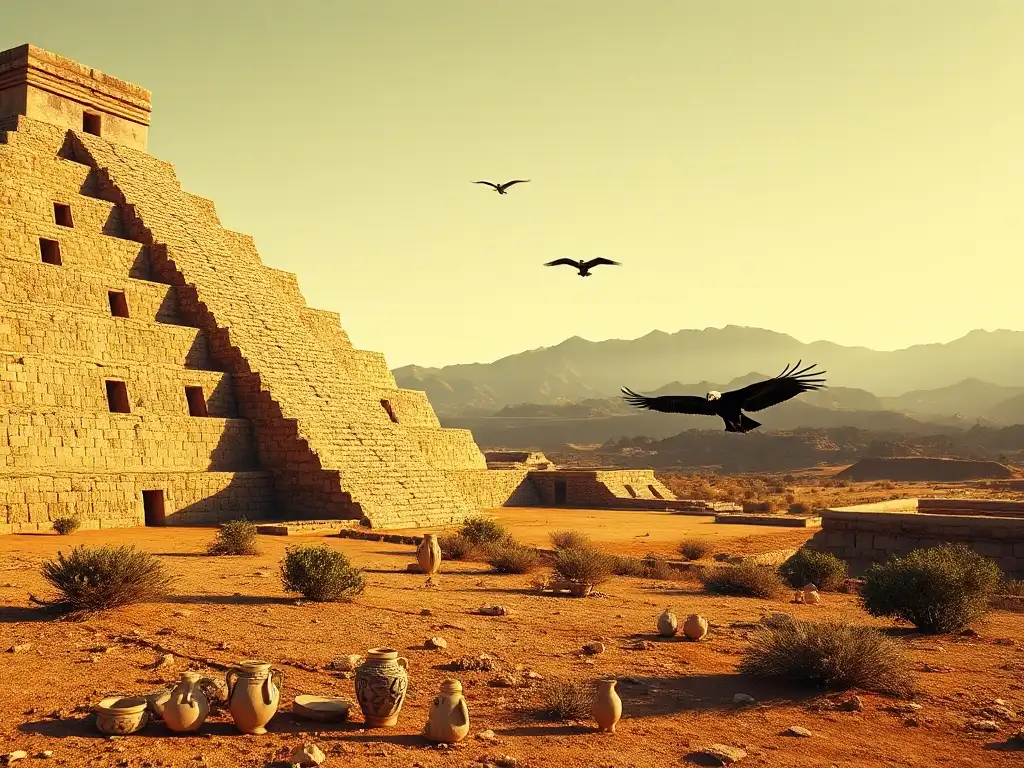
The Moche civilization, flourishing along the northern coast of Peru from approximately 100 CE to 800 CE, left an indelible mark on the Andean region. Their sophisticated irrigation systems, impressive architectural feats, and unique artistic expressions continue to fascinate and inspire researchers and enthusiasts alike. Understanding the Moche legacy is crucial to comprehending the trajectory of subsequent Andean cultures and the development of complex societies in the region.
The impact of the Moche civilization extended far beyond their geographical boundaries and temporal existence, shaping the cultural landscape of Peru for centuries to come. Their influence can be seen in the art, technology, and societal structures of later Andean civilizations, solidifying their position as a pivotal force in the development of the Andean world. This enduring legacy underscores the significance of studying the Moche civilization development and its lasting contributions.
Moche Contributions to Andean Art and Technology
The Moche were renowned for their mastery of diverse artistic mediums and technological innovations. Their pottery, particularly, stands out as a testament to their skills and creativity. Moche ceramics are characterized by their realistic depictions of daily life, mythological figures, and elaborate scenes of warfare and ritual. These intricately detailed vessels provide invaluable insights into Moche society, beliefs, and practices. The vibrant colors, lifelike portrayals, and sophisticated techniques employed in Moche pottery remain unparalleled in Andean art history.
Beyond pottery, the Moche excelled in metalworking, creating exquisite gold and silver objects, often adorned with intricate designs. Their mastery of metallurgy is evident in the delicate craftsmanship of their jewelry, ceremonial objects, and weaponry. Furthermore, the Moche developed advanced irrigation systems crucial for their agricultural success in the arid coastal environment.
These sophisticated systems of canals and reservoirs allowed them to cultivate vast expanses of land, supporting a large and complex population. Their ingenuity in managing water resources represents a significant technological achievement and a crucial factor in their societal development. The Moche's understanding of hydraulic engineering influenced later Andean cultures, demonstrating the long-term impact of their technological advancements.
The Influence of Moche on Later Andean Cultures
The Moche civilization's influence extended beyond their own time, significantly impacting subsequent Andean cultures. Their artistic styles, technological innovations, and societal structures served as a foundation for later civilizations like the Chimú and Inca. For example, the Chimú, who succeeded the Moche, adopted and adapted many aspects of Moche art and technology, incorporating Moche motifs and techniques into their own artistic productions. The sophisticated irrigation systems developed by the Moche were also adopted and expanded upon by later Andean cultures, demonstrating the enduring practical value of their engineering achievements.
The hierarchical social structure of the Moche, characterized by a powerful elite and a stratified society, also left its mark on subsequent Andean civilizations. This pattern of social organization continued in various forms throughout the Andean region, indicating the lasting influence of Moche societal models on the development of political and social structures.
The Moche's legacy is not simply a matter of artistic or technological influence; it represents a fundamental contribution to the overall trajectory of Andean civilization development. Studying the Moche provides a crucial lens through which to understand the broader evolution of complex societies in the Andean region.
The Ongoing Study and Understanding of the Moche
Despite extensive research, the Moche civilization continues to hold many mysteries. Ongoing archaeological excavations and analyses of artifacts are constantly revealing new information about their culture, society, and beliefs. New techniques in scientific analysis, such as isotopic studies and advanced imaging technologies, are providing unprecedented insights into Moche daily life, diet, and social structures. This ongoing research contributes to a more nuanced and comprehensive understanding of the Moche civilization development, constantly refining our knowledge and challenging previous assumptions.
Furthermore, collaborative efforts between archaeologists, anthropologists, and other specialists are crucial for a holistic approach to Moche studies. By combining diverse perspectives and methodologies, researchers are able to gain a richer and more complete picture of this fascinating civilization. The study of the Moche is a dynamic and evolving field, constantly enriched by new discoveries and interpretations.
This ongoing research underscores the importance of continued investigation and the potential for future breakthroughs in our understanding of this pivotal Andean civilization and its lasting impact on the region's history. The ongoing exploration of Moche civilization development promises to unveil even more fascinating details about their achievements and influence in the years to come.
Future Research Directions in Moche Archaeology
Future research on the Moche civilization should focus on several key areas to further illuminate our understanding of this fascinating culture. One crucial area is the expansion of interdisciplinary approaches. Combining archaeological data with bioarchaeological analyses, paleoclimatological studies, and advanced imaging techniques like 3D modeling, can offer a more holistic understanding of Moche societal structures, health, and environmental interactions.
For example, analyzing isotopic ratios in human remains can reveal dietary patterns and migration histories, enriching our understanding of Moche social stratification and trade networks. Similarly, high-resolution 3D modeling of Moche artifacts can provide unprecedented detail, allowing for the study of manufacturing techniques and artistic styles with a level of precision previously unattainable. This multi-faceted approach will allow for a richer understanding of Moche development than relying on individual fields of study.
Another important avenue for future research lies in exploring the complexities of Moche political organization. While we know the Moche were a hierarchical society, the exact nature of their political system remains debated. Future research should focus on identifying and analyzing elite burial sites, monumental architecture, and iconographic evidence to better understand the mechanisms of power and control within Moche society.
This includes a more nuanced investigation into the role of religious leaders and the relationship between religious and political authority. Examining the distribution of resources and the evidence for social mobility within Moche society will also be crucial in understanding the dynamics of their power structures and societal stability. Careful analysis of settlement patterns across the Moche heartland might reveal clues to the extent of centralized control and the nature of regional variations in political organization.
Finally, a more comprehensive understanding of Moche collapse requires further investigation. While environmental factors such as El Niño events are often cited, the complete picture is likely more complex. Future research should consider internal factors such as social unrest, economic instability, or the potential for internal conflict as contributing factors to the Moche decline.
A comparative analysis of other Andean societies that experienced similar collapses could provide valuable insights into the processes and patterns of societal disintegration. Furthermore, a detailed examination of the post-Moche period is vital to understand the legacy of the Moche and how their traditions and technologies influenced subsequent cultures.
This requires a detailed study of the archaeological record in the centuries following the Moche's decline, paying close attention to ceramic styles, architectural changes, and the adaptation of Moche technologies by succeeding groups. Such a multi-pronged approach will provide a more robust and complete picture of the Moche civilization's rise, flourishing, and eventual decline.
Conclusion: The Moche as a Model of Complex Society Development
The Moche civilization's development offers a compelling case study in the evolution of complex societies in the Andes. Their remarkable achievements in irrigation, urban planning, warfare, and artistic expression demonstrate the ingenuity and organizational capacity of this pre-Columbian culture.
Understanding their rise and eventual decline provides valuable insights into broader societal processes, challenging simplistic narratives of societal evolution and offering a nuanced perspective on the factors contributing to the success and eventual collapse of complex states. The Moche experience highlights the interplay between environmental adaptation, social stratification, political organization, and technological innovation as key drivers of societal complexity.
Furthermore, the meticulous archaeological record left behind by the Moche provides an unparalleled opportunity for understanding ancient Andean life, offering a wealth of information for researchers across multiple disciplines. This detailed examination of their achievements allows us to better understand not only the Moche themselves, but also the broader context of Andean civilization development and the factors that shaped the region's history.
The Moche as a Case Study in Andean State Formation
The Moche state's formation stands as a significant example within the broader context of Andean state formation. Unlike some societies that relied heavily on external factors for their development, the Moche demonstrated a remarkable capacity for internal organization and innovation. Their mastery of hydraulic engineering, evident in their extensive irrigation systems, allowed them to cultivate fertile lands along the arid northern coast of Peru.
This agricultural surplus, in turn, fueled population growth and the development of specialized labor, leading to the emergence of a complex social hierarchy. The sophisticated artistry of Moche pottery and metalwork showcases not only their technical prowess but also their elaborate religious beliefs and social structures. The presence of monumental architecture, such as the Huaca del Sol and Huaca de la Luna, further underlines the Moche's ability to mobilize resources and labor on a massive scale, indicative of a centralized and powerful political system.
Studying the Moche's political organization, including their apparent hereditary elite and the role of warfare in shaping their society, provides crucial context for understanding the dynamics of power and control within ancient Andean states. Further research into their administrative systems and economic organization would offer deeper insights into the mechanisms that underpinned their societal complexity.
Key Lessons from the Moche Experience
The Moche civilization's trajectory offers several crucial lessons for understanding societal development and collapse. Firstly, the importance of environmental adaptation cannot be overstated. The Moche's success was intrinsically linked to their ability to harness the limited water resources of the desert coast. Their ingenuity in creating elaborate irrigation systems allowed them to thrive in a challenging environment, demonstrating the crucial role of technological innovation in supporting complex societies.
Secondly, the Moche exemplify the complexities of social stratification and its impact on societal stability. While their hierarchical structure allowed for the mobilization of resources and the development of specialized crafts, it may also have contributed to internal tensions and ultimately, to the civilization’s decline. Thirdly, the role of warfare in the Moche's rise and fall requires further investigation.
While warfare undoubtedly played a significant role in their expansion and consolidation of power, it may also have contributed to internal conflicts and resource depletion. Understanding these factors is crucial for comprehending the dynamics of power, conflict, and societal resilience within ancient Andean civilizations. Analyzing the Moche's sophisticated art, religious practices, and economic systems alongside their political structures provides a holistic understanding of their societal development and offers valuable insights for understanding the complexities of ancient civilizations across the globe.
The Importance of Studying Ancient Andean Civilizations
The study of ancient Andean civilizations, including the Moche, is crucial for several reasons. Firstly, it enriches our understanding of human history, challenging Eurocentric narratives and showcasing the remarkable achievements of societies outside of the traditional historical focus. Secondly, the Moche civilization, in particular, offers a unique perspective on the development of complex societies in challenging environments.
Their advancements in irrigation, urban planning, and artistic expression demonstrate the resilience and ingenuity of human societies. Thirdly, understanding the factors contributing to the rise and fall of the Moche can offer valuable lessons for contemporary societies, highlighting the importance of sustainable resource management, social equity, and effective governance. Finally, the preservation and study of the Moche's archaeological record contribute to our broader understanding of human cultural heritage and the complexities of past societies.
The detailed analysis of their artifacts, architecture, and burial practices allows us to reconstruct their social structures, beliefs, and daily life, enriching our understanding of human history and cultural diversity. The continued study and protection of Moche sites are crucial for preserving this invaluable legacy for future generations. 🕵️♀️ The study of Moche civilization development, therefore, is not just an academic exercise, but a vital contribution to our understanding of humanity's past and our future.
Frequently Asked Questions
What factors contributed to the Moche civilization's development?
The Moche's success stemmed from adaptive irrigation systems allowing intensive agriculture, skilled craftsmanship producing valuable goods for trade, and a strong centralized political structure that facilitated large-scale projects.
How did the Moche organize their society?
Moche society was hierarchical, with a powerful elite controlling resources and religious practices. This elite is evidenced by elaborate tombs and monumental architecture. The majority of the population were likely farmers and artisans.
What were the Moche's most significant achievements in technology?
The Moche were renowned for their advanced irrigation techniques, sophisticated metallurgy (especially gold and silver work), and remarkable ceramic artistry, depicting scenes of daily life and religious rituals.
What role did religion play in Moche society?
Religion was central to Moche life, with powerful priests mediating between the people and the gods. Elaborate rituals and sacrifices, often depicted in their art, suggest a complex religious worldview focused on fertility and ancestor veneration.
How did the Moche civilization eventually decline?
The exact causes of the Moche decline are still debated, but likely involved a combination of factors such as environmental changes, internal conflict, and possibly external pressures from neighboring groups. Climate shifts leading to drought are widely considered a major factor.
Final Reflection: Echoes of the Moche: A Legacy of Innovation and Resilience
The ingenuity and societal complexity achieved by the Moche civilization remain remarkably relevant today. Their sophisticated irrigation systems, intricate artistry, and powerful centralized state offer a compelling case study in the challenges and triumphs of societal development, echoing in our own struggles with resource management, social inequality, and the enduring power of cultural expression. The Moche's story is not just a historical account; it's a blueprint for understanding the intricate interplay between environment, innovation, and societal growth.
The Moche legacy continues to shape our understanding of Andean history and the broader trajectory of civilization. Their artistic achievements, from the breathtaking ceramics to the monumental architecture, continue to inspire awe and provide invaluable insights into their worldview and social structures. Their story underscores the importance of understanding the past to inform the present. The past is never dead. It's not even past.
– William Faulkner. This quote perfectly encapsulates the enduring relevance of the Moche, whose achievements resonate even across millennia, reminding us of the enduring power of human creativity and resilience in the face of adversity.
Consider the challenges the Moche faced – environmental limitations, societal pressures, and the constant need for innovation. Now, consider your own life. What challenges do you face? How can you draw inspiration from the Moche's resourcefulness, their dedication to artistry, and their ability to build a complex and enduring society? Embrace the spirit of innovation and resilience that defined the Moche, and let their story inspire you to build a better future, one informed by the lessons of the past.
**Unveil the Legacy of the Moche! **
Thank you for exploring the fascinating rise of the Moche civilization! Your newfound understanding of these complex Andean societies sheds light on their rich history and remarkable cultural achievements. Ready to delve even deeper?
Here are some ways to further connect with this incredible history:
- **Visit** a local museum or explore online exhibits dedicated to Andean civilizations to see stunning Moche artifacts firsthand.
- **Share** your knowledge with friends, family, or online communities—ignite a conversation about the Moche and their lasting impact!
- **Join** a discussion group or forum focused on Andean history to exchange ideas and learn from other enthusiasts.
What aspect of Moche culture captivates you the most? Let's continue exploring this captivating civilization together!