
Nazca Lines: The Challenges of Studying the Desert Patterns

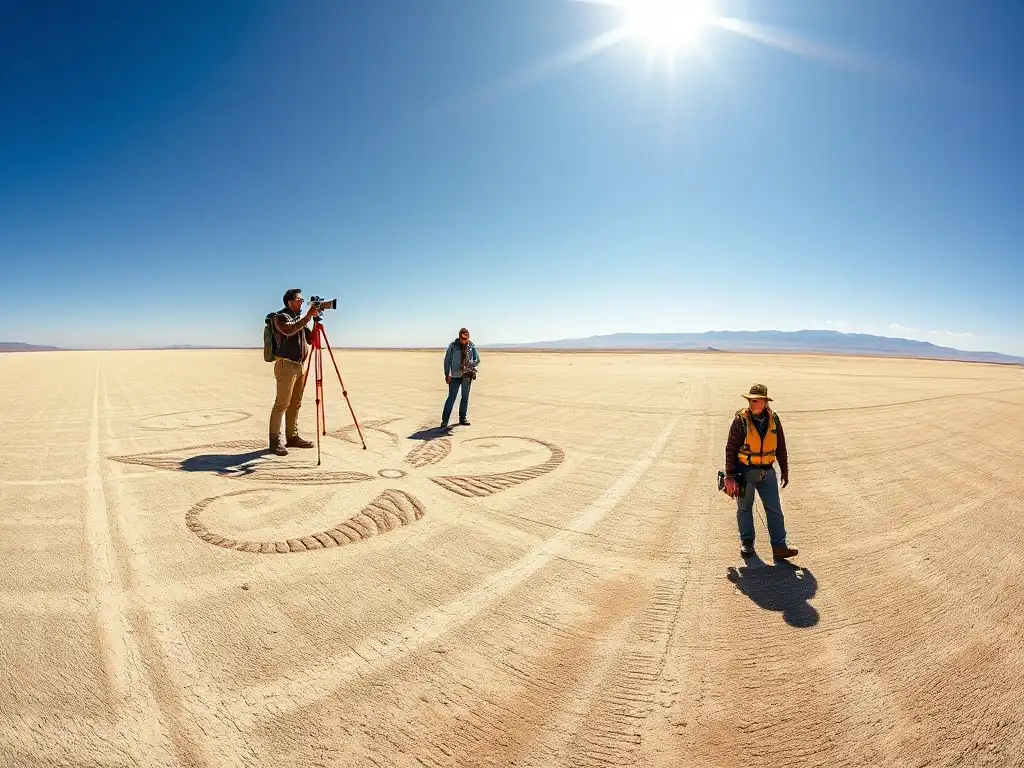
Step into a world lost to time, where colossal mysteries whisper from the sands. Imagine sprawling geoglyphs etched across the desert floor – the enigmatic Nazca Lines. For centuries, they've captivated the world, but their creation and purpose remain shrouded in speculation. This website delves into the fascinating history of the Andean civilizations, but our current focus is on the ongoing Nazca Lines study challenges, unraveling the secrets behind these breathtaking desert patterns. Dare to explore the complexities and uncover the answers with us.
The Nazca Lines, colossal geoglyphs etched into the Peruvian desert, remain one of archaeology's most enduring mysteries. These enigmatic figures, spanning hundreds of meters and depicting animals, plants, and geometric shapes, have captivated researchers and the public alike for decades. Understanding their creation, purpose, and longevity presents a unique set of challenges, demanding interdisciplinary approaches and innovative research methods. This article delves into the significant hurdles faced in studying these iconic desert patterns, exploring the environmental factors, technological limitations, and the inherent complexities of interpreting ancient symbolism. We will examine the difficulties inherent in preserving these fragile masterpieces while simultaneously unlocking the secrets they hold about the Nazca culture and their sophisticated understanding of their environment. The study of the Nazca Lines offers a compelling case study in the challenges and rewards of investigating ancient civilizations, highlighting the importance of careful preservation and advanced research techniques in unveiling the past.
Introduction to the Nazca Lines and Their Enigma
The Nazca Lines, located in the Nazca Desert of southern Peru, are a collection of over 300 geoglyphs. These immense figures, ranging from simple lines to complex representations of animals such as hummingbirds, monkeys, and lizards, were created by removing the dark reddish-brown desert varnish to expose the lighter-colored soil beneath. Their scale is breathtaking; some figures stretch over 200 meters in length. The precise methods used to create these lines remain debated, but evidence suggests the Nazca people employed simple tools, meticulously planning and executing their designs over centuries.
The enigma surrounding the Nazca Lines stems from their sheer size, the complexity of some designs, and, most importantly, their purpose. Were they astronomical calendars? Religious symbols? Part of a larger ritualistic landscape?
These questions continue to fuel ongoing research and inspire numerous theories. The sheer scale of the project, the precision of the designs, and the lack of direct written records from the Nazca people themselves add to the mystery and present significant challenges for researchers attempting to unravel their secrets. The sheer immensity of the site itself also presents a logistical challenge to comprehensive study. Mapping and documenting every single line requires extensive time and resources.
The Unique Environment of the Nazca Desert and its Impact on Research
The Nazca Desert presents a unique set of environmental challenges that significantly impact the study of the Nazca Lines. The arid climate, characterized by intense sunlight, extreme temperatures, and minimal rainfall, contributes to the fragility of the geoglyphs. Erosion, both natural and human-induced, constantly threatens their preservation. The intense UV radiation degrades the exposed lighter-colored soil, causing fading and blurring of the lines over time.
Furthermore, the desert's delicate ecosystem, including sparse vegetation and shifting sands, makes the site vulnerable to damage from both natural processes and human activity. This necessitates meticulous conservation efforts and careful planning for any research activities to minimize further deterioration. The very factors that have preserved the lines for centuries—the dry climate and lack of vegetation—also make them highly susceptible to damage from even minor disturbances.
Researchers must navigate these environmental constraints, employing non-invasive techniques and adopting stringent protocols to ensure the long-term preservation of this invaluable cultural heritage. The delicate balance between research and conservation is a constant concern for those working to understand and protect the Nazca Lines. The fragility of the site underscores the critical need for sustainable research practices that prioritize preservation alongside investigation.
- Introduction to the Nazca Lines and Their Enigma
- The Unique Environment of the Nazca Desert and its Impact on Research
- What are the main challenges in studying the Nazca Lines?
- How are researchers protecting the Nazca Lines from deterioration?
- What are the most significant unanswered questions about the Nazca Lines?
- What new technologies are being used to study the Nazca Lines?
- How can I contribute to the study and preservation of the Nazca Lines?
The Environmental Challenges to Nazca Lines Research
The study of the Nazca Lines presents significant environmental hurdles that complicate research and conservation efforts. The unique geographical and climatic features of the Nazca desert pose considerable challenges to researchers attempting to understand these enigmatic geoglyphs. These challenges are multifaceted, ranging from the harsh climate's direct impact on the lines themselves to the difficulties in accessing the remote desert expanse. Understanding these environmental limitations is crucial for developing effective preservation strategies and furthering our understanding of the Nazca Lines. The keyword "Nazca Lines study challenges" is intrinsically linked to these environmental factors.
Harsh Climate Conditions and Their Effects on the Geoglyphs
The Nazca desert is characterized by extreme temperature fluctuations, intense solar radiation, and strong winds. These conditions directly affect the preservation of the geoglyphs. The intense sun, reaching temperatures exceeding 40°C (104°F) regularly, causes significant thermal stress on the already fragile surface. This leads to the gradual breakdown of the darker-colored desert pavement that forms the lines, resulting in fading and erosion. The strong winds, particularly during sandstorms, contribute to abrasion, further degrading the geoglyphs. The lack of significant rainfall might seem beneficial, but the infrequent, intense downpours can cause flash floods, capable of rapidly eroding the delicate lines.
Furthermore, the diurnal temperature swings – vast differences between day and night temperatures – cause significant thermal expansion and contraction in the desert pavement, leading to micro-fracturing and weakening of the material. This process, exacerbated by the intense UV radiation, accelerates the degradation of the lines over time. Studies analyzing the rate of deterioration often cite these climatic factors as the primary contributors to the ongoing loss of detail in the Nazca Lines. Accurate measurement of this deterioration, however, remains challenging due to the vast scale of the site and the difficulty of accessing certain areas.
Soil Erosion and the Preservation of the Nazca Figures
Soil erosion, driven by wind and infrequent but powerful rainfall events, presents a major challenge to the long-term preservation of the Nazca Lines. The lines themselves are shallow trenches, only a few centimeters deep in many areas. This shallow depth makes them incredibly vulnerable to erosion. The fine-grained desert soil is easily transported by wind, gradually filling in the trenches and obscuring the figures. This process is accelerated in areas with less stable soil composition or where vegetation has been disturbed.
Studies have shown that the rate of erosion varies across the Nazca Lines site, influenced by local topography and wind patterns. Areas exposed to prevailing winds experience accelerated erosion, while sheltered areas show slower degradation. The challenge lies in identifying these vulnerable areas and implementing targeted conservation strategies. This requires detailed mapping of soil types, erosion rates, and wind patterns, coupled with the development of suitable stabilization techniques that minimize environmental impact. Understanding the complex interplay between soil characteristics and environmental factors is crucial for effective conservation efforts.
Accessibility Issues in the Remote Nazca Desert
The remote location of the Nazca Lines in the vast and arid Nazca desert presents significant logistical challenges for research. Accessing many areas requires specialized vehicles capable of navigating the difficult terrain, and even then, many parts of the site remain difficult, if not impossible, to reach. This inaccessibility limits the scope of ground-based surveys and detailed studies. The sheer size of the area, covering hundreds of square kilometers, further complicates any systematic investigation.
Furthermore, the lack of infrastructure, including roads, water, and communication facilities, adds to the difficulties. Researchers often face long travel times, limited resources, and challenging living conditions during fieldwork. These limitations restrict the frequency and duration of research expeditions, hindering the collection of comprehensive data and the implementation of effective monitoring programs.
Overcoming these accessibility barriers requires collaborative efforts involving local communities, government agencies, and research institutions to improve infrastructure and develop sustainable access solutions for researchers. This is crucial for ensuring the long-term study and preservation of these incredible cultural treasures. The development of drone technology and remote sensing techniques offers some solutions, though these technologies also present their own unique challenges and limitations in the context of the harsh desert environment.
Methodological Challenges in Studying the Nazca Lines
The Nazca Lines, sprawling geoglyphs etched into the Peruvian desert, present unique and formidable challenges to researchers. Their sheer scale, the fragility of the desert environment, and the very nature of their creation all contribute to the difficulties in understanding these enigmatic figures. Successfully unraveling the mysteries surrounding the Nazca Lines requires a multidisciplinary approach, acknowledging and overcoming significant methodological hurdles. This section will delve into some of the key obstacles faced in the study of these remarkable desert patterns.
Limitations of Traditional Archaeological Techniques
Traditional archaeological excavation methods, while invaluable in many contexts, prove less effective when studying the Nazca Lines. The lines themselves are not physical artifacts easily unearthed; they are disturbances in the surface, subtle alterations in the desert's coloration revealing underlying lighter soil. This means standard excavation techniques are largely inapplicable.
Furthermore, the arid climate, while preserving the lines, also inhibits the preservation of organic materials that could provide crucial dating evidence or clues about the creators' tools and techniques. The scarcity of associated artifacts directly linked to the lines' creation further complicates matters. Archaeologists must rely on indirect evidence, such as nearby settlements and burial sites, to infer information about the geoglyphs' creators and purpose.
This indirect approach inherently introduces a degree of uncertainty and requires careful consideration of potential biases in interpretation. For example, determining a direct causal link between a nearby settlement and the creation of specific lines necessitates thorough analysis and the exclusion of alternative explanations. The absence of substantial, directly associated artifacts presents a significant constraint on our understanding, highlighting the need for innovative research methodologies.
The Difficulty of Accurate Mapping and Measurement
Accurately mapping and measuring the Nazca Lines is a significant undertaking, further complicated by the immense scale of the geoglyphs and the challenging terrain. Early mapping relied on ground-level surveys, a time-consuming and potentially inaccurate method, particularly for the larger, more complex figures. The vast expanse of the desert and the subtle nature of some lines make visual identification from the ground difficult.
The advent of aerial photography and, more recently, satellite imagery and LiDAR (Light Detection and Ranging) has revolutionized mapping efforts. However, even these advanced technologies present challenges. Satellite imagery can be affected by atmospheric conditions and shadows, while LiDAR data requires careful processing and interpretation to accurately represent the subtle variations in the ground surface that constitute the lines.
Furthermore, consistent and accurate measurements across such a large area remain a challenge, requiring precise georeferencing techniques and rigorous quality control. The ongoing refinement of digital mapping techniques and the development of sophisticated analytical tools are crucial to improving the accuracy and detail of our understanding of these monumental artworks. The sheer scale of the project, and the inherent difficulty in accurately measuring features across varied terrain, requires a continuous effort at refinement.
Challenges in Dating the Nazca Lines and their Construction Phases
Dating the Nazca Lines and determining their construction phases presents one of the most significant challenges in their study. The lack of directly associated organic material, as mentioned previously, severely limits the application of radiocarbon dating. While some ceramic fragments found near the lines provide contextual dating information, these findings are not directly linked to the geoglyphs' creation. Therefore, researchers must rely on stylistic analysis and comparisons with other archaeological materials from the Nazca culture to infer a chronological framework.
This approach, while necessary, is inherently less precise than direct dating methods. The possibility of multiple construction phases, with some lines being created or modified over centuries, further complicates the task. Distinguishing between different phases requires meticulous analysis of the lines' morphology, their relationship to surrounding features, and the available contextual evidence.
This intricate process involves careful consideration of variations in line width, depth, and style, demanding rigorous and detailed scrutiny. The lack of definitive dating methods for the Nazca lines remains a significant hurdle; ongoing research into new techniques and the refinement of existing methodologies are crucial for improving our understanding of their chronological development. Further research and the development of new dating technologies are essential to refine our understanding of the Nazca Lines' creation and evolution over time.
Interpreting the Nazca Lines: The Symbolic and Cultural Challenges
Deciphering the Meaning Behind the Nazca Geoglyphs
Interpreting the Nazca Lines presents a significant challenge due to the lack of direct evidence explaining their purpose. Unlike many other ancient civilizations, the Nazca left behind no written language to guide our understanding. The geoglyphs themselves, ranging from simple lines to complex figures of animals and plants, are vast and intricate, demanding careful analysis and consideration. Many researchers believe that the lines held deep symbolic meaning for the Nazca people, potentially connected to their cosmology, religious beliefs, or social structures.
The sheer scale of the geoglyphs is also a factor complicating interpretation. Many designs are only fully visible from the air, leading some to speculate about the technology or understanding of aerial perspective possessed by the Nazca. This raises questions about the methods used to create the lines and the level of societal organization required to complete such monumental projects. Were these communal efforts, reflecting shared beliefs and values?
Or were they created by specific groups, perhaps elites or religious leaders? These questions remain largely unanswered. Furthermore, the weathering and degradation of the lines over centuries have obscured certain details, making accurate interpretation even more difficult. Careful photographic documentation and advanced imaging techniques are crucial for understanding these subtle features.
The diversity of the geoglyphs – from stylized animals like the hummingbird and monkey to geometric shapes and possibly even anthropomorphic figures – further complicates the task. Some researchers propose that different geoglyphs may have served distinct purposes, while others suggest that they represent a unified system of symbols. The absence of a coherent narrative or easily discernible pattern necessitates a multidisciplinary approach, combining archaeology, anthropology, and even astronomical analysis to piece together potential meanings.
The challenge lies not only in deciphering individual symbols but also in understanding their interconnectedness and possible narrative or ritual context. Understanding the cultural significance of these intricate patterns remains one of the most significant challenges in Nazca Lines study.
The Lack of Written Records from the Nazca Culture
The absence of a deciphered written language from the Nazca culture significantly hinders the interpretation of the Nazca Lines. Unlike civilizations like the Incas, who left behind extensive written records in Quechua, the Nazca left behind only limited textual evidence, primarily in the form of ceramic inscriptions. These inscriptions, while informative about other aspects of Nazca culture, offer little direct insight into the meaning or purpose of the geoglyphs. This lack of written documentation forces researchers to rely heavily on circumstantial evidence, such as the lines' placement, orientation, and relationship to other archaeological features.
The difficulty is compounded by the fact that the existing inscriptions are often fragmented and difficult to interpret, even with the aid of advanced linguistic techniques. The style and content of these inscriptions suggest a different system than those of neighbouring cultures, adding another layer of complexity to the puzzle. The absence of a Rosetta Stone equivalent, a text that could potentially link the known inscriptions to the geoglyphs, severely limits our ability to decode their meaning.
This absence of written context significantly impacts our understanding of the Nazca Lines study, emphasizing the need for innovative research methods and interdisciplinary collaboration to overcome this obstacle. The search for further textual evidence remains a critical priority in unraveling the mystery of the Nazca Lines.
Diverse Theories and Interpretations of the Nazca Lines
The enigma of the Nazca Lines has sparked numerous theories, ranging from the practical to the highly speculative. Some suggest they were astronomical calendars, aligning with celestial events and aiding in agricultural practices. Others propose a ritualistic or religious purpose, with the geoglyphs serving as pilgrimage routes or representing deities and mythological creatures. Still others argue for a purely aesthetic purpose, suggesting the lines were created simply for artistic expression or to mark territorial boundaries.
The lack of definitive evidence allows for a wide range of interpretations, each with its own merits and limitations. The diversity of proposed explanations highlights the complexity of the problem and the need for a cautious and nuanced approach to analysis. Some theories, such as those involving extraterrestrial involvement, lack strong supporting evidence and are often considered fringe hypotheses within the scientific community. However, even the more plausible theories often require further investigation and testing to confirm or refute their validity. The ongoing debate and the constant emergence of new theories underscore the enduring fascination with the Nazca Lines and the challenges inherent in studying them. The search for definitive answers continues, requiring a meticulous examination of all available evidence and a willingness to consider multiple perspectives. This ongoing investigation is crucial for a complete understanding of the Nazca Lines and their place in the broader context of Andean culture.
Technological Advancements and Their Role in Nazca Lines Research
The study of the Nazca Lines presents unique challenges due to their immense scale, fragile nature, and remote desert location. However, significant advancements in technology have revolutionized our understanding of these enigmatic geoglyphs, allowing researchers to overcome previous limitations and uncover new details. The evolution of technology has been crucial in addressing the core keyword: "Nazca Lines study challenges," offering innovative approaches to preservation, analysis, and interpretation. This section will explore some key technological breakthroughs that have propelled Nazca Lines research forward.
The Use of Aerial Photography and Remote Sensing
Early investigations of the Nazca Lines relied heavily on ground-level observation, severely limiting the ability to fully grasp their extent and complexity. The introduction of aerial photography, beginning in the early 20th century, provided the first comprehensive view of the geoglyphs, revealing their vast scale and intricate designs. This was a paradigm shift in "Nazca Lines study challenges," enabling researchers to overcome the physical limitations of the terrain.
Aerial photography, initially using conventional film, allowed for a detailed visual record. However, the advent of digital aerial photography and remote sensing techniques has significantly improved resolution and data acquisition. Techniques like multispectral and hyperspectral imaging now allow researchers to analyze the lines' composition and detect subtle variations in the soil, providing valuable insights into construction techniques and the materials used.
For example, researchers can now identify variations in soil pigmentation that might indicate different phases of construction or repair of the geoglyphs, addressing previously insurmountable aspects of "Nazca Lines study challenges." This provides a much more nuanced understanding than simply observing the lines from the ground. Further advancements, such as LiDAR (Light Detection and Ranging), offer even more precise three-dimensional mapping, overcoming limitations in visibility caused by shadows and vegetation.
The Application of 3D Modeling and Digital Reconstruction
The sheer scale and complexity of the Nazca Lines make traditional documentation methods cumbersome and prone to error. The application of 3D modeling and digital reconstruction techniques has dramatically improved the accuracy and accessibility of research data. This has drastically reduced the impact of one of the key "Nazca Lines study challenges": the difficulty of comprehensive documentation and analysis.
By using photogrammetry and LiDAR data, researchers can create highly accurate 3D models of the geoglyphs, allowing for detailed analysis of their dimensions, orientation, and relationships to one another. This digital reconstruction is not just a visual representation; it's a powerful tool for measuring, analyzing, and even simulating the impact of environmental factors on the lines.
Furthermore, these 3D models can be easily shared and accessed by researchers worldwide, fostering collaboration and accelerating the pace of discovery. The ability to virtually "walk" around and through these models provides a level of access previously unimaginable, significantly mitigating the "Nazca Lines study challenges" associated with physical access to the site.
Emerging Technologies in Geoglyph Analysis
The field of Nazca Lines research continues to evolve, with new technologies constantly emerging to address remaining "Nazca Lines study challenges." Advancements in image processing and machine learning algorithms are being applied to analyze vast datasets of aerial imagery, potentially identifying previously undiscovered geoglyphs or revealing subtle details within existing ones. These algorithms can help automate the process of identifying and classifying geoglyphs, increasing efficiency and reducing human error.
Furthermore, the use of drones equipped with high-resolution cameras and sensors allows for detailed, non-invasive data collection. This is particularly important in protecting the fragile lines from further damage. The development of more sophisticated ground-penetrating radar (GPR) could potentially reveal subsurface features related to the lines' construction or use, shedding light on aspects currently unknown.
These emerging technologies promise to further enhance our ability to study these remarkable works of art, potentially unlocking further secrets hidden within the desert landscape and providing solutions to persisting "Nazca Lines study challenges." The future of Nazca Lines research is bright, fueled by ongoing technological innovation.
Ethical Considerations in Nazca Lines Research and Preservation
The study of the Nazca Lines presents unique ethical challenges, demanding a careful balance between scientific inquiry and the preservation of this invaluable cultural heritage. The fragility of the geoglyphs, coupled with their immense cultural significance for both Peruvians and the global community, necessitates a rigorous ethical framework for any research undertaken. Ignoring these considerations risks irreversible damage to the lines and disrespects the legacy of the Nazca people. The pursuit of knowledge should never come at the cost of cultural destruction. This section will delve into the key ethical considerations surrounding Nazca Lines research and preservation.
Protecting the Nazca Lines from Damage and Vandalism
The Nazca Lines are incredibly vulnerable to damage. Natural erosion from wind and rain is a constant threat, but human activity poses an even greater risk. Vandalism, both intentional and accidental, poses a significant challenge to long-term preservation. Illegal off-road driving, for example, directly compacts the desert surface, obscuring the lines and accelerating erosion. Furthermore, the construction of unauthorized infrastructure near the geoglyphs also threatens their integrity. Effective protection requires a multi-pronged approach:
- Stricter enforcement of existing regulations: Current laws prohibiting unauthorized access and activities need stronger enforcement. Increased patrols and the use of technology like drones for surveillance could significantly deter illegal activities.
- Improved public awareness campaigns: Educating the public, both local and international tourists, about the fragility of the lines and the importance of their preservation is crucial. This includes highlighting the legal consequences of damaging the geoglyphs and promoting responsible tourism practices.
- Development of sustainable tourism infrastructure: Creating designated viewing points and walkways minimizes the impact of tourism on the delicate desert landscape. This requires careful planning and investment in infrastructure that respects the environment and cultural heritage.
- Technological advancements in monitoring: Employing advanced technologies, such as satellite imagery and ground-penetrating radar, allows for continuous monitoring of the lines' condition and the early detection of potential damage. This proactive approach enables prompt intervention to mitigate risks.
The Importance of Community Involvement in Research and Conservation
The Nazca Lines are not merely ancient artifacts; they are integral to the cultural identity of the local communities. Therefore, involving these communities in research and conservation efforts is not just ethically sound but also essential for the project's success. Their intimate knowledge of the local environment, history, and traditions provides invaluable insights and fosters a sense of ownership and responsibility for the preservation of this significant heritage. Ignoring their perspectives risks undermining the very cultural context that gives the Nazca Lines their meaning.
The benefits of community engagement are numerous:
- Increased local stewardship: When local communities are actively involved, they become more invested in protecting the lines, acting as guardians of their cultural heritage. This participatory approach leads to a more effective and sustainable conservation strategy.
- Access to indigenous knowledge: Local communities often possess traditional ecological knowledge that can inform conservation practices and research methodologies. This knowledge, accumulated over generations, offers unique insights into the lines' origins and significance.
- Economic benefits for the community: Sustainable tourism initiatives that involve local communities can create economic opportunities, thereby fostering a sense of shared responsibility for the preservation of the lines. This creates a win-win situation, balancing conservation with economic development.
- Enhanced cultural understanding: Community participation enriches the research process by providing a deeper understanding of the cultural context surrounding the Nazca Lines, moving beyond purely scientific interpretations.
Balancing Research with Cultural Sensitivity
Research on the Nazca Lines must always be conducted with utmost cultural sensitivity. The lines are not simply objects of scientific study; they are deeply sacred and hold immense cultural value for the descendants of the Nazca people. Researchers must approach their work with humility and respect, recognizing the lines' spiritual and historical significance. This requires:
- Prior consultation with local communities: Researchers should engage in meaningful dialogue with local communities before initiating any research project. This ensures that their work aligns with the community's values and priorities.
- Respect for traditional beliefs and practices: Any research activities should avoid disrupting or disrespecting traditional practices associated with the Nazca Lines. This is crucial for maintaining the cultural integrity of the site.
- Transparency and communication: Researchers should be transparent about their research methodologies, findings, and their potential implications for the community. Open communication fosters trust and mutual understanding.
- Repatriation of findings: Any artifacts or information uncovered during research should be managed in accordance with ethical guidelines, potentially including repatriation to relevant communities. This demonstrates respect for the cultural heritage and rights of the indigenous population. This ensures that the benefits of research are shared equitably.
The study of the Nazca Lines demands a commitment to responsible research practices. Balancing scientific curiosity with the ethical imperative to protect and respect this irreplaceable cultural heritage is paramount. Failure to do so risks jeopardizing both the lines themselves and the rich cultural legacy they represent.
Future Directions in Nazca Lines Studies
The study of the Nazca Lines presents ongoing challenges, but also exciting opportunities for future research. Understanding these enigmatic geoglyphs requires a multidisciplinary approach, combining archaeology, geophysics, anthropology, and even climatology. The sheer scale of the lines, their complexity, and the harsh desert environment present unique obstacles that demand innovative methodologies and collaborative efforts. This section explores some key avenues for future research and potential discoveries that could significantly advance our understanding of the Nazca Lines.
New Research Avenues and Potential Discoveries
One critical area for future research involves the application of advanced remote sensing technologies. While aerial photography and satellite imagery have been instrumental, utilizing techniques like LiDAR (Light Detection and Ranging) could provide unprecedented high-resolution 3D models of the geoglyphs, revealing subtle details previously unseen. This would allow for a more precise analysis of their construction techniques, the materials used, and the potential for uncovering previously unknown lines hidden beneath the surface.
Furthermore, the application of hyperspectral imaging could help identify traces of pigments or other organic materials associated with the lines, offering clues to their purpose and creation. This detailed analysis is crucial for improving our understanding of the Nazca Lines study challenges.
Another promising avenue is the integration of geophysical survey methods. Ground-penetrating radar (GPR) and electrical resistivity tomography (ERT) could help identify subsurface features related to the lines, such as buried structures, water sources, or other evidence of human activity. This could shed light on the logistical aspects of creating the geoglyphs, including the transportation of materials and the organization of labor.
The potential for discovering additional, yet-unidentified, geoglyphs is also a significant incentive for continued geophysical exploration. Analyzing the soil composition around the lines, using techniques like X-ray fluorescence (XRF), could also reveal further information about the construction materials and the environment at the time of their creation.
Finally, further investigation into the cultural context of the Nazca Lines is crucial. A deeper understanding of Nazca society, their belief systems, and their relationship with their environment is essential to interpreting the meaning and purpose of the geoglyphs. This requires a multi-faceted approach, combining archaeological excavations, analysis of associated artifacts, and the interpretation of iconography found in other Nazca art forms. By combining technological advancements with thorough historical research, we can hope to overcome many of the current Nazca Lines study challenges.
The Ongoing Importance of International Collaboration
Successfully tackling the challenges inherent in Nazca Lines research necessitates a robust international collaboration. The complexity of the research demands expertise from diverse fields and geographical locations. International teams bring together specialists in remote sensing, geophysics, archaeology, anthropology, and conservation, fostering a collaborative environment that leverages the unique skills and resources of each participant. This synergistic approach is essential for overcoming logistical hurdles, sharing data efficiently, and ensuring the long-term preservation of this invaluable cultural heritage.
Sharing data and research findings through open-access platforms is paramount. This ensures transparency and allows for broader participation in the study of the Nazca Lines, accelerating the pace of discovery and fostering a more comprehensive understanding of these remarkable geoglyphs. International collaborations also facilitate the exchange of best practices in conservation and preservation, ensuring the long-term protection of the lines from the threats of erosion, vandalism, and climate change. The collaborative effort to address the Nazca Lines study challenges represents a model for international scientific cooperation.
The Future of Nazca Lines Preservation
The preservation of the Nazca Lines is a critical challenge that requires a multi-pronged approach. The fragile desert environment is constantly at risk from erosion caused by wind, water, and human activity. Furthermore, the lines are vulnerable to damage from illegal activities, such as unauthorized access and vandalism. Effective preservation requires a long-term strategy that addresses both natural and human-induced threats. This involves improving the monitoring of the site using advanced technologies, implementing stricter regulations to control access and prevent damage, and educating the local community and tourists about the importance of preserving this unique cultural heritage.
Developing sustainable tourism strategies is crucial. While tourism provides economic benefits to the region, it also poses a significant risk to the lines' integrity. Implementing environmentally responsible tourism practices, such as guided tours and designated viewing areas, can help minimize the impact of human activity on the site. Moreover, investing in infrastructure improvements, such as improved roads and visitor centers, can help manage tourist flow and enhance the visitor experience while minimizing environmental damage.
Addressing the Nazca Lines study challenges must include a strong emphasis on long-term conservation efforts. The future of the Nazca Lines depends on a concerted effort to balance the needs of preservation with the opportunities for education and sustainable tourism. This is essential for ensuring that future generations can continue to marvel at this extraordinary feat of ancient engineering and artistry.
Conclusion: Understanding the Nazca Lines Study Challenges
The study of the Nazca Lines presents a unique set of challenges, demanding interdisciplinary collaboration and innovative methodologies. Preservation of the fragile geoglyphs in the harsh desert environment is paramount, requiring careful monitoring and mitigation of environmental threats like erosion and vandalism. Furthermore, accurately dating the lines and understanding their creation process remains a complex task, necessitating advanced dating techniques and a deeper understanding of ancient Nazca technology and societal structures. The ongoing debate surrounding the lines' purpose underscores the need for rigorous analysis of existing data and the pursuit of new evidence, potentially through advanced remote sensing and geophysical techniques.
Ultimately, overcoming these challenges requires a multifaceted approach, combining scientific rigor with respect for the cultural heritage these enigmatic lines represent. The more we understand the challenges, the more effectively we can approach the mysteries surrounding the Nazca Lines, ensuring their preservation for future generations and deepening our understanding of this remarkable civilization. Successfully navigating these "Nazca Lines study challenges" will not only unlock the secrets of their creation but also offer valuable insights into the broader context of ancient Andean societies and their relationship with their environment. The future of Nazca Lines research hinges on addressing these complexities head-on, embracing innovative approaches, and fostering a collaborative spirit amongst researchers.
Only then can we hope to fully unravel the enduring enigma of the Nazca Lines. The ongoing effort highlights the importance of continued research and the potential for exciting discoveries in the years to come. The dedication of researchers to overcome the considerable obstacles inherent in studying these ancient formations promises to yield significant advancements in our understanding of this fascinating aspect of Andean civilization.
Frequently Asked Questions
What are the main challenges in studying the Nazca Lines?
The primary challenges include the extreme desert environment, preservation of the fragile geoglyphs, and the vast scale of the site making comprehensive study difficult. Technological advancements are constantly needed for better analysis.
How are researchers protecting the Nazca Lines from deterioration?
Researchers employ various methods, including limiting access to sensitive areas, monitoring erosion, and using advanced imaging techniques to assess the lines' condition without causing further damage. Sustainable tourism practices are also crucial.
What are the most significant unanswered questions about the Nazca Lines?
Key unanswered questions surround their precise purpose, the methods of construction, and the social organization required to create such a monumental undertaking. The lack of written records further complicates these mysteries.
What new technologies are being used to study the Nazca Lines?
Researchers are utilizing aerial photography, satellite imagery, LiDAR scanning, and ground-penetrating radar to create detailed maps and analyze the lines' construction and surrounding landscape. These offer non-invasive survey methods.
How can I contribute to the study and preservation of the Nazca Lines?
Supporting responsible tourism, respecting access restrictions, and donating to organizations dedicated to their preservation are all ways to contribute. Learning about and sharing knowledge about the Nazca Lines also raises awareness.
Final Reflection: Unraveling the Enigma of the Nazca Lines
The enduring mystery of the Nazca Lines continues to challenge our understanding of ancient civilizations and the limits of archaeological interpretation. These vast geoglyphs, etched into the Peruvian desert millennia ago, remain a testament to human ingenuity and a potent symbol of the enduring questions that history poses. Their very existence forces us to confront the limitations of our current knowledge and the potential for future discoveries to reshape our understanding of the past.
The impact of the Nazca Lines extends far beyond the realm of archaeology; they represent a powerful symbol of cultural heritage and the importance of preserving vulnerable historical sites. Their fragility in the face of environmental changes and human activity underscores the urgency of conservation efforts. The past is never dead. It's not even past.
– William Faulkner. This quote resonates deeply with the ongoing relevance of the Nazca Lines, reminding us that the challenges of their study are not merely academic exercises, but crucial steps in understanding and protecting our shared history. The ongoing research and debates surrounding their creation and purpose highlight the dynamic nature of historical inquiry and the importance of open dialogue and collaboration.
Consider the implications of this enduring mystery. What can the ongoing challenges of studying the Nazca Lines teach us about our own approach to understanding the past? How can we better balance the need for scientific investigation with the imperative to protect these fragile monuments?
I urge you to reflect on these questions, and to consider how you can contribute to the ongoing conversation surrounding the preservation and interpretation of this remarkable cultural legacy. Let the enigma of the Nazca Lines inspire you to explore the mysteries of the past, and to appreciate the enduring power of human creativity and ingenuity.
**Unveil the Mysteries of the Nazca Lines! **
Welcome to the captivating world of the Nazca Lines! Your interest has opened a door to understanding one of history's most enduring mysteries. Let's delve deeper.
Here are some ways to further explore these fascinating desert geoglyphs:
- Take a **guided virtual tour** of the Nazca Lines to experience their scale and wonder from the comfort of your home.
- **Connect with other enthusiasts** by sharing your thoughts and insights in our forum. Discuss your discoveries and learn from others.
- Create your own **artistic interpretation** inspired by the Nazca Lines and share it on social media using #NazcaInspired. Let's spark a conversation!
What theories do you find most compelling in explaining the true meaning of the Nazca Lines? We'd love to hear your perspectives!