
Sacred Burial Grounds of the Andes: Exploring the Architecture of Death

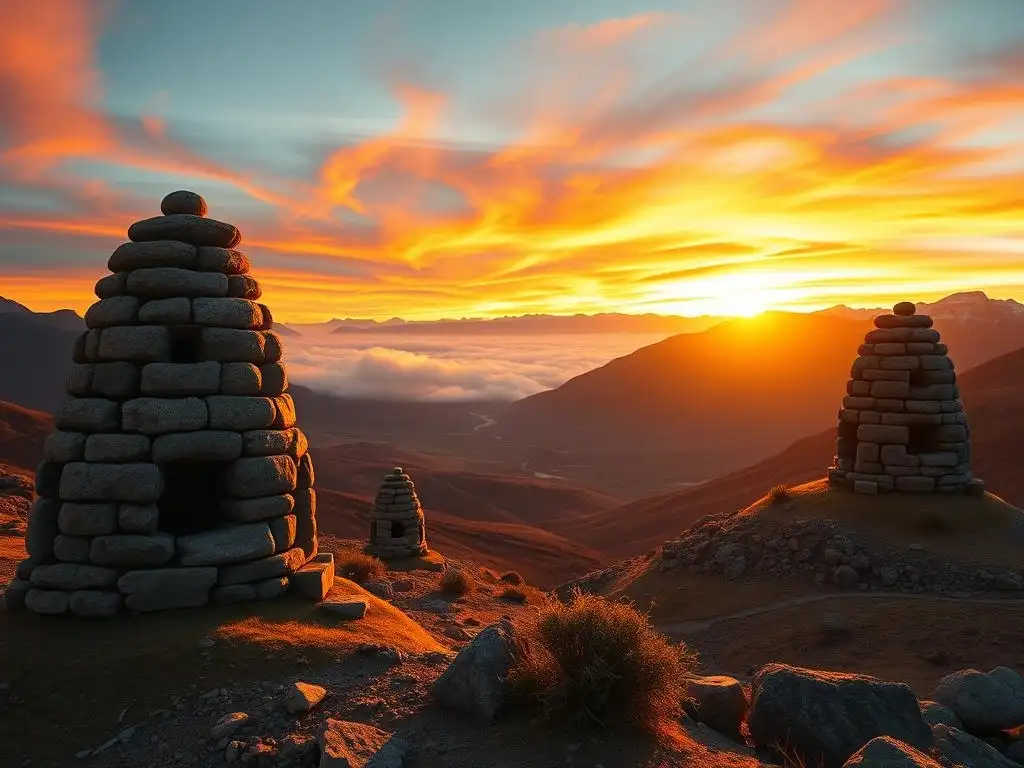
Step into a world lost to time, yet echoing with the whispers of ancient spirits. The Andean Civilizations website unveils the mysteries of a remarkable past, revealing the ingenuity and spiritual depth of cultures that thrived in the towering Andes. But what secrets lie hidden within their sacred spaces? Prepare to be captivated by the intricate world of Andean burial architecture, a testament to their unique cosmology and worldview. Journey with us as we unravel the astonishing stories etched in stone...
The Andes Mountains, a spine of towering peaks running down the western coast of South America, are not only a breathtaking natural wonder but also a repository of rich cultural heritage. For millennia, the diverse Andean civilizations—from the Incas to the Moche, Nazca, and Tiahuanaco—have developed complex belief systems centered around ancestor veneration and elaborate funerary rituals.
This profound respect for the deceased is vividly reflected in their remarkable mortuary architecture, a testament to their sophisticated engineering skills, artistic talent, and deeply held spiritual beliefs. This article delves into the fascinating world of Andean burial architecture, exploring the diverse forms, construction techniques, and symbolic meanings embedded within these sacred spaces, providing insights into the Andean worldview and their understanding of life and death.
We will uncover how these structures not only served as final resting places but also played a crucial role in maintaining the connection between the living and the ancestors, impacting social structures and the very fabric of Andean society. Understanding Andean burial architecture offers a unique window into the cosmology and worldview of these remarkable civilizations, enriching our appreciation of their legacy.
Introduction to Andean Mortuary Practices
Andean mortuary practices were far from uniform, varying significantly across different cultures and time periods. However, several common threads weave through the diverse traditions. The treatment of the deceased was rarely simple; it was often an elaborate process reflecting the individual's social standing and the beliefs of their community.
This included mummification techniques, ranging from simple desiccation in arid climates to more complex procedures involving evisceration and the application of preservatives. Grave goods, often including textiles, ceramics, jewelry, and tools, were frequently interred with the deceased, providing insights into their lifestyle, status, and beliefs. The placement of the body—whether in a simple pit grave, a more elaborate subterranean chamber, or a monumental structure—also carried symbolic weight.
The importance of ancestor veneration is a key element in understanding Andean mortuary practices. The deceased were not simply forgotten; they were believed to continue to exert influence on the living, requiring continued respect and offerings. This belief fostered the creation of complex rituals and the construction of elaborate burial structures, designed to honor the ancestors and maintain a vital connection between the living and the dead.
These practices extended beyond the immediate family; community involvement in funerary rites was common, highlighting the importance of collective memory and social cohesion. The sheer diversity of these practices, however, requires a nuanced approach to understanding the specific beliefs and customs of each Andean culture. For example, the elaborate cliffside tombs of the Chachapoyas starkly contrast with the simpler burial practices of some smaller, less centralized groups.
Andean Burial Architecture: An Overview
Andean burial architecture encompasses a stunning range of structures, reflecting the ingenuity and artistic sensibilities of the various cultures. From simple pit graves to monumental chulpas (tower-like structures), subterranean complexes, and cliffside tombs, the diversity is remarkable. The choice of construction material also varied considerably, depending on the available resources and the cultural preferences of the specific group. Stone, adobe brick, and even wood were used, often in combination, to create lasting monuments to the dead.
The architectural design frequently incorporated symbolic elements reflecting the cosmology and religious beliefs of the culture. For instance, the orientation of the tombs, the use of specific geometric patterns, and the inclusion of symbolic motifs in the decoration all contributed to the overall meaning and purpose of the structure. Many burial sites were carefully integrated into the landscape, often positioned on elevated locations with commanding views, suggesting a deliberate connection between the world of the living and the spiritual realm.
The scale and complexity of these structures also varied greatly, ranging from small, family-based tombs to massive complexes capable of accommodating hundreds or even thousands of individuals. This variation is often linked to the social organization and political power of the group, with larger, more elaborate structures typically associated with elite members of society or significant historical events.
Detailed analysis of these architectural features, alongside the study of accompanying grave goods, provides crucial insights into the social hierarchy, religious practices, and artistic traditions of the ancient Andean civilizations. Further research is needed to fully understand the nuances of regional variations in Andean burial architecture.
Pre-Inca Burial Structures and Their Significance
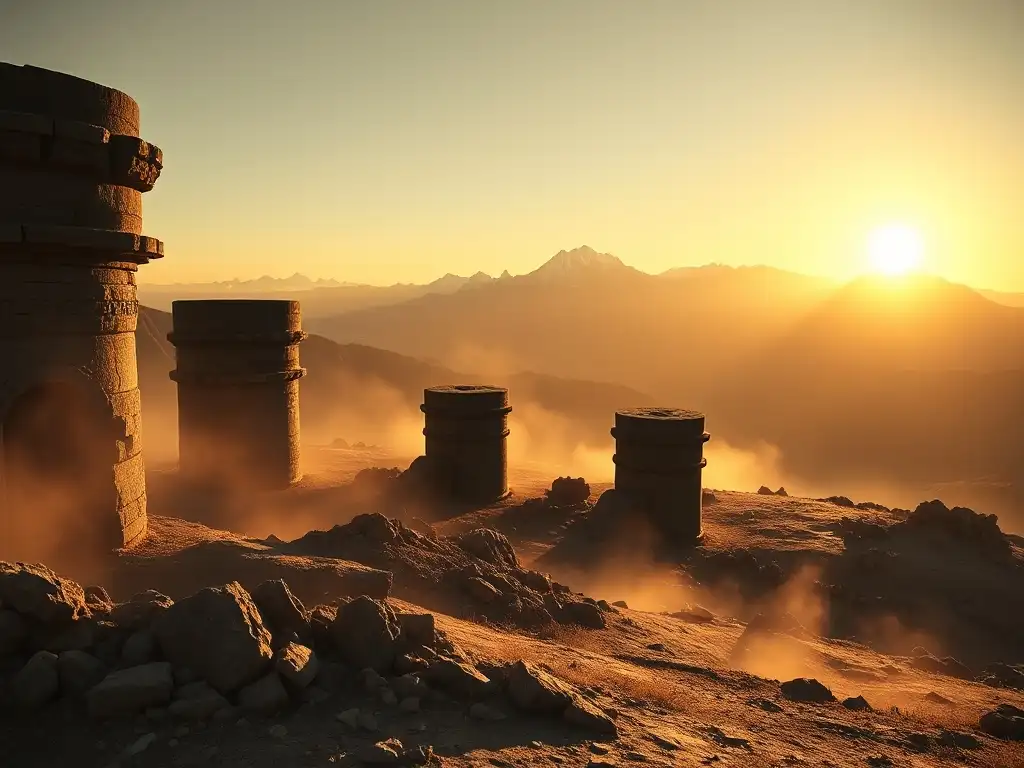
The Andean region boasts a rich tapestry of pre-Inca burial architecture, reflecting diverse cultural beliefs and practices surrounding death and the afterlife. These structures, often intricately designed and laden with grave goods, offer invaluable insights into the social hierarchies, religious rituals, and technological capabilities of these ancient societies. Understanding the nuances of their funerary practices allows us to reconstruct a more complete picture of Andean cosmology and worldview, significantly contributing to our knowledge of "Andean burial architecture".
The complexity and variety of these structures challenge simplistic interpretations and highlight the sophisticated understanding of engineering and symbolism present in these societies. Variations in burial architecture across different cultures and time periods underscore the dynamism of Andean belief systems and their adaptation to changing environmental and social conditions. The study of these sites continues to yield new discoveries, constantly refining our understanding of Andean mortuary practices.
Moche Tombs: Elaborate Burials for Elite Individuals
Moche burial architecture is characterized by its grandeur and complexity, particularly concerning elite burials. The Moche, a flourishing coastal civilization of northern Peru (roughly 100-800 CE), constructed elaborate subterranean tombs, often featuring intricate murals, sculpted reliefs, and sophisticated drainage systems. These weren't merely graves; they were carefully planned architectural feats reflecting the high social status of the deceased.
The scale and intricacy of these tombs stand in stark contrast to simpler burials found elsewhere, further emphasizing the importance of elite individuals within Moche society. The sheer amount of resources dedicated to these constructions highlights the power and wealth concentrated in the hands of the ruling class.
Moche Burial Rituals and Grave Goods
Moche burial rituals were far from simple interments. Evidence suggests elaborate ceremonies involving offerings, sacrifices, and the careful placement of grave goods. These goods, ranging from finely crafted pottery and gold ornaments to textiles and food offerings, provide crucial insights into Moche beliefs about the afterlife and the importance of maintaining connections between the living and the dead.
The careful arrangement of bodies, often accompanied by human sacrifices, further emphasizes the ritualistic nature of Moche burials. Detailed analysis of these grave goods reveals a sophisticated understanding of metallurgy, textile production, and artistic expression. The presence of specific items, such as ceremonial vessels and elaborate headdresses, suggests a complex system of social status and religious authority.
The Significance of Huaca Rajada
Huaca Rajada, a Moche site famous for the discovery of the "Lord of Sipán" tomb, exemplifies the scale and sophistication of Moche elite burials. The tomb itself was a complex structure, containing multiple chambers and rich grave goods, including gold ornaments, elaborate textiles, and a wealth of ceremonial objects. The discovery of the "Lord of Sipán", a high-ranking Moche individual buried with an impressive array of funerary offerings, revolutionized our understanding of Moche society and its mortuary rituals.
The careful preservation of the tomb and its contents provides a remarkable snapshot of Moche funerary practices and beliefs. The sheer volume of grave goods found at Huaca Rajada indicates an advanced level of craftsmanship and social organization. The site serves as a powerful testament to the significance of death and ancestor veneration in Moche culture.
Nazca Necropolises: The City of the Dead
The Nazca culture (c. 100 BCE – 800 CE), known for its enigmatic lines etched into the desert, also developed distinctive burial practices reflected in their extensive necropolises. These sprawling cemeteries, often located near settlements or along significant geographical features, contained numerous individual graves and elaborate collective tombs. The scale of these necropolises suggests a high population density and a strong emphasis on ancestral veneration.
The organization of the graves, often arranged in patterns or groupings, hints at a complex social structure and possibly kinship ties. Further research is needed to fully understand the spatial organization of these sites and their relationship to the broader Nazca landscape.
Nazca Burial Practices and Offerings
Nazca burial practices varied depending on the social status of the deceased. While simpler burials contained relatively few grave goods, elite burials could include elaborate textiles, pottery, and even human sacrifices. The offerings placed in the graves provide insights into Nazca beliefs about the afterlife and the importance of providing the deceased with the necessities for their journey to the other world.
Analysis of the organic materials found in these graves, such as textiles and plant remains, can provide valuable clues about Nazca diet, clothing, and agricultural practices. The presence of specific artifacts, such as ceremonial vessels and miniature figurines, can shed light on Nazca religious beliefs and ritual practices. The consistency of certain offerings across multiple graves suggests a shared understanding of death and the afterlife.
The Role of the Nazca Lines in Funerary Rituals
The relationship between the famous Nazca Lines and funerary rituals remains a subject of ongoing research and debate. While a direct link has yet to be definitively established, some scholars suggest that the lines may have played a role in funerary processions or served as visual markers of significant sites, including necropolises. The alignment of certain lines with celestial events could also indicate their significance in cosmological beliefs related to death and the afterlife.
Further research is needed to explore the potential connection between the Nazca Lines and their burial practices. The investigation should consider the spatial relationships between the lines and known burial sites, as well as the potential symbolic meaning of the geoglyphs. The study of "Andean burial architecture," particularly within the Nazca context, continues to unveil fascinating connections between terrestrial and celestial realms.
Tiahuanaco, a powerful pre-Inca civilization flourishing in the Bolivian Altiplano between approximately 500 and 1000 CE, left behind a remarkable legacy of monumental architecture, including impressive burial mounds that reveal much about their social structure and mortuary customs. Unlike some cultures that favored individual burials, Tiahuanaco's burial practices often involved communal interment within large mounds. These mounds, constructed from earth and stone, varied in size, reflecting perhaps the social standing of those interred within.
Larger mounds likely housed the remains of elite individuals or entire family groups, while smaller mounds may represent less prominent members of the society. The careful arrangement of the bodies and grave goods further supports the idea of a hierarchical society, with certain individuals receiving more elaborate burial treatment than others. Archaeological evidence suggests that the practice of secondary burial—where remains were exhumed and reburied—was also prevalent, adding another layer of complexity to the mortuary rituals.
The sheer scale of some of these mounds indicates a considerable investment of labor and resources, underscoring the importance of death and ancestor veneration in Tiahuanaco culture. The construction of these monumental structures was not simply a practical matter; it was a symbolic act, reaffirming social structures and power dynamics within the community.
Tiahuanaco Mortuary Customs
The mortuary customs of the Tiahuanaco people were intricate and multifaceted, revealing a profound respect for their ancestors and a belief in the continuity of life after death. Beyond the communal nature of burial within mounds, evidence points to the inclusion of grave goods reflecting the status of the deceased. Elaborate textiles, ceramics, and precious metals were often interred alongside elite individuals, suggesting a belief in providing sustenance and comfort in the afterlife.
The careful arrangement of bodies within the tombs, sometimes in a crouched or fetal position, also hints at ritualistic practices surrounding death and burial. Furthermore, the discovery of human sacrifices in some tombs suggests that the significance of death extended beyond the individual, serving a broader societal purpose.
Anthropological studies comparing Tiahuanaco burial practices with those of other Andean cultures illuminate shared beliefs and unique regional variations in how death was understood and commemorated. Further research is needed to fully understand the nuanced aspects of their mortuary rituals, particularly the symbolism associated with specific grave goods and burial positions.
The Akapana Pyramid and Burial Practices
The Akapana pyramid, one of the most iconic structures at Tiahuanaco, presents a particularly intriguing case study in Andean burial architecture. While its primary function remains debated, archaeological evidence strongly suggests that it served, at least partially, as a monumental burial site. Excavations have revealed multiple subterranean chambers and tunnels within the pyramid, some containing human remains and grave goods.
The complex internal structure of the Akapana, with its intricate network of passages and chambers, suggests a highly organized and ritualized approach to burial. The presence of human remains within the pyramid's interior, alongside other artifacts, suggests that the Akapana was not merely a symbolic structure but also a sacred space for the deposition of important individuals. The scale and complexity of the Akapana's construction, combined with the evidence of its use as a burial site, underscore the significant role that death and ancestor veneration played in Tiahuanaco society.
The Akapana, therefore, stands as a powerful testament to the sophisticated mortuary practices and the complex cosmological beliefs of the Tiahuanaco people, showcasing the impressive engineering and architectural capabilities of this ancient Andean civilization. Further analysis of the artifacts recovered from within the pyramid is crucial to a more complete understanding of the burial rites associated with this monumental structure.
Inca Burial Architecture: Imperial Power and the Afterlife
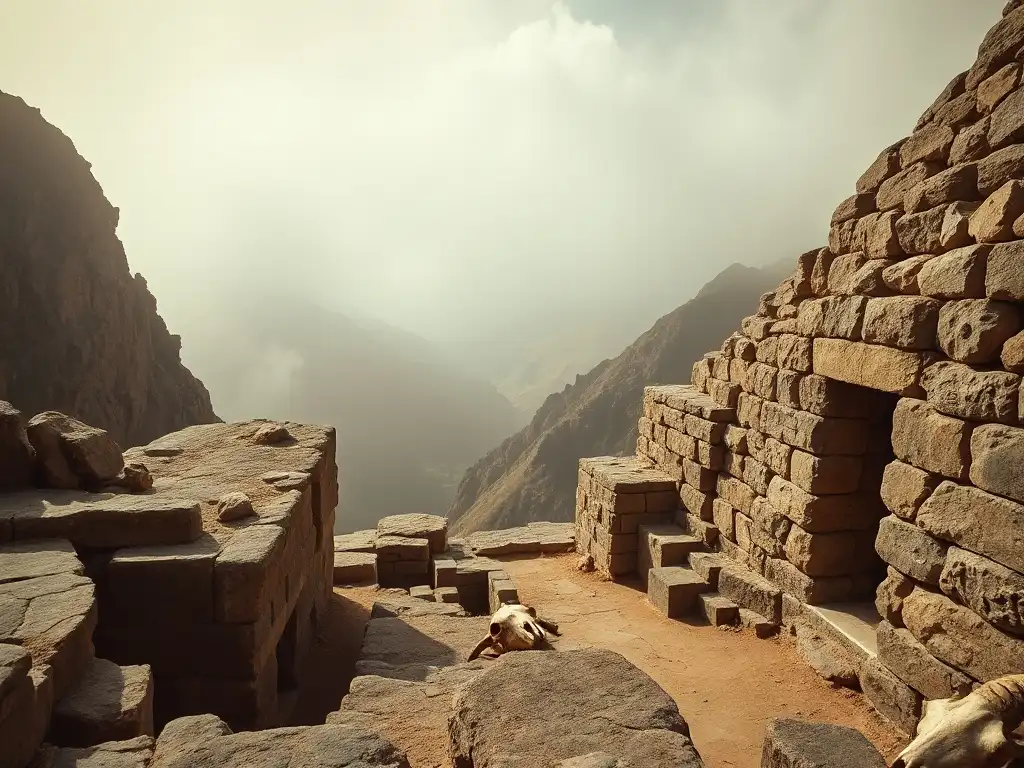
The Inca Empire, spanning across the Andes Mountains from the 15th to the 16th century, developed a sophisticated and complex system of burial practices deeply intertwined with their beliefs about the afterlife and the perpetuation of imperial power. Andean burial architecture during this period reflects this intricate relationship, showcasing a range of structures designed to house the deceased, from elaborate royal tombs to simpler structures for commoners.
Understanding Inca burial architecture offers invaluable insights into their social hierarchy, religious beliefs, and sophisticated engineering capabilities. The careful construction and placement of these structures underscore the importance the Inca placed on honoring their ancestors and ensuring their continued influence in the world of the living.
Inca Royal Tombs: The Sun Temple and Royal Mummies
Inca royal tombs were not merely places of internment; they were monumental expressions of imperial power and religious ideology. The most famous example, while not strictly a tomb in the traditional sense, is the Sun Temple at Coricancha in Cusco, the center of Inca religious life. Though the specifics of its use as a burial site are debated, its location and architectural grandeur suggest a significant role in funerary rites and the veneration of royal ancestors. The temple's opulent construction, featuring gold and silver ornamentation, served as a powerful symbol of the Inca's divine authority and control over resources.
The Mummification Process in Inca Culture
Inca mummification practices were far more advanced than those of many other ancient cultures. The process involved a complex series of steps, including the removal of internal organs, desiccation through exposure to cold mountain air, and the careful wrapping of the body in fine textiles. Royal mummies were further adorned with elaborate jewelry and clothing, reflecting their status and importance.
These mummies were not simply passive objects; they were actively incorporated into Inca society, participating in rituals and feasts, and served as powerful symbols of continuity and lineage. The preservation of these bodies highlights the Inca's profound respect for their ancestors and their belief in the continued existence of the spirit after death.
Inca Beliefs About the Afterlife
Inca cosmology held that the afterlife was a continuation of life, albeit in a different realm. The deceased were believed to retain their social status and influence in the spirit world. Therefore, the elaborate preparations for burial, including the provision of grave goods and the meticulous mummification process, were crucial to ensure a comfortable and successful transition to the afterlife.
The placement of tombs and the orientation of burial sites further reflect the Inca's understanding of the cosmos and their attempts to align the deceased with the forces of nature. Evidence from various sites reveals a sophisticated understanding of cosmology and the importance of maintaining harmony between the living and the dead.
Chullpas: Above-Ground Burial Towers in the Inca Empire
Chullpas are iconic examples of Andean burial architecture, particularly associated with the Inca Empire. These distinctive above-ground tower-like structures served as tombs, often built in stone and varying greatly in size and complexity depending on the social status of the deceased. The construction of chullpas demonstrates advanced stone-cutting techniques and a deep understanding of engineering principles, reflecting the Inca's mastery of their environment. They are found across the Andes, showcasing regional variations in style and design.
Regional Variations in Chullpa Design
While all chullpas share a basic tower-like form, regional variations in their design are significant. For example, chullpas in the Cusco region often feature intricate stonework and elaborate doorways, reflecting the imperial center's influence. In contrast, chullpas found in more remote areas may exhibit simpler designs and less ornate decoration.
These variations reflect not only the differing resources and skills available in different regions but also the unique cultural expressions of local communities within the broader Inca Empire. Further research is needed to fully understand the nuanced regional differences in chullpa construction and their significance. [Specific information pending on detailed regional variations with examples and data].
The Symbolic Meaning of Chullpas
The symbolic meaning of chullpas extends beyond their function as tombs. Their elevated position, often overlooking valleys and settlements, suggests a connection between the living and the dead. Their architectural design, incorporating elements such as niches and internal chambers, may have held symbolic significance related to Inca cosmology and ancestor veneration.
The careful placement of chullpas within the landscape, often aligned with astronomical features, further suggests a profound connection between the Inca worldview and their funerary practices. The enduring presence of chullpas across the Andean landscape continues to serve as a powerful testament to the Inca's reverence for their ancestors and the profound influence of their beliefs on their society. The study of these structures continues to yield new insights into Andean burial practices and the broader complexities of Inca culture.
Inca Burial Sites: Machu Picchu and Other Notable Locations
Machu Picchu, the iconic "Lost City of the Incas," isn't solely renowned for its breathtaking mountaintop location and intricate stonework. While not exclusively a necropolis, evidence suggests that burial practices were integrated into the city's design and function. Researchers have unearthed several human remains within the structures, indicating that some individuals, likely elites or those of significant social standing, were interred within the city itself.
These burials, often accompanied by grave goods such as pottery and textiles, provide valuable insights into Inca funerary rituals and social hierarchy. The precise location and nature of these burials within Machu Picchu are still being investigated, highlighting the ongoing work in deciphering the full story of this majestic site.
The careful placement of these burials within the living city underscores the Incas' profound connection between the living and the dead, a testament to the enduring importance of ancestor veneration in their worldview. Further study is needed to fully understand the specific significance of these locations within the broader context of Machu Picchu's urban planning.
Beyond Machu Picchu, the Inca Empire boasted a vast network of burial sites, reflecting the imperial reach and the importance of death rituals across their dominion. Sites like the impressive funerary complexes at Puruchuco near Lima offer a different perspective on Inca burial architecture. These locations often featured elaborate mausoleums and subterranean chambers, constructed with the same meticulous stonework as Inca palaces and temples.
The scale and complexity of these structures varied depending on the social status of the deceased and the specific regional context. In some instances, entire hillside slopes were terraced and transformed into monumental burial grounds, showcasing the immense labor invested in these mortuary projects and the profound respect afforded to their ancestors. The careful planning and execution of these constructions demonstrate a sophisticated understanding of engineering and architecture, further reinforcing the Incas' advanced capabilities.
The sheer number and diversity of these burial sites across the Andes underscore the widespread practice and significance of ancestor veneration within the Inca Empire. The study of these locations provides crucial evidence for understanding the social structure, religious beliefs, and technological prowess of this remarkable civilization. Careful excavation and analysis continue to unveil new details about the complexity and artistry of Inca burial architecture.
The Symbolic Meaning of Andean Burial Practices
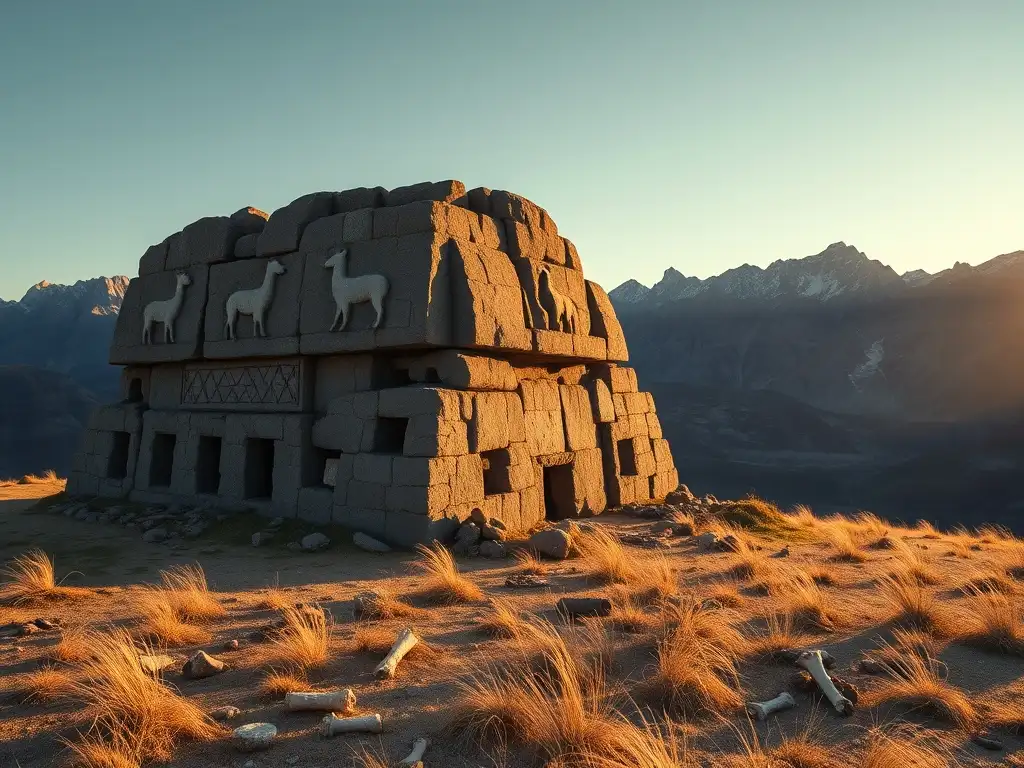
Andean burial architecture wasn't merely about disposing of the deceased; it was a complex system of symbolic representation deeply intertwined with the Andean worldview. The careful construction of tombs, the selection of burial sites, and the inclusion of grave goods all contributed to a rich tapestry of meaning, reflecting beliefs about the afterlife and the ongoing relationship between the living and the dead. Understanding these symbolic aspects is crucial to appreciating the sophisticated mortuary practices of Andean cultures.
The placement of tombs, for example, often held significant cosmological meaning, aligning with celestial bodies or sacred geographical features. This deliberate positioning underscored the belief that the deceased continued to exist in a realm connected to the living world.
The orientation of the body within the tomb, the type of materials used in construction, and even the arrangement of grave goods all contributed to a nuanced narrative about the individual's life, status, and journey into the afterlife. Analysis of these subtle details reveals a profound understanding of the symbolic power of death and its enduring significance within Andean society.
The Connection Between Death and Ancestor Veneration
Ancestor veneration was a central tenet of Andean societies, with the deceased playing a vital role in the continued well-being of the living. Death wasn't seen as an ending, but rather a transformation. The deceased were believed to retain a powerful influence on the affairs of the living, acting as intermediaries between the human world and the supernatural realm.
This belief is strongly reflected in Andean burial architecture. Elaborate tombs, often containing rich grave goods, served not only as final resting places but also as focal points for ongoing ancestor veneration. Families and communities would return to these sites to make offerings, perform rituals, and seek guidance from their ancestors.
The architecture itself, with its intricate designs and symbolic elements, served to reinforce this connection. For instance, the use of specific materials, such as gold or obsidian, held symbolic significance, further emphasizing the importance of the deceased and their continued presence in the lives of their descendants. The construction of family mausoleums also highlights the importance placed upon maintaining familial ties across generations, even beyond death.
The Role of Offerings and Rituals in Andean Funerary Practices
The inclusion of offerings and the performance of rituals were integral components of Andean funerary practices. These actions weren't simply gestures of respect; they were vital elements in ensuring the deceased's successful transition to the afterlife and maintaining their continued influence on the living. Offerings varied widely in type and quantity, reflecting the status and social standing of the deceased. Common offerings included food, textiles, pottery, and precious metals.
The careful selection and arrangement of these items suggest a deliberate attempt to provide the deceased with the necessities for their journey into the afterlife and to appease any potentially malevolent spirits. Rituals performed at burial sites often involved complex ceremonies, involving priests or shamans, and sometimes entire communities. These practices aimed to facilitate the deceased's passage into the spirit world and to strengthen the bond between the living and the dead.
The presence of specific ritual objects within the tombs further supports this interpretation, offering tangible evidence of the elaborate ceremonies that accompanied Andean burial practices. Detailed archaeological records reveal the diversity and complexity of these offerings and rituals, showcasing the importance placed on proper funerary rites within Andean societies. The sheer quantity and variety of grave goods found in many tombs underscores the significant resources dedicated to these practices, highlighting their central role in Andean culture.
Andean Cosmovision and the Journey of the Soul
Andean burial architecture is deeply rooted in the Andean cosmovision, a complex worldview that encompassed a layered universe and a cyclical understanding of life and death. The journey of the soul after death was believed to be a significant and challenging undertaking, requiring careful preparation and guidance. The design and location of tombs reflected this belief, often incorporating features that mirrored the Andean understanding of the cosmos.
For instance, some tombs were oriented to align with celestial bodies, reflecting the belief that the deceased's soul would continue its journey through the heavens. The inclusion of specific grave goods, such as miniature representations of everyday objects or depictions of deities, further suggests an attempt to provide the deceased with the necessary tools and companions for their journey. The intricate designs and symbolic motifs found on tomb walls and artifacts offer valuable insights into the Andean understanding of the afterlife and the complexities of the soul's journey.
The elaborate nature of Andean burial practices, therefore, wasn't merely a reflection of material wealth or social status, but rather a profound expression of their spiritual beliefs and cosmological understanding. The careful consideration given to every aspect of the burial process highlights the deep significance attributed to the deceased and their ongoing relationship with the living.
Preservation and Modern Research of Andean Burial Sites
The study of Andean burial architecture presents a unique set of challenges and opportunities. The fragility of the sites, coupled with the looting and environmental degradation they face, necessitates careful preservation strategies and innovative research methods. Understanding the construction techniques, materials, and symbolic meanings embedded within these sites is crucial to reconstructing a complete picture of Andean cosmology and worldview.
The sheer scale and diversity of Andean burial practices, ranging from simple interments to elaborate subterranean complexes, further complicates the task, requiring a multidisciplinary approach to effectively preserve and understand these invaluable archaeological resources. Successful preservation efforts directly contribute to enriching our understanding of Andean burial architecture and the beliefs surrounding death. The ongoing research helps to refine our understanding of Andean societies, their social structures, and their relationship with the spiritual world.
Challenges in Preserving Ancient Andean Tombs
Preserving ancient Andean tombs presents significant hurdles. The arid climate of the Andes, while beneficial in some ways by slowing organic decay, also contributes to the fragility of the structures. Exposure to the elements, including extreme temperature fluctuations and strong winds, causes erosion and deterioration of adobe bricks and other building materials.
Furthermore, the porous nature of many of these materials makes them susceptible to water damage, even in arid climates. Looting remains a persistent threat, with grave robbers seeking precious artifacts, causing irreparable damage to the sites and disrupting the integrity of the archaeological record. This necessitates not only physical security measures but also proactive community engagement to foster a sense of ownership and responsibility for protecting the cultural heritage.
The lack of adequate funding and resources further exacerbates these challenges, hindering the implementation of effective preservation strategies. For example, the lack of proper drainage systems around many sites leads to water accumulation and consequent damage. Finally, the sheer scale and remoteness of many Andean burial sites make their monitoring and protection a logistically difficult task.
Modern Archaeological Techniques Used in Andean Burial Site Research
Modern archaeological techniques have revolutionized the study of Andean burial architecture. Non-invasive methods like ground-penetrating radar (GPR) and magnetometry are now routinely employed to map burial sites without disturbing the fragile remains. These techniques allow archaeologists to identify subterranean structures, chambers, and potential burial features before any excavation begins, enabling more targeted and less destructive investigations.
Advanced imaging technologies, such as 3D laser scanning and photogrammetry, provide detailed, high-resolution models of the sites, allowing for meticulous documentation and analysis without physical contact. These digital models also facilitate the creation of virtual reconstructions, making the sites accessible to a wider audience and fostering greater public awareness. Furthermore, the application of isotopic analysis and other geochemical techniques helps to understand the origins of building materials and the diet of the deceased, providing valuable insights into trade networks, social status, and funerary practices.
The integration of these diverse methods ensures a more comprehensive understanding of Andean burial architecture while minimizing the impact on the sites themselves. The use of drones and satellite imagery is also playing an increasingly important role in the detection and mapping of previously unknown burial sites.
Insights Gained from Recent Discoveries at Sipán and Caral
Recent discoveries at sites like Sipán and Caral have significantly enhanced our understanding of Andean burial architecture. The Sipán royal tombs, for example, revealed incredibly elaborate burial chambers containing a wealth of gold, silver, and other precious artifacts, providing unparalleled insight into the Moche elite's worldview and funerary rituals. The sophisticated craftsmanship and the sheer volume of grave goods underscore the importance placed on ancestor veneration and the afterlife.
Similarly, the discoveries at Caral, one of the oldest known civilizations in the Americas, reveal complex social organization and sophisticated engineering capabilities even in the early stages of Andean development. The meticulous construction of the Caral pyramids and associated burial structures indicates a high level of societal organization and planning. The analysis of human remains and artifacts from these sites has provided valuable data on diet, health, and social stratification, enriching our understanding of the societies that created them.
These findings highlight the complexity and diversity of Andean burial practices across different time periods and geographical locations, challenging previously held assumptions and providing a more nuanced understanding of Andean cosmology. Continued research at these and other sites promises to further illuminate the rich tapestry of Andean burial architecture and its significance within the broader context of Andean civilization.
Frequently Asked Questions
What is Andean burial architecture?
Andean burial architecture encompasses the diverse range of structures built by ancient Andean civilizations for interring their dead. This includes everything from simple graves to elaborate tombs and complex mausoleums.
How did the Incas approach burial architecture?
Inca burial practices varied, but often involved elaborate stone structures, sometimes integrated into existing landscapes. Royal burials were particularly grand, often containing significant grave goods.
What materials were commonly used in Andean burial sites?
Stone was a prevalent material, reflecting the Andean landscape. Other materials included adobe bricks, wood, and textiles, depending on the culture and location.
What can Andean burial architecture tell us about their beliefs?
Andean burial architecture provides crucial insights into religious beliefs and social structures. The complexity of a burial site often reflects the status of the deceased and the community's worldview.
Are there any examples of particularly impressive Andean burial architecture?
Yes! The Royal Tombs of Sipán (Moche culture) and the mausoleums of the Wari culture are excellent examples of impressive and complex burial architecture. Many other sites showcase the diversity of styles.
Final Reflection: Echoes of the Andes: A Legacy in Stone
The intricate burial architecture of the Andes continues to resonate today, a powerful testament to the enduring human need to honor the departed and grapple with mortality. These ancient structures, far from being mere repositories of the dead, serve as vibrant windows into complex social structures, spiritual beliefs, and artistic achievements that continue to shape our understanding of Andean civilizations. Their preservation is not simply a matter of historical preservation; it is a vital act of cultural continuity.
The enduring legacy of Andean burial practices profoundly impacts our understanding of death and remembrance. These sites, often perched precariously on mountain slopes or nestled within sacred valleys, speak volumes about the profound connection these cultures held with their ancestors and the landscape itself. Their meticulous construction, the symbolic significance of the artifacts interred within, and the sheer scale of some of these sites all point to a sophisticated worldview that valued both the living and the dead in a deeply intertwined relationship. The past is never dead. It's not even past.
– William Faulkner. This quote resonates deeply when considering the ongoing relevance of these ancient burial grounds and the stories they continue to tell.
Consider the intricate details of these structures, the painstaking craftsmanship evident in every stone, and the profound spiritual significance they held. Now, consider your own relationship with mortality and remembrance. How can we, in our own lives, create meaningful rituals and spaces that honor those who have passed and celebrate the enduring power of human connection?
Let the echoes of the Andes inspire you to reflect on your own legacy and the ways in which you wish to be remembered. Let the enduring beauty of these sacred sites serve as a reminder of the timeless human need to connect with the past and shape a meaningful future.
Uncover the Mysteries of Andean Burial Practices!
Thank you for joining us on this fascinating journey into the sacred burial grounds of the Andes. We hope you've gained valuable insights into the intricate relationship between death and Andean civilizations. Now, let's explore ways to further connect with this rich cultural heritage.
- **Visit a local museum** showcasing Andean artifacts to appreciate the exquisite craftsmanship firsthand.
- **Share this article** with friends and family to spark conversations about this captivating culture.
- **Join a local history or archaeology group** to connect with others passionate about ancient civilizations.
What aspect of Andean burial traditions finds you most intrigued, and how do you believe these practices reflect the values of their society?