
The Gleaming Guardians: Metalwork as a Symbol of Protection in the Andes

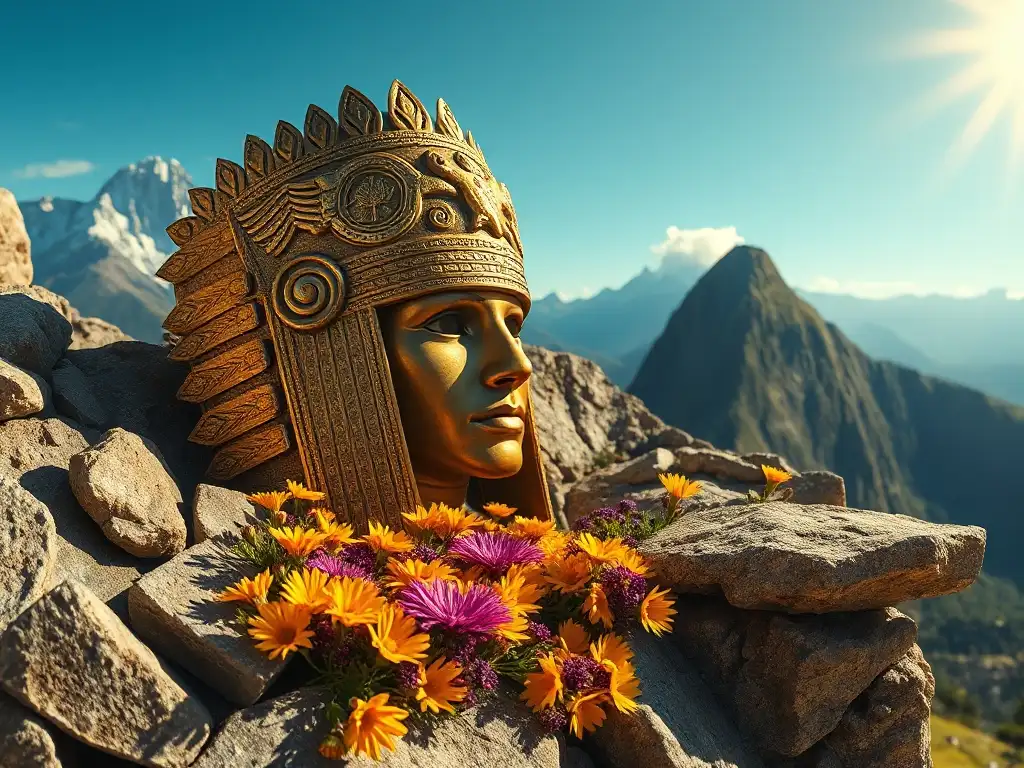
Step into a world lost to time, yet echoing with the brilliance of Andean civilizations. Prepare to be captivated by the intricate artistry and profound symbolism embedded within their creations. Discover how Andean metalwork symbolism, far from mere decoration, served as a powerful language of protection and spiritual connection, shaping the beliefs and lives of these fascinating cultures. Unravel the secrets held within the gleaming surfaces and delve into the stories whispered by the ancient metals – the journey begins now.
The shimmering artistry of Andean metalwork extends far beyond its aesthetic appeal. For the ancient inhabitants of the Andes Mountains, from the Incas to the pre-Inca cultures like the Moche and Nazca, meticulously crafted objects in gold, silver, copper, and bronze weren't merely decorative; they held profound spiritual significance, acting as powerful symbols of protection and connection to the supernatural world.
This article delves into the fascinating world of Andean metalwork symbolism, exploring how these gleaming objects served as guardians, warding off evil and ensuring prosperity and well-being. We will examine the materials used, the techniques employed, and the specific iconography that imbued these artifacts with their protective power, offering a glimpse into the rich tapestry of Andean beliefs and practices.
Understanding this symbolism provides crucial insight into the worldview and societal structures of these remarkable civilizations, enriching our appreciation for their enduring legacy. This exploration will uncover how the artistry of Andean metalwork serves as a window into the spiritual lives of these ancient peoples, revealing the deep connection between their material culture and their cosmological understanding.
Introduction to Andean Metalwork and its Significance
Andean metalworking represents a remarkable achievement in ancient technology and artistry. The mastery of metallurgical techniques, particularly the sophisticated methods of alloying and casting, allowed Andean artisans to create a breathtaking array of objects, from intricate jewelry and ceremonial vessels to monumental sculptures and weaponry. The use of precious metals like gold and silver further enhanced the prestige and symbolic power of these artifacts. The scarcity of these materials, combined with the complex techniques required to work them, ensured that metal objects held a position of high value within Andean societies.
This value extended beyond the purely economic; the symbolic meaning embedded within these objects played a crucial role in religious rituals, social status, and political power. Different metals were associated with different deities and cosmic forces, influencing their use in specific contexts. For example, gold, often associated with the sun and its life-giving power, frequently appeared in objects related to royalty and divinity.
Silver, on the other hand, might have been associated with the moon or other celestial bodies, reflecting its different symbolic connotations. The sheer skill and precision evident in Andean metalwork underscore the advanced technological capabilities and artistic sensibilities of these cultures, emphasizing the deep-seated importance of metal in their societies. The meticulous detail and symbolic richness of these artifacts speak volumes about the worldview and spiritual beliefs of the Andean people.
The Protective Power of Metals in Ancient Andean Beliefs
The belief in the protective power of metals was deeply ingrained in Andean cosmology. Metals were not simply inert materials; they were imbued with spiritual energy, capable of warding off evil spirits, ensuring good health, and promoting prosperity. This belief is reflected in the widespread use of metal amulets and charms, often depicting deities or apotropaic figures designed to repel harm. The intricate designs and symbolic imagery found on these objects were carefully chosen to maximize their protective efficacy.
For instance, the depiction of specific animals, such as jaguars or condors, often associated with power and protection, served to invoke their inherent strength and ward off negative influences. Similarly, representations of deities or supernatural beings were believed to provide divine protection and guidance. The use of specific metals in these amulets further reinforced their protective properties. The brilliance of gold, for instance, was seen as a reflection of the sun's radiant power, capable of driving away darkness and malevolent forces.
Furthermore, the careful placement of these amulets – perhaps sewn into clothing, worn as jewelry, or placed within tombs – suggests a deliberate attempt to harness their protective power in everyday life and beyond. The widespread presence of metal objects in burial contexts further underscores their importance in the afterlife, suggesting a belief in their continued protective function even after death. The enduring legacy of Andean metalwork thus speaks not only to their artistic prowess but also to their deeply held spiritual beliefs and their enduring faith in the protective power of these gleaming guardians.
- Introduction to Andean Metalwork and its Significance
- The Protective Power of Metals in Ancient Andean Beliefs
Metalworking Techniques and Materials in Andean Cultures
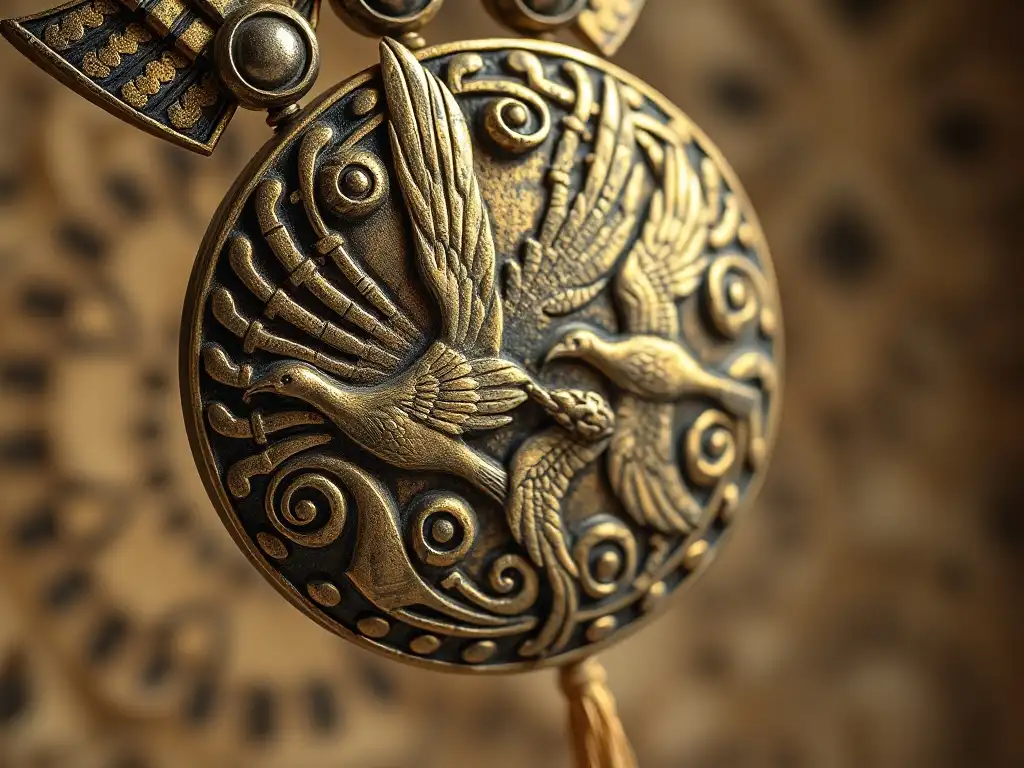
The mastery of metalworking in the Andes was not merely a technological achievement; it was deeply intertwined with the spiritual and social fabric of these ancient societies. The techniques employed, the materials selected, and the resulting artifacts all speak to a sophisticated understanding of metallurgy and its symbolic power. Understanding the materials used is key to deciphering the symbolism embedded in Andean metalwork. This section explores the primary metals used and the methods employed to shape them, illuminating the significance of Andean metalwork symbolism.
Gold and Silver: Sacred Metals of the Andes
Gold and silver held unparalleled sacred significance in Andean cultures. These precious metals, often associated with the sun (gold) and the moon (silver), were believed to possess inherent power and were used to create objects imbued with spiritual potency. The sheer rarity of these metals amplified their symbolic value, reserving their use for elite members of society, religious ceremonies, and the adornment of important figures.
The techniques used to work gold and silver were remarkably advanced. The artisans employed sophisticated methods like hammering, annealing (heating and cooling to soften the metal), soldering, and repoussé (hammering from the back to create raised designs). Intricate details, often depicting deities, animals, or mythological scenes, were meticulously crafted, demonstrating a high level of skill and artistic expression. The creation of these pieces wasn't just a craft; it was a ritual, a process of imbuing the metal with spiritual energy.
Consider the tumi, a ceremonial knife often crafted from gold or silver. Its curved blade, often adorned with intricate designs, symbolized both power and ritual sacrifice. The tumi wasn't just a tool; it was a powerful symbol of authority, used by priests and rulers in important ceremonies. The sheer precision and detail in these pieces, often incorporating techniques like filigree and granulation, further underscores the sacred nature of these metals and their significance within Andean metalwork symbolism.
Copper and Bronze: Everyday Protection and Power
While gold and silver were reserved for the elite, copper and bronze played a crucial role in the daily lives of Andean peoples. These metals, more readily available than gold and silver, were used to create a wider range of objects, from tools and weapons to ornaments and religious paraphernalia. Although less precious than gold and silver, copper and bronze still held considerable symbolic weight, representing power, protection, and connection to the earth.
The use of copper and bronze extended beyond mere practicality. The alloys and techniques used in their creation varied depending on the intended purpose of the object. For example, bronze, an alloy of copper and tin, offered greater strength and durability, making it ideal for tools and weapons. The creation of these items involved casting techniques, including lost-wax casting, a sophisticated method that allowed for intricate and detailed designs.
The incorporation of decorative elements on copper and bronze objects further enhances their symbolic meaning. Geometric patterns, animal motifs, and stylized human figures were often incorporated, reflecting the beliefs and values of the culture. These designs frequently served a protective function, warding off evil spirits or ensuring good fortune. Thus, even everyday objects made of copper and bronze participated in the rich tapestry of Andean metalwork symbolism, demonstrating the pervasive influence of metalworking on all aspects of Andean life. The enduring presence of these objects speaks volumes about their practical and spiritual importance within the context of Andean society.
Andean Metalwork Symbolism: Guardians and Deities
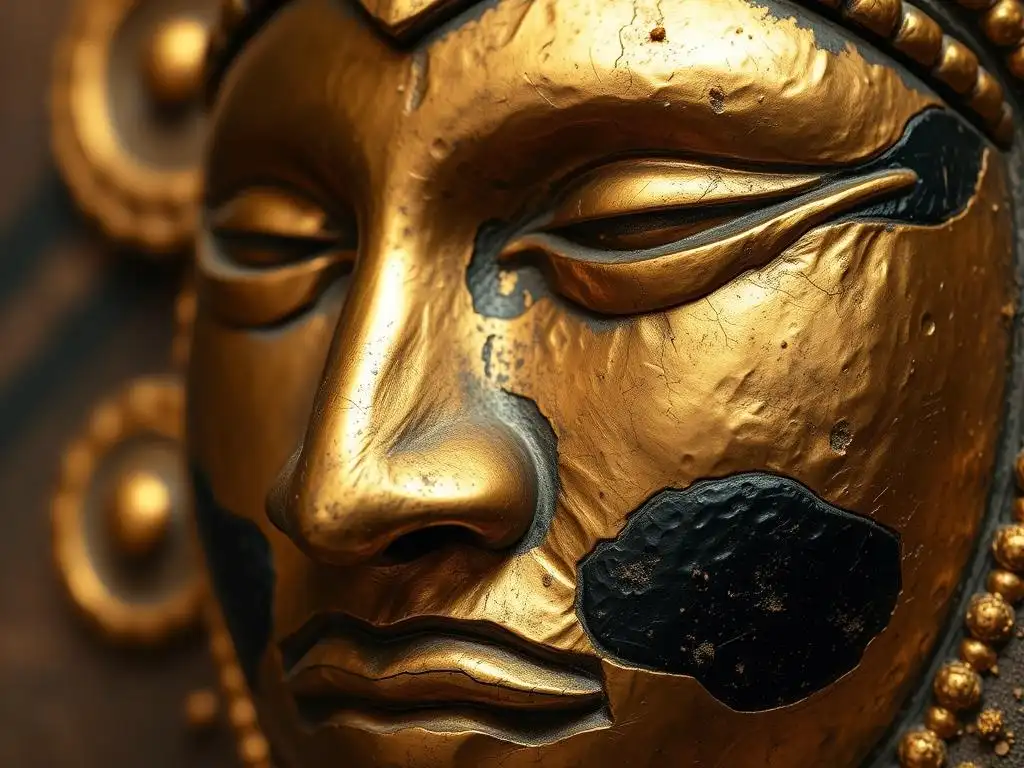
This section delves into the fascinating world of Andean metalwork symbolism, focusing on how artisans imbued their creations with protective powers, reflecting the spiritual beliefs and anxieties of ancient Andean societies. The intricate designs and the materials themselves—gold, silver, copper, and alloys—were not merely aesthetic choices but powerful expressions of a worldview deeply intertwined with the supernatural. Understanding the symbolism embedded in these objects offers a unique window into the cosmology and social structures of these remarkable civilizations. The analysis of Andean metalwork symbolism reveals a complex system of beliefs, where the tangible and intangible worlds were inextricably linked.
Depictions of Mythological Figures for Protection
Andean metalwork frequently features depictions of mythological figures, often associated with protection and fertility. These weren't just decorative elements; they were believed to possess inherent power, acting as guardians against harm and ensuring prosperity. For example, representations of feline deities, like the jaguar or puma, were common in Moche and Nazca metalwork. These powerful predators symbolized strength, agility, and a connection to the spirit world, offering protection against both earthly and supernatural threats. The meticulous detail in these depictions, often highlighting the animal's features with inlaid precious metals, underscores their importance as potent symbols.
Consider the intricate gold and copper figurines unearthed from Moche tombs. Many depict anthropomorphic figures with feline features, possibly representing shamanistic figures or deities with the ability to traverse between the human and spirit worlds. These figures, carefully crafted and adorned, were likely placed within tombs to protect the deceased on their journey to the afterlife.
Their presence suggests a belief in the continued efficacy of these protective symbols even beyond death. The powerful imagery and the precious materials used further reinforce their significance. The use of gold, particularly, associated with the sun and its life-giving properties, amplified the protective power attributed to these figures.
The Role of Animal Motifs in Metalwork
Beyond explicit depictions of deities, a wide range of animal motifs appear in Andean metalwork, each carrying its own symbolic meaning related to protection. Condor imagery, for instance, was prevalent across various cultures. Condors, with their ability to soar high above the mountains, were associated with the sun, the sky, and the celestial realm. Their presence in metalwork symbolized a connection to the divine and offered protection from earthly dangers. Similarly, serpent motifs, often depicted in a stylized manner, were linked to fertility, water, and the underworld, representing both life-giving and protective forces.
The specific animal depicted often varied according to the region and the cultural context. For instance, coastal cultures might emphasize marine animals like fish or seabirds, reflecting their dependence on the sea and associating these creatures with abundance and protection. High-altitude cultures, on the other hand, might feature camelids like llamas or alpacas, which were essential to their survival and were imbued with symbolic significance related to prosperity and stability.
The diversity of animal motifs highlights the nuanced relationship between Andean societies and their environment, with each animal carrying a specific symbolic weight within its respective cultural context. The careful selection and detailed rendering of these animal motifs emphasize their importance as protective symbols.
Geometric Patterns and their Protective Meanings
Geometric patterns are another significant component of Andean metalwork symbolism, often intertwined with protective meanings. These patterns, ranging from simple lines and zigzags to complex spirals and stepped frets, were not merely decorative; they were believed to possess inherent power, capable of warding off evil and ensuring good fortune. The precise arrangement and repetition of these patterns suggest a deep understanding of their symbolic significance. Many researchers believe these patterns represent cosmological concepts, reflecting the Andean worldview and its connection to the cosmos.
The use of specific colors in these patterns also contributed to their protective power. The use of gold, for instance, was associated with the sun and its life-giving energy. Silver, on the other hand, was often linked to the moon and its cyclical nature, representing both fertility and protection. The combination of these colors and patterns created a powerful visual language, imbued with protective energy.
Further research is needed to fully understand the specific meanings associated with each geometric pattern and color combination across different Andean cultures. However, the consistent presence of these patterns in metalwork across various Andean societies suggests their widespread importance as protective symbols. The study of these patterns provides valuable insights into the spiritual and cosmological beliefs of ancient Andean civilizations.
Specific Examples of Protective Metalwork
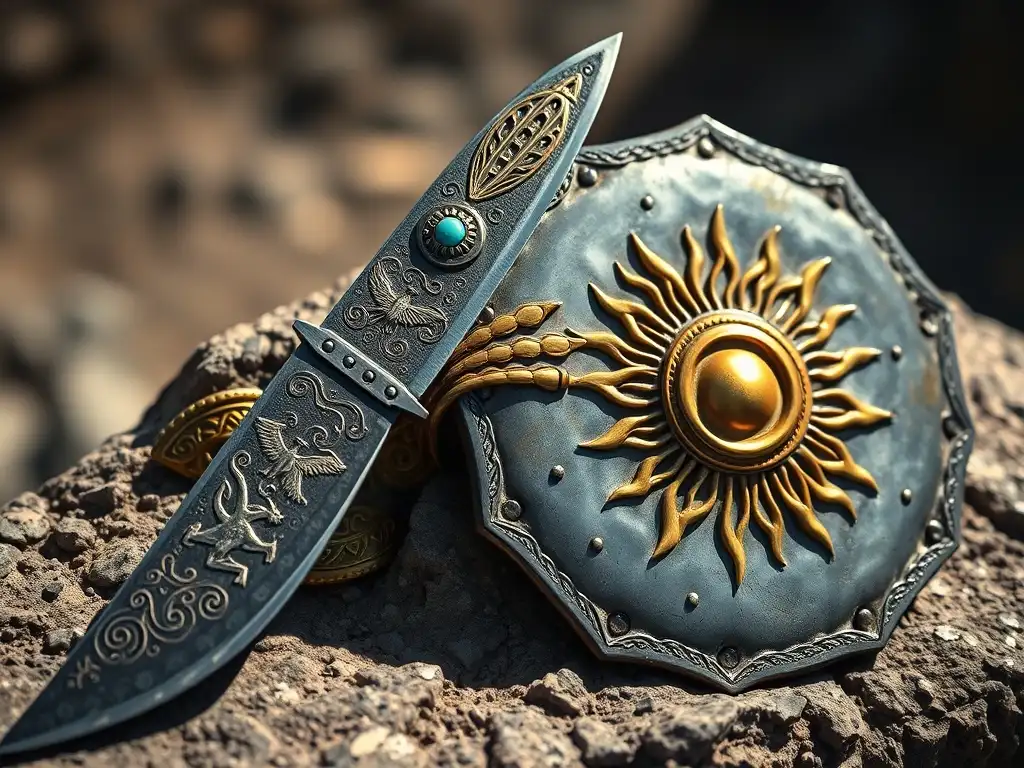
This section delves into specific examples of Andean metalwork showcasing its role as a symbol of protection, exploring the craftsmanship, materials, and cultural significance behind these artifacts. We will examine how these objects, far from being mere adornments, served as tangible expressions of spiritual and physical safeguarding, reflecting the complex beliefs and practices of the Andean civilizations. The analysis will focus on the Andean metalwork symbolism inherent in their design and use.
The Tumi Knife: Its Symbolism and Context
The tumi, a ceremonial knife with a distinctive crescent-shaped blade, is perhaps one of the most recognizable examples of Andean metalwork. While often associated with ritual sacrifice, its symbolism extended far beyond this singular function. The tumi's curved blade, often intricately decorated with figures of animals, deities, or geometric patterns, represented a powerful connection between the earthly and spiritual realms. The act of crafting the tumi itself, a meticulous process involving sophisticated metallurgical techniques, imbued the object with significant power.
Its presence during ceremonies likely served to protect participants, ensuring the successful completion of rituals and the favor of the gods. The materials used – often gold, silver, or copper alloys – further enhanced its protective qualities, reflecting the high value placed on these metals in Andean cultures. Analysis of surviving tumis reveals a wide range of styles and iconography, indicating regional variations in their design and symbolic meaning.
For example, tumis from the Moche culture often depict scenes of warfare and sacrifice, whereas those from the Chimú culture may focus on stylized animal forms. This diversity highlights the multifaceted nature of the tumi and its significance as a powerful symbol of protection within different Andean societies. Detailed studies of the metal composition and the manufacturing techniques used in these tumis continue to reveal new insights into the advanced metallurgical skills of Andean artisans and their understanding of the protective properties of metals.
The Inca Breastplate: Its Protective Function
Inca breastplates, crafted from hammered gold or silver sheets, represent another significant example of Andean metalwork symbolism focused on protection. These weren't merely decorative pieces; their strategic placement across the chest indicated their role as physical and spiritual shields. The weight and construction of the breastplates suggest they offered a degree of physical protection in combat, deflecting blows or piercing weapons. However, their primary function was likely symbolic.
The intricate designs, often featuring representations of sacred animals or deities like the sun god Inti, served to invoke divine protection and ward off evil spirits. The use of precious metals further amplified this protective power, linking the wearer to the realm of the sacred. Evidence suggests that the breastplates were primarily worn by elite individuals – rulers, priests, or high-ranking officials – signifying their elevated status and the divine protection afforded to them.
The craftsmanship involved in creating these intricate breastplates demonstrates the advanced level of Inca metallurgy, highlighting their mastery over metalworking techniques. The precise hammering, shaping, and sometimes inlay work required immense skill and patience, underscoring the value and significance attributed to these protective garments. The sheer weight of some of these breastplates also suggests a deliberate attempt to display power and authority, further reinforcing their protective and symbolic roles.
Chimú Metalwork: Regional Variations in Metalwork Protection
Chimú metalwork displays a unique style and approach to protective Andean metalwork symbolism, often incorporating intricate designs and a preference for specific metals and alloys. Unlike the Inca's focus on large, iconic pieces, Chimú artisans favored smaller, more intricately detailed objects, including ornaments, amulets, and small figurines. These were often worn as personal protection charms, offering safeguards against illness, misfortune, or malevolent spirits. The use of gold, silver, and copper alloys, sometimes combined with turquoise or other precious stones, reflects the Chimú belief in the inherent power of these materials to repel negative energies.
The frequent depiction of supernatural beings, mythical creatures, and powerful symbols on these objects further emphasizes their protective function. Furthermore, the high level of craftsmanship evident in Chimú metalwork speaks to the importance placed on these protective artifacts. The meticulous detail and refinement of the designs reveal a deep understanding of metallurgy and a profound connection to the spiritual world.
Specific techniques, such as the use of lost-wax casting or repoussé, allowed Chimú artisans to create incredibly detailed and intricate pieces, enhancing their symbolic and protective power. The stylistic variations observed in Chimú metalwork across different regions suggest distinct local beliefs and practices regarding protection and the use of metalwork as a means of achieving it. Further research into these regional variations promises to reveal more about the complex relationship between metalwork, spirituality, and protection within Chimú society.
Andean Metalwork as Amulets and Talismans
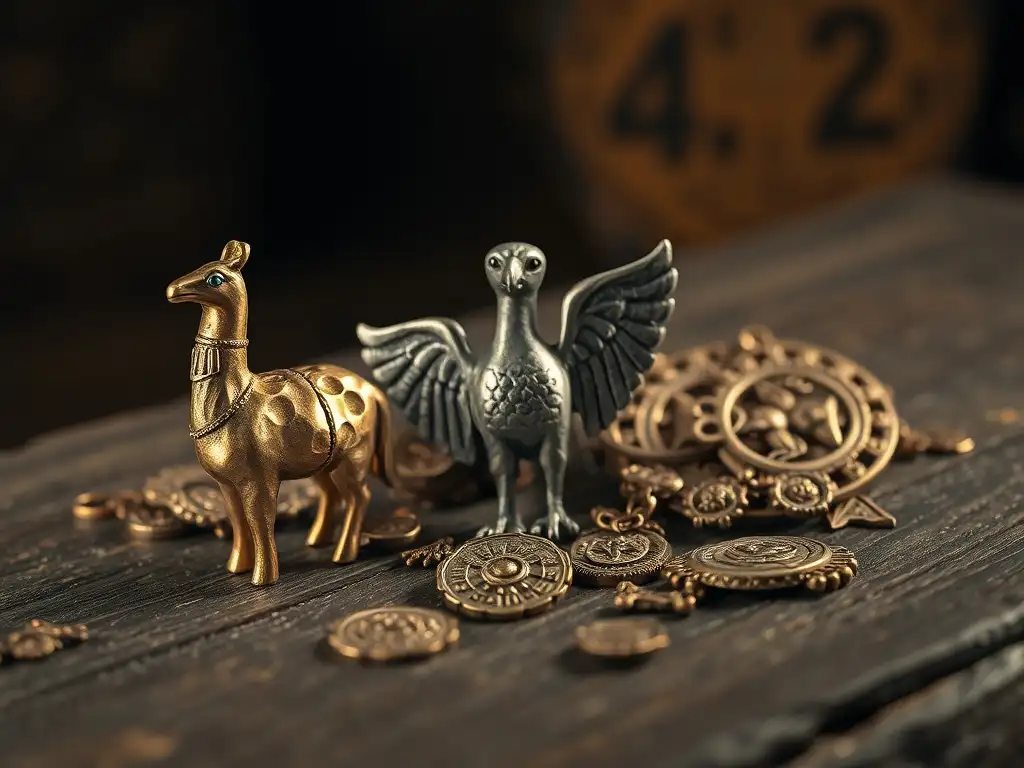
The intricate artistry of Andean metalwork extended far beyond mere aesthetic appeal; it served a crucial role in the spiritual and social lives of ancient Andean peoples. Many objects, seemingly decorative, functioned as powerful amulets and talismans, believed to offer protection, good fortune, and connection to the supernatural world. This belief system, deeply ingrained in Andean cosmology, infused everyday objects with potent symbolic meaning, making even the smallest piece of metalwork a potential conduit to the divine.
The careful selection of materials, the meticulous craftsmanship, and the specific iconography employed all contributed to the object's protective power. The concept of "Andean metalwork symbolism" is thus not simply about aesthetics, but about a complex interplay of material culture and spiritual belief.
Personal Adornments for Protection
Personal adornments, from intricately crafted earrings and necklaces to elaborate headdresses and breastplates, were frequently imbued with protective properties. These weren't just fashion statements; they were active participants in the wearer's spiritual defense. For example, miniature figurines of deities or powerful animals, cast in gold or silver, were often incorporated into necklaces.
These served as potent charms, believed to ward off evil spirits and ensure the wearer's well-being. The use of specific metals also held significance. Gold, associated with the sun and its life-giving power, was considered particularly potent, while silver, linked to the moon and its reflective qualities, was believed to deflect negative energy.
Analysis of surviving artifacts reveals a striking consistency in the use of certain motifs associated with protection, such as snakes (representing fertility and cyclical renewal), condors (symbolizing power and altitude), and jaguars (embodying strength and ferocity). These symbols, skillfully rendered in metal, reinforced the protective function of the ornaments.
Consider, for instance, the numerous examples of gold and silver ear spools found in various Andean contexts. These weren't simply decorative; their size and weight suggested a significant symbolic function, possibly acting as a physical and spiritual barrier against harm. Furthermore, the meticulous detail in their crafting, often featuring intricate designs and inlaid gemstones, points to the immense value placed upon their protective abilities.
The creation of these objects was a ritualistic act in itself, further enhancing their protective powers. The artisans, highly skilled and revered within their communities, imbued the metalwork with their own spiritual energy during the creation process. This imbued the final product with a potent spiritual force.
Metal Offerings and Ritual Objects
Beyond personal adornments, Andean metalwork played a crucial role in rituals and offerings. Elaborate metal objects, often depicting deities or mythological creatures, were presented as offerings to the gods. These offerings weren't simply gifts; they were powerful acts of communication, designed to appease the supernatural forces and ensure the continued prosperity of the community.
The sheer scale and quality of some of these offerings, such as the massive gold and silver objects found in royal tombs, emphasize the profound significance placed upon these ritualistic acts. The creation of these ritual objects was a complex process involving specialized knowledge and techniques, further highlighting their importance within Andean society.
The meticulous detail in these ritual objects, often featuring intricate designs and symbolic motifs, reveals a deep understanding of Andean cosmology and the spiritual forces that governed the world. For example, the use of specific alloys, the incorporation of precious stones, and the careful selection of iconography all contributed to the object's ritual efficacy. The choice of metal itself often held symbolic weight; gold, for example, was associated with the sun god Inti, while silver was linked to the moon goddess Mama Killa.
The use of these metals in ritual objects therefore served to directly connect the offering to the divine. The discovery of these pieces in carefully constructed contexts—often within temples or burial sites—further supports their role as powerful ritual artifacts. The precise placement of these objects within the ritual setting suggests a carefully planned interaction between the human and spiritual realms.
These offerings, far from being merely discarded items, actively participated in the shaping of Andean spiritual life. They represent a tangible manifestation of Andean faith and a testament to the enduring power of Andean metalwork symbolism.
The Lasting Legacy of Andean Metalwork
The intricate artistry and symbolic power of Andean metalwork continue to resonate profoundly in the modern world. From the shimmering gold and silver ornaments of the Inca to the subtly detailed copper alloys of earlier cultures, the techniques and motifs employed by ancient Andean artisans have left an indelible mark on subsequent generations. The legacy isn't just aesthetic; it's deeply rooted in cultural identity and spiritual beliefs that persist to this day.
The enduring fascination with Andean metalwork, particularly its symbolism, fuels ongoing research and inspires contemporary artists and craftspeople. Understanding this legacy is crucial to appreciating the complexity and richness of Andean cultural heritage. The sheer diversity of styles across different Andean cultures – reflecting unique beliefs and aesthetic preferences – adds further layers to this rich tapestry.
For instance, the hammered gold sheets of the Moche contrast sharply with the finely detailed silver work of the Inca, yet both reveal a sophisticated understanding of metallurgy and a profound connection to the spiritual realm. This enduring influence underscores the timeless power of Andean craftsmanship.
Influence on Modern Andean Art and Crafts
Modern Andean art and crafts are profoundly influenced by the techniques and symbolism of their ancient predecessors. Contemporary artisans often draw inspiration from pre-Columbian designs, adapting them to create new expressions of cultural identity. The use of traditional metals like gold, silver, and copper, along with newer materials, demonstrates a continuity of artistic practice. We see this reflected in jewelry, textiles, and sculpture, where motifs and techniques from ancient Andean metalwork are frequently incorporated.
For instance, many contemporary Peruvian silversmiths utilize techniques like repoussé and chasing, mirroring pre-Columbian methods. The stylistic elements – such as stylized animals, geometric patterns, and anthropomorphic figures – frequently appear in modern designs, demonstrating a direct lineage. This isn't mere imitation; it's a conscious engagement with the past, a way of connecting with ancestral traditions and celebrating a vibrant cultural heritage.
The ongoing popularity of Andean-inspired jewelry globally further underscores the enduring appeal and influence of this ancient art form. The continued use of traditional techniques ensures that the knowledge and skills associated with Andean metalwork remain alive and well. This active engagement with the past ensures that the artistry and symbolism of Andean metalwork continue to thrive.
Understanding the Symbolism of Ancient Metalwork Today
Understanding the symbolism of ancient Andean metalwork requires careful consideration of the cultural context in which it was created. While definitive interpretations can be challenging, due to the limited surviving written records, scholars have made significant progress through careful analysis of artifacts and iconographic elements. Often, metals themselves held symbolic significance. Gold, for example, was frequently associated with the sun, power, and divinity, reflecting its rarity and brilliance.
Silver, conversely, might represent the moon or water, possessing a different set of symbolic associations. The forms and motifs depicted in Andean metalwork are equally rich in meaning. Stylized animals, such as condors and jaguars, often represent deities or embody specific qualities such as strength, power, or agility. Geometric patterns, while seemingly abstract, may have encoded complex cosmological beliefs or social hierarchies.
The careful study of these elements, combined with anthropological and archaeological evidence, allows for a deeper understanding of the beliefs and values of ancient Andean societies. Moreover, the context of discovery – whether within a tomb, temple, or domestic setting – provides crucial clues about the function and intended meaning of specific artifacts. The process of interpreting Andean metalwork symbolism is ongoing and interdisciplinary, requiring collaboration between archaeologists, art historians, and anthropologists to paint a more complete picture.
Conclusion: The Enduring Power of Andean Metalwork Symbolism
The enduring power of Andean metalwork symbolism lies in its ability to transcend time and connect past and present. From the intricate gold ornaments of the Inca to the subtle copper alloys of earlier cultures, the motifs and techniques employed by ancient Andean artisans continue to inspire and captivate. The legacy of Andean metalwork extends beyond mere aesthetics; it represents a profound connection to ancestral traditions, spiritual beliefs, and cultural identity.
The continued study and appreciation of Andean metalwork symbolism are essential to understanding the rich tapestry of Andean civilization and its lasting impact on the world. The ongoing research and the creative reinterpretations in modern art and craft demonstrate the vitality of this ancient tradition and its relevance in contemporary society.
The shimmering legacy of Andean metalwork continues to illuminate our understanding of the past and inspire the artists and craftspeople of today. The careful preservation and study of these artifacts are critical to ensuring that the stories encoded within them continue to resonate for generations to come.
Frequently Asked Questions
What role did metalwork play in Andean societies?
Andean metalwork held immense symbolic significance, often representing power, status, and spiritual beliefs. It was integral to religious practices and daily life, reflecting the societies' advanced metallurgical skills.
How did Andean artisans create their intricate metalwork?
Artisans employed sophisticated techniques like lost-wax casting and hammering to shape gold, silver, copper, and bronze into complex objects. They also utilized alloying to create different colors and properties in their metals.
What symbols are commonly found in Andean metalwork?
Common symbols include animals (e.g., jaguars, condors) representing power and deities, as well as geometric patterns with religious or cosmological meanings. These symbols varied across different Andean cultures.
What is the significance of gold in Andean metalwork?
Gold held sacred importance, often associated with the sun and divine power. Its use in ceremonial objects and elite burials underscores its value as a symbol of royalty and the afterlife.
How does Andean metalwork relate to the concept of protection?
Many metal objects, like protective amulets and ceremonial adornments, were believed to offer spiritual protection to their owners. Their intricate designs and use of precious metals reinforced their protective power.
Final Reflection: The Enduring Legacy of Andean Metalwork
The intricate artistry of Andean metalwork isn't merely a relic of the past; it's a powerful testament to the enduring human need for protection, both physical and spiritual, a need as relevant today as it was centuries ago. The techniques, the motifs, the very essence of these gleaming objects speak volumes about the ingenuity and resilience of Andean cultures, offering a profound insight into their worldview and their relationship with the cosmos.
The enduring influence of Andean metalwork symbolism continues to resonate in contemporary art, design, and even spiritual practices. Its impact transcends geographical boundaries, inspiring artists and artisans worldwide. The symbolic power embedded within these pieces – the jaguars representing strength, the condors signifying freedom, the intricate weavings symbolizing community – continues to captivate and inspire. The past is never dead. It's not even past.
- William Faulkner. This quote perfectly encapsulates the enduring relevance of Andean metalwork, its echoes reverberating through time and shaping our understanding of cultural heritage.
Consider the intricate details, the painstaking craftsmanship, the deep meaning woven into each piece. You too can find strength and inspiration in the legacy of the Andean masters. Reflect on the ways in which you seek protection and security in your own life, and consider how the symbolic power of art and craftsmanship can provide solace and guidance. Let the gleaming guardians of the Andes inspire you to find your own symbols of strength, resilience, and hope.
Embrace the Legacy: Act Now to Honor the Andean Metalworking Tradition!
Thank you for exploring the fascinating world of Andean metalwork and its role as a symbol of protection. Your journey through this rich history has undoubtedly revealed the profound significance of these intricate artifacts. Now, it's time to take meaningful action to connect with and honor this incredible cultural heritage.
Here's how you can engage further:
- Deepen Your Understanding: Visit a local museum or cultural center featuring Andean metalwork to fully appreciate its artistry and historical context. Witnessing these pieces firsthand will provide a deeper connection to their significance.
- Share Your Discovery: Discuss the artistry and cultural importance of Andean metalwork with friends and family. Inspire others to learn about this fascinating tradition and its enduring legacy.
- Express Your Inspiration: Create your own artwork or craft inspired by the designs and techniques of Andean metalworkers. This creative process will allow you to personally connect with the tradition and express your appreciation.
How has this exploration of Andean metalwork impacted you, and how might you integrate its artistic and cultural lessons into your daily life?