
The PreCeramic Legacy: How These Cultures Shaped Later Andean Civilizations

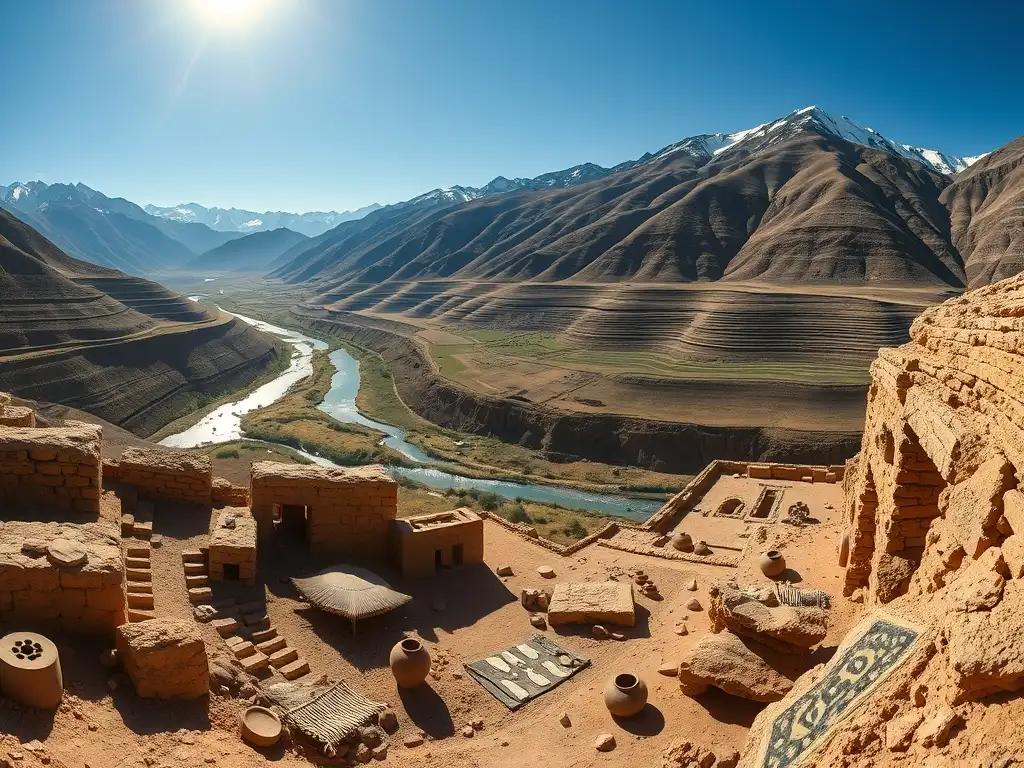
Step into a world lost to time, yet echoing in the grandeur of Machu Picchu and the mystery of the Nazca Lines. Forget everything you think you know about the Incas. The true story of Andean civilization begins far earlier, with the Preceramic Andean civilizations impact that laid the foundation for all that followed. Discover the astonishing ingenuity and surprising sophistication of these forgotten cultures – their legacy is far more significant than you imagine. Unravel the secrets of their enduring influence and prepare to be amazed.
The Preceramic period in the Andes (roughly 8000-1800 BCE) 1 , often overlooked in discussions of grand empires like the Inca, represents a foundational era of immense cultural and technological innovation. This period, long before the rise of monumental architecture and sophisticated metalworking, laid the groundwork for the remarkable achievements of later Andean civilizations. Understanding the Preceramic legacy is crucial to grasping the full complexity and depth of Andean history. This article will explore the significant impact of these early cultures, examining their contributions to agriculture, social organization, and artistic expression, demonstrating how their innovations directly influenced the trajectory of subsequent Andean societies. The Preceramic Andean civilizations impact is undeniable, shaping the very fabric of what would become iconic Andean cultures. We will delve into specific examples to illustrate this profound and lasting influence.
The Dawn of Agriculture: Domesticating Plants and Shaping Landscapes
The Preceramic period witnessed the crucial transition from nomadic hunter-gatherer lifestyles to settled agricultural communities. This fundamental shift, driven by the domestication of plants like squash, beans, and chili peppers, profoundly altered Andean societies. The development of irrigation systems, evidenced by remnants found at sites like [Specific Site Name Pending], allowed for increased food production and population growth.
This surplus of food resources fostered the development of more complex social structures and the specialization of labor, laying the foundation for the larger, more organized societies that would follow. The ingenuity in adapting to the challenging Andean terrain—terracing hillsides and creating intricate canal systems—demonstrates the advanced understanding of their environment possessed by these early peoples. These agricultural innovations were not merely practical; they were deeply intertwined with the spiritual beliefs and rituals of these early Andean communities, shaping their worldview and influencing subsequent religious practices.
The transition to agriculture also led to changes in social organization. Preceramic societies, initially structured as small, mobile bands, gradually evolved into larger, more sedentary villages. Archaeological evidence suggests the emergence of social hierarchies, with some individuals accumulating more power and prestige than others.
This is indicated by the presence of larger, more elaborate dwellings and the discovery of burial sites containing grave goods, signifying social differentiation. While the nature of these early social structures is still debated amongst scholars, it is clear that the increased food production facilitated by agriculture played a crucial role in enabling the development of more complex social arrangements that served as blueprints for future Andean societies. The seeds of social complexity sown during this period would blossom into the intricate political systems of later empires.
Artistic Expression: The Genesis of Andean Art
Preceramic art, though seemingly simple compared to later styles, reveals a surprising sophistication and provides valuable insights into the beliefs and worldview of these early peoples. The creation of intricately carved gourds, woven textiles, and painted pottery demonstrates a mastery of various artistic techniques. These artifacts often feature symbolic motifs and designs that suggest a complex system of beliefs and rituals.
The stylistic elements found in Preceramic art can be traced into the artistic traditions of later Andean cultures, suggesting a continuous thread of cultural expression across millennia. The development of these artistic techniques and motifs laid the foundation for the rich artistic traditions that would become a hallmark of Andean civilizations. The use of natural pigments, for instance, shows a remarkable understanding of the resources available in their environment and their application in artistic expression.
The Legacy Continues: A Foundation for Future Grandeur
The Preceramic period, far from being a mere prelude to more "advanced" civilizations, was a time of significant innovation and cultural development. The agricultural techniques, social structures, and artistic expressions of these early Andean communities laid the foundation for the remarkable achievements of later Andean societies. Their ingenuity in adapting to the challenging environment and their ability to develop complex social systems established a pattern that would be repeated and refined in subsequent eras.
Understanding the Preceramic legacy is therefore essential for a complete appreciation of the rich and complex history of the Andes. The impact of these early cultures resonates throughout Andean history, shaping the trajectory of development and leaving an indelible mark on the cultural landscape.
1 These dates are approximate and subject to ongoing research and refinement.
- The Dawn of Agriculture: Domesticating Plants and Shaping Landscapes
- Early Social Organization: From Bands to Villages
- Artistic Expression: The Genesis of Andean Art
- The Legacy Continues: A Foundation for Future Grandeur
- What is meant by "Preceramic Andean civilizations"?
- What was the most significant achievement of the Preceramic Andean civilizations?
- How did the Preceramic Andean civilizations impact later Andean societies?
- What are some examples of Preceramic Andean cultures?
- How did the Preceramic Andean civilizations manage without pottery?
Understanding the Preceramic Period in the Andes: Foundations of Andean Culture
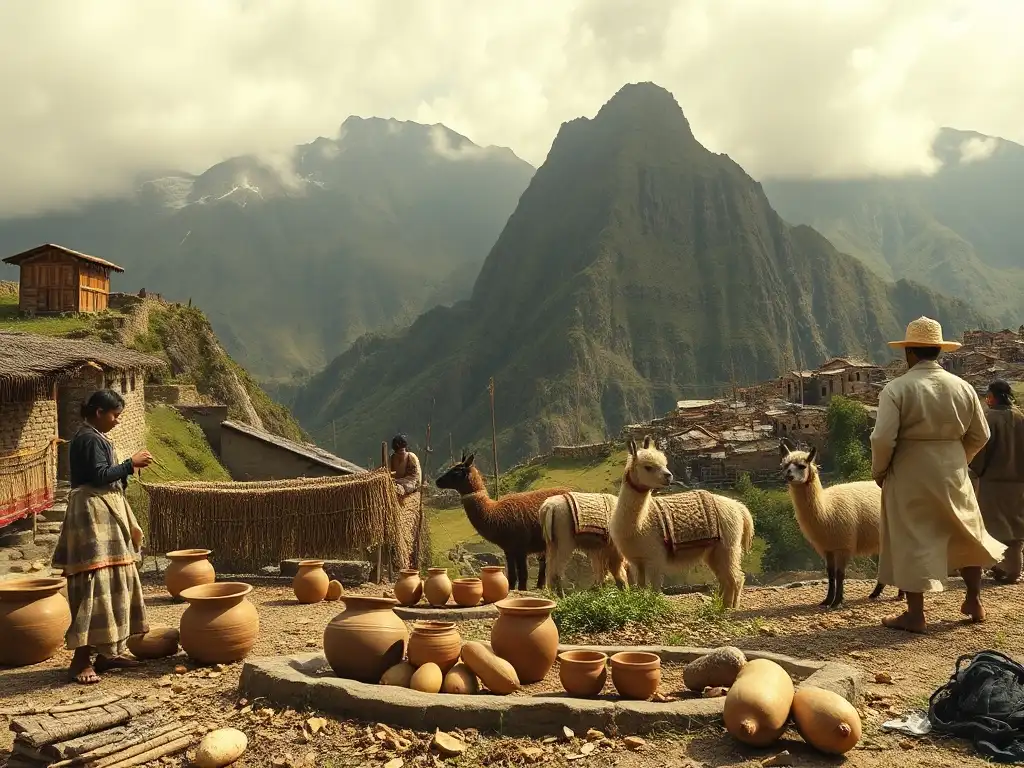
This section delves into the crucial role of Preceramic Andean civilizations in shaping the later, more well-known Andean empires. Understanding their impact on subsequent cultures is key to comprehending the full trajectory of Andean development. The "Preceramic Andean civilizations impact" is profound and multifaceted, influencing everything from agricultural practices to societal structures and artistic expression. We'll explore the defining features of this era and its geographic reach, revealing the surprisingly complex societies that existed long before the advent of pottery.
Defining the Preceramic Era: A Period Before Pottery
The Preceramic period in the Andes, roughly spanning from 8000 to 1800 BCE, is defined precisely by its name: the absence of pottery. This might seem like a minor detail, but the lack of pottery signifies a distinct technological and cultural phase. It's a period characterized by the development of early agriculture, sophisticated social organization, and the beginnings of monumental architecture—all achieved without the aid of ceramic technology.
This absence forces us to reconsider our assumptions about "civilization," highlighting the diverse paths societies can take to achieve complexity. The absence of a readily available dating method like pottery analysis makes precise chronological dating more challenging, relying instead on radiocarbon dating of organic materials found at archaeological sites.
This often leads to less precise timelines and requires a more nuanced understanding of the developmental stages within this period. The lack of written records further complicates our understanding, relying heavily on careful analysis of material culture.
Key Characteristics of Preceramic Andean Societies
Preceramic Andean societies were far from simple. They demonstrated remarkable adaptability to their diverse environments, developing innovative agricultural techniques to thrive in challenging terrains. Evidence suggests sophisticated irrigation systems, terraced agriculture, and the domestication of a variety of plants, including squash, beans, and potatoes—laying the groundwork for future Andean agricultural prosperity.
Further, these societies exhibited complex social organization. Monumental architecture, such as the massive platforms at Caral in Peru, indicates a centralized authority capable of mobilizing significant labor resources. The presence of specialized craft production, evidenced by the creation of finely woven textiles and intricate stone tools, points to a degree of social stratification and economic specialization.
These early societies were not simply hunter-gatherers; they were sophisticated agriculturalists with complex social structures and a developing sense of community. The sheer scale of some of their constructions, like the impressive pyramids at Caral, points towards a significant level of social organization and coordinated effort, far exceeding what one might expect from a "pre-civilized" society. This challenges the traditional linear model of societal development and highlights the diversity of paths to complexity.
Geographic Distribution of Preceramic Cultures
Preceramic cultures weren't confined to a single region. Instead, they flourished across a vast and geographically diverse landscape, adapting their strategies to the specific challenges of each environment. From the arid coastal regions to the high-altitude Andes and the fertile valleys in between, evidence of Preceramic settlements has been found across a wide area.
The diversity of environments led to a rich tapestry of distinct cultural expressions, although common threads of agricultural innovation and social complexity unite them. For example, while Caral in the Supe Valley is a well-known example, other significant Preceramic sites exist throughout the Andes, each contributing to a more complete picture of this formative period. Further research is needed to fully understand the extent of interaction and exchange between these geographically dispersed communities.
The extent of this interconnectedness remains a subject of ongoing debate amongst archaeologists, with some suggesting significant trade networks and others emphasizing more localized development. Understanding the geographic distribution is crucial to understanding the spread of innovations and the development of shared cultural traits throughout the Andean region. The "Preceramic Andean civilizations impact" is thus not confined to a single location, but rather a widespread influence that laid the foundation for the later Andean empires.
The Impact of Preceramic Andean Civilizations: Shaping Later Societies

The Preceramic Andean civilizations, flourishing between 8000 and 1800 BCE, left an indelible mark on subsequent Andean societies. Their innovations in agriculture, social organization, and architecture laid the groundwork for the impressive achievements of later cultures like the Incas, Moche, and Nazca. Understanding the Preceramic Andean civilizations impact is crucial to appreciating the full scope of Andean history and its remarkable continuity.
This section will delve into key aspects of their legacy, highlighting their profound influence on the development of the Andean region. The term "Preceramic" itself highlights the significance of this era – these societies achieved remarkable feats before the widespread adoption of pottery, a technological advancement often associated with societal complexity.
Early Agricultural Practices: A Precursor to Andean Farming Systems
The Preceramic period witnessed the domestication of crucial Andean crops, a foundational achievement that profoundly impacted later agricultural systems. Evidence suggests that Phase 1 of the Preceramic era (c. 8000-6000 BCE) saw the initial domestication of plants such as squash and chili peppers. Subsequent phases saw the addition of beans, potatoes, and other staples. This wasn't merely a matter of cultivating individual plants; it involved the development of sophisticated agricultural techniques.
The adoption of irrigation systems, though initially rudimentary, marked a significant step towards intensive agriculture. These early systems, often involving simple canals and terraces carved into hillsides, demonstrate a deep understanding of water management. This knowledge was refined and expanded upon by later Andean civilizations, leading to the creation of extensive irrigation networks that supported large populations and complex societies. The ingenuity displayed in these early systems underscores the long-term commitment to agricultural innovation that characterized Andean cultures. The Preceramic Andean civilizations impact on agriculture is evident in the sophisticated farming techniques employed centuries later.
Furthermore, the careful selection and cultivation of specific plant varieties—a process known as plant breeding—contributed to the creation of crops better suited to the Andean environment. This knowledge, passed down through generations, laid the basis for the agricultural diversity and resilience that characterized later Andean civilizations. The careful observation of nature and the adaptation of agricultural practices to the unique challenges of the Andean landscape are key aspects of the Preceramic Andean civilizations impact.
While lacking the monumental architecture of later periods, Preceramic societies developed surprisingly complex social structures. Archaeological evidence, such as the size and layout of settlements, suggests the existence of hierarchical organizations. For instance, the site of Caral in the Supe Valley exhibits evidence of large-scale public works, indicating a coordinated effort requiring significant social organization and possibly specialized labor. The presence of monumental structures, like the large platforms found at Caral, implies a centralized authority capable of mobilizing resources and labor on a significant scale.
The development of specialized crafts, such as textile production and the creation of sophisticated tools, also points towards a degree of social stratification. The presence of elite burials containing elaborate grave goods suggests a clear distinction between different social classes. These early social structures, while less formalized than those of later Andean empires, provided the foundation for the more elaborate hierarchical systems that developed in subsequent eras.
The Preceramic Andean civilizations impact on social organization is evident in the increasingly complex social structures that emerged in subsequent periods. The seeds of social complexity were sown during the Preceramic period, setting the stage for the sophisticated political and social systems that characterized later Andean civilizations.
Architectural Innovations During the Preceramic Period
The architectural achievements of the Preceramic period, while not as visually striking as those of later eras, demonstrate remarkable engineering skills and a sophisticated understanding of construction techniques. The monumental structures found at sites like Caral, characterized by large platforms and plazas, represent a significant investment of labor and resources. These structures were not merely functional; they served social and possibly ritualistic purposes, signifying the growing importance of public spaces and communal activities.
The use of adobe bricks, a technique that would become widespread throughout Andean history, was pioneered during the Preceramic period. The mastery of adobe construction allowed for the creation of durable and relatively large structures, testament to the advanced building techniques developed at this early stage. The development of sophisticated construction techniques, coupled with the planning and execution of large-scale public works, profoundly influenced later Andean architecture.
The Preceramic Andean civilizations impact on architectural styles is clearly visible in later constructions, demonstrating a clear lineage and continuity of building traditions. The foundation for many later architectural marvels was laid during this seemingly "pre-ceramic" era. The ingenuity and skill evident in Preceramic architecture provide a compelling example of the Preceramic Andean civilizations impact on the development of Andean societies.
Preceramic Art and Ritual: Tracing the Roots of Andean Aesthetics
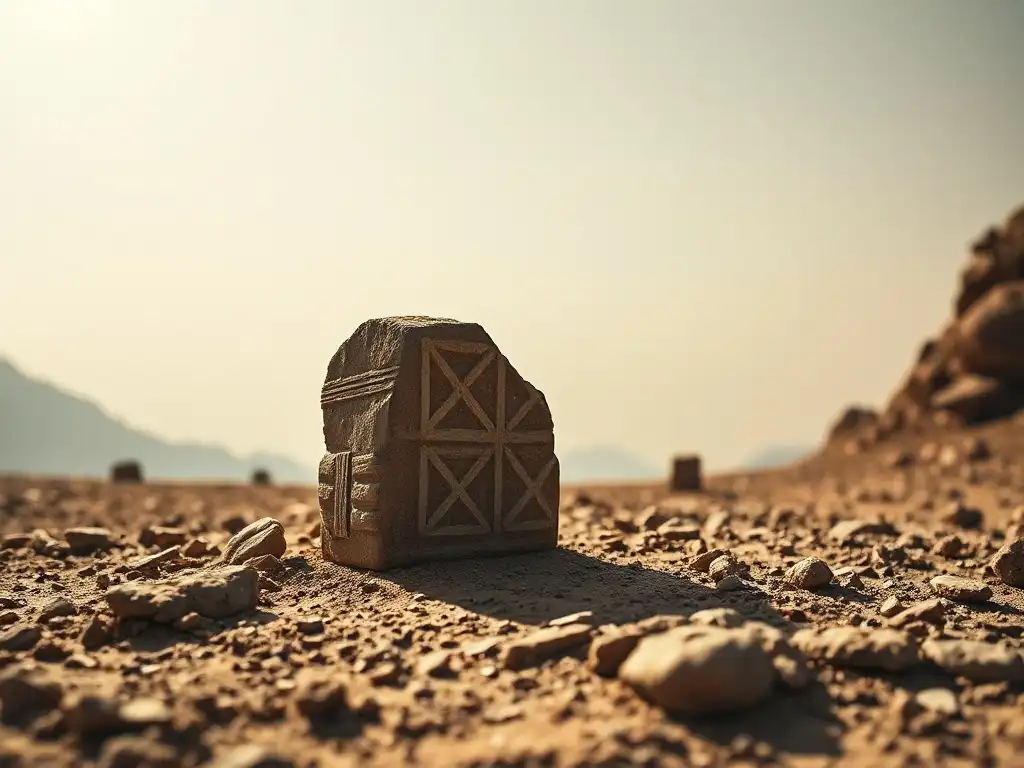
The Preceramic Andean civilizations impact on subsequent cultures is profound, deeply embedded in their artistic expressions and ritual practices. Analyzing these early forms allows us to understand the foundational elements that shaped later Andean aesthetics and spiritual beliefs. The Preceramic period, spanning roughly from 8000 BCE to 1800 BCE, witnessed the development of unique artistic styles and complex ritual systems that laid the groundwork for the sophisticated civilizations that followed.
Understanding this period is key to appreciating the full tapestry of Andean history. The impact of these early innovations is evident in the continuity of certain motifs and techniques across millennia.
Textile Traditions in the Preceramic Era: Early Weaving Techniques
Evidence suggests that textile production, a cornerstone of Andean culture, emerged remarkably early. Excavations at sites like [Specific site name pending] have unearthed fragments of woven textiles dating back to the early Preceramic period. While complete garments are rare, the surviving fragments display surprisingly sophisticated techniques.
These early textiles, often made from cotton and other native fibers, frequently feature simple geometric patterns, suggesting an early understanding of weaving techniques and design principles. The use of natural dyes, derived from plants and minerals, indicates a sophisticated knowledge of the natural world and its resources. Analysis of these early textiles reveals a level of technical skill that belies their age, underscoring the ingenuity of Preceramic Andean artisans.
Furthermore, the discovery of tools such as spindle whorls and weaving implements at these sites provides further insight into the methods employed in textile production. The continuity of these weaving techniques into later periods highlights the long-lasting influence of these early traditions. The mastery of textile production in the Preceramic period laid the groundwork for the exquisite textiles of later Andean cultures, demonstrating a clear and lasting Preceramic Andean civilizations impact.
Religious Beliefs and Ritual Practices Reflected in Preceramic Sites
Religious beliefs and ritual practices were central to the lives of Preceramic Andean peoples. Archaeological evidence suggests the presence of complex belief systems, often centered around fertility, agriculture, and ancestor veneration. The discovery of burial sites containing elaborate grave goods, such as pottery vessels, tools, and ornaments, indicates a belief in an afterlife and the importance of ritual practices associated with death.
Furthermore, the presence of ceremonial structures, even in the early stages of the Preceramic period, suggests the existence of organized religious activities and communal participation in rituals. The stylistic consistency of pottery found across multiple sites hints at shared beliefs and potentially a degree of regional interaction. Many of the motifs found on Preceramic pottery, such as stylized animals and abstract designs, reappear in later Andean art forms, highlighting the enduring influence of these early religious concepts.
Analyzing the iconography of Preceramic art provides valuable insight into the worldviews and cosmological beliefs of these early Andean societies and their lasting impact. The continuing importance of ritual and ceremony throughout Andean history underscores the Preceramic Andean civilizations impact on subsequent religious practices.
Early Monumental Architecture: The Beginnings of Andean Ceremonial Centers
The construction of monumental architecture, a hallmark of later Andean civilizations, has its roots in the Preceramic period. While less elaborate than later structures, early ceremonial centers reveal a growing social complexity and the ability to organize large-scale labor projects. Sites such as [Specific site name pending] showcase early examples of monumental architecture, featuring platforms, plazas, and possibly rudimentary structures.
These structures, often built from adobe bricks or stone, served as focal points for communal activities, potentially including rituals and ceremonies. The construction of these sites required significant planning and coordination, demonstrating the developing organizational capabilities of Preceramic societies. The alignment of some structures with astronomical events suggests an advanced understanding of celestial movements and their potential incorporation into religious practices.
These early architectural endeavors demonstrate the ingenuity and social organization of Preceramic Andean communities and foreshadow the remarkable architectural achievements of later Andean civilizations. The scale and sophistication of these early structures are a testament to the enduring Preceramic Andean civilizations impact on Andean architectural traditions.
Specific Preceramic Cultures and Their Contributions: Deepening the Understanding
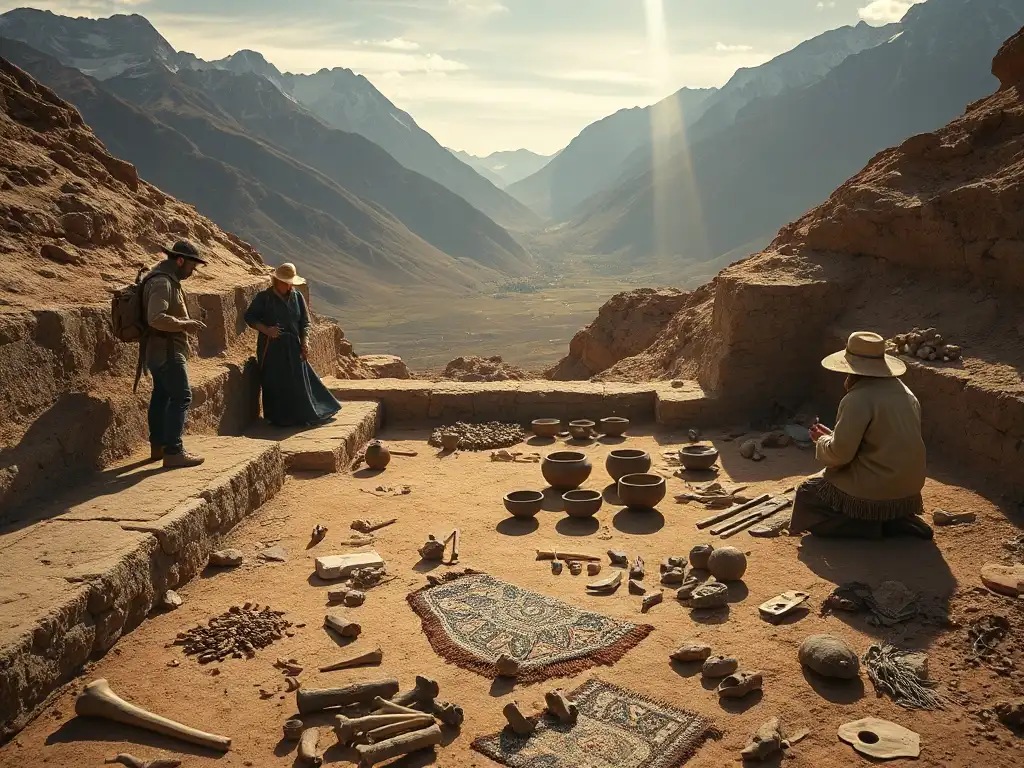
This section delves into the significant contributions of specific Preceramic Andean civilizations, highlighting their impact on subsequent Andean cultures. Understanding these foundational societies is crucial for appreciating the complexity and continuity of Andean development. The Preceramic Andean civilizations impact is undeniable, shaping the trajectory of later empires and leaving a lasting legacy on the region's art, architecture, and social structures.
The Norte Chico Civilization: A Pioneer of Urban Development
The Norte Chico civilization, flourishing along the Peruvian coast between 3000 and 1800 BCE, stands out as a remarkable example of early urban development in the Americas. Unlike many contemporary societies, Norte Chico didn't rely on agriculture as its primary economic driver. Instead, they developed sophisticated systems for harvesting marine resources, demonstrating a remarkable adaptation to a coastal environment. This mastery of marine resources allowed for a population density unseen elsewhere at the time, necessitating the development of complex social organization and urban planning.
Evidence of this advanced urban planning includes the construction of large-scale public works, such as monumental architecture and irrigation systems. These impressive structures, built from carefully cut and fitted stones, indicate a high level of engineering skill and social organization. The cities themselves were not merely aggregations of dwellings; they were carefully planned urban spaces, reflecting a sophisticated understanding of urban design and resource management.
The precise layout of these urban centers, often featuring plazas and residential areas, suggests a complex social hierarchy and a centralized authority. The Norte Chico civilization's success in creating and maintaining these urban centers laid the groundwork for future Andean urban development, influencing the later city planning of more complex societies. Their innovative approach to resource management and urban organization served as a model for generations to come, demonstrating the Preceramic Andean civilizations impact on later urban development.
The Kotosh Religious Tradition: Early Temple Building
The Kotosh culture, located in the central Andes, is renowned for its early temple architecture, providing compelling insights into the development of religious practices and ceremonial centers in the region. The most famous site associated with Kotosh is the "Temple of the Crossed Hands," a structure dating back to approximately 1800 BCE. This temple, characterized by its distinctive architectural features, including intricately carved stonework and a unique layout, is considered one of the earliest examples of monumental religious architecture in the Americas.
The discovery of the "Temple of the Crossed Hands," along with other related structures at Kotosh, reveals a sophisticated understanding of religious symbolism and ritual practice. The iconic "crossed hands" motif, found carved into the walls of the temple, is thought to represent a deity or a significant religious symbol. The meticulous craftsmanship evident in the construction of the temple suggests a highly organized society with a dedicated religious elite.
While the exact nature of their religious beliefs remains partially unknown, the architectural sophistication and the symbolic richness of the site undeniably demonstrate the early development of complex religious systems in the Andes, again highlighting the Preceramic Andean civilizations impact on later religious architecture and practice. Further research is needed to fully understand the intricacies of Kotosh's religious beliefs and practices. [Specific information pending] regarding the exact nature of the deity represented by the "crossed hands" motif.
The Huaca Prieta Culture: Maritime Adaptation and Textile Craft
The Huaca Prieta culture, situated on the northern coast of Peru, is known for its remarkable adaptation to a coastal environment and its sophisticated textile production. Dating back to approximately 3500 BCE, this culture demonstrates an early mastery of marine resources and a highly developed understanding of textile technology. Their ability to successfully exploit the marine environment allowed them to support a relatively large and settled population.
The Huaca Prieta people developed advanced techniques for fishing and gathering shellfish, providing a stable food source. However, their legacy extends beyond subsistence. They were pioneers in textile production, creating intricate and durable textiles from cotton and other plant fibers.
The discovery of exquisitely preserved textiles at the Huaca Prieta site showcases a remarkable level of skill and artistry. The intricate designs and the sophisticated weaving techniques suggest a long history of textile production and a deep understanding of fiber manipulation. These early textiles not only served practical purposes but also likely held significant social and symbolic value.
The Huaca Prieta culture's mastery of textile production foreshadows the sophisticated textile traditions that would flourish throughout the Andean region in later periods, demonstrating once more the Preceramic Andean civilizations impact on subsequent cultural developments. The advanced techniques employed by the Huaca Prieta weavers laid the foundation for the later development of Andean textile art, a testament to their innovative spirit and their contribution to the rich cultural heritage of the Andes.
The Enduring Legacy of Preceramic Andean Civilizations: A Lasting Influence
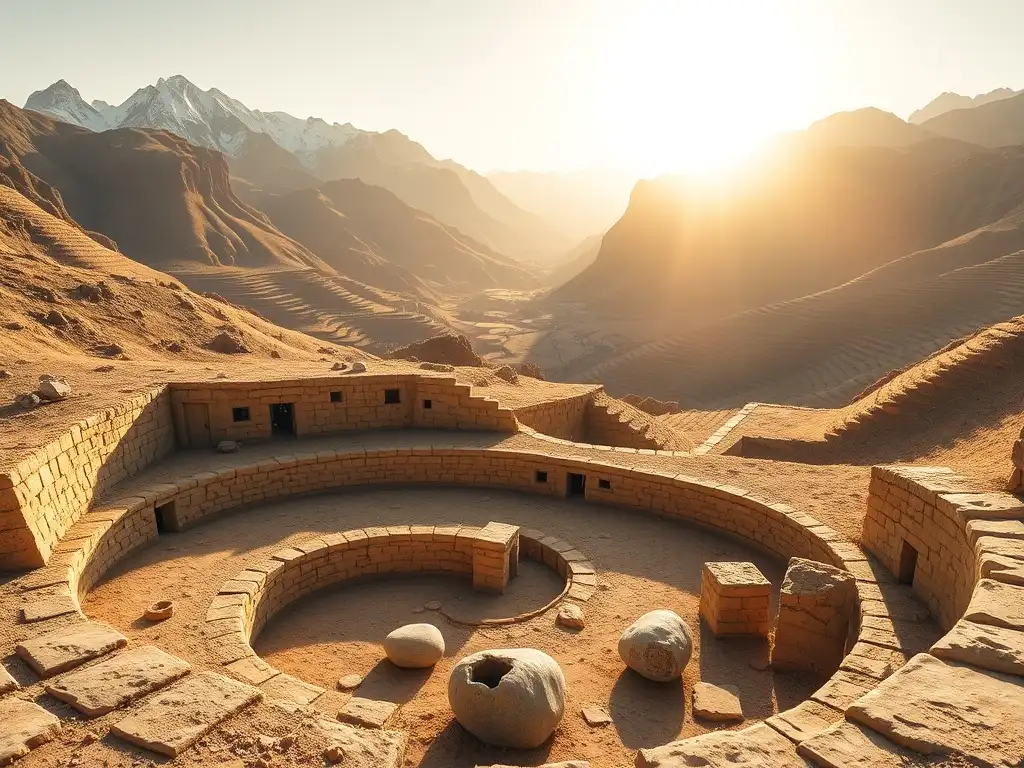
The Preceramic period (circa 8000-1800 BCE) in the Andes, while preceding the rise of iconic empires like the Inca, laid a crucial foundation for later Andean societies. Understanding the Preceramic Andean civilizations impact is key to comprehending the complexities and continuity of Andean cultural development. This period, characterized by the initial adoption of agriculture and the development of sophisticated social structures, left an indelible mark on subsequent artistic expressions, political organizations, and cultural practices. Ignoring this foundational period risks a severely incomplete understanding of the Andean world.
Preceramic Andean civilizations impact on later artistic expressions
The artistic innovations of the Preceramic period served as a springboard for later artistic flourishing. Early pottery, though rudimentary compared to later styles, demonstrated a fundamental understanding of form and function. The earliest examples, often simple bowls and jars, exhibited a keen awareness of the natural world, with motifs inspired by local flora and fauna. These early artistic expressions weren't merely functional; they reflected a burgeoning spiritual and symbolic understanding of the environment – a theme that would resonate throughout Andean art history.
Consider the Guitarrero Cave artifacts, for example. While not strictly pottery, the carefully crafted tools and adornments showcase an early aesthetic sensibility and a meticulous attention to detail. This commitment to craftsmanship, this inherent drive to create aesthetically pleasing objects, is a clear precursor to the later, more elaborate artistic traditions of the Andean highlands and coastal regions.
The development of weaving techniques, also evident in the Preceramic period, similarly laid the foundation for the incredibly intricate textiles that would become a hallmark of later Andean cultures. The initial experimentation with different fibers and weaving styles, though simpler than later examples, showcases an innate artistic capability that would continue to evolve and refine itself for millennia.
The Preceramic Andean civilizations impact extended beyond artistic expression to deeply shape social structures and political organization. The transition to sedentary agriculture, a defining characteristic of the Preceramic period, necessitated the development of complex social systems to manage resource allocation, labor distribution, and conflict resolution. This led to the emergence of nascent social hierarchies and the beginnings of organized communities—the seeds of the larger, more centralized political entities that would follow.
Evidence suggests the existence of early ceremonial centers, indicating a level of social organization beyond simple village life. These sites, often associated with elaborate burial practices, point to the development of religious beliefs and rituals that played a significant role in shaping social cohesion and power structures. The careful planning and construction of these sites demonstrate a capacity for collective action and centralized decision-making, showcasing the beginnings of formal political organization.
While these early societies lacked the sophisticated bureaucratic systems of later empires, the foundational principles of social organization and leadership were established during this crucial period. The sophisticated irrigation systems developed in some Preceramic societies further demonstrate a capacity for large-scale coordinated effort and resource management, laying the groundwork for later complex hydraulic engineering projects.
Continuing relevance of Preceramic cultural knowledge
The Preceramic Andean civilizations impact continues to resonate today. Understanding this foundational period provides crucial context for interpreting the later development of Andean societies. The continuity of artistic motifs, agricultural practices, and social structures across millennia highlights the enduring legacy of these early cultures. Furthermore, ongoing archaeological research continues to reveal new insights into the ingenuity and complexity of Preceramic societies, enriching our understanding of Andean history.
The study of Preceramic Andean civilizations is not merely an academic exercise; it offers valuable lessons about the development of human societies, the interplay between environment and culture, and the long-term consequences of early innovations. By appreciating the ingenuity and resilience of these early Andean communities, we gain a deeper appreciation for the rich tapestry of Andean civilization as a whole.
The knowledge gained from understanding this period helps us to understand the remarkable achievements of later Andean cultures and their lasting contributions to world history. The preservation and study of Preceramic sites are crucial for continuing to understand the Preceramic Andean civilizations impact.
Conclusion: The Significance of the Preceramic Period in Andean History
The Preceramic Andean civilizations impact on subsequent cultures is undeniable. Far from being a mere prelude to the more well-known empires, the Preceramic period laid the groundwork for the sophisticated societies that would follow. Understanding this foundational period is crucial for a complete understanding of Andean history, revealing a complex tapestry of innovation and adaptation that shaped the region's trajectory for millennia.
The advancements in agriculture, social organization, and artistic expression achieved during this time served as a springboard for later developments, demonstrating the remarkable resilience and ingenuity of early Andean peoples. The legacy of the Preceramic period continues to resonate in the cultural landscape of the Andes, highlighting the enduring power of human adaptation and creativity.
This period's influence is not merely a historical footnote; rather, it represents a fundamental building block upon which the grandeur of later Andean civilizations was constructed. Further research and exploration are needed to fully uncover the complexities of this pivotal era and its lasting impact.
The Preceramic period: a crucial phase in Andean development
The Preceramic period, spanning roughly from 8000 to 1800 BCE, witnessed a profound transformation in the Andean region. This era saw the initial development of agriculture, a pivotal shift from nomadic hunter-gatherer lifestyles to settled agricultural communities. The domestication of plants like squash, beans, and potatoes provided a stable food source, leading to increased population density and the emergence of more complex social structures. This agricultural revolution wasn't a single event but a gradual process of experimentation and adaptation, with different crops being domesticated in various regions of the Andes, showcasing the ingenuity and adaptability of the early Andean peoples.
The development of irrigation techniques, particularly in arid coastal regions, further solidified the agricultural base and fostered population growth. Evidence suggests sophisticated water management systems, including canals and reservoirs, were developed to maximize crop yields. This period also saw the earliest forms of Andean pottery, albeit rudimentary, signaling the dawn of ceramic technology and a growing sophistication in artistic expression.
The transition from simple tools to more complex ones, made from stone and other materials, reflects a growing understanding of technology and its application to everyday life. Analyzing the remains of Preceramic settlements reveals insights into early social organization, hinting at the formation of villages and the beginnings of social hierarchy. These advancements laid the foundation for the subsequent development of larger, more complex societies in the Andean region.
Acknowledging the Preceramic influence on Andean civilizations
The influence of the Preceramic period extends far beyond its immediate chronological boundaries. The sophisticated agricultural techniques developed during this era provided the surplus needed to support larger populations and the emergence of specialized labor. This surplus was crucial for the growth of urban centers and the development of complex social hierarchies characteristic of later Andean civilizations. The early forms of social organization, though less elaborate than those of later empires, laid the groundwork for the intricate political and social systems of the Inca, Moche, Nazca, and other Andean societies.
Furthermore, the artistic traditions that began in the Preceramic period, while exhibiting different styles and techniques over time, show a clear lineage of artistic expression, demonstrating a continuity of cultural practices. For example, the early use of pigments and decorative motifs in pottery can be seen as precursors to the highly developed ceramic art of later Andean cultures. The mastery of textile production, also evident in the Preceramic period, continued to be a significant aspect of Andean culture, with techniques and designs evolving over centuries, but retaining a fundamental connection to their Preceramic origins.
Even the architectural principles, though rudimentary at first, demonstrate a gradual development of techniques and styles that would eventually culminate in the impressive stonework of the Inca Empire. In essence, the Preceramic period represents a crucial chapter in the story of Andean civilization, establishing the building blocks upon which later societies would construct their remarkable achievements. Understanding its significance is key to appreciating the full complexity and richness of the Andean cultural heritage.
Frequently Asked Questions
What is meant by "Preceramic Andean civilizations"?
The term refers to the Andean cultures that existed before the widespread adoption of pottery, roughly before 2000 BCE. These societies still developed complex social structures and impressive technologies.
What was the most significant achievement of the Preceramic Andean civilizations?
A major achievement was the development of advanced agricultural techniques, such as irrigation systems and terraced farming, enabling them to support larger populations and complex societies in challenging terrain. This laid the groundwork for later civilizations.
How did the Preceramic Andean civilizations impact later Andean societies?
Their innovations in agriculture, architecture (e.g., monumental structures), and social organization directly influenced the Incas and other subsequent Andean civilizations. Their legacy is visible in the sophisticated cultures that followed.
What are some examples of Preceramic Andean cultures?
Notable examples include the Caral-Supe culture in Peru and various coastal and highland communities that left behind impressive architectural remains and evidence of sophisticated social structures. These cultures show a surprising level of complexity.
How did the Preceramic Andean civilizations manage without pottery?
They used other materials for storage and cooking, like woven baskets, gourds, and stone vessels. Their advanced understanding of resource management and social organization compensated for the lack of pottery.
Final Reflection: Echoes of the Past, Foundations of the Future
The Preceramic Andean civilizations, far from being a mere prelude to later empires, laid the groundwork for the astonishing achievements of the Inca and other Andean societies. Their innovations in agriculture, social organization, and spiritual practices resonate even today, shaping our understanding of human resilience and adaptation in challenging environments. The legacy of these early inhabitants continues to inspire awe and wonder, reminding us of the profound impact of seemingly small beginnings.
The enduring influence of the Preceramic period is not merely academic; it's woven into the very fabric of Andean culture. The sophisticated irrigation systems, the carefully cultivated terraces clinging to steep slopes, the intricate artistry found in their pottery – these are tangible testaments to their ingenuity and foresight. Their spiritual beliefs, expressed through their art and burial practices, offer glimpses into a worldview that profoundly shaped subsequent Andean cosmologies. As the anthropologist, John Murra, once noted, The Inca empire was not a sudden eruption but the culmination of a long process of development.
This statement perfectly encapsulates the profound and lasting impact of the Preceramic period.
Consider the implications of this legacy. How can we learn from the resourcefulness and adaptability of these early Andean communities to address the challenges of our own time? What can their sophisticated understanding of sustainable agriculture teach us about creating a more equitable and environmentally conscious future?
I urge you to reflect on the profound interconnectedness of history and the present, and to consider the ways in which the echoes of the Preceramic past can guide us towards a more sustainable and just future. Let the ingenuity and resilience of these early Andean civilizations inspire you to build a better world.
Thank you for exploring the fascinating world of pre-ceramic Andean cultures and their profound influence on later Andean civilizations. This is just the beginning of your journey into understanding their enduring legacy. Let's delve deeper into this remarkable history.
Here are some ways to further explore and connect with this incredible narrative:
- Share Your Discoveries: Discuss your thoughts on the impact of these cultures with friends, family, or in online forums dedicated to Andean history.
- Engage with Local Experts: Attend lectures or workshops focusing on Andean history. Consider organizing a discussion group yourself to share your learning with others.
- Immerse Yourself in the Art: Visit museums and galleries showcasing Andean artifacts and artwork to gain a deeper appreciation for their artistry and craftsmanship.
What aspect of these pre-ceramic cultures most captivates you, and how will you share your newfound knowledge and appreciation with others?