
The Memory Keepers: Training the Next Generation of Andean Conservators

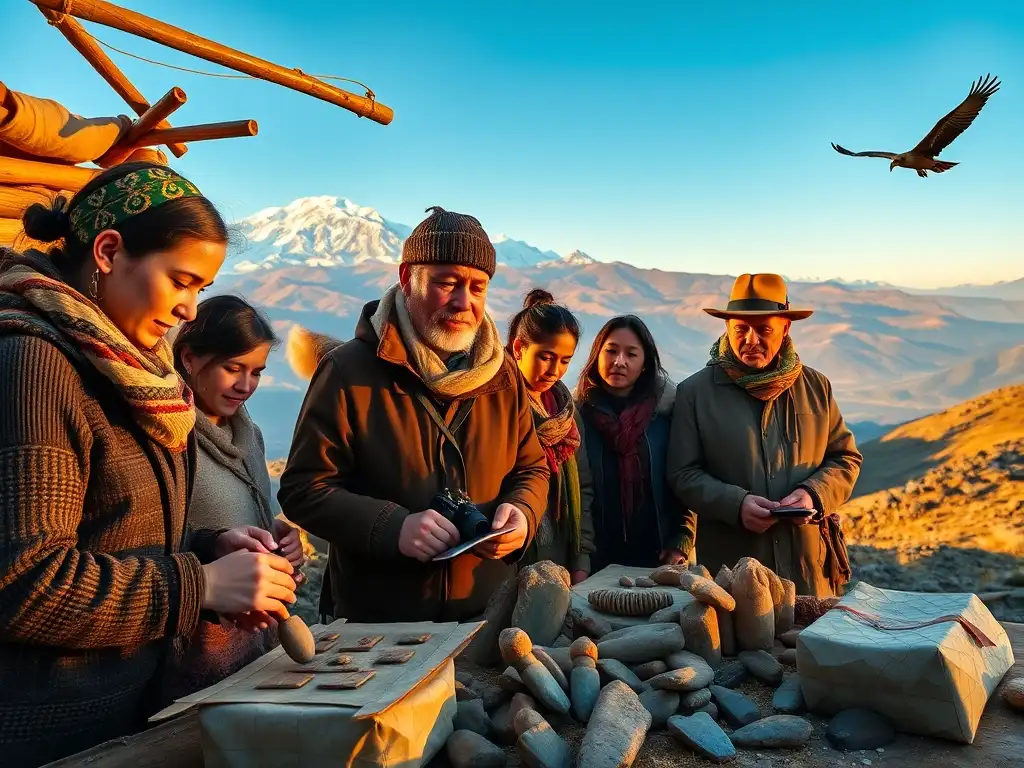
Step into a world lost to time, yet echoing with vibrant life. For centuries, the Andes Mountains have held the secrets of remarkable civilizations—the Incas, Moche, Nazca, and Tiahuanaco, to name a few. But how do we ensure their legacy endures? Discover the crucial role of Andean conservator training programs and the dedicated individuals safeguarding this invaluable heritage for future generations. Uncover the stories behind the preservation efforts and the passionate people working tirelessly to protect these ancient wonders. Prepare to be amazed.
The breathtaking legacy of the Andean civilizations—from the intricate textiles of the Nazca to the monumental stonework of the Incas—faces an ongoing battle against the ravages of time and the elements. These irreplaceable artifacts and sites, silent witnesses to millennia of human ingenuity and cultural evolution, are slowly deteriorating. To ensure that future generations can appreciate and learn from this rich heritage, a critical need exists for highly skilled conservators specializing in Andean artifacts and archaeological sites.
This article explores the vital role of Andean conservator training programs in safeguarding this invaluable cultural legacy and examines the challenges and opportunities in this crucial field. The preservation of Andean heritage is not merely a matter of aesthetics; it is a responsibility to protect the tangible evidence of human history, fostering a deeper understanding of our shared past and inspiring future generations.
Understanding the nuances of Andean materials, construction techniques, and cultural significance is paramount, and specialized training is the key to achieving this. We will delve into the current state of Andean conservator training, highlighting the importance of ethical practices and sustainable approaches in this critical endeavor.
Preserving Andean Heritage: The Urgent Need for Skilled Conservators
The sheer scale of the Andean cultural heritage presents a monumental conservation challenge. Thousands of archaeological sites, ranging from sprawling city ruins to isolated burial grounds, require ongoing monitoring and preservation. Furthermore, countless artifacts—textiles, ceramics, metalwork, and more—are vulnerable to degradation due to factors such as environmental conditions, improper storage, and the inevitable effects of age.
The lack of adequately trained conservators exacerbates this problem. Many artifacts are handled improperly, leading to further damage, while sites are left vulnerable to looting and the destructive forces of nature. The urgency of the situation cannot be overstated.
The loss of even a single artifact represents an irreplaceable loss to our collective understanding of human history and cultural development. This underscores the critical need for robust and comprehensive Andean conservator training programs that equip professionals with the necessary skills and knowledge to effectively address these challenges. The skills required extend beyond basic conservation techniques; they demand a deep understanding of Andean cultures, materials science, and ethical considerations.
The Challenge of Protecting Andean Artifacts and Sites
Protecting Andean artifacts and sites presents unique challenges. The high altitude, variable climate, and diverse materials used in Andean constructions all contribute to the complexity of preservation efforts. For instance, the unique properties of Andean textiles, often made from delicate alpaca or llama wool, require specialized cleaning and preservation techniques. Similarly, the monumental stone structures, often built without mortar, are susceptible to seismic activity and erosion.
Furthermore, ethical considerations play a crucial role. The preservation of Andean heritage must be undertaken with respect for the cultural significance of these objects and sites. This involves close collaboration with local communities and indigenous groups, ensuring that their perspectives and knowledge are incorporated into conservation strategies. The training programs must therefore not only equip conservators with technical skills but also foster a deep understanding of the cultural context and ethical responsibilities inherent in their work.
This includes training in respectful handling of sacred sites and artifacts, understanding the cultural significance of specific materials and objects, and engaging with local communities as active partners in preservation efforts. The development of sustainable conservation practices is also crucial, mitigating the environmental impact of conservation work and ensuring the long-term preservation of these invaluable resources. This requires a holistic approach, integrating traditional knowledge with modern scientific techniques.
- Preserving Andean Heritage: The Urgent Need for Skilled Conservators
- The Challenge of Protecting Andean Artifacts and Sites
- What is the focus of the article "The Memory Keepers: Training the Next Generation of Andean Conservators"?
- Where can I find information about Andean conservator training programs?
- What types of skills are taught in these training programs?
- Why is training the next generation of Andean conservators so important?
- Are these training programs only available to people from Andean countries?
Andean Conservator Training Programs: A Deep Dive
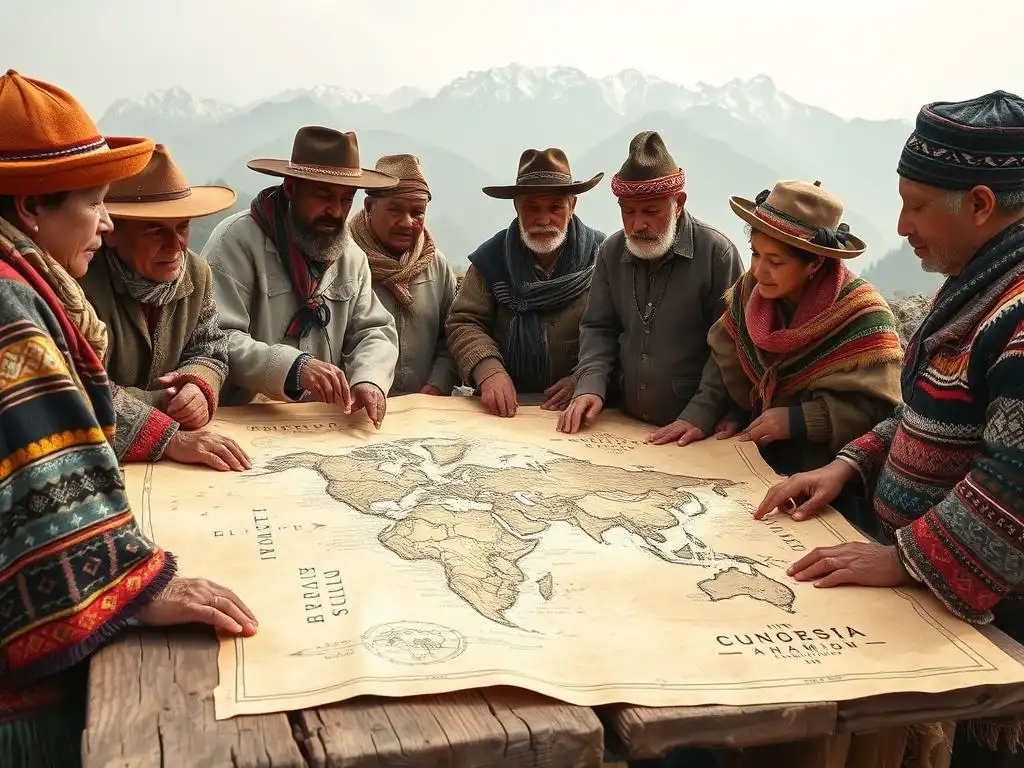
The preservation of invaluable Andean heritage requires a dedicated workforce equipped with specialized skills and a deep understanding of the unique challenges facing these ancient sites and artifacts. This necessitates robust and comprehensive Andean conservator training programs. The success of these programs hinges on a multifaceted approach, combining theoretical knowledge with practical experience, and fostering a deep respect for the cultural significance of the materials being preserved.
The scarcity of such programs highlights the urgency of developing and supporting initiatives that equip the next generation of professionals to safeguard this irreplaceable legacy. The demand for skilled Andean conservators far outstrips the current supply, creating a critical need for increased investment in training and education. This section will explore the key components of effective training programs and the specific skills needed to ensure the long-term survival of Andean cultural heritage.
Key Components of Effective Andean Conservation Education
Effective Andean conservation education goes beyond simply teaching technical skills. It requires a holistic approach that integrates several crucial components:
- Cultural Sensitivity and Understanding: Training must emphasize the deep cultural significance of Andean artifacts and sites. Students need to understand the historical context, the beliefs and practices of the ancient cultures, and the ethical considerations involved in preserving these objects for future generations. This includes learning about indigenous perspectives and incorporating traditional knowledge into conservation practices. Ignoring this aspect can lead to insensitive or even damaging interventions.
- Specialized Scientific Knowledge: A solid foundation in chemistry, materials science, and biology is crucial for understanding the deterioration processes affecting Andean artifacts. This includes knowledge of specific materials used in Andean art and architecture, such as textiles, ceramics, metals, and stone. Students should learn about the different types of degradation, the environmental factors that contribute to decay, and the scientific principles behind conservation treatments.
- Practical Conservation Techniques: Hands-on training is paramount. Students need to develop practical skills in cleaning, stabilizing, repairing, and storing Andean artifacts. This involves learning to use specialized tools and equipment, understanding different conservation methodologies, and developing a keen eye for identifying and addressing conservation needs. The emphasis should be on minimally invasive techniques that prioritize the longevity and integrity of the artifacts.
- Documentation and Archiving: Meticulous record-keeping is essential for tracking the condition of artifacts over time and documenting conservation treatments. This involves learning about different documentation methods, including photography, digital imaging, and database management. Maintaining comprehensive records allows for future researchers and conservators to understand the history of an artifact and make informed decisions about its preservation.
- Collaboration and Teamwork: Andean conservation is often a collaborative effort, involving archaeologists, anthropologists, historians, and community members. Training should emphasize the importance of teamwork, communication, and effective collaboration with diverse stakeholders. This collaborative spirit is critical to ensuring the preservation of Andean heritage is both culturally sensitive and scientifically sound.
Curriculum Highlights: Specific Skills for Andean Heritage Conservation
A robust curriculum for Andean conservator training should include specific modules addressing the unique challenges posed by Andean materials and environments. For example:
- Textile Conservation: Andean textiles are renowned for their intricate designs and delicate nature. Training should include specialized techniques for cleaning, repairing, and storing these fragile artifacts, taking into account the specific dyes and fibers used. This might include learning about traditional Andean textile techniques to better understand the original construction and inform conservation decisions.
- Ceramic Conservation: Andean ceramics exhibit a wide range of styles and materials. The curriculum needs to address the challenges of conserving ceramics made from different clays, fired at different temperatures, and decorated with various pigments. Understanding the firing process and the chemical composition of the ceramics is essential for effective conservation.
- Metal Conservation: Andean metallurgy was highly advanced, employing various alloys and techniques. Training should focus on the specific challenges of conserving gold, silver, copper, and bronze artifacts, taking into account the effects of corrosion and oxidation.
- Stone Conservation: Many Andean sites are constructed from stone. Training should cover techniques for conserving stone structures and artifacts, addressing issues such as weathering, erosion, and biodeterioration. This might involve learning about different types of stone, their properties, and the best methods for their preservation.
- Environmental Monitoring and Risk Assessment: Understanding the environmental factors that contribute to the deterioration of Andean artifacts is crucial. Training should include modules on environmental monitoring, risk assessment, and preventative conservation strategies. This includes understanding the effects of humidity, temperature, light, and pollutants on Andean materials.
Hands-on Experience: Practical Training in Andean Contexts
Theoretical knowledge is only part of the equation. Practical experience within authentic Andean contexts is indispensable. This can involve:
- Field Schools and Internships: Students should participate in field schools and internships at archaeological sites and museums, working alongside experienced conservators. This provides invaluable hands-on experience in applying conservation techniques in real-world settings.
- Collaborative Projects with Local Communities: Involving local communities in conservation efforts is crucial, not only for ethical reasons but also for gaining valuable insights into traditional knowledge and practices. Training programs should foster opportunities for students to collaborate with local communities on conservation projects.
- Access to State-of-the-Art Facilities: Access to well-equipped laboratories and workshops is essential for students to develop their practical skills. Training programs need to provide access to the necessary tools, equipment, and materials for effective hands-on training.
- Mentorship and Networking: Opportunities for mentorship and networking with established professionals in the field are vital for career development. Training programs should facilitate connections between students and experienced conservators, creating a supportive network for future professionals.
The development of skilled Andean conservators is crucial for the long-term preservation of this invaluable cultural heritage. By integrating cultural sensitivity, scientific rigor, practical training, and collaborative approaches, we can equip the next generation to safeguard the legacy of Andean civilizations for generations to come. Continued investment in comprehensive Andean conservator training programs is not just an investment in preservation, but an investment in the future.
The Role of Indigenous Knowledge in Andean Conservation Practices
The preservation of Andean cultural heritage is inextricably linked to the knowledge and practices of Indigenous communities. For centuries, these communities have developed sophisticated techniques for managing their environment and protecting their ancestral sites. Integrating this Indigenous knowledge into modern conservation efforts is crucial for ensuring the long-term sustainability of Andean cultural landscapes. This isn't simply about acknowledging traditional practices; it's about actively incorporating them into the design and implementation of conservation strategies.
For example, the Quechua communities in the Sacred Valley of Peru possess a deep understanding of sustainable agriculture techniques that have allowed them to thrive in challenging environments for generations. These techniques, often involving intricate water management systems and crop rotation, offer valuable lessons for modern conservationists seeking to protect fragile ecosystems. Ignoring this wealth of knowledge would be a significant oversight.
Furthermore, the understanding of sacred sites and their significance is deeply rooted in Indigenous worldviews. These sites are not merely archaeological remains; they are living repositories of ancestral memory and spiritual connection. Modern conservation efforts must respect these spiritual dimensions, working collaboratively with Indigenous communities to develop management plans that acknowledge and honor these beliefs.
This collaborative approach fosters a sense of ownership and responsibility among community members, ensuring their active participation in the preservation of their heritage. Failure to do so risks alienating the very people who hold the key to understanding and protecting these invaluable sites. The integration of Indigenous knowledge isn't simply an ethical imperative; it's a practical necessity for the effective and sustainable conservation of Andean cultural heritage.
Incorporating this knowledge directly into Andean conservator training programs is paramount. This ensures that future generations of conservators possess the holistic understanding needed to approach conservation challenges effectively and respectfully.
Case Studies: Success Stories in Andean Conservation Training
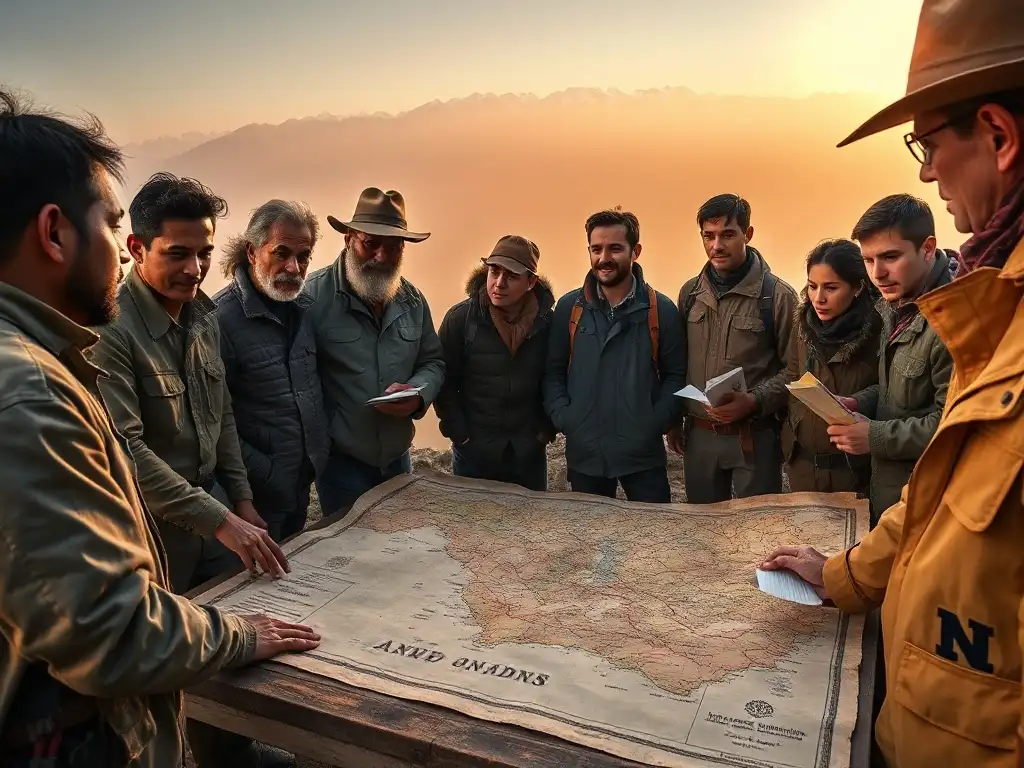
This section showcases exemplary Andean conservator training programs, highlighting their successes and the valuable lessons learned. These initiatives demonstrate the diverse approaches to preserving Andean heritage and the crucial role of community engagement and collaboration. Understanding these case studies is vital for developing effective and sustainable Andean conservator training programs for the future. The successful implementation of these programs underscores the importance of tailored approaches that consider the unique cultural and environmental contexts of the Andean region. The focus on practical skills, alongside theoretical knowledge, is a key element consistently found in these successful initiatives.
The Q'eswachaka Bridge Project: Community-Based Conservation Training
The Q'eswachaka Bridge, a remarkable Inca-era suspension bridge in Peru, exemplifies a successful community-based approach to Andean conservation training. Instead of relying solely on external experts, this project prioritized training local communities in the traditional techniques of bridge maintenance and construction. This hands-on approach ensured the preservation of not only the physical structure but also the invaluable intangible cultural heritage associated with its construction and maintenance.
The program incorporated elements of both formal instruction and apprenticeship, allowing participants to learn from experienced builders while gaining theoretical knowledge of materials science and structural engineering relevant to the bridge's unique design. This holistic approach has resulted in a sustainable conservation model where the community actively participates in preserving their cultural heritage, ensuring the bridge's longevity for generations to come.
The success of this project underlines the importance of integrating traditional knowledge with modern conservation practices in Andean conservator training. The project also highlights the significant role of community ownership and pride in successful long-term preservation efforts.
The Machu Picchu Conservation Program: Collaborative Training Initiatives
The Machu Picchu Conservation Program showcases a different model, focusing on collaborative training initiatives between international organizations, Peruvian governmental agencies, and local communities. This multifaceted approach combines advanced scientific techniques with traditional knowledge, creating a comprehensive training program for Andean conservators. The program emphasizes interdisciplinary collaboration, bringing together archaeologists, architects, engineers, and anthropologists to address the complex challenges of preserving Machu Picchu's unique environment and delicate structures.
Trainees receive training in areas such as stone masonry techniques, using non-invasive surveying methods, and understanding the impact of tourism on the site. The program's success is attributed to its comprehensive curriculum, which balances theoretical knowledge with practical skills development. Data indicates that the program has significantly increased the capacity of local professionals to manage and conserve Machu Picchu, ensuring its preservation for future generations.
The collaborative nature of the program fosters a sense of shared responsibility and promotes sustainable conservation practices. This model serves as an excellent example for other sites seeking to develop effective Andean conservator training programs.
Challenges and Lessons Learned from Existing Programs
Despite the successes highlighted above, challenges remain in developing effective Andean conservator training programs. Funding limitations often hinder the expansion and sustainability of these initiatives. Furthermore, balancing the preservation of cultural heritage with the needs of local communities requires careful consideration and ongoing dialogue. Many programs face the challenge of creating curricula that effectively integrate traditional knowledge with modern conservation techniques, demanding a nuanced understanding of Andean cultural practices and environmental contexts.
Another recurring challenge is the retention of trained conservators, as opportunities for employment in the field are sometimes limited. The lack of standardized certification and professional recognition for Andean conservators also presents a significant hurdle. Addressing these challenges requires a multi-pronged approach that involves increased investment in training programs, the creation of more employment opportunities, and the development of robust certification processes.
The lessons learned from existing programs underscore the need for adaptable and flexible training methodologies that respond to the evolving needs of the Andean region and its diverse cultural heritage. Continued research and evaluation are crucial to ensure the long-term success and impact of Andean conservator training programs. Careful consideration of these challenges will be vital to the future success of Andean conservation efforts.
The Future of Andean Conservation: Empowering Local Experts
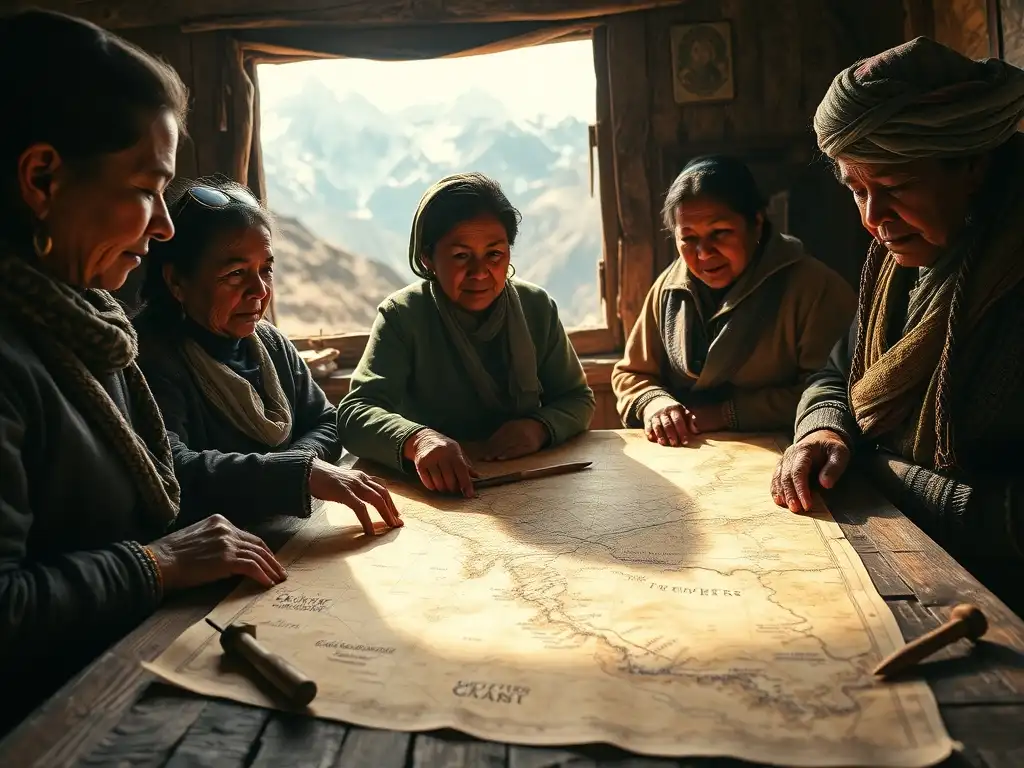
The preservation of invaluable Andean cultural heritage relies heavily on the expertise and dedication of skilled conservators. However, the field faces a critical challenge: a shortage of trained professionals capable of safeguarding these irreplaceable artifacts and sites. Addressing this requires a strategic shift towards empowering local communities and fostering a new generation of Andean conservators deeply rooted in their cultural heritage.
This isn't simply about technical skills; it's about nurturing a sense of ownership and responsibility for the preservation of their ancestral legacy. This section explores the crucial elements needed to build a sustainable future for Andean conservation, focusing on effective training programs and the development of local expertise.
The Importance of Sustainable Conservation Practices
Sustainable conservation practices are paramount in the long-term preservation of Andean artifacts and sites. This means moving beyond reactive measures and adopting a proactive, preventative approach. It involves understanding the environmental factors that contribute to deterioration – from fluctuating temperatures and humidity to the effects of seismic activity and exposure to the elements.
For example, understanding the specific microclimates of storage facilities is crucial for preventing mold growth on textiles and the degradation of organic materials. Similarly, employing traditional Andean knowledge alongside modern scientific techniques can lead to more effective and culturally sensitive preservation methods. This holistic approach ensures not only the physical preservation of artifacts but also the maintenance of their cultural significance and integrity.
The integration of traditional methods with modern scientific techniques is a hallmark of sustainable Andean conservator training programs. The successful implementation of these practices depends on well-trained personnel capable of assessing risks, implementing preventative measures, and responding effectively to potential threats. Data-driven decision making, informed by regular monitoring and assessment, is crucial for ensuring the long-term sustainability of conservation efforts.
Building Capacity for Long-Term Preservation in the Andes
Building capacity for long-term preservation requires a multi-faceted approach. It's not enough to simply train a few individuals; a robust system needs to be created, one that ensures a continuous pipeline of skilled Andean conservators. This involves establishing robust training programs at various levels, from introductory workshops for community members to advanced specialized courses for professionals.
These programs should incorporate hands-on training, utilizing authentic Andean artifacts and employing methods specifically adapted to the unique challenges of the region's diverse climates and materials. Furthermore, mentorship programs pairing experienced conservators with emerging professionals are vital for knowledge transfer and the cultivation of expertise. The establishment of regional centers of excellence, equipped with state-of-the-art facilities and experienced instructors, can significantly enhance the quality and accessibility of training.
Finally, establishing strong networks and collaborations between institutions, both nationally and internationally, is crucial for sharing best practices and resources. The success of any long-term preservation strategy hinges on a well-trained, well-supported workforce of Andean conservators. This requires significant investment in infrastructure, equipment, and ongoing professional development opportunities.
Expanding Access to Andean Conservator Training
Expanding access to Andean conservator training programs necessitates addressing several key barriers. Geographical limitations, financial constraints, and a lack of awareness about available opportunities all hinder participation. To overcome these challenges, a strategic approach is needed:
- Decentralizing training: Offering courses in multiple locations across the Andes region, making them more accessible to individuals in remote communities.
- Offering scholarships and financial aid: Providing financial support to promising students who might otherwise be unable to afford the cost of training.
- Developing online and blended learning programs: Utilizing technology to reach a wider audience and offer flexible learning options.
- Promoting training programs through targeted outreach: Raising awareness about the importance of Andean conservation and the availability of training opportunities within communities.
- Creating multilingual training materials: Ensuring accessibility for individuals who may not be fluent in Spanish or other dominant languages.
These initiatives are crucial for ensuring that training opportunities are truly inclusive and reach the individuals who are most deeply invested in the preservation of their cultural heritage. The ultimate goal is to build a strong and diverse cadre of Andean conservators, equipped with the skills and knowledge necessary to safeguard the region's invaluable cultural legacy for generations to come. The expansion of these programs is essential for the long-term sustainability of Andean conservation efforts and the preservation of this rich cultural heritage.
Supporting Andean Conservation: How You Can Contribute
Protecting the invaluable legacy of Andean civilizations requires a multifaceted approach. While the work of dedicated professionals is crucial, the support of individuals and communities plays a vital role in ensuring the long-term preservation of these irreplaceable cultural treasures. This section explores ways you can actively contribute to the preservation of Andean heritage, directly supporting the training and development of future Andean conservators. Your involvement, no matter how small, can make a significant difference in safeguarding this rich history for generations to come.
Donate to Conservation Organizations
Financial contributions are critical for the success of Andean conservator training programs. Many organizations dedicated to the preservation of Andean heritage rely heavily on donations to fund essential aspects of their training initiatives. These donations directly impact the quality of education, the availability of resources, and the overall capacity of these programs to produce highly skilled conservators. Consider the ripple effect: a well-funded program can train more conservators, leading to a greater capacity for preservation efforts across a wider range of sites and artifacts. For example, a donation could provide crucial funding for:
- Scholarships: Enabling talented individuals from diverse backgrounds to pursue training in Andean conservation, regardless of their financial circumstances.
- Equipment and Materials: Providing access to state-of-the-art tools and materials necessary for effective conservation practices, which directly improves the quality of conservation work.
- Research and Development: Supporting innovative research projects that advance conservation techniques and address emerging challenges in preserving Andean artifacts.
- Specialized Training: Funding workshops and advanced courses focusing on specific techniques or materials relevant to Andean artifacts, ensuring the highest standards of conservation.
The impact of your donation extends beyond the immediate benefits. It contributes to the creation of a sustainable pipeline of skilled professionals committed to protecting Andean heritage, ensuring its survival for future generations. Even small contributions can add up, collectively contributing to a significant impact on the long-term preservation of Andean cultural treasures.
The Impact of Funding and Resources on Training Programs
The availability of funding and resources directly correlates with the effectiveness and reach of Andean conservator training programs. Adequate funding ensures high-quality instruction, access to advanced technologies, and the ability to attract and retain top instructors. Conversely, a lack of funding can severely limit the program's capacity, resulting in compromised training and fewer skilled conservators.
Let's consider a hypothetical scenario: Program A, with ample funding, can offer hands-on training with advanced imaging technology, specialized workshops led by international experts, and opportunities for fieldwork at significant archaeological sites. Program B, facing funding shortages, might have limited equipment, fewer instructors, and restricted access to practical experience. The graduates of Program A will undoubtedly possess a greater skillset and broader experience, enabling them to contribute more effectively to Andean heritage preservation.
| Program Feature | Program A (Well-Funded) | Program B (Underfunded) |
|---|---|---|
| Instructor Expertise | International Experts | Primarily Local Instructors |
| Equipment & Technology | Advanced Imaging Technology | Limited Basic Equipment |
| Fieldwork Opportunities | Extensive | Limited or None |
| Student-to-Instructor Ratio | 5:1 | 10:1 |
| Curriculum Breadth | Comprehensive & Specialized | Basic & Limited |
This table highlights the stark difference in training quality and outcomes resulting from varying levels of funding. Therefore, supporting these programs financially is not simply charitable; it’s a direct investment in the future preservation of Andean heritage.
Raising Awareness for Andean Heritage Preservation
Beyond financial contributions, raising awareness about the importance of Andean heritage preservation is equally crucial. Educating the public about the fragility of these artifacts and the challenges faced by conservators fosters a sense of responsibility and encourages broader participation in conservation efforts. Effective awareness campaigns can be conducted through:
- Social Media Campaigns: Utilizing platforms like Instagram, Twitter, and Facebook to share compelling stories, images, and videos showcasing the beauty and significance of Andean artifacts and the work of conservators. Hashtags like #AndeanHeritage, #ConservationMatters, and #ProtectOurPast can increase visibility and engagement.
- Educational Outreach Programs: Collaborating with schools and universities to develop educational materials and programs that highlight the importance of Andean heritage and the role of conservation.
- Public Lectures and Workshops: Organizing events that educate the public about conservation techniques and the challenges of preserving Andean artifacts. Interactive demonstrations can make these events more engaging and memorable.
- Documentary Films and Television Programs: Producing compelling documentaries that showcase the beauty and significance of Andean heritage and the critical role of conservators in its preservation.
By fostering a deeper understanding and appreciation for Andean cultural heritage, we can cultivate a more engaged and supportive public, ultimately strengthening the capacity for long-term preservation. Raising awareness is a powerful tool that empowers individuals to become active participants in the ongoing quest to safeguard the legacy of Andean civilizations for future generations. The preservation of this rich history is not just the responsibility of a select few; it's a collective responsibility that requires the participation and support of everyone.
Frequently Asked Questions
What is the focus of the article "The Memory Keepers: Training the Next Generation of Andean Conservators"?
The article highlights the crucial need for Andean conservator training programs. It explores initiatives dedicated to educating and equipping the next generation to preserve the invaluable cultural heritage of the Andean region. This includes preserving artifacts and sites from civilizations like the Inca, Moche, Nazca, and Tiahuanaco.
Where can I find information about Andean conservator training programs?
The article itself may provide links or resources. Additionally, searching online for "Andean conservator training," "archaeological conservation programs in South America," or contacting relevant universities and institutions in the Andean region will yield helpful results.
What types of skills are taught in these training programs?
These programs typically cover artifact conservation techniques, cultural heritage management, archaeological fieldwork methods, and ethical considerations related to the preservation of Andean cultural heritage. They often combine practical training with theoretical knowledge.
Why is training the next generation of Andean conservators so important?
Preserving Andean cultural heritage is vital for understanding the past and ensuring its legacy for future generations. Trained conservators are essential for the long-term protection of irreplaceable artifacts and sites from environmental damage and deterioration.
Are these training programs only available to people from Andean countries?
While many programs prioritize individuals from Andean nations, many are open to international students with a passion for Andean heritage and the relevant skills. Check the specific program requirements for details on eligibility.
Final Reflection: Weaving the Threads of Andean Heritage
The urgent need to preserve Andean cultural heritage is not merely an academic pursuit; it is a vital act of safeguarding humanity's shared past and ensuring a vibrant future. The training of the next generation of Andean conservators is not just about preserving artifacts; it's about preserving stories, traditions, and the very essence of a rich and complex civilization. The skills and knowledge imparted in these programs are the lifeblood of a continuous cultural legacy, ensuring that the wisdom of the Andes continues to resonate for generations to come.
The impact of effective conservator training programs extends far beyond the museum walls. These programs are fostering a sense of ownership and pride in Andean communities, empowering local individuals to become active participants in the preservation of their own heritage. This active engagement is crucial, ensuring that conservation efforts are culturally sensitive and relevant. As the renowned anthropologist, Claude Lévi-Strauss, wisely stated: The task of anthropology is to establish a bridge between cultures, not to erect walls between them.
This sentiment perfectly encapsulates the spirit of these training initiatives, building bridges between generations and fostering a deeper understanding of the Andean world.
You, the reader, now hold the key to furthering this vital work. Consider how you can support these initiatives, whether through volunteering your time, donating to relevant organizations, or simply raising awareness of the importance of Andean cultural preservation. Let us all work together to ensure that the vibrant tapestry of Andean heritage continues to be woven, thread by thread, for centuries to come. The future of the Andes rests in our collective hands.
Join the Movement to Preserve Andean Heritage!
Thank you for your interest in Andean conservation and the inspiring work of those dedicated to preserving its rich cultural heritage. Your support fuels our passion for protecting this invaluable legacy. Now, let's explore how you can actively contribute to this vital mission!
Here are a few ways you can get involved:
- Volunteer your time and skills with local Andean conservation projects. Many organizations welcome assistance with various tasks.
- Learn about traditional Andean practices by attending workshops, cultural events, or exploring online resources. Immerse yourself in the vibrant traditions of the Andes.
- Share this information with your friends and family to raise awareness about the importance of preserving this unique heritage. Every voice counts in amplifying this critical message.
What skills or resources could you offer to support Andean conservation efforts? Let's discuss your ideas in the comments!