
Sustaining Life in the Andes: The Importance of Water Management

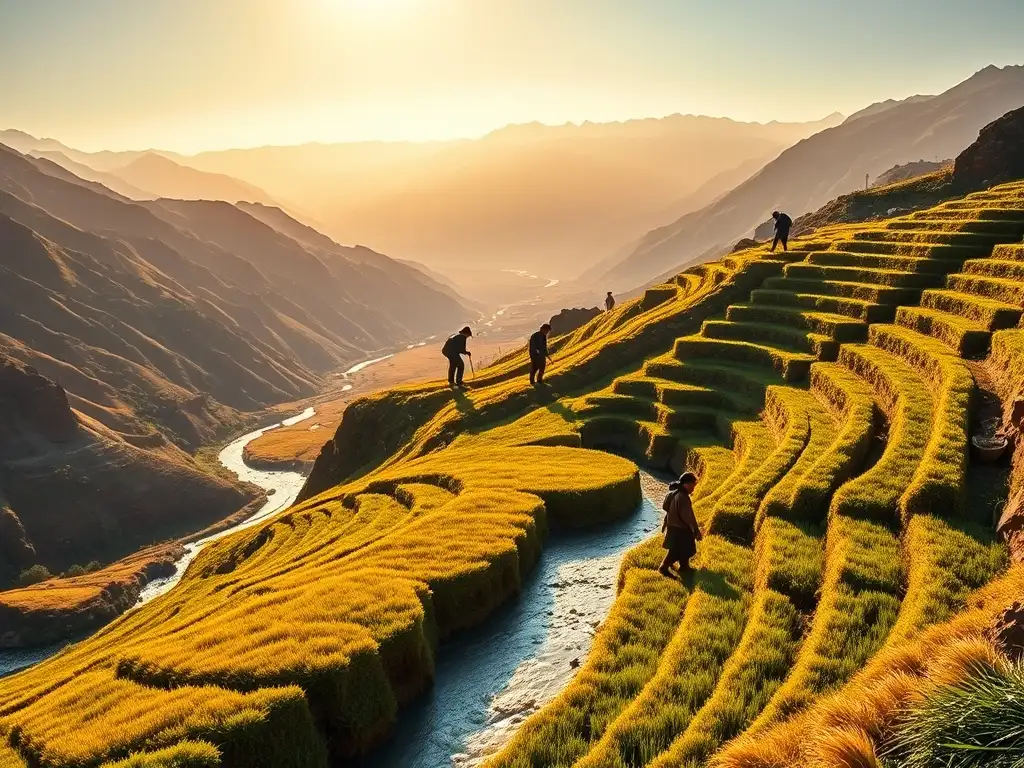
Dive into the breathtaking world of the Andean civilizations! For centuries, these ingenious societies thrived in some of the harshest terrains on Earth. But how did they conquer the challenges of the Andes? The answer lies in their mastery of Andean water management techniques, a sophisticated system that sustained their empires for generations. Uncover the secrets of their architectural and engineering marvels—from intricate irrigation systems to awe-inspiring aqueducts—and discover how water shaped the destiny of these remarkable cultures. Prepare to be amazed!
The towering Andes Mountains, a breathtaking landscape of soaring peaks and deep valleys, presented ancient civilizations with a unique and challenging environment. Survival in this harsh terrain hinged on a single, vital resource: water. This article explores the ingenious water management techniques employed by Andean cultures, showcasing their remarkable ingenuity and profound understanding of their environment.
From the intricate canal systems of the Nazca to the sophisticated hydraulic engineering of the Inca, we'll delve into the crucial role water played in shaping Andean societies, their agricultural practices, and their very existence. Understanding these ancient techniques offers valuable insights into sustainable water management, particularly relevant in today's world facing increasing water scarcity. We will examine how these civilizations not only survived but thrived in one of the world's most challenging environments, highlighting the impressive achievements in Andean water management techniques and their lasting legacy.
This exploration will reveal the intricate connection between water, society, and the remarkable adaptability of human ingenuity in the face of environmental adversity. The keyword "Andean water management techniques" will be explored in depth, providing a comprehensive overview of the subject.
The Crucial Role of Water in Andean Civilizations
Water was not merely a resource for the Andean civilizations; it was the lifeblood of their societies. The availability of water directly impacted population density, agricultural productivity, and the overall prosperity of these communities. The arid and semi-arid conditions prevalent in many parts of the Andes necessitated the development of sophisticated irrigation systems to support intensive agriculture.
Without effective water management, these civilizations would have been unable to cultivate the crops necessary for sustenance, leading to widespread famine and societal collapse. The importance of water is reflected in their mythology, religious practices, and social structures, highlighting its central role in their worldview. For example, [specific examples of water's importance in Andean mythology and religious practices pending].
The intricate relationship between water availability and societal stability underscores the critical role of water management in shaping the trajectory of Andean civilizations. The impact of water scarcity on the rise and fall of certain Andean societies is a compelling area of study that further emphasizes the importance of effective water management. The challenges posed by the mountainous terrain and unpredictable weather patterns only amplified the need for innovative and resilient water management strategies.
Andean Water Management Techniques: An Overview
Andean civilizations developed a remarkable array of water management techniques adapted to the specific challenges of their environment. These techniques ranged from simple gravity-fed irrigation channels to complex systems of reservoirs, aqueducts, and subterranean canals. The ingenuity displayed in these systems is truly impressive, showcasing a deep understanding of hydrology, engineering, and environmental sustainability. Some notable examples include:
- Canals and Channels: These were used to divert water from rivers and streams to agricultural fields, often traversing challenging terrain. The construction of these canals required significant labor and engineering expertise, demonstrating the high value placed on water resources. The precision and scale of some of these canal systems are truly astonishing. [Specific examples of impressive canal systems and their dimensions pending].
- Reservoirs and Storage Systems: To cope with seasonal variations in water availability, Andean communities built reservoirs to store water for use during dry periods. These reservoirs were often integrated into the landscape, minimizing environmental impact. [Examples of reservoir construction techniques and their effectiveness pending].
- Subterranean Canals (Kachi-Kancha): These ingenious underground channels were used to transport water over long distances, minimizing evaporation and protecting the water from contamination. Their construction involved sophisticated techniques and a deep understanding of subsurface hydrology. [Specific examples of kachi-kancha systems and their location pending].
- Terracing: This agricultural technique involved creating flat platforms on hillsides to create level fields for farming. Terracing helped to conserve water and reduce soil erosion, significantly increasing agricultural productivity. [Examples of different types of terracing techniques and their effectiveness pending].
The development and implementation of these techniques demonstrates the sophisticated understanding of hydrology and engineering possessed by Andean civilizations. Their success in sustainably managing water resources for centuries serves as a testament to their ingenuity and provides valuable lessons for contemporary water management practices. The legacy of these techniques continues to inspire research and innovation in sustainable water management worldwide. The diverse range of techniques employed also highlights the adaptability of Andean cultures to varying environmental conditions across the region.
- What were the main challenges faced by Andean civilizations regarding water?
- How did the Incas manage water resources?
- What innovative technologies did the Andean cultures employ for water management?
- Were water management techniques similar across all Andean civilizations?
- What is the legacy of Andean water management today?
Ancient Andean Irrigation Systems: Engineering Marvels

The ingenuity of Andean civilizations in harnessing water resources is a testament to their deep understanding of their environment and their remarkable engineering prowess. Their sophisticated water management techniques, developed over millennia, allowed them to thrive in a challenging landscape characterized by steep slopes, high altitudes, and unpredictable rainfall. Understanding these Andean water management techniques is crucial to appreciating the achievements of these remarkable cultures and the sustainability of their societies.
The success of their agricultural practices hinged on a complex interplay of environmental knowledge, meticulous planning, and innovative construction methods, all contributing to a sophisticated system that ensured the survival and prosperity of Andean communities. This section will delve into the key components of their remarkable irrigation systems.
Terraced Agriculture and Water Distribution
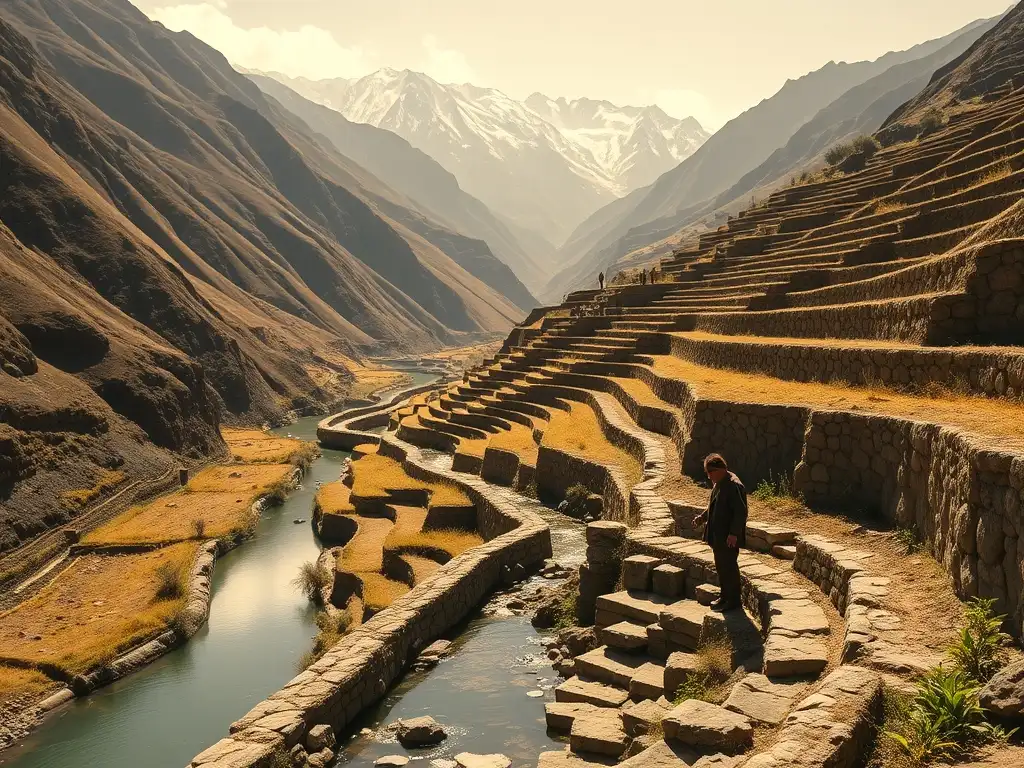
Terraced agriculture represents one of the most visually striking and effective Andean water management techniques. These carefully constructed terraces, carved into the steep mountain slopes, transformed otherwise unusable land into fertile agricultural plots. The terraces themselves weren't merely flat platforms; they were designed with intricate water channels integrated into their structure. This allowed for efficient water distribution, preventing erosion and maximizing water retention. The precise slope and orientation of each terrace were carefully considered to optimize sunlight exposure and water flow.
The construction of these terraces was a monumental undertaking, requiring significant labor and expertise. Stone walls, often meticulously fitted together without mortar, reinforced the terraces and prevented soil erosion. These walls also played a crucial role in water management, channeling water from higher terraces to lower ones via carefully placed spillways and channels.
The scale of some terrace systems is breathtaking, showcasing the organizational capabilities and the collective effort of Andean communities. For instance, the Moray agricultural terraces near Cusco are a prime example of this engineering feat, showcasing concentric circular terraces that likely served as experimental agricultural plots, allowing for the cultivation of diverse crops at varying altitudes and microclimates.
Canal Networks: A Complex System of Waterways
Beyond terraced agriculture, the Andean civilizations developed extensive canal networks to transport water from rivers and springs to distant fields. These canals, often constructed from stone or earth, were meticulously engineered to follow the contours of the land, minimizing the need for significant earthworks. Their construction required a deep understanding of hydrology and topography, allowing for the efficient conveyance of water over considerable distances.
The complexity of these canal systems varied depending on the scale and needs of the communities they served. Some were relatively simple, diverting water from nearby sources. Others, however, were remarkably sophisticated, involving intricate networks of canals, aqueducts, and tunnels that spanned vast distances.
These systems often incorporated ingenious features, such as siphons, aqueducts, and diversion structures, to overcome obstacles like valleys and hills. The Nazca culture, renowned for its geoglyphs, also possessed a sophisticated system of canals that facilitated irrigation in their arid coastal environment. The precise alignment and construction of these canals highlight their advanced understanding of hydraulic engineering.
Reservoirs and Water Storage Solutions
To mitigate the impact of seasonal variations in rainfall, Andean civilizations implemented various water storage solutions. Reservoirs, ranging in size from small ponds to large artificial lakes, played a crucial role in ensuring a stable water supply throughout the year. These reservoirs were often strategically located near agricultural fields or settlements, making water readily accessible. Their construction involved carefully selecting locations with suitable geology and topography, and utilizing techniques like earth-moving and stone lining to ensure water retention.
Beyond reservoirs, other water storage techniques were employed. For example, qochas, or artificial ponds, were constructed in high-altitude areas to collect snowmelt and rainwater. These smaller storage systems provided a crucial supplemental water source, especially during dry periods.
The integration of these diverse water storage solutions into their overall water management strategy demonstrates a comprehensive understanding of water resource management, reflecting a sophisticated approach to ensuring the sustainability of their agricultural practices and the well-being of their communities. These techniques, along with the sophisticated canal and terrace systems, underline the impressive engineering and agricultural skills of the Andean civilizations, ensuring their legacy continues to inspire.
Specific Examples of Andean Water Management
This section delves into the remarkable water management strategies employed by several prominent Andean civilizations, highlighting their ingenuity and adaptability to the challenging Andean environment. Understanding these techniques provides crucial insight into the success and longevity of these cultures, demonstrating their profound understanding of hydrology and engineering. The efficient harnessing of water resources was not merely a matter of survival; it was fundamental to their social structures, agricultural practices, and overall prosperity. We will explore the specific methods employed by the Moche, Nazca, and Inca civilizations, showcasing the diversity and sophistication of Andean water management techniques.
The Ingenious Irrigation of the Moche Civilization
The Moche civilization (100-800 CE), renowned for its intricate metalwork and vibrant pottery, also possessed advanced irrigation systems crucial to their agricultural success in the arid northern coast of Peru. Their ingenuity is evident in their complex canal networks, which channeled water from rivers and streams across vast distances to irrigate their fields. These canals weren't simply dug trenches; they involved sophisticated engineering feats, including:
- Canals built on different levels: The Moche skillfully constructed canals at varying elevations, utilizing gravity to move water efficiently. This minimized the need for continuous pumping or other energy-intensive methods.
- Diversion structures: To manage water flow and distribution, they created elaborate diversion structures and control gates, allowing them to regulate the amount of water reaching different areas based on need and crop type. This demonstrated a deep understanding of water dynamics and agricultural requirements.
- Maintenance and repair: Evidence suggests a dedicated workforce responsible for maintaining and repairing the canals. The longevity of these systems speaks volumes about the Moche's commitment to sustainable water management. Regular cleaning, patching, and expansion were likely undertaken to ensure optimal functionality.
The Moche's mastery of irrigation allowed them to cultivate a wide range of crops, supporting a dense population and a complex social hierarchy. The success of their agricultural practices, directly linked to their advanced water management systems, played a pivotal role in the civilization's flourishing for centuries. Further research is needed to fully understand the organizational structures and labor systems that underpinned this remarkable feat of Andean water management.
Nazca's Underground Aqueducts: The Puquios
The Nazca civilization (100 BCE – 800 CE), famous for its enigmatic geoglyphs, also developed ingenious methods for obtaining water in their extremely arid environment. Unlike the surface canals of the Moche, the Nazca utilized an underground system known as puquios. These were vertical shafts dug into the ground, intercepting underground water sources and channeling it to surface reservoirs or directly to fields via a network of tunnels.
- Construction techniques: The construction of puquios involved significant technical expertise. The shafts were often lined with stones to prevent collapse and maintain water quality. The tunnels were carefully planned and built to ensure a consistent flow of water.
- Sustainability: The puquios system was remarkably sustainable, providing a reliable water source even during periods of drought. The underground water sources were less susceptible to evaporation than surface water, making it a resilient solution for the harsh desert conditions.
- Community effort: The construction and maintenance of the puquios networks likely required significant community effort, highlighting the importance of collective action in water resource management within Nazca society. The scale of the project underscores the societal commitment to long-term water security.
The puquios represent a unique and effective approach to Andean water management, demonstrating the adaptability and innovation of the Nazca people in responding to the challenges of their environment. Analysis of the remaining puquios structures continues to reveal new insights into their construction methods and the sophisticated understanding of groundwater hydrology possessed by the Nazca.
Inca Water Management: A Network Across the Empire
The Inca Empire (1438-1533 CE) inherited and expanded upon the water management techniques of previous Andean cultures, creating a vast and sophisticated network across their expansive territory. Their mastery of hydraulic engineering was integral to their ability to support a large, diverse population and maintain control over such a geographically varied empire.
- Extensive canal systems: The Inca greatly expanded and improved existing canal systems, building massive networks that connected distant communities and agricultural lands. These canals utilized a combination of open channels, tunnels, and aqueducts, demonstrating their adaptability to diverse terrain.
- Reservoirs and storage: The Inca constructed numerous reservoirs to store water during the rainy season, providing a crucial supply during drier periods. This strategic approach to water storage minimized the risk of crop failure and ensured food security.
- Social organization: The Inca's success in water management was deeply intertwined with their sophisticated social organization. A centralized administrative system oversaw the construction, maintenance, and distribution of water resources. This ensured equitable access to water and promoted agricultural productivity throughout the empire.
The Inca's approach to Andean water management exemplifies the importance of centralized planning and coordinated effort in managing large-scale water resources. Their engineering achievements, coupled with their strong social structures, allowed them to create a sustainable and productive agricultural system that supported the growth and stability of their vast empire. The legacy of Inca water management continues to inform modern approaches to water resource management in the Andes.
Adapting to the Andean Environment: Challenges and Innovations

The Andes Mountains present a formidable challenge for human habitation. The dramatic altitude variations, steep slopes, and unpredictable weather patterns create a highly variable environment, demanding ingenuity and adaptation for survival. Understanding Andean water management techniques is crucial to appreciating the remarkable achievements of these ancient civilizations. The scarcity of water, coupled with its uneven distribution throughout the year, posed a significant obstacle to agriculture and settlement. However, rather than being deterred, Andean societies developed sophisticated systems to harness and manage this precious resource, allowing them to flourish in some of the world's most challenging terrains. These techniques, born out of necessity, represent a remarkable testament to human resilience and innovative problem-solving. They showcase a deep understanding of the environment and a sustainable approach to resource management that continues to inspire today. The development of effective Andean water management techniques was paramount to the success and longevity of these civilizations.
Overcoming Water Scarcity in the High Andes
Water scarcity in the high Andes is a persistent problem. The combination of high altitude, low precipitation, and high evaporation rates makes water a scarce and precious commodity. Ancient Andean communities overcame this challenge through a variety of ingenious solutions. One key strategy was the careful selection of crops suited to arid conditions.
They cultivated drought-resistant plants like quinoa and potatoes, which required less water than other crops. Furthermore, they developed sophisticated irrigation systems to maximize the use of available water. These systems often involved diverting water from rivers and streams using canals and channels, transporting it across significant distances to reach fields located on slopes and terraces. The construction of these systems required a high level of engineering skill and cooperative labor, highlighting the importance of community organization in water management.
Detailed archaeological evidence shows the intricate networks of canals and aqueducts that crisscrossed the Andean landscape, testament to their mastery of water management. The precise techniques varied depending on the specific location and the availability of water sources, demonstrating remarkable adaptability. Moreover, the construction of reservoirs and storage facilities allowed communities to store water during periods of abundance for use during drier months, ensuring a reliable water supply throughout the year. This proactive approach to water storage was essential for sustaining agricultural production and supporting population growth.
Managing Seasonal Rainfall and Runoff
The Andean climate is characterized by significant seasonal variations in rainfall. The rainy season, typically between November and April, brings heavy downpours, while the dry season, lasting from May to October, can be extremely arid. This unpredictable pattern of rainfall presented a major challenge for water management. To mitigate the risks associated with fluctuating water availability, Andean communities employed a range of strategies. The construction of terraces on hillsides played a crucial role in controlling water runoff.
These terraces slowed down the flow of water, allowing it to soak into the soil and reducing erosion. Simultaneously, they created level platforms for planting, enhancing agricultural productivity. The use of intricate drainage systems was also essential to prevent waterlogging and soil erosion during the rainy season. These systems guided excess water away from fields and settlements, preventing damage and ensuring that water was distributed effectively.
The clever integration of these systems demonstrates a deep understanding of hydrology and soil science. Furthermore, the development of sophisticated techniques for water harvesting, such as collecting rainwater in cisterns and diverting water from springs and snowmelt, ensured access to water even during the dry season. These methods were crucial for sustaining life and agriculture in the harsh Andean environment. The effective management of seasonal rainfall and runoff was key to the agricultural success and long-term sustainability of Andean communities.
The Use of Natural Resources in Water Management
Andean water management techniques were characterized by their integration with the natural environment. Communities leveraged natural resources such as springs, rivers, and snowmelt to supplement their water supplies. The construction of canals and aqueducts often followed natural contours, minimizing the need for extensive earthworks. This approach not only reduced the labor involved but also ensured the sustainability of the systems.
Furthermore, the use of local materials, such as stone and clay, in the construction of water infrastructure was common practice, reflecting a sustainable and environmentally conscious approach to resource management. This minimized the environmental impact of construction and ensured the longevity of the structures. For instance, the use of durable stone for canals and aqueducts ensured their resilience against erosion and weathering, while the use of locally sourced materials reduced transportation costs and environmental impact.
The integration of water management systems with the surrounding landscape was not merely a practical solution but also reflected a deep understanding of the interconnectedness between humans and the natural world. This holistic approach to water management is a hallmark of Andean ingenuity and a valuable lesson for contemporary water resource management strategies. The innovative use of natural resources demonstrates a sophisticated understanding of the environment and a commitment to sustainable practices.
The Legacy of Andean Water Management
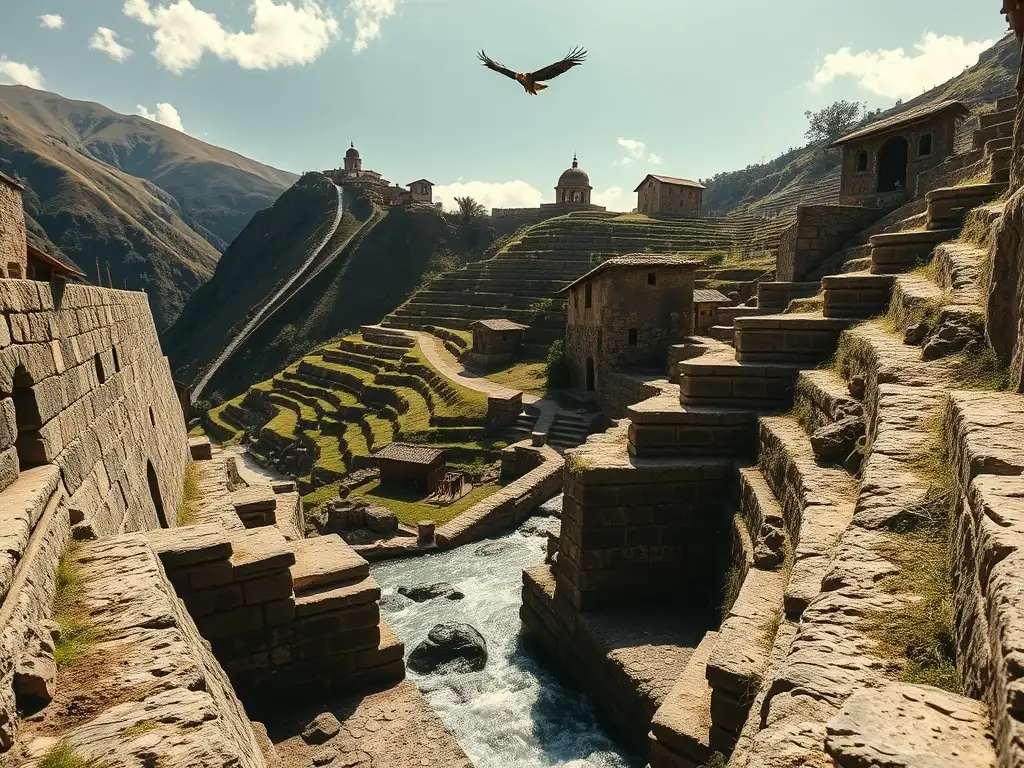
The Andes Mountains, a formidable and awe-inspiring landscape, presented ancient civilizations with a unique challenge: harnessing the power of water in a geographically diverse and often unpredictable environment. Their solutions, born out of necessity and ingenuity, represent a remarkable feat of engineering and a testament to human adaptation. The legacy of Andean water management techniques continues to resonate today, offering valuable insights into sustainable water practices and inspiring innovative approaches to modern water challenges.
Understanding their sophisticated systems reveals not only their remarkable technological prowess but also their deep understanding of the delicate balance between human needs and environmental sustainability. This legacy is particularly relevant in the face of increasing water scarcity and climate change, making the study of Andean water management crucial for informing contemporary solutions.
The ingenuity of these ancient societies in creating intricate systems to capture, store, and distribute water across diverse terrains highlights the importance of understanding and respecting the environment in order to thrive. This sophisticated understanding of hydrology and engineering is a key component of their lasting cultural impact and provides a rich area of study for modern researchers.
Lessons for Modern Water Conservation
Ancient Andean water management offers several key lessons applicable to modern water conservation strategies. Their emphasis on in situ resource management, meaning utilizing resources where they are found, minimized transportation costs and environmental impact. This contrasts with many modern systems that rely on extensive infrastructure and energy-intensive processes.
For example, the intricate network of acequias (irrigation canals) demonstrates a commitment to localized water distribution, ensuring equitable access and minimizing waste. Furthermore, the integration of water management with agricultural practices, such as terracing and crop rotation, showcases a holistic approach to resource management that maximized yield while minimizing environmental stress. This integrated approach, often absent in modern agricultural practices, offers a powerful model for sustainable food production.
Finally, the close relationship between communities and their water sources fostered a sense of collective responsibility, promoting careful resource management and stewardship. This communal approach contrasts with modern, often privatized, water systems, highlighting the importance of community involvement in sustainable water governance. The study of these ancient systems provides valuable insights into efficient water usage, equitable distribution, and community-based resource management.
Sustainable Practices from Ancient Civilizations
The Andean civilizations developed a range of ingenious sustainable practices to manage their water resources. These included:
- Terracing: Creating flat platforms on hillsides to increase arable land and reduce soil erosion, improving water retention. This technique not only maximized agricultural output but also minimized water runoff.
- Canals and Aqueducts: Constructing elaborate networks of canals and aqueducts to divert water from rivers and streams to agricultural fields and settlements. These systems often incorporated ingenious features, such as siphons and tunnels, to overcome topographic challenges.
- Reservoirs and Storage Systems: Building reservoirs and other storage systems to capture rainwater and meltwater for use during dry periods. These structures, often integrated into the landscape, ensured a reliable water supply even during times of scarcity.
- Water Temples and Rituals: Integrating water management with religious and spiritual practices, reflecting a deep understanding of the importance of water in their culture and ecosystem. This underscores the societal value placed on water conservation and responsible management.
These techniques weren't merely technological achievements; they were interwoven with social structures and spiritual beliefs, highlighting the holistic nature of Andean water management. The integration of these practices ensured the long-term sustainability of their societies and their harmonious relationship with their environment. Analyzing these methods offers vital lessons for modern sustainable development initiatives. The effectiveness of these techniques, even in challenging environments, underscores the importance of adapting water management strategies to specific geographic and climatic conditions.
Preserving Andean Water Wisdom for Future Generations
Preserving the knowledge and practices of Andean water management is crucial for addressing modern water challenges. This involves several key actions:
- Documentation and Research: Thorough documentation of existing archaeological sites and traditional knowledge systems is essential. This includes not only the physical structures but also the cultural and social practices associated with water management.
- Community Engagement: Working collaboratively with indigenous communities to preserve and revitalize traditional water management practices is vital. This ensures the continuity of this valuable knowledge and empowers local communities to manage their water resources effectively.
- Educational Initiatives: Integrating the lessons from Andean water management into educational curricula can raise awareness and inspire future generations to adopt sustainable practices. This can foster a deeper understanding of the importance of water conservation and responsible resource management.
- Policy and Governance: Incorporating the principles of Andean water management into water policy and governance frameworks can promote more sustainable and equitable water resource management at a broader scale. This requires a shift towards community-based approaches and a focus on long-term sustainability.
The wisdom embedded within Andean water management techniques represents a powerful resource for navigating the complexities of modern water scarcity and climate change. By preserving and applying this knowledge, we can build a more sustainable and equitable future for all. The enduring legacy of these ancient Andean civilizations provides an invaluable roadmap for navigating the challenges of the 21st century. Their success in sustainably managing water resources in a challenging environment offers hope and inspiration for future generations grappling with similar issues.
Andean Water Management Techniques: A Closer Look
This section delves into the sophisticated and ingenious water management techniques employed by the ancient Andean civilizations, crucial for their survival and prosperity in a challenging, high-altitude environment. Mastering water resources was paramount, shaping their agricultural practices, urban planning, and societal structures. Understanding these techniques provides invaluable insight into the ingenuity and adaptability of Andean cultures. The keyword "Andean water management techniques" is central to this exploration, highlighting the diverse strategies developed to harness and conserve this precious resource.
Diversion Techniques and Water Control
Andean civilizations weren't simply passive recipients of water; they actively manipulated its flow to suit their needs. A prime example is the extensive use of canals and aqueducts, often carved into rock faces with remarkable precision. These weren't haphazardly dug ditches; they were carefully planned systems, incorporating sophisticated techniques like terracing and leveling to ensure even water distribution across agricultural fields. This meticulous approach maximized the limited water supply, allowing for intensive cultivation in otherwise arid or steep terrains.
The Nazca culture, renowned for their geoglyphs, also exhibited mastery of water diversion. Their intricate network of canals, some spanning several kilometers, channeled water from the scarce rivers and streams to their agricultural lands. These canals were not only functional but also demonstrated a deep understanding of hydrology and topography. Evidence suggests that they utilized sophisticated surveying techniques to ensure the canals followed the natural contours of the land, minimizing energy loss and maximizing water flow. Furthermore, the integration of check dams and reservoirs along the canals allowed for regulated water release, controlling the flow and preventing erosion.
The ingenuity of Andean water control extended beyond simple canals. They also developed innovative methods for regulating water flow within their fields, using techniques like subsurface irrigation and raised fields. These techniques minimized water evaporation and ensured efficient water delivery to the roots of crops, a crucial factor in the high-altitude, often dry conditions. The effectiveness of these methods is evident in the agricultural productivity achieved by Andean societies, despite the environmental challenges they faced.
Water Harvesting and Collection Methods
Beyond diverting existing water sources, Andean civilizations developed sophisticated techniques for collecting and storing water. This involved a combination of methods tailored to the specific environmental conditions of each region. Cisterns and reservoirs, carved into rock or constructed from stone, were common features in both urban and rural settlements. These structures served as vital water storage facilities, ensuring a reliable water supply during dry seasons.
The construction of these reservoirs demonstrates a deep understanding of engineering principles. Many were carefully designed to minimize water loss through evaporation, employing techniques like lining the reservoirs with clay or other impermeable materials. The size and capacity of the reservoirs varied depending on the size of the community and the availability of water resources. In some cases, multiple smaller reservoirs were constructed, forming a network of interconnected storage facilities, ensuring a more resilient water supply system. This highlights a system-level approach to water management, emphasizing redundancy and resilience.
Furthermore, the collection of rainwater was another crucial strategy. Rooftops were often designed to channel rainwater into storage containers or directly into irrigation systems. This supplementary water source was particularly important in areas where surface water was scarce. The integration of water harvesting into the design of buildings showcases the holistic nature of Andean water management practices, where every aspect of life was interwoven with the need to conserve and utilize water effectively.
Water Conservation Practices in Andean Agriculture
Andean agriculture wasn't just about obtaining water; it was about using it wisely. Conservation was integral to their agricultural practices, reflecting a profound understanding of the limitations of their environment. The widespread use of terracing is a prime example. Terraces not only increased the amount of cultivable land but also significantly reduced soil erosion and water runoff. By creating level platforms, terraces slowed the flow of water, allowing it to soak into the soil and nourish the crops more effectively.
The application of mulch and organic matter further enhanced water retention in the soil. These materials helped to reduce evaporation and improve soil structure, creating a more favorable environment for plant growth. Furthermore, the selection of drought-resistant crops was a crucial aspect of Andean agricultural strategies. Farmers carefully chose crops that were well-suited to the arid conditions, minimizing water consumption while maximizing yields. This careful selection, combined with other conservation practices, allowed Andean civilizations to thrive in challenging environments.
The integration of these various techniques—diversion, harvesting, and conservation—demonstrates a comprehensive approach to water management. It wasn't a single solution but a sophisticated system adapted to the specific ecological and geographical conditions of the Andes. This holistic approach underscores the deep understanding and respect Andean civilizations held for water, a resource vital for their survival and cultural flourishing. The enduring legacy of these "Andean water management techniques" continues to inspire modern approaches to sustainable water management in challenging environments worldwide.
Frequently Asked Questions
What were the main challenges faced by Andean civilizations regarding water?
The Andes presented significant challenges, including arid climates, variable rainfall, and steep, mountainous terrain. These factors made accessing and managing water crucial for survival.
How did the Incas manage water resources?
The Incas developed sophisticated systems like canals, terraces, and aqueducts to irrigate crops and supply water to urban centers. They also built reservoirs and storage systems to manage seasonal variations.
What innovative technologies did the Andean cultures employ for water management?
They utilized a range of ingenious techniques including irrigation canals, underground channels (qanats), and water-management infrastructure integrated into their agricultural terraces. These systems were remarkably effective.
Were water management techniques similar across all Andean civilizations?
While all Andean cultures valued water, specific techniques varied. The Incas, for example, had more extensive systems than earlier cultures like the Nazca, though both adapted to their environments.
What is the legacy of Andean water management today?
Many of the ancient water systems are still in use or inspire modern approaches. Their ingenuity and sustainability offer valuable lessons for contemporary water management challenges, especially in arid regions.
Final Reflection: The Enduring Legacy of Andean Water Wisdom
The ingenious water management systems of the Andes remain a vital lesson for a world grappling with climate change and resource scarcity. These ancient techniques, far from being relics of the past, offer practical and sustainable solutions to contemporary challenges, reminding us of the profound interconnectedness between human ingenuity and the natural world. Their continued relevance is undeniable, especially as water stress intensifies globally.
The enduring impact of Andean water management is not merely historical; it's a living testament to the power of community-based solutions and a deep respect for ecological balance. These systems, built on centuries of observation and adaptation, demonstrate the importance of understanding local ecosystems and working with nature, not against it. Water is life, and without it, there is no future.
This simple truth, deeply ingrained in Andean culture, holds a powerful message for us today, urging a shift towards more sustainable and equitable water practices worldwide.
Consider the ingenuity of these systems, the collaborative spirit that built them, and the resilience they fostered. You, too, can contribute to a more sustainable future. Embrace the principles of mindful water usage, support initiatives promoting sustainable water management in your community, and advocate for policies that prioritize water conservation and equitable access. Let the wisdom of the Andes inspire you to become a steward of this precious resource, ensuring that future generations inherit a world where water flows freely and abundantly for all.
**Unlock Sustainable Solutions for Andean Communities! **
Thank you for exploring the vital issue of water management in the Andes. Understanding this challenge is a crucial step towards promoting sustainable practices that can significantly improve lives. Let's work together to support these communities!
- **Join a local conservation group** dedicated to protecting water resources in the Andes.
- **Share your knowledge** with others – whether through conversations or social media – to raise awareness about responsible water management.
- Consider volunteering your time or donating to organizations dedicated to preserving Andean ecosystems and their resources.
What innovative ideas do you have for improving water sustainability in your community and beyond?