
The Significance of the Taki Onqoy Movement: A Spiritual Rebellion

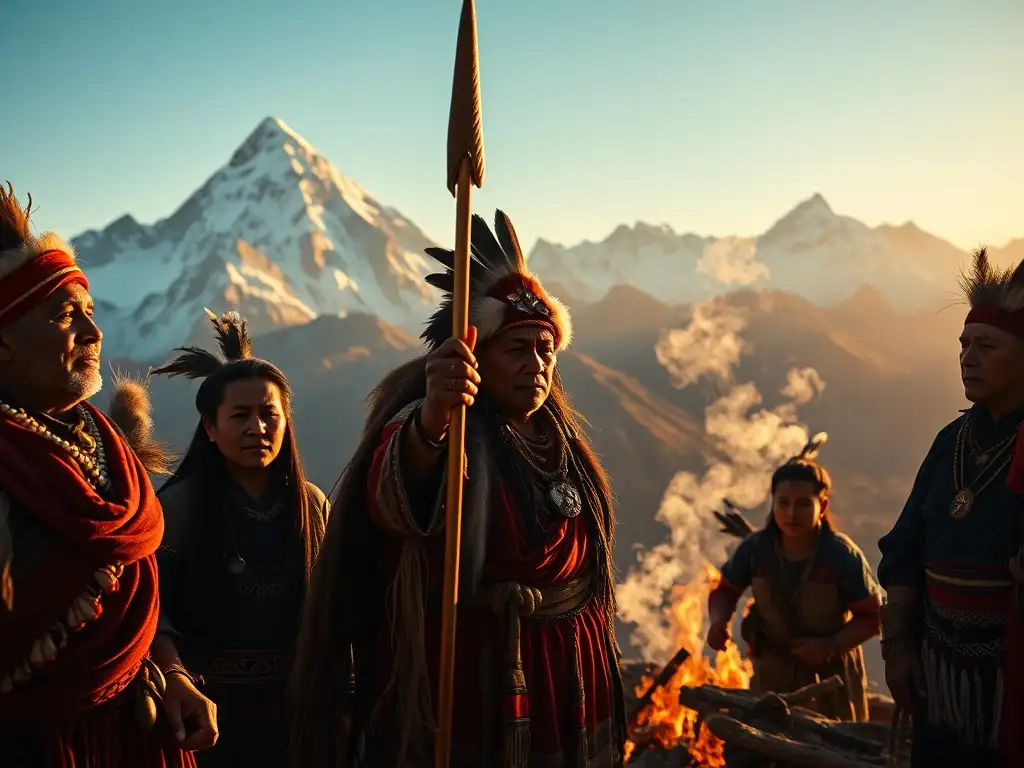
Step into a world lost to time, yet echoing with power and mystery. The Andean Civilizations website unveils the breathtaking tapestry of ancient empires, from the intricate artistry of the Nazca lines to the sophisticated engineering of the Incas. But what happens when faith itself becomes a weapon of resistance? Discover the unsettling significance of the Taki Onqoy movement, a spiritual rebellion that shook the foundations of the Andean world during the Spanish Conquest. Unravel the secrets and delve into a story of faith, defiance, and the enduring legacy of these remarkable cultures.
The Spanish conquest of the Andes drastically altered the social, political, and religious landscape of the region. While military resistance played a significant role in challenging Spanish dominance, a less visible yet powerful form of rebellion emerged: the Taki Onqoy movement. This fascinating phenomenon, far from being a mere localized uprising, represented a significant spiritual and ideological challenge to the imposed colonial order.
This article will delve into the profound significance of the Taki Onqoy movement, exploring its origins, beliefs, and lasting impact on the Andean world, demonstrating its crucial role as a form of resistance against Spanish rule, and offering insights into the resilience of indigenous Andean spiritualities in the face of overwhelming colonial pressure. Understanding its significance allows us to appreciate the complexity of Andean responses to colonization and the enduring power of indigenous belief systems.
The Rise of Taki Onqoy: A Syncretic Response to Colonialism
The Taki Onqoy movement, meaning "dancing sickness" in Quechua, emerged in the central Andes during the late 16th century. It wasn't a unified, centrally organized rebellion in the traditional sense, but rather a widespread millenarian movement characterized by its syncretic nature. It combined indigenous Andean religious beliefs with elements of Christianity, reflecting the complex interplay of cultures under colonial rule.
The movement's prophets, often shamans or paqos, preached the imminent return of the huacas (indigenous deities) and the overthrow of both the Spanish and their indigenous collaborators. They emphasized the inherent weakness of the Spanish, highlighting the devastating effects of disease and the disruption of the Andean ecological balance, interpreted as divine punishment for the colonial regime.
This message resonated deeply with the indigenous population, who experienced firsthand the devastating impact of colonization on their lives and traditions. The movement's spread across diverse Andean communities underscores the shared experience of oppression and the widespread desire for liberation.
At the heart of the Taki Onqoy movement lay a powerful critique of the imposed Christian faith and the colonial order it supported. The prophets actively rejected the Spanish imposition of Catholicism, arguing that the indigenous deities were superior and that the huacas held the true power to restore harmony and prosperity to the land.
This rejection wasn't simply a passive refusal, but an active assertion of indigenous religious authority and a demonstration of the enduring strength of Andean spiritual traditions. The movement's rituals and ceremonies, characterized by ecstatic dances and the invocation of indigenous deities, directly challenged the authority of the Spanish church and its attempts to suppress indigenous religious practices.
This religious rebellion, therefore, formed a crucial component of the broader resistance against Spanish rule. The movement's success in attracting widespread followers across diverse communities demonstrates the power of indigenous religious beliefs and their role in fostering collective resistance.
The Impact and Legacy of Taki Onqoy: A Lasting Mark on Andean History
While the Spanish ultimately suppressed the Taki Onqoy movement, its impact on Andean history remains undeniable. The movement demonstrated the resilience of indigenous Andean spiritualities in the face of colonial oppression. It showcased the ability of Andean communities to adapt and reinterpret their religious beliefs in response to the challenges of colonization.
The syncretic nature of the movement, blending indigenous and Christian elements, highlights the complex cultural interactions during this period. Furthermore, the Taki Onqoy movement serves as a powerful reminder of the multifaceted nature of resistance to colonial rule, highlighting the importance of spiritual and ideological challenges alongside military uprisings. Its legacy continues to inform our understanding of Andean resistance and the enduring power of indigenous belief systems.
The movement's impact on the cultural landscape of the Andes, though suppressed, left an indelible mark on the region's religious and social fabric, shaping the future trajectory of Andean identity. The enduring resonance of the Taki Onqoy movement serves as a potent symbol of the ongoing struggle for cultural preservation and self-determination within the Andean world.
Further Research Areas
The Taki Onqoy movement offers numerous avenues for further research, including a deeper exploration of its specific rituals, the role of women within the movement, and a more detailed analysis of its regional variations. Further investigation into the movement's interaction with other forms of resistance would also enrich our understanding of its significance.
- The Rise of Taki Onqoy: A Syncretic Response to Colonialism
- Taki Onqoy's Religious and Ideological Core: A Challenge to Spanish Authority
- The Impact and Legacy of Taki Onqoy: A Lasting Mark on Andean History
- The Taki Onqoy as a Form of Indigenous Resistance
- The Religious and Cultural Dimensions of the Rebellion
- The Taki Onqoy's Challenge to Spanish Colonial Authority
- The Spiritual Rebellion as a Manifestation of Andean Identity
- The Taki Onqoy's Socio-Political Impact: Challenging Colonial Authority
- The Movement's Legacy and Long-Term Significance
Understanding the Taki Onqoy: Context and Origins
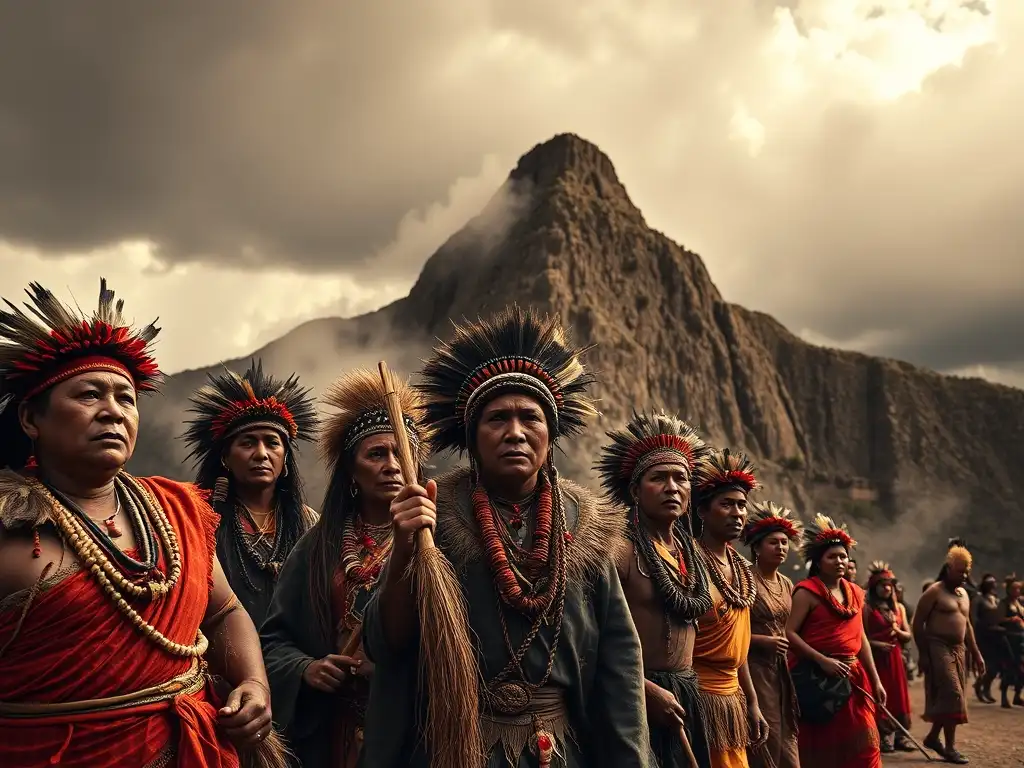
The Taki Onqoy movement's significance lies not only in its direct challenge to Spanish colonial rule but also in its reflection of a deeply rooted Andean worldview undergoing profound disruption. Understanding its origins requires examining the pre-Columbian Andean societies and the cataclysmic impact of the Spanish conquest. This wasn't merely a political rebellion; it was a spiritual and cultural counter-offensive, a desperate attempt to reclaim a shattered cosmology.
The movement's very name, "Taki Onqoy," meaning "dancing sickness" or "earthquake dance," hints at the seismic shifts occurring within Andean society. Analyzing the movement requires understanding both the pre-existing religious and social structures and the forces that shattered them. The Taki Onqoy movement significance is intrinsically tied to this complex interplay of forces.
The Andean World Before 1532
Before the arrival of the Spanish, the Andes were home to a diverse tapestry of cultures, each with its own complex religious beliefs and social structures. While the Inca Empire dominated a significant portion of the region, numerous other groups maintained their distinct identities and practices. These societies shared certain commonalities, including a deep reverence for nature, ancestor veneration, and a sophisticated understanding of the cosmos. Religious practices often intertwined with agricultural cycles and involved elaborate rituals aimed at ensuring the fertility of the land and the well-being of the community.
Shamans and priests played crucial roles in interpreting the will of the gods and mediating between the human and spiritual worlds. This intricate web of beliefs and practices formed the foundation upon which the Taki Onqoy movement would later emerge. The pre-existing spiritual landscape was incredibly rich and diverse, contributing to the nuanced nature of the movement's ideology.
The Impact of Spanish Colonization on Andean Beliefs
The Spanish conquest dramatically altered the Andean world, causing widespread devastation and upheaval. The imposition of Catholicism, the destruction of sacred sites, and the suppression of indigenous religious practices created a profound spiritual crisis. The Spanish systematically dismantled the existing social and political structures, replacing them with a colonial hierarchy that prioritized European values and institutions. This cultural imposition wasn't simply a matter of replacing one religion with another; it involved a systematic attempt to erase Andean identity and worldview.
The destruction of temples, the burning of sacred texts, and the persecution of religious leaders created a vacuum that the Taki Onqoy movement would eventually fill. The Spanish conquest didn't just conquer land; it aimed to conquer souls, a fact that fueled the intensity of the ensuing resistance. This forceful imposition of a foreign worldview directly contributed to the Taki Onqoy movement's significance as a reaction against cultural annihilation.
Emergence of the Taki Onqoy: A Response to Colonial Oppression
The Taki Onqoy movement arose as a direct response to the devastating impact of Spanish colonization. It wasn't a monolithic entity but rather a decentralized network of indigenous communities united by a shared desire to resist colonial oppression. The movement's ideology combined elements of traditional Andean beliefs with a prophetic message that offered hope and a path to liberation.
Prophets and healers emerged, claiming to channel the power of ancient Andean deities to combat the destructive forces of the Spanish. They preached a return to traditional ways, predicting the downfall of the Spanish and the restoration of Andean power. The movement's use of ritualistic dances and ecstatic practices served both as a form of resistance and a way to reaffirm indigenous identity in the face of colonial erasure.
The Taki Onqoy movement's significance lies in its ability to mobilize communities through a powerful combination of spiritual and political messages, offering a potent alternative to the imposed colonial reality. The movement's ultimately unsuccessful rebellion nonetheless represents a significant, albeit tragic, chapter in Andean history, showcasing the enduring strength of indigenous cultures facing overwhelming odds. The movement's legacy continues to resonate, demonstrating the enduring power of spiritual resistance against colonial oppression.
Core Beliefs and Practices of the Taki Onqoy
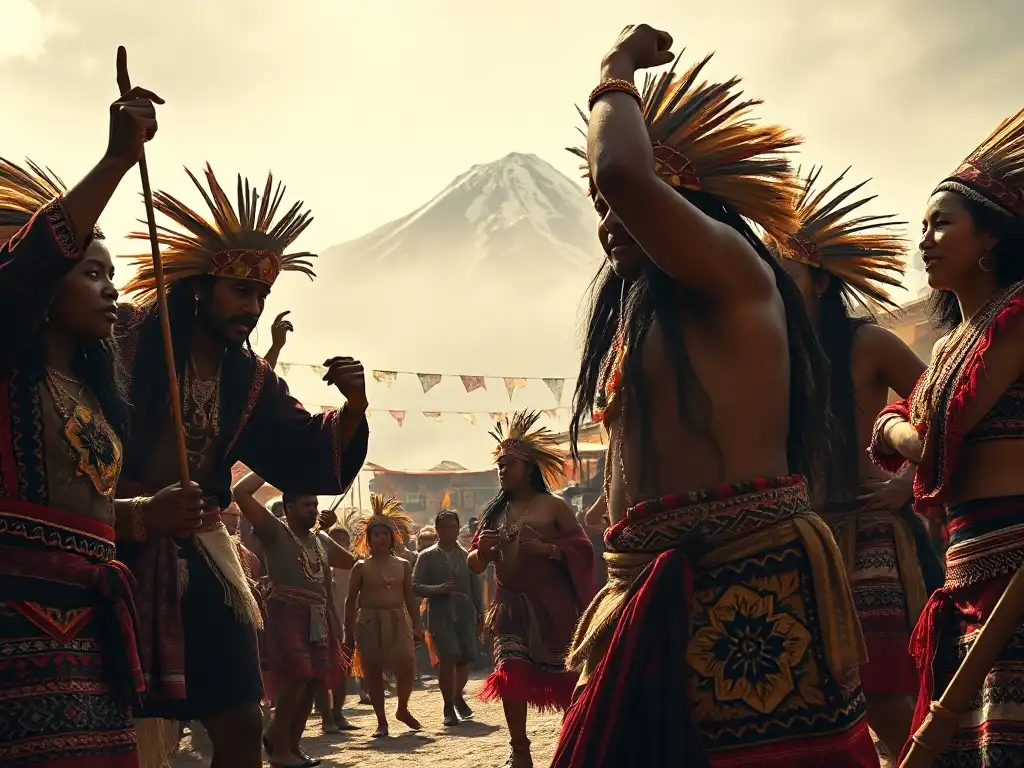
The Taki Onqoy movement, a significant Andean rebellion against Spanish colonial rule in the 16th century, wasn't simply a political uprising; it was a profound spiritual and religious resurgence. Understanding its core beliefs and practices is crucial to grasping its significance in resisting the imposed Christian faith and reasserting indigenous Andean identities. The movement's success stemmed from its ability to tap into pre-existing Andean religious beliefs and creatively adapt them to the challenges of colonial oppression.
This section delves into the key tenets of the Taki Onqoy, highlighting its rejection of Christianity and its revival of indigenous deities and spiritual practices. Analyzing the Taki Onqoy movement significance requires understanding its deeply rooted spiritual rebellion against the Spanish.
The Rejection of Christianity and the Spanish God
A central tenet of the Taki Onqoy movement was the outright rejection of Christianity and the Spanish god. The movement actively countered the forced conversion efforts of the Spanish conquistadors, who sought to eradicate indigenous religions and impose Catholicism. The Taki Onqoy movement significance lies partly in its active resistance to this cultural and religious imperialism. Instead of embracing the foreign deity, the movement presented a powerful alternative, drawing on the strength and resilience of the Andean spiritual heritage.
Propagandists actively denounced the Christian God, portraying him as weak and ineffective compared to the powerful Andean deities. This rejection wasn't merely passive; it involved the active destruction of Christian symbols and the ridicule of Spanish religious practices. The movement's success in mobilizing large segments of the population against the imposed religion underlines the profound resentment towards the Spanish religious imposition.
Revival of Andean Deities like Pachamama and Inti
The Taki Onqoy movement didn't simply reject Christianity; it actively revived and reaffirmed the importance of traditional Andean deities. Central to this revival were figures like Pachamama, the Earth Mother, and Inti, the Sun God. These deities, embodying the life-giving forces of nature and the cosmic order, were presented as powerful alternatives to the foreign Christian God. The movement's significance stems from its ability to re-energize the worship of these ancestral figures, providing a sense of spiritual continuity and cultural identity in the face of colonial oppression.
The resurgence of Pachamama and Inti wasn't just symbolic; it involved elaborate rituals, offerings, and festivals designed to reaffirm their power and reaffirm the Andean worldview. This revitalization of Andean spirituality served as a powerful unifying force, bolstering resistance against Spanish rule. The Taki Onqoy movement significance is intrinsically linked to this powerful spiritual revival.
The Concept of "Onqoy" and Spiritual Illness
The term "Onqoy" itself is crucial to understanding the movement. It refers to a type of spiritual illness, a sickness of the soul believed to be caused by the disruption of the cosmic order. The Spanish conquest and the imposition of a foreign religion were seen as the primary causes of this widespread spiritual malaise.
The Taki Onqoy movement significance lies in its framing of colonial oppression as a spiritual crisis. The movement's prophets and healers claimed to possess the knowledge and power to cure this "Onqoy," offering a spiritual solution to the social and political problems caused by Spanish rule. This concept provided a powerful framework for understanding and resisting the colonial project.
The healing rituals, often involving ecstatic dances and shamanistic practices, aimed to restore harmony and balance to the Andean world. The effective use of this "Onqoy" concept to unify and mobilize the population underscores the Taki Onqoy movement significance as a powerful form of spiritual resistance. The movement’s success in harnessing the pre-existing Andean understanding of illness and healing to fight colonial oppression is a testament to its innovative and effective strategy.
Ritual Practices: Dances, Possessions, and Prophecies
The Taki Onqoy movement wasn't simply a set of beliefs; it was a vibrant, dynamic religious practice deeply interwoven with ritual. Central to these rituals were ecstatic dances, spirit possessions, and prophetic pronouncements, all designed to communicate with and harness the power of the huacas, the Andean deities and sacred spirits. These practices weren't haphazard; they were carefully orchestrated performances aimed at achieving specific spiritual and political goals.
The dances themselves were likely diverse, reflecting the regional variations within the movement. While precise choreography remains unknown, we can infer a powerful, expressive style from accounts of similar Andean religious practices. These dances probably involved rhythmic movements, chanting, and the use of musical instruments like panpipes and drums, creating a trance-like atmosphere conducive to spirit possession. The rhythmic intensity would have served not only to communicate with the huacas but also to unify participants and generate a sense of collective power against the encroaching Spanish.
Spirit possession, or huaca possession, was another crucial element. Individuals, often shamans or religious leaders, would enter a trance-like state, becoming vessels for the huacas. Through these possessed individuals, the huacas could deliver messages, prophecies, and instructions to the community. These messages often focused on the impending doom of the Spanish and the imminent return of the native Andean deities.
The prophecies, often delivered in a dramatic and emotional manner, served to bolster the faith of the followers and inspire resistance against the colonial power. The authenticity of these possessions was undoubtedly crucial to the movement's success, lending credibility to its claims and fostering a powerful sense of divine mandate. The power of the spoken word, infused with the authority of the huacas, was a potent weapon in the Taki Onqoy arsenal.
The prophecies themselves were not simply predictions of the future; they were active agents of change. By foretelling the downfall of the Spanish and the resurgence of Andean power, the prophecies functioned as powerful tools of resistance. They provided hope and inspiration to a population facing a brutal and oppressive regime, offering a vision of a future where indigenous beliefs and practices would once again prevail.
These weren't passive pronouncements; they were calls to action, fueling the movement's momentum and encouraging active participation in the rebellion against Spanish dominance. The intricate interplay between dance, possession, and prophecy created a powerful and persuasive religious experience that served as the bedrock of the Taki Onqoy movement. The effectiveness of these rituals speaks to the enduring power of Andean spirituality in the face of colonial oppression.
The Taki Onqoy Movement's Geographical Reach and Influence
The Taki Onqoy movement, a significant Andean religious and political upheaval in the face of Spanish colonization, wasn't a monolithic entity confined to a single region. Its influence spread across a considerable swathe of the central Andes, demonstrating the widespread dissatisfaction with Spanish rule and the resilience of indigenous spiritual beliefs. Understanding the geographical reach of Taki Onqoy is crucial to grasping its overall significance and impact on the colonial landscape. While precise boundaries are difficult to define due to the decentralized nature of the movement and limited historical documentation, archaeological evidence and surviving accounts point to a strong presence in several key areas.
The movement's success in mobilizing diverse populations across varied landscapes highlights its adaptability and appeal. The intensity of the movement varied regionally, with certain areas experiencing more significant participation than others. This regional variation reflects the complex interplay of local socio-political dynamics and the movement's flexible, adaptable nature.
Further research is needed to fully map the extent of Taki Onqoy's influence, particularly in less-studied regions. The existing evidence, however, strongly suggests a considerable geographical footprint that extended far beyond any single province or administrative district. The widespread nature of the rebellion underscores its importance as a major challenge to Spanish authority.
Areas Affected by the Taki Onqoy: Ayacucho, Huancavelica, and Arequipa
The Taki Onqoy movement's influence was particularly strong in the regions of Ayacucho, Huancavelica, and Arequipa. These areas, characterized by diverse ecological zones and pre-existing social structures, provided fertile ground for the movement's growth. In Ayacucho, for example, the mountainous terrain and dispersed settlements facilitated the spread of Taki Onqoy’s message through existing indigenous networks.
The region's history of resistance to Inca rule also likely contributed to its receptiveness to the anti-colonial message of the Taki Onqoy. Huancavelica, known for its rich silver mines and the harsh conditions imposed upon the indigenous population, witnessed a significant Taki Onqoy presence, reflecting the movement's ability to tap into the widespread grievances of the mining communities. Arequipa, with its diverse agricultural landscape and relatively robust indigenous populations, also experienced the movement's impact, although perhaps to a lesser degree than Ayacucho and Huancavelica.
This varied level of participation highlights the nuanced relationship between the movement's ideology and the specific socio-economic conditions of each region. Further research focusing on regional variations in Taki Onqoy participation could shed more light on these complex dynamics.
Key Figures and Leaders of the Movement: Juan Chocne and Pedro
While the Taki Onqoy movement was largely decentralized and lacked a single, overarching leader, certain individuals played crucial roles in its propagation and organization. Among the most prominent figures were Juan Chocne and Pedro. Juan Chocne, often described as a huaca (sacred object or spirit), played a pivotal role in spreading the movement's message. Accounts suggest he possessed charismatic leadership qualities and successfully mobilized significant numbers of followers.
His prophecies and pronouncements, emphasizing the return of indigenous deities and the imminent downfall of the Spanish, resonated strongly with communities suffering under colonial oppression. Pedro, another important figure, is often mentioned in conjunction with Chocne, although the precise nature of their relationship remains unclear. It’s likely that he played a significant role in organizing local resistance and coordinating activities across different communities.
The lack of detailed biographical information on these key figures underscores the challenges in reconstructing the history of the Taki Onqoy movement. Further research, possibly involving the examination of colonial archives and indigenous oral traditions, could provide valuable insights into the roles and motivations of these and other important leaders. The limited available information, however, clearly indicates their importance in galvanizing support for the movement.
Local Variations in Taki Onqoy Practices
Despite its unifying anti-colonial message, the Taki Onqoy movement wasn't a uniform entity. Local variations in practices and beliefs reflected the diverse cultural landscape of the Andes and the movement's adaptability to pre-existing religious and social structures. The specific deities invoked, the rituals performed, and the forms of resistance employed varied significantly from one region to another.
In some areas, the emphasis was on the revival of traditional Andean religious practices, while in others, the movement incorporated elements of syncretism, blending indigenous beliefs with aspects of Christianity. This syncretism wasn't simply a matter of superficial blending; it represented a strategic adaptation to the colonial context, allowing the movement to appeal to a broader range of participants. The variations in Taki Onqoy practices underscore the importance of acknowledging the decentralized and heterogeneous nature of the movement.
A deeper understanding of these local variations is crucial for a more nuanced and comprehensive understanding of the Taki Onqoy movement's significance and impact. Further research into local variations in ritual practices, iconography, and resistance strategies would greatly enrich our understanding of this complex historical phenomenon. The diversity of Taki Onqoy practices reflects the vibrant and resilient nature of Andean culture in the face of colonial oppression.
Analyzing the Taki Onqoy Movement's Significance
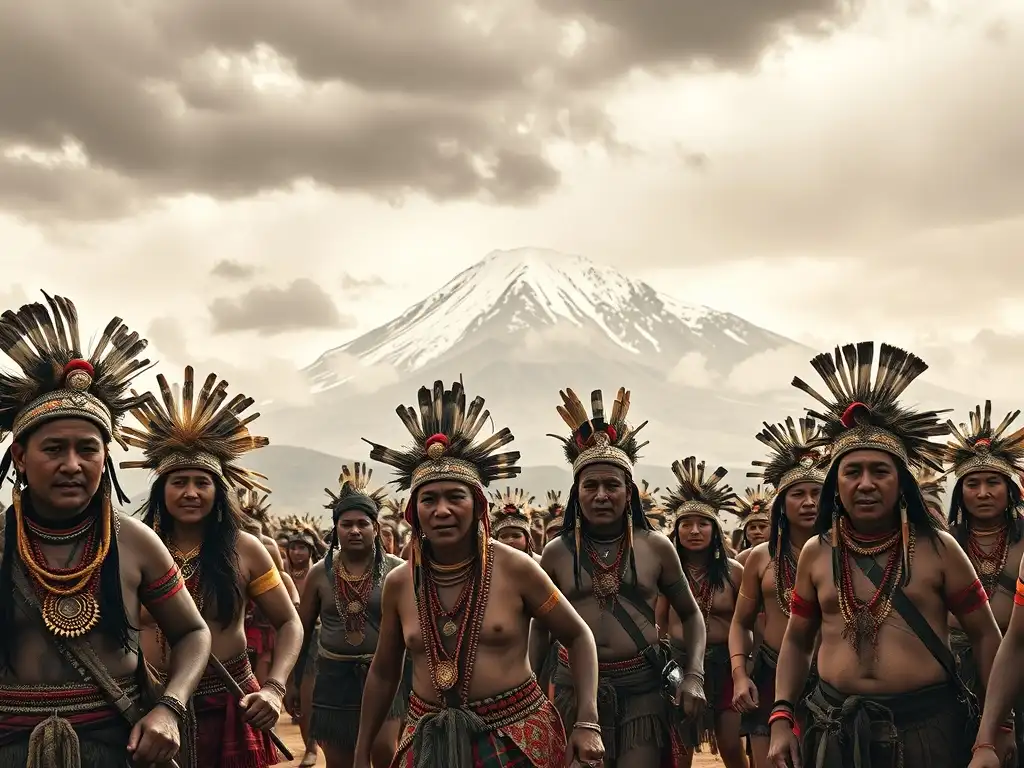
The Taki Onqoy movement, a significant socio-religious upheaval in the late 1560s and early 1570s in the Andes, presents a compelling case study in indigenous resistance against Spanish colonial rule. Understanding its significance requires analyzing its multifaceted nature, encompassing religious syncretism, cultural revitalization, and a direct challenge to the imposed colonial order. This wasn't simply a religious movement; it was a complex strategy of resistance employing spiritual and cultural tools to combat the pervasive influence of the Spanish.
The movement's impact resonates even today, offering valuable insights into the resilience and agency of Andean communities facing colonization. The keyword "Taki Onqoy movement significance" accurately reflects the core theme of this analysis.
The Taki Onqoy as a Form of Indigenous Resistance
The Taki Onqoy movement, whose name translates roughly to "dancing sickness," was far more than a religious frenzy. It cleverly utilized existing Andean religious beliefs and practices to foster a cohesive resistance against Spanish domination. Prophets emerged, preaching a return to traditional Andean deities and practices, rejecting the forced conversion to Christianity.
This wasn't passive resistance; it involved active disruption of the colonial order. Participants performed ritual dances and ceremonies, often in public spaces, directly challenging the Spanish authority and the imposed religious system. The movement's widespread adoption across various Andean communities demonstrates its effectiveness as a unifying force against colonial oppression.
The prophets' messages, often delivered through ecstatic trance states, resonated deeply with communities experiencing the devastating effects of colonization, including disease, forced labor (mita), and the destruction of traditional ways of life. The movement tapped into a potent wellspring of indigenous identity and cultural pride, fostering a sense of unity and purpose in the face of adversity. This active, organized resistance, fueled by spiritual conviction and cultural pride, highlights the Taki Onqoy's significance as a major challenge to Spanish power.
The Religious and Cultural Dimensions of the Rebellion
The Taki Onqoy movement skillfully blended pre-Columbian Andean religious beliefs with elements of Christianity, creating a syncretic religious system that served as a powerful tool of resistance. While rejecting the imposed Catholicism, the movement didn't entirely disregard Christian elements. Instead, it strategically incorporated certain aspects, re-interpreting them within the framework of Andean cosmology.
This syncretism was not merely a superficial blending; it was a deliberate strategy to create a new religious framework that resonated with the indigenous population while subtly undermining the authority of the Spanish church. The movement's emphasis on indigenous deities, such as Pachamama (Mother Earth) and Inti (the Sun God), reaffirmed traditional Andean spiritual values and countered the efforts of the Spanish to erase indigenous religious practices. The revival of traditional rituals and ceremonies was crucial in strengthening community bonds and fostering a sense of collective identity, thereby bolstering resistance efforts.
The movement’s cultural revitalization efforts were intrinsically linked to its religious aspects, demonstrating the holistic nature of the rebellion. This intricate interplay between religious and cultural elements underscores the depth and complexity of the Taki Onqoy movement.
The Taki Onqoy movement posed a significant threat to Spanish colonial authority in several ways. Firstly, its widespread adoption across various Andean communities demonstrated a unified front of resistance against the colonial regime. The movement's ability to transcend ethnic and regional boundaries showcased its potency as a unifying force. Secondly, the movement directly challenged the Spanish church's authority by promoting a syncretic religion that incorporated indigenous beliefs and practices.
This blatant rejection of imposed Catholicism undermined the Spanish attempt to impose a monolithic religious system. Thirdly, the movement's active participation in disrupting the colonial order—through ritualistic performances and public displays of defiance— directly challenged the Spanish control over public space and social order. The Spanish response, characterized by brutal suppression and attempts at eradication, underscores the seriousness of the threat the Taki Onqoy posed to their authority.
The movement’s ultimate failure, though significant in its suppression, doesn’t diminish its profound impact and lasting influence on the history of Andean resistance. The movement's legacy continues to inform our understanding of indigenous agency and the enduring power of cultural and spiritual resistance in the face of colonial oppression. The impact of the Taki Onqoy on the colonial administration reveals the significant challenge it presented to Spanish power in the Andes.
The Spiritual Rebellion as a Manifestation of Andean Identity
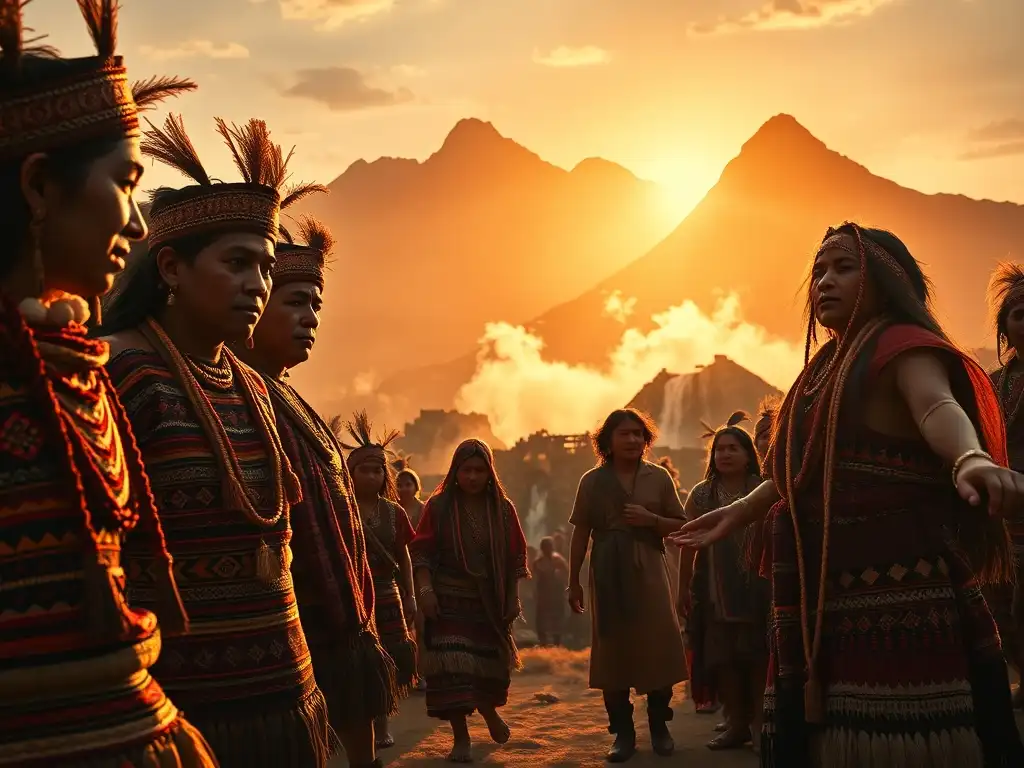
The Taki Onqoy movement, far from being a mere religious upheaval, served as a powerful assertion of Andean identity in the face of overwhelming Spanish colonial dominance. The movement's resurgence of indigenous deities and rituals directly challenged the forced imposition of Catholicism, a key element of the Spanish colonial project aimed at cultural and spiritual subjugation. By reviving ancestral practices and beliefs, the Taki Onqoy participants actively resisted the erasure of their cultural heritage. The very act of worshipping Huaca gods and engaging in traditional ceremonies was a defiant statement, a refusal to accept the inferiority imposed by the colonial regime.
This wasn't simply a rejection of a new religion; it was a reclamation of a deeply ingrained spiritual and cultural identity, a reaffirmation of their ancestral connection to the land and its sacred forces. The movement's success in garnering widespread support underscores the enduring strength of Andean cultural identity and the inherent resistance to forced assimilation. The deep-seated spiritual beliefs, woven into the fabric of Andean life for centuries, proved far more resilient than the Spanish conquistadors anticipated.
The movement's leaders skillfully tapped into this pre-existing spiritual framework, using it as a powerful tool of mobilization and resistance against the colonizers. The revival of ancient prophecies and the promise of a return to a pre-colonial golden age further fueled the movement's appeal, offering hope and a sense of agency in the face of oppression. This spiritual rebellion was, therefore, intrinsically linked to the preservation and affirmation of Andean cultural identity.
The Taki Onqoy movement's significance extends beyond its spiritual dimension; it had a profound socio-political impact, directly challenging Spanish colonial authority. The movement's widespread appeal among the indigenous population demonstrated a clear rejection of the colonial order and its oppressive structures. The prophecies of the movement, promising the return of indigenous deities and the downfall of the Spanish, served as a powerful catalyst for rebellion, inspiring collective action against the colonial regime.
The movement's decentralized structure, with numerous prophets and followers operating across various regions, made it difficult for the Spanish to suppress effectively. This decentralized nature also reflected the existing social structures within Andean communities, tapping into pre-existing networks and relationships of power and influence. Furthermore, the movement's focus on the restoration of indigenous power structures offered a tangible alternative to the colonial hierarchy, providing a powerful incentive for participation.
By rejecting Spanish rule and advocating for the restoration of indigenous authority, the Taki Onqoy movement directly challenged the very foundation of the colonial state. The movement's actions, though ultimately unsuccessful in overthrowing Spanish rule, created significant disruptions and instilled fear within the colonial administration, demonstrating the resilience and resistance capabilities of the indigenous population. The scale of the movement and its impact on colonial governance highlight its crucial role in shaping the dynamics of the colonial encounter in the Andes.
The Movement's Legacy and Long-Term Significance
The Taki Onqoy movement, despite its eventual suppression, left an indelible mark on Andean history and continues to hold significant meaning today. Its legacy extends beyond the immediate historical context, influencing subsequent resistance movements and shaping the cultural landscape of the Andes. The movement's emphasis on the revitalization of indigenous spirituality and cultural practices has resonated throughout the centuries, inspiring later forms of resistance and cultural revival.
The movement's strategies, such as the use of prophecy and the mobilization of communities through religious fervor, have been studied and analyzed by scholars to understand the dynamics of social movements and resistance against oppression. The Taki Onqoy's legacy is not merely historical; it serves as a powerful symbol of indigenous resilience and the enduring strength of Andean cultural identity in the face of colonial domination. It reminds us of the importance of understanding indigenous perspectives and the significance of cultural preservation in the context of historical oppression.
The study of the Taki Onqoy provides valuable insights into the complexities of colonial resistance and the lasting impact of indigenous spiritual and cultural traditions. Its significance lies not just in its historical impact but also in its continued relevance as a case study for understanding the dynamics of cultural survival and resistance.
The Suppression of the Taki Onqoy and its Aftermath
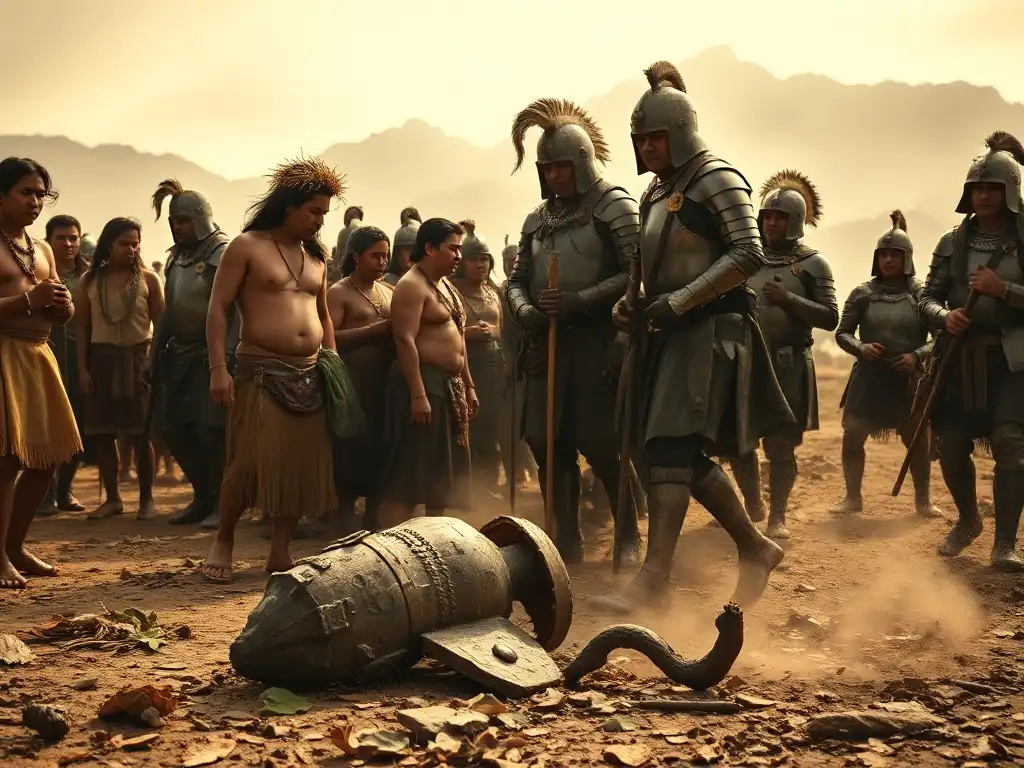
The Taki Onqoy movement, while representing a powerful spiritual and social rebellion against Spanish colonial rule, ultimately faced significant suppression. Understanding the methods employed by the Spanish and the lasting impact of this repression is crucial to fully grasping the Taki Onqoy movement significance. The movement's challenge to the established religious and political order prompted a swift and brutal response from the colonial authorities, leaving a lasting mark on Andean societies.
Spanish Response to the Taki Onqoy Threat
The Spanish Crown, deeply invested in maintaining its control over the newly conquered Andean territories, viewed the Taki Onqoy as a direct threat to its authority. The movement's appeal to indigenous beliefs and its rejection of Christian conversion were seen as acts of rebellion that needed to be swiftly extinguished. The Spanish response was multifaceted, combining military action with religious persecution. Military forces were deployed to quell uprisings linked to the movement, often employing brutal tactics to subdue resistance.
Simultaneously, the Church intensified its efforts to convert indigenous populations to Christianity, often through forceful means. This dual approach aimed to both suppress the physical manifestation of the rebellion and undermine its spiritual foundation. The Spanish understood that the Taki Onqoy’s strength lay not just in its armed resistance, but also in its ability to mobilize people through a shared spiritual identity. Therefore, eradicating that spiritual identity became a central element of their strategy.
Records indicate that entire villages suspected of supporting the movement were subjected to punitive measures, including the destruction of sacred sites and the imprisonment or execution of suspected leaders. The Spanish colonial administration meticulously documented these actions, showcasing their determination to crush any form of resistance to their rule. This detailed documentation, albeit biased, offers valuable insight into the scale and intensity of the Spanish response.
Persecution of Taki Onqoy Leaders and Followers
The Spanish response wasn't limited to general suppression; it targeted specific individuals within the Taki Onqoy leadership and its broader following. While precise numbers are difficult to ascertain due to incomplete records and the clandestine nature of much of the movement's activities, evidence points to widespread persecution. Many Taki Onqoy leaders, often identified as kurakas (indigenous leaders) or yatiri (shamans) who played pivotal roles in spreading the movement's message, were captured, tortured, and executed. Their deaths served as a stark warning to others considering joining the rebellion.
Beyond the leadership, ordinary followers also faced persecution. Punishments varied, ranging from fines and forced labor to imprisonment and even death. The severity of the punishment often depended on the perceived level of involvement and the perceived threat posed by the individual.
This targeted persecution aimed not only to suppress the movement but also to instill fear and prevent future uprisings. The systematic eradication of the movement’s leadership and the punishment of its followers significantly weakened its ability to organize and resist Spanish rule. This targeted approach highlights the Spanish colonial administration's strategic understanding of the movement's organizational structure and its capacity to mobilize support among the indigenous population.
Long-Term Effects of the Taki Onqoy on Andean Societies
The suppression of the Taki Onqoy had profound and long-lasting consequences for Andean societies. While the movement was ultimately defeated, its legacy continued to shape indigenous identities and resistance strategies for generations. The brutal crackdown reinforced Spanish dominance and accelerated the process of cultural assimilation. However, the Taki Onqoy’s emphasis on indigenous spirituality and resistance to colonial rule left an enduring mark.
The movement's emphasis on reclaiming indigenous religious practices and challenging the imposed Christian faith fostered a sense of cultural resilience that persisted even after its suppression. This resilience manifested in various forms, including subtle acts of resistance, the preservation of indigenous traditions in hidden ways, and the continued belief in the power of pre-Columbian deities and practices. Although the immediate impact was the suppression of the rebellion, the underlying tensions and desires for self-determination remained.
The Taki Onqoy's legacy is a complex tapestry woven from both defeat and enduring resistance, demonstrating the movement's lasting influence on the shaping of Andean identities and the ongoing struggle against colonial oppression. Further research is needed to fully understand the long-term demographic and social effects of the Taki Onqoy's suppression, particularly regarding the impact on indigenous religious practices and community structures. The incomplete historical record necessitates further investigation to fully quantify the long-term consequences of this significant historical event.
The Legacy of Spiritual Resistance in the Andes
The Taki Onqoy movement, while ultimately suppressed by the Spanish conquistadors, left an indelible mark on Andean spiritual life and resistance strategies. Its emphasis on indigenous deities and prophecies, rejecting the imposed Christian faith, fostered a sense of cultural pride and resilience that persisted long after the movement's decline. The resurgence of indigenous religious practices in later centuries, often subtly interwoven with elements of Catholicism (syncretism), can be seen as a direct continuation of the defiant spirit ignited by Taki Onqoy.
This enduring legacy demonstrates the movement's profound impact on shaping Andean identity and its ongoing struggle for self-determination. The deep-rooted belief in the power of Andean spirituality, nurtured and strengthened by the Taki Onqoy's resistance, continued to fuel subsequent challenges to colonial authority.
The Taki Onqoy's influence extended beyond the purely religious sphere. The movement’s sophisticated organizational structure, involving networks of prophets and followers across vast distances, demonstrated a capacity for coordinated action that proved valuable in later resistance efforts. This organizational skill, honed during the Taki Onqoy's peak, provided a model for future rebellions against Spanish rule.
The ability to mobilize large populations and maintain communication across diverse communities became a crucial asset in subsequent uprisings, highlighting the movement's lasting contribution to Andean resistance strategies. The echoes of the Taki Onqoy's organizational prowess can be observed in the structure and mobilization tactics of subsequent indigenous rebellions.
Moreover, the Taki Onqoy's emphasis on the restoration of indigenous power and the rejection of foreign dominance served as a powerful symbol of resistance that resonated far beyond its immediate participants. The movement's message provided a framework for understanding and challenging the colonial project, inspiring future generations to fight for their cultural and spiritual autonomy.
This enduring legacy of defiance against oppression continues to inspire scholars and activists alike, demonstrating the movement's significance as a pivotal moment in Andean history. The Taki Onqoy's legacy serves as a potent reminder of the enduring power of spiritual resistance in the face of colonial domination.
The Taki Onqoy Movement Significance: A Final Reflection
The Taki Onqoy movement, a significant Andean spiritual and political rebellion against Spanish colonial rule in the 16th century, continues to resonate deeply within the study of Andean history and indigenous resistance. Its significance extends beyond a simple historical event; it represents a complex interplay of religious syncretism, socio-political upheaval, and the enduring power of indigenous belief systems in the face of overwhelming oppression. Understanding its impact requires analyzing its multifaceted nature, considering both its immediate consequences and its long-term influence on Andean identity and resistance strategies.
The movement's legacy serves as a powerful reminder of the resilience and adaptability of Andean cultures in the face of colonization. The keyword "Taki Onqoy movement significance" accurately encapsulates the central theme of this analysis. This section delves into the lasting impact of this crucial historical event.
The Enduring Importance of the Taki Onqoy in Andean History
The Taki Onqoy's enduring importance lies in its demonstration of the limitations of Spanish colonial power. While the Spanish Crown achieved political and economic dominance, they never fully eradicated indigenous belief systems. The Taki Onqoy, with its potent blend of pre-Columbian deities and Christian imagery, highlighted the persistent vitality of Andean spirituality.
The movement's widespread appeal across various ethnic groups underscores the shared grievances against colonial rule and the unifying power of indigenous religious beliefs. It wasn't merely a localized uprising; it represented a broader challenge to the legitimacy of Spanish authority. Historians continue to debate the exact extent of the movement's geographic reach and its overall impact on the Spanish colonial project, but the sheer scale of participation and its symbolic defiance are undeniable.
Further research is needed to fully quantify the movement's numerical strength and its precise impact on the colonial economy, but existing scholarship points to a significant disruption of the colonial order. The movement's legacy continues to inform contemporary understandings of resistance and cultural survival in the face of oppression. The Taki Onqoy movement's significance is further cemented by its lasting impact on the cultural landscape of the Andes.
Lessons Learned from the Taki Onqoy's Spiritual Resistance
The Taki Onqoy offers valuable lessons about the nature of resistance movements. Its success, however temporary, demonstrates the importance of mobilizing around shared grievances and a unifying ideology. The movement's syncretic approach, blending indigenous and Christian elements, highlights the adaptive nature of religious belief and its potential to foster collective action.
This strategy allowed the movement to connect with a wider population, transcending ethnic and linguistic divides. However, the eventual suppression of the Taki Onqoy also serves as a cautionary tale. The movement's reliance on spiritual prophecy, while effective in galvanizing support, ultimately proved insufficient to overcome the superior military might of the Spanish.
This underscores the need for a multifaceted approach to resistance, combining spiritual mobilization with effective political and military strategies. Analyzing the Taki Onqoy's successes and failures provides crucial insights into the complexities of colonial resistance and the ongoing struggle for indigenous rights. Understanding the limitations of the movement's strategies allows us to better appreciate the challenges faced by indigenous communities in their fight for autonomy and self-determination.
The Taki Onqoy and Contemporary Indigenous Movements
The echoes of the Taki Onqoy resonate in contemporary indigenous movements across the Andes. The movement's emphasis on spiritual resistance and the reclamation of indigenous identity continues to inspire activists and scholars alike. Modern indigenous movements often draw parallels between the Taki Onqoy's fight against colonial oppression and their own struggles for land rights, cultural preservation, and political autonomy.
The Taki Onqoy serves as a powerful symbol of resistance, reminding contemporary activists of the historical precedents for their own struggles. The movement's legacy underscores the enduring importance of indigenous spiritual traditions in shaping resistance strategies and fostering a sense of collective identity. Furthermore, the study of the Taki Onqoy can inform contemporary approaches to social and political mobilization, highlighting the potential of combining spiritual belief with organized political action.
The movement's enduring significance lies not only in its historical impact but also in its continued relevance to contemporary struggles for indigenous rights and self-determination. The Taki Onqoy movement's significance is thus a powerful reminder of the enduring strength and resilience of Andean cultures.
Future Research on the Taki Onqoy's Impact on Andean Identity
The Taki Onqoy movement, while significantly impacting the late pre-Columbian and early colonial Andean world, still presents numerous avenues for future research. A deeper understanding of its long-term influence on Andean identity requires a multifaceted approach. One crucial area is exploring the movement's lasting impact on indigenous religious practices. While the Spanish conquest suppressed many aspects of Andean spirituality, did elements of Taki Onqoy ideology survive, perhaps subtly influencing syncretic religious expressions in later centuries?
Further investigation into colonial-era documents, oral traditions, and archaeological evidence could shed light on this. This would involve meticulous analysis of post-conquest religious practices to identify possible continuities or transformations linked to Taki Onqoy beliefs. For example, did specific rituals or iconography associated with the movement persist in altered forms? Were there any discernible shifts in religious leadership structures or community organization traceable to the movement's legacy?
Another promising area of research involves the movement's influence on Andean social structures. Did the Taki Onqoy's challenge to the existing power dynamics leave a lasting mark on indigenous social organization? Did it contribute to the development of new forms of resistance or leadership in subsequent periods? Analyzing the evolution of community structures and power relationships in different Andean regions after the suppression of the Taki Onqoy would be essential to address this question.
This may involve comparing the trajectory of communities actively involved in the movement with those that were not, searching for divergences in their social development. The use of quantitative methods, such as analyzing population trends and social stratification in different regions, could provide valuable insights. Furthermore, the role of women in the movement and its lasting impact on gender dynamics in Andean society warrants dedicated study.
Finally, understanding the Taki Onqoy's influence on Andean art and material culture presents a compelling research opportunity. Did the movement leave any identifiable traces in the artistic expressions of later generations? Were there stylistic changes or thematic shifts in pottery, textiles, or other forms of artistic production that might reflect the movement's ideology? A comparative analysis of pre- and post-Taki Onqoy artifacts could potentially reveal subtle yet significant shifts in artistic representation.
Furthermore, a thorough investigation into the iconography associated with the movement and its potential re-emergence in later Andean art would provide valuable insights into the long-term impact of the movement's visual language. Such research would require collaboration between art historians, archaeologists, and anthropologists to comprehensively analyze the available evidence. The interdisciplinary approach is crucial to effectively explore the complex legacy of the Taki Onqoy and its profound implications for understanding the development of Andean identity.
Frequently Asked Questions
What was the Taki Onqoy movement?
The Taki Onqoy movement was a religious and political rebellion that emerged in the Andean region during the late 15th century, challenging the Inca Empire's authority. It involved a syncretic blend of indigenous beliefs and practices.
What does "Taki Onqoy" mean?
"Taki Onqoy" translates roughly to "dancing sickness" or "singing sickness" in Quechua. This refers to the ritualistic practices employed by the movement's followers.
How did the Taki Onqoy movement challenge the Inca Empire?
The movement challenged Inca rule by promoting a return to traditional Andean religious beliefs, rejecting the Inca's imposed state religion. This undermined the Inca's political and social control.
What role did religion play in the Taki Onqoy movement?
Religion was central to the movement. It involved resurrecting indigenous deities and rituals to counter the spread of Christianity and the Inca's imposed religious system.
What was the ultimate outcome of the Taki Onqoy movement?
While initially successful in some areas, the Taki Onqoy movement was ultimately suppressed by the Inca Empire. Its impact, however, is significant in understanding Andean resistance to colonial rule and the complex interplay of religion and power.
Final Reflection: Echoes of Rebellion, Whispers of Resistance
The Taki Onqoy movement, a vibrant tapestry woven from indigenous Andean spirituality and resistance against Spanish colonial rule, remains profoundly relevant today. Its echoes resonate in contemporary struggles for cultural preservation and self-determination, reminding us that the fight for identity and autonomy is a timeless battle fought across generations. The movement's legacy serves as a powerful testament to the enduring strength of indigenous belief systems in the face of overwhelming oppression.
The Taki Onqoy's impact transcends its historical context; its influence continues to shape Andean identities and inspire movements for social justice. The movement's emphasis on reclaiming ancestral traditions and challenging imposed ideologies continues to resonate deeply within indigenous communities. The past is never dead. It's not even past,
wrote William Faulkner, and the Taki Onqoy's enduring legacy proves this to be profoundly true. Its story serves as a potent reminder of the power of collective action and the importance of preserving cultural heritage in the face of adversity. The movement's spiritual rebellion continues to inspire those fighting for their rights and cultural survival.
Consider the ways in which you, too, can participate in the ongoing struggle for justice and cultural preservation. Reflect on the parallels between the Taki Onqoy's fight for autonomy and contemporary movements for social change. Let the spirit of resistance ignited by the Taki Onqoy inspire you to champion your own beliefs and fight for a more just and equitable world. The legacy of this powerful movement calls us to action, urging us to embrace our own heritage and to stand up for what we believe in, just as the Andean people did centuries ago.
Embrace the Spirit of Taki Onqoy!
Thank you for exploring the profound world of the Taki Onqoy movement. Your interest in this significant spiritual rebellion demonstrates a commitment to understanding history and culture. Let's build on this knowledge and connect more deeply with this incredible legacy.
- Join a discussion group, either online or in your community, to explore Andean spirituality and its relevance today.
- Share your thoughts! Write a personal reflection on the significance of Taki Onqoy and share it on social media or a blog to inspire others to learn more about this powerful movement.
- Visit a museum or cultural center that showcases Andean civilizations to experience this rich heritage firsthand.
What insights from the Taki Onqoy movement can inspire positive change today?