
Andean Textile Collections: Where to View and Study These Cultural Treasures

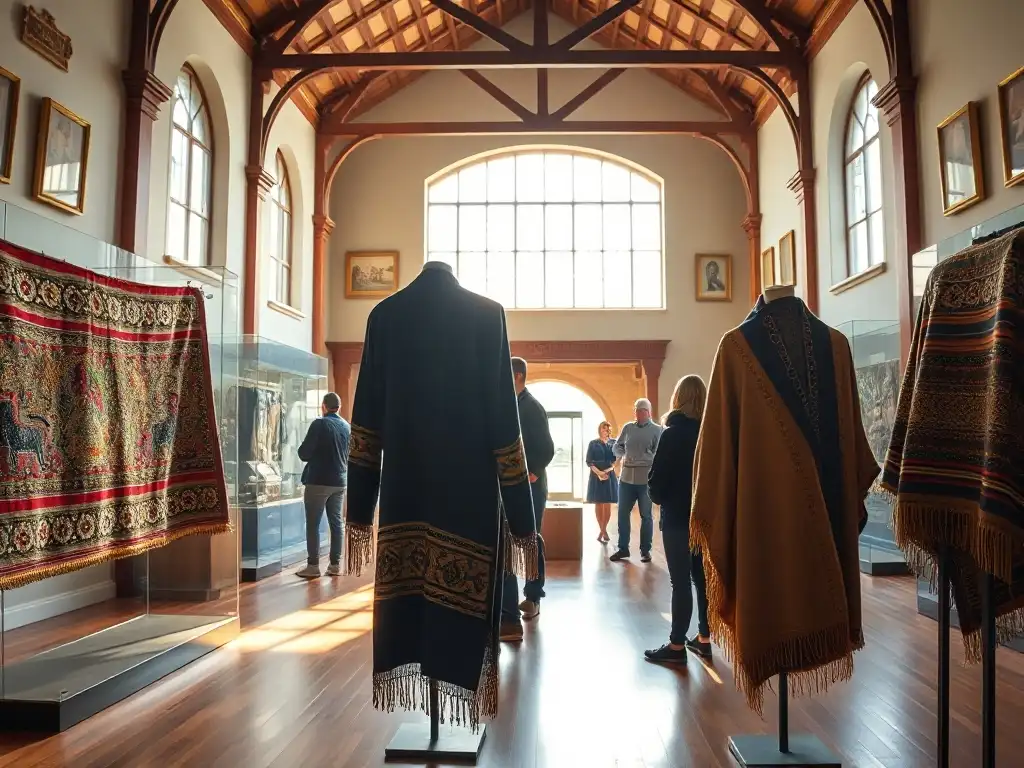
Unravel the mysteries woven into the very fabric of the Andes! Journey through time as we explore the breathtaking artistry and intricate stories embedded within Andean textile museum collections. From the vibrant hues of Inca tapestries to the enigmatic designs of Nazca textiles, discover a world of ancient craftsmanship and cultural significance. Prepare to be amazed by the secrets these remarkable artifacts hold – your exploration begins now.
-
Andean Textile Museum Collections: A Guide to Viewing and Studying Cultural Treasures
- Introduction to Andean Textiles and Their Significance
- Understanding the Historical Context of Andean Textile Art
- Where to Find Exquisite Andean Textile Collections
- Accessing and Studying Andean Textile Art
- The Importance of Andean Textile Preservation
- Conclusion: Appreciating the Legacy of Andean Textile Art
-
Frequently Asked Questions
- Where can I find significant Andean textile museum collections?
- What makes Andean textiles so unique and historically important?
- Are there online resources to explore Andean textile collections?
- What kind of techniques were used in creating Andean textiles?
- What is the significance of the colors and designs in Andean textiles?
- Final Reflection: Weaving a Legacy: The Enduring Power of Andean Textiles
- **Dive Deeper into Andean Textiles! **
Andean Textile Museum Collections: A Guide to Viewing and Studying Cultural Treasures
The vibrant tapestry of Andean civilization is richly woven into its textile traditions. For millennia, Andean peoples—from the Paracas and Nazca cultures to the Inca Empire and beyond—have expressed their beliefs, social structures, and artistic prowess through intricate textiles. These aren't mere fabrics; they are historical documents, artistic masterpieces, and powerful symbols of identity, offering invaluable insights into the lives and beliefs of these fascinating ancient societies.
This article serves as a guide to understanding the significance of Andean textiles and exploring the best museum collections where you can view and study these cultural treasures firsthand. We will delve into the historical context of Andean textile art, highlighting key techniques and examining specific examples from various cultures, providing a comprehensive overview of where to find the most impressive collections of Andean textile art.
This exploration will help you appreciate the artistry, cultural significance, and historical value of these remarkable artifacts, focusing particularly on museum collections that showcase the range and depth of Andean textile artistry. Understanding the context behind these textiles enhances our understanding of the Andean civilizations themselves, revealing a world of intricate symbolism and unparalleled craftsmanship.
Introduction to Andean Textiles and Their Significance
Andean textiles are renowned for their exceptional quality, intricate designs, and the use of diverse materials. From the delicate camelid fibers of alpaca and vicuña to the vibrant natural dyes derived from plants and minerals, the raw materials themselves reflect the ingenuity and resourcefulness of Andean artisans. The techniques employed, such as backstrap loom weaving, are ancient and sophisticated, passed down through generations.
The designs often incorporate symbolic motifs representing deities, animals, plants, and cosmological concepts. These motifs are not randomly placed; they tell stories, convey social status, and reflect the spiritual beliefs of the cultures that created them. The textiles themselves served a multitude of purposes, from everyday clothing and household items to ceremonial garments and prestigious offerings for religious rituals.
Studying these textiles provides a unique window into the social, religious, and political life of Andean societies. The preservation of these delicate artifacts in museum collections is crucial for understanding and appreciating the rich cultural heritage of the Andes. The sheer variety of styles and techniques across different Andean cultures provides a fascinating study into the diversity of artistic expression within the region.
Understanding the Historical Context of Andean Textile Art
The history of Andean textile art spans millennia, evolving alongside the development of various Andean cultures. Each civilization left its unique mark on textile production, resulting in a rich tapestry of styles and techniques. Understanding the historical context is paramount to appreciating the nuances and symbolism embedded within each piece. The evolution of textile production, from early pre-ceramic traditions to the advanced techniques of the Inca Empire, reflects the progress and sophistication of Andean societies.
The use of specific fibers, dyes, and weaving techniques often served as markers of social status, regional identity, and even religious affiliation. The intricate designs and symbolic motifs embedded within these textiles offer valuable insights into the cosmology, mythology, and social structures of different Andean cultures. The preservation and study of these artifacts are essential for reconstructing a complete picture of Andean history and cultural development.
Pre-Inca Textile Traditions: Paracas Mantles, Nazca Tapestries
Pre-Inca cultures, such as the Paracas and Nazca, produced textiles of exceptional quality and artistry. Paracas mantles, known for their elaborate embroidery and intricate designs, are particularly noteworthy. These mantles often depict complex scenes, including mythological figures, animals, and ritualistic events.
The vibrant colors and fine detail are a testament to the skill and artistry of Paracas weavers. Nazca tapestries, on the other hand, are characterized by their geometric designs and the use of intricate tapestry weaving techniques. These tapestries often feature stylized representations of animals and plants, reflecting the rich biodiversity of the Nazca region.
The precision and complexity of these textiles are remarkable, showcasing the advanced weaving techniques mastered by Nazca artisans. These examples highlight the significant contributions of pre-Inca cultures to the development of Andean textile traditions. The sheer scale and complexity of some of these pieces, particularly the Paracas mantles, demonstrate a level of societal organization and artistic skill that is truly remarkable.
Inca Weaving: Techniques and Royal Textiles
The Inca Empire inherited and further developed the rich textile traditions of its predecessors. Inca weaving is characterized by its high quality, intricate designs, and the use of standardized patterns. The Inca state controlled textile production, employing skilled artisans to create textiles for the royal court and for religious purposes.
Royal textiles were often adorned with elaborate designs featuring symbolic motifs associated with Inca royalty and religion. The use of specific colors and patterns often indicated the wearer's social status and role within the Inca hierarchy. Inca textiles utilized a variety of advanced techniques, including the use of different types of fibers, complex weaving patterns, and sophisticated dyeing processes.
The standardization of certain patterns and designs across the vast Inca Empire reflects the centralized nature of their political and economic system. The surviving examples of Inca textiles, often found in royal tombs or ceremonial contexts, are exceptional pieces that showcase the advanced weaving techniques and the artistic mastery of Inca artisans. These textiles serve as powerful reminders of the Inca Empire's sophisticated culture and its influence on Andean textile traditions.
Where to Find Exquisite Andean Textile Collections
This section explores the best places to view and study remarkable examples of Andean textile art. From major museums in South America to international institutions, a wealth of collections awaits those eager to delve into the rich history and artistry of these cultural treasures. Understanding where these collections are housed is crucial for researchers, students, and enthusiasts alike seeking to explore the intricacies of Andean textile techniques and iconography.
The sheer variety of styles, materials, and designs across different Andean cultures—from the Incas to the Nazca and beyond—makes this area of study incredibly rich and rewarding. The preservation and accessibility of these textiles are vital for understanding the complex social, religious, and economic structures of these ancient societies.
Major Museums Housing Andean Textiles in South America
South America boasts a wealth of museums dedicated to preserving and showcasing the remarkable artistry of Andean textiles. Many national museums in countries like Peru, Bolivia, Ecuador, and Colombia house significant collections. For example, the Museo Larco in Lima, Peru, is renowned for its extensive collection of pre-Columbian textiles, including exquisite examples from various periods and cultures.
Similarly, the Museo Nacional de Antropología in Mexico City, while not strictly focused on Andean cultures, contains a significant collection of textiles that reflect the broader Mesoamerican and Andean cultural exchange. Other significant South American institutions hold smaller, yet highly significant, collections focusing on regional variations in Andean textile production.
Detailed inventories and online databases are often available, allowing researchers to plan their visits effectively and target specific periods or styles of interest. The quality and breadth of these collections often depend on factors such as the region's historical significance regarding textile production and the museum's funding and preservation efforts.
International Museums with Notable Andean Textile Holdings
Beyond South America, several international museums hold impressive collections of Andean textiles. These collections often serve as crucial resources for researchers and scholars outside the region, providing valuable opportunities for study and comparison. The Metropolitan Museum of Art in New York City, for instance, has a significant collection of Andean textiles, offering a broad representation of different Andean cultures and periods.
Similarly, museums in Europe, such as the British Museum in London and various museums in Germany and France, house important collections, often acquired through earlier expeditions and archaeological findings. These international holdings offer a global perspective on Andean textile art, allowing for comparisons with other textile traditions worldwide. The accessibility of these collections varies, with some offering extensive online catalogs and databases while others may require prior arrangement for research visits.
Accessing and Studying Andean Textile Art
This section provides practical guidance on how to access and study Andean textile collections, encompassing both physical visits and digital resources. The process involves careful planning and consideration of various factors to ensure a productive and respectful engagement with these invaluable cultural artifacts.
Researching Andean Textiles: Academic Resources and Libraries
Academic research on Andean textiles relies heavily on specialized libraries and archives holding primary and secondary sources. Many university libraries with strong anthropology and archaeology departments possess extensive collections of books, journals, and theses dedicated to Andean studies. Specialized libraries connected to museums often hold unique archival materials, such as field notes, photographs, and early catalogues that are invaluable for in-depth research.
Furthermore, accessing digital archives and online databases is becoming increasingly important, allowing researchers to access a wider range of materials remotely. The quality and comprehensiveness of these resources vary considerably, depending on the institution and the availability of funding for digitization projects.
Online Databases and Digital Archives of Andean Textiles
The digital world offers increasingly valuable resources for studying Andean textiles. Several museums and research institutions have created online databases and digital archives containing high-resolution images, detailed descriptions, and even 3D models of textiles. These resources allow researchers to access materials remotely, facilitating comparative studies and reducing the need for extensive travel. However, the comprehensiveness and accessibility of these digital archives vary significantly.
Some databases might offer only a limited selection of their collections, while others may provide detailed information and interactive tools for analysis. The quality of the digital images and the level of detail provided in the accompanying metadata are also crucial factors to consider when using these online resources. The ongoing digitization of museum collections is continuously expanding access to these invaluable resources.
Considerations for Visiting Andean Textile Collections
When planning a visit to view Andean textile collections in person, several important considerations should be kept in mind. Researchers should always contact the museum or archive in advance to inquire about access policies, research permissions, and any specific guidelines for handling or photographing the textiles. Many institutions require prior appointment for research visits and may have restrictions on photography or note-taking.
Respecting the museum's guidelines is crucial to ensure the preservation of these delicate and invaluable artifacts. Furthermore, planning for travel logistics, including accommodation and transportation, is essential for a successful research trip. Understanding the museum's opening hours, accessibility for researchers, and any associated fees is also important to prepare adequately for the visit.
The Importance of Andean Textile Preservation
Andean textiles represent a tangible link to the rich history and cultural heritage of ancient civilizations. These intricately woven fabrics are not merely decorative items; they are powerful repositories of information, reflecting the social structures, religious beliefs, and technological advancements of past Andean societies. Preserving these textiles is crucial for several reasons. Firstly, they offer invaluable insights into the daily lives, artistic expressions, and cosmological understandings of these cultures.
The vibrant colors, complex patterns, and unique techniques employed in their creation reveal a sophisticated understanding of textile production and design. Secondly, the preservation of these textiles ensures the continuation of cultural knowledge and traditions. Many techniques and designs have been passed down through generations, and their survival depends on the careful preservation of existing examples.
Finally, these textiles serve as a potent symbol of cultural identity and pride for modern Andean communities, connecting them to their ancestors and heritage. Loss of these artifacts would represent a significant loss to both scholarly understanding and cultural continuity. The continued study and preservation of these textiles are thus essential for understanding and celebrating the enduring legacy of Andean civilizations.
Challenges in Preserving Ancient Textiles
Preserving ancient Andean textiles presents numerous significant challenges. The materials themselves are often fragile and susceptible to deterioration due to age and environmental factors. Natural fibers like cotton and alpaca wool are prone to damage from light exposure, humidity, and insect infestation. The dyes used, often derived from natural sources, can fade or bleed over time.
Improper handling and storage practices can also contribute to significant damage. For example, improper folding can cause stress fractures in the fibers, leading to irreversible damage. Additionally, the textiles' delicate construction can be easily compromised by physical contact or vibrations.
Furthermore, the lack of consistent documentation regarding the textiles' history and origin presents challenges in determining the most appropriate conservation methods. Each textile requires a bespoke approach, adding complexity to the conservation process. The scarcity of specialized expertise and resources dedicated to Andean textile conservation further compounds these difficulties, highlighting the need for greater investment in this crucial area.
Modern Conservation Efforts for Andean Weavings
Modern conservation efforts for Andean weavings involve a multi-faceted approach combining scientific analysis with traditional techniques. Advanced imaging technologies, such as X-ray fluorescence and multispectral imaging, are employed to analyze the textile's composition, dyes, and construction without causing further damage. This allows conservators to understand the materials and their vulnerabilities, informing the development of appropriate preservation strategies. Careful cleaning techniques, using specialized solvents and tools, are used to remove dirt and debris.
Environmental controls, including regulated temperature and humidity levels, are essential in minimizing further deterioration. The use of archival-quality materials for storage and display is also crucial. Furthermore, collaboration between museums, researchers, and Andean communities is increasingly recognized as vital.
Indigenous knowledge and traditional techniques are valuable in understanding the original context and appropriate handling of the textiles, offering a holistic approach to preservation. These collaborative efforts not only ensure the physical preservation of the textiles but also the preservation of the associated cultural knowledge. The commitment to these modern preservation methods is crucial to the long-term survival of these invaluable cultural treasures.
Conclusion: Appreciating the Legacy of Andean Textile Art
The study and preservation of Andean textile collections are of paramount importance for understanding the rich tapestry of Andean civilizations. These textiles are not merely artifacts; they are living testaments to the ingenuity, artistry, and cultural depth of these societies. From the intricate designs reflecting cosmological beliefs to the sophisticated weaving techniques showcasing technological prowess, these textiles offer unparalleled insights into the past.
The challenges involved in their preservation are significant, but ongoing efforts combining scientific advancements with traditional knowledge are vital in ensuring their long-term survival. By appreciating and safeguarding this legacy, we honor the creativity and cultural legacy of the Andean people and contribute to the preservation of their invaluable cultural heritage for future generations. The continued study of Andean textile museum collections is crucial for the ongoing understanding and appreciation of "Andean textile museum collections."
Frequently Asked Questions
Where can I find significant Andean textile museum collections?
Many museums worldwide house impressive Andean textile collections. Major institutions in the Americas include the Museo Larco in Lima, Peru, and the American Museum of Natural History in New York City. You can also find significant holdings in European museums.
What makes Andean textiles so unique and historically important?
Andean textiles are renowned for their exceptional craftsmanship, intricate designs, and the use of high-quality natural dyes. They offer invaluable insights into the social, political, and religious life of ancient Andean societies.
Are there online resources to explore Andean textile collections?
Yes, many museums offer online catalogs and databases featuring high-resolution images and detailed descriptions of their Andean textile holdings. These digital resources provide convenient access for researchers and enthusiasts alike.
What kind of techniques were used in creating Andean textiles?
Andean weavers employed a wide range of sophisticated techniques, including backstrap loom weaving, spinning of camelid fibers, and complex dyeing processes. These techniques produced textiles of unmatched quality and artistry.
What is the significance of the colors and designs in Andean textiles?
The colors and designs in Andean textiles often held symbolic meaning, representing deities, animals, plants, and social status. Careful study of these motifs reveals crucial information about Andean cosmology and worldview.
Final Reflection: Weaving a Legacy: The Enduring Power of Andean Textiles
The vibrant threads of Andean textile traditions continue to resonate today, offering not only aesthetic beauty but also profound insights into a rich and complex cultural heritage. These intricate weavings are more than just artifacts; they are living testaments to resilience, innovation, and the enduring spirit of Andean communities. Their preservation and study are crucial for understanding the past and shaping a more inclusive future.
The impact of Andean textiles extends far beyond the museum walls. Their influence can be seen in contemporary fashion, art, and even social movements reclaiming indigenous identities. The meticulous craftsmanship and symbolic narratives woven into these textiles speak volumes about the ingenuity and spiritual beliefs of their creators. As the renowned anthropologist, Clifford Geertz, once noted, Man is an animal suspended in webs of significance he himself has spun.
Andean textiles are a prime example of this, intricate webs that reveal the deep meaning and social structures of Andean societies.
Consider the stories embedded within each piece – the intricate designs, the choice of colors, the very fibers themselves. What narratives do they whisper to you? I encourage you to seek out these collections, not just as passive observers, but as active participants in preserving and understanding this invaluable cultural legacy. Engage with these treasures, learn from them, and share their stories with others. Let the enduring power of Andean textiles inspire you to connect with your own heritage and appreciate the rich tapestry of human creativity.
**Dive Deeper into Andean Textiles! **
Thank you for exploring the vibrant world of Andean textile collections with us! You've gained valuable insights into these cultural treasures, connecting you to the rich heritage of the Andes. Now, let's put that knowledge to good use!
Here are some ways you can further engage with Andean textiles:
- **Visit a local museum** with a significant Andean textile collection—experience their beauty and craftsmanship firsthand!
- **Join an online community** or forum dedicated to Andean textiles to connect with other enthusiasts and share your discoveries.
- Consider **supporting indigenous artisans** by purchasing their handmade textiles directly. This is a meaningful way to appreciate their craft and contribute to their livelihoods.
How will you incorporate the beauty of Andean textiles into your life, or support the artisans who create them? We'd love to hear your ideas!