
Decoding the Past: Advanced Technologies Reveal Secrets of Andean Engineering

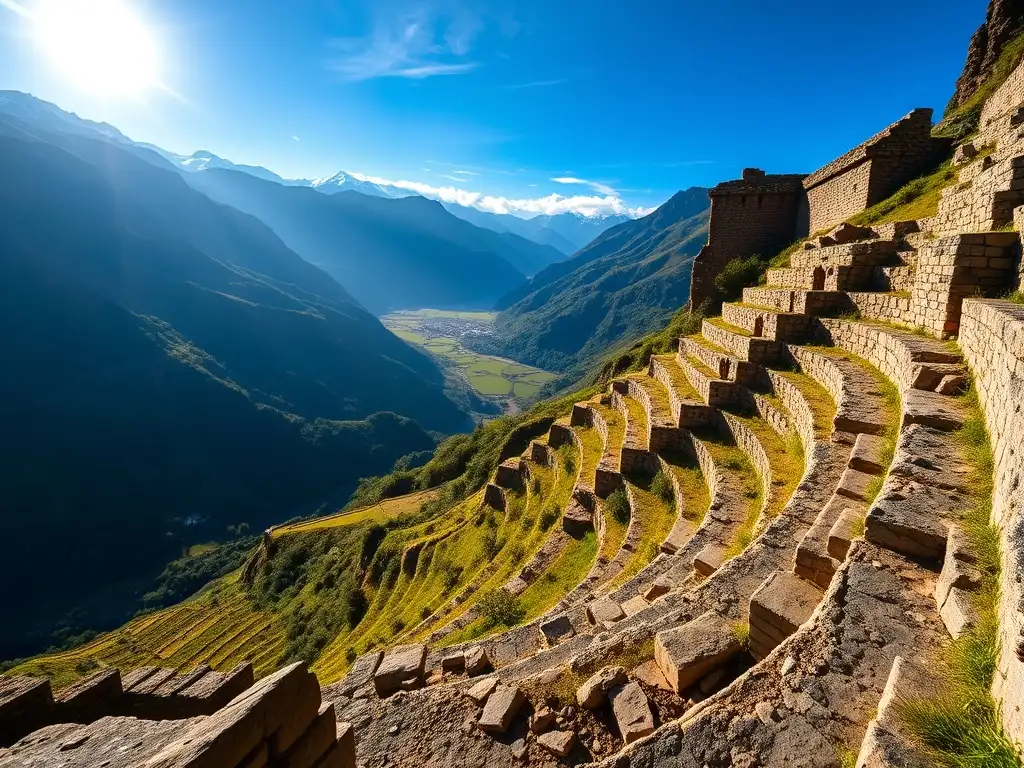
Step into a world lost to time, yet echoing with ingenuity. Imagine colossal structures defying gravity, intricate irrigation systems sustaining thriving empires, and artistry so advanced it continues to astound. This is the legacy of the Andean civilizations, a tapestry woven with threads of innovation and resilience. Discover the secrets behind their remarkable Andean civilizations engineering techniques—a testament to human ingenuity that will leave you breathless. Prepare to be amazed.
The Andes Mountains, a spine of towering peaks stretching along the western coast of South America, were home to a series of remarkable civilizations whose ingenuity and engineering prowess continue to astound researchers today. For centuries, the Incas, Moche, Nazca, and Tiahuanaco, among others, developed sophisticated techniques to overcome the challenging terrain and build impressive structures that defied the limitations of their time.
This article delves into the fascinating world of Andean civilizations engineering techniques, exploring how cutting-edge technologies are shedding new light on these ancient marvels and revealing the secrets behind their construction. We'll examine specific examples of their remarkable achievements, highlighting the innovative solutions they devised to master their environment and leave behind a legacy that resonates even today.
Understanding these techniques offers not only a deeper appreciation for the Andean civilizations but also valuable insights into the resilience and adaptability of human ingenuity. The study of Andean engineering is not merely an academic pursuit; it's a journey into the heart of human innovation, a testament to our capacity to overcome seemingly insurmountable challenges.
Introduction: Unveiling the Ingenuity of Andean Civilizations
The Andean region, characterized by its dramatic topography and diverse climates, presented significant challenges to its inhabitants. Yet, far from being obstacles, these challenges spurred remarkable innovation in engineering and construction. Ancient Andean societies developed sophisticated techniques for agriculture, water management, and urban planning, adapted to the unique conditions of their environment.
For example, the intricate terrace farming systems allowed for cultivation on steep slopes, maximizing arable land and mitigating erosion. Their mastery of stonework, evident in monumental structures like Machu Picchu and Sacsayhuamán, demonstrates a deep understanding of architecture and engineering principles. The precision and scale of these constructions, achieved without the benefit of modern tools and machinery, remain a testament to their advanced knowledge and organizational capabilities.
Recent advancements in archaeological techniques, such as LiDAR (Light Detection and Ranging) and ground-penetrating radar, are now revealing previously unknown aspects of these ancient societies, offering a more comprehensive understanding of their engineering achievements. The use of these technologies allows archaeologists to map vast areas quickly and identify hidden structures and features, providing a much clearer picture of ancient Andean settlements and their infrastructure.
The Marvels of Ancient Andean Engineering
The ingenuity of Andean civilizations is strikingly evident in their diverse engineering feats. Their mastery of stonework is unparalleled, demonstrated by the precisely cut and fitted stones used in many structures. The impressive precision of the stonework in sites like Sacsayhuamán, with stones weighing many tons fitted together without mortar, continues to baffle researchers. They employed advanced techniques for quarrying, transporting, and shaping these massive stones, reflecting a sophisticated understanding of materials science and engineering. Furthermore, their ability to construct intricate irrigation systems, such as the canals and aqueducts found in various Andean sites, showcases their understanding of hydraulic engineering.
These systems were crucial for agriculture in the arid regions, allowing for efficient water distribution and crop cultivation. The Nazca Lines, a series of massive geoglyphs etched into the desert floor, also highlight their remarkable engineering skills, although their purpose remains a subject of ongoing debate. The scale and complexity of these creations suggest a high level of social organization and planning. The development of sophisticated road networks, connecting distant settlements across challenging terrain, further underscores the advanced engineering capabilities of Andean civilizations.
These roads, often paved and meticulously maintained, facilitated trade, communication, and the movement of people and goods across vast distances. The construction of these roads involved significant planning, resource management, and the coordination of large workforces, demonstrating impressive organizational skills. The study of these achievements reveals not only the technical skills of Andean engineers but also their profound understanding of the environment and their ability to adapt their engineering solutions to the specific conditions of each region. The legacy of Andean engineering continues to inspire awe and wonder, serving as a powerful reminder of human potential and the enduring power of innovation.
- Introduction: Unveiling the Ingenuity of Andean Civilizations
- The Marvels of Ancient Andean Engineering
- What innovative engineering techniques did Andean civilizations employ?
- How did the Incas manage to build such massive structures without metal tools?
- What were some of the challenges faced by Andean engineers?
- How did Andean irrigation systems contribute to their success?
- How does studying Andean engineering benefit us today?
Advanced Technologies in Archaeological Research
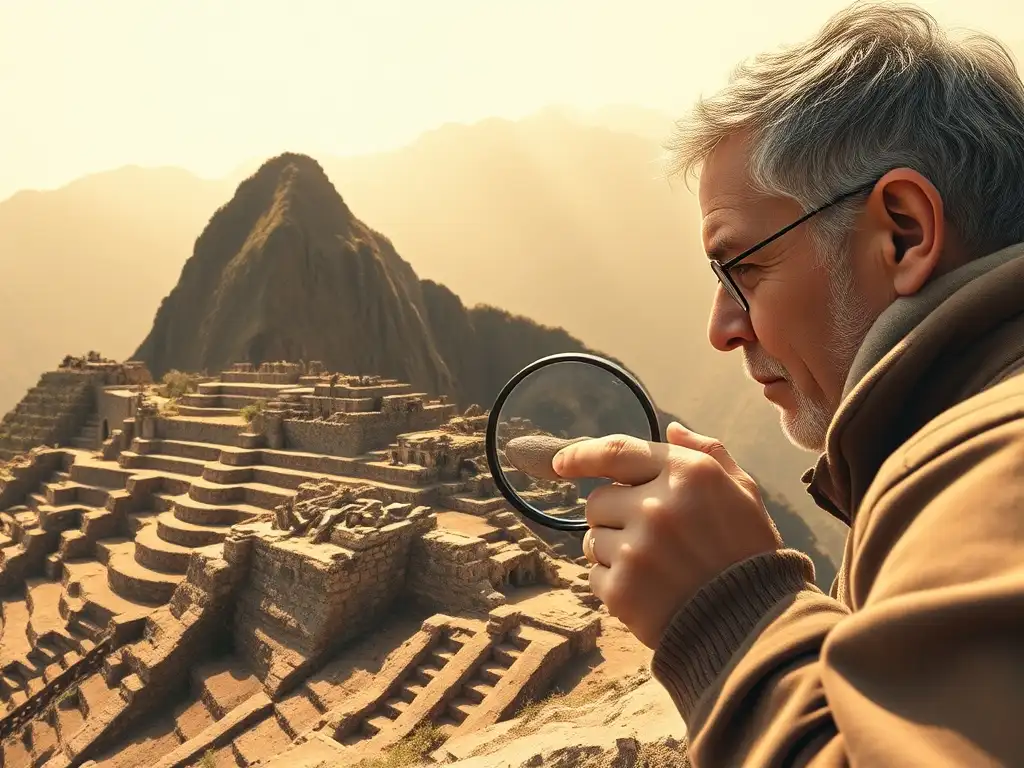
This section delves into the sophisticated technologies currently employed to unravel the mysteries of Andean civilizations' engineering prowess. By applying cutting-edge tools, archaeologists are gaining unprecedented insights into the construction techniques, urban planning, and overall technological capabilities of these remarkable societies. The following subsections will highlight some key technological advancements that are revolutionizing our understanding of Andean engineering.
LiDAR Technology and Mapping Andean Sites
Light Detection and Ranging (LiDAR) technology has proven invaluable in mapping Andean sites with an accuracy previously unattainable. LiDAR uses laser pulses to measure distances to the Earth's surface, creating highly detailed 3D models of the terrain. Unlike traditional aerial photography, LiDAR can penetrate dense vegetation, revealing hidden features such as ancient agricultural terraces, irrigation canals, and even previously unknown settlements.
The application of LiDAR in the Andes has led to remarkable discoveries. For instance, studies in the Sacred Valley of the Incas have revealed extensive networks of agricultural terraces carved into steep slopes, showcasing the Inca's mastery of hydraulic engineering and land management.
Similarly, LiDAR surveys in the Amazon basin have uncovered evidence of large-scale pre-Columbian settlements, challenging previous assumptions about the population density and complexity of societies in that region. The high-resolution data provided by LiDAR allows researchers to quantify the scale of these engineering feats, accurately measure the dimensions of structures, and analyze their spatial relationships, contributing significantly to our understanding of Andean civilizations' engineering techniques.
The data generated by LiDAR is also crucial for planning future archaeological excavations. By identifying areas of high archaeological potential, researchers can target their efforts more effectively, minimizing damage to fragile sites and maximizing the impact of their research. This precision is particularly important in the Andes, where many sites are threatened by erosion, looting, and development.
Ground-Penetrating Radar (GPR) for Subsurface Exploration
While LiDAR excels at mapping surface features, Ground-Penetrating Radar (GPR) offers a complementary approach by investigating subsurface structures. GPR uses electromagnetic pulses to detect variations in soil density and composition, revealing buried walls, foundations, tunnels, and other features invisible to the naked eye. This non-invasive technique is crucial in exploring sites where surface features may be obscured or destroyed.
Studies using GPR in Andean contexts have yielded fascinating results. For example, investigations at the site of [Specific Andean site pending] have uncovered evidence of complex subterranean structures, including storage facilities and possibly ceremonial spaces. This suggests a more sophisticated understanding of underground architecture than previously appreciated. The ability to detect these hidden features without extensive excavation is particularly valuable, allowing researchers to build a comprehensive understanding of a site's layout and function before undertaking more invasive fieldwork.
Furthermore, GPR can pinpoint locations of potential artifacts, guiding more targeted excavations and reducing the risk of damaging important finds. The combination of GPR and LiDAR provides a powerful toolset for a complete understanding of Andean engineering projects. Analysis of GPR data often requires sophisticated signal processing techniques to differentiate between natural geological formations and human-made structures.
3D Modeling and Reconstruction of Ancient Structures
The data acquired through LiDAR and GPR, along with traditional archaeological methods, is increasingly used to create detailed 3D models of ancient Andean structures. These models allow researchers to visualize the structures in their entirety, even when only fragments remain. Moreover, 3D modeling allows for the digital reconstruction of collapsed or destroyed buildings, offering a more complete picture of the original design and construction techniques.
This technology is particularly useful for understanding the intricate stonework of Andean civilizations. By analyzing 3D models, researchers can study the precise fit of stones, the types of tools used, and the overall construction process. For instance, the analysis of 3D models of Inca walls has revealed the sophisticated techniques used to create incredibly precise joints, demonstrating a high level of engineering skill and knowledge.
The digital reconstruction also allows for virtual "excavations", enabling researchers to explore the interior of structures without physically disturbing them. This non-destructive approach is crucial for preserving the integrity of fragile sites while still unlocking their secrets.
The combination of advanced imaging techniques and 3D modeling is transforming our understanding of Andean civilizations engineering techniques, offering new perspectives on their architectural achievements and technological capabilities. The resulting visualizations are also invaluable for public education and outreach, bringing the wonders of Andean engineering to a wider audience.
Remote Sensing and Satellite Imagery Analysis
Remote sensing and satellite imagery analysis have revolutionized the study of Andean civilizations' engineering techniques. These non-invasive techniques allow archaeologists to survey vast areas quickly and efficiently, identifying potential sites that might otherwise remain hidden beneath vegetation or obscured by erosion. High-resolution satellite imagery, for example, can reveal subtle variations in soil composition or vegetation patterns that indicate the presence of buried structures, irrigation canals, or even roadways. This is particularly useful in the challenging Andean terrain, where dense vegetation and steep slopes can hinder traditional ground surveys.
The use of multispectral and hyperspectral imagery further enhances the detail obtained, allowing researchers to differentiate between various materials and identify features based on their spectral signatures. For instance, variations in infrared reflectance can highlight areas with different moisture content, which might indicate the presence of ancient irrigation systems or buried agricultural terraces. The analysis of this data, often using Geographic Information Systems (GIS) software, creates detailed maps and 3D models that aid in planning excavations and interpreting the spatial organization of ancient settlements and infrastructure.
This technology has been instrumental in uncovering previously unknown sites and providing crucial context for understanding the scale and complexity of Andean engineering projects, significantly contributing to our understanding of Andean civilizations engineering techniques. The detailed mapping allows researchers to trace the routes of ancient roads, assess the extent of agricultural terracing, and analyze the distribution of settlements, revealing intricate patterns of resource management and social organization. Furthermore, repeated analysis over time allows for the monitoring of site degradation and the impact of natural processes and human activity, informing conservation efforts.
The application of remote sensing has already yielded significant results. Studies in the Sacred Valley of the Incas, for example, have used satellite imagery to map extensive networks of irrigation canals and agricultural terraces, revealing the sophisticated water management systems employed by the Inca.
Similarly, research in the Nazca region has utilized this technology to identify previously unknown geoglyphs and to understand the landscape context of these enigmatic figures. The ability to obtain a bird's-eye view of the landscape, coupled with the detailed information provided by spectral analysis, allows researchers to gain a much more comprehensive understanding of the scale and complexity of Andean engineering projects than was previously possible.
This is crucial for understanding not only the technical aspects of these achievements but also their social and environmental implications. The continued development and application of remote sensing technologies promise to unlock even more secrets of Andean engineering, enriching our knowledge of these remarkable civilizations and their impressive achievements.
Specific Case Studies: Engineering Feats of Andean Cultures
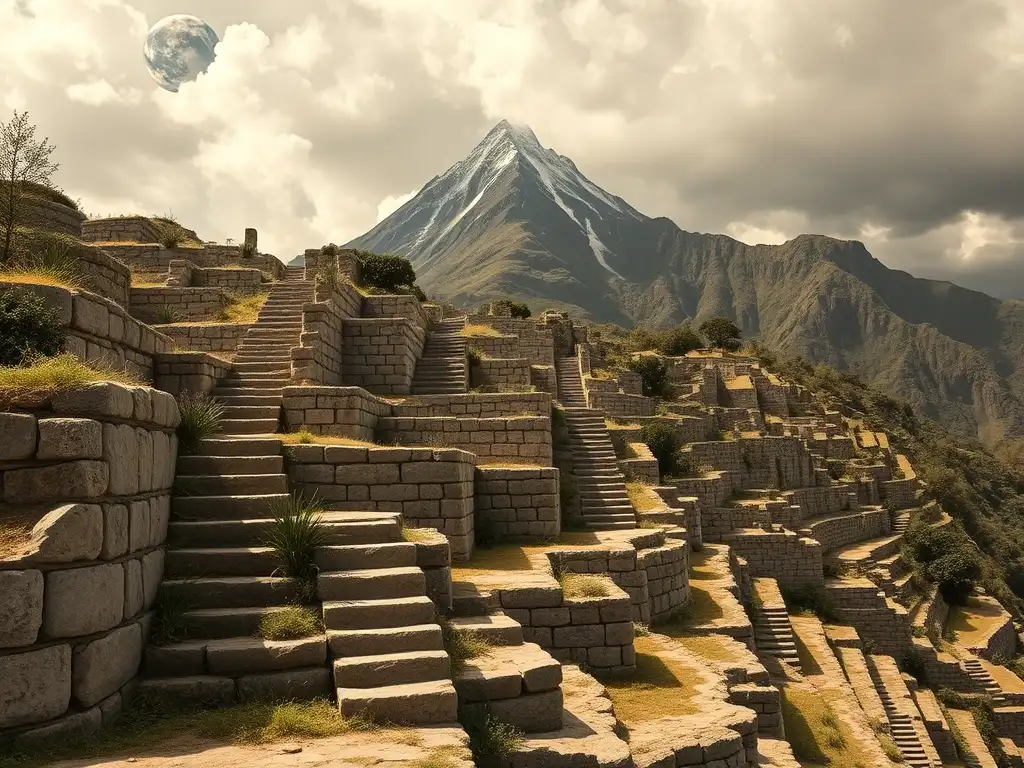
This section delves into the remarkable engineering achievements of several prominent Andean civilizations, showcasing their ingenuity and advanced understanding of construction, hydraulics, and materials science. We'll explore specific examples, highlighting the innovative techniques employed and the lasting impact of these feats on the landscape and the development of Andean civilizations. Understanding these engineering marvels provides crucial insights into the societal organization, resource management, and technological capabilities of these ancient cultures. The analysis of these techniques helps us better appreciate the complexity and sophistication of Andean civilizations engineering.
Inca Engineering Mastery: Roads, Terraces, and Irrigation Systems
The Inca Empire, spanning vast distances across the Andes Mountains, stands as a testament to remarkable engineering prowess. Their mastery of infrastructure, particularly road networks, agricultural terraces, and sophisticated irrigation systems, allowed them to effectively govern and sustain a large population in a challenging environment. The Inca's sophisticated understanding of Andean civilizations engineering techniques was crucial to their success.
The Qhapaq Ñan: Inca Road System
The Qhapaq Ñan, or Inca Road System, is arguably one of the most impressive feats of Andean engineering. This extensive network of roads, stretching over 40,000 kilometers, connected the vast Inca Empire, facilitating communication, trade, and military movements. The construction involved meticulous planning and execution, adapting to diverse terrains, from high mountain passes to coastal plains.
Engineers utilized sophisticated techniques to navigate steep slopes, employing bridges, tunnels, and meticulously carved pathways. The roads weren't merely pathways; they were strategically designed with waystations, resting places, and even sophisticated drainage systems to ensure functionality in all weather conditions. The precision and scale of the Qhapaq Ñan underscore the Inca's advanced organizational abilities and mastery of Andean civilizations engineering techniques.
Agricultural Terraces and Water Management
Inca agricultural terraces, carved into mountain slopes, are another testament to their engineering skills. These terraces not only increased arable land but also facilitated efficient water management. The construction involved precise stonework, creating level platforms to optimize sunlight exposure and reduce soil erosion.
Sophisticated irrigation channels, often integrated into the terrace system, channeled water from mountain streams, ensuring a reliable water supply for crops even in arid regions. The design of these systems took into account factors like altitude, slope, and soil type, demonstrating a profound understanding of hydrology and agriculture. The Inca's expertise in Andean civilizations engineering techniques in agriculture allowed them to support a large population in challenging terrain.
Inca Stone Masonry Techniques
Inca stone masonry is renowned for its precision and durability. The iconic fit of stones, often without mortar, exemplifies their advanced understanding of stone cutting and construction. They employed various techniques, including precise shaping and fitting of stones, creating interlocking joints that ensured stability and resistance to seismic activity.
The quality of their work is evident in structures that have withstood centuries of weathering and earthquakes. The Inca's mastery of stonework is not only a testament to their technical skills but also reflects a deep understanding of the properties of materials and their ability to adapt building techniques to the specific challenges of their environment. Their understanding of Andean civilizations engineering techniques in stone masonry is unmatched.
Moche Engineering: Irrigation Canals and Pyramids
The Moche civilization, flourishing on the northern coast of Peru, also demonstrated remarkable engineering capabilities, particularly in the development of extensive irrigation systems and monumental architecture. Their achievements highlight the ingenuity of Andean civilizations engineering techniques adapted to a different environment.
The Moche Irrigation Networks
The Moche civilization thrived in a desert environment, relying on sophisticated irrigation systems to sustain agriculture. They constructed intricate networks of canals and aqueducts, channeling water from rivers and streams to irrigate vast areas of farmland. The canals were often built across challenging terrains, requiring complex engineering solutions.
Evidence suggests the Moche understood water flow dynamics and employed techniques to manage water pressure and prevent erosion. The scale and complexity of their irrigation networks highlight the Moche's advanced understanding of hydraulic engineering and their ability to harness scarce resources to support a thriving society. This is a prime example of Andean civilizations engineering techniques focused on survival in harsh environments.
The Huacas: Pyramidal Structures and Construction Methods
The Moche are also known for their monumental architecture, particularly the Huacas, large adobe pyramids that served religious and administrative functions. The construction of these structures involved a massive undertaking, requiring the mobilization of labor and resources. The Moche employed sophisticated techniques to build these massive structures, using sun-dried bricks (adobe) and employing ramps and scaffolding.
The precise alignment of the pyramids and their intricate designs suggest a high level of planning and engineering expertise. The Huacas stand as impressive testaments to the Moche's organizational skills and their advanced understanding of construction techniques. Studying the Huacas helps us understand the sophistication of Andean civilizations engineering techniques in large-scale construction projects.
Nazca Lines: Geometric Precision and Purpose
The Nazca Lines, etched into the arid plains of southern Peru, represent a remarkable feat of Andean engineering. These geoglyphs, ranging from simple lines to complex figures depicting animals and plants, are so vast that their true scale is only appreciated from the air. Their creation, spanning centuries, involved meticulous planning and execution, demonstrating a sophisticated understanding of surveying and land management.
The sheer scale of the undertaking, with some lines stretching for kilometers, hints at a highly organized society capable of mobilizing significant labor and resources. The precision of the lines, many perfectly straight despite the undulating terrain, is astonishing, suggesting the use of advanced surveying techniques far beyond what was previously thought possible for the time period. Furthermore, the longevity of the lines, surviving centuries of erosion and environmental changes, speaks to a deep understanding of the local climate and geology.
Unraveling the mysteries of the Nazca Lines offers invaluable insights into the ingenuity and organizational abilities of the Nazca culture. The very existence of these geoglyphs challenges our preconceived notions of technological capabilities in pre-Columbian South America.
Surveying Techniques and Geoglyph Creation
The creation of the Nazca Lines likely involved a combination of techniques. Archaeological evidence suggests the use of simple tools, possibly wooden stakes and ropes, to mark out the lines. However, the remarkable straightness and precision of many lines suggest a more sophisticated approach.
Some theories propose the use of sighting points along the horizon to maintain straight lines over long distances. This would require a thorough understanding of geometry and the ability to accurately measure angles and distances. The process of creating the geoglyphs likely involved removing the dark surface layer of the desert pavement to reveal the lighter subsoil, creating a contrast that makes the lines visible.
This process, whether achieved through scraping, digging, or other methods, must have been incredibly labor-intensive, requiring the coordinated efforts of many individuals. Recent research suggests the use of simple instruments, perhaps even rudimentary levels, may have aided in maintaining precise elevations and gradients across the vast expanse of the geoglyphs. The intricate designs themselves demonstrate a high level of artistic skill and cultural understanding.
Theories on Nazca Lines Function
The purpose of the Nazca Lines remains a subject of ongoing debate. While some believe they served as ritualistic pathways or astronomical calendars, others suggest they were part of a larger system of communication or territorial demarcation. The lack of written records from the Nazca culture itself makes deciphering their meaning particularly challenging.
Recent research, however, has shed light on the potential connection between the lines and water sources. Some researchers believe that the lines may have been related to water management practices, possibly guiding water flow or marking important oases in the desert. Another intriguing theory proposes that the lines were part of a larger ceremonial landscape, with the geoglyphs serving as visual markers in rituals or processions.
Ultimately, the true function of the Nazca Lines may have been multifaceted, serving multiple purposes simultaneously. The ongoing research into their creation and potential uses continues to reveal new insights into the complex world of the Nazca civilization and their advanced understanding of their environment. The mystery surrounding their purpose continues to fascinate and inspire further investigation, highlighting the enduring legacy of Andean engineering prowess.
Tiahuanaco Engineering: Urban Planning and Hydraulic Works
Tiahuanaco, located on the shores of Lake Titicaca in modern-day Bolivia, stands as a testament to the advanced urban planning and hydraulic engineering skills of its inhabitants. This pre-Inca city, flourishing between 500 and 1000 CE, boasted impressive monumental architecture, sophisticated water management systems, and a complex urban layout. The city’s careful design, reflecting a deep understanding of both environmental factors and societal needs, demonstrates a level of technological sophistication far exceeding previous estimations.
The intricate network of canals, aqueducts, and reservoirs showcases a mastery of hydraulic engineering that allowed the city to thrive in a challenging high-altitude environment. The precision and scale of Tiahuanaco's constructions highlight the remarkable organizational capabilities and engineering expertise of its builders. The city's influence extended far beyond its immediate surroundings, impacting the development of numerous other Andean cultures.
Advanced Urban Design of Tiahuanaco
Tiahuanaco's urban design is characterized by its precise layout, monumental architecture, and intricate network of pathways. The city was carefully planned, with buildings strategically positioned to maximize sunlight and utilize available resources. The use of massive stone blocks, precisely cut and fitted together without mortar, demonstrates an advanced understanding of stonework techniques. The city's main structures, such as the Kalasasaya Temple and the Gate of the Sun, are impressive examples of monumental architecture, showcasing the builders' mastery of engineering and craftsmanship.
The precise alignment of many structures with astronomical events suggests a sophisticated understanding of celestial movements and their significance in the culture. The city's layout reflects a deep understanding of social organization and the needs of a complex urban society. The sophisticated urban planning of Tiahuanaco highlights the advanced societal structures and technological expertise of its inhabitants.
Hydraulic Infrastructure and Water Control
Tiahuanaco's sophisticated hydraulic infrastructure is a testament to its inhabitants' ingenious engineering solutions for managing water resources in a high-altitude environment. The city's intricate system of canals, aqueducts, and reservoirs played a crucial role in supplying water for agriculture, domestic use, and ceremonial purposes. The aqueducts, some stretching for kilometers, efficiently channeled water from distant sources to the city.
The reservoirs, strategically located throughout the urban area, provided a reliable water supply during periods of drought. The construction of these systems required a deep understanding of hydrology, hydraulics, and engineering principles. The precision and effectiveness of Tiahuanaco’s water management system underscore the advanced technological capabilities of the culture and its ability to adapt to the environmental challenges of the Andean highlands.
The system's intricate design and effectiveness stand as a remarkable achievement of Andean engineering. The sophisticated water management system of Tiahuanaco allowed the city to thrive for centuries, highlighting the importance of hydraulic engineering in the development of Andean civilizations.
Analyzing Andean Civilizations Engineering Techniques
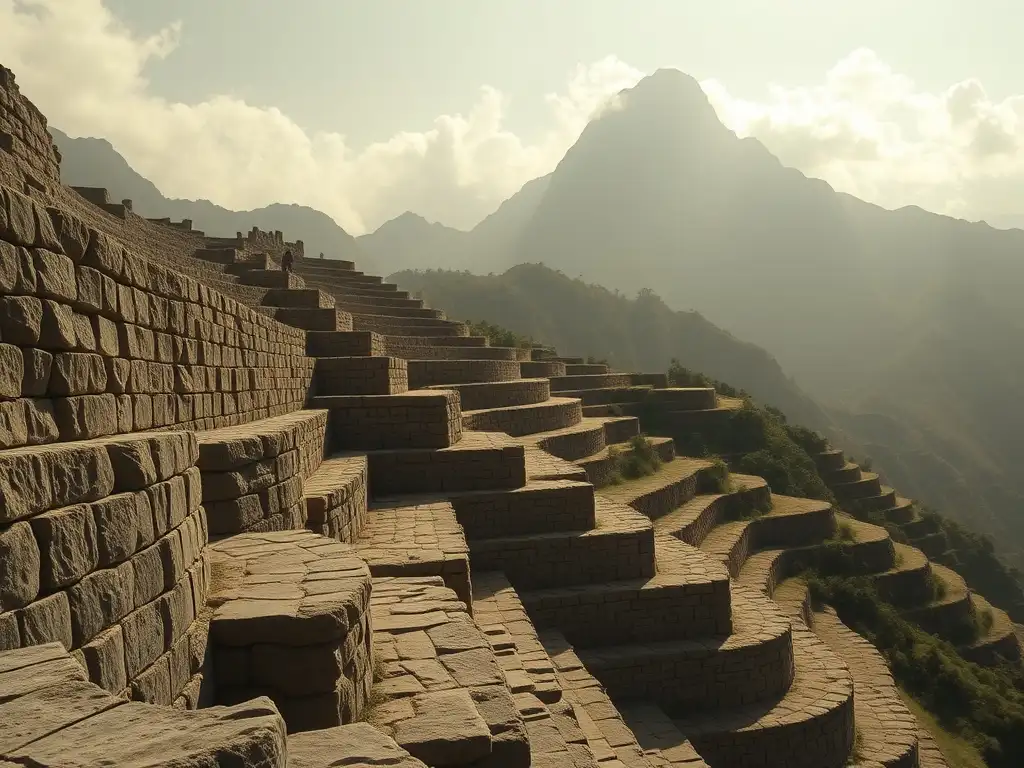
This section delves into the impressive engineering feats of the Andean civilizations, focusing on the innovative techniques employed in their construction projects. We'll explore the materials, the underlying scientific understanding, and the societal structures that made these ambitious undertakings possible. Understanding these aspects offers crucial insight into the ingenuity and complexity of these ancient societies, providing a deeper appreciation for their achievements and lasting legacy. The term "Andean civilizations engineering techniques" itself encompasses a vast array of skills and knowledge.
Materials and Resources Used in Construction
The Andean civilizations weren't limited by a lack of resources; rather, they demonstrated remarkable ingenuity in utilizing readily available materials. Their mastery of stonework is particularly striking. They skillfully employed diverse stone types, including andesite, basalt, and granite, adapting their techniques based on the specific properties of each. For instance, the precise fitting of stones in Inca constructions, without the use of mortar, showcases an advanced understanding of stone cutting and shaping. This precision is evident in structures like Machu Picchu, where stones are so tightly fitted that a knife blade cannot be inserted between them.
Beyond stone, the Andean civilizations expertly used other materials. Adobe bricks, made from sun-dried mud and straw, formed the basis of many structures, particularly in warmer, lower-altitude regions. Wood, though less durable than stone, played a vital role in construction, particularly in roofing and scaffolding.
Finally, the use of textiles, such as llama and alpaca wool, was not limited to clothing; these strong fibers were also integrated into construction, possibly for reinforcing structures or as insulation. The selection of materials was highly contextual, varying based on geographic location, climate, and the intended purpose of the structure. This adaptive approach to material selection is a hallmark of their engineering prowess.
The sourcing and transportation of these materials themselves represent significant engineering challenges. The Incas, for example, developed intricate road networks to facilitate the movement of resources across diverse terrains, highlighting a sophisticated understanding of logistics and infrastructure. The sheer scale of some projects, such as the massive stone structures at Sacsayhuamán, speaks to an impressive organizational capacity and mastery of transport systems.
Understanding the Andean Knowledge of Physics and Mathematics
The remarkable precision and stability of Andean structures suggest a deep understanding of fundamental principles of physics and mathematics. While written records are limited, archaeological evidence points to a sophisticated grasp of concepts like weight distribution, stress management, and structural integrity. The intricate interlocking of stones in Inca masonry, for example, demonstrates an intuitive understanding of load-bearing principles, minimizing the need for mortar while maximizing stability.
Furthermore, the construction of terraces on steep slopes testifies to a practical knowledge of gravity and soil mechanics. These terraced agricultural systems not only increased arable land but also served as effective erosion control measures. The careful design and placement of retaining walls, often made of stone, showcase an awareness of how to manage water flow and prevent landslides. Analysis of these structures reveals sophisticated calculations related to slope angles, water runoff, and soil stability. This suggests a level of mathematical and scientific understanding that was far from rudimentary. [Specific mathematical formulas used pending further research].
The development of sophisticated irrigation systems further highlights their knowledge of hydraulics. The intricate network of canals and aqueducts, often built across challenging terrain, required a detailed understanding of water flow, pressure, and gradients. The precision and efficiency of these systems suggest a practical application of mathematical principles and engineering calculations.
The scale and complexity of Andean engineering projects were not solely the result of technological innovation; they also relied on sophisticated social organization and labor systems. The Inca Empire, in particular, employed a highly centralized administrative structure that effectively mobilized large workforces for major construction projects. The mita system, a form of obligatory labor service, played a key role in this process, ensuring a steady supply of workers for infrastructure development.
The organization of labor was not simply a matter of assigning tasks; it involved specialized skills and expertise. Stone masons, carpenters, and engineers each played distinct roles, requiring years of training and apprenticeship. This specialized division of labor increased efficiency and ensured high-quality workmanship. Evidence suggests a hierarchical system, with skilled artisans and engineers overseeing large teams of workers. The intricate coordination involved in constructing monumental structures underscores a sophisticated understanding of project management and logistics.
The social and political context is crucial to understanding these engineering achievements. The construction of large-scale projects served not only practical purposes but also symbolic ones, reinforcing the power and authority of the ruling elite. The grandeur of structures like Machu Picchu and Sacsayhuamán served as powerful statements of imperial might, reflecting the close relationship between engineering, power, and social organization in Andean civilizations.
The legacy of these impressive structures continues to inspire awe and admiration, testament to the ingenuity and organizational capacity of these remarkable societies. Further research into the social dynamics surrounding these projects would provide a more comprehensive understanding of Andean engineering techniques and their broader societal implications.
The Impact of Environment on Engineering Decisions
The harsh Andean environment profoundly shaped the engineering choices of its inhabitants. The towering peaks, steep slopes, and unpredictable weather patterns presented immense challenges, forcing innovative solutions. For example, the Incas, renowned for their sophisticated road systems, had to navigate treacherous terrain, employing intricate techniques to build durable pathways across mountains and valleys. These weren't simply paths; they were carefully planned engineering feats, incorporating retaining walls, bridges, and sophisticated drainage systems to withstand earthquakes, landslides, and heavy rainfall.
The choice of materials, often locally sourced stone and earth, was dictated by availability and the need for resilience against the elements. This adaptive approach is evident in the construction of their impressive agricultural terraces, which not only increased arable land but also controlled erosion and managed water resources effectively in a landscape prone to both drought and flooding. The understanding of environmental factors like slope stability, water runoff, and seismic activity was crucial to the success of their engineering projects. A lack of understanding of these factors would have resulted in catastrophic failures, highlighting the sophisticated knowledge of the Andean peoples regarding their environment.
The careful integration of engineering with the natural landscape demonstrates a deep respect for and understanding of the environment, a key factor in the longevity and success of their infrastructure. This symbiotic relationship between engineering and environment is a defining characteristic of Andean civilizations engineering techniques. The environment wasn't merely a constraint; it was an active participant in shaping the engineering solutions.
Implications of Andean Engineering for Modern Technology

The sophisticated engineering feats of Andean civilizations, often accomplished with seemingly rudimentary tools, offer invaluable lessons for contemporary technology and sustainable practices. Their mastery of complex architectural projects, irrigation systems, and road networks, built to withstand harsh environmental conditions, provides a rich source of inspiration for modern engineers and architects striving for resilience and efficiency. Analyzing their techniques reveals a deep understanding of environmental factors and a commitment to resource optimization that is remarkably prescient in our current era of climate change and resource scarcity.
The ingenuity displayed in their solutions to logistical and environmental challenges continues to inspire awe and offers a wealth of knowledge that can be applied to solving modern-day problems. Understanding these techniques is crucial to appreciating the full scope of Andean civilizations' achievements and their lasting impact on our world.
Lessons from Ancient Techniques for Sustainable Practices
Andean civilizations' commitment to sustainable practices is evident in their engineering. Their mastery of water management, for example, is a testament to this. The intricate network of canals and aqueducts built by the Nazca and Inca civilizations, designed to harness and distribute water resources efficiently across diverse terrains, showcases a profound understanding of hydrology and environmental sustainability. These systems were not merely functional; they were integrated into the social fabric, illustrating a deep connection between human societies and their environment.
Modern engineers can learn from these examples by incorporating similar principles of water conservation and efficient distribution in their designs. The use of locally sourced materials, minimizing environmental impact, is another key aspect of Andean sustainable engineering. By prioritizing resource efficiency and minimizing waste, these ancient builders created structures that were not only functional but also harmonized with their surroundings.
The analysis of these techniques reveals the importance of integrating environmental considerations into engineering design from the outset, a principle often overlooked in modern large-scale projects. This holistic approach to engineering, which values environmental sustainability alongside functionality, presents a valuable model for today's engineers seeking to build a more sustainable future. For example, studying the Inca's terrace farming techniques could provide valuable insights into preventing soil erosion and optimizing agricultural yields in challenging environments.
Application of Andean Principles in Contemporary Engineering
The principles of Andean engineering find applications in various contemporary fields. The Inca's ability to construct roads and bridges across challenging mountainous terrain inspires modern civil engineering. Their innovative use of stone, fitted together with remarkable precision without mortar, demonstrates an advanced understanding of structural mechanics and load distribution. This knowledge can inform the design of more durable and earthquake-resistant structures, particularly in seismically active regions.
Furthermore, the intricate systems of irrigation canals and terraces developed by various Andean cultures, adapting to the specific topography and climate of different regions, provide valuable insights for modern water resource management and sustainable agriculture. The efficient use of resources and the adaptive nature of their designs offer valuable lessons for engineers working on projects in challenging environments. Modern architects and engineers are increasingly drawing inspiration from Andean building techniques to design sustainable and resilient structures that are both aesthetically pleasing and environmentally responsible.
For instance, the use of locally sourced materials, minimizing transport costs and environmental impact, is a direct reflection of ancient Andean practices. The integration of traditional Andean knowledge with modern technology holds immense potential for developing innovative and environmentally conscious solutions to contemporary engineering challenges. Specific examples of modern-day applications include the use of interlocking stone techniques in modern earthquake-resistant buildings and the adaptation of terraced farming principles in hillside agriculture.
The Importance of Preserving Andean Engineering Heritage
Preserving the heritage of Andean engineering is crucial for several reasons. Firstly, it safeguards a valuable record of human ingenuity and technological advancement. These ancient structures and systems represent a unique chapter in human history, revealing the remarkable capabilities of past civilizations. Their preservation allows future generations to learn from and appreciate these achievements.
Secondly, preserving these sites allows for ongoing research and analysis, leading to a deeper understanding of Andean engineering techniques and their potential applications in modern contexts. Further research could uncover additional innovative solutions and principles that could benefit modern engineering practices. Thirdly, protecting these sites contributes to the preservation of cultural heritage and promotes cultural tourism, benefiting local communities. Many of these sites are not only engineering marvels but also hold significant cultural and spiritual value for indigenous communities.
The preservation of Andean engineering heritage is therefore not just a matter of preserving physical structures; it's about preserving knowledge, culture, and the memory of remarkable achievements. Efforts to protect and document these sites through careful archaeological investigation, preservation techniques, and public awareness campaigns are essential for ensuring that this invaluable legacy continues to inspire and inform future generations. This includes actively engaging with local communities to ensure their involvement in the preservation process, respecting their cultural ties to these sites. The preservation of Andean engineering heritage is therefore a multifaceted endeavor that combines scientific research, cultural sensitivity, and a commitment to protecting an invaluable part of human history.
Conclusion: A Legacy of Innovation and Adaptation
The study of Andean civilizations engineering techniques reveals a sophisticated understanding of their environment and a remarkable capacity for innovation. From the intricate irrigation systems that sustained vast populations to the awe-inspiring architectural feats of Machu Picchu, these ancient societies demonstrated a mastery of engineering principles far exceeding previous assumptions. Their achievements weren't simply about building; they represented a deep connection to their land and a commitment to sustainable development, principles that resonate even today.
The ingenuity displayed in their construction methods, material selection, and adaptation to challenging terrains showcases a remarkable ability to overcome obstacles and create lasting legacies. Analyzing their strategies provides valuable insights for modern engineering challenges, particularly in areas such as sustainable resource management and adapting infrastructure to extreme environments. The ongoing research and discoveries continually reshape our understanding of these remarkable civilizations and their impressive engineering prowess, highlighting the enduring relevance of their accomplishments.
Further Research and Future Discoveries
The field of Andean civilizations engineering techniques research is far from complete. Many sites remain unexplored, and existing structures hold untold secrets waiting to be uncovered. Advanced technologies like ground-penetrating radar, LiDAR, and 3D modeling continue to revolutionize archaeological investigation, enabling more precise mapping and analysis of ancient infrastructure. Further research into the social organization and labor practices associated with these massive construction projects is crucial to fully comprehend the scale and complexity of their achievements.
For example, detailed analysis of the quarry sites and transportation methods used for materials like stone and timber could shed light on logistical challenges and the level of societal organization required. Additionally, isotopic analysis of building materials could reveal the geographical origins of resources and the extent of trade networks. The potential for new discoveries, particularly with the application of cutting-edge technologies, promises to unveil even more astonishing examples of Andean engineering ingenuity.
Future research should focus not only on identifying new sites but also on deepening our understanding of the existing ones, using interdisciplinary approaches to integrate insights from various fields such as archaeology, geology, anthropology, and engineering. This collaborative effort will undoubtedly enrich our understanding of the remarkable legacy of Andean engineering. The potential for unexpected findings, such as uncovering previously unknown techniques or expanding our knowledge of specific projects, makes this a particularly exciting area of ongoing research.
The Enduring Influence of Andean Engineering
The impact of Andean engineering techniques extends far beyond the realm of archaeology. The principles of sustainability, adaptation, and resourcefulness embedded within their construction practices offer valuable lessons for contemporary engineers and urban planners. Their innovative approaches to water management, for example, remain relevant in addressing modern challenges related to water scarcity and drought mitigation. The ingenuity demonstrated in their construction of terraces and irrigation canals provides valuable insights for sustainable agriculture and land management.
Moreover, the resilience of their structures in the face of seismic activity offers valuable lessons in earthquake-resistant design. The remarkable integration of their architecture with the natural landscape serves as an inspiration for environmentally conscious design practices. Understanding the specific techniques employed by Andean civilizations—from the use of interlocking stones in their masonry to the sophisticated understanding of hydraulics in their irrigation systems—can inform the development of more sustainable and resilient infrastructure in the modern world.
The enduring relevance of Andean engineering lies not just in its historical significance, but also in its potential to inspire innovative solutions to contemporary challenges. By studying their achievements, we can gain valuable insights into creating a more sustainable and resilient future. The legacy of Andean engineering is a testament to human ingenuity and a valuable resource for addressing the challenges of the 21st century.
Frequently Asked Questions
What innovative engineering techniques did Andean civilizations employ?
Andean civilizations utilized impressive techniques like terracing for agriculture, stonework with incredibly precise fitting, and irrigation systems to manage water resources efficiently. These were crucial for their survival and prosperity.
How did the Incas manage to build such massive structures without metal tools?
The Incas employed sophisticated stone-cutting techniques and labor organization, along with lever systems and inclined planes to move and place enormous stones. Their mastery of these methods is still a source of wonder.
What were some of the challenges faced by Andean engineers?
Andean engineers faced challenges posed by the steep terrain, seismic activity, and variable climate. Overcoming these obstacles required ingenuity and adaptability in their designs.
How did Andean irrigation systems contribute to their success?
Sophisticated canal systems, aqueducts, and reservoirs enabled Andean civilizations to cultivate arid lands, increasing agricultural yields and supporting larger populations. This was essential for their societal development.
How does studying Andean engineering benefit us today?
Studying Andean engineering provides valuable insights into sustainable practices, resource management, and construction techniques. Their achievements continue to inspire modern engineering solutions.
Final Reflection: Echoes of Ingenuity Across the Andes
The ingenious engineering feats of the Andean civilizations continue to resonate today, challenging our assumptions about ancient technologies and inspiring innovative solutions for the modern world. Their mastery of complex hydraulic systems, intricate stonework, and sophisticated agricultural practices stand as a testament to human ingenuity and adaptability, a legacy that deserves far greater recognition and understanding. The more we learn about their achievements, the more we appreciate the depth of their knowledge and the brilliance of their solutions to environmental challenges.
The enduring impact of Andean engineering extends beyond mere historical curiosity; it offers valuable lessons for sustainable development and resource management in the face of climate change. Their deep understanding of their environment and their ability to work harmoniously within its constraints are particularly relevant in our current era of environmental crisis. The past is never dead. It's not even past.
- William Faulkner. This quote perfectly encapsulates the ongoing relevance of understanding Andean engineering, as their innovations continue to inform and inspire contemporary approaches to construction, agriculture, and water management.
Consider the ingenuity of their terrace farming, their sophisticated irrigation systems, and their mastery of stone construction. These were not simply feats of strength, but expressions of deep knowledge, careful planning, and a profound respect for the natural world. You too can find inspiration in their achievements. Take a moment to reflect on the challenges you face and consider how the resourcefulness and ingenuity of the Andean civilizations might inform your own approach to problem-solving. Let their legacy inspire you to find innovative and sustainable solutions for the challenges of our time.
Uncover the Secrets of Andean Engineering Today!
Thank you for exploring the fascinating world of Andean engineering with us! We hope you've discovered how modern technology is unveiling the remarkable ingenuity of these ancient civilizations. Now, we encourage you to continue your exploration.
- Share your thoughts: Discuss on social media or in the comments what aspect of Andean engineering most surprised you.
- Expand your knowledge: Explore our featured articles on ancient technologies and their modern relevance to delve deeper into related topics.
- Join our community: Sign up for our newsletter to receive updates on the latest discoveries and exclusive insights into Andean civilizations.
What past technology do you find most astonishing and with the potential to shape our future? We'd love to hear your ideas!