
The Inca's Religious Practices and the Preservation of Their Culture

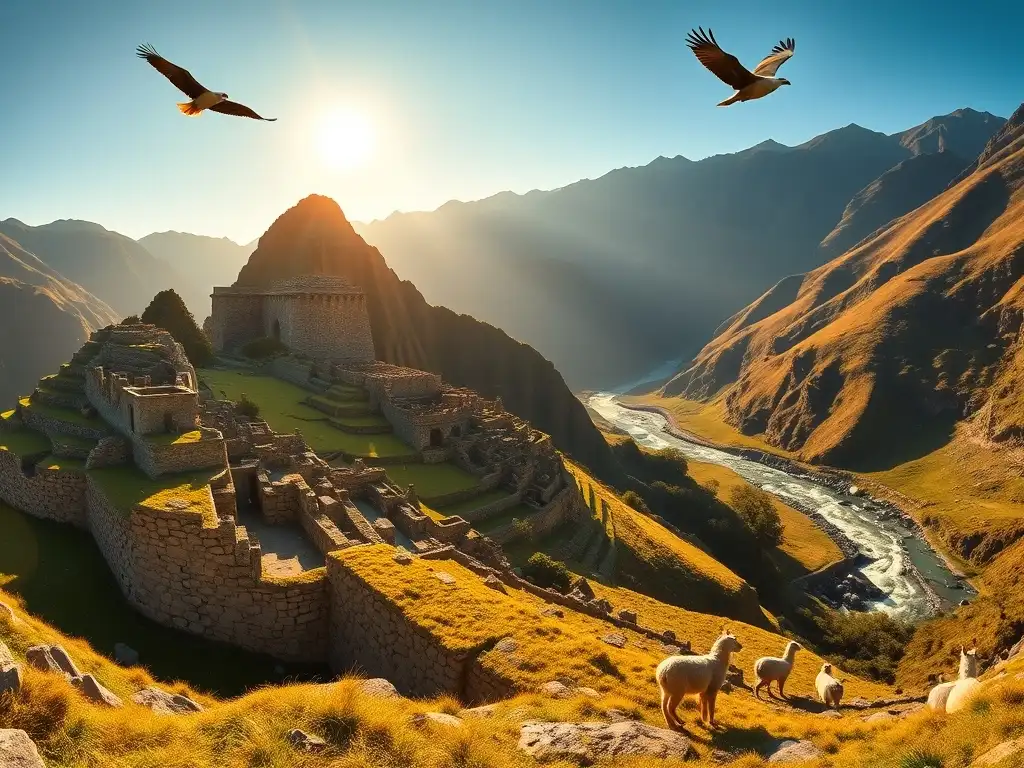
Step into a world lost to time, yet echoing with the whispers of a magnificent empire. Imagine the breathtaking heights of Machu Picchu, but delve deeper than the stones themselves. This is Andean Civilizations, your gateway to unlocking the secrets of the Incas, Moche, Nazca, and Tiahuanaco. Prepare to be captivated by the ingenuity and spiritual depth of these ancient societies, particularly the intricate ways in which they preserved their beliefs. Uncover the mysteries surrounding Inca religious practices preservation and discover a legacy that continues to resonate today. Begin your exploration now.
- Inca Religious Practices and the Preservation of Their Culture
- The Significance of Inca Religion in Cultural Continuity
- Core Elements of Inca Religious Practices
- Rituals and Ceremonies in Inca Religious Life
- Inca Religious Practices Preservation: Methods and Challenges
- The Legacy of Inca Religious Practices
- Conclusion: The Lasting Impact of Inca Religion on Culture
-
Frequently Asked Questions
- What were the most important aspects of Inca religious practices?
- How did the Inca preserve their religious beliefs and traditions?
- What role did the Inca priests (amautas) play in preserving religious practices?
- How did Inca religious practices influence their art and architecture?
- What evidence exists today that helps us understand Inca religious practices?
- Final Reflection: Echoes of the Andes: Preserving the Legacy of Inca Spirituality
- Unveil the Richness of the Inca Spiritual Legacy!
Inca Religious Practices and the Preservation of Their Culture
The Inca Empire, a civilization that flourished in the Andes Mountains from the 15th to the 16th century, left an indelible mark on history. Their sophisticated social structures, remarkable engineering feats, and intricate agricultural systems are well-documented. However, understanding the Inca Empire fully requires delving into the heart of their culture: their deeply ingrained religious beliefs and practices.
This exploration will examine the multifaceted nature of Inca religious life, focusing on how these beliefs were intrinsically linked to the preservation of their culture and the enduring legacy they left behind. We will analyze how religious rituals, ceremonies, and beliefs contributed to the cohesion and continuity of Inca society, even in the face of the Spanish conquest and its devastating consequences.
Understanding Inca religious practices is key to unlocking a deeper appreciation of their impressive achievements and their lasting impact on the Andean region. This article will explore various aspects of Inca religion, examining their cosmology, rituals, and the strategies they employed to preserve their cultural heritage across generations.
The Inca Pantheon: Gods, Spirits, and Ancestors
The Inca religious system wasn't centered around a single, all-powerful god. Instead, it involved a complex pantheon of deities, each with specific roles and responsibilities. The most important deity was Inti, the sun god, considered the father of the Inca rulers.
His worship was central to Inca society, and the emperor himself was considered a descendant of Inti, reinforcing the divine right to rule. Other significant deities included Mama Killa (the moon goddess), Illapa (the thunder god), and Pachamama (Mother Earth), highlighting the profound connection the Inca had with the natural world. Beyond the major deities, the Inca also revered numerous local spirits ( huacas), associated with specific places, mountains, or natural features.
Ancestor veneration played a crucial role, with deceased emperors and other important figures considered powerful intermediaries between the living and the spirit world. This intricate web of deities and spirits underscored the Inca's deep-seated belief in the interconnectedness of all things, both natural and supernatural. The meticulous preservation of these beliefs, through oral traditions and elaborate rituals, ensured their continued influence on Inca society.
Rituals and Ceremonies: Maintaining Cosmic Order
Inca religious practices were not merely abstract beliefs; they manifested in a wide array of elaborate rituals and ceremonies designed to maintain harmony between the human and spiritual realms. These rituals, often involving sacrifices, processions, and feasts, were meticulously planned and executed by specialized priests ( yachaks). The most important festivals were linked to the agricultural cycle, reflecting the crucial role of agriculture in Inca life.
For example, the Capac Raymi, the most significant festival, celebrated the sun god Inti at the winter solstice, emphasizing the Inca's dependence on the sun for their crops. These ceremonies weren't just religious events; they served as vital social gatherings, reinforcing social bonds and reaffirming the Inca's shared identity.
The precise execution of these rituals was seen as essential for ensuring the prosperity and stability of the empire, showcasing the deep integration of religion into every aspect of Inca daily life. The elaborate nature of these rituals, passed down through generations, helped solidify and perpetuate Inca cultural values.
The Role of the State in Religious Preservation: Centralized Control
The Inca state played a crucial role in preserving and promoting religious practices. The emperor, as the supreme religious authority, oversaw all religious matters and controlled the temples, priests, and religious resources. This centralized control ensured the uniformity of religious beliefs and practices throughout the vast empire. The state also actively promoted religious education, training priests and disseminating religious knowledge through oral traditions and narratives.
The construction of magnificent temples and religious structures, like Sacsayhuamán, served as powerful symbols of Inca religious power and cultural identity. The state's active involvement in religious affairs ensured the continuity of Inca religious traditions, even as the empire expanded and incorporated diverse populations. This centralized approach was pivotal in maintaining cultural homogeneity and reinforcing the empire’s ideology.
The Impact of the Spanish Conquest and Efforts at Cultural Resistance
The Spanish conquest in the 16th century dealt a devastating blow to Inca culture, including its religious practices. The Spanish systematically destroyed Inca temples, suppressed religious rituals, and attempted to impose Christianity. However, Inca religious beliefs and practices persisted, albeit in altered forms, through syncretism and covert practices. Indigenous communities adapted their rituals, incorporating elements of Christianity while maintaining their core beliefs.
This adaptation demonstrates the resilience of Inca culture and the enduring power of their religious traditions. The survival of Inca religious practices, despite brutal suppression, highlights the deep-rooted nature of their beliefs and their importance to Inca identity. Even today, many Andean traditions reflect the legacy of Inca religious practices, testament to their enduring impact. The persistence of these practices, even after centuries of suppression, is a testament to their cultural significance and the determination of the Inca people to preserve their heritage.
The Significance of Inca Religion in Cultural Continuity
Inca religious practices were not merely a set of rituals; they were the very bedrock of their societal structure and a powerful force in preserving their unique culture across generations. The intricate web of beliefs, rituals, and traditions ensured the transmission of knowledge, values, and practices, fostering a remarkable degree of cultural continuity despite the empire's vast geographical expanse and diverse populations. This wasn't simply about maintaining the status quo; it was a dynamic process of adaptation and innovation, where religious beliefs provided a framework for navigating change and maintaining a sense of shared identity.
The Inca's sophisticated understanding of their environment, their intricate social hierarchy, and even their advanced engineering feats were deeply intertwined with their religious worldview. Understanding the Inca religious practices preservation strategies is key to understanding the longevity and impact of the Inca civilization.
The Role of Religion in Inca Society
Religion permeated every aspect of Inca life. The Sapa Inca, the emperor, was considered a divine intermediary between the gods and the people, holding immense religious authority. His actions, decisions, and even his lineage were viewed through a religious lens. This divine connection ensured the emperor's legitimacy and solidified the hierarchical structure of Inca society. Priests, known as amautas, held significant power, interpreting religious omens, conducting rituals, and educating the populace on Inca beliefs. Their role extended beyond simple religious duties; they served as advisors to the emperor, teachers, and keepers of historical and cosmological knowledge.
The Inca calendar, meticulously aligned with agricultural cycles and celestial events, was a central element of their religious system. Festivals and ceremonies, often elaborate and spectacular affairs, marked significant agricultural periods, honoring the deities associated with fertility, harvest, and the sun. These events were not merely religious observances; they served as crucial social gatherings, reinforcing community bonds and reaffirming shared cultural values.
The construction of monumental structures like Machu Picchu and Sacsayhuamán, while impressive feats of engineering, were also deeply religious endeavors, designed to honor the gods and reflect the Inca worldview. The precise alignment of these structures with astronomical events further underscores the integration of religion into practical aspects of Inca life. Even everyday activities, such as farming and weaving, were infused with religious significance, with rituals and prayers performed to ensure success and appease the gods.
How Inca Beliefs Shaped Daily Life
Inca religious beliefs profoundly impacted their daily lives, extending beyond ceremonial occasions. The worship of the sun god, Inti, was paramount, influencing everything from agricultural practices to imperial authority. The sun's life-giving energy was seen as the source of all life and prosperity, hence the importance of solar observatories and sun-oriented temple architecture.
The reverence for Pachamama, Mother Earth, shaped agricultural practices, with offerings and rituals performed to ensure bountiful harvests and maintain the balance of nature. This deep respect for the environment is reflected in their sustainable agricultural techniques, such as terracing and irrigation systems, which demonstrate a profound understanding of ecological principles.
The Inca worldview also emphasized ancestor veneration. Mummies of deceased emperors and other important figures were carefully preserved and treated with reverence, demonstrating the belief that the ancestors continued to hold influence in the living world. This ancestor veneration further strengthened the Inca's social structure, linking the present to the past and reinforcing the legitimacy of the ruling elite.
Moreover, the widespread belief in the power of huacas, sacred places or objects, permeated everyday life. These could be natural features like mountains or springs, or man-made objects like intricately carved stones, all imbued with spiritual significance. Respect for these huacas dictated behavior and influenced decision-making in various aspects of daily life, from choosing locations for settlements to conducting personal affairs.
The integration of these beliefs into daily life demonstrates the deeply embedded nature of religion within Inca culture, contributing significantly to its resilience and transmission across generations. This deep-seated religious framework undeniably played a crucial role in the Inca religious practices preservation and the overall strength and continuity of their civilization.
Core Elements of Inca Religious Practices
The Inca religion, a complex system of beliefs and rituals, played a crucial role in the preservation of their culture and social order. Understanding their religious practices offers a vital key to deciphering the Inca worldview and their remarkable achievements. The Inca's deeply spiritual connection to the natural world, manifested in their reverence for celestial bodies and the earth itself, shaped every aspect of their lives, from agriculture to warfare. This intricate web of beliefs ensured cultural continuity and provided a framework for social cohesion within the vast Inca Empire.
The preservation of these practices, meticulously passed down through generations, is a testament to the enduring power of their faith. Analyzing these practices allows us to appreciate the sophistication and ingenuity of the Inca civilization and its lasting legacy. The keyword "Inca religious practices preservation" highlights the central theme of this exploration.
Inti: The Sun God and Supreme Deity
Inti, the sun god, occupied the apex of the Inca pantheon. He wasn't merely a deity; he was the supreme ruler, the source of life, and the embodiment of power and authority. The Inca emperors claimed direct descent from Inti, reinforcing their divine right to rule. This connection between the emperor and the sun god was vital for maintaining the legitimacy of the Inca state and its control over the vast empire.
The preservation of this belief system was crucial for social stability. Elaborate ceremonies and festivals, such as the Inti Raymi (Festival of the Sun), were dedicated to Inti, demonstrating the immense importance placed upon him. These events weren't just religious observances; they were powerful displays of imperial power and cultural unity. The meticulously planned agricultural cycles, heavily reliant on the sun's energy, further solidified Inti's central role in Inca life.
The intricate astronomical observations and calendar systems, developed to track the sun's movements, highlight the sophisticated understanding and reverence the Inca held for their supreme deity. Their commitment to preserving these astronomical observations ensured the continued success of their agricultural practices and the overall stability of their society. The Inca's deep-rooted belief in Inti's power and their dedicated efforts to honor him were instrumental in the preservation of their culture and way of life.
Viracocha: The Creator God and His Importance
While Inti held the highest position in daily worship, Viracocha, the creator god, played a foundational role in Inca cosmology. Viracocha, often depicted as a bearded man, was believed to have created the world, the sun, the moon, and humankind. Unlike Inti, whose influence was primarily felt in the day-to-day life of the Inca, Viracocha represented the origins and ultimate mysteries of existence.
The preservation of myths and legends surrounding Viracocha helped to establish a shared narrative and cultural identity among the diverse populations within the empire. These stories, passed down orally through generations, helped to maintain a sense of unity and shared heritage. Viracocha's role as the creator god underscored the Inca belief in a structured and ordered universe, a belief that underpinned their social hierarchy and political system.
Furthermore, the preservation of these creation myths was instrumental in maintaining the legitimacy of the Inca rule, linking the emperor's power to the divine authority of the creator god himself. The enduring influence of Viracocha in Inca religious thought demonstrates the complex and layered nature of their beliefs, with both daily and foundational deities playing critical roles in shaping their culture and ensuring its preservation.
Pachamama: The Earth Mother and Her Reverence
Pachamama, the earth mother, held a position of paramount importance in Inca religious practices. Representing the fertile earth, Pachamama was revered as the provider of sustenance and life itself. The Inca's agricultural success depended heavily on her benevolence, making her worship deeply ingrained in their daily lives.
The preservation of rituals dedicated to Pachamama, such as offerings of coca leaves, chicha (a fermented maize drink), and other agricultural products, ensured the continuity of their agricultural practices and the prosperity of their communities. These offerings weren't mere gestures of gratitude; they were essential components of a reciprocal relationship between the Inca and the earth. The Inca believed that respecting Pachamama through these offerings would guarantee bountiful harvests and protect them from natural disasters.
This deep connection to the land and their commitment to preserving the rituals surrounding Pachamama were essential elements in the preservation of their unique culture. The intricate understanding of agricultural cycles and the development of sophisticated irrigation systems further demonstrate the profound reverence the Inca had for Pachamama and their dedication to maintaining a harmonious relationship with the earth. The emphasis on sustainable agricultural practices, tied directly to their beliefs about Pachamama, highlights the ingenuity and foresight of the Inca civilization and its commitment to long-term cultural preservation.
Illapa: The God of Thunder and Weather
Illapa, the Andean god of thunder, lightning, and weather, held a position of paramount importance within the Inca pantheon. His influence permeated every aspect of Inca life, from agriculture and the water cycle to the very fabric of their society. The Inca deeply revered Illapa, understanding that his capricious nature could bring both bountiful harvests and devastating storms.
Their religious practices were heavily geared towards appeasing and honoring this powerful deity, ensuring his favor and the continued prosperity of their empire. The unpredictable nature of weather in the Andes made Illapa’s favor a matter of life or death, underscoring the crucial role he played in their worldview.
The worship of Illapa involved elaborate rituals and ceremonies, often performed by specialized priests known as yachaqs. These ceremonies frequently included offerings of coca leaves, chicha (a fermented corn beverage), and other precious items. The aim was to maintain a harmonious relationship with Illapa, preventing his wrath and ensuring his continued benevolence.
Evidence suggests that Inca temples and sacred sites were strategically positioned to align with celestial events, possibly to track Illapa’s movements and predict weather patterns. This demonstrates a sophisticated understanding of astronomy intertwined with their religious practices. The precision of their astronomical observations is remarkable, reflecting advanced knowledge and meticulous record-keeping, crucial for agricultural planning and societal stability.
The Inca's deep connection with Illapa is also reflected in their art and architecture. Depictions of Illapa, often shown wielding lightning bolts or surrounded by storm clouds, can be found in textiles, pottery, and stone carvings. This visual representation not only served as a form of worship but also served as a constant reminder of his power and the importance of maintaining a respectful relationship with the natural world.
The prevalence of Illapa imagery throughout Inca art highlights his central role in their cosmology and the pervasiveness of his influence on their daily lives. The artistic representations provide valuable insights into the Inca understanding of their deity and the significance of weather patterns within their society.
Furthermore, the Inca's agricultural practices were intimately linked to Illapa. Their sophisticated irrigation systems and agricultural techniques were designed to manage water resources effectively, demonstrating their understanding of the importance of water for successful harvests. They understood that Illapa controlled the rainfall necessary for their crops and consequently, their survival.
Prayer and ritual offerings were essential components of their agricultural calendar, reflecting the direct link between Illapa's favor and the success of their crops. This deep-seated connection between religion and agriculture exemplifies the holistic nature of Inca religious beliefs and their practical application in everyday life. The Inca’s sophisticated understanding of both agriculture and their religious practices highlights the ingenuity and resilience of their civilization.
Rituals and Ceremonies in Inca Religious Life
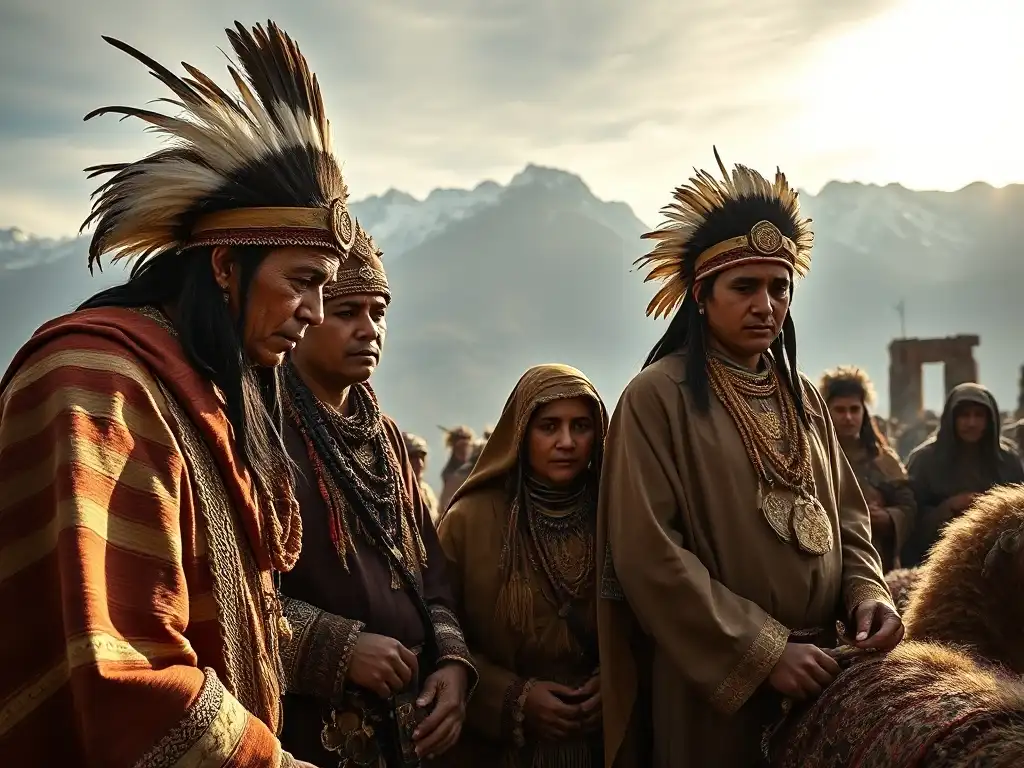
The Inca religion, deeply intertwined with their worldview and societal structure, manifested itself through a complex system of rituals and ceremonies. These practices were not merely symbolic; they were integral to maintaining ayni, the principle of reciprocity and balance, crucial for the well-being of the community and the empire's prosperity. The Inca's meticulous preservation of these traditions ensured cultural continuity across generations, solidifying their identity and strengthening their social fabric.
Understanding these rituals provides a deeper insight into the Inca civilization's beliefs, values, and sophisticated social organization. The preservation of these Inca religious practices is a testament to their enduring legacy.
Sacrifices and Offerings: Animal and Food Offerings to Deities
Sacrifices and offerings formed a cornerstone of Inca religious practices, reflecting their belief in appeasing and honoring the diverse deities inhabiting their world. These weren't haphazard acts but highly structured ceremonies, performed with precision and reverence. The types of offerings varied depending on the deity and the specific occasion.
Animal sacrifices, a significant aspect of Inca religious life, involved the selection of specific animals, often llamas or alpacas, chosen for their perceived symbolic value or status. The choice wasn't arbitrary; certain animals were associated with particular deities. For instance, llamas, crucial to the Inca economy, might be offered to deities related to agriculture and prosperity, reflecting the importance of reciprocity between the human and divine realms. The act of sacrifice was not considered cruel but rather a sacred duty, a way to express gratitude and maintain balance.
Food offerings also played a crucial role. These included chicha, a fermented corn beverage, considered sacred, along with coca leaves, maize, potatoes, and other agricultural products. The quality and quantity of the offerings often correlated with the importance of the occasion and the deity being honored.
Elaborate feasts, involving the community, often accompanied these offerings, reinforcing social bonds and reaffirming shared beliefs. Archaeological evidence, including the discovery of sacrificial remains in sacred sites, provides tangible evidence of the prevalence and importance of these practices in Inca religious life. The meticulous preservation of these practices underscores their profound significance within Inca society.
Inti Raymi: The Festival of the Sun and its Significance
Inti Raymi, the Festival of the Sun, stands as perhaps the most celebrated and meticulously preserved Inca religious festival. Celebrated annually during the winter solstice, it was a grand spectacle, a testament to the Inca's reverence for Inti, the sun god, and their deep connection to the agricultural cycle. The preservation of knowledge surrounding Inti Raymi, despite the Spanish conquest, highlights the strength of oral traditions and the cultural resilience of the Inca people.
The festival involved a complex series of rituals and ceremonies, incorporating elaborate processions, music, dance, and sacrifices. The Inca emperor, considered a descendant of the sun god, played a central role, presiding over the ceremonies and leading the offerings. The festival wasn't solely a religious event; it also served as a significant political and social gathering, reinforcing the emperor's authority and strengthening the bonds within the empire.
The meticulous organization and scale of Inti Raymi underscore the importance of religious observance in Inca society and the sophisticated level of social organization required to execute such a complex event. The continued observance of modified versions of Inti Raymi today reflects the enduring legacy of this vibrant celebration and the resilience of Andean culture.
Rituals for Agriculture and Fertility
Inca religious practices were deeply intertwined with agriculture, the lifeblood of their civilization. Their rituals aimed not only to ensure bountiful harvests but also to maintain the fertility of the land and the people. The preservation of these agricultural rituals speaks to the Inca’s practical understanding of their environment and their profound respect for the natural world.
Numerous rituals focused on ensuring successful harvests. These included prayers, offerings, and specific agricultural practices, many of which were carefully timed to coincide with the agricultural cycle. The capacocha, a ritual sacrifice involving children, is often associated with ensuring agricultural prosperity and appeasing mountain deities.
While the exact nature and frequency of these sacrifices remain debated amongst scholars, their existence indicates the profound significance attributed to maintaining a harmonious relationship between humans and the natural world. The Inca’s sophisticated understanding of Andean agriculture, coupled with their religious practices, enabled them to cultivate diverse crops in challenging environments, demonstrating the close connection between their religious beliefs and their practical agricultural success.
The detailed records and archaeological evidence discovered help us understand the sophisticated nature of these practices and their role in the overall success of the Inca civilization. The enduring impact of their agricultural techniques and the associated religious beliefs is a testament to the ingenuity and resilience of the Inca people.
The Role of Priests and Priestesses in Inca Ceremonies
The Inca religious system was highly structured, with a complex hierarchy of priests and priestesses playing crucial roles in all ceremonies and rituals. These individuals, known as willaq uma, weren't simply religious figures; they were integral to the social and political fabric of the Inca Empire. Their influence extended far beyond the performance of rites; they served as intermediaries between the celestial and terrestrial realms, interpreting divine will and ensuring the continued prosperity of the empire.
The training of these priests and priestesses was rigorous, often beginning in childhood and involving extensive study of Inca mythology, astronomy, and agricultural practices. Their knowledge was vital for maintaining the intricate calendar system that governed agricultural cycles and religious festivals.
The willaq uma were responsible for conducting elaborate ceremonies, often involving animal sacrifices, offerings of coca leaves and chicha (a fermented corn beverage), and intricate dances and prayers. Their expertise extended to the interpretation of omens and prophecies, guiding the Sapa Inca (emperor) in matters of state and ensuring the well-being of the empire. Specific rituals required specific priestly expertise.
For example, those dealing with agricultural fertility might have specialized knowledge of agricultural techniques and celestial alignments, while others, focused on ancestor veneration, would be deeply versed in genealogical records and ancestral traditions. The high-ranking priests often held significant political power, advising the Sapa Inca and influencing imperial decisions.
The role of priestesses, while often less publicly visible than that of their male counterparts, was equally significant. They often held positions of authority within the acllahuasi (houses of chosen women), where young women were dedicated to the service of the sun god, Inti. These women were not only involved in religious ceremonies but also played essential roles in textile production and other crafts, creating sacred garments and objects for religious use.
Their involvement in the production of these sacred items underscores the deep interconnectedness of religious practice and daily life within Inca society. Their skills and knowledge were highly valued, contributing significantly to the economic and cultural vitality of the empire.
The preservation of Inca religious traditions, therefore, depended heavily on the expertise and dedication of both priests and priestesses. Their roles were intricately intertwined, reflecting the holistic nature of Inca spirituality and its influence on all aspects of life.
Inca Religious Practices Preservation: Methods and Challenges
The preservation of Inca religious practices presents a complex tapestry woven from meticulous methods and significant challenges. Understanding how these practices were maintained across generations, the role of oral traditions, and the devastating impact of Spanish colonization is crucial to appreciating the enduring legacy of Inca spirituality. The keyword phrase "Inca religious practices preservation" highlights the central theme of this section, emphasizing the multifaceted nature of safeguarding this rich cultural heritage.
Transmission of Religious Knowledge through Generations
The transmission of Inca religious knowledge wasn't solely reliant on written texts, unlike many other ancient civilizations. Instead, a sophisticated system of oral traditions, ritual practices, and specialized roles ensured the continuity of their beliefs and rituals. This involved a rigorous apprenticeship system where knowledge was passed down through families and within specific priestly lineages.
For example, the amautas, highly respected teachers and intellectuals, played a crucial role in educating the next generation in Inca cosmology, mythology, and ritual procedures. This involved not only rote memorization but also a deep understanding of the symbolic meaning behind ceremonies and practices. The intricate details of Inca religious beliefs, including the worship of Inti (the sun god), Viracocha (the creator god), and Mama Killa (the moon goddess), were carefully preserved and passed down through generations via this oral tradition.
The accuracy of this transmission was further enhanced through the use of mnemonic devices, songs, and dramatic performances that helped to embed the knowledge within the cultural memory. This system, while effective, also made it vulnerable to disruptions, as we will see in the following sections.
Oral Traditions and Storytelling as Preservation Tools
Oral traditions were not merely a method of transmission; they were the foundation of Inca religious preservation. Storytelling, particularly myths and legends associated with deities and historical events, played a significant role in shaping Inca religious identity and worldview. These narratives helped to explain the origins of the world, the significance of natural phenomena, and the proper conduct of rituals.
The quipus, complex knotted cords used for record-keeping, also contributed to this preservation effort, although their exact function in religious contexts remains a subject of ongoing scholarly debate. While not directly preserving oral narratives, they likely recorded key dates, lineage information, and possibly even elements of religious doctrine, supplementing the oral tradition. Consider the story of Viracocha's creation of the world – its repeated telling through generations ensured that the core beliefs surrounding this deity were maintained and passed on.
The emotional impact and participatory nature of storytelling ensured the enduring presence of Inca religious concepts in the collective consciousness. The vivid imagery and symbolic language embedded within these narratives aided in their memorization and transmission.
The Impact of Spanish Colonization on Inca Religious Practices
The Spanish conquest of the Inca Empire in the 16th century dealt a devastating blow to the preservation of Inca religious practices. The systematic suppression of indigenous religions by the Spanish Crown led to the destruction of temples, the persecution of priests, and the forceful conversion of the Inca population to Christianity. This resulted in a significant loss of knowledge and the disruption of traditional rituals. The burning of quipus and the suppression of oral traditions further exacerbated this loss.
The Spanish actively sought to erase Inca religious beliefs, replacing them with Catholic doctrines. This cultural genocide led to the fragmentation and distortion of Inca religious practices, with many aspects fading into obscurity or becoming syncretized with elements of Christianity. The impact extended beyond the immediate destruction; it created a climate of fear and suppression that discouraged the open practice and transmission of Inca religious traditions for generations.
The consequences are still felt today, making the reconstruction and understanding of Inca religious practices a challenging and ongoing endeavor. The survival of some elements, however, testifies to the resilience of Inca culture and the enduring power of oral traditions that, despite the immense pressure, have managed to preserve fragments of this rich heritage. Further research is needed to fully understand the extent and nature of this loss, and to uncover the hidden vestiges of Inca religious beliefs that may still exist within contemporary Andean communities.
Efforts to Revive and Preserve Inca Religious Traditions Today
Efforts to revive and preserve Inca religious traditions today are multifaceted and often intertwined with broader discussions of Indigenous rights and cultural revitalization. These efforts aren't simply about recreating ancient practices; they're about understanding their significance within a contemporary context and ensuring the continuity of Andean spiritualities. Many communities actively work to maintain ancestral knowledge and practices, often facing significant challenges in the process. This involves a delicate balance between respecting the sacredness of these traditions and making them accessible for education and understanding.
One key aspect is the transmission of oral histories and traditional knowledge. Elderly members of communities play a crucial role, passing down stories, songs, and rituals to younger generations. This intergenerational transfer is vital for the survival of these traditions, ensuring their continuity beyond individual lifetimes. However, the aging population and the pressures of modernization threaten this crucial process. Efforts are underway to document these oral histories through recordings and transcriptions, creating valuable archives for future generations. Yet, the inherent spiritual nature of much of this knowledge means that simply recording it doesn't fully capture its essence.
Furthermore, the revival of Inca religious traditions is often intertwined with the broader movement for Indigenous rights and self-determination. Many communities are actively reclaiming their cultural heritage, asserting their right to practice their traditions freely, and resisting assimilationist pressures. This struggle involves advocating for policy changes, challenging discriminatory practices, and promoting intercultural understanding. The preservation of Inca religious practices is thus deeply linked to political and social activism, requiring both spiritual commitment and political engagement.
Archaeological research also plays an important role. Excavations and analyses of Inca sites provide valuable insights into religious practices, offering tangible evidence of past beliefs and rituals. This information, while not a replacement for living traditions, can be used to inform and contextualize contemporary practices, helping to deepen understanding and foster respect. However, ethical considerations are paramount; the careful handling and respectful interpretation of archaeological findings is essential to prevent misrepresentation or the commodification of sacred sites and artifacts. The balance between scientific investigation and the protection of culturally sensitive material remains a significant challenge.
Finally, educational initiatives are crucial. Museums, schools, and community organizations play a role in educating the public about Inca religious practices, fostering appreciation and understanding. However, it is crucial that these initiatives are developed in collaboration with Indigenous communities, ensuring that their perspectives and voices are central to the narrative. Otherwise, the risk of misrepresentation and cultural appropriation is significant. The goal is not simply to present information; it is to foster respect, promote dialogue, and support the continuation of living traditions.
The Legacy of Inca Religious Practices
The Inca Empire, despite its relatively short lifespan compared to other ancient civilizations, left an indelible mark on the Andes region. Its sophisticated religious practices, far from being extinguished with the Spanish conquest, continue to resonate in contemporary Andean culture. Understanding the preservation of these practices reveals a fascinating interplay between historical continuity and modern adaptation, demonstrating the enduring power of Inca spirituality.
The keyword "Inca religious practices preservation" is intrinsically linked to this ongoing cultural phenomenon, highlighting the tenacity of ancient beliefs in the face of colonial influence and the passage of time. This section will explore the multifaceted ways in which Inca religious practices have survived and evolved.
Influence on Contemporary Andean Culture
The influence of Inca religious practices on contemporary Andean culture is profound and multifaceted. Many traditional festivals and ceremonies, seemingly rooted in indigenous pre-Inca traditions, actually incorporate significant Inca elements. For instance, the veneration of apus (mountain spirits), a central tenet of Inca religion, persists in many communities.
Farmers still make offerings to the apus for bountiful harvests, echoing ancient Inca rituals designed to ensure agricultural prosperity. Furthermore, the Inca emphasis on reciprocity – the concept of ayni – continues to shape social interactions and community cooperation. This principle of mutual exchange and obligation underpins many communal activities, from building projects to agricultural labor.
The strong connection between Andean communities and the natural world, inherent in Inca cosmology, remains a vital aspect of their identity. This enduring connection is evident in their respect for the land, their sustainable agricultural practices, and their ongoing use of traditional medicinal plants. The integration of Inca beliefs into contemporary Andean life is not a simple replication but rather a dynamic process of adaptation and reinterpretation.
The Enduring Importance of Inca Spirituality
The persistence of Inca spirituality is not merely a matter of cultural inertia; it speaks to the deep-seated psychological and emotional needs that Inca religious beliefs fulfilled. The Inca worldview, with its emphasis on cosmic order, ancestor veneration, and the interconnectedness of all living things, provided a framework for understanding the world and navigating life's complexities. This framework offered comfort, meaning, and a sense of belonging, aspects that remain relevant today.
The Inca emphasis on community and social harmony, reflected in their religious practices, continues to resonate in many Andean communities, promoting social cohesion and stability. The rituals and ceremonies associated with Inca religion provided opportunities for social interaction, reinforcing community bonds and strengthening social structures.
Even in the face of modernization and globalization, many Andean people find solace and strength in the enduring spiritual values of their ancestors. The resilience of Inca spirituality underscores its enduring power and its capacity to adapt to changing circumstances.
Contemporary Adaptations of Inca Religious Beliefs
While many Inca religious practices continue in their original forms, others have undergone significant adaptation in response to historical events, cultural influences, and the challenges of modern life. The syncretism between Inca beliefs and Catholicism, a direct result of the Spanish conquest, is a prime example. Many contemporary Andean religious practices blend elements of Inca spirituality with Catholic rituals and beliefs.
For example, the veneration of saints often incorporates elements of Inca ancestor worship, and traditional Andean festivals may incorporate Catholic elements into their celebrations. This blending of religious traditions is not necessarily a dilution of Inca beliefs; rather, it reflects a creative process of adaptation and reinterpretation, allowing for the preservation of core Inca values within a new cultural context. Furthermore, the incorporation of elements from other indigenous traditions further enriches the complexity of contemporary Andean religious practices.
The ongoing evolution of Inca religious beliefs demonstrates their adaptability and enduring relevance in a rapidly changing world. The preservation of Inca religious practices is not a static process but a dynamic one, constantly evolving and adapting to meet the needs of contemporary Andean communities.
Conclusion: The Lasting Impact of Inca Religion on Culture
The Inca Empire, despite its relatively short lifespan compared to other ancient civilizations, left an indelible mark on South America. Its sophisticated religious practices weren't merely spiritual exercises; they were deeply intertwined with the very fabric of Inca society, influencing everything from social structure and agricultural practices to art, architecture, and even warfare. Understanding the Inca religious practices preservation efforts, both past and present, is crucial to appreciating the empire's lasting legacy.
The meticulous way the Inca integrated their beliefs into daily life ensured a cultural continuity that persists even today. This wasn't simply about preserving temples and artifacts; it was about preserving a worldview.
The Intertwined Fate of Inca Religion and Culture
The Inca worldview wasn't compartmentalized; religion permeated every aspect of life. The huacas, sacred places and objects, weren't isolated sites of worship but were woven into the social landscape. Agricultural cycles were dictated by religious calendars, with festivals and rituals celebrating the harvest and ensuring the fertility of the land.
The emperor, considered a direct descendant of the sun god Inti, held immense religious authority, reinforcing the connection between the spiritual and political realms. This interconnectedness meant that any attempt to understand Inca culture inevitably requires exploring their religious beliefs and practices. The intricate system of ayllu, the communal land-based social structure, was not only economically beneficial but also held strong religious significance, emphasizing community and shared responsibility.
Even the elaborate road system, a marvel of Inca engineering, served a religious purpose, facilitating pilgrimage to sacred sites and reinforcing the empire's unity. The preservation of Inca culture, therefore, is inextricably linked to the preservation of its religious heritage.
Future Perspectives on Inca Religious Practices Preservation
Preserving Inca religious practices requires a multifaceted approach. It's not just about protecting physical artifacts in museums – though that's certainly important – but also about understanding and respecting the living descendants of the Inca. Many Andean communities still maintain traditions and beliefs rooted in Inca cosmology. Engaging with these communities, learning from their knowledge, and collaborating on preservation efforts is crucial for ensuring an authentic and respectful approach.
This involves supporting initiatives that document oral traditions, revitalize traditional ceremonies, and promote cultural exchange. Furthermore, ongoing archaeological research continues to uncover new insights into Inca religious practices, providing a deeper understanding of their complexity and significance. The use of advanced technologies like 3D modeling and digital archiving can help preserve fragile artifacts and make them accessible to a wider audience.
Finally, educational initiatives that promote awareness of Inca culture and its religious dimensions are vital for ensuring that future generations appreciate and understand this remarkable civilization's legacy. The future of Inca religious practices preservation hinges on a collaborative effort that combines academic research, community engagement, and technological innovation. Only through such a holistic strategy can we ensure that the rich spiritual heritage of the Inca continues to inspire and inform us for generations to come.
Frequently Asked Questions
What were the most important aspects of Inca religious practices?
Inca religion was deeply intertwined with nature worship, particularly venerating the sun god Inti, and mountains (Apus). Ancestor veneration and elaborate ceremonies were also crucial aspects of their belief system.
How did the Inca preserve their religious beliefs and traditions?
The Inca used various methods for preservation, including oral traditions, elaborate ceremonies and rituals, and the construction of monumental structures like temples and sacred sites dedicated to their deities.
What role did the Inca priests (amautas) play in preserving religious practices?
The amautas held a key position, acting as keepers of knowledge, responsible for passing down traditions, interpreting religious texts, and leading ceremonies. They were vital for the continuity of religious practices.
How did Inca religious practices influence their art and architecture?
Inca art and architecture directly reflected their religious beliefs. Temples, palaces, and even everyday objects were designed and decorated with motifs representing deities, sacred animals, and cosmological concepts. This ensured the visual preservation of their faith.
What evidence exists today that helps us understand Inca religious practices?
Archaeological discoveries like temples, textiles, pottery, and mummies provide valuable insights. Furthermore, colonial-era chronicles and surviving oral traditions offer additional information on their beliefs and practices.
Final Reflection: Echoes of the Andes: Preserving the Legacy of Inca Spirituality
The intricate tapestry of Inca religious practices, far from being a relic of a bygone era, continues to resonate powerfully in contemporary Andean culture. Their sophisticated understanding of the cosmos, their reverence for nature, and their deeply interwoven social and spiritual systems offer invaluable lessons for our own time, particularly in the face of environmental challenges and the urgent need for cultural preservation.
The enduring influence of Inca spirituality is undeniable, shaping not only the religious beliefs of many Andean communities but also their artistic expressions, social structures, and even their agricultural practices. Their profound connection to the land, a connection so vividly expressed in their elaborate ceremonies and intricate agricultural systems, serves as a potent reminder of our own responsibility towards the environment. The mountains are our gods, the rivers our veins, and the earth our mother.
This sentiment, though perhaps not a direct quote from an Inca source, encapsulates the deeply spiritual relationship they held with their surroundings, a relationship we must strive to understand and emulate.
Consider the legacy of the Inca for a moment. Their sophisticated understanding of astronomy, their intricate system of reciprocity (ayni), and their deep respect for the interconnectedness of all things offer a powerful counterpoint to our often fragmented and materialistic world. You, the reader, are now empowered to reflect on this legacy. How can we, in our own lives, cultivate a deeper appreciation for the natural world and foster a sense of community and shared responsibility? Let the echoes of the Andes inspire you to build a more sustainable and spiritually enriching future.
Unveil the Richness of the Inca Spiritual Legacy!
Thank you for exploring the fascinating world of Inca religious practices with us! Your interest helps preserve this remarkable culture. Now, let's build on your newfound knowledge to understand and protect this incredible heritage.
Here are some ways you can deepen your engagement:
- Immerse yourself in Inca culture by visiting a museum with Andean artifacts or exhibitions. Learn about their intricate artistry and the stories behind the objects.
- Share your newfound knowledge with friends and family, sparking conversations about the importance of cultural preservation. Discuss the unique aspects of Inca beliefs and practices that you found most compelling.
- Connect with others who share your interest by joining an online forum or community dedicated to Andean civilizations. Engage in discussions and learn from experts and enthusiasts alike.
Reflecting on these suggestions, consider which aspect of Inca religious practices resonates most with you, and how it might shape your understanding of cultural appreciation today.