
Tiahuanaco's Spiritual Echoes: How its Rituals and Ceremonies Resonated in Later Andean Practices

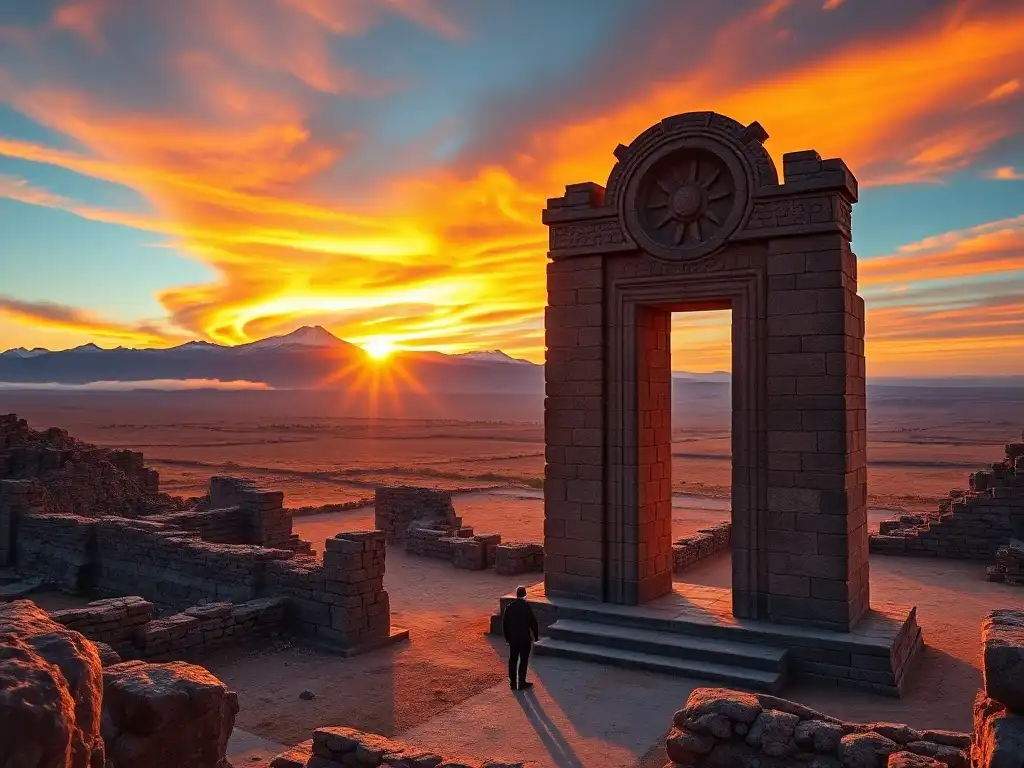
Step into a world lost to time, yet echoing through the ages. Discover the enigmatic legacy of the Andean civilizations, a tapestry woven with threads of breathtaking artistry, advanced engineering, and profound spiritual beliefs. Intrigued by the celestial alignments and complex rituals of Tiahuanaco? Unravel the mysteries surrounding Tiahuanaco rituals and their enduring influence on subsequent Andean cultures—a journey into a captivating past that will leave you breathless. Explore the depths of this ancient civilization and uncover the secrets it holds within.
- Tiahuanaco's Spiritual Echoes: Tracing Rituals and Ceremonies in Later Andean Practices
- Tiahuanaco's Influence on Subsequent Andean Rituals
- Specific Examples of Tiahuanaco Rituals and their Andean Adaptations
- Comparative Analysis: Tiahuanaco Rituals vs. Later Andean Practices
- The Enduring Legacy of Tiahuanaco's Spiritual Practices
-
Frequently Asked Questions
- What were the most important rituals practiced in Tiahuanaco?
- How did Tiahuanaco's religious beliefs influence later Andean civilizations?
- What is the significance of water in Tiahuanaco rituals?
- How did Tiahuanaco's rituals relate to their agricultural practices?
- What evidence exists to support the claims about Tiahuanaco's rituals and ceremonies?
- Final Reflection: The Enduring Legacy of Tiahuanaco's Sacred Practices
- Unveil the Spiritual Legacy of Tiahuanaco!
Tiahuanaco's Spiritual Echoes: Tracing Rituals and Ceremonies in Later Andean Practices
The enigmatic city of Tiahuanaco, flourishing in the Bolivian Altiplano between 500 and 1000 CE, left an indelible mark on the Andean world. Its influence extended far beyond its impressive architecture and sophisticated engineering; the spiritual practices and rituals of Tiahuanaco resonated deeply within subsequent Andean cultures, shaping religious beliefs and ceremonial traditions for centuries to come. This article delves into the profound impact of Tiahuanaco's spiritual legacy, exploring how its unique rituals and ceremonies influenced the religious landscape of later Andean societies, including the Inca.
We will examine the significance of Tiahuanaco's religious practices, analyzing their structure, symbolism, and the ways they were adapted and transformed by succeeding civilizations. Understanding Tiahuanaco's spiritual echoes is crucial to grasping the complexity and continuity of Andean religious thought and practice across millennia.
The enduring power of Tiahuanaco's spiritual legacy is a testament to its importance in shaping the cultural identity of the Andes. This exploration will highlight the key aspects of Tiahuanaco's religious life and trace their transformative journey through time, demonstrating the enduring influence of this remarkable civilization.
The Significance of Tiahuanaco Rituals for Andean Culture
Tiahuanaco's rituals were not merely isolated events; they were central to the social fabric and cosmological worldview of its inhabitants. Evidence suggests a complex system of beliefs centered around water, agriculture, and ancestor veneration. The elaborate ceremonial centers, such as the Kalasasaya complex, served as focal points for these rituals, attracting people from across the region.
The precise nature of many rituals remains a subject of ongoing research, but archaeological findings, such as the presence of intricate carvings and artifacts depicting deities and symbolic figures, offer valuable clues. These rituals likely involved offerings, processions, and possibly human sacrifice, mirroring practices observed in other Andean cultures. The emphasis on water management, evident in Tiahuanaco's sophisticated hydraulic systems, suggests a strong connection between religious practices and the sustenance of life.
The enduring legacy of Tiahuanaco's rituals is evident in the persistence of similar themes and practices in later Andean societies, indicating a profound and lasting cultural impact. The symbolic language employed in Tiahuanaco's rituals, often expressed through intricate iconography, became a blueprint for subsequent artistic and religious expressions throughout the Andes.
Understanding Tiahuanaco's Ceremonial Practices
Archaeological evidence points towards a highly structured and organized system of ceremonial practices in Tiahuanaco. The Kalasasaya complex, with its monumental structures and precisely aligned gateways, likely hosted major religious festivals and ceremonies. These events may have involved large gatherings of people, perhaps from various communities across the Altiplano.
The use of specific artifacts, such as intricately carved stone sculptures and ceramic vessels, suggests the importance of symbolic objects in these rituals. Some scholars believe that the positioning of the sun and stars played a significant role in determining the timing and significance of certain ceremonies, aligning the rituals with the cyclical rhythms of nature. Furthermore, the presence of numerous smaller, less conspicuous sites surrounding the main ceremonial centers suggests a broader network of sacred spaces, each with its unique function within the larger religious system.
The evidence suggests a highly sophisticated understanding of astronomy and cosmology, which informed the timing and execution of these ceremonies, reflecting a deep connection between the human and the divine realms. Further research is needed to fully decipher the complexities of Tiahuanaco's ceremonial practices, but the available evidence reveals a rich and intricate religious system.
The Role of Religion and Spirituality in Tiahuanaco Society
Religion and spirituality were deeply embedded in the social fabric of Tiahuanaco society. The city's monumental architecture, intricate carvings, and sophisticated water management systems all point towards a highly organized and centralized religious system. The presence of numerous temples and ceremonial centers suggests that religious activities occupied a prominent place in the lives of Tiahuanaco's inhabitants.
The elite likely played a key role in orchestrating and controlling these rituals, wielding significant religious and political authority. However, the involvement of the broader population in religious practices is also evident in the distribution of artifacts and the scale of the ceremonial sites. The nature of religious beliefs in Tiahuanaco remains partially obscure, but the iconography and symbolism found in artifacts suggest a complex cosmology involving deities, ancestors, and the forces of nature.
The integration of religious beliefs into daily life, particularly in relation to agriculture and water management, highlights the profound importance of spirituality in shaping the social and economic structures of Tiahuanaco society. The enduring legacy of Tiahuanaco's religious worldview is reflected in the continued reverence for similar themes and symbols in later Andean cultures.
Key Elements of Tiahuanaco Religious Ceremonies
Tiahuanaco's religious ceremonies were elaborate affairs, deeply intertwined with the civilization's cosmology and social structure. Several key elements consistently appear in archaeological evidence and interpretations of iconography, providing insights into their significance and influence on later Andean practices. A crucial aspect was the use of water, symbolizing life, fertility, and purification.
This is evident in the design of the city itself, with its intricate canal system and proximity to Lake Titicaca, a sacred body of water. Ceremonies likely involved ritual ablutions and offerings poured into the waterways, a practice echoed in later Andean cultures' veneration of water sources. Furthermore, the iconic Gate of the Sun, with its intricate carvings depicting a central figure surrounded by other deities and mythical beings, served as a focal point for rituals.
Scholars believe it may have been used as an altar or a backdrop for important ceremonies, its imagery reinforcing core cosmological beliefs. The presence of numerous ceremonial centers and platforms within the city also points to a complex ritual calendar, with specific locations dedicated to different deities or rituals. These platforms might have been used for public processions, sacrifices, or astronomical observations, all integral parts of the religious life.
The role of sacrifice in Tiahuanaco religious practices remains a subject of ongoing debate. Archaeological evidence suggests that both human and animal sacrifices were performed. While the exact nature and frequency of these practices are uncertain, their symbolic significance was likely profound, reinforcing the power of the elite and maintaining cosmic balance, as understood by the Tiahuanaco people. The impact of these practices on later Andean civilizations is evident in the continuation of human sacrifice, albeit with variations in scale and context, in cultures such as the Inca.
The meticulous craftsmanship found in the artifacts associated with these ceremonies – intricately carved stone sculptures, elaborate textiles, and finely crafted ceramics – suggests a highly developed priestly class responsible for conducting and overseeing these elaborate rituals. The use of precious materials like gold and silver in ceremonial objects further underlines their importance and the high value placed on these religious practices within the society. The style and iconography of these artifacts were clearly influential on subsequent Andean artistic traditions, demonstrating the enduring legacy of Tiahuanaco's religious beliefs and aesthetics.
The specific details of these ceremonies, such as the precise rituals, chants, and offerings, remain largely unknown, lost to the passage of time. However, analyzing the surviving material culture allows us to piece together a partial understanding of this complex and influential religious system. The enduring influence of Tiahuanaco rituals on later Andean practices is undeniable, shaping religious beliefs, artistic styles, and even social structures for centuries to come.
Tiahuanaco's Influence on Subsequent Andean Rituals
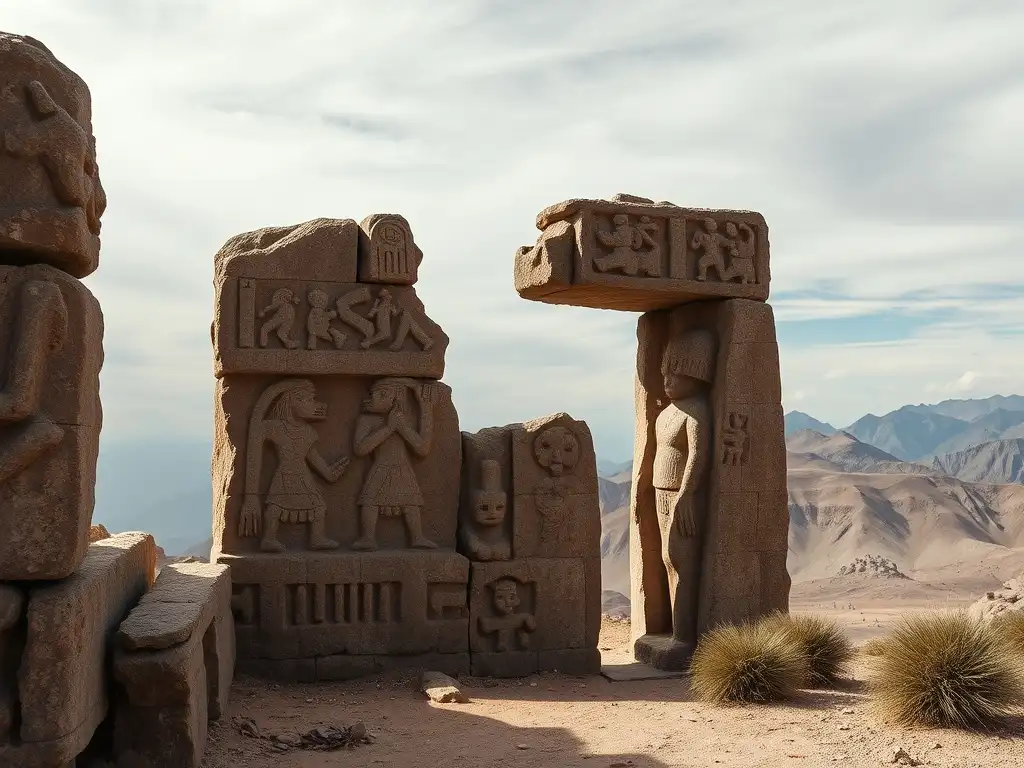
This section delves into the profound and lasting impact of Tiahuanaco's religious practices on subsequent Andean cultures. We will explore how specific rituals, beliefs, and symbolic elements, originating in the heart of Tiahuanaco, resonated and transformed across centuries, leaving an indelible mark on the spiritual landscape of the Andes. The evidence suggests a complex web of cultural exchange and adaptation, where Tiahuanaco's influence wasn't simply a direct replication but rather a dynamic process of assimilation and reinterpretation.
Understanding this intricate interplay is crucial to fully appreciating the rich tapestry of Andean spiritual history. The keyword phrase "Tiahuanaco rituals Andean influence" is central to this exploration.
Echoes of Tiahuanaco's Beliefs in Later Andean Cultures
The religious beliefs of Tiahuanaco, centered around deities like the Wiracocha figure and possibly a complex pantheon of lesser gods, profoundly shaped the spiritual worldviews of later Andean societies. While the exact nature of Tiahuanaco's religious system remains a subject of ongoing scholarly debate, evidence suggests a strong emphasis on ancestor veneration, fertility cults, and cosmic symbolism. These themes are clearly echoed in the iconography and rituals of later cultures like the Inca, who incorporated many elements of Tiahuanaco's cosmology into their own elaborate state religion.
For example, the Inca's emphasis on Pachamama (Mother Earth) and the importance of maintaining balance between the earthly and celestial realms strongly parallels Tiahuanaco's apparent focus on these very same concepts. The persistence of these themes underscores the enduring power of Tiahuanaco's spiritual legacy.
The influence wasn't just limited to large-scale religious practices; even smaller, localized rituals likely incorporated aspects of Tiahuanaco's beliefs. Further research is needed to determine the exact extent of this influence on everyday life and smaller community practices.
The Transmission of Tiahuanaco Rituals Across Time
How did Tiahuanaco's rituals spread and adapt across generations and geographical regions? Several factors contributed to the transmission of these practices. Firstly, migration and conquest played a significant role. As Tiahuanaco's power expanded, its influence spread through military campaigns and the relocation of populations.
This resulted in the dissemination of religious beliefs and practices to new areas. Secondly, cultural exchange and interaction facilitated the adoption and adaptation of Tiahuanaco rituals. Even without direct military conquest, neighboring societies would have interacted with Tiahuanaco through trade, diplomacy, and cultural exchange, leading to the adoption and modification of certain aspects of its religious system. Thirdly, the persistence of symbolic elements in art and architecture helped maintain the continuity of Tiahuanaco's religious traditions.
The distinctive iconography and architectural styles of Tiahuanaco were copied and adapted by later cultures, embedding elements of Tiahuanaco's religious system into their own cultural expressions. This subtle but pervasive influence is evident in various archaeological sites throughout the Andes. The study of these sites provides valuable insights into the complex process of cultural transmission and the evolution of Tiahuanaco's religious legacy.
Identifying Tiahuanaco's Ceremonial Legacy
Identifying Tiahuanaco's specific influence on later Andean ceremonies requires a meticulous examination of archaeological evidence, including:
- Iconography: Comparing similar motifs and symbols across different Andean cultures helps establish connections and trace the evolution of religious imagery. For example, certain stylized depictions of figures and animals found in Tiahuanaco art reappear in later Andean cultures, suggesting a continuity of religious beliefs.
- Architectural features: The unique architectural styles of Tiahuanaco, such as the use of massive stone blocks and specific architectural layouts, were imitated by later cultures. This imitation reflects the adoption of not only architectural techniques but also the associated religious significance of these structures.
- Ritual objects: The analysis of ritual objects, such as pottery, textiles, and metalwork, reveals patterns of stylistic continuity and the spread of certain religious symbols and practices across time and space. The presence of similar objects in different contexts suggests the transmission of religious beliefs and rituals.
The study of Tiahuanaco's influence on later Andean cultures is an ongoing process, requiring further investigation and analysis of archaeological data. However, the evidence currently available strongly suggests a significant and lasting impact of Tiahuanaco’s rituals and ceremonies, shaping the religious landscape of the Andes for centuries to come. The enduring legacy of Tiahuanaco is a testament to the power of religious ideas and the remarkable capacity of cultural traditions to adapt and evolve while retaining their core essence. The study of "Tiahuanaco rituals Andean influence" continues to yield fascinating insights into the complex history of Andean spirituality.
Specific Examples of Tiahuanaco Rituals and their Andean Adaptations
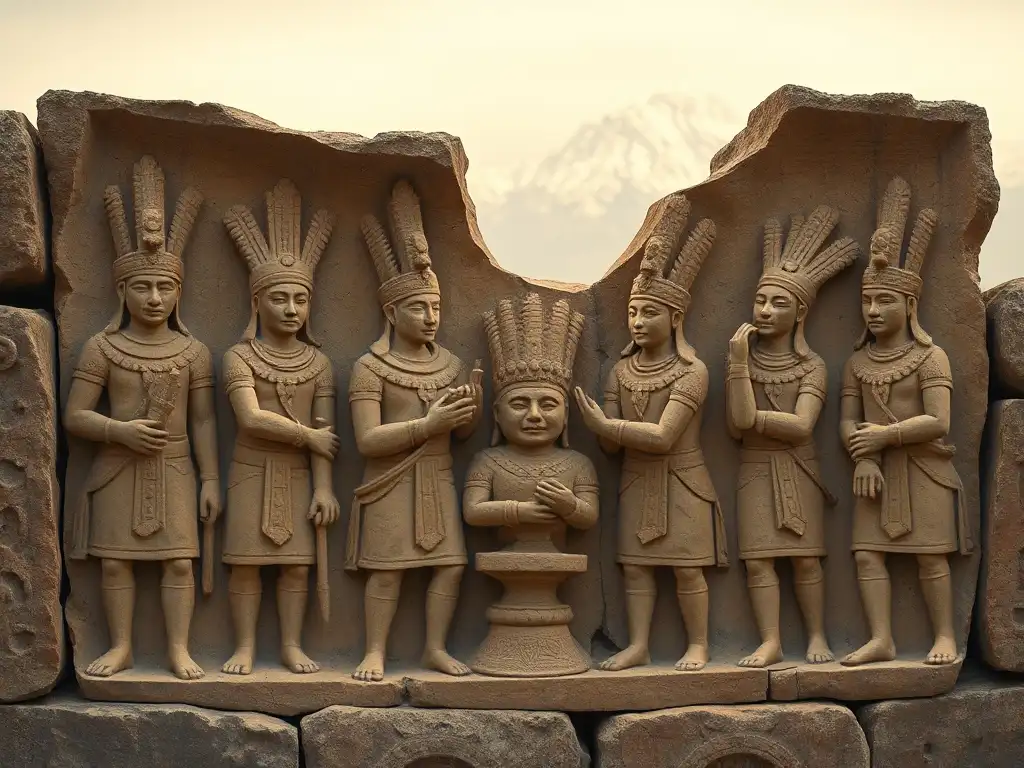
This section delves into the tangible ways Tiahuanaco's religious practices left their mark on subsequent Andean cultures. We will examine specific rituals and ceremonies, tracing their evolution and adaptation across different Andean societies. The influence of Tiahuanaco wasn't a simple replication; rather, it was a process of assimilation and transformation, resulting in unique expressions of Andean spirituality. Understanding these adaptations provides crucial insights into the enduring power and flexibility of Tiahuanaco's religious legacy. The keyword "Tiahuanaco rituals Andean influence" is central to this analysis, highlighting the profound impact of Tiahuanaco's religious practices on the broader Andean world.
The Sun Cult and its Evolution from Tiahuanaco
The sun cult, a central tenet of Tiahuanaco religion, experienced significant transformations and adaptations in later Andean societies. While the precise nature of Tiahuanaco's sun worship remains a subject of scholarly debate, archaeological evidence suggests a profound reverence for the sun as a life-giving force. This veneration is readily apparent in the monumental architecture of Tiahuanaco, particularly the orientation of structures towards the solstices and equinoxes.
The influence of this sun-centric worldview is evident in the Inca empire, where the sun god, Inti, held a position of paramount importance. Inca rituals, such as the Inti Raymi festival, bear striking similarities to likely Tiahuanaco practices, suggesting a direct lineage. However, the Inca interpretation of the sun god differed in subtle yet significant ways.
For instance, while Tiahuanaco's emphasis might have been more on the sun's agricultural power, the Inca incorporated the sun god into a complex state ideology, using it to legitimize royal authority. This underscores the dynamic nature of cultural transmission: while the core concept—the veneration of the sun—persisted, its manifestation and significance evolved to fit the specific needs and contexts of each succeeding culture. The Inca incorporated the existing Andean reverence for the sun, enriching it with their own political and social narratives.
Tiahuanaco's Influence on Agricultural Ceremonies in the Andes
Tiahuanaco's sophisticated agricultural techniques were inextricably linked to its religious beliefs. The civilization's mastery of irrigation and terracing, evident in the sophisticated agricultural systems surrounding the city, suggests a deep understanding of the natural world and its cycles. This knowledge was likely incorporated into religious rituals aimed at ensuring bountiful harvests.
Evidence suggests that these agricultural ceremonies, emphasizing the importance of water and fertility, continued in later Andean societies. For example, [Specific examples of agricultural ceremonies in later Andean cultures pending]. While the specific rituals varied across different Andean groups, the underlying theme of ensuring agricultural prosperity remained consistent, reflecting the enduring influence of Tiahuanaco's agricultural expertise and its integration into their spiritual practices.
The success of Tiahuanaco's agricultural practices, demonstrably linked to their religious beliefs, likely served as a model for later Andean societies, emphasizing the practical and spiritual interconnectedness of their agricultural endeavors. This reinforces the idea that the "Tiahuanaco rituals Andean influence" extended beyond mere religious practices to encompass the very fabric of Andean life.
Ritual Use of Ceramic Vessels and their Continued Significance
Ceramic vessels played a crucial role in Tiahuanaco rituals. Elaborately decorated vessels, often featuring intricate designs and symbolic imagery, were used in ceremonies and offerings. These vessels weren't merely utilitarian objects; they were integral components of religious practices, serving as containers for offerings and possibly as symbolic representations of deities or cosmological concepts.
The use of ceramic vessels in religious contexts continued in later Andean cultures. The styles and designs evolved, reflecting the unique artistic traditions of each culture, but the fundamental role of ceramics in ritual practices persisted. For example, [Specific examples of ritual use of ceramic vessels in later Andean cultures pending].
This continuity demonstrates the enduring legacy of Tiahuanaco's artistic and religious traditions. The careful craftsmanship and symbolic meaning embedded in Tiahuanaco ceramics were clearly valued and adapted by subsequent Andean cultures, indicating the depth and longevity of the "Tiahuanaco rituals Andean influence" on artistic and spiritual expression. The evolution of ceramic styles across different Andean societies showcases a dynamic interplay between tradition and innovation, with Tiahuanaco's influence remaining a constant thread throughout this rich tapestry.
The Adaptation of Tiahuanaco's Shamanic Practices
The shamanic traditions of Tiahuanaco, deeply rooted in their cosmology and understanding of the Andean landscape, left an indelible mark on subsequent Andean cultures. Evidence suggests a sophisticated system of ritual specialists, likely mediating between the human world and the spirit world through altered states of consciousness.
These practices involved the use of psychoactive substances, like the San Pedro cactus, which played a crucial role in achieving these altered states and facilitating communication with deities or ancestors. The intricate iconography found on Tiahuanaco ceramics and textiles often depicts figures in trance-like states, further supporting the importance of shamanism in their society.
The influence of Tiahuanaco's shamanic practices is visible in later Andean cultures through the continued use of psychoactive plants and the persistence of shamanic rituals. While the specific rituals might have evolved and adapted over time, the fundamental principles – the belief in spirit intermediaries, the use of altered states of consciousness to access the spiritual realm, and the importance of ritual specialists – remained remarkably consistent.
For instance, the use of the San Pedro cactus continued to be a significant part of religious practices in many Andean communities long after the decline of Tiahuanaco, demonstrating a direct link between the earlier culture and later traditions. This continuity suggests a transmission of knowledge and practices, perhaps through oral traditions, migration patterns, or a combination of both.
Furthermore, the veneration of specific deities or apus (mountain spirits) also shows a clear lineage, indicating the persistence of certain cosmological beliefs initially established by Tiahuanaco.
The precise mechanisms of this cultural transmission remain a subject of ongoing research. However, archaeological findings, such as the discovery of similar artifacts and iconography in later sites, combined with ethnohistorical accounts, suggest a complex interplay of direct and indirect influence. The spread of Tiahuanaco's religious ideology likely occurred through various channels, including the movement of people, the dissemination of religious ideas through trade networks, and the adoption of practices by neighboring groups.
The adoption wasn't necessarily a wholesale replication; instead, it involved a process of adaptation and synthesis, with local traditions blending with those inherited from Tiahuanaco. This process resulted in a rich tapestry of Andean religious practices, reflecting both the continuity and the dynamism of spiritual beliefs throughout the region.
Understanding this adaptive process is crucial to comprehending the long-lasting impact of Tiahuanaco's spiritual world on the Andean civilizations that followed. The echoes of their shamanic practices resonate even today in the surviving traditions of the Andes.
Comparative Analysis: Tiahuanaco Rituals vs. Later Andean Practices
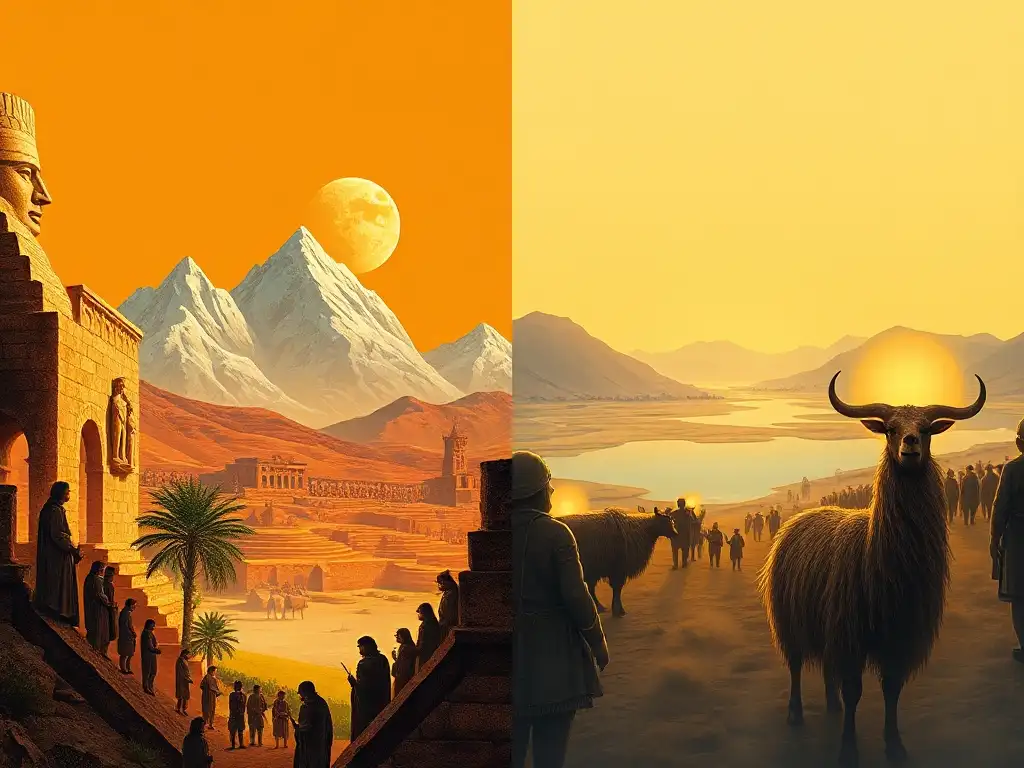
Similarities and Differences in Ritualistic Approaches
Tiahuanaco's sophisticated ritual practices, evident in archaeological findings like the Puerta del Sol and various ceremonial centers, left an undeniable mark on subsequent Andean cultures. While specific rituals undoubtedly evolved and adapted over time, core elements persisted. For instance, the emphasis on water symbolism, so prominent in Tiahuanaco's iconography and likely connected to their agricultural practices and worldview, resonates in later Andean cultures. The Inca's reverence for water sources, their elaborate water management systems, and their integration of water into their religious ceremonies, clearly echo Tiahuanaco's earlier focus.
However, differences also exist. While Tiahuanaco's rituals often seem to center around a complex pantheon of deities and possibly ancestor veneration, as suggested by the intricate carvings on their monumental architecture, later Andean cultures, like the Inca, developed more hierarchical and centralized religious structures. The Inca's emphasis on the Sapa Inca as a divine intermediary and the prominence of specific deities like Inti (the sun god) and Viracocha, while possibly influenced by earlier Andean traditions, present a more formalized and structured religious system compared to what we can infer from Tiahuanaco's more enigmatic remains.
Further research is needed to fully understand the transition and the degree of direct influence. The available evidence suggests a complex interplay of continuity and change, rather than a simple linear progression.
We can also analyze the use of specific ritual objects. While detailed information on Tiahuanaco ritual objects is limited, the few discovered artifacts show a sophisticated level of craftsmanship and symbolic meaning. Later Andean cultures continued this tradition, but with variations in materials, styles, and symbolic representations. For example, the use of gold and silver in Inca ritual objects shows a different material emphasis compared to what might have been used in Tiahuanaco. This difference reflects the evolution of Andean metallurgy and the changing values associated with different materials.
Analyzing the Evolution of Tiahuanaco's Ceremonial Symbols
The intricate iconography found on Tiahuanaco artifacts, particularly the Puerta del Sol, presents a challenge to researchers. While many symbols remain debated, the recurring motifs – such as stylized figures, geometric patterns, and representations of animals and celestial bodies – offer clues to Tiahuanaco's cosmology and ritual practices. These symbols, or variations thereof, appear in later Andean cultures, albeit often in modified forms.
For instance, the recurring "staff god" figure found in Tiahuanaco art seems to have influenced later representations of deities in various Andean cultures. While the exact meaning of this icon remains uncertain, its persistence across different periods suggests the transmission of religious ideas and beliefs. The evolution of this symbol provides a fascinating case study of how religious imagery adapts and transforms across time and space.
A detailed comparative analysis of the iconography across different Andean cultures could reveal more about the diffusion and transformation of Tiahuanaco's religious symbolism. This requires a more comprehensive cataloging and analysis of artifacts, which could shed light on the specific pathways through which these symbols were transmitted. The use of sophisticated digital tools and comparative databases could further enhance this research.
How Tiahuanaco's Ideologies Shaped Subsequent Andean Worldviews
Tiahuanaco's influence extends beyond its ritual practices; its underlying ideologies likely impacted the worldviews of later Andean societies. The sophisticated urban planning of Tiahuanaco, its monumental architecture, and its apparent capacity for large-scale organization suggest a complex social and political structure. This emphasis on centralized power and societal organization might have influenced the development of later imperial structures, such as the Inca Empire.
Furthermore, the apparent importance of astronomical observations in Tiahuanaco, suggested by the alignment of some structures, points to a sophisticated understanding of the cosmos. This cosmological perspective likely played a significant role in shaping Andean worldviews, influencing their agricultural practices, calendar systems, and religious beliefs. Later Andean cultures, especially the Inca, also demonstrated a sophisticated understanding of astronomy and its connection to agriculture and religious practices. The continuity in this aspect suggests a possible link to Tiahuanaco's earlier cosmological understanding.
However, more research is needed to establish a direct causal link and fully understand the complexities of this cultural transmission. Further investigation into the specific astronomical knowledge and its practical applications in both Tiahuanaco and later Andean cultures is crucial. A comparative study of their calendar systems and agricultural practices could reveal more about the continuity and evolution of their cosmological worldviews.
The Enduring Legacy of Tiahuanaco's Spiritual Practices
The influence of Tiahuanaco's sophisticated religious and ceremonial practices extends far beyond its geographical boundaries and temporal lifespan. Its impact resonates deeply within the subsequent Andean cultures, shaping their spiritual beliefs, rituals, and artistic expressions for centuries. Understanding this legacy requires examining the specific rituals and beliefs of Tiahuanaco and tracing their evolution and adaptation in later Andean societies.
This enduring influence is evident in various aspects of Andean life, from religious iconography and cosmology to agricultural practices and social structures. The intricate connection between Tiahuanaco's rituals and the subsequent Andean world is a testament to the civilization's profound impact on the region's cultural development.
Tiahuanaco's Contribution to the Andean Religious Landscape
Tiahuanaco's religious landscape was complex, incorporating elements of ancestor veneration, sun worship, and possibly even a sophisticated understanding of astronomy. Their monumental architecture, like the Kalasasaya complex and the Puerta del Sol, served not only as practical structures but also as significant religious centers. These sites facilitated elaborate rituals, likely involving offerings, processions, and perhaps even human sacrifice, although the exact nature of many practices remains shrouded in mystery.
The iconography found on Tiahuanaco artifacts, featuring stylized figures, deities, and symbols, reveals a rich cosmology that influenced later Andean religions. For example, the recurring motif of the "Staff God," a powerful deity depicted with a staff and feline features, appears in various forms throughout subsequent Andean art, suggesting a continuity of religious beliefs and iconography.
The emphasis on water management and agricultural fertility in Tiahuanaco's society also likely played a crucial role in shaping later Andean religious practices, as evidenced by the importance placed on water deities and agricultural cycles in subsequent cultures. The blending of these elements created a unique religious framework that profoundly impacted later Andean societies.
The Ongoing Significance of Tiahuanaco's Rituals in the Andes
The legacy of Tiahuanaco's rituals is not merely a matter of historical curiosity; it continues to resonate in contemporary Andean practices. While many specific rituals may have evolved or been adapted over time, the underlying spiritual principles and beliefs often find echoes in modern Andean traditions. This continuity is particularly evident in the enduring importance of ancestor veneration and the celebration of agricultural cycles, both central themes in Tiahuanaco's religious system.
Many Andean communities still maintain practices that reflect Tiahuanaco's focus on maintaining balance and harmony with the natural world. The use of coca leaves, for instance, a practice deeply rooted in Andean spirituality, may have its origins in, or at least parallels with, similar practices in Tiahuanaco.
Furthermore, the symbolic significance of certain animals, plants, and celestial bodies, prevalent in Tiahuanaco iconography, persists in contemporary Andean traditions, highlighting the enduring influence of Tiahuanaco's spiritual worldview. Further research is needed to fully elucidate the specific links between Tiahuanaco rituals and their modern counterparts, but the evidence suggests a significant and ongoing connection.
The Andean Celebration of Inti Raymi and its Tiahuanaco Roots
Inti Raymi, the annual festival celebrating the Inca sun god Inti, provides a compelling example of the continuing influence of Tiahuanaco's rituals. While the Inca Empire flourished centuries after Tiahuanaco's decline, the celebration of the sun god and the associated rituals bear striking similarities to practices likely performed in Tiahuanaco. The emphasis on solar worship, the use of elaborate ceremonies and offerings, and the communal nature of the celebration all suggest a possible connection to Tiahuanaco's religious traditions.
The Inca's meticulously planned agricultural calendar, deeply intertwined with Inti Raymi, also echoes Tiahuanaco's focus on agricultural fertility and the harmonious relationship between humans and the natural world. While it’s difficult to definitively prove a direct lineage, the parallels between Inti Raymi and the likely practices of Tiahuanaco suggest a significant cultural inheritance, where the Inca may have consciously or unconsciously adapted and built upon pre-existing Andean traditions rooted in Tiahuanaco's spiritual legacy.
The shared emphasis on solar worship and agricultural cycles strongly supports the hypothesis of a Tiahuanaco influence on the development of Inti Raymi, showcasing the enduring power of Tiahuanaco's spiritual practices within the broader Andean context. Further study of Inca religious texts and archaeological evidence could shed additional light on this connection.
Frequently Asked Questions
What were the most important rituals practiced in Tiahuanaco?
Tiahuanaco's rituals revolved around water, fertility, and ancestor veneration. Evidence suggests elaborate ceremonies involving offerings and possibly human sacrifice, linked to their agricultural cycles and cosmological beliefs. These practices heavily influenced subsequent Andean cultures.
How did Tiahuanaco's religious beliefs influence later Andean civilizations?
Tiahuanaco's religious iconography, particularly its deities and symbols, spread throughout the Andes. Later cultures like the Inca adopted and adapted these motifs, integrating them into their own belief systems and practices. This shows a clear continuity of spiritual traditions.
What is the significance of water in Tiahuanaco rituals?
Water played a crucial role, symbolizing life, fertility, and cosmic power. Tiahuanaco's location near Lake Titicaca underscores this connection. Rituals likely involved the use of water in ceremonies connected to agriculture and the maintenance of cosmic balance.
How did Tiahuanaco's rituals relate to their agricultural practices?
Tiahuanaco's rituals were deeply intertwined with agriculture. Ceremonies aimed to ensure successful harvests and appease the deities believed to control the life-giving forces of nature. This close connection underscores the importance of agriculture in their society.
What evidence exists to support the claims about Tiahuanaco's rituals and ceremonies?
Archaeological evidence, including monumental architecture, religious iconography, and offerings found at sacred sites, provides insights into Tiahuanaco's rituals. Further research continues to uncover more details about their complex spiritual practices and their influence on later Andean cultures.
Final Reflection: The Enduring Legacy of Tiahuanaco's Sacred Practices
The intricate rituals and ceremonies of Tiahuanaco didn't simply vanish with the civilization; their echoes reverberate through Andean cultures to this day. The profound spiritual beliefs and practices of this ancient society continue to shape the religious and social landscape of the region, offering a powerful testament to the enduring human need for connection with the divine and the cosmos.
The influence of Tiahuanaco's sophisticated cosmology, evident in its monumental architecture and intricate iconography, is undeniable. Its impact extends far beyond mere archaeological findings; it speaks to a deep-seated spiritual continuity that has shaped Andean identities for millennia. The reverence for mountains, water, and the sun, so central to Tiahuanaco's worldview, persists in contemporary Andean traditions. The past is never dead. It's not even past,
– William Faulkner. This quote perfectly encapsulates the enduring presence of Tiahuanaco's spiritual legacy in the vibrant tapestry of Andean life.
Consider the ways in which the themes explored in this article – the intricate interplay of ritual, cosmology, and social structure – resonate within your own life. How do your own beliefs and practices connect you to a larger sense of community and purpose? Let the enduring power of Tiahuanaco's spiritual echoes inspire you to explore your own connection to the past, to the land, and to the enduring human spirit. By understanding the past, we can better appreciate the richness and complexity of the present and build a more meaningful future.
Unveil the Spiritual Legacy of Tiahuanaco!
Thank you for exploring the profound rituals and ceremonies of Tiahuanaco with us. Your curiosity about these ancient practices enriches your understanding and helps celebrate the enduring legacy of Andean civilizations. Let's delve deeper into this captivating history!
Here are some ways you can further explore this fascinating culture:
- Expand your knowledge: Explore articles on Andean rituals and their continuing influence on modern practices to fully appreciate their cultural significance. Consider researching specific ceremonies, such as the [example of a specific Tiahuanaco ritual] to gain a more detailed understanding.
- Join the discussion: Share your thoughts and insights in the comments below. Which aspects of Tiahuanaco's rituals resonate most strongly with you?
- Immerse yourself in the culture: Visit local museums or cultural events that showcase Andean heritage to experience the living legacy of these magnificent traditions firsthand. Perhaps a visit to a museum with a significant collection of Tiahuanaco artifacts would be particularly enlightening.
What specific ritual or ceremony from Tiahuanaco has piqued your interest and inspired you to learn more about Andean spirituality?