
Tiahuanaco's Agricultural Revolution: How its Farming Practices Shaped Later Andean Societies

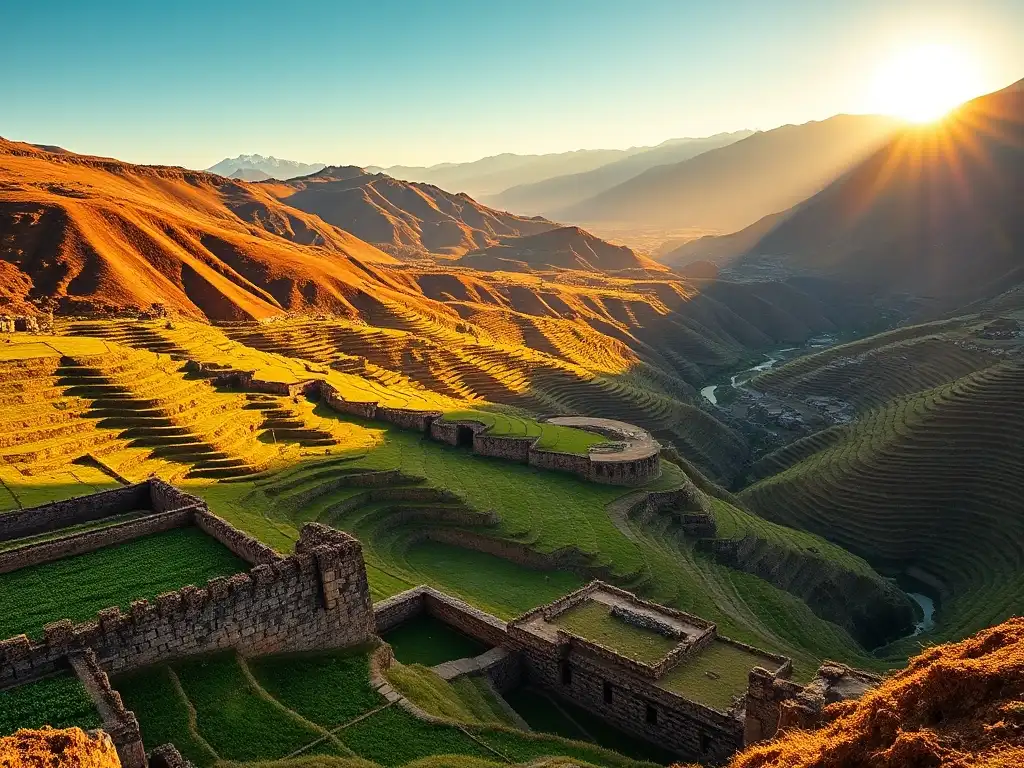
Uncover the secrets of a lost world—a world where ingenuity thrived amidst towering altitudes. Journey with us into the heart of the Andes, and discover how the Tiahuanaco civilization, masters of innovation, defied the harsh landscape. Their astonishing agricultural techniques, detailed in our exploration of Tiahuanaco's revolutionary farming practices, shaped the destiny of future Andean societies. Prepare to be amazed by the ingenuity that allowed this remarkable culture to flourish… are you ready to learn more?
The high-altitude Altiplano region of the Andes, a seemingly unforgiving landscape of thin air and harsh weather, cradled one of the most innovative and influential civilizations of pre-Columbian South America: Tiahuanaco. This article delves into the remarkable agricultural techniques employed by the Tiahuanaco people, exploring how their ingenuity in cultivating the challenging terrain not only sustained their own impressive empire but also profoundly shaped the agricultural practices of subsequent Andean societies, including the Inca.
We will examine the sophisticated systems they developed, their impact on the region's ecology, and the lasting legacy of Tiahuanaco's agricultural revolution on the development of Andean civilizations. Understanding Tiahuanaco's agricultural techniques is crucial to comprehending the broader context of Andean societal development and the remarkable adaptation of human ingenuity to challenging environments.
This exploration will reveal how the seemingly insurmountable obstacles of the Altiplano were overcome through meticulous planning, innovative technology, and a deep understanding of the local environment.
The Challenges of the Altiplano and Tiahuanaco's Ingenious Solutions
The Altiplano presents a formidable challenge for agriculture. The high altitude results in thin air, intense solar radiation, and significant temperature fluctuations between day and night. The soil is often poor and prone to erosion, and water resources are scarce and unpredictable. Yet, the Tiahuanaco people, flourishing between approximately 500 and 1000 CE, devised ingenious solutions to these obstacles.
Their success stemmed from a combination of factors, including a deep understanding of local hydrology, sophisticated terracing techniques, and the development of frost-resistant crops. They didn't merely survive; they thrived, creating a complex and densely populated urban center fueled by their agricultural innovations. This success laid the groundwork for future Andean civilizations to adapt and expand upon these techniques, ultimately shaping the agricultural landscape of the region for centuries to come.
Terracing and Water Management: The Pillars of Tiahuanaco Agriculture
One of the most striking aspects of Tiahuanaco agriculture was its extensive system of raised fields and terraces. These weren't simply haphazard constructions; they were meticulously engineered to maximize land use and control water flow. The terraces, carved into the hillsides, created level platforms for cultivation, reducing erosion and providing optimal exposure to sunlight. Furthermore, Tiahuanaco engineers developed sophisticated systems of canals and aqueducts to divert water from streams and springs to irrigate their fields. These systems allowed them to control the flow of water, ensuring a reliable supply even during the dry season. The precise construction and orientation of these features suggest a deep understanding of both hydrology and astronomy, enabling them to optimize water distribution and crop yields. Evidence suggests that they also employed techniques like raised field agriculture , creating artificial islands of fertile soil in marshy areas to further enhance productivity.
Crop Selection and Domestication: Adapting to the Harsh Environment
The Tiahuanaco people didn't rely on just any crops; they carefully selected and domesticated plants well-suited to the harsh Altiplano climate. Potatoes, quinoa, and other frost-resistant crops formed the backbone of their diet. These crops were not only nutritious but also adapted to the short growing season and unpredictable weather patterns of the region.
Their expertise in plant domestication allowed them to improve crop yields and enhance their resilience to the challenges of the high-altitude environment. This focus on locally adapted crops provided a sustainable food source that supported the growth and development of their civilization. The knowledge gained from their crop selection and domestication techniques was invaluable to subsequent Andean cultures who continued to cultivate and improve upon these vital food sources.
The Lasting Legacy: Tiahuanaco's Influence on Later Andean Societies
The agricultural innovations of the Tiahuanaco people were not confined to their own civilization. Their techniques, particularly the sophisticated water management and terracing systems, were adopted and adapted by later Andean societies, including the Inca. The Inca Empire, known for its impressive agricultural achievements, clearly drew inspiration from the Tiahuanaco model.
The widespread use of terracing throughout the Andes, even in areas far removed from Tiahuanaco, points to the dissemination and long-lasting influence of their agricultural knowledge. The legacy of Tiahuanaco's agricultural revolution extends far beyond its geographical boundaries, demonstrating the profound impact of its innovations on the development of Andean agriculture and the societies that flourished within this challenging yet fertile landscape. The sophisticated techniques developed by Tiahuanaco continue to inspire modern agricultural practices aimed at sustainable food production in challenging environments.
The Tiahuanaco legacy serves as a testament to human ingenuity and adaptability, offering valuable lessons for addressing contemporary agricultural challenges. The impact of their agricultural advancements is a compelling example of cultural exchange and the enduring power of technological innovation in shaping human societies.
- The Challenges of the Altiplano and Tiahuanaco's Ingenious Solutions
- Terracing and Water Management: The Pillars of Tiahuanaco Agriculture
- Crop Selection and Domestication: Adapting to the Harsh Environment
- The Lasting Legacy: Tiahuanaco's Influence on Later Andean Societies
- What were the key agricultural techniques employed by the Tiahuanaco civilization?
- How did Tiahuanaco's agricultural innovations impact later Andean societies?
- What role did water management play in Tiahuanaco's agricultural success?
- What crops were primarily cultivated by the Tiahuanaco people?
- How did the geography of the Altiplano influence Tiahuanaco's agricultural practices?
The Significance of Tiahuanaco Agriculture
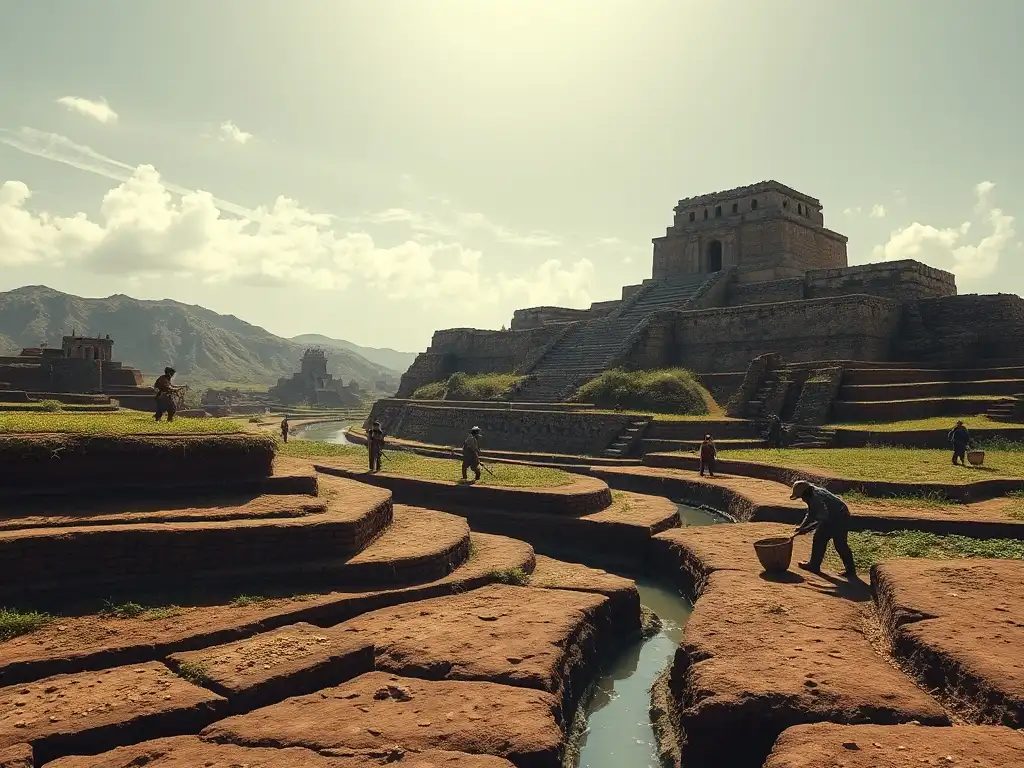
Tiahuanaco's agricultural practices weren't merely a means of subsistence; they were a cornerstone of the civilization's power and influence, profoundly shaping the trajectory of later Andean societies. The ingenuity and sophistication of their farming techniques, developed in response to the challenging altiplano environment, allowed for surplus production, supporting a large, complex urban center and enabling the expansion of their cultural and political dominance. This success in agricultural innovation served as a model and inspiration for subsequent Andean cultures, contributing significantly to their own agricultural advancements and societal structures. The legacy of Tiahuanaco's agricultural revolution is evident in the sophisticated irrigation systems and agricultural practices employed by later civilizations throughout the Andes. Understanding Tiahuanaco's agricultural innovations provides crucial insights into the broader context of Andean development and the interconnectedness of its various cultures. The impact of their techniques resonates even today, demonstrating their enduring contribution to agricultural practices in the region.
Understanding the Environmental Challenges Faced by Tiahuanaco
The high-altitude Altiplano region where Tiahuanaco flourished presents significant environmental challenges for agriculture. The thin air, intense solar radiation, and unpredictable rainfall patterns create harsh conditions. The short growing season, coupled with frigid temperatures and frequent frosts, severely limits the types of crops that can be successfully cultivated. Furthermore, the infertile, rocky soil of the Altiplano requires considerable effort and innovative techniques to yield any significant harvest.
Tiahuanaco's success in overcoming these obstacles underscores the remarkable agricultural expertise of its inhabitants. They developed sophisticated strategies to mitigate these challenges, ensuring a reliable food supply for their growing population. This involved a deep understanding of the local environment, including microclimates and water management. Their success was not simply a matter of luck; it was a testament to their advanced knowledge of agricultural science and engineering.
The ingenuity of Tiahuanaco's agricultural systems is a testament to their deep understanding of the altiplano environment and their ability to adapt to its challenges.
The Importance of Food Production for Tiahuanaco Society
Food production was central to the social, political, and economic structures of Tiahuanaco society. The ability to cultivate sufficient food surpluses allowed for the development of a complex urban center, supporting a large population of specialized artisans, priests, and administrators. This surplus also facilitated the accumulation of wealth and power, contributing to the political dominance of Tiahuanaco over surrounding regions.
The control over vital resources like water and fertile land likely played a significant role in the social hierarchy, with elites likely controlling access to the most productive agricultural areas. Moreover, the production and distribution of food likely served as a crucial mechanism for social cohesion and political control, reinforcing the power of the ruling class and ensuring the stability of the society. The agricultural system was not merely a means of survival; it was intricately woven into the fabric of Tiahuanaco's social and political organization.
| Aspect of Society | Impact of Tiahuanaco Agriculture |
|---|---|
| Population Growth | Enabled the support of a large, dense urban population |
| Social Stratification | Contributed to the development of a complex social hierarchy |
| Political Power | Provided resources and leverage for political control |
| Economic Stability | Secured a reliable food supply, minimizing risk of famine |
| Cultural Development | Freed up labor for specialized crafts and artistic pursuits |
| Regional Influence | Allowed for expansion and control of surrounding territories |
The success of Tiahuanaco's agricultural techniques, characterized by their adaptation to the challenging altiplano environment and their intricate integration within the social fabric, profoundly influenced subsequent Andean cultures. The legacy of their innovations continues to shape agricultural practices in the region even today. 👨🌾
Tiahuanaco Agricultural Techniques: Innovations and Adaptations
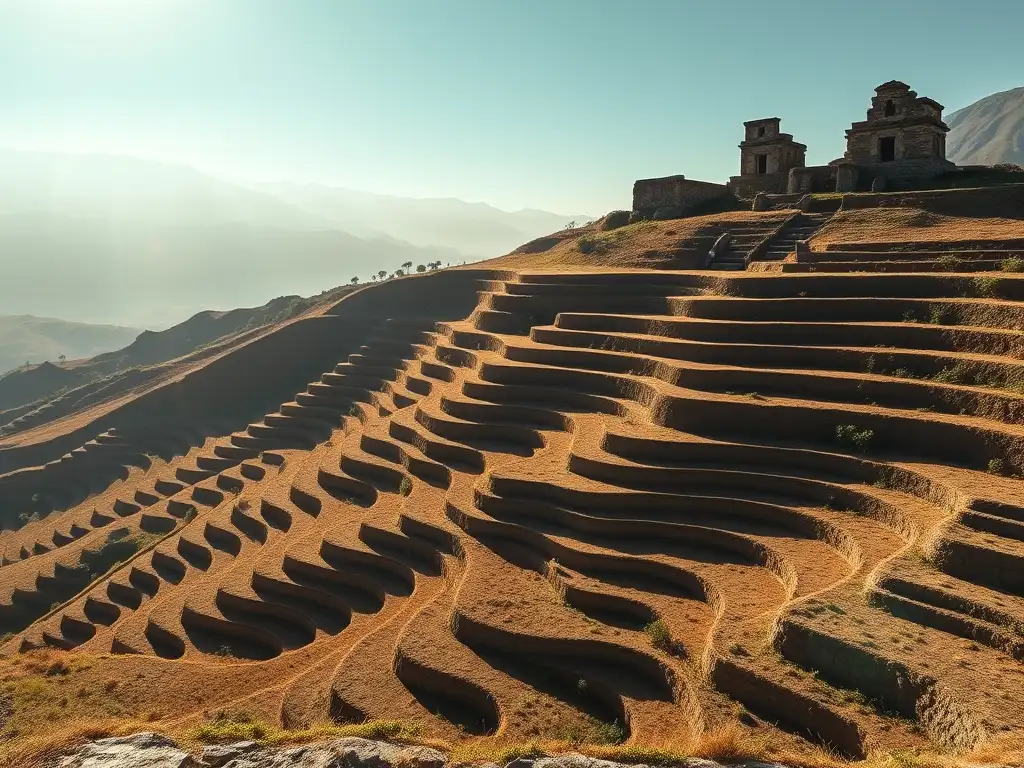
The remarkable achievements of the Tiahuanaco civilization weren't solely confined to their impressive architecture and intricate artistry. Their sophisticated agricultural techniques, developed to thrive in the challenging altiplano environment, significantly impacted later Andean societies. Understanding these methods reveals a profound mastery of resource management and environmental adaptation that continues to inspire awe and admiration.
The ingenuity displayed in Tiahuanaco's agricultural practices directly contributed to the success and longevity of subsequent Andean cultures, offering valuable lessons in sustainable agriculture even today. The keyword phrase "Tiahuanaco agricultural techniques" accurately encapsulates the focus of this section, exploring the innovations and adaptations that defined their farming practices.
Raised Fields (Suka Kollus): A Key Tiahuanaco Agricultural Technique
The suka kollus, or raised fields, represent a cornerstone of Tiahuanaco agricultural innovation. These artificially created platforms, constructed from earth and often bordered by irrigation canals, significantly enhanced agricultural productivity in the challenging altiplano environment. The elevated fields provided several key advantages:
- Improved Drainage: The raised platforms prevented waterlogging, a significant problem in the often waterlogged soils of the altiplano. Excess water flowed into the surrounding canals, preventing root rot and ensuring optimal soil conditions for crop growth.
- Enhanced Soil Fertility: The construction of the suka kollus involved the careful layering of different soil types, enriching the growing medium and improving its fertility. Organic matter accumulated over time, further increasing soil quality and crop yields.
- Protection from Frost: The elevated position of the fields provided some protection from damaging frost, a common occurrence in the high-altitude environment. The increased exposure to sunlight also contributed to faster crop maturation.
- Extended Growing Season: By optimizing drainage and mitigating frost, the suka kollus effectively extended the growing season, allowing for multiple harvests annually. This was crucial for supporting a large population.
The meticulous planning and labor involved in constructing and maintaining these raised fields demonstrate the advanced engineering and organizational skills of the Tiahuanaco people. Archaeological evidence suggests a sophisticated understanding of hydrology and soil science, far surpassing the agricultural practices of many contemporary civilizations. The impact of this technique is evident in its later adoption and adaptation by other Andean cultures, demonstrating its enduring effectiveness and significance. The legacy of the suka kollus continues to influence modern agricultural practices in the region, highlighting the timelessness of their innovative approach to farming.
Managing Water Resources: Irrigation Systems and Water Control
Beyond the suka kollus, Tiahuanaco's mastery of water management was crucial to their agricultural success. The region's arid climate necessitated sophisticated irrigation systems to ensure a reliable water supply for crops. Evidence suggests a complex network of canals, aqueducts, and reservoirs that channeled water from distant sources to the fields. These systems weren't simply rudimentary ditches; they involved careful engineering to manage water flow, regulate distribution, and minimize water loss.
This sophisticated water management was essential for several reasons:
- Efficient Water Distribution: The carefully designed canals and aqueducts ensured that water reached all parts of the agricultural fields efficiently, minimizing waste and maximizing crop yields.
- Flood Control: The systems also incorporated mechanisms to control water flow and prevent flooding, protecting crops from damage during periods of heavy rainfall.
- Year-Round Water Supply: The construction of reservoirs provided a reliable water source even during dry periods, ensuring a consistent supply of water throughout the year.
The Tiahuanaco's understanding of water management went beyond simply providing water; it involved a deep understanding of hydrological cycles and the need for sustainable water use. This approach to water resource management was crucial to their agricultural success and served as a model for later Andean civilizations. The ingenuity of their water management systems underscores their sophisticated knowledge of engineering and their commitment to sustainable agricultural practices. Their techniques highlight a profound understanding of the delicate balance between water resources and agricultural productivity.
Crop Diversification: Adapting to Different Altitudes and Microclimates
Tiahuanaco's agricultural success wasn't solely dependent on innovative irrigation techniques; it also involved a sophisticated understanding of crop diversification. The varied altitudes and microclimates of the region presented both challenges and opportunities. By cultivating a range of crops adapted to different environmental conditions, the Tiahuanaco people ensured food security and resilience against crop failures.
Their agricultural practices included:
- High-Altitude Crops: At higher elevations, they cultivated crops like potatoes, quinoa, and oca, which are well-suited to cold, high-altitude environments.
- Lower-Altitude Crops: In lower-lying areas, they grew crops like maize, beans, and squash, taking advantage of warmer temperatures and more favorable growing conditions.
- Intercropping: Evidence suggests the practice of intercropping, planting different crops together to maximize land use and improve soil fertility. This technique helped to diversify yields and minimize the risk of crop failure.
This strategy of crop diversification minimized the risk associated with relying on a single crop and ensured a stable food supply for the population. The diverse range of crops grown by the Tiahuanaco provided a balanced diet, contributing to the health and well-being of the community. This adaptability to different environmental conditions is a testament to their agricultural expertise and their ability to thrive in a challenging environment.
Their approach to crop diversification serves as a valuable lesson in sustainable agriculture, emphasizing the importance of biodiversity and resilience in food production. The careful selection and cultivation of diverse crops ensured food security and provided a model for later Andean civilizations.
The Impact of Tiahuanaco Farming Methods on Later Andean Cultures
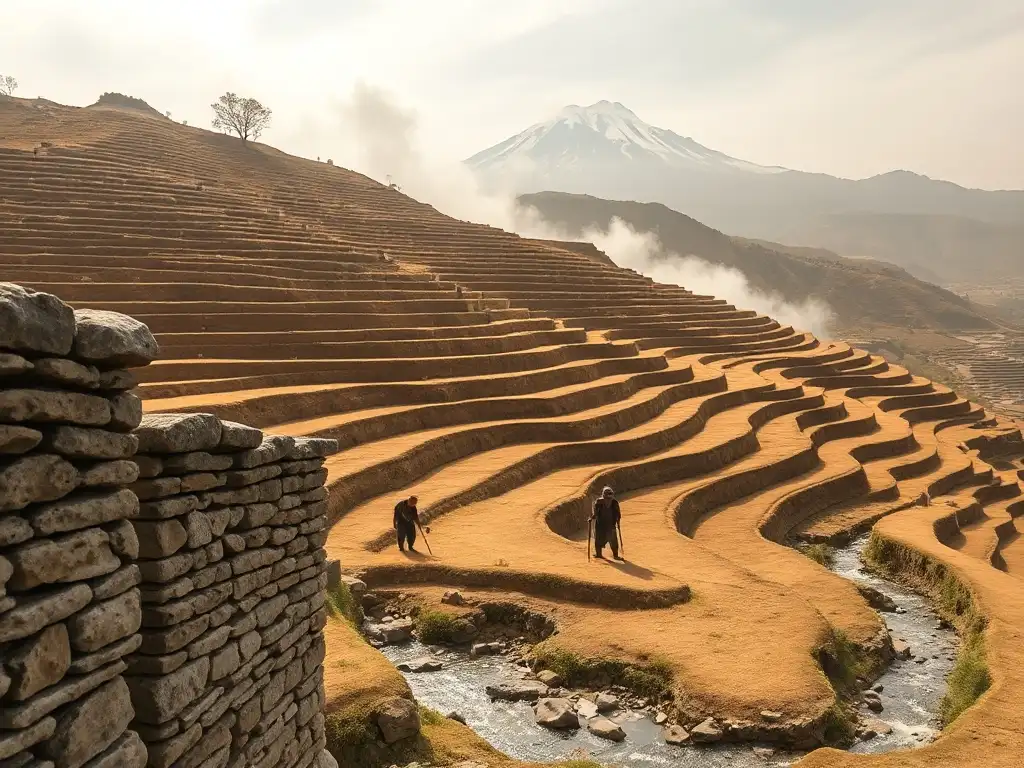
The ingenuity of Tiahuanaco's agricultural techniques profoundly impacted the development of later Andean societies. Their innovative approaches to farming, particularly in the challenging altiplano environment, provided a blueprint for sustainable agriculture that influenced subsequent cultures for centuries. Understanding Tiahuanaco's agricultural legacy is crucial to appreciating the sophisticated agricultural systems that characterized later Andean civilizations and their ability to thrive in diverse and often challenging environments. This section explores the specific ways in which Tiahuanaco's farming practices shaped the agricultural landscape of the Andes. The mastery of Tiahuanaco agricultural techniques is a testament to the civilization's adaptability and foresight.
The Spread of Raised Field Technology Across the Andes
Tiahuanaco's most striking agricultural innovation was the widespread implementation of raised fields, or suka kollus. These artificially constructed platforms, built from fertile soil and often incorporating intricate drainage systems, allowed for intensive agriculture in areas previously unsuitable for farming. The construction involved meticulous planning and labor, but the results were remarkable: increased agricultural yields, improved soil drainage, and protection from frost.
Evidence suggests that this technique, initially developed in the Lake Titicaca basin, spread to other regions of the Andes, influencing agricultural practices in subsequent cultures such as the Inca. The adoption and adaptation of suka kollus demonstrate the practicality and effectiveness of Tiahuanaco's agricultural knowledge.
The spread wasn't a simple diffusion; it was an adaptation. Different cultures modified the design and scale of raised fields to suit their specific environments and needs. For example, while the large-scale raised fields of Lake Titicaca are iconic, smaller, more localized versions appeared in other Andean valleys, demonstrating a flexible and adaptable technology.
The precise mechanisms of the spread, however, remain a subject of ongoing research, with some scholars suggesting trade networks and population migrations as key factors. Further research into the archaeological record and the analysis of pollen and other organic remains from various sites could help clarify the details of this technological transfer.
Influence on Irrigation and Water Management Practices in Later Societies
Beyond raised fields, Tiahuanaco's mastery of water management significantly influenced later Andean societies. The civilization developed sophisticated irrigation systems to channel water from rivers and streams to their agricultural fields, particularly crucial in the arid altiplano. These systems often incorporated canals, ditches, and reservoirs, showcasing a deep understanding of hydrology and engineering. This expertise in irrigation and water management was not only critical for sustaining their own population but also served as a model for later Andean societies grappling with similar environmental challenges.
The integration of Tiahuanaco's irrigation strategies into later agricultural systems is evident in the complex canal networks found in subsequent settlements across the Andes. The Inca, for instance, inherited and expanded upon these systems, creating impressive feats of hydraulic engineering that supported their vast empire. Careful study of the construction techniques, materials used, and the overall design of these irrigation systems reveals a clear lineage connecting Tiahuanaco's innovations to later Andean water management practices. The ability to manage water resources effectively was a defining characteristic of successful Andean civilizations, and Tiahuanaco played a pivotal role in establishing this tradition.
Legacy of Tiahuanaco Crop Varieties in Andean Agriculture
Tiahuanaco's agricultural legacy extends beyond its innovative techniques to the very crops cultivated. The civilization successfully domesticated and cultivated a range of crops adapted to the high-altitude environment, including potatoes, quinoa, and various beans. These crops became staples in the Andean diet and played a crucial role in the subsistence of later societies. The selection and cultivation of these specific crop varieties reflect Tiahuanaco's deep understanding of plant adaptation and agricultural diversification. This knowledge was instrumental in ensuring food security for generations of Andean communities.
The enduring presence of these crops in Andean agriculture speaks volumes about Tiahuanaco's contribution to the region's agricultural biodiversity. The genetic diversity of these crops, which continues to be a source of resilience in the face of environmental challenges, can be traced back, at least in part, to the early domestication efforts of Tiahuanaco.
Further genetic analysis of ancient and modern Andean crops could shed more light on the specific varieties cultivated by Tiahuanaco and their contribution to the genetic makeup of today's Andean agriculture. The continued importance of these crops in Andean cuisine and culture reinforces the lasting legacy of Tiahuanaco's agricultural practices.
Tiahuanaco's Advanced Agricultural System: A Model for Sustainable Farming
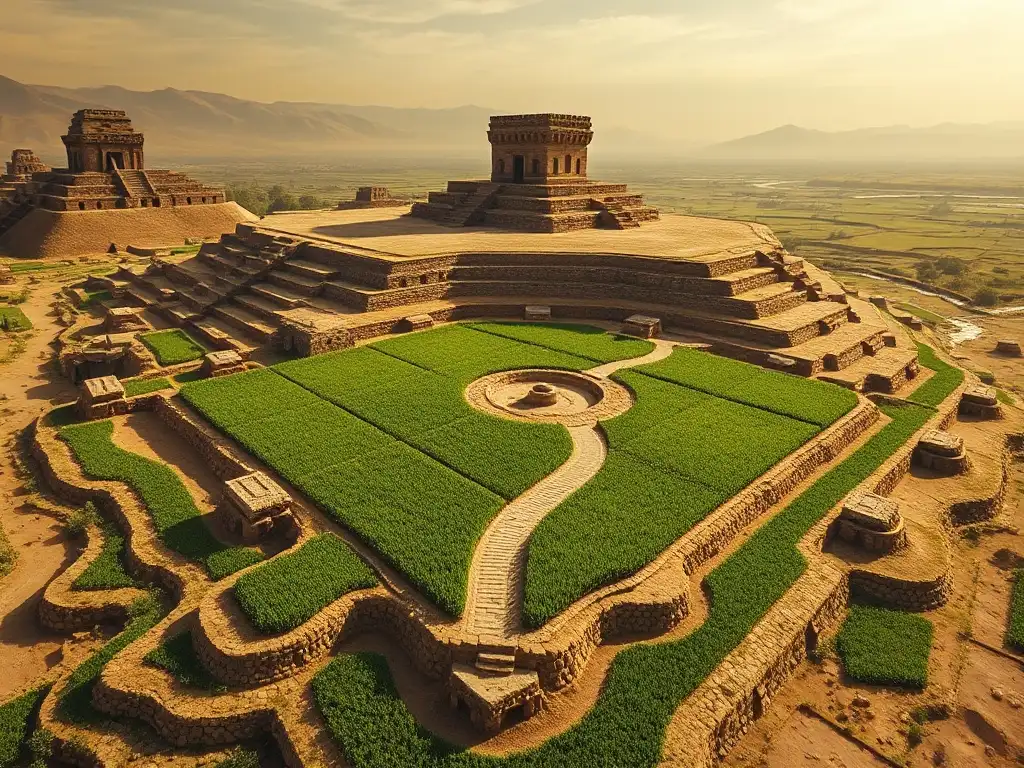
Tiahuanaco's agricultural prowess wasn't merely a matter of survival; it was a sophisticated system that shaped the civilization's social structure, economic prosperity, and even its artistic expressions. Their success stemmed from a deep understanding of their environment and the implementation of innovative techniques that ensured sustainable food production in a challenging high-altitude environment. Understanding Tiahuanaco's agricultural techniques reveals a remarkable mastery of water management, soil enrichment, and crop diversification, offering valuable lessons for modern agriculture striving for sustainability.
The ingenuity of their agricultural practices is a testament to their advanced knowledge and resourcefulness. This section will delve into the specifics of their remarkable achievements, focusing on the elements that contributed to their success and the long-term impact on subsequent Andean cultures.
Sustainable Land Use Practices in Tiahuanaco Agriculture
Tiahuanaco's agricultural success hinged on a complex interplay of carefully planned land use strategies. They didn't simply farm; they managed their resources with foresight. Evidence suggests the use of raised fields ( suka kollus), a technique that involved creating artificial platforms of earth to improve drainage and soil fertility in the marshy areas surrounding Lake Titicaca.
This ingenious method allowed for increased agricultural yields even during periods of fluctuating water levels. Furthermore, terracing was employed on the slopes of surrounding hills, maximizing arable land and reducing soil erosion. These techniques, combined with careful crop rotation and the use of fertilizers derived from animal manure and guano (bird droppings), ensured the long-term productivity of the land.
The effectiveness of their approach is evidenced by the ability of Tiahuanaco to support a large and densely populated urban center for centuries. Their commitment to sustainable land management stands in stark contrast to many modern agricultural practices that often deplete soil nutrients and degrade the environment.
The meticulous planning evident in their agricultural layout suggests a sophisticated understanding of hydrology and soil science. Archaeological studies reveal a complex network of canals and irrigation systems that channeled water from rivers and lakes to the fields, ensuring a consistent water supply even during dry periods. The precision of these systems, combined with their adaptation to the unique challenges of the Altiplano, showcases the advanced engineering capabilities of the Tiahuanaco people.
Their methods are particularly relevant today, given the increasing pressures on global water resources and the urgent need for water-efficient agricultural practices. The Tiahuanaco approach offers a compelling example of how sustainable water management can be integrated into agricultural systems.
Lessons from Tiahuanaco for Modern Agricultural Challenges
The challenges faced by Tiahuanaco – a high-altitude environment with limited rainfall and variable water availability – resonate with modern agricultural concerns. Climate change, soil degradation, and water scarcity are pressing issues globally, and the Tiahuanaco experience offers valuable lessons for addressing these problems. Their innovative techniques, such as raised fields and terracing, are being re-examined and adapted for use in contemporary sustainable agriculture projects worldwide.
The emphasis on soil fertility through organic fertilization provides a compelling alternative to the environmentally damaging practices of intensive agriculture reliant on synthetic fertilizers. Furthermore, their focus on crop diversification – cultivating a variety of crops adapted to the local conditions – reduced the risk of crop failure and ensured food security.
The success of Tiahuanaco's agricultural techniques highlights the importance of integrating ecological principles into agricultural planning. Their integrated approach, encompassing water management, soil conservation, and crop diversification, offers a holistic model for sustainable food production. Modern agriculture could benefit greatly from adopting similar strategies, moving away from monoculture farming and embracing more resilient and environmentally friendly approaches. The Tiahuanaco legacy underscores the need for long-term planning and a deep understanding of the local environment in achieving sustainable agricultural practices.
The Connection Between Tiahuanaco's Agriculture and its Societal Success
The prosperity and stability of Tiahuanaco were directly linked to the success of its agricultural system. The ability to produce surplus food allowed for the development of a complex social hierarchy, specialized labor, and the construction of monumental architecture. The surplus food also facilitated trade and exchange with neighboring communities, strengthening Tiahuanaco's regional influence. The sophisticated organization required to manage the agricultural system likely contributed to the development of strong centralized governance and social institutions. The agricultural surplus enabled the support of a large priestly class, artisans, and builders, contributing to the cultural and artistic flourishing of the civilization.
The evidence strongly suggests a direct correlation between successful agriculture and societal complexity in Tiahuanaco. The abundance of food resources facilitated population growth, urbanization, and the development of a complex social structure. The capacity to produce a surplus beyond immediate needs fostered economic stability and allowed for investment in public works, religious ceremonies, and artistic endeavors.
The societal achievements of Tiahuanaco serve as a powerful illustration of the fundamental role of agriculture in shaping human civilizations. Their agricultural success wasn't simply a matter of survival; it was the foundation upon which their entire society was built, a testament to the power of sustainable agricultural practices and innovative engineering. The legacy of Tiahuanaco's advanced agricultural systems continues to inspire and inform modern approaches to sustainable food production and resource management.
The Lasting Legacy of Tiahuanaco's Agricultural Innovations
Tiahuanaco's sophisticated agricultural techniques weren't merely a means of subsistence; they were a cornerstone of its power and the foundation upon which later Andean societies built their own agricultural systems. The ingenuity displayed in overcoming the challenges of the high-altitude Altiplano profoundly impacted subsequent civilizations, shaping their social structures, economic development, and cultural practices. Understanding Tiahuanaco's agricultural innovations is crucial to appreciating the broader trajectory of Andean civilization and its remarkable resilience in the face of environmental adversity.
The legacy of Tiahuanaco's agricultural prowess continues to resonate even today, offering valuable insights into sustainable farming practices applicable to similar challenging environments. This section delves into the specifics of these techniques and their lasting impact.
How Tiahuanaco’s agricultural prowess contributed to its power and influence
Tiahuanaco's ability to produce surplus food in a challenging environment was a major factor in its rise to power. The sophisticated irrigation systems, raised fields ( suka kollus), and intensive cultivation methods allowed for the support of a large, complex urban center. This agricultural surplus not only fed the population but also provided resources for the elite, allowing for the development of a powerful state apparatus and the construction of monumental architecture.
The control over water resources and fertile land likely played a significant role in the political and social organization of Tiahuanaco society. Archaeological evidence suggests a highly organized system of labor and resource management, with evidence of large-scale public works projects dedicated to improving agricultural productivity. This control over resources facilitated both economic and political power, contributing significantly to Tiahuanaco's influence over neighboring communities.
The ability to feed a large population and maintain a powerful army provided Tiahuanaco with a competitive advantage in the region. The surplus also facilitated trade and the exchange of goods, further expanding Tiahuanaco's influence and reach.
Tiahuanaco's Agricultural Techniques and the Development of Andean Civilization
Tiahuanaco's innovative agricultural techniques, particularly the mastery of water management and the development of suka kollus, directly influenced subsequent Andean civilizations. The suka kollus, raised fields built in swampy areas, allowed for year-round cultivation by improving drainage and soil fertility. This technique, adapted and refined by later cultures, became a hallmark of Andean agriculture.
The sophisticated irrigation canals and terracing systems employed by Tiahuanaco provided crucial lessons in water management, enabling later societies to cultivate crops in arid and mountainous regions. These techniques, demonstrably effective in maximizing crop yields, were adopted and spread throughout the Andes, becoming integral to the agricultural practices of societies like the Inca. The widespread adoption of these techniques highlights their effectiveness and the significant technological transfer that occurred across Andean societies.
Analyzing the spread of these techniques provides valuable insights into the dynamics of cultural exchange and technological diffusion within the Andean region. Furthermore, the knowledge of efficient crop cultivation in challenging environments allowed for population growth and the development of larger, more complex societies. The impact of Tiahuanaco's agricultural innovations on subsequent Andean civilizations is undeniable.
The Continued Relevance of Tiahuanaco Farming Methods
The ingenuity of Tiahuanaco's agricultural techniques continues to hold relevance today. In an era of climate change and growing concerns about food security, the principles of sustainable agriculture employed by Tiahuanaco offer valuable lessons. The emphasis on water conservation, soil improvement, and efficient land use are particularly pertinent to modern-day agricultural practices, especially in regions facing similar environmental challenges.
The suka kollus, for example, demonstrate a remarkably sustainable approach to farming, minimizing environmental impact while maximizing yields. The study of Tiahuanaco's agricultural methods provides valuable insights into developing sustainable and resilient agricultural systems capable of withstanding environmental pressures. Furthermore, understanding the social and political organization that supported these sophisticated agricultural practices offers valuable lessons for modern agricultural management and resource allocation.
This knowledge can help inform the development of more equitable and sustainable food systems in contemporary Andean communities and beyond. The legacy of Tiahuanaco's agricultural revolution continues to inspire and inform innovative approaches to sustainable agriculture worldwide. The enduring impact of Tiahuanaco’s understanding of “Tiahuanaco agricultural techniques” is a testament to its lasting legacy.
Frequently Asked Questions
What were the key agricultural techniques employed by the Tiahuanaco civilization?
The Tiahuanaco people utilized a sophisticated system of raised fields, terracing, and irrigation canals to maximize crop yields in the challenging altiplano environment. This allowed them to cultivate crops like potatoes and quinoa on a large scale.
How did Tiahuanaco's agricultural innovations impact later Andean societies?
Tiahuanaco's advanced agricultural methods significantly influenced subsequent Andean civilizations. Their techniques were adapted and refined, contributing to the agricultural success of later empires like the Inca.
What role did water management play in Tiahuanaco's agricultural success?
Efficient water management was crucial. The extensive network of canals and aqueducts ensured a reliable water supply for irrigation, even during periods of drought, allowing for consistent crop production.
What crops were primarily cultivated by the Tiahuanaco people?
The main crops grown included potatoes, quinoa, and other high-altitude crops adapted to the harsh environmental conditions of the Altiplano. These crops formed the basis of their diet and economy.
How did the geography of the Altiplano influence Tiahuanaco's agricultural practices?
The high altitude and arid climate of the Altiplano presented significant challenges. To overcome this, the Tiahuanaco developed innovative techniques like raised fields and sophisticated irrigation to cultivate food.
Final Reflection: The Enduring Legacy of Tiahuanaco's Agricultural Ingenuity
Tiahuanaco's sophisticated agricultural techniques weren't merely a product of their time; they represent a foundational pillar upon which later Andean civilizations built their success, and their impact resonates even in contemporary agricultural challenges. The ingenuity displayed in their raised fields, intricate irrigation systems, and innovative crop management strategies offers a powerful lesson in sustainable resource management, a lesson desperately needed in our era of climate change and dwindling resources.
The legacy of Tiahuanaco's agricultural innovations continues to shape the Andean landscape and its cultural identity. Their mastery of water control and soil enrichment wasn't just about feeding a growing population; it was about creating a resilient and adaptable society capable of thriving in a challenging environment. The past is never dead. It's not even past.
– William Faulkner. This quote perfectly encapsulates the enduring relevance of Tiahuanaco's agricultural practices, reminding us that understanding our history is crucial to building a sustainable future. Their achievements serve as a potent reminder of human adaptability and the power of innovative solutions to overcome environmental hurdles.
Consider the ingenuity of the Tiahuanaco people – their understanding of their environment, their commitment to innovation, and their ability to create a system that supported a thriving civilization for centuries. You too possess the capacity for such innovation.
Reflect on the challenges facing our world today – food security, climate change, resource depletion – and consider how the principles of sustainable agriculture, pioneered by the Tiahuanaco, can inspire your own actions. Embrace the spirit of ingenuity, adapt to the challenges before you, and work towards creating a more sustainable and equitable future, drawing inspiration from the enduring legacy of Tiahuanaco.
**Cultivate Your Curiosity: Dive Deeper into Andean Innovation! **
Thank you for exploring the fascinating agricultural practices of Tiahuanaco with us! You've gained valuable insights into how these ingenious methods influenced subsequent Andean societies, highlighting the remarkable ingenuity of early farming techniques. Now, let's continue your journey of discovery!
- **Explore further:** Delve deeper into the innovations of ancient cultures and their continuing relevance on our website, [https://andeancivilizations.com](https://andeancivilizations.com).
- **Share your thoughts:** Discuss Tiahuanaco's agricultural achievements with friends and fellow history enthusiasts. What aspects of their farming practices resonate most with you?
- **Get creative:** Experiment with a small-scale garden project or a sustainable farming practice inspired by ancient Andean techniques. See what you can achieve!
Which ancient Andean farming technique excites you most, and why? Let's discuss!