
Unraveling the Mystery: The Legacy of Andean Shamans and Priests

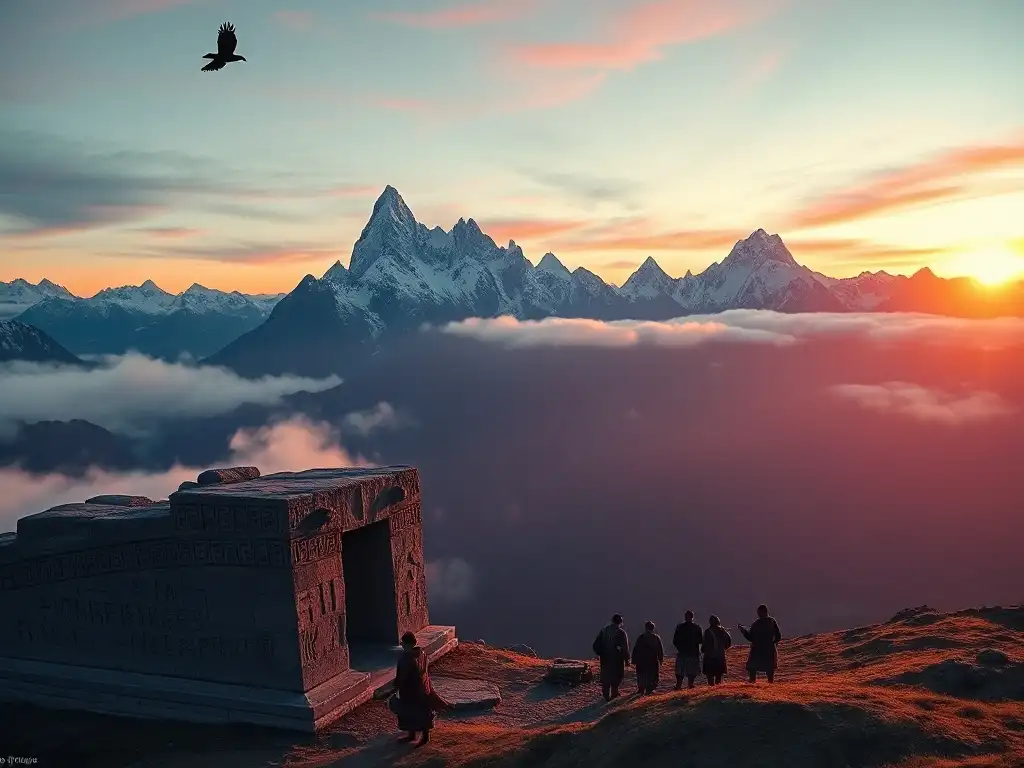
Step into a world lost to time, yet echoing with power and mystery. For centuries, the towering peaks of the Andes have guarded the secrets of a vibrant tapestry of civilizations. Discover the profound influence of Andean shamanistic practices on the lives, beliefs, and breathtaking artistry of the Incas, Moche, Nazca, and Tiahuanaco. Prepare to be captivated by a legacy that continues to resonate, as we unravel the intricate threads of their spiritual world. Are you ready to delve into the heart of their ancient wisdom?
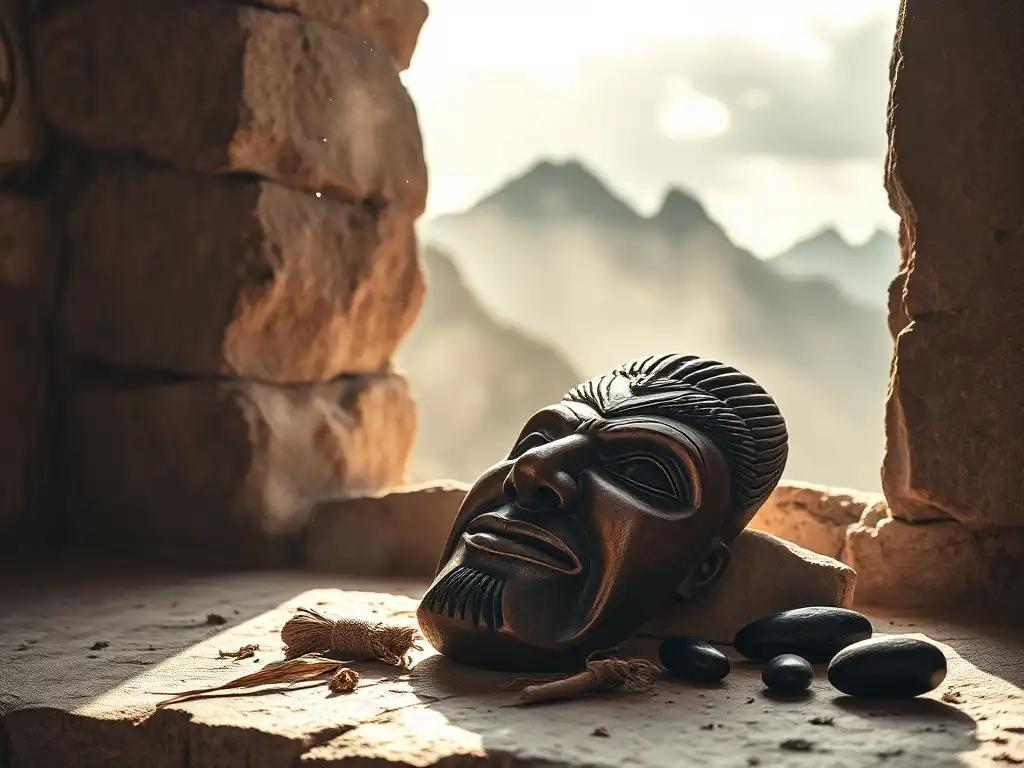
The Andean region, a breathtaking expanse stretching along the western coast of South America, is renowned not only for its dramatic landscapes but also for the rich tapestry of its ancient civilizations. From the towering heights of the Andes Mountains to the arid coastal plains, these societies developed complex belief systems deeply intertwined with their environment and reflected in their sophisticated art, architecture, and social structures.
This article delves into the fascinating world of Andean shamanistic practices, exploring the roles and influence of shamans and priests within these vibrant cultures, examining their rituals, beliefs, and enduring legacy on contemporary Andean societies. We will uncover how their understanding of the cosmos, their mastery of medicinal plants, and their profound connection to the spiritual world shaped the lives and destinies of entire communities.
Understanding Andean shamanistic practices provides a crucial key to unlocking the mysteries of these remarkable civilizations and appreciating the depth and complexity of their worldview.
The Diverse Roles of Andean Shamans and Priests
The terms "shaman" and "priest" are often used interchangeably when discussing Andean religious figures, but nuances exist. While both acted as intermediaries between the human and spiritual realms, their roles and training differed. Shamans, often associated with more localized communities, were believed to possess innate abilities to enter altered states of consciousness and communicate directly with spirits. Their practices frequently involved the use of hallucinogenic plants like huachuma (San Pedro cactus) and yopo, facilitating visionary experiences and healing rituals.
Priests, on the other hand, often held more formal positions within larger societal structures, such as the Inca empire, and their roles involved performing elaborate ceremonies, maintaining temples, and interpreting omens. Their knowledge was often passed down through generations within priestly lineages. The distinction, however, was not always rigid, with some individuals potentially fulfilling aspects of both roles.
Andean Cosmovision and its Influence on Shamanistic Practices
Andean cosmovision, a holistic worldview encompassing the interconnectedness of all living things, profoundly shaped shamanistic practices. The Andes were perceived as a living entity, imbued with sacred energy and populated by a vast array of spirits inhabiting mountains, rivers, and other natural features. Shamans and priests were crucial in maintaining harmony within this complex cosmic order.
Their rituals often involved offerings to appease or honor these spirits, seeking their guidance and protection for the community. This deep ecological understanding is reflected in the intricate ceremonies and the careful use of natural resources, highlighting the sustainable practices embedded within their spiritual beliefs. The intricate relationship between humans, nature, and the spiritual realm formed the very foundation of their religious practices.
Rituals and Ceremonies: A Glimpse into the Spiritual World
Andean shamanistic rituals were far from standardized; they varied considerably across different regions and cultures. However, certain common threads emerge. Many involved the use of music, dance, and elaborate costumes to evoke a connection with the spiritual realm. Offerings, ranging from coca leaves and chicha (fermented corn beverage) to precious metals and textiles, were presented to appease deities or spirits.
The use of hallucinogenic plants played a significant role in many ceremonies, allowing shamans to access altered states of consciousness and receive divine guidance or diagnose illnesses. These rituals weren't merely spiritual exercises; they played a vital role in community life, addressing issues ranging from agricultural success to healing the sick and resolving social conflicts. The complexity and significance of these ceremonies underline the central role spirituality played in the daily lives of Andean peoples.
The Enduring Legacy of Andean Shamanistic Practices
Despite the passage of centuries, elements of Andean shamanistic practices persist in contemporary Andean communities. While many aspects have adapted and evolved, the core beliefs in the interconnectedness of the natural and spiritual worlds, the importance of ancestral veneration, and the use of medicinal plants continue to shape the lives of many people. The legacy of these practices is not merely historical; it's a living tradition that embodies a profound understanding of the human relationship with the environment and the spiritual realm.
The continued relevance of these ancient traditions highlights their enduring power and adaptability, showcasing their ongoing significance in shaping Andean identities and cultures. Further research into these practices can offer valuable insights into sustainable living, holistic healthcare, and the enduring power of spiritual belief systems.
- The Diverse Roles of Andean Shamans and Priests
- Andean Cosmovision and its Influence on Shamanistic Practices
- Rituals and Ceremonies: A Glimpse into the Spiritual World
- The Enduring Legacy of Andean Shamanistic Practices
- What were the main roles of Andean shamans and priests?
- How did Andean shamanistic practices differ from those in other cultures?
- What evidence exists to support the understanding of Andean shamanistic practices?
- What was the importance of hallucinogens in Andean shamanistic practices?
- How did Andean shamanistic practices influence Inca society?
The Spiritual Landscape of Ancient Andean Civilizations
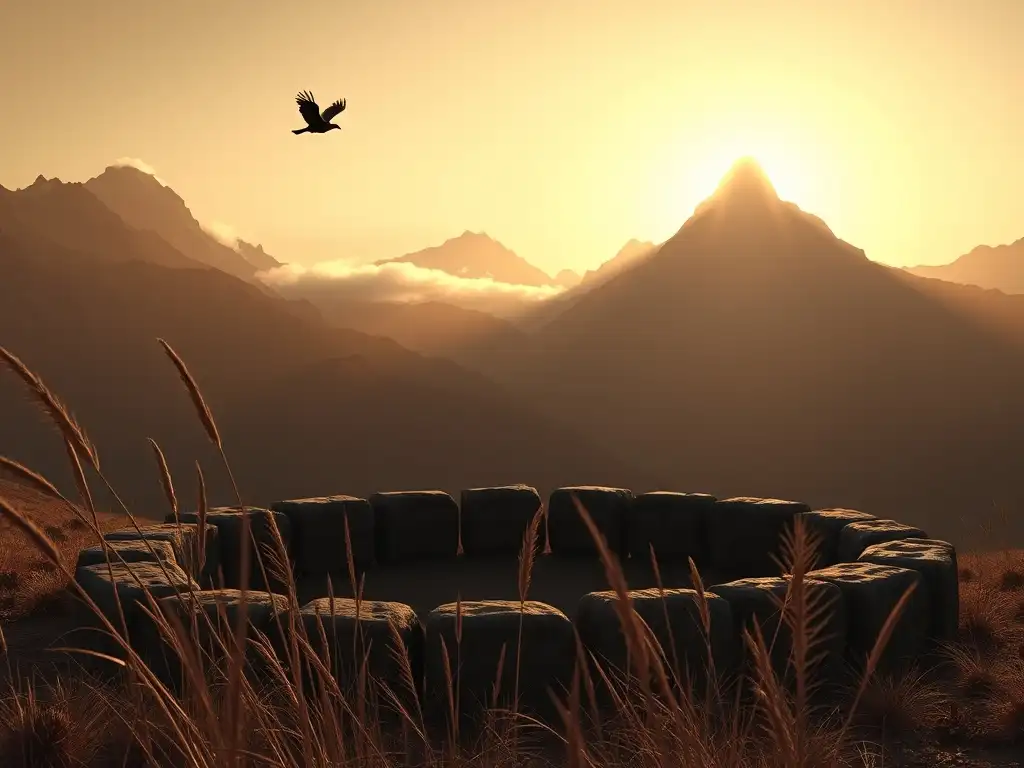
This section delves into the complex spiritual world of the ancient Andean civilizations, focusing on the fundamental beliefs that shaped their religious practices and societal structures. Understanding this framework is crucial to appreciating the role of shamans and priests within their societies. The Andean worldview wasn't simply a collection of deities and rituals; it was a deeply integrated system connecting the physical and spiritual realms, profoundly influencing every aspect of life. This holistic perspective, often referred to as Andean cosmovision, is essential to interpreting the evidence we have today regarding Andean shamanistic practices.
Understanding Andean Cosmovision and Religious Beliefs
Andean cosmovision wasn't a monolithic belief system. While common threads existed across various cultures—like the Inca, Moche, Nazca, and Tiahuanaco—each civilization developed unique interpretations and expressions of their spiritual understanding. A core element was the belief in a vibrant, interconnected world, where the spiritual and physical realms were inextricably linked.
This is reflected in their art, architecture, and agricultural practices. For example, the intricate Nazca Lines, though their purpose remains debated, suggest a deep connection to the celestial bodies and a sophisticated understanding of astronomy, integrated into their spiritual practices. Similarly, the Moche's elaborate ceramics depict a pantheon of gods and goddesses, often intertwined with scenes of daily life, highlighting the pervasive influence of religion in their society.
The concept of Pachamama, the Earth Mother, was central to many Andean cultures. She represented the fertile earth, providing sustenance and life. Respect for Pachamama was paramount, reflected in rituals and offerings aimed at ensuring good harvests and maintaining the balance of the natural world.
This reverence for the land extended to other natural elements—mountains, rivers, and the sun—each possessing spiritual significance and deserving of respect and veneration. The intricate system of ayllus (kinship groups) further demonstrated the interconnectedness of the spiritual and social fabric, with religious practices often integrated into community life. Understanding these complex relationships is key to comprehending the role of Andean shamans and priests in mediating between the human world and the spiritual realm.
The Interconnectedness of the Natural and Spiritual Worlds
The Andean worldview emphasized a constant interplay between the human, earthly, and celestial realms. This wasn't a simple hierarchy; instead, it was a dynamic, interconnected system where the actions in one realm directly affected the others. Mountains, considered sacred entities, were often seen as portals connecting the earthly and celestial planes. Rituals and offerings were performed on mountaintops to communicate with deities and ensure the well-being of the community. Rivers, too, played a crucial role, representing the flow of life and energy. Shamans and priests, as intermediaries, were vital in maintaining this delicate balance.
The Andean understanding of the natural world was deeply intertwined with their spiritual beliefs. Agricultural practices, for instance, weren't simply about producing food; they were spiritual acts aimed at appeasing the Earth Mother and ensuring a bountiful harvest. This is evident in the meticulous terracing techniques used by various Andean civilizations, which demonstrate a deep understanding of both the environment and its spiritual significance.
The use of coca leaves, a sacred plant, in rituals and daily life further highlights the close relationship between the natural and spiritual spheres. The coca leaf wasn't merely a stimulant; it was a conduit for communication with the spiritual world, enhancing shamanistic experiences and facilitating connections with deities. The importance of coca in Andean shamanistic practices underscores the deeply integrated nature of their spiritual and material worlds.
Further research is needed to fully understand the nuances of this intricate relationship and its impact on Andean society. The study of Andean shamanistic practices reveals a sophisticated and nuanced understanding of the world, far beyond simple animism. It points to a complex cosmological system that informed every aspect of their lives.
The Role of Shamans in Andean Societies
The Andean worldview was deeply intertwined with the spiritual realm, and shamans played a crucial role as intermediaries between the human and supernatural worlds. Their influence extended far beyond religious rituals; they were often consulted on matters of health, agriculture, and even political decision-making. Unlike priests who often served within established temple structures, Andean shamans were typically more itinerant, traveling to different communities to provide their services.
This itinerant nature fostered a diverse range of shamanistic practices, reflecting the varied landscapes and cultural nuances across the Andes. The power and prestige of a shaman weren't solely determined by lineage or formal training but also by their demonstrated ability to interact with the spiritual world and effect positive change in the lives of their clients. This resulted in a complex social dynamic where shamans held considerable influence, sometimes even surpassing that of local leaders in certain contexts.
The effectiveness of their practices was often measured by the tangible results they achieved, strengthening their position within the community. Understanding the role of shamans requires appreciating their multifaceted influence on Andean societies, extending beyond the purely religious sphere.
Andean Shamanistic Practices: Connecting with the Spirit Realm
Andean shamanistic practices, central to understanding Andean religion, involved a complex array of techniques to communicate with the spirit world. These practices weren't standardized across all Andean cultures; instead, they varied considerably based on regional differences and specific traditions. However, some common threads can be identified. A crucial element involved altered states of consciousness, often induced through the use of hallucinogenic plants like San Pedro cactus and Datura.
These substances weren't merely recreational; they were considered sacred tools enabling shamans to journey to other realms and interact with spirits, gaining insights and knowledge unavailable to ordinary individuals. The interpretation of dreams and visions was also paramount. Shamans were skilled dream interpreters, using the symbolic language of dreams to diagnose illnesses, predict the future, or understand the will of the spirits. Furthermore, techniques like divination using coca leaves or other natural objects were employed to gain guidance and insights from the spirit world.
The effectiveness of these Andean shamanistic practices was deeply rooted in the belief system of the Andean people, where the material and spiritual worlds were inextricably linked. The shaman, therefore, acted as a vital conduit, navigating this complex interaction for the benefit of the community. Detailed accounts of specific rituals and techniques are unfortunately scarce due to the oral nature of much of the shamanistic knowledge, but archaeological evidence and ethnohistorical accounts provide valuable glimpses into these practices.
Initiation and Training of Andean Shamans
The path to becoming a shaman wasn't a straightforward one. It often involved a combination of inherited predisposition, personal experiences, and rigorous training. While some shamanistic abilities might have been seen as hereditary, passing down through family lineages, the actual training was a complex and often lengthy process. It frequently began with a calling or vision, a profound spiritual experience that signified the individual's potential to become a shaman.
This calling could manifest in various ways, such as recurring dreams, encounters with spirits, or inexplicable illnesses followed by spontaneous healing. Following this initial calling, the aspiring shaman would undergo a period of rigorous training, often involving apprenticeships with experienced shamans. This apprenticeship included learning diverse techniques – from plant preparation and ritual performance to dream interpretation and spirit communication. The training was holistic, encompassing not only spiritual practices but also medicinal knowledge and an understanding of the natural world.
The duration of this training varied widely, depending on the individual’s aptitude and the complexity of the shamanistic traditions they were learning. While detailed records of the initiation process are limited, archaeological evidence suggests the use of ritual objects and specific ceremonies to mark the transition into shamanistic practice. The process was clearly complex and demanding, reflecting the high social standing and responsibility associated with the role of a shaman within Andean societies.
Rituals and Ceremonies Led by Shamans
Andean shamans presided over a wide array of rituals and ceremonies, often tied to the agricultural cycle, healing practices, and important life events. These ceremonies were not merely religious events; they played a critical role in maintaining social cohesion and addressing the practical needs of the community. Agricultural rituals, for instance, were crucial for ensuring successful harvests. Shamans would perform ceremonies to appease the earth spirits and request bountiful yields. These rituals often involved offerings, music, dance, and the consumption of sacred plants.
Healing ceremonies were another significant aspect of shamanistic practice. Shamans diagnosed illnesses by communicating with spirits, identifying the cause of the ailment and prescribing remedies, which often included herbal medicines and spiritual cleansing. Additionally, rituals were conducted for significant life events like births, marriages, and deaths. These rituals aimed to guide individuals through these transitions, ensuring a smooth passage and protection from harmful spirits.
The use of specific paraphernalia, such as ritual masks, staffs, and textiles, further enhanced the power and symbolism of these ceremonies. The visual impact of these rituals, combined with the shaman's ability to connect with the spiritual realm, created a powerful and deeply meaningful experience for participants. Studying these rituals offers a rich understanding of the complex interconnectedness of the spiritual and material worlds in the Andean worldview. The diversity of these ceremonies across different Andean cultures reflects the rich tapestry of shamanistic traditions that flourished in the region.
The Use of Sacred Plants in Andean Shamanism
The use of sacred plants was, and in some cases continues to be, central to Andean shamanistic practices. These plants weren't simply ingested for recreational purposes; they were deeply integrated into ritualistic contexts, facilitating communication with the spirit world and enhancing the shaman's ability to heal and divine. The most well-known example is the coca leaf, which held—and continues to hold—significant cultural and spiritual importance across various Andean cultures.
Chewing coca leaves wasn't merely a stimulant; it was a ritualistic act, offering a connection to the sacred and providing energy for arduous ceremonies and journeys. Shamans often used coca leaves during divination rituals, interpreting the patterns formed by the leaves to glean insights into the future or the spiritual realm.
Beyond coca, a wide array of other plants played crucial roles in Andean shamanism. Different plants were associated with different spirits or deities, and their specific uses varied among different cultures and regions. For example, certain cacti species, like San Pedro cactus, were—and still are in some communities—used for their potent hallucinogenic properties. These hallucinogens facilitated altered states of consciousness, allowing shamans to journey to other realms, commune with spirits, and receive guidance or healing powers.
The preparation and ingestion of these sacred plants were often accompanied by elaborate rituals, overseen by experienced shamans to ensure safe and effective use. The understanding of the plant's properties, its appropriate timing for use, and the associated rituals were guarded knowledge passed down through generations within shamanic lineages. Improper use could have severe consequences, highlighting the delicate balance and profound respect required in these practices.
The selection and preparation of these sacred plants were themselves integral parts of the ritual. The timing, location, and manner of harvesting were all carefully considered, reflecting the deep ecological knowledge and spiritual connection between the Andean people and their environment. The plants were often treated with reverence, viewed as living entities possessing their own agency and spiritual power.
This deep respect for the natural world is a recurring theme in Andean spirituality, underscoring the interconnectedness between the human and spiritual realms. Furthermore, the specific methods of preparation, such as drying, grinding, or mixing with other ingredients, varied greatly depending on the plant and the intended purpose of the ritual.
This intricate knowledge demonstrates the sophistication and depth of Andean shamanic practices, emphasizing the importance of precise techniques for achieving desired spiritual outcomes. The legacy of this profound knowledge system continues to be investigated and studied, revealing the intricate details of Andean shamanistic practices and their enduring cultural significance.
Andean Priests: Guardians of Sacred Knowledge
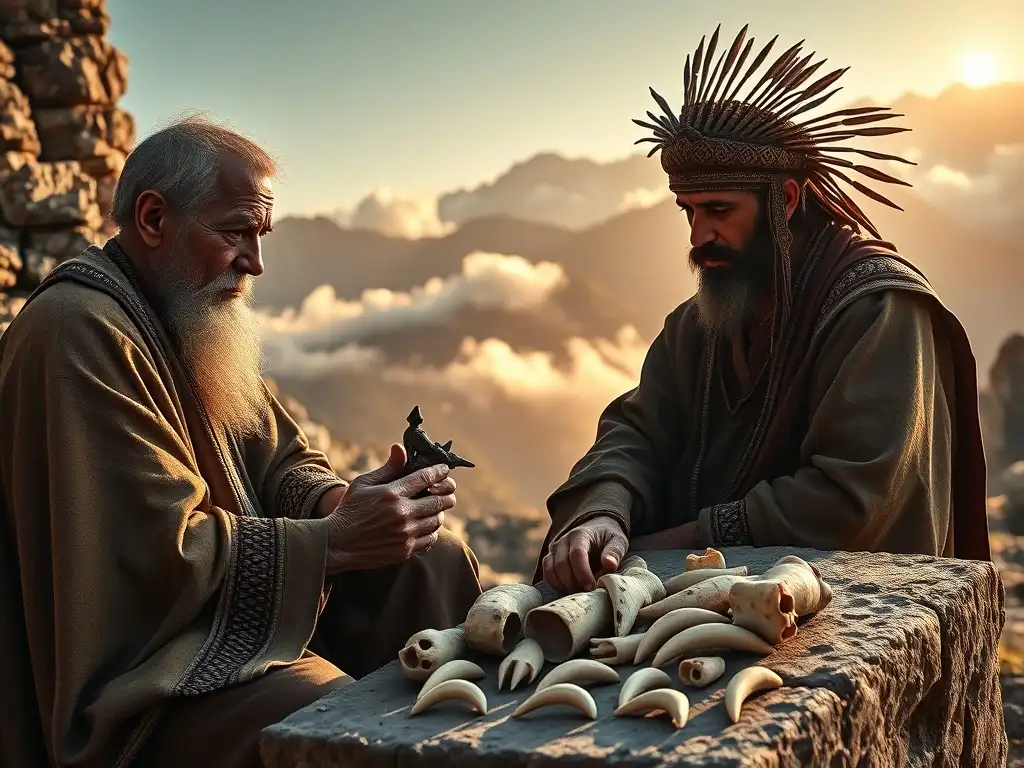
Andean shamanistic practices were deeply intertwined with the roles of priests within the complex social structures of various Andean cultures. While shamans often operated on a more individual or community level, priests held official positions within the established religious hierarchies, acting as intermediaries between the divine and the populace. Their influence extended far beyond simple religious rituals; they played crucial roles in governance, agriculture, and the maintenance of societal order. Understanding the Andean priest's role is key to comprehending the intricacies of Andean religion and its lasting impact.
The Hierarchy of Priests in Andean Cultures
The hierarchical structure of Andean priesthood varied across different cultures and time periods. However, a general pattern emerges, indicating a tiered system with varying levels of authority and responsibility. For instance, in the Inca Empire, the Willac Umu held the highest position, serving as the chief priest and advisor to the Sapa Inca (emperor).
Below him were numerous other priests, each with specialized roles and responsibilities. Some priests were dedicated to specific deities or temples, others oversaw agricultural cycles or managed sacred sites. This complex organization ensured the smooth functioning of the religious system and its integration into daily life.
The Moche civilization, known for its elaborate iconography, likely had a similar, though less centralized, priestly structure. Evidence from their art suggests the existence of specialized priests associated with specific deities or rituals, possibly reflecting a more localized approach to religious organization compared to the Inca's more centralized system. Further research is needed to fully illuminate the details of Moche priestly hierarchies; however, the existing archaeological evidence points to a sophisticated religious structure.
Analysis of Moche iconography reveals detailed depictions of priestly attire and ritual implements, offering valuable clues to their roles and status within society. The precise number of ranks and the specific duties of each priestly position remain areas of ongoing scholarly debate, highlighting the need for continued investigation into this fascinating aspect of Andean shamanistic practices.
The Temple and its Significance in Andean Religion
The temple served as the central hub for Andean religious practices and held profound significance within the Andean worldview. These structures, often built on strategically chosen locations with symbolic importance, were not merely places of worship but also centers of power and administration. The Inca, for example, constructed magnificent temples dedicated to the sun god Inti, the moon goddess Mama Killa, and other important deities.
These temples weren't just places of prayer; they were also locations for important ceremonies, astronomical observations, and storage of sacred objects. The construction of these temples itself was a ritualistic act, reflecting the close connection between religion and the physical environment.
The architecture of Andean temples incorporated intricate astronomical alignments, reflecting the profound understanding of celestial cycles inherent in Andean cosmovision. The precise orientation of the structures, their incorporation of specific materials, and the placement of sacred objects all contributed to their ritual significance. Moreover, the temples served as repositories of sacred knowledge, passed down through generations of priests.
This knowledge, encompassing astronomical calculations, agricultural techniques, and healing practices, was essential for maintaining social order and ensuring the prosperity of the community. The importance of the temple in Andean religion underscores the vital role priests played in preserving and transmitting cultural heritage. The careful study of temple architecture and associated artifacts continues to shed light on the complexity and sophistication of Andean shamanistic practices.
Prophecies and Divination Practices of Andean Priests
Andean priests were not only responsible for performing rituals and maintaining temples; they also played a significant role in divination and prophecy. They employed various techniques to interpret omens, predict the future, and advise rulers and communities on important decisions. These practices were deeply embedded in the Andean worldview, where the natural world was seen as a source of divine communication. Observation of celestial events, animal behavior, and natural phenomena were all integral to their divination techniques.
One common method involved interpreting the flight patterns of birds. Different species held specific symbolic meanings, and their movements were believed to convey messages from the gods. Other divination techniques included the use of coca leaves, llama entrails, and various forms of geomancy. The interpretation of these signs required specialized knowledge and training, demonstrating the high level of expertise possessed by Andean priests.
The priests' ability to predict events, such as crop yields or potential conflicts, enhanced their authority and reinforced their role as essential figures within Andean society. The accurate prediction of events, especially those related to agricultural cycles, profoundly impacted the survival and prosperity of Andean communities. This highlights the practical application of Andean shamanistic practices and their crucial role in maintaining social stability and economic well-being.
The Role of Priests in Maintaining Cosmic Order
Andean priests weren't simply religious figures; they were vital components in the intricate web of Andean cosmology, actively participating in maintaining the delicate balance between the human world and the supernatural realm. Their role transcended simple ritualistic practices; they were the custodians of sacred knowledge, responsible for ensuring the continuous flow of energy and prosperity within their communities. This cosmic order, or kay pacha, was not merely a philosophical concept but a tangible reality, dependent on the priests' diligent efforts.
The priests' understanding of the cosmos deeply influenced their practices. They viewed the universe as a dynamic interplay of forces, with mountains, rivers, stars, and even the weather playing significant roles. Their rituals, therefore, aimed to appease or harness these forces, ensuring a bountiful harvest, successful hunts, and protection from natural disasters. Failure to perform these rituals correctly, or a neglect of the sacred sites, was believed to upset the cosmic balance, leading to misfortune and chaos.
Specific rituals varied across different Andean cultures, reflecting unique beliefs and practices. However, a common thread ran through many of them: the use of offerings, prayers, and symbolic gestures to communicate with the supernatural world. These offerings could range from simple agricultural products to elaborate gold and silver artifacts, demonstrating the profound significance placed upon maintaining a harmonious relationship with the deities and ancestral spirits.
The priests were the intermediaries, the skilled negotiators between the human and divine realms. Their expertise in interpreting omens, reading the stars, and conducting complex ceremonies was essential for the well-being of the entire community.
The priests' authority stemmed not only from their religious knowledge but also from their social standing. In many Andean societies, priests held positions of considerable influence, often advising rulers on important matters of state. Their pronouncements carried weight, and their involvement in significant events, such as the construction of temples or the initiation of agricultural cycles, underscored their crucial role in maintaining social order alongside cosmic harmony.
The intertwining of religious and political power cemented the priests' position as key figures in Andean society, their actions directly impacting both the spiritual and temporal realms. Their actions were not simply religious observances; they were the very foundation upon which Andean societies were built and maintained.
Comparing Andean Shamans and Priests
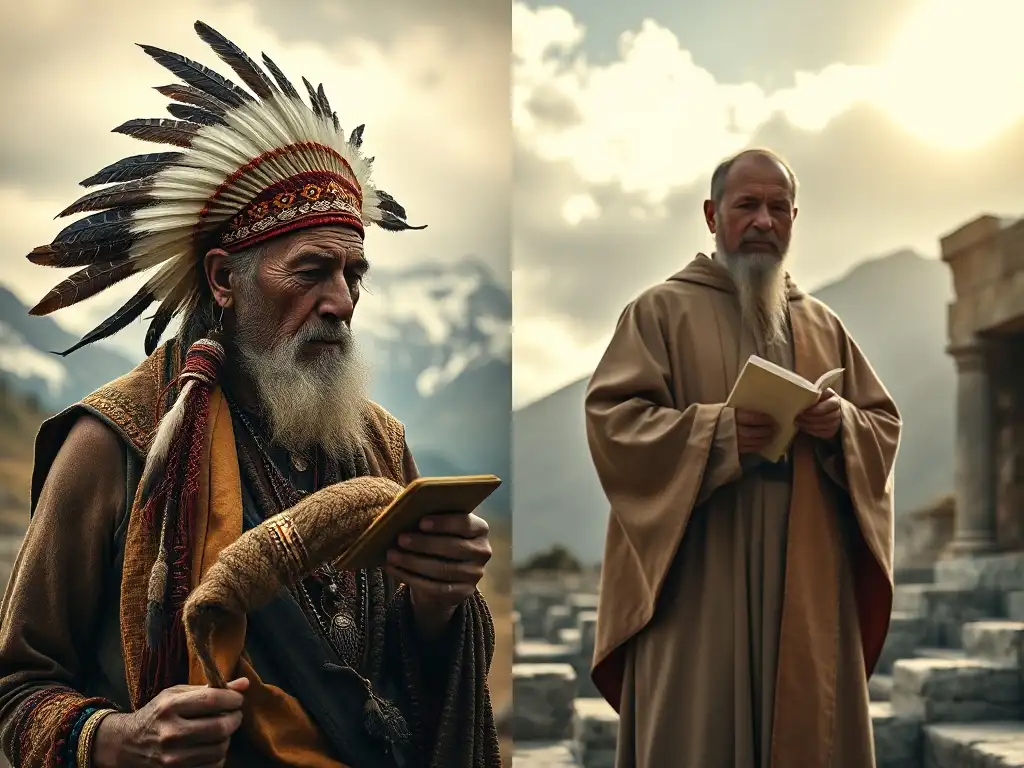
This section delves into the fascinating distinctions and intriguing overlaps between the roles of Andean shamans and priests. While both were crucial figures in Andean societies, their functions, responsibilities, and societal standing differed significantly. Understanding these nuances is key to grasping the complexities of Andean spiritual life and the intricate tapestry of their religious practices. The term "Andean shamanistic practices" encompasses a wide range of rituals and beliefs, many of which were interwoven with the activities of both shamans and priests.
Similarities in their Spiritual Roles
Despite their differences, Andean shamans and priests shared some fundamental aspects of their spiritual roles. Both were considered intermediaries between the human world and the supernatural realm. They were deeply involved in rituals aimed at maintaining cosmic balance, ensuring successful harvests, and healing illnesses. Both utilized various techniques, including divination, herbal remedies, and ritualistic practices, to achieve these goals.
For instance, both might have used coca leaves in divination rituals to interpret the will of the gods or ancestors. The reliance on natural elements like coca, herbs, and specific geographic locations for ritualistic purposes highlights a common thread in their spiritual approaches. Their knowledge of the cosmos, the power of nature, and the intricate relationship between the physical and spiritual world formed the bedrock of their authority and influence. This shared foundation underscores the interconnectedness of shamanic and priestly practices within the broader Andean religious landscape.
Differences in their Functions and Responsibilities
While both shamans and priests interacted with the supernatural, their functions and responsibilities differed significantly. Priests, often associated with established temples and official religious institutions, primarily served the community as a whole. Their roles typically involved performing public ceremonies, maintaining sacred sites, and offering sacrifices on behalf of the entire population.
They were often members of the elite class, enjoying a higher social standing than shamans. In contrast, shamans often operated more independently, utilizing their abilities to address individual needs. They were frequently consulted for healing, divination, and communicating with spirits on a personal level.
Their power stemmed from their individual abilities and connection to the spiritual world, rather than their position within an official religious structure. This distinction is reflected in the archaeological record, where evidence of elaborate temple complexes suggests the organized structure of priestly activities, while shamanistic practices often leave behind more subtle traces in burial sites and artifacts. The contrast between the institutionalized role of the priest and the more individualized practice of the shaman highlights the diverse pathways to spiritual engagement within Andean societies.
The Relationship Between Shamans and Priests in Andean Societies
The relationship between shamans and priests within Andean societies was likely complex and multifaceted, varying across different cultures and time periods. It's unlikely there was a rigid hierarchy or clear-cut separation between the two. Instead, a more nuanced interaction likely existed, with some overlap and cooperation in certain contexts.
For instance, a shaman might have been consulted by a priest to enhance the effectiveness of a major public ritual, or a priest might have played a mediating role in resolving conflicts involving shamanistic practices. The interplay between these roles underscores the dynamic nature of Andean religious beliefs and practices. Further research is needed to fully understand the nature of this interaction, particularly within the specific contexts of different Andean cultures, such as the Incas, Moche, Nazca, and Tiahuanaco.
The exact nature of this relationship remains an area of ongoing scholarly investigation, making it a compelling topic for future research on Andean shamanistic practices. The available evidence suggests a fluid relationship, where the lines between these roles were sometimes blurred, reflecting the adaptable and multifaceted nature of Andean spirituality. Understanding this intricate relationship is crucial to a comprehensive understanding of Andean religious life.
Specific Examples of Andean Shamanistic Practices
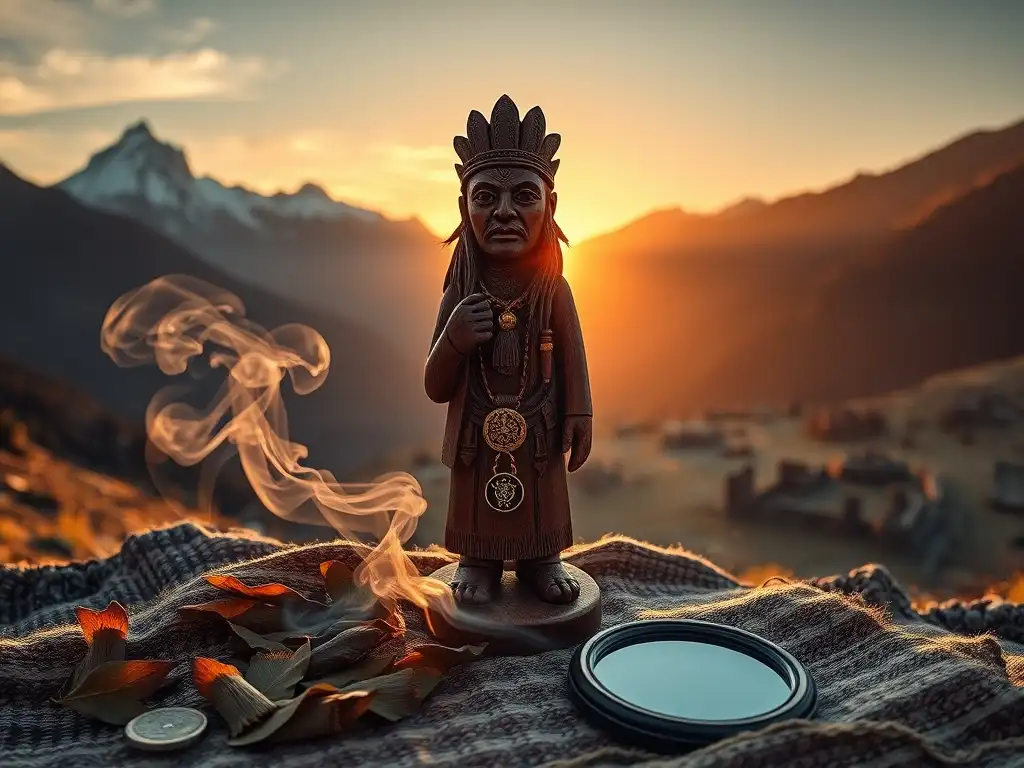
This section delves into the diverse shamanistic practices across various Andean cultures, highlighting the unique rituals, beliefs, and roles of shamans and priests. Understanding these practices provides crucial insights into the complex religious and cosmological systems of these ancient societies. We will explore specific examples from the Moche, Nazca, and Inca cultures, showcasing the richness and variety of Andean shamanistic traditions. The term "Andean shamanistic practices" encompasses a broad range of activities, beliefs, and rituals, all deeply intertwined with the natural world and the spiritual realm.
Shamanic Rituals of the Moche Culture: The Presentation Theme
Moche shamanistic practices, evidenced through their elaborate iconography on ceramics and metalwork, reveal a complex system of rituals centered around themes of fertility, power, and the supernatural. The Moche, known for their sophisticated artistry, depicted their shamans in dynamic poses, often engaging in ritualistic acts. These depictions frequently feature shamans adorned with elaborate headdresses, masks, and regalia, suggesting a hierarchical structure within their shamanistic traditions.
One recurring theme in Moche art is the shaman's interaction with supernatural beings, often depicted as anthropomorphic figures or hybrid creatures. These interactions, likely representing shamanic journeys or trances, highlight the shaman's ability to communicate with and control the spirit world. The presentation of offerings, often depicted as food, textiles, and precious objects, underscores the importance of appeasement and reciprocity in their spiritual beliefs.
Analysis of Moche pottery reveals detailed scenes of shamanic rituals, including sacrifices, healing ceremonies, and divination. The vibrant colors and intricate details of these depictions provide valuable insights into the Moche worldview and their understanding of the relationship between the human and spiritual realms. Further research into Moche burial sites may uncover additional evidence of ritualistic practices and artifacts related to shamanism, adding depth to our current understanding.
Shamanic Practices Among the Nazca People: The Use of Hallucinogens
The Nazca culture, famous for their geoglyphs, also possessed sophisticated shamanistic practices. Evidence suggests the prominent use of hallucinogenic plants, such as San Pedro cactus and possibly other substances, played a significant role in their rituals and spiritual experiences. Unlike the elaborate visual depictions of Moche shamanism, Nazca evidence is more subtle, derived from archaeological findings and interpretations of their artistic motifs.
The use of hallucinogens likely facilitated altered states of consciousness, allowing Nazca shamans to communicate with the spirit world and gain access to divine knowledge. The intricate designs found on Nazca textiles and pottery may reflect the visions experienced during these shamanistic trances. While direct evidence of ritualistic use is limited, the prevalence of these plants in the region, combined with the symbolic representations in their art, strongly suggests their importance in Nazca shamanistic practices.
The complex geometric patterns and stylized figures in Nazca art could be interpreted as visual representations of altered states of consciousness and spiritual journeys undertaken by shamans. Further research focusing on chemical analysis of artifacts and human remains from Nazca sites could provide more concrete evidence for the use and effects of hallucinogens in their religious practices. The potential connection between the geoglyphs themselves and shamanistic practices also remains an area of ongoing investigation.
The Role of the Shaman in Inca Society: The Yachaq's Guidance
In Inca society, the yachaq held a prominent position, acting as a spiritual guide, healer, and intermediary between the human and divine worlds. Unlike the more localized shamanistic practices of previous Andean cultures, the Inca yachaq system seems to have been more formalized and integrated into the state's religious structure. The yachaq's knowledge encompassed a vast array of practices, including herbal medicine, divination, and ritualistic ceremonies.
The Inca yachaq wasn't simply a religious figure; they were also crucial for maintaining social order and providing guidance to the community. Their expertise in herbal remedies and healing practices made them essential for the well-being of the population. They performed rituals to ensure successful harvests, appease the gods, and maintain cosmic balance. Their role extended beyond healing and ritual; they served as advisors to the Inca rulers, offering guidance on matters of state and interpreting divine will.
The yachaq’s authority stemmed from their profound understanding of Inca cosmology and their ability to interpret omens and prophecies. They played a vital role in maintaining the delicate balance between the human world and the supernatural realm, ensuring the prosperity and stability of the Inca Empire. Evidence suggests that the training and selection of yachaqs was rigorous, demanding years of study and apprenticeship.
The precise methods of training and the extent of their knowledge remain areas of ongoing scholarly investigation, with new discoveries potentially revealing further details about the complex role of the yachaq within the Inca state. The legacy of the yachaq continues to resonate in modern Andean cultures, showcasing the enduring influence of Inca shamanistic traditions.
The Enduring Legacy of Andean Shamans and Priests
The Andean region, home to a vibrant tapestry of ancient civilizations, boasts a rich spiritual heritage deeply intertwined with the roles of shamans and priests. Their influence extends far beyond the realm of the past, shaping modern Andean spirituality and cultural practices. Understanding their legacy is crucial to appreciating the complexities of Andean cosmovision and the enduring power of their traditions.
This section delves into the lasting impact of these spiritual leaders, exploring their influence on contemporary beliefs and the ongoing efforts to preserve their unique heritage. We will examine the ways in which Andean shamanistic practices continue to thrive, demonstrating their resilience and adaptability in the face of societal changes.
The Influence of Ancient Practices on Modern Andean Spirituality
Many Andean shamanistic practices, though adapted and evolving, continue to flourish in contemporary Andean communities. The core beliefs regarding the interconnectedness of the natural world, the veneration of Apus (mountain spirits), and the use of medicinal plants remain central to many spiritual practices. For example, the use of coca leaves, a sacred plant in Andean culture, persists as a ritualistic and medicinal practice, symbolizing respect for the earth and its bounty.
Similarly, the practice of pako, a form of divination using coca leaves, continues to be used for guidance and problem-solving within many communities. These practices aren't merely historical relics; they are living traditions, integral to the daily lives and spiritual well-being of many Andean people. The enduring power of these ancient practices highlights their deep-seated significance and their ability to adapt to changing circumstances while retaining their core values.
The spiritual connection with the Pachamama (Mother Earth) remains a powerful force, influencing everything from agricultural practices to personal rituals. This connection is a direct legacy of the ancient Andean shamans and priests who deeply intertwined their spiritual beliefs with the natural world.
Preserving the Traditions of Andean Shamanism
The preservation of Andean shamanistic practices faces numerous challenges in the modern world. Globalization, urbanization, and the encroachment of Western religious systems pose significant threats to traditional knowledge and practices. However, there are concerted efforts to safeguard this rich heritage.
Many communities are actively working to document and transmit their traditions to younger generations, employing storytelling, apprenticeships, and formal educational programs. These initiatives are crucial for ensuring the continuity of Andean shamanism and preventing the loss of invaluable cultural knowledge. Furthermore, there's a growing interest from researchers and anthropologists who collaborate with Andean communities to document and study these traditions respectfully, contributing to their preservation and understanding.
This collaborative approach acknowledges the importance of indigenous knowledge and ensures that the preservation efforts are community-led and culturally sensitive. The future of Andean shamanistic practices depends on the success of these preservation efforts and the continued support of both indigenous communities and external stakeholders.
The Importance of Understanding Andean Spiritual Heritage
Understanding Andean spiritual heritage, including the role of shamans and priests, is crucial for several reasons. Firstly, it provides invaluable insights into the complexities of Andean cosmovision and the deep connection between humans and the natural world. This understanding fosters a deeper appreciation for the rich diversity of human spiritual experiences. Secondly, it promotes cultural respect and sensitivity, crucial for fostering positive relationships between different cultures and communities.
Recognizing the significance of Andean shamanistic practices helps challenge ethnocentric views and promotes intercultural dialogue. Finally, preserving this heritage is essential for maintaining cultural identity and promoting sustainable development within Andean communities. The knowledge held within these traditions often encompasses valuable ecological wisdom and sustainable practices that can benefit both the environment and human well-being. Therefore, the study and preservation of Andean shamanistic practices are not merely academic pursuits; they are vital for promoting cultural understanding, environmental sustainability, and social justice.
Frequently Asked Questions
What were the main roles of Andean shamans and priests?
Andean shamans and priests played vital roles in rituals, healing, and communicating with the supernatural world. They were seen as intermediaries between the human and spiritual realms, influencing daily life and societal structure. Their knowledge was highly valued.
How did Andean shamanistic practices differ from those in other cultures?
Andean shamanistic practices were unique, often involving hallucinogenic plants like San Pedro cactus and ayahuasca, leading to altered states of consciousness for divination and healing. They emphasized a strong connection with nature spirits and ancestral powers.
What evidence exists to support the understanding of Andean shamanistic practices?
Archaeological evidence, such as textiles, ceramics, and mummified remains, provides valuable insights. Written accounts from Spanish chroniclers, while sometimes biased, also offer crucial information, albeit filtered through a colonial lens. Ritual sites themselves offer compelling visual evidence.
What was the importance of hallucinogens in Andean shamanistic practices?
Hallucinogens were central to many Andean shamanistic rituals. They facilitated communication with spirits, diagnosis of illnesses, and spiritual journeys. The use of these substances was deeply embedded in their worldview and religious beliefs.
How did Andean shamanistic practices influence Inca society?
Inca society incorporated and adapted existing shamanistic practices into their state religion. While the Inca state promoted its own ideology, local shamanistic traditions persisted and were integrated into the official rituals and belief systems. The Inca Empire's power relied in part on its ability to incorporate these practices.
Final Reflection: Echoes of the Andes: A Legacy of Spiritual Power
The ancient wisdom of Andean shamans and priests continues to resonate today, a powerful testament to the enduring human need for spiritual connection and healing. Their intricate rituals, profound understanding of the natural world, and sophisticated medicinal practices offer a compelling counterpoint to the often-sterile landscape of modern spirituality. This legacy challenges us to reconsider our relationship with nature, community, and the unseen forces that shape our lives.
The influence of Andean shamanistic practices extends far beyond the Andes themselves, weaving its way into contemporary spiritual movements, artistic expressions, and even scientific explorations of consciousness. Their holistic approach to healing, emphasizing the interconnectedness of mind, body, and spirit, offers a valuable alternative to reductionist models of health and well-being. The shaman is not a magician, but a healer, a guide, a teacher, who helps us to connect with the spiritual world and find our own path to healing.
This quote encapsulates the enduring power of their legacy, a legacy that transcends time and geography.
Consider the profound implications of this ancient wisdom. How can we integrate the respect for nature, the emphasis on community, and the holistic approach to healing found in Andean shamanistic practices into our own lives? You, the reader, hold the power to carry this legacy forward. Embrace the opportunity to explore your own spiritual connection, to seek harmony with the natural world, and to cultivate a deeper understanding of the interconnectedness of all things. Let the echoes of the Andes inspire you to live a more meaningful and fulfilling life.
Embrace the Wisdom of Andean Shamans!
Thank you for exploring the fascinating legacy of Andean shamans and priests. Your interest opens a path to understanding these ancient traditions and their continuing relevance. Let's put this knowledge into practice!
- Participate in a workshop on Andean spirituality or shamanic practices to experience these teachings firsthand.
- Share this article with friends and family to encourage discussion about cultural heritage and spiritual practices.
- Deepen your understanding: Explore books and documentaries about Andean civilizations at your local library or online.
How will you incorporate the wisdom of the Andean shamans into your life, beginning today?