
Nazca Lines and Time: A Geoglyphic Calendar in the Desert

Step into a world lost to time, where the sun-baked sands of Peru hold secrets older than empires. Imagine a civilization so advanced they etched their understanding of the cosmos onto the desert floor. This is the story of the Nazca Lines, and we invite you to uncover the mystery behind their astonishing precision. Could this vast geoglyphic landscape be more than just art—could it be a Nazca lines calendar system, a celestial map guiding the lives of a forgotten people? Journey with us to explore this enigma and unlock the wonders of Andean cosmology.
- Nazca Lines and Time: A Geoglyphic Record of Andean Astronomy
- Understanding the Nazca Lines: Beyond Simple Art
- The Astronomical Significance of the Nazca Lines
- The Nazca Lines Calendar System: Structure and Function
- Nazca Lines: A Tool for Agricultural Planning and Resource Management
- Interpreting the Nazca Lines: Competing Theories
-
The Legacy of the Nazca Lines: Protecting a Cultural Heritage
- The Importance of Preserving the Nazca Lines for Future Generations
- Modern Research Techniques in Studying Nazca Geoglyphs
- The Nazca Lines and Their Role in Andean Cosmology
- The Enduring Cultural Significance of the Nazca Lines
- Ongoing Research and New Discoveries
- Threats to the Nazca Lines and Conservation Efforts
- The Nazca Lines: A Reflection of Andean Time Concepts
- Frequently Asked Questions
- Final Reflection: Deciphering the Desert's Whispers
- Unveil the Mysteries of the Nazca Lines Today!
Nazca Lines and Time: A Geoglyphic Record of Andean Astronomy
The Nazca Lines, etched into the Peruvian desert, are a globally recognized enigma. More than just intriguing images, these geoglyphs are increasingly interpreted as a sophisticated astronomical record reflecting the Nazca people's deep understanding of time and the cosmos.
This article delves into the compelling theory of the Nazca Lines as a calendar system, exploring the evidence that suggests these colossal figures and lines may have served as a functional astronomical observatory, intimately tied to their agricultural cycles and religious beliefs. We'll examine the potential alignment of certain geoglyphs with celestial events, the role of solstices and equinoxes, and the broader implications for our understanding of Nazca cosmology and their perception of time.
Understanding this potential calendar system opens a window into the advanced knowledge and complex worldview of this fascinating pre-Columbian civilization, challenging our preconceived notions of their technological capabilities and cultural sophistication. The intricate relationship between the Nazca Lines and their understanding of time offers a compelling narrative that enriches our comprehension of Andean astronomy and its profound impact on their daily lives.
Astronomical Alignments and the Nazca Lines
Numerous studies have proposed correlations between the orientation of specific Nazca Lines and the positions of stars, constellations, and the sun during significant astronomical events. Researchers have meticulously documented potential alignments with the solstices and equinoxes, suggesting that the Nazca people may have used these geoglyphs to track the seasonal changes crucial for their agricultural practices. The precision required to create these alignments, considering the vast scale of the lines, points to a highly developed understanding of astronomy and surveying techniques.
While some alignments remain debated, the sheer number of plausible correlations suggests a deliberate astronomical component to the creation and placement of the geoglyphs. Further research, combining advanced surveying techniques with ethnohistorical analysis, promises to illuminate the intricate connection between the Nazca Lines and their celestial observations.
This research requires more precise geographic coordinates and astronomical data to confirm these hypotheses. [Specific information pending on precise alignment data and statistical analysis].
The Role of Solstices and Equinoxes in the Nazca Calendar
The solstices and equinoxes, marking the changing seasons, were likely pivotal to the Nazca agricultural calendar. The annual cycle of planting, cultivating, and harvesting was inextricably linked to the sun's apparent movement across the sky. Therefore, it's plausible that certain Nazca Lines were designed to mark these crucial dates, acting as a monumental calendar that guided their agricultural practices. The alignment of specific geoglyphs with the rising or setting sun during the solstices and equinoxes could have served as a visual marker, signaling the appropriate time for planting or harvesting.
This hypothesis is supported by the close correlation between the Nazca Lines' locations and the environmental conditions optimal for their agricultural activities. However, more detailed analysis of pollen records and other environmental data is needed to strengthen this link. [Further research required to correlate specific geoglyphs with precise dates and agricultural practices].
The Nazca Lines and the broader Andean Cosmovision
The potential astronomical function of the Nazca Lines shouldn't be viewed in isolation. It's crucial to understand these geoglyphs within the broader context of Andean cosmology and worldview. Across various Andean cultures, celestial observations played a vital role in shaping religious beliefs, social structures, and agricultural practices.
The Nazca Lines, therefore, can be considered a manifestation of this wider Andean cosmovision, reflecting their profound understanding of the cosmos and its influence on their lives. Understanding the astronomical significance of the Nazca Lines enriches our appreciation of the rich tapestry of Andean belief systems and their sophisticated relationship with the natural world. The lines served not only as a practical calendar but also as a powerful symbolic representation of their connection to the cosmos, reflecting their spiritual beliefs and cosmological understandings.
Further research into iconography and associated artifacts is needed to fully understand the symbolic representation of time and space in Nazca culture. [Further research required to fully explore the symbolic interpretations of the Nazca lines within the broader Andean context].
Further Research Needs
This article highlights the need for further research in several key areas: more precise geospatial data, correlation with historical agricultural practices, and a deeper exploration of the symbolic interpretations within the broader Andean cosmological framework. This interdisciplinary approach, combining archaeology, astronomy, and anthropology, is essential to unlock the full story behind the Nazca Lines and their intricate relationship to time.
Understanding the Nazca Lines: Beyond Simple Art
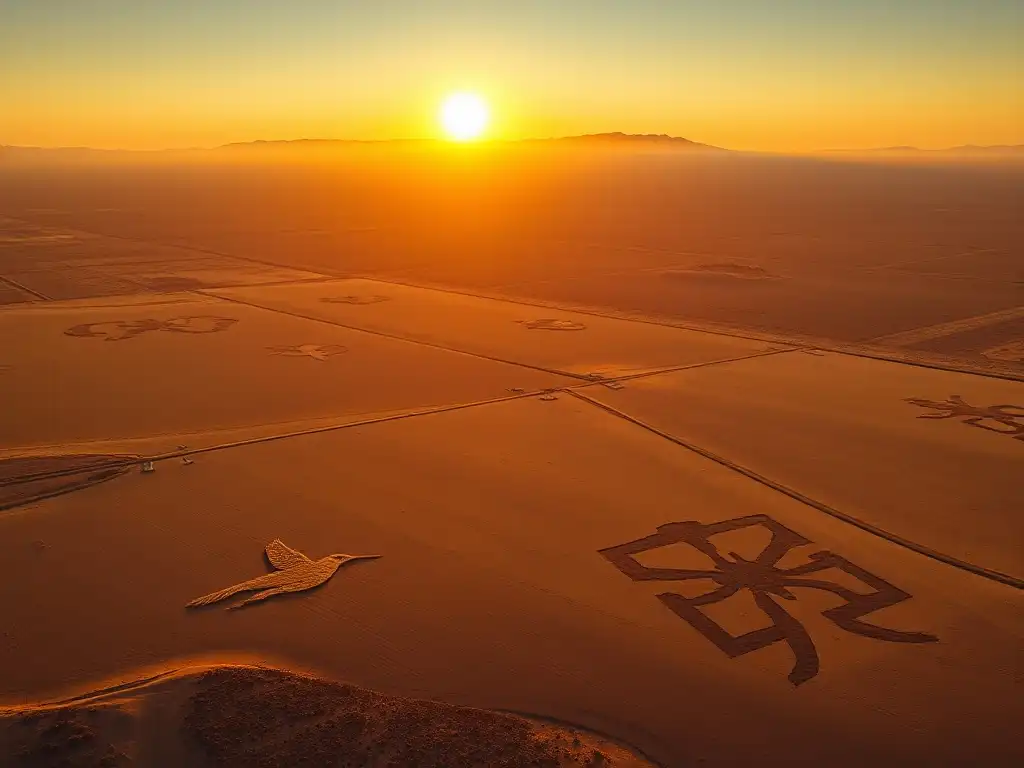
The Enigmatic Geoglyphs of the Nazca Desert
The Nazca Lines, etched into the Peruvian desert, are more than just impressive artwork; they represent a sophisticated understanding of geometry, perspective, and potentially, a complex calendrical system. These geoglyphs, ranging from simple lines to intricate figures of animals, plants, and geometric shapes, are carved into the reddish-brown desert surface by removing the dark, iron-oxide-rich pebbles to reveal the lighter subsoil. Their scale is staggering; some figures stretch over 100 meters in length, requiring immense planning and coordination for their creation.
The sheer size necessitates viewing them from a significant altitude, leading to enduring speculation about their purpose. Early theories suggested purely aesthetic motivations, but recent research points towards a far more complex reality, incorporating astronomical alignments and possibly a sophisticated system for tracking time and celestial events. The very act of creating these massive figures represents a substantial investment of time and resources, suggesting a profound cultural significance far beyond mere artistic expression.
The precision and artistry displayed in their creation speak volumes about the advanced knowledge and organizational skills of the Nazca culture. The challenge lies in deciphering their true meaning, a task that continues to fascinate researchers and inspire new interpretations.
Defining Nazca Lines: Scale, Construction, and Cultural Significance
The Nazca Lines are characterized by their immense scale, with some figures reaching lengths exceeding 300 meters. This colossal size distinguishes them from similar geoglyphs found elsewhere. Their construction involved painstakingly removing the dark surface layer of the desert to reveal the lighter subsoil, a process that required significant labor and coordinated effort. The lines themselves are remarkably straight, demonstrating a sophisticated understanding of geometry and surveying techniques.
Evidence suggests that the Nazca people used simple tools, such as wooden stakes and ropes, to create these massive figures. The cultural significance of the Nazca lines is multifaceted. They were likely not created in isolation but were part of a larger religious and cosmological system, reflecting the Nazca worldview and their interaction with the environment. The figures themselves – animals such as hummingbirds, monkeys, and lizards, alongside geometric shapes and stylized plants – likely held symbolic meaning, possibly connected to rituals, deities, or agricultural cycles.
Further research is needed to fully understand the intricate relationship between the geoglyphs and the Nazca society’s beliefs and practices. The precision and scale of the Nazca Lines demonstrate a high level of social organization and technological capability, showcasing the advanced civilization that created them. Analysis of the construction techniques and the materials used provides valuable insight into their creation and maintenance.
Exploring the Multifaceted Purposes of Nazca Geoglyphs
The purpose of the Nazca Lines remains a subject of ongoing debate, with several theories vying for prominence. While purely aesthetic explanations have been largely dismissed, the evidence suggests a more complex interplay of factors. One leading hypothesis proposes a connection to astronomical events. Several geoglyphs appear to align with solstices and equinoxes, suggesting a possible use as a giant calendar or astronomical observatory.
This "Nazca lines calendar system" theory posits that the lines facilitated the tracking of celestial movements, crucial for agricultural planning and religious ceremonies. Another theory suggests that the lines served as pathways for ceremonial processions, possibly linking various sacred sites across the Nazca landscape. Furthermore, some researchers believe that the geoglyphs were part of a complex system of water management, helping to guide water flow or mark important resources. The lines' intricate design, which combines both zoomorphic and geometric figures, also points towards a symbolic function, potentially representing deities, ancestral figures, or cosmological concepts.
The multifaceted nature of the Nazca Lines highlights the sophistication of Nazca culture and its intricate relationship with the environment, astronomy, and religious beliefs. Further interdisciplinary research, combining archaeology, astronomy, and anthropology, is crucial to unraveling the full significance of these enigmatic geoglyphs. The mystery surrounding their creation continues to fuel scholarly debate and public fascination, making them a powerful symbol of the enduring legacy of the Nazca civilization.
The Astronomical Significance of the Nazca Lines
The Nazca lines, sprawling geoglyphs etched into the Peruvian desert, have captivated researchers for decades. While their precise purpose remains a subject of ongoing debate, a compelling theory posits their function as a sophisticated astronomical calendar, reflecting the advanced understanding of celestial mechanics possessed by the Nazca civilization. This intricate system, far from being merely decorative, likely served crucial roles in agricultural planning, religious ceremonies, and the overall organization of Nazca society.
The sheer scale and precision of the lines, coupled with their alignments with significant celestial events, strongly suggest a deliberate and highly developed astronomical purpose. Understanding this astronomical significance offers a deeper appreciation of the Nazca worldview and their profound connection with the cosmos. This section will delve into the evidence supporting the hypothesis that the Nazca lines functioned as a complex astronomical calendar, exploring specific alignments and deciphering the encoded astronomical knowledge.
Nazca Lines as a Complex Astronomical Calendar
The notion of the Nazca lines serving as a calendar isn't simply based on speculation. Numerous studies have identified alignments between specific geoglyphs and the solstices, equinoxes, and the heliacal risings and settings of significant stars and constellations. Unlike simpler calendar systems relying on a single marker, the Nazca system appears to be multifaceted, possibly integrating multiple celestial cycles and employing various geoglyphs to track different astronomical phenomena simultaneously.
This complexity suggests a level of astronomical sophistication beyond simple observation, indicating a deep understanding of celestial movements and their predictability. For example, some researchers propose that the lines' orientations track the movements of specific constellations crucial to the Nazca agricultural cycle, helping predict optimal planting and harvesting times. The precision required to achieve these alignments, considering the vast scale of the geoglyphs and the available technology, is truly remarkable and speaks to the ingenuity of the Nazca people.
Further research into the specific orientations and mathematical relationships between different geoglyphs is needed to fully unravel this complex calendar system. The potential for uncovering even more intricate astronomical data within the lines remains high.
Alignments with Celestial Events and Cycles
Evidence for the astronomical functionality of the Nazca lines is found in their alignments with key celestial events. For instance, several geoglyphs appear meticulously aligned with the rising and setting points of the sun during the solstices and equinoxes. This alignment isn't random; the precise positioning suggests intentional design aimed at marking these crucial dates within the solar year.
Moreover, certain lines and figures seem to correlate with the heliacal risings and settings of prominent stars and constellations, potentially tracking significant celestial cycles. The heliacal rising, for example – the first appearance of a star after its period of invisibility – was likely a significant event in the Nazca calendar, potentially signaling the start of important seasons or ceremonies. The alignment of specific geoglyphs with these events indicates a deep understanding of the precession of the equinoxes and the cyclical nature of celestial movements.
This understanding was not merely theoretical; it had practical implications for the Nazca civilization, influencing their agricultural practices, religious beliefs, and societal structure. Detailed analysis of these alignments, using modern astronomical software and techniques, is crucial for a more complete understanding of this remarkable system. The precise dates and celestial objects involved need further investigation to fully unlock the secrets of the Nazca lines calendar.
Decoding Astronomical Knowledge Embedded in Geoglyphs
The astronomical information encoded within the Nazca lines isn't limited to simple alignments. The shapes and forms of the geoglyphs themselves may hold symbolic meaning related to celestial phenomena. Some researchers suggest that specific animal figures or abstract designs represent constellations or celestial bodies. For instance, a geoglyph resembling a hummingbird might correspond to a particular constellation significant in Nazca mythology or cosmology.
Understanding this symbolic language requires integrating astronomical data with archaeological findings, anthropological studies, and an in-depth analysis of Nazca iconography. This interdisciplinary approach is key to deciphering the complex layers of meaning embedded within these ancient geoglyphs. Furthermore, the size and spacing of the geoglyphs may also hold astronomical significance, potentially representing celestial distances or proportions.
The potential for extracting further astronomical knowledge from a detailed analysis of the geoglyphs' morphology and spatial relationships remains largely untapped. This requires a collaborative effort among astronomers, archaeologists, and anthropologists to fully decode the astronomical knowledge embedded in these remarkable works of art. The Nazca lines calendar system, therefore, represents not merely a practical tool but also a sophisticated expression of a profound cosmological worldview.
Nazca Lines and the Representation of Time
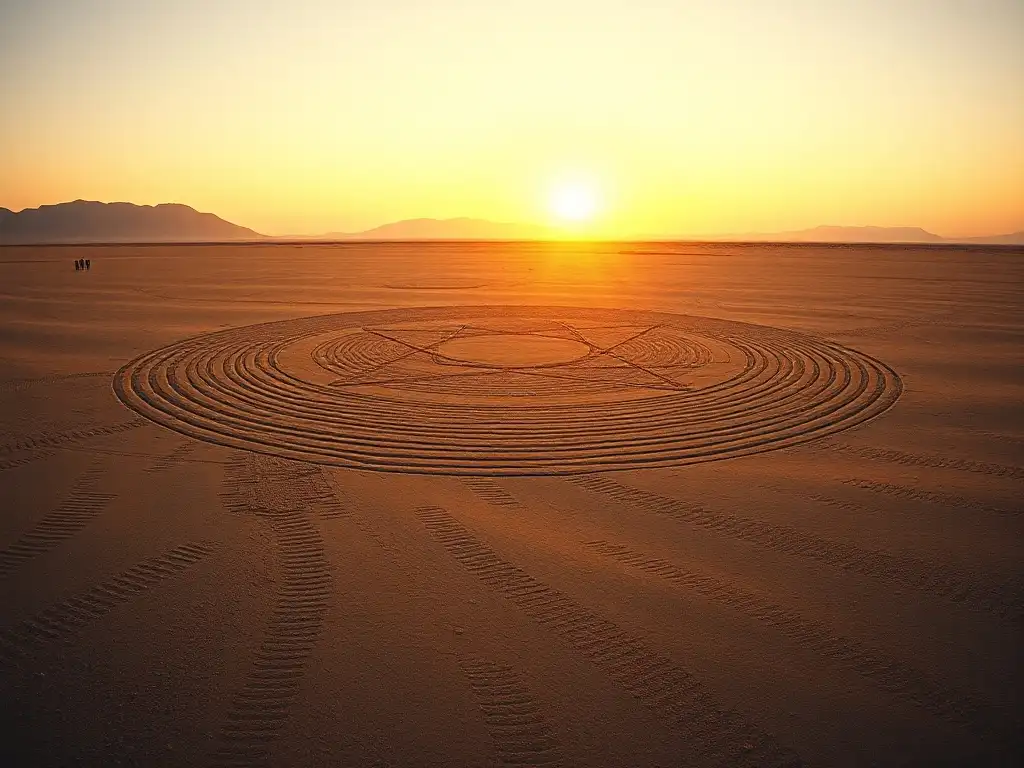
The Nazca lines, sprawling across the Peruvian desert, are far more than just intriguing geoglyphs. Many researchers believe they served as a sophisticated calendar system, reflecting the Nazca's deep understanding of astronomy and their intricate relationship with the passage of time. Unlike many other ancient civilizations that used monumental architecture to track celestial events, the Nazca appear to have utilized the vast expanse of their desert landscape as a giant, open-air observatory.
The lines themselves, with their precise orientations and alignments, may not directly depict specific dates, but rather represent a broader cosmological framework within which time was perceived and measured. This framework likely incorporated solstices, equinoxes, and potentially even longer-term cyclical patterns tied to agricultural cycles and astronomical phenomena like the appearances of certain constellations. The intricate network of lines could have served as a visual representation of this complex temporal understanding, a map of the cosmos reflecting the Nazca worldview.
The sheer scale of the undertaking underscores the importance of timekeeping in their society. It wasn't merely a practical matter; it was deeply intertwined with their religious beliefs and agricultural practices, influencing their social structure and daily lives. Further research is needed to fully decipher the temporal codes embedded within the lines, but the evidence suggests a level of astronomical sophistication that surpasses many contemporary estimations.
Possible Calendrical Functions of Specific Geoglyphs
Several Nazca geoglyphs exhibit features that suggest calendrical functions. For instance, some lines and figures appear to align with the rising and setting points of the sun during solstices and equinoxes. These alignments, however, are not always obvious and require careful analysis using modern astronomical software and techniques. Furthermore, the apparent precision of these alignments might be influenced by factors like erosion and the changing landscape over centuries.
The interpretation of these alignments as deliberate calendrical markers is a subject of ongoing debate among researchers. Some scholars argue that the alignments are coincidental, while others point to the intricate planning and execution of the lines as evidence of intentional astronomical mapping. There is also ongoing discussion regarding whether specific animal figures, such as the hummingbird or the monkey, might have represented specific celestial events or periods within the Nazca calendar.
The lack of written records makes deciphering the meaning of these symbols challenging, relying heavily on comparative studies with other Andean cultures and the application of astronomical modelling. The potential existence of a complex, multi-layered calendar system, incorporating both solar and possibly lunar cycles, remains an open question. The investigation of possible calendrical functions of specific geoglyphs requires a multidisciplinary approach, combining archaeoastronomy, anthropology, and advanced digital mapping techniques.
The Role of Astronomy in Nazca Society and Culture
The Nazca's mastery of astronomy wasn't just a matter of practical timekeeping; it was deeply embedded in their worldview and social structure. Evidence suggests that astronomical knowledge played a vital role in their religious beliefs, agricultural practices, and social organization. The precise alignment of certain lines with celestial events indicates a sophisticated understanding of the cosmos and its influence on their lives.
The Nazca's agricultural success was highly dependent on the predictable cycles of the sun and the rains, making accurate astronomical observations crucial for planting and harvesting. The intricate designs of their geoglyphs, often featuring stylized animals and plants, may have also served as representations of cosmological concepts and deities, reflecting their belief system's close connection to the celestial realm. The construction of the lines itself would have required significant community effort, reinforcing social cohesion and shared cultural values.
The dedication of resources and labor to creating these monumental works highlights the central role of astronomy in Nazca society, demonstrating its importance beyond practical considerations. It was woven into the fabric of their culture, shaping their beliefs, practices, and social organization. Further investigation into the social and religious implications of Nazca astronomy will enhance our understanding of their complex civilization.
The Nazca Lines Calendar System: Structure and Function
The Nazca lines, sprawling across the Peruvian desert, are far more than just enigmatic geoglyphs. Emerging research suggests a sophisticated calendar system encoded within their design, reflecting the Nazca's deep understanding of astronomy and the agricultural cycle. This intricate system, rather than being a random collection of figures, appears to be a meticulously planned arrangement reflecting the passage of time and the celestial events crucial to their survival.
The "Nazca lines calendar system" hypothesis proposes that the lines themselves, along with the figures and shapes they compose, function as a vast, terrestrial observatory, correlating specific geoglyphs with particular astronomical occurrences throughout the year. This would have been essential for predicting optimal planting and harvesting times, a critical aspect of their agricultural society.
The precision involved in the creation and alignment of these lines strongly supports the idea of a deliberate, functional design, rather than purely artistic expression. Understanding this potential calendar system offers profound insights into the Nazca worldview and their advanced knowledge of celestial mechanics.
How the Nazca Lines Encode the Annual Cycle
The annual cycle, marked by solstices and equinoxes, appears to be the fundamental framework of the proposed Nazca lines calendar system. Evidence suggests that specific geoglyphs are aligned with the rising or setting points of the sun on these significant dates. For example, the orientation of certain animal figures, like the hummingbird or the monkey, could potentially correspond with the sun's position at the summer solstice.
Further research is needed to definitively link specific figures to specific solar events, but preliminary findings are promising. Furthermore, the arrangement of lines themselves might represent the changing length of daylight throughout the year, with longer lines potentially correlating with longer days during summer and shorter lines with shorter days in winter. This intricate encoding could have served as a visual aid for the Nazca people, allowing them to track the progression of seasons and anticipate crucial agricultural periods.
The sheer scale of the lines, visible from elevated vantage points, enhances their functionality as a large-scale calendar. The system is not necessarily linear; the interplay of lines, shapes, and figures likely created a complex visual representation of the cyclical nature of time.
Identifying Specific Figures and Their Astronomical Associations
Identifying specific astronomical associations with individual Nazca figures remains a significant challenge. While some researchers have proposed links between certain animals and constellations, concrete evidence is still lacking. For instance, the large hummingbird geoglyph might be associated with a specific star or constellation visible during a particular time of year. However, this requires further investigation, including detailed astronomical modeling and careful analysis of the lines' orientations in relation to celestial bodies.
The process is complex and requires an interdisciplinary approach, combining archaeological findings with advanced astronomical calculations. Moreover, the interpretation of the figures themselves is often debated, with different researchers offering various interpretations based on iconographic analysis and cultural context. This ambiguity highlights the need for further research and rigorous methodology to establish definitive links between the geoglyphs and astronomical events. The potential for error is high, and cross-referencing different lines of evidence is crucial.
The Role of Geometric Shapes in the Nazca Calendar
Beyond the iconic animal and plant figures, the geometric shapes within the Nazca lines also play a crucial role in the proposed calendar system. These shapes, including triangles, trapezoids, and spirals, might represent specific astronomical phenomena or celestial cycles. For example, spirals could symbolize the cyclical nature of time, while straight lines could represent the path of the sun across the sky.
The precise arrangement and proportions of these geometric elements might encode information about the lunar cycle, the movements of planets, or other celestial events. The interplay between geometric shapes and figurative representations adds another layer of complexity to the potential calendar system. This layered approach suggests a sophisticated understanding of both astronomical and mathematical principles, demonstrating the advanced capabilities of Nazca culture.
Analyzing the mathematical relationships between different geometric shapes is crucial in unlocking the secrets of this potential calendar. Further research into the mathematical properties of the geoglyphs is vital in understanding their role in the overall system. The possibility of a multi-layered system, encoding both solar and lunar cycles simultaneously, adds to the intrigue and complexity of this fascinating topic.
The Hummingbird Geoglyph: A Marker for Seasonal Change
The hummingbird, a creature of vibrant energy and swift movement, holds a significant place in Andean cosmology. Its representation as a geoglyph within the Nazca Lines complex suggests more than mere artistic expression; it likely served as a crucial marker for seasonal change, a vital element in the agricultural practices of the Nazca people. The hummingbird's association with the rainy season, a period crucial for crop cultivation, is supported by various ethnographic accounts of Andean cultures. These accounts often depict the hummingbird as a messenger of the gods, bringing rain and fertility.
The precise positioning of the hummingbird geoglyph within the larger network of Nazca Lines is key to understanding its calendrical function. While specific data on its astronomical alignments is still under research, preliminary findings suggest a correlation between the hummingbird's orientation and the solstices or equinoxes.
This potential alignment could have allowed the Nazca to predict the onset of the rainy season with remarkable accuracy, facilitating the planning of their agricultural activities. Further research is needed to pinpoint the exact astronomical events marked by the hummingbird, but its role as a seasonal indicator seems highly plausible.
The intricate details of the hummingbird's depiction, with its outstretched wings and delicate features, also speaks to the high level of observation and precision employed by the Nazca in their astronomical and agricultural practices. The meticulous rendering of the bird suggests a deep understanding of its natural behavior and its symbolic importance within their culture.
The study of the hummingbird geoglyph, therefore, provides valuable insights into the sophisticated understanding of time and nature possessed by the Nazca civilization. It highlights their ability to integrate astronomical observations with their agricultural needs, demonstrating a remarkable level of scientific and cultural integration. Understanding the hummingbird's role within the Nazca Lines calendar system helps us appreciate the complexities of their worldview and their profound connection to the natural environment.
The hummingbird, then, is not simply a beautiful image etched into the desert floor; it is a testament to the advanced knowledge and ingenuity of the Nazca people. Its precise placement and intricate details offer a glimpse into a sophisticated system of timekeeping interwoven with the rhythms of the Andean landscape and the spiritual beliefs of the Nazca.
Nazca Lines: A Tool for Agricultural Planning and Resource Management
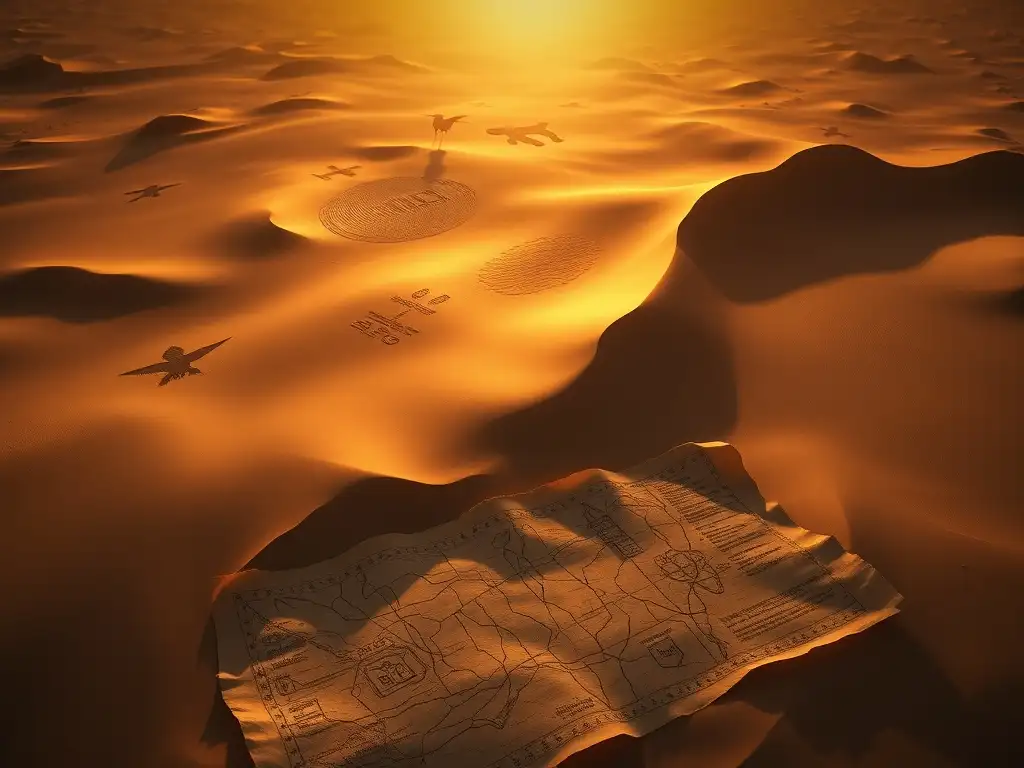
The Nazca lines, sprawling across the Peruvian desert, are far more than just enigmatic geoglyphs. Emerging research suggests a strong correlation between these massive earthworks and the sophisticated agricultural practices of the Nazca culture. Far from being purely ceremonial or artistic expressions, the lines may have served as a vital tool for planning and managing resources, crucial for survival in the arid coastal environment.
Understanding this potential function adds another layer of complexity and intrigue to the already fascinating mystery of the Nazca lines. The intricate network of lines, geometric shapes, and zoomorphic figures could have been a sophisticated calendar system, directly linked to the agricultural cycle and water management, critical for the Nazca civilization's survival. This interpretation challenges the traditional view of the lines as solely religious symbols, suggesting a more practical and essential role in the daily lives of the Nazca people.
The Connection Between Nazca Lines and Agricultural Practices
The Nazca civilization thrived in a harsh desert environment, where water scarcity was a constant challenge. Their survival depended on their ability to efficiently manage resources, particularly water and arable land. Evidence suggests a deep understanding of astronomy and seasonal cycles, knowledge likely incorporated into their agricultural practices.
Recent studies analyzing the alignment of certain lines with celestial events, such as solstices and equinoxes, propose that these alignments could have been used to predict the optimal times for planting and harvesting. This hypothesis is supported by the fact that the Nazca lines are closely associated with irrigation canals and agricultural terraces, indicating a clear connection between the geoglyphs and the practical concerns of food production.
The precise positioning of some lines relative to water sources further reinforces this theory, suggesting a sophisticated system of resource management integrated with their astronomical observations. The Nazca lines, therefore, may not be solely aesthetic achievements, but a complex system designed for practical purposes crucial for survival.
Using the Geoglyphs to Predict Planting and Harvesting Cycles
The precise alignment of certain Nazca lines with the sun's path during key astronomical events suggests a calendrical function. For instance, the alignment of specific lines with the solstices could have marked the beginning and end of the growing season. Similarly, the alignment with equinoxes could have signaled the optimal times for planting specific crops.
This intricate system of astronomical observation and geoglyphic markers would have allowed the Nazca to anticipate seasonal changes with remarkable accuracy, ensuring timely planting and harvesting. This proactive approach to agriculture was essential for maximizing crop yields in a challenging environment. Imagine the Nazca farmers observing the sun's position relative to a specific line, thus confirming the ideal time to sow their seeds, a testament to their profound astronomical knowledge and its practical application.
This detailed understanding of celestial movements and its correlation to agricultural cycles represents a significant advancement in the civilization’s agricultural technology. Further research is needed to fully understand the complexity of this potential calendrical system, and the specific crops each alignment may have signified.
The Importance of Water Management in Nazca Agriculture
Water management was paramount for the Nazca civilization. The lines' proximity to sophisticated irrigation systems and the strategic placement of certain geoglyphs near water sources strongly suggest a connection between the lines and water management strategies. The lines might have served as markers for canals, reservoirs, or other water infrastructure, facilitating efficient water distribution across the agricultural fields. The Nazca people developed ingenious techniques for collecting, storing, and distributing water, including underground aqueducts and sophisticated irrigation canals.
These systems were crucial for supporting their agriculture in the arid desert environment. The integration of the Nazca lines into this water management system highlights the civilization’s impressive engineering and organizational capabilities. The precise alignment of certain lines with underground water sources, still debated among researchers, could have helped them locate and access these crucial resources.
This intricate interplay between astronomical observations, geoglyphic markers, and sophisticated irrigation techniques demonstrates the Nazca's sophisticated approach to resource management, crucial for their survival and prosperity in the harsh desert landscape. The Nazca lines, therefore, represent not just artistic expressions, but a crucial element in a complex system for ensuring food security. Further research into the relationship between the lines and the Nazca water management systems is vital to fully grasp the extent of their ingenuity.
How the Nazca Calendar Supported Sustainable Resource Use
The Nazca lines, far from being merely enigmatic geoglyphs, likely served as a sophisticated calendar system intricately linked to the region's agricultural practices and resource management. Understanding the Nazca lines as a calendar allows us to appreciate their role in ensuring the sustainability of their civilization. The precise alignment of certain lines with celestial events, like solstices and equinoxes, suggests a deep understanding of astronomy and its impact on seasonal changes.
This knowledge was crucial for predicting the best times for planting and harvesting, optimizing yields, and minimizing crop failure. By carefully observing these celestial markers, the Nazca people could anticipate the arrival of rains and plan irrigation accordingly, maximizing the use of scarce water resources in the arid coastal desert. This precise timing was essential for their survival in a harsh environment, showcasing a remarkable level of adaptation and resourcefulness.
The calendar, therefore, wasn't just an abstract representation of time; it was a practical tool for ensuring food security and the long-term sustainability of their agricultural practices. The survival of the Nazca civilization for centuries is a testament to the effectiveness of their calendar-based resource management strategies.
The integration of astronomical knowledge with agricultural practices demonstrates a holistic approach to resource management. The Nazca weren't just passively reacting to environmental conditions; they were actively shaping their relationship with their environment through careful planning and observation. This proactive approach minimized waste and maximized the potential of their limited resources.
For instance, the ability to predict the intensity and duration of the rainy season allowed them to optimize water storage and distribution systems, ensuring sufficient water supply even during periods of drought. This level of sophistication in resource management is rarely seen in other ancient civilizations and highlights the advanced understanding of the Nazca people. It's a powerful example of how a deep understanding of the natural world can lead to sustainable practices, even in challenging environments.
The Nazca lines, in this context, represent not just art but a testament to an ingenious system of sustainable living. Further research into the precise astronomical alignments of the lines could reveal even more detailed insights into their agricultural planning.
Studies focusing on the relationship between specific geoglyphs and water sources, for example, could reveal more about the Nazca's irrigation techniques and water management strategies. By understanding how the calendar informed their decisions about water allocation and crop rotation, we can gain a deeper appreciation for the complexity of their agricultural system and its contribution to the long-term sustainability of their civilization. This understanding is not only crucial for appreciating the Nazca's achievements but also provides valuable lessons for modern societies facing similar challenges of resource scarcity and environmental sustainability.
The Nazca calendar, therefore, serves as a remarkable example of how a deep understanding of the natural world can inform sustainable resource management practices—a lesson that resonates even today. The study of the Nazca lines continues to unveil valuable insights into the ingenuity and sustainability of this remarkable ancient civilization.
Interpreting the Nazca Lines: Competing Theories
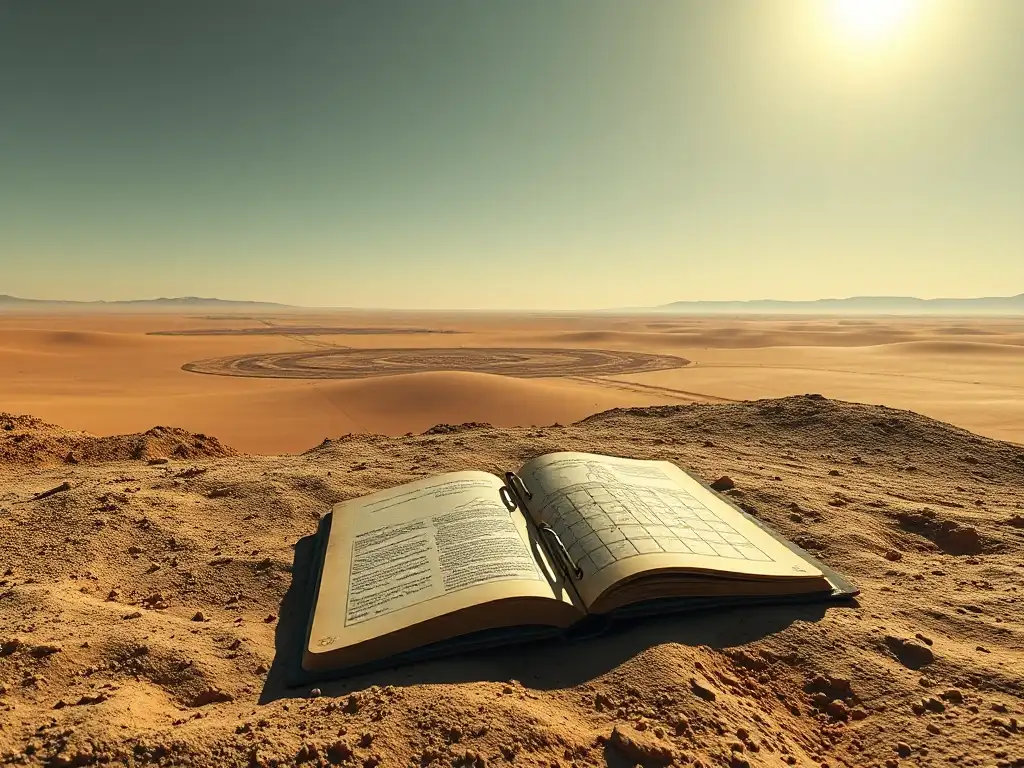
The enigmatic Nazca Lines, etched into the Peruvian desert, have captivated researchers for decades. While their precise purpose remains a mystery, a compelling theory proposes they function as a sophisticated calendar system, reflecting the advanced astronomical knowledge of the Nazca civilization. This hypothesis, however, is not without its challengers, leading to a vibrant debate within the archaeological community. The "Nazca lines calendar system" interpretation offers a fascinating glimpse into the worldview of this ancient culture, contrasting sharply with alternative explanations.
The Debate: Astronomical Calendar vs. Ritual Pathways
The primary contention revolves around the lines' function: were they primarily a vast astronomical calendar, or were they primarily ritual pathways used for ceremonies and processions? The astronomical calendar theory posits that the lines, geoglyphs, and their orientations are aligned with significant astronomical events, such as solstices and equinoxes. Proponents suggest that the Nazca people meticulously tracked celestial movements to regulate agriculture and religious practices, embedding this knowledge within the landscape itself.
Conversely, the ritual pathway theory suggests the lines served as routes for ceremonial processions, perhaps connecting sacred sites or facilitating interactions between different communities. The debate is not necessarily mutually exclusive; some researchers propose a combination of both functions. The lack of definitive proof for either side fuels the ongoing discussion and necessitates further investigation.
Analyzing the orientations of the lines in relation to solar and lunar cycles is crucial in determining the strength of the calendrical hypothesis. The absence of clear evidence for large-scale processions doesn't necessarily invalidate the ritual pathway aspect; smaller, localized ceremonies could have utilized sections of the lines. The question remains open to further research and rigorous analysis.
Examining the Evidence Supporting a Calendrical Function
Several lines of evidence support the hypothesis of a Nazca lines calendar system. Some researchers have identified correlations between certain geoglyphs and the positions of the sun and stars at specific times of the year. For instance, the alignment of specific lines with the sunrise or sunset on solstices or equinoxes could indicate their use in marking these crucial agricultural dates. Furthermore, the complex interplay of lines and figures might represent a sophisticated system of astronomical markers, allowing the Nazca to predict celestial events with remarkable accuracy.
Statistical analysis of the lines' orientations, combined with detailed astronomical modeling, is crucial to strengthen this hypothesis. However, it is important to acknowledge that many of these correlations are based on interpretations and require further verification. The potential for confirmation bias in identifying patterns also needs careful consideration.
More detailed analysis is needed to definitively confirm or refute the calendrical function. For example, further investigation into the relationship between the lines and the Nazca's agricultural cycles could provide additional supporting evidence. The precision required for such a system, if true, points to a level of sophisticated astronomical understanding that is both impressive and under-researched.
Alternative Theories: The Nazca Lines as Pilgrimage Routes
While the astronomical calendar hypothesis is compelling, alternative theories exist. One prominent alternative suggests that the Nazca Lines served as pilgrimage routes. This theory proposes that the lines and figures guided processions to sacred sites, facilitating religious rituals and communal gatherings. This hypothesis does not necessarily contradict the astronomical calendar interpretation; indeed, these two functions might have coexisted.
The lines could have served both as markers for astronomical events and as routes for ritual processions, creating a complex interplay of cosmological and religious significance. The potential for multiple uses further complicates the interpretation. Evidence suggesting large-scale movement of people or goods along the lines would strengthen this hypothesis.
However, the absence of such clear evidence doesn’t necessarily negate the possibility of smaller, more localized movements or ceremonies along specific sections of the lines. Anthropological studies of similar cultural practices in other Andean societies could provide comparative insights and valuable context for understanding the potential ritualistic uses of the Nazca lines. The lack of clear evidence for either the calendrical or pilgrimage theory highlights the complexity and enduring mystery surrounding these remarkable geoglyphs.
The Nazca Lines and Their Possible Connection to Water Rituals
The arid landscape of the Nazca desert presents a stark contrast to the intricate network of geoglyphs etched into its surface. While astronomical alignments and ceremonial pathways are prominent theories regarding the Nazca lines' purpose, the crucial role of water in the Nazca culture cannot be overlooked. A compelling hypothesis suggests a strong connection between the lines and water rituals, reflecting the civilization's profound dependence on this precious resource in a desert environment.
The Nazca people developed sophisticated irrigation systems, testimony to their ingenuity in managing scarce water resources. These systems, often incorporating underground channels ( puquios), were vital for agriculture and survival.
Several lines seem to trace the courses of underground water streams or aquifers. This observation has led researchers to speculate that the lines might have served as a kind of map, guiding the community to vital water sources, particularly during periods of drought. The creation of the lines themselves could have been a ritual act, a way of appealing to the gods for rain or to ensure the continued flow of water.
The immense scale of the undertaking underlines the significance of water in their worldview. The meticulous planning and execution involved suggest a deep-seated belief in the power of these rituals to influence the natural world.
Furthermore, some researchers propose that certain geoglyphs depict stylized representations of water-related deities or symbols associated with fertility and abundance. These interpretations, while open to debate, highlight the potential symbolic connection between the lines and water. Analyzing the lines' orientation in relation to seasonal changes or celestial events could potentially reveal further clues about their role in water management and ritual practices.
This interdisciplinary approach, combining archaeology, hydrology, and anthropology, is crucial for a comprehensive understanding of the Nazca lines' complex function. The Nazca lines, therefore, might not only be stunning works of art but also a testament to a civilization's struggle for survival and its profound spiritual connection to water. Further investigation, particularly through advanced geophysical techniques to study subsurface water flow, is needed to strengthen this compelling hypothesis.
The Legacy of the Nazca Lines: Protecting a Cultural Heritage
The Nazca Lines, enigmatic geoglyphs etched into the Peruvian desert, represent a significant cultural heritage site, demanding meticulous preservation for future generations. Their delicate nature, coupled with the increasing threats of environmental degradation and human impact, necessitates a proactive and comprehensive approach to conservation. Understanding the long-term implications of neglect is paramount. The lines, after all, are not merely aesthetically pleasing; they are invaluable windows into the worldview, astronomical knowledge, and societal structure of the Nazca culture. Their loss would represent an irreplaceable void in our understanding of Andean civilization.
The Importance of Preserving the Nazca Lines for Future Generations
Protecting the Nazca Lines is not simply a matter of aesthetics; it's a moral imperative. These geoglyphs are a testament to the ingenuity and artistic prowess of the Nazca people, offering a unique perspective on their beliefs and practices. Failing to preserve them would be akin to erasing a crucial chapter in human history.
Future generations deserve the opportunity to witness and learn from this extraordinary cultural legacy. This preservation extends beyond simply keeping the lines intact; it involves educating the public about their significance and fostering a sense of responsibility towards their protection. This can involve creating accessible educational materials, promoting responsible tourism practices, and strengthening local community involvement in conservation efforts.
The long-term sustainability of the site depends on a multi-faceted approach that prioritizes both preservation and education. Investing in robust preservation strategies is an investment in our collective understanding of the past and a commitment to safeguarding cultural heritage for posterity. The economic benefits derived from responsible tourism also need to be carefully managed to ensure that they contribute positively to conservation efforts and the local communities.
Modern Research Techniques in Studying Nazca Geoglyphs
Modern technology has revolutionized the study of the Nazca Lines. Advanced techniques, such as aerial photography with high-resolution cameras and LiDAR (Light Detection and Ranging) scanning, provide unprecedented detail and allow researchers to map the geoglyphs with accuracy previously unattainable. LiDAR, in particular, penetrates the surface vegetation, revealing previously unseen features and providing a three-dimensional representation of the lines.
This allows for a more comprehensive understanding of their layout, complexity, and potential astronomical alignments. Furthermore, the use of GIS (Geographic Information Systems) technology enables researchers to analyze spatial relationships between different geoglyphs, potentially uncovering patterns and connections that were previously unknown. Ground-penetrating radar (GPR) is also being employed to investigate the subsurface features associated with the geoglyphs, revealing information about construction techniques and the materials used.
These advanced techniques are not only enhancing our understanding of the Nazca Lines but also providing valuable data for developing effective preservation strategies. The ongoing application of these technologies promises to further unravel the mysteries surrounding these remarkable ancient creations. The integration of these diverse data sets allows for a more nuanced and complete interpretation of the Nazca Lines, moving beyond simple visual observation towards a more data-driven analysis of their creation and purpose.
The Nazca Lines and Their Role in Andean Cosmology
The Nazca Lines' role within the Andean cosmological framework remains a subject of intense debate, but several compelling theories exist. The intricate designs, often depicting animals, plants, and geometric patterns, are believed by many researchers to have had significant ritualistic and astronomical significance. Some scholars suggest that the lines served as a massive calendar system, aligning with celestial events like solstices and equinoxes. This "Nazca lines calendar system" theory proposes that the lines were used to track the movements of the sun and stars, reflecting the Nazca people’s deep understanding of astronomy and their integration of celestial cycles into their daily lives.
Another prominent theory suggests that the lines were used in ceremonies and rituals, perhaps functioning as pilgrimage routes or locations for offerings. The lines' alignment with water sources further suggests a potential connection to water rituals and the importance of water in the Nazca culture. The lines' apparent connection to the landscape also suggests a deep understanding of their environment and its relationship to cosmological beliefs.
Further research, incorporating modern techniques and interdisciplinary approaches, is crucial to fully understand the multifaceted role these geoglyphs played in the Andean worldview. The ongoing exploration of this fascinating topic promises to continue revealing new insights into the beliefs and practices of the Nazca civilization and their place within the broader Andean cosmological landscape. The complexity of the lines, combined with the limited surviving textual records, necessitates a multidisciplinary approach incorporating archaeology, anthropology, and astronomy to unravel their full significance.
The Enduring Cultural Significance of the Nazca Lines
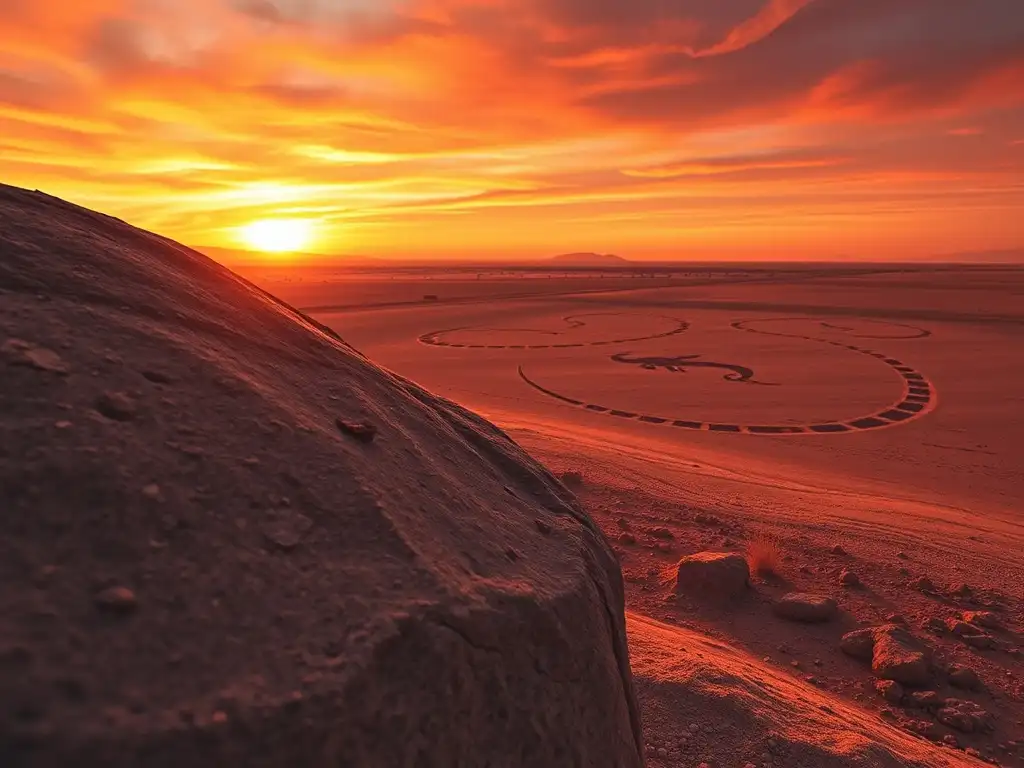
The Nazca Lines, far from being mere enigmatic etchings in the desert, hold profound cultural significance for Peru and the world. Their creation speaks to a sophisticated understanding of astronomy, mathematics, and societal organization within Nazca culture. The lines themselves represent a tangible link to a past civilization, offering a unique window into their worldview and beliefs. Their survival over centuries, despite the harsh desert environment and the passage of time, underscores their importance to the Nazca people and their enduring legacy.
The lines are more than just tourist attractions; they are powerful symbols of a civilization's ingenuity, artistic expression, and spiritual connection to the land. Their continued existence fuels ongoing research and inspires awe, reminding us of the remarkable achievements of ancient Andean societies. Furthermore, the lines' ongoing preservation efforts highlight the importance of protecting cultural heritage for future generations. This ongoing commitment reflects not only a respect for the past but also a recognition of the Nazca Lines' continuing relevance in shaping our understanding of ancient Andean cultures.
The lines serve as a potent symbol of cultural identity and national pride in Peru, connecting the past with the present and informing future narratives of Andean civilization. Their enduring cultural significance is undeniable, prompting continued research and inspiring wonder in all who encounter them. The lines represent a testament to the resilience of both the Nazca civilization and the enduring power of art and cultural expression.
Ongoing Research and New Discoveries
Research into the Nazca Lines continues to unveil new information and challenge existing theories. Recent technological advancements, such as high-resolution aerial photography and advanced geospatial analysis, allow researchers to study the lines in unprecedented detail. These advancements have revealed previously unknown geoglyphs, offering fresh perspectives on the lines' purpose and creation.
Scientists are employing various techniques, including ground-penetrating radar and soil analysis, to understand the materials used and the construction methods employed by the Nazca people. These studies are providing insights into the social organization and labor practices of the Nazca, shedding light on their societal structure and the scale of the project undertaken in creating these massive geoglyphs. The ongoing research also considers environmental factors, such as erosion and climate change, to assess the long-term preservation challenges facing the Nazca Lines.
Understanding these factors is crucial for developing effective conservation strategies to protect this invaluable cultural heritage for future generations. New discoveries and interpretations are constantly refining our understanding of the Nazca Lines, revealing the complexity and sophistication of this ancient Andean civilization. This continuous exploration adds new layers to our appreciation of the Nazca Lines' enduring legacy.
Threats to the Nazca Lines and Conservation Efforts
The Nazca Lines face numerous threats, both natural and human-induced. Erosion from wind and rain is a constant concern, gradually degrading the lines over time. Illegal activities, such as off-road driving and construction near the site, pose a significant risk, causing physical damage and disrupting the delicate desert ecosystem. Climate change, with its unpredictable weather patterns, also presents a serious challenge, potentially accelerating erosion and damaging the geoglyphs.
To mitigate these threats, various conservation efforts are underway. These include implementing stricter regulations to control access to the site and prevent unauthorized activities. Sustainable tourism practices are being promoted, educating visitors about the importance of preserving the lines and minimizing their environmental impact. Researchers are exploring innovative conservation techniques to protect the lines from erosion and other forms of degradation.
These efforts highlight the importance of international collaboration and community engagement in safeguarding this invaluable cultural heritage. The future of the Nazca Lines depends on a continued commitment to their preservation, requiring a multi-faceted approach that combines scientific research, effective regulations, and responsible tourism practices. The challenges are significant, but the dedication to preserving this remarkable site underscores the global recognition of its importance.
The Nazca Lines: A Reflection of Andean Time Concepts
The Nazca Lines, enigmatic geoglyphs etched into the Peruvian desert, are far more than just impressive artwork. Many researchers believe they represent a sophisticated calendar system, reflecting a deep understanding of astronomy and the cyclical nature of time within the Andean worldview.
This interpretation challenges the simplistic view of the lines as mere artistic expressions, instead positioning them as a complex astronomical observatory and a powerful tool for understanding and predicting seasonal changes crucial for agriculture and societal organization. The precision and scale of the geoglyphs suggest a level of planning and astronomical knowledge that was remarkably advanced for their time.
This section will explore this fascinating hypothesis, examining how the Nazca lines may function as a giant, terrestrial calendar, reflecting the Nazca people's unique relationship with time and space. The intricate design and alignment of the lines with celestial bodies support this theory, offering compelling evidence of a complex "Nazca lines calendar system."
The Nazca Understanding of Time, Space, and the Cosmos
The Nazca civilization, flourishing between 100 BCE and 800 CE, possessed a sophisticated understanding of the cosmos. Their worldview, deeply intertwined with agriculture and the cyclical rhythms of nature, likely influenced their perception of time. Unlike linear conceptions of time prevalent in other cultures, the Andean concept of time was likely more cyclical, emphasizing recurring patterns and the continuous interplay between the earthly and celestial realms. This is reflected in their agricultural practices, which were intimately connected to the astronomical cycles, particularly the solstices and equinoxes.
Evidence suggests a strong correlation between the orientation of certain geoglyphs and the positions of the sun and stars at specific times of the year. For instance, some lines align with the rising and setting points of the sun during solstices, marking significant moments in the agricultural calendar. This suggests a practical application of astronomical knowledge, directly impacting their agricultural planning and societal structure.
The Nazca people didn't merely observe the cosmos; they actively engaged with it, integrating celestial events into their daily lives and worldview. The "Nazca lines calendar system" hypothesis thus becomes more plausible when considering this deep connection between the celestial and terrestrial. The lines are not simply abstract designs; they are tangible representations of their cosmological understanding.
Comparing Nazca Calendar System to Other Andean Astronomical Practices
While the Nazca Lines present a unique case study, their potential function as a calendar system can be compared to other Andean astronomical practices. Many other Andean cultures, such as the Inca, also developed intricate astronomical observatories and calendars. These observatories, often built using natural features or strategically placed stones, allowed for precise tracking of celestial movements. The Inca, for example, used their knowledge of the solstices and equinoxes to regulate their agricultural cycles and religious ceremonies.
However, the scale and nature of the Nazca Lines distinguish them from other Andean astronomical practices. While the Inca utilized architectural structures, the Nazca utilized the vast expanse of the desert itself as their observatory, creating a monumental calendar system visible from afar. This difference might reflect variations in technological capabilities, geographic constraints, or possibly even distinct cosmological beliefs.
Further research comparing the specific astronomical alignments of the Nazca Lines with those of other Andean cultures is crucial to fully understand the significance of the "Nazca lines calendar system" within the broader context of Andean astronomy. The precise correlation between specific geoglyphs and celestial events remains a subject of ongoing research and debate. Analyzing these alignments and comparing them to other Andean calendar systems will shed more light on the uniqueness and potential sophistication of the Nazca Lines as a calendar.
How the Nazca Lines Reflect the Andean Worldview
The potential function of the Nazca Lines as a calendar system profoundly reflects the Andean worldview. The lines' integration of astronomical observations into their practical agricultural practices and their religious beliefs demonstrates a holistic approach to life, where the human world is inextricably linked to the cosmos. The cyclical nature of their time perception, as evidenced by the focus on seasonal changes and celestial events, is reflected in the repetitive and interconnected patterns of the geoglyphs.
The vast scale of the project, involving the coordinated efforts of a large community, underscores the significance of these astronomical observations and their integration into the collective societal consciousness. The "Nazca lines calendar system" hypothesis therefore isn’t just about understanding a calendar; it’s about understanding the deep spiritual and practical connection between the Nazca people and their environment. The lines are not merely lines; they are a testament to a worldview that saw the cosmos as an active participant in their lives, a worldview deeply embedded in their culture and reflected in their monumental work.
Their creation and maintenance over generations highlight the enduring importance of this cosmological understanding within their society. The Nazca Lines, therefore, stand not only as a remarkable feat of engineering but also as a powerful symbol of the interconnectedness between humanity and the cosmos within the Andean worldview.
The Nazca Lines and Their Contribution to Our Understanding of Ancient Astronomy
The Nazca lines, sprawling across the Peruvian desert, are more than just enigmatic geoglyphs; they represent a significant contribution to our understanding of ancient Andean astronomy. While their precise purpose remains debated, accumulating evidence strongly suggests a connection to celestial events and the Nazca people's sophisticated understanding of the cosmos. The lines' alignment with solstices and equinoxes, for example, points to a calendar system intricately woven into the landscape itself.
This isn't a mere coincidence; the precision involved in their creation, considering the available technology, suggests a deliberate astronomical purpose. Researchers have identified several lines and figures that seem to track the movement of the sun and stars, potentially marking significant dates in the Nazca agricultural calendar or religious festivals. This astronomical orientation highlights the Nazca civilization's advanced knowledge of celestial mechanics and their integration of this knowledge into their daily lives and spiritual beliefs.
The lines, therefore, serve not only as artistic expressions but also as tangible evidence of a highly developed astronomical understanding, far surpassing what many previously assumed for a culture of that era. Further research into the lines' precise alignments and their correlation with astronomical events is crucial to fully unraveling their astronomical significance and enhancing our comprehension of Nazca cosmology. This ongoing research promises to reveal further insights into the complex relationship between the Nazca people, their environment, and their understanding of time and space, enriching our understanding of "Nazca lines calendar system".
The meticulous planning and execution involved in creating the Nazca lines also speak volumes about the Nazca people's organizational capabilities and societal structure. The sheer scale of the project demands a coordinated effort involving a significant portion of the population, implying a sophisticated social hierarchy and a shared understanding of the lines' purpose.
This collective undertaking further underlines the lines' importance within Nazca society, highlighting their role as a powerful symbol of communal identity and shared cosmological beliefs. The construction of the lines likely involved generations of Nazca people, indicating a continuity of astronomical knowledge and cultural traditions over extended periods.
This long-term commitment to the project reinforces the significance of astronomical observations and their deep integration into Nazca culture and worldview. The lines, in essence, become a testament to the enduring impact of astronomical knowledge on the development and continuity of Nazca civilization, offering a unique glimpse into their advanced understanding of "Nazca lines calendar system".
Frequently Asked Questions
What is the main theory about the Nazca Lines' purpose?
One prominent theory suggests the Nazca Lines functioned as a geoglyphic calendar, aligning with astronomical events and marking solstices and equinoxes. This would have been crucial for agricultural planning in the arid Nazca region. Further research continues to explore this hypothesis.
How did the Nazca create the lines, considering the vast scale?
The Nazca people meticulously cleared the dark topsoil to reveal the lighter subsoil, creating the massive geoglyphs. They likely used simple tools and a deep understanding of the landscape to achieve such precision over extensive areas.
While the calendar theory is compelling for many lines, not all geoglyphs are necessarily linked to astronomical events. Some may have served ceremonial or ritualistic purposes, or represented animals and plants important to the Nazca culture.
What evidence supports the Nazca Lines as a calendar?
Evidence includes the alignment of certain lines with the rising and setting sun on specific dates, along with their correlation to the Nazca's agricultural cycles. Further study is needed to fully understand the extent of this astronomical connection.
Besides the calendar, what other theories exist about the Nazca Lines?
Other theories propose that the lines were used for religious ceremonies, water management, or as markers for trade routes. The true purpose likely involved a combination of factors and remains a subject of ongoing debate.
Final Reflection: Deciphering the Desert's Whispers
The Nazca Lines, far from being mere enigmatic etchings in the Peruvian desert, represent a sophisticated understanding of time and celestial events, a testament to the ingenuity of a civilization lost to history. Their potential function as a vast, geoglyphic calendar continues to resonate today, challenging our assumptions about ancient knowledge and technological capabilities. The precision and scale of these lines demand a reevaluation of our understanding of pre-Columbian societies.
The enduring mystery surrounding the Nazca Lines underscores the power of human creativity and the enduring quest for meaning. Their continued existence, despite the ravages of time and the elements, speaks to the profound impact these creations had on their creators and the lasting legacy they leave for us. The past is never dead. It's not even past.
– William Faulkner. This quote perfectly encapsulates the ongoing relevance of the Nazca Lines, reminding us that the echoes of ancient civilizations continue to shape our present understanding of the world.
Consider the implications of this ancient calendar. What can we learn from a civilization that dedicated such immense effort to recording the passage of time? How can we apply their dedication to observation and understanding of the natural world to our own lives? I urge you, reader, to look beyond the images themselves and contemplate the profound message embedded within the lines: a testament to human ingenuity, a window into a lost world, and a timeless reminder of our connection to the cosmos. Let the desert's whispers inspire your own journey of discovery.
Unveil the Mysteries of the Nazca Lines Today!
Thank you for exploring the fascinating world of the Nazca Lines with us! You've discovered the unique connection between these ancient geoglyphs and the Nazca civilization's understanding of time. Now, let's continue your journey of discovery!
- **Experience** the awe-inspiring Nazca Lines firsthand by joining a local tour group for an aerial view.
- **Share** your thoughts on the Nazca Lines with fellow enthusiasts on social media using the hashtag #NazcaLines.
- **Deepen your knowledge** of Andean civilizations by exploring additional resources at **andeancivilizations.com**.
What most captivates you about the Nazca Lines—their history, the artistry of their creation, or their possible astronomical significance? Let's discuss!