
The Moche Language: Unraveling the Sounds of the Past

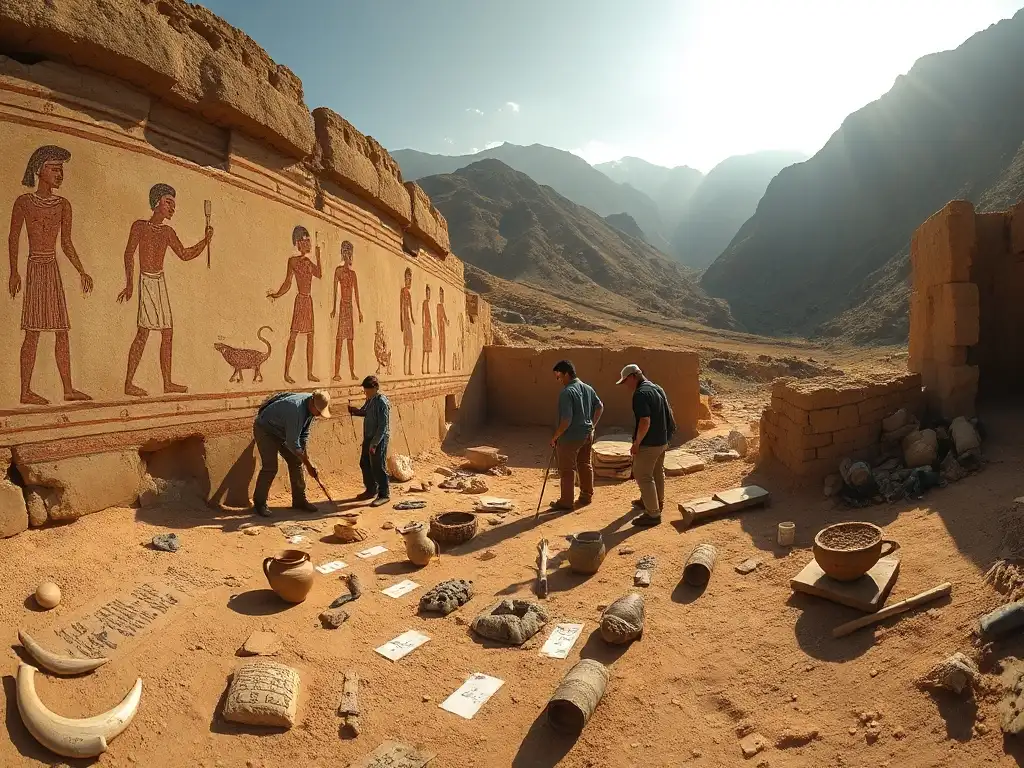
Step into a world lost to time, where towering pyramids whisper secrets and intricate artistry hints at a civilization’s vibrant soul. Welcome to Andean Civilizations, your gateway to the captivating history and enigmatic cultures of the Andes. But prepare to be intrigued… recent breakthroughs suggest we may finally be on the verge of Moche language decipherment. Dare to unravel the mysteries of this ancient society and discover the sounds of a lost world—explore the possibilities within!
The Moche civilization, flourishing along the northern coast of Peru from approximately 100 to 800 CE, left behind a remarkable legacy of art, architecture, and intricate social structures. However, a significant piece of their cultural puzzle remains elusive: their language.
Unlike the Inca, who left behind a substantial written record in Quechua, the Moche language remains largely undeciphered, presenting a fascinating challenge for linguists and archaeologists alike. This article delves into the ongoing efforts to understand the Moche language, exploring the challenges involved in deciphering a lost tongue and highlighting the promising avenues of research that are gradually bringing us closer to understanding the sounds and meanings of this ancient civilization's communication.
Unlocking the secrets of the Moche language offers a unique opportunity to gain deeper insights into their worldview, social organization, and daily lives, enriching our understanding of this captivating pre-Columbian culture. The quest for Moche language decipherment is a testament to human curiosity and the enduring power of history.
The Challenges of Moche Language Decipherment
The primary hurdle in deciphering the Moche language is the lack of a comprehensive written record. Unlike many other ancient civilizations, the Moche did not develop a fully developed writing system comparable to hieroglyphics or cuneiform. While some scholars suggest the presence of proto-writing or symbolic systems in Moche iconography, these are far from a fully functioning alphabet or syllabary. This absence of a clear textual corpus severely limits direct linguistic analysis.
Furthermore, the Moche language itself is likely extinct, with no known direct descendants among modern languages. This absence of a linguistic lineage makes comparative linguistics, a powerful tool in deciphering other languages, significantly more difficult. The task is akin to piecing together a complex jigsaw puzzle with many missing pieces and no clear picture on the box. The limited textual evidence, coupled with the language's isolation, creates a formidable challenge for researchers.
Analyzing Moche Iconography for Linguistic Clues
Despite the lack of a formal writing system, Moche iconography offers a potential source of linguistic clues. The intricate artwork found on ceramics, textiles, and metalwork often depicts scenes of daily life, rituals, and mythology. Researchers are carefully examining these images, searching for patterns and recurring symbols that might represent words or phonetic elements.
The painstaking process involves comparing images across different artifacts, looking for consistent associations between visual representations and potentially related concepts or actions. While this approach is indirect and requires careful interpretation, it holds the potential to uncover valuable insights into the structure and vocabulary of the Moche language. Careful analysis of the visual language used in the Moche's art could reveal elements of their spoken language, even without a direct written script.
The Role of Comparative Linguistics and Typology
While direct comparison with extant languages is limited, comparative linguistics can still play a role. Researchers are exploring potential linguistic relatives of the Moche language within the broader family of Andean languages. By comparing the limited linguistic data available with the structures and vocabulary of related language families, researchers can potentially identify linguistic features that might shed light on the grammatical structure and phonology of the Moche language.
This approach, although indirect, can offer valuable clues about the potential sound system and grammatical features of the lost language. This work requires a deep understanding of language families and a careful consideration of potential borrowing and linguistic change over time.
Technological Advances and Future Directions in Moche Language Research
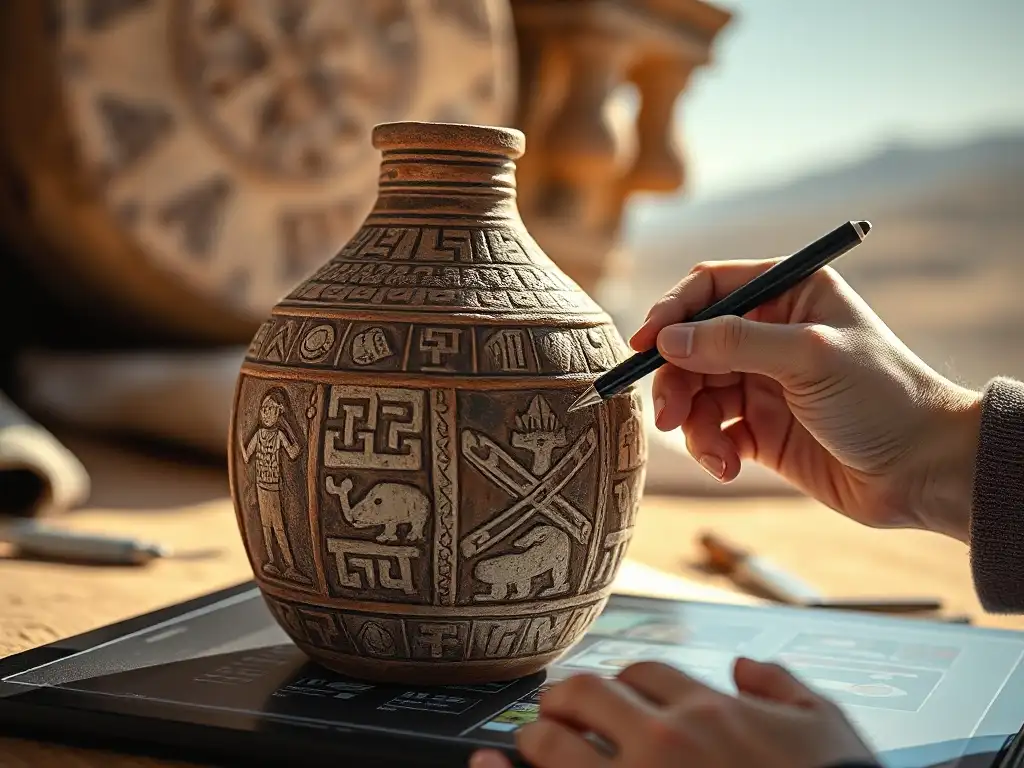
Recent advances in digital technology are revolutionizing the field of linguistics. High-resolution imaging and advanced computational techniques are allowing researchers to analyze Moche artifacts with unprecedented detail, potentially revealing subtle features previously overlooked. Machine learning algorithms are also being applied to analyze patterns in Moche iconography, assisting in identifying potential linguistic elements.
The future of Moche language decipherment is promising, with ongoing research employing cutting-edge technologies and interdisciplinary collaborations. This collaborative approach, combining archaeological expertise, linguistic analysis, and technological innovation, holds the key to finally understanding the sounds and meanings of the Moche language. The ongoing effort is a testament to the enduring fascination with this lost civilization and the power of scientific inquiry.
Conclusion: The Ongoing Quest for Understanding
The decipherment of the Moche language remains a significant challenge, but it's a challenge that is being actively and creatively addressed by researchers around the world. While the complete understanding of their language may still be years away, the combination of meticulous analysis of existing artifacts, the application of innovative technologies, and the ongoing refinement of linguistic methodologies offers a real hope for significant breakthroughs in the near future.
Each new discovery brings us closer to a richer understanding not only of the Moche language, but also of the vibrant and complex culture that created it. The quest for Moche language decipherment is a testament to our enduring curiosity and the ongoing pursuit of knowledge.
- The Challenges of Moche Language Decipherment
- Analyzing Moche Iconography for Linguistic Clues
- The Role of Comparative Linguistics and Typology
- Technological Advances and Future Directions in Moche Language Research
- Conclusion: The Ongoing Quest for Understanding
- What is the current status of Moche language decipherment?
- What kind of writing system did the Moche use?
- What makes deciphering the Moche language so difficult?
- Are there any promising approaches to deciphering the Moche language?
- Where can I find more information about Moche research and ongoing efforts in language decipherment?
Introduction to the Moche Language and its Historical Context
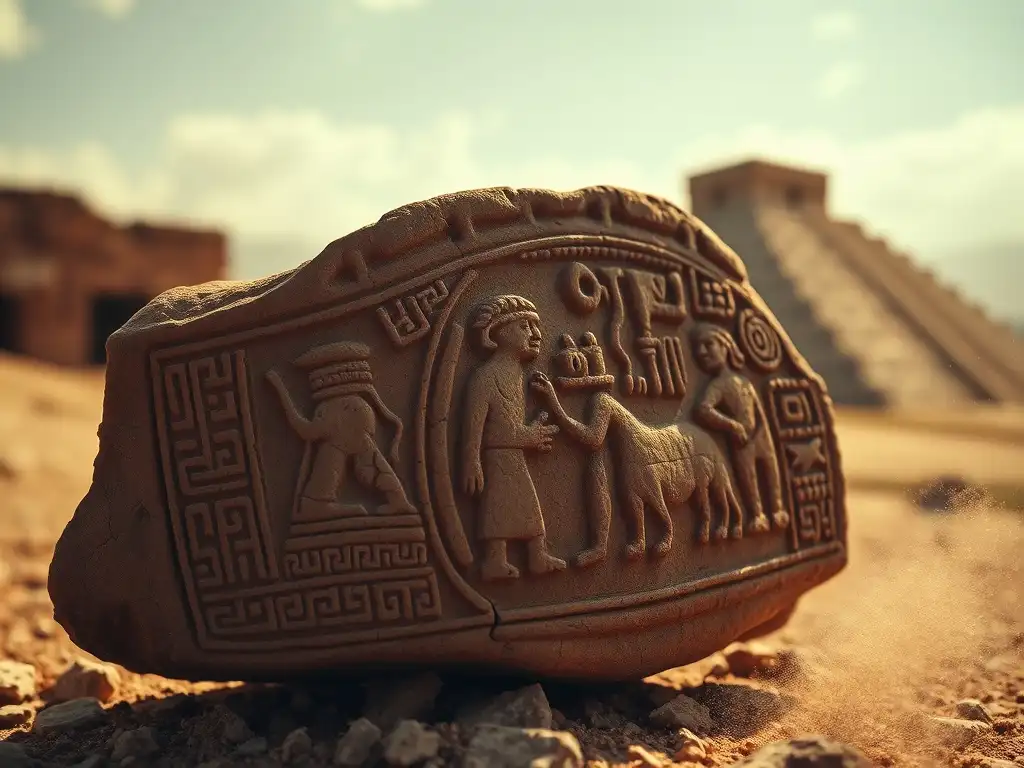
The Moche language, spoken by the Moche civilization flourishing along the northern coast of Peru from roughly 100 CE to 800 CE, remains largely a mystery. Despite the impressive architectural achievements, intricate pottery, and sophisticated metalworking of this pre-Columbian culture, the ability to decipher their written language eludes us. This linguistic enigma presents a significant hurdle to fully understanding Moche society, beliefs, and daily life. While no Rosetta Stone equivalent has been discovered, painstaking research continues to slowly uncover clues towards Moche language decipherment. This section will explore the challenges and significance of this ongoing endeavor.
The Moche Civilization and its Linguistic Enigma
The Moche were a remarkably advanced civilization for their time. Their mastery of irrigation systems allowed them to thrive in a desert environment, supporting a large population. Their artistic achievements, particularly in ceramics, are renowned worldwide, depicting scenes of daily life, religious rituals, warfare, and mythology. These intricate depictions offer valuable insights into their culture, but the absence of a fully understood writing system leaves many questions unanswered.
The Moche did use a form of writing, predominantly found on their pottery and textiles, characterized by glyphs or symbols. However, the meaning and structure of these symbols remain largely unknown, making Moche language decipherment a complex and challenging task. The sheer number of unique glyphs, coupled with the lack of extensive textual samples, contributes to the difficulty in identifying patterns and establishing a reliable system of translation.
Furthermore, the limited context provided by the images accompanying the glyphs further complicates the process. Researchers continue to debate the nature of the Moche writing system – was it purely iconic, representing objects directly, or did it incorporate phonetic elements, representing sounds? This fundamental question remains central to the ongoing efforts in Moche language decipherment.
The Challenge of Moche Language Decipherment
Several significant obstacles hinder Moche language decipherment. Firstly, the limited number of inscriptions available for study presents a major constraint. Unlike some other ancient civilizations which left behind vast libraries of texts, the Moche writing system appears to have been used sparingly. Secondly, the glyphs themselves are often poorly preserved or incomplete, making accurate interpretation extremely difficult.
The effects of time and environmental factors have degraded many artifacts, obscuring crucial details. Thirdly, the lack of bilingual texts – inscriptions in both Moche and a known language – severely hampers efforts. A bilingual text would provide a crucial key to unlocking the meaning of the glyphs, similar to how the Rosetta Stone enabled the decipherment of Egyptian hieroglyphs.
Finally, the current understanding of the Moche social structure and political organization is incomplete, making it difficult to contextualize the inscriptions and interpret their meaning within the broader social framework. Without a comprehensive understanding of Moche society, the nuances of their language are harder to grasp. This interdisciplinary nature of the challenge underscores the need for collaboration among archaeologists, linguists, and other specialists in their quest for Moche language decipherment.
Why Understanding the Moche Language Matters
Successfully deciphering the Moche language would represent a monumental achievement in the field of Andean archaeology. It would unlock a wealth of information about this fascinating civilization, providing invaluable insights into their worldview, social structures, political organization, and daily life. Imagine the potential: understanding their myths and legends, reconstructing their historical narratives, gaining a deeper appreciation for their artistic and religious practices.
The ability to read their texts would allow us to hear their voices directly, adding a profoundly personal dimension to our understanding of their history. This would not only enrich our knowledge of the Moche but also contribute to a more comprehensive understanding of the broader development of Andean civilizations and the evolution of language in the region. The potential impact on our understanding of pre-Columbian history and culture is immense, making Moche language decipherment a priority for researchers worldwide.
The ongoing efforts in this field highlight the enduring fascination with this enigmatic civilization and the potential for groundbreaking discoveries in the years to come. The pursuit of Moche language decipherment is not merely an academic exercise; it is a journey into the heart of a lost world, offering the promise of a richer and more nuanced understanding of humanity's past.
Evidence and Sources for Reconstructing the Moche Language
The quest for Moche language decipherment is a complex undertaking, hampered by the absence of a readily decipherable written language. Unlike some other Andean civilizations, the Moche didn't leave behind extensive textual records comparable to, say, the Maya codices. However, dedicated research utilizing various indirect methods has yielded valuable insights into their linguistic landscape. This section details the key avenues of investigation and the types of evidence employed in reconstructing aspects of the Moche language. The fragmentary nature of the evidence requires careful interpretation and a multidisciplinary approach, combining archaeology, linguistics, and anthropology.
Archaeological Clues: Pottery and Iconography
Moche pottery is renowned for its intricate detail and vibrant depictions of daily life, rituals, and mythology. These ceramic artifacts provide invaluable glimpses into Moche society and potentially offer linguistic clues. While not a direct transcription of the language, the iconography frequently depicts scenes with accompanying text-like elements, although these glyphs remain undeciphered.
For example, repeated motifs, symbols, and even stylized representations of speech might hint at phonetic values or grammatical structures. Researchers painstakingly catalog and compare these symbols across different pottery pieces, searching for patterns and recurring sequences that could represent words or phrases. However, the challenge lies in distinguishing purely decorative elements from those with potential linguistic significance. Furthermore, the sheer volume of pottery and the variability in stylistic conventions across different Moche regions complicate the analysis.
More detailed studies, specifically focused on comparing glyphs across different pottery styles and regions, are needed to determine if any systematic patterns exist. Careful analysis of the context in which these glyphs appear—for instance, alongside specific scenes or objects—is crucial to discern their meaning. This painstaking work requires a multi-faceted approach, bringing together art historians, archaeologists, and linguists.
Linguistic Analysis of Place Names and Loanwords
The analysis of place names (toponyms) and loanwords offers another promising avenue for Moche language decipherment. While the Moche language itself remains largely unknown, its influence might be detectable in later languages spoken in the region. By identifying potential cognates—words with shared ancestry—in Quechua, Aymara, or other subsequent languages of the Andean region, researchers can attempt to reconstruct aspects of the Moche lexicon. This comparative method requires meticulous linguistic analysis, considering sound changes and semantic shifts that occur over time.
For instance, the analysis of place names in the Moche heartland could reveal linguistic roots that are no longer evident in modern languages. The presence of similar place name components across different regions might indicate the spread of the Moche language or cultural influence. However, the challenges are substantial.
The long time span between the Moche period and the documentation of later languages introduces significant uncertainties. Moreover, the potential for language contact and borrowing from other groups complicates the identification of genuinely Moche linguistic elements. Further research is needed, focusing on the detailed linguistic comparison of contemporary place names with potential Moche cognates, carefully accounting for diachronic linguistic changes.
The Role of Ethnographic Data in Understanding Moche Culture and Language
Ethnographic data, the study of contemporary cultures, can provide valuable insights into the potential structure and characteristics of past societies, including their languages. By studying the languages and cultures of indigenous communities in the Andean region today, researchers can gain a better understanding of the potential linguistic features that may have been present in the Moche language. For example, analyzing the grammatical structures, phonological systems, and kinship terms of contemporary Andean languages can provide a framework for interpreting the limited evidence available for the Moche language.
This approach, however, relies on the assumption of continuity and cultural transmission, which may not always hold true. The significant time elapsed between the Moche civilization and present-day communities might have led to significant linguistic and cultural changes. Therefore, ethnographic data should be used cautiously and in conjunction with other forms of evidence.
The careful study of Quechua and Aymara languages, analyzing aspects such as their vocabulary related to agriculture, social organization, and religious practices—all relevant to Moche culture—could provide valuable contextual information. This cross-cultural comparison, however, must be approached with awareness of potential biases and the need for further research to determine the extent of genuine continuity between past and present Andean cultures and languages. A more rigorous approach would involve a statistical analysis of the frequency of linguistic features in modern Andean languages and comparing them to any potential linguistic elements found in Moche artifacts.
Approaches to Moche Language Decipherment
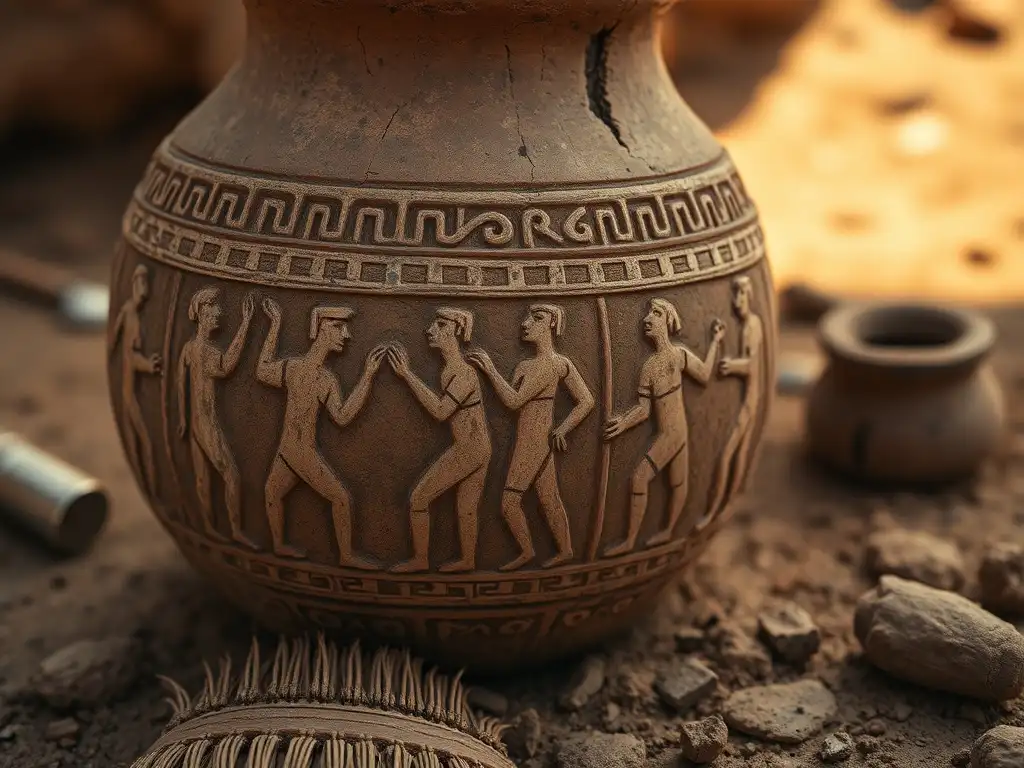
The quest to decipher the Moche language, a significant challenge in Andean archaeology, has spurred the development of diverse methodologies. While a complete understanding remains elusive, ongoing research utilizes several key approaches, each offering unique insights into this lost tongue. The inherent difficulties stem from the limited surviving textual evidence, the unique nature of the Moche writing system, and the lack of a Rosetta Stone-like comparative text. Nevertheless, dedicated researchers continue to make progress, gradually unveiling the secrets of this ancient communication system. Successful Moche language decipherment would significantly enhance our comprehension of Moche society, beliefs, and daily life.
The comparative method, a cornerstone of linguistic historical reconstruction, seeks to identify cognates—words with shared ancestry—across related languages. This approach, while promising, faces significant hurdles in the context of Moche. The lack of demonstrably related languages poses a considerable challenge.
While some scholars suggest possible connections to other pre-Columbian languages of the Andean region, such as Quechua or Aymara, these links remain largely speculative and lack robust linguistic evidence to support definitive conclusions. Further investigation into the potential linguistic families of the broader South American region is crucial for advancing this line of inquiry. The identification of even a small number of cognates could offer invaluable clues to the Moche language's structure and vocabulary.
This process often involves intricate phonological and morphological comparisons, requiring a deep understanding of sound changes and grammatical evolution across languages. The absence of a large corpus of Moche texts exacerbates the difficulty, limiting the chances of finding sufficient cognates for reliable comparisons. Future research should prioritize the careful analysis of potential cognates, supported by rigorous statistical methods to verify the validity of proposed connections.
Deciphering Moche Symbols and Glyphs
A significant aspect of Moche language decipherment involves the painstaking analysis of their unique writing system. Moche inscriptions, primarily found on ceramics and textiles, consist of a complex array of symbols and glyphs. These aren't strictly alphabetic; they appear to be a combination of logographic and possibly syllabic elements, making decipherment significantly more complex than with purely alphabetic scripts. Researchers meticulously catalogue and classify these symbols, searching for patterns and recurring motifs.
The challenge lies in determining whether these symbols represent words, syllables, or even abstract concepts. The limited number of lengthy inscriptions further complicates this task. Many inscriptions are short, often consisting of just a few symbols, making it difficult to establish the grammatical structure of the language. Progress is being made through detailed stylistic analysis of the glyphs, identifying variations in their form and context that may reveal semantic relationships.
The creation of comprehensive corpora of Moche inscriptions, meticulously documented and cross-referenced, is essential for future decipherment efforts. The development of sophisticated digital tools for analyzing these complex visual patterns will also play a crucial role. This work necessitates a multidisciplinary approach, combining the expertise of linguists, archaeologists, and computer scientists.
The Use of Computational Linguistics in Moche Language Research
Computational linguistics offers powerful tools for tackling the challenges of Moche language decipherment. Techniques such as machine learning and natural language processing can be applied to analyze the vast amount of data available—the thousands of individual Moche glyphs and the limited textual inscriptions. These algorithms can identify patterns and correlations that might be missed by human researchers, uncovering hidden relationships between symbols and their potential meanings.
For example, statistical analysis can reveal frequently occurring sequences of glyphs, potentially indicating grammatical structures or common phrases. Furthermore, computational methods can assist in comparing Moche glyphs with those of other ancient Andean cultures, helping to identify potential correspondences or influences. The development of specialized software for analyzing Moche inscriptions is crucial; this software should be able to handle the complexities of their unique writing system, incorporating tools for image recognition, pattern analysis, and statistical modeling.
The application of computational methods requires large, well-organized datasets, emphasizing the need for comprehensive digital archives of Moche inscriptions. The potential of this approach lies in its ability to process vast quantities of data efficiently, identifying subtle patterns that would be difficult or impossible to detect manually. The integration of computational linguistics with traditional philological methods represents a promising avenue for future breakthroughs in Moche language decipherment.
Key Insights into the Moche Language
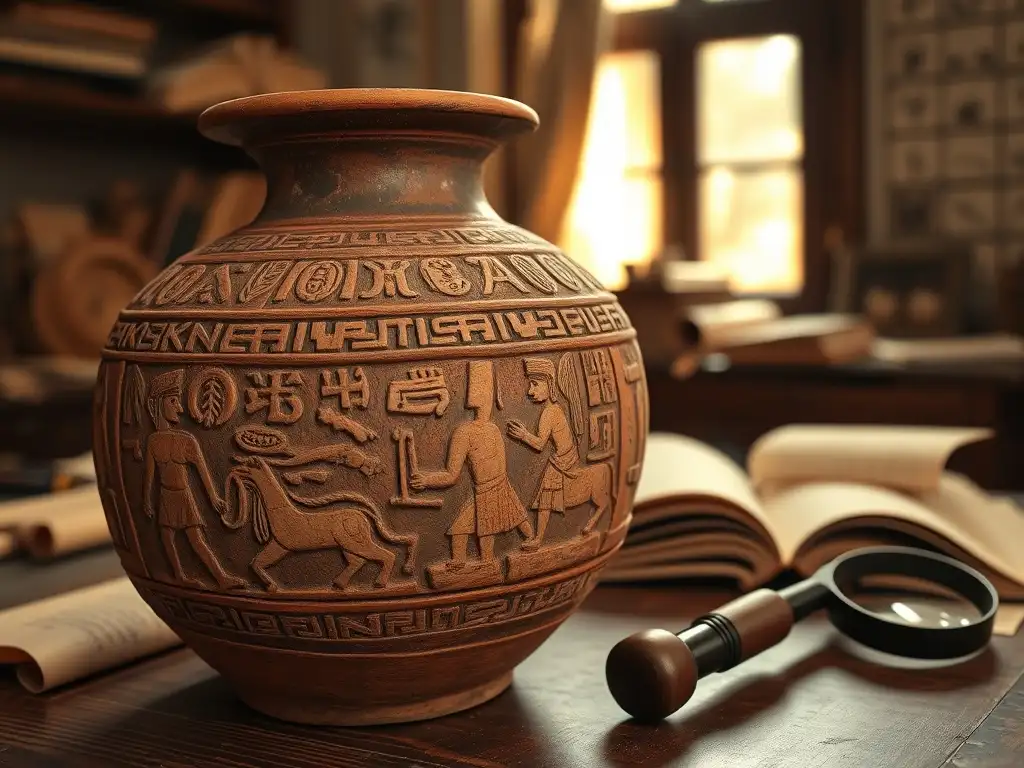
The Moche language, spoken by the ancient Moche civilization of Peru (circa 100-800 CE), remains largely a mystery. While no written texts survive in a form readily decipherable today, archaeological findings and careful analysis offer tantalizing glimpses into its structure and potential sounds. Efforts towards Moche language decipherment are ongoing, relying heavily on indirect evidence and comparative linguistics. This section explores some key insights gathered thus far.
Phonology: Reconstructing the Sounds of Moche
Reconstructing the phonology (sound system) of the Moche language presents a significant challenge. The absence of a written script necessitates indirect approaches. Scholars analyze the limited surviving iconography, focusing on potential phonetic representations within imagery. For example, some researchers suggest that certain glyphs found on Moche pottery may represent syllabic or even alphabetic elements, although this interpretation remains highly debated within the field of Moche language decipherment.
Furthermore, comparative linguistics plays a crucial role. By comparing Moche vocabulary with related Quechuan languages that evolved in the same region, researchers attempt to identify cognates (words with shared ancestry). These cognates can offer clues about the sounds present in the Moche language, although significant caution is required due to the considerable time elapsed and potential sound changes over millennia. The identification of potential cognates is further complicated by the incomplete nature of our current understanding of both Moche and Quechuan languages. The process is akin to piecing together a fragmented puzzle with many missing pieces.
The current understanding of Moche phonology is highly speculative and based on limited evidence. Further research, possibly incorporating advancements in computational linguistics and AI-based analysis of surviving artifacts, is needed to make significant progress. We are still far from a definitive phonological reconstruction of the Moche language. The complexity of the task is underscored by the fact that even the number of vowels and consonants in Moche remains uncertain.
Grammar and Syntax: Unveiling the Structure of Moche
The grammatical structure of the Moche language is largely unknown. The lack of written texts hinders direct observation of grammatical features. However, analysis of Moche iconography, particularly representations of social structures and interactions depicted on ceramics, offers some indirect clues. The arrangement of figures in scenes, possibly reflecting narrative sequences, might hint at underlying grammatical structures. However, such interpretations are highly subjective and require careful consideration of contextual factors.
Researchers are exploring different hypotheses, comparing potential grammatical structures with those of related languages. However, these comparisons are hampered by the limited data available. Some researchers suggest a possible SOV (Subject-Object-Verb) structure, typical of many languages in the Andes region, but this remains a tentative hypothesis. More concrete evidence is needed to determine the word order and other fundamental grammatical features of the Moche language. Further research involving advanced statistical methods applied to the available data could help refine these hypotheses. There is a clear need for more data and more sophisticated analysis techniques to understand Moche grammar.
Vocabulary and Semantics: Understanding Moche Words and Meanings
Understanding the vocabulary and semantics of the Moche language is a significant challenge due to the lack of written records. Researchers rely primarily on iconography found on pottery and other artifacts to infer meaning. However, the interpretation of these images is often ambiguous and subjective, leading to varying interpretations amongst scholars. The meanings of even seemingly straightforward images are often debated.
| Image Type | Example Meaning (Hypothetical) | Challenges in Interpretation |
|---|---|---|
| Depiction of Fish | Abundant marine resources | Symbolic vs. literal representation; specific species? |
| Human Figures | Social roles/interactions | Identifying specific individuals; interpreting gestures |
| Agricultural Scenes | Importance of agriculture | Identifying crops; understanding ritualistic aspects |
The limited number of deciphered words further complicates the process. While some words have been tentatively identified, their meanings often remain unclear. The lack of a comprehensive Moche dictionary hinders the understanding of the broader semantic field.
Future discoveries of new artifacts, particularly those containing more detailed iconography or potentially even written texts, would be crucial for advancing our understanding of Moche vocabulary and semantics. The current state of Moche language decipherment presents a fascinating challenge, requiring interdisciplinary collaboration and innovative approaches to unravel the mysteries of this lost language. The potential rewards are immense, offering unparalleled insight into the rich cultural heritage of the Moche civilization.
The Current State of Moche Language Research
The quest for Moche language decipherment remains a significant challenge for scholars. Unlike some ancient civilizations that left behind extensive written records, the Moche primarily utilized iconography and ceramics to communicate. While these artifacts offer invaluable insights into their culture, religion, and daily life, the absence of a clearly defined writing system presents a formidable hurdle in understanding their spoken language.
Current research focuses primarily on the interpretation of Moche iconography, aiming to identify recurring motifs and symbols that might represent phonetic elements or grammatical structures. The complexity of Moche art, however, often obscures a simple, direct correlation between image and sound. Many symbols remain ambiguous, leading to multiple interpretations and hindering definitive conclusions about the nature of the Moche language.
The lack of bilingual texts – texts in Moche alongside a known language – further complicates the process of decipherment. This makes the task of reconstructing the Moche language a painstaking process of careful observation, comparative analysis, and cautious interpretation.
Ongoing Projects and Studies
Several research teams are actively engaged in various aspects of Moche language decipherment. Many projects concentrate on detailed cataloging and analysis of Moche iconography across different ceramic styles and geographical regions. This allows researchers to identify patterns and recurring symbols, potentially revealing underlying linguistic structures.
Other studies employ computational methods, such as machine learning algorithms, to analyze large datasets of Moche imagery, hoping to identify statistical correlations that might indicate phonetic or grammatical relationships. There is also a growing interest in exploring potential links between Moche iconography and the languages of contemporary Andean communities. This interdisciplinary approach, combining archaeological findings with linguistic expertise, is yielding some promising results, albeit slowly.
For example, researchers are investigating whether certain Moche symbols might represent syllables or morphemes, building upon the understanding of Quechua and other related languages. While no complete decipherment has been achieved, these ongoing projects are steadily accumulating data and refining analytical methodologies, paving the way for future breakthroughs in understanding the Moche language.
Challenges and Limitations in Moche Language Research
Despite significant efforts, several factors continue to impede progress in Moche language decipherment. The limited corpus of available material presents a major challenge. Unlike civilizations with extensive written texts, the Moche left behind a relatively small number of artifacts bearing potentially linguistic information. The highly stylized and context-dependent nature of Moche iconography further complicates analysis.
The same symbol might have different meanings depending on its context within a larger image or narrative. This necessitates careful consideration of the entire artifact and its cultural background for accurate interpretation. Furthermore, the lack of a Rosetta Stone-type artifact – a bilingual text providing a direct comparison between Moche and a known language – severely hinders the decipherment process. This absence forces researchers to rely on indirect methods and comparative linguistics, increasing the margin of error and the time required for meaningful progress.
Finally, the potential for misinterpretations is always present. The subjective nature of interpreting visual symbols means that different researchers may reach different conclusions based on the same data. This underscores the necessity for rigorous methodological standards and collaborative efforts to ensure the reliability and validity of research findings.
Future Directions for Moche Language Decipherment
Future research on Moche language decipherment will likely involve a multi-faceted approach, integrating advances in several fields. The application of advanced digital tools and techniques, such as artificial intelligence and machine learning, will play a crucial role in analyzing vast amounts of Moche imagery and identifying subtle patterns that may have been missed by human observation. Increased interdisciplinary collaboration between archaeologists, linguists, anthropologists, and computer scientists is essential to bring diverse perspectives and expertise to bear on this complex problem.
Furthermore, a renewed focus on fieldwork and the excavation of new Moche sites could potentially uncover additional artifacts with linguistic clues. The development of more sophisticated methodologies for interpreting Moche iconography, incorporating contextual, cultural, and comparative linguistic analyses, is also crucial.
Finally, continued engagement with and respect for the descendants of the Moche people and their perspectives could provide valuable insights and ethical guidance for this ongoing research. The ultimate goal remains the complete decipherment of the Moche language, but the path forward necessitates a patient, meticulous, and collaborative approach, leveraging the latest technological and intellectual advancements.
The Importance of the Moche Language for Andean Studies
The Moche language, despite its elusiveness, holds a pivotal position in Andean studies. Its decipherment would unlock a treasure trove of information, offering unparalleled insights into a civilization that flourished along the northern coast of Peru for centuries. Currently, our understanding of Moche society and culture relies heavily on archaeological findings – intricate ceramics, monumental architecture, and elaborate burial practices. However, the direct voice of the Moche people, their own words and stories, remains largely silent.
Successfully deciphering the Moche language would provide a crucial, primary source of information, enriching our current narratives and potentially challenging existing interpretations. The potential impact on our understanding of Andean history and cultural evolution is immense, promising a revolution in our comprehension of this fascinating civilization. This is why the pursuit of Moche language decipherment is so crucial, and why continued research in this area is so vital.
Gaining Deeper Insights into Moche Society and Culture
Understanding the Moche language would provide invaluable insights into their social structures, religious beliefs, and daily lives. Current archaeological evidence suggests a complex hierarchical society with specialized artisans and powerful rulers. However, the nuances of their social interactions, power dynamics, and kinship systems remain largely speculative. Analyzing Moche texts could reveal details about their governance, economic systems, and the roles of different social groups. For example, we could learn more about the relationship between the elite and the commoners, the extent of social mobility, and the nature of their religious practices. The language could reveal the names of deities, descriptions of rituals, and details about their cosmology, providing a far richer understanding of their spiritual world than is currently possible. Imagine uncovering detailed accounts of their myths and legends, or even discovering previously unknown aspects of their daily lives, from farming techniques to artistic practices. The possibilities are truly limitless.
Moche Language as a Key to Understanding Andean History
The Moche civilization existed within a broader Andean context, interacting with other cultures and experiencing periods of both prosperity and upheaval. Deciphering their language could provide crucial information about their relationships with neighboring societies, such as the Nazca and the Wari. Did they engage in trade? Were there periods of conflict?
What were the linguistic and cultural exchanges? These questions, currently unanswered, could be addressed through the analysis of Moche texts. Furthermore, understanding the Moche language could shed light on the processes of cultural transmission and change within the Andes. How did their language evolve?
What were the influences of other Andean languages on the Moche language, and vice versa? The answers to these questions would contribute significantly to our understanding of the broader historical trajectory of the Andean region. This is an exciting prospect, as the Moche language decipherment would not only illuminate the Moche themselves but also cast a brighter light on the entire Andean cultural landscape.
Preserving the Moche Linguistic Heritage
The preservation of the Moche language, even in its undeciphered state, is a critical task. The limited existing evidence, primarily found on ceramics and possibly some textiles, is fragile and susceptible to deterioration. Therefore, meticulous documentation, careful preservation, and advanced digital archiving techniques are essential.
This includes high-resolution imaging, 3D modeling, and spectral analysis to capture as much detail as possible from the existing artifacts. Furthermore, ongoing archaeological research is crucial to discover new examples of Moche writing, expanding the corpus of available data. The ultimate goal is to protect this irreplaceable part of humanity's cultural heritage, ensuring that future generations have access to the materials necessary for successful Moche language decipherment.
This proactive approach towards preservation is not only about safeguarding the past but also about creating opportunities for future discoveries and a more complete understanding of this remarkable civilization. The task is monumental, but the potential rewards—a deeper connection to the past and a richer understanding of human history—make it a worthwhile endeavor.
Frequently Asked Questions
What is the current status of Moche language decipherment?
Unfortunately, the Moche language remains undeciphered. Researchers are actively working on it, but no significant breakthroughs have been made yet in understanding their writing system. Further research is needed.
What kind of writing system did the Moche use?
The Moche civilization employed a unique system of glyphs, which are distinct symbols. However, these symbols have not yet been linked to a specific spoken language or deciphered.
What makes deciphering the Moche language so difficult?
Several factors contribute to the difficulty: the limited number of surviving inscriptions, the complexity of the glyphs, and a lack of bilingual texts to provide a key for translation.
Are there any promising approaches to deciphering the Moche language?
Researchers are exploring various methods, including comparative analysis with other Andean languages, studying the context of inscriptions, and employing advanced digital imaging techniques.
Where can I find more information about Moche research and ongoing efforts in language decipherment?
You can explore reputable academic journals focusing on Andean archaeology and linguistics. Many universities and research institutions also publish findings on their websites related to Moche studies.
Final Reflection: Echoes of the Moche: A Legacy in Language
The quest to decipher the Moche language isn't merely an academic pursuit; it's a vital bridge connecting us to a vibrant civilization whose artistic and societal achievements continue to astound. Unlocking the secrets held within their glyphs offers a profound opportunity to understand a culture that thrived centuries ago, offering invaluable insights into the development of human societies and the enduring power of communication.
The enduring mystery surrounding the Moche language underscores the fragility of cultural heritage and the urgent need for preservation. The potential loss of this knowledge is a profound loss for all of humanity. A language is more than just words; it is the embodiment of a culture, its history, and its soul.
Understanding the Moche language allows us to appreciate the richness and complexity of their worldview, challenging our preconceived notions and expanding our understanding of the human experience. This journey of decipherment is not just about understanding glyphs; it's about understanding ourselves.
Consider the implications of this research. What new perspectives might we gain on ancient social structures, religious beliefs, and artistic practices? What lessons can we learn from the Moche's resilience and ingenuity? I urge you to delve deeper into this fascinating world, to explore the resources available, and to support the ongoing efforts to unravel the mysteries of the Moche language. The echoes of their voices await, ready to share their stories if only we listen closely enough.
Unleash the Secrets of the Moche Language!
Thank you for exploring the fascinating world of the Moche language! Your interest helps preserve the rich history of Andean civilizations. Let's delve deeper into this incredible topic.
Continue Your Journey:
- Take a language course: Explore online resources or classes focusing on Andean languages to immerse yourself in Moche culture.
- Share your knowledge: Discuss your discoveries with friends or on social media; you might inspire others to learn more.
- Join a community: Connect with historians or language enthusiasts through online forums or local groups to further explore Andean heritage.
What aspect of the Moche language intrigues you most, and how will you explore it further?