
Aymara Resilience: How the Language Survived Inca and Spanish Conquests

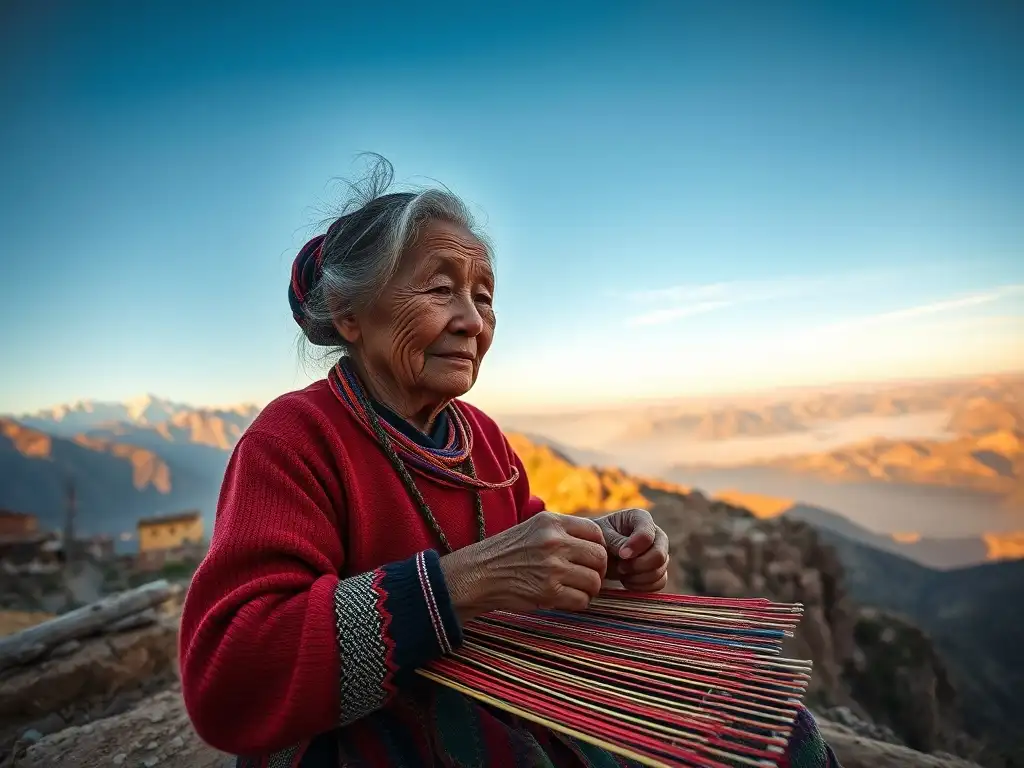
Dive into the captivating world of Andean Civilizations, where empires rose and fell, leaving behind a legacy of breathtaking artistry and ingenuity. But what secrets do these ancient societies still hold? This journey begins with a story of remarkable resilience: the Aymara language survival against the odds of Inca and Spanish conquest. Discover how this vibrant tongue endured centuries of oppression, and uncover the fascinating cultural tapestry woven into its very existence. Prepare to be amazed.
The Aymara language, a vibrant testament to the enduring spirit of the Andean people, stands as a remarkable example of linguistic survival against overwhelming odds. This article delves into the fascinating history of the Aymara language, exploring its resilience in the face of both Inca and Spanish colonial domination.
We will examine the pre-Inca Aymara world, the impact of successive empires, and the crucial factors that contributed to the language's continued existence, ultimately shaping its present-day presence in Bolivia, Peru, and Chile. Understanding the Aymara language's survival is not just a linguistic study; it's a powerful narrative of cultural perseverance and the strength of indigenous communities in the face of immense historical pressure.
This exploration will illuminate the strategies employed by Aymara speakers to maintain their linguistic identity, highlighting the importance of linguistic diversity and cultural heritage preservation. The journey through Aymara history reveals a complex interplay of adaptation, resistance, and the unwavering commitment to preserving a rich cultural legacy.
Introduction to Aymara Language and its Historical Context
The Aymara language, belonging to the Aymara family, is spoken by approximately 2 million people primarily in the Andes region of South America. Its geographical distribution encompasses significant portions of Bolivia, Peru, and Chile, largely overlapping with the altiplano, a high-altitude plateau characterized by its challenging environment. The Aymara language boasts a rich grammatical structure and a complex vocabulary reflecting its deep historical roots and the intricate social fabric of its speakers.
Unlike many indigenous languages that faced near-extinction after the Spanish conquest, Aymara demonstrated remarkable tenacity, maintaining its presence throughout centuries of colonization and societal shifts. This resilience is largely attributed to the strong cultural identity of the Aymara people and their unwavering commitment to preserving their ancestral language.
Understanding the historical context of the Aymara language, including its pre-Columbian usage and its subsequent interaction with other languages, is crucial to understanding its remarkable survival. The language's adaptability and the community's proactive efforts to maintain its use have been key to its ongoing vitality.
The Pre-Inca Aymara: Language and Territory
Before the expansion of the Inca Empire, the Aymara people inhabited a vast territory encompassing parts of modern-day Bolivia, Peru, and Chile. Their language served as a vital tool for communication, cultural transmission, and social organization within their complex societies. The pre-Inca Aymara period, although less documented than the post-Inca era, reveals crucial insights into the linguistic landscape and the social structures that supported the language's propagation.
Evidence suggests a high level of linguistic and cultural sophistication, with complex social hierarchies and elaborate religious practices reflected in the language itself. This period laid the foundation for the language's later resilience, demonstrating its adaptability and its importance in the lives of the Aymara people.
Aymara Linguistic Roots and Origins
The precise origins of the Aymara language remain a subject of ongoing linguistic research. However, current scholarship suggests that it belongs to a broader family of languages with connections to other Andean language groups. Tracing the linguistic roots of Aymara helps us understand its unique characteristics and its relationship to other languages in the region.
Studying the evolution of Aymara vocabulary, grammar, and phonology provides valuable insights into the historical migrations and interactions of the Aymara people. While definitive conclusions are still emerging, the research indicates a rich and complex linguistic history that predates the arrival of European colonizers. The ongoing investigation into the Aymara language’s origins continues to provide valuable insights into its development and evolution.
Early Aymara Society and Cultural Expressions
Pre-Inca Aymara society was characterized by a complex social structure, sophisticated agricultural techniques, and a rich cultural heritage. Their oral traditions, religious beliefs, and artistic expressions were deeply intertwined with their language. The intricate system of kinship, social organization, and political structures all found expression through the Aymara language. This close relationship between language and culture played a significant role in the language's survival.
The strong cultural identity of the Aymara people, deeply rooted in their language, provided a crucial foundation for its continued use even after the arrival of the Inca and Spanish empires. The enduring cultural practices and traditions of the Aymara people, expressed and preserved through their language, serve as a testament to their resilience and the strength of their cultural heritage. Further research is needed to fully understand the complexities of early Aymara society and its impact on the language's development and survival.
The Inca Conquest and its Impact on Aymara
Inca Expansion and Aymara Lands
The Inca Empire's expansion, beginning in the 15th century, significantly impacted the Aymara-speaking communities. The Inca's relentless military campaigns gradually incorporated vast territories, including the Altiplano region, the heartland of Aymara civilization. This expansion wasn't solely about conquest; it was a process of integration, albeit a forceful one. Inca rulers aimed to incorporate conquered populations into their vast administrative and economic system, a strategy that had profound implications for the Aymara language and culture.
The Inca's impressive road network, for instance, facilitated communication and movement across the empire, but it also served to solidify Inca control and influence. The scale of Inca expansion is truly remarkable, considering the challenging Andean terrain and the diverse ethnic groups they encountered. Archaeological evidence, such as the remains of Inca administrative centers and fortifications in Aymara territories, provides tangible proof of this expansion and its impact.
Language Policies of the Inca Empire
The Inca Empire, despite its vast size and diverse population, didn't impose a strict policy of linguistic uniformity. While Quechua, the language of the Inca rulers, became the lingua franca of the empire, facilitating communication and administration, other languages, including Aymara, were tolerated, particularly in regions where they held strong cultural significance. This pragmatic approach likely stemmed from the Inca's need to govern effectively and maintain social order in a multicultural environment.
However, the prominence given to Quechua undoubtedly influenced the Aymara language, leading to some linguistic borrowing and adaptation. The extent of this influence varies across different Aymara dialects, reflecting the varying degrees of Inca control and interaction across different regions. Further research is needed to fully understand the nuances of Inca language policies and their long-term effects on Aymara.
Aymara Language under Inca Rule: Adaptation and Resistance
Despite the rise of Quechua as the dominant language, Aymara demonstrated remarkable resilience. While some linguistic borrowing occurred, Aymara maintained its distinct grammatical structure and vocabulary. This suggests that Aymara speakers actively resisted complete assimilation, preserving their linguistic identity even under Inca rule. Oral traditions, religious practices, and family structures likely played a crucial role in this preservation.
The continued use of Aymara in everyday life, within families and local communities, shielded it from complete eradication. This resistance demonstrates a strong sense of cultural identity amongst Aymara speakers and their determination to maintain their linguistic heritage. The survival of Aymara during this period showcases the importance of community and cultural preservation in the face of external pressures. Further investigation into the social structures and cultural practices of Aymara communities during the Inca period would shed more light on the mechanisms of language survival.
The Spanish Conquest: A New Era of Challenges for Aymara
The Arrival of the Spanish and Colonial Language Imposition
The Spanish conquest in the 16th century brought a new level of threat to the Aymara language. Unlike the Inca, who largely tolerated linguistic diversity, the Spanish implemented a policy of aggressive language replacement, aiming to supplant indigenous languages with Spanish. This policy was a key element of the broader colonial project aimed at cultural and religious conversion. The imposition of Spanish was not only a linguistic issue but also a tool of political and social control. The Spanish crown actively promoted the use of Spanish in administration, education, and religious institutions, effectively marginalizing Aymara and other indigenous languages.
Suppression of Indigenous Languages and Aymara
The Spanish colonial authorities actively suppressed indigenous languages, viewing them as obstacles to the spread of Catholicism and the establishment of Spanish dominance. This suppression took various forms, from banning the use of Aymara in official settings to discouraging its use in education and religious practices. The colonial system deliberately limited opportunities for Aymara speakers, creating a linguistic hierarchy that privileged Spanish speakers.
This systemic suppression, coupled with the destruction of indigenous knowledge systems, aimed to eradicate Aymara culture and language entirely. The impact of this colonial language policy was profound and long-lasting, resulting in a significant decline in Aymara speakers over several centuries.
Aymara Adaptation Strategies during the Colonial Period
Despite the intense pressure to adopt Spanish, Aymara demonstrated remarkable resilience. Aymara speakers adapted by developing strategies to preserve their language in the face of oppression. The use of Aymara in private spheres, within families and communities, remained crucial. Furthermore, the development of a unique form of bilingualism, where Aymara speakers incorporated Spanish words into their Aymara speech, allowed them to navigate the colonial environment while preserving their linguistic identity.
This adaptation, however, came at a cost, as it sometimes led to the erosion of certain aspects of the Aymara language. Nevertheless, the continued use of Aymara, even in adapted forms, underscores the deep-rooted connection Aymara speakers have to their language and culture. The survival of Aymara in the face of colonial oppression highlights the powerful role of community, cultural identity, and adaptation in linguistic preservation.
Factors Contributing to Aymara Language Survival
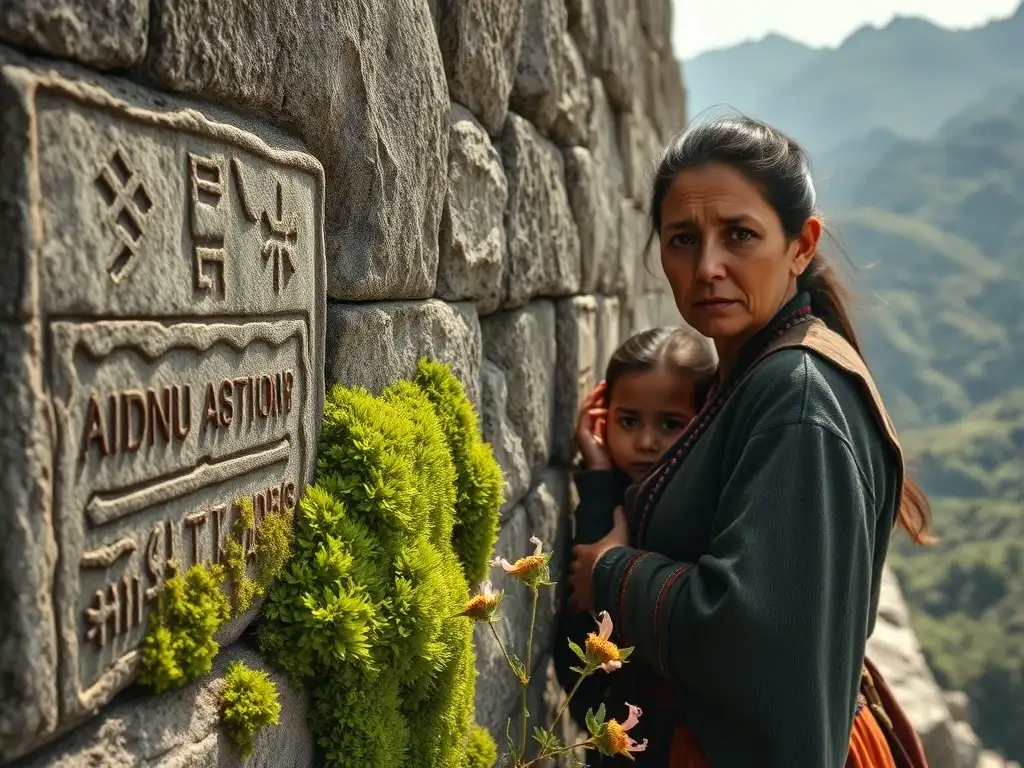
The remarkable survival of the Aymara language, despite centuries of colonization and linguistic pressure, is a testament to the resilience of its speakers and the confluence of several key factors. These factors, acting in concert, ensured the language's continuity and transmission across generations, even in the face of significant challenges. We will explore these factors in detail below.
Community Cohesion and Cultural Preservation
Aymara communities have historically demonstrated a strong sense of collective identity and cultural pride. This deep-rooted cohesion played a crucial role in maintaining the Aymara language. The preservation of Aymara traditions, customs, and social structures served as a powerful vehicle for linguistic continuity. Within these tight-knit communities, Aymara was not merely a means of communication; it was intrinsically linked to their social fabric, worldview, and spiritual beliefs.
This intrinsic connection fostered a strong motivation to preserve the language, resisting assimilation pressures. For example, many Aymara communities maintained distinct social organizations and governance structures, where Aymara was the primary language of administration and social interaction. This created a linguistic stronghold that resisted the encroachment of Spanish and later, other dominant languages.
Geographic Isolation and Limited Spanish Influence
The mountainous terrain of the Andes, the Aymara homeland, contributed significantly to the language's survival. The challenging geography presented natural barriers to easy access and integration with other cultural groups. Many Aymara communities remained relatively isolated, geographically, limiting prolonged contact with Spanish colonizers and minimizing the influence of the dominant language.
This relative isolation provided a protective buffer, allowing the Aymara language to flourish within its communities relatively undisturbed. The rugged landscape hindered the complete imposition of Spanish, delaying the full integration of Aymara speakers into the colonial system and its associated linguistic dominance. This isolation, while challenging for other aspects of life, served as a crucial factor in Aymara language persistence.
Intergenerational Transmission of Aymara
The consistent transmission of the Aymara language across generations proved essential to its survival. Parents and elders actively taught the language to their children, ensuring its continuity within families. This intergenerational transmission, often reinforced by strong family and community ties, created a linguistic chain that resisted the pressures of language shift.
The role of grandparents and other older family members in actively teaching the language to younger generations is particularly noteworthy. This wasn't just passive language acquisition; it was a deliberate and conscious effort to preserve a vital part of their cultural heritage. Stories, songs, and traditional practices in Aymara were all part of this active transmission.
The Role of Oral Tradition in Language Continuity
A rich oral tradition played a significant role in maintaining Aymara language vitality. Aymara storytelling, songs, poetry, and proverbs served as powerful repositories of linguistic knowledge and cultural memory. These oral forms of communication not only preserved the language itself but also helped transmit essential cultural values and beliefs, further reinforcing the language's importance within the community.
The emphasis on oral tradition meant that even in the absence of widespread literacy in Aymara, the language itself thrived, passed down through generations via rich storytelling and traditional performances. This oral tradition created a powerful linguistic ecosystem that supported and sustained Aymara.
Modern Aymara: Revitalization and Contemporary Use
Despite the historical challenges, the Aymara language continues to thrive in the 21st century, demonstrating remarkable resilience and adaptation. However, it also faces new challenges and opportunities in the modern world.
Current Status of the Aymara Language
Today, Aymara is spoken by a significant population across Bolivia and Peru, with smaller communities in Chile and Argentina. While precise numbers vary depending on the definition of fluency and data collection methods, it remains a vibrant language with a substantial number of native speakers. However, it's important to acknowledge that the language faces ongoing pressures from Spanish and other languages, particularly in urban areas and among younger generations. The level of Aymara fluency varies across different communities and age groups, highlighting the need for continued language revitalization efforts.
Language Revitalization Efforts and Initiatives
Recognizing the importance of preserving Aymara, numerous initiatives are underway to promote and revitalize the language. These initiatives range from community-based language nests and immersion programs to the incorporation of Aymara into formal education systems. Governmental support, coupled with the efforts of non-governmental organizations and community activists, is playing a crucial role in language revitalization. These programs focus on various aspects, from developing Aymara language materials for schools to creating media content in Aymara, fostering a renewed sense of pride and ownership in the language among its speakers.
Aymara in Education and Media
The integration of Aymara into educational systems, particularly in bilingual programs, is crucial for language maintenance. Efforts are underway to develop Aymara language curricula and teaching materials, ensuring that future generations have access to Aymara education. The emergence of Aymara language media, including radio broadcasts, television programs, and online platforms, is also contributing to language revitalization by creating spaces for Aymara language use and cultural expression. This increased visibility of Aymara in the media helps to normalize its use and counter the dominance of Spanish in public life.
Challenges and Future Prospects of Aymara Language
Despite the ongoing revitalization efforts, the Aymara language still faces significant challenges. The continued dominance of Spanish, particularly in urban areas and in accessing economic opportunities, poses a major threat to Aymara language use. The digital divide and the lack of readily available Aymara language resources in the digital sphere also present obstacles.
However, the commitment of Aymara communities and the growing recognition of the importance of linguistic diversity offer hope for the language's continued survival and flourishing. The future of Aymara hinges on sustained investment in language revitalization programs, educational initiatives, and the empowerment of Aymara speakers to utilize their language in all aspects of their lives. The fight for "Aymara language survival" is ongoing, but the commitment and resilience of its speakers make its future bright.
Aymara Language Survival: Lessons and Significance
The survival of the Aymara language against the odds of Inca and Spanish colonization offers invaluable lessons for language preservation efforts worldwide. Its continued existence, despite centuries of suppression and assimilation attempts, demonstrates the powerful connection between language and cultural identity. The Aymara people's tenacious grip on their mother tongue highlights the resilience of indigenous communities and the importance of supporting linguistic diversity.
The Aymara experience underscores the fact that language is not merely a tool for communication but a fundamental aspect of cultural heritage, shaping worldviews, social structures, and individual identities. The lessons learned from Aymara resilience can inform strategies for protecting other endangered languages, emphasizing community-based approaches, education initiatives, and the recognition of indigenous languages as valuable cultural resources.
Understanding the factors that contributed to Aymara survival is crucial for developing effective language revitalization programs globally. This includes recognizing the role of oral traditions, intergenerational transmission, and the sustained effort of Aymara speakers themselves in maintaining their linguistic heritage.
The Importance of Linguistic Diversity and Indigenous Heritage
The Aymara language's survival is intrinsically linked to the broader importance of linguistic diversity and the preservation of indigenous heritage. Each language represents a unique worldview, a distinct way of understanding and interacting with the world. The loss of a language is not simply the loss of words; it's the erosion of a culture, a history, and a unique perspective.
The Aymara case vividly illustrates this point. The language embodies centuries of Andean knowledge, traditions, and social structures. Its survival safeguards a rich cultural tapestry, contributing to the global diversity of human expression and understanding.
Protecting indigenous languages like Aymara is essential for preserving cultural heritage, promoting intercultural dialogue, and fostering a more inclusive and equitable world. The vibrant traditions and knowledge embedded within the Aymara language are a testament to the richness of human experience and the importance of celebrating linguistic diversity. The ongoing efforts to support Aymara speakers reflect a growing global recognition of the intrinsic value of cultural and linguistic pluralism.
Aymara as a Case Study in Language Resilience
The Aymara language stands as a compelling case study in language resilience, demonstrating the ability of a language to not only survive but also thrive in the face of adversity. The Inca empire, while imposing its Quechua language, did not completely eradicate Aymara. Similarly, the Spanish conquest, with its forceful imposition of Spanish, failed to fully extinguish Aymara.
This resilience can be attributed to several factors, including the strong community ties among Aymara speakers, the continued use of Aymara in everyday life, and the adaptation of the language to incorporate new vocabulary and concepts. The language's survival also reflects the importance of oral traditions, which played a crucial role in transmitting Aymara across generations.
Studying the Aymara experience offers valuable insights into the factors that contribute to language persistence, highlighting the importance of community engagement, cultural pride, and the adaptation of languages to changing circumstances. Analyzing the linguistic strategies employed by Aymara speakers can inform the development of more effective language preservation programs.
Reflections on the Enduring Legacy of Aymara
The enduring legacy of the Aymara language is a testament to the strength and resilience of the Aymara people. Its survival represents not only a linguistic victory but also a powerful symbol of cultural resistance and preservation. The continued use of Aymara in various contexts – from everyday conversation to literature and education – showcases its vitality and adaptability. The language's continued presence in the Andes is a source of pride for the Aymara community and a reminder of the importance of cultural heritage.
The Aymara language's journey serves as an inspiration for other indigenous communities striving to preserve their linguistic and cultural identities. Its enduring presence is a powerful affirmation of the interconnectedness between language, culture, and identity, and a testament to the enduring human spirit. The legacy of Aymara continues to enrich the cultural landscape of the Andes and contributes significantly to the world's linguistic diversity.
- Introduction to Aymara Language and its Historical Context
- The Pre-Inca Aymara: Language and Territory
- The Inca Conquest and its Impact on Aymara
- The Spanish Conquest: A New Era of Challenges for Aymara
- Factors Contributing to Aymara Language Survival
- Modern Aymara: Revitalization and Contemporary Use
- Aymara Language Survival: Lessons and Significance
Frequently Asked Questions
What is the Aymara language?
The Aymara language is a native language of the Andes, spoken primarily in Bolivia and Peru. It boasts a rich history and continues to be spoken by millions today, despite centuries of colonial oppression. Its survival is a testament to the resilience of its speakers.
How did the Aymara language survive Inca rule?
The Incas, while powerful, did not systematically suppress the Aymara language. Inca policies often involved integrating conquered populations and their cultures, leading to a degree of linguistic coexistence, rather than outright eradication. Some Aymara words even integrated into Quechua.
Did the Spanish conquest threaten the Aymara language?
The Spanish conquest posed a far greater threat to Aymara, actively promoting Spanish as the dominant language. However, the Aymara people's strong cultural identity and continued community use of the language allowed for its survival, albeit with significant challenges.
What factors contributed to the Aymara language's survival?
Several factors played a role, including the strong cultural identity of Aymara communities, the language's continued use in daily life, and recent revitalization efforts. The language's continued presence in rural areas also protected it from complete assimilation.
What is the current status of the Aymara language?
While facing ongoing challenges, the Aymara language is far from extinct. Efforts to preserve and promote the language through education and community initiatives are ongoing, ensuring its continued presence for future generations.
Final Reflection: Echoes of Resilience: The Aymara Language's Enduring Legacy
The Aymara language, a testament to the enduring spirit of its people, continues to thrive despite centuries of oppression. Its survival against the formidable forces of the Inca and Spanish empires is not merely a historical footnote; it's a powerful symbol of cultural resistance and a vibrant example of linguistic tenacity in the face of overwhelming odds. This resilience offers invaluable lessons for understanding the importance of cultural preservation in a rapidly globalizing world.
The Aymara language's ongoing struggle for survival reflects a broader fight for indigenous rights and the preservation of cultural heritage worldwide. Its persistence, despite systematic attempts at eradication, underscores the deep-seated connection between language and identity. A language is not just a means of communication; it's a carrier of culture, history, and identity.
This quote encapsulates the profound significance of the Aymara language's survival, not just for the Aymara people, but for all who value the richness and diversity of human expression. The fight to preserve Aymara is a fight for the preservation of a unique worldview and a vital part of the human story.
Consider, for a moment, the power of language to shape our understanding of the world. The Aymara language, with its unique grammatical structures and worldview, offers a perspective often overlooked in a predominantly Spanish-speaking world. You, the reader, now hold the power to amplify this voice. Learn a few Aymara words, share this story, support initiatives dedicated to preserving indigenous languages – let the echoes of Aymara resilience inspire you to champion the preservation of linguistic diversity and cultural heritage, wherever you find it.
Embrace Aymara: Connect with a Living Heritage!
Thank you for exploring the fascinating Aymara language and its enduring legacy. Your interest highlights the vibrant cultural richness of Andean civilizations. Let's turn this appreciation into action!
Here are some ways you can get involved:
- Learn Aymara: Begin your journey by enrolling in a local language class or utilizing online resources. Connect with the thriving Aymara community.
- Spread the Word: Share this article with your network—friends, family, and social media contacts—to raise awareness about Aymara culture and the importance of linguistic diversity.
- Engage with the Culture: Participate in events celebrating Andean traditions and consider volunteering with organizations dedicated to preserving indigenous languages.
How will you contribute to the preservation and celebration of the Aymara language?