
Chavín de Huántar: Decoding the Secrets of a Sacred Temple

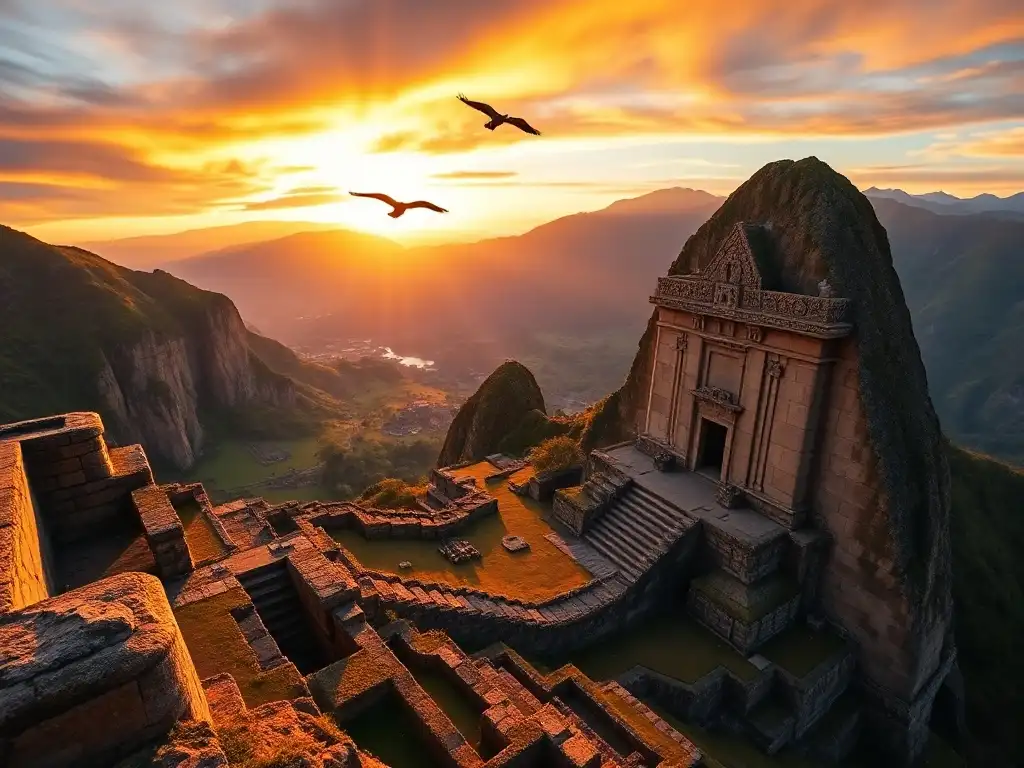
Step into a world lost to time, where the echoes of ancient rituals still resonate through the Andes. Discover the enigmatic legacy of the Andean civilizations, from the breathtaking artistry of the Nazca lines to the sophisticated engineering of the Incas. But first, prepare to be captivated by the Chavín de Huántar temple secrets, a journey into a pre-Incan marvel that will challenge your understanding of ancient power and spirituality. Unravel the mysteries within; their secrets await your discovery.
The Chavín culture, flourishing in the Andes Mountains of Peru between 900 and 200 BCE, left behind a legacy shrouded in mystery. Central to this enigma is Chavín de Huántar, a monumental complex often described as a sacred temple, whose intricate architecture, enigmatic iconography, and sophisticated engineering continue to fascinate and challenge archaeologists today.
This article delves into the fascinating secrets of Chavín de Huántar, exploring the evidence that reveals its function as a powerful religious and possibly political center, and the mysteries that still surround its influence on the development of Andean civilizations. We will examine the temple's unique design, its intricate carvings, and the potential significance of its location, all in an attempt to unlock some of the secrets this remarkable site holds.
Understanding Chavín de Huántar is key to understanding the broader context of the pre-Incan cultures of the Andean coast and their profound impact on subsequent civilizations. Prepare to journey back in time and explore a world of captivating enigmas!
The Architectural Marvel of Chavín de Huántar
The temple at Chavín de Huántar is a testament to the sophisticated engineering and architectural prowess of the Chavín people. Built over several centuries, the complex is a labyrinthine structure characterized by its intricate network of galleries, plazas, and underground passages. The use of massive stone blocks, precisely cut and fitted together without mortar, showcases an advanced understanding of construction techniques.
The central feature is a series of interconnected plazas and sunken courts, possibly used for ritual ceremonies. The complex's layout is not simply functional; it's designed to create a powerful and awe-inspiring atmosphere, likely intended to enhance the religious experience for visitors. Furthermore, the strategic placement of doorways and passages carefully controls the flow of people and light, creating a sense of mystery and reverence.
The masterful manipulation of space and light is a key element in the overall design, highlighting the temple's sacred nature. Evidence suggests that the construction itself was a ritualistic process, with the placement of certain stones possibly holding symbolic significance.
Deciphering the Iconography: The Chavín Style
The Chavín style is instantly recognizable for its distinctive artistic motifs. Carvings adorning the walls, lintels, and other architectural elements depict a pantheon of deities and mythical creatures, often characterized by feline, serpent, and jaguar features. These figures, frequently depicted in a highly stylized and abstract manner, are often interpreted as representing powerful forces of nature or shamanistic experiences.
One particularly striking example is the Lanzón, a massive monolithic sculpture of a deity, possibly a jaguar-like figure, located in the main temple. Its imposing presence and intricate carvings likely played a central role in the religious rituals performed within the complex. The complex iconography presents a challenge for interpretation, with scholars still debating the precise meaning and symbolic significance of many of the carvings.
However, ongoing research continues to shed light on the possible narratives and beliefs reflected in these ancient artworks. The recurring motifs suggest a sophisticated cosmology and a complex understanding of the natural world.
The Role of Chavín de Huántar in the Andean World
Chavín de Huántar's influence extended far beyond its immediate surroundings. Archaeological evidence suggests that its religious and artistic styles spread throughout the Andes, influencing the development of subsequent cultures. The distinctive Chavín iconography is found in artifacts and sites across a vast geographical area, indicating a widespread network of interaction and exchange.
This suggests that Chavín de Huántar may have served not only as a religious center but also as a powerful political or economic hub, facilitating the dissemination of ideas and cultural practices throughout the region. The temple's prestige and influence likely stemmed from its religious significance, with pilgrims and emissaries traveling from distant regions to participate in ceremonies or seek spiritual guidance. This cultural diffusion is evidenced by the adoption of Chavín stylistic elements in later Andean art and architecture, reflecting the lasting impact of this remarkable site.
The precise mechanisms of this influence, however, remain a subject of ongoing scholarly investigation. The extent of Chavín's political control, for example, is still debated, with some suggesting a more indirect influence through religious authority rather than direct political domination.
Unanswered Questions and Ongoing Research
Despite extensive research, many questions about Chavín de Huántar remain unanswered. The precise function of many of the temple's structures is still debated, as is the nature of the rituals performed within its walls. The meaning of the complex iconography continues to be a subject of ongoing interpretation, with scholars employing a variety of approaches, including iconographic analysis, anthropological studies, and comparative studies with other Andean cultures.
New discoveries and technological advancements continue to shed light on this fascinating site, offering fresh perspectives and challenging existing interpretations. For example, recent geophysical surveys have revealed previously unknown structures beneath the surface, suggesting that the complex may be even larger and more complex than previously thought. The ongoing research at Chavín de Huántar promises to continue to reveal new insights into this remarkable site and its place in the history of Andean civilization.
The mysteries surrounding this ancient temple continue to inspire awe and wonder, and the quest to understand its secrets continues. 🎉
- The Architectural Marvel of Chavín de Huántar
- Deciphering the Iconography: The Chavín Style
- The Role of Chavín de Huántar in the Andean World
- Unanswered Questions and Ongoing Research
Introduction to Chavín de Huántar and its Significance
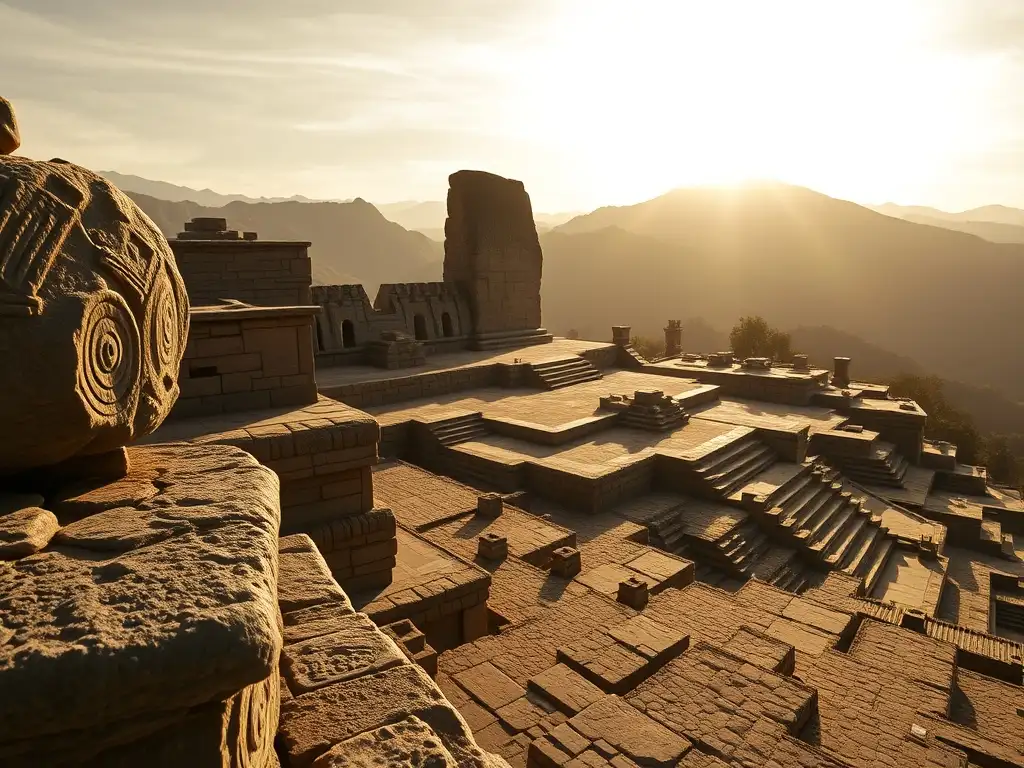
Chavín de Huántar, located in the Andes Mountains of Peru, stands as a testament to the ingenuity and spiritual depth of the pre-Inca Chavín culture. This ancient site, flourishing between 1500 and 200 BCE, is not merely a collection of ruins; it's a complex and enigmatic ceremonial center that profoundly impacted the development of subsequent Andean societies. Understanding its secrets provides invaluable insights into the religious beliefs, artistic expressions, and social structures of this formative period in Andean history.
The site's unique architecture, intricate carvings, and sophisticated water management systems all contribute to its enduring mystery and allure. Unlocking the secrets of Chavín de Huántar allows us to better comprehend the evolution of Andean civilization and the enduring legacy of the Chavín people. The sheer scale and complexity of the site continue to challenge archaeologists and historians today, making it a captivating subject of ongoing research and fascination.
The Pre-Incan Chavín Culture and its Influence
The Chavín culture represents a pivotal moment in Andean prehistory. Unlike later empires like the Inca, the Chavín did not establish a vast, centralized state. Instead, their influence spread through a network of religious and cultural exchange, impacting numerous communities across a wide geographical area.
This influence is evident in the widespread adoption of Chavín artistic motifs, architectural styles, and religious iconography found in sites far removed from the central temple at Chavín de Huántar. This suggests a powerful, albeit indirect, form of political and ideological control, possibly achieved through pilgrimage and the dissemination of religious beliefs. The spread of Chavín artistic styles, particularly the distinctive stylized jaguars, snakes, and other zoomorphic figures, serves as a powerful indicator of this cultural diffusion.
The Chavín's sophisticated understanding of engineering and water management is also noteworthy, influencing later Andean civilizations' approaches to irrigation and infrastructure development. Their legacy continues to resonate in the cultural fabric of the Andes, making the study of the Chavín culture essential to understanding the broader trajectory of Andean civilization.
Chavín de Huántar: A Major Ceremonial Center
Chavín de Huántar wasn't just a settlement; it served as a major ceremonial center, drawing pilgrims from across the Andes. The temple complex, built over several centuries, showcases remarkable architectural achievements. Its intricate layout, labyrinthine passages, and strategically placed plazas and structures suggest a deliberate design aimed at creating a powerful and awe-inspiring religious experience.
The massive stone structures, some weighing many tons, were precisely cut and fitted together, demonstrating impressive engineering skills. The use of sophisticated techniques, like the intricate carving of stone and the precise placement of architectural features, underscores the specialized knowledge and labor involved in the temple's construction. Furthermore, the discovery of numerous artifacts, including elaborate ceramics, textiles, and gold ornaments, within the temple complex points to its importance as a repository of religious and cultural significance.
The complex's impressive scale and intricate design suggest a highly organized society capable of mobilizing significant resources for religious purposes. The layout itself, with its emphasis on controlled movement and carefully orchestrated spaces, appears designed to induce specific emotional and spiritual responses in visitors.
The Importance of Understanding Chavín Temple Secrets
Unraveling the secrets of the Chavín de Huántar temple is crucial for understanding the development of Andean religious thought and the evolution of complex societies in the region. The temple's iconography, particularly the recurring motifs of jaguars, snakes, and other supernatural beings, offers valuable insights into Chavín cosmology and religious beliefs. The intricate carvings and the complex layout of the structures suggest a sophisticated understanding of symbolism and ritual.
Archaeological research continues to uncover new clues about the temple's function and its role in the social and political life of the Chavín people. By carefully analyzing the architectural features, artifacts, and iconography, researchers hope to decipher the meaning behind the temple's design and gain a deeper understanding of the beliefs and practices of this enigmatic culture. Each new discovery contributes to a richer and more nuanced understanding of Chavín de Huántar and its lasting impact on the Andean world.
The ongoing effort to decipher the Chavín temple secrets provides a fascinating example of how archaeological investigation can illuminate the complexities of ancient civilizations and their enduring legacies. The mysteries surrounding the Chavín de Huántar temple continue to captivate and inspire, driving further research and a deeper appreciation for the rich tapestry of Andean history.
The Architectural Marvel of Chavín de Huántar
Chavín de Huántar, nestled in the Andes Mountains of Peru, stands as a testament to the ingenuity and spiritual depth of the Chavín culture (c. 900 – 200 BCE). Its monumental architecture, a complex interplay of plazas, temples, and underground passages, continues to fascinate and puzzle archaeologists today. The very layout of the site, designed to manipulate light, sound, and the movement of people, suggests a sophisticated understanding of acoustics and the psychological impact of built environments.
This wasn't merely a ceremonial center; it was a carefully crafted experience, designed to evoke awe and inspire religious devotion. Understanding the architectural marvels of Chavín de Huántar is key to unlocking the secrets of this enigmatic civilization. The unique design choices, far from being random, actively contributed to the site's power and mystique, reinforcing its role as a pan-Andean religious and pilgrimage center.
The Old Temple and New Temple Complex
The Chavín de Huántar temple complex is not a single structure, but rather a layered accumulation of buildings constructed over centuries. The "Old Temple," the earliest phase of construction, is characterized by its smaller scale and simpler design. It laid the foundation for the later, more ambitious "New Temple," a massive structure that dominated the site.
The New Temple's construction involved significant earthworks, creating elevated platforms and plazas that dramatically altered the natural landscape. This expansion reflects the growing power and influence of the Chavín culture, and its ability to mobilize large-scale labor forces for monumental projects. The careful placement of these structures, taking advantage of natural features like hillsides and water sources, suggests a deep understanding of the surrounding environment and its symbolic significance.
The transition from the Old Temple to the New Temple represents not just architectural advancement, but also a profound shift in the Chavín worldview, reflecting a more centralized and powerful religious authority. The scale of the New Temple, with its intricate carvings and imposing presence, speaks volumes about the religious importance of the site and the authority of its priestly class.
Labyrinthine Passages and Underground Galleries
One of the most striking features of Chavín de Huántar are its intricate network of underground galleries and passages. These aren't simply utilitarian spaces; they were deliberately designed to create a disorienting and awe-inspiring experience for visitors. The dimly lit, narrow corridors, often featuring sudden changes in direction and elevation, would have heightened the sense of mystery and heightened the impact of the religious rituals performed within.
The deliberate manipulation of light and shadow, combined with the echoing sounds within these confined spaces, created a powerful sensory experience, designed to induce a state of altered consciousness. These labyrinthine passages also served a practical purpose, potentially functioning as storage areas or conduits for water management. However, their symbolic significance, as pathways to the underworld or a representation of the cosmos, is equally, if not more, important in understanding the temple's function.
Archaeological evidence suggests that certain areas within the underground network were used for specific rituals, possibly involving offerings or sacrifices. The complexity of this subterranean system underscores the sophisticated engineering skills and the profound spiritual beliefs of the Chavín people.
Construction Techniques and Materials Used at Chavín
The construction of Chavín de Huántar demonstrates remarkable engineering skills for its time. The builders utilized locally sourced materials, primarily stone, but employed sophisticated techniques to shape and assemble them. Large blocks of andesite, a hard volcanic rock, were meticulously cut and fitted together without mortar, creating incredibly precise and durable structures.
The precision of the stonework is astonishing, showcasing a mastery of stone-cutting and construction techniques. The use of andesite, a difficult material to work with, highlights the dedication and skill of the Chavín artisans. Furthermore, the complex arrangement of stones in some areas suggests the use of advanced scaffolding and lifting mechanisms, although the precise methods remain a subject of ongoing research.
The monumental scale of the project, coupled with the precision of the construction, points to a highly organized and skilled workforce, managed by a centralized authority. Understanding these techniques not only illuminates the practical aspects of Chavín construction but also sheds light on the social organization and power dynamics of the Chavín civilization. The mastery displayed in the construction of Chavín de Huántar is a testament to their advanced technological capabilities and their dedication to creating a truly awe-inspiring sacred space.
Unveiling the Ritualistic Practices at Chavín de Huántar
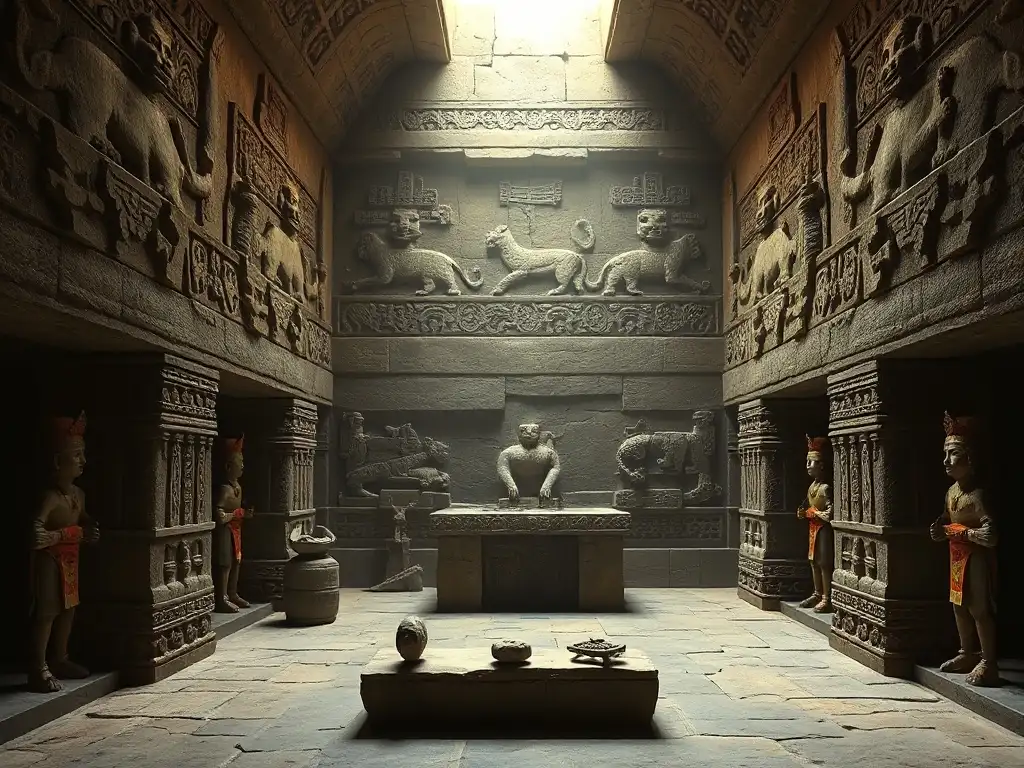
The Chavín de Huántar temple complex, a marvel of pre-Columbian engineering and artistry, wasn't merely a place of residence or governance. Archaeological evidence overwhelmingly points to its primary function as a central hub for elaborate religious rituals and ceremonies, deeply interwoven with the socio-political fabric of the Chavín culture. Understanding these practices offers crucial insight into the beliefs, worldview, and social structure of this enigmatic civilization. The secrets of Chavín de Huántar temple are slowly being revealed through meticulous excavation and analysis.
Evidence of Religious Ceremonies and Offerings
Numerous findings within the temple complex strongly suggest the presence of regular, possibly seasonal, religious ceremonies. The discovery of numerous sacrificial offerings, including llama remains, intricately carved artifacts made from stone and precious metals, and even human remains in select areas, provides compelling evidence. These weren't haphazard disposals; the placement and arrangement of these offerings suggest carefully orchestrated rituals.
For example, the careful placement of obsidian blades near ceremonial platforms points towards ritualistic sacrifices, potentially linked to appeasement of deities or ensuring successful harvests. Analysis of the llama bones reveals evidence of ritual slaughter, rather than simple consumption. The presence of specific artifacts, such as intricately carved ceremonial staffs and vessels, further underscores the ritualistic nature of the site.
The sheer quantity of offerings discovered highlights the significant investment of resources, labor, and social capital dedicated to these events. Further research into the chemical composition of the offerings and their geographic origins could offer even more profound insights into the network of exchange and the reach of Chavín influence. The meticulous record-keeping of these findings is crucial for future research into Chavín de Huántar temple secrets.
The Role of Shamans and Priests in Chavín Society
The complex architecture and ritualistic practices at Chavín de Huántar point towards a highly stratified society with a powerful priestly class. While direct evidence of a formal priesthood is limited, the scale and sophistication of the rituals suggest the existence of specialized individuals responsible for conducting ceremonies, interpreting religious symbols, and mediating between the mortal and supernatural realms. These individuals, likely shamans or priests, would have held considerable social power and influence.
The intricate iconography found throughout the temple, particularly the recurring motifs of jaguars, serpents, and other supernatural beings, suggests a complex religious system involving shamanistic practices and trance-inducing rituals. The architectural design itself, with its labyrinthine passages and dimly lit chambers, may have been deliberately created to enhance these experiences. The presence of specialized ceremonial objects, such as hallucinogenic paraphernalia, further supports the notion of shamanistic practices aiming to induce altered states of consciousness.
The social hierarchy likely saw these individuals at the top, controlling access to resources and the interpretation of religious beliefs. This control would have been crucial in maintaining social order and ensuring the continued prosperity of the Chavín civilization.
Decoding the Iconography and Symbolism of Chavín Art
The art of Chavín de Huántar is renowned for its distinctive style and complex iconography. The intricate carvings on stone sculptures, ceramics, and textiles feature recurring motifs, such as feline figures (often interpreted as jaguars), serpents, and stylized human faces. These images are not merely decorative; they are imbued with deep religious and symbolic meaning. The jaguar, for instance, is frequently associated with power, ferocity, and the supernatural world.
Serpents often represent fertility, transformation, and the underworld. The complex interplay of these and other motifs suggests a sophisticated cosmology and a worldview that integrated the natural and supernatural realms. The style itself, characterized by its sharp lines, geometric patterns, and often unsettling expressions, further enhances the ritualistic and symbolic nature of the art.
Researchers continue to debate the exact meanings of these symbols, but ongoing research, combining art historical analysis with anthropological and archaeological data, is slowly uncovering more about Chavín de Huántar temple secrets hidden within its imagery. Deciphering this visual language is key to understanding the beliefs and practices of the Chavín people, providing further insights into their complex culture. The meticulous study of these artistic expressions is crucial for a complete understanding of Chavín religious beliefs and the role of the temple in their society.
The Lanzón Monolith: A Central Figure in Chavín Rituals
The Lanzón monolith stands as the undisputed centerpiece of the Chavín de Huántar temple complex, a towering testament to the sophisticated religious beliefs and artistic prowess of the Chavín culture. Its sheer size—over 15 feet tall and weighing several tons—immediately commands attention, but its true significance lies in the intricate carvings and symbolic representations that adorn its surface. Understanding the Lanzón is key to unlocking many of the Chavín de Huántar temple secrets.
The monolith's presence is not merely architectural; it was the focal point of rituals, ceremonies, and likely served as a powerful conduit to the supernatural world in the minds of the Chavín people. Its imposing stature and the enigmatic imagery carved into its surface have captivated scholars and visitors for generations, fueling ongoing research and interpretation. The mysteries surrounding its creation, purpose, and the very nature of the deity it portrays continue to fascinate.
The Description and Significance of the Lanzón
The Lanzón, meaning "the lance" in Spanish, is a massive, anthropomorphic sculpture carved from a single block of grey granite. Its elongated, almost skeletal form features a fierce, stylized face with wide, staring eyes, a prominent nose, and a gaping mouth filled with sharp teeth. The figure's hands are positioned at its sides, and the overall impression is one of both power and menace.
The surface is richly decorated with intricate carvings of jaguars, snakes, and other zoomorphic figures, all woven together in a complex tapestry of symbolic representation. These elements are not randomly placed; they are strategically arranged to create a powerful visual narrative that reflects Chavín cosmology and religious beliefs. The careful craftsmanship and scale of the Lanzón speak to the advanced technical skills of the Chavín stone carvers and the immense importance placed on this particular artifact within the temple.
Detailed analysis of the weathering patterns suggests the Lanzón may have been originally located outdoors, perhaps in a different part of the complex before being placed in its current location within the main temple. The placement of the monolith within the temple's subterranean chamber further emphasizes its ritual significance.
The intricate carvings on the Lanzón are not merely decorative; they are laden with symbolic meaning. Researchers have identified a variety of representations, including stylized felines, serpents, and birds, all potentially reflecting the Chavín pantheon of deities and their associated powers. The layering of these figures creates a sense of depth and complexity, suggesting a rich and multifaceted cosmology. Further research is needed to fully decipher the iconography and understand its relation to the overall Chavín worldview.
The use of specific motifs, such as the fanged mouth and the prominent eyes, likely held profound religious significance. The scale of the Lanzón itself, its sheer size and weight, also suggests its importance. It’s a physical manifestation of power and authority, possibly representing a supreme deity or a powerful force within the Chavín religious system.
Interpreting the Deity Depicted on the Lanzón
The identity of the deity depicted on the Lanzón remains a subject of ongoing debate among scholars. Some interpret it as a representation of a supreme creator god, while others suggest it embodies a more complex, multifaceted entity, perhaps a combination of several deities or a representation of a powerful shamanistic figure. The fierce countenance and zoomorphic elements incorporated into the sculpture's design suggest a powerful, awe-inspiring being.
The combination of human and animal features, a common characteristic of Chavín art, reflects a worldview that blurred the lines between the human and animal realms. The presence of fanged mouths and clawed hands reinforces the association with predatory animals, indicative of power and control. The eyes, wide and staring, are often interpreted as symbols of watchful omnipotence.
The interpretation of the Lanzón’s deity is further complicated by the limited written records available from the Chavín culture. Unlike many later Andean civilizations, the Chavín did not leave behind extensive texts that could provide direct clues to their religious beliefs. Therefore, scholars rely heavily on iconographic analysis, comparative studies of other Chavín artifacts, and contextual clues from the temple's architecture and layout.
The absence of direct textual evidence necessitates a careful and nuanced approach to interpreting the Lanzón's symbolism. The ongoing research into similar iconography found in other Chavín sites could provide further insights into the meaning and purpose of the Lanzón. Many scholars believe that a deeper understanding of the Lanzón’s iconography is crucial for unlocking the secrets of the Chavín religion.
The Lanzón as a Key to Understanding Chavín Beliefs
The Lanzón monolith serves as a crucial key to understanding the core beliefs and practices of the Chavín culture. Its prominent position within the temple, its imposing size, and the intricate detail of its carvings all point to its central role in Chavín religious life. The monolith likely served as a focus for rituals and ceremonies, a point of contact between the human and supernatural worlds.
The imagery on the Lanzón provides valuable insights into the Chavín pantheon of gods and their associated attributes. The presence of various zoomorphic figures suggests a belief system that integrated elements of the natural world into the spiritual realm. The fierce, powerful depiction of the deity on the Lanzón reflects the Chavín worldview, where powerful forces, both benevolent and malevolent, shaped the lives of their people.
The Lanzón's significance extends beyond its purely religious function. Its creation and placement within the temple also reflect the advanced social and political organization of the Chavín civilization. The monumental scale of the sculpture and the level of craftsmanship involved demonstrate the ability of the Chavín to mobilize resources and coordinate labor on a large scale.
The temple itself, with its intricate network of tunnels and chambers, served as a complex ritual space, demonstrating the importance of organized religion in Chavín society. The Lanzón, therefore, is not simply a religious artifact; it is a powerful symbol of the Chavín civilization's social, political, and spiritual power.
Further investigation into the construction techniques and the materials used in the creation of the Lanzón could shed more light on the technological capabilities of the Chavín culture. The continued study of the Lanzón, combined with ongoing archaeological research at Chavín de Huántar, promises to further illuminate the secrets of this remarkable civilization.
The Tello Obelisk and Other Important Sculptures
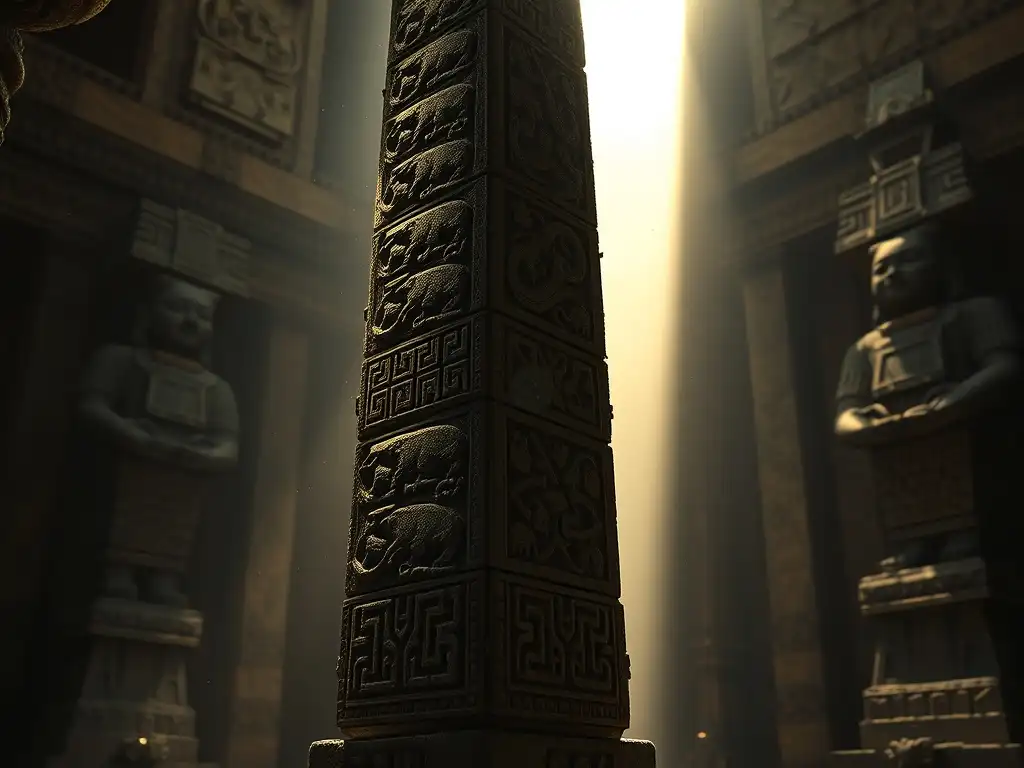
The Chavín de Huántar temple complex boasts a remarkable collection of monumental sculptures, with the Tello Obelisk standing out as a particularly enigmatic masterpiece. This 15-foot-tall monolith, carved from a single block of granite, is densely covered in intricate reliefs depicting a variety of supernatural beings, stylized animals, and abstract symbols. Its discovery in 1919 by Julio C. Tello revolutionized our understanding of Chavín artistry and religious beliefs.
The sheer scale and complexity of the carving, considering the technology available at the time, are truly awe-inspiring. Other notable sculptures found within the temple include the Lanzón, a massive, imposing stone figure, and various smaller, yet equally intricate, carvings that adorn the walls and plazas. These sculptures, often featuring hybrid creatures blending feline, bird, and serpentine features, provide invaluable insights into the Chavín worldview and cosmology.
The precise meaning of many of the symbols remains a subject of ongoing scholarly debate, fueling the enduring fascination with Chavín de Huántar's secrets. The meticulous craftsmanship displayed in each piece underscores the significant role art played in Chavín society, reflecting a complex and sophisticated culture.
Analyzing the Symbolism of the Tello Obelisk
The Tello Obelisk's intricate carvings present a rich tapestry of symbolic imagery. Scholars have identified various recurring motifs, including stylized jaguars, snakes, and birds, often depicted in hybrid forms, suggesting a complex cosmology that integrated elements of the natural world with supernatural entities. For instance, the repeated representation of the jaguar, a powerful predator in the Andean ecosystem, likely signifies its importance in Chavín mythology, possibly representing shamanic power or a connection to the underworld.
The presence of serpentine figures, frequently intertwined with other creatures, might symbolize fertility, water sources, or the interconnectedness of life. The interpretation of abstract symbols remains more challenging, although some scholars suggest they represent celestial bodies, calendrical systems, or ritual practices.
The arrangement of these motifs on the obelisk is not random; their deliberate placement likely reflects a hierarchical order or a narrative sequence, indicating a sophisticated understanding of visual communication. Further research, including the use of advanced imaging techniques, may reveal hidden details and provide further clues to unlock the obelisk's symbolic language, revealing more of the Chavín de Huántar temple secrets.
Understanding the Function of Sculptures in Chavín Ritual
The sculptures of Chavín de Huántar were not merely decorative elements; they played a crucial role in the religious and ritual life of the society. Their placement within the temple complex suggests a deliberate strategy to create a powerful and awe-inspiring environment. The imposing Lanzón, for example, located deep within the temple's interior, likely served as a focal point for rituals and ceremonies, possibly representing a principal deity or a powerful symbol of the Chavín worldview.
Smaller sculptures, found in various locations throughout the temple, might have been used in specific rituals or served as markers of sacred spaces. Evidence suggests that some sculptures might have been used in conjunction with hallucinogenic substances, which were likely integral to Chavín religious practices.
The use of such substances during rituals could explain the often-surreal and hybrid nature of the sculptures, representing altered states of consciousness and visions experienced during ceremonies. The sculptures, therefore, served as powerful tools for manipulating and interpreting religious experiences, providing a tangible link between the human and supernatural worlds, further revealing the Chavín de Huántar temple secrets.
The Importance of Chavín Art in Interpreting the Temple Secrets
Chavín art is undeniably crucial in deciphering the secrets of the temple at Chavín de Huántar. The sculptures, ceramics, and textiles discovered at the site offer a unique window into the worldview, beliefs, and practices of this enigmatic culture. The recurring motifs and symbolic language employed in Chavín art suggest a sophisticated system of religious thought and ritual practices.
By carefully analyzing the iconography and style of these artifacts, scholars can piece together a more complete understanding of Chavín society, their cosmology, and their relationship with the supernatural world. The study of Chavín art has also helped to establish connections with other Andean cultures, revealing the influence of Chavín artistic styles and religious ideas on subsequent civilizations. The continuing study and interpretation of Chavín art, coupled with archaeological findings and technological advancements, are essential for unlocking the remaining mysteries of this remarkable civilization and uncovering more of the Chavín de Huántar temple secrets.
The intricate carvings and symbolic language found in the sculptures offer a profound glimpse into a society that continues to captivate and inspire researchers and enthusiasts alike. Further research and interdisciplinary collaborations will undoubtedly reveal even more about this fascinating pre-Inca culture.
Acoustic Engineering and the Chavín Experience
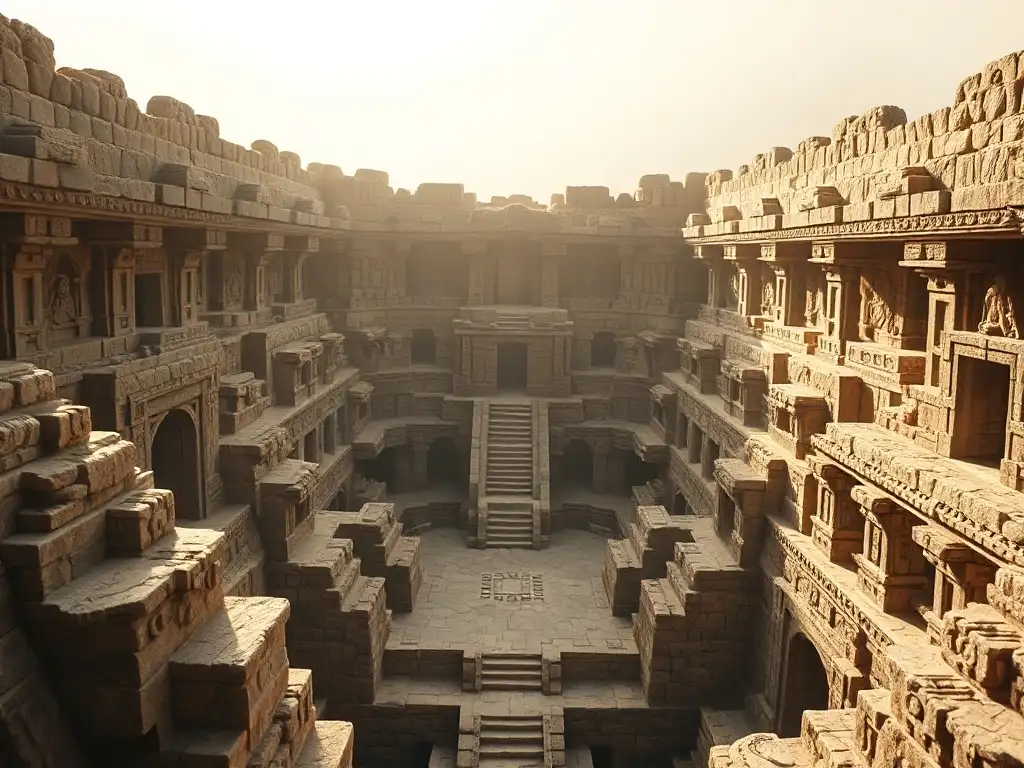
The Chavín de Huántar temple complex, a marvel of pre-Columbian engineering, wasn't just a place of religious ceremony; it was a meticulously designed soundscape. Understanding the acoustic properties of the site is crucial to deciphering the secrets of Chavín culture and its ritual practices. The intentional manipulation of sound within the temple's architecture suggests a sophisticated understanding of acoustics far beyond what was previously assumed for this period.
This sophisticated acoustic engineering contributed significantly to the overall sensory experience of religious rituals performed within the temple, further enhancing their power and impact. The careful placement of plazas, galleries, and the central Lanzón monolith itself all played a critical role in amplifying and directing sound, creating a unique and powerful atmosphere. This section delves into the specifics of this acoustic engineering and its implications for our understanding of Chavín religion and society.
The Use of Sound in Chavín Rituals
The Chavín people likely used sound in their rituals to create a powerful and immersive experience. Evidence suggests that musical instruments, such as flutes and drums, were common. The sounds produced by these instruments, amplified by the temple's unique architecture, may have been integral components of ceremonies.
Imagine the resonant echoes of ceremonial music bouncing off the stone walls, creating a powerful and almost hypnotic effect on participants. The specific sounds used during rituals might have had symbolic meanings connected to their cosmology, further reinforcing the power of the sacred space. Unfortunately, the exact nature of these rituals and the specific sounds employed remain largely unknown, requiring further research and analysis.
However, the evidence we do have points towards a sophisticated use of sound to enhance the spiritual dimension of the rituals. We can speculate that the sounds, combined with other sensory elements like incense and visual displays, created a multi-sensory experience designed to induce altered states of consciousness or connect participants to the divine.
How Chavín de Huántar's Architecture Manipulated Sound
The architecture of Chavín de Huántar is not merely aesthetically pleasing; it's acoustically engineered. The temple's layout, with its interconnected galleries, plazas, and strategically placed openings, acted as a natural amplifier and resonator. The use of stone, with its specific density and resonance properties, further enhanced this effect.
Researchers have documented how sounds, particularly low-frequency sounds, are amplified and channeled within specific areas of the complex. For instance, the Lanzón monolith, a massive carved stone pillar, is situated in a way that likely focused and amplified certain frequencies, creating a powerful focal point for sound during rituals. This wasn't accidental; the precise placement of architectural elements suggests a deliberate effort to manipulate sound for ritual purposes.
The design was clearly not just about aesthetics or structural integrity; it was about creating an auditory experience that reinforced the religious significance of the site. More research is needed to fully understand the complexities of this acoustic design, including the potential use of specific frequencies to evoke particular emotional or spiritual responses.
The Sensory Experience of Ritual at the Temple
The Chavín de Huántar temple wasn't just a visual spectacle; it was a multi-sensory experience carefully orchestrated to heighten the impact of rituals. The acoustics, as we've discussed, played a crucial role. Imagine the low-frequency hums and reverberations of ceremonial music, the clash of ritual objects, and the hushed whispers of participants, all amplified and directed by the temple's architecture.
This sonic environment was interwoven with other sensory elements: the smell of incense, the feel of the cool stone underfoot, the flickering light of torches, and the powerful visual impact of the Lanzón and other carved stones. This carefully constructed sensory experience was likely designed to create a powerful emotional and spiritual response in participants, fostering a sense of awe, reverence, and connection to the supernatural. The combination of these sensory inputs likely created an overwhelming and unforgettable experience, reinforcing the power and authority of the Chavín priesthood and the religious beliefs they represented.
Understanding this holistic sensory experience is crucial to appreciating the full significance of the Chavín de Huántar temple and its place in Andean history. Further study into the use of light, scent, and touch in Chavín rituals will further illuminate this captivating aspect of their culture.
The Discovery and Study of Chavín de Huántar
The enigmatic Chavín de Huántar, a sprawling archaeological complex nestled in the Andes mountains of Peru, has captivated researchers and enthusiasts for over a century. Its discovery and subsequent study have unveiled a complex picture of a sophisticated civilization that significantly influenced the development of later Andean cultures.
Unraveling the secrets of Chavín de Huántar requires examining not only the physical remains but also the intellectual and methodological approaches employed by archaeologists across different eras. Understanding the evolution of our understanding of this site is crucial to appreciating the depth and complexity of the Chavín culture, a key player in the pre-Incan cultural tapestry of the region.
The site's significance lies not only in its monumental architecture but also in its intricate iconography, hinting at a sophisticated religious and cosmological system that exerted considerable influence throughout the Andes. The very name "Chavín de Huántar temple secrets" speaks to the enduring mystery surrounding this remarkable place.
The Archaeological Investigations at Chavín
The systematic excavation and study of Chavín de Huántar began in earnest in the early 20th century, building upon earlier, less methodical explorations. Early investigations were often hampered by a lack of sophisticated archaeological techniques, leading to some loss of valuable contextual information. However, these initial efforts laid the groundwork for future, more rigorous studies. The initial focus was largely on the main temple structure, uncovering its impressive dimensions and intricate carvings.
Over time, the scope of investigation broadened to encompass the entire complex, including residential areas, plazas, and outlying structures. Detailed stratigraphic analysis, coupled with advanced dating techniques like radiocarbon dating, has helped to refine our understanding of the site's chronology and the evolution of Chavín culture. Careful documentation of artifacts and architectural features has become increasingly crucial in recent decades, ensuring the preservation of this invaluable heritage for future generations.
Archaeologists meticulously record the location, orientation, and association of every artifact to reconstruct the past with greater accuracy. The meticulous nature of modern archaeological excavation at Chavín de Huántar stands in stark contrast to earlier, less rigorous approaches. This careful methodology is essential for unlocking the Chavín de Huántar temple secrets.
Julio C. Tello and Richard Burger: Key Contributions
Two figures stand out as pivotal in the study of Chavín de Huántar: Julio C. Tello, a pioneering Peruvian archaeologist, and Richard Burger, a prominent North American scholar. Tello, considered the "father of Peruvian archaeology," was the first to systematically excavate the site, beginning in the 1930s. His work established Chavín's importance as a major cultural center, although some of his early interpretations have been refined by later research.
He recognized the unique artistic style and the widespread influence of Chavín art throughout the Andes, laying the groundwork for future studies. Tello's contributions to the understanding of Chavín de Huántar are undeniably significant, even if some of his interpretations have been superseded by more recent research and technological advancements.
Richard Burger, building upon Tello's work, conducted extensive research at Chavín throughout the latter half of the 20th century. His contributions include refining the chronology of the site, providing a more nuanced understanding of the social and political organization of Chavín society, and integrating Chavín into a broader Andean context. Burger's work emphasizes the complexity of Chavín society, moving beyond simplistic interpretations of a purely religious center.
His research highlights the importance of regional interaction and the dynamic nature of Chavín's influence on surrounding cultures. The combined efforts of these two scholars, separated by time and methodology, represent a significant advancement in our understanding of Chavín de Huántar.
Challenges and Future Directions in Research
Despite decades of research, many Chavín de Huántar temple secrets remain elusive. Ongoing challenges include accurately interpreting the complex iconography found throughout the site, understanding the site's function beyond its religious aspects, and determining the full extent of Chavín's influence on subsequent Andean civilizations. Future research will likely involve the integration of new technologies, such as advanced imaging techniques and geochemical analysis, to shed light on previously inaccessible aspects of the site.
The application of these tools will allow researchers to investigate aspects of the site that were previously beyond reach. For example, non-invasive techniques can reveal hidden structures or features without causing damage to the existing ruins. Further research into the social organization, economy, and daily life of the Chavín people is also crucial for a complete understanding of this fascinating culture.
The ongoing and future study of Chavín de Huántar promises to continue to yield new insights into this remarkable Andean civilization, further enriching our understanding of the "Chavín de Huántar temple secrets". The continued application of cutting-edge technologies and interdisciplinary approaches will be vital for unlocking the remaining mysteries of this significant archaeological site.
Chavín de Huántar's Influence on Later Andean Cultures
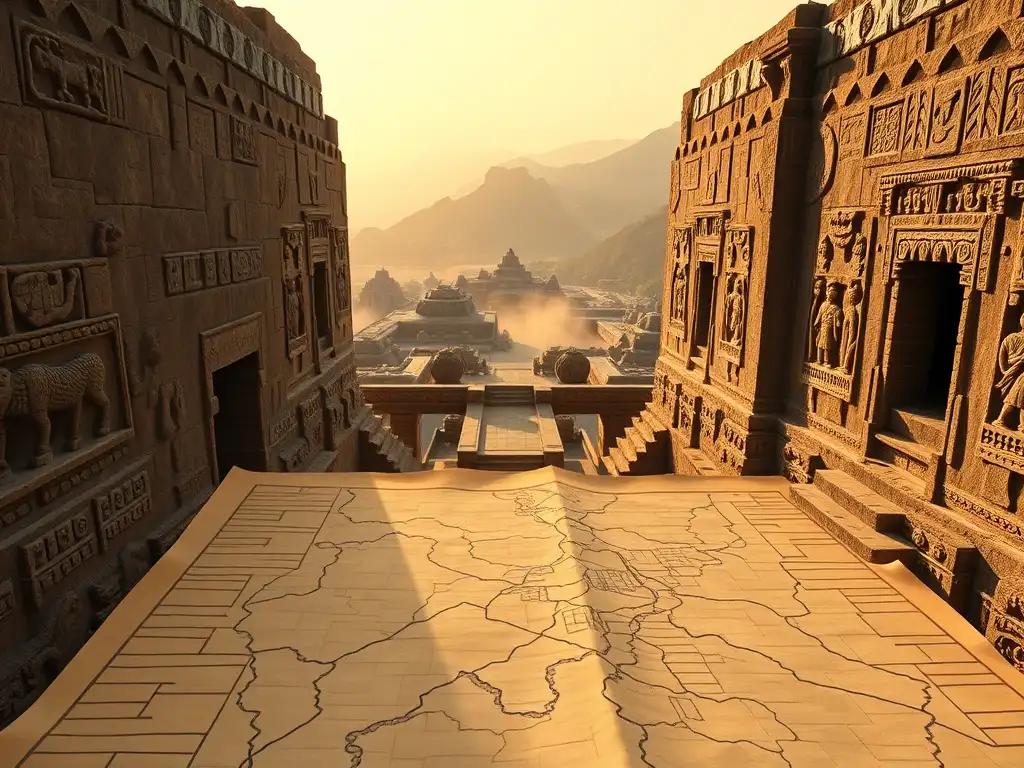
The Chavín de Huántar temple complex, a marvel of pre-Columbian engineering and artistry, exerted a profound influence on subsequent Andean cultures. Its impact wasn't merely geographical; it represented a significant cultural shift, leaving an indelible mark on religious practices, artistic styles, and social structures across vast swathes of the Andes. Understanding this influence is key to unlocking a deeper appreciation of the Chavín de Huántar temple secrets and their lasting legacy. The spread of Chavín ideas and iconography wasn't a simple process of direct conquest, but rather a complex interplay of trade, migration, and cultural exchange.
The Legacy of Chavín Art and Religion
Chavín's artistic style, characterized by its iconic feline and serpent motifs, intricate carvings, and distinctive use of stone, became a template for later Andean artistic expression. The stylistic elements, such as the depiction of jaguars, caiman, and other powerful animals, found their way into the art of cultures like the Moche, Nazca, and even the later Inca. This wasn't mere imitation; artists adapted and reinterpreted Chavín motifs, integrating them into their own unique cultural contexts.
Consider the Moche pottery, for example; many pieces showcase clear stylistic echoes of Chavín art, albeit with their own distinctive flair and narrative focus. The religious beliefs associated with Chavín, centered around powerful deities and ritualistic practices, also left a lasting impact.
Evidence suggests a widespread adoption of shamanistic practices and the veneration of similar supernatural forces across multiple Andean societies. The Chavín de Huántar temple secrets, therefore, were not confined to the temple itself; they spread through artistic expression and religious practices.
Cultural Diffusion and Interregional Connections
The spread of Chavín influence wasn't a singular event but a gradual process of cultural diffusion. Archaeological evidence points to extensive trade networks connecting different regions of the Andes during the Chavín horizon. The exchange of goods, including precious metals, textiles, and ceramics, facilitated the dissemination of artistic styles and religious ideas. The presence of Chavín-style artifacts in geographically distant locations testifies to these interregional connections.
This wasn't merely a passive spread; active interactions and migrations played a crucial role. Groups of people, perhaps artisans or religious specialists, may have moved from the Chavín heartland to other regions, carrying with them their knowledge, skills, and beliefs. This process created a complex web of cultural exchange, where local traditions were blended with Chavín influences, resulting in a unique cultural synthesis. The complexity of this interaction makes deciphering the Chavín de Huántar temple secrets even more challenging and rewarding.
The Enduring Importance of Chavín Temple Secrets
The secrets of the Chavín de Huántar temple continue to fascinate and challenge researchers today. The complex architecture, intricate carvings, and enigmatic iconography of the temple remain sources of ongoing investigation. Unraveling these mysteries offers invaluable insights into the religious beliefs, social structures, and technological capabilities of the Chavín culture.
Moreover, understanding the influence of Chavín on later Andean societies allows us to appreciate the interconnectedness of Andean cultures and the long-term impact of this formative period. The ongoing research into Chavín de Huántar highlights the enduring power of cultural heritage and the continuing relevance of its temple secrets. Each new discovery sheds light not only on Chavín itself but also on the broader history and development of Andean civilizations.
The study of Chavín de Huántar, therefore, is not just an archaeological pursuit but a vital key to understanding the rich tapestry of Andean history and culture. The continued efforts to decipher the Chavín de Huántar temple secrets promise more fascinating discoveries in the years to come.
Conclusion: Reflecting on the Mysteries of Chavín de Huántar
The enigmatic Chavín de Huántar temple complex continues to captivate archaeologists and historians alike. Its unique architectural style, intricate iconography, and sophisticated water management systems stand as a testament to the advanced knowledge and organizational capabilities of the Chavín culture. Decades of research have unveiled significant aspects of this pre-Inca civilization, yet many secrets still lie hidden within the stones.
Understanding Chavín de Huántar's significance requires a multi-faceted approach, encompassing archaeological excavation, stylistic analysis, and interpretations of its symbolic language. The legacy of Chavín de Huántar extends far beyond its physical remains; its influence permeated subsequent Andean cultures, leaving an indelible mark on the region's artistic, religious, and social development. The "Chavín de Huántar temple secrets" continue to inspire awe and wonder, prompting ongoing investigation and renewed appreciation for this foundational Andean civilization.
Summarizing the Key Findings About the Temple
Key findings regarding the Chavín de Huántar temple reveal a complex society with sophisticated engineering and religious practices. The temple's intricate design, including its labyrinthine passages and strategically placed plazas, suggests a carefully planned ceremonial center. The discovery of numerous artifacts, such as intricately carved stone sculptures, pottery with distinctive iconography (including the iconic jaguar and serpent motifs), and evidence of specialized craftsmanship, points to a highly organized society with specialized labor and a centralized power structure.
The advanced water management system, with its channels and fountains, highlights their understanding of hydraulic engineering and its symbolic importance within their religious beliefs. The analysis of the temple's layout, combined with the interpretation of its iconography, points towards a complex cosmology and a sophisticated understanding of the natural world, reflected in their artistic expressions.
Understanding these aspects provides crucial insights into the social, political, and religious organization of the Chavín culture. Further research is needed to fully unravel the intricacies of this remarkable site, but the findings already suggest a level of sophistication rarely seen in other contemporary Andean cultures.
The Continuing Relevance of Chavín Studies
The study of Chavín de Huántar remains highly relevant for several reasons. Firstly, it provides crucial insights into the early development of Andean civilizations, offering a foundational understanding of the cultural processes that shaped subsequent societies. Secondly, the sophisticated techniques employed in the construction and management of the temple complex demonstrate the advanced technological capabilities of the Chavín people, challenging previous assumptions about the technological limitations of pre-Columbian societies.
Thirdly, the analysis of Chavín art and iconography offers valuable clues about their religious beliefs, social structures, and worldview, contributing significantly to our broader understanding of Andean cosmology and symbolism. Finally, ongoing research at Chavín de Huántar continues to refine our understanding of Andean prehistory, offering new perspectives on the complexities of cultural interaction and exchange in the Andes.
The enduring legacy of Chavín de Huántar underscores its importance as a pivotal site in understanding the development of Andean civilizations. It serves as a reminder of the richness and complexity of pre-Inca cultures and their lasting influence on the region.
Ongoing Research and Unanswered Questions
Despite significant advancements in our understanding of Chavín de Huántar, many questions remain unanswered. The precise nature of Chavín religious beliefs and practices continues to be debated, particularly regarding the significance of specific iconographic motifs and the purpose of certain architectural features. The extent of Chavín influence on surrounding cultures requires further investigation, particularly concerning the mechanisms of cultural transmission and the nature of interactions with neighboring societies.
The exact chronology of the site's construction and occupation needs further refinement through advanced dating techniques and detailed stratigraphic analysis. Furthermore, research into the social organization of Chavín society, including the roles of different social groups and the nature of power structures, requires more detailed analysis of the archaeological evidence. The application of new technologies, such as 3D modeling and remote sensing, promises to shed further light on the temple's architecture and its relationship with the surrounding landscape.
The ongoing excavation and analysis of artifacts, combined with interdisciplinary collaborations, will undoubtedly continue to unveil new discoveries and further refine our understanding of this remarkable site and its place in Andean history. The mysteries of Chavín de Huántar are far from solved, promising a rich field of study for years to come.
Frequently Asked Questions
What is Chavín de Huántar?
Chavín de Huántar is a pre-Inca archaeological site located in the Andes Mountains of Peru. It's renowned for its complex temple architecture and unique artistic style, influencing many later Andean cultures. This sacred site served as a significant religious and ceremonial center.
What are some of the temple's architectural secrets?
The temple features intricate stonework, underground galleries, and ingenious water management systems. These features suggest a sophisticated understanding of engineering and cosmology. Scholars are still uncovering the full extent of its architectural complexity.
What makes Chavín de Huántar's art so unique?
Chavín art is characterized by its distinctive stylistic features, including feline and serpent motifs, geometric patterns, and highly stylized representations of humans and animals. This unique artistic language spread throughout the Andes, influencing subsequent artistic traditions.
What is the significance of the Chavín culture's religious beliefs?
The religious beliefs of the Chavín people remain a subject of ongoing research. However, evidence suggests a complex system of religious rituals and beliefs centered around shamanistic practices, ancestor veneration, and powerful deities represented in their art.
Why is Chavín de Huántar important for understanding Andean history?
Chavín de Huántar represents a pivotal moment in Andean history, marking the emergence of a pan-Andean culture and a complex social organization. Its influence on subsequent Andean civilizations is undeniable, making it a crucial site for understanding the region's development.
Final Reflection: Unraveling the Enduring Legacy of Chavín de Huántar
The enigmatic power of Chavín de Huántar continues to resonate today, a testament to the enduring human fascination with spirituality and the mysteries of our past. Its intricate carvings, complex architecture, and the sheer scale of its influence on Andean civilization remain a powerful reminder of the ingenuity and spiritual depth of pre-Columbian societies. The secrets it holds, though partially revealed through archaeological discoveries, continue to inspire awe and further investigation.
The impact of Chavín de Huántar extends far beyond its physical remains; it represents a crucial turning point in Andean cultural development, shaping religious beliefs and artistic styles for centuries to come. Its influence can be traced in the art and architecture of subsequent cultures, a testament to the power of shared beliefs and artistic innovation. The past is never dead. It's not even past,
wrote William Faulkner, and this rings profoundly true when considering the enduring legacy of Chavín de Huántar. Its mysteries continue to shape our understanding of the past and inspire new interpretations of its significance.
Consider the intricate details unearthed at Chavín, the symbolism woven into its very stones, and the echoes of its rituals that reverberate through time. You too can become an explorer of the past. Take a moment to reflect on the enduring power of human creativity and the importance of preserving and understanding our shared heritage. Let the mysteries of Chavín de Huántar inspire you to delve deeper into the wonders of the ancient world and to appreciate the rich tapestry of human history.
**Unlock the Mysteries of Chavín de Huántar! **
Thank you for exploring the captivating world of Chavín de Huántar with us! You've uncovered the secrets of this magnificent temple, revealing its rich history and significance. Now, let's delve even deeper!
Here are three impactful ways to further engage with this extraordinary heritage:
- **Take a virtual tour** of Chavín de Huántar's archaeological sites—experience its wonders from the comfort of your home!
- **Share your newfound knowledge** with friends and family—spark a conversation about how ancient cultures shape our understanding of the world.
- Consider visiting local museums or cultural exhibits showcasing Andean civilizations to enrich your appreciation of this vibrant heritage.
What aspect of Chavín de Huántar most surprised you? Share your thoughts in the comments below!