
Aymara Dialects: Exploring Regional Variations in the Spoken Language

Dive into the captivating world of the Andean civilizations! Beyond the majestic ruins and intricate artistry, lies a vibrant tapestry of languages that shaped these ancient societies. Prepare to unravel the fascinating complexities of the Aymara language, as we explore the surprising variations in dialects across different Andean regions. Discover how these linguistic differences reflect the rich cultural diversity of this remarkable civilization – a journey into the heart of Andean history awaits.
- Aymara Dialects: Regional Variations in the Spoken Language
- Understanding Aymara Language Diversity
- Geographical Distribution of Aymara Language Dialects
- Key Aymara Dialectal Variations
- Specific Aymara Dialect Examples
- The Impact of Dialectal Variation on Aymara Culture
- Challenges in Studying Aymara Language Dialects
- Conclusion: The Rich Tapestry of Aymara Language Dialects
- Frequently Asked Questions
- Final Reflection: The Enduring Voice of Aymara
- Discover the Richness of Aymara Dialects!
Aymara Dialects: Regional Variations in the Spoken Language
The Aymara language, a vibrant testament to the enduring cultural heritage of the Andes, boasts a fascinating tapestry of regional variations. This article delves into the diverse dialects spoken across the Andean highlands of Bolivia, Peru, and Chile, exploring the linguistic nuances that reflect the complex geographical and social history of the Aymara people.
Understanding these variations is crucial not only for linguistic research but also for appreciating the richness and diversity of Aymara culture and its ongoing evolution. We will examine the key features that distinguish these dialects, exploring factors contributing to their development and the challenges faced by Aymara speakers in a constantly changing world.
This exploration aims to provide a comprehensive overview of the Aymara language's dynamic nature, highlighting its resilience and the ongoing efforts to preserve its rich linguistic heritage for future generations. The study of Aymara dialects offers a compelling window into the social, geographical, and historical forces that have shaped this remarkable language.
Classification and Geographic Distribution of Aymara Dialects
The Aymara language family isn't easily categorized into a rigid set of dialects. Instead, it presents a complex continuum of mutually intelligible variations, often grouped into broader dialectal clusters based on geographic proximity and shared linguistic features. These clusters are not always sharply defined, with gradual transitions between them.
For instance, we can identify a Northern Aymara cluster predominantly spoken in the Bolivian Altiplano and adjacent regions of Peru, and a Southern Aymara cluster found primarily in the Bolivian Altiplano and parts of Chile. The exact boundaries remain a subject of ongoing linguistic research, with some scholars proposing more nuanced classifications based on phonological, lexical, and grammatical differences.
Further complicating matters, internal variations exist within each cluster, reflecting local adaptations and influences from neighboring languages. Mapping the precise distribution of these variations requires meticulous fieldwork and linguistic analysis, given the fluid nature of spoken language and the influence of social factors.
Phonological Variations: Sounds and Pronunciation
Significant differences exist in the pronunciation of specific sounds across different Aymara dialects. These phonological variations often involve the realization of vowels and consonants, leading to variations in word pronunciation. For example, the pronunciation of the letter 'r' can vary significantly, ranging from a guttural sound to an alveolar approximant depending on the specific dialect. Similarly, vowel length and stress patterns can also differ, affecting the overall rhythm and intonation of spoken Aymara.
These phonological shifts are not random; they often reflect historical sound changes and influences from neighboring languages. Detailed phonetic studies are needed to fully document these variations and understand their historical development. The study of these subtle phonetic variations offers valuable insights into the complex evolution of the Aymara language family.
Lexical Variations: Vocabulary and Word Choice
Beyond pronunciation, lexical variations contribute significantly to the diversity of Aymara dialects. Different dialects employ distinct words for the same concept, reflecting the unique vocabulary developed within specific communities. These variations can be subtle, involving minor phonetic adjustments, or more substantial, with completely different words used to convey similar meanings.
For example, the word for "potato," a staple crop in the Andean region, can vary considerably across different Aymara-speaking communities. This lexical diversity highlights the close relationship between language and culture, with each dialect reflecting the unique experiences and perspectives of its speakers. Detailed comparative lexicons are essential for understanding the scope of this lexical variation and its implications for Aymara language preservation.
Grammatical Variations: Syntax and Morphology
Grammatical structures also exhibit regional variations. While the underlying grammatical framework remains largely consistent across Aymara dialects, subtle differences can be observed in word order, verb conjugation, and the use of grammatical particles. These variations, while often subtle, can significantly impact the overall grammatical structure of sentences.
For example, the placement of object pronouns in relation to the verb might differ between dialects, leading to variations in sentence structure. Documenting these grammatical nuances is crucial for understanding the internal diversity of the Aymara language and for developing effective language teaching materials that cater to the specific needs of different Aymara-speaking communities. Furthermore, a deeper understanding of these grammatical variations is vital for accurate translation and interpretation.
Sociolinguistic Factors and Language Change
The evolution of Aymara dialects is not solely determined by geographical factors. Sociolinguistic factors, such as migration patterns, urbanization, and language contact with Spanish and Quechua, play a significant role in shaping language change. The increasing influence of Spanish, in particular, has led to code-switching and language borrowing, resulting in further variations within Aymara dialects. Understanding these sociolinguistic forces is essential for predicting future trends in Aymara language evolution and for developing effective strategies for language preservation.
The ongoing interaction between language and society presents a dynamic landscape that requires ongoing research and attention. The challenges of maintaining linguistic diversity in the face of globalization are significant and require careful consideration. The preservation of Aymara dialects necessitates a multifaceted approach that addresses both linguistic and social factors.
Understanding Aymara Language Diversity
This section delves into the fascinating tapestry of Aymara dialects, exploring the reasons behind their variations and the significance of understanding these differences. The Aymara language, spoken primarily in the Andes region of South America, isn't monolithic; rather, it encompasses a rich diversity of dialects reflecting the complex geography and history of the Andean communities. This diversity, far from being a hindrance, is a testament to the resilience and adaptability of the Aymara people and their rich cultural heritage.
Understanding this linguistic diversity is crucial for preserving and promoting the Aymara language and its cultural significance. We will examine the key factors contributing to this variation and the implications for linguistic research and community development.
The Aymara Linguistic Family and its Branches
The Aymara language family isn't simply a single language; it's a complex network of closely related dialects exhibiting significant variations in pronunciation, vocabulary, and grammar. While all share a common ancestor, centuries of geographic isolation and independent evolution have led to the divergence we see today. Linguists generally categorize Aymara into several main branches, although the exact classification can be debated depending on the criteria used.
Some scholars identify a Northern Aymara group and a Southern Aymara group, with further subdivisions within each. These divisions often correspond to geographic regions, with dialects evolving unique characteristics based on their specific environments and interactions with other languages.
For example, dialects spoken in the high-altitude regions of the Altiplano may feature distinct vocabulary related to alpaca herding and high-altitude agriculture, while dialects spoken in lower-lying areas may incorporate words from Quechua or Spanish. The interaction between Aymara and neighboring languages has undeniably impacted the development of its dialects, resulting in a fascinating blend of linguistic features. Further research is needed to fully map and document the nuanced variations within each branch of the Aymara linguistic family. This includes detailed phonetic analyses, comparative vocabulary studies, and grammatical descriptions of less-studied dialects.
Example of Dialectal Variation:
Consider the word for "potato." While a common root may exist across dialects, the precise pronunciation and even the specific word used can vary significantly. One dialect might use `papa`, another `patata`, and yet another might employ a completely different term altogether, reflecting the specific type of potato cultivated in that region.
Introduction to Aymara Dialectal Variation
The variation among Aymara dialects isn't simply a matter of accent; it extends to significant differences in phonology (sounds), morphology (word formation), and syntax (sentence structure). These variations can sometimes make communication challenging between speakers from different regions, even though they are speaking the same "language." This highlights the importance of recognizing and respecting the distinct identities of these dialects. The extent of mutual intelligibility varies greatly depending on the dialects being compared. Speakers of closely related dialects might experience minimal difficulty understanding each other, while communication between speakers of more distant dialects might require significant effort and adaptation.
This dialectal variation is not random; it's often linked to geographical factors, historical events, and social dynamics. For example, the isolation of mountain communities has led to the preservation of older linguistic features in certain dialects, while dialects in more urban or interconnected areas might show greater influence from other languages. Understanding these factors is essential for developing effective language preservation and revitalization strategies.
Detailed linguistic mapping and documentation of these variations are crucial steps in ensuring the long-term survival of the Aymara language in all its rich diversity. This requires collaborative efforts between linguists, Aymara communities, and relevant institutions.
Why Study Aymara Dialect Differences?
Studying the variations within the Aymara language offers valuable insights into not only linguistics but also anthropology, history, and sociology. Understanding dialectal differences provides a deeper understanding of the social and cultural structures of Aymara communities. The variations often reflect the unique histories, social organization, and environmental adaptations of different groups. Furthermore, preserving these dialects is crucial for maintaining the cultural heritage and identity of the Aymara people. Each dialect carries within it a wealth of knowledge and tradition, reflecting centuries of accumulated cultural wisdom.
The study of Aymara dialectal variation also has practical implications. For example, it informs the development of effective educational materials and language programs. Creating materials that cater to the specific needs and linguistic features of each dialect is essential for ensuring the success of language learning initiatives.
Furthermore, understanding dialectal differences is crucial for conducting accurate linguistic research and for ensuring that research findings are relevant and applicable to the specific communities being studied. Ignoring dialectal variation can lead to inaccurate generalizations and a skewed understanding of the Aymara language and its speakers. Therefore, a nuanced and respectful approach that acknowledges and values the diversity of Aymara dialects is crucial for all aspects of language research and preservation.
Geographical Distribution of Aymara Language Dialects
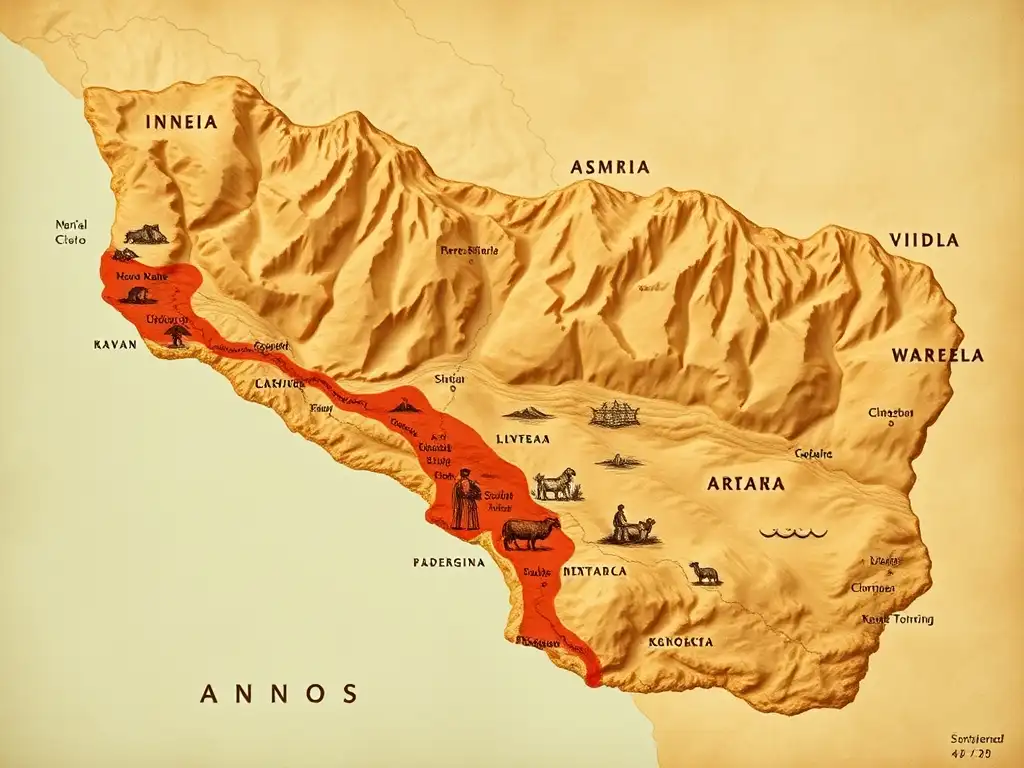
The Aymara language, a vibrant testament to Andean linguistic diversity, isn't monolithic. Its geographical distribution across the Altiplano, encompassing parts of Bolivia, Peru, and Chile, has fostered significant dialectal variations. Understanding these variations is crucial to appreciating the richness and complexity of Aymara as a living language.
This section will explore the key geographical areas where Aymara is spoken and highlight the resulting dialectal differences, focusing on the influence of geography and isolation on linguistic evolution. The spread of the Aymara language and its dialects reflects centuries of social, political, and environmental factors, shaping the unique linguistic landscape we see today. Analyzing these variations offers valuable insights into the historical migrations and social structures of Aymara communities.
Aymara Speaking Regions: A General Overview
Aymara's primary geographical concentration lies in the Andes, specifically the Altiplano region. This high-altitude plateau, characterized by its harsh environment and distinct ecological zones, has played a crucial role in shaping Aymara dialectal diversity. While precise population figures for Aymara speakers are constantly evolving, estimates suggest millions speak the language across its various dialects.
The language's distribution is not uniform; rather, it's clustered in pockets, influenced by factors such as accessibility, historical settlement patterns, and the presence of other linguistic groups. These pockets, often separated by significant geographical barriers, have contributed to the development of distinct Aymara dialects. We can broadly categorize the main speaking regions as: the Bolivian Altiplano (including La Paz and Oruro departments), the Peruvian Altiplano (Puno region), and the Chilean Altiplano (Arica y Parinacota region).
Each of these regions exhibits unique dialectal features, which we will explore further in the following sections. The influence of neighboring languages, such as Quechua and Spanish, also plays a significant role in the evolution of these Aymara dialects.
Dialect Variations in the Southern Altiplano
The southern Altiplano, encompassing parts of Bolivia and Chile, presents a fascinating case study in Aymara dialectal variation. Here, geographical isolation and limited interaction between communities have resulted in the development of dialects exhibiting notable phonological, lexical, and grammatical differences compared to those spoken in the central or northern Altiplano. For example, certain phonetic shifts, such as the changes in vowel sounds or consonant clusters, are characteristic of this region.
Furthermore, the lexicon, the vocabulary of the language, displays unique terms for local flora, fauna, and cultural practices, reflecting the specific environment and traditions of these communities. Detailed linguistic studies are needed to fully document the nuances of these variations and establish precise boundaries between these dialects.
This area also shows a higher degree of bilingualism with Spanish, which influences the lexicon and syntax of the Aymara spoken here. The level of code-switching—the alternation between Aymara and Spanish within a single conversation—varies considerably across communities.
Aymara Dialectal Patterns in the Lake Titicaca Region
The Lake Titicaca basin, straddling the border between Peru and Bolivia, is a particularly important area for understanding Aymara dialectal diversity. The lake's vastness and the surrounding highlands have fostered a complex interplay of linguistic influences, resulting in a rich tapestry of Aymara dialects. The communities around the lake exhibit a significant degree of linguistic heterogeneity, with variations in pronunciation, vocabulary, and grammar observed even between neighboring villages.
This variation is often attributed to the lake's role as a natural barrier, limiting communication and fostering independent linguistic development. Moreover, the presence of Quechua-speaking communities in the region has contributed to lexical borrowing and the emergence of mixed linguistic forms. Research suggests that the dialects spoken around Lake Titicaca are characterized by a relatively high degree of mutual intelligibility, although variations in pronunciation and vocabulary can sometimes pose challenges for communication across different communities.
Further research is required to definitively map the dialectal boundaries within this region and to fully understand the intricate dynamics of linguistic contact and change. The preservation of these unique dialects is crucial for maintaining the cultural heritage of the Aymara people in the Lake Titicaca region. The ongoing documentation and study of these dialects are essential to understanding the complexity and richness of the Aymara language.
Eastern Andean Aymara Dialects and their Unique Features
The Eastern Andean Aymara dialects, spoken primarily in Bolivia, exhibit fascinating variations from their Western counterparts. These differences aren't merely superficial; they reflect unique historical trajectories, geographical isolation, and independent linguistic evolution. One striking feature is the significant phonological divergence.
For instance, certain consonant clusters common in Western dialects are often simplified or altered in the Eastern variants. This simplification can involve the elision of a consonant, resulting in a shorter, more streamlined pronunciation. A detailed comparative study would be needed to fully document these changes, but anecdotal evidence from field linguists suggests a notable difference in the overall rhythm and flow of speech between East and West Aymara.
Furthermore, lexical differences are also quite pronounced. While the core vocabulary remains largely consistent across Aymara dialects, a significant number of words show variation in meaning or even complete replacement. This lexical divergence is particularly noticeable in everyday vocabulary related to agriculture, local flora and fauna, and traditional practices. For example, the word for "potato" – a staple crop in the Andes – might vary considerably in its pronunciation and even its morphological structure across different Eastern Aymara communities.
This reflects the adaptation of the language to specific local environments and agricultural practices. Understanding these lexical variations requires in-depth ethnographic research alongside linguistic analysis. The nuanced differences in meaning associated with seemingly synonymous words further complicate the picture, highlighting the need for careful contextual interpretation.
The grammatical structures of Eastern Andean Aymara also display unique characteristics. While the basic grammatical framework remains consistent with other Aymara dialects, subtle variations in word order, the use of particles, and the expression of tense and aspect are observed. This grammatical variation adds another layer of complexity to the study of Eastern Aymara dialects. For instance, the way in which possessive markers are affixed to nouns might differ, leading to distinct sentence structures.
Researchers have documented these subtle but important variations, demonstrating the need for a dialect-specific grammatical analysis. Such analysis would require extensive fieldwork and a close examination of naturally occurring speech within different Eastern Andean Aymara communities. The ongoing documentation of these dialects is crucial for preserving linguistic diversity and understanding the full spectrum of Aymara linguistic variation. The richness and complexity of these variations underscore the importance of continued research and documentation efforts.
Key Aymara Dialectal Variations
The Aymara language, a vibrant testament to the enduring cultural heritage of the Andes, isn't monolithic. Significant dialectal variations exist across its geographical spread, reflecting the diverse landscapes and historical trajectories of the communities that speak it. Understanding these variations is crucial for appreciating the richness and complexity of the Aymara linguistic landscape and its "Aymara language dialects variations." This section delves into the key distinctions, focusing on phonology, lexicon, and grammar. The variations aren't simply random; they often correlate with geographical proximity and historical interactions, providing valuable insights into the sociolinguistic dynamics of the Andean region.
Phonological Differences Among Aymara Dialects
Phonological differences, concerning the sounds and sound systems of the language, are a prominent feature distinguishing Aymara dialects. These variations can manifest in several ways, impacting both the inventory of sounds (phonemes) and the rules governing their combination.
For instance, the pronunciation of certain consonants can vary significantly. While some dialects may retain a distinction between voiced and voiceless sounds, others may exhibit a neutralization process, leading to a merger of these sounds. This can lead to confusion for those unfamiliar with the specific dialect. Consider the example of the phoneme /p/, which might be realized as a bilabial [p] in one dialect and as an aspirated [pʰ] in another, potentially leading to different interpretations of the same word.
Vowel systems also show variation. Some dialects exhibit a greater number of vowel phonemes compared to others. The quality of vowels can also differ, with variations in tongue height and backness resulting in subtle, yet perceptible, differences in pronunciation. This subtle variance in vowel sounds contributes significantly to the overall "Aymara language dialects variations". Further research is needed to fully map the extent of these vowel variations across different Aymara-speaking communities. Detailed phonetic transcriptions and acoustic analyses would provide a more comprehensive understanding of these nuances.
Lexical Variations in Aymara: Regional Vocabulary
Lexical variation, referring to differences in vocabulary, is another defining characteristic of Aymara dialects. Words for everyday objects, natural phenomena, and social concepts can vary considerably across different regions. This lexical diversity often reflects the unique environments and cultural practices of specific communities.
Consider the following table illustrating lexical variations for common terms:
| English | Dialect A (e.g., La Paz) | Dialect B (e.g., Oruro) | Dialect C (e.g., Puno) |
|---|---|---|---|
| Potato | papa | papa | achu |
| Sun | inti | inti | jaya |
| House | utha | jaisi | wasi |
These are just a few examples; many more words show regional variation. The differences aren't arbitrary; they often reflect the unique cultural contexts and historical interactions of the Aymara communities. Furthermore, the introduction of Spanish loanwords has also contributed to lexical diversification, with varying degrees of adoption across different dialects. A comprehensive lexicon encompassing the vocabulary of all major Aymara dialects is still a work in progress, highlighting the need for further linguistic research to fully document the extent of this lexical diversity. This is crucial for understanding the full breadth of "Aymara language dialects variations."
Grammatical Distinctions Between Aymara Speaking Communities
Beyond phonology and lexicon, grammatical structures also exhibit variations across different Aymara dialects. These variations can involve word order, verb conjugation, and the use of grammatical particles. While the core grammatical structure of Aymara remains relatively consistent, subtle yet significant differences exist in how these structures are implemented across different speaking communities.
For example, the marking of tense and aspect on verbs may differ. Some dialects might utilize a more elaborate system of verbal affixes to express temporal and aspectual nuances, while others may rely on simpler strategies, such as adverbial phrases. The use of grammatical particles, which serve to modify the meaning of phrases or sentences, can also vary considerably.
These particles may have different functions or even be absent altogether in some dialects. Further complicating the picture is the influence of other Andean languages and Spanish on Aymara grammar over time. This ongoing linguistic interaction has resulted in unique grammatical features in various regional dialects, underscoring the dynamic nature of language evolution and the complex interplay of linguistic and socio-cultural factors that shape Aymara grammar.
A detailed comparative grammar of Aymara dialects would be invaluable in elucidating these grammatical distinctions and their implications for understanding the "Aymara language dialects variations". This would require extensive fieldwork and linguistic analysis across various Aymara-speaking communities.
Influence of Spanish and Quechua on Aymara Regional Dialects
The Aymara language, despite its resilience, has demonstrably been influenced by both Spanish and Quechua, resulting in significant variations across different regions. This linguistic contact has manifested in several key ways, shaping the vocabulary, grammar, and even pronunciation of Aymara dialects. The extent of this influence varies considerably depending on geographical proximity to Quechua-speaking communities and the historical intensity of Spanish colonial presence.
One prominent effect is lexical borrowing. Many Aymara dialects incorporate Spanish loanwords, particularly in domains related to modern technology, administration, and commerce. For example, words related to transportation (like "carro" for car) or government structures are often borrowed directly from Spanish, reflecting the integration of these aspects into Aymara daily life. The phonetic adaptation of these borrowed words varies across dialects, showcasing the inherent flexibility and evolution of the language. Some dialects maintain a closer phonetic resemblance to the original Spanish pronunciation, while others show significant adaptation to the Aymara phonological system.
The influence of Quechua is arguably more deeply ingrained in certain Aymara dialects, especially in regions where both languages have coexisted for centuries. This influence extends beyond mere lexical borrowing and affects grammatical structures. In some cases, Quechua grammatical features have been adopted into Aymara, leading to subtle yet significant differences in sentence construction and verb conjugation compared to other, less influenced dialects.
The extent of Quechua influence is a topic of ongoing linguistic research, with scholars exploring the complex interplay between these two Andean languages and its impact on the evolution of Aymara. This linguistic convergence reflects the historical interactions and cultural exchange between Aymara and Quechua communities.
Furthermore, the sociolinguistic context plays a crucial role in shaping the extent of Spanish and Quechua influence. In regions with a strong Aymara cultural identity and limited exposure to Spanish, the language has retained greater purity, with fewer loanwords and less grammatical influence. Conversely, in areas with a more significant Spanish-speaking population, the incorporation of Spanish loanwords and grammatical features is more pronounced. This highlights the dynamic nature of language evolution, where social factors are inextricably linked to linguistic change. Understanding these dynamics is key to appreciating the rich tapestry of Aymara dialectal variations across the Andes.
Specific Aymara Dialect Examples
The Aymara language, a vibrant testament to Andean linguistic diversity, isn't monolithic. Significant variations exist across its geographical spread, leading to distinct dialects that reflect the unique cultural and historical experiences of different Aymara communities. Understanding these Aymara language dialects variations is crucial to appreciating the richness and complexity of this ancient tongue.
This section will explore some key examples, highlighting the nuances that set them apart. The variations aren't simply about pronunciation; they often extend to vocabulary, grammar, and even sentence structure, showcasing the adaptability and resilience of the Aymara language. The differences observed are a fascinating reflection of the diverse environments and social interactions within the Aymara-speaking world.
The Aymara Spoken in La Paz: A Closer Look
La Paz, Bolivia's administrative capital, houses a significant Aymara-speaking population. The dialect spoken here exhibits certain phonetic features, such as a tendency towards palatalization of certain consonants, not as prominent in other regional variations. For instance, the pronunciation of the word for "water" ( uma) might show a slightly softer, more palatalized 'm' sound compared to its counterpart in Puno. Furthermore, the influence of Spanish, due to the city's urban context, is more noticeable in the La Paz dialect, leading to code-switching and the incorporation of loanwords.
This is a common phenomenon in areas with high levels of bilingualism. This doesn't diminish the Aymara language's integrity, but rather highlights its dynamic nature and capacity to adapt to changing social landscapes. Detailed linguistic studies are needed to fully quantify the extent of Spanish loanwords and their impact on grammar. [Specific data on loanword frequency pending].
The vocabulary also presents subtle differences. While core vocabulary remains consistent across dialects, certain terms for local flora, fauna, or everyday objects might differ slightly. This highlights the close connection between language and environment. For example, the term for a specific type of potato might vary depending on the region, reflecting the diversity of agricultural practices. This linguistic diversity mirrors the ecological diversity of the Andes.
Examining the Aymara Dialect of Puno
The Puno region in Peru, located on the shores of Lake Titicaca, is another significant center of Aymara language use. The Puno dialect is known for its relatively conservative phonology, retaining features that have been lost or altered in other dialects. This conservatism might be attributed to the relative isolation of certain communities in the region, leading to a slower rate of linguistic change. This isn't to suggest that the Puno dialect is unchanging; rather, its evolution has followed a different trajectory than those in more urbanized areas.
One notable characteristic is the distinct intonation patterns used in speech. While further research is needed to fully characterize these patterns, preliminary observations suggest a different rhythm and stress placement compared to the La Paz dialect. This difference in prosody can significantly impact the overall sound and feel of the language. Additionally, the influence of Quechua, another major Andean language, is more noticeable in the Puno dialect than in some other regions.
This bilingual context has likely contributed to specific vocabulary choices and grammatical structures. [Further research needed on the influence of Quechua on Puno Aymara]. The study of these variations offers insight into the complex linguistic landscape of the Andes.
Characteristics of the Aymara Dialect in Oruro
The Aymara spoken in Oruro, Bolivia, presents yet another fascinating variation. Located in a region with a rich mining history, the Oruro dialect incorporates terms related to mining and related activities, reflecting the region's unique cultural and economic context. This illustrates how specialized vocabulary develops within communities based on their specific occupations and way of life. These mining-related terms might be entirely unique to the Oruro dialect or represent specialized meanings for words found in other dialects.
Furthermore, the social dynamics of Oruro have likely influenced the evolution of the local Aymara dialect. The interaction between different ethnic groups and the historical impact of colonization have likely shaped the linguistic landscape. A detailed study of the social factors influencing the Oruro dialect is needed to fully understand the reasons behind its unique characteristics. [Sociolinguistic data on Oruro Aymara pending].
The differences observed among these dialects are not just linguistic curiosities; they represent the rich tapestry of Aymara culture and identity. Understanding these variations is crucial for effective communication and for preserving the linguistic heritage of the Andean region. The study of Aymara language dialects variations is a continuously evolving field, with many aspects requiring further investigation.
The Impact of Dialectal Variation on Aymara Culture
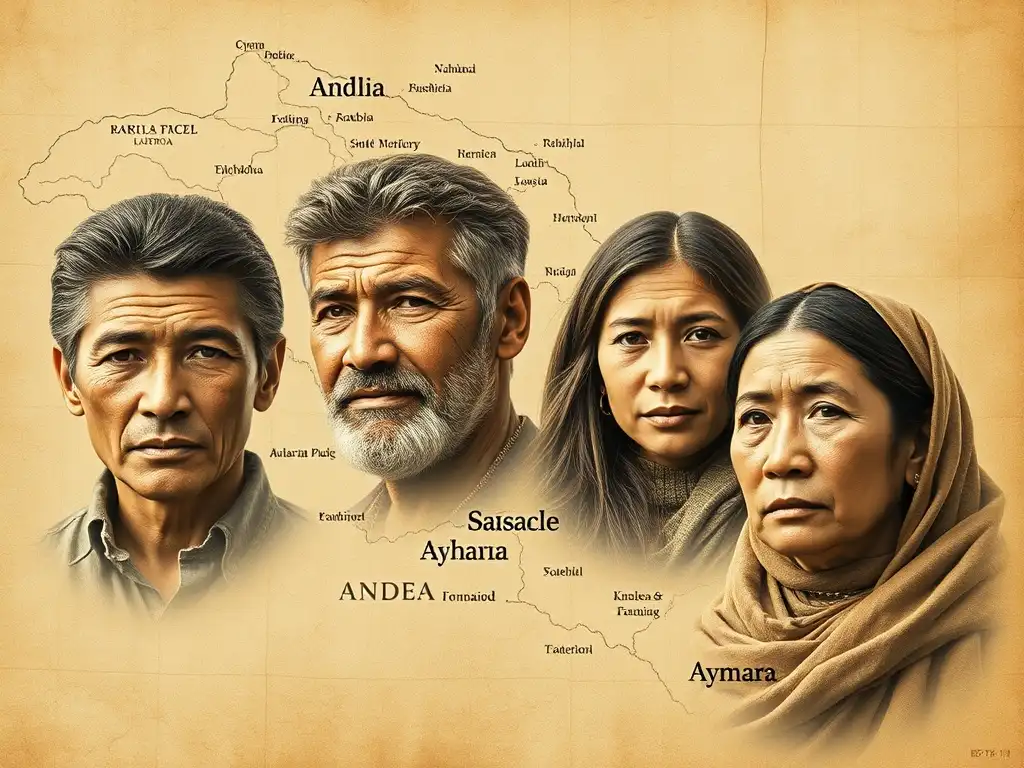
The rich tapestry of Aymara culture is intricately woven with the threads of its diverse dialects. Understanding the nuances of these variations is crucial to appreciating the complexity and resilience of this ancient Andean language. The existence of multiple dialects isn't merely a linguistic phenomenon; it's a reflection of the distinct social, geographical, and historical experiences of different Aymara communities. These variations influence everything from storytelling traditions and oral histories to social interactions and the very perception of cultural identity.
The impact is profound, shaping how Aymara people connect with their heritage and each other. Ignoring the diversity of Aymara dialects would be akin to ignoring the vibrant mosaic of the culture itself. The preservation of these variations is paramount for maintaining the authenticity and richness of Aymara heritage for future generations. This section delves deeper into the ways dialectal variation affects Aymara cultural expressions.
How Aymara Dialects Reflect Local Traditions
Aymara dialects are not simply variations in pronunciation or vocabulary; they are living repositories of local traditions and histories. For example, the dialects spoken in the high-altitude regions often contain unique vocabulary related to alpaca herding and highland agriculture, reflecting the livelihoods of those communities. Similarly, coastal Aymara dialects might incorporate terms related to fishing and maritime activities.
These linguistic differences highlight the adaptation of the Aymara language to diverse environments and lifestyles. Moreover, the way stories and myths are told can vary significantly across different dialectal zones. Certain dialects might favor specific narrative structures or use unique linguistic devices to enhance the storytelling experience.
This oral tradition, passed down through generations, is deeply intertwined with the dialect itself, making the preservation of dialects essential to safeguarding Aymara cultural narratives. The subtle variations in vocabulary and grammar often reflect specific cultural practices and beliefs unique to each community, contributing to the overall richness and diversity of Aymara culture. Analyzing these linguistic variations provides valuable insights into the historical development and adaptation of Aymara communities across different geographical areas.
Cultural Identity and Aymara Language Variations
The relationship between Aymara language and cultural identity is undeniable. Dialectal variations play a significant role in shaping this identity, fostering both a sense of belonging within a specific community and a broader sense of Aymara unity. Speaking a particular dialect can be a marker of regional origin, social status, or even family lineage. The use of specific vocabulary or grammatical structures can signal membership in a particular group, creating a powerful sense of community and shared identity.
However, this localized identity doesn't negate the overarching Aymara identity. While dialects might differ, the underlying language structure and core cultural values remain consistent, uniting Aymara speakers across diverse regions. This complex interplay between local and broader identities is a key aspect of understanding the role of dialectal variations in shaping Aymara cultural identity. The preservation of these variations is therefore critical for maintaining a diverse and vibrant Aymara cultural landscape.
The Importance of Preserving Aymara Dialectal Diversity
The preservation of Aymara dialectal diversity is not merely an academic pursuit; it is a critical undertaking for the survival of Aymara culture itself. The loss of any dialect represents the loss of a unique aspect of Aymara heritage, diminishing the richness and complexity of the language and its associated cultural traditions. Language endangerment is a real threat, and the homogenization of Aymara dialects poses a significant risk. Efforts to document, revitalize, and promote the use of all Aymara dialects are crucial for ensuring the long-term survival of this valuable linguistic and cultural legacy.
These efforts might include language immersion programs, community-based language initiatives, and the development of educational materials that reflect the diversity of Aymara dialects. Furthermore, supporting research into Aymara linguistics and documenting the unique aspects of each dialect is essential for future generations to understand and appreciate the full scope of Aymara cultural heritage. The task is urgent and requires a collaborative approach involving linguists, educators, community leaders, and Aymara speakers themselves.
The future of the Aymara language, and its rich cultural heritage, depends on it. The continued existence of these variations is a testament to the resilience and adaptability of the Aymara people and their culture. Protecting this linguistic diversity is therefore crucial for safeguarding a significant part of Andean cultural heritage.
Challenges in Studying Aymara Language Dialects
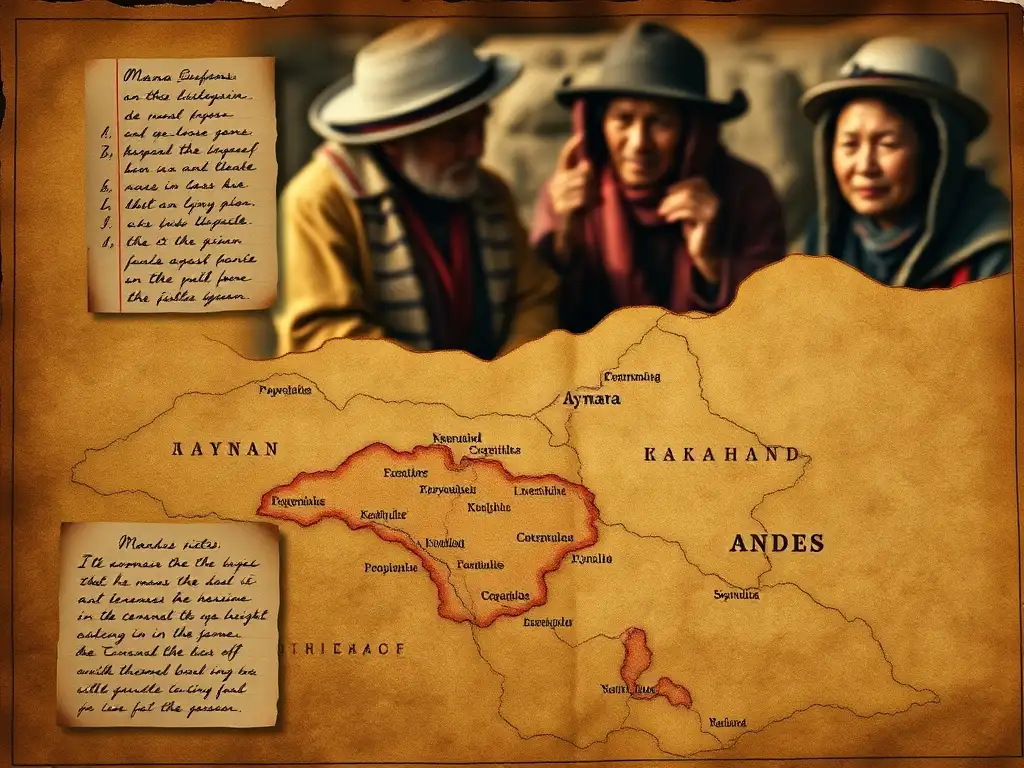
The study of Aymara language dialects presents unique challenges, significantly impacting our understanding of its regional variations and historical evolution. These difficulties stem from several interconnected factors, hindering comprehensive documentation and analysis. One major obstacle is the geographic dispersion of Aymara speakers across the Andes, spanning parts of Bolivia, Peru, and Chile.
This widespread distribution leads to logistical difficulties in accessing remote communities and conducting fieldwork. Furthermore, the diverse sociolinguistic landscapes within these communities influence language use and transmission. Some areas maintain strong Aymara traditions, while others experience significant bilingualism with Spanish or Quechua, leading to language shift and the erosion of distinct dialectal features.
Another significant challenge lies in the lack of standardized orthography for all Aymara dialects. This absence of a consistent writing system complicates the transcription and comparison of spoken variations. Researchers often rely on phonetic transcriptions, which can be subjective and prone to inconsistencies. Moreover, the limited availability of linguistic resources – dictionaries, grammars, and corpora – further hinders research.
While some dialects have received more attention than others, many remain largely undocumented, leaving significant gaps in our understanding of Aymara's linguistic diversity. Finally, the rapid social and political changes affecting Aymara communities impact language use and transmission. Modernization, migration, and globalization influence language contact and may lead to dialect leveling or the loss of unique features. Overcoming these challenges requires a multifaceted approach involving collaborative research, the development of standardized resources, and the engagement of Aymara communities in the research process.
Documenting Aymara Dialects: Methodological Considerations
Documenting Aymara dialects necessitates a careful consideration of methodological approaches that account for the challenges outlined above. A crucial aspect is the engagement of Aymara speakers as active participants in the research. Their knowledge and perspectives are essential for accurate data collection and interpretation. This participatory approach can involve collaborative fieldwork, where researchers work alongside community members to collect and analyze data.
Methods such as ethnographic interviews and sociolinguistic surveys provide crucial contextual information about language use in different settings. The use of audio and video recordings allows for detailed analysis of pronunciation, intonation, and other phonetic features. However, obtaining informed consent and ensuring the ethical handling of sensitive data are paramount.
Furthermore, researchers must employ rigorous phonetic transcription methods to ensure consistency and accuracy. The development of a standardized orthography for under-documented dialects would greatly facilitate cross-dialectal comparison. The creation of digital corpora of Aymara speech is crucial for large-scale analysis of linguistic patterns and variations.
This can involve transcribing and annotating audio recordings, creating searchable databases, and developing computational tools for linguistic analysis. The development of robust methodologies for documenting Aymara dialects requires a collaborative effort between linguists, anthropologists, and Aymara communities, ensuring that the research process respects and empowers the speakers themselves. This collaborative approach is vital for preserving and understanding the rich linguistic heritage of the Aymara people.
The Influence of Language Contact on Aymara Dialect Evolution
Language contact plays a significant role in shaping the evolution of Aymara dialects. The prolonged interaction with Spanish and Quechua has led to various linguistic changes, including lexical borrowing, grammatical adjustments, and phonological shifts. For instance, many Aymara dialects have incorporated numerous Spanish loanwords, particularly in domains such as technology, government, and education. This lexical borrowing often reflects the socio-economic and political influence of Spanish within Aymara communities. Moreover, the influence of Spanish can be observed in grammatical structures, with some dialects exhibiting features that deviate from traditional Aymara grammar.
The contact with Quechua, another major Andean language, has also left its mark on Aymara. In areas where both languages are spoken, we often observe instances of code-switching and borrowing between the two. This interlinguistic influence can manifest in various ways, including the adoption of Quechua vocabulary and grammatical structures into Aymara. The degree of influence varies across different regions and communities, depending on the intensity and duration of language contact.
Understanding the dynamics of language contact is crucial for tracing the historical evolution of Aymara dialects and for explaining the diversity of linguistic features observed across different regions. Further research is needed to analyze the specific mechanisms of language contact and their impact on the structure and evolution of Aymara dialects. This involves detailed comparative studies of Aymara and its contact languages, examining the patterns of borrowing, code-switching, and grammatical convergence.
Current Research and Future Directions in Aymara Dialectology
Current research on Aymara dialectology focuses on several key areas. These include detailed phonetic and phonological analyses of different dialects, documenting grammatical variations, and investigating the impact of language contact. Researchers are increasingly employing computational methods, such as corpus linguistics and machine learning, to analyze large datasets of Aymara speech and identify patterns of variation. The use of digital tools facilitates the comparison of dialects and the identification of linguistic features that are unique to specific regions or communities. This technological advancement helps overcome some of the challenges associated with traditional fieldwork methods.
Future research in Aymara dialectology should prioritize the development of comprehensive resources, including dictionaries, grammars, and corpora, for all dialects. This requires a collaborative effort between linguists, Aymara communities, and technology developers. Furthermore, future studies should focus on the documentation of endangered dialects and the development of language revitalization programs. A crucial aspect of this work is the empowerment of Aymara communities to participate actively in research and language preservation efforts.
By working closely with Aymara speakers, researchers can ensure that their linguistic heritage is accurately documented and preserved for future generations. The integration of linguistic research with broader social and cultural studies is also essential for understanding the complex interplay of language, identity, and social change within Aymara communities. This interdisciplinary approach will provide a more comprehensive and nuanced understanding of Aymara linguistic diversity and its cultural significance.
Conclusion: The Rich Tapestry of Aymara Language Dialects
Summarizing the Key Aspects of Aymara Dialectal Variations
The Aymara language, far from being a monolithic entity, reveals a fascinating tapestry of regional variations. These dialectal differences, stemming from geographical isolation and historical interactions, significantly impact vocabulary, pronunciation, and even grammatical structures. We've explored key distinctions, highlighting the significant divergence between Northern and Southern Aymara, a difference sometimes described as so substantial as to constitute separate languages. Within these broader categories, numerous sub-dialects exist, each possessing unique characteristics that reflect the diverse cultural landscape of the Andean region.
Understanding these nuances is crucial for accurate linguistic analysis and effective communication within Aymara communities. For example, the use of specific affixes to denote possession varies considerably between the dialects spoken around Lake Titicaca and those found further south in the Altiplano. This linguistic diversity is not merely an academic curiosity; it’s a reflection of the vibrant and complex history of the Aymara people.
The impact of geographic features on dialectal variation is particularly striking. Mountain ranges, vast lakes, and isolated valleys have acted as natural barriers, fostering the development of distinct linguistic features in geographically separated communities. This geographical influence is mirrored in the cultural practices and traditions of each region, further emphasizing the interconnectedness of language and identity within Aymara society. Detailed phonetic studies reveal subtle yet significant variations in vowel pronunciation and consonant articulation across different Aymara-speaking regions, offering valuable insights into the intricate patterns of linguistic evolution.
The Ongoing Importance of Studying Aymara Language Diversity
The study of Aymara dialectal variations is far from complete. Continued research is essential for several vital reasons. First, documenting these variations before they are further eroded by language shift is paramount. The increasing dominance of Spanish in many Aymara communities threatens the vitality of these unique dialects.
Linguistic preservation efforts require a comprehensive understanding of the existing diversity to effectively support and promote Aymara language maintenance. Secondly, understanding the intricacies of Aymara dialects is crucial for developing effective educational materials and language revitalization programs. Tailoring educational resources to specific dialectal variations ensures greater accessibility and engagement for Aymara speakers of all backgrounds.
Furthermore, research into Aymara dialects can illuminate broader linguistic theories concerning language change and evolution. Analyzing the patterns of variation and change within Aymara can contribute to a deeper understanding of how languages adapt and diversify over time. This is especially relevant in understanding the impact of contact languages and the resilience of indigenous languages in the face of globalization.
The detailed study of Aymara language, with its rich array of dialects, presents a unique opportunity to contribute to the broader field of linguistic scholarship. Finally, understanding the nuances of Aymara dialects is crucial for fostering intercultural understanding and promoting linguistic justice within the Andean region.
Further Exploration of Aymara Language and Culture
This exploration of Aymara dialectal variations serves as a starting point for a deeper dive into the rich tapestry of Aymara language and culture. Further research could focus on specific aspects, such as:
- Lexical analysis: A detailed comparison of vocabulary across different Aymara dialects, focusing on semantic shifts and loanwords.
- Grammatical structures: A comparative study of grammatical features, identifying points of convergence and divergence across dialects.
- Sociolinguistic studies: Investigating the social factors influencing language choice and dialectal variation within Aymara communities.
- Comparative studies with other Andean languages: Examining the relationships between Aymara and other indigenous languages of the Andes, such as Quechua, to understand shared linguistic features and historical connections.
- Corpus linguistics: Developing a comprehensive corpus of Aymara texts from various regions to facilitate quantitative analysis of dialectal variations.
The study of Aymara language and culture offers a unique window into the history and resilience of Andean civilizations. By continuing to explore the complexities of Aymara dialects, we can gain a richer understanding of this vibrant and dynamic linguistic landscape and contribute to the preservation of this invaluable cultural heritage. The diversity within the Aymara language is a testament to the enduring spirit and adaptability of the Aymara people. Further research will undoubtedly reveal even more fascinating aspects of this remarkable language and its place within the broader context of Andean linguistic diversity.
Frequently Asked Questions
What is the Aymara language?
The Aymara language is a native language of the Andes, primarily spoken in Bolivia and Peru, with smaller communities in Chile and Argentina. It boasts a rich history and cultural significance within Andean societies.
How many Aymara dialects exist?
While a precise number is debated, there are numerous regional variations considered dialects, often exhibiting significant differences in pronunciation, vocabulary, and grammar. These variations reflect the diverse geography of the Aymara-speaking regions.
What are some key factors contributing to Aymara dialectal variations?
Geographic isolation, historical migrations, and contact with other languages have all played a role in creating the diverse array of Aymara dialects. These factors have led to unique linguistic developments across different communities.
Are Aymara dialects mutually intelligible?
Mutual intelligibility varies greatly. Speakers of closely related dialects may understand each other relatively well, while those from more geographically distant regions might experience significant communication challenges. The degree of understanding depends on the specific dialects involved.
How are efforts to preserve Aymara dialects being undertaken?
Efforts to preserve Aymara linguistic diversity include language revitalization programs, community-based initiatives, and the development of educational resources in various dialects. These actions aim to ensure the continued use and transmission of the language.
Final Reflection: The Enduring Voice of Aymara
The vibrant tapestry of Aymara dialects, woven through centuries of cultural exchange and adaptation, remains a powerful testament to the resilience of indigenous languages in the face of globalization. Understanding these variations is not merely an academic exercise; it's crucial for preserving a rich linguistic heritage and ensuring the continued vitality of Aymara communities. The subtle shifts in pronunciation, vocabulary, and grammar reflect the unique histories and identities of different Aymara-speaking regions, offering invaluable insights into the social and geographical forces that have shaped this ancient language.
The ongoing struggle to maintain linguistic diversity in the face of dominant languages is a deeply personal issue for many Aymara speakers, a fight for cultural survival. Language is the road map of a culture. It tells you where its people come from and where they are going.
– Rita Mae Brown. This quote resonates deeply with the Aymara experience, highlighting the inextricable link between language and cultural identity. The variations within Aymara are not simply differences; they are expressions of distinct cultural narratives, each worthy of preservation and celebration. The loss of any dialect represents a loss of this rich tapestry, a silencing of unique voices and perspectives.
Consider the implications of this for your own life. How can you contribute to the preservation of linguistic diversity, not just for Aymara, but for all endangered languages? Perhaps it's through supporting language revitalization programs, learning a few Aymara phrases, or simply raising awareness of the importance of linguistic diversity.
Let the rich variations within the Aymara language inspire you to appreciate the beauty and power of language in all its forms, and to actively participate in its ongoing evolution and preservation. Let us ensure that the voices of Aymara, in all their regional variations, continue to resonate for generations to come.
Discover the Richness of Aymara Dialects!
Thank you for exploring the fascinating world of Aymara dialects! You've gained valuable insights into the regional variations that enrich this remarkable language. Now, let's delve deeper into this unique cultural heritage.
Here are some ways to continue your journey:
- Join a language exchange program to practice Aymara with native speakers and deepen your understanding of its diverse dialects.
- Share your experiences on social media using the hashtag #AymaraLanguage to connect with others interested in Andean cultures.
- Engage with local Aymara communities or cultural events to experience the language within its vibrant context.
What aspect of Aymara culture or language captivates you most, and how will you explore it further in your daily life?