
Moche Masterpieces: Exploring the Textile Art of the Moche Civilization

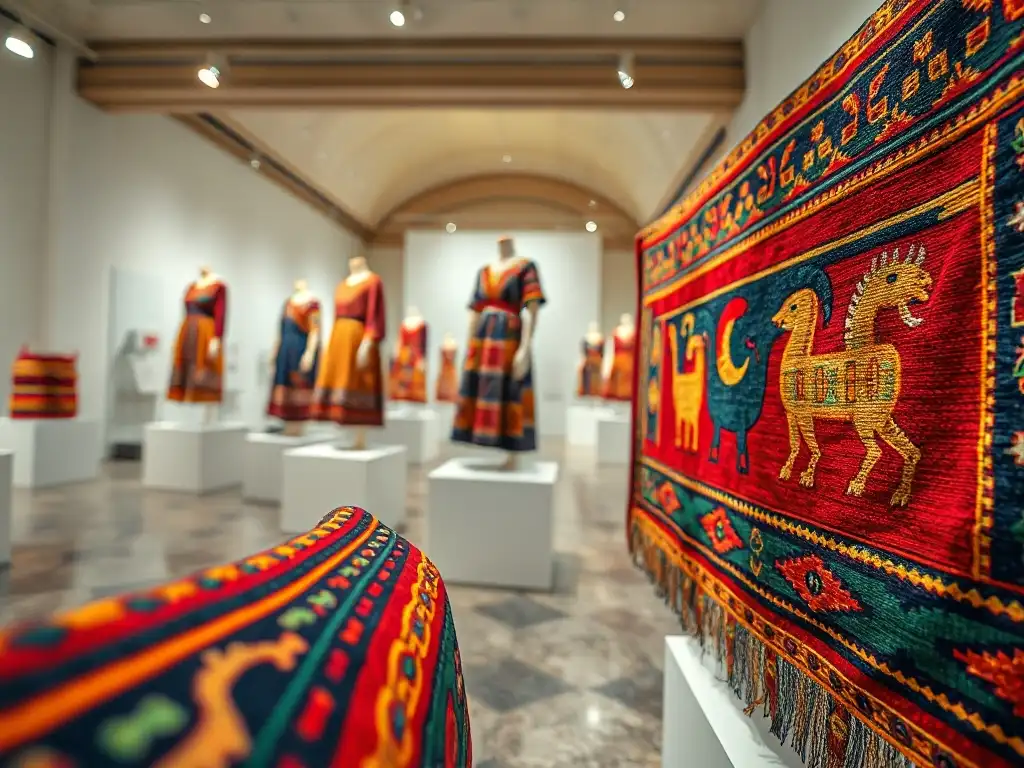
Step into a world lost to time, yet vibrantly alive in its artistry. Dive into the intricate world of Andean civilizations, where ingenuity and spirituality intertwined. Prepare to be captivated by the Moche, a culture whose mastery of textile art remains a source of wonder and fascination. Discover breathtaking examples of Moche textile art, and unlock the secrets woven into their extraordinary fabrics. Their legacy awaits— dare to explore?
The vibrant tapestry of pre-Columbian Andean cultures is richly woven with the threads of innovation and artistry. Among these, the Moche civilization (c. 100-800 CE) stands out for its remarkable achievements in textile production, creating intricate and visually stunning pieces that offer invaluable insights into their societal structures, beliefs, and daily life. This article delves into the captivating world of Moche textile art, exploring the techniques employed and examining surviving examples that showcase the ingenuity and aesthetic sensibilities of this fascinating ancient culture.
We will specifically analyze several key examples of Moche textile art, addressing the question of "Moche textile art examples" with detailed descriptions and analysis, thus providing a comprehensive overview of this significant aspect of Andean heritage. Prepare to be amazed by the sophistication and beauty of these ancient masterpieces, preserved through time and unearthed to reveal the secrets of a remarkable civilization.
Unveiling the Rich Tapestry of Moche Textile Art
Moche textile art is characterized by its vibrant colors, intricate designs, and the use of diverse materials. Surviving fragments, often discovered within tombs and elite burials, reveal a sophisticated understanding of textile production techniques. These textiles weren't merely functional; they served as powerful symbols of status, religious beliefs, and social identity. The imagery found on these textiles frequently depicts scenes of warfare, religious ceremonies, and daily life, offering unparalleled glimpses into Moche society.
For example, some textiles showcase depictions of the Moche elite, adorned in elaborate clothing and jewelry, suggesting a hierarchical social structure. Others display complex mythological scenes, providing clues to their religious beliefs and cosmology. The level of detail and precision in these depictions is truly remarkable, considering the tools and materials available to the Moche artisans. The use of natural dyes derived from plants and minerals resulted in a stunning range of colors, many of which have remarkably retained their vibrancy over centuries.
This vibrant palette, combined with intricate weaving techniques, created textiles of exceptional beauty and lasting impact. Analysis of these textiles also reveals the importance of specific motifs and their symbolic meaning within Moche culture, a subject of ongoing research and scholarly debate. The surviving examples, though fragmented, represent a significant body of work that continues to inspire awe and wonder.
Understanding Moche Textile Production Techniques
The creation of Moche textiles was a complex process, requiring significant skill and expertise. Archaeological evidence suggests that the Moche employed a variety of weaving techniques, including plain weave, tapestry weave, and weft-faced plain weave. These techniques allowed them to create textiles of varying textures and patterns. The use of different fibers, such as cotton and camelid fibers (llama and alpaca), also contributed to the diversity of their textile production.
The preparation of the fibers, the spinning of the yarn, and the dyeing of the fibers were all crucial steps in the process. Evidence suggests that they used a variety of natural dyes, including those derived from plants like indigo and cochineal insects. The precise methods of dyeing and the specific plants or insects used remain areas of ongoing research, but the remarkable longevity of the colors speaks to the artisans' mastery of these techniques. Furthermore, the intricate designs found on many Moche textiles suggest a high level of planning and organization, possibly indicating specialized workshops or guilds of textile artisans.
The meticulous nature of the work highlights the significant social and economic value placed on textile production within Moche society. The complexity of the techniques and the quality of the finished products underscores the advanced level of technological understanding achieved by the Moche civilization. Further research is needed to fully understand the nuances of their production methods. However, even with the current knowledge, we can appreciate the technical skill and artistry involved in creating these extraordinary pieces.
The Significance of Moche Weaving in Ritual and Society
Moche textile art wasn't merely decorative; it held profound religious and social significance within their complex society. Textiles played a crucial role in rituals, ceremonies, and everyday life, reflecting the Moche worldview and social hierarchy. The intricate designs and the use of high-quality materials like cotton and camelid fibers indicated the wearer's status and connection to the spiritual realm.
Elaborate textiles were likely used in important ceremonies, adorning priests, rulers, and perhaps even sacrificial victims. Their presence in elite tombs further underscores their importance in the afterlife. The sheer effort and skill involved in creating these textiles suggest a highly specialized craft, likely overseen by skilled artisans who held a respected position within the Moche community.
The production and use of these textiles were deeply intertwined with the Moche's belief system and social structure, making them invaluable artifacts for understanding their culture. The vibrant colors and intricate patterns were not arbitrary; they likely held symbolic meaning, reflecting the Moche's understanding of the cosmos, their deities, and their social order. Further research into the dyes and weaving techniques employed could reveal even more about the social and religious contexts of Moche textile production.
Moche Textile Symbolism: Deciphering Iconography
The iconography found in Moche textiles is rich and complex, offering glimpses into their beliefs and values. Common motifs include stylized representations of deities, animals, and plants, often interwoven with geometric patterns. For example, the frequent depiction of felines, birds of prey, and serpents likely reflects their importance in Moche mythology and cosmology.
These animals might represent powerful forces in nature, or perhaps embody specific deities or ancestral figures. Similarly, the use of geometric patterns, such as stepped frets and interlocking designs, might have symbolic meaning related to the Moche understanding of the cosmos or the cyclical nature of life and death. The arrangement and combination of these motifs within a single textile can provide additional layers of meaning, suggesting narratives or conveying specific messages.
However, much of the symbolism remains open to interpretation, requiring further interdisciplinary research involving art history, anthropology, and archaeology to fully understand. The study of Moche iconography requires careful consideration of the context in which the textiles were found, as well as comparison with other Moche art forms, such as ceramics and metalwork, to establish a more comprehensive understanding.
Moche Textile Art: A Closer Look at Specific Pieces
Several remarkably preserved Moche textiles offer unparalleled insights into their artistry and cultural significance. These pieces, found in various contexts, highlight the diversity of Moche textile production and the skill of their artisans. The textiles are often characterized by their vibrant colors, intricate designs, and high-quality materials. Studying these examples allows us to appreciate the complexity of their weaving techniques and the symbolic meaning embedded within the iconography. The following examples showcase the range of Moche textile art and the sophisticated techniques used in their creation.
The "Presentation Scene" Textile from the Larco Museum - Detailed Analysis
This textile, housed in the Larco Museum, depicts a vibrant scene likely related to a ritual offering or presentation. The central motif shows a high-ranking individual, possibly a priest or ruler, receiving offerings from attendants. The figures are rendered with remarkable detail, their clothing and adornments meticulously depicted.
The use of various colors and textures adds depth and dimension to the scene. The textile's overall composition suggests a carefully planned narrative, possibly illustrating a specific ritual or myth. The high quality of the weaving and the use of fine materials suggest that this textile was intended for a significant ceremonial purpose, possibly associated with a high-status individual or a major religious event.
Further analysis of the dyes and fibers used in its creation could provide additional information about the textile's origin and date of production. The preservation of such a complex and detailed scene provides invaluable insights into Moche religious practices and social hierarchy.
The "Sacrifice Ceremony" Textile from the Dumbarton Oaks Collection - Detailed Analysis
The textile in the Dumbarton Oaks Collection, tentatively titled "Sacrifice Ceremony," depicts a scene seemingly related to human sacrifice, a practice known to have been part of Moche ritual life. [Specific details about the scene, including the number of figures, their attire, and the objects depicted, are pending]. The use of color and composition in this textile is particularly striking, with specific color choices possibly holding symbolic meaning related to sacrifice, death, or the underworld.
The level of detail in the depiction of the figures and objects suggests a high level of artistic skill and a deep understanding of Moche ritual practices. The textile’s context of discovery, if known, would greatly aid in understanding its significance and intended use. Further analysis, including scientific dating and fiber analysis, could provide more precise information about its age and origin.
The "Geometric Frieze" Textile from the Metropolitan Museum of Art - Detailed Analysis
In contrast to the narrative scenes found in other Moche textiles, the "Geometric Frieze" from the Metropolitan Museum of Art focuses primarily on abstract designs. This textile features a repeating pattern of intricate geometric motifs, including stepped frets, triangles, and interlocking designs. While the specific meaning of these patterns remains debated, their complexity and precision suggest a high level of technical skill and a sophisticated understanding of geometric principles.
The use of vibrant colors and the rhythmic repetition of the designs create a visually striking effect, suggesting a possible connection to Moche cosmology or their understanding of order and harmony. [Specific details about the colors, dimensions, and materials used are pending].
The "Geometric Frieze" demonstrates the Moche's mastery of textile production, showcasing their ability to create both narrative and abstract works of art. The textile’s repetitive nature suggests it may have been part of a larger piece, perhaps a tapestry or wall hanging.
Preserving and Appreciating Moche Textile Art Today
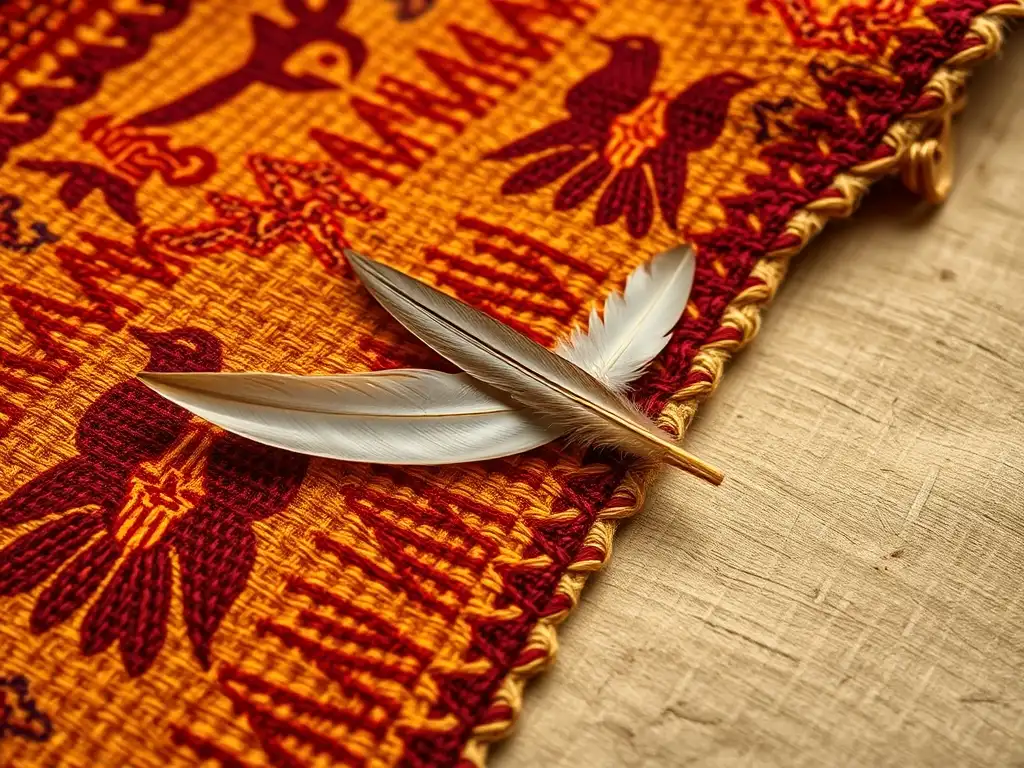
The fragility of Moche textile art presents significant challenges for its preservation. These delicate artifacts, often made from natural fibers like cotton and camelid wool, are susceptible to deterioration from a variety of factors. Exposure to light, humidity, and temperature fluctuations can cause significant damage, leading to fading, weakening of fibers, and even complete disintegration. The natural dyes used by the Moche, while vibrant and long-lasting in their time, are also susceptible to degradation over centuries.
Therefore, meticulous care and advanced conservation techniques are crucial for ensuring the longevity of these irreplaceable pieces of history. Modern conservation efforts involve careful environmental control, the use of specialized materials for repair and stabilization, and ongoing research into the most effective preservation methods. This ongoing work requires a collaborative effort between archaeologists, conservators, and museum professionals to ensure that future generations can appreciate the artistry and ingenuity of the Moche weavers.
Challenges in Moche Textile Conservation
One of the most significant challenges in preserving Moche textiles is their inherent fragility. The natural fibers used, often hundreds or even thousands of years old, have become brittle and prone to damage. Simple handling can cause irreparable harm. Furthermore, the complex weaving techniques employed by the Moche, often involving intricate patterns and delicate threads, make restoration a painstaking and highly specialized process.
The use of natural dyes, while contributing to the vibrancy of the textiles, also presents difficulties. These dyes are often unstable and prone to fading or discoloration under exposure to light and air. Another major challenge lies in the limited understanding of the original materials and techniques.
The lack of detailed historical records necessitates extensive research and experimentation to develop appropriate conservation strategies. This often involves the use of advanced scientific methods to analyze the textiles' composition and determine the most effective preservation techniques. The cost associated with these specialized methods is another factor influencing preservation efforts, requiring significant funding and resources.
Museums and Collections Showcasing Moche Weaving
Several museums and collections around the world house remarkable examples of Moche textile art. These institutions play a vital role in preserving and showcasing these cultural treasures for the public. Many museums dedicate significant space to exhibitions focusing on Moche weaving, providing detailed information about the techniques, materials, and cultural significance of these artifacts. These exhibitions often feature high-quality images and detailed descriptions, educating visitors about the rich history and artistry of the Moche civilization.
The museums also often have dedicated conservation labs where experts work tirelessly to preserve these fragile pieces for future generations. Cataloging and digital archiving efforts are also underway in many institutions, ensuring that these invaluable pieces of history are accessible to researchers and the public alike. These initiatives are crucial in promoting the appreciation and understanding of Moche textile art and its place within the broader context of Andean cultural heritage.
The Enduring Legacy of Moche Textile Art
The intricate and vibrant textiles of the Moche civilization continue to fascinate and inspire today. Their remarkable artistry, technical skill, and cultural significance serve as a powerful testament to the ingenuity and creativity of the ancient Andean people. The enduring legacy of Moche weaving is evident not only in the surviving artifacts but also in the ongoing research, conservation efforts, and artistic interpretations inspired by their work.
Modern textile artists and designers continue to draw inspiration from the bold patterns, intricate techniques, and vibrant colors found in Moche textiles. The study of Moche weaving provides valuable insights into the social structures, religious beliefs, and daily life of this ancient civilization. Moreover, the preservation and appreciation of Moche textile art contribute to a deeper understanding and appreciation of Andean cultural heritage as a whole.
The legacy of Moche textile art is a powerful reminder of the enduring human capacity for creativity, innovation, and the transmission of cultural knowledge across generations. These intricate textiles serve as a tangible link to the past, connecting us to the rich and complex history of the Moche civilization and the broader Andean world. 🌎
How Moche Textiles Influenced Later Andean Weaving Traditions
The vibrant and intricate textile traditions of the Moche civilization didn't disappear with their culture. Their innovative techniques and aesthetic sensibilities profoundly impacted subsequent Andean weaving traditions, leaving an indelible mark on the textiles produced by later cultures like the Chimú and Inca. The Moche's mastery of natural dyes, for instance, using plants, insects, and minerals to create a stunning range of colors, was directly inherited and refined by these later groups.
The complex tapestry weaving techniques, including the use of multiple weft threads to create intricate designs, also continued to be employed and even further developed. We see evidence of this continuity in the stylistic similarities between Moche textiles and those from the later periods. For example, the use of specific iconographic motifs, like stylized birds, felines, and mythical creatures, can be traced through centuries of Andean textile production, demonstrating a clear lineage and influence.
Furthermore, the Moche's preference for certain textile structures, like the use of plain weave combined with supplementary weft techniques, is also present in later Andean weavings, suggesting a direct transmission of knowledge and practices. The enduring legacy of Moche textile art is not merely a matter of stylistic echoes; it's a testament to the ingenuity and skill of the Moche weavers and their lasting contribution to the rich tapestry of Andean textile history. Their innovations provided a foundational framework upon which later cultures built, demonstrating the enduring power and influence of their artistic achievements.
Finding Inspiration in Moche Textile Art for Modern Designers
Moche textile art, with its bold colors, intricate patterns, and symbolic imagery, continues to inspire contemporary designers. The unique aesthetic of Moche textiles, characterized by its vibrant hues and dynamic compositions, offers a wealth of inspiration for modern artists and designers seeking to create unique and striking pieces. The use of natural dyes, for example, has experienced a resurgence in popularity, driven in part by a renewed interest in sustainable and eco-friendly practices.
Modern designers are increasingly incorporating Moche-inspired motifs into their work, drawing upon the rich iconography of the culture to create contemporary designs with an ancient feel. The striking geometric patterns and representations of mythical creatures found in Moche textiles are being reinterpreted and adapted for use in clothing, home décor, and other design applications. Moreover, the technical skill and precision demonstrated in Moche weaving techniques serve as a benchmark for modern textile artists striving for excellence in their craft.
The intricate tapestry weaving and the use of multiple weft threads, for example, continue to challenge and inspire textile artisans today. The impact of Moche textile art on contemporary design is a testament to the timeless appeal of its aesthetic and the enduring relevance of its artistic legacy. By studying and reinterpreting these ancient textiles, modern designers can create works that are both innovative and deeply connected to the rich history of Andean art.
Link to a workshop on Andean backstrap weaving
[Specific information pending: Link to a relevant workshop]
Link to a shop selling Peruvian textile designs
[Specific information pending: Link to a relevant shop]
- Unveiling the Rich Tapestry of Moche Textile Art
- Understanding Moche Textile Production Techniques
- The Significance of Moche Weaving in Ritual and Society
- Moche Textile Art: A Closer Look at Specific Pieces
- Preserving and Appreciating Moche Textile Art Today
- The Enduring Legacy of Moche Textile Art
- How Moche Textiles Influenced Later Andean Weaving Traditions
- Finding Inspiration in Moche Textile Art for Modern Designers
Frequently Asked Questions
What makes Moche textile art so unique?
Moche textiles are unique due to their vibrant colors, intricate designs, and exceptional craftsmanship. The use of natural dyes and sophisticated weaving techniques resulted in remarkably preserved pieces.
What are some common motifs found in Moche textiles?
Common motifs include mythological creatures, deities, geometric patterns, and depictions of daily life. These motifs offer valuable insights into their beliefs and society.
How were Moche textiles created?
Moche artisans used a variety of techniques including spinning, weaving, dyeing, and embroidery. They employed both plant and animal fibers, demonstrating a sophisticated understanding of materials.
Where can I see examples of Moche textile art?
Many museums worldwide house collections of Moche textiles, including the Larco Museum in Lima, Peru. You can also find images online, though in-person viewing is highly recommended.
What is the significance of Moche textile art in understanding their culture?
Moche textiles provide invaluable insights into their religious beliefs, social structures, and daily lives. They serve as primary sources for understanding this fascinating civilization.
Final Reflection: The Enduring Legacy of Moche Textile Art
The vibrant threads of Moche textile art continue to resonate today, a testament to the ingenuity and artistry of a civilization lost to time. These intricate weavings, far from being mere historical artifacts, offer a powerful window into a complex society, revealing their social structures, beliefs, and artistic mastery in breathtaking detail. Their enduring beauty compels us to consider the fragility of cultural heritage and the importance of preserving these invaluable pieces of the past.
The impact of Moche textile art extends beyond the museum walls; its influence can be seen in contemporary textile design and artistic expression. The bold colors, intricate patterns, and innovative techniques employed by the Moche weavers continue to inspire artists and designers centuries later. Their legacy serves as a powerful reminder of the interconnectedness of cultures across time. The past is never dead. It's not even past.
- William Faulkner. This quote perfectly encapsulates the enduring power of Moche textile art to speak to us across the millennia, challenging our understanding of history and art.
Consider the intricate detail, the vibrant hues, the sheer skill involved in creating these masterpieces. Now, imagine the hands that wove them, the stories they held, the lives they reflected. You, too, can become a custodian of this legacy. Take a moment to appreciate the artistry of the Moche, to learn more about their culture, and to share their story with others. Let their vibrant threads weave their way into your own understanding of the past, inspiring you to appreciate the beauty and fragility of human creativity and cultural heritage.
Unveil the Beauty of Moche Textiles!
Thank you for exploring the fascinating world of Moche textile art! Your journey into this rich cultural heritage has revealed the stunning creativity and skill of the Moche civilization. Now, let's deepen your connection with these extraordinary artifacts.
Here are some ways to continue your exploration:
- Visit a local museum or gallery showcasing pre-Columbian art to experience Moche textiles firsthand.
- Join an online community dedicated to Andean cultures to share your thoughts and learn more about the Moche civilization and its artistic achievements.
- Create your own textile-inspired artwork using techniques inspired by the Moche; no prior experience is needed—simply let your creativity flow!
As you reflect on this vibrant culture, consider: What aspect of Moche textile art most inspires you, and how can you integrate that inspiration into your own creative work?
We'd love to hear your thoughts!