
Divination Practices: Seeking Guidance from the Supernatural

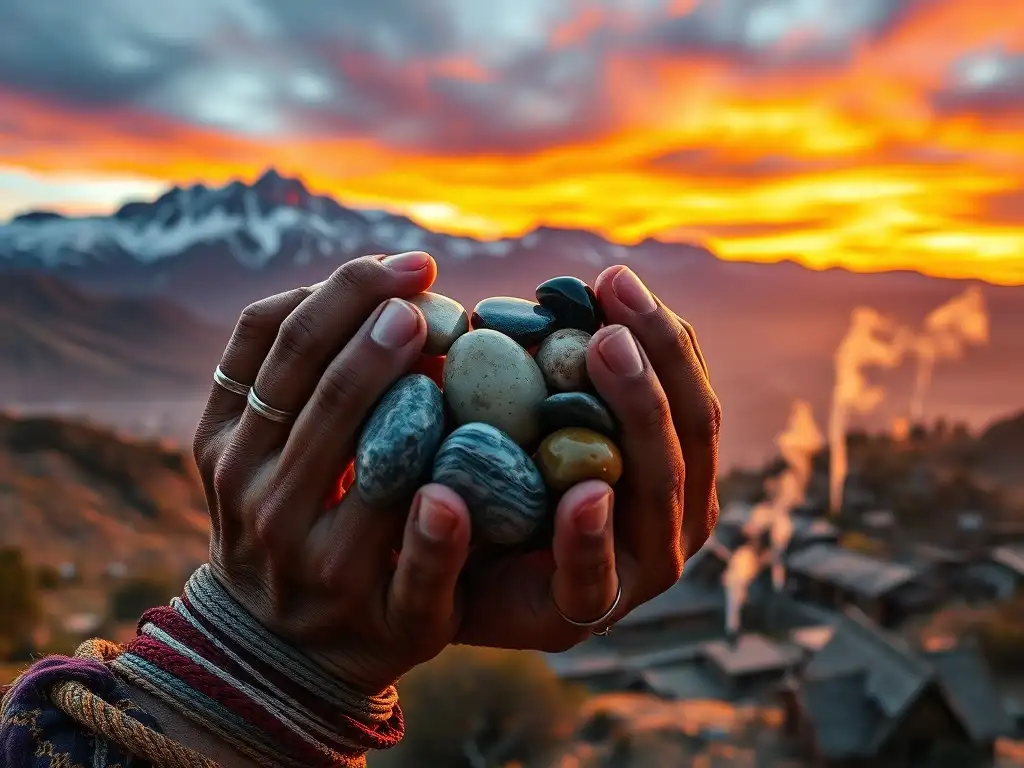
Step into a world lost to time, yet echoing with the whispers of ancient wisdom. Journey with us into the heart of the Andes, where the breathtaking landscapes held secrets far beyond the mountains themselves. Uncover the fascinating world of Andean divination practices, a realm where the sacred intertwined with the everyday. Did the Incas, Moche, and other powerful civilizations truly glimpse the future? Discover the intriguing rituals and beliefs that shaped their lives – and perhaps, ours.
- Andean Divination Practices: Seeking Guidance from the Supernatural
- Understanding Andean Divination: An Introduction
-
Methods of Andean Divination
- Coca Leaf Reading: Interpreting the Sacred Leaf
- The Significance of Coca in Andean Rituals
- Reading Patterns and Symbols in Coca Leaf Divination
- Oracle Bones and Animal Parts: Ancient Andean Prophecy
- The Use of Animal Remains in Divination
- Interpreting the Messages from Bones and Remains
- Water Divination: Seeking Clarity from Sacred Sources
- Water as a Conduit to the Spiritual Realm
- Techniques for Water Divination in the Andes
- The Role of Shamans and Diviners in Andean Societies
-
Specific Examples of Andean Divination Practices
- Divination Practices in the Inca Empire
- Inca Divination Rituals and Ceremonies
- The Importance of Omens and Prophecies in Inca Life
- Divination Among the Moche Civilization
- Moche Art and Divination Practices
- The Role of Priests and Diviners in Moche Society
- Nazca Divination and Geoglyphs
- Nazca Lines as a Form of Divination
- The Interpretation of Nazca Geoglyphs and their purpose
- Tiahuanaco Divination and Cosmology
- Tiahuanaco Religious Practices and Divination
- The Relationship between Divination and Tiahuanaco Architecture
-
The Significance of Andean Divination in the Modern World
- Preserving Ancient Andean Divination Techniques
- Contemporary Andean Divination Practices
- The Ongoing Importance of Divination in Andean Communities
- The Connection between Andean Divination and Spirituality
- Andean Cosmovision and its role in Divination
- The Future of Andean Divination and its relevance
- Frequently Asked Questions
- Final Reflection: Echoes of the Andes: A Legacy of Divination
- **Unveil Your Path: Dive Into the World of Divination! **
Andean Divination Practices: Seeking Guidance from the Supernatural
The Andes Mountains, a spine of towering peaks and sprawling valleys, have been home to a rich tapestry of cultures for millennia. These cultures, from the Incas to the Moche, Nazca, and Tiahuanaco, shared a profound connection to the supernatural, weaving beliefs about deities, spirits, and the cosmos into the fabric of daily life.
A crucial aspect of this spiritual landscape was the practice of divination—seeking guidance from the unseen world to navigate the uncertainties of life, make important decisions, and understand the will of the gods. This exploration delves into the diverse and fascinating methods employed by Andean civilizations to commune with the supernatural and interpret its messages, revealing a complex system of beliefs and practices deeply intertwined with their understanding of the world.
We will examine various techniques, exploring their significance within the broader context of Andean religion and cosmovision, and uncovering the enduring legacy of these practices. The keyword "Andean divination practices" will be explored in detail, revealing the nuances and complexities of these ancient methods.
Divination Methods Among the Incas
Inca divination, while less extensively documented than some other Andean traditions, reveals a sophisticated system integrating observation of natural phenomena with ritualistic practices. Chroniclers provide glimpses into the use of quipus (complex knotted cords) not only for record-keeping but potentially also for divination. The intricate patterns and knots might have held symbolic meanings interpreted by skilled individuals, offering insights into the future or the will of the gods. Additionally, the observation of animal behavior, celestial events (like eclipses or unusual star patterns), and the flight of birds were likely incorporated into divinatory practices.
Furthermore, the Inca employed oracles and priests skilled in interpreting these signs. The specific methods and interpretations, however, often remain shrouded in mystery, leaving room for further research and interpretation of existing historical records. The limited surviving evidence suggests a complex interplay of symbolic interpretation and ritualistic action.
Divination in the Moche Culture
The Moche civilization, known for its stunning metalwork and elaborate ceramics, also engaged in sophisticated divination practices. Their iconography, vividly depicted on pottery and other artifacts, provides valuable clues. Images frequently portray shamans or priests engaging in ritualistic activities seemingly connected to divination. For example, certain scenes depict individuals interpreting the flight of birds or observing unusual natural phenomena, mirroring similar practices in other Andean cultures.
The specific techniques used by Moche diviners remain largely speculative, but the artistic representations hint at a deep engagement with the supernatural and a reliance on interpreting natural signs. Further research, including detailed analysis of Moche iconography and archaeological findings, could shed more light on their divinatory practices. More detailed studies of Moche burial sites could also uncover further clues.
Nazca Lines and Divination: A Cosmic Connection?
The enigmatic Nazca Lines, vast geoglyphs etched into the desert landscape, have captivated researchers for decades. While their exact purpose remains debated, some scholars suggest a possible connection to divination and astronomical observations. The alignment of some lines with celestial bodies, coupled with the sophisticated astronomical knowledge evident in Nazca culture, hints at a potential role in predicting events or interpreting cosmic influences.
The vast scale of the lines themselves might have served as a kind of cosmic calendar or map, used by priests or shamans to make predictions and interpret divine messages. This hypothesis, however, is still under investigation, and further research is needed to confirm the link between the Nazca Lines and divination practices. The precise methods of interpreting these celestial alignments remain a topic of ongoing debate among researchers.
Tiahuanaco and the Supernatural: Oracles and Rituals
The Tiahuanaco culture, known for its monumental architecture and sophisticated social organization, also integrated divination into its religious system. Evidence suggests the use of oracles—individuals believed to possess the ability to communicate directly with the supernatural. These oracles might have employed various techniques, possibly including trance states, the interpretation of dreams, or the use of specific artifacts.
The ceremonial centers of Tiahuanaco, with their elaborate structures and complex symbolism, likely played a crucial role in these divination practices, providing a setting for ritualistic communication with the divine. The specific rituals and techniques employed remain largely unknown but likely included offerings, sacrifices, and the interpretation of omens. Archaeological excavations and further research on Tiahuanaco iconography might provide additional insights into their specific divinatory practices.
Understanding Andean Divination: An Introduction
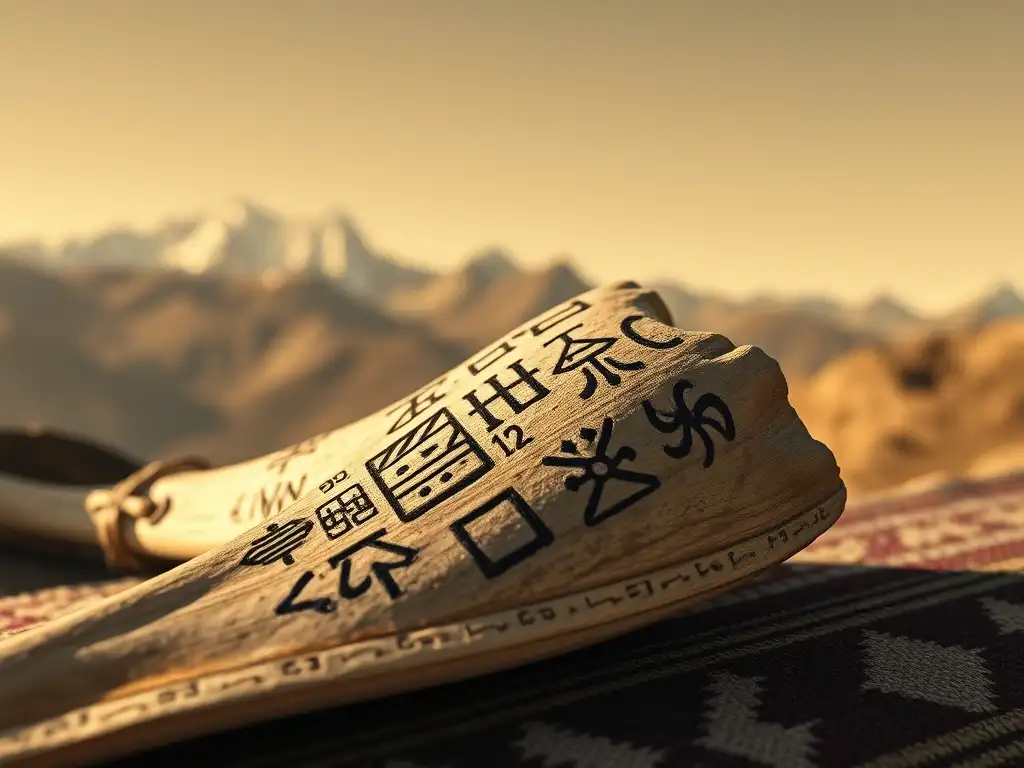
Andean divination practices, deeply intertwined with the vibrant tapestry of Andean religion and cosmovision, represent a fascinating exploration into the spiritual beliefs and societal structures of these ancient cultures. Unlike Western divination systems often focused on predicting the future, Andean divination served a broader purpose: to understand the present, navigate complex social dynamics, and seek guidance from the supernatural world in daily life.
This intricate system of practices involved a profound connection with the Pachamama (Mother Earth), Apus (mountain spirits), and other powerful entities, providing insights into everything from agricultural cycles and personal well-being to political decisions and warfare strategies. The effectiveness of these techniques was inextricably linked to the practitioner's spiritual purity, their understanding of the cosmos, and their ability to correctly interpret the signs provided by the supernatural realm.
Understanding these practices requires recognizing their integral role within the broader Andean worldview, where the visible and invisible worlds were intimately connected. The very fabric of Andean life was woven with threads of divination, subtly influencing choices, shaping actions, and providing a framework for interpreting the complexities of existence.
The Role of Divination in Andean Societies
Divination wasn't merely a personal pursuit in Andean societies; it played a crucial role in maintaining social order and political stability. Rulers frequently consulted diviners to make critical decisions regarding warfare, infrastructure projects, and the allocation of resources. For example, before embarking on a military campaign, the Inca emperor would consult with amautas (wise men) who employed various divination techniques to assess the likelihood of success.
This ensured that decisions were not made solely on political expediency but also incorporated spiritual guidance. Furthermore, divination was essential in resolving disputes and maintaining social harmony. By seeking supernatural intervention, communities could find solutions to conflicts that might otherwise have escalated into violence.
Even in everyday life, divination helped individuals make informed decisions related to marriage, agriculture, and other aspects of daily life. Its pervasive influence underscored the belief that the supernatural realm actively participated in human affairs and that seeking its guidance was essential for both individual and collective well-being. The prevalence of divination across all levels of Andean society highlights its profound importance within their cultural and social fabric.
Connecting with the Supernatural: Andean Beliefs
The Andean belief system underpins the rationale behind their divination practices. The concept of Pachakuti, a cyclical renewal of the world, emphasized the constant interplay between the visible and invisible worlds. This dynamic relationship meant that the supernatural realm was not separate from human existence but actively involved in shaping events.
Divination was seen as a way to bridge this gap, allowing humans to tap into the wisdom and power of the supernatural. The Apus, powerful mountain deities, were frequently invoked during divination rituals, as were other celestial bodies and natural phenomena. The interpretation of dreams, considered a direct communication from the spirit world, was also a significant form of divination.
The Andean worldview did not establish a strict separation between the natural and supernatural; instead, it acknowledged a continuous flow of energy and influence between the two, making divination a logical and necessary means of navigating this complex reality. The effectiveness of divination was often linked to the diviner's spiritual preparation and connection to the Pachamama. It wasn't simply a technical skill but a spiritual practice demanding purity and reverence.
Different Forms of Andean Divination Techniques
Andean cultures employed a diverse range of divination techniques, each with its own unique methodology and interpretation. These included:
- Llamallama divination: The behavior of llamas, particularly their movements and vocalizations, was carefully observed to glean insights into the future or to interpret omens. Specific patterns of movement or sounds were associated with particular outcomes.
- Reading coca leaves: Coca leaves, chewed as a stimulant and offering, were also used for divination. The diviner would spread a handful of leaves and interpret their arrangement and orientation to receive guidance. This method, known as cocaleo, remains practiced in certain Andean communities today.
- Astrology and celestial observations: The movements of stars, planets, and the sun were meticulously tracked and interpreted to predict events and provide guidance. This astronomical knowledge was highly sophisticated and played a vital role in agricultural planning and societal organization.
- Interpreting natural phenomena: Unusual weather patterns, earthquakes, and other natural events were seen as messages from the supernatural world, providing clues to the future or warnings of impending danger. The ability to decipher these messages was a crucial skill for Andean diviners.
The diversity of these techniques reflects the richness and complexity of Andean spiritual beliefs and highlights the importance divination played in their daily lives, from mundane decisions to matters of profound societal significance. The specific methods and interpretations varied across different Andean cultures and regions, reflecting the unique characteristics of each society's cosmovision and spiritual traditions. Further research is needed to fully understand the nuances and subtleties of each technique and their regional variations.
Methods of Andean Divination
Andean divination practices, a cornerstone of Andean religion and cosmovision, encompassed a diverse range of methods used to seek guidance from the supernatural world. These practices weren't simply about predicting the future; they were integral to daily life, informing decisions related to agriculture, warfare, and personal matters. The belief in a vibrant spiritual world, teeming with deities and spirits, fueled the development of sophisticated divination techniques, reflecting the deep connection between the Andean people and their environment.
Understanding these practices offers a unique glimpse into the complexities of Andean thought and spirituality. The most prominent methods included coca leaf reading, interpreting animal entrails, and observing celestial events. Each method held a unique significance and provided different levels of insight.
Coca Leaf Reading: Interpreting the Sacred Leaf
Coca leaf reading, or t'ika, is perhaps the most widely known Andean divination practice. This method involves carefully spreading a small handful of coca leaves on a flat surface and interpreting their arrangement and orientation to gain insights into a question or situation. The coca leaf, Erythroxylum coca, holds immense cultural and religious significance in Andean cultures, far surpassing its use as a stimulant.
It's considered a sacred plant, a gift from the gods, capable of mediating communication with the spiritual realm. The act of reading coca leaves is not a simple game of chance; it requires years of training, practice, and an intimate understanding of the nuanced symbolism associated with each leaf's position, orientation (face up, face down), and the presence of specific markings or imperfections. A skilled practitioner, or yatiri, can interpret these subtle cues to provide detailed and insightful answers, often offering practical advice or warnings.
The process itself is a ritualistic act, often accompanied by prayers and offerings, underscoring the profound spiritual significance of the practice. The interpretation is highly contextual, taking into account the specific question asked, the current circumstances of the individual, and the overall social and environmental context.
The Significance of Coca in Andean Rituals
The coca leaf's central role in Andean divination practices underscores its broader significance within Andean rituals and religious life. Beyond divination, coca was (and still is in many communities) offered to deities as a sign of respect and appeasement. It was used in ceremonies related to agricultural cycles, ensuring bountiful harvests and protecting crops from harm.
Coca was also incorporated into healing rituals, believed to possess medicinal properties and the ability to cleanse negative energies. The coca leaf's symbolic power stems from its association with the earth, fertility, and the interconnectedness of the living and spiritual worlds. Its ability to act as a conduit between the human and divine realms is central to its use in divination and other rituals.
The meticulous preparation and handling of the coca leaves during divination further emphasize their sacred nature, highlighting the respect and reverence afforded to this powerful plant. Detailed ethnographic studies reveal the complex relationship between Andean communities and the coca plant, demonstrating its deep integration into various aspects of their lives.
Reading Patterns and Symbols in Coca Leaf Divination
Interpreting the coca leaves involves recognizing specific patterns and symbols. For instance, the orientation of the leaves – face up or face down – holds significant meaning. A leaf facing upwards might signify good fortune or positive outcomes, while a downward-facing leaf could indicate challenges or obstacles. The presence of specific markings or imperfections on the leaves also adds layers of interpretation.
A leaf with a hole might symbolize a loss or a missing element, while a leaf with a particularly vibrant color could indicate strength or abundance. Furthermore, the overall arrangement of the leaves—clusters, lines, or isolated leaves—contributes to the overall reading. The yatiri considers the entire spread, integrating individual leaf interpretations into a cohesive narrative that provides a holistic understanding of the situation. These interpretations are not fixed; they are fluid and adapt to the specific circumstances and the skills of the diviner.
The process is inherently subjective, relying on the yatiri's intuition, experience, and understanding of the subtle nuances of the coca leaves. Unfortunately, precise documentation of all the possible patterns and their associated meanings remains limited, underscoring the need for further research into this fascinating aspect of Andean divination practices. The complexity of the system emphasizes the depth and sophistication of Andean knowledge systems.
Oracle Bones and Animal Parts: Ancient Andean Prophecy
Andean divination practices, a cornerstone of Andean religion and cosmovision, often involved interpreting the messages delivered through the natural world. One significant method involved the careful examination of oracle bones and animal parts, a practice echoing similar traditions found in other ancient cultures across the globe. These weren't simply random bones; specific animals held particular significance, and the selection process itself was likely imbued with ritual and prayer, ensuring the accuracy and sanctity of the divination.
The meticulous preparation of the bones, perhaps through cleaning and sometimes even specific markings, further highlights the reverence afforded to this practice. The act of divination wasn't a casual undertaking but a deeply spiritual one, connecting the diviner to the supernatural realm. The interpretations weren't arbitrary; they were based on established systems of symbolism and knowledge passed down through generations of Andean shamans and priests.
For example, the fracture patterns of a llama bone might be interpreted as signifying future events, while the position of certain organs in a sacrificed animal could reveal details about the querent's health or fortune. The sheer variety of animals employed suggests a complex and nuanced understanding of their symbolic power within the Andean worldview.
The Use of Animal Remains in Divination
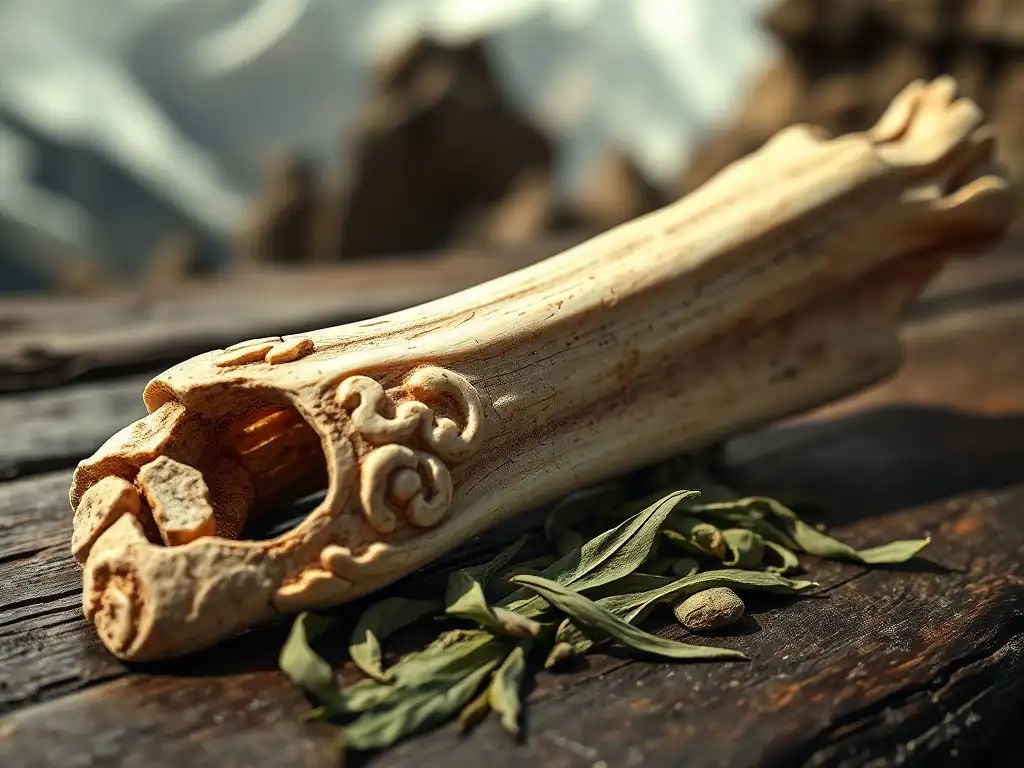
The use of animal remains in Andean divination wasn't limited to oracle bones. A wide range of animal parts – from feathers and claws to teeth and skulls – were utilized in different divination rituals. The choice of animal was crucial, reflecting the specific nature of the question being posed.
For instance, the swiftness of a condor might be associated with predicting the outcome of a journey, while the strength of a puma could be linked to prophecies concerning matters of power or conflict. The condition of the remains – whether fresh or aged, intact or damaged – also played a role in interpreting the messages. This practice wasn't confined to a single Andean civilization; evidence suggests its widespread use across different cultures, highlighting its deep-rooted importance in the Andean cosmological framework.
The integration of these practices into everyday life, from agricultural planning to resolving disputes, underscores their practical and spiritual value within ancient Andean societies. Further research is needed to fully understand the regional variations and specific techniques employed in the utilization of diverse animal remains across the various Andean cultures.
Interpreting the Messages from Bones and Remains
The interpretation of messages derived from bones and animal remains was a complex and highly specialized skill, requiring years of training and apprenticeship under experienced diviners. It wasn't simply a matter of recognizing patterns; it involved a profound understanding of Andean cosmology, mythology, and symbolism. Diviners would often consider the context of the question, the specific animal used, the position of the bones or organs, and even the surrounding environment during the ritual.
The process frequently involved a combination of observation, intuition, and interpretation, drawing upon a vast body of traditional knowledge. The diviner’s role was vital; they acted as intermediaries between the human world and the supernatural, translating the cryptic messages of the bones and remains into understandable prophecies. These interpretations weren't always straightforward; they could be open to multiple readings, depending on the diviner's skills and their understanding of the nuances of Andean symbolism.
Different schools or traditions of divination might have had their own unique methods of interpretation, adding further complexity to this fascinating practice. The ambiguity inherent in some interpretations suggests the importance of the diviner's personal judgment and expertise in navigating the subtle meanings embedded within the animal remains. The overall process was a delicate balance of technical skill, spiritual insight, and cultural understanding, reflecting the deep integration of divination into the fabric of Andean society.
Water Divination: Seeking Clarity from Sacred Sources
Water, a life-giving force in the harsh Andean landscape, held profound spiritual significance for many ancient Andean cultures. Its fluidity mirrored the unpredictable nature of the cosmos and its life-sustaining properties linked it directly to the gods. Therefore, it's unsurprising that water played a central role in their divination practices. Accessing the wisdom inherent in water wasn't simply a matter of observing its physical properties; it involved a deep understanding of its symbolic meaning within the Andean worldview.
This understanding was crucial for interpreting the messages gleaned from water-based divination techniques. The act of divination itself was often a ritualistic process, involving specific preparations, offerings, and invocations to ensure accuracy and divine favor. The practitioners weren't merely looking for answers; they were seeking a direct connection to the spiritual realm through the medium of water.
Water as a Conduit to the Spiritual Realm
Andean cosmologies often portrayed water as a conduit between the earthly and spiritual realms. Rivers, lakes, and springs were not simply geographical features; they were considered sacred spaces, portals to the supernatural world. The shimmering surface of a lake could reflect the celestial bodies, mirroring the movements of the stars and planets, while the flow of a river represented the continuous cycle of life, death, and rebirth.
These natural bodies of water were believed to be inhabited by spirits, deities, or ancestors who could communicate their wisdom through the water itself. This belief created a profound respect for water sources, with rituals and ceremonies frequently performed at these locations to maintain harmonious relationships with the spiritual entities residing within them.
The purity and clarity of the water were seen as indicators of a clear connection to the spiritual realm, while disturbances or impurities could signify impending trouble or unfavorable omens. Therefore, the selection of a water source for divination was a critical aspect of the process.
Techniques for Water Divination in the Andes
Several techniques for water divination existed among different Andean cultures. One common method involved observing the ripples and reflections on the surface of a still body of water, interpreting the patterns formed as messages from the spirits. Another involved dropping smooth stones into a pool and observing the way they settled, the resulting patterns providing insights into the future.
Furthermore, some practitioners used water in conjunction with other divination methods, such as coca leaf reading. The patterns in the coca leaves might be interpreted in light of the messages received from the water, providing a more complete and nuanced reading. The specific techniques varied across different regions and cultures, reflecting the diverse beliefs and practices within the Andes.
However, the underlying principle remained consistent: water served as a powerful tool for accessing divine guidance and understanding the will of the supernatural. The interpretation of these signs required specialized knowledge and a deep understanding of Andean cosmology and symbolism, passed down through generations of diviners. The accuracy of the divination was believed to depend not only on the technique but also on the purity of the diviner's intentions and their connection to the spiritual world.
The Role of Shamans and Diviners in Andean Societies
Shamans and diviners occupied crucial positions within Andean societies, acting as intermediaries between the human and supernatural realms. Their expertise wasn't simply limited to predicting the future; they were deeply involved in maintaining social harmony, resolving conflicts, and ensuring the well-being of their communities. These individuals weren't simply religious figures; they often held significant political and social influence, advising leaders and influencing crucial decisions. Their knowledge of herbal remedies, astronomical cycles, and ritual practices made them indispensable to the community's survival and prosperity.
The training and initiation of these practitioners varied across different Andean cultures, but generally involved rigorous apprenticeships, often spanning several years. Aspiring shamans and diviners underwent intense spiritual and physical ordeals, including fasting, isolation, and hallucinogenic experiences, designed to enhance their connection with the spirit world.
This process aimed to bestow upon them the power to communicate with deities, ancestral spirits, and other supernatural entities. The precise methods varied, but the goal was consistent: to achieve a heightened state of awareness that allowed them to interpret signs and omens, and to channel divine guidance for the benefit of their community.
Evidence suggests that the social standing of shamans and diviners varied depending on their skills and the specific society they belonged to. Some held positions of immense power and prestige, enjoying privileges and wealth commensurate with their influence. Others operated within more modest roles, serving specific communities or families. Regardless of their social standing, however, their role remained central to the spiritual and social fabric of Andean life.
Their influence extended beyond simple fortune-telling; they were key players in resolving disputes, healing the sick, and ensuring the successful outcome of important events, such as harvests and military campaigns. Their deep understanding of Andean cosmology and the interconnectedness of the natural and supernatural worlds made them vital figures in maintaining the delicate balance of Andean society. The legacy of these powerful figures continues to resonate in modern Andean cultures, demonstrating the lasting influence of their practices and beliefs.
Specific Examples of Andean Divination Practices
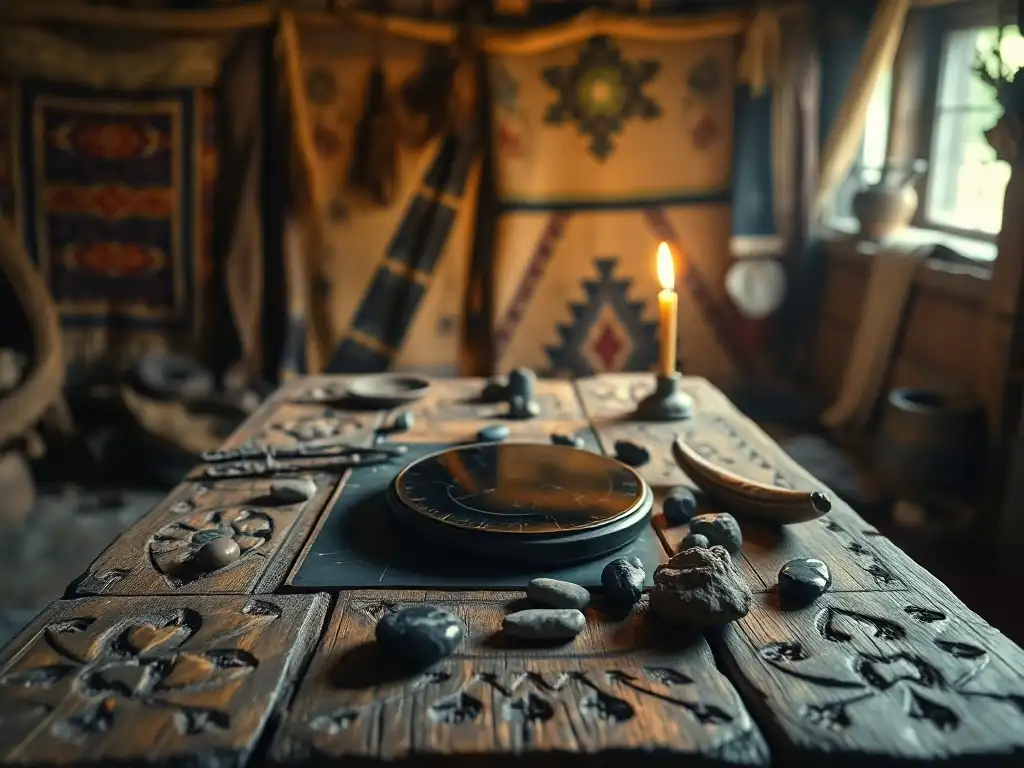
Andean divination practices, a cornerstone of Andean religion and cosmovision, encompassed a diverse range of techniques employed to glean insights from the supernatural realm. These practices weren't merely superstitious; they were integral to daily life, informing decisions ranging from agricultural planning to military campaigns and even personal matters. The methods varied significantly across different Andean cultures, reflecting the unique beliefs and traditions of each civilization.
This section delves into specific examples, highlighting the nuances and complexities of these fascinating practices. Understanding these methods provides a deeper appreciation for the sophisticated spiritual systems of the Andes. The keyword "Andean divination practices" is central to understanding the rich tapestry of beliefs and customs.
Divination Practices in the Inca Empire
The Inca Empire, renowned for its administrative prowess and sophisticated infrastructure, also possessed a complex system of divination. While detailed written records are scarce, archaeological evidence and accounts from Spanish chroniclers offer glimpses into their methods. One common technique involved interpreting the flight patterns of birds. Different species, their movements, and the direction of their flight were believed to carry specific symbolic meanings, offering guidance on upcoming events.
For example, the swift flight of a condor to the east might have been interpreted as a favorable omen for a military campaign. Similarly, the appearance of certain birds at specific times of the year could influence agricultural decisions. The Inca's keen observation of the natural world, coupled with their intricate understanding of symbolism, formed the basis of their ornithomancy. Furthermore, the use of coca leaves, coca divination, was widespread.
By scattering leaves and interpreting their arrangement, Inca priests could discern the will of the gods or predict the outcome of future events. This practice, woven into the fabric of daily life, demonstrates the pervasive influence of divination within Inca society. The effectiveness of these techniques was deeply ingrained in their belief system, impacting decision-making at all levels of society.
Inca Divination Rituals and Ceremonies
Inca divination wasn't limited to individual practices; it was often integrated into elaborate rituals and ceremonies. These rituals, frequently performed by priests ( yachaq ) or specialized diviners, involved various elements designed to connect the human world with the spiritual realm. One crucial aspect was the use of quipus, complex knotted cords that served as mnemonic devices and potentially also as tools for divination.
While the precise methods of divination using quipus remain debated, it's widely believed that the intricate patterns of knots and colors encoded information, potentially relating to astronomical cycles, agricultural predictions, or even historical records. The interpretation of these patterns required specialized knowledge, making the quipucamayoc (quipus keepers) essential figures in Inca society. In addition to quipus, divination rituals often involved offerings to the gods, including llama sacrifices, coca leaves, and other precious items.
The placement and arrangement of these offerings were carefully considered, reflecting the specific nature of the divination sought. These ceremonies, performed in sacred spaces like temples or mountaintops, were believed to enhance the connection between the human and divine realms, increasing the accuracy of the divinations. The grandeur and significance of these rituals underscored the profound importance of divination in Inca culture.
The Importance of Omens and Prophecies in Inca Life
Omens and prophecies played a pivotal role in shaping Inca life, influencing decisions at both individual and societal levels. The Inca believed that the gods communicated through various signs, from natural phenomena like earthquakes and eclipses to the behavior of animals and even dreams. Interpreting these omens was crucial for navigating the uncertainties of life.
For example, an unusual weather pattern might be interpreted as a warning of impending famine, prompting adjustments in agricultural practices or resource allocation. Similarly, an unusual animal sighting could be seen as a portent of war or peace, influencing military strategies. Prophecies, often delivered by diviners or revealed through dreams, held particular weight.
These prophecies, believed to offer glimpses into the future, could guide major political decisions, such as the selection of a new Sapa Inca or the planning of significant construction projects. The Inca's reliance on omens and prophecies demonstrates their deep-seated belief in the interconnectedness of the natural and supernatural worlds, emphasizing the importance of seeking divine guidance in all aspects of life. This close relationship between the physical and spiritual realms is a defining characteristic of Andean cosmovision, highlighting the significance of divination in shaping Inca society and culture.
Divination Among the Moche Civilization
The Moche civilization (c. 100-800 CE), known for its sophisticated irrigation systems and remarkable artistry, also possessed a complex system of divination practices deeply intertwined with their religious beliefs and social structures. While written records are scarce, archaeological evidence, particularly their stunning ceramics and metalwork, offers valuable insights into their methods. These practices weren't solely confined to an elite class; evidence suggests divination played a role in various aspects of Moche life, from agricultural planning to resolving conflicts and predicting the future.
The Moche seem to have relied on a combination of techniques, including observing natural phenomena, interpreting dreams, and utilizing specialized objects for augury. The interpretation of these signs likely fell to individuals with specialized knowledge, perhaps shamans or priests, who held significant influence within their communities. The ambiguity surrounding the specifics of Moche divination highlights the need for further research and careful analysis of existing artifacts.
The careful study of Moche iconography continues to unveil new details about their worldview and their sophisticated relationship with the supernatural. Understanding their divination practices provides a crucial lens through which we can interpret their artistic expressions and societal organization.
Moche Art and Divination Practices
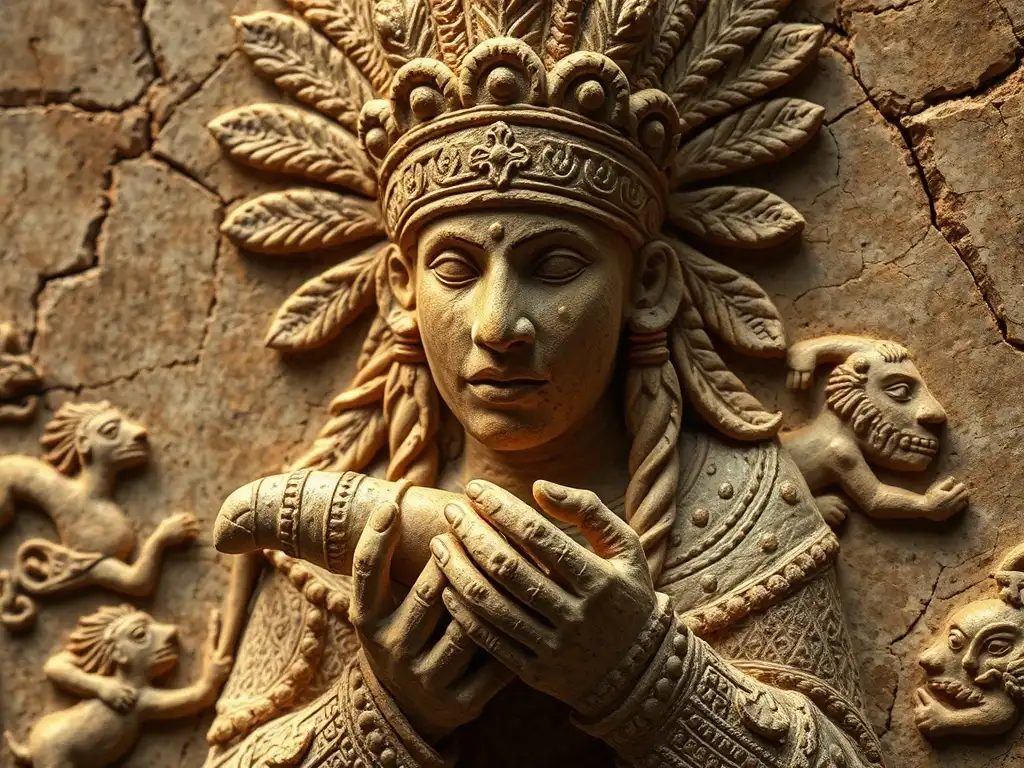
Moche pottery, renowned for its incredibly detailed and lifelike depictions, serves as a primary source for understanding their divination practices. Many vessels depict scenes that appear to represent ritualistic activities or supernatural events. For instance, depictions of shamans interacting with supernatural beings, often shown in trance-like states, may represent divinatory sessions.
The imagery frequently incorporates symbolic elements, such as specific animals, plants, or celestial bodies, which likely held significant meaning within their divinatory system. Furthermore, the meticulous craftsmanship and the use of vibrant colors suggest the importance attributed to these objects used in divination. The iconography on Moche pottery is not merely decorative; it provides clues to their cosmology, rituals, and beliefs, including how they sought guidance from the supernatural realm.
Analyzing the iconography allows researchers to piece together a more complete understanding of the role of divination in their daily lives and decision-making processes. The careful study of these artifacts reveals a society deeply engaged with interpreting signs and seeking guidance from the spiritual world. The artistic representation of these practices offers invaluable insights into their spiritual beliefs and societal structure.
The Role of Priests and Diviners in Moche Society
Within Moche society, priests and diviners likely held positions of considerable power and influence. Their ability to communicate with the supernatural world and interpret its messages made them essential figures in both religious and secular affairs. They may have advised rulers on important decisions, predicted the outcome of battles, or guided agricultural practices. Archaeological evidence suggests that priests and diviners occupied a privileged social standing, often depicted in elaborate attire and surrounded by symbols of power.
Their role wasn't simply limited to interpreting omens; they may have also played a crucial role in conducting rituals and maintaining the social order. The precise nature of their training and the hierarchy within their ranks remain subjects of ongoing research and debate. However, it is clear that these individuals played a vital role in shaping Moche society and its interaction with the supernatural.
Their influence extended beyond religious matters, permeating various aspects of daily life and decision-making. Further research is needed to fully understand the complexities of their social roles and the extent of their influence within Moche society. The study of Moche art and architecture continues to shed light on the social status and influence of these key figures in the Moche civilization.
Nazca Divination and Geoglyphs
The Nazca culture, renowned for its enigmatic geoglyphs etched into the Peruvian desert, also practiced sophisticated divination techniques. While the exact methods remain shrouded in mystery, evidence suggests a strong connection between their divinatory practices and the creation of the famous lines. Archaeological findings, such as the discovery of ritual objects near geoglyph sites, hint at ceremonies and practices aimed at seeking guidance from supernatural forces.
These rituals likely involved interpreting natural phenomena, such as the movements of stars and constellations, as well as observing patterns in animal behavior and the growth of crops. The interpretation of these signs would have informed decisions about agriculture, warfare, and the overall well-being of the community. Furthermore, the precise alignment of some geoglyphs with astronomical events suggests a sophisticated understanding of celestial cycles, which could have played a crucial role in their divinatory system.
The intricate designs themselves, often depicting animals and mythical beings, may have held symbolic meanings connected to specific deities or events, providing insights into the future or the will of the gods. Understanding the full extent of Nazca divination requires further research and a nuanced approach to interpreting the limited archaeological evidence available.
Nazca Lines as a Form of Divination
The monumental Nazca Lines, sprawling across the coastal plains of southern Peru, are not just impressive works of art; they could have served as a complex system of divination. The sheer scale and precision of the geoglyphs, many visible only from the air, suggest a deep understanding of geometry, astronomy, and possibly a form of terrestrial cartography. Some scholars propose that the lines themselves acted as a massive calendar, aligning with solstices and equinoxes.
By meticulously tracking the sun's movement across the lines, the Nazca could have predicted seasonal changes, crucial for their agricultural practices. Moreover, the depictions of animals and plants within the geoglyphs might represent specific deities or natural forces, their arrangement potentially signifying auspicious or inauspicious omens. The creation of the lines themselves could have been a ritual act, a collective undertaking aimed at appeasing the gods or seeking their favor.
The act of constructing such massive works, requiring significant organization and manpower, could have been in itself a form of divination, a demonstration of faith and commitment to the supernatural realm. The lines, therefore, weren't simply artistic expressions; they were actively involved in the complex system of Andean divination practices.
The Interpretation of Nazca Geoglyphs and their purpose
Interpreting the purpose of the Nazca geoglyphs remains a significant challenge. While their aesthetic qualities are undeniable, their function within the broader context of Nazca society, especially concerning divination, remains a subject of ongoing debate. The depictions of animals, plants, and stylized figures, often possessing a highly abstract nature, could have represented deities, spirits, or ancestral figures. Their arrangement and the direction they face might have held symbolic meaning, potentially correlating with specific events or predictions.
Some scholars suggest that the geoglyphs were used in conjunction with other divinatory practices, acting as a visual aid in interpreting omens or communicating with the supernatural world. The intricate detail and precision of the geoglyphs suggest a level of planning and execution that implies a profound social and religious significance. The act of creating these massive works would have involved entire communities, reinforcing social bonds and reaffirming their shared beliefs.
The interpretation of the geoglyphs is further complicated by the lack of written records from the Nazca culture, leaving researchers to rely on careful analysis of the lines themselves and associated artifacts. The continued exploration and research of the Nazca lines promises to shed more light on their multifaceted role, including their use within the framework of Andean divination practices. Further research into related artifacts and contextual evidence is crucial to fully understand the complex interplay between art, religion, and divination in Nazca society.
Tiahuanaco Divination and Cosmology
Tiahuanaco's cosmology, deeply intertwined with its divination practices, viewed the world as a complex interplay of celestial and terrestrial forces. Divination wasn't simply a method of predicting the future; it was a crucial tool for understanding the cosmos and maintaining harmony within it. Priests, acting as intermediaries between the human and divine realms, employed various techniques to interpret the will of the gods and the balance of these forces.
This interpretation heavily relied on the observation of celestial events, such as solstices and equinoxes, which were believed to hold significant symbolic meaning and influence earthly affairs. The precise methods used remain partly shrouded in mystery, but archaeological evidence suggests the use of specific artifacts and rituals to decipher these cosmic signs. Furthermore, the intricate iconography found on Tiahuanaco's monuments likely encoded cosmological knowledge, with certain symbols potentially representing specific divinatory practices or outcomes.
Understanding the intricate relationship between these symbols and the broader cosmological framework is key to unlocking the secrets of Tiahuanaco's divination techniques. The study of these practices is ongoing, with researchers constantly uncovering new insights into the sophistication and complexity of Tiahuanaco's worldview and its impact on their divinatory systems.
Tiahuanaco Religious Practices and Divination
Religious practices in Tiahuanaco were inextricably linked to divination. The elaborate rituals performed at the monumental sites were not merely ceremonial; they served as crucial avenues for contacting the supernatural and seeking guidance. These ceremonies often involved offerings, perhaps including llama sacrifices, precious metals, and intricately crafted ceramics. The placement of these offerings within specific architectural contexts suggests a deliberate attempt to influence or appease the deities.
The priests, likely highly trained in both religious and divinatory practices, played a central role in conducting these rituals and interpreting the results. Their expertise was essential in ensuring the successful communication with the supernatural realm and maintaining the cosmic balance. The interpretation of omens, whether through the examination of entrails, the flight of birds, or other means, was a vital component of these religious practices.
These omens provided insights into the future, guided decision-making, and reinforced the authority of the priestly class. The integration of divination within the religious fabric of Tiahuanaco highlights its significance in shaping the society's beliefs and actions. Further research into the specific ritualistic sequences and their divinatory implications could shed more light on the nuances of their religious practices.
The Relationship between Divination and Tiahuanaco Architecture
Tiahuanaco's monumental architecture wasn't merely a display of engineering prowess; it was intricately interwoven with divination practices. The precise alignment of structures with celestial events, such as the solstices and equinoxes, suggests a deliberate attempt to harness the power of the cosmos and utilize the architecture itself as a divinatory tool. The Kalasasaya, for instance, with its carefully oriented walls and intricate carvings, may have served as a kind of astronomical observatory, allowing priests to track celestial movements and predict future events.
Furthermore, the placement of specific artifacts and offerings within the architectural complex suggests a deliberate connection between the physical space and the supernatural realm. The very act of constructing these massive structures could have been a ritualistic undertaking, designed to influence the cosmic balance and ensure prosperity. The intricate carvings and symbols adorning the stones likely encoded cosmological and divinatory knowledge, serving as a visual record of the society's beliefs and practices.
The relationship between Tiahuanaco's architecture and divination is a complex and fascinating area of study, requiring further research to fully understand the intricate interplay between the built environment and the spiritual world. Deciphering the symbolic language embedded within the architecture is crucial to unlocking the secrets of their divinatory system and its role in shaping the society. The precise measurements and orientations of the structures, coupled with the analysis of the iconography, may reveal further insights into their sophisticated understanding of both astronomy and divination.
The Significance of Andean Divination in the Modern World
Andean divination practices, far from being relics of a bygone era, maintain a vibrant presence in contemporary Andean societies. Their continued relevance speaks volumes about the enduring spiritual and cultural fabric of these communities. Understanding the significance of these practices requires moving beyond a purely historical perspective and acknowledging their ongoing role in shaping individual lives and community dynamics.
The persistence of divination highlights the deep-seated belief in a spiritual world interconnected with the physical realm, a worldview that profoundly influences decision-making, conflict resolution, and community cohesion. This section will explore the multifaceted ways in which Andean divination continues to thrive and inform the lives of Andean peoples today. The enduring power of these practices reflects not only a rich historical legacy but also a dynamic adaptation to modern challenges and contexts.
We will analyze how traditional methods are preserved and adapted, and how they coexist with contemporary influences. The enduring appeal of Andean divination offers valuable insights into the resilience and adaptability of Andean cultures.
Preserving Ancient Andean Divination Techniques
The transmission of Andean divination techniques across generations is a testament to the enduring importance placed on these practices. While modernization inevitably presents challenges, many communities actively work to preserve these ancient traditions. This preservation often takes the form of oral histories, passed down through families and lineages, ensuring the continuity of knowledge and practice.
Elders, respected for their wisdom and connection to the spiritual world, play a crucial role in mentoring younger generations, meticulously teaching the intricacies of each divination method. Furthermore, formal and informal apprenticeships contribute significantly to the continuation of these practices. Master diviners dedicate considerable time and effort to training their successors, ensuring that the nuances of interpretation and the subtleties of ritual are carefully maintained.
This commitment underscores the value placed on preserving the accuracy and integrity of these ancient techniques, which are viewed as vital links to ancestral knowledge and spiritual power. The meticulous preservation of these methods reflects a profound respect for the past and a deep-seated belief in the continued relevance of these practices for the present and future generations. The use of specific tools, such as coca leaves or knotted strings ( quipus), also requires careful preservation and transmission of knowledge about their proper preparation and handling.
Contemporary Andean Divination Practices
Contemporary Andean divination practices demonstrate remarkable adaptability while retaining core elements of their ancient forms. While the basic principles remain largely consistent, the context and application of divination have evolved to address the challenges of modern life. For instance, coca leaf reading ( la lectura de la coca), a widespread practice across various Andean communities, continues to be used for personal guidance, but its application might extend to decisions concerning business ventures, migration plans, or health concerns, reflecting the changing realities of contemporary life.
Similarly, other forms of divination, like interpreting the flight of birds or observing natural phenomena, are still practiced, often integrated into daily routines and decision-making processes. This integration demonstrates the seamless way in which divination is interwoven into the fabric of daily life, highlighting its ongoing significance. The adaptability of these practices ensures their continued relevance in a rapidly changing world, demonstrating their enduring power and flexibility.
Further research is needed to fully document the diverse contemporary manifestations of Andean divination across different regions and communities. [Specific information pending on regional variations in contemporary divination practices].
The Ongoing Importance of Divination in Andean Communities
The enduring importance of Andean divination in contemporary Andean communities cannot be overstated. Divination practices serve as crucial mechanisms for navigating uncertainty, providing solace, and fostering community cohesion. They are not merely tools for predicting the future but also vital instruments for understanding the present and shaping the future. The insights gained through divination practices often influence important life decisions, from choosing a spouse to resolving conflicts within families or communities.
Moreover, divination plays a significant role in maintaining social harmony and resolving disputes, acting as a mediating force between individuals and the community. The authority of the diviner, often rooted in their perceived connection to the spiritual world, lends weight to their interpretations, contributing to the overall stability and cohesion of the community. The spiritual guidance provided by divination also offers emotional support, helping individuals cope with difficult circumstances and find meaning in their lives.
The continued practice of Andean divination therefore highlights its multifaceted role in maintaining the cultural, social, and spiritual well-being of Andean communities. This enduring significance underscores the deep connection between Andean spirituality and everyday life. The continued relevance of Andean divination, in its various forms, emphasizes its enduring power to provide guidance, solace, and social cohesion in the modern world.
The Connection between Andean Divination and Spirituality
Andean divination practices weren't simply methods of predicting the future; they were deeply intertwined with the spiritual fabric of Andean life. These practices served as a bridge between the human world and the supernatural realm, allowing individuals to connect with their ancestors, deities, and the forces of nature. The act of divination itself was considered a sacred ritual, requiring respect, preparation, and a deep understanding of the spiritual world.
Shamans, or paqos, played a crucial role, acting as intermediaries between the human and spiritual realms, interpreting the messages received through divination. Their expertise wasn't just about interpreting signs; it was about understanding the complex interplay of energies and forces that shaped Andean cosmovision. The spiritual connection fostered through divination reinforced community bonds and strengthened individual faith, providing solace and guidance in times of uncertainty.
This intimate connection between the spiritual and the practical highlights the integral role divination played in daily Andean life, impacting decisions ranging from agricultural practices to political strategies. The spiritual efficacy of divination wasn't solely dependent on accurate predictions; the ritual itself was a powerful act of spiritual communion.
Andean Cosmovision and its role in Divination
Andean cosmovision, a complex worldview encompassing a layered universe connected through intricate relationships, profoundly shaped divination practices. The Andean understanding of the cosmos, with its emphasis on interconnectedness and the interplay of energies, formed the very foundation of how divination was understood and practiced. The Pachamama (Mother Earth), the Apus (mountain spirits), and other deities were integral parts of this system, their influence subtly woven into the fabric of divination.
For example, the interpretation of coca leaf readings, a common divination method, wasn't a random process; it relied on a deep understanding of the symbolic language of the leaves within the context of Andean cosmology. The direction of the wind, the patterns of stars, and even the behavior of animals were all considered meaningful signs, their interpretations rooted in the interconnectedness of the Andean worldview.
This holistic approach, emphasizing the interconnectedness of all things, ensured that divination wasn't a detached process but rather an intimate engagement with the living, breathing cosmos. The accuracy of the divination wasn't simply about predicting the future, but about understanding one's place within the larger cosmic order.
The Future of Andean Divination and its relevance
Despite the passage of centuries, Andean divination practices continue to hold significant relevance in the modern world. While the forms may have adapted to contemporary contexts, the underlying principles and spiritual significance remain strong. Many indigenous communities continue to practice traditional methods, integrating them into their daily lives and decision-making processes. Furthermore, there's a growing global interest in Andean spirituality and its associated practices, leading to a resurgence of interest in divination.
This renewed interest offers opportunities for preserving and understanding these ancient traditions, while also promoting cultural exchange and appreciation. However, it's crucial to approach this resurgence with respect and sensitivity, ensuring that the practices are not commodified or misrepresented. The future of Andean divination lies in fostering a balance between preserving its authenticity and making it accessible to a wider audience.
This requires collaboration between indigenous communities, researchers, and practitioners, ensuring the ethical and responsible transmission of knowledge and practices for future generations. The continued relevance of Andean divination underscores its enduring power as a tool for spiritual connection, community building, and navigating the complexities of life. The practice offers a unique perspective on understanding the world and our place within it, a perspective that remains as valuable today as it was centuries ago.
Frequently Asked Questions
What were some common forms of Andean divination?
Andean divination encompassed diverse practices. Llamas were often used for divination, along with reading coca leaves, interpreting natural phenomena, and employing specialized tools like knotted strings (quipus).
How did the Incas utilize divination?
The Inca Empire relied heavily on divination for political decisions, agricultural planning, and military campaigns. High priests played a crucial role in interpreting omens and advising the Sapa Inca.
Did other Andean cultures besides the Incas practice divination?
Absolutely! Cultures like the Moche, Nazca, and Tiahuanaco all developed sophisticated divination systems, often reflecting their unique beliefs and societal structures. These practices varied considerably in their methods and interpretations.
What role did the supernatural play in Andean divination?
The supernatural was central to Andean divination. Practices aimed to connect with spirits, ancestors, and powerful deities to gain insight into the future or understand the will of the gods.
Where can I learn more about Andean divination practices?
To delve deeper, explore academic journals, books, and museums focusing on Andean archaeology and anthropology. Many resources are available online, including reputable museum websites.
Final Reflection: Echoes of the Andes: A Legacy of Divination
Andean divination practices, far from being relics of the past, remain vibrant threads woven into the rich tapestry of contemporary Andean life. Their enduring presence speaks volumes about the human need for meaning, guidance, and connection to something larger than ourselves. These ancient traditions, passed down through generations, continue to offer solace, insight, and a powerful link to ancestral wisdom in a rapidly changing world.
The enduring power of Andean divination lies not just in its predictive capabilities, but in its ability to foster a deeper understanding of oneself and the interconnectedness of all things. It's a testament to the enduring human spirit's search for meaning and purpose. The universe is not outside of us. It is within us. We are the universe expressing itself as a human being.
– Eckhart Tolle. This quote beautifully encapsulates the holistic worldview that underpins many Andean divination methods, emphasizing the inherent connection between the individual and the cosmos.
Consider the ways in which you seek guidance in your own life. Are there parallels between your methods and the ancient practices explored in this article? I invite you to reflect on the power of intuition, the importance of connecting with your inner wisdom, and the enduring human need to find meaning in the seemingly unpredictable currents of life. Perhaps, by exploring these ancient traditions, we can unlock a deeper understanding of ourselves and the world around us, fostering a more meaningful and connected existence.
**Unveil Your Path: Dive Into the World of Divination! **
Thank you for exploring the fascinating world of divination with us! We hope you've gained valuable insights into how these ancient techniques can bring clarity and understanding to your life. Now, let's put that knowledge into practice!
Here are a few empowering steps you can take:
- **Begin your journey by choosing a divination method that feels right for you. ** Whether it's tarot, runes, or crystal scrying, find a practice that resonates with your intuition.
- **Share your experiences with our supportive community! ** Join the discussions on our forum to exchange insights, personal stories, and tips with fellow divination enthusiasts.
- **Deepen your understanding** by exploring additional resources, such as podcasts and articles, on the history and practice of divination and how it connects to various cultures and traditions.
Which divination practice are you most excited to try, and how do you anticipate it might change your perspective? Share your thoughts in the comments below!