
Nazca Lines and the Ceramic Art Link

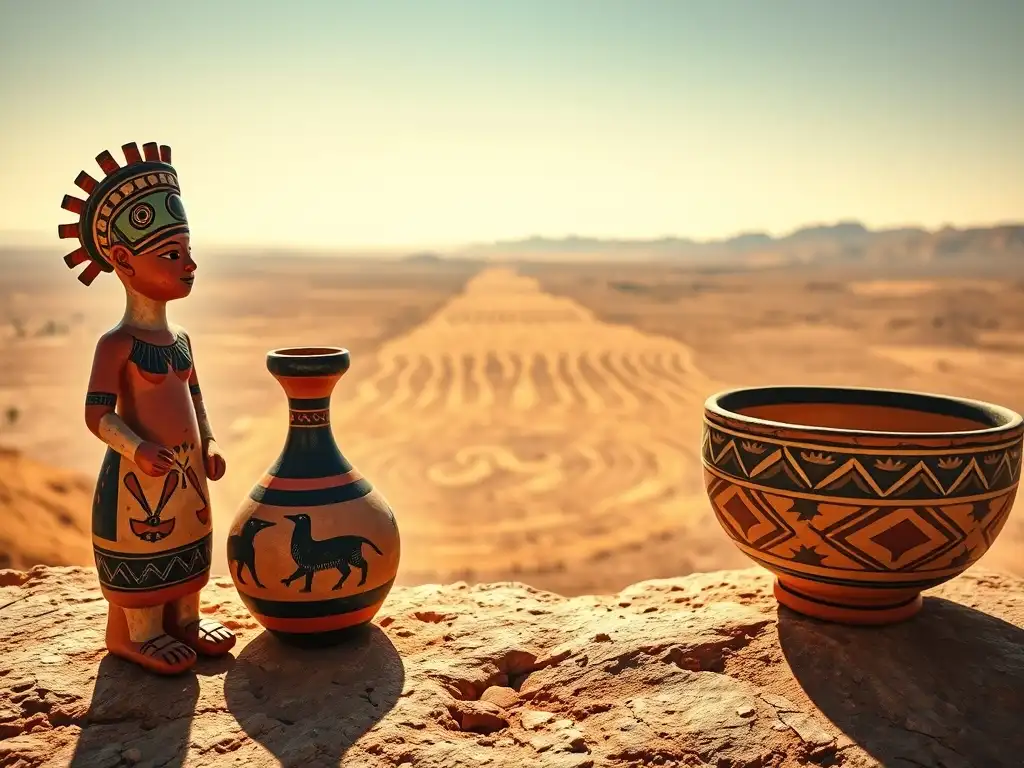
Dive into the enigmatic world of the Andean civilizations! Prepare to be captivated by their breathtaking artistry and advanced ingenuity. But what secrets do the vibrant colors and intricate designs of Nazca pottery artistic styles truly hold? Uncover the fascinating link between these ceramic masterpieces and the legendary Nazca Lines – a connection that will challenge your perceptions and leave you wanting more. Explore the mysteries that await you within.
- The Intriguing Connection Between Nazca Lines and Nazca Pottery Art
- Nazca Lines: More Than Just Geoglyphs
- Nazca Pottery: A Window into Nazca Artistic Expression
- The Artistic Link: Parallels Between Nazca Lines and Pottery
- Nazca Pottery Artistic Styles: A Closer Look
- The Role of Pottery in Nazca Society
- Analyzing the Relationship Between Nazca Art Forms
- The Enduring Legacy of Nazca Artistic Traditions
-
Frequently Asked Questions
- What is the connection between Nazca Lines and Nazca pottery?
- What are the characteristic artistic styles of Nazca pottery?
- How did Nazca artisans achieve such vibrant colors in their pottery?
- What are some common motifs found in Nazca pottery?
- Where can I see examples of Nazca pottery artistic styles?
- Final Reflection: Unraveling the Threads of Nazca Creativity
- Unveil the Mysteries of the Nazca Lines!
The Intriguing Connection Between Nazca Lines and Nazca Pottery Art
The Nazca civilization, flourishing along the southern coast of Peru from 100 BCE to 800 CE, left behind a legacy shrouded in mystery and wonder. Their most famous contribution to world history, the enigmatic Nazca Lines, vast geoglyphs etched into the desert surface, continues to captivate researchers and inspire awe.
However, the intricate artistry and sophisticated techniques evident in their ceramic art offer a compelling parallel, providing valuable insights into their culture, beliefs, and societal structures. This article delves into the fascinating link between the Nazca Lines and their remarkable pottery, exploring how these seemingly disparate elements illuminate the rich tapestry of Nazca life and contribute to our understanding of "Nazca pottery artistic styles."
By examining stylistic similarities, technological advancements, and potential symbolic connections, we can gain a deeper appreciation for the ingenuity and cultural depth of this remarkable civilization. The vibrant colors, intricate designs, and unique techniques employed in their pottery provide a tangible connection to the creators of the colossal Nazca Lines, offering a window into the minds and worldviews of these ancient people.
Unveiling the Mysteries of Nazca Culture
The Nazca Lines, sprawling across hundreds of square kilometers, depict a bewildering array of figures – animals, plants, geometric shapes, and even humanoid forms. Their purpose remains a subject of ongoing debate, with theories ranging from astronomical alignments to ritualistic practices. However, a closer examination of contemporaneous Nazca pottery reveals striking parallels.
Many ceramic vessels depict similar motifs found in the geoglyphs, suggesting a shared symbolic language and cultural significance. For instance, the stylized depictions of birds, such as hummingbirds and condors, frequently appear on both pottery and in the Lines themselves. This recurring imagery points to the importance of avian symbolism in Nazca cosmology and possibly their connection to the divine or the afterlife.
Furthermore, the meticulous detail and precision evident in both the Lines and the pottery suggest a highly organized society with advanced technical capabilities. The ability to create such large-scale geoglyphs and such finely crafted ceramics indicates a sophisticated understanding of engineering, surveying, and artistic techniques.
Analyzing Nazca Pottery Artistic Styles: A Closer Look
Nazca pottery is renowned for its exceptional quality and diverse artistic styles. The artisans employed a variety of techniques, including slip painting, negative painting, and polychromy, to create intricate and vibrant designs.
Key characteristics of Nazca pottery:
- Polychromy: The use of multiple colors, often up to eight or more, to create complex patterns and designs.
- Negative painting: A technique where the background is painted, leaving the design unpainted.
- Slip painting: Applying a colored slip (a liquid clay suspension) to the surface of the pottery.
- Incised designs: Creating patterns by scratching lines into the clay surface before firing.
- Figurative representations: Depictions of animals, plants, humans, and mythical creatures.
The recurring motifs in the pottery, such as stylized plants, animals (especially birds), and geometric patterns, often mirror the imagery found in the Nazca Lines, strengthening the hypothesis of a shared cultural significance. The meticulous craftsmanship and attention to detail in both mediums suggest a deep connection between artistic expression and religious or ceremonial practices. Analyzing the variations in stylistic elements across different pottery types and time periods can also provide valuable insights into the evolution of Nazca culture and the possible changes in their beliefs and practices over time. Further research into the specific pigments used in the pottery, along with technological analysis of the ceramic production process, could reveal additional connections to the construction methods employed in creating the Nazca Lines.
The Symbolic Language of Nazca Art: Bridging the Gap
The symbolic language embedded within both the Nazca Lines and their pottery remains a complex and fascinating area of study. Researchers are still actively deciphering the meaning behind the various representations, and the interplay between the two mediums offers a crucial avenue for investigation. The prevalence of certain motifs, such as specific animals or plants, across both pottery and the geoglyphs suggests their importance in Nazca cosmology and worldview.
For example, the frequent depiction of stylized hummingbirds on pottery might correspond to specific geoglyphs representing the same bird, hinting at a ritualistic or shamanistic significance. Further research into the context of these motifs – their placement on pottery, their association with particular shapes or figures, and their presence in other archaeological contexts – is essential to unravel their deeper meanings.
The combination of iconographic analysis of the pottery and geospatial analysis of the Lines could provide a more holistic understanding of the Nazca worldview and its expression through art and monumental landforms. This integrated approach promises to reveal significant new information about "Nazca pottery artistic styles" and their relationship to the enigmatic Nazca Lines.
Nazca Lines: More Than Just Geoglyphs
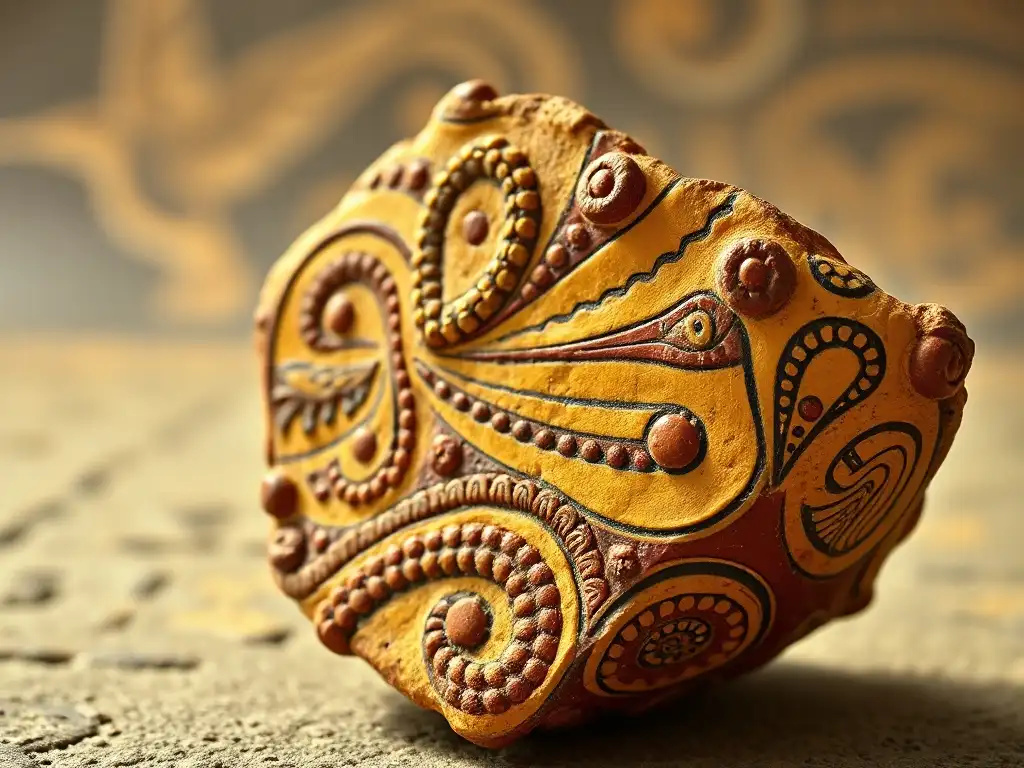
Understanding the Purpose and Creation of the Nazca Lines
The Nazca Lines, sprawling across the arid Pampas of southern Peru, remain one of archaeology's most enduring mysteries. While their precise purpose continues to be debated, several compelling theories exist. One prominent hypothesis suggests a connection to astronomical events, with some lines aligning with solstices and equinoxes. This astronomical calendar theory proposes that the lines served as a sophisticated system for tracking celestial movements, crucial for agricultural planning in a desert environment. Evidence supporting this theory includes the precise alignment of certain lines with specific stars and constellations.
Another theory posits that the lines were part of a complex ritualistic system, possibly related to water sources or fertility rites. The Nazca people lived in a harsh desert climate, relying heavily on scarce water resources. It's speculated that the lines might have played a role in ceremonies aimed at ensuring sufficient rainfall and successful harvests.
This theory is supported by the proximity of some lines to underground water sources and the discovery of evidence of ritual activity in the surrounding areas. Furthermore, the intricate designs, often depicting animals and plants, could represent deities or symbols linked to fertility and abundance. The sheer scale of the undertaking suggests a significant societal investment, hinting at their importance within the Nazca worldview.
The creation of these monumental geoglyphs remains a source of wonder. The Nazca people employed a surprisingly simple yet effective technique. Using only basic tools, they cleared the dark reddish-brown surface stones to reveal the lighter colored subsoil, creating the distinct lines and figures. The precision involved, particularly in the larger, more complex designs, is remarkable.
The lack of advanced technology only emphasizes the immense labor and organizational skills required to complete such a massive project. This monumental effort speaks volumes about the social organization and engineering capabilities of the Nazca civilization. Further research, including detailed analysis of the soil composition and dating techniques, continues to shed light on the construction methods and the time span involved in their creation.
The Scale and Diversity of Nazca Geoglyphs
The sheer scale of the Nazca Lines is breathtaking. Stretching over 500 square kilometers, the lines encompass hundreds of individual geoglyphs, varying dramatically in size and complexity. From simple lines and geometric shapes to intricate representations of animals, plants, and humanoids, the diversity is astounding. Many of the animal figures, such as the hummingbird, monkey, and spider, are incredibly detailed, showcasing a remarkable understanding of perspective and proportion. These designs are not merely simple outlines; they often incorporate subtle shading and variations in line width to create a sense of three-dimensionality.
The size of the geoglyphs is equally impressive. Some figures stretch for hundreds of meters, only truly appreciated from the air. This fact, along with the remote location and the arid climate that helped preserve them, contributed to their long-term obscurity. It wasn't until the advent of air travel in the 20th century that the full extent of these remarkable creations became apparent. The scale of the undertaking required significant coordination and manpower, highlighting the advanced social organization of the Nazca culture.
| Geoglyph Type | Approximate Number | Typical Size (meters) | Notable Examples |
|---|---|---|---|
| Animals | 70+ | 50 - 300 | Hummingbird, Monkey, Spider |
| Geometric Shapes | Hundreds | 10 - 100 | Triangles, Spirals, Lines |
| Humanoid Figures | Dozens | Variable | [Specific examples pending] |
| Plant Representations | Several | Variable | [Specific examples pending] |
The diversity and scale of the Nazca Lines underscore the sophisticated artistic and engineering capabilities of the Nazca civilization. Their creation represents a monumental undertaking, highlighting the importance of these geoglyphs within their culture and providing a fascinating glimpse into their worldview and societal structure. Further research continues to reveal new insights into this enigmatic legacy. The Nazca lines, far from being simply enigmatic lines in the desert, represent a complex tapestry of artistic expression, astronomical observation, and ritual practice.
Nazca Pottery: A Window into Nazca Artistic Expression
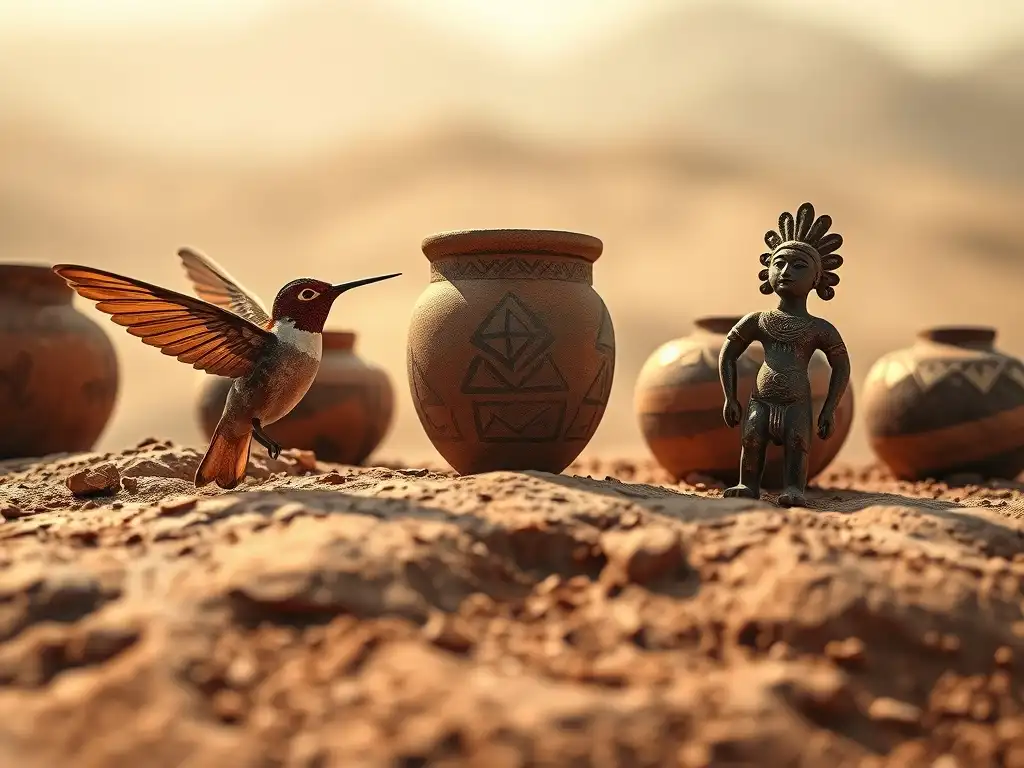
The Nazca Lines famously capture the imagination, but the Nazca civilization's artistic prowess extends far beyond these geoglyphs. Their ceramic artistry, a vibrant reflection of their worldview and societal structure, offers invaluable insights into their culture. Studying Nazca pottery artistic styles provides a compelling narrative of their daily lives, religious beliefs, and sophisticated technological capabilities. The sheer volume and variety of surviving pottery – from simple utilitarian vessels to elaborate ceremonial pieces – testify to the importance of ceramics within Nazca society.
Their pottery wasn't simply functional; it was a medium for storytelling, a reflection of their aesthetic sensibilities, and a testament to their mastery of ceramic techniques. The intricate designs and bold colors found on these pieces speak volumes about the creativity and skill of Nazca artisans. Understanding their pottery unlocks a deeper appreciation for this fascinating civilization.
Exploring the Richness of Nazca Ceramic Styles
Nazca pottery is renowned for its breathtaking diversity. Numerous styles existed concurrently, often reflecting social status, regional variations, or specific ceremonial purposes. The most striking feature is the vibrant polychromy – the use of multiple colors – applied with remarkable precision. Paints were derived from natural minerals, resulting in a striking palette that included reds, yellows, oranges, blacks, whites, and various shades of browns.
This precise application of color, often involving multiple layers, allowed for intricate designs and detailed representations of plants, animals, and human figures. Some pieces feature naturalistic depictions, showcasing the artist's keen observation of the natural world. Others depict stylized figures and abstract patterns, suggesting symbolic meanings related to religious beliefs or social hierarchies.
For example, one common style features anthropomorphic figures – human-like beings – often depicted in dynamic poses, engaged in activities such as dancing, hunting, or ritual ceremonies. These figures frequently wear elaborate headdresses and adornments, offering clues about social status and religious practices. Another style features zoomorphic designs – animal representations – often depicting local fauna with remarkable accuracy. These include birds, fish, reptiles, and mammals, reflecting the importance of the natural environment in Nazca life.
The complexity of the designs, combined with the exceptional craftsmanship, distinguishes Nazca pottery from that of other Andean cultures. The artistry wasn't limited to the exterior; many vessels also feature intricate interior decorations, further highlighting the skill and dedication of the artisans. The meticulous detail and vibrancy of the colors have ensured that these pieces remain visually stunning even after centuries. The sheer variety within Nazca pottery artistic styles continues to fascinate researchers and enthusiasts alike.
Key Characteristics of Nazca Pottery Design
Several key characteristics define Nazca pottery design, setting it apart from other contemporary Andean ceramic traditions. These characteristics contribute to the unique aesthetic appeal and rich cultural significance of these artifacts:
- Polychromy: The use of multiple colors is a defining feature. The mastery of color application, with its subtle gradients and sharp lines, is truly remarkable. The colors were exceptionally vibrant and long-lasting, a testament to the quality of the pigments and the skill of the artisans.
- Intricate Designs: The designs were not simply decorative; they were carefully planned and executed, often telling stories or conveying symbolic meanings. The level of detail is astounding, with tiny figures and intricate patterns meticulously rendered.
- Stylization: While some designs are naturalistic representations of plants and animals, many are stylized, often reflecting symbolic or ritualistic significance. These stylized representations often deviate from strict realism, emphasizing certain features or adopting abstract forms.
- Vessel Shapes and Forms: Nazca pottery encompasses a wide variety of shapes and forms, from simple bowls and jars to complex stirrup-spout vessels and elaborate effigy jars. The shapes often reflect the intended use of the vessel, with ceremonial pieces exhibiting more intricate designs and elaborate forms.
| Characteristic | Description | Example |
|---|---|---|
| Polychromy | Use of multiple colors with precise application and vibrant hues. | Red, yellow, black, white, and various browns |
| Intricate Designs | Highly detailed figures, patterns, and scenes, often featuring multiple layers. | Anthropomorphic figures, zoomorphic designs |
| Stylization | Deviations from realism, often emphasizing symbolic or ritualistic elements. | Abstract patterns, stylized animal features |
| Vessel Shapes | Wide variety of shapes and forms, reflecting intended use and social status. | Bowls, jars, stirrup-spout vessels, effigy jars |
The study of these characteristics provides crucial insights into Nazca society, beliefs, and artistic practices. The consistent high quality and diversity of Nazca pottery artistic styles underscore the advanced skills and cultural richness of this remarkable civilization. Further research continues to uncover new aspects of this captivating artistic tradition, constantly adding to our understanding of the Nazca people.
The Artistic Link: Parallels Between Nazca Lines and Pottery
The Nazca Lines, those enigmatic geoglyphs etched into the Peruvian desert, are often studied in isolation. However, a closer examination reveals a fascinating artistic connection between these colossal earthworks and the vibrant ceramic art of the Nazca culture. Understanding this link provides crucial insights into the worldview, artistic sensibilities, and societal structures of this remarkable civilization.
This section explores the shared motifs, stylistic similarities, and the pervasive use of lines and geometric patterns that bind Nazca pottery artistic styles and the famous geoglyphs. By analyzing these parallels, we can gain a deeper appreciation for the holistic artistic expression of the Nazca people.
Many motifs found in Nazca pottery reappear in the geoglyphs, suggesting a shared iconographic language. For example, the frequent depiction of stylized birds, both in flight and perched, is a prominent feature in both mediums. These birds, often depicted with elongated necks and beaks, frequently appear in intricate detail on Nazca ceramics and are also prominent figures in the geoglyphs themselves.
Similarly, representations of felines, lizards, and other animals common to the Nazca ecosystem are found repeatedly across pottery and geoglyphs. The stylistic similarities extend beyond simple representation; the manner in which these animals are depicted – with elongated limbs, simplified features, and a preference for profile views – is remarkably consistent. This consistency implies a shared artistic canon, a set of established conventions governing the depiction of these important symbols within the Nazca culture.
Further research could delve into the specific symbolic meanings attributed to these creatures, potentially revealing deeper insights into Nazca mythology and cosmology. The precise symbolism remains a subject of ongoing scholarly debate, with researchers proposing different interpretations based on contextual clues found within both the pottery and the geoglyphs themselves.
Stylistic Similarities in Nazca Geoglyphs and Ceramics
Beyond shared motifs, a striking stylistic similarity exists between the lines and forms used in both Nazca pottery and the geoglyphs. The precise execution, particularly the use of thin, flowing lines, is a key characteristic. In the ceramics, this is achieved through delicate brushwork and meticulous control of the paint application.
In the geoglyphs, the narrow lines etched into the desert surface demonstrate a similar level of precision and control, requiring advanced surveying techniques and painstaking labor. The use of negative space is another stylistic parallel. Both the pottery and the geoglyphs often utilize negative space to define forms and create dynamic compositions.
This sophisticated understanding of visual balance and composition points to a highly developed artistic sensibility shared across different mediums. Furthermore, the color palettes employed in Nazca pottery – vibrant reds, oranges, yellows, and blacks – have parallels in the earth tones used in the geoglyphs, though the latter are, of course, limited by the natural materials available. Analyzing the pigments used in the pottery, alongside the geological composition of the soils used to create the geoglyphs, could further elucidate this connection.
The Use of Lines and Geometric Patterns in Nazca Art
Lines and geometric patterns are fundamental elements in both Nazca pottery artistic styles and the geoglyphs. The geoglyphs are, of course, fundamentally composed of lines, ranging from incredibly long and continuous lines forming the outlines of figures to shorter, more intricate lines used to create details within those figures. This same emphasis on lines is evident in the pottery, where lines are used both to outline figures and to create decorative patterns. Geometric patterns, such as triangles, trapezoids, and zigzags, are commonly found in both contexts.
The frequent use of these patterns suggests their symbolic importance within Nazca culture. These patterns may have been associated with specific deities, events, or cosmological concepts. The repetitive nature of some of these patterns might also suggest a connection to ritual practices or social organization.
Detailed analysis of the patterns and their variations across different pottery pieces and geoglyphs could reveal underlying structures and potential mathematical or cosmological significance. Further research into the possible mathematical relationships embedded within the patterns could provide additional insights into the level of sophistication of Nazca knowledge. The precise meanings and functions of these patterns remain an area requiring further investigation.
Nazca Pottery Artistic Styles: A Closer Look
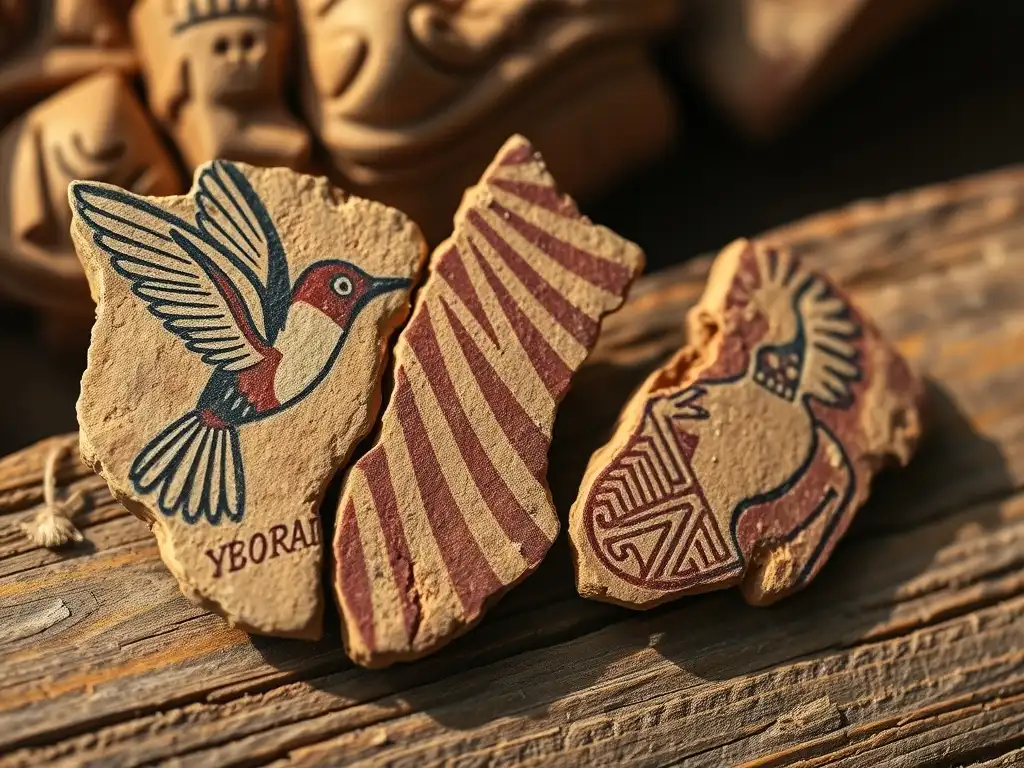
The Nazca civilization, renowned for its enigmatic geoglyphs etched into the desert plains, also left behind a rich legacy of ceramic art. The intricate designs and vibrant colors of Nazca pottery offer a fascinating glimpse into their worldview, beliefs, and artistic mastery. This section delves into the unique artistic styles of Nazca pottery, exploring the connection between their ceramic creations and the famous Nazca Lines. Understanding these artistic styles provides invaluable insight into the culture and daily life of this remarkable civilization. The analysis of "Nazca pottery artistic styles" reveals a sophisticated and highly developed artistic tradition.
The Influence of Nazca Lines on Pottery Decoration
While a direct, one-to-one correlation between the Nazca Lines and pottery designs hasn't been definitively proven, several intriguing parallels exist. The same meticulous attention to detail evident in the geoglyphs is mirrored in the finely executed designs on Nazca ceramics. Both feature highly stylized representations of animals, plants, and mythical creatures, often depicted with a similar level of precision and dynamism.
For example, the vibrant, swirling patterns found on many pottery vessels echo the sinuous lines and curves of the animal figures in the Nazca Lines. The use of negative space, a prominent feature in the geoglyphs, is also replicated in the pottery, where intricate designs are often outlined against a contrasting background. Further research is needed to fully understand the potential link, but the stylistic similarities suggest a shared aesthetic sensibility and artistic tradition.
The hypothesis that the same artists or artistic schools were responsible for both the geoglyphs and the pottery is a compelling area of ongoing investigation in the field of Nazca studies. Analyzing the pigments and techniques used in both could shed further light on this connection.
Common Themes in Nazca Pottery: Animals, Plants, and Mythological Figures
Nazca pottery is characterized by its diverse and often fantastical imagery. Animals, both real and imagined, are prominent motifs, depicted with remarkable realism and detail. Hummingbirds, monkeys, snakes, and various marine creatures are frequently portrayed, often in dynamic poses that suggest movement and energy. Plants, too, play a significant role, with stylized representations of cacti, flowers, and other vegetation appearing on many vessels.
These botanical depictions often intertwine with animal figures, creating complex and visually arresting compositions. Mythological figures, possibly representing deities or shamanistic figures, also feature prominently. These figures are often depicted with exaggerated features, elaborate headdresses, and symbolic adornments.
Their presence suggests a rich spiritual life and complex belief system within Nazca society. The intricate details and symbolic representations in these depictions reflect a sophisticated understanding of their environment and a deep connection to the natural world. The recurring themes within Nazca pottery demonstrate a consistent artistic vision and cultural identity.
Evolution of Nazca Ceramic Art and Techniques
The evolution of Nazca ceramic art can be traced through several distinct phases, each characterized by unique stylistic features and technological advancements. Early Nazca pottery, for instance, often featured simpler designs and less vibrant colors compared to later periods. As the civilization developed, so did their ceramic techniques. The use of slip, a liquid clay mixture used to coat the vessels, improved, leading to smoother surfaces and more intense colors.
The mastery of polychrome painting – the application of multiple colors – reached its peak during the later Nazca periods, resulting in incredibly detailed and visually stunning pieces. Technological innovations, such as the development of more efficient kilns, also contributed to the evolution of Nazca ceramics. These advancements allowed for the creation of larger, more complex vessels with more durable and refined finishes.
The study of these stylistic and technological changes provides a valuable framework for understanding the broader cultural and social developments within Nazca society. Analyzing the evolution of "Nazca pottery artistic styles" allows researchers to build a chronological timeline of the civilization’s artistic development. Further research focusing on kiln types and firing techniques could refine our understanding of the evolution of Nazca ceramic technology.
The Role of Pottery in Nazca Society
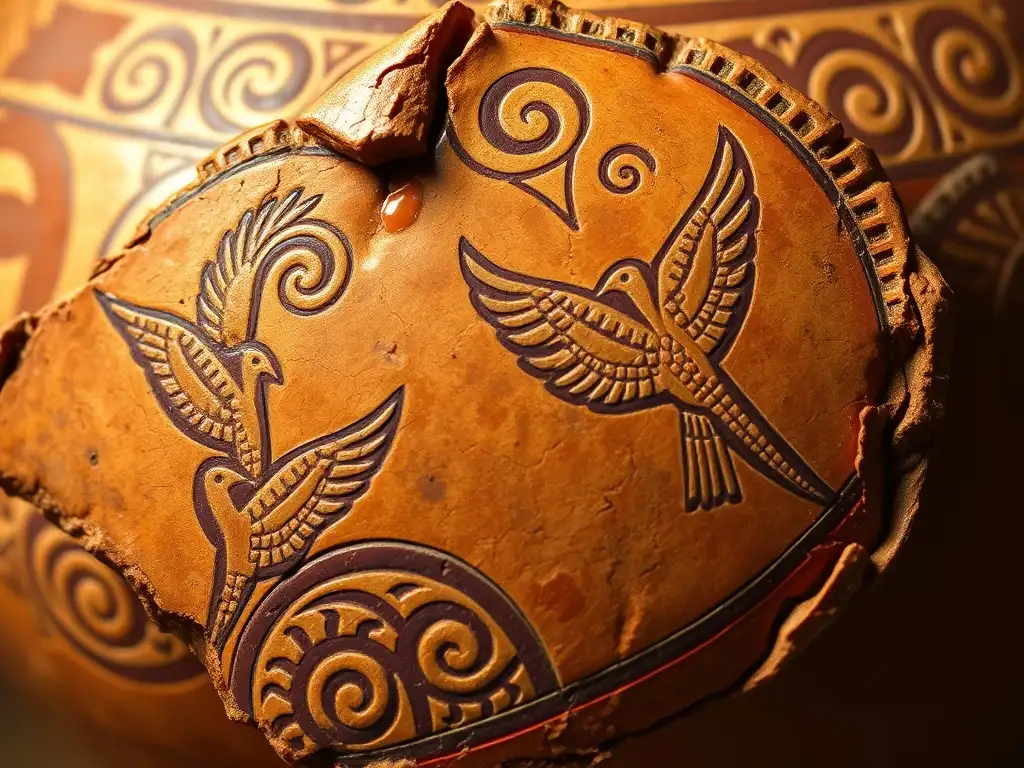
The Nazca people, renowned for their enigmatic lines etched across the Peruvian desert, also possessed a sophisticated and vibrant ceramic tradition. Pottery wasn't merely functional for the Nazca; it played a crucial role in their daily lives, religious practices, and social structures. Understanding their pottery provides invaluable insight into their beliefs, social hierarchies, and artistic capabilities.
The intricate designs and diverse styles found in Nazca pottery offer a window into a complex and fascinating civilization. The prevalence of pottery in burials further underscores its importance, suggesting it held significant symbolic value, possibly representing status, lineage, or spiritual connection in the afterlife. Analysis of pottery shards found at various sites reveals a consistent and widespread use, indicating its integration into all facets of Nazca society.
The sheer volume of surviving pottery, along with the stylistic diversity, points to a highly developed and specialized craft, potentially involving numerous skilled artisans working within established workshops or family units. This high level of production and artistry suggests a strong demand for pottery, supporting its multifaceted role within the culture.
Pottery as a Ritual and Ceremonial Object
Nazca pottery frequently served as ritual and ceremonial objects. Many vessels exhibit intricate designs associated with religious iconography, depicting deities, mythical creatures, and scenes from possibly shamanistic rituals. The meticulous detail and vibrant colors used in these pieces suggest that they were not just functional containers but also sacred items used in religious ceremonies.
For example, vessels shaped like stylized animals, often found in tombs, likely represented totems or held symbolic significance related to the natural world and the spiritual realm. Some vessels, exhibiting complex designs and shapes, might have been used in specific rituals, perhaps for offerings or libations to the gods. The presence of certain motifs consistently repeated across various vessels hints at a standardized religious iconography, emphasizing the importance of shared beliefs and practices within the Nazca community.
Further research into the chemical composition of pigments used in ritual pottery could provide clues about the sourcing of materials and the organization of craft production, providing further insight into the social and religious aspects of pottery creation. The discovery of complete ritual sets, including vessels of different sizes and shapes, suggests a structured and organized approach to religious ceremonies, implying the existence of specialized roles or priesthoods responsible for handling these sacred objects.
The artistic styles found in Nazca pottery provide compelling evidence of the society's religious beliefs and social structures. The prevalence of specific motifs, such as stylized deities, supernatural beings, and scenes of ritual sacrifice, clearly reflects their religious worldview. The complex iconography, often incorporating anthropomorphic and zoomorphic elements, suggests a sophisticated understanding of the cosmos and their place within it. Detailed analysis of the different stylistic periods reveals a gradual evolution in artistic conventions, reflecting changes in religious beliefs or social structures over time.
For instance, the shift from simpler designs to increasingly complex and detailed motifs might indicate a growing sophistication in religious practices or a hierarchical strengthening of the social structure. The variation in pottery styles across different regions also suggests the presence of distinct local traditions and perhaps even the existence of smaller, independent communities within the broader Nazca culture. Furthermore, the size and decoration of vessels could have indicated social status or wealth. Larger, more elaborately decorated pieces might have been reserved for the elite, while simpler vessels were used by the common population.
This social stratification is further supported by archaeological evidence showing the presence of elaborate tombs containing numerous high-quality pottery pieces alongside the remains of individuals of higher social standing. The study of "Nazca pottery artistic styles" reveals a society with a rich and complex belief system intricately woven into their daily lives and artistic expressions. The detailed imagery on the pottery provides invaluable clues to understanding their cosmology, rituals, and social hierarchy, making it a crucial source for reconstructing their culture.
Analyzing the Relationship Between Nazca Art Forms
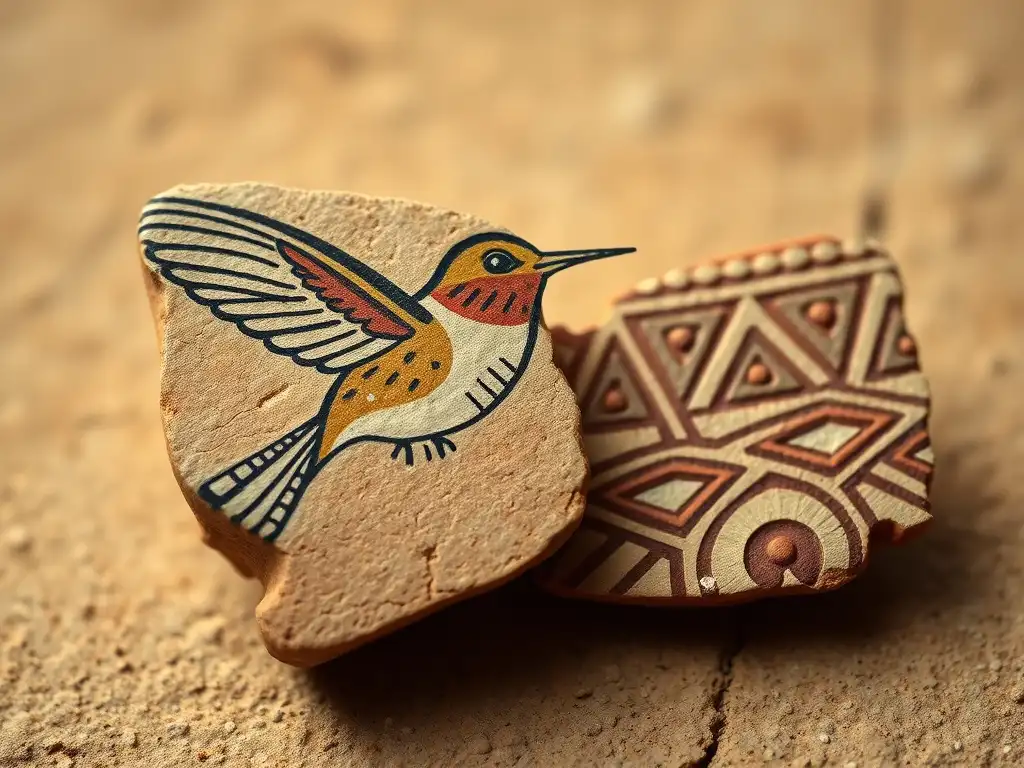
The Nazca civilization, famed for its enigmatic lines etched into the desert landscape, also produced a vibrant and sophisticated ceramic art tradition. Understanding the relationship between these seemingly disparate art forms offers crucial insights into the worldview, social structures, and technological capabilities of this remarkable culture. The intricate designs found on Nazca pottery often mirror the complexity and scale present in the geoglyphs, suggesting a deeply interconnected artistic vision.
This section will explore the interplay between Nazca lines and their pottery, revealing a fascinating connection that sheds light on their artistic expressions and cultural beliefs. Analyzing the stylistic similarities and thematic parallels allows us to appreciate the holistic nature of Nazca artistic production, moving beyond the individual pieces to understand the broader cultural context. The analysis of “Nazca pottery artistic styles” reveals a society deeply invested in symbolic representation and artistic innovation.
The Interconnectedness of Nazca Lines, Pottery, and Weaving
The Nazca Lines, sprawling across the Peruvian desert, are not isolated artistic expressions. They are part of a larger artistic ecosystem that includes elaborate pottery and finely woven textiles. The recurring motifs found across these mediums—stylized animals, mythical creatures, and geometric patterns—suggest a unified artistic language. For instance, the iconic hummingbird, frequently depicted in Nazca pottery with meticulous detail, also appears, albeit in a more schematic form, within some of the geoglyphs. This suggests a shared symbolic meaning attached to this creature, possibly representing a deity, a cultural icon, or a symbol of fertility.
The techniques employed also reveal connections. The precision and control demonstrated in the creation of the lines mirror the skill and artistry evident in the fine lines and intricate details of Nazca pottery. The mastery of negative space, a hallmark of both pottery and geoglyph designs, further underscores the common artistic principles guiding Nazca artists.
Furthermore, the vibrant colors used in Nazca pottery find a parallel in the carefully chosen locations for the geoglyphs, utilizing the natural hues of the desert landscape to create visual impact. Even the textiles, with their intricate patterns and use of natural dyes, reflect this consistent artistic approach, demonstrating a cohesive aesthetic sensibility across different mediums. The stylistic consistency across these seemingly disparate art forms strengthens the argument for a unified cultural expression, reflecting a shared worldview and artistic vision.
How Nazca Art Provides Insight into Their Worldview
Nazca art, encompassing pottery, textiles, and the geoglyphs, offers a window into the beliefs and values of the Nazca people. The prevalence of zoomorphic motifs—depictions of animals like birds, felines, and reptiles—suggests a profound connection to the natural world. These animals weren't simply realistic representations; they were imbued with symbolic significance, potentially representing deities, shamans, or ancestral figures. The detailed rendering of these creatures, showcasing their anatomical features with remarkable accuracy, highlights the Nazca's keen observation skills and their deep understanding of the natural environment.
The frequent depiction of mythical beings and hybrid creatures in Nazca pottery reveals a rich cosmology and a sophisticated understanding of the supernatural. These fantastical figures, often portrayed in dynamic poses, suggest a belief system that incorporated both the earthly and spiritual realms. The careful composition and placement of these figures on the pottery vessels, often in elaborate scenes, suggest ritualistic or ceremonial use, reinforcing the importance of these supernatural elements in their society.
By analyzing the recurring themes and symbolic language in Nazca art, we can gain a deeper understanding of their spiritual beliefs, social structures, and their relationship with the world around them. The intricate designs, far from being mere decoration, were powerful expressions of their cultural identity and worldview. The study of "Nazca pottery artistic styles" therefore offers a rich source of information for reconstructing their complex cultural narrative.
The Enduring Legacy of Nazca Artistic Traditions
The Nazca culture, famed for its enigmatic lines etched into the desert landscape, also left behind a rich legacy of ceramic artistry. This pottery, a testament to their sophisticated technological prowess and artistic vision, provides invaluable insights into their beliefs, social structures, and daily lives. The vibrant colors, intricate designs, and diverse forms of Nazca pottery reflect a complex artistic tradition that continues to fascinate and inspire researchers and art enthusiasts alike.
Understanding the "Nazca pottery artistic styles" is crucial to comprehending the broader cultural context of this remarkable civilization. Their pottery wasn't merely functional; it was a powerful medium for storytelling, ritualistic expression, and social communication.
Preserving the Cultural Heritage of Nazca Art
Protecting and preserving these fragile artifacts is paramount. Many pieces have survived the ravages of time and the elements, offering a glimpse into the past. Museums and archaeological sites across Peru house significant collections of Nazca pottery, meticulously cataloged and conserved to ensure their long-term preservation.
However, the ongoing challenges of looting, environmental degradation, and the lack of resources in some areas pose significant threats. Efforts to combat illegal trafficking and promote responsible tourism are crucial for safeguarding this irreplaceable cultural heritage. Furthermore, advancements in conservation techniques, such as improved storage facilities and the application of non-invasive analysis methods, are continuously improving the longevity of these artifacts.
The detailed documentation of existing pieces, including high-resolution photography and 3D scanning, is also playing a vital role in creating digital archives for future study and appreciation. This multi-faceted approach ensures that future generations can continue to learn from and be inspired by the artistry of the Nazca people.
Contemporary Research and Interpretations of Nazca Art
Modern research continues to unveil new facets of Nazca pottery artistic styles. Scholars employ a range of techniques, including stylistic analysis, chemical composition studies, and contextual archaeological investigations, to gain a deeper understanding of the production, distribution, and significance of these artifacts. For example, recent studies have identified specific clay sources and paint pigments, shedding light on the trade networks and resource management practices of the Nazca.
The intricate iconography depicted on the pottery – often featuring stylized human figures, animals, plants, and geometric patterns – is constantly being reinterpreted in light of new archaeological discoveries and anthropological theories. The ongoing debate surrounding the meaning of specific motifs and the social context of their creation underscores the dynamic nature of research in this field.
Researchers are increasingly leveraging technology, such as advanced imaging and spectroscopic analysis, to uncover hidden details and enhance our understanding of the artistic techniques employed by Nazca artisans. This interdisciplinary approach brings together expertise in archaeology, art history, chemistry, and other fields to provide a comprehensive understanding of "Nazca pottery artistic styles".
The Importance of Understanding Nazca Lines and Pottery Together
The Nazca Lines and their pottery are not isolated phenomena; they are interconnected elements of a larger cultural tapestry. While the lines remain a subject of ongoing debate and speculation, the pottery provides valuable clues that can help us understand their purpose and significance. For example, some motifs found on the pottery, such as stylized birds and animals, also appear in simplified forms within the geoglyphs themselves.
This suggests a potential link between the lines and the religious or ceremonial practices reflected in the pottery. Furthermore, the distribution patterns of specific pottery styles across the Nazca landscape may correlate with the location and density of the lines, potentially revealing information about settlement patterns and social organization. By studying both the lines and the pottery together, we can gain a more holistic understanding of the Nazca worldview and the complex interplay between their artistic expression, religious beliefs, and environmental adaptation.
The combined study of these two remarkable elements enhances our knowledge of this fascinating ancient civilization and helps to illuminate the rich tapestry of their cultural heritage. The synergy between these two elements provides a much richer and more nuanced understanding of the Nazca culture than either could provide in isolation.
Frequently Asked Questions
What is the connection between Nazca Lines and Nazca pottery?
While not directly linked in creation, both Nazca Lines and Nazca pottery reflect the same sophisticated artistic sensibilities and cultural values of the Nazca civilization. Scholars believe both art forms offer insights into their cosmology and worldview.
What are the characteristic artistic styles of Nazca pottery?
Nazca pottery is renowned for its vibrant colors, intricate designs, and realistic depictions of flora, fauna, and human figures. The use of negative space and fine linework is also noteworthy.
How did Nazca artisans achieve such vibrant colors in their pottery?
Nazca potters used a complex process involving natural pigments derived from minerals and plants. They achieved brilliant hues through careful preparation and layering of paints.
What are some common motifs found in Nazca pottery?
Common motifs include stylized plants and animals, such as hummingbirds, monkeys, and various mythical creatures. Deities and ceremonial scenes are also frequently depicted.
Where can I see examples of Nazca pottery artistic styles?
Examples of Nazca pottery can be found in various museums worldwide, including those in Peru, as well as in private collections. Many online resources also showcase images of this remarkable art.
Final Reflection: Unraveling the Threads of Nazca Creativity
The intricate artistry of Nazca pottery isn't merely a relic of the past; it's a vibrant thread woven into the tapestry of contemporary artistic expression. The enduring power of these ceramic masterpieces lies not only in their technical brilliance but also in their ability to connect us to a lost civilization, sparking wonder and inspiring new interpretations across millennia. Their influence continues to resonate, reminding us of the enduring human need for creative expression and the power of art to transcend time.
The enduring legacy of Nazca pottery extends far beyond museum walls; it's a living testament to the ingenuity and cultural richness of a civilization that continues to captivate us. The bold lines, vibrant colors, and intricate designs speak volumes about their society, beliefs, and artistic prowess. Their influence can be seen in modern textile designs, contemporary ceramics, and even digital art. The past is never dead. It's not even past.
- William Faulkner. This quote perfectly encapsulates the ongoing relevance of Nazca pottery and its continued impact on our understanding of artistic heritage.
Consider the intricate detail, the vibrant hues, the sheer skill involved in creating these pieces. Now, imagine yourself holding a piece of Nazca pottery, feeling the weight of history in your hands. Let this inspire you to seek out the beauty and artistry in your own world, to appreciate the creative spirit that connects us all, across time and cultures. Explore the connections between past and present, and discover how the echoes of Nazca artistry might inspire your own creative journey.
Unveil the Mysteries of the Nazca Lines!
Thank you for exploring the fascinating connection between the Nazca Lines and ceramic art. Your interest deepens your understanding of Andean civilizations and sparks curiosity about the artistic expressions of the past. Let's delve further into this captivating topic!
- Explore Local Heritage: Visit a local museum or archaeological site to experience traditional ceramic art firsthand. Observe the techniques and artistry, and consider how they reflect the skills of Nazca artisans.
- Join the Discussion: Share your thoughts on the connection between these ancient artworks and their cultural significance in our forum. Your perspectives could inspire new insights and interpretations.
- Create Your Own Artwork: Experiment with creating a piece inspired by the Nazca Lines or ancient Peruvian ceramics. You might discover a hidden talent or a fresh perspective on these ancient artistic traditions.
How do you believe the artistic expressions of past civilizations shape our understanding of cultural identity today?