
The Moche Serpent God: Symbolism of Transformation and Power

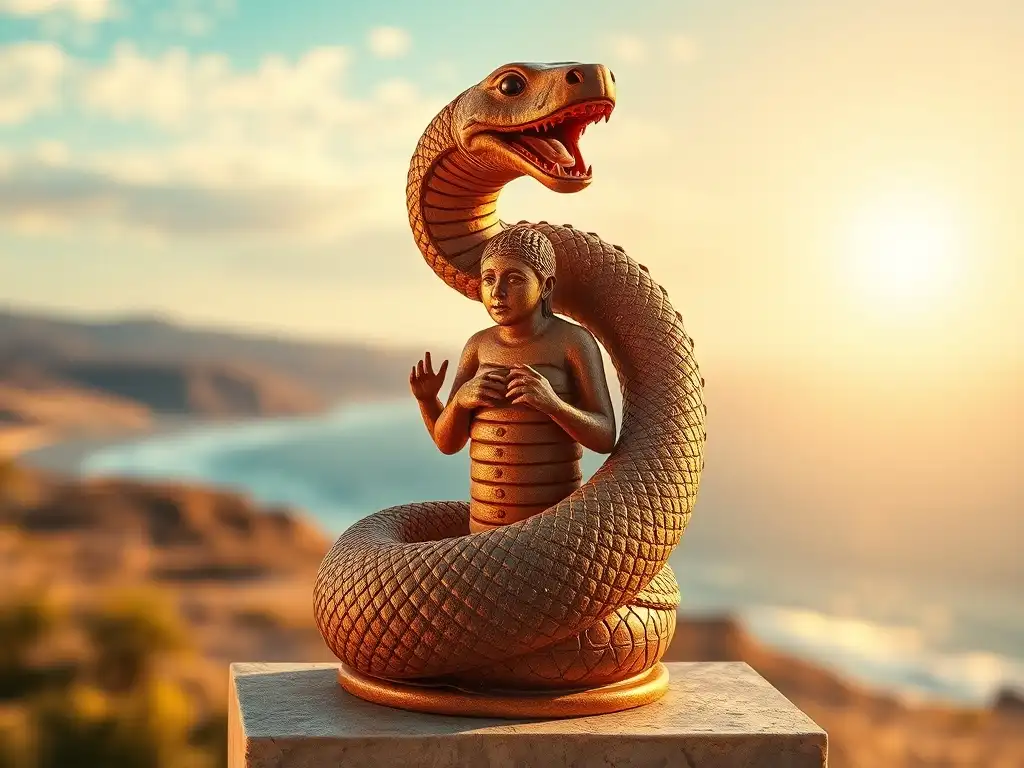
Step into a world lost to time, yet echoing with power and mystery. Prepare to unravel the enigmatic symbolism of the Moche Serpent God, a creature whose image whispers tales of transformation and dominion across the ancient Andes. Dive into the captivating world of the Moche civilization and discover the secrets held within its intricate art and awe-inspiring technology. Uncover the truth behind this iconic figure – your journey into the heart of Andean history begins now.
The Moche civilization, flourishing along the northern coast of Peru from approximately 100 CE to 800 CE, left behind a remarkable legacy of artistry, engineering, and complex religious beliefs. Central to their worldview was a powerful pantheon of deities, with the Moche Serpent God standing out as a particularly significant and enigmatic figure.
This article delves into the rich symbolism surrounding this iconic deity, exploring its multifaceted representations in Moche art and its potential connection to themes of transformation, power, and the cyclical nature of life and death. Understanding the Moche Serpent God provides crucial insight into the cosmology and spiritual practices of this fascinating pre-Columbian culture, offering a glimpse into the intricate beliefs that shaped their society.
We will explore the various interpretations of this powerful symbol and how it reflects the Moche people's understanding of their world and their place within it. Prepare to journey into the captivating world of Moche religion and uncover the secrets held within the coils of their Serpent God.
Introduction to Moche Religious Iconography
Moche religious iconography is characterized by its vibrant and highly stylized depictions of deities, often portrayed in dynamic and dramatic scenes. These images, primarily found on intricately crafted ceramics, textiles, and metalwork, provide invaluable insights into their complex belief system. Unlike many other ancient cultures, the Moche didn't leave behind extensive written records.
Therefore, deciphering their religious beliefs relies heavily on the careful interpretation of these artistic expressions. The Moche pantheon included a diverse range of gods and goddesses, each with unique attributes and symbolic associations. However, the Serpent God consistently appears as one of the most prominent and frequently represented figures, suggesting its central role in their religious worldview.
The sheer number of depictions across various mediums underscores the importance placed upon this deity within Moche society. Many of these depictions show the Serpent God engaged in various activities, offering clues to its potential functions and symbolic meanings. The detailed nature of the artwork also reveals a sophisticated understanding of artistic techniques and a profound reverence for their religious beliefs.
Unveiling the Moche Serpent Deity
The Moche Serpent God is not a singular, easily defined entity. Instead, its representation varies across different artistic expressions, suggesting a complex and multifaceted nature. Sometimes depicted as a feathered serpent, other times as a purely reptilian form, the deity's appearance often reflects the context of its portrayal.
Is it a benevolent creator god, a fearsome underworld deity, or something else entirely? The ambiguity allows for a range of interpretations, further highlighting the complexity of Moche religious thought. Scholars have proposed various interpretations, linking the serpent to themes of fertility, water, and the cyclical nature of life and death.
The serpent's ability to shed its skin has been connected to the cyclical renewal of the earth and the regeneration of crops, vital aspects of the Moche agricultural economy. Furthermore, the serpent's association with water sources is significant in a desert environment, underscoring its importance as a life-giving force. The very act of depicting the Serpent God in such detail and with such variation suggests a deep and multifaceted understanding of its symbolic significance within the Moche worldview.
Depictions of the Serpent God in Moche Art
Moche artisans masterfully depicted the Serpent God in a variety of contexts. From monumental ceramic vessels to intricately woven textiles, the deity's image appears across various media. Often, the serpent is shown in dynamic poses, sometimes intertwined with other figures or engaged in ritualistic actions. These depictions frequently include highly symbolic details, such as intricate scales, feathered adornments, and other embellishments that further enhance its visual impact and symbolic meaning.
The level of detail in these artistic representations speaks to the importance of the Serpent God within Moche society, reflecting the reverence and awe with which it was regarded. Specific examples include [specific examples of Moche art depicting the Serpent God pending]. The consistent recurrence of the Serpent God across different artistic forms and contexts suggests its pervasive presence in Moche religious life.
The Serpent's Form and Attributes
The form and attributes of the Moche Serpent God are crucial in understanding its symbolism. The serpent itself, a powerful symbol in many cultures, represents various things: fertility, regeneration, and the cyclical nature of existence. The addition of feathers, often depicted in vibrant colors, may signify a connection to the sky or the realm of the gods.
[Specific details about the serpent's attributes in different depictions pending]. The variations in the serpent's representation—sometimes benevolent, sometimes menacing—suggest a complex deity with multiple aspects and functions within the Moche pantheon. Analyzing these variations provides insights into the nuances of Moche religious belief and the multifaceted nature of their spiritual world.
Further research is needed to fully understand the subtle differences in these depictions and their implications for understanding the Moche Serpent God's role in their society. The combination of reptilian and avian characteristics suggests a powerful and transformative being, capable of bridging the earthly and celestial realms.
The Significance of the Serpent in Moche Cosmology
The serpent held a position of paramount importance within the complex cosmology of the Moche civilization. Its symbolic weight extended far beyond a simple representation of a creature; it embodied fundamental aspects of their worldview, deeply intertwined with their understanding of the natural world, life cycles, and the spiritual realm. The Moche, inhabiting a geographically diverse landscape encompassing arid coastal deserts and fertile valleys, keenly observed the cyclical patterns of nature.
The serpent, with its sinuous form and ability to navigate both land and water, became a potent symbol representing the dynamic interplay between these contrasting environments. Its presence in Moche art, particularly in their exquisite ceramics and metalwork, underscores its profound religious and cultural significance.
The careful and detailed depictions of serpents in Moche iconography suggest a deep understanding of the creature's behavior and its symbolic resonance within their society. The meticulous craftsmanship further highlights the reverence with which the Moche viewed the serpent and its place in their belief system.
Serpent as a Symbol of Water and Fertility
The Moche relied heavily on the unpredictable cycles of water for their agricultural success. The serpent, often depicted emerging from or dwelling within bodies of water, became inextricably linked to the life-giving properties of water and its crucial role in ensuring agricultural prosperity. The association of the serpent with water sources is clearly evident in numerous Moche artifacts, where the serpent is shown intertwined with plants, streams, and other symbols of fertility.
This symbolic representation speaks volumes about the Moche's understanding of the interconnectedness of water, agriculture, and the serpent as a conduit of life-giving forces. The serpent's ability to thrive in diverse environments – from the arid desert to the life-sustaining rivers – reinforced its symbolic power as a bringer of abundance and prosperity.
This is further emphasized by the frequent depiction of the serpent alongside other symbols of fertility, such as maize and other cultivated crops. The connection between the serpent, water, and fertility formed a cornerstone of Moche religious beliefs and practices.
The Serpent's Connection to the Underworld
Beyond its association with the earthly realm, the Moche serpent also possessed a strong connection to the underworld. This duality, representing both life and death, fertility and decay, further underscores the complexity of the serpent's symbolism. The underworld, in Moche cosmology, was not simply a place of darkness but a realm of transformation and renewal, a concept deeply interwoven with the serpent's own capacity for metamorphosis.
Depictions of serpents emerging from or descending into caves and other subterranean spaces reinforce this association with the subterranean world. This connection to the underworld adds another layer of meaning to the serpent's multifaceted symbolism, highlighting its role as a mediator between the earthly and spiritual realms. Such imagery suggests that the Moche viewed the serpent as a powerful entity capable of traversing the boundaries between the living world and the realm of the ancestors.
Transformation and Rebirth: The Serpent's Symbolic Role
The Moche serpent god's symbolism extends beyond its association with water and the underworld; it is equally potent as a representation of transformation and rebirth. This powerful symbolism stems from the serpent's biological ability to shed its skin, a process that profoundly resonated with the Moche understanding of cyclical renewal and the continuous cycle of life and death. The serpent's ability to shed its old skin and emerge anew, rejuvenated and revitalized, became a compelling metaphor for the cyclical nature of life and the promise of rebirth.
This concept was deeply ingrained in Moche religious beliefs and profoundly influenced their artistic expressions. The Moche's keen observation of nature and their profound understanding of cyclical processes are clearly reflected in their artistic representations of the serpent and its transformative powers.
The Serpent's Shedding of Skin: A Metaphor for Renewal
The shedding of the serpent's skin is not merely a biological process in Moche symbolism; it is a powerful metaphor for spiritual and cosmic renewal. This act of shedding the old and embracing the new resonated deeply with the Moche worldview, reflecting their understanding of the cyclical nature of existence. The serpent's shedding of its skin became a potent symbol of overcoming adversity, leaving behind the past, and emerging stronger and transformed.
This powerful imagery is frequently reflected in Moche art, where the serpent is often depicted in the process of shedding its skin, or shown with multiple skins, symbolizing multiple cycles of renewal. The visual representation of this process served as a powerful reminder of the cyclical nature of life and the potential for constant renewal. This powerful visual metaphor deeply resonated with the Moche people and became a central aspect of their religious beliefs.
Moche Rituals and the Serpent's Transformation
The serpent's symbolic power is further underscored by its prominent role in Moche rituals and ceremonies. While specific details remain elusive due to limited surviving evidence, the prominence of serpent imagery in Moche art strongly suggests that the serpent played a crucial role in their religious practices. It is likely that rituals were performed to honor the serpent god, seeking its blessings for abundance, fertility, and protection.
These rituals may have involved offerings, sacrifices, and other ceremonial practices designed to appease and honor the powerful serpent deity. The precise nature of these rituals remains a subject of ongoing research and scholarly debate, but the pervasiveness of serpent imagery in Moche art provides compelling evidence of its central role in their religious life.
Further archaeological discoveries and research are needed to fully elucidate the specific practices associated with the worship of the Moche serpent god. The limited evidence available emphasizes the need for continued investigation into this fascinating aspect of Moche culture and religious belief.
The Moche Serpent God and Power Dynamics
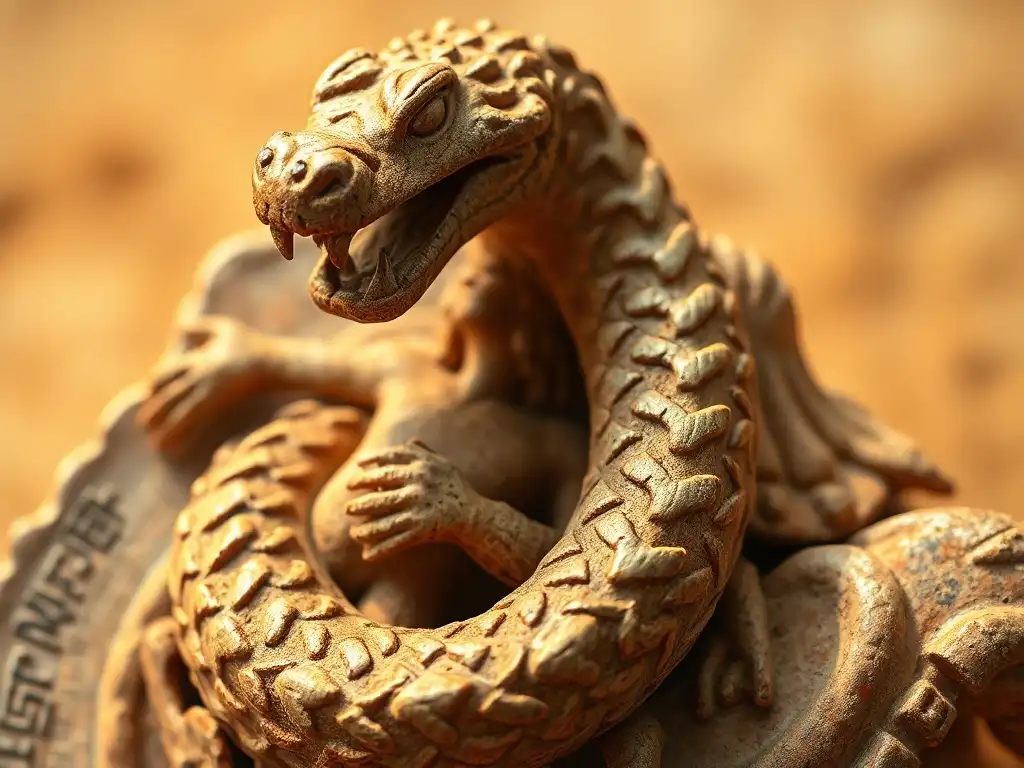
The Moche serpent god, a prominent figure in Moche iconography, wasn't merely a deity; it was a powerful symbol deeply intertwined with the social and political structures of the civilization. Its representation in art and artifacts reveals much about the Moche understanding of power, authority, and the relationship between the divine and the earthly realm. The serpent's pervasive presence suggests its importance in legitimizing the rule of the elite and reinforcing their control over resources and people.
The sheer scale and detail of many depictions, such as those found on monumental pottery and metalwork, emphasize the reverence and awe associated with this powerful being. The meticulous craftsmanship further underscores the significance the Moche placed on this symbol, reflecting the time and resources invested in its creation and the societal importance it held.
Furthermore, the consistent portrayal of the serpent god in contexts of ritual and sacrifice suggests its role in maintaining social order and ensuring the prosperity of the Moche state. Analyzing these depictions allows us to understand the intricate ways in which the Moche used religious symbolism to consolidate and maintain power.
The Serpent as a Symbol of Authority and Leadership
The Moche serpent god frequently appears in depictions alongside rulers or elite figures, visually connecting divine power with earthly authority. This association is not subtle; the serpent is often shown dominating or controlling other elements, reinforcing the idea of its supreme power. We see this in many examples of Moche pottery, where the serpent is depicted either directly above or intertwined with human figures, often in scenes that appear to be ritualistic or ceremonial.
The size and positioning of the serpent in these scenes consistently places it as the dominant figure, visually asserting its superiority. This visual hierarchy is crucial in understanding the Moche worldview; the serpent god's authority directly mirrors and legitimizes the authority of the Moche elite.
The serpent, therefore, becomes a visual manifestation of the divine right to rule, reinforcing the power structure and social order of the Moche civilization. 🐍 The careful placement and size of the serpent in relation to human figures is not random; it's a deliberate artistic choice that reflects the deeply embedded belief system of the Moche people.
The Serpent's Presence in Moche Elite Imagery
The Moche serpent god is not found randomly throughout their art; its presence is heavily concentrated in contexts associated with the Moche elite. Elaborate tombs, prestigious grave goods, and monumental architecture all feature prominent depictions of the serpent god. For instance, the intricate gold and silver ornaments found in elite burials often include serpent motifs, highlighting the connection between the serpent god and the afterlife, as well as the status of those buried with such artifacts.
This exclusivity suggests that the serpent god was not merely a public symbol, but a private symbol of power and prestige, reserved for the Moche elite. The use of precious metals in these depictions further emphasizes the importance and value placed upon the serpent god within the elite class. The careful curation and placement of these artifacts within elite contexts strongly implies a deliberate strategy to consolidate and maintain power through religious symbolism.
Comparative Analysis: Serpent Motifs in Other Andean Cultures
While the Moche serpent god is unique in its specific iconography, comparing it to serpent motifs in other Andean cultures offers valuable insights into the broader significance of this powerful symbol across different societies. The widespread use of serpent imagery in Andean art and religion suggests a shared understanding of the serpent as a powerful and potent force. However, the specific attributes and meanings associated with the serpent varied from culture to culture.
This comparison allows us to understand both the commonalities and the unique characteristics of the Moche serpent god within the broader context of Andean religious beliefs. A detailed comparative study could reveal the evolutionary trajectory of serpent symbolism and the cultural exchanges that shaped its development across the Andean region.
Contrasting Moche Serpent Symbolism with Chavín Serpent Symbolism
The Chavín culture, predating the Moche, also featured prominent serpent motifs in their art and religious practices. However, a comparison reveals significant differences in the portrayal and interpretation of the serpent. While both cultures utilized serpent imagery to represent power and the supernatural, the Chavín serpent often appears more abstract and intertwined with other mythical creatures, forming complex iconographic narratives.
In contrast, the Moche serpent god is typically depicted in a more realistic and dominant manner. These differences highlight the evolving interpretations of the serpent symbol over time and the unique cultural contexts in which they emerged. Further research is needed to fully understand the specific nuances of these differences and their implications for understanding the development of Andean religious beliefs.
Shared and Unique Aspects of Serpent Representations
Despite the variations in artistic style and cultural context, certain commonalities emerge in the representation of serpents across different Andean cultures. The association of the serpent with power, fertility, and the underworld seems to be a consistent theme. However, the specific attributes and roles assigned to the serpent varied considerably.
For example, while the Moche serpent god is often depicted as a powerful and sometimes aggressive figure, in some other Andean cultures, the serpent is portrayed as a more benevolent or nurturing deity. Understanding these shared and unique aspects allows for a more nuanced understanding of the complex and multifaceted role that serpent symbolism played in Andean societies. Further research into specific regional variations could reveal even more intricate details about the cultural significance of serpent representations across the vast Andean region.
Interpreting the Moche Serpent God: A Synthesis
The Moche Serpent God, a recurring motif in Moche art and iconography, presents a fascinating study in Andean symbolism. Interpreting its meaning requires a nuanced approach, considering the diverse contexts in which it appears. While a single, universally accepted interpretation remains elusive, scholars generally agree that the serpent represents a powerful force of nature, often associated with both creation and destruction, life and death.
The serpent's connection to water sources, crucial for Moche agriculture, is frequently highlighted in depictions showing the creature emerging from or controlling bodies of water. This underscores its role as a life-giving deity, vital for the prosperity of the Moche civilization. However, the serpent's association with powerful, sometimes destructive, natural forces, such as earthquakes and floods, also suggests a more ambivalent nature.
This duality is characteristic of many Andean deities who embody both benevolent and malevolent aspects. The Moche, adept at expressing complex ideas through art, likely understood the serpent god as a force to be both revered and respected, a potent symbol of the unpredictable power of the natural world. Further research, including detailed analysis of specific artifacts and their contexts, is crucial to deepen our understanding of this complex deity.
The Multifaceted Meaning of the Moche Serpent
The Moche serpent, far from being a monolithic symbol, possesses a remarkable complexity. Its multifaceted nature is revealed through careful examination of its various artistic representations. Sometimes depicted as a sleek, elegant creature, other times as a monstrous, multi-headed being, the serpent's form reflects the dynamism and changing nature of the forces it embodies.
The addition of other symbolic elements, such as feathers, fangs, and human-like features, further complicates and enriches the serpent's symbolic meaning. For example, the presence of feathers might suggest a connection to the sky and celestial powers, while fangs emphasize the serpent's predatory and potentially destructive nature. The incorporation of human-like features, such as a human face or hands, suggests a closer relationship between the divine and the human realm, potentially reflecting the serpent's role as a mediator between the two.
Analyzing these variations in artistic representations provides crucial insights into the evolving understanding of the serpent god within Moche society and its capacity for both creation and destruction. The serpent's form itself, therefore, acts as a visual narrative, conveying a wealth of information about the Moche worldview.
The Serpent God's Enduring Legacy in Andean Art and Thought
The Moche serpent god's influence extends far beyond the Moche civilization itself. Its imagery and symbolic resonance have been traced in the art and beliefs of later Andean cultures, showcasing its lasting impact on Andean thought. While the specific interpretations might have varied across different cultures and time periods, the serpent's fundamental association with power, transformation, and the forces of nature continued to hold significance.
The enduring presence of serpentine motifs in subsequent Andean artistic traditions suggests that the symbolic weight of the Moche serpent god resonated deeply within the Andean worldview. This continuity highlights the importance of understanding the Moche serpent god not only within its own cultural context but also within the broader framework of Andean religious and artistic traditions.
Further research into these later manifestations of the serpent motif could reveal further insights into the evolving understanding and adaptation of this powerful symbol throughout Andean history. The serpent's enduring legacy is a testament to its potent symbolism and its ability to transcend cultural boundaries and time periods.
Conclusion: The Enduring Power of the Moche Serpent Symbolism
The Moche serpent god, a complex and multifaceted symbol, offers a window into the rich religious beliefs and artistic practices of the Moche civilization. Its enduring legacy in subsequent Andean cultures underscores its profound significance within the Andean worldview. While the precise interpretations of its symbolism remain a subject of ongoing scholarly debate, the serpent's association with power, transformation, and the dynamic forces of nature is undeniable.
The diverse artistic representations of the serpent god, each reflecting subtle nuances in meaning, provide compelling evidence of the Moche's sophisticated understanding of the complex interplay between the human and divine realms. The study of the Moche serpent god, therefore, remains a crucial aspect of understanding Moche religion and its lasting influence on Andean culture.
Further investigation, incorporating interdisciplinary approaches and a more thorough analysis of existing artifacts, is necessary to unlock the full potential of this rich and enduring symbol. The Moche serpent god's symbolism continues to fascinate and inspire, reminding us of the enduring power of ancient Andean beliefs and their relevance to our understanding of the region's rich history.
- Introduction to Moche Religious Iconography
- Unveiling the Moche Serpent Deity
- The Significance of the Serpent in Moche Cosmology
- Transformation and Rebirth: The Serpent's Symbolic Role
- The Moche Serpent God and Power Dynamics
- Comparative Analysis: Serpent Motifs in Other Andean Cultures
- Interpreting the Moche Serpent God: A Synthesis
- Conclusion: The Enduring Power of the Moche Serpent Symbolism
Frequently Asked Questions
What is the significance of the Moche Serpent God?
The Moche Serpent God represents powerful forces of nature, particularly water and fertility, crucial for their agricultural society. Its imagery is linked to ritual, power, and transformation.
How is the Moche Serpent God depicted in art?
The Serpent God is typically depicted as a serpentine deity, often with feathered headdress, fangs, and human-like features. Its depictions are found in ceramics, metalwork, and murals.
What role did the Serpent God play in Moche society?
The Serpent God likely played a central role in Moche religion and ideology, embodying authority and control over natural resources. Its imagery was used to legitimize the power of the elite.
What does the symbolism of the Moche Serpent God's transformation represent?
The Serpent God's ability to shed its skin symbolizes renewal, rebirth, and the cyclical nature of life and death. It connects to agricultural cycles and the Moche worldview.
Where can I learn more about Moche Serpent God symbolism?
You can explore museum collections featuring Moche artifacts, academic journals, and books on Andean archaeology and Moche culture for more in-depth information on the Moche Serpent God's symbolism.
Final Reflection: The Enduring Legacy of the Moche Serpent God
The Moche Serpent God's intricate symbolism continues to resonate today, a powerful testament to the enduring human fascination with transformation and the cyclical nature of power. Its depiction, far from being a relic of a distant past, offers a compelling lens through which to examine our own contemporary struggles with authority, renewal, and the ever-shifting balance of nature. The very act of deciphering its meaning forces us to confront our own interpretations of power and its manifestations.
The Moche civilization's artistic expression, particularly the representation of the Serpent God, profoundly impacted subsequent Andean cultures and continues to inspire artists and scholars alike. Its influence is palpable in the enduring motifs found in Peruvian art and mythology, a testament to the enduring power of its symbolic language. The past is never dead. It's not even past.
- William Faulkner. This quote perfectly encapsulates the ongoing relevance of the Moche Serpent God, whose image and meaning continue to shape our understanding of ancient Andean societies and the human condition itself.
Consider, then, the multifaceted nature of the Serpent God. What aspects of its symbolism resonate most deeply with you? How might its representation of cyclical power and transformation inform your own understanding of leadership, change, and the delicate balance between destruction and creation? Let the legacy of the Moche Serpent God inspire you to explore the complexities of power, the inevitability of change, and the enduring strength found in embracing both the destructive and regenerative forces of life.
**Unveil the Power of Transformation! **
Thank you for exploring the fascinating world of the Moche Serpent God! We hope you discovered rich insights into the symbolism of transformation and power embodied by this remarkable figure. Now, let's put that inspiration into action!
Here are a few ways to further connect with this theme:
- **Reflect on personal transformation:** Consider a significant personal change you've undergone. Journal about it or share your experience with someone close to you.
- **Connect with others:** Join an online forum or social media group dedicated to Andean cultures to exchange ideas and learn from fellow enthusiasts.
- **Share your discoveries:** Forward this article to anyone who might appreciate the symbolism of the Moche Serpent God.
Which personal transformation best reflects the power and resilience of the Serpent God for you? We'd love to hear your thoughts in the comments!